School HVAC: Modernizing for Better IAQ

VRF HVAC system in a Hyderabad school with solar integration.

In India’s rapidly urbanizing landscape, schools face dual challenges: combating extreme heat and pollution while ensuring energy-efficient, healthy indoor environments. The pandemic underscored the urgency of HVAC modernization, not just for comfort but for student well-being. From Hyderabad to Hamburg, institutions are adopting innovative solutions tailored to local climates and budgets. This article explores strategies for upgrading school HVAC systems, blending Indian case studies with global best practices to guide professionals in creating sustainable, high-performance environments.

Why Indians Need School HVAC Upgrades Now

India’s diverse climate—from humid coastal regions to arid interiors—demands adaptable HVAC solutions. Many schools rely on outdated split ACs or natural ventilation, leading to inconsistent temperatures, poor air quality, and high energy costs. A 2023 study by the Indian Society of Heating, Refrigerating and Air Conditioning Engineers (ISHRAE) found that 65% of classrooms in metro cities exceed PM2.5 safety limits during peak pollution seasons.

For example, an international school in Hyderabad upgraded its HVAC system with variable refrigerant flow (VRF) technology, achieving a 32% reduction in power bills compared to traditional chilled water systems. The project’s cost-benefit analysis highlighted VRF’s zoning flexibility and lower maintenance, aligning with India’s Energy Conservation Building Code (ECBC). Such upgrades aren’t just about savings—they directly impact attendance and academic performance.

Balancing Cost and Performance in Retrofits

Indian schools often operate on tight budgets, making cost-effective retrofits critical. Pre-filters and fine filters (MERV 8–11) are gaining traction as they capture dust and pollen without straining existing infrastructure, unlike higher-grade MERV-13 or HEPA filters. A Chennai-based school reduced HVAC maintenance costs by 40% by installing washable pre-filters and upgrading duct insulation, complying with Bureau of Indian Standards (BIS) guidelines for indoor air quality.

Decentralized systems like ductless units or chilled beams are ideal for older buildings. A public school in Pune retrofitted 30 classrooms with inverter ACs and CO2 sensors, cutting energy use by 28% while maintaining thermal comfort as per National Building Code (NBC) standards.

Global Case Studies: Lessons for India

  1. Germany: A Berlin school integrated ground-source heat pumps with radiant cooling panels, achieving a 50% energy reduction. The €350,000 project was partly funded by EU green grants.
  2. Singapore: A high-rise school used displacement ventilation and solar chimneys to reduce cooling loads, adhering to Singapore’s Green Mark Certification.
  3. India: The Hyderabad international school project mentioned earlier serves as a benchmark for VRF adoption in high-ambient regions.

Smart Technologies for Indian Climates

IoT-enabled systems are revolutionizing HVAC management in India’s schools. For instance, a Bengaluru school deployed smart thermostats and AI-based load forecasting, reducing peak demand charges by 18%. Real-time air quality dashboards help staff monitor PM2.5 and CO2 levels, crucial during Delhi’s winter smog.

Humidity Control: Tackling Molds and Monsoons

In coastal cities like Mumbai, humidity fuels mold growth, exacerbating respiratory issues. A school in Kochi installed desiccant dehumidifiers paired with energy recovery ventilators (ERVs), maintaining 55% RH while cutting latent cooling loads by 35%. Such systems align with ASHRAE Standard 55 and ISHRAE’s climate-specific guidelines.

Funding and Local Incentives for School HVAC

India’s FAME-II scheme and state-level subsidies support energy-efficient upgrades. For example, a Jaipur school utilized Rajasthan’s Solar Energy Corporation subsidy to install solar-powered HVAC, achieving net-zero operations. Energy Service Company (ESCO) models allow schools to repay upgrades through saved utility bills, as seen in a Nagpur district school’s ₹2.1 crore retrofit.

Case Study: Hyderabad International School HVAC

Challenge: High energy costs from outdated chilled water systems.
Solution: VRF systems with zoning for classrooms, labs, and auditoriums.
Outcome:

  • 32% reduction in annual power bills (₹18 lakh saved).
  • Enhanced comfort with individual temperature control.
  • Compliance with ECBC and IGBC Green School standards.
    The client praised the project’s ROI analysis, which compared lifecycle costs of VRF vs. chilled water systems.

Future Trends: Adapting Global Innovations to India

  1. Hybrid Solar-VRF Systems: Combining solar PV with VRF to offset grid dependency.
  2. AI-Driven Predictive Maintenance: Minimizing downtime in resource-constrained schools.
  3. Low-GWP Refrigerants: Transitioning to R-32 or CO2-based systems under India’s HCFC phase-out plan.

FAQs: Addressing Indian HVAC Concerns

Q1: Are VRF systems suitable for North India’s extreme summers?
A: Yes! Inverter-driven VRF units maintain efficiency up to 48°C, ideal for Delhi or Rajasthan.

Q2: How do I handle HVAC costs in budget-constrained government schools?
A: Prioritize low-maintenance splits with BIS-certified filters. Explore ESCO models or MNRE subsidies.

Q3: What’s the ideal filter for dusty regions like Rajasthan?
A: Use pre-filters (MERV 8) paired with electrostatic filters—affordable and effective for coarse dust.

Q4: Can schools reuse wastewater for cooling towers?
A: Yes! A Coimbatore school reduced water use by 60% with treated greywater, following CPWD guidelines.

Q5: How to ensure HVAC hygiene in monsoon seasons?
A: Schedule biannual coil cleaning and install UV-C lights in drain pans to prevent microbial growth.

Q6: Is radiant cooling viable in Indian schools?
A: Yes, in dry climates. A Nashik school used radiant panels with desert coolers, cutting costs by 25%.

Disclosure: Some links in this article are affiliate links. These may generate a small commission at no extra cost to you, supporting our research. We never compromise editorial integrity for partnerships.

HVAC Challenges: Breaking Down for Practical Solutions in All Scenarios

Illustration of advanced HVAC systems across industries including commercial buildings, cleanrooms, data centers, and factories. Features smart thermostat, energy-efficient cooling technologies, AI-powered monitoring, solar panels, and wind turbines.

HVAC Challenges: Breaking Down for Practical Solutions in All Scenarios

HVAC systems are the backbone of comfort and safety across homes, offices, factories, and specialized facilities. Yet, professionals face a maze of challenges—from energy inefficiency in aging systems to maintaining sterile environments in labs. This article breaks down common HVAC hurdles and offers actionable solutions tailored to residential, commercial, and industrial scenarios. Whether you’re troubleshooting airflow imbalances or retrofitting systems for sustainability, this guide equips you with strategies to tackle problems head-on.

Understanding Common HVAC Challenges Across Industries

HVAC issues vary widely depending on the setting. In homes, uneven cooling and high utility bills dominate complaints. Offices struggle with balancing air quality across open floor plans, while factories face heat management near heavy machinery. High-stakes environments like labs and hospitals demand precision humidity control and contamination prevention. For example, a hospital in Southeast Asia reduced airborne infections by 22% after upgrading to HEPA filters with UV-C light integration.

Residential HVAC: Solving Everyday Comfort Issues

Uneven Temperature Distribution
Rooms feeling like different climates? Duct leaks or improper insulation are common culprits. Sealing gaps with mastic tape and adding attic insulation can balance airflow. Smart thermostats [like these] simplify zoning, allowing customized temperatures for each room.

High Energy Bills
Older systems guzzle energy. Solutions include replacing outdated units with ENERGY STAR-rated models (up to 20% savings), scheduling seasonal maintenance to clean coils and check refrigerant levels, and installing programmable thermostats to reduce runtime during off-peak hours. A retrofit project in Texas saw homeowners cut cooling costs by 35% after switching to a variable-speed heat pump.

Commercial HVAC: Balancing Air Quality and Efficiency

Open-plan offices, retail spaces, and restaurants need systems that handle high occupancy without spiking energy use. Challenges include meeting ASHRAE Standard 62.1 for indoor air quality (IAQ), using dampers to direct airflow to crowded areas, and addressing clogged filters that reduce efficiency by 15–20%. A café chain in Europe adopted demand-controlled ventilation (DCV), which adjusts airflow based on CO2 sensors, slashing energy use by 25%.

Industrial HVAC: Managing Extreme Conditions

Factories, warehouses, and chemical plants require robust systems to handle heat, fumes, and dust. Key challenges include spot cooling for welding stations or furnaces, using electrostatic precipitators to capture fine particles, and installing backup systems to prevent downtime during failures. A textile mill in India integrated evaporative cooling pads with IoT-enabled fans, reducing ambient temperatures by 8°C while adhering to ECBC 2017 guidelines.

Specialized Environments: Labs, Hospitals, and Data Centers

Labs and Cleanrooms
Precision is non-negotiable. ISO Class 5 cleanrooms need 40+ air changes per hour (ACH). Challenges include maintaining pressure differentials and filtering chemical vapors. A biotech startup achieved compliance by pairing laminar airflow hoods with redundant exhaust fans.

Hospitals
HVAC systems must prevent cross-contamination. Strategies include HEPA filters with 99.97% efficiency, negative-pressure isolation rooms, and UVGI systems to neutralize pathogens.

Data Centers
Cooling consumes 40% of energy. Liquid immersion cooling and hot/cold aisle containment are game-changers. A Midwest data center cut cooling costs by 50% using AI-driven chilled water pumps.

Retrofitting Older Systems for Modern Demands

Many buildings operate with outdated HVAC infrastructure. Retrofits can enhance performance without full replacements. Options include variable refrigerant flow (VRF) for buildings with shifting occupancy, energy recovery ventilators (ERVs) to recycle heat from exhaust air, and ductless mini-splits to solve zoning issues in historic homes. A 1980s office tower in Melbourne achieved LEED Gold certification after retrofitting with VRF and solar-assisted heat pumps.

Energy Efficiency and Sustainability Solutions

Smart HVAC Technologies
IoT sensors and AI algorithms optimize runtime and detect faults early. For instance, predictive maintenance tools alert technicians about failing components before breakdowns occur.

Renewable Integration
Solar-powered absorption chillers and geothermal heat pumps reduce reliance on grids. A factory in Sweden runs its HVAC entirely on wind energy, cutting carbon emissions by 90%.

Compliance with Standards
ASHRAE 90.1 and India’s ECBC mandate efficiency benchmarks. Incentives like tax credits for LEED-certified projects accelerate ROI.

Troubleshooting Frequent HVAC Problems

Common issues include short cycling (caused by oversized units), poor airflow (due to dirty filters or blocked ducts), and refrigerant leaks. Solutions include load calculations using Manual J software, regular inspections, and repairs per EPA Section 608 guidelines.

Case Studies: Real-World Problem-Solving

  • A mall in Dubai resolved humidity issues by installing desiccant dehumidifiers, improving customer comfort and reducing mold complaints.
  • A pharma plant met FDA GMP standards using ISO 7-rated filters and automated pressure controls, cutting contamination risks by 40%.

Future-Proofing HVAC Systems

Emerging trends include hydrogen-ready boilers, 3D-printed ducts to reduce waste, and grid-interactive systems that adjust usage during peak demand.

FAQs

1. How often should HVAC filters be replaced?
Every 1–3 months, depending on usage and filter type (e.g., fiberglass vs. HEPA).

2. Can smart thermostats work with older systems?
Yes, but they may require a C-wire adapter for power.

3. What’s the lifespan of a commercial HVAC unit?
15–20 years with proper maintenance.

4. How do I calculate cooling capacity for a server room?
Use ASHRAE’s heat load equations, factoring in server wattage and room size.

5. Are geothermal systems worth the upfront cost?
Yes—payback periods average 5–10 years via energy savings.

6. What’s the best way to reduce HVAC noise?
Install vibration dampers and acoustically lined ducts.

Disclaimer: Disclosure: Some links may earn us a commission at no extra cost to you.

Water Cooler: Choosing the Best Model for Your Home

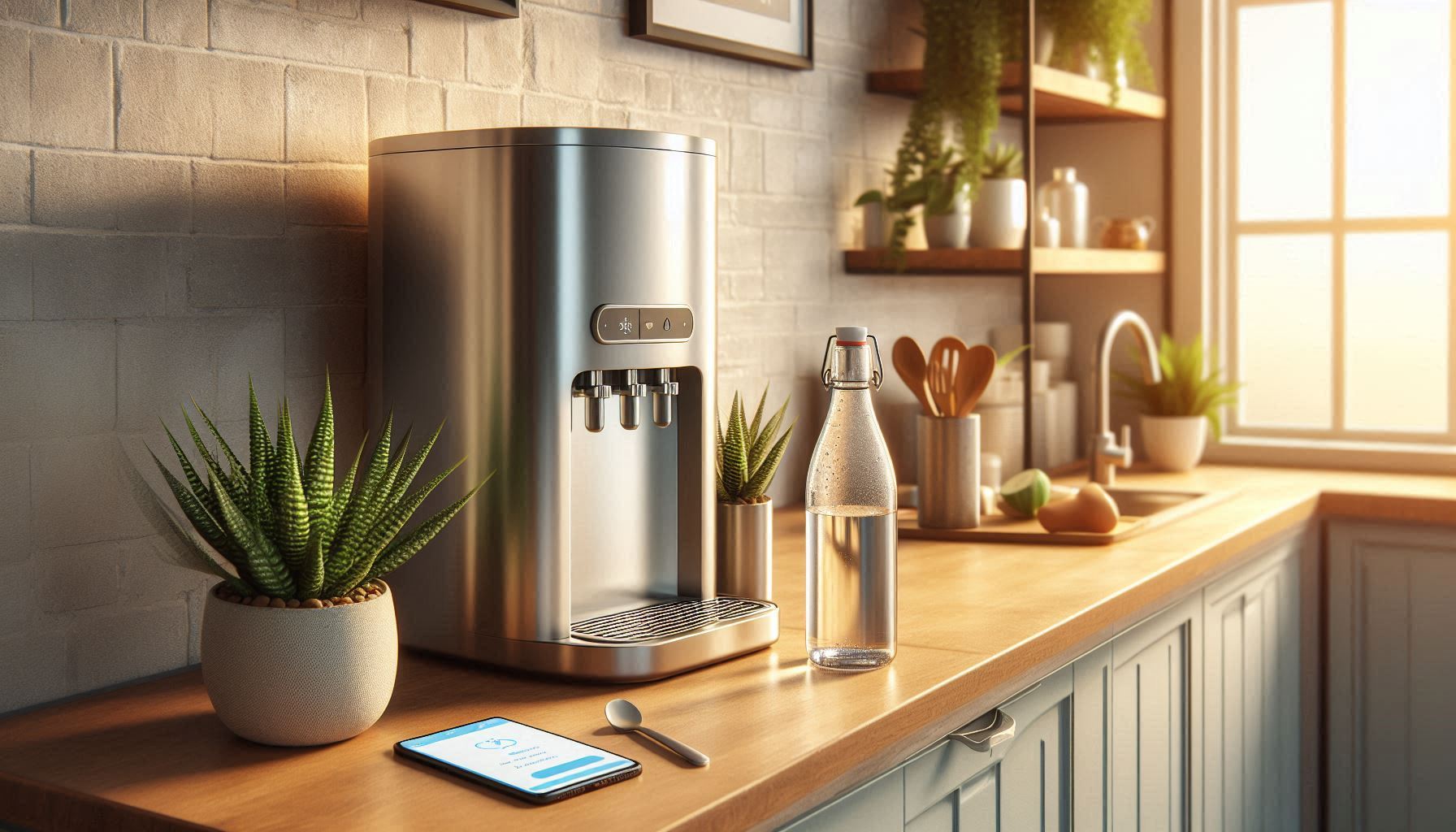
A stainless steel water cooler in a contemporary kitchen with hot/cold taps and a reusable glass bottle.

Water Cooler: Choosing the Best Model for Your Home
A reliable water cooler is no longer a luxury—it’s a necessity for modern households. With options ranging from compact countertop units to advanced filtration systems, selecting the right model can feel overwhelming. This guide cuts through the noise, offering actionable insights to help you balance budget, functionality, and sustainability. Whether you’re hydrating a family of four or optimizing a small apartment, discover how to make an informed choice that aligns with your lifestyle.

Types of Water Coolers: Breaking Down Your Options

Water coolers fall into four main categories, each catering to distinct needs. Countertop models are ideal for small spaces, requiring no installation. For budget-friendly options, brands like Rockwell offer sleek designs under ₹8,000. These units are portable but may lack advanced filtration. Under-sink systems provide built-in elegance, freeing up counter space. These often include multi-stage filters but demand professional setup.

Wall-mounted dispensers suit high-traffic homes, offering quick access without floor clutter. Bottom-loading coolers simplify bottle replacement, ideal for households with limited lifting capacity. For example, a family in Chennai reduced plastic waste by 80% after switching to a bottom-load cooler with a reusable glass bottle.

Key Features to Prioritize

1. Filtration Technology
Look for NSF-certified systems that remove contaminants like lead and chlorine. Reverse osmosis (RO) filters excel in areas with hard water but waste 3 liters for every 1 purified. Brands like Bluestar integrate RO + UV purification in models such as this energy-efficient system, which includes a remineralization stage for balanced pH.

2. Cooling/Heating Capacity
Households with kids often prefer hot-and-cold models. Ensure the cooler dispenses at least 2 liters/hour of hot water (85–95°C). Compressor-based units, like some Voltas models (see options), chill faster but consume more energy.

3. Energy Efficiency
Thermoelectric units use 0.5–1 kWh daily, better for eco-conscious homes. Check the BEE star rating—a 5-star model, such as Voltas’ high-efficiency cooler, can save ₹3,000 annually on bills.

4. Maintenance Needs
Self-cleaning modes and antimicrobial tanks reduce upkeep. For example, Rockwell’s countertop cooler features a silver-ion tank that inhibits bacterial growth.

Case Study: Solving Hard Water Challenges in Rajasthan

A Jaipur family struggled with limescale ruining appliances. Their tap water had 500 ppm TDS (total dissolved solids). They installed an RO + UV cooler with a remineralization filter, similar to Bluestar’s advanced system. Post-installation tests showed TDS at 150 ppm, and limescale buildup in kettles dropped by 90%.

Cost Analysis: Upfront vs. Long-Term Expenses

  • Basic Bottle Coolers: ₹5,000–₹10,000 (recurring bottle costs).
  • RO/UV Systems: ₹15,000–₹35,000 (e.g., Bluestar’s RO model at ₹22,000 with ₹4,000 filter costs over two years).
  • Smart Coolers: ₹25,000+ (Wi-Fi leak alerts).

Future Trends: Sustainability Meets Tech

  • Solar-Powered Coolers: Emerging models use 100W panels, cutting grid dependence by 70%.
  • AI Leak Detection: Brands like Voltas are testing sensors that alert users via app (explore).

DisclaimerSome links in this article are affiliate links, such as those for Amazon products. These may generate a small commission at no extra cost to you, supporting our research. We never compromise editorial integrity for partnerships.

India Semiconductor: Innovative for Cleanroom Tech for Growth

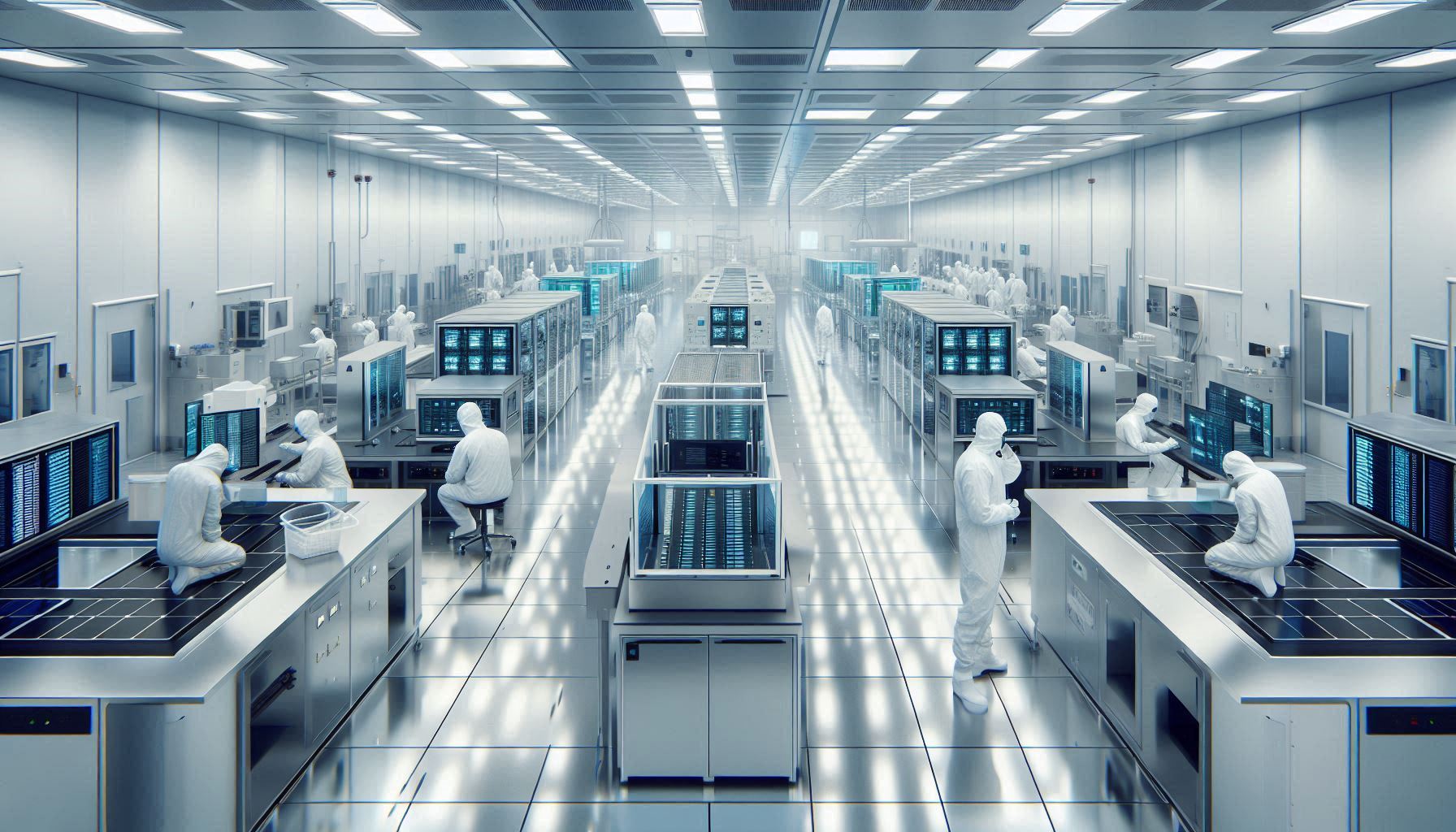
Semiconductor Cleanroom Zoning layout in a semiconductor manufacturing facility to control contamination.

India’s semiconductor industry is surging, driven by global demand for electronics and government initiatives like the Production-Linked Incentive (PLI) scheme. At the heart of this growth lies cleanroom technology—a field where Indian engineers and startups are breaking barriers to meet the ultra-sterile standards required for chip fabrication. From cost-effective modular designs to AI-driven contamination control, India’s innovations are reshaping how cleanrooms operate in resource-constrained environments. This article explores the strategies, challenges, and breakthroughs positioning India as a key player in India Semiconductor manufacturing.

Government Policies Fueling Cleanroom Innovation

India semiconductor ambitions hinge on creating world-class fabrication facilities (fabs), which demand Class 1 to Class 100 cleanrooms. Traditional cleanrooms consume massive energy and capital, making them impractical for India’s cost-sensitive market. To address this, the Indian Semiconductor Mission (ISM) has partnered with research institutes like IIT Bombay and the Centre for Materials for Electronics Technology (C-MET) to develop localized solutions.

One breakthrough is the Modular Cleanroom Pod, a prefabricated system reducing installation time by 60% compared to conventional builds. These pods use indigenous HEPA filters made from recycled materials, cutting costs by 35%. For instance, a startup in Bengaluru deployed these pods for a chip-packaging unit, achieving ISO Class 5 standards at half the price of imported systems.

Startups Redefining Contamination Control

Indian startups are leveraging AI and IoT to tackle cleanroom challenges. Pune-based CleanAir Tech developed a real-time particulate monitoring system using machine learning. Sensors track airborne particles as small as 0.1 microns, while predictive algorithms alert staff before contamination breaches occur. During a trial at a Gujarat semiconductor plant, the system reduced defect rates by 22% in three months.

Another innovator, NanoShield Solutions, created a graphene-coated air filtration membrane that lasts 3x longer than traditional filters. This material, patented by IISc researchers, neutralizes volatile organic compounds (VOCs) common in chemical-heavy semiconductor processes.

Case Study: Tata’s Dholera Fab and Sustainable Design

Tata Group’s upcoming $11 billion semiconductor fab in Dholera, Gujarat, exemplifies India’s cleanroom evolution. The facility will use a closed-loop water recycling system to minimize waste—a critical feature in water-scarce regions. Its cleanrooms integrate solar-powered air handling units (AHUs), reducing energy consumption by 40%.

Collaborating with Israeli firm PBS Veltek, Tata engineers designed vibration-resistant floors using recycled steel slag, a byproduct from local industries. This approach cuts construction costs while meeting the strict vibration tolerances (<2 microns/sec) needed for lithography machines.

Overcoming Humidity Challenges in Tropical Climates

High humidity in India’s coastal regions poses a major hurdle for cleanrooms, as moisture corrodes delicate equipment. To combat this, Hindustan Semiconductor partnered with Chennai’s CLRI to develop hydrophobic nanocoating for walls and ceilings. The coating repels moisture, maintaining relative humidity below 45% even during monsoon seasons.

In Kerala, a chip-testing facility uses dehumidifiers powered by biogas from agricultural waste—a dual solution for humidity control and rural energy access.

Training the Workforce: Skill Meets India Semiconductor Demands

Building cleanrooms is futile without skilled technicians. India’s Semicon India FutureSkills program trains over 10,000 technicians annually in cleanroom protocols, gowning procedures, and contamination control. Hybrid labs combine VR simulations (for gowning practice) with hands-on filter replacement drills.

A notable success is Mysuru’s SITAR Cleanroom Academy, which collaborates with Applied Materials Graduates receive globally recognized certifications, with 87% securing jobs at fabs like Micron’s Sanand unit.

The Road Ahead: AI and Quantum Leaps

Future Indian cleanrooms will rely on AI-driven “digital twins”—virtual replicas predicting airflow patterns or equipment failures. For example, Wipro’s Cleanroom 4.0 prototype uses digital twins to optimize air changes per hour (ACH), balancing sterility and energy use.

Quantum computing could revolutionize contamination modeling. Researchers at TIFR Mumbai are simulating particle dispersion at atomic levels, aiming to design cleanrooms with 99.9999% contamination-free zones.

Smart HVAC Systems: How to Protect in Data Centers

Split-view digital illustration showing smart HVAC systems on one side and cybersecurity elements protecting data centers on the other.

As data centers evolve into smarter, more interconnected ecosystems, the role of Smart HVAC systems has expanded beyond temperature control. Modern smart HVAC systems integrate with building automation networks, IoT sensors, and cloud platforms. These connections optimize energy efficiency and operational reliability. However, this connectivity introduces significant cybersecurity risks that could compromise not just climate control but the entire data center infrastructure. For professionals managing these systems, understanding emerging threats and adopting robust defenses is no longer optional—it’s a critical pillar of operational integrity.

The Growing Importance of Cybersecurity in Smart HVAC Systems

Smart HVAC systems in data centers rely on real-time data exchange between sensors, controllers, and centralized management platforms. These systems often use legacy protocols like BACnet or Modbus, which were not designed with modern cybersecurity threats in mind. Attackers can exploit vulnerabilities in these protocols to infiltrate networks, manipulate temperature settings, or even disrupt cooling operations entirely17. For example, a compromised HVAC system could overheat servers, leading to hardware failures or unplanned downtime—a nightmare scenario for data centers where uptime is paramount.

Recent incidents highlight the real-world consequences of lax security. For example, in 2021, hackers breached a U.S. water treatment plant and altered chemical levels via a supervisory control system. Similarly, ransomware gangs like Dark Angels have targeted building automation systems, causing millions in damages. These examples show why HVAC professionals must prioritize cybersecurity in system design and maintenance.

Common Threats Targeting Smart HVAC Infrastructure

1. Ransomware and Siegeware Attacks
Cybercriminals increasingly target HVAC systems as entry points for ransomware. In a “siegeware” attack, hackers take control of HVAC operations—such as disabling cooling or ventilation—and demand payment to restore functionality. For data centers, this could lead to catastrophic server failures or compliance violations if environmental conditions deviate from contractual SLAs.

2. Third-Party Vulnerabilities
HVAC systems often integrate with third-party vendors for maintenance or cloud analytics. Weak access controls or outdated firmware in these partnerships can create backdoors for attackers. The 2013 Target breach, which originated from an HVAC contractor’s compromised credentials, remains a cautionary tale1.

3. Legacy Systems and Unpatched Software
Many data centers still operate aging HVAC controllers lacking encryption or secure authentication. Unpatched vulnerabilities in these systems are low-hanging fruit for attackers. A 2016 attack on a Finnish smart building’s heating system, which left residents without heat in winter, stemmed from unaddressed flaws in automated controls.

4. Phishing and Social Engineering
Human error remains a top risk. Phishing campaigns targeting facility managers or technicians can lead to credential theft, granting attackers access to HVAC networks. For instance, a fraudulent email disguised as a vendor update could trick staff into installing malware.

Proactive Measures to Secure Smart HVAC Systems

Implement Network Segmentation
Isolate HVAC control networks from corporate IT systems to limit lateral movement during an attack27. Use firewalls and unidirectional gateways to enforce strict data flow policies, ensuring that even if one network is compromised, others remain protected.

Adopt Zero-Trust Architecture
Assume no user or device is inherently trustworthy. Require multi-factor authentication (MFA) for all access to HVAC management platforms, and enforce least-privilege access controls38. Regularly audit permissions to ensure contractors or former employees no longer have system access.

Prioritize Firmware Updates and Patch Management
Work with manufacturers that provide regular security patches and over-the-air (OTA) updates for HVAC controllers. For example, ecobee’s thermostats use cryptographically signed firmware to prevent tampering8. Schedule monthly maintenance windows to apply updates without disrupting operations.

Conduct Regular Vulnerability Assessments
Use tools like the NIST Cybersecurity Framework or Dragos’ OT-specific assessments to identify weak points in HVAC infrastructure. Penetration testing can simulate real-world attacks, revealing gaps in protocols like BACnet/IP or wireless sensor networks.

Educate Teams on Cyber Hygiene
Train staff to recognize phishing attempts, enforce strong password policies, and secure physical access to HVAC controllers. As Kode Labs emphasizes, user awareness is the first line of defense.

The Role of Emerging Technologies in Mitigating Risks

AI-Driven Anomaly Detection
Advanced systems now use machine learning to monitor HVAC performance metrics—like airflow rates or compressor cycles—for deviations that could indicate tampering. For example, Boston University’s smart HVAC uses heat sensors to detect occupancy anomalies, which could also flag unauthorized access attempts4.

Physics-Informed Dynamic Bayesian Networks (PIDBN)
Research published in Energy highlights PIDBN as a novel method to detect cyber-attacks by analyzing energy performance data. This approach embeds HVAC control models into probabilistic algorithms, enabling real-time detection of subtle anomalies often missed by traditional methods6.

Peer-to-Peer (P2P) Connectivity
To reduce reliance on vulnerable cloud servers, some systems now use P2P communication between IoT devices and user apps. This end-to-end encrypted approach, as seen in SOREL’s HVAC solutions, minimizes exposure to man-in-the-middle attacks.


Building Trust Through Transparency and Collaboration

Data center operators and HVAC providers must collaborate to address shared risks. This includes:

  • Vetting Manufacturers: Partner with companies like Copeland or Johnson Controls that prioritize data encryption and GDPR compliance.
  • Transparent Data Policies: Clearly explain how customer data—such as temperature logs or occupancy patterns—is stored and used. Avoid vendors that monetize user data without consent.
  • Incident Response Planning: Develop protocols for rapid containment, such as manual overrides for HVAC systems during a cyber incident.

Looking Ahead: The Future of Secure Smart HVAC

As IoT adoption grows, so will regulatory scrutiny. Standards like ISO/IEC 27001 and NIST’s Zero Trust guidelines are becoming benchmarks for HVAC cybersecurity. Proactive adoption of these frameworks, combined with emerging technologies like quantum-resistant encryption, will define the next generation of secure climate control systems.

For HVAC professionals, staying ahead means continuous learning. Engage with industry groups like InfraGard or ASHRAE to share insights on OT security and prioritize certifications in cybersecurity for industrial control systems. The stakes are high, but with vigilance and innovation, data centers can achieve both efficiency and resilience.