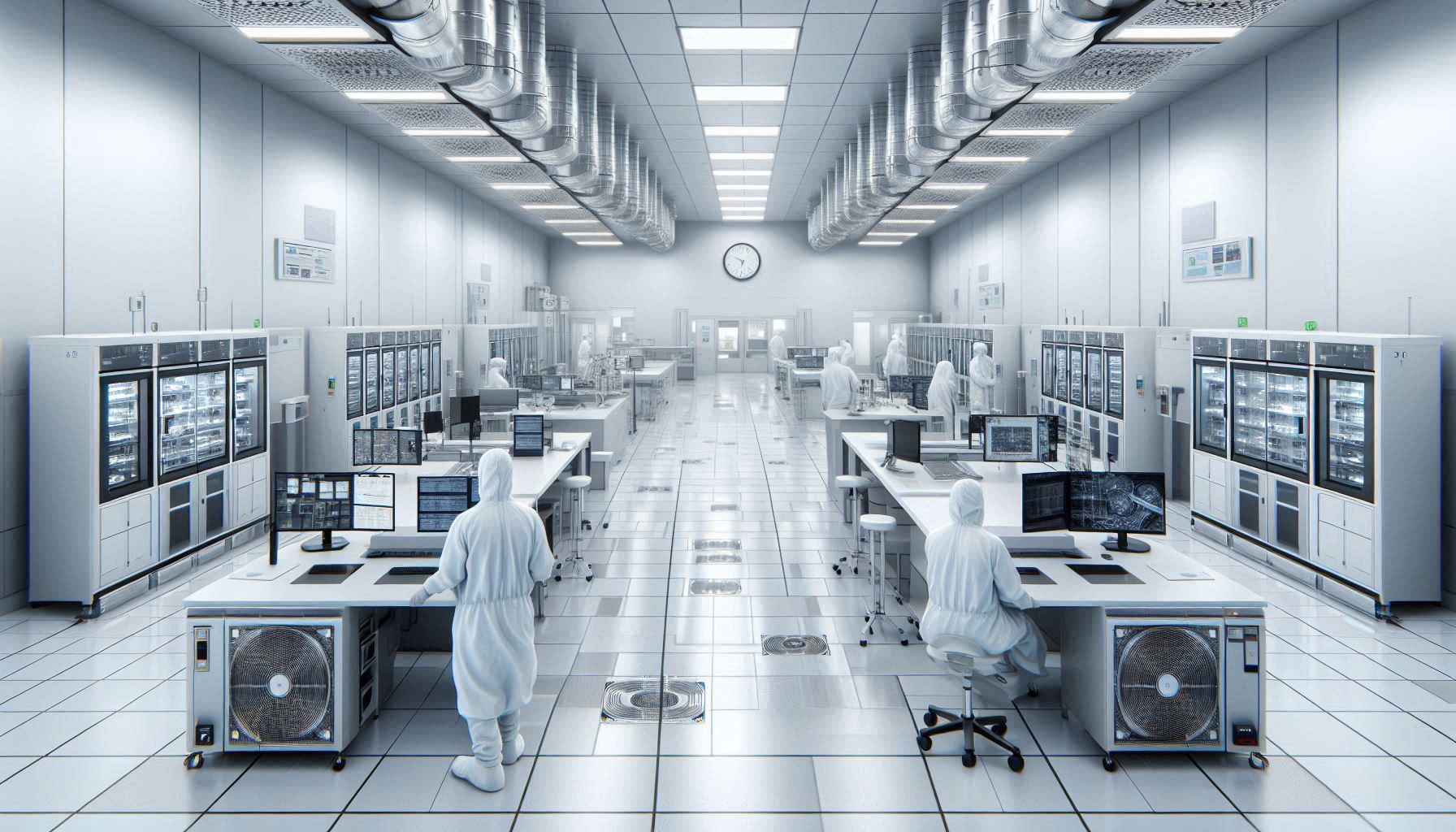
Innovations and Trends in the HVAC Industry
Introduction
The HVAC (Heating, Ventilation, and Air Conditioning) industry is experiencing a rapid transformation, driven by technology and a focus on energy efficiency and indoor comfort. With intelligent systems, AI, and automation, HVAC is evolving to revolutionize how we use heating and cooling. This article delves into HVAC trends, shedding light on tech integration for enhanced performance, eco-friendliness, and user experience.
Table of Contents
- Understanding Intelligent HVAC Systems
- AI’s Impact on HVAC Performance
- Technology’s Influence on HVAC
- Enhancing HVAC Systems: Suggestions
- Recent HVAC Innovations
- Emerging HVAC Trends in 2023
- Automation in the HVAC Industry
- The Future of HVAC Industry
- Adoption Timeline for HVAC Innovations
Understanding Intelligent HVAC Systems
An intelligent HVAC system represents a blend of modern tech with traditional heating and cooling solutions. Such systems use sensors, data analysis, and AI algorithms to adjust temperature, airflow, and humidity in real-time based on conditions and user preferences. The aim is efficient comfort and lower energy use.
These systems are dynamic learners, optimizing performance by adapting to usage patterns and climatic variations.
AI’s Impact on HVAC Performance
Artificial Intelligence emerges as a transformative force, revolutionizing the industry. By intricately analyzing sensor data, AI adeptly anticipates potential equipment malfunctions, consequently fine-tuning energy consumption and upholding optimal air quality. A notable application involves AI’s capability to forecast HVAC component failures, effectively curtailing downtime and repair needs. Furthermore, AI continuously evolves through historical data, refining operational settings to attain pinnacle efficiency and substantial energy conservation benefits.
Technology’s Influence on HVAC
Technology is reshaping HVAC. Smart thermostats learn preferences, and building automation systems manage HVAC seamlessly with lighting and security. IoT devices allow remote control, while advanced materials lead to more reliable systems.
Enhancing HVAC Systems: Suggestions
Practical Recommendations. Leveraging renewable energy sources, such as solar power, presents an opportunity to significantly reduce carbon footprints while promoting sustainability. Furthermore, implementing advanced filtration systems holds the potential to greatly improve indoor air quality, a critical factor, especially within hospital environments where health is paramount. By harnessing AI-driven predictive maintenance, the industry can proactively avert breakdowns, thereby guaranteeing uninterrupted and reliable HVAC services.
Recent HVAC Innovations
Recent HVAC innovations encompass various fronts. Hybrid cloud automation centralizes HVAC management across locations, saving energy. Smart HVAC systems are integrating AI for precise climate control and energy optimization. Ventilation tech is advancing with air purification and pathogen detection capabilities, crucial in today’s health-conscious climate. Sustainable refrigerants are replacing traditional ones for reduced environmental impact. Additionally, decentralized HVAC solutions are gaining ground for increased flexibility. These innovations collectively mark a significant leap in efficiency, health, and sustainability within the heating, ventilation, and air conditioning industry.
Emerging HVAC Trends in 2023
In 2023, the HVAC industry is witnessing several emerging trends. Geothermal systems are gaining traction for their energy efficiency and consistent performance. Solar-powered HVAC solutions are becoming more prevalent, reducing reliance on conventional energy sources. The shift towards green refrigeration technologies is driven by environmental concerns. Smart thermostats and IoT integration continue to evolve, enhancing user control and energy savings. These trends collectively reflect the industry’s focus on sustainability, technology integration, and eco-friendly innovations.
Automation in the HVAC Industry
Automation in the HVAC industry is revolutionizing operations. Smart sensors and AI-driven algorithms enable real-time monitoring and adjustment of temperature, airflow, and ventilation. Predictive maintenance algorithms identify issues before they escalate, reducing downtime and costs. Remote control and monitoring enhance efficiency and convenience. Automation optimizes energy consumption, improving sustainability. As technology advances, automation’s role will continue to grow, making HVAC systems more responsive, efficient, and aligned with the demands of modern smart buildings.
The Future of HVAC Industry
The future of the HVAC industry is poised for remarkable advancements. Energy efficiency will drive innovation, with smart thermostats, IoT integration, and predictive maintenance becoming commonplace. Sustainable refrigerants and green technologies will gain prominence, aligning with the global push for eco-friendly solutions. Automation and AI will optimize system performance, while modular designs will simplify installation and repairs. The industry’s future hinges on a greener, smarter, and more interconnected approach to heating, ventilation, and air conditioning.
Adoption Timeline for HVAC Innovations
The adoption timeline for HVAC innovations is dynamic. Near-term advancements like smart thermostats and IoT integration are already widely embraced. Mid-term adoption will see increased integration of AI for system optimization and predictive maintenance. Over the long term, sustainable refrigerants and green technologies will become standard, driven by environmental concerns. Modular designs and automation will gradually gain traction, streamlining installation and repairs. The timeline reflects a progressive shift towards energy-efficient, interconnected, and eco-conscious HVAC solutions.
Conclusion
HVAC’s evolution is powered by technology, enhancing performance and sustainability. With intelligent systems and AI, HVAC is becoming smarter, greener, and more efficient, catering to both user needs and environmental concerns.
FAQ
- Q: What are recent HVAC innovations?
- Q: How does technology influence HVAC?
- Q: What are 2023’s HVAC trends?
- Q: Will HVAC be automated?
- Q: Where is HVAC headed in the future?
- Q: When will HVAC innovations be widespread?
A: Recent innovations include hybrid cloud automation and modular clean rooms.
A: Technology improves HVAC efficiency, controls, and materials.
A: Trends include energy-efficient systems and smart controls, Geothermal heat pumps, Solar powered air conditioning & Green Refrigeration.
A: Automation with predictive adjustments is a growing trend.
A: HVAC focuses on energy efficiency, sustainability, and tech integration.
A: Adoption varies; as technology matures, adoption increases.
#HVACTechnology #AIinHVAC #SmartHVAC #SustainableHVAC #HVACInnovations #TechTrends #FutureofHVAC #EnergyEfficiency
The Impact of AI Prompt Engineering on Automation of HVAC System

The Impact of AI Prompt Engineering on Automation of HVAC
Introduction
The field of Heating, Ventilation, and Air Conditioning (HVAC) has witnessed significant advancements over the years, and one of the most transformative influences has been the integration of Artificial Intelligence (AI) into prompt engineering. AI’s ability to process vast amounts of data and make intelligent decisions has revolutionized the automation of HVAC systems, leading to increased energy efficiency, enhanced comfort, and reduced environmental impact. This article delves into the profound impact of AI prompt engineering on HVAC automation, exploring how it is reshaping the industry and addressing key challenges.
Table of Contents
- AI in HVAC Automation
- Enhanced Energy Efficiency
- Smart HVAC Controls
- Reducing Environmental Footprint
- Challenges and Opportunities
- FAQ
- Conclusion
AI in HVAC Automation
The integration of AI into HVAC systems has ushered in a new era of automation and control. Traditional HVAC systems often relied on fixed schedules and manual adjustments, leading to energy wastage and inconsistent comfort levels. With AI, sensors gather real-time data on factors like temperature, humidity, occupancy, and outdoor conditions. This data is then fed into AI algorithms that analyze patterns and make instant adjustments to HVAC settings.
This AI-driven automation ensures that HVAC systems are optimized for energy efficiency without compromising on comfort. For instance, AI can predict peak usage times and adjust cooling or heating in advance, reducing the strain on the system during high-demand periods. It can also adapt to climatic conditions, ensuring that the HVAC system operates optimally in varying weather scenarios.
Enhanced Energy Efficiency
One of the most significant advantages of AI prompt engineering in HVAC automation is the remarkable improvement in energy efficiency. Traditional HVAC systems often operated in a binary manner, where they were either on or off. This led to energy wastage as the systems consumed high amounts of energy to reach the desired temperature quickly.
AI-enabled HVAC systems, on the other hand, adopt a more nuanced approach. They continuously adjust settings based on real-time data, allowing them to operate at lower capacities during periods of low demand. AI algorithms optimize cooling and heating cycles, ensuring that energy consumption is minimized while maintaining optimal comfort levels. This not only reduces utility costs but also contributes to a significant reduction in carbon footprint.
Smart HVAC Controls
The marriage of AI and HVAC automation has given rise to intelligent control systems that learn and adapt over time. These smart controls utilize machine learning algorithms to understand user preferences and behavior patterns. As a result, the HVAC system can anticipate user needs and adjust settings accordingly.
For instance, in a commercial space, the HVAC system can learn the occupancy patterns of different areas and adjust the temperature and ventilation accordingly. In a residential setting, the system can learn when occupants are typically home and adjust the climate to ensure comfort upon arrival. This level of personalization not only enhances comfort but also ensures that energy is not wasted on maintaining unnecessary conditions.
Reducing Environmental Footprint
AI-driven HVAC automation plays a crucial role in addressing environmental challenges such as climate change and greenhouse gas emissions. Traditional HVAC systems often contributed to high energy consumption and subsequently high emissions. However, AI’s ability to optimize energy usage leads to a significant reduction in both energy consumption and emissions.
Additionally, AI algorithms can predict maintenance needs and system malfunctions, allowing for proactive repairs and preventing energy wastage due to inefficient systems. This predictive maintenance approach not only extends the lifespan of HVAC systems but also contributes to overall energy efficiency.
Challenges and Opportunities
While AI-driven HVAC automation presents numerous benefits, it also brings forth its own set of challenges. One challenge is the initial investment required for implementing AI technology and retrofitting existing HVAC systems. However, this investment is often outweighed by the long-term energy savings and improved operational efficiency.
Furthermore, there is a need for skilled professionals who understand both HVAC engineering and AI technologies. HVAC engineers need to collaborate with data scientists and AI experts to design and implement systems that maximize the potential of AI-driven automation.
FAQ:
- Q: What is the impact of AI technology within the HVAC industry?
- A: AI technology revolutionizes HVAC automation, optimizing energy usage and enhancing occupant comfort.
- Q: How can AI optimize HVAC systems in buildings?
- A: AI analyzes real-time data to tailor HVAC operation, adjusting settings based on occupancy, outdoor conditions, and historical data.
- Q: The impact of AI on engineering and automation of HVAC systems?
- A: AI enhances engineering processes, enabling accurate simulations and data-driven designs for efficient and adaptive HVAC systems.
- Q: AI for HVAC design?
- A: AI-driven simulations and modeling enhance HVAC design accuracy and customization, resulting in energy-efficient configurations.
- Q: AI for HVAC systems?
- A: AI continuously monitors data to adjust HVAC settings for optimal energy consumption and comfort.
- Q: AI HVAC troubleshooting?
- A: AI predicts maintenance needs, preventing breakdowns and extending HVAC equipment lifespan.
- Q: AI in building automation?
- A: AI optimizes interconnected building systems, enhancing energy efficiency and occupant comfort.
- Q: HVAC AI companies?
- A: Innovative companies develop AI-powered solutions for HVAC optimization and smart control.
- Q: How Artificial Intelligence has impacted engineering?
- A: AI has transformed engineering with improved design processes, accuracy, and data-driven decisions.
- Q: What is the impact of AI in automation?
- A: AI-driven automation enhances operational efficiency, energy savings, and real-time adaptability in various industries.
Conclusion
The integration of AI prompt engineering into HVAC automation marks a transformative leap for the industry. With enhanced energy efficiency, personalized comfort control, and reduced environmental impact, AI-driven systems are reshaping the way we approach heating, ventilation, and air conditioning. As technology continues to advance, the synergy between AI and HVAC is set to create a greener, more efficient future for both residential and commercial spaces.
By harnessing the power of AI, HVAC engineers and experts can pave the way for a sustainable and comfortable world, where automation is not just a convenience but a necessity for a better tomorrow.
Hashtags: #HVACAutomation #AIinHVAC #EnergyEfficiency #SmartControls #EnvironmentalImpact #HVACInnovation #SustainableHVAC
BTU Meter | Role, Types, Design, Installation, and More

BTU Meter | Role, Types, Design, Installation, and More
Explore the comprehensive guide to BTU meters, their significance, applications, types, working principle, design, installation, and more. Learn how BTU meters contribute to energy efficiency in various industries.
Table of Contents
- What Is a BTU Meter?
- The Role of BTU Meter
- Applications of BTU Meter
- Types of BTU Meter
- Why Use BTU Meter?
- How to Use BTU Meter
- Specifications of BTU Meter
- Advantages & Disadvantages of BTU Meter
- Working Principle of BTU Meter
- Components of BTU Meter
- Designing a BTU Meter
- Design Parameters of BTU Meter
- Calculating Capacity of BTU Meter
- How To Installing BTU Meter
- BMS Interface for BTU Meter
- Features of BTU Meter
- Electrical Scope of Works
- Testing, Adjusting & Balancing
- Manufacturers of BTU Meter
- Spare Parts for BTU Meter
- BTU Meter FAQ
- Conclusion
What Is a BTU Meter?
A BTU meter, short for British Thermal Unit meter, is a vital instrument in energy management systems that measures the heat or thermal energy generated or consumed in a fluid flow. This device plays a pivotal role in assessing energy usage, promoting efficiency, and optimizing processes in various applications.
The Role of BTU Meter
BTU meters serve as crucial tools in quantifying heating and cooling energy in systems such as HVAC, central heating plants, industrial processes, and more. They accurately measure the heat exchanged between fluids and provide essential data for energy management, billing, and system performance optimization.
Applications of BTU Meter
BTU meters find applications in various industries:
Types of BTU Meter
BTU meters come in a variety of types, each tailored to specific applications, including Ultrasonic and Electromagnetic models. These diverse options cater to different thermal energy measurement needs, enabling precise monitoring and optimization.
Inline BTU Meters: These meters are suitable for closed-loop systems and can be easily integrated into pipelines. They offer direct and continuous measurement of fluid flow and temperature.
Insertion BTU Meters: Installed by insertion into pipelines, these meters are ideal for retrofitting applications. They provide accurate measurements without interrupting the flow, making them suitable for existing systems.
Clamp-On BTU Meters: Non-intrusive by design, these meters are perfect for situations where cutting pipes is undesirable. They are applied externally to the pipe and measure flow and temperature differentials using advanced sensor technology.
Volumetric BTU Meters: These meters focus on measuring flow rates and temperature differentials to calculate energy consumption. They are well-suited for systems where understanding the flow dynamics is crucial.
Ultrasonic BTU Meters: Utilizing ultrasonic technology, these meters offer accurate and non-invasive measurements. They are particularly effective for fluids with low conductivity and are widely used in applications that demand precision.
Electromagnetic BTU Meters: These meters employ electromagnetic principles to measure fluid flow and are well-suited for conductive liquids. They offer high accuracy and reliability, making them valuable assets in various industries.
By understanding the various types of BTU meters available, industries can select the most appropriate model for their specific needs, ensuring optimal thermal energy measurement and efficient energy management.
Why Use BTU Meter?
The adoption of BTU meters offers several benefits:
- Precise Energy Measurement
- Accurate Billing and Allocation
- Energy and Cost Savings
- System Performance Optimization
- Environmental Sustainability
How to Use BTU Meter
Using a BTU meter involves the following steps:
- Install the BTU Meter in the appropriate location.
- Connect the temperature and flow sensors.
- Calibrate the BTU meter as per the manufacturer’s instructions.
- Monitor and record the energy consumption data.
Routine maintenance and calibration are imperative to ensure precise measurements.
Specifications of BTU Meter
When selecting a BTU meter, consider these specifications:
- Flow Measurement Range
- Temperature Measurement Range
- Accuracy
- Communication Protocols
- Data Logging Capabilities
Advantages and Disadvantages of BTU Meter
Advantages:
- Precise Energy Monitoring
- Transparent Billing
- Energy and Cost Savings
- Efficient System Management
Disadvantages:
- Initial Investment
- Installation Complexity
- Maintenance Requirements
Working Principle of BTU Meter
The BTU meter operates on the principle of the heat exchange equation, Q = mcΔT, where Q is the heat energy, m is the mass flow rate, c is the specific heat, and ΔT is the temperature difference. By measuring flow rates and temperature differentials, the BTU meter calculates the heat energy exchanged.
Components of BTU Meter
A typical BTU meter comprises:
- Flow Sensors
- Temperature Sensors
- Calculating Unit
- Display Unit
Designing a BTU Meter
The design of a BTU meter involves:
- Selecting Suitable Flow and Temperature Sensors
- Choosing the Calculation Method
- Integrating Communication Interfaces
Design Parameters of BTU Meter
Key design parameters include:
- Fluid Properties
- Flow Sensor Accuracy
- Temperature Sensor Calibration
- Heat Exchange Calculation Method
Calculating Capacity of BTU Meter
To calculate the heat energy capacity, use the formula:
Energy (BTU) = Mass Flow Rate (lb/h) x Specific Heat (BTU/lb°F) x Temperature Difference (°F)
How To Installing a BTU Meter
The installation process involves:
- Selecting an Appropriate Location
- Mounting Flow and Temperature Sensors
- Connecting the Meter to the System
- Ensuring Proper Insulation
BMS Interface for BTU Meter
In the dynamic realm of energy management and building optimization, the integration of a Building Management System (BMS) with a BTU meter has emerged as a powerful synergy that revolutionizes energy monitoring and control. This integration not only enhances efficiency but also contributes significantly to sustainable practices across various applications.
A Building Management System, commonly known as a Building Automation System (BAS), serves as the central hub for orchestrating a building’s operational functions. It seamlessly coordinates HVAC, lighting, security, and other essential systems to ensure smooth operations. The integration of a BTU meter with the BMS interface adds a new dimension by providing comprehensive insights into energy consumption patterns in real-time.
Communication Methodology: The BMS interface for BTU meters relies on robust communication protocols, including BACnet®, MODBUS®, LonWorks®, Johnson Controls-N2®, and Siemens-P1® interface cards, to establish a seamless connection between the two systems. These industry-standard protocols enable secure and efficient data exchange, allowing the BMS to retrieve energy consumption data, monitor trends, and optimize energy usage based on real-time information from the BTU meter.
By harnessing this integrated approach, facility managers gain a granular understanding of how energy is being utilized within a building. This insight empowers them to identify inefficiencies, implement targeted improvements, and make data-driven decisions that align with energy conservation goals. The BMS interface not only enhances the operational efficiency of HVAC systems but also contributes to the overall sustainability of the building.
The integration of a BMS interface with a BTU meter, facilitated by recognized communication protocols, brings the advantage of centralized control and data-driven insights, creating a harmonious synergy that paves the way for smarter, more energy-efficient buildings.
Features of BTU Meter
A BTU meter is a versatile instrument equipped with a range of features that empower industries and businesses to effectively manage energy consumption and optimize processes. These features make BTU meters invaluable tools for various applications, contributing to energy efficiency, accurate billing, and sustainable practices.
Accurate Energy Measurement: One of the standout features of BTU meters is their ability to precisely measure thermal energy exchange. By accurately quantifying the heat transferred between fluids, BTU meters provide reliable data for energy consumption analysis. This accuracy translates into informed decision-making and targeted energy-saving strategies.
Flow and Temperature Sensors: BTU meters come equipped with high-quality flow and temperature sensors. These sensors work in tandem to capture the flow rate of the fluid and the temperature differential across the system. This data is essential for calculating the heat energy exchanged, enabling users to gain insights into energy usage patterns.
Data Logging and Communication: Modern BTU meters are designed with data logging capabilities, allowing them to record energy consumption data over time. Additionally, these meters often feature communication interfaces such as BACnet®, MODBUS®, or LonWorks®, enabling seamless integration with Building Management Systems (BMS) for real-time monitoring and control.
Multi-Application Versatility: BTU meters find application in diverse industries, ranging from HVAC systems in commercial buildings to industrial processes and district heating networks. This versatility stems from their adaptability to various fluids and flow rates, making them suitable for a wide array of thermal energy measurement tasks.
Cost Allocation and Billing: BTU meters play a crucial role in accurately allocating energy costs in shared heating and cooling systems. Whether in multi-unit residential complexes or commercial properties, these meters enable fair and transparent energy billing based on actual consumption.
Real-Time Monitoring and Alerts: Advanced BTU meters offer real-time monitoring capabilities, allowing users to track energy usage patterns as they unfold. In addition, these meters can be programmed to generate alerts or notifications when specific energy thresholds are exceeded, aiding in proactive maintenance and troubleshooting.
These features collectively make BTU meters indispensable tools for industries and facilities aiming to enhance energy efficiency, promote sustainability, and streamline their energy management practices.
Electrical Scope of Works for BTU Meter
The electrical scope includes:
- Wiring Temperature and Flow Sensors
- Connecting the Calculating and Display Units
- Integrating Communication Protocols
Testing, Adjusting & Balancing for BTU Meter
Testing involves:
- Calibrating Temperature and Flow Sensors
- Verifying Calculated Values
- Adjusting for Accuracy
- Conducting Balancing Tests
Manufacturers of BTU Meter
Leading BTU meter manufacturers include:
- Honeywell
- Siemens
- Kamstrup
- Belimo
- Danfoss
Spare Parts for BTU Meter
Common spare parts include:
- Flow and Temperature Sensors
- Display Units
- Communication Modules
- Calibration Kits
BTU Meter FAQ
-
What is a BTU meter for chilled water?
-
What is the working principle of a BTU meter?
-
How is a BTU meter used in HVAC systems?
-
How do BTU meters function?
-
How to read a BTU meter?
-
How much does a BTU meter cost?
-
What is the unit of measure for BTU?
-
What are the metric units for BTU?
-
How to install a BTU meter?
-
What does BTU measurement involve?
A BTU meter for chilled water measures thermal energy exchange in cooling systems, providing data for energy management.
A BTU meter measures energy by calculating the flow rate, temperature differential, and specific heat of a fluid.
BTU meters measure heat exchange in HVAC systems, optimizing efficiency and aiding informed decisions.
BTU meters calculate thermal energy transferred using flow rate and temperature differential.
Reading a BTU meter involves interpreting flow rate, temperature differential, and energy exchanged.
BTU meter cost varies based on type, features, and can range from Rs.10000 to a few thousand rupees.
BTU, or British Thermal Unit, measures thermal energy; 1 BTU ≈ 1055.06 joules.
Metric units include joules (J) and kilowatt-hours (kWh), where 1 kWh ≈ 3,412 BTUs.
Install by positioning it in the flow path, aligning sensors, wiring, and calibrating per guidelines.
BTU measurement accurately quantifies thermal energy exchanged, crucial for energy management.
Conclusion
BTU meters play a vital role in energy management and efficiency across diverse industries. By accurately measuring thermal energy exchange, these devices enable precise billing, cost savings, and improved system performance. Despite initial investments and maintenance needs, the advantages of BTU meters contribute significantly to sustainability and energy optimization in the modern world.
Hashtags: #EnergyEfficiency #BTUMeter #HeatMeasurement #EnergyManagement #SustainableIndustries #GreenTechnology #HVAC #EnergyOptimization #IndustrialProcesses
Kitchen Exhaust Systems in HVAC | Design, Operation, and Benefits

Kitchen Exhaust Systems in HVAC | Design, Operation, and Benefits
Introduction
Kitchen Exhaust Systems play a pivotal role in maintaining air quality, safety, and comfort in commercial and residential spaces. In the HVAC realm, these systems are vital components that cater specifically to the unique requirements of kitchens. From restaurants to hospitals, understanding the significance, types, operation, and design of Kitchen Exhaust Systems is essential. In this article, we delve into the depths of these systems, their benefits, design considerations, and much more.
Table of Contents
What is a Kitchen Exhaust System?
A Kitchen Exhaust System, a crucial component of HVAC systems, is designed to remove smoke, grease, odors, and heat generated during cooking processes. It comprises a network of ducts, fans, and hoods that extract polluted air from the kitchen environment and release it outdoors or treat it using filtration systems. This system not only enhances indoor air quality but also maintains a safe and comfortable working environment for chefs and staff.
The Role of Kitchen Exhaust Systems
Kitchen Exhaust Systems serve a dual purpose: improving air quality and ensuring fire safety. As kitchens are high-activity areas where cooking emissions can accumulate quickly, these systems help prevent the buildup of harmful pollutants. Moreover, they prevent the risk of grease fires by capturing and containing grease particles, preventing them from reaching flammable surfaces.
Common Applications of Kitchen Exhaust Systems
Kitchen Exhaust Systems find their indispensable role in a wide array of applications, ensuring a healthier and safer environment in various settings. Here are some of the common areas where these systems are extensively utilized:
- Restaurants and Cafeterias:
- Hospitals and Healthcare Facilities:
- Hotels and Hospitality Industry:
- Industrial Kitchens and Factories:
- Residential Kitchens:
In bustling restaurants and cafeterias, where a myriad of culinary delights is prepared daily, Kitchen Exhaust Systems come into play. These systems effectively remove cooking fumes, smoke, and odors, creating a comfortable dining atmosphere for patrons and a conducive workspace for chefs.
Healthcare institutions rely on stringent hygiene and air quality standards. Kitchen Exhaust Systems are paramount in maintaining these standards by swiftly eliminating cooking byproducts and preventing their spread to patient areas.
Hotels, with their diverse culinary offerings and kitchens that operate round the clock, rely on these systems to ensure that cooking emissions don’t permeate guest rooms, maintaining a pleasant guest experience.
Industries engaged in large-scale food production or processing, such as factories and industrial kitchens, require robust exhaust systems to manage the significant cooking emissions generated efficiently.
Even in homes, especially those with advanced cooking setups, Kitchen Exhaust Systems are valuable in preventing grease buildup and maintaining indoor air quality.
In essence, Kitchen Exhaust Systems are an integral part of various sectors where cooking activities take place. They contribute to a healthier, more comfortable environment and aid in complying with health and safety regulations.
Types of Kitchen Exhaust Systems
Kitchen Exhaust Systems come in various types, each designed to cater to specific needs and cooking environments. Understanding these types can help in choosing the most suitable system for a given setting. Here are the main types of Kitchen Exhaust Systems:
- Type 1:
- Type 2:
This type of system is engineered to handle heavy-duty cooking environments commonly found in commercial kitchens. It effectively removes heat, grease-laden vapors, and smoke generated by high-volume cooking processes. A robust exhaust system with thorough filtration is essential to prevent grease buildup and maintain air quality.
In spaces with lighter cooking activities, such as coffee shops or facilities with minimal frying, Type 2 Kitchen Exhaust Systems are employed. These systems primarily focus on removing heat and steam from the cooking area, enhancing comfort for kitchen staff and maintaining a cleaner environment.
The choice between these types depends on the intensity of cooking activities and the specific requirements of the establishment. Restaurants with extensive cooking processes might opt for Type 1 systems, while cafes or bakeries could find Type 2 systems more appropriate. Overall, understanding the types of Kitchen Exhaust Systems allows for a tailored solution that meets both regulatory standards and the needs of the cooking environment.
The Necessity of Kitchen Exhaust Systems
Kitchen Exhaust Systems are not merely an option but a fundamental necessity in environments where cooking takes place. The importance of these systems can be understood through various lenses:
- Health and Indoor Air Quality:
- Safety and Fire Prevention:
- Regulatory Compliance:
Cooking processes release a mixture of particles, vapors, and odors that, if left uncontrolled, can lead to poor indoor air quality. These pollutants include grease particles, volatile organic compounds (VOCs), and carbon monoxide. By swiftly extracting and filtering these contaminants, Kitchen Exhaust Systems enhance indoor air quality, creating a healthier environment for occupants.
The accumulation of grease particles within a kitchen space poses a serious fire hazard. These particles can ignite and spread flames rapidly, endangering both occupants and the establishment. Kitchen Exhaust Systems play a pivotal role in capturing grease particles before they settle on surfaces and pose a fire risk. Properly designed systems prevent the potential catastrophic consequences of uncontrolled fires.
Many local and international building codes, including those set by organizations like NFPA (National Fire Protection Association) and local health departments, mandate the installation of Kitchen Exhaust Systems in commercial kitchens. Compliance with these codes is not only a legal requirement but also ensures the safety of everyone in the vicinity.
In summary, the necessity of Kitchen Exhaust Systems lies in their ability to safeguard health, prevent fires, and adhere to regulatory standards. By effectively managing pollutants and maintaining a safe environment, these systems contribute significantly to the overall well-being of occupants and the longevity of the establishment.
Operation of Kitchen Exhaust Systems
These systems operate through exhaust hoods strategically placed over cooking appliances. Fans create negative pressure, pulling air into the hood. The air then passes through filters to capture grease particles before being expelled outside or recirculated after filtration.
The Working Principle
Kitchen Exhaust Systems employ the principles of air movement, filtration, and ventilation. The exhaust hood captures pollutants, while fans create airflow. Filtration systems trap grease and particulate matter, ensuring only clean air is released.
Pros and Cons
Kitchen Exhaust Systems offer a range of benefits and drawbacks, making it essential to weigh their advantages against potential disadvantages before installation:
- Pros:
Enhanced Indoor Air Quality: One of the primary benefits of these systems is their ability to remove cooking-related pollutants promptly. By expelling grease, smoke, and odors, they improve the overall indoor air quality, creating a more comfortable and healthier environment.
Fire Safety: Kitchen fires, often ignited by accumulated grease particles, pose a significant threat. Exhaust systems mitigate this risk by capturing grease before it settles, reducing the potential for a fire hazard.
Compliance: Kitchen Exhaust Systems are often required by building codes and regulations. Installing these systems ensures adherence to these standards, preventing potential legal issues and penalties.
- Cons:
Energy Consumption: Operating exhaust fans and systems requires energy, contributing to operational costs. This energy consumption can add up over time, impacting the establishment’s utility bills.
Maintenance Requirements: Kitchen Exhaust Systems necessitate regular maintenance to ensure optimal performance. Filters, fans, and ducts must be cleaned and inspected regularly, which could translate to additional operational costs.
Noise Generation: The operation of exhaust fans can contribute to noise levels in the kitchen area. While modern systems aim to minimize noise, it’s still a consideration, particularly in settings where noise sensitivity is a concern.
Ultimately, the advantages of Kitchen Exhaust Systems in terms of improved air quality, safety, and compliance are balanced against the drawbacks of energy consumption, maintenance demands, and potential noise. Careful consideration of these factors is crucial in making an informed decision regarding the installation of these systems.
Components of Kitchen Exhaust Systems
Kitchen Exhaust Systems comprise several essential components working in tandem to ensure efficient removal of pollutants and maintenance of a safe and comfortable cooking environment. These components include:
- Exhaust Hoods:
- Ductwork:
- Fans:
- Filters:
These hoods are strategically placed over cooking appliances to capture and contain cooking emissions. They are designed to effectively collect smoke, grease particles, and steam at their source.
Ducts play a critical role in transporting polluted air from the cooking area to the exterior or through a filtration system. Properly sized and designed ducts ensure smooth airflow and efficient pollutant removal.
Fans create negative pressure within the system, facilitating the movement of air from the cooking area to the exhaust point. These fans vary in size and capacity based on the cooking environment and the volume of pollutants generated.
Filters are an integral part of Kitchen Exhaust Systems. They capture and remove grease particles, smoke, and other contaminants from the extracted air. These filters need regular cleaning and replacement to maintain optimal efficiency.
These components work together seamlessly to prevent the buildup of pollutants, ensure fire safety, and improve indoor air quality. Each component’s design, size, and compatibility with the others are critical factors in creating a functional and effective Kitchen Exhaust System.
Design Considerations
Designing an effective Kitchen Exhaust System requires meticulous planning and consideration of various factors to ensure optimal performance and compliance with safety and regulatory standards. Some key design considerations include:
- Airflow Requirements:
- Hood Sizing and Placement:
- Filtration Systems:
- Duct Material and Dimensions:
- Fan Selection:
Determining the required airflow rate is crucial for effective pollutant removal. Factors like the size of the cooking area, the type of cooking equipment, and the cooking volume influence the necessary airflow.
Proper sizing and strategic placement of exhaust hoods are essential for capturing pollutants efficiently. Hoods should cover the cooking appliance adequately to prevent emissions from escaping.
Selecting the right filtration system is critical for maintaining air quality. The choice of filters depends on the types of pollutants generated, such as grease or smoke. Regular maintenance and replacement of filters are vital for consistent performance.
The material and dimensions of ductwork impact airflow efficiency and the prevention of grease buildup. Larger ducts with smoother interiors minimize resistance and allow for efficient air movement.
Choosing the appropriate fan size and capacity ensures that the system generates adequate negative pressure for pollutant extraction. Fans should be matched to the system’s airflow requirements.
By carefully considering these aspects during the design phase, Kitchen Exhaust Systems can be tailored to the specific needs of the cooking environment, providing optimal pollutant capture and maintaining a safe and comfortable atmosphere.
Design Parameters
When designing a Kitchen Exhaust System, several critical parameters need careful consideration to ensure efficient pollutant removal, compliance with safety standards, and overall system effectiveness. Here are key design parameters to keep in mind:
- Layout of Cooking Equipment:
- Air Changes per Hour (ACPH):
- Duct Material and Dimensions:
- Filtration System:
- Exhaust Fan Capacity:
- Hood Design and Placement:
- Code Compliance:
The arrangement of cooking appliances significantly impacts the dispersion of pollutants. Strategic placement of exhaust hoods over each appliance ensures effective pollutant capture right at the source.
Determining the required number of air changes per hour is essential for maintaining indoor air quality. Factors such as the type of cuisine, cooking intensity, and kitchen size influence the necessary ventilation rates.
The choice of duct material and its dimensions have a direct impact on airflow resistance and overall system efficiency. Properly sized ducts with smooth interiors help maintain consistent airflow.
Selecting appropriate filtration systems is crucial for removing grease particles, smoke, and other pollutants from the extracted air. Filters need to be matched to the types of pollutants generated for effective cleaning.
Proper sizing of exhaust fans is essential to create the negative pressure required for efficient pollutant extraction. Fan capacity should be aligned with the system’s airflow needs.
Hood sizing and placement play a vital role in capturing cooking emissions. Hoods should be appropriately sized for each cooking appliance and positioned to prevent pollutants from escaping.
Adhering to local building codes and standards is a non-negotiable aspect of system design. Regulations often dictate minimum ventilation rates, fire suppression system requirements, and more.
By factoring in these design parameters, Kitchen Exhaust Systems can be tailored to suit the specific cooking environment, ensuring optimal indoor air quality, safety, and adherence to relevant regulations.
Calculating System Capacity
Determining the appropriate capacity of a Kitchen Exhaust System is crucial to ensure effective pollutant removal and maintain a safe and comfortable cooking environment. Several factors influence the calculation of system capacity:
- Cooking Volume and Intensity:
- Cooking Equipment:
- Air Changes per Hour (ACPH):
- Kitchen Size and Layout:
- Hood Performance:
- Filtration Efficiency:
The amount and type of cooking conducted play a significant role in estimating the system’s capacity. High-volume commercial kitchens require more powerful exhaust systems to handle the greater emissions generated.
Different cooking appliances release varying levels of pollutants. Equipment like grills and deep fryers produce more grease and smoke, necessitating a higher system capacity.
Determining the required number of air changes per hour is crucial. A higher ACPH is needed in kitchens with intense cooking activities to effectively remove pollutants and maintain air quality.
The size and layout of the kitchen impact the dispersion of pollutants. A larger kitchen may require more exhaust points and higher capacity to ensure comprehensive pollutant capture.
The performance of exhaust hoods, including capture efficiency and containment, affects the required system capacity. Efficient hoods minimize pollutants escaping into the kitchen area.
The type and efficiency of filtration systems impact system capacity. Highly efficient filters can handle higher pollutant loads, ensuring cleaner air.
By considering these factors, designers can accurately calculate the required system capacity, leading to a well-designed Kitchen Exhaust System that effectively removes pollutants and promotes a safe and pleasant cooking environment.
Codes and Standards
Kitchen Exhaust Systems are subject to various codes and standards that outline the requirements for design, installation, and operation. Adhering to these codes is essential to ensure the safety of occupants, prevent fire hazards, and maintain indoor air quality. Here are some key codes and standards that apply:
- NFPA 96:
- ASHRAE Standard 154:
- Local Building Codes:
This standard, published by the National Fire Protection Association, focuses on ventilation control and fire protection for commercial cooking operations. It provides guidelines for the design, installation, operation, and maintenance of Kitchen Exhaust Systems to mitigate fire risks.
Published by the American Society of Heating, Refrigerating and Air Conditioning Engineers (ASHRAE), this standard addresses ventilation for commercial cooking operations. It offers recommendations for ventilation rates, hood design, and pollutant removal to ensure indoor air quality.
Many local jurisdictions have specific building codes that regulate Kitchen Exhaust Systems. These codes often dictate ventilation rates, duct insulation, and fire suppression requirements to ensure the safety of occupants and nearby structures.
Latest Technological Advancements
- Demand-Controlled Ventilation:
- Ultraviolet (UV) Filtration:
- Smart Monitoring and Analytics:
- Energy Recovery Systems:
- Advanced Filtration Media:
Advanced sensors and controls allow Kitchen Exhaust Systems to adjust ventilation rates based on real-time cooking activity. This prevents unnecessary energy usage and ensures efficient pollutant removal.
UV filtration technology has gained traction for its ability to neutralize airborne pathogens and pollutants. UV-C lights are integrated into exhaust systems to destroy contaminants, enhancing air quality.
IoT-enabled sensors and monitoring systems provide real-time data on system performance, air quality, and maintenance needs. This data-driven approach allows for proactive system management and optimization.
Some Kitchen Exhaust Systems incorporate energy recovery technologies that capture and reuse heat energy from the exhaust air. This energy can be repurposed for heating or other processes, contributing to energy efficiency.
Innovations in filter materials enhance pollutant capture and filter lifespan. Electrostatic filters, for example, efficiently trap particles and grease, reducing the load on the exhaust system.
Installation Checklists
- Verify Hood Placement:
- Confirm Duct Sizing:
- Install Fan and Motor:
- Connect Ductwork and Fans:
- Integrate Filtration Systems:
- Electrical Wiring and Controls:
- Test System Components:
- Check Airflow:
- Inspect for Leaks:
- Perform Safety Tests:
Ensure that exhaust hoods are positioned directly over each cooking appliance to effectively capture pollutants at the source.
Properly size the ductwork to accommodate the required airflow rate and minimize resistance. Larger ducts with smooth interiors optimize air movement.
Securely mount exhaust fans and motors in appropriate locations, ensuring proper ventilation and efficient pollutant extraction.
Carefully connect the ducts to exhaust hoods and fans, ensuring an airtight connection to prevent leaks.
Install the chosen filtration systems, such as grease filters and particulate filters, in accordance with manufacturer guidelines.
Ensure proper electrical wiring for fans, motors, and controls. Verify that the control system operates as intended.
Test each component, including fans, filters, and controls, to ensure they function correctly before finalizing the installation.
Measure and verify the airflow rates at various points within the system to ensure compliance with design specifications.
Conduct a thorough inspection for leaks at connections and joints throughout the ductwork to prevent air leakage.
Test fire suppression systems, if present, to ensure they function as intended in case of a fire emergency.
Installation Process
The installation of a Kitchen Exhaust System involves a systematic process that ensures the proper setup and functionality of the system. Here’s a brief summary of the installation procedures:
- Site Assessment:
- Preparation and Scheduling:
- Ductwork Fabrication and Assembly:
- Hood Installation:
- Fan and Filtration Setup:
- Electrical Wiring and Controls:
- Duct Connection and Sealing:
- Airflow Testing:
- Final Inspection:
- System Testing:
- Documentation and Training:
Begin by assessing the kitchen layout, cooking equipment, and the placement of exhaust hoods. This assessment guides decisions on ductwork routing and system design.
Plan the installation timeline, ensuring minimal disruption to kitchen operations. Arrange for necessary equipment, tools, and materials to be on-site.
Fabricate the ductwork according to the design specifications. Assemble duct sections, ensuring proper sizing and connections.
Install exhaust hoods over each cooking appliance. Ensure secure attachment and proper alignment to effectively capture cooking emissions.
Position exhaust fans and integrate chosen filtration systems. Connect fans and motors to ensure proper airflow and pollutant extraction.
Wire the electrical components, including fans, motors, and control systems. Verify the functionality of controls and safety mechanisms.
Connect duct sections and joints securely, avoiding air leaks that could compromise system efficiency. Seal joints with appropriate materials.
Measure and test airflow rates at different points within the system to confirm compliance with design specifications.
Conduct a comprehensive inspection of the entire system, verifying the proper installation of components, connections, and safety features.
Test the system’s operation, including fan performance, filtration efficiency, and control functionality.
Provide the client with documentation outlining system specifications, maintenance procedures, and safety protocols. Offer training on system operation and maintenance.
Noise and Vibration Control
Noise and vibration control are crucial aspects of Kitchen Exhaust System design. To prevent disturbances in the kitchen and adjacent areas, noise-reducing technologies such as acoustic insulation and sound-absorbing materials are employed. Additionally, vibration isolators are used to minimize vibrations that could affect the system’s structural integrity and performance. By effectively managing noise and vibration, establishments create a quieter, more comfortable environment for occupants while ensuring the longevity and efficiency of the exhaust system.
Electrical Scope of Work
- Power Supply: Provide the necessary electrical power supply to exhaust fans, motors, and controls. Ensure proper wiring, circuit breakers, and grounding for safe operation.
- Control Systems: Install control panels that manage the operation of exhaust fans, including speed control and on/off functions. Integrate safety features like emergency shutdown switches.
- Interlocks: Implement interlocking mechanisms that coordinate the Kitchen Exhaust System with other building systems, such as fire suppression or building automation systems. This ensures synchronized responses in case of emergencies.
- Backup Power: Consider integrating backup power sources, such as generators or uninterruptible power supply (UPS) systems, to maintain system functionality during power outages.
- Monitoring and Alarms: Install sensors and monitoring devices to measure system performance, air quality, and temperature. Set up alarms to notify operators of any anomalies or issues.
- Integration with Building Management Systems (BMS): Integrate the Kitchen Exhaust System with the BMS to enable remote monitoring, control, and data analysis. This facilitates proactive maintenance and system optimization.
- Compliance with Codes: Ensure that all electrical components and installations adhere to relevant electrical codes and safety standards.
Testing, Adjusting, and Balancing
- Testing: Conduct thorough testing of each component, including exhaust fans, filters, controls, and safety features. Verify that all systems operate as intended and are in compliance with design parameters.
- Adjusting: Fine-tune the system’s components to achieve the desired airflow rates, control settings, and performance levels. This may involve adjusting fan speeds, control settings, and dampers.
- Balancing: Balancing involves equalizing the airflow distribution within the ductwork to ensure consistent ventilation across all areas. This step prevents areas of excessive or inadequate ventilation.
FAQ
1. What is a kitchen exhaust for?
2. How does HVAC exhaust work?
3. Kitchen exhaust requirements?
4. Importance of kitchen exhaust fan?
5. How is exhaust ventilation used?
6. How to exhaust a kitchen?
7. Type of exhaust system in kitchens?
8. Function of kitchen exhaust system?
9. What is a kitchen ventilation system?
10. How does kitchen exhaust vent work?
11. Kitchen exhaust system in HVAC?
12. Kitchen ventilation design calculation?
13. Kitchen exhaust duct specification?
14. Commercial kitchen hood calculation?
15. Commercial kitchen ventilation guide?
16. ASHRAE kitchen ventilation?
17. Kitchen exhaust duct material?
18. Kitchen hood calculation by ASHRAE?
Conclusion
Kitchen Exhaust Systems are indispensable components of HVAC design, ensuring safe and healthy kitchen environments. Understanding their design, operation, and benefits is crucial for creating efficient and compliant systems that contribute to better indoor air quality, safety, and overall comfort.
#KitchenExhaustSystem #AirQualityControl #CommercialKitchen #HVACInstallation #IndoorAirQuality #SafetyStandards #KitchenVentilation #ExhaustSystemDesign
Enhancing HVAC Systems Through Intelligent Automation and Emerging Technologies

Enhancing HVAC Systems Through Intelligent Automation and Emerging Technologies
In today’s rapidly changing world, where climatic conditions are becoming more unpredictable and energy efficiency is paramount, the realm of Heating, Ventilation, and Air Conditioning (HVAC) systems is undergoing a revolutionary transformation. HVAC systems play a pivotal role in maintaining optimal indoor air quality and comfortable temperatures in various settings, from residential and commercial spaces to data centers and healthcare facilities. This article delves into how intelligent automation and emerging technologies are reshaping HVAC systems, making them more efficient, eco-friendly, and responsive to the dynamic needs of the modern world.
Table of Contents
- Smart HVAC Systems and Automation
- Integration of AI and IoT in HVAC
- Sustainable HVAC Design for Green Buildings
- HVAC Innovations in Data Centers
- Enhancing Healthcare HVAC Systems
- Ensuring Cleanrooms’ HVAC Efficiency
- Efficient Petrochemical Industry HVAC
- Future Prospects and Conclusion
Smart HVAC Systems and Automation
Modern HVAC systems are no longer limited to basic heating and cooling functions. The incorporation of automation and smart technologies has elevated HVAC systems to a new level of efficiency and adaptability. Building Automation Systems (BAS) now oversee the operation of HVAC systems, adjusting temperature, humidity, and air circulation based on real-time data. This not only enhances occupant comfort but also reduces energy wastage.
Automation has brought forth the concept of Central Air Conditioning, wherein large-scale systems cool expansive areas effectively. Through automated duct controls and smart zoning, different parts of a building can receive customized air conditioning, optimizing energy consumption. However, while automation streamlines operations, proper maintenance and regular inspection remain vital to prevent malfunctions and ensure consistent performance.
Integration of AI and IoT in HVAC
The fusion of Artificial Intelligence (AI) and the Internet of Things (IoT) has opened doors to unprecedented possibilities in HVAC systems. AI algorithms analyze historical data to predict patterns and adjust HVAC settings accordingly, thereby minimizing energy consumption. For instance, AI can learn occupancy patterns in an office space and adjust ventilation and cooling accordingly, resulting in substantial energy savings.
IoT-enabled sensors play a crucial role in collecting real-time data about temperature, humidity, and air quality. This data is used by AI algorithms to make informed decisions. Moreover, IoT devices enable remote monitoring and control, allowing facility managers to fine-tune HVAC systems without being physically present on-site.
Sustainable HVAC Design for Green Buildings
The construction industry is witnessing a shift towards sustainable practices, and HVAC systems are no exception. Green buildings are designed to minimize their carbon footprint and maximize energy efficiency. To align with this trend, HVAC systems are being designed with a focus on energy conservation and eco-friendliness.
The Energy Conservation Building Code (ECBC) and LEED (Leadership in Energy and Environmental Design) certifications are driving factors in the adoption of energy-efficient HVAC systems. This involves utilizing efficient equipment such as Air Handling Units and Chillers that adhere to ASHRAE standards. By implementing Air Changes Per Hour (ACH) effectively, HVAC systems in green buildings ensure superior indoor air quality.
HVAC Innovations in Data Centers
Data centers, the backbone of the digital age, generate substantial heat due to the operation of servers and equipment. Cooling these facilities efficiently is paramount to prevent overheating and maintain optimal performance. This challenge has spurred innovations in HVAC technology tailored for data centers.
The concept of Precision Air Conditioning involves targeted cooling, ensuring that equipment stays within optimal temperature ranges. Additionally, emerging technologies like Smart Data Center Systems leverage AI for predictive maintenance and optimal cooling. These advancements not only enhance operational efficiency but also contribute to reduced carbon emissions associated with data centers.
Enhancing Healthcare HVAC Systems
In healthcare facilities, HVAC systems play a pivotal role in maintaining a sterile and comfortable environment. The ASHRAE Healthcare Standards – 170 has introduced guidelines to ensure optimal indoor air quality in hospitals and healthcare centers. These guidelines encompass efficient ventilation systems, air filtration, and Indoor Air Quality (IAQ) management.
Furthermore, the integration of Building Automation Systems in healthcare facilities ensures precise control over temperature and humidity, contributing to patient comfort and recovery. These smart systems also aid in infection control by regulating airflow and minimizing the spread of airborne contaminants.
Ensuring Cleanroom’s HVAC Efficiency
Cleanrooms, essential in industries such as pharmaceuticals and biotechnology, demand an exceptionally controlled environment. HVAC systems in cleanrooms are designed to maintain low particulate levels and prevent cross-contamination. Stringent standards such as ISO 14644-1 govern the cleanliness of air in cleanrooms.
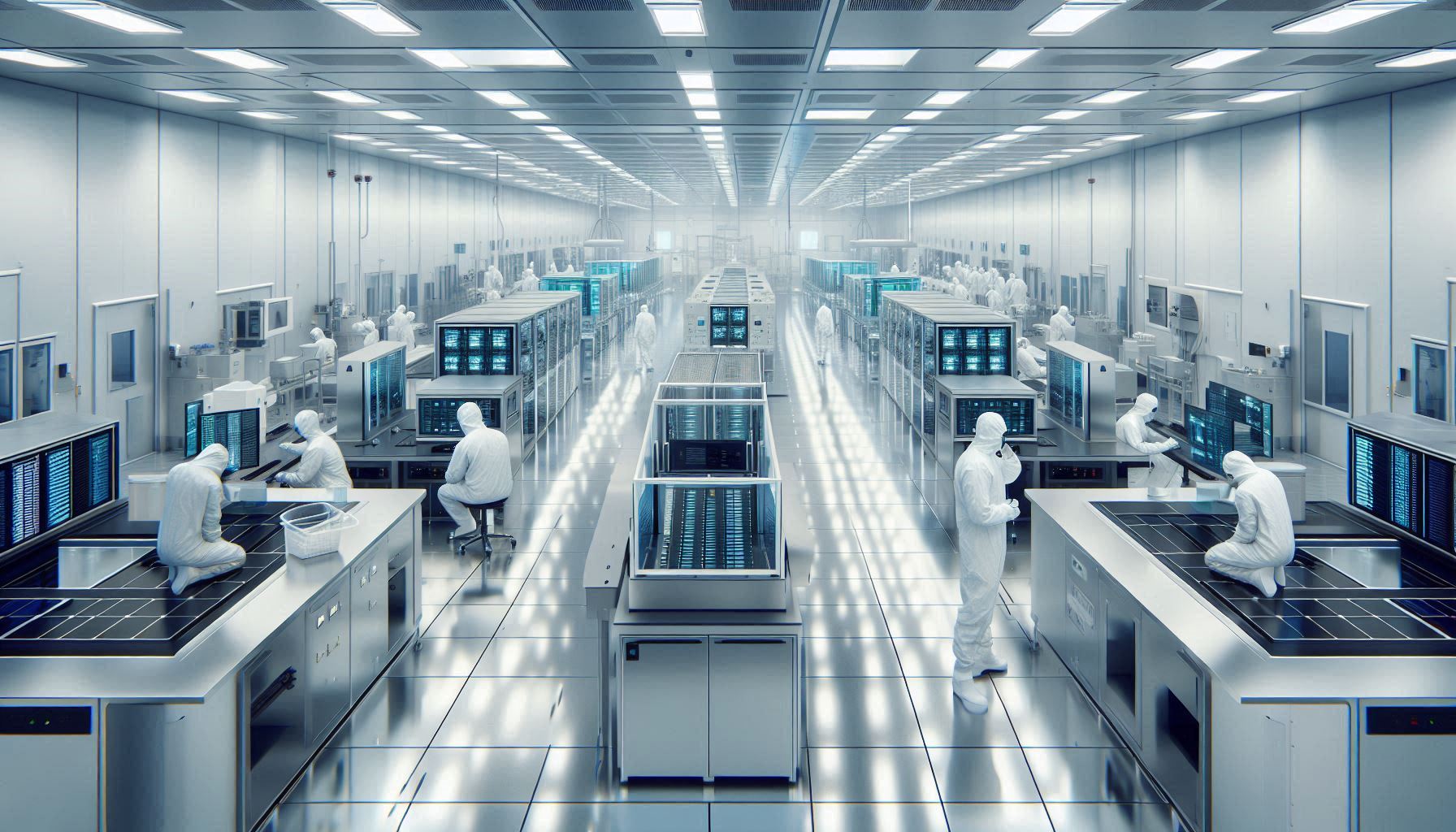
Efficiency in cleanroom HVAC systems is achieved through advanced filtration techniques, including HEPA (High-Efficiency Particulate Air) and ULPA (Ultra-Low Penetration Air) filters. Laminar airflow systems minimize the presence of particles, ensuring a contaminant-free environment for sensitive processes. Smart HVAC systems are now equipped with Particle Count monitoring to ensure compliance with cleanroom standards.
Efficient Petrochemical Industry HVAC
The petrochemical industry, known for its energy-intensive operations, is undergoing a transformation towards sustainability. HVAC systems play a crucial role in reducing energy consumption and CO2 emissions in this sector. The adoption of energy-efficient processes, such as Hybrid Cloud Automation and Distributed Control Systems, optimizes operations and minimizes waste.
Moreover, sustainable HVAC design in petrochemical plants contributes to safer working conditions for employees. By integrating smart sensors and predictive maintenance, HVAC systems can efficiently manage temperature, humidity, and airflow, ensuring optimal working environments even in extreme conditions.
Future Prospects and Conclusion
The future of HVAC systems is undoubtedly intertwined with emerging technologies and the pursuit of sustainability. As climate change continues to exert its influence, the demand for energy-efficient and climate-responsive HVAC systems will only intensify.
Intelligent automation, AI, and IoT will drive HVAC systems to adapt in real-time, optimizing energy consumption based on occupancy patterns and climatic conditions. Sustainable design practices will be the cornerstone of new construction projects, ensuring that HVAC systems align with the principles of green buildings and energy conservation.
As industries like data centers and petrochemicals continue to evolve, HVAC systems will play a pivotal role in reducing their carbon footprint and enhancing operational efficiency. In healthcare and cleanroom settings, these systems will remain critical for maintaining sterile environments and ensuring the safety of patients, products, and personnel.
In conclusion, the marriage of intelligent automation and emerging technologies with HVAC systems marks an exciting era of innovation. By seamlessly blending efficiency, sustainability, and comfort, these advancements are not only enhancing indoor environments but also contributing to a greener and more responsible future.
Description:
Explore how intelligent automation and emerging technologies are revolutionizing HVAC systems, from smart controls and AI integration to cleanroom efficiency and sustainable design.
Hashtags: #HVACAutomation #SmartHVAC #SustainableDesign #AIinHVAC #CleanroomEfficiency #DataCenterCooling #GreenBuilding #EnergyEfficiency
Heat Recovery Wheels | A Comprehensive Guide on Design, Applications, and Best Practices

Heat Recovery Wheels | A Comprehensive Guide on Design, Applications, and Best Practices
Description: Discover the significance of heat recovery wheels in HVAC systems and their role in energy-efficient solutions. Learn about their applications, working principles, design parameters, installation steps, maintenance, and more. Stay informed with the latest technologies and key takeaways.
Table of Contents
Introduction
Heat recovery wheels play a crucial role in modern HVAC systems, offering an energy-efficient solution for temperature regulation. These innovative components contribute significantly to reducing energy consumption and maintaining indoor air quality. In this comprehensive guide, we delve into the details of heat recovery wheels, exploring their purpose, applications, working principles, design, installation, maintenance, and more.
Role and Purpose of Heat Recovery Wheels
Heat recovery wheels, also known as energy recovery wheels, are vital components of ventilation systems. Their primary role is to recover the heat energy from the exhaust air and transfer it to the incoming fresh air. This process helps in pre-conditioning the supply air, reducing the load on the heating and cooling systems. By recovering heat during the winter and coolness during the summer, these wheels enhance overall energy efficiency.
Importance of Using Heat Recovery Wheels
Using heat recovery wheels offers several key benefits. Firstly, they substantially reduce energy consumption by minimizing the demand on heating and cooling equipment. This results in decreased energy expenses and a smaller environmental impact in terms of carbon emissions. Secondly, heat recovery wheels enhance indoor air quality by ensuring a continuous supply of fresh air while effectively filtering pollutants and contaminants. This is particularly crucial in spaces where aseptic conditions are necessary, such as hospitals, cleanrooms, and pharmaceutical facilities.
Types of Heat Recovery Wheels
There are two main types of heat recovery wheels: Sensible Wheel and Enthalpy Wheel. Sensible wheels transfer only heat energy between the exhaust and supply air streams, while enthalpy wheels also transfer moisture, enabling humidity control. Enthalpy wheels are particularly useful in climates where humidity levels vary significantly.
Applications of Heat Recovery Wheels
Heat recovery wheels find applications across various industries and environments. They are commonly used in commercial buildings, educational institutions, healthcare facilities, and industrial settings. Cleanrooms, data centers, manufacturing plants, and laboratories benefit from their energy-efficient and air quality-enhancing properties. Additionally, heat recovery wheels are crucial in achieving compliance with standards such as ASHRAE 62.1 and LEED certifications.
Working Principle of a Heat Recovery Wheel
A heat recovery wheel operates based on the fundamental principle of heat exchange, making it a crucial component in modern HVAC systems. This innovative technology facilitates the efficient transfer of thermal energy between two distinct air streams, leading to enhanced energy efficiency and reduced operational costs. To comprehend the intricate workings of a heat recovery wheel, let’s explore its core operational principle.
Heat Exchange via Rotational Movement
At the core of a heat recovery wheel lies a rotating assembly housing a matrix or substrate composed of materials known for their exceptional heat transfer properties. This matrix is coated with a hygroscopic substance, often a desiccant, possessing a strong affinity for moisture. The wheel is divided into two sections, with each section facing a different air stream: the exhaust air stream and the outdoor air stream.
As the wheel rotates, the warmer exhaust air, laden with moisture, comes into contact with one side of the matrix. The desiccant-coated matrix absorbs both heat and moisture from the exhaust air, effectively conditioning it.
Transfer of Heat and Moisture
Concurrently, the cooler and usually drier outdoor air interacts with the other half of the matrix. The heat and moisture previously absorbed by the matrix from the exhaust air are now transferred to the outdoor air. This process effectively warms and humidifies the outdoor air before it enters the building. This transfer happens seamlessly due to the continuous rotation of the matrix, enabling a consistent and efficient exchange of energy and moisture.
Sensible and Latent Heat Transfer
The heat exchange within a heat recovery wheel encompasses two types of heat transfer: sensible and latent. Sensible heat transfer involves the exchange of energy linked to temperature, leading to alterations in the air’s temperature. Latent heat transfer, on the other hand, entails the exchange of moisture, which is vital for maintaining optimal indoor humidity levels.
Maximizing Energy Efficiency
The rotating action of the heat recovery wheel ensures a continuous alternation between the exhaust and outdoor air streams as they pass through the matrix. This rhythmic flow allows for optimal energy recovery without any cross-contamination between the air streams. By harnessing energy from the exhaust air and utilizing it to condition incoming outdoor air, the HVAC system reduces the load on heating or cooling mechanisms, resulting in notable energy savings.
Temperature and Humidity Control
Beyond energy recovery, heat recovery wheels significantly contribute to regulating temperature and humidity within a building. During colder weather, the heat recovery wheel pre-heats outdoor air, thus diminishing the energy required to reach the desired indoor temperature. In regions with warm and humid climates, the wheel can extract excess humidity from the outdoor air, elevating comfort levels.
Design and Specifications
Heat recovery wheels, integral to HVAC systems, are meticulously designed to optimize energy efficiency. Key considerations include airflow rates, temperature differentials, and wheel diameter. These factors impact heat transfer efficiency and energy recovery. The matrix, usually made of heat-conductive materials like aluminum, is designed with fluted channels to maximize surface area and facilitate efficient heat exchange without air mixing.
Heat recovery wheels come in two primary types: Sensible Wheels and Enthalpy Wheels. While Sensible Wheels transfer heat energy, Enthalpy Wheels also manage moisture, making them suitable for climates with varying humidity levels.
Size selection depends on the specific application’s air volume and desired energy recovery efficiency. Customization ensures suitability for diverse industries and environments, from commercial buildings to industrial settings.
The climate of the installation region impacts the design. Environments with extreme temperature fluctuations might benefit from Enthalpy Wheels, which manage both heat and humidity.
Integration into HVAC systems requires precise alignment and sealing to prevent air leakage, ensuring efficient heat exchange.
Designs adhere to industry standards like ASHRAE, ensuring energy efficiency and indoor air quality.
Installation Checklist and Steps
Installing a heat recovery wheel requires careful planning and execution.
Place the heat recovery wheel in the designated location within the HVAC system, ensuring alignment with the air ducts.
Connect the air ducts to the inlet and outlet of the heat recovery wheel. Ensure secure and airtight connections.
Connect the electrical controls and sensors according to the manufacturer’s instructions. This may involve wiring the wheel’s rotation controls and other integrated components.
Completely secure all joints and connections to avoid any air leakage. Proper sealing is crucial for maintaining system efficiency.
Conduct a functional test to ensure that the heat recovery wheel operates as intended. Verify that it rotates smoothly and that the controls respond correctly.
Supporting Details for Proper Functioning
For effective functioning, it’s important to consider factors like regular maintenance, air filtration, and monitoring of air quality. Routine maintenance involves inspecting and cleaning the wheel, replacing filters, and addressing any issues promptly. Monitoring systems can help detect and address deviations in performance.
Testing, Adjusting, and Balancing
Testing, adjusting, and balancing (TAB) is crucial to ensure that the heat recovery wheel operates optimally. This involves measuring air flow rates, temperature differentials, and pressure drops across the wheel. Any deviations from expected values can be corrected through adjustments to achieve efficient heat transfer and air exchange.
Controlling Noise and Vibration
Noise and vibration control is essential for maintaining a comfortable indoor environment. Proper installation with vibration isolators and ensuring balanced air flows can mitigate these issues. Selecting wheels with advanced design features can further reduce noise and vibration levels.
Notable Manufacturers
Several reputable manufacturers produce high-quality heat recovery wheels. These manufacturers offer a range of wheel sizes, materials, and designs to cater to various applications and requirements. Some notable names include
- Bry- Air Asia Private Limited
- Appidi Technologies Private Limited
Latest Developments and Technologies
The field of heat recovery wheels continues to evolve with advancements in materials, designs, and integration with smart HVAC systems. Some recent developments include improved wheel efficiency, integration of AI for real-time performance optimization, and hybrid systems that combine heat recovery with other energy-saving technologies.
Spare Parts for Maintenance
Maintaining heat recovery wheels necessitates having spare parts on hand. These may include replacement filters, belts, bearings, and control components. Regularly replacing worn-out parts ensures consistent performance and extends the lifespan of the heat recovery wheel.
Conclusion
Heat recovery wheels stand as an essential solution in the realm of energy-efficient HVAC systems. Their role in heat and humidity exchange, coupled with their contribution to reducing energy consumption, underscores their importance in modern building design. As technology continues to advance, the integration of heat recovery wheels with smart HVAC systems and the adoption of innovative designs promise a future where energy efficiency and indoor air quality are further optimized.
Hashtags: #HeatRecoveryWheels #EnergyEfficiency #HVACSystems #IndoorAirQuality #Sustainability #SmartHVAC #CleanEnergy #BuildingDesign
HVAC Jobs | Exploring the Roles, Applications, and Skill Requirements

HVAC Jobs | Exploring the Roles, Applications, and Skill Requirements
Welcome to the world of HVAC jobs, where heating, ventilation, and air conditioning converge to create comfortable indoor environments. In this comprehensive guide, we’ll delve into the various facets of HVAC jobs, from their roles and applications to the skills required and the latest industry developments. Whether you’re aspiring to join this dynamic field or seeking to expand your knowledge, you’re in the right place. Let’s embark on a journey through the exciting realm of HVAC jobs.
Understanding HVAC Jobs and Their Role
HVAC, which stands for heating, ventilation, and air conditioning, encompasses a range of job roles dedicated to creating and maintaining optimal indoor climates. These professionals play a crucial role in ensuring comfortable temperatures, adequate airflow, and high indoor air quality in residential, commercial, and industrial spaces. The role of HVAC jobs includes:
- Installation, maintenance, and repair of HVAC systems
- Designing energy-efficient HVAC solutions
- Performing inspections and diagnostics
- Collaborating with other professionals on construction projects
- Ensuring compliance with codes and standards
Applications of HVAC Jobs
HVAC jobs find applications in a wide array of industries and settings:
- Residential: HVAC professionals ensure comfortable living conditions in homes by installing and maintaining heating and cooling systems.
- Commercial: They create pleasant environments in offices, retail spaces, and hospitality establishments, optimizing conditions for occupants and customers.
- Industrial: HVAC systems are vital in manufacturing facilities to regulate temperature and air quality for both products and workers.
- Healthcare: Hospitals and healthcare centers rely on precise HVAC systems to maintain sterile environments in operating theaters and patient rooms.
- Data Centers: HVAC experts design systems that efficiently cool data centers, preventing equipment overheating and ensuring optimal performance.
Types of HVAC Jobs
HVAC jobs encompass a variety of specialized roles:
- HVAC Technician
- HVAC Engineer
- HVAC Installer
- HVAC Maintenance Specialist
- Energy Efficiency Consultant
- Building Automation Specialist
- Indoor Air Quality Technician
Advantages & Disadvantages of HVAC Jobs
Like any career path, HVAC jobs have their pros and cons:
Advantages:
- Steady Demand: HVAC systems are essential, ensuring a consistent demand for skilled professionals.
- Varied Opportunities: HVAC jobs span across multiple sectors, providing diverse career paths.
- Job Security: Skilled HVAC professionals are always in demand, offering job stability.
- Hands-On Work: These roles often involve practical, hands-on tasks, appealing to those who enjoy tangible work.
Disadvantages:
- Physical Demands: HVAC work can be physically demanding, requiring manual labor and working in various conditions.
- Complex Systems: HVAC systems are intricate, necessitating continuous learning and skill development.
- Environmental Impact: HVAC systems contribute to energy consumption and emissions, posing sustainability challenges.
- Challenging Environments: Some assignments may involve working in confined spaces or extreme conditions.
LATEST DEVELOPMENTS IN HVAC Jobs
The HVAC industry is evolving with cutting-edge technologies and trends:
- Smart HVAC Systems: Integration of IoT technologies for remote monitoring and energy optimization.
- Energy Efficiency: Emphasis on sustainable solutions to reduce energy consumption and carbon footprint.
- Green HVAC: Implementation of eco-friendly refrigerants and systems to mitigate environmental impact.
- Automation: Integration of AI and automation for intelligent HVAC control and predictive maintenance.
Codes & Standards in HVAC Jobs
The HVAC industry adheres to various codes and standards to ensure safety and performance:
- ASHRAE Standards 62.1
- Energy Conservation Building Code (ECBC)
- Indian Green Building Council (IGBC) Standards
- Current Good Manufacturing Practices (cGMP)
- ISO 14644-1
Companies Offering HVAC Jobs
Several prominent companies provide opportunities in the HVAC field:
- Carrier Corporation
- Daikin Industries
- Johnson Controls
- Trane Technologies
- Honeywell
Skills and Educational Requirements for HVAC Jobs
Key skills and qualifications for success in HVAC jobs include:
- Technical expertise in HVAC systems
- Knowledge of energy-efficient practices
- Understanding of codes and regulations
- Problem-solving and diagnostic skills
- Effective communication and teamwork
Education in HVAC engineering, mechanical engineering, or related fields is often required. Certifications from organizations like ASHRAE and IGBC can enhance your credibility.
Preparing for HVAC Jobs
To excel in HVAC jobs:
- Acquire relevant education and certifications
- Stay updated with industry trends
- Build hands-on experience through internships or apprenticeships
- Hone soft skills like communication and problem-solving
Developing Soft Skills for HVAC Jobs
Soft skills are invaluable in HVAC careers:
- Communication: Explain technical concepts to non-experts.
- Customer Service: Interact professionally with clients and colleagues.
- Problem-Solving: Troubleshoot issues efficiently.
- Attention to Detail: Ensure precision in installations and repairs.
- Time Management: Juggle multiple tasks effectively.
Skillset Checklist for HVAC Jobs
Ensure you possess these essential skills:
- Technical proficiency in HVAC systems
- Knowledge of building codes and regulations
- Ability to read and interpret blueprints
- Understanding of energy-efficient practices
- Diagnostic and problem-solving skills
Educational Background for HVAC Jobs
Relevant educational paths include:
- Bachelor’s in HVAC Engineering
- Bachelor’s in Mechanical Engineering
- Diploma or Certification in HVAC Technology
Related Services Knowledge for HVAC Jobs
Proficiency in related areas, such as electrical systems, plumbing, fire protection and automation, can enhance your capabilities in HVAC roles.
Electrical Scope of Knowledge for HVAC Jobs
Basic electrical knowledge is essential:
- Understanding electrical circuits and components
- Safe handling of electrical equipment
- Troubleshooting electrical issues
Popular Training Institutes for HVAC Jobs
Enhance your skills through reputable training centers:
- Institute of HVAC Engineers
- ASHRAE Learning Institute
- Refrigeration and Air Conditioning Training Institute (RACTI)
Conclusion
Embarking on a career in HVAC jobs offers exciting opportunities to shape indoor environments and contribute to sustainability. From creating comfortable spaces to integrating cutting-edge technologies, HVAC professionals are at the forefront of enhancing the way we live and work. By honing technical skills, developing soft skills, and staying updated with industry advancements, you can thrive in this dynamic field and make a meaningful impact.
Airport HVAC: A Comprehensive Guide Design, Applications, and Best Practices

Airport HVAC: A Comprehensive Guide Design, Applications, and Best Practices
Welcome to our comprehensive guide on Airport HVAC (Heating, Ventilation, and Air Conditioning) systems. In this post, we’ll delve into the role of Airport HVAC, its applications, types, benefits, design considerations, the latest technologies, codes and standards, components, installation procedures, and more. Whether you’re a traveler, airport staff, or an HVAC enthusiast, this guide will provide you with valuable insights into the world of Airport HVAC systems.
Table of Contents
- Role of Airport HVAC
- Applications of Airport HVAC
- Types of Airport HVAC Systems
- Benefits of Airport HVAC
- Designing Airport HVAC Systems
- Latest Developments and Technologies
- Codes and Standards
- Components of Airport HVAC Systems
- Design Parameters and Unit Conversions
- Calculating HVAC Capacity
- Technical Data Sheet and Drawings
- Installation and Testing
- Noise and Vibration Control
- Turnkey HVAC Contractors
- Conclusion
Role of Airport HVAC
Airport HVAC (Heating, Ventilation, and Air Conditioning) systems are designed to regulate indoor air quality, temperature, and humidity within airport buildings. They are responsible for creating a comfortable atmosphere for passengers and staff, as well as maintaining the optimal conditions for various airport processes and equipment. An efficient HVAC system contributes to energy conservation, operational efficiency, and overall occupant well-being.
Applications of Airport HVAC
Airport HVAC systems find diverse applications across different areas of airport infrastructure:
- Passenger Terminals: Ensuring a pleasant and comfortable experience for travelers.
- Control Towers: Maintaining optimal conditions for air traffic control personnel.
- Aircraft Hangars: Preserving aircraft and equipment by controlling temperature and humidity.
- Baggage Handling Areas: Preventing damage to baggage due to extreme conditions.
- Security Checkpoints: Creating a comfortable environment for security staff and travelers.
Types of Airport HVAC Systems
There are several types of airport HVAC systems, each designed to meet specific requirements:
- Central HVAC Systems: Integrated systems that provide heating, cooling, and ventilation from a centralized location.
- Variable Refrigerant Flow (VRF) Systems: Energy-efficient systems that allow individual control of temperature in different zones.
- Chilled Water Systems: Utilize chilled water to cool air and distribute it throughout the facility.
- Split HVAC Systems: Consist of indoor and outdoor units, suitable for smaller airport areas.
- Package HVAC Systems: All-in-one units that house components for heating, cooling, and ventilation.
Benefits of Airport HVAC
The advantages of implementing effective airport HVAC systems include:
- Enhanced Passenger Experience: Providing a comfortable environment for travelers, leading to higher satisfaction levels.
- Operational Efficiency: Maintaining optimal conditions for equipment and processes, reducing downtime.
- Energy Conservation: Implementing energy-efficient HVAC solutions can lead to substantial energy savings.
- Health and Safety: Ensuring good indoor air quality and preventing the spread of contaminants.
- Regulatory Compliance: Meeting ventilation and air quality standards set by authorities.
Designing Airport HVAC Systems
Designing airport HVAC systems involves several crucial steps:
- Determining Load Calculation: Calculating the heating and cooling loads based on factors like occupancy, equipment, and climate conditions.
- System Selection: Choosing the appropriate HVAC system type based on the facility’s size, requirements, and energy efficiency goals.
- Air Distribution: Designing efficient air distribution networks through ducts and vents to ensure uniform airflow.
- Ventilation: Incorporating ventilation systems to introduce fresh air and control indoor air quality.
- Control Systems: Integrating advanced control systems to regulate temperature, humidity, and air exchange rates.
Latest Developments and Technologies
The airport HVAC industry is witnessing significant advancements:
- Smart HVAC Systems: Integration of IoT technologies for remote monitoring and control.
- Energy-Efficient Components: High-efficiency compressors, fans, and sensors for reduced energy consumption.
- Heat Recovery Systems: Utilizing waste heat for other processes, increasing overall efficiency.
Codes and Standards
Several standards guide the design and installation of airport HVAC systems:
- ASHRAE Standards 62.1: Focuses on ventilation rates and indoor air quality.
- Energy Conservation Building Code (ECBC): Sets energy efficiency requirements for buildings.
- Indian Green Building Council (IGBC): Offers guidelines for sustainable building practices.
Components of Airport HVAC Systems
Key components of airport HVAC systems include:
- Chillers: Provide cooling by removing heat from water or air.
- Air Handling Units (AHUs): Distribute conditioned air throughout the facility.
- Ducts and Duct Insulation: Transport and regulate airflow.
- Ventilation Systems: Introduce fresh air and exhaust stale air.
- HVAC Control Systems: Manage and control temperature, humidity, and air quality levels.
Design Parameters and Unit Conversions
When designing airport HVAC systems, consider parameters such as cooling load, air changes per hour (ACPH), and airflow rates. Use appropriate unit conversions for accurate calculations.
Calculating HVAC Capacity
Determining the HVAC capacity for an airport involves a thorough analysis of various factors to ensure that the system can adequately heat or cool the entire facility. The HVAC capacity is a crucial parameter that directly impacts the comfort and efficiency of the indoor environment. Here’s how to calculate HVAC capacity for airport HVAC systems:
1. Assessing Heating and Cooling Loads
The first step in calculating HVAC capacity is to assess the heating and cooling loads of the airport. This involves identifying all heat sources and sinks within the facility. These loads can include:
- People: Consider the number of passengers, airport staff, and other occupants.
- Equipment: Account for the heat generated by lighting, computers, displays, and other equipment.
- Processes: Identify any specific processes or operations that generate heat or require cooling.
- Solar Gain: Evaluate the impact of sunlight through windows and other openings.
2. Considering Climate Conditions
The climate of the region where the airport is located is a significant factor in determining HVAC capacity. The temperature and humidity levels of the region will influence the cooling and heating requirements. Consider both peak summer and winter conditions to ensure the system can handle extreme weather scenarios.
3. Using the Sensible Heat Formula
The sensible heat formula is commonly used to calculate HVAC capacity:
HVAC Capacity (in BTUs or Tons) = Area (in square feet) × Air Change Rate (ACPH) × Temperature Difference (in °F)
Where:
- Area: The total floor area of the space that requires heating or cooling.
- Air Change Rate (ACPH): The number of air changes per hour needed for the space (considering factors like occupancy and IAQ requirements).
- Temperature Difference: The difference between the desired indoor temperature and the outdoor temperature.
4. Factoring in Latent Heat
In addition to sensible heat (temperature change), consider latent heat (humidity control) when calculating HVAC capacity. This is especially important for maintaining optimal indoor air quality and preventing moisture-related issues. The formula for latent heat capacity involves assessing the moisture content of the air and the required humidity levels.
5. Consulting HVAC Professionals
While the above formulas provide a basic approach to calculating HVAC capacity, airport HVAC systems are complex and may require specialized expertise. It’s recommended to consult HVAC professionals or engineers who can perform detailed load calculations, considering all relevant parameters for accurate results.
By accurately calculating HVAC capacity, airports can ensure that their HVAC systems effectively meet the heating and cooling demands of the facility. A properly sized HVAC system contributes to energy efficiency, occupant comfort, and the overall functionality of the airport.
Technical Data Sheet and Drawings
When designing and implementing an Airport HVAC system, having comprehensive technical data sheets and detailed drawings is essential. These documents provide vital information for the proper installation, operation, and maintenance of the HVAC system. Here’s what you need to include in the technical data sheet and drawings:
Technical Data Sheet
The technical data sheet serves as a comprehensive reference guide for the entire HVAC system. It includes detailed specifications and data about the components, equipment, and performance parameters of the system. Here are the key elements to include:
1. HVAC Equipment Specifications:
- Make and model of each HVAC component, such as chillers, air handling units, ductwork, and pumps.
- Technical specifications, including capacity, airflow rates, power consumption, and efficiency ratings.
- Materials used in construction.
2. System Design and Layout:
- Schematic diagrams illustrating the layout of the HVAC system within the airport facility.
- Details of ductwork routes, pipe connections, and equipment placement.
3. Control and Automation:
- Information about the building automation system (BAS) used to control the HVAC system.
- Specifications of sensors, actuators, controllers, and interfaces.
4. Energy Efficiency and Sustainability:
- Details about any energy-efficient features, such as variable speed drives, heat recovery systems, and eco-friendly refrigerants.
- Expected energy consumption and efficiency improvements compared to standard systems.
Drawings
Drawings provide visual representations of the HVAC system layout, dimensions, and connections. They offer precise guidance for installation and serve as a reference during maintenance and troubleshooting. Here are the key types of drawings to include:
1. Floor Plans:
Illustrate the placement of HVAC equipment, ducts, vents, and registers on different floors of the airport. Include clear labeling for each component.
2. Duct and Piping Layouts:
Provide detailed drawings of the ductwork and piping layout, including sizes, dimensions, and routing. Indicate the connections between different components.
3. Electrical and Control Drawings:
Show the wiring, connections, and control system layout for the HVAC equipment. Include information about sensors, actuators, and controllers.
4. Isometric and Elevation Drawings:
Present 3D views of critical components or complex sections of the HVAC system, aiding in accurate installation.
5. Details and Sections:
Include enlarged drawings of specific components or sections to provide in-depth details, such as joints, supports, and connections.
6. Schedules and Lists:
Compile lists of equipment, accessories, and materials with corresponding specifications, quantities, and part numbers.
Ensuring that the technical data sheet and drawings are accurate and comprehensive is vital for the successful implementation and operation of the Airport HVAC system. These documents serve as valuable references for contractors, installers, maintenance teams, and regulatory authorities.
Installation and Testing
Installing airport HVAC systems involves following installation checklists, connecting to supporting services, and ensuring proper testing, adjusting, and balancing (TAB) for optimal performance.
Noise and Vibration Control
Implementing strategies to mitigate noise and vibration, ensuring a comfortable and quiet indoor environment.
Turnkey HVAC Contractors
When it comes to implementing an efficient and reliable HVAC system for airports, collaborating with experienced turnkey HVAC contractors is essential. These contractors offer end-to-end solutions, from design and installation to maintenance and support. Here are some reputable turnkey HVAC contractors that specialize in airport HVAC projects:
- Blue Star Limited
- Voltas Limited
- Sterling Wilson Limited
- Johnson Controls-Hitachi Air Conditioning
Collaborating with a reputable turnkey HVAC contractor is crucial to the success of airport HVAC projects. These contractors have the expertise and resources to design, implement, and maintain HVAC systems that contribute to efficient operations, passenger comfort, and sustainable practices within airport environments.
Conclusion
Airport HVAC systems play a pivotal role in ensuring the comfort, safety, and efficiency of airport facilities. From providing a pleasant environment for passengers in terminals to maintaining optimal conditions in control towers, these systems are vital components of modern airports. By regulating indoor air quality, temperature, and humidity, airport HVAC systems contribute to enhanced passenger experiences, operational efficiency, and energy conservation.
The variety of HVAC system types available allows airports to tailor their solutions to specific requirements. Central HVAC systems, variable refrigerant flow (VRF) systems, chilled water systems, split HVAC systems, and package HVAC systems offer flexibility in design and functionality.
As technology advances, smart HVAC solutions and energy-efficient components are revolutionizing the industry. Integration of IoT technologies, advanced control systems, and heat recovery mechanisms are making airport HVAC systems smarter, more efficient, and environmentally friendly.
Adherence to codes and standards, such as ASHRAE Standards 62.1, ECBC, and IGBC guidelines, ensures that airport HVAC systems meet regulatory requirements and contribute to sustainable building practices.
When designing, installing, and maintaining airport HVAC systems, collaboration with experienced turnkey HVAC contractors is essential. Companies like Johnson Controls, Trane Technologies, and Carrier Corporation provide comprehensive solutions that cater to the unique demands of airport infrastructure.
In conclusion, Airport HVAC systems not only provide comfort to travelers and staff but also play a critical role in ensuring the seamless operation of airport facilities. By embracing the latest technologies and adhering to industry standards, airports can create environments that are efficient, comfortable, and conducive to a positive passenger experience.
#AirportHVAC #HVACDesign #AirportInfrastructure #AirQuality #EnergyEfficiency #SmartHVAC #CodesAndStandards #IndoorComfort
Clean Room Design and Construction: Environmentally Controlled Area

Clean Room Design and Construction: Environmentally Controlled Area
Introduction
Clean room design is an essential discipline that ensures the creation of controlled environments to carryout the processes inside the cleanroom with stringent levels of cleanliness, air quality, and temperature control. These environments are crucial for industries such as pharmaceuticals, electronics, biotechnology, and more, where even the smallest contaminants can have far-reaching consequences. In this comprehensive guide, we will explore the multifaceted realm of clean room design, covering everything from its significance and types to specifications and the latest technological advancements.
Table of Contents
What Is Clean Room Design?
Clean room design is the meticulous process of creating controlled environments with minimal levels of particulate contamination. These environments are critical for industries to carryout the processes inside the cleanroom that require precision and sterility, including pharmaceuticals, biotechnology, and electronics. Clean room design involves the integration of various elements such as airflow control, filtration, temperature regulation, and specialized equipment to achieve optimal conditions.
The Role of Clean Room Design
Clean room design plays a pivotal role in maintaining the quality and integrity of products and processes. By providing controlled environments with minimal contaminants, clean rooms ensure consistent product quality, regulatory compliance, and safety for both personnel and end-users. They are essential for industries where even minor variations or impurities can lead to significant consequences.
Applications of Clean Room Design
Clean room design finds applications in a wide range of industries, including pharmaceuticals, biotechnology, electronics, healthcare, and more. It is essential wherever precision, sterility, and controlled environments are critical for maintaining product quality and safety.
Types of Clean Room Design
Clean rooms are classified based on the positive pressure & negative pressure environment and also the maximum allowable particle count within a specified cubic meter of air. This classification helps in designing environments suitable for specific processes and applications. Different industries require different levels of pressure gradients & cleanliness class, leading to various clean room classifications.
Positive and Negative Pressure Clean Rooms
Positive pressure clean rooms maintain higher air pressure inside compared to the outside environment. This prevents external contaminants from entering the clean room. Negative pressure clean rooms, on the other hand, keep lower air pressure inside to prevent the escape of potentially hazardous substances, such as pathogens or chemicals.
Clean Room Classification and ACPH Ranges
Clean room classification is a cornerstone of design, ensuring environments meet specific cleanliness levels. ISO standards define classes based on airborne particle count per cubic meter. These classes range from ISO Class 1 (most stringent) to ISO Class 9 (least stringent), each suited for diverse industries.
One crucial metric in clean room design is Air Changes Per Hour (ACPH). ACPH represents the number of times the air within the clean room is replaced with fresh air every hour. This metric guarantees optimal air quality, crucial for preventing contamination and maintaining process integrity.
The relationship between clean room classification and ACPH is vital. Higher classification demands more frequent air changes to meet stringent standards. For instance, ISO Class 1 clean rooms require higher ACPH compared to ISO Class 9 clean rooms.
Understanding this relationship ensures clean room designs align with industry requirements, optimizing efficiency and contamination control. Precision in clean room classification and ACPH ranges contributes significantly to the success of controlled environments. However; Air-change rates do not define cleanliness classes and should be calculated as air-volume flow according to “Source-Strenght” (ISO14644-4:2022) (#8.)
- ISO Class 1: Less than 1 particle/ft³ of 0.5µm size, ACPH Range: 200-600
- ISO Class 5: Less than 100 particles/ft³ of 0.5µm size, ACPH Range: 60-80
- ISO Class 7: Less than 10,000 particles/ft³ of 0.5µm size, ACPH Range: 40-60
- ISO Class 8: Less than 100,000 particles/ft³ of 0.5µm size, ACPH Range: 25-40
Clean Room Design Specifications
Clean room design specifications include requirements for cleanliness levels, temperature control, humidity control, airflow quantity & patterns, and filtration efficiency. These specifications are tailored to the specific needs of the industry and the processes carried out within the clean room.
- Airflow: Direction and speed to control particle movement.
- Temperature & Humidity: Maintaining stability for product integrity.
- Filtration: HEPA and ULPA filters for air purification.
- Pressure Differentials: Preventing contamination by regulating air movement.
- Surfaces & Materials: Non-porous, easy-to-clean surfaces.
Components of Clean Room Design
Key components of clean room design include following but not limited specialized equipment requirement for specific processes such as
- HVAC Systems: Maintain temperature and humidity with temperature, humidity and pressure control devices and systems.
- Air Handling Units (AHUs): Regulate air supply quantity and filtration as per the cleanliness class.
- HEPA/ULPA Filters: Remove particles from the air.
- Cleanroom Walls, Ceilings & Flooring materials: Seamless, smooth surfaces.
- Air Showers & Pass Boxes: Entry and exit decontamination.
Special AHUs and Smart Controls in Clean Room Design
Clean room design often involves specialized Air Handling Units (AHUs) equipped with HEPA or ULPA filters. These AHUs ensure precise temperature and humidity control while providing a consistent flow of clean air. Smart controls and automation technologies further enhance clean room performance by allowing real-time monitoring and adjustments.
Wall and Ceiling Panels in Clean Room Design
Wall and ceiling panels used in clean room design are designed to be smooth, non-porous, and easy to clean. They prevent particle shedding and microbial growth, maintaining the desired cleanliness levels. These panels are often made from materials like stainless steel, aluminum, or specialized plastics, depending on the industry requirements.
HEPA and ULPA Filter Specifications
High-Efficiency Particulate Air (HEPA) and Ultra-Low Penetration Air (ULPA) filters are crucial components in clean room design. These filters remove particles as small as 0.3µm and 0.12µm, respectively. Filter efficiency is expressed as a percentage, and HEPA filters typically have an efficiency of 99.97% for 0.3µm particles, while ULPA filters can achieve up to 99.9995% efficiency.
Return Air Risers in Clean Room Design
Return air risers are essential components in clean room design that facilitate the proper circulation of air. These risers ensure that contaminated air is effectively removed from the controlled environment, contributing to the maintenance of clean air quality.
Advantages & Disadvantages of Clean Room Design
Advantages of Clean Room Design:
- Ensures product quality and reliability
- Prevents contamination-related issues
- Compliance with regulatory standards
- Enhances worker and environmental safety
- Facilitates research and development
Disadvantages of Clean Room Design:
- High initial and operational costs
- Complex maintenance requirements
- Stringent personnel protocols
- Limitations on process scale-up
Latest Technologies in Clean Room Design
The field of clean room design has witnessed significant technological advancements. These include smart sensors for real-time monitoring, advanced filtration systems, robotics for contamination-free handling, and data analytics for process optimization. Latest cleanroom technologies include intelligent air volume control depending on particle concentration.
Clean Room Design Codes & Standards
Clean room design adheres to various industry standards and codes. These standards ensure consistency and quality across different clean room facilities. FDA regulations for pharmaceuticals, and semiconductor industry standards for electronics manufacturing.
- ISO 14644: Particle cleanliness classification.
- GMP (Good Manufacturing Practices): Regulatory guidelines for pharmaceuticals.
- EN 1822: Testing and classification of HEPA and ULPA filters.
Designing and Installing Clean Room Design
Designing and installing a clean room involves careful planning, collaboration with architects and engineers, selection of suitable materials, integration of HVAC systems, installation of filtration and ventilation systems, and compliance with regulatory requirements. Proper installation ensures the achievement of the desired cleanliness levels.
- Layout Planning: Defining zones, flow, and equipment placement.
- HVAC Design: Ensuring precise temperature, relative humidity, differential pressures, cleanliness classification and airflow control.
- Materials Selection: Choosing cleanable, non-shedding surfaces.
- Validation & Qualification: Testing and certifying or documentation of clean room performance.
Clean Room Validation and Documentation
Clean room validation is a critical step to ensure that the designed clean room meets the specified cleanliness levels and performance criteria. It involves various tests, including particle count measurements, airflow velocity assessments, and pressure differential checks. Documentation of clean room validation is essential for compliance with regulatory standards and quality assurance.
Testing, Adjusting & Balancing in Clean Room Design
After installation, clean rooms undergo rigorous testing to ensure that they meet the specified cleanliness levels, temperature, and humidity requirements. The process involves adjusting and balancing HVAC systems, validating filtration efficiency, and conducting particle count measurements.
Controlling Noise & Vibration in Clean Room Design
Noise and vibration control is essential to maintaining a stable and controlled environment within the clean room. Specialized noise insulation materials, vibration isolation techniques, and well-designed HVAC systems contribute to minimizing noise and vibration disturbances.
Clean Room Design Manufacturers and Sub-components
Several manufacturers specialize in providing clean room design solutions, including HVAC equipment, filtration systems, modular clean room components, wall panels, flooring materials, and specialized clean room equipment. These manufacturers play a crucial role in supplying the components necessary for creating controlled environments.
Spare Parts & Maintenance for Clean Room Design
Regular maintenance of clean rooms is vital to ensuring their ongoing performance and adherence to cleanliness standards. Maintenance involves the replacement of filters, calibration of sensors, monitoring of HVAC systems, and addressing any issues that may arise to prevent contamination risks.
Conclusion
Clean room design stands as a testament to human ingenuity and technological innovation. Through meticulous planning, sophisticated equipment, and stringent protocols, clean rooms empower industries to achieve unparalleled levels of precision and quality. From pharmaceuticals to electronics, the impact of clean room design reverberates across diverse sectors, safeguarding both products and people.
How AI is Revolutionizing HVAC Strategies for Data Centers: Navigating Challenges

How AI is Revolutionizing HVAC Strategies for Data Centers: Navigating Challenges
Discover how the integration of Artificial Intelligence is reshaping HVAC strategies within data centers, overcoming challenges, and driving unprecedented efficiency.
Table of Contents
Introduction
The Role of HVAC in Data Centers
Data centers are the backbone of our digital world, housing countless servers and equipment that enable the functioning of everything from emails to cloud services. One critical factor in the efficient operation of these data centers is maintaining optimal environmental conditions, which is where Heating, Ventilation, and Air Conditioning (HVAC) systems come into play. Efficient HVAC systems are essential to ensure servers operate at safe temperatures & relative humidity levels to maintain the desired levels of performance, ultimately affecting the reliability of digital services.
The Integration of Artificial Intelligence (AI)
In recent years, the integration of Artificial Intelligence (AI) into various industries has brought about transformative changes, and the HVAC sector is no exception. AI-powered HVAC systems are revolutionizing the way data centers manage their cooling needs, enabling real-time monitoring, predictive analytics, and automation to enhance efficiency, reduce energy consumption, and address challenges that traditional systems face.
AI-Driven HVAC Strategies
Real-Time Monitoring and Predictive Analytics
AI-powered sensors and monitoring systems are deployed throughout data centers to continuously collect real-time data on temperature, humidity, airflow, and other vital parameters. Machine learning algorithms process this data to identify patterns and anomalies, enabling predictive analytics. By anticipating changes in heat loads and environmental conditions, AI can optimize cooling operations in advance, preventing potential overheating and minimizing energy wastage.
Automation for Dynamic Cooling
AI enables data centers to move beyond static cooling strategies and embrace dynamic cooling. Traditional HVAC systems often operate based on fixed setpoints, leading to inefficient cooling and energy wastage. AI-driven systems, on the other hand, adapt cooling strategies in real-time based on actual conditions, adjusting airflows and cooling units as needed. This dynamic approach not only saves energy but also extends the lifespan of HVAC equipment.
Energy Efficiency and Cost Savings
AI’s ability to analyze vast amounts of data and make informed decisions enables data centers to optimize cooling strategies for maximum efficiency. By reducing overcooling and eliminating hotspots, energy consumption is minimized, translating to significant cost savings in energy bills. This is particularly relevant in countries like India, where energy costs can be substantial.
Challenges and Solutions
Complexity of Data Integration
One challenge in implementing AI-driven HVAC strategies lies in integrating various data sources into a cohesive system. Data from servers, sensors, weather forecasts, and other sources need to be harmonized for accurate predictions and control. This challenge can be addressed by employing specialized AI algorithms and platforms designed for data integration.
Continuous Learning and Adaptation
AI models need to continuously learn and adapt to changing conditions within the data center environment. Over time, these systems can become even more accurate in predicting cooling needs and optimizing energy consumption. Ensuring regular updates and maintenance of AI algorithms is crucial to harness their full potential.
Data Security and Privacy
As data centers collect and analyze sensitive operational data, ensuring data security and privacy is paramount. Robust encryption, access controls, and compliance with data protection regulations are essential to prevent unauthorized access to critical information.
Conclusion
The Future of Data Center Cooling
The integration of AI into HVAC strategies for data centers is transforming how cooling operations are managed. By leveraging real-time monitoring, predictive analytics, and automation, AI-driven systems enhance efficiency, reduce energy consumption, and address challenges that traditional systems struggle to overcome. As technology continues to advance, we can expect AI to play an increasingly pivotal role in optimizing data center operations and sustainability.
#AI #HVAC #DataCenter #EnergyEfficiency #DigitalTransformation