How AI-powered chiller plants are revolutionizing data centers

Data centers are essential to our digital infrastructure, requiring precision cooling to maintain performance and reliability. AI-powered chiller plants are transforming these facilities, offering improved efficiency, stability and operational control. This article explains how AI is revolutionizing data center cooling.

What Does It Mean to Revolutionize Data Centers with AI-Powered Chiller Plants in HVAC Systems?

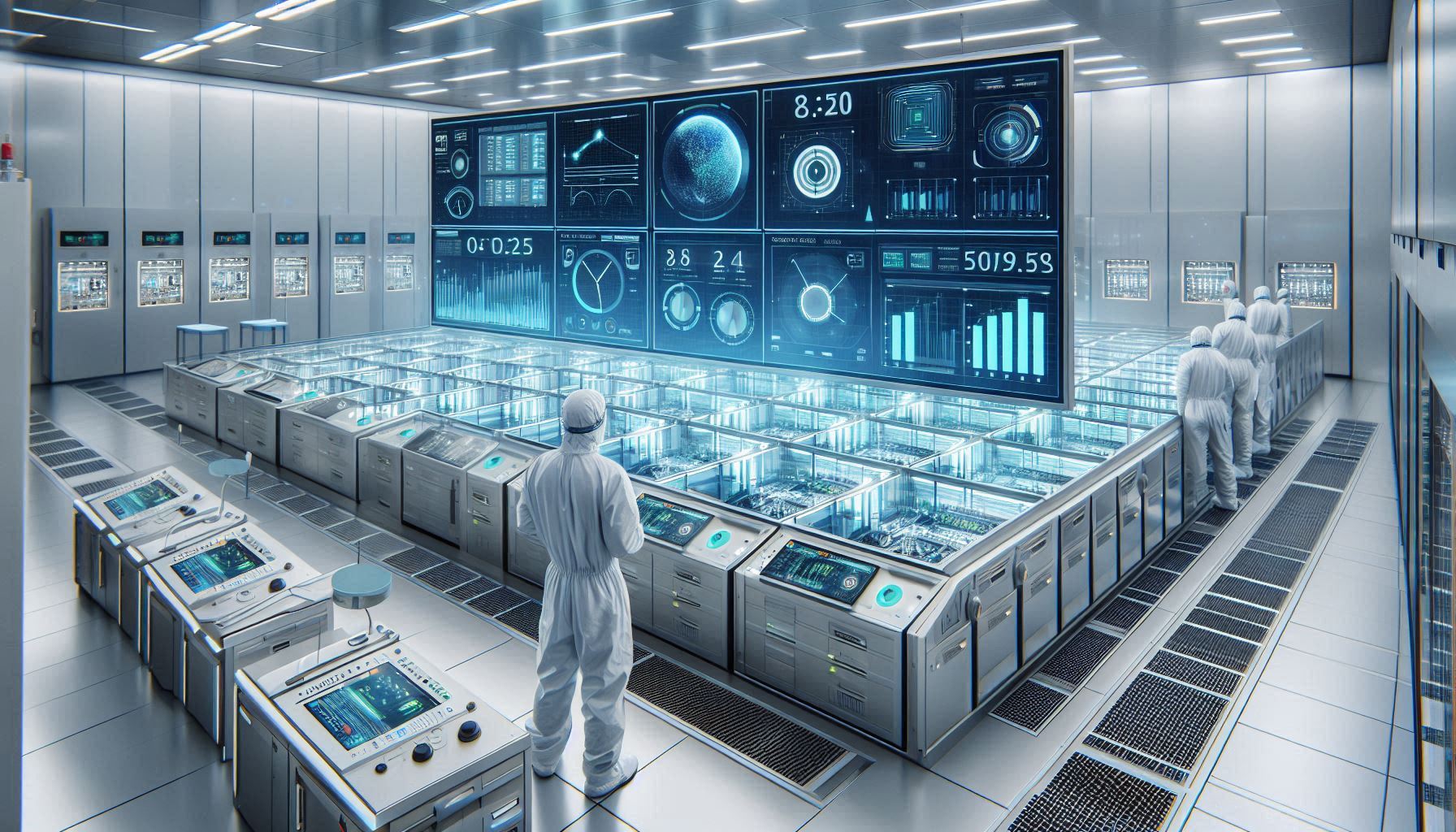
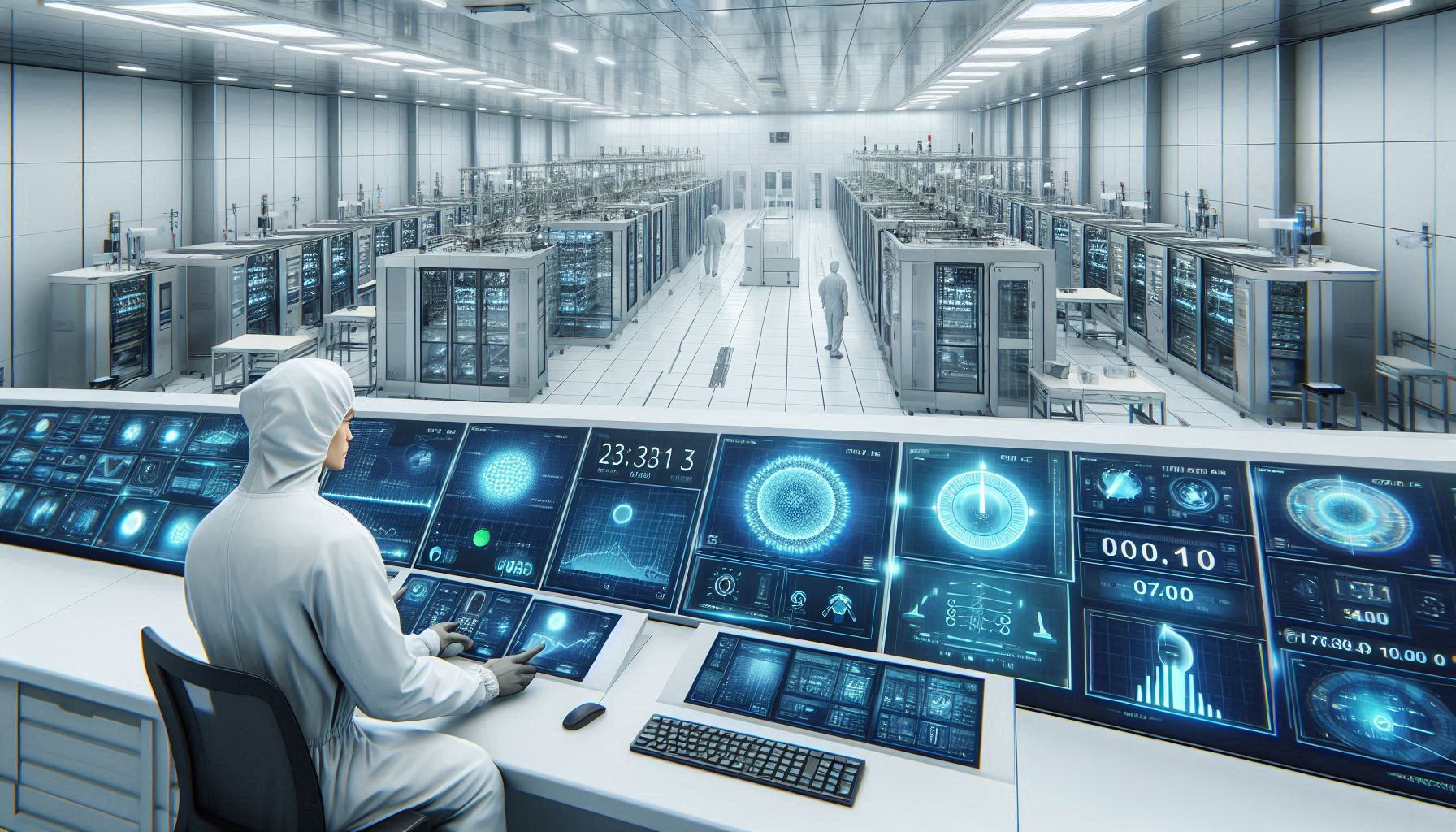
AI-powered chiller plants use artificial intelligence to optimize cooling processes in data centers. By continuously analyzing data, these systems adjust cooling parameters in real time, ensuring efficient operation and reduced energy consumption. This integration of AI with HVAC systems can significantly increase energy efficiency and sustainability.

Why use AI-powered chiller plants in data centers?

Energy efficiency: AI algorithms optimize chiller performance, reduce energy consumption and reduce operational costs.

Improved performance: Real-time monitoring and adjustments prevent overheating and equipment failure, ensuring optimal cooling.

Sustainability: Reduced energy consumption leads to lower CO2 emissions, supports environmentally friendly initiatives and meets standards such as ASHRAE Standards 62.1 and ECBC.

How to use AI-based chiller plants in data centers?

Integration with existing systems: AI can enhance existing HVAC infrastructure, providing advanced monitoring and control capabilities.

Continuous monitoring: Sensors and IoT technologies collect data, enabling AI to make informed decisions.

Automation: Building Automation Systems (BAS) ensure seamless operation, minimizing manual intervention and maintaining consistent performance.

Advantages and disadvantages of AI-based chiller plants

Advantages

Operational efficiency: AI-based systems optimize cooling processes, improving operational efficiency.
Cost Savings: Reduced energy consumption results in significant cost savings over time.
Improved reliability: Continuous monitoring and adjustments reduce the risk of equipment failure.

Disadvantages:

Initial investment: Implementing AI-based systems requires significant initial investment.
Technical complexity: Integration with existing systems requires technical expertise and comprehensive planning.

FAQ

How do AI-powered chiller plants reduce energy consumption?

AI algorithms optimize cooling processes, reduce unnecessary energy consumption and improve efficiency.

Can AI-based chiller plants be integrated with existing HVAC systems?

Yes, they can enhance existing systems, providing advanced monitoring and control capabilities.

What are the environmental benefits of using AI-powered chiller plants?

They reduce energy consumption and CO2 emissions, supporting sustainability initiatives.

Conclusion

AI-powered chiller plants are transforming data center cooling, offering significant benefits in terms of energy efficiency, operational performance and sustainability. By leveraging AI, data centers can achieve optimal cooling, reduced energy consumption and a lower carbon footprint, paving the way for a more sustainable digital future.

Data centers, the critical infrastructure of the digital age, must prioritize efficient and sustainable cooling solutions. AI-powered chiller plants are leading this revolution, providing a blueprint for the future of data center management. Adoption of this technology not only improves performance and reliability but also meets global sustainability goals.

Why PLCs Are Important for HVAC Equipment Automation

    Understanding the Role of Programmable Logic Controllers (PLCs) in HVAC Automation

    In the HVAC equipment industry, programmable logic controllers (PLCs) play an important role in streamlining operation and increasing efficiency It is important to understand their importance and applications for the optimization of HVAC systems breed.

      What is a programmable logic controller (PLC) in an HVAC system?

      Programmable logic controllers (PLCs) are specialized industrial computers designed to control machinery and processes, including those in heating, ventilation, and air conditioning (HVAC) systems that perform specific tasks based on conditions that insertion controls are included, making them important components of HVAC automation.

      What is the role of a programmable logic controller (PLC)?

      The main role of PLC in HVAC equipment automation is to monitor and control various system components such as pumps, fans, valves and sensors. By receiving input signals and preprogramming commands, the PLC ensures accurate control of temperature, humidity, ventilation, and other parameters necessary for optimal HVAC performance

      Where should programmable logic controllers (PLCs) be used / applications?

      PLCs find a wide range of applications in a variety of HVAC environments, including commercial buildings, industrial buildings, data centers and hospitals and residential complexes. They are instrumental in regulating temperature, humidity, and air quality while improving energy efficiency and operational reliability.

      How To Use The Programmable Logic Controllers (PLC)?

      Using PLCs in HVAC automation involves programming them to perform specific functions according to system requirements. This includes configuring input and output devices, creating logical sequences, and implementing control strategies tailored to the unique needs of each application.

      What Are The Advantages & Disadvantages Of Programmable Logic Controllers (PLC)?

      Pros:
      • Flexibility in programming and customization
      • Enhanced system reliability and uptime
      • Real-time monitoring and diagnostics capabilities
      • Incorporating with Building Automation Systems (BAS) to achieve centralized control.
      • Simplified troubleshooting and maintenance procedures
      Cons:
      • Initial setup and programming complexity
      • Dependency on skilled technicians for installation and maintenance
      • Potential for cybersecurity vulnerabilities if not adequately secured
      • Higher upfront costs compared to conventional control systems

      How To Install The Programmable Logic Controllers (PLC)?

      Installing PLCs in HVAC systems requires expertise in electrical wiring, device mounting, and programming. It involves mounting the PLC hardware, connecting input and output devices, configuring communication networks, and programming the control logic using specialized software.

      What Are The Supporting Details For Programmable Logic Controllers (PLC)?

      To ensure optimal performance and longevity of PLC-based HVAC automation systems, regular maintenance, software updates, and cybersecurity measures are essential. Additionally, ongoing training for personnel responsible for system operation and maintenance is crucial to maximize efficiency and minimize downtime.

      FAQ

        What is the function of programmable logic control in automation?

        Programmable logic controllers (PLCs) serve as the brain of automation systems, executing predefined logic commands to control machinery and processes. They monitor input signals, make decisions based on programmed instructions, and actuate output devices to achieve desired automation outcomes.

        Why are programmable logic controllers important?

        PLCs are vital in automation due to their ability to precisely control industrial processes, enhance operational efficiency, and improve system reliability. They facilitate seamless integration of various components, enable real-time monitoring, and streamline maintenance procedures, thus contributing to overall productivity and cost-effectiveness.

        What is PLC programming?

        PLC programming involves writing and implementing sets of instructions, known as ladder logic or function blocks, to define the behavior of a programmable logic controller. This programming dictates how the PLC processes input signals, executes logical operations, and generates output commands to automate specific tasks.

        How is PLC used in HVAC?

        PLCs are utilized in HVAC systems to automate control functions such as temperature regulation, airflow management, and equipment operation. They receive input signals from sensors, process data based on programmed logic, and adjust system parameters accordingly to maintain desired environmental conditions efficiently.

        HVAC PLC program example?

        An HVAC PLC program example could involve regulating the operation of a chiller unit based on temperature setpoints. The PLC would receive input from temperature sensors, compare it with the desired setpoints, and control the chiller’s compressor and valves to maintain optimal cooling levels.

        What is the working principle of PLC?

        The working principle of PLC revolves around scanning input signals, executing programmed logic, and generating output commands in a cyclical manner. PLCs continuously cycle through these processes, updating system states based on input conditions and executing control functions to automate industrial processes effectively.

        What is the full form of PLC?

        PLC stands for Programmable Logic Controller.

        What are the types of PLC?

        Types of PLCs include modular PLCs, compact PLCs, rack-mounted PLCs, and programmable automation controllers (PACs). Each type offers different form factors, processing capabilities, and expansion options to suit various automation applications and requirements.

        What is HVAC programming training?

        HVAC programming training involves learning how to program and configure PLCs specifically for HVAC system automation. It covers topics such as ladder logic programming, sensor interfacing, control algorithms, and troubleshooting techniques tailored to the needs of HVAC automation in commercial and industrial settings.

        What is PLC in electrical?

        PLC in electrical refers to the application of programmable logic controllers in electrical control systems. PLCs are used to automate electrical processes, monitor power distribution, control machinery, and implement safety interlocks, offering efficient and reliable control solutions in various electrical applications.

        Conclusion

        In conclusion, Programmable Logic Controllers (PLC) play a vital role in automating HVAC equipment, offering precise control, enhanced reliability, and energy efficiency. Understanding their application and leveraging their capabilities is key to optimizing HVAC systems for various commercial, industrial, and residential settings.