HVAC for Data Centers: Essential Needs and Best Practices

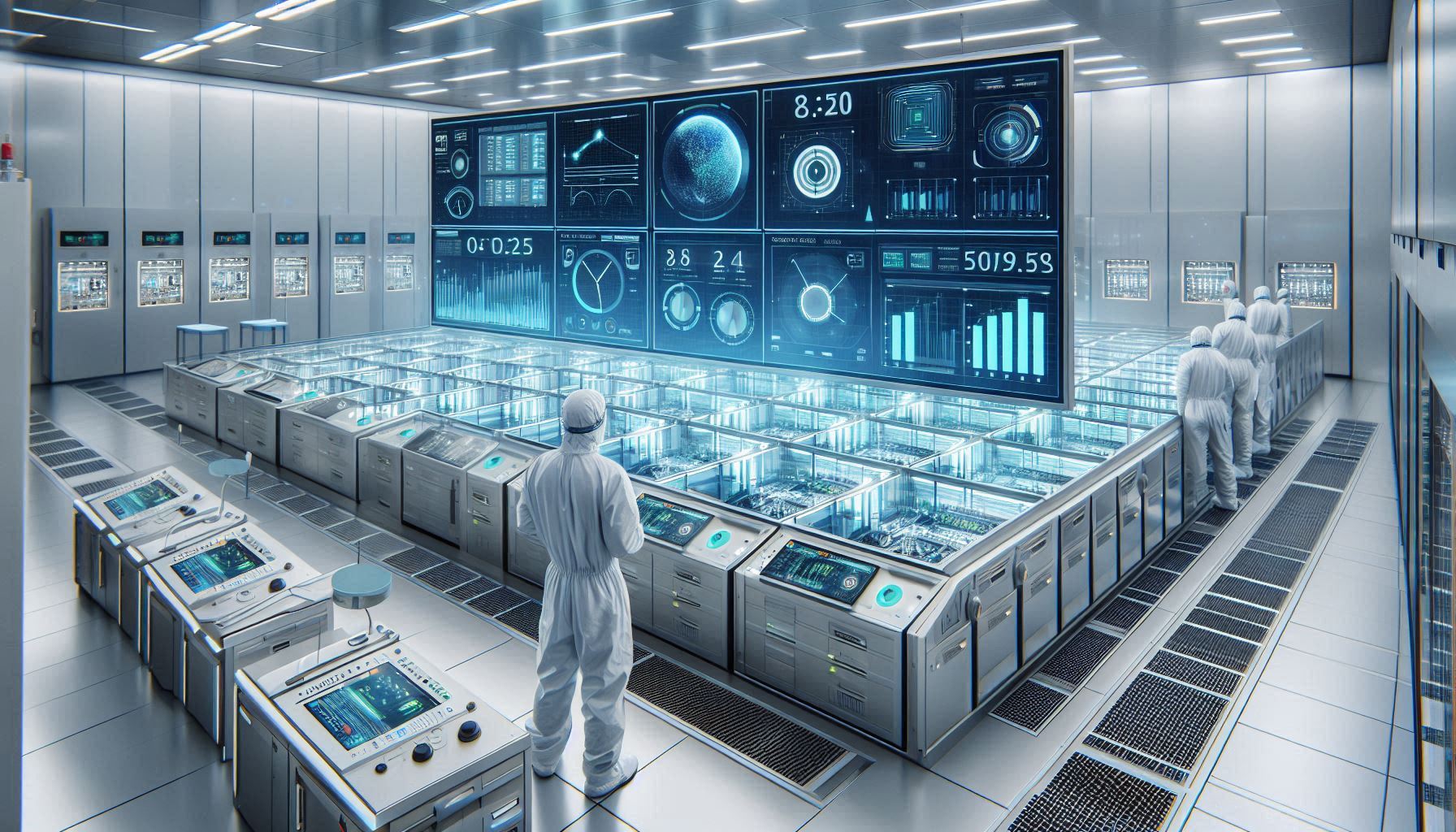
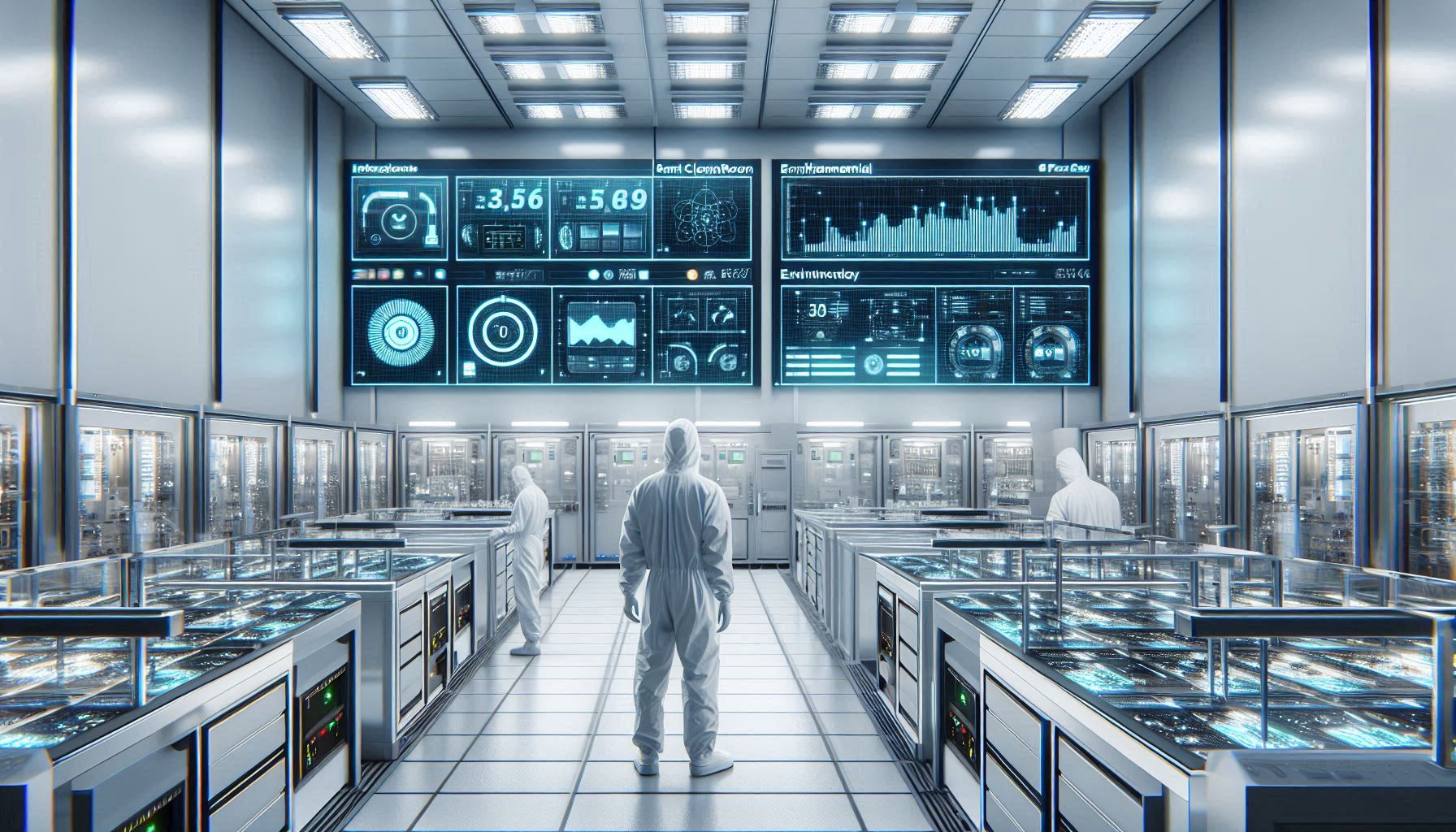
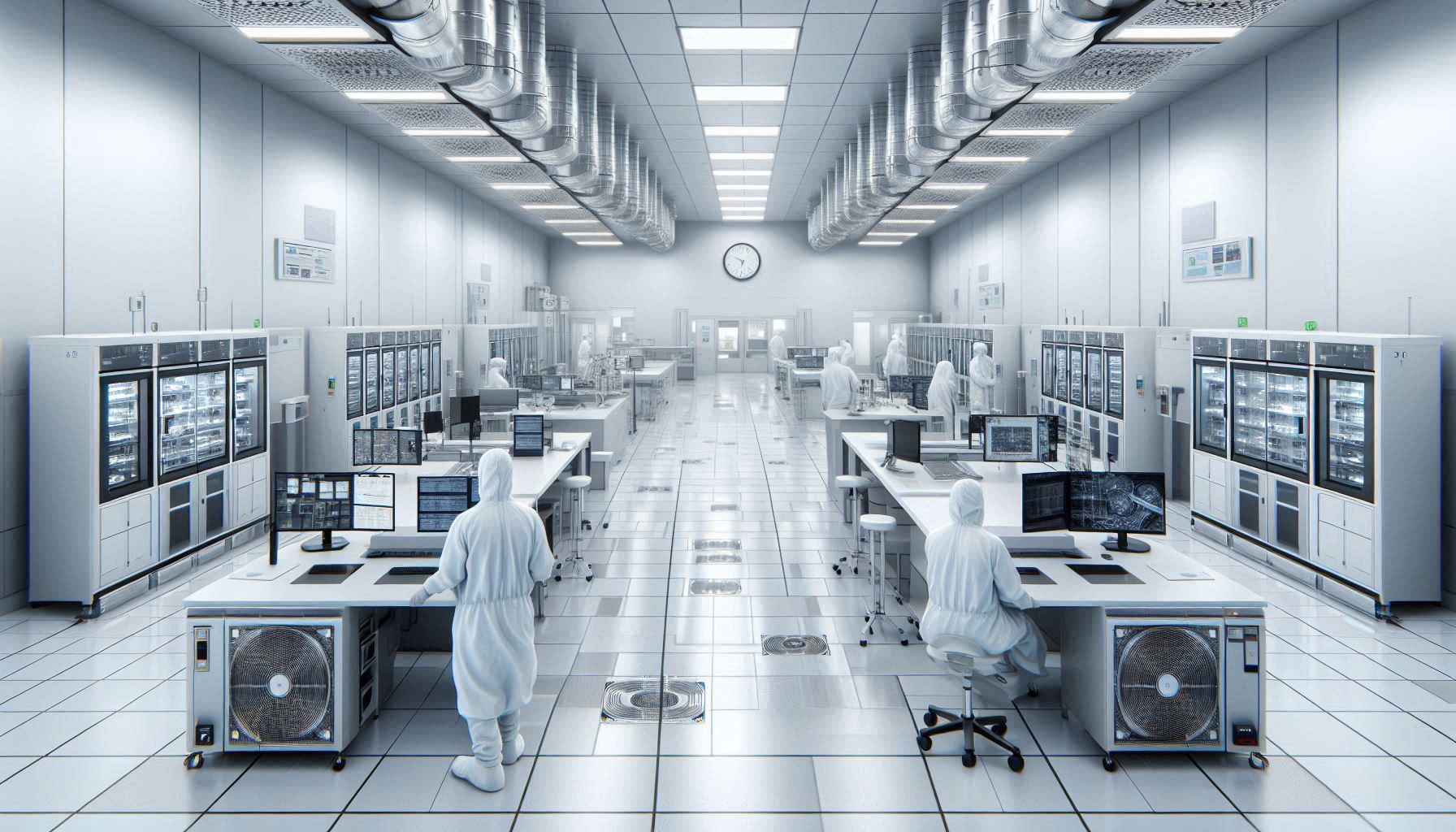
An advanced HVAC system installed in a modern data center

The HVAC for data centers is a cornerstone of modern IT infrastructure, ensuring that servers, storage systems, and networking equipment operate efficiently without overheating or succumbing to environmental risks. Maintaining temperatures between 18°C and 24°C and relative humidity levels between 40% and 60% is crucial for preventing condensation or static electricity buildup, which can damage sensitive electronic components. Additionally, standards like TIA-942 mandate redundancy in HVAC systems for Tier 1, 2, 3, and 4 data centers to ensure uninterrupted operations. In this article, we’ll explore the essential needs and best practices for HVAC for data centers, focusing on innovative solutions like underfloor cooling, in-row cooling, and smart rack cooling systems.

What Is HVAC for Data Centers?

HVAC in a data center refers to specialized systems designed to regulate temperature, humidity, and air quality within the facility. These systems are tailored to meet the unique demands of IT infrastructure, ensuring precise environmental control to prevent overheating, moisture-related issues, and contamination. Unlike traditional HVAC systems, HVAC for data centers often employs advanced technologies such as underfloor cooling, in-row cooling, and containment strategies to maximize efficiency. For instance, a facility in Bengaluru implemented in-row cooling units like these, achieving a 25% reduction in energy consumption.

Additionally, redundancy planning is critical for data centers. TIA-942 standards require backup systems for Tier 3 and Tier 4 facilities to handle failures without downtime. This ensures reliability and scalability, making HVAC systems indispensable for modern data centers.

How Do You Calculate HVAC in a Data Center?

Calculating HVAC requirements for a data center involves assessing heat loads generated by IT equipment, lighting, and human activity. A common formula is ( Q = P x 3.412 ), where ( Q ) represents heat load in BTU/hr and ( P ) is the power consumption in kW. Adding a safety margin ensures the system can handle unexpected spikes in heat generation.

For example, a data center in Hyderabad calculated its heat load using CFD analysis (computer-based airflow simulations) and integrated AI-driven controls to optimize cooling distribution here. Such precision helps reduce energy waste while maintaining optimal conditions.

HVAC for Data Centers in India

India’s growing IT sector has led to a surge in demand for HVAC for data centers. Cities like Hyderabad, Pune, and Chennai are becoming hubs for cloud computing and big data analytics, driving the need for advanced cooling solutions. Indian data centers face unique challenges, including high ambient temperatures and fluctuating power supply, which necessitate robust HVAC systems.

For instance, a data center in Chennai adopted geothermal cooling systems like these to reduce reliance on grid electricity. Similarly, facilities in Mumbai have implemented solar-powered HVAC units, cutting operational costs by up to 40%.

HVAC for Data Centers PDF

For professionals seeking detailed insights, numerous organizations publish comprehensive guides on HVAC for data centers in PDF format. These documents cover design principles, energy efficiency strategies, and compliance with international standards like ASHRAE and TIA-942. For example, ASHRAE’s guidelines emphasize the importance of maintaining specific temperature and humidity ranges to protect IT equipment.

If you’re looking for practical resources, explore materials like the ultimate guide to ISO Class 5 cleanrooms or the comprehensive guide to chiller types.

Data Center HVAC Companies

  • Leading Providers :
    • Companies like Black Box Corporation, Climaveneta Climate Technologies, and Emerson Electric are renowned for delivering energy-efficient and reliable cooling systems tailored to IT infrastructure.
    • Other notable names include Fujitsu, Hitachi, and Schneider Electric, which integrate smart technologies such as AI-driven controls and IoT-enabled sensors to optimize performance.
  • Specialized Solutions :
    • STULZ GmbH and Vertiv focus on advanced in-row and smart rack cooling systems, ensuring targeted airflow for high-density server environments.
    • Rittal and Nortek Air Solutions are known for modular designs, offering scalability and flexibility for growing data centers.
  • Compliance and Standards :
    • These companies adhere to international standards like ASHRAE and TIA-942, ensuring reliability and compliance in data center HVAC systems.
  • Sustainability Initiatives :
    • Many providers prioritize eco-friendly technologies, incorporating solutions like geothermal cooling and solar-powered units like these .
  • Industry Impact :
    • Their innovations are reshaping the future of data center HVAC, making systems more efficient, adaptable, and environmentally friendly.

Data Center HVAC Jobs

The demand for skilled professionals in data center HVAC jobs is growing rapidly. Roles range from HVAC technicians and engineers to project managers and consultants. Key responsibilities include designing, installing, and maintaining cooling systems, ensuring compliance with standards like TIA-942, and optimizing energy efficiency.

For instance, a technician in Hyderabad gained expertise by working on pharmaceutical cleanroom projects, which opened doors to higher-paying roles in data centers. Explore HVAC training programs like these to enhance your career prospects.

Data Center HVAC Design Course

Specialized courses on data center HVAC design equip professionals with the skills needed to create efficient and reliable cooling systems. Topics typically include heat load calculations, airflow management, and compliance with international standards like ASHRAE and TIA-942.

For example, a course in Bengaluru focuses on emerging trends like AI-driven optimization and geothermal cooling here. Such training ensures participants stay ahead in a competitive industry.

Data Center HVAC Manufacturers

Leading manufacturers play a pivotal role in advancing HVAC for data centers. These companies develop cutting-edge technologies like in-row cooling units, smart rack cooling systems, and geothermal HVAC solutions. For instance, a manufacturer in Chennai introduced energy-efficient chillers, helping facilities reduce operational costs significantly.

Collaborations between manufacturers and data center operators are driving innovation, with a focus on sustainability and energy efficiency here.

Types of Data Center Cooling Systems

Data centers employ various cooling systems tailored to their specific needs:

Underfloor Cooling

Underfloor cooling systems distribute cold air through raised floors, ensuring consistent airflow across server racks. This approach is particularly effective for large-scale facilities.

In-Row Cooling

In-row cooling units are placed directly between server racks, providing targeted cooling to high-density areas. For example, a facility in Pune reduced energy consumption by 30% after adopting in-row cooling here.

Smart Rack Cooling

Smart rack cooling systems use sensors and AI-driven controls to optimize airflow and temperature distribution. These systems are gaining popularity due to their efficiency and scalability.

Emerging Trends in Data Center HVAC

Several trends are reshaping HVAC for data centers, offering exciting opportunities for innovation:

AI-Powered Optimization

Artificial intelligence is transforming HVAC operations by enabling predictive maintenance and real-time adjustments. For instance, an AI-driven chiller plant in Mumbai optimized energy usage, achieving a 20% reduction in cooling costs here.

Sustainability Initiatives

Green building certifications like LEED and IGBC are encouraging data centers to adopt sustainable HVAC solutions. Geothermal cooling and energy recovery ventilators (ERVs) are becoming popular choices for reducing carbon footprints here.

Modular Designs

Modular HVAC systems offer scalability and flexibility, allowing data centers to expand their cooling capacity as needed. This approach ensures long-term adaptability without compromising efficiency.

Case Studies: Real-World Applications

To illustrate the impact of innovative HVAC solutions, consider these examples:

  • Bengaluru Facility: Achieved 30% cooling efficiency improvement using in-row cooling configurations.
  • Hyderabad Data Center: Reduced energy consumption by 25% after integrating AI-driven chiller plants.
  • Gujarat Setup: Cut reliance on grid electricity by 40% using solar-powered HVAC systems.

FAQs: HVAC for Data Centers

What is HVAC in a data center?

HVAC in a data center refers to systems that regulate temperature, humidity, and air quality to protect IT equipment from overheating and environmental risks.

How do you calculate HVAC in a data center?

Use formulas like ( Q = P x 3.412 ), where ( Q ) represents heat load in BTU/hr and ( P ) is the power consumption in kW. Add a safety margin for unexpected spikes.

HVAC for data centers in India?

Indian data centers increasingly adopt geothermal and solar-powered HVAC systems to address high ambient temperatures and fluctuating power supply.

HVAC for data centers PDF?

Comprehensive guides on HVAC for data centers are available from organizations like ASHRAE, covering design principles and energy efficiency strategies.

Data center HVAC companies?

Leading companies specialize in energy-efficient systems, redundancy planning, and compliance with industry standards like ASHRAE and TIA-942.

Data center HVAC jobs?

Roles range from HVAC technicians and engineers to project managers, with key responsibilities including system design, installation, and maintenance.

Data center HVAC design course?

Courses focus on heat load calculations, airflow management, and compliance with international standards like ASHRAE and TIA-942.

Data center HVAC manufacturers?

Manufacturers develop cutting-edge technologies like in-row cooling units, smart rack cooling systems, and geothermal HVAC solutions.

Types of data center cooling systems?

Common types include underfloor cooling, in-row cooling, and smart rack cooling systems.

Disclaimer

Some links in this article are affiliate links, such as those for Amazon products. These may generate a small commission at no extra cost to you, supporting our work. We never compromise editorial integrity for partnerships.

About the Author

Mr. Om Prakash, with over 18 years of hands-on experience in the HVAC industry, brings unmatched expertise in cleanroom, pharmaceutical, semiconductor, data center, commercial, and industrial HVAC systems. As the founder of HVAC Technocrat, he specializes in customized HVAC design, energy efficiency audits, retrofit planning, and turnkey consultancy services across India. His deep understanding of critical environments and complex building needs ensures every solution is efficient, reliable, and future-ready. Through his writings, he simplifies HVAC concepts and shares real-world insights to support professionals, facility managers, and decision-makers. For any enquiries or project support, feel free to call or WhatsApp at +91 9908091942, email at hvactechnocrats@gmail.com, or visit www.hvactechnocrat.com.

Innovative HVAC for Semiconductor Manufacturing

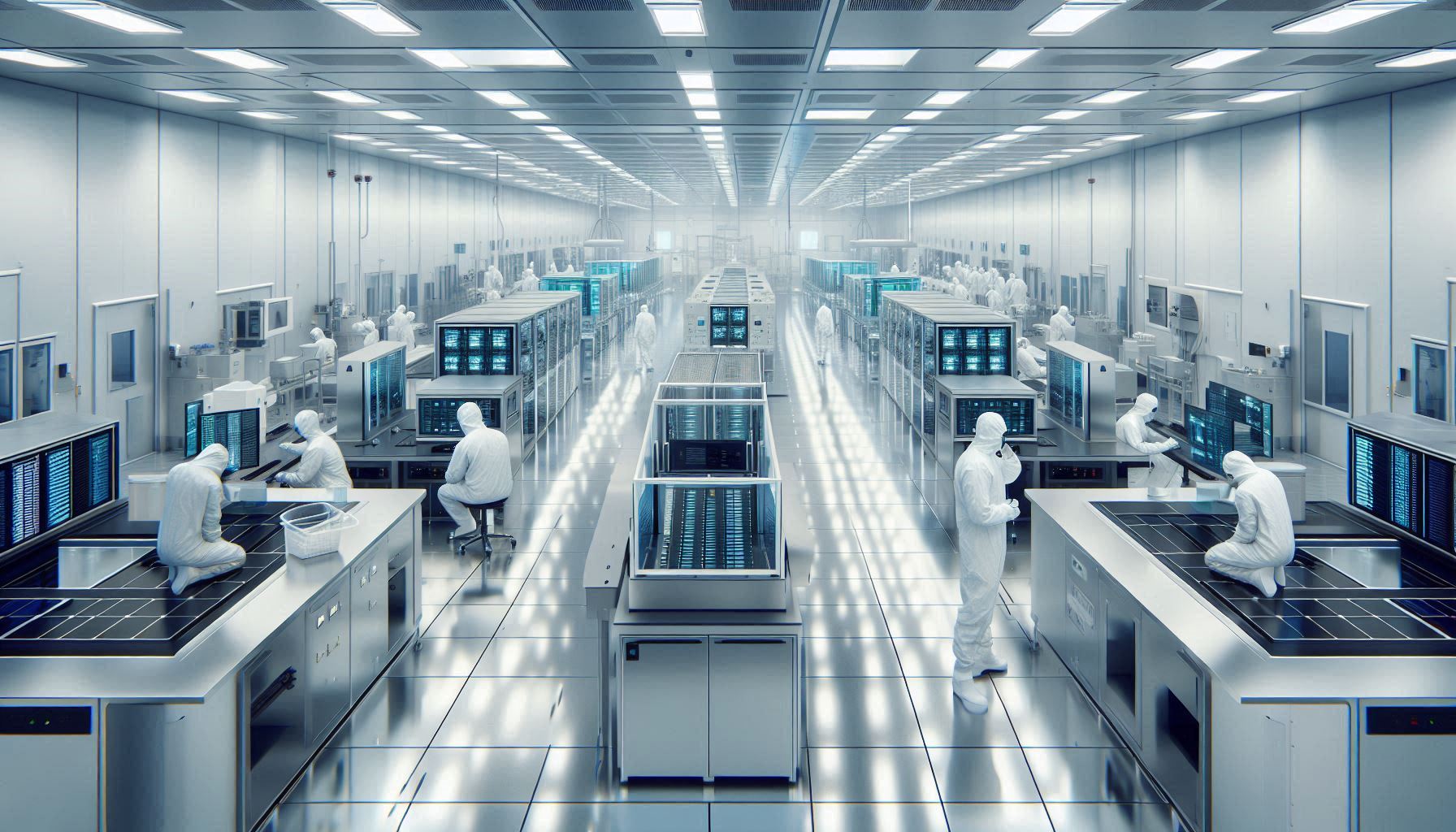
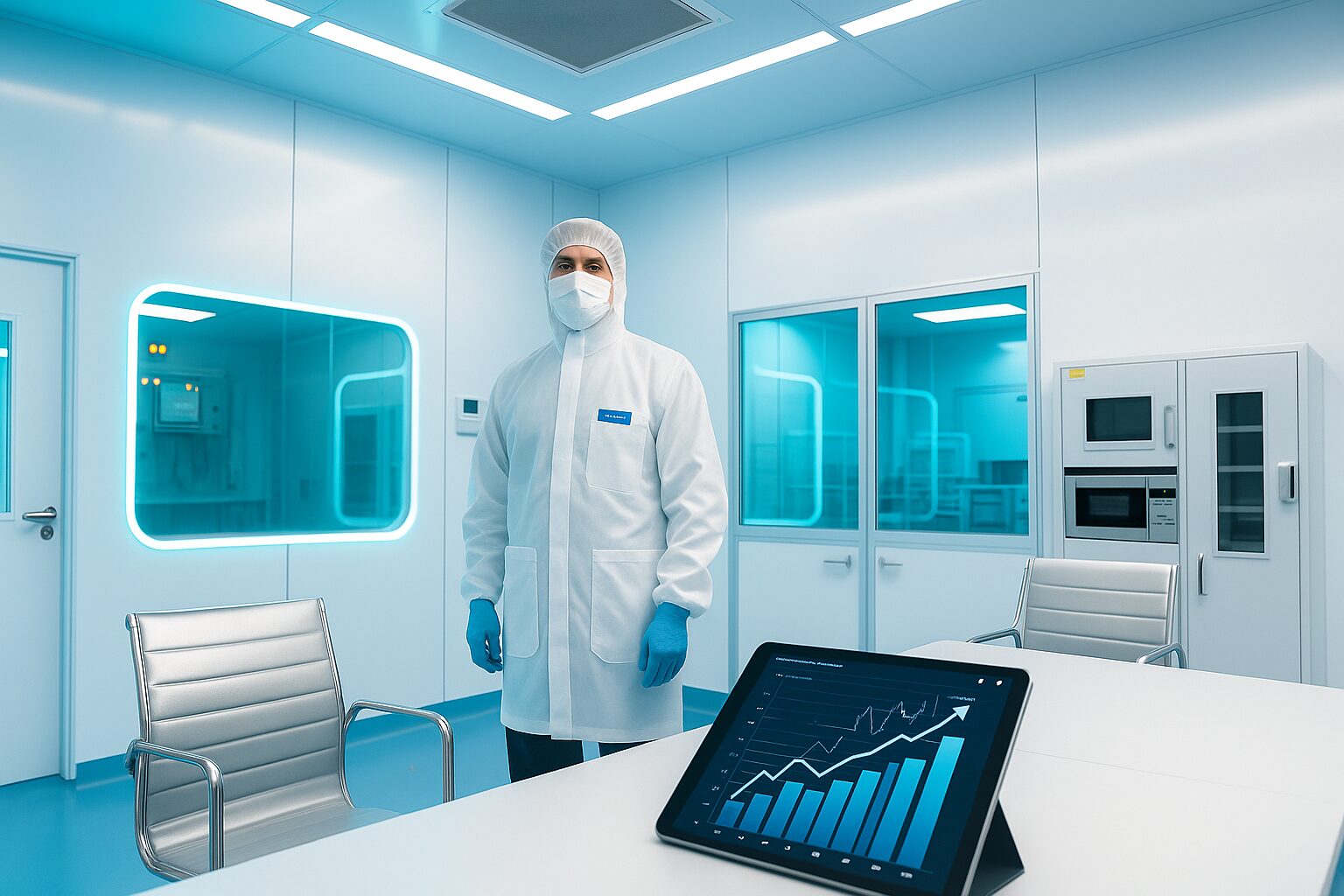
A modern semiconductor cleanroom with advanced HVAC systems

The semiconductor industry relies heavily on precision and cleanliness, making HVAC for semiconductor manufacturing a cornerstone of success. These systems ensure that cleanroom environments meet stringent standards like ISO Class 5 or better, which are critical for producing high-quality microchips. Semiconductor fabrication is highly sensitive to environmental conditions, and even minor fluctuations in temperature, humidity, or particle levels can lead to costly defects. In this article, we’ll explore the innovative technologies driving HVAC for semiconductor facilities, address common challenges, and highlight best practices to optimize performance.

Why HVAC is Crucial for Semiconductor Manufacturing

Semiconductor manufacturing involves processes that demand precise control over environmental variables. For instance, photolithography—a technique used to etch circuit patterns onto silicon wafers—requires humidity levels to remain within ±2% to prevent photoresist materials from degrading. Similarly, controlling airborne particles is essential during wafer processing to avoid contamination. This is where HVAC for semiconductor facilities plays a pivotal role, maintaining consistent temperature, humidity, and pressure levels while filtering out submicron particles. To learn more about cleanroom classifications, refer to our detailed guide on ISO Class 5 cleanrooms.

Additionally, advanced HVAC systems contribute to energy efficiency, reducing operational costs without compromising performance. Transitioning to smart controls and AI-driven solutions has become increasingly common in modern facilities.

Emerging Technologies in HVAC for Semiconductor Facilities

As the semiconductor industry evolves, so do the technologies supporting it. Here are some innovations reshaping HVAC for semiconductor manufacturing:

AI-Driven Optimization

Artificial intelligence (AI) is transforming HVAC operations by enabling predictive maintenance and real-time monitoring. For example, AI-powered systems can analyze data from sensors to detect anomalies in airflow or temperature, allowing engineers to address issues proactively. A semiconductor plant in Bengaluru implemented such a system, achieving a 20% reduction in energy consumption while enhancing cleanroom stability. Explore how AI optimizes chiller plants in data centers here.

Desiccant Dehumidification

Controlling humidity is particularly challenging in tropical climates like India’s. Desiccant wheels, which absorb moisture from the air, are increasingly integrated into HVAC systems for semiconductor facilities. This technology ensures low relative humidity levels, even in humid conditions, preventing condensation on sensitive equipment. Discover more about desiccant wheels here.

Energy Recovery Systems

Energy recovery ventilators (ERVs) are gaining traction in semiconductor manufacturing due to their ability to reduce energy costs. ERVs transfer heat and moisture between incoming and outgoing air streams, minimizing the load on HVAC systems. For example, a facility in Hyderabad reduced its HVAC-related energy bills by 15% after installing an ERV system.

Challenges in HVAC for Semiconductor Facilities

Designing HVAC systems for semiconductor manufacturing presents unique challenges. However, addressing these challenges ensures optimal performance and reliability.

Stringent Cleanroom Requirements

Maintaining ISO Class 5 or better standards demands superior filtration systems, such as HEPA and ULPA filters, to trap submicron particles. Additionally, achieving high Air Changes Per Hour (ACPH), often exceeding 600, is essential to maintain ultra-low particle counts. Learn how high ACPH impacts cleanroom performance here.

High Energy Consumption

Semiconductor cleanrooms consume up to 50 times more energy than conventional office spaces, primarily due to continuous operation and strict environmental controls. To mitigate this, facilities are adopting energy-efficient technologies like geothermal cooling and solar-powered HVAC systems.

Scalability

As production scales, HVAC systems must adapt without compromising performance or efficiency. Modular designs allow for easy expansion and customization, ensuring long-term flexibility.

Sustainability in HVAC for Semiconductor Manufacturing

Sustainability is becoming a priority in the semiconductor industry, driven by global initiatives like IGBC and LEED certifications. Here’s how HVAC systems contribute to sustainable practices:

Geothermal Cooling

Some facilities are adopting geothermal HVAC systems, which use the earth’s natural thermal properties to cool cleanrooms efficiently. Explore geothermal options here.

Solar-Powered HVAC

Integrating solar panels with HVAC systems reduces reliance on grid electricity. A semiconductor plant in Gujarat achieved a 25% reduction in operational costs using solar-powered units.

Smart Controls

IoT-enabled thermostats and sensors optimize energy usage by adjusting settings based on occupancy and production schedules. This not only reduces energy consumption but also enhances system reliability.

Case Studies: Real-World Applications

To better understand the impact of innovative HVAC systems, consider these examples:

Precision Airflow Management

A semiconductor fab in Taiwan implemented a hot aisle/cold aisle configuration, improving cooling efficiency by 30%. This setup ensures consistent airflow across server racks and process tools.

Particle-Free Environments

A cleanroom in Chennai achieved ISO Class 3 certification by integrating advanced filtration systems and pressure differential controls. Learn why pressure differentials are crucial here.

Best Practices for HVAC in Semiconductor Facilities

To maximize the efficiency of HVAC for semiconductor manufacturing, consider the following best practices:

  • Regular maintenance schedules help ensure filters, ducts, and compressors function optimally.
  • Airflow simulation using computational fluid dynamics (CFD) analysis helps identify potential hotspots or contamination risks.
  • Redundancy planning incorporates backup systems to maintain uninterrupted operation during HVAC failures.

For insights into effective maintenance strategies, check out our guide on AC service near me.

FAQs: HVAC for Semiconductor Manufacturing

What is the role of HVAC in semiconductor manufacturing?

HVAC systems regulate temperature, humidity, and particle levels in cleanrooms, ensuring optimal conditions for chip fabrication.

How does AI improve HVAC efficiency in semiconductor facilities?

AI enables predictive maintenance and real-time monitoring, reducing energy consumption and preventing costly downtime.

What are the challenges in designing HVAC for semiconductor cleanrooms?

Key challenges include meeting stringent cleanliness standards, managing high energy consumption, and ensuring scalability.

What technologies enhance energy efficiency in semiconductor HVAC systems?

Technologies like desiccant dehumidifiers, energy recovery ventilators, and geothermal cooling contribute to energy savings.

How important is sustainability in semiconductor HVAC design?

Sustainability reduces operational costs and aligns with global green building initiatives, making it a growing focus for manufacturers.

Where can I learn more about cleanroom HVAC standards?

Explore resources like the ISO Class 5 cleanroom guide for detailed insights.

Disclaimer

Some links in this article are affiliate links, such as those for Amazon products. These may generate a small commission at no extra cost to you, supporting our work. We never compromise editorial integrity for partnerships.

About the Author

Mr. Om Prakash, with over 18 years of hands-on experience in the HVAC industry, brings unmatched expertise in cleanroom, pharmaceutical, semiconductor, data center, commercial, and industrial HVAC systems. As the founder of HVAC Technocrat, he specializes in customized HVAC design, energy efficiency audits, retrofit planning, and turnkey consultancy services across India. His deep understanding of critical environments and complex building needs ensures every solution is efficient, reliable, and future-ready. Through his writings, he simplifies HVAC concepts and shares real-world insights to support professionals, facility managers, and decision-makers. For any enquiries or project support, feel free to call or WhatsApp at +91 9908091942, email at hvactechnocrats@gmail.com, or visit www.hvactechnocrat.com.

How to Use AI to Predict HVAC System Failures in Data Centers

Discover the transformative potential of AI in predicting HVAC system failures in data centers. Learn how AI technology can improve reliability, reduce downtime and optimize energy efficiency.

Using AI to Predict HVAC Failures in Data Centers

Using AI to predict HVAC system failures in data centers will revolutionize management and operational efficiency. This article explores the integration of AI, highlighting its benefits, applications and steps to implement it effectively.

What is AI in HVAC Systems?

AI in HVAC systems involves using advanced algorithms and machine learning techniques to monitor and analyze system performance data. This technology predicts potential failures, optimizes maintenance schedules, and increases overall system efficiency. AI-driven HVAC systems are becoming essential in data centers due to their ability to process large amounts of data in real time.

What is the role of AI in predicting HVAC failures?

AI plays a key role in predicting HVAC failures by analyzing data from sensors and historical performance records. Machine learning algorithms identify patterns and anomalies that indicate impending problems. This proactive approach enables timely maintenance interventions, avoiding system breakdowns and ensuring continuous data center operations.

Why Use AI for HVAC Failure Prediction?

Using AI for HVAC failure prediction provides several benefits:

  • Downtime is reduced: AI provides early warnings, enabling proactive maintenance.
  • Cost savings: Preventive maintenance reduces repair costs and extends equipment life.
  • Energy efficiency: AI optimizes HVAC operations, reducing energy consumption.
  • Reliability: Continuous monitoring and predictive analytics improve system reliability.

Where should AI be applied in data center HVAC systems?

AI can be applied to various components of data center HVAC systems, including:

  • Air Handling Units (AHUs): Monitoring air flow and temperature to ensure optimal conditions.
  • Chillers: Assessing cooling performance and potential failures.
  • Cooling Towers: Analyzing water flow and temperature for efficient cooling.
  • Air Distribution Systems: To evenly distribute the cooled air.
  • Monitoring and control systems: Integrating AI for centralized control and real-time monitoring.

How to Implement AI for HVAC Failure Prediction?

Implementing AI for HVAC failure prediction involves several steps:

  • Install IoT sensors: Collect real-time data on temperature, humidity, airflow and device performance.
  • Use machine learning algorithms: Analyze data to identify patterns and predict failures.
  • Integrate AI software: Seamlessly integrate AI with existing HVAC systems for real-time monitoring.
  • Continuous monitoring: Regularly update AI models with new data to maintain accuracy.
  • Collaborate with experts: Work with AI and HVAC experts to improve and optimize the system.

What are the latest AI technologies in HVAC?

Latest AI Technologies in HVAC:

  • Predictive maintenance software uses advanced algorithms to predict equipment failures and recommend optimal maintenance schedules. Machine learning is used to detect anomalies in system performance and detect differences.
  • Machine Learning for Anomaly Detection: Detects anomalies in system performance.
  • AI-based energy management systems: Optimize energy use and efficiency.
  • IoT sensors: Provide real-time data for AI analysis.
  • Cloud-based AI platforms: Enable remote monitoring and control of HVAC systems.

What are the advantages & disadvantages of using AI in HVAC?

Benefits:

  • Improved reliability: Early maintenance reduces unexpected failures.
  • Cost efficiency: Low maintenance and repair costs.
  • Improved energy efficiency: AI optimizes system performance, reducing energy consumption.
  • Proactive maintenance: Early detection of problems prevents major breakdowns.

Disadvantages:

  • High initial cost: AI systems are expensive to implement.
  • Complex integration: Integrating AI with existing systems may require significant effort.
  • Ongoing Monitoring: Continuous updates and adjustments are required for optimal performance.

How to optimize AI for HVAC systems?

Optimizing AI for HVAC systems includes:

  • Regular updates: Continuously update AI models with new data.
  • Accurate data collection: Use high-quality sensors for accurate data.
  • Continuous Training: Train AI algorithms to improve prediction accuracy.
  • Expert collaboration: Work with AI and HVAC experts to improve system performance.

FAQ

What is the benefit of using AI in HVAC systems?

Using AI in HVAC systems increases operational efficiency and reliability. AI enables predictive maintenance, reduces downtime and optimizes energy consumption. This leads to significant cost savings and more stable operation in data centers.

How does AI predict HVAC failures?

AI predicts HVAC failures by analyzing data from sensors and historical performance records. Machine learning algorithms identify patterns and anomalies that indicate potential problems. This enables early warnings and preventive maintenance, reducing the risk of system breakdowns.

What are the challenges of implementing AI in HVAC systems?

Implementing AI in HVAC systems presents challenges such as high initial costs, complex integration, and the need for continuous monitoring and adjustments. Despite these challenges, the long-term benefits of improved efficiency and reliability often outweigh the initial hurdles.

How can AI improve energy efficiency in data centers?

AI improves energy efficiency in data centers by optimizing HVAC operations. It analyzes real-time data to adjust cooling levels, reducing unnecessary energy consumption. Predictive maintenance also keeps systems running efficiently without unexpected failures, further saving energy.

What are the future trends in AI for HVAC systems?

Future trends in AI for HVAC systems include the use of cloud-based AI platforms, advanced predictive maintenance software, and more advanced machine learning algorithms. These trends aim to further improve efficiency, reliability and stability in HVAC operations.

Conclusion

Incorporating AI to predict HVAC system failures in data centers provides significant benefits such as reduced downtime, lower maintenance costs and improved energy efficiency. By using advanced AI technologies, data centers can ensure optimal HVAC performance and stability. As AI continues to evolve, its role in HVAC systems will become more complex, driving innovation and efficiencies across the industry.