Semiconductor Clean Room: The Crucial Role of HVAC Technology

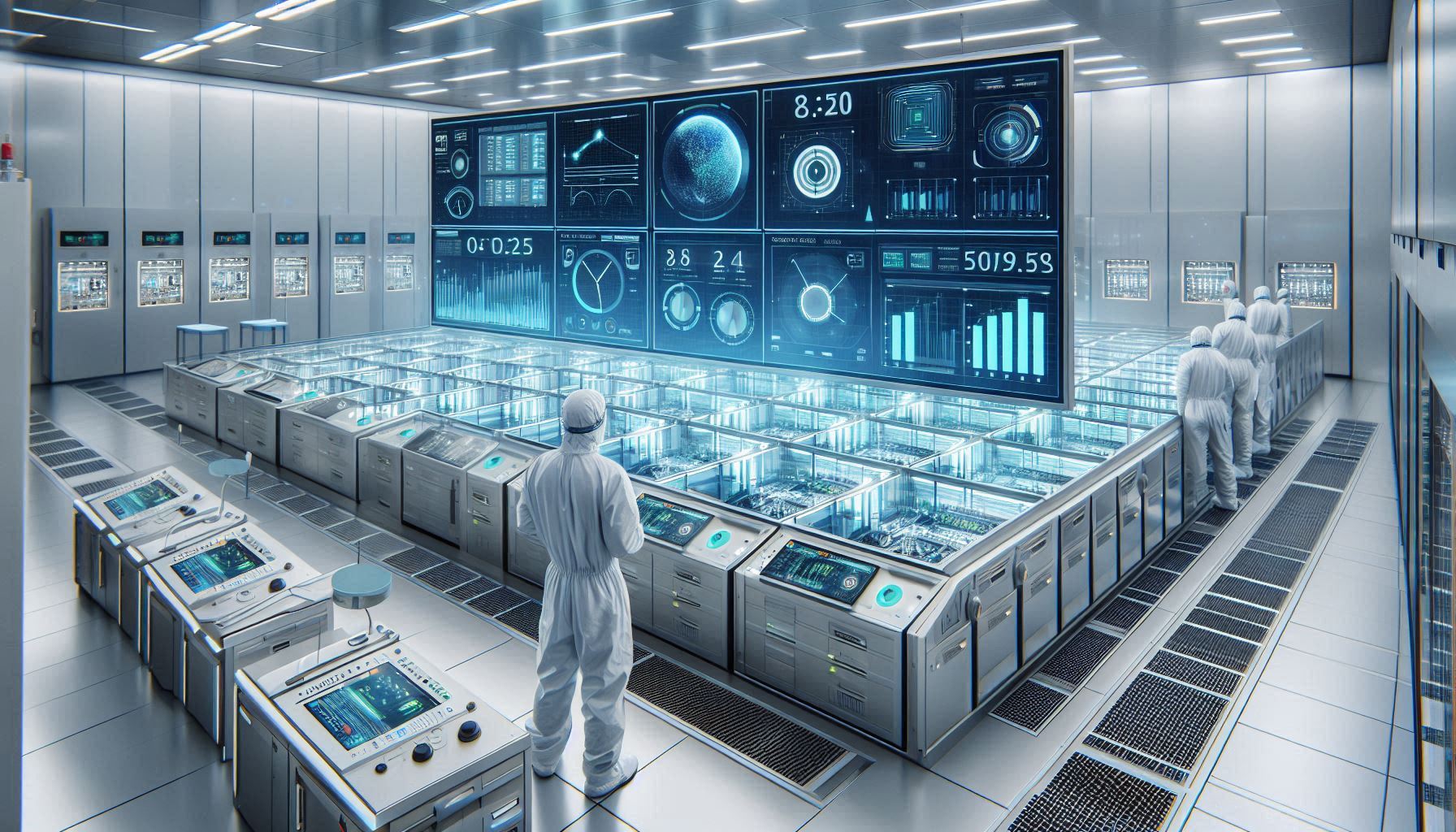
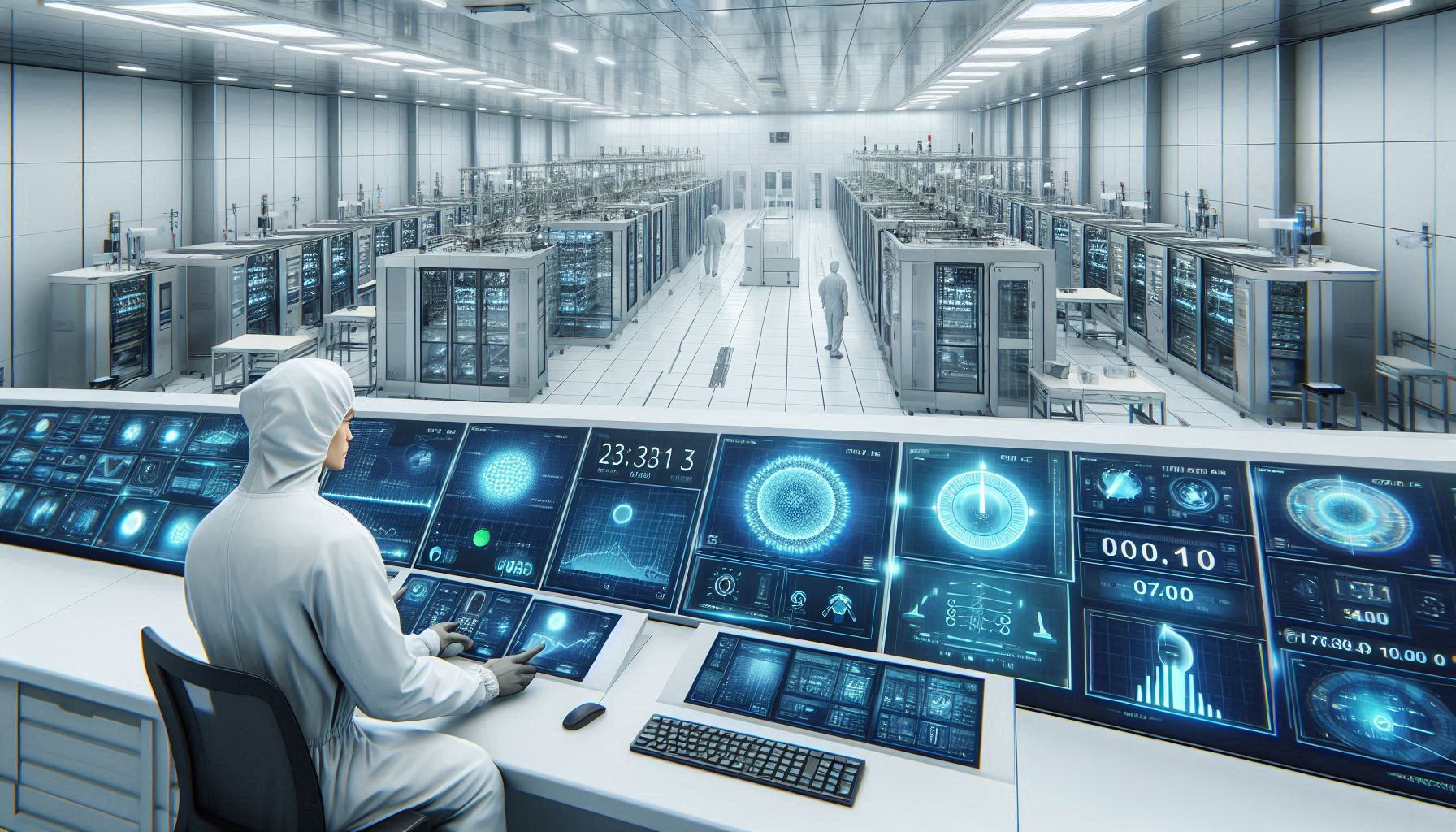
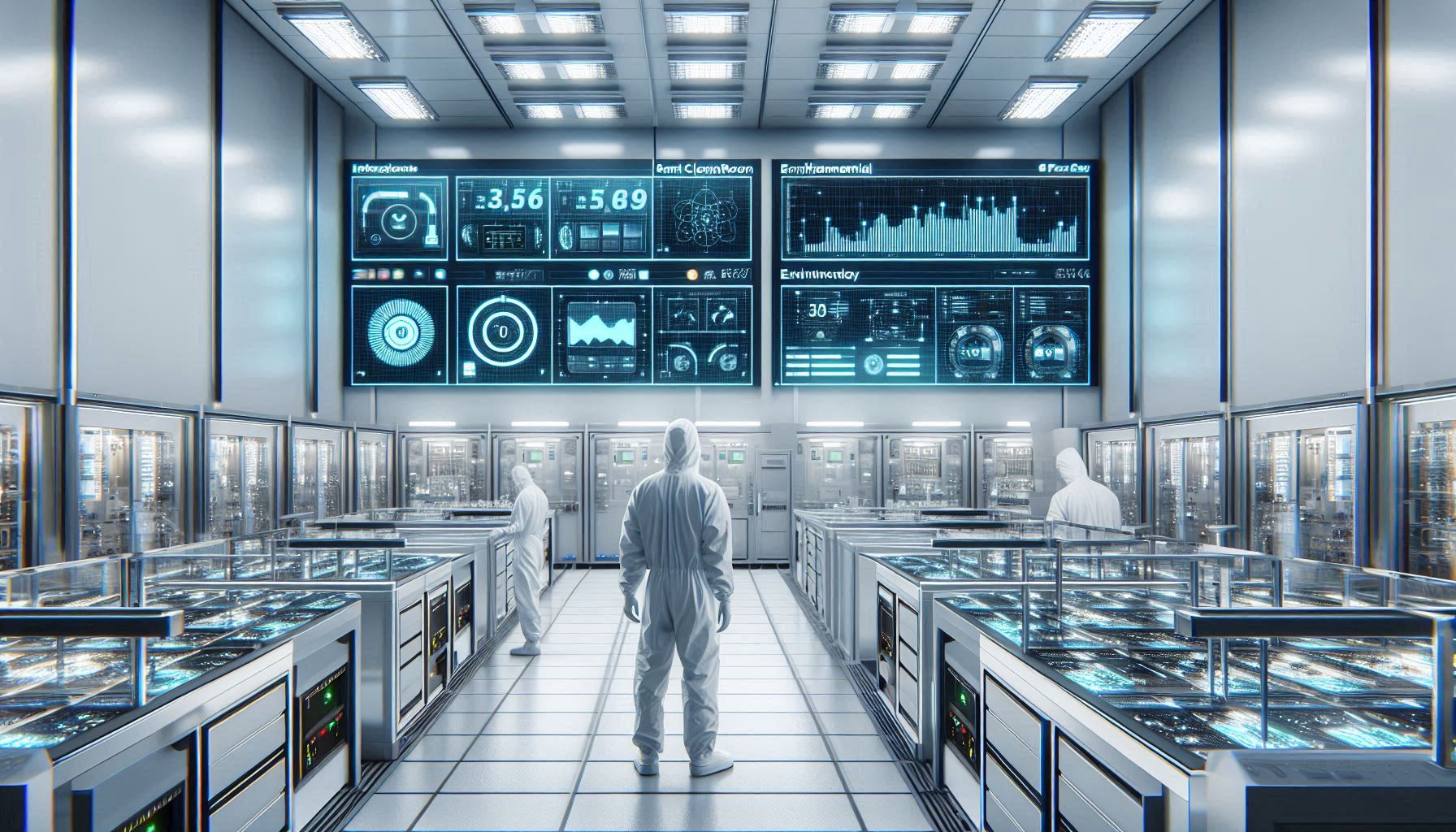
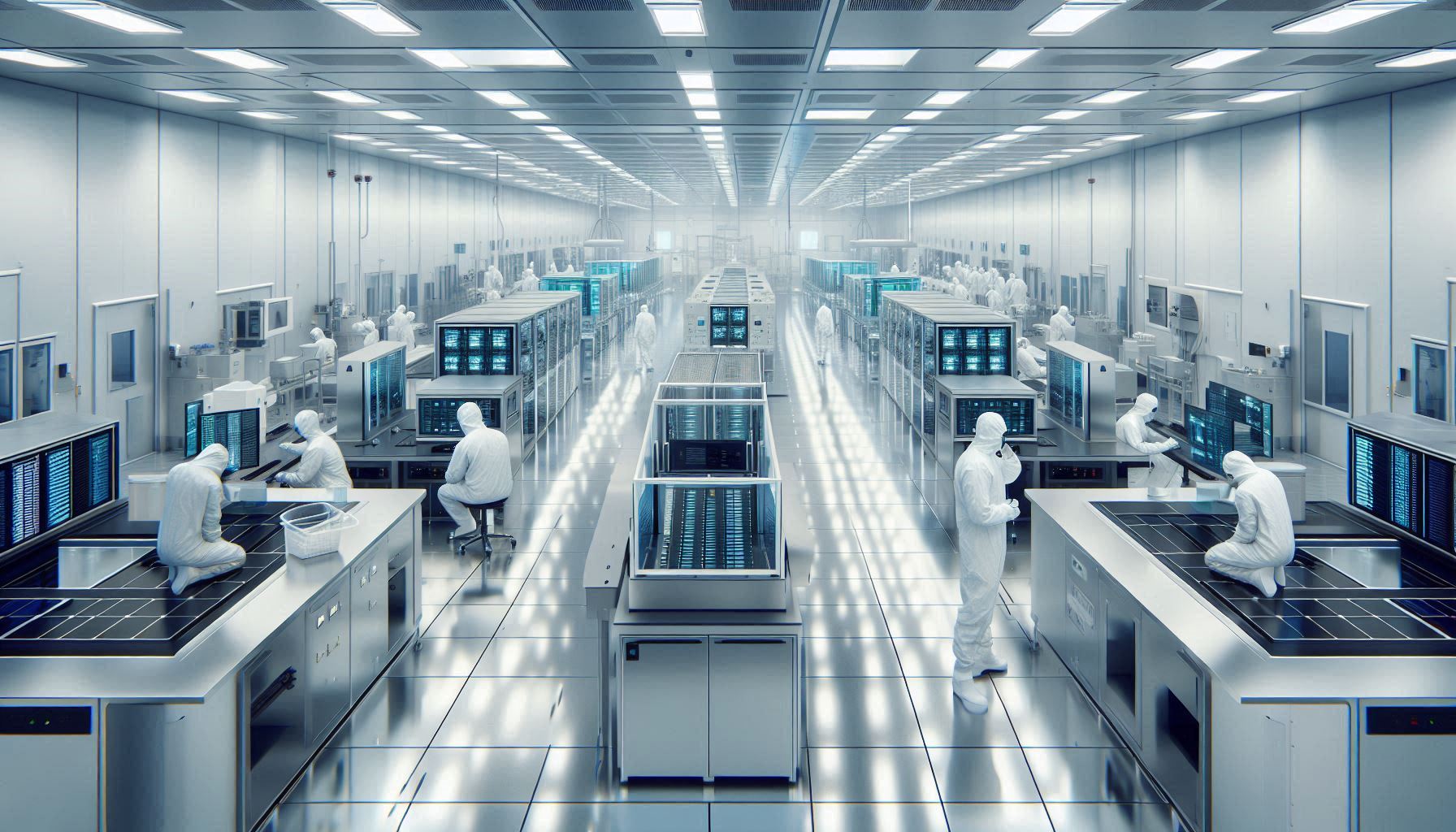
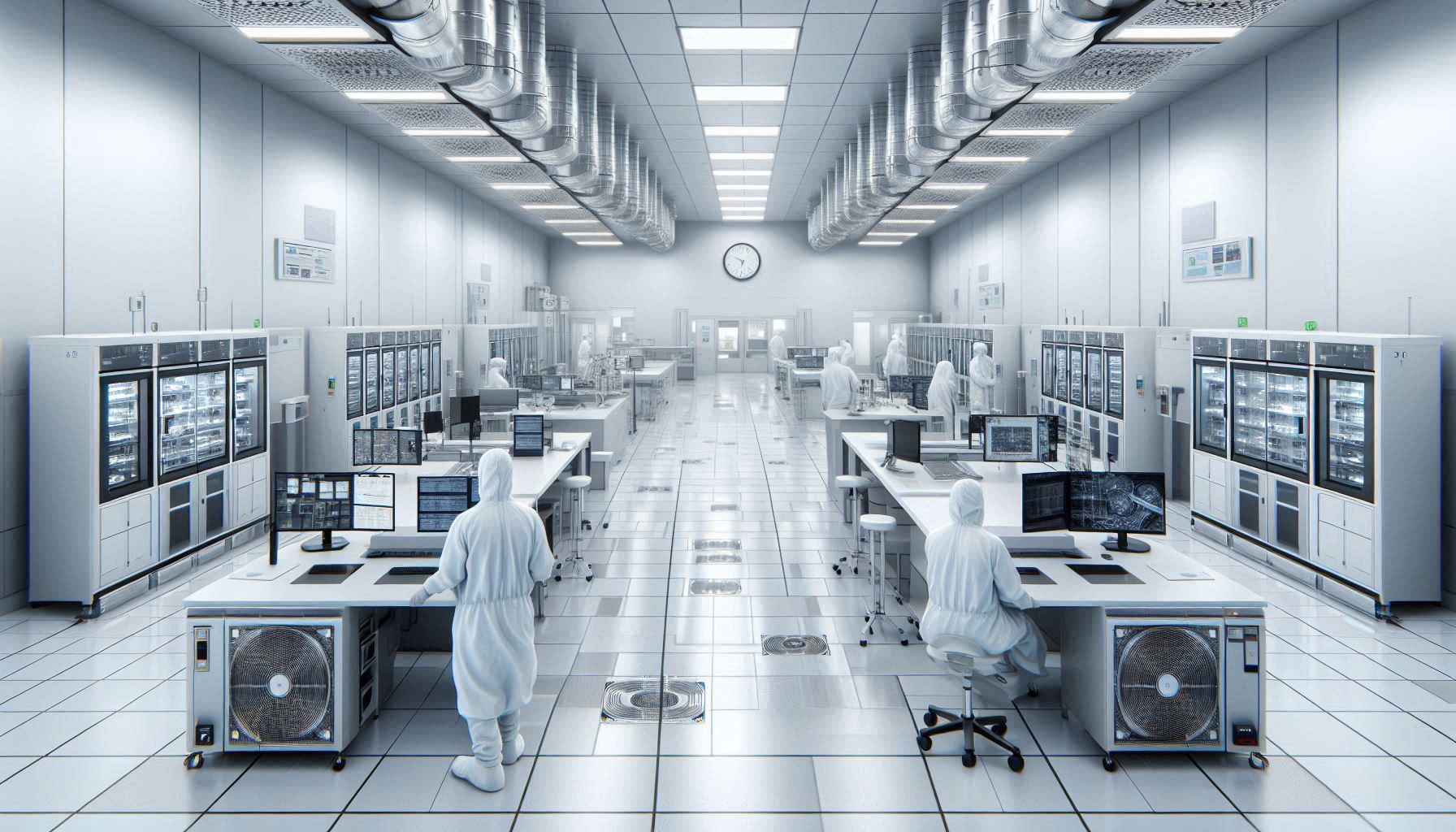
Cross-sectional view of a semiconductor clean room with advanced HVAC ducts, digital sensors, and real-time airflow visualizations

Introduction

In the high-stakes realm of semiconductor clean room manufacturing, precision is not merely desired—it is absolutely essential. At every stage of microchip production, from the deposition of thin films to the etching of intricate circuits, strict environmental control forms the backbone of success. At the core of this control are sophisticated HVAC (Heating, Ventilation, and Air Conditioning) systems. These systems do much more than simply regulate temperature and humidity; they create a delicate ecosystem wherein particulate contamination is strictly controlled, ensuring that every process step can meet the required levels of precision.

Semiconductor clean rooms—the highly controlled environments where integrated circuits and microchips are fabricated—rely on HVAC systems engineered to maintain not just a comfortable environment but an ultra-clean one. In such spaces, even airborne particles as small as 0.1 microns can be detrimental. Consequently, the HVAC system must handle tasks such as maintaining precise temperature and humidity levels, managing pressure differentials, and providing high-efficiency particulate removal. This chapter explores the diverse functions of HVAC systems within semiconductor clean rooms, examining the engineering complexities, innovative technologies, and industry best practices that enable these systems to achieve stringent performance standards the rigorous demands of modern semiconductor manufacturing.

The Unique Demands of Semiconductor Clean Room

Environmental Parameters and Clean Room Classifications

Semiconductor clean rooms are classified according to international standards—such as ISO 14644-1—that dictate the permissible number of airborne particles per cubic meter. For instance, an ISO Class 5 clean room restricts the number of particulate contaminants to an extremely low level, often measured in terms of particles per cubic meter for sizes of 0.5 microns and larger. Achieving such cleanliness is a formidable challenge that requires an integrated approach: advanced filtration systems, precisely controlled temperature, humidity sensors, and regulated airflow patterns all contribute to the overall environmental stability.

The stringent requirements of semiconductor fabrication processes—notably photolithography, chemical vapor deposition, and etching—necessitate an environment where uncontaminated air and consistent conditions are maintained at all times. Even minor fluctuations in temperature or moisture can lead to irreparable defects in the delicate patterns patterned on wafers. This underscores the necessity of an HVAC system that operates not only with precision but also with the ability to respond in real time to any perturbations in environmental conditions.

Dual Objectives: Cleanliness and Process Stability

A semiconductor clean room is responsible for both contaminant control and process stability. On the one hand, it must eliminate the risk of airborne particles interfering with the highly sensitive manufacturing processes. On the other hand, it is imperative that the environment remains thermally stable to support chemical reactions and other critical processes. HVAC systems must therefore be engineered to strike a balance between these two objectives. They are designed to continuously filter out contaminants while maintaining an equilibrium that supports the chemical and physical phenomena inherent in semiconductor fabrication.

The Multifaceted Role of HVAC Systems in Semiconductor Clean Room

HVAC systems in semiconductor clean rooms perform functions far beyond those of conventional building systems. Their roles can be broken down into several key areas, each of which is critical for achieving the desired manufacturing outcomes.

Temperature Regulation

Temperature control is a cornerstone of semiconductor production. Many processes, such as photolithography and annealing, require temperature variations to be kept within a range of just fractions of a degree. Modern HVAC systems employ highly sensitive thermocouples and variable-speed drives that enable them to adjust cooling or heating levels dynamically, maintaining a stable environment. Innovative solutions, which may include the use of cryogenic modules for extreme conditions, ensure that even under heavy thermal loads, the environment remains consistent. This is achieved through a combination of high-precision compressors, heat exchangers, and complex control algorithms that monitor and adjust conditions in real time.

Humidity Control

Alongside temperature, humidity is another vital parameter that must be maintained with extreme precision. Semiconductor manufacturing processes are acutely sensitive to moisture levels, where too much humidity can cause condensation issues and too little can lead to static charge buildups or material stress. HVAC systems in this context often include specialized dehumidification and humidification tools such as desiccant wheels and ultrasonic humidifiers. These devices work in concert, typically under the regulation of feedback loops fed by humidity sensors, to keep the relative humidity within narrow bounds prescribed for optimal process performance.

Airborne Particulate Filtration

One of the most critical functions of an HVAC system in a clean room is to remove airborne particulates. Advanced filtration systems, employing HEPA (High-Efficiency Particulate Air) and ULPA (Ultra-Low Penetration Air) filters, are integrated into the airflow systems. HEPA filters typically capture at least 99.97% of particles as small as 0.3 microns, whereas ULPA filters push the boundaries further by capturing up to 99.999% of submicron particles. These filters, when combined with optimized airflow—often via unidirectional laminar flow systems—ensure that any generated particulates are swiftly removed from the environment, thereby preserving the intrinsic cleanliness essential for semiconductor fabrication.

Pressure Differential Management and Zoning

Maintaining proper pressure differentials between different zones within a facility is crucial. Maintaining positive pressure in clean rooms prevents contaminated air from entering from surrounding spaces. Conversely, certain areas may require negative pressure to safely handle processes that might produce harmful byproducts. This zoned approach to environmental control further contributes to the overall integrity of the clean room. HVAC systems are configured not only to deliver the correct type of filtration and temperature control but also to generate and maintain the desired pressure profiles throughout the facility.

Integration of Advanced Technologies in HVAC Systems

Modern semiconductor manufacturing demands that HVAC systems are not static installations but dynamic facilities that evolve alongside technological advancements. Emerging trends in digital transformation—such as the use of smart sensors, AI-driven analytics, and digital twin simulations—are transforming how these systems are designed, monitored, and maintained.

Smart Sensors and IoT Connectivity

Recent advances in sensor technology have paved the way for the integration of Internet of Things (IoT) capabilities into HVAC systems. These smart sensors continuously monitor key environmental parameters such as temperature, humidity, airflow, and particle count. The data collected from these sensors is transmitted in real time to centralized control systems, enabling automated adjustments before minor discrepancies have a chance to affect the manufacturing process. This level of connectivity not only improves immediate responsiveness but also contributes to predictive maintenance strategies, where potential system issues can be identified and rectified before they lead to operational downtime.

Artificial Intelligence and Data-Driven Optimization

Artificial intelligence (AI) has found a significant role in modern HVAC management. By utilizing historical and real-time data, AI algorithms can forecast system trends and adjust operational parameters to optimize performance continuously. For example, AI-driven models can predict when filters are likely to become saturated, scheduling timely replacements or cleanings that preempt production interruptions. Additionally, AI can analyze ambient conditions and adjust HVAC settings to minimize energy consumption—a crucial factor given the continuous, energy-intensive operation of semiconductor fabrication facilities. The move toward AI-powered HVAC systems is not merely about automation; it represents a fundamental shift towards data-driven decision-making that enhances precision and efficiency.

Digital Twin Modeling for Predictive Analysis

Digital twin technology offers a revolutionary way to manage HVAC systems. By creating a virtual model of the physical HVAC infrastructure, engineers can simulate operational scenarios and test system responses without impacting live production processes. This technology allows for meticulous modeling of airflow, temperature distribution, and particulate movement, supporting engineers in planning upgrades and adjustments with unparalleled accuracy. Digital twin simulations can forecast the impact of changes—such as modifications to airflow patterns or alterations in building layout—thereby reducing the risk associated with live modifications. By leveraging these digital replicas, facilities can stay ahead of potential issues and maintain the stringent conditions required for semiconductor manufacturing.

Energy Efficiency and Sustainability Initiatives

Sustainability is becoming an increasingly critical focus in the semiconductor industry. With facilities running 24/7, energy efficiency is not only an environmental concern but also a considerable factor in operational costs. Advanced HVAC systems now incorporate features such as energy recovery ventilators (ERVs), which capture waste energy from exhaust air and utilize it to pre-condition the incoming fresh air. Variable speed drives allow compressors and fans to adjust dynamically to the real-time demands of the environment, reducing unnecessary energy consumption. These sustainable practices align with global environmental standards while ensuring that the clean room environment remains uncompromised.

Challenges in Designing and Maintaining HVAC Systems

Despite the significant technological advances, designing and maintaining HVAC systems for semiconductor clean rooms remains a complex challenge. Engineers must tackle a host of interconnected factors that range from integrating legacy components with modern systems to managing precise environmental controls under ever-changing operational conditions.

Striking the Balance: Precision vs. Flexibility

One of the foremost challenges in HVAC design for semiconductor applications is balancing the need for precise environmental control with the flexibility required by evolving manufacturing demands. Semiconductor processes are subject to rapid innovation, and facilities must be equipped with HVAC systems that can accommodate these advances without compromising the stability of the environment. Designing systems that are both adaptable and precise requires a modular approach, where components can be upgraded or reconfigured as needed, all while maintaining strict process conditions.

Also Read | Innovative HVAC for Semiconductor Manufacturing

Integrating New Technologies with Legacy Systems

Many semiconductor facilities operate in environments with existing HVAC infrastructure that may not have been designed for the current level of technological advancement. Upgrading these legacy systems to meet modern standards is technically challenging and, in some cases, cost-prohibitive. In these instances, hybrid solutions that integrate new IoT sensors, advanced filters, or AI-driven controls into older systems can provide incremental improvements. However, such integrations must be handled with care to avoid disrupting the intricate balance of environmental control already in place.

Ongoing Maintenance and Validation

In semiconductor manufacturing, HVAC systems operate continuously with little room for error. This demands strict, continuous maintenance and validation procedures. Regular testing of filters, sensors, and control systems is vital to ensure that every component of the HVAC system is functioning as required. Predictive maintenance, increasingly enabled by AI and IoT, plays an integral role in identifying and mitigating potential issues before they affect production. However, these processes require dedicated teams with specialized skills to analyze data, interpret complex system behaviors, and implement timely corrections.

Regulatory Compliance and Industry Standards

Semiconductor clean rooms must adhere to a multitude of international standards and guidelines that dictate every aspect of the environment—from ISO classifications to ASHRAE recommendations. Meeting these standards is a continuous process that demands not only technical precision but also a proactive approach to system upgrades and staff training. The dynamic nature of technology and production processes means that facilities must regularly review and update their HVAC systems to ensure compliance. Failure to maintain compliance not only risks production quality but can also result in severe financial or legal repercussions.

Hypothetical Case Study: Enhancing HVAC Performance in a Semiconductor Clean Room Facility

To illustrate the practical impact of advanced HVAC systems in semiconductor clean rooms without referencing any specific companies, consider the following hypothetical case study drawn from typical industry practices.

Also Read | Cleanroom Best Practices What You Need to Know

Background and Context

Imagine a semiconductor manufacturing facility facing challenges with environmental consistency. The facility is tasked with producing state-of-the-art microchips that demand exacting control over temperature, humidity, and particulate levels. Over time, the facility encounters issues where the existing HVAC infrastructure—designed for older technologies—struggles to maintain the required environmental parameters. Fluctuations in temperature, occasional spikes in humidity, and the presence of airborne particulates were beginning to affect production yields and process stability.

Identified Challenges

The primary issues confronting the facility were:

  • Inconsistent Temperature Control: Even minor deviations from the target range were causing variations in critical process parameters.
  • Humidity Variability: Due to the limitations of older humidification and dehumidification systems, the relative humidity fluctuated beyond the prescribed limits, thereby affecting sensitive process steps.
  • Inefficient Filtration: The facility’s outdated filtration systems were less effective in removing submicron particles, increasing the risk of contamination.
  • Energy Inefficiency: With significant energy consumption across a 24/7 operation, rising costs and sustainability concerns demanded a more efficient solution.
  • Limited Data Feedback: The absence of a modern sensor network led to delays in addressing deviations, reducing the overall responsiveness of the HVAC system.

Strategic Solutions Implemented

In response, the facility initiated a comprehensive upgrade program. The approach was multi-pronged:

  1. Modernization of HVAC Units: The existing units were replaced with systems featuring high-precision sensors, variable speed drives, and integrated control panels calibrated for real-time environmental adjustment.
  2. Installation of a Dynamic Sensor Network: A network of smart sensors was deployed, continuously monitoring parameters such as temperature, humidity, air velocity, and particulate levels. These sensors were interconnected through an IoT framework, feeding data to centralized control modules.
  3. Advanced Filtration and Airflow Redesign: Next-generation HEPA and ULPA filters were installed in conjunction with a re-engineered airflow system. The airflow was optimized to create a unidirectional (laminar) pattern that minimizes turbulence and efficiently removes contaminants.
  4. Integration of AI and Predictive Maintenance: Through the use of AI algorithms, historical data was analyzed to forecast maintenance needs. This proactive approach allowed the facility to schedule filter replacements and system calibrations before performance degraded significantly.
  5. Implementation of Energy Recovery Systems: Energy recovery ventilators (ERVs) were added to recapture waste energy from the exhaust air, pre-conditioning incoming air and thereby reducing overall energy consumption by a noteworthy margin.

Hypothetical Outcomes and Benefits

After the upgrade:

  • Temperature Consistency: The facility maintained temperature within exceptionally narrow tolerances, with deviations reduced to a fraction of a degree.
  • Improved Humidity Control: Optimized humidification systems kept the relative humidity within the ideal range, ensuring process reliability.
  • Enhanced Air Purity: Filtration improvements led to a significant reduction in airborne particles, thereby lowering the risk of contamination.
  • Operational Efficiency: Predictive maintenance not only minimized unscheduled downtime but also achieved substantial energy savings, contributing to better overall efficiency.
  • Real-Time Monitoring: The integrated sensor network enabled operators to address any process deviations almost instantaneously, ensuring consistent production quality.

Note: The above case study is entirely hypothetical and serves solely as an illustration of how advanced HVAC solutions can enhance operational performance in semiconductor clean rooms.

A Detailed Examination of HVAC System Components

To better appreciate how these systems create and maintain a pristine environment, it is helpful to explore the key components of a cleanroom HVAC system.

Air Handling Units (AHUs)

Air Handling Units serve as the main components tasked with circulating and conditioning substantial volumes of air throughout a clean room environment. In a semiconductor facility, AHUs are designed with multiple filtration stages, often incorporating both coarse and fine filters to ensure that contaminants are minimized at every step. High-rate fans and optimized ductwork help to distribute conditioned air uniformly across the facility, reducing the likelihood of dead zones where impurities might accumulate.

Advanced Filtration Modules

Filtration modules are crucial in the battle against airborne contaminants. Semiconductor clean rooms commonly employ HEPA and ULPA filters—each designed to capture particles at specific size thresholds. Some systems additionally include gas-phase filters capable of eliminating volatile organic compounds or chemical contaminants. This multi-tiered approach to filtration ensures that even the smallest particles are removed from the environment before they can affect production processes.

Temperature Control Modules

Temperature regulation in a semiconductor clean room is achieved by a symphony of chillers, heat exchangers, and auxiliary heating units. These components work in concert to dampen the impact of external temperature fluctuations and internal heat generation from processing equipment. Precision controls, coupled with high-grade sensors, allow the system to adjust continuously, ensuring that the thermal environment remains within the tightly controlled parameters required for optimal semiconductor processing.

Humidity Management Systems

Humidity management presents its own set of challenges, and modern HVAC systems tackle this using both dehumidification and humidification tools. Desiccant dehumidifiers systematically remove excess moisture from the air, while precision humidifiers inject calibrated amounts of water vapor to maintain the ideal relative humidity. This balance is imperative, as the wrong level of humidity can lead to either condensation or static discharge—both of which are harmful in an ultra-clean environment.

Integrated Control and Monitoring Platforms

The control platform forms the backbone of an advanced HVAC system. These systems integrate data from numerous sensors distributed throughout the facility, using sophisticated algorithms to monitor and adjust environmental conditions dynamically. Real-time feedback loops enable the system to pinpoint deviations from set parameters and respond accordingly, thereby safeguarding the delicate balance required for semiconductor fabrication.

The Broader Impact of Advanced HVAC Systems

Beyond providing a stable manufacturing environment, modern HVAC systems in semiconductor clean rooms offer a range of significant benefits that include:

Consistency and Process Reliability

By maintaining uniform conditions throughout the production area, advanced HVAC systems help ensure that every wafer and microchip is processed under identical conditions. This consistency is paramount in reducing variability and maximizing yield, leading to more reliable production outcomes.

Energy Efficiency and Cost Savings

Given the continuous operation of semiconductor facilities, energy consumption stands as a major operational cost. Contemporary HVAC systems incorporating energy recovery and intelligent controls can greatly minimize electricity consumption. Lower operational costs not only enhance profitability but also contribute to sustainability—a growing concern in today’s industrial landscape.

Enhanced Safety and Regulatory Compliance

The precise control over environmental conditions also helps facilities meet stringent regulatory standards and industry guidelines. By minimizing the risk of contamination and ensuring stable operating conditions, advanced HVAC systems can reduce equipment wear and prevent costly recalls or compliance issues.

Enabling Future Innovations

As semiconductor manufacturing evolves, the HVAC systems that support it must also adapt. Future-oriented technologies—such as AI, IoT, and digital twin models—transform these systems into proactive, data-driven components of a broader manufacturing ecosystem. This adaptability not only supports current production needs but also lays the foundation for incorporating tomorrow’s innovations.

Emerging Trends and Future Directions

Technology in semiconductor manufacturing, along with the supporting environments, is advancing at an extraordinary rate. A few emerging trends are poised to further transform the role of HVAC systems in clean rooms:

Digital Transformation and System Integration

The integration of digital technologies across all aspects of the manufacturing process is arraying an entirely new operational paradigm. In this landscape, HVAC systems are evolving from standalone environmental controllers to integrated components of a larger, interconnected facility management system. Future implementations could see these systems directly interfacing with production lines, quality control platforms, and energy management software, ensuring a holistic approach to operational efficiency.

Increased Emphasis on Sustainability

Environmental sustainability is no longer a secondary concern—it is a primary driver behind many technological advancements. As facilities look to reduce their carbon footprints, the role of energy-efficient HVAC systems becomes even more critical. Future systems are likely to feature even higher levels of energy recovery, adaptive load management, and integration with renewable energy sources, all of which contribute to a greener manufacturing process.

Predictive and Preventative Maintenance

The adoption of AI-driven predictive maintenance is set to become a standard practice in the coming years. By analyzing historical and real-time data, HVAC systems will not only anticipate failures but also guide technicians in performing maintenance before any noticeable degradation in performance occurs. This proactive approach minimizes downtime and ensures that operational conditions remain within the required tolerances at all times.

Advancements in Simulation and Modeling

Digital twin technology is expected to see broader adoption, allowing for real-time simulation of HVAC performance under various scenarios. This not only aids in proactive maintenance but also provides a platform for testing potential upgrades or process modifications without risking production quality. Enhanced simulation techniques will offer deeper insights into airflow dynamics and environmental stability, enabling even more precise control over clean room conditions.

Reflective Outlook: The Future of HVAC in Semiconductor Clean Room

As this chapter comes to a close, it is clear that the evolution of HVAC systems is intricately linked to the advancements in semiconductor manufacturing. The journey from a traditional, static system to a highly dynamic, integrated solution is driven by a need for precision, energy efficiency, and seamless data integration. Every improvement in clean room HVAC technology translates directly into enhanced production yields, lower operational costs, and heightened compliance with rigorously defined industry standards.

The continuing integration of AI, IoT, and digital twin technologies signals a future where HVAC systems are not only reactive but also predictive, adapting in real time to the changing needs of semiconductor fabrication. As global demand for high-performance electronics rises, so too does the need to refine the electrical, mechanical, and digital aspects of clean room environments. The HVAC system, far from being an ancillary support service, is rapidly emerging as the beating heart of semiconductor manufacturing—a critical element that drives both innovation and operational excellence.

Concluding Reflections

Ultimately, the role of HVAC systems in semiconductor clean rooms cannot be overstated. They act as the critical enablers that harmonize a myriad of factors—from thermal consistency to particulate control—into a cohesive process environment. By embracing modern technologies and integrating sustainable practices, these systems ensure that the most delicate manufacturing processes can be carried out under optimal conditions.

As the semiconductor industry continues to evolve and its production requirements grow ever more demanding, the sophistication of corresponding HVAC solutions will also need to keep pace. Future developments are likely to further refine these systems, incorporating real-time analytics, predictive maintenance, and seamless integration with broader manufacturing ecosystems. The journey from concept to execution in clean room technology is one of continuous innovation, where every fraction of a degree and every micron of filtration can make a significant difference.

Disclaimer:

The content here is intended solely for educational and informational purposes. All case studies, examples, and hypothetical scenarios are illustrative in nature and do not refer to, endorse, or represent any actual company, organization, or product. Any similarity to real-world entities or events is purely coincidental. Readers are encouraged to verify any technical details or operational recommendations with additional, independent research prior to implementation. The author and publisher assume no responsibility or liability for any errors, omissions, or outcomes resulting from the use of this material.

Next Pandemic: How AI in HVAC Can Improve Indoor Air Quality

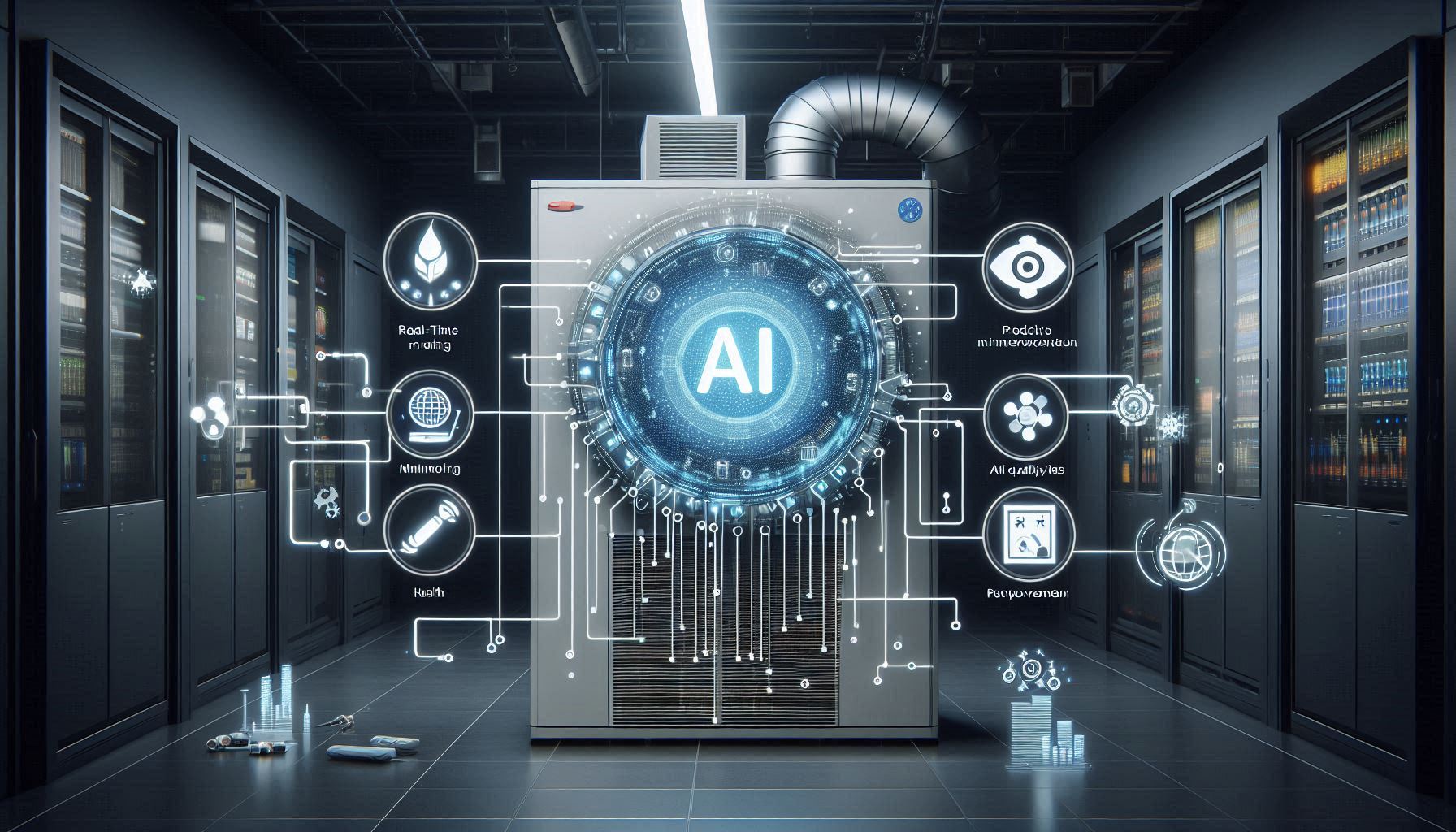
AI-enhanced HVAC system improving indoor air quality

Next pandemic scenarios have shown us the critical importance of maintaining excellent indoor air quality (IAQ) to safeguard health. The COVID-19 pandemic, in particular, underscored how poor IAQ can exacerbate the spread of airborne infections. As we prepare for future health crises, it’s essential to explore advanced solutions that can enhance our indoor environments. Traditional methods, such as basic ventilation and standard air filtration, often fall short when faced with the complexities of global health emergencies.

Artificial intelligence (AI) stands out as a promising tool that could transform how we manage IAQ. By integrating AI into HVAC (Heating, Ventilation, and Air Conditioning) systems, we can achieve more precise control and monitoring of indoor air quality. This article delves into how AI can improve HVAC systems, making them more effective in maintaining healthy indoor environments and better preparing us for the next pandemic.

Understanding Indoor Air Quality and Its Importance to beat Next Pandemic

Indoor air quality refers to the cleanliness and healthiness of the air inside buildings. Good IAQ is essential because poor air quality can lead to various health problems, including respiratory issues and the spread of infections. During the pandemic, many buildings were found lacking in effective ventilation, which contributed to the spread of airborne diseases. This has led to a greater focus on improving IAQ through various methods.

Traditionally, buildings relied on basic ventilation and filtration systems. However, these methods often fall short. Air filters are great at capturing particulate matter like dust and pollen, but they do little for gases or viruses. UVGI (Ultraviolet Germicidal Irradiation) systems can kill pathogens, but they have their own drawbacks, such as the potential to produce harmful byproducts. This highlights the need for more advanced solutions, such as AI-enhanced HVAC systems.

To know more about Desiccant Wheels in HVAC How They Improve Indoor Air Quality Click Here

The Role of AI in Enhancing HVAC Systems defeat Next Pandemic

AI has the potential to transform HVAC systems in several ways, making them more effective at maintaining indoor air quality. Here’s how:

  • Predictive Maintenance: AI can analyze data from HVAC systems to predict when maintenance is needed. This helps prevent system failures and ensures that the system is always operating efficiently.
  • Real-Time Monitoring: AI-powered sensors can provide continuous data on indoor air quality. This allows for immediate adjustments to ventilation and filtration systems, keeping air quality at optimal levels.
  • Adaptive Control: AI can adjust HVAC operations in real-time based on current air quality data. For example, if CO2 levels rise, AI can increase ventilation to bring them back down.
  • Energy Efficiency: AI can optimize HVAC operations to balance air quality with energy consumption. This ensures that buildings are not only healthier but also more energy-efficient.
  • Integration with Other Systems: AI can integrate HVAC systems with lighting and security systems for a comprehensive approach to building management.

How AI Can Address Specific IAQ Challenges for Next Pandemic

AI can tackle several specific challenges related to indoor air quality:

  • Managing CO2 Levels: High CO2 levels can indicate poor ventilation. AI can monitor CO2 levels and adjust ventilation accordingly to maintain a healthy environment.
  • Handling Pollutants: AI can help manage and filter out various pollutants, including volatile organic compounds (VOCs) and other harmful gases, by using advanced filtration systems.
  • Optimizing UVGI Systems: AI can enhance the effectiveness of UVGI systems by ensuring they are used efficiently and reducing the risk of producing harmful byproducts.

The Need for Robust IAQ Regulations and Standards to face Next Pandemic

While AI can greatly improve IAQ, it’s also important to have strong regulations and standards. The pandemic highlighted the need for comprehensive IAQ guidelines to ensure that all buildings maintain high air quality standards. Regulations should require real-time monitoring and response systems to keep air quality in check.

Regulations should also encourage the integration of AI into HVAC systems. By setting standards for AI-powered IAQ management, we can ensure that all buildings are equipped to handle future health crises effectively.

Future Innovations in AI and HVAC Systems

As technology continues to advance, we can expect even more innovations in AI and HVAC systems. Future developments may include:

  • More Advanced Sensors: New sensors will provide even more detailed data on indoor air quality, allowing for more precise adjustments.
  • Enhanced Machine Learning: AI algorithms will become better at predicting and responding to changes in air quality, improving the overall effectiveness of HVAC systems.
  • Integration with Smart Buildings: AI will increasingly be integrated with other smart building technologies, creating more cohesive and responsive building management systems.

To know more about Why Indoor Air Quality Matters in Commercial Spaces Click Here

FAQs

How does AI improve indoor air quality?

AI enhances indoor air quality by providing real-time monitoring, predictive maintenance, and adaptive control of HVAC systems. It can adjust ventilation and filtration based on current air quality data, ensuring a healthier environment.

What are the benefits of using AI in HVAC systems?

AI offers several benefits for HVAC systems, including improved energy efficiency, enhanced air quality management, predictive maintenance, and integration with other building systems. These benefits help create a healthier and more efficient indoor environment.

To know more about How Does AI Optimize Energy Efficiency in Data Center Chiller Plant Click Here

Can AI in HVAC systems help during a next pandemic?

Yes, AI can help during a pandemic by providing real-time data on indoor air quality, adjusting ventilation and filtration systems as needed, and maintaining optimal conditions to reduce the spread of airborne diseases.

What challenges does AI face in HVAC systems?

AI in HVAC systems faces challenges such as high initial costs, the need for regular updates and maintenance, and integration with existing systems. Overcoming these challenges is essential to fully leverage the benefits of AI technology.

How can regulations support AI in HVAC systems?

Regulations can support AI in HVAC systems by setting standards for real-time monitoring, requiring integration of AI technologies, and ensuring that buildings maintain high air quality standards. This helps create a safer and healthier indoor environment.

Conclusion

Preparing for future pandemics requires more than just reacting to crises; it involves proactive measures to improve indoor environments. AI in HVAC systems offers a promising solution for enhancing indoor air quality and ensuring that buildings are ready for health challenges. By leveraging AI technology, we can make significant strides in maintaining healthier indoor environments and better prepare for future pandemics. The lessons learned from the COVID-19 pandemic should drive us to embrace these innovations and make our buildings safer and more resilient.

To know more about Innovations and Trends in HVAC Industry Click Here

About The Author

Omprakash Ramagiri; as the Founder of HVAC Technocrats, I bring over 18 years of experience as a Mechanical Engineer specializing in HVAC (Central Air-conditioning) for Commercial, Cleanrooms, Data centers, and Petrochemical industries. Throughout my career, I’ve held pivotal roles at companies like TATA Consulting Engineers, MW Zander (for Cleanroom solutions), Bluestar Malaysia, and ETA in Dubai. I’ve managed international HVAC projects and gained valuable exposure in dynamic markets like Dubai and Saudi Arabia. With a passion for excellence and a commitment to innovative solutions, I specialize in designing Class 10K & 100K Cleanrooms for various industries. Connect with me to explore collaborations in HVAC design, project sales, and consultancy. Click to visit the Author’s Linkedin page


Disclaimer: The content and images are for educational purposes and knowledge enhancement only. They may not depict actual products or situations. Outcomes may vary. Content is generated by AI and reviewed by industry experts, including Author.

AHU: Exploring Specifications Which You Need to Know

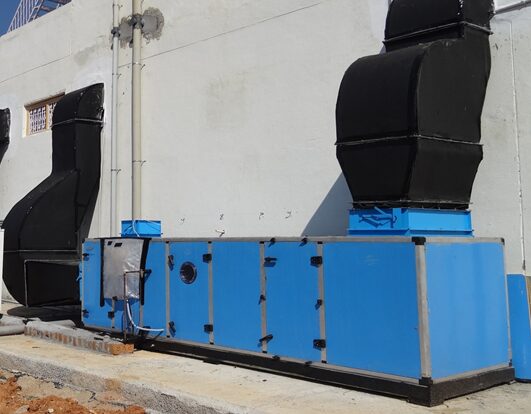
Illustration of an AHU in a commercial HVAC system.

An Air Handling Unit (AHU) is a critical component in HVAC systems, designed to regulate and circulate air. It houses essential elements like fans, filters, heating and cooling coils, and dampers. AHUs are typically used in commercial and industrial settings. They ensure that indoor air quality is maintained by managing temperature, humidity, and air cleanliness. In HVAC systems, AHUs are central to the efficient delivery of conditioned air throughout a building. Therefore, understanding their functionality and role is crucial for optimal HVAC system performance.

How does an AHU contribute to the overall performance of an HVAC system?

An AHU significantly enhances the overall performance of an HVAC system by ensuring effective air circulation and quality control. It maintains desired indoor conditions by managing airflow, filtering pollutants, and adjusting temperature and humidity levels. The integration of advanced controls and sensors within AHUs allows precise monitoring and adjustment, leading to energy efficiency and cost savings. Moreover, AHUs support the system’s adaptability to varying external conditions, ensuring comfort and safety for occupants. Therefore, a well-designed AHU is indispensable for maintaining optimal HVAC system performance and energy efficiency.

What are the different types of AHU available for HVAC systems?

Several types of AHUs cater to different HVAC system requirements. The main types include packaged AHUs, modular AHUs, and custom-built AHUs. Packaged AHUs are pre-engineered and suitable for standard applications. Modular AHUs offer flexibility with various sections that can be configured as needed. Custom-built AHUs are tailored for specific needs, often used in specialized environments like cleanrooms or laboratories. Additionally, AHUs can be categorized based on their location, such as rooftop units or indoor units. Each type serves distinct purposes, providing versatility in HVAC system design and application.

Where are AHU commonly used in various industries?

AHUs are widely used across multiple industries due to their versatility in managing indoor air quality. In commercial buildings like offices and shopping malls, AHUs maintain a comfortable environment for occupants. In healthcare settings, they ensure sterile and clean air, essential for patient safety. AHUs are also crucial in manufacturing plants, especially in cleanrooms and pharmaceutical production, where air purity is paramount. Additionally, they play a significant role in data centers, preserving the optimal temperature for equipment. Thus, AHUs are integral in diverse industries, ensuring environmental control and operational efficiency.

What key specifications should be considered when selecting an AHU?

Selecting an AHU involves evaluating several key specifications to ensure optimal performance and compatibility with the HVAC system. Important factors include the unit’s airflow capacity, measured in cubic feet per minute (CFM), and the static pressure it can handle. Additionally, the efficiency of filters, the type and capacity of heating and cooling coils, and the energy efficiency ratio (EER) are critical considerations. Noise levels, ease of maintenance, and the integration of control systems also play a vital role. These specifications help in choosing an AHU that meets the specific requirements of the building and its occupants.

What are the advantages and disadvantages of using an AHU in an HVAC system?

Using an AHU in an HVAC system offers several advantages. It provides precise control over air quality, temperature, and humidity, enhancing occupant comfort. AHUs are energy-efficient, contributing to reduced operational costs. They also support modularity and scalability, allowing customization for specific needs. However, there are some disadvantages. AHUs can be complex and expensive to install and maintain. They require regular servicing to ensure optimal performance. Additionally, improperly sized or poorly maintained AHUs can lead to inefficiencies and increased energy consumption. Therefore, a balanced approach is necessary to maximize the benefits of AHUs.

What information is typically included in an AHU technical data sheet?

An AHU technical data sheet provides comprehensive details about the unit’s specifications and performance characteristics. Key information includes the airflow rate, static pressure, heating and cooling capacities, and filter efficiency. It also outlines the electrical requirements, including voltage, power consumption, and control options. The data sheet includes dimensions, weight, and installation guidelines. Performance curves, noise levels, and maintenance schedules are also detailed. This information is crucial for selecting, installing, and maintaining the AHU, ensuring it meets the specific needs of the HVAC system and the building it serves.

What are the main components of an AHU?

An AHU comprises several main components essential for its operation. The primary components include fans, which drive the airflow, and filters, which remove particulates from the air. Heating and cooling coils adjust the temperature and humidity levels. Dampers control the airflow and pressure within the unit. Additionally, humidifiers add moisture to the air when needed. Sensors and control systems monitor and regulate the performance of these components. Each part plays a critical role in ensuring the AHU functions efficiently, providing a comfortable and healthy indoor environment.

What are the critical sub-components within an AHU?

Within an AHU, several critical sub-components ensure its efficient operation. These include the fan motor, which powers the fans, and the belt drive system that transmits this power. Heat exchangers are crucial for transferring thermal energy between the air and the coils. Air filters, including pre-filters and high-efficiency particulate air (HEPA) filters, are essential for removing contaminants. Additionally, dampers and actuators control airflow and pressure. Control systems and sensors monitor and adjust the unit’s performance. Each sub-component plays a vital role in maintaining the AHU’s functionality and efficiency.

What are the essential design considerations for an AHU?

Designing an AHU involves several essential considerations to ensure optimal performance and compatibility with the HVAC system. These include determining the required airflow rate and static pressure, selecting appropriate filters, and choosing the right type and capacity of heating and cooling coils. The design must also consider noise levels, energy efficiency, and ease of maintenance. Additionally, the integration of control systems and sensors is crucial for monitoring and adjusting performance. Properly addressing these factors ensures the AHU meets the specific needs of the building and its occupants, providing a comfortable and healthy indoor environment.

What design parameters must be considered when planning an AHU?

When planning an AHU, several design parameters are critical to ensure optimal performance. These include the airflow rate, static pressure, and temperature and humidity control requirements. The type and efficiency of filters, the capacity of heating and cooling coils, and the energy efficiency ratio (EER) are also important. Noise levels, ease of maintenance, and the integration of control systems and sensors are crucial considerations. Properly addressing these parameters ensures the AHU meets the specific needs of the building and its occupants, providing a comfortable and healthy indoor environment.

What unit conversions are necessary for AHU design and specification?

Designing and specifying an AHU requires several unit conversions to ensure accuracy. Common conversions include airflow rate from cubic feet per minute (CFM) to cubic meters per hour (m³/h) and static pressure from inches of water column (in. w.c.) to Pascals (Pa). Temperature conversions between Fahrenheit (°F) and Celsius (°C) are often necessary. Additionally, energy efficiency ratios (EER) may need to be converted to coefficient of performance (COP). These conversions ensure that the AHU specifications align with industry standards and meet the specific needs of the building and its occupants.

What methods are used to calculate the capacity of an AHU?

Calculating the capacity of an AHU involves several methods to ensure accurate sizing and performance. One common method is the heat load calculation, which considers the building’s thermal requirements based on factors like occupancy, equipment, and insulation. The airflow rate is determined by calculating the volume of air needed to maintain desired indoor conditions. Additionally, the cooling and heating capacities are calculated based on the temperature and humidity control requirements. These calculations ensure the AHU is appropriately sized and capable of meeting the specific needs of the building and its occupants.

What codes and standards govern the use of AHU in HVAC systems?

The use of AHUs in HVAC systems is governed by several codes and standards to ensure safety, efficiency, and performance. Key standards include those set by the American Society of Heating, Refrigerating, and Air-Conditioning Engineers (ASHRAE) and the Indian Society of Heating, Refrigerating, and Air Conditioning Engineers (ISHRAE). These standards provide guidelines for design, installation, and maintenance. Additionally, building codes like the International Building Code (IBC) and local regulations may apply. Adhering to these codes and standards ensures that AHUs meet the necessary safety and performance requirements, providing a comfortable and healthy indoor environment.

What is a general arrangement drawing for an AHU?

A general arrangement drawing for an AHU provides a detailed visual representation of the unit’s layout and components. It includes dimensions, placement of filters, motor, fans, coils, drain pan, limit switch, lamp, motor base channels, dampers and other elements. The drawing shows the overall configuration, including duct connections, access doors, and control panels. It also indicates service and maintenance areas, ensuring ease of access. This drawing is crucial for the proper installation and integration of the AHU within the HVAC system. It helps ensure that all components are correctly placed and that the unit functions efficiently, providing a comfortable and healthy indoor environment.

What information is conveyed in an AHU schematic drawing?

An AHU schematic drawing provides a detailed representation of the unit’s internal components and their connections. It includes diagrams of fans, filters, heating and cooling coils, dampers, and control systems. The schematic shows the airflow path, indicating how air moves through the unit. It also details electrical connections, including power supply and control wiring. This drawing is essential for understanding the AHU’s operation and for troubleshooting any issues. It ensures that all components are correctly connected and functioning as intended, contributing to the overall performance of the HVAC system.

What is included in the electrical scope of works for an AHU?

The electrical scope of works for an AHU outlines the necessary electrical requirements and connections. It includes details on power supply, such as voltage and phase, and the unit’s electrical load. The scope also specifies the wiring connections for fans, motors, control panels, and sensors. It includes requirements for grounding, circuit protection, and emergency shutdown systems. This document ensures that the AHU is correctly wired and complies with electrical codes and standards. Properly addressing the electrical scope of works is crucial for the safe and efficient operation of the AHU within the HVAC system.

Who are the leading manufacturers of AHU?

Several leading manufacturers specialize in producing high-quality AHUs for various HVAC applications. Notable names include

  • Carrier
  • Trane
  • Daikin
  • Johnson Controls
  • York
known for their advanced technology and reliable performance and are also prominent manufacturers, offering a range of AHUs tailored for different industries. Other key players include
  • Zeco
  • Greenheck
  • McQuay
  • Bluestar
  • Voltas
  • Systemair
each providing innovative solutions to meet specific air handling needs. These manufacturers are renowned for their commitment to quality, energy efficiency, and sustainability, ensuring that their AHUs deliver optimal performance and reliability in diverse applications.

What is a bill of material for an AHU?

A bill of material (BOM) for an AHU lists all the components and materials required for its construction and installation. It includes detailed descriptions and quantities of parts like panels, fans, motors, filters, coils, and control systems. The BOM also specifies the necessary hardware, such as bolts, brackets, and duct connections. This document is crucial for ensuring that all components are accounted for and available during the assembly and installation process. A comprehensive BOM helps streamline procurement, minimize delays, and ensure the AHU is built and installed correctly, providing efficient and reliable operation.

What is the purpose of a shop drawing for an AHU?

A shop drawing for an AHU provides detailed instructions for its fabrication and assembly. It includes precise dimensions, materials, and construction techniques. The drawing outlines the placement of components, such as fans, coils, and filters, and specifies the necessary connections and alignments. Shop drawings ensure that the AHU is built according to the design specifications and meets the required performance standards. They are used by manufacturers and contractors to guide the construction process, ensuring accuracy and consistency. Properly executed shop drawings are essential for delivering a high-quality AHU that functions efficiently.

What are the steps involved in the installation of an AHU?

The installation of an AHU involves several critical steps to ensure proper setup and operation. First, the unit is positioned and anchored in the designated location. Duct connections are made, ensuring airtight seals. Electrical wiring is completed according to the electrical scope of works. Next, the fans, coils, filters, and control systems are installed and connected. The unit is then tested for leaks, airflow, and operational functionality. Finally, adjustments are made to optimize performance, and the AHU is commissioned for use. Following these steps ensures that the AHU operates efficiently and meets the HVAC system’s requirements.

What should be included in an AHU installation checklist?

An AHU installation checklist ensures all critical tasks are completed for a successful setup. Key items include verifying the correct placement and securing the unit, checking duct connections for airtight seals, and completing electrical wiring according to the scope of works. The checklist also includes installing and connecting fans, coils, filters, and control systems, testing for leaks and airflow, and verifying operational functionality. Finally, adjustments are made to optimize performance, and the unit is commissioned for use. This comprehensive checklist helps ensure that the AHU operates efficiently and meets the HVAC system’s requirements.

What supporting details are necessary for AHU installation?

Supporting details for AHU installation include site-specific information such as the unit’s location, mounting requirements, and available space. Detailed diagrams of duct connections, electrical wiring, and control system interfaces are essential. Information on necessary tools, equipment, and materials, including dimensions and quantities, is crucial. Additionally, guidelines for safety procedures, maintenance access, and operational testing are necessary. These details ensure that the AHU installation is carried out accurately and efficiently, minimizing the risk of errors and ensuring optimal performance within the HVAC system.

What procedures are involved in testing, adjusting, and balancing an AHU?

Testing, adjusting, and balancing (TAB) an AHU involves several procedures to ensure optimal performance. First, airflow measurements are taken to verify the unit’s output matches the design specifications. Adjustments are made to fan speeds, dampers, and control settings to achieve the desired airflow and pressure. The temperature and humidity levels are checked and adjusted as needed. Filters and coils are inspected for proper installation and functionality. Finally, the entire system is tested under various operating conditions to ensure consistent performance. These procedures help maintain the AHU’s efficiency and reliability within the HVAC system.

What techniques are used to control noise and vibration in AHU?

Controlling noise and vibration in AHUs involves several techniques to enhance comfort and efficiency. Acoustic insulation materials are used to line the unit’s casing, reducing noise transmission. Vibration isolation mounts are installed to minimize the transfer of vibrations to the building structure. Additionally, flexible duct connectors help absorb vibrations from the unit’s fans and motors. Properly balancing the fans and ensuring all components are securely fastened also reduces noise and vibration. These techniques are essential for maintaining a quiet and comfortable indoor environment, enhancing the overall performance of the HVAC system.

What are the recommended maintenance procedures for an AHU?

Regular maintenance is essential for ensuring the optimal performance and longevity of an AHU. Key procedures include inspecting and cleaning filters, coils, and fans to prevent the buildup of dust and debris. Checking and adjusting belts and pulleys ensures proper alignment and tension. Lubricating moving parts, such as fan bearings and motor shafts, reduces wear and tear. Additionally, verifying the functionality of control systems and sensors is crucial for maintaining accurate performance. Periodic testing and calibration of the unit’s components help identify potential issues early, ensuring reliable operation and energy efficiency.

What are common troubleshooting and diagnostic techniques for AHUs?

Troubleshooting and diagnosing AHU issues involve several techniques to identify and resolve problems. Visual inspections are conducted to check for obvious signs of damage or wear. Measuring airflow and static pressure helps detect blockages or leaks in the ductwork. Temperature and humidity readings indicate issues with heating or cooling coils. Electrical tests verify the functionality of motors, fans, and control systems. Additionally, listening for unusual noises and checking vibration levels can reveal mechanical issues. These techniques help pinpoint the cause of problems, allowing for timely repairs and ensuring the AHU operates efficiently.

What methods are used to monitor the performance of an AHU?

Monitoring the performance of an AHU involves several methods to ensure it operates efficiently. Sensors and control systems provide real-time data on airflow, temperature, humidity, and pressure. Regular inspections and maintenance checks help identify potential issues early. Performance metrics, such as energy consumption and runtime, are tracked to detect changes in efficiency. Additionally, advanced monitoring systems can alert operators to deviations from normal operating conditions. These methods help maintain the AHU’s performance, ensuring it meets the HVAC system’s requirements and provides a comfortable and healthy indoor environment.

What is involved in the lifecycle analysis of an AHU?

Lifecycle analysis of an AHU involves evaluating its performance, costs, and environmental impact from installation to decommissioning. Key factors include the unit’s initial purchase and installation costs, operational and maintenance expenses, and energy consumption. Environmental considerations, such as the materials used and the unit’s efficiency, are also analyzed. The expected lifespan and potential for upgrades or retrofits are evaluated. This comprehensive analysis helps determine the overall value and sustainability of the AHU, guiding decisions on its selection, operation, and replacement within the HVAC system.

What features of an AHU contribute to energy efficiency?

Several features of an AHU contribute to its energy efficiency. High-efficiency fans and motors reduce energy consumption while maintaining optimal airflow. Variable speed drives (VSDs) adjust fan speeds based on demand, minimizing energy use. Advanced control systems monitor and regulate the unit’s performance, optimizing energy efficiency. High-efficiency filters reduce pressure drop, decreasing the workload on fans. Additionally, heat recovery systems capture and reuse waste heat, further enhancing energy efficiency. These features help reduce operational costs and environmental impact, ensuring the AHU provides sustainable and efficient performance within the HVAC system.

What are the benefits of upgrading or retrofitting an AHU?

Upgrading or retrofitting an AHU offers several benefits, enhancing performance and efficiency. Newer components, such as high-efficiency fans, motors, and filters, reduce energy consumption and operational costs. Advanced control systems improve the unit’s responsiveness and accuracy, ensuring optimal indoor conditions. Retrofitting can also address specific issues, such as noise and vibration control, improving occupant comfort. Additionally, upgrades extend the unit’s lifespan, delaying the need for a complete replacement. These benefits contribute to a more efficient, reliable, and sustainable HVAC system, providing long-term value and improved performance.

What warranty information should you look for when purchasing an AHU?

When purchasing an AHU, it is important to consider the warranty information provided by the manufacturer. Look for warranties that cover key components, such as fans, motors, coils, and control systems, for an extended period. Ensure the warranty includes coverage for defects in materials and workmanship. Additionally, check if the warranty provides for labor costs associated with repairs or replacements. Understanding the warranty terms, conditions, and exclusions is crucial for ensuring long-term protection and support. A comprehensive warranty offers peace of mind and safeguards your investment in the AHU, ensuring reliable performance and customer satisfaction.

What is the environmental impact of using an AHU?

The environmental impact of using an AHU depends on several factors, including its energy efficiency, materials used, and emissions. High-efficiency units consume less energy, reducing greenhouse gas emissions and lowering operational costs. Sustainable materials, such as recyclable components and environmentally friendly refrigerants, minimize environmental harm. Proper maintenance and regular servicing ensure optimal performance, reducing the unit’s overall impact. Additionally, advanced technologies, such as heat recovery systems, further enhance sustainability. By choosing energy-efficient and environmentally conscious AHUs, you can significantly reduce the environmental footprint of your HVAC system, contributing to a healthier planet.

What safety considerations must be taken into account when installing an AHU?

Safety considerations are crucial when installing an AHU to ensure the protection of personnel and equipment. Proper grounding and electrical connections prevent electrical hazards. Adequate clearance around the unit allows for safe access during maintenance and servicing. Using appropriate lifting equipment and techniques ensures safe handling and installation of heavy components. Additionally, following manufacturer guidelines and local codes and standards, such as those set by ASHRAE and ISHRAE, ensures compliance with safety regulations. Implementing safety measures during installation helps prevent accidents, ensuring a safe and efficient operation of the AHU within the HVAC system.

What spare parts are typically required for AHU maintenance?

AHU maintenance requires several spare parts to ensure continued performance and reliability. Commonly needed parts include filters, belts, and bearings, which wear out over time. Replacement fans and motors are essential for addressing mechanical failures. Coils and heat exchangers may also need replacement due to corrosion or damage. Control components, such as sensors and actuators, ensure accurate system operation and may require periodic replacement. Keeping a stock of these spare parts enables timely repairs and minimizes downtime, ensuring the AHU operates efficiently and maintains the desired indoor air quality and comfort levels.

FAQ

What is the AHU in HVAC?

The AHU, or Air Handling Unit, in HVAC systems, is a device that conditions and circulates air as part of the heating, ventilation, and air conditioning system. It ensures proper air filtration, temperature control, and humidity regulation to maintain indoor air quality and comfort in buildings.

What is AHU vs FCU in HVAC?

AHU (Air Handling Unit) and FCU (Fan Coil Unit) serve different purposes in HVAC systems. AHUs are larger units that handle air conditioning and ventilation for entire buildings, while FCUs are smaller units that condition air for specific spaces or rooms.

What are the main parts of the AHU?

The main parts of an AHU include:

  • Fan: Moves air through the unit.
  • Coils: Heat or cool the air.
  • Filters: Remove particles from the air.
  • Dampers: Control airflow.
  • Mixing Chamber: Mixes air for temperature control.
  • Control Panel: Manages the unit’s operation.

Types of AHU in HVAC systems

There are several types of AHUs used in HVAC systems:

  • Rooftop Units: Installed on the roof, suitable for large spaces.
  • Modular Units: Flexible and customizable for various applications.
  • Make-up Air Units: Provide fresh air to replace exhaust air.
  • Packaged Units: Contain all components in a single enclosure.

Role of AHU in HVAC systems

The AHU plays a crucial role in HVAC systems by conditioning and distributing air throughout the building. It ensures the air is clean, at the right temperature, and maintains proper humidity levels, contributing to occupant comfort and indoor air quality.

AHU in HVAC systems Wikipedia

AHU in HVAC systems is extensively covered on Wikipedia, describing its function, components, and various types used in different applications. It provides an in-depth overview of how AHUs integrate into HVAC systems to maintain air quality and comfort in buildings.

Types of AHU

Different types of AHUs include:

  • Single Zone Units: Serve specific areas with consistent requirements.
  • Multi-Zone Units: Serve multiple areas with varying needs.
  • Heat Recovery Units: Recover energy from exhaust air.
  • Custom-Built Units: Designed for unique applications or specifications.

Air handling unit diagram

An air handling unit diagram illustrates the internal components and airflow path within the unit. It typically includes fans, coils, filters, dampers, and control systems, helping to understand how air moves through the system for effective operation and maintenance.

Air handling unit working principle

The working principle of an air handling unit involves drawing air in, conditioning it by heating, cooling, filtering, and regulating humidity, and then distributing it throughout the building. This process ensures consistent indoor air quality and comfort.

AHU full form in HVAC

AHU in HVAC stands for Air Handling Unit. It refers to the equipment responsible for air conditioning and ventilation within buildings, ensuring proper air quality and comfort.

Air handling unit for home

An air handling unit for home use is designed to provide efficient air conditioning and ventilation specifically for residential spaces. It helps maintain optimal indoor air quality and comfort levels within homes.

Conclusion

AHUs are integral components of HVAC systems, providing essential air handling functions for various applications. Understanding their types, specifications, components, and installation requirements is crucial for optimizing performance and efficiency. Proper maintenance, troubleshooting, and monitoring ensure reliable operation and longevity. Upgrading or retrofitting AHUs can enhance energy efficiency, reduce operational costs, and improve indoor air quality. By following industry standards and guidelines, such as those from ASHRAE and ISHRAE, you can ensure safe and compliant AHU installations. Investing in high-quality AHUs with comprehensive warranties and minimal environmental impact contributes to a sustainable and efficient HVAC system.

About the Author

Omprakash Ramagiri; as the Founder of HVAC Technocrats, I bring over 18 years of experience as a Mechanical Engineer specializing in HVAC (Central Air-conditioning) for commercial, cleanrooms, data centers, and Petrochemical industries. Throughout my career, I’ve held pivotal roles at companies like TATA Consulting Engineers, MW Zander (for Cleanroom solutions), Bluestar Malaysia, and ETA in Dubai. I’ve managed international HVAC projects and gained valuable exposure in dynamic markets like Dubai and Saudi Arabia. With a passion for excellence and a commitment to innovative solutions, I specialize in designing Class 10K & 100K Cleanrooms for various industries. Connect with me to explore collaborations in HVAC design, project sales, and consultancy. Click to visit the Author’s Linkedin page


Disclaimer: The pictures used are for illustrative purposes only. They may not depict actual products or situations and are meant for educational purposes. Actual products, situations, or outcomes may differ.