Desiccant Wheels in HVAC: How They Improve Indoor Air Quality

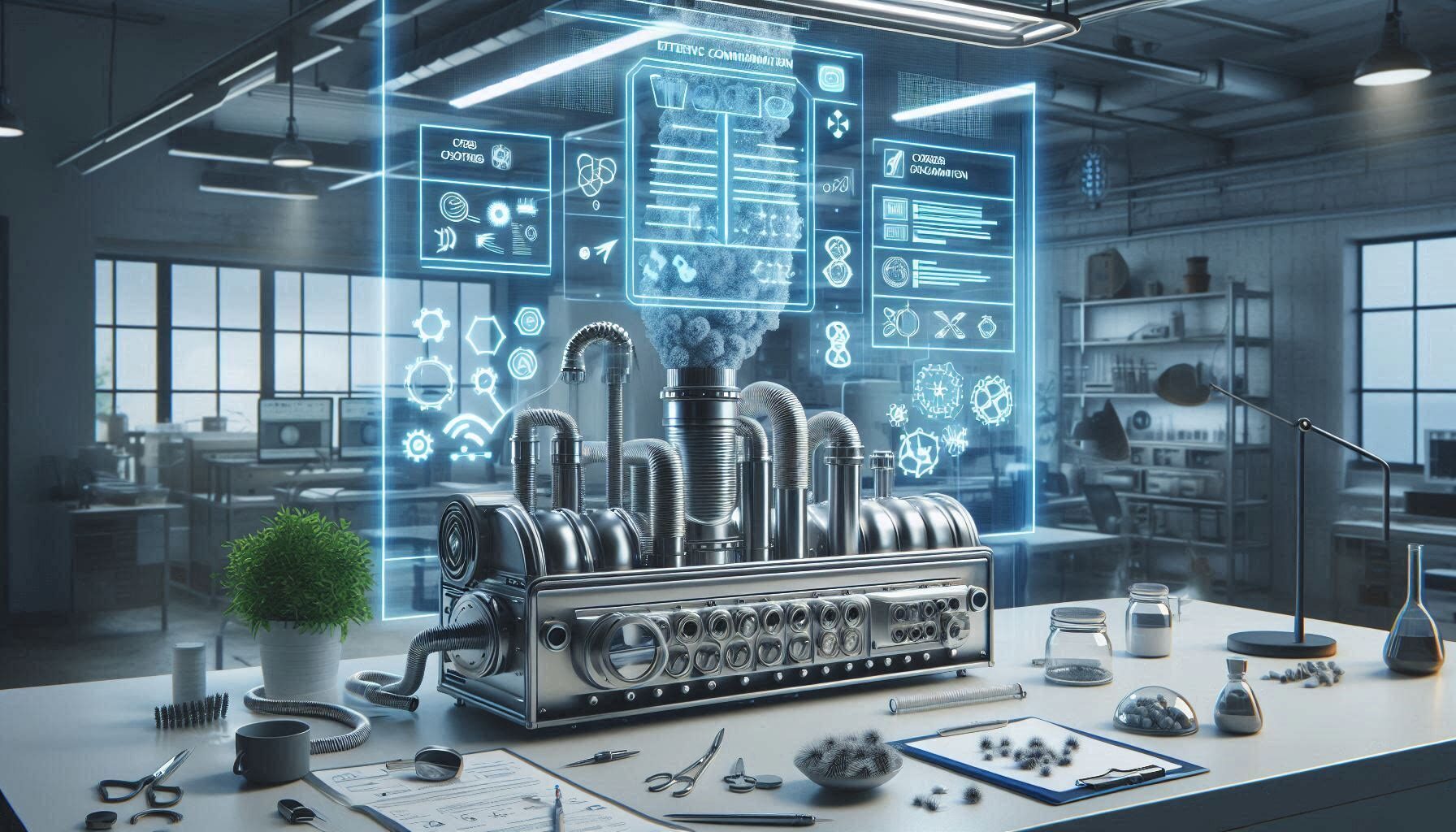
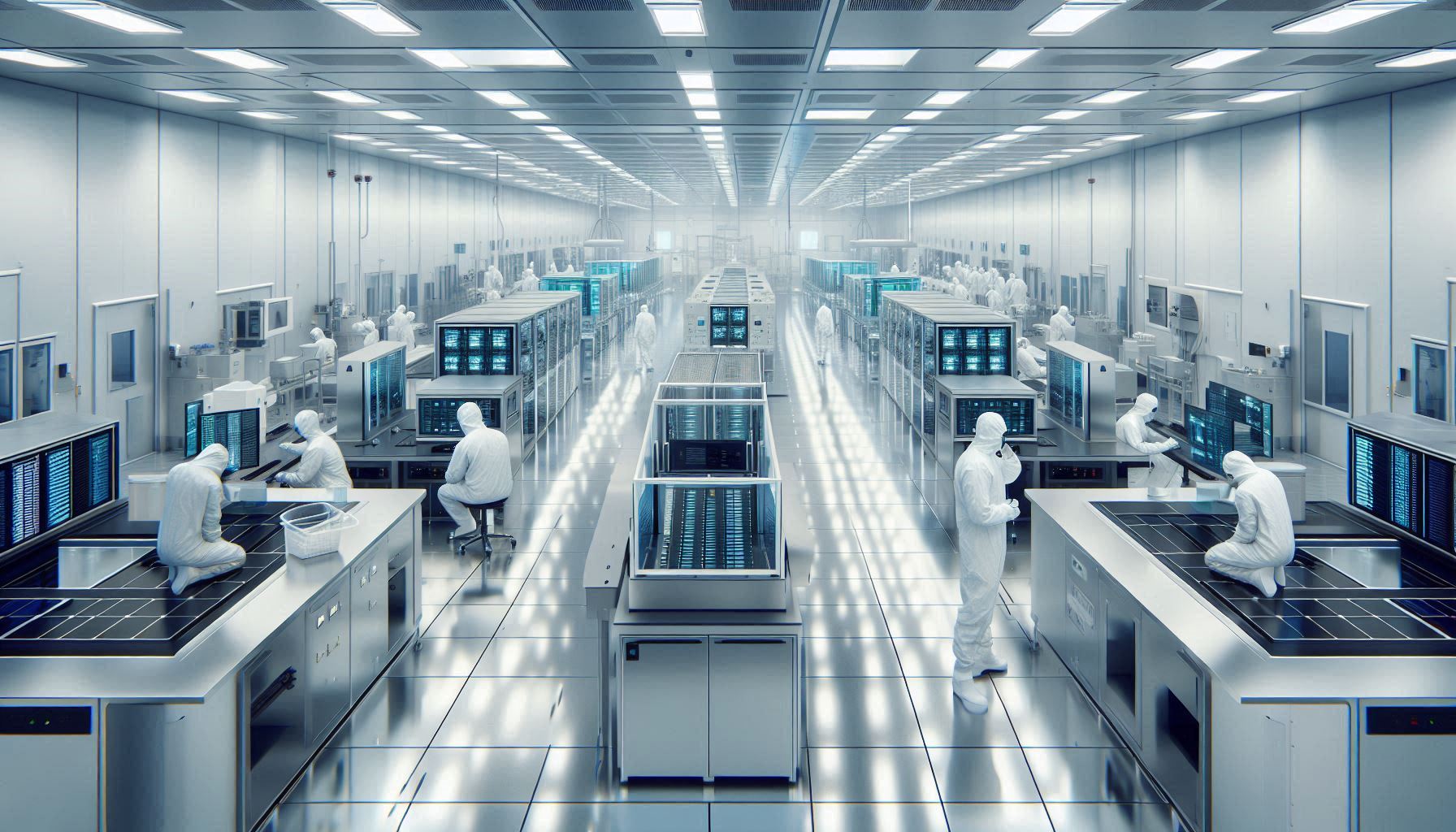
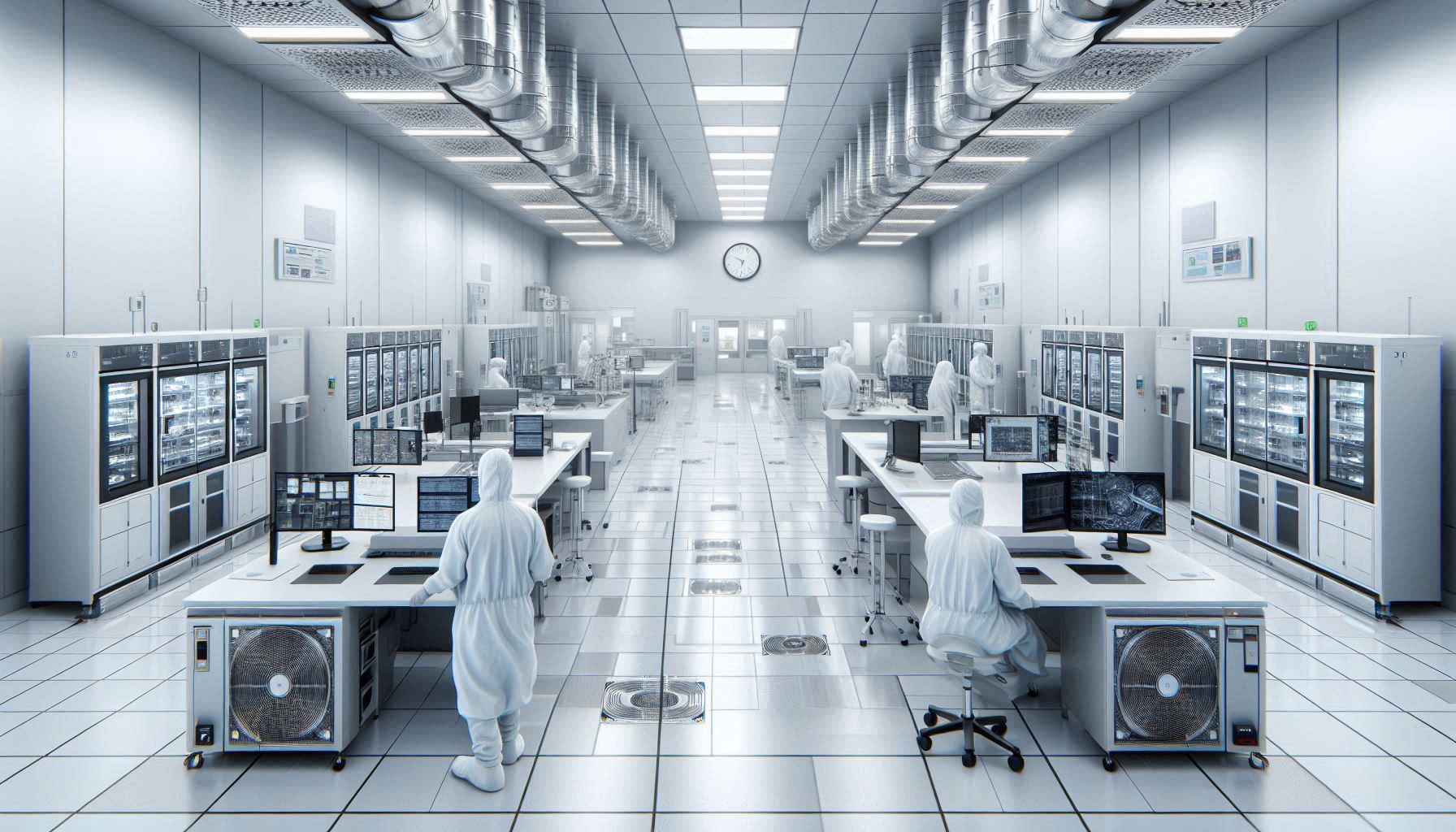
Desiccant wheel in an HVAC system improving indoor air quality

The desiccant wheel is an important part of HVAC systems, especially where dehumidification is critical. It is a rotating wheel with materials that absorb moisture from the air. This cycle helps improve indoor air quality by controlling humidity, making it ideal for places like labs, hospitals, and manufacturing plants.

What is a Desiccant Wheel in HVAC Systems?

The desiccant wheel is essential in HVAC systems for controlling humidity. It is a rotating wheel filled with desiccant material that absorbs moisture from the air, improving indoor air quality in places like labs, hospitals, and manufacturing plants.

What is the role of desiccant wheel?

The main function of the desiccant wheel is to remove moisture from the air. It does this by forcing air through the wheel material, which absorbs moisture. The cycle then moves to a different zone where the moisture is released and exhausted, allowing the material to be reused. This ongoing process keeps humidity levels stable, improves comfort, and prevents mold growth.

Why use a desiccant wheel?

Desiccant wheels provide many benefits. They effectively dehumidify the air, which is vital for maintaining good indoor air quality and comfort. They also help reduce energy consumption by reducing the cooling load on HVAC systems. These wheels are particularly useful in humid environments and for applications that require precise humidity control, such as protecting sensitive equipment from moisture damage.

Where are desiccant wheels used?

Desiccant wheels are used in a variety of locations, including commercial buildings, industrial settings, and homes. They are common where humidity control is critical, such as data centers, pharmaceutical manufacturing, food processing plants, and museums. They are also used in places where high indoor air quality is required, such as hospitals and labs. Their ability to maintain optimum humidity levels makes them versatile for many climates.

How to use a desiccant wheel

Using a desiccant wheel means integrating it into the HVAC system. The wheel is installed in an air handling unit where it absorbs moisture from the incoming air. Regular maintenance, such as cleaning and inspecting the desiccant material, will ensure that it performs well. Proper setup and calibration are critical to achieving the desired humidity control. Following the manufacturer’s guidelines for operation and maintenance will increase efficiency and lifespan.

What are the types of desiccant wheels?

There are two main types of desiccant wheels: silica gel and molecular sieve. Silica gel wheels are commonly used for general dehumidification and work well in many cases. Molecular sieve wheels are used where very low humidity levels are required, such as in pharmaceuticals and electronics production. Each type has specific advantages and is selected based on application requirements.

What are the specifications of desiccant wheel?

Desiccant wheels come in different sizes, materials, and capacities depending on their use. Specifications include the diameter and thickness of the wheel, the type of desiccant material, and its air handling capacity. Other specs may include rotational speed of the wheel, pressure drop, and power consumption for regeneration. Manufacturers provide detailed data sheets with these specifications to help engineers select the right wheel.

What are the latest developments in desiccant wheel technology?

Recent advances in desiccant wheel technology have focused on improving efficiency and stability. Innovations include the use of advanced materials that absorb more moisture and regenerate faster. New designs aim to reduce pressure and reduce energy consumption. Integration with smart HVAC systems allows better control and monitoring of humidity levels. These developments improve desiccant wheel performance in modern HVAC systems.

How to install a desiccant wheel

Installing a desiccant wheel involves several steps. First, choose the right size and type of wheel based on the HVAC system’s needs. Mount the wheel in the air handling unit or ductwork, ensuring proper alignment and sealing. Connect the electrical components for the motor and sensors. After installation, test the system to make sure it works properly. Follow the manufacturer’s installation guidelines and consult an HVAC professional for a successful setup.

What are the codes and standards for desiccant wheels?

Desiccant wheels must meet various codes and standards to ensure safety and performance. Related standards include ASHRAE guidelines, which provide standards for energy efficiency and indoor air quality. The International Mechanical Code (IMC) and local building codes may have specific requirements for installing and operating desiccant wheels. Adherence to these codes ensures efficient and safe operation of the HVAC system.

Advantages and disadvantages of desiccant wheels

Pros:

  • Efficient dehumidification
  • Improves indoor air quality
  • Reduces energy consumption
  • Versatile for various applications
  • Disadvantages:

  • High initial installation cost
  • Requires regular maintenance
  • Energy required for regeneration under certain conditions
  • FAQ

    What is the typical lifespan of a desiccant wheel?

    The lifespan of a desiccant wheel is typically 5 to 10 years, depending on usage and maintenance.

    Can desiccant wheels be used in residential HVAC systems?

    Yes, desiccant wheels are used in residential systems, especially in humid environments that require dehumidification.

    How often should the desiccant wheel be serviced?

    Desiccant wheels should be inspected and maintained at least twice a year to ensure proper performance.

    Are desiccant wheels energy-efficient?

    Yes, desiccant wheels are energy-efficient because they reduce the cooling load on HVAC systems.

    Can a desiccant wheel improve indoor air quality?

    Certainly, by controlling humidity levels, desiccant wheels help improve indoor air quality and comfort.

    Conclusion

    Desiccant wheels play a vital role in HVAC systems by providing effective dehumidification and improving indoor air quality. They are versatile and can be used in various applications from commercial buildings to residential homes. Although they require regular maintenance and have high initial costs, their advantages in terms of energy efficiency and humidity control make them a valuable addition to any HVAC system. Keeping up with the latest advancements and adhering to codes and standards ensures that desiccant wheels continue to perform at their best in modern HVAC applications.

    For more information, consider these articles:
    How to Optimize HVAC Performance,
    Why Temperature and Humidity Control is Critical in Cleanrooms, and
    Essential Portable Air Conditioner Guide.

    Check out these recommended products:
    Air Conditioner,
    Portable Air Conditioners, and
    Modular Kitchen Exhaust Chimney.

    Why Indoor Air Quality Matters in Commercial Spaces

    Healthy indoor air quality in a modern commercial office space

    Understanding the importance of indoor air quality (IAQ) in commercial spaces is critical to health, productivity, and overall well-being. Poor air quality can lead to various health problems and affect the efficiency of business. This article provides insights into why indoor air quality is important in commercial spaces and how to maintain a healthy environment.

    Indoor air quality significantly affects the health and productivity of occupants. Poor air can lead to health problems such as allergies, respiratory problems and fatigue. This, in turn, affects productivity, which increases absenteeism and reduces efficiency. Understanding the factors that influence IAQ and implementing effective measures are essential to a healthy and productive workplace.

    Why Indoor Air Quality Matters in Commercial Spaces

    What is Indoor Air Quality in Commercial Spaces?

    Indoor air quality refers to the cleanliness and healthiness of the air inside and around buildings, especially as it relates to the health and comfort of building occupants. In commercial spaces, this includes offices, retail stores and other offices. Factors such as ventilation, humidity, temperature and the presence of pollutants play a key role in determining IAQ.

    When does indoor air quality become a concern?

    Indoor air quality becomes a concern when pollutants exceed acceptable levels or ventilation is inadequate. It can occur in new and old buildings. Common sources of indoor air pollution are building materials, office equipment, cleaning products and outdoor pollution that seeps into the building. It is essential to recognize early signs such as bad breath, frequent illnesses and decreased employee performance.

    Where are the common sources of indoor air pollutants?

    Common sources of indoor air pollutants in commercial spaces are HVAC systems, building materials, office equipment, and cleaning products. HVAC systems can spread contaminants if not maintained properly. Building materials such as paints, carpets and furniture emit volatile organic compounds (VOCs). Office equipment such as printers and copiers emit ozone and other chemicals, while cleaning products often contain harmful substances.

    Why is ventilation important to indoor air quality?

    Ventilation is critical to maintaining good indoor air quality. Proper ventilation helps to remove pollutants, control humidity and provide clean air. Without adequate ventilation, pollutants can accumulate, leading to poor air quality and health problems. A steady flow of fresh air can be achieved by using natural ventilation methods such as opening windows and mechanical systems such as HVAC.

    How do HVAC systems affect indoor air quality?

    HVAC systems play an important role in indoor air quality by controlling temperature, humidity and ventilation. However, if they are not managed properly, they can become pollutants. Regular maintenance, including cleaning filters and ducts, ensures that the system is working efficiently and does not contribute to poor air quality. Advanced HVAC systems also include air purification technologies.

    What are the health effects of poor indoor air quality?

    Poor indoor air quality can lead to various health problems such as allergies, asthma, respiratory infections, headaches and fatigue. Prolonged exposure to pollutants may result in chronic health issues. Poor air quality in commercial spaces can result in decreased productivity of employees and increased absenteeism due to health issues, affecting the overall performance of the business. Click for detailed article on The Hidden Risks of Chronic Air Conditioning

    When should air quality testing be conducted?

    Air quality tests should be performed regularly to ensure a healthy indoor environment. Testing is recommended when there are persistent odors, increased illnesses among residents, or noticeable changes in air quality after renovations. Regular testing helps identify potential problems early and allows timely intervention to improve air quality.

    Where can you find professional indoor air quality services?

    Professional indoor air quality services can be found through environmental consulting firms, HVAC companies, and specialized air quality testing providers. These audit experts can conduct a thorough assessment, identify sources of contamination and recommend solutions. Hiring certified and experienced professionals ensures accurate testing and effective preventative measures.

    How can businesses improve indoor air quality?

    Businesses can improve indoor air quality by implementing several strategies. These include regular maintenance of HVAC systems, using air purifiers, choosing low-VOC building materials and ensuring proper ventilation. Additionally, adopting green cleaning practices and conducting regular air quality tests can significantly improve the indoor environment. Employee education on maintaining good IAQ is also beneficial.

    What are the benefits of good indoor air quality for businesses?

    Good indoor air quality offers many benefits to businesses. This improves employee health and productivity, reduces absenteeism and leads to lower health care costs. A healthy indoor environment also improves employee satisfaction and retention. Furthermore, businesses that prioritize IAQ demonstrate a commitment to employee well-being, which can improve their reputation and attract talent.

    Pros & Cons of Improving Indoor Air Quality

    Pros:

    • Increases health and productivity.
    • Reduces absenteeism.
    • Reduces health care costs.
    • Improves employee satisfaction.
    • Improves business reputation.

    Cons:

    • Initial investment in air quality improvement measures.
    • Operating expenses.
    • Needs ongoing monitoring and testing.

    Codes & Standards for Indoor Air Quality

    Many codes and standards regulate indoor air quality in commercial spaces. The American Society of Heating, Refrigerating, and Air-Conditioning Engineers (ASHRAE) provides guidelines for ventilation and air quality is ASHRAE Standard 62.1. OSHA establishes standards to guarantee workplace safety. Adherence to these codes and standards will help maintain a healthy indoor environment.

    Frequently Asked Questions

    What are common indoor air pollutants? Common pollutants include VOCs, mold, dust and ozone from office equipment.

    How often should HVAC systems be serviced? HVAC systems require servicing at least twice annually.

    Do indoor plants improve air quality? Yes, some indoor plants can help reduce pollutants.

    What is the role of humidity in indoor air quality? Proper humidity levels prevent mold growth and maintain comfort.

    How does natural ventilation improve air quality? Opening windows and using fans can help circulate fresh air and reduce pollutants.

    Conclusion

    Maintaining good indoor air quality in commercial spaces is essential for health, productivity, and overall well-being. By understanding the factors that influence IAQ and implementing effective measures, businesses can create a healthier and more productive environment for their employees. Regular monitoring, proper ventilation, and the use of air purification technologies are key to ensuring a high standard of indoor air quality.

    About the Author

    Omprakash Ramagiri; as the Founder of HVAC Technocrats, I bring over 18 years of experience as a Mechanical Engineer specializing in HVAC (Central Air-conditioning) for commercial, cleanrooms, data centers, and Petrochemical industries. Throughout my career, I’ve held pivotal roles at companies like TATA Consulting Engineers, MW Zander (for Cleanroom solutions), Bluestar Malaysia, and ETA in Dubai. I’ve managed international HVAC projects and gained valuable exposure in dynamic markets like Dubai and Saudi Arabia. With a passion for excellence and a commitment to innovative solutions, I specialize in designing Class 10K & 100K Cleanrooms for various industries. Connect with me to explore collaborations in HVAC design, project sales, and consultancy. Click to visit the Linkedin page

    How to Design Effective 100% Exhaust Air System

    Diagram illustrating the components and airflow of a 100% exhaust air system for maintaining high indoor air quality.

    Effective ventilation is crucial in various industries. Designing a 100% exhaust air system effectively removes contaminated air from the facility. This guide covers key features, considerations, and best practices for designing the perfect exhaust system.

    Designing an Effective 100% Exhaust Air System

    A 100% exhaust system is essential to maintain high indoor air quality in critical environments. It removes all indoor air and replaces it with fresh outdoor air. This system is especially important in places where air quality directly affects safety and efficiency, such as laboratories, cleanrooms, and industrial facilities. Understanding 100% exhaust system design, implementation, and maintenance ensures proper performance and compliance with regulations.

    What are the key features of a 100% exhaust system?

    A 100% exhaust system removes all indoor air and replaces it with fresh outdoor air, critical for environments where air quality is critical. Key features include high efficiency fans, ductwork designed for minimal resistance, and filters to capture particles. These components work together to maintain a safe and healthy indoor environment, allowing pollutants to be efficiently removed. System effectiveness requires proper design and management of these features.

    When is a 100% exhaust system necessary?

    A 100% exhaust system is essential in environments where indoor air quality must be strictly controlled. This includes laboratories, cleanrooms, and industrial facilities that handle hazardous materials. Such systems prevent the accumulation of contaminants and provide a safe working environment. They are also used in healthcare settings to prevent the spread of airborne pathogens, maintaining a clean environment that is critical to patient safety and health.

    Where to install the exhaust system?

    The location of the exhaust system is critical to its effectiveness. It should be installed in areas where contaminants are likely to be generated, near chemical storage and in handling areas in laboratories. Proper placement ensures effective removal of contaminants. In industrial settings, placing exhaust points near machines or processes that produce pollutants can significantly improve air quality.

    Why is proper ductwork design important?

    Proper ductwork design is essential to minimize resistance and ensure efficient airflow. Poorly designed ductwork can lead to reduced system efficiency, increased energy consumption, and inadequate removal of contaminants. To achieve optimal performance, use smooth, straight ducts with minimal bends. Additionally, regular inspection and maintenance of ductwork can help prevent leaks and blockages that compromise the effectiveness of the system.

    How to choose the right fans for your system?

    Choosing the right fans is important for an efficient exhaust system. Fans should be selected based on the volume of air to be moved and the resistance in the ductwork. High efficiency fans can move large volumes of air while consuming less power, making them ideal for 100% exhaust systems. Ensuring that fans are properly sized and maintained can significantly affect the overall efficiency and reliability of the system.

    What role do filters play in the system?

    Filters play a vital role in capturing particles before expelling the air from the system. High-efficiency particulate air (HEPA) filters, for example, can capture particles smaller than 0.3 microns, ensuring that pollutants do not escape into the environment. Regular maintenance and replacement of filters is essential to maintain system efficiency. Properly functioning filters protect both equipment and indoor air quality.

    When should maintenance be performed?

    Longevity and efficiency of the exhaust system requires regular maintenance. Maintenance tasks include checking and replacing filters, checking ductwork for leaks or damage, and making sure fans are working properly. Performing routine maintenance helps prevent system failures and ensures continuous protection. A well-maintained system operates more efficiently, reducing energy costs and extending equipment life.

    Where can energy efficiency be improved?

    Energy efficiency can be improved by using high efficiency fans, properly designing the ductwork and maintaining the system regularly. Energy-efficient systems lower operational costs and lessen environmental impact. Investing in energy-efficient components and practices can provide long-term benefits. In addition, the inclusion of variable speed drives and other fuel-saving technologies further improves the efficiency and performance of the system.

    Why is it important to monitor air quality?

    Monitoring air quality ensures that the exhaust system is working efficiently. Sensors can detect changes in air quality, triggering adjustments in the system to maintain optimal conditions. Continuous monitoring helps identify potential problems before they become significant problems. Effective air quality monitoring protects the health of residents and ensures compliance with industry standards and regulations.

    How to ensure compliance with regulations?

    Compliance with local and national regulations is very important for 100% safe and effective operation of the exhaust system. Regulations may specify the types of materials that can be used, required performance standards, and maintenance schedules. Ensuring compliance not only avoids legal issues but also ensures the safety and effectiveness of the exhaust system. Staying current with regulatory changes is crucial for maintaining compliance.

    Pros & Cons

    Pros

  • Ensures high indoor air quality
  • Reduces the risk of contamination
  • Improves safety in hazardous environments
  • Energy-efficient with proper design
  • Adherence to health regulations
  • Cons

  • Initial installation cost is high
  • Regular maintenance is required
  • Energy consumption can be significant if not managed properly
  • Special parts may be required

  • Codes & Standards

    Adherence to codes and standards ensures that the exhaust system meets safety and performance standards. Major standards include American Society of Heating, Refrigerating, and Air-Conditioning Engineers (ASHRAE) standards, Occupational Safety and Health Administration (OSHA) regulations, and local building codes. These standards guide the design, installation and maintenance of exhaust systems.

    Frequently Asked Questions

    What is a 100% exhaust system?

    A system that removes all indoor air and replaces it with fresh outdoor air to maintain high indoor air quality.

    When should you use a 100% exhaust system?

    Use it in environments where indoor air must be free of contaminants, such as laboratories and cleanrooms.

    How do you maintain a 100% exhaust system?

    Regular maintenance includes checking filters, checking ductwork and making sure fans are working properly.

    Why is ductwork design critical?

    Proper ductwork design minimizes resistance and ensures efficient airflow, improving system performance.

    What rules should be followed?

    Follow ASHRAE standards, OSHA regulations and local building codes to ensure safety and compliance.

    Conclusion

    Designing an efficient 100% exhaust system is essential to maintain high indoor air quality in critical environments. By understanding key features, proper placement, and maintenance requirements, you can ensure your system is efficient and compliant with regulations. Investing in the right components and practices can provide long-term benefits, ensuring a safe and healthy environment.

    About The Author

    Omprakash Ramagiri; as the Founder of HVAC Technocrats, I bring over 18 years of experience as a Mechanical Engineer specializing in HVAC (Central Air-conditioning) for commercial, cleanrooms, data centers, and Petrochemical industries. Throughout my career, I’ve held pivotal roles at companies like TATA Consulting Engineers, MW Zander (for Cleanroom solutions), Bluestar Malaysia, and ETA in Dubai. I’ve managed international HVAC projects and gained valuable exposure in dynamic markets like Dubai and Saudi Arabia. With a passion for excellence and a commitment to innovative solutions, I specialize in designing Class 10K & 100K Cleanrooms for various industries. Connect with me to explore collaborations in HVAC design, project sales, and consultancy. Click to visit the Author’s Linkedin page


    Disclaimer: The pictures used are for illustrative purposes only. They may not depict actual products or situations and are meant for educational purposes. Actual products, situations, or outcomes may differ.