HVAC Challenges: Breaking Down for Practical Solutions in All Scenarios

Illustration of advanced HVAC systems across industries including commercial buildings, cleanrooms, data centers, and factories. Features smart thermostat, energy-efficient cooling technologies, AI-powered monitoring, solar panels, and wind turbines.

HVAC Challenges: Breaking Down for Practical Solutions in All Scenarios

HVAC systems are the backbone of comfort and safety across homes, offices, factories, and specialized facilities. Yet, professionals face a maze of challenges—from energy inefficiency in aging systems to maintaining sterile environments in labs. This article breaks down common HVAC hurdles and offers actionable solutions tailored to residential, commercial, and industrial scenarios. Whether you’re troubleshooting airflow imbalances or retrofitting systems for sustainability, this guide equips you with strategies to tackle problems head-on.

Understanding Common HVAC Challenges Across Industries

HVAC issues vary widely depending on the setting. In homes, uneven cooling and high utility bills dominate complaints. Offices struggle with balancing air quality across open floor plans, while factories face heat management near heavy machinery. High-stakes environments like labs and hospitals demand precision humidity control and contamination prevention. For example, a hospital in Southeast Asia reduced airborne infections by 22% after upgrading to HEPA filters with UV-C light integration.

Residential HVAC: Solving Everyday Comfort Issues

Uneven Temperature Distribution
Rooms feeling like different climates? Duct leaks or improper insulation are common culprits. Sealing gaps with mastic tape and adding attic insulation can balance airflow. Smart thermostats [like these] simplify zoning, allowing customized temperatures for each room.

High Energy Bills
Older systems guzzle energy. Solutions include replacing outdated units with ENERGY STAR-rated models (up to 20% savings), scheduling seasonal maintenance to clean coils and check refrigerant levels, and installing programmable thermostats to reduce runtime during off-peak hours. A retrofit project in Texas saw homeowners cut cooling costs by 35% after switching to a variable-speed heat pump.

Commercial HVAC: Balancing Air Quality and Efficiency

Open-plan offices, retail spaces, and restaurants need systems that handle high occupancy without spiking energy use. Challenges include meeting ASHRAE Standard 62.1 for indoor air quality (IAQ), using dampers to direct airflow to crowded areas, and addressing clogged filters that reduce efficiency by 15–20%. A café chain in Europe adopted demand-controlled ventilation (DCV), which adjusts airflow based on CO2 sensors, slashing energy use by 25%.

Industrial HVAC: Managing Extreme Conditions

Factories, warehouses, and chemical plants require robust systems to handle heat, fumes, and dust. Key challenges include spot cooling for welding stations or furnaces, using electrostatic precipitators to capture fine particles, and installing backup systems to prevent downtime during failures. A textile mill in India integrated evaporative cooling pads with IoT-enabled fans, reducing ambient temperatures by 8°C while adhering to ECBC 2017 guidelines.

Specialized Environments: Labs, Hospitals, and Data Centers

Labs and Cleanrooms
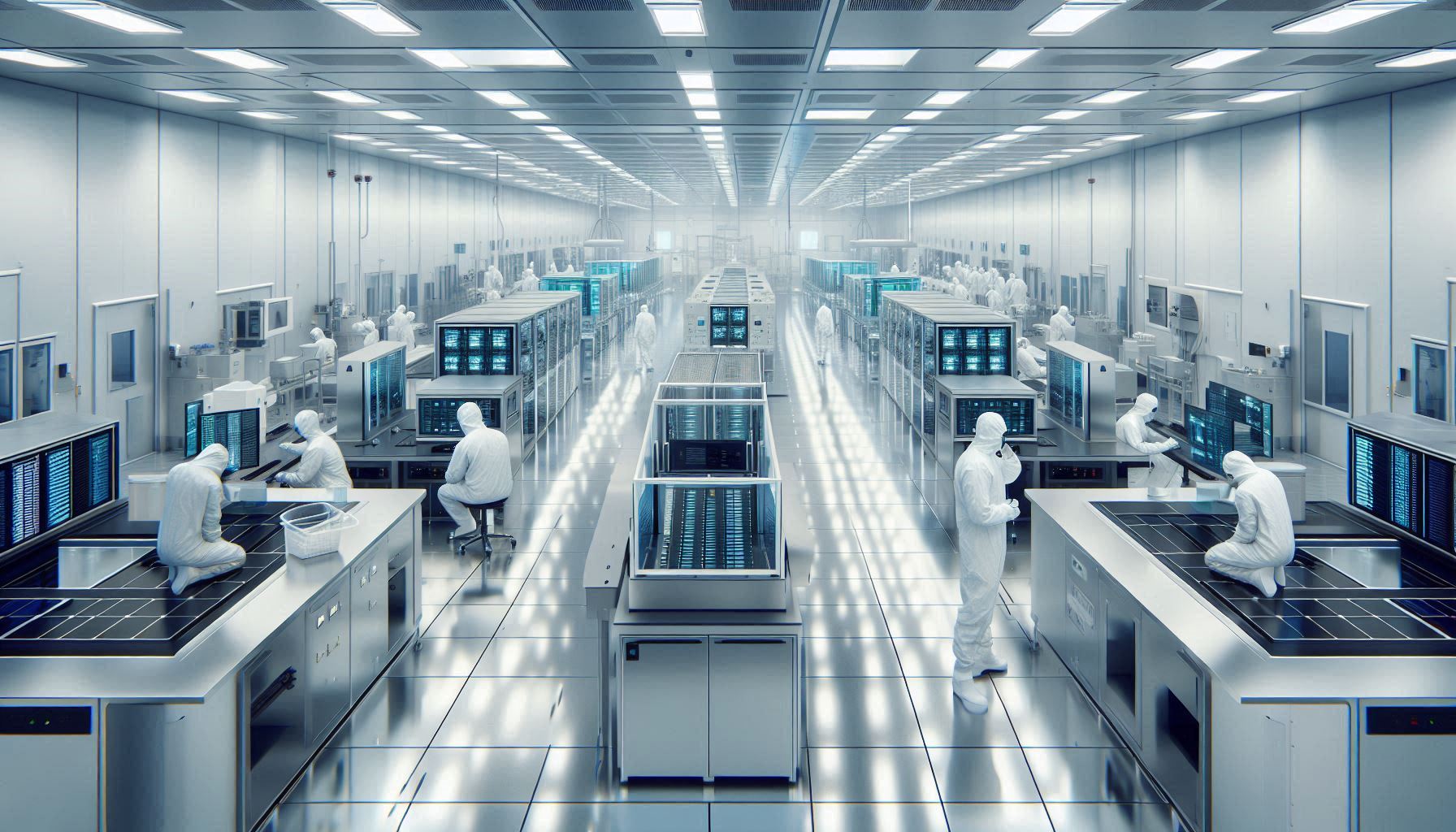
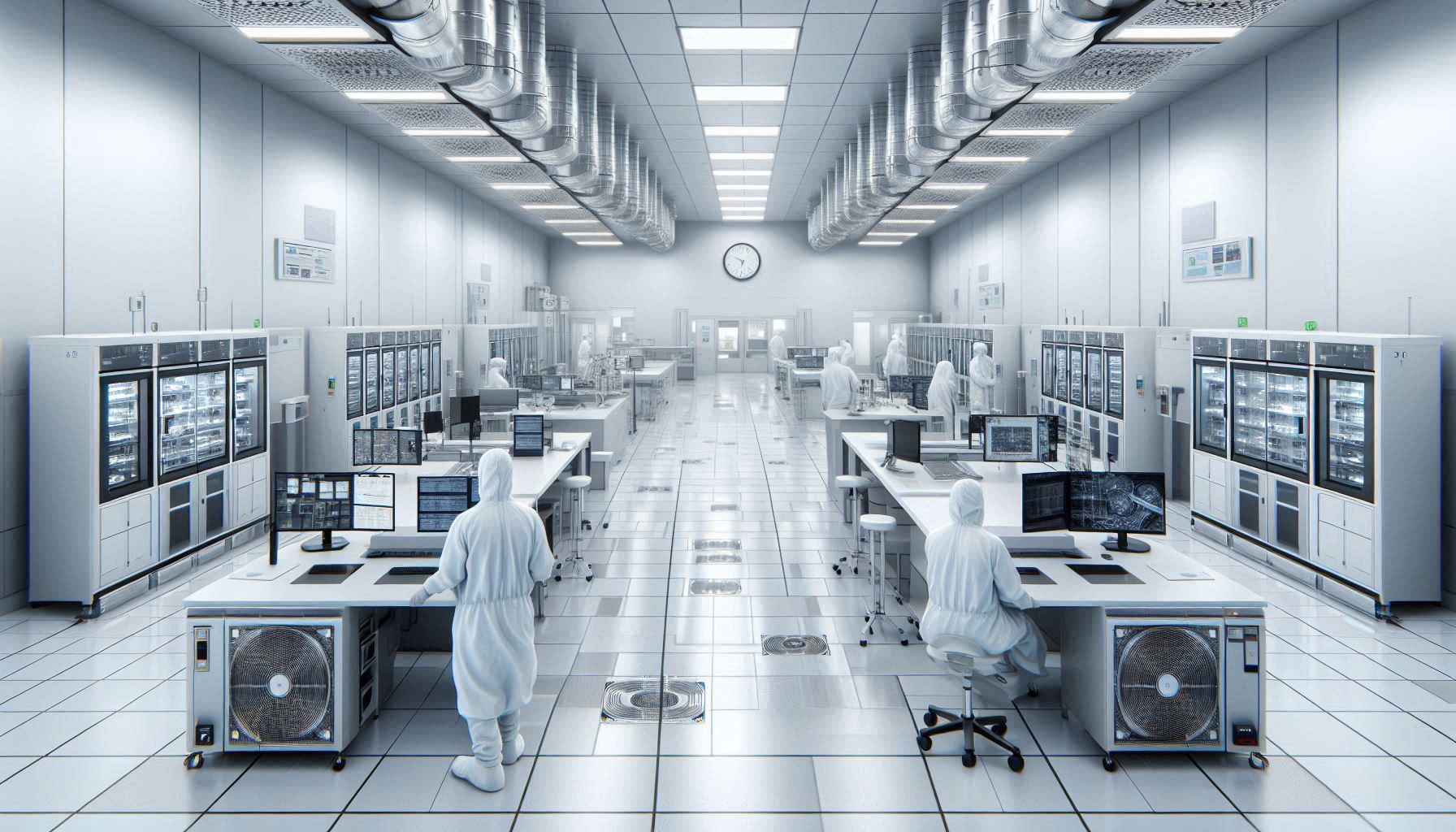
Precision is non-negotiable. ISO Class 5 cleanrooms need 40+ air changes per hour (ACH). Challenges include maintaining pressure differentials and filtering chemical vapors. A biotech startup achieved compliance by pairing laminar airflow hoods with redundant exhaust fans.

Hospitals
HVAC systems must prevent cross-contamination. Strategies include HEPA filters with 99.97% efficiency, negative-pressure isolation rooms, and UVGI systems to neutralize pathogens.

Data Centers
Cooling consumes 40% of energy. Liquid immersion cooling and hot/cold aisle containment are game-changers. A Midwest data center cut cooling costs by 50% using AI-driven chilled water pumps.

Retrofitting Older Systems for Modern Demands

Many buildings operate with outdated HVAC infrastructure. Retrofits can enhance performance without full replacements. Options include variable refrigerant flow (VRF) for buildings with shifting occupancy, energy recovery ventilators (ERVs) to recycle heat from exhaust air, and ductless mini-splits to solve zoning issues in historic homes. A 1980s office tower in Melbourne achieved LEED Gold certification after retrofitting with VRF and solar-assisted heat pumps.

Energy Efficiency and Sustainability Solutions

Smart HVAC Technologies
IoT sensors and AI algorithms optimize runtime and detect faults early. For instance, predictive maintenance tools alert technicians about failing components before breakdowns occur.

Renewable Integration
Solar-powered absorption chillers and geothermal heat pumps reduce reliance on grids. A factory in Sweden runs its HVAC entirely on wind energy, cutting carbon emissions by 90%.

Compliance with Standards
ASHRAE 90.1 and India’s ECBC mandate efficiency benchmarks. Incentives like tax credits for LEED-certified projects accelerate ROI.

Troubleshooting Frequent HVAC Problems

Common issues include short cycling (caused by oversized units), poor airflow (due to dirty filters or blocked ducts), and refrigerant leaks. Solutions include load calculations using Manual J software, regular inspections, and repairs per EPA Section 608 guidelines.

Case Studies: Real-World Problem-Solving

  • A mall in Dubai resolved humidity issues by installing desiccant dehumidifiers, improving customer comfort and reducing mold complaints.
  • A pharma plant met FDA GMP standards using ISO 7-rated filters and automated pressure controls, cutting contamination risks by 40%.

Future-Proofing HVAC Systems

Emerging trends include hydrogen-ready boilers, 3D-printed ducts to reduce waste, and grid-interactive systems that adjust usage during peak demand.

FAQs

1. How often should HVAC filters be replaced?
Every 1–3 months, depending on usage and filter type (e.g., fiberglass vs. HEPA).

2. Can smart thermostats work with older systems?
Yes, but they may require a C-wire adapter for power.

3. What’s the lifespan of a commercial HVAC unit?
15–20 years with proper maintenance.

4. How do I calculate cooling capacity for a server room?
Use ASHRAE’s heat load equations, factoring in server wattage and room size.

5. Are geothermal systems worth the upfront cost?
Yes—payback periods average 5–10 years via energy savings.

6. What’s the best way to reduce HVAC noise?
Install vibration dampers and acoustically lined ducts.

Disclaimer: Disclosure: Some links may earn us a commission at no extra cost to you.

Basement Ventilation System: What Are the Best Practices?

Basement ventilation system installation with ductwork and exhaust fan.

Understanding Basement Ventilation Systems: A Comprehensive Guide

Basement ventilation systems play a crucial role in maintaining indoor air quality and ensuring a healthy environment in residential and commercial buildings. Whether you’re looking to install a new system or understand how to optimize an existing setup, this guide covers everything you need to know about basement ventilation.

Key Components of a Basement Ventilation System

A basement ventilation system typically consists of several key components:

  • Ventilation Fans: These are the heart of the system, responsible for moving air in and out of the basement.
  • Ductwork: Channels air throughout the basement and connects to the outside.
  • Air Intake Vents: Allow fresh air to enter the basement from outside.
  • Air Exhaust Vents: Remove stale air and moisture from the basement to the exterior.
  • Filters: Purify incoming air by trapping dust, pollen, and other particles.
  • Humidity Control Devices: Manage moisture levels to prevent mold and mildew growth.

Basics of Basement Ventilation Systems

Basement ventilation systems are designed to regulate airflow and humidity levels in below-ground spaces. They prevent stagnant air, reduce humidity buildup, and improve overall air quality.

Role of Ventilation Systems in Basements

Effective basement ventilation systems enhance indoor air quality by:

  • Removing excess moisture that can lead to mold and mildew.
  • Reducing musty odors commonly associated with basements.
  • Controlling humidity levels to prevent structural damage.
  • Circulating fresh air to create a healthier living environment.

Types of Ventilation Systems Suitable for Basements

There are several types of ventilation systems suitable for basements:

  • Mechanical Ventilation: Uses fans to actively move air in and out of the basement.
  • Natural Ventilation: Relies on air pressure differentials and vents to passively circulate air.
  • Combination Systems: Combine mechanical and natural ventilation methods for optimal performance.

Applications of Basement Ventilation Systems

Basement ventilation systems are most effective in:

  • Residential homes with finished or unfinished basements.
  • Commercial buildings such as offices, warehouses, and retail spaces with basement areas.
  • Properties prone to high humidity levels or located in humid climates.

Specifications to Consider When Choosing a Basement Ventilation System

When selecting a basement ventilation system, consider:

  • The size and layout of your basement.
  • The level of moisture control required.
  • Energy efficiency ratings of the system.
  • Noise levels produced by the fans.
  • Maintenance requirements and costs.

Advantages and Disadvantages of Basement Ventilation Systems

Advantages:

  • Improved indoor air quality.
  • Reduced risk of mold and mildew growth.
  • Enhanced comfort in basement living spaces.

Disadvantages:

  • Initial installation costs.
  • Ongoing maintenance needs.
  • Potential noise from ventilation fans.

How to Interpret a Technical Data Sheet for Basement Ventilation Systems

Technical data sheets provide essential information such as airflow rates, energy efficiency ratings, and noise levels. Pay attention to these metrics to understand the performance and suitability of the system for your basement.

Components That Make Up a Basement Ventilation System

A basement ventilation system integrates various components to work harmoniously:

What Are the Sub-components of a Basement Ventilation System?

Sub-components include:

  • Fan motors and blades.
  • Duct joints and fittings.
  • Grilles and registers for air distribution.
  • Humidistats and dehumidifiers.
  • Noise reduction materials.

Design Considerations for Basement Ventilation Systems

Factors influencing design include:

  • Basement size and layout.
  • Local climate conditions.
  • Occupancy and use of the basement space.
  • Building codes and regulations.

Design Parameters Affecting the Performance of Basement Ventilation Systems

Performance is affected by:

  • Airflow rates (CFM – cubic feet per minute).
  • Static pressure levels.
  • Energy consumption (watts).
  • Noise levels (decibels).

How to Perform Unit Conversions Relevant to Basement Ventilation System Parameters

Convert between units like CFM, watts, and decibels using online calculators or conversion tables. Ensure accurate measurements for proper system sizing and performance evaluation.

Capacity Calculation for Basement Ventilation Systems

Calculate ventilation capacity based on:

  • Basement volume (cubic feet).
  • Desired air changes per hour (ACH).
  • Required ventilation rate (CFM).

Codes and Standards Governing Installation of Basement Ventilation Systems

Adhere to:

  • International Mechanical Code (IMC).
  • ASHRAE standards (American Society of Heating, Refrigerating, and Air-Conditioning Engineers).
  • Local building codes and regulations.

General Arrangement Drawing for Basement Ventilation Systems

Includes:

  • Layout of ductwork and vents.
  • Location of ventilation fans.
  • Placement of intake and exhaust vents.

Schematic Drawing of a Basement Ventilation System

Visualizes:

  • Flow of air through the system.
  • Connection points of components.
  • Electrical wiring for fan operation.

Electrical Scope of Works for Basement Ventilation Systems

Includes:

  • Wiring diagrams.
  • Power requirements for fans.
  • Installation of switches and controls.

Manufacturers of Basement Ventilation Systems

Key players in the industry include:

  • Company A: Known for energy-efficient systems.
  • Company B: Offers customizable solutions.
  • Company C: Focuses on noise reduction technologies.

Bill of Materials for a Basement Ventilation System

Lists:

  • All components needed for installation.
  • Quantities and specifications of fans, ducts, and controls.
  • Cost estimates for budgeting purposes.

Shop Drawing Review Process for Basement Ventilation Systems

Review:

  • Accuracy of drawings.
  • Compatibility of components.
  • Compliance with design specifications.

Installation Process of Basement Ventilation Systems

Steps include:

  • Preparing the basement space.
  • Installing ductwork and vents.
  • Mounting and wiring ventilation fans.
  • Testing system functionality.

Checklist for Installing a Basement Ventilation System

Include:

  • Required permits and approvals.
  • Tools and equipment needed.
  • Safety precautions for installation.

Supporting Details for Basement Ventilation System Installations

Include:

  • Warranty information for components.
  • Maintenance schedules and tasks.
  • Contact information for technical support.

How to Test, Adjust, and Balance a Basement Ventilation System

Steps:

  • Measure airflow rates using an anemometer.
  • Adjust fan speeds for desired airflow.
  • Balance intake and exhaust for optimal performance.

Control of Noise and Vibration in Basement Ventilation Systems

Methods:

  • Use of vibration isolators for fan mounts.
  • Installation of soundproofing materials in ductwork.
  • Selection of quieter fan models.

Maintenance Procedures for Basement Ventilation Systems

Regular tasks:

  • Change air filters as recommended.
  • Clean ducts and vents to remove debris.
  • Inspect fans for wear and tear.

Troubleshooting and Diagnostics for Basement Ventilation Systems

Common issues:

  • Reduced airflow.
  • Excessive noise levels.
  • Malfunctioning humidity controls.

FAQs About Basement Ventilation Systems

What is the best way to ventilate a basement?

The best method depends on factors like basement size, local climate, and desired comfort levels. Mechanical ventilation systems are often recommended for precise control.

What is a basement ventilation system?

A basement ventilation system regulates airflow to prevent moisture buildup and improve indoor air quality in basements.

What are the 3 basic types of ventilation system?

The basic types are mechanical, natural, and hybrid (combination of mechanical and natural).

What is the purpose of the basement vent?

Basement vents allow fresh air to enter and stale air to exit, maintaining air circulation and reducing humidity.

Basement ventilation system design PDF

Downloadable PDFs provide detailed designs for basement ventilation systems, including layouts, specifications, and installation guidelines.

Basement Ventilation System India

In India, basement ventilation systems are crucial for managing high humidity levels and preventing mold growth, especially in monsoon-prone regions.

DIY basement ventilation system

A DIY approach involves installing fans, ducts, and vents following manufacturer instructions and local building codes.

What is the best basement ventilation system?

The best system depends on specific needs like basement size, climate, and budget. Consultation with HVAC professionals can help determine the ideal solution.

Basement ventilation window

Windows can aid ventilation but may not provide sufficient airflow control compared to dedicated ventilation systems.

Basement ventilation fan

Ventilation fans are essential components, moving air in and out of the basement to maintain air quality and reduce moisture.

Basement ventilation system cost

Costs vary based on system type, size, and installation complexity. Budget for initial setup, ongoing maintenance, and energy consumption.

Basement ventilation system design calculations

Design calculations include airflow rates, duct sizing, and ventilation capacity to ensure effective system performance and compliance with standards.

Conclusion

In conclusion, a well-designed and maintained basement ventilation system is crucial for maintaining healthy indoor air quality and protecting your home’s structural integrity. Various options for upgrading and retrofitting these systems are available, catering to different needs and budgets. Understanding warranty information, environmental impacts, and safety considerations can help you make informed decisions about installation and maintenance. Spare parts play a vital role in ensuring the system’s longevity and efficiency. Whether you opt for a DIY approach or professional installation, choosing the right system tailored to your specific requirements will ensure a comfortable and safe basement environment.

About The Author

Omprakash Ramagiri; as the Founder of HVAC Technocrats, I bring over 18 years of experience as a Mechanical Engineer specializing in HVAC (Central Air-conditioning) for commercial, cleanrooms, data centers, and Petrochemical industries. Throughout my career, I’ve held pivotal roles at companies like TATA Consulting Engineers, MW Zander (for Cleanroom solutions), Bluestar Malaysia, and ETA in Dubai. I’ve managed international HVAC projects and gained valuable exposure in dynamic markets like Dubai and Saudi Arabia. With a passion for excellence and a commitment to innovative solutions, I specialize in designing Class 10K & 100K Cleanrooms for various industries. Connect with me to explore collaborations in HVAC design, project sales, and consultancy. Click to visit the Author’s Linkedin page


Disclaimer: The pictures used are for illustrative purposes only. They may not depict actual products or situations and are meant for educational purposes. Actual products, situations, or outcomes may differ.

Kitchen Exhaust System: How to Design an Efficient HVAC Solution

Kitchen Exhaust Systems

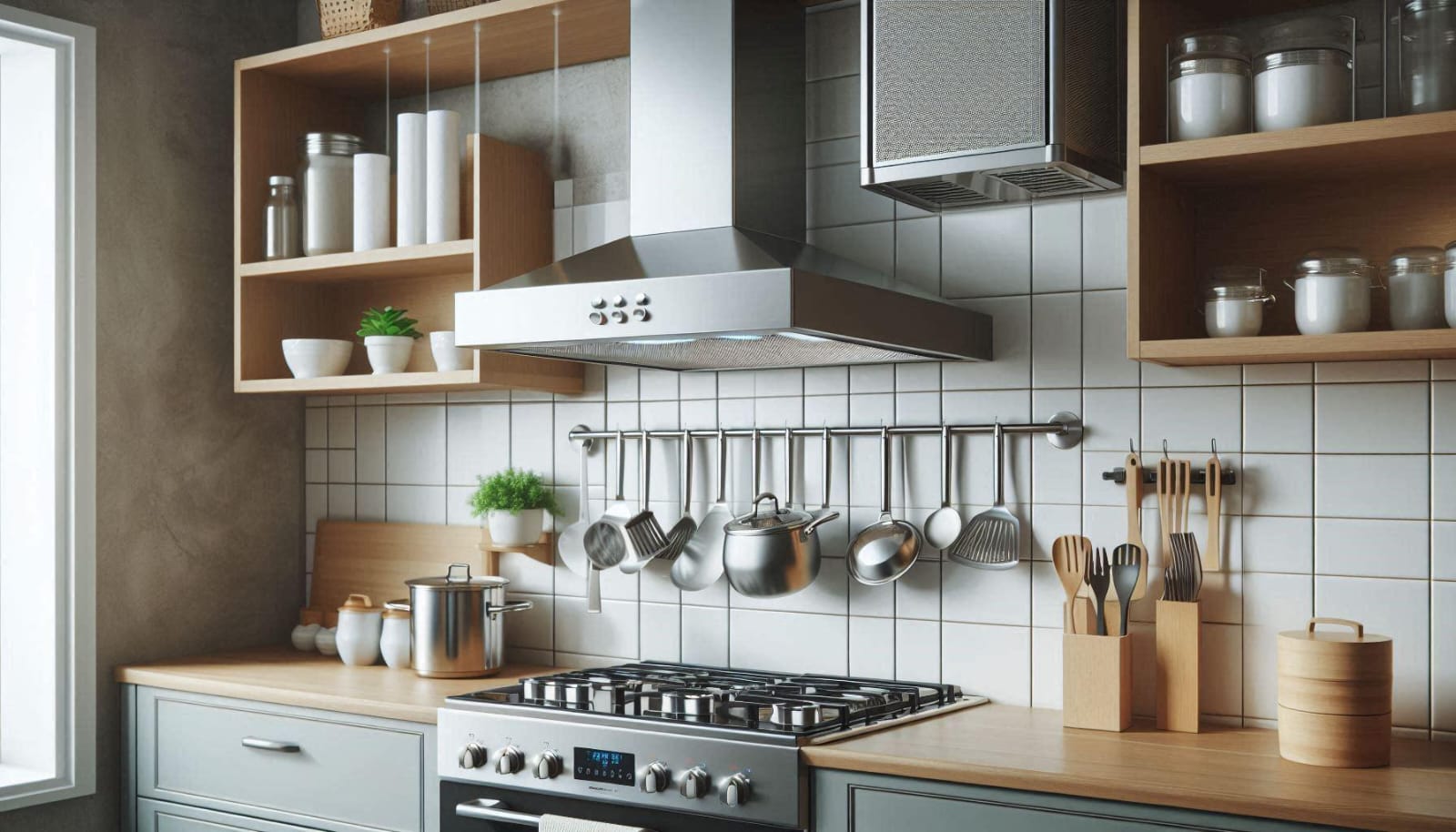
Kitchen exhaust system play a vital role in maintaining air quality, safety and comfort in commercial and residential spaces. In the HVAC realm, these systems are essential components that cater specifically to the unique needs of kitchens. From restaurants to hospitals, understanding the importance, types, operation and design of kitchen exhaust systems is essential. In this article, we’ll delve into the depths of these systems, their benefits, design considerations, and more.

What is a Kitchen Exhaust System?

A kitchen exhaust system, a critical component of HVAC systems, is designed to remove smoke, grease, odors, and heat generated during cooking processes. It consists of a network of ducts, fans, and hoods that extract polluted air from the kitchen environment and either discharge it outdoors or treat it using filtration systems. The system not only improves indoor air quality but also maintains a safe and comfortable working environment for chefs and staff.

The Role of Kitchen Exhaust System

Kitchen exhaust systems serve a dual purpose: improving air quality and ensuring fire safety. Because kitchens are high-activity areas where cooking emissions accumulate quickly, these systems help prevent harmful pollutants. Moreover, they prevent the risk of grease fires by capturing and containing grease particles, preventing them from reaching flammable surfaces.

Common Applications of Kitchen Exhaust System

Kitchen exhaust systems find their indispensable role in a wide variety of applications, ensuring a healthy and safe environment in various settings. Here are some common areas where these systems are widely used:

  • Restaurants and cafeterias
  • Hospitals and healthcare facilities
  • Hotels and the hospitality industry
  • Industrial kitchens and factories
  • Residential kitchens

In essence, kitchen exhaust systems are an integral part of various areas where cooking activities take place. They contribute to a healthier, more comfortable environment and help comply with health and safety regulations.

Types of Kitchen Exhaust Systems

Kitchen exhaust systems come in a variety of types, each designed to meet specific needs and cooking environments. Understanding these types can help select the most appropriate system for a given setting. Here are the main types of kitchen exhaust systems:

Type 1

This type of system is designed to handle the heavy-duty cooking environments typically found in commercial kitchens. It effectively removes heat, grease-laden steam and smoke generated by high-volume cooking processes. A robust exhaust system with thorough filtration is essential to prevent grease build-up and maintain air quality.

Type 2

In places with light cooking activity, such as coffee shops or low-frying facilities, Type 2 kitchen exhaust systems are used. These systems mainly focus on removing heat and steam from the cooking area, increasing comfort for the kitchen staff and maintaining a hygienic environment.

The choice between these types depends on the intensity of cooking operations and the specific needs of the establishment. Restaurants with extensive cooking processes may choose Type 1 systems, while cafes or bakeries may find Type 2 systems more appropriate. Overall, understanding the types of kitchen exhaust systems allows for a tailored solution that meets both regulatory standards and the needs of the cooking environment.

Requirement of Kitchen Exhaust System

Kitchen exhaust systems are not just an option but a basic necessity in any cooking environment. The importance of these systems can be understood through different lenses:

In essence, the need for kitchen exhaust systems depends on their ability to protect health, prevent fires, and adhere to regulatory standards. By effectively managing pollutants and maintaining a safe environment, these systems contribute significantly to the overall well-being of residents and the longevity of the establishment.

Operation of Kitchen Exhaust System

These systems work through strategically placed exhaust hoods on cooking appliances. Fans create negative pressure, pulling air into the hood. Air passes through filters to capture grease particles before being expelled outside or recirculated after filtration.

Principle of Work

Kitchen exhaust systems use the principles of air movement, filtration, and ventilation. An exhaust hood captures pollutants, while fans create airflow. Filtration systems trap grease and particulate matter, ensuring that only clean air is released.

Pros and Cons

Kitchen exhaust systems offer a variety of advantages and disadvantages; it is essential to weigh their advantages against potential disadvantages before installation:

  • Better indoor air quality
  • Fire safety
  • Compliance

Ultimately, the benefits of kitchen exhaust systems in terms of improved air quality, safety, and compliance are balanced against the drawbacks of energy consumption, maintenance demands, and potential noise. Careful consideration of these factors is important in making an informed decision regarding the installation of these systems.

Components of Kitchen Exhaust System

Kitchen exhaust systems have many important components to effectively remove pollutants and maintain a safe and comfortable cooking environment. These parts include:

These components work seamlessly together to prevent pollutants, ensure fire safety, and improve indoor air quality. The design, size, and compatibility of each component with the others are key factors in creating a functional and effective kitchen exhaust system.

Design Considerations

Designing an effective kitchen exhaust system requires meticulous planning and consideration of various factors to ensure optimal performance and compliance with safety and regulatory standards. Some key design considerations are:

  • Air flow requirements
  • Hood sizing and placement
  • Filtration systems
  • Duct material and dimensions
  • Fan selection

By carefully considering these factors at the design stage, kitchen exhaust systems can be tailored to the specific needs of the cooking environment, providing optimal pollutant capture and maintaining a safe and comfortable environment.

Design Parameters

While designing a kitchen exhaust system, several critical parameters need to be carefully considered to ensure effective pollutant removal, compliance with safety standards, and overall system effectiveness. Here are the main design parameters to keep in mind:

  • Cooking equipment layout
  • Air changes per hour (ACPH)
  • Duct material and dimensions
  • Filtration system
  • Exhaust fan capacity
  • Hood design and placement
  • Code applicability

Considering these design parameters allows kitchen exhaust systems to be customized for a specific cooking environment. This ensures optimal indoor air quality, safety, and compliance with relevant regulations.

Calculating System Capacity

Determining the proper efficiency of a kitchen exhaust system is important to ensure effective contaminant removal and maintain a safe and comfortable cooking environment. Several factors affect the calculation of system efficiency:

  • Cooking volume and intensity
  • Cooking equipment
  • Air changes per hour (ACPH)
  • Kitchen size and layout
  • Hood performance
  • Filter capacity

By considering these factors, designers can accurately calculate the required system efficiency, leading to a well-designed kitchen exhaust system that effectively removes pollutants and promotes a safe and pleasant cooking environment.

Latest Technological Advances

Several technological advances have enhanced the efficiency and functionality of kitchen exhaust systems:

  • Demand-controlled ventilation: Advanced sensors and controls adjust airflow based on cooking activity, optimizing energy efficiency.
  • High-efficiency filtration: HEPA and UV-C filters capture smaller particles and kill pathogens, enhancing indoor air quality.
  • Remote monitoring: IoT-enabled systems allow real-time monitoring and maintenance alerts, improving system reliability.

These technological advancements contribute to the overall performance and sustainability of kitchen exhaust systems, providing enhanced air quality and energy efficiency benefits.

Regulatory Compliance

Meeting regulatory requirements is crucial for the installation and operation of kitchen exhaust systems. Various codes and standards govern the design, installation, and maintenance of these systems:

  • NFPA 96: Standard for Ventilation Control and Fire Protection
  • International Mechanical Code (IMC)
  • Local building codes

Adhering to these codes ensures that kitchen exhaust systems are designed and installed to meet safety and performance standards, protecting occupants and property from potential hazards.

Maintenance and Care

Regular maintenance is essential for the efficient and safe operation of kitchen exhaust systems:

  • Cleaning and replacing filters regularly
  • Inspecting ductwork for leaks and blockages
  • Testing fan performance and motor condition
  • Calibrating control systems

By following a comprehensive maintenance schedule, kitchen exhaust systems can continue to operate effectively, ensuring optimal indoor air quality and compliance with regulatory standards.

Cost Considerations

The cost of installing and operating a kitchen exhaust system varies depending on several factors:

  • System size and complexity
  • Equipment selection
  • Installation labor
  • Maintenance requirements
  • Energy efficiency features

While initial costs may vary, investing in a well-designed kitchen exhaust system can result in long-term savings through improved energy efficiency, reduced maintenance costs, and compliance with safety regulations.

The future of kitchen exhaust systems is likely to be influenced by ongoing technological advancements and sustainability goals:

  • Integration with smart building systems for enhanced control and efficiency
  • Development of biodegradable and recyclable filter materials
  • Adoption of carbon-neutral ventilation solutions

These trends reflect a growing emphasis on energy efficiency, indoor air quality, and environmental sustainability in the design and operation of kitchen exhaust systems.

Conclusion

Kitchen exhaust systems are indispensable for maintaining a safe, healthy, and comfortable cooking environment. By effectively removing pollutants, preventing fire hazards, and ensuring compliance with regulatory standards, these systems play a crucial role in various applications, from restaurants and hotels to residential kitchens. Technological advancements continue to enhance their efficiency and functionality, offering sustainable solutions for improved indoor air quality and energy efficiency. By understanding the components, operation, design considerations, and regulatory requirements of kitchen exhaust systems, stakeholders can make informed decisions to create safer and more sustainable cooking environments.

On-page links: kitchen exhaust system, restaurants, modular kitchen exhaust chimney,

Why Indoor Air Quality Matters in Commercial Spaces

Healthy indoor air quality in a modern commercial office space

Understanding the importance of indoor air quality (IAQ) in commercial spaces is critical to health, productivity, and overall well-being. Poor air quality can lead to various health problems and affect the efficiency of business. This article provides insights into why indoor air quality is important in commercial spaces and how to maintain a healthy environment.

Indoor air quality significantly affects the health and productivity of occupants. Poor air can lead to health problems such as allergies, respiratory problems and fatigue. This, in turn, affects productivity, which increases absenteeism and reduces efficiency. Understanding the factors that influence IAQ and implementing effective measures are essential to a healthy and productive workplace.

Why Indoor Air Quality Matters in Commercial Spaces

What is Indoor Air Quality in Commercial Spaces?

Indoor air quality refers to the cleanliness and healthiness of the air inside and around buildings, especially as it relates to the health and comfort of building occupants. In commercial spaces, this includes offices, retail stores and other offices. Factors such as ventilation, humidity, temperature and the presence of pollutants play a key role in determining IAQ.

When does indoor air quality become a concern?

Indoor air quality becomes a concern when pollutants exceed acceptable levels or ventilation is inadequate. It can occur in new and old buildings. Common sources of indoor air pollution are building materials, office equipment, cleaning products and outdoor pollution that seeps into the building. It is essential to recognize early signs such as bad breath, frequent illnesses and decreased employee performance.

Where are the common sources of indoor air pollutants?

Common sources of indoor air pollutants in commercial spaces are HVAC systems, building materials, office equipment, and cleaning products. HVAC systems can spread contaminants if not maintained properly. Building materials such as paints, carpets and furniture emit volatile organic compounds (VOCs). Office equipment such as printers and copiers emit ozone and other chemicals, while cleaning products often contain harmful substances.

Why is ventilation important to indoor air quality?

Ventilation is critical to maintaining good indoor air quality. Proper ventilation helps to remove pollutants, control humidity and provide clean air. Without adequate ventilation, pollutants can accumulate, leading to poor air quality and health problems. A steady flow of fresh air can be achieved by using natural ventilation methods such as opening windows and mechanical systems such as HVAC.

How do HVAC systems affect indoor air quality?

HVAC systems play an important role in indoor air quality by controlling temperature, humidity and ventilation. However, if they are not managed properly, they can become pollutants. Regular maintenance, including cleaning filters and ducts, ensures that the system is working efficiently and does not contribute to poor air quality. Advanced HVAC systems also include air purification technologies.

What are the health effects of poor indoor air quality?

Poor indoor air quality can lead to various health problems such as allergies, asthma, respiratory infections, headaches and fatigue. Prolonged exposure to pollutants may result in chronic health issues. Poor air quality in commercial spaces can result in decreased productivity of employees and increased absenteeism due to health issues, affecting the overall performance of the business. Click for detailed article on The Hidden Risks of Chronic Air Conditioning

When should air quality testing be conducted?

Air quality tests should be performed regularly to ensure a healthy indoor environment. Testing is recommended when there are persistent odors, increased illnesses among residents, or noticeable changes in air quality after renovations. Regular testing helps identify potential problems early and allows timely intervention to improve air quality.

Where can you find professional indoor air quality services?

Professional indoor air quality services can be found through environmental consulting firms, HVAC companies, and specialized air quality testing providers. These audit experts can conduct a thorough assessment, identify sources of contamination and recommend solutions. Hiring certified and experienced professionals ensures accurate testing and effective preventative measures.

How can businesses improve indoor air quality?

Businesses can improve indoor air quality by implementing several strategies. These include regular maintenance of HVAC systems, using air purifiers, choosing low-VOC building materials and ensuring proper ventilation. Additionally, adopting green cleaning practices and conducting regular air quality tests can significantly improve the indoor environment. Employee education on maintaining good IAQ is also beneficial.

What are the benefits of good indoor air quality for businesses?

Good indoor air quality offers many benefits to businesses. This improves employee health and productivity, reduces absenteeism and leads to lower health care costs. A healthy indoor environment also improves employee satisfaction and retention. Furthermore, businesses that prioritize IAQ demonstrate a commitment to employee well-being, which can improve their reputation and attract talent.

Pros & Cons of Improving Indoor Air Quality

Pros:

  • Increases health and productivity.
  • Reduces absenteeism.
  • Reduces health care costs.
  • Improves employee satisfaction.
  • Improves business reputation.

Cons:

  • Initial investment in air quality improvement measures.
  • Operating expenses.
  • Needs ongoing monitoring and testing.

Codes & Standards for Indoor Air Quality

Many codes and standards regulate indoor air quality in commercial spaces. The American Society of Heating, Refrigerating, and Air-Conditioning Engineers (ASHRAE) provides guidelines for ventilation and air quality is ASHRAE Standard 62.1. OSHA establishes standards to guarantee workplace safety. Adherence to these codes and standards will help maintain a healthy indoor environment.

Frequently Asked Questions

What are common indoor air pollutants? Common pollutants include VOCs, mold, dust and ozone from office equipment.

How often should HVAC systems be serviced? HVAC systems require servicing at least twice annually.

Do indoor plants improve air quality? Yes, some indoor plants can help reduce pollutants.

What is the role of humidity in indoor air quality? Proper humidity levels prevent mold growth and maintain comfort.

How does natural ventilation improve air quality? Opening windows and using fans can help circulate fresh air and reduce pollutants.

Conclusion

Maintaining good indoor air quality in commercial spaces is essential for health, productivity, and overall well-being. By understanding the factors that influence IAQ and implementing effective measures, businesses can create a healthier and more productive environment for their employees. Regular monitoring, proper ventilation, and the use of air purification technologies are key to ensuring a high standard of indoor air quality.

About the Author

Omprakash Ramagiri; as the Founder of HVAC Technocrats, I bring over 18 years of experience as a Mechanical Engineer specializing in HVAC (Central Air-conditioning) for commercial, cleanrooms, data centers, and Petrochemical industries. Throughout my career, I’ve held pivotal roles at companies like TATA Consulting Engineers, MW Zander (for Cleanroom solutions), Bluestar Malaysia, and ETA in Dubai. I’ve managed international HVAC projects and gained valuable exposure in dynamic markets like Dubai and Saudi Arabia. With a passion for excellence and a commitment to innovative solutions, I specialize in designing Class 10K & 100K Cleanrooms for various industries. Connect with me to explore collaborations in HVAC design, project sales, and consultancy. Click to visit the Linkedin page