What Are the Latest Innovations in HVAC Valve Technology?

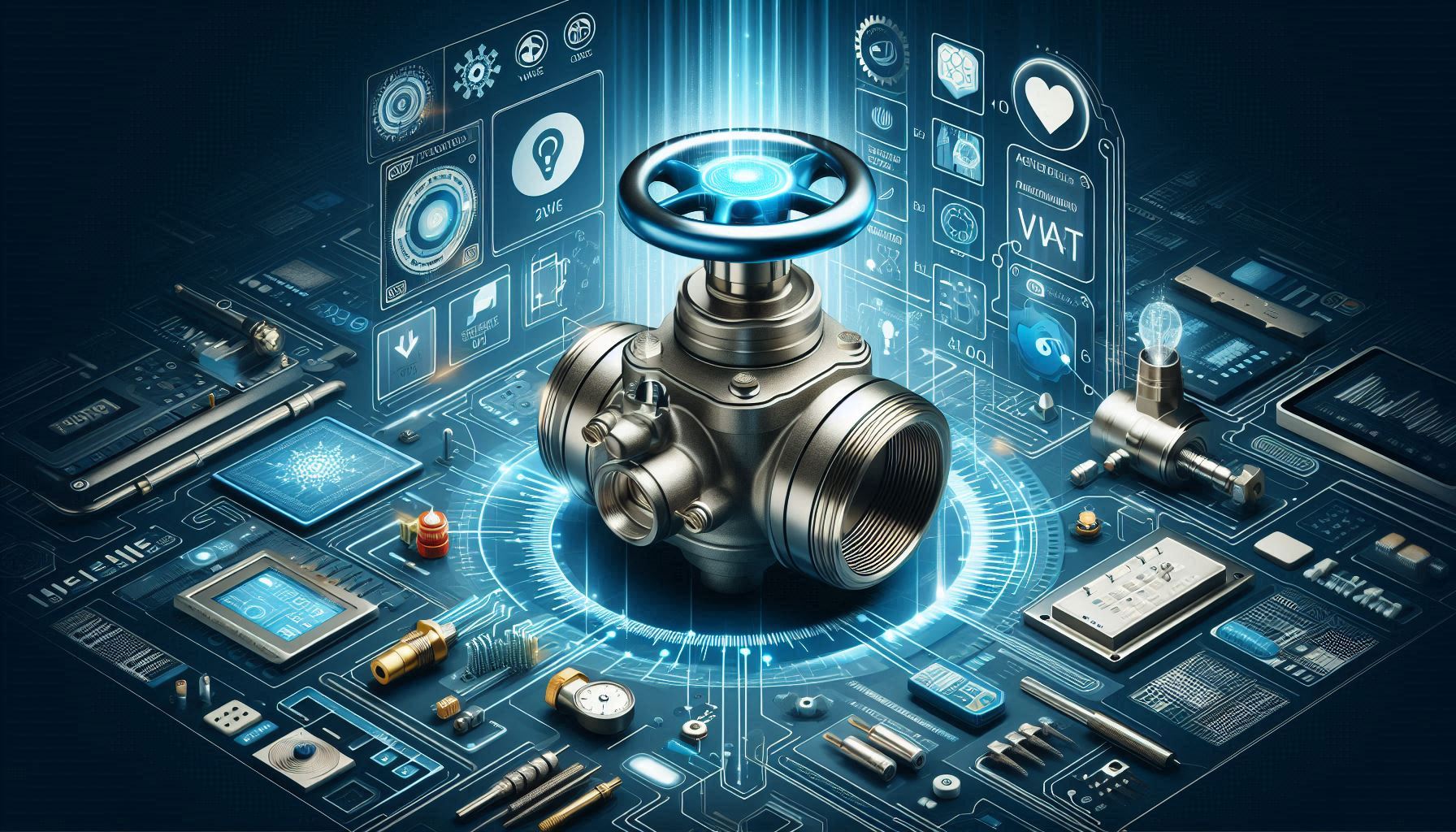
Modern HVAC valve technology innovations, showcasing smart valves, IoT integration, and energy-efficient designs.

In the ever-evolving world of HVAC (Heating, Ventilation, and Air Conditioning) technology, valves play a crucial role in ensuring optimal system performance and efficiency. As building demands grow and environmental regulations become stricter, the HVAC industry is embracing a wave of innovations aimed at enhancing valve technology. From smart valves that adapt in real-time to advanced materials that extend durability, these innovations are reshaping how HVAC systems operate.

Understanding the latest advancements in HVAC valve technology is essential for anyone looking to optimize system efficiency, reduce energy consumption, and improve overall performance. This article delves into the most recent breakthroughs in HVAC valve technology, exploring how smart systems, IoT connectivity, and new materials are transforming the industry. Whether you’re a building manager, HVAC professional, or simply curious about technological trends, this guide will provide valuable insights into how modern HVAC valves are revolutionizing the way we manage climate control.

What Are the Cutting-Edge Advances in HVAC Valve Technology?

The HVAC industry is rapidly evolving, and one of the most exciting developments is in the field of HVAC valve technology. These advancements focus on improving energy efficiency, enhancing performance, and increasing durability. Cutting-edge technologies are redefining how HVAC valves function and interact with other system components.

Recent innovations include the development of smart valves that adapt in real-time to changing conditions. These valves use advanced sensors and control systems to optimize airflow and temperature management. Additionally, new materials and manufacturing techniques are extending the lifespan of HVAC valves, reducing maintenance needs and operational costs.

Another significant advancement is the integration of advanced automation technologies. Modern HVAC valves can now operate with greater precision and flexibility, contributing to overall system efficiency. These technological strides ensure that HVAC systems are not only more reliable but also more cost-effective in the long run.

To know more about Innovations and Trends in HVAC Industry Click Here

How Do Smart HVAC Valves Enhance System Efficiency?

Smart HVAC valves represent a major leap forward in system efficiency. Unlike traditional valves, smart valves are equipped with sensors and controllers that allow them to adjust in real-time based on current system demands. This capability leads to more precise control of airflow and temperature, which translates into energy savings and enhanced comfort.

These smart devices can communicate with building management systems (BMS) to optimize overall HVAC performance. By analyzing data from various sensors, smart valves can make adjustments that improve system efficiency and reduce energy consumption. This results in lower operational costs and a smaller environmental footprint.

Moreover, smart HVAC valves can also provide valuable insights into system performance through data analytics. This information helps in identifying potential issues before they become major problems, allowing for proactive maintenance and further improving system reliability.

What Role Do IoT and Connectivity Play in Modern HVAC Valves?

The Internet of Things (IoT) and connectivity have revolutionized modern HVAC valves. IoT-enabled valves are designed to communicate with other components in the HVAC system, as well as with external networks. This connectivity allows for real-time monitoring and control, enhancing system management and performance.

IoT integration enables remote access to valve data, making it easier to track performance and make adjustments from anywhere. Building managers can receive alerts about potential issues, access performance data, and control valves remotely, leading to more efficient and effective system management.

Connectivity also supports advanced analytics, providing deeper insights into system operation. By analyzing data collected from IoT-enabled valves, building managers can identify trends, optimize performance, and implement more efficient maintenance strategies. This improved oversight contributes to better overall system efficiency and reliability.

How Are Energy-Efficient HVAC Valves Transforming Building Operations?

Energy-efficient HVAC valves are making a significant impact on building operations by reducing energy consumption and operational costs. These valves are designed to operate more efficiently, using less energy to achieve the same results as traditional valves.

Energy-efficient valves contribute to improved system performance by reducing energy waste and optimizing airflow. They help in maintaining consistent temperatures and air quality, which enhances overall comfort for building occupants.

In addition to cost savings, energy-efficient valves support sustainability goals by lowering the building’s carbon footprint. Many modern valves are designed with eco-friendly materials and technologies, further contributing to environmental conservation efforts.

What Are the Latest Developments in HVAC Valve Materials and Durability?

Recent developments in HVAC valve materials and durability are enhancing the performance and longevity of these critical components. Innovations in materials science have led to the creation of more resilient valves that can withstand harsh conditions and extend their operational life.

New coatings and treatments are being applied to HVAC valves to protect them from corrosion, wear, and other forms of damage. These advancements ensure that valves remain reliable and effective over time, reducing the need for frequent replacements and maintenance.

Additionally, improved manufacturing processes are contributing to the overall durability of HVAC valves. Precision engineering and advanced quality control measures are resulting in valves that meet higher standards of performance and reliability.

How Do Advanced Control Systems Improve HVAC Valve Performance?

Advanced control systems are playing a crucial role in enhancing HVAC valve performance. These systems use sophisticated algorithms and sensors to manage valve operations with greater accuracy and efficiency.

By continuously monitoring system conditions and making real-time adjustments, advanced control systems help optimize airflow and temperature regulation. This leads to improved system performance and energy efficiency.

Furthermore, these control systems provide valuable data for performance analysis and troubleshooting. Building managers can use this information to identify areas for improvement, implement more effective maintenance strategies, and ensure that HVAC valves operate at peak efficiency.

To know more about HVAC Valves How to Troubleshoot Common Issues Click Here

What Innovations Are Driving the Future of HVAC Valve Automation?

HVAC valve automation is advancing rapidly, driven by innovations that enhance system functionality and efficiency. Modern automation technologies are enabling HVAC valves to operate with greater precision and flexibility.

Innovations such as programmable logic controllers (PLCs) and advanced actuator systems are contributing to more sophisticated automation solutions. These technologies allow for more complex control strategies and better integration with other system components.

Automated HVAC valves are also benefiting from improvements in communication protocols and data integration. These advancements enable seamless interaction with building management systems and other automation technologies, leading to more efficient and reliable HVAC operations.

How Are Predictive Maintenance Technologies Enhancing HVAC Valve Longevity?

Predictive maintenance technologies are revolutionizing the way HVAC valve maintenance is approached. By using data analytics and monitoring tools, these technologies can predict potential issues before they lead to failures.

Predictive maintenance involves analyzing data from sensors and other monitoring devices to identify signs of wear or performance degradation. This information allows for timely interventions and repairs, reducing the risk of unexpected breakdowns and extending the lifespan of HVAC valves.

Implementing predictive maintenance strategies helps in optimizing valve performance and minimizing downtime. It also contributes to cost savings by preventing major repairs and replacements, ensuring that valves remain in good working condition for longer periods.

What Are the Benefits of Variable Flow HVAC Valves in Modern Systems?

Variable flow HVAC valves offer several benefits in modern systems by providing more precise control over airflow and temperature. These valves are designed to adjust their flow rates based on system demands, leading to improved energy efficiency and comfort.

Variable flow valves help in optimizing system performance by reducing energy consumption during periods of low demand. This flexibility allows for better temperature regulation and improved indoor air quality.

Additionally, variable flow HVAC valves contribute to system longevity by minimizing the strain on components and reducing wear. Their adaptability ensures that the HVAC system operates efficiently, even in changing conditions.

To know more about Why Indoor Air Quality Matters in Commercial Spaces Click Here

How Do New Sensor Technologies Improve HVAC Valve Accuracy?

New sensor technologies are enhancing the accuracy of HVAC valves by providing more precise measurements and control. Modern sensors are capable of detecting subtle changes in system conditions, leading to better performance and efficiency.

Advanced sensors can measure variables such as temperature, pressure, and flow rates with high precision. This data allows HVAC valves to make more accurate adjustments, improving system responsiveness and reliability.

These technologies also contribute to better monitoring and diagnostics. By providing detailed data on valve performance, new sensors help in identifying potential issues early and ensuring that valves operate within their optimal parameters.

What Impact Do Eco-Friendly HVAC Valve Designs Have on Sustainability?

Eco-friendly HVAC valve designs are making a positive impact on sustainability by reducing environmental impact and promoting energy efficiency. These designs often incorporate materials and technologies that minimize resource consumption and waste.

Eco-friendly valves are designed to operate with lower energy consumption, contributing to reduced greenhouse gas emissions and lower operational costs. They also use recyclable materials and environmentally friendly manufacturing processes.

By adopting eco-friendly valve designs, building owners and managers can support sustainability goals and improve the overall environmental performance of their HVAC systems.

To know more about How BTU Meters Enhance Energy Efficiency in HVAC Systems Click Here

How Are HVAC Valve Innovations Addressing Challenges in Indoor Air Quality?

HVAC valve innovations are playing a key role in improving indoor air quality by addressing common challenges such as temperature control, airflow management, and filtration.

Advanced valve technologies enable more precise control over air distribution, helping to maintain consistent temperatures and reduce the presence of pollutants. Enhanced filtration systems integrated into valves also contribute to cleaner, healthier indoor air.

These innovations ensure that HVAC systems can effectively manage indoor air quality, providing a more comfortable and healthy environment for building occupants.

FAQ

What Are Smart HVAC Valves?

Smart HVAC valves use sensors and controls to optimize system performance and adapt to real-time conditions automatically.

How Do IoT and Connectivity Enhance HVAC Valves?

IoT and connectivity allow HVAC valves to integrate with building management systems for improved monitoring and control.

What Benefits Do Energy-Efficient HVAC Valves Offer?

Energy-efficient HVAC valves reduce energy consumption, lower operational costs, and enhance overall system efficiency.

How Do Advanced Materials Affect HVAC Valve Durability?

Advanced materials increase HVAC valve durability, making them more resistant to wear and extending their operational lifespan.

What Is Predictive Maintenance for HVAC Valves?

Predictive maintenance uses data and analytics to anticipate valve issues before they occur, improving reliability and performance.

How Do New Sensor Technologies Improve HVAC Valves?

New sensor technologies enhance HVAC valve accuracy by providing precise data for better control and system performance.

Conclusion

The landscape of HVAC valve technology is undergoing a remarkable transformation, driven by advancements in smart technology, materials, and connectivity. These innovations are not just about keeping pace with modern demands but are actively shaping the future of HVAC systems. Smart HVAC valves enhance efficiency by adapting to real-time conditions, while IoT and connectivity integrate seamlessly into building management systems for better control and monitoring.

Energy-efficient designs and advanced materials contribute to longer-lasting, more reliable valves, reducing maintenance costs and improving overall system performance. Meanwhile, predictive maintenance technologies and new sensor capabilities are paving the way for greater accuracy and longevity. As HVAC systems continue to evolve, the focus on sustainability and addressing indoor air quality challenges remains paramount.

By staying informed about these latest innovations, stakeholders can make better decisions that lead to more efficient, sustainable, and high-performing HVAC systems. Embracing these advancements not only meets contemporary needs but also prepares for future demands, ensuring that HVAC systems remain at the forefront of technology and efficiency.

About The Author

Omprakash Ramagiri; as the Founder of HVAC Technocrats, I bring over 18 years of experience as a Mechanical Engineer specializing in HVAC (Central Air-conditioning) for commercial, cleanrooms, data centers, and Petrochemical industries. Throughout my career, I’ve held pivotal roles at companies like TATA Consulting Engineers, MW Zander (for Cleanroom solutions), Bluestar Malaysia, and ETA in Dubai. I’ve managed international HVAC projects and gained valuable exposure in dynamic markets like Dubai and Saudi Arabia. With a passion for excellence and a commitment to innovative solutions, I specialize in designing Class 10K & 100K Cleanrooms for various industries. Connect with me to explore collaborations in HVAC design, project sales, and consultancy. Click to visit the Author’s Linkedin page


Disclaimer: The pictures used are for illustrative purposes only. They may not depict actual products or situations and are meant for educational purposes. Actual products, situations, or outcomes may differ.

VAV: How to Select the Best Units for BMS Integration

VAV Units and BMS Integration in Modern Buildings

VAV also called as Variable Air Volume boxes are integral to modern HVAC systems, providing efficient and flexible temperature control. Integrating these units with Building Management Systems (BMS) enhances the overall efficiency, reliability, and performance of HVAC systems in commercial buildings. This article explores the role of VAV units, their types, applications, and the impact of their integration with BMS.

What is the role of a VAV unit in HVAC systems?

VAV units play a crucial role in HVAC systems by regulating the airflow to different zones in a building based on the current demand. Unlike constant air volume systems, they units adjust the volume of air delivered to each zone, ensuring optimal temperature and humidity levels while conserving energy. These units improve occupant comfort by providing precise control over indoor conditions, reducing energy consumption, and lowering operational costs. By modulating airflow, VAV units also contribute to the longevity of HVAC equipment, minimizing wear and tear.

How does the integration of VAV units with BMS enhance system efficiency?

Integrating VAV units with a BMS significantly enhances system efficiency by enabling centralized control and monitoring. The BMS collects real-time data from the units and other HVAC components, allowing for intelligent adjustments to airflow, temperature, and humidity. This integration leads to improved energy management, as the BMS optimizes the operation of units based on occupancy patterns and environmental conditions. Additionally, the BMS can identify and diagnose issues promptly, reducing downtime and maintenance costs. Enhanced data analytics provided by the BMS also facilitate predictive maintenance and continuous performance improvement.

What are the different types of VAV units available for integration with BMS?

There are several types of VAV units available for integration with BMS, including single-duct, dual-duct, and fan-powered units. Single-duct VAV units are the most common, providing variable air volume to a single duct. Dual-duct VAV units have two ducts, one for hot air and one for cold air, allowing for precise temperature control by mixing air from both ducts. Fan-powered VAV units include a fan that helps to distribute air more efficiently, especially in large spaces. Each type of unit offers unique advantages and is chosen based on specific building requirements and HVAC design considerations.

When should you choose a single-duct VAV unit over a dual-ducted?

Choosing between single-duct and dual-duct VAV units depends on the specific heating, ventilation, and cooling needs of the building. Single-duct units are ideal for spaces with relatively uniform thermal loads and where cost and simplicity are important considerations. They are easier to install and maintain, making them a popular choice for many commercial buildings. Dual-duct units, on the other hand, are suitable for buildings with varying thermal loads and where precise temperature control is essential. They offer greater flexibility and control by providing the ability to mix hot and cold air, ensuring consistent comfort across different zones.

What are the common applications in commercial buildings?

VAV units are commonly used in various commercial building applications, including offices, hospitals, schools, and retail spaces. In office buildings, these units provide individualized control for different zones, enhancing occupant comfort and productivity. In hospitals, they maintain strict temperature and humidity conditions necessary for patient care and medical equipment. Schools benefit from the energy efficiency of VAV systems, ensuring a comfortable learning environment while reducing operational costs. Retail spaces utilize units to create an optimal shopping experience by adjusting airflow and temperature based on occupancy and activity levels.

To know more about Why Temperature and Humidity Control Is Critical in Cleanrooms Click Here

How are VAV units used in conjunction with BMS for optimized climate control?

VAV units, when integrated with BMS, offer optimized climate control by leveraging real-time data and intelligent algorithms. The BMS monitors various environmental parameters such as temperature, humidity, and occupancy, and adjusts the operation of these units accordingly. This integration ensures that each zone receives the appropriate amount of conditioned air, maintaining desired comfort levels while minimizing energy use. The BMS can also implement advanced control strategies like demand-controlled ventilation, which adjusts airflow based on occupancy, further enhancing efficiency. Additionally, remote monitoring and control capabilities provided by the BMS allow for quick adjustments and troubleshooting.

What specifications should be considered when selecting a VAV unit for BMS integration?

When selecting a VAV unit for BMS integration, several specifications need to be considered to ensure compatibility and optimal performance. Key factors include the airflow range, static pressure requirements, and control options. The airflow range determines the unit’s capacity to meet varying demand, while static pressure requirements impact the unit’s ability to deliver air effectively. Control options such as compatibility with various sensors and actuators, communication protocols, and the ability to interface with the BMS are also critical. Additionally, the unit’s energy efficiency, noise levels, and ease of maintenance should be evaluated to ensure it meets the building’s operational needs.

To know more about IGBC Standards HVAC Systems Guide Green Building Certification Click Here

How do the specifications of VAV units impact their performance in a BMS?

The specifications of VAV units significantly impact their performance when integrated with a BMS. Properly sized units ensure adequate airflow and pressure, maintaining comfort and efficiency. Units with advanced control options allow for seamless integration with the BMS, enabling precise monitoring and adjustment of airflow, temperature, and other parameters. High-efficiency units reduce energy consumption, contributing to lower operational costs and improved sustainability. Noise levels are also an important consideration, as quieter units enhance occupant comfort. Overall, selecting VAV units with appropriate specifications ensures optimal performance, reliability, and compatibility with the BMS.

What are the advantages of integrating VAV units with a BMS?

Integrating VAV units with a BMS offers numerous advantages, including improved energy efficiency, enhanced comfort, and reduced operational costs. The BMS optimizes the performance of units by adjusting airflow and temperature based on real-time data, ensuring efficient operation and minimizing energy waste. Enhanced comfort is achieved through precise control of indoor conditions, tailored to the specific needs of each zone. Additionally, the BMS provides centralized monitoring and control, enabling quick identification and resolution of issues, reducing maintenance costs and downtime. Advanced analytics and reporting capabilities also support continuous performance improvement and predictive maintenance strategies.

How do the disadvantages impact their overall effectiveness?

While VAV units offer many benefits, they also have some disadvantages that can impact their overall effectiveness. One potential drawback is the initial cost of installation, which can be higher than that of constant air volume systems. Maintenance requirements can also be more complex, as these units have more components that need regular inspection and servicing. Additionally, if not properly designed or installed, VAV systems can lead to uneven airflow and temperature distribution, affecting occupant comfort. However, these disadvantages can be mitigated through careful planning, regular maintenance, and leveraging the capabilities of a BMS to optimize performance.

What key information is found in technical data sheet?

A VAV unit’s technical data sheet contains essential information for selecting, installing, and integrating the unit with a BMS. Key details include airflow ranges, static pressure capabilities, power requirements, and control options. The data sheet also provides information on the unit’s physical dimensions, weight, and installation requirements. Additionally, it includes specifications for sensors, actuators, and communication interfaces, ensuring compatibility with the BMS. Performance data such as energy efficiency ratings, noise levels, and operational limits are also outlined, helping to evaluate the unit’s suitability for the intended application. This comprehensive information is critical for ensuring proper selection and integration.

How can you use a VAV unit’s technical data sheet to ensure proper BMS integration?

The technical data sheet of a VAV unit provides detailed specifications that are crucial for ensuring proper integration with a BMS. By reviewing the airflow ranges and static pressure capabilities, you can confirm that the unit meets the building’s HVAC requirements. Control options and communication interfaces listed on the data sheet ensure that the unit is compatible with the BMS, enabling seamless data exchange and control. Additionally, performance data such as energy efficiency and noise levels help in selecting a unit that aligns with the building’s sustainability goals and occupant comfort standards. Proper interpretation of the data sheet ensures optimal integration and performance.

To know more about Net Zero Energy Building HVAC Systems Click Here

What are the primary components of a VAV unit?

VAV units consist of several primary components that work together to regulate airflow and temperature. These components include a damper, which modulates the volume of air delivered to the space, and an actuator, which controls the damper position based on signals from the thermostat or BMS. Sensors measure temperature and pressure to provide feedback for precise control. Some VAV units also include a fan to assist in air distribution, especially in larger zones. Additional components such as heating or cooling coils may be integrated to provide supplemental temperature control. Together, these components ensure efficient and flexible climate control within the HVAC system.

To know more about Why Temperature and Humidity Control Is Critical in Cleanrooms Click Here

How do the components of a VAV unit interact with a BMS?

The components of a VAV unit interact with a BMS to provide precise and efficient climate control. The thermostat or BMS sends signals to the actuator, which adjusts the damper position to modulate airflow. Sensors within the unit continuously monitor temperature and pressure, providing real-time data to the BMS. The BMS processes this data and makes adjustments to maintain desired conditions, ensuring optimal performance and energy efficiency. In systems with fan-powered VAV units, the BMS can control fan speed to enhance air distribution. This interaction between VAV unit components and the BMS allows for dynamic and responsive HVAC system operation.

What design considerations are important for VAV units in BMS applications?

Design considerations for VAV units in BMS applications include ensuring compatibility, efficiency, and flexibility. Compatibility with the BMS is crucial, requiring VAV units to have appropriate control options and communication interfaces. Efficiency is enhanced by selecting units with high energy efficiency ratings and low noise levels, contributing to reduced operational costs and improved occupant comfort. Flexibility is achieved by choosing units that can adapt to varying thermal loads and occupancy patterns. Additionally, proper sizing of VAV units ensures they can meet the building’s HVAC demands without overworking the system. These design considerations are essential for successful integration and optimal performance.

How does the design of a VAV unit influence its efficiency and performance?

The design of a VAV unit significantly influences its efficiency and performance. Units with advanced control options and precise sensors enable accurate regulation of airflow and temperature, enhancing efficiency. The inclusion of high-efficiency fans and motors reduces energy consumption and operational costs. Properly designed dampers and actuators ensure smooth and reliable operation, minimizing wear and tear. Additionally, the unit’s size and configuration must align with the building’s HVAC requirements to prevent underperformance or inefficiency. Well-designed VAV units also incorporate noise reduction features, contributing to occupant comfort. Overall, thoughtful design elements are critical for achieving optimal efficiency and performance.

What unit conversions are commonly needed when working with VAV units?

Unit conversions commonly needed when working with VAV units include airflow measurements, pressure values, and temperature readings. Airflow is often measured in cubic feet per minute (CFM), but may need to be converted to liters per second (L/s) or other units depending on regional standards. Pressure values, typically given in inches of water column (in. w.c.), might require conversion to Pascals (Pa) for consistency with international specifications. Temperature readings in Fahrenheit (°F) may need to be converted to Celsius (°C) for global applications. Accurate unit conversions are essential for ensuring proper selection, installation, and integration of VAV units within HVAC systems.

How can accurate unit conversions impact the integration of VAV units with BMS?

Accurate unit conversions are critical for the successful integration of VAV units with BMS, as they ensure consistency and compatibility across different system components and regional standards. Properly converted airflow, pressure, and temperature values enable precise control and monitoring, enhancing system performance and efficiency. Misconversions can lead to incorrect system settings, resulting in inefficiency, discomfort, and potential equipment damage. Accurate conversions also facilitate clear communication between different stakeholders, including engineers, installers, and maintenance personnel. By ensuring that all measurements align with the BMS requirements, accurate unit conversions contribute to the seamless and effective integration of VAV units.

What methods are used for calculating the capacity of VAV units?

Calculating the capacity of VAV units involves assessing the required airflow, pressure, and thermal load for the specific application. The first step is to determine the peak cooling or heating load for each zone, considering factors like occupancy, equipment, lighting, and external influences. This load calculation helps to establish the required airflow rate, which is then used to size the VAV unit appropriately. Engineers also consider the static pressure requirements to ensure the unit can deliver the necessary airflow effectively. Additionally, the unit’s capacity must align with the overall design of the HVAC system to maintain balance and efficiency. Accurate capacity calculations ensure optimal performance and energy efficiency.

How does accurate capacity calculation improve the integration with BMS?

Accurate capacity calculation is vital for improving the integration of VAV units with a BMS. Properly calculated capacities ensure that each VAV unit can meet the thermal load requirements of its designated zone, maintaining comfort and efficiency. This accuracy enables the BMS to optimize system performance by adjusting airflow and temperature settings based on real-time data. Over- or under-sized units can lead to inefficiencies, increased energy consumption, and compromised occupant comfort. Accurate capacity calculations also facilitate effective monitoring and control by the BMS, allowing for precise adjustments and predictive maintenance. Ultimately, accurate capacity calculation enhances the overall effectiveness of the integrated HVAC system.

What codes and standards apply to VAV units in HVAC systems?

Several codes and standards apply to VAV units in HVAC systems to ensure safety, performance, and energy efficiency. The American Society of Heating, Refrigerating and Air-Conditioning Engineers (ASHRAE) provides guidelines and standards, such as ASHRAE 62.1 for ventilation and indoor air quality and ASHRAE 90.1 for energy efficiency. The Indian Society of Heating, Refrigerating and Air Conditioning Engineers (ISHRAE) offers similar standards tailored to regional requirements. Building codes and energy standards at the local, state, and national levels also impact the selection and installation of units. Compliance with these codes and standards ensures the safe, efficient, and reliable operation of VAV systems.

How do codes and standards ensure the safe integration of VAV units with BMS?

Codes and standards ensure the safe integration of VAV units with BMS by providing guidelines for design, installation, and operation. These standards specify requirements for airflow, pressure, temperature control, and energy efficiency, ensuring that units perform effectively within the HVAC system. Compliance with standards like ASHRAE 62.1 and 90.1 promotes safe and healthy indoor environments while optimizing energy use. Additionally, adherence to local building codes and regulations ensures that VAV units are installed and operated safely, reducing the risk of malfunctions or hazards. Standards also facilitate interoperability between different system components, supporting seamless integration with the BMS.

What should be included in a general arrangement drawing for VAV units?

A general arrangement drawing for VAV units should include detailed information about the placement and configuration of the units within the HVAC system. This drawing typically shows the locations of units, ducts, diffusers, and other key components. It should also include dimensions, airflow directions, and connection points for electrical and control systems. The drawing must provide clear guidance on the installation requirements, such as mounting details and access for maintenance. Accurate and comprehensive general arrangement drawings ensure proper installation and alignment with the overall HVAC design, facilitating effective integration and performance of VAV units with the BMS.

How do general arrangement drawings facilitate the installation of VAV units with BMS?

General arrangement drawings facilitate the installation of VAV units with BMS by providing detailed and accurate guidance on the placement and configuration of system components. These drawings ensure that units are correctly positioned within the HVAC system, optimizing airflow and ensuring efficient operation. Clear representation of dimensions, connection points, and access requirements helps installers to follow the design precisely, reducing the risk of errors and rework. Additionally, general arrangement drawings support the integration of VAV units with the BMS by illustrating how control and communication interfaces should be connected. This detailed documentation is essential for achieving seamless and effective installation and integration.

What information is conveyed in a schematic drawing of VAV units?

A schematic drawing of VAV units provides a detailed representation of the electrical and control connections within the HVAC system. It includes diagrams of the wiring, sensors, actuators, and communication interfaces, illustrating how these components interact with the BMS. The schematic shows the flow of electrical signals and control commands, ensuring that all elements are properly connected and configured. This drawing also highlights safety features, such as fuses and circuit breakers, and indicates the power requirements for each component. Accurate schematic drawings are critical for ensuring the correct installation and integration of VAV units, supporting reliable and efficient system operation.

How do schematic drawings assist in the integration of VAV units with BMS?

Schematic drawings assist in the integration of VAV units with BMS by providing clear and detailed instructions for connecting electrical and control components. These drawings ensure that sensors, actuators, and communication interfaces are properly wired, enabling effective data exchange and control between the VAV units and the BMS. Accurate schematic drawings help technicians to identify and troubleshoot potential issues, reducing the risk of errors and system malfunctions. By illustrating the flow of signals and control commands, schematic drawings facilitate seamless integration and optimal performance of the HVAC system. This documentation is essential for achieving reliable and efficient BMS integration.

What is the electrical scope of works for VAV units in HVAC systems?

The electrical scope of works for VAV units in HVAC systems includes all tasks related to the wiring, power supply, and control connections required for the operation of units. This scope covers the installation of power circuits, wiring of sensors and actuators, and integration of control interfaces with the BMS. It also includes the setup of safety features such as fuses and circuit breakers to protect the system from electrical faults. Additionally, the electrical scope of works involves testing and commissioning to ensure that all components are correctly installed and functioning as intended. Proper electrical work is crucial for the safe and efficient operation of VAV units.

How does the electrical scope of works impact the integration with BMS?

The electrical scope of works impacts the integration of VAV units with BMS by ensuring that all control and communication components are properly connected and configured. Accurate and reliable electrical connections are essential for effective data exchange and control, enabling the BMS to monitor and adjust the performance of VAV units. Properly executed electrical work ensures that sensors, actuators, and interfaces operate correctly, supporting the overall functionality of the HVAC system. Additionally, adherence to safety standards and best practices in electrical work minimizes the risk of malfunctions and enhances the reliability of the integrated system, contributing to optimal performance and energy efficiency.

Who are the leading manufacturers of VAV units for BMS integration?

Leading manufacturers of VAV units for BMS integration include well-known companies such as Trane, Carrier, Johnson Controls, and Siemens. These manufacturers are renowned for their high-quality products, advanced technologies, and innovative solutions. Trane offers a wide range of VAV units designed for energy efficiency and precise control, making them ideal for BMS integration. Carrier is known for its robust and reliable VAV systems that provide superior performance in various applications. Johnson Controls provides versatile units with advanced control options for seamless BMS integration. Siemens offers state-of-the-art VAV units with cutting-edge technology and exceptional energy efficiency, ensuring optimal performance and integration.

How do different manufacturers’ VAV units compare in terms of performance and reliability?

Different manufacturers’ VAV units vary in terms of performance and reliability based on their design, technology, and quality. Trane VAV units are known for their energy efficiency and precise control, contributing to reduced operational costs and enhanced comfort. Carrier VAV units offer robust performance and reliability, making them suitable for a wide range of applications. Johnson Controls VAV units are versatile and come with advanced control options, facilitating seamless integration with BMS. Siemens VAV units are distinguished by their cutting-edge technology and exceptional energy efficiency, ensuring optimal performance. Comparing these units based on specific needs and applications helps to select the best option for BMS integration.

FAQ

What is a VAV system in BMS?

A VAV system in BMS is a variable air volume system that uses the building management system to control airflow and temperature, optimizing energy use and comfort.

What are VAV units?

VAV units are HVAC components that regulate airflow to maintain desired temperatures in different zones of a building.

What are the two types of heat in VAV systems?

The two types of heat in VAV systems are sensible heat, which affects temperature, and latent heat, which impacts humidity.

What is the working principle of VAV system?

The working principle of a VAV system involves adjusting the airflow to different zones based on temperature requirements, ensuring energy efficiency and comfort.

What is a VAV box?

A VAV box is a component of a VAV system that controls the amount of air entering a zone, maintaining the desired temperature.

Conclusion

Integrating VAV units with BMS is crucial for optimizing HVAC system performance, energy efficiency, and occupant comfort. By understanding the role, specifications, design considerations, and integration methods, building managers can achieve seamless and effective system operation. Compliance with codes and standards, accurate capacity calculations, and detailed schematic and general arrangement drawings are essential for successful integration. Leading manufacturers provide advanced VAV units that enhance system reliability and efficiency. Overall, the integration of VAV units with BMS represents a significant advancement in building management, contributing to sustainable and intelligent building operations.

Relevant Links

For more information on related topics, you can visit the following links:

HVAC Related Affiliated Products

About the Author

Omprakash Ramagiri; as the Founder of HVAC Technocrats, I bring over 18 years of experience as a Mechanical Engineer specializing in HVAC (Central Air-conditioning) for commercial, cleanrooms, data centers, and Petrochemical industries. Throughout my career, I’ve held pivotal roles at companies like TATA Consulting Engineers, MW Zander (for Cleanroom solutions), Bluestar Malaysia, and ETA in Dubai. I’ve managed international HVAC projects and gained valuable exposure in dynamic markets like Dubai and Saudi Arabia. With a passion for excellence and a commitment to innovative solutions, I specialize in designing Class 10K & 100K Cleanrooms for various industries. Connect with me to explore collaborations in HVAC design, project sales, and consultancy. Click to visit the Author’s Linkedin page