Clean Room Classification: Ultimate Guide ISO, FS209E & IS15518

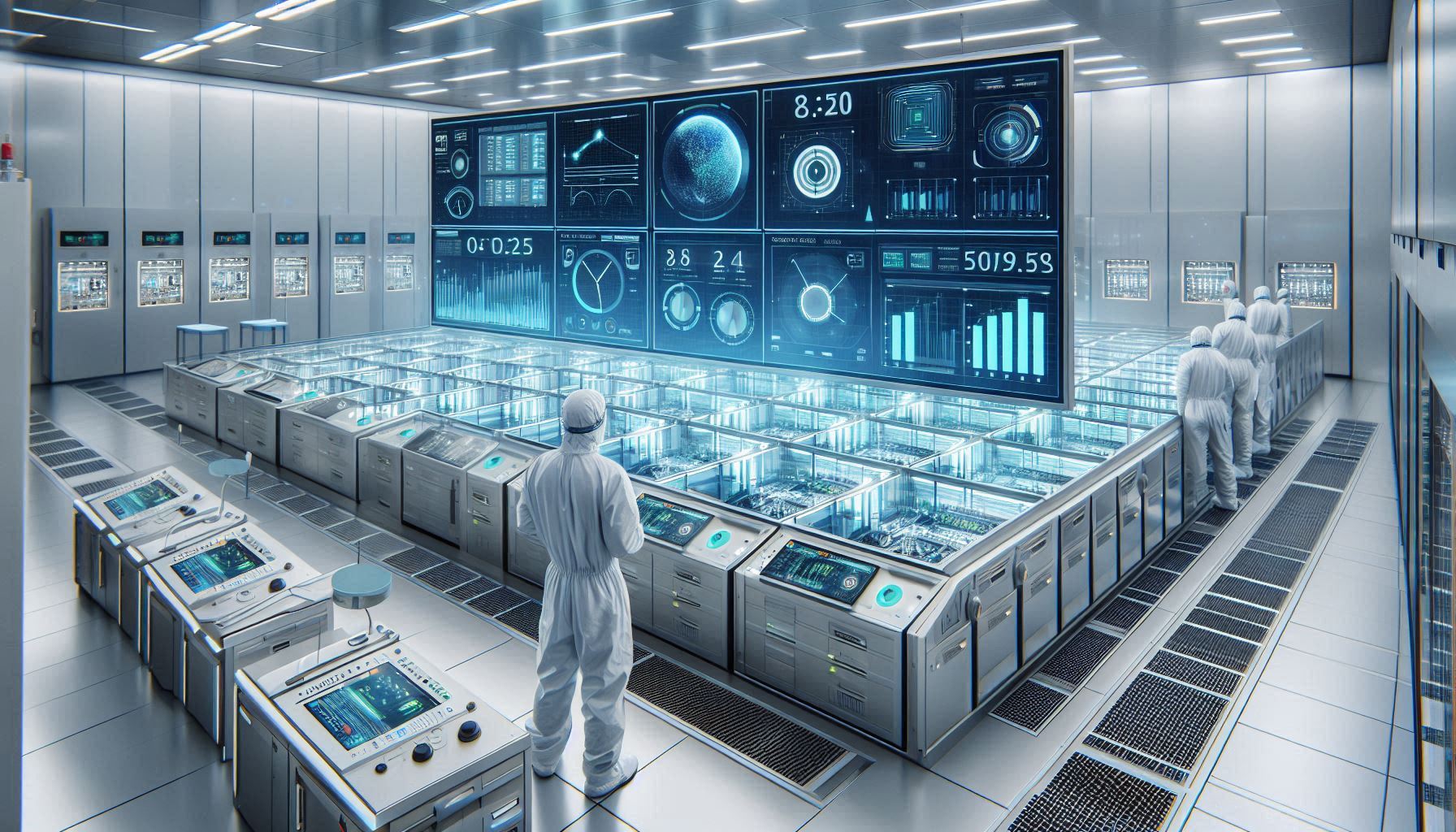
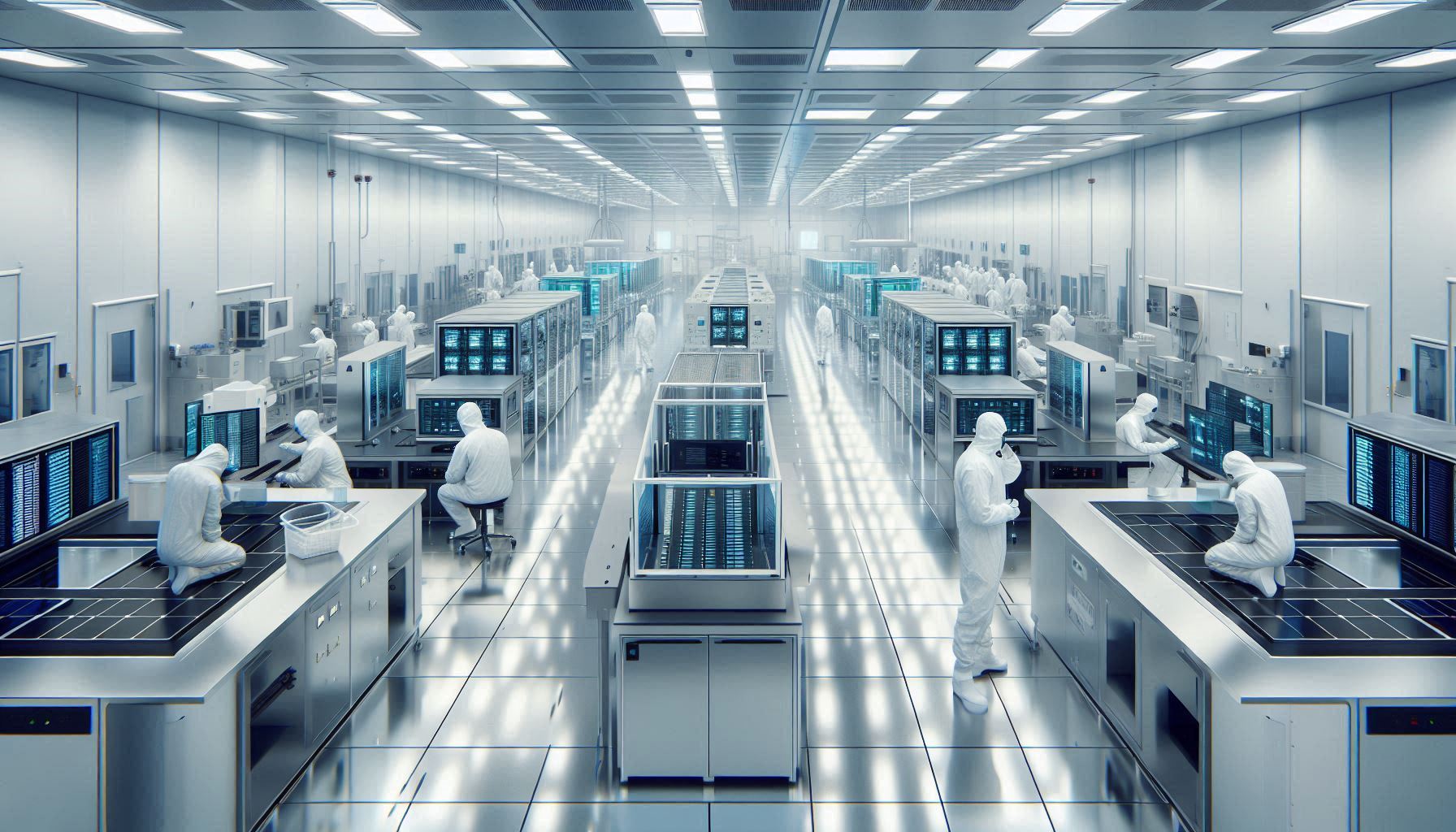
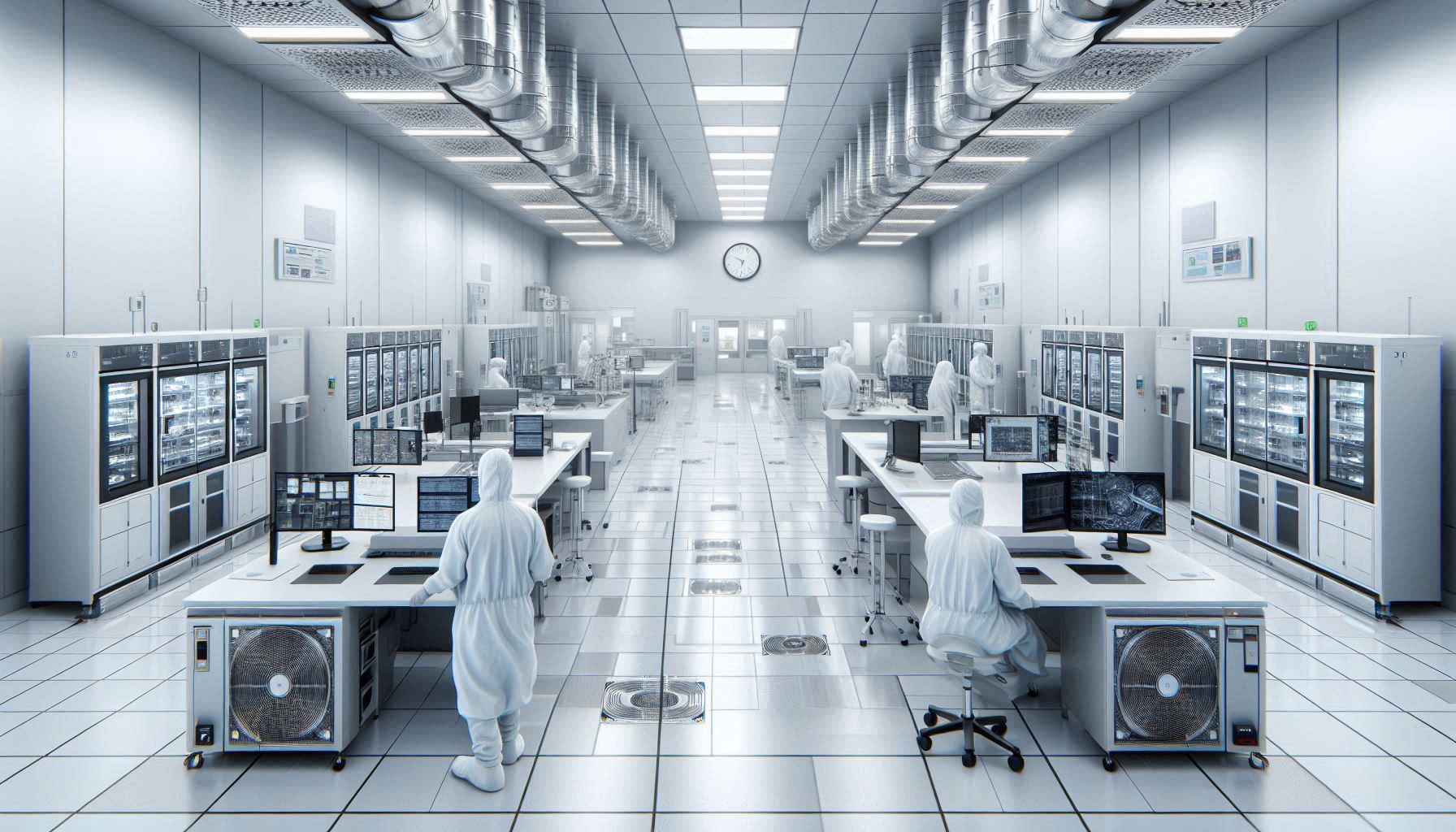
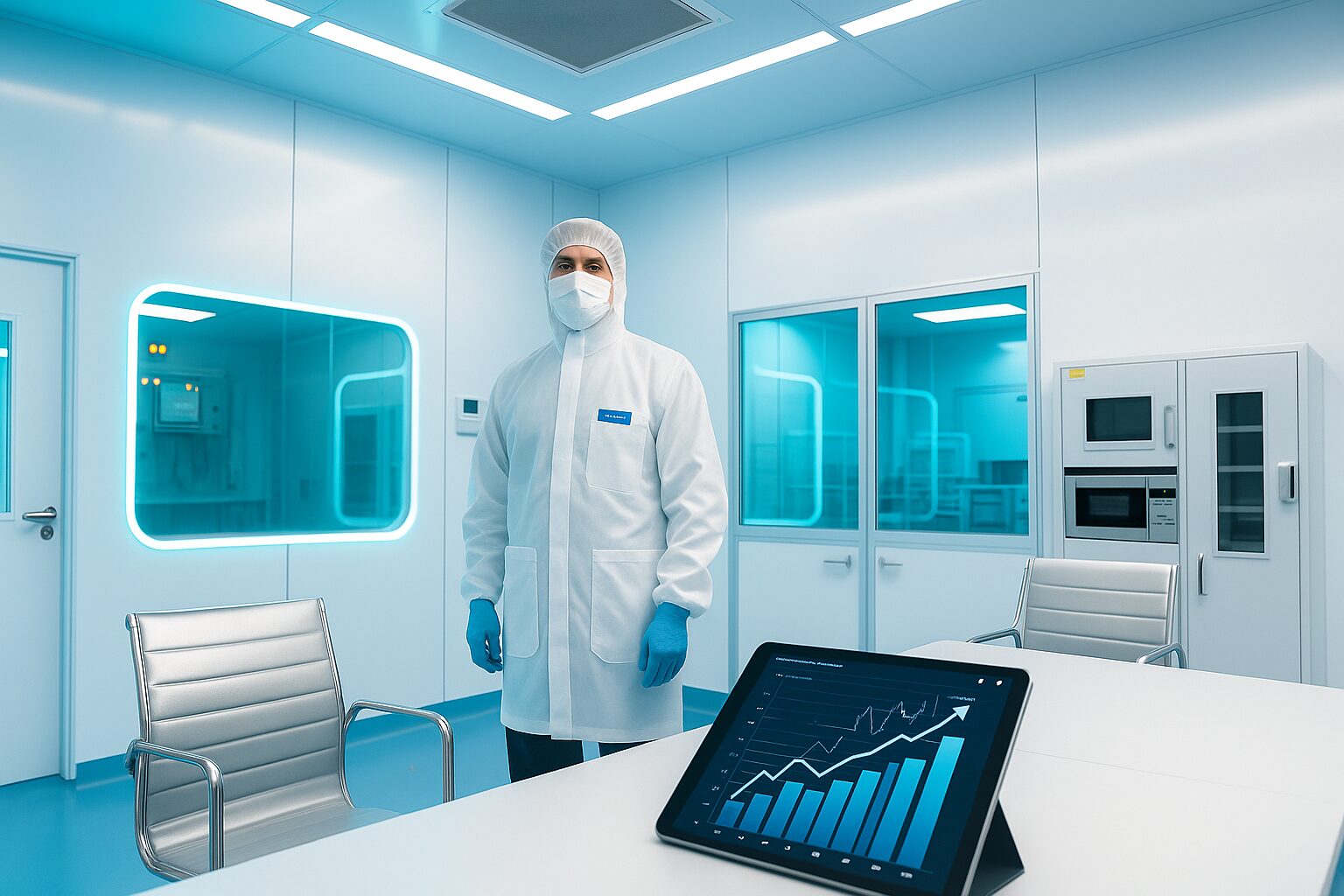
Image showing clean room classification standards with particle count charts and digital sensor overlays.

Introduction

Clean room classification matter. They form the foundation for proper manufacturing conditions. In semiconductor fabrication and other high-tech environments, clean room classifications define how clean the air must be. These standards prevent contamination and ensure process reliability. Moreover, they guide engineers and facility managers in setting up systems. In this chapter, we decode clean room classifications. We explain ISO 14644-1, FS 209E, and IS 15518. We also compare their strengths. Finally, we show a hypothetical case that highlights their impact. Consequently, understanding clean room classifications improves routine operations.

Understanding Clean Room Classification

Clean room classifications set specific particle limits in a controlled area. They list the maximum number of particles allowed per cubic meter or per cubic foot. These classifications vary by standard. For instance, ISO 14644-1 defines classes from ISO 1 (the cleanest) to ISO 9. FS 209E categorizes cleanrooms using classes such as Class 100 and Class 10, whereas IS 15518 tailors its standards to align with regional requirements. In this section, we focus on the core ideas behind clean room classifications. We also use the term “clean room standards” as a synonym to reinforce our keyphrase.

Why Clean Room Classifications Are Crucial

Clean room classifications help prevent incidents. They guide the design of HVAC systems and filtration setups. They keep production consistent. Moreover, they meet regulatory demands. In turn, clean room classifications reduce defects and boost operational efficiency. Therefore, every facility must respect these standards.

ISO 14644-1: The Global Benchmark for Clean Room Classification

ISO 14644-1 is the international standard for clean room classifications. It measures cleanliness by the number of airborne particles present in each cubic meter of air. First, engineers use particle counters that measure as small as 0.1 µm. Then, they compare these counts against ISO limits. For example, an ISO Class 5 room allows a limited count of particles ≥ 0.5 µm.

Additionally, ISO 14644-1 supports consistency worldwide. Many industries adopt these clean room classifications. They cover sectors such as semiconductor manufacturing, aerospace, and pharmaceuticals. Clearly, ISO 14644-1 sets a detailed benchmark. As a result, it continues to be the most commonly recognized benchmark for cleanroom classification.

FS 209E: The U.S. Clean Room Standard

FS 209E was the U.S. standard for clean room classifications. Although discontinued today, it remains influential. This standard measured particle counts per cubic foot instead of per cubic meter. As a result, FS 209E defined classes such as Class 1, Class 10, and Class 100.

Let us compare FS 209E with ISO 14644-1. FS 209E uses imperial units, which require conversion to metric units. Moreover, its classification numbers differ from ISO’s incremental levels. Nevertheless, many legacy facilities still refer to FS 209E. In summary, FS 209E played a key role in early clean room classifications.

IS 15518: The Emerging Regional Standard

IS 15518 serves certain regional needs. It adapts clean room classifications to local environmental and regulatory demands. This standard uses a metric system like ISO 14644-1. It also incorporates local air quality factors and industry practices. In this way, IS 15518 delivers targeted guidance for select sectors.

Furthermore, IS 15518 aligns with global expectations while addressing local needs. For industries facing unique climate or regulatory challenges, IS 15518 offers a flexible framework. Thus, clean room classifications under IS 15518 can complement ISO standards. This dual approach helps facilities achieve excellence.

Comparative Analysis of Clean Room Classification

Let us now compare the three standards side by side:

  • Measurement Units: FS 209E uses cubic feet. ISO 14644-1 and IS 15518 use cubic meters. This difference adds complexity. However, conversion remains simple.
  • Classification Ranges: ISO 14644-1 has a broad range (ISO 1 to ISO 9). FS 209E defines classes (e.g., Class 100). IS 15518 often mirrors ISO but may include extra factors. Here, clean room classifications differ in granularity.
  • Industry Applications: New facilities usually follow ISO 14644-1. Legacy facilities often reference FS 209E. Some regional industries choose IS 15518. Therefore, clean room classifications serve various needs.

Overall, each standard has advantages and limitations. ISO 14644-1 provides detailed, scalable guidelines. FS 209E offers simplicity. IS 15518 gives local adaptability. These differences highlight the importance of standard-specific clean room classifications.

Hypothetical Case Study: Upgrading Clean Room Classification

Consider a modern semiconductor fabrication plant that wishes to improve its clean room environment. Initially, the facility used older benchmarks loosely based on outdated clean room classifications. After a rigorous audit, the discrepancy became clear. The measured particle counts exceeded current limits.

Consequently, engineers decided to upgrade the facility using ISO 14644-1 as the primary guide. They also reviewed aspects of IS 15518 to tailor the solution locally. First, they installed state-of-the-art particle counters. Next, they replaced old filters with high-efficiency units. Furthermore, the HVAC system was enhanced with real-time monitoring and control capabilities.

After these changes, the facility achieved an ISO Class 5 rating. This upgrade reduced defects and increased production yields. It also ensured compliance with international clean room classifications. Ultimately, the facility benefitted from improved stability and reduced downtime. This case vividly demonstrates the critical role of clean room classifications in modern manufacturing.

Challenges in Implementing Clean Room Classification

Even with clear clean room classifications, many challenges persist. Let us explore a few:

  • Instrumentation and Calibration: Using accurate particle counters remains essential. Calibration errors can mislead clean room classifications. Thus, regular checks are necessary.
  • Dynamic Environmental Conditions: Factors such as equipment heat and human activity alter particle counts. Robust HVAC systems must adjust quickly. In response, facilities need dynamic monitoring.
  • Training and Expertise: Staff must understand clean room classifications thoroughly. They also need to act swiftly when deviations occur. Therefore, regular training becomes crucial.
  • Cost Implications: Upgrading systems to meet strict clean room classifications may require high initial investments. However, these costs pay off by reducing defects and boosting yields later.

In summary, while clean room classifications set the standards, maintaining compliance demands continuous effort.

Future Trends in Clean Room Classification and Standards

Clean room classifications continue to evolve with technology. Emerging trends include:

  • Digital Integration: Facilities now use AI and IoT sensors. These tools monitor clean room classifications in real time. They also predict system failures. Consequently, the integration of digital systems enhances overall operational efficiency.
  • Granularity and Precision: New standards may become even more detailed. This enhanced precision will further reduce particulate contamination. In turn, clean room classifications will offer greater reliability.
  • Global Harmonization: There is a movement to standardize clean room classifications worldwide. This effort simplifies international manufacturing. Consequently, facilities can better meet global demands.
  • Sustainability Considerations: Future standards may include energy use and environmental impacts. This change encourages greener practices while preserving strict clean room classifications.

These future trends will ensure that clean room classifications remain relevant in a rapidly changing environment.

Concluding Reflections

Clean room classifications are vital to managing high-tech manufacturing processes. They set the limits, guide operational decisions, and ensure regulatory compliance. In short, these standards keep production safe and efficient. By understanding ISO 14644-1, FS 209E, and IS 15518, facility managers can design better systems. Ultimately, robust clean room classifications improve yield, reduce defects, and protect products.

This chapter showed how each standard defines clean room classifications differently. It compared their metrics, applications, and challenges. It also presented a case study to demonstrate real-world impacts. As technology evolves, so too will clean room classifications. Manufacturers must adapt continuously to maintain excellence.

Disclaimer

The content here is intended solely for educational and informational purposes. All case studies, examples, and hypothetical scenarios are illustrative in nature and do not refer to, endorse, or represent any actual company, organization, or product. Any similarity to real-world entities or events is purely coincidental. Readers are encouraged to verify any technical details or operational recommendations with additional, independent research prior to implementation. The author and publisher assume no responsibility or liability for any errors, omissions, or outcomes resulting from the use of this material.

Semiconductor Clean Rooms: How to Design HVAC Systems

Semiconductor clean rooms technician checking HEPA filter integrity.

In semiconductor manufacturing, where nanoscale precision is non-negotiable, maintaining an ultra-clean environment is paramount. This is where semiconductor clean rooms come into play—controlled spaces engineered to eliminate airborne contaminants that could compromise wafer integrity and chip performance.

But what powers these pristine environments? The answer lies in highly specialized HVAC systems designed not for comfort, but for ultra-precise environmental control.

What Is the Concept of Clean Rooms?

A clean room is a controlled space where pollutants such as dust, microbes, aerosols, and chemical vapors are filtered out using advanced air purification systems. These rooms maintain strict limits on particulate matter, temperature, humidity, and pressure, ensuring that sensitive processes like photolithography and deposition can occur without interference.

Semiconductor fabrication, biotech research, and pharmaceutical production all rely on cleanrooms to ensure product yield and quality.

Clean Room Meaning and Containment

The core principle of a clean room is containment—either protecting the process from contamination (positive pressure) or protecting personnel from hazardous materials (negative pressure). In semiconductor clean rooms, the focus is on keeping the manufacturing area free from particles as small as 0.1 microns.

Containment is achieved through:

  • HEPA/ULPA filtration
  • Laminar airflow patterns
  • Pressure-controlled zones
  • Controlled entry protocols

What Are the Different Types of Cleanrooms?

Clean rooms are categorized based on airflow and application:

  • Turbulent Airflow Cleanrooms: Random air movement; suitable for ISO Class 7–9.
  • Laminar Airflow Cleanrooms: Unidirectional flow (vertical or horizontal); ideal for ISO Class 1–5.

Other types include:

  • Modular Cleanrooms: Quick-to-deploy structures with flexible layouts.
  • Softwall & Hardwall Cleanrooms: Based on material durability and permanence.

Each type serves specific industrial needs, with laminar airflow being the gold standard for semiconductor manufacturing.

What Is a Clean Room in GMP?

Under Good Manufacturing Practices (GMP), a clean room is defined as a classified area where microbial and particulate levels are controlled within defined limits. These standards are crucial in both pharmaceutical and semiconductor industries to meet regulatory compliance from bodies like the FDA, EMA, and CDSCO.

Semiconductor Clean Rooms Classification

Semiconductor clean rooms adhere to ISO 14644-1 classification, which defines allowable particle counts per cubic meter:

ISO ClassMax Particles ≥0.3 µm/m³
ISO 110
ISO 2100
ISO 31,000
ISO 410,000
ISO 5100,000

Most semiconductor fabrication lines require ISO Class 3 or 4, equivalent to older Class 10 or Class 100 standards under FS 209E.

What Are the Requirements for a Semiconductor Clean Rooms?

To maintain the required conditions for microchip production, semiconductor clean rooms must meet stringent requirements:

  • Air Changes per Hour (ACH): Typically between 300–600 ACH
  • Temperature Control: Maintained at 22°C ± 0.5°C
  • Relative Humidity (RH): Kept at 45% ± 5% RH
  • Pressure Gradient: Positive pressure maintained to prevent ingress of contaminants
  • Particle Count: <10 particles ≥0.3 µm/m³ for ISO Class 3
  • Vibration & Electrostatic Discharge (ESD) Control
  • Material Compatibility: Use of non-shedding, ESD-safe materials

These parameters ensure optimal conditions for wafer processing, lithography, and deposition.

What Is the Temperature of a Semiconductor Clean Rooms?

Maintaining precise thermal conditions is critical. The standard operating temperature is typically kept at 22°C ± 0.5°C. Even minor fluctuations can affect wafer expansion, lithography accuracy, and equipment performance.

Humidity is also tightly controlled to prevent static buildup and condensation issues that could damage sensitive components.

HVAC Systems for Semiconductor Clean Rooms

The HVAC system is the backbone of any semiconductor clean room. It ensures continuous delivery of filtered, temperature- and humidity-controlled air to maintain ISO-defined cleanliness levels.

Key Components of Cleanroom HVAC Systems:

  • Makeup Air Units (MAUs): Deliver treated outdoor air to replace exhausted indoor air.
  • Recirculating Air Units (RAUs): Maintain climate control and filtration without constant fresh air intake.
  • HEPA/ULPA Filters: Installed at terminal ends to capture submicron particles.
  • Variable Frequency Drives (VFDs): For energy-efficient fan control.
  • Control Systems: BMS/BAS for real-time monitoring and adjustments.

These systems operate continuously, often with redundant backups to avoid process interruptions.

Cleanroom HVAC Design PDF and Calculations

Designing HVAC systems for semiconductor clean rooms involves complex calculations:

  • Airflow Volume (CFM/LPM): Based on room size and ACH.
  • Heat Load Analysis: Equipment, lighting, and people contribute to internal loads.
  • Humidity Control: Latent vs sensible cooling load.
  • Filter Pressure Drop and Efficiency
  • Duct Sizing and Velocity Optimization

Comprehensive HVAC design PDFs often include schematics, psychrometric charts, and control sequences tailored to ISO and ASHRAE standards.

Many companies publish detailed cleanroom HVAC design guides and calculation templates, which serve as valuable references during facility planning.

Semiconductor Cleanroom Design

An effective semiconductor cleanroom integrates:

  • Zoned Layouts: Separating critical process zones from support areas.
  • Personnel & Material Flow Protocols: Minimizing contamination risk.
  • Modular Flexibility: Allowing future reconfiguration.
  • Integrated Monitoring Systems: Real-time data logging and alerts.

Design should comply with ASHRAE Standard 170 and ISO 14644-1 for global compliance.

Semiconductor Clean Rooms Jobs

With India’s growing semiconductor industry, job opportunities in cleanroom operations are expanding rapidly. Key roles include:

  • Cleanroom Technicians
  • Process Engineers
  • HVAC Maintenance Specialists
  • Facility Managers
  • QA/QC Inspectors

These professionals work in leading firms involved in chip manufacturing, packaging, and testing.

Semiconductor Clean Rooms Standards

Semiconductor clean rooms follow globally recognized standards:

  • ISO 14644-1 & 2: Classification and compliance testing.
  • ASHRAE Handbook – HVAC Applications: Provides standards and best practices for cleanroom HVAC system design.
  • Federal Standard 209E: Legacy reference for many facilities.
  • IS 15518:2004: Indian standard for cleanrooms.

Adherence to these ensures consistency in product yield, quality, and regulatory approval.

Conclusion

In semiconductor manufacturing, even the smallest particle can cause catastrophic failure. That’s why HVAC systems in clean rooms go far beyond basic heating and cooling—they are precision-engineered to maintain ultra-low contamination levels, stable thermal conditions, and continuous operation.

From ISO classifications to HVAC design principles, every detail plays a role in ensuring that the next generation of chips meets the highest standards of reliability and performance.

About the Author

Mr. Om Prakash is a seasoned HVAC expert with over 18 years of experience in cleanroom, pharmaceutical, semiconductor, and data center HVAC systems. As the founder of HVAC Technocrat, he offers end-to-end consultancy and customized solutions across India. He simplifies complex HVAC concepts to help professionals and facility managers make informed decisions.

Connect with him on LinkedIn or visit www.hvactechnocrat.com for expert guidance.