Cleanroom Gowning: Essentials What You Need to Know

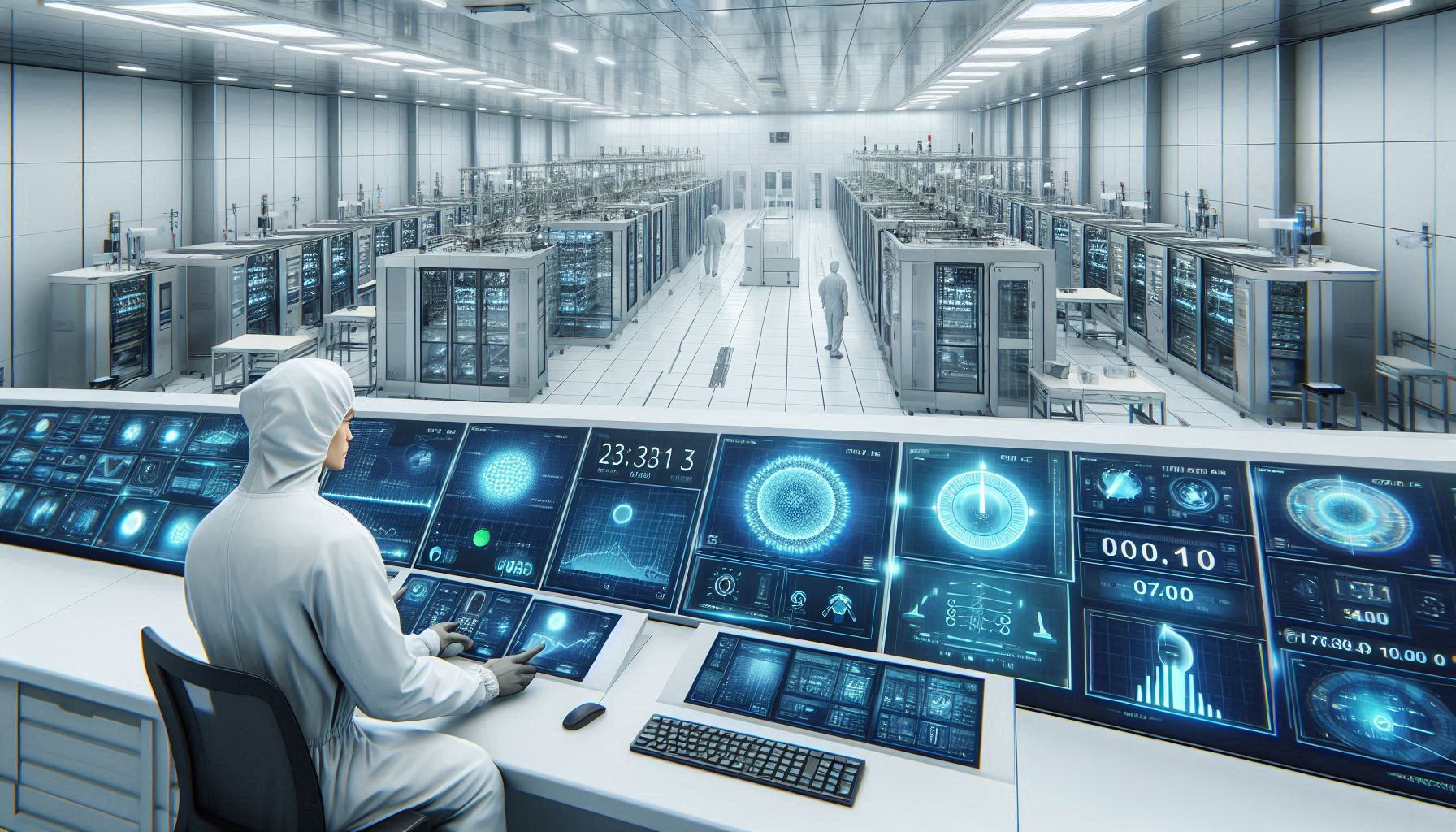
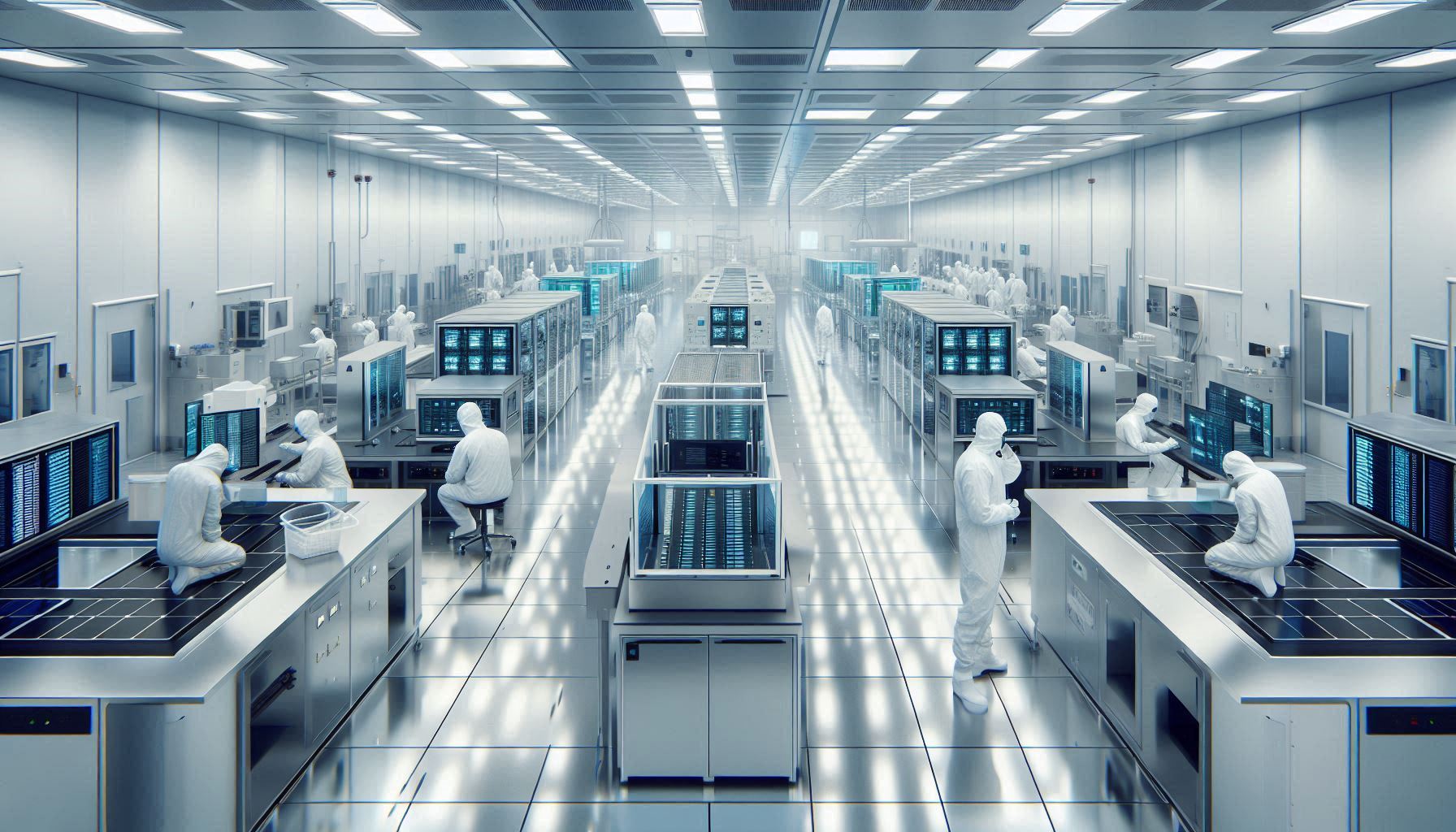
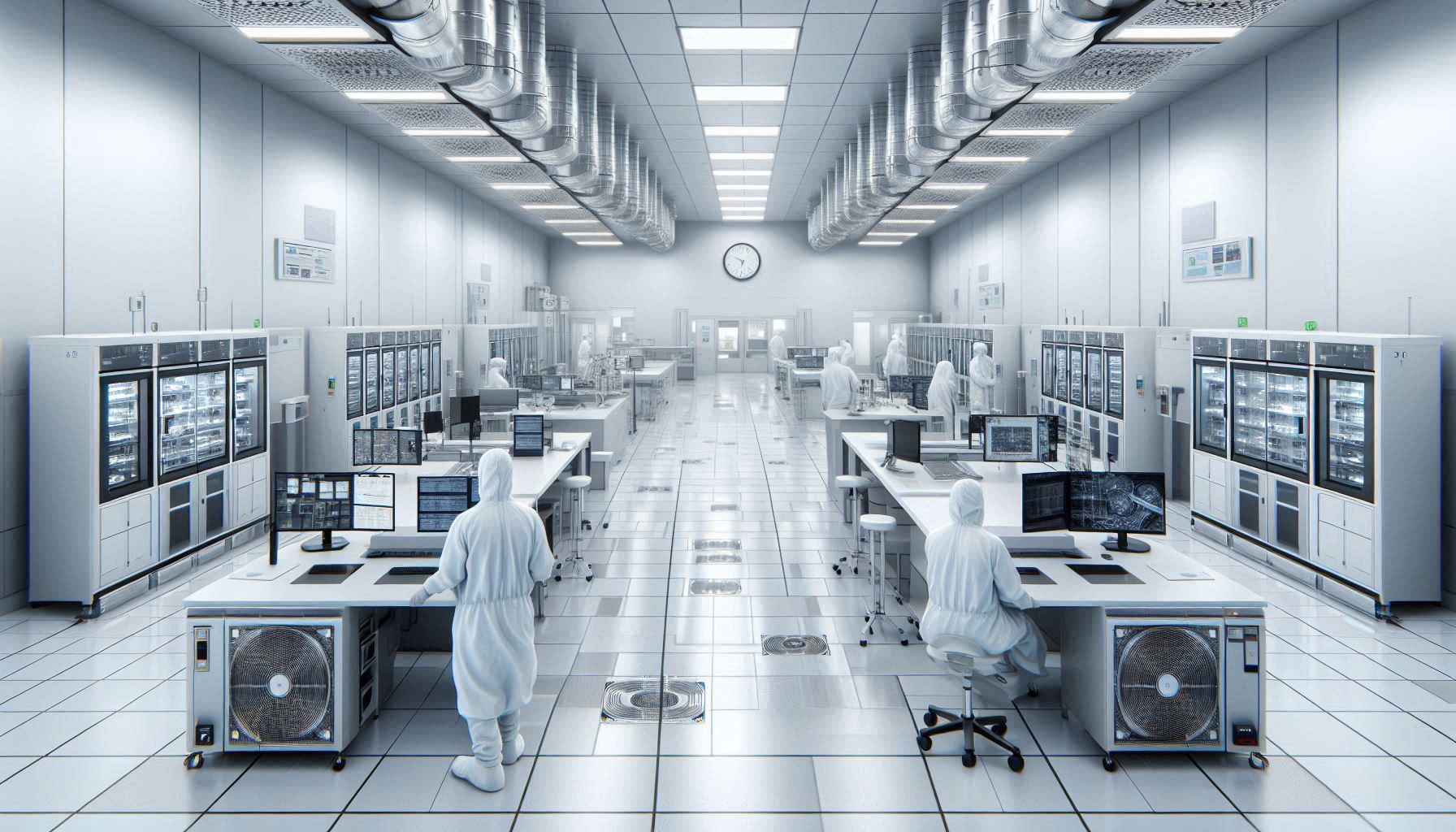
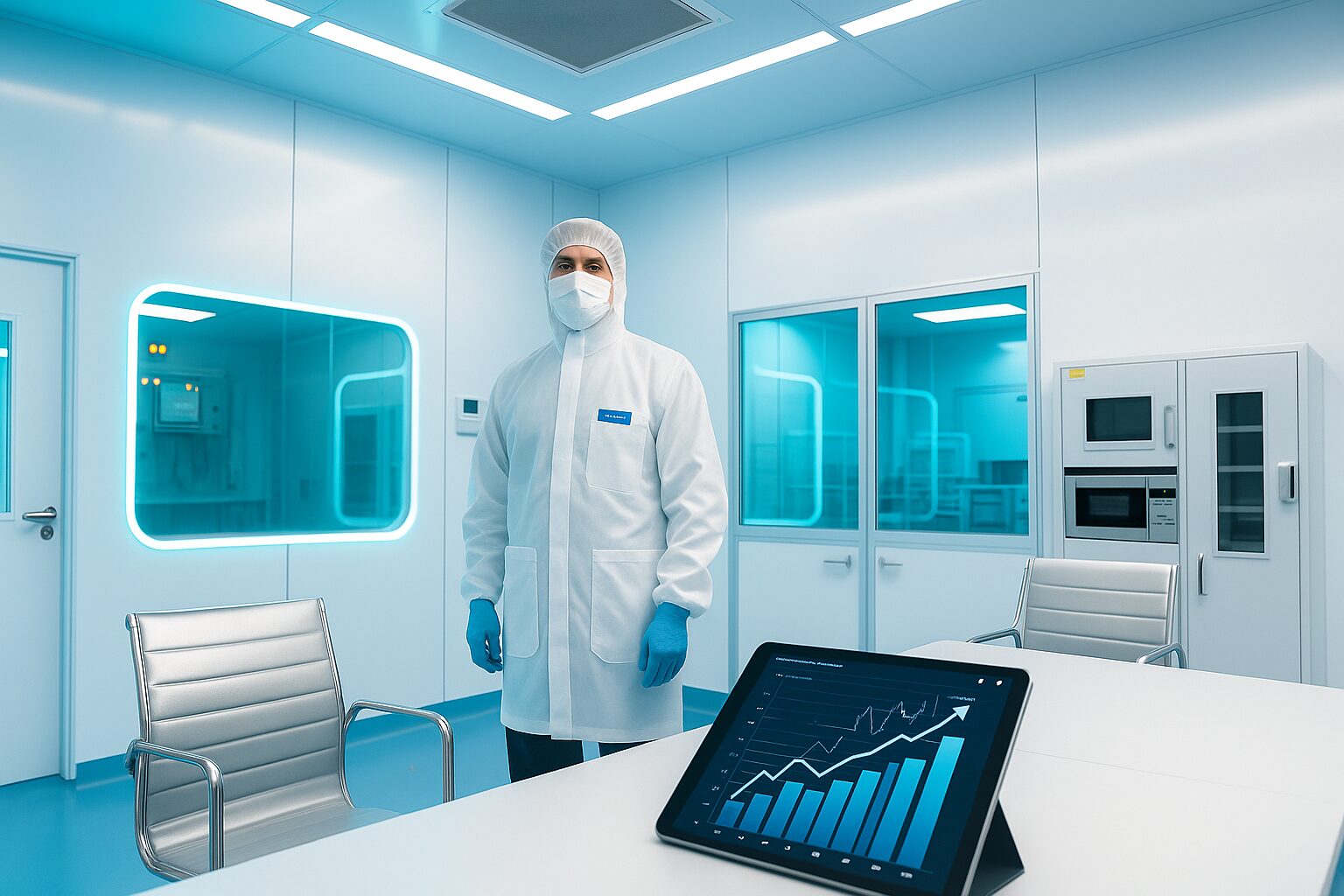
An operator wearing cleanroom attire in a pharmaceutical facility

Cleanroom gowning is a critical aspect of maintaining contamination-free environments in industries such as pharmaceuticals, semiconductors, and biotechnology. Proper gowning ensures that particles from human operators do not compromise the integrity of sensitive processes or products. In this article, we’ll explore the essentials of cleanroom gowning, including guidelines, protocols, procedures, and requirements, to help you understand its importance and implement it effectively.

Cleanroom Gowning Guidelines

The foundation of effective cleanroom operations lies in adhering to strict gowning guidelines for cleanrooms. These guidelines are designed to minimize contamination risks by ensuring that personnel entering the cleanroom are properly attired. For instance, garments must cover all exposed skin, including hair, hands, and feet, to prevent shedding of particles. Additionally, materials used for cleanroom garments are often lint-free and resistant to static electricity, as outlined in standards like ISO 14644 and ASHRAE.

Learn more about cleanroom classifications and their requirements in our detailed guide on cleanroom technology.

Cleanroom Gowning Protocol

A well-defined cleanroom gowning protocol is essential for maintaining the sterility of controlled environments. This protocol typically includes step-by-step instructions for donning and doffing garments, hand hygiene practices, and inspection of attire before entry. For example, in a pharmaceutical cleanroom, operators may follow a specific sequence: washing hands, wearing gloves, putting on a bouffant cap, donning a face mask, and finally wearing a full-body coverall with boot covers.

Cleanroom Gowning Procedure

The gowning in cleanroom procedure environments varies depending on the cleanliness level required (e.g., ISO Class 5, 7, or 8). A typical procedure involves:

  • Entering an anteroom or gowning area.
  • Performing hand sanitization using alcohol-based solutions.
  • Wearing sterile gloves after inspecting them for tears.
  • Donning headgear, face masks, goggles, and shoe covers in a specific order.
  • Ensuring no gaps exist between garments to prevent particle release.

For instance, in a 10K cleanroom, operators might wear less restrictive attire compared to an ISO Class 5 environment, where aseptic techniques are paramount.

Cleanroom Gowning Requirements

Different cleanroom classes have distinct clean room gowning requirements. For example:

  • ISO Class 5 (or 100): Requires full-body coverage, including hoods, goggles, gloves, and boot covers.
  • ISO Class 7 (or 10,000): Allows slightly relaxed attire but still mandates gloves, face masks, and lab coats.
  • 10K Clean Room Requirements: Operators must wear lint-free clothing, gloves, and hairnets to meet contamination control standards.

These requirements ensure compliance with national and international codes like BIS and ISHRAE.

Cleanroom Gowning Instructions

Many organizations provide gowning instructions in cleanroom documents to standardize practices across teams. These documents often include visual aids, checklists, and detailed steps for donning and doffing garments. For example, a semiconductor manufacturing facility in Bengaluru implemented a gowning SOP available in PDF format, which reduced contamination incidents by 30%. Such resources are invaluable for training new employees and reinforcing best practices.

Aseptic Gowning for the Cleanroom

In highly sensitive environments like pharmaceutical production, aseptic gowning for the cleanroom is non-negotiable. This process involves sterilized garments and strict adherence to hygiene protocols. Operators may undergo air showers or pass-through chambers to remove residual particles before entering the cleanroom. A leading vaccine manufacturer in Pune adopted aseptic gowning techniques, achieving ISO Class 5 compliance and enhancing product safety.

10K Clean Room Requirements

A 10K clean room allows up to 10,000 particles per cubic foot, making it suitable for applications like electronics assembly and medical device manufacturing. Key requirements include:

  • Proper airflow systems to maintain positive pressure.
  • Regular cleaning schedules to prevent particle buildup.
  • Adherence to gowning procedures, including gloves, hairnets, and shoe covers.

Explore how advanced HVAC systems support cleanroom environments in our article on HVAC systems for cleanrooms.

Gowning SOP Clean Room Manufacturing

A gowning SOP (Standard Operating Procedure) is a cornerstone of cleanroom manufacturing. It outlines every step of the gowning process, from initial handwashing to final garment inspection. For example, a biotech company in Hyderabad implemented a comprehensive gowning SOP, resulting in a 25% improvement in contamination control metrics.

Emerging Trends in Cleanroom Gowning

As technology advances, so do trends in cleanroom gowning:

  • Smart Fabrics: Garments embedded with sensors monitor contamination levels in real time.
  • Reusable vs. Disposable: Many facilities are transitioning to reusable garments made from sustainable materials.
  • Automation: Robotic systems now support gowning processes, helping to minimize human error.

Challenges and Solutions in Cleanroom Gowning

While gowning is crucial, it presents challenges:

  • Human Error: Inconsistent adherence to protocols can lead to contamination. Training programs and regular audits address this issue.
  • Cost of Compliance: Prioritize well-made garments that offer both comfort and performance, reusable garments can be more cost-effective over time.
  • Comfort vs. Safety: Balancing operator comfort with stringent gowning requirements is challenging. Innovations in breathable fabrics help mitigate discomfort.

Case Studies: Real-World Applications

To better understand the impact of proper cleanroom gowning, consider these examples:

  • Pharmaceutical Facility: A plant in Chennai reduced microbial contamination by 40% after implementing aseptic gowning techniques.
  • Semiconductor Manufacturer: A factory in Taiwan achieved higher yields by adopting smart fabrics for real-time contamination monitoring.

Tips for Effective Cleanroom Gowning

To enhance your cleanroom operations, consider the following tips:

  • Conduct regular training sessions to reinforce gowning protocols.
  • Use visual aids like posters or videos to simplify instructions.
  • Invest in high-quality garments that balance comfort and functionality.

FAQs: Cleanroom Gowning

What is cleanroom gowning?
It refers to the process of wearing specialized garments to minimize contamination in controlled environments.

Why is cleanroom gowning important?
It prevents particles from human operators from contaminating sensitive processes or products.

What are the key components of cleanroom attire?
Gloves, hairnets, face masks, goggles, coveralls, and boot covers are common components.

How often should cleanroom garments be replaced?
Disposable garments are replaced after each use, while reusable ones are laundered according to SOPs.

What is aseptic gowning?
Aseptic gowning involves sterilized garments and strict hygiene protocols to maintain sterility.

What are the requirements for a 10K cleanroom?
Operators must wear lint-free clothing, gloves, and hairnets to meet contamination control standards.

How can I train staff on cleanroom gowning?
Provide detailed SOPs, conduct hands-on training sessions, and perform regular audits.

Where can I find cleanroom gowning instructions PDF?
Many organizations offer downloadable PDFs outlining gowning procedures; check industry-specific resources.

What are the latest trends in cleanroom gowning?
Smart fabrics, reusable garments, and automation are emerging trends.

How does gowning impact cleanroom performance?
Proper gowning reduces contamination risks, ensuring consistent product quality and regulatory compliance.

Disclaimer

Some links in this article are affiliate links, such as those for Amazon products. These may generate a small commission at no extra cost to you, supporting our work. We never compromise editorial integrity for partnerships.

About the Author

Mr. Om Prakash, with over 18 years of hands-on experience in the HVAC industry, brings unmatched expertise in cleanroom, pharmaceutical, semiconductor, data center, commercial, and industrial HVAC systems. As the founder of HVAC Technocrat, he specializes in customized HVAC design, energy efficiency audits, retrofit planning, and turnkey consultancy services across India. His deep understanding of critical environments and complex building needs ensures every solution is efficient, reliable, and future-ready. Through his writings, he simplifies HVAC concepts and shares real-world insights to support professionals, facility managers, and decision-makers. For any enquiries or project support, feel free to call or WhatsApp at +91 9908091942, email at hvactechnocrats@gmail.com, or visit www.hvactechnocrat.com.

Pharma Cleanroom: Top Trends in Technology for 2025

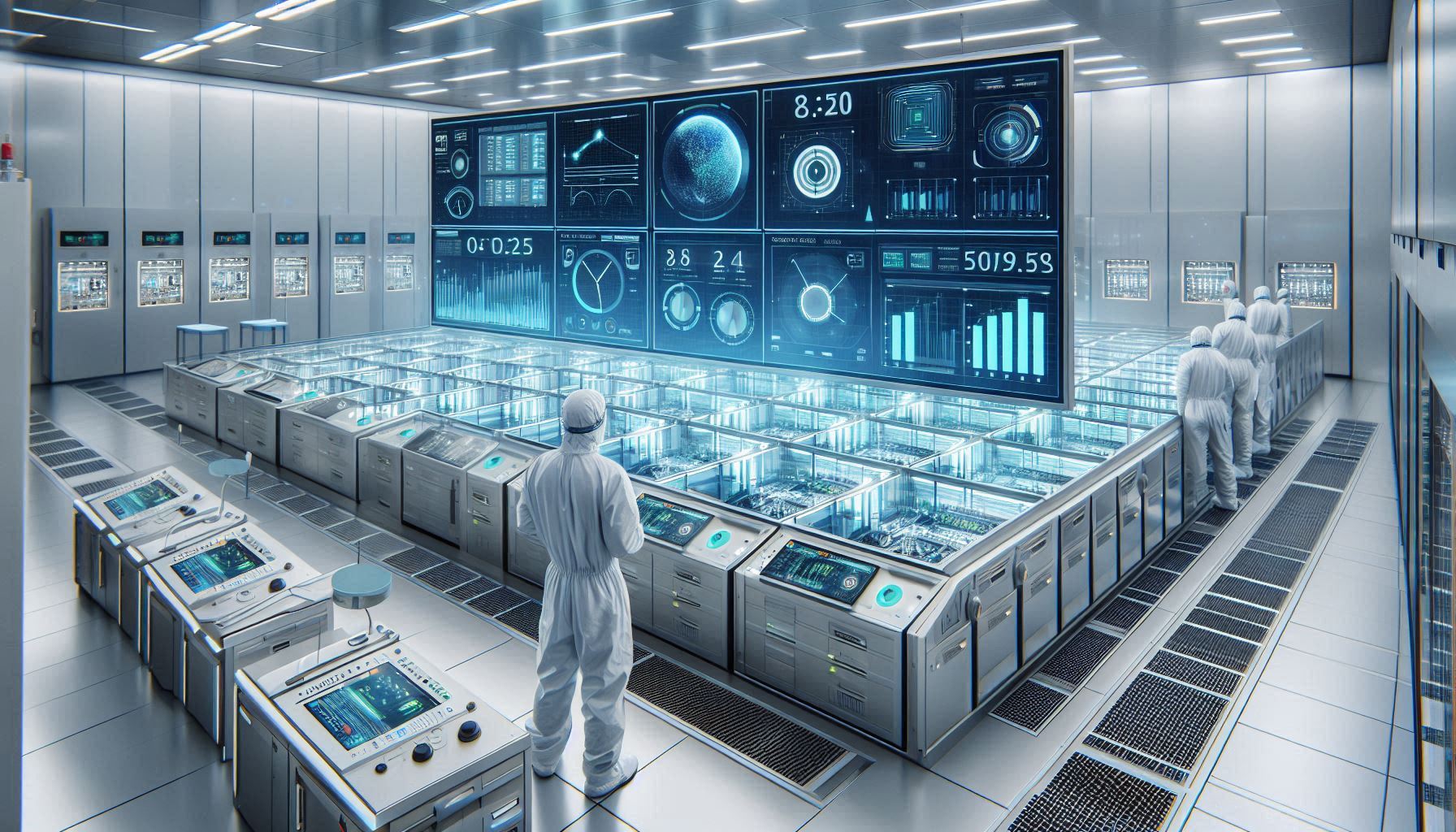
A modern pharma cleanroom with advanced monitoring systems.

The pharmaceutical industry is evolving rapidly, and pharma cleanrooms are at the forefront of this transformation. As we approach 2025, advancements in technology are reshaping how cleanrooms are designed, operated, and maintained to ensure compliance with stringent standards like ISO Class 5, ASHRAE, and ISHRAE. These innovations not only enhance efficiency but also improve product quality and safety. In this article, we’ll explore the top trends in pharma cleanroom technology for 2025, offering insights into how these advancements can benefit your operations.

Understanding the Role of Pharma Cleanroom

A pharmaceutical cleanroom is a carefully controlled space designed to limit contaminants such as dust, airborne microbes, and aerosol particles. This environment is crucial for producing safe, high-quality medications that meet strict industry standards. These environments are critical for processes such as drug formulation, packaging, and sterile manufacturing. For instance, maintaining precise temperature and humidity levels in a cleanroom ensures the stability of sensitive compounds, while advanced filtration systems prevent contamination.

Learn more about cleanroom classifications and their importance in our detailed guide on cleanroom technology.

Emerging Technologies in Pharma Cleanroom

As we look toward 2025, several technological trends are set to revolutionize pharma cleanrooms:

AI-Driven Monitoring Systems

Artificial intelligence (AI) is transforming cleanroom operations by enabling real-time monitoring and predictive maintenance. AI-powered sensors can detect anomalies in air quality, temperature, and humidity, alerting operators before issues escalate. For example, a pharmaceutical facility in Hyderabad reduced contamination risks by 40% after implementing AI-driven monitoring systems. Explore how AI optimizes HVAC systems in data centers here.

Automation and Robotics

Automation is becoming increasingly prevalent in pharma cleanrooms, with robotic systems handling repetitive tasks like material handling and equipment sterilization. This minimizes human intervention, reducing the risk of contamination. For instance, a leading biotech company in Pune integrated robotic arms for packaging, achieving a 25% increase in operational efficiency.

Advanced Filtration Systems

HEPA and ULPA filters remain staples in cleanroom design, but innovations such as electrostatic filtration and UV-C disinfection are gaining traction. These technologies ensure superior air quality by trapping submicron particles and neutralizing pathogens. Discover more about indoor air quality solutions here.

Sustainable Cleanroom Design

Sustainability is a growing priority in cleanroom design. Energy-efficient HVAC systems, renewable energy sources, and eco-friendly materials are being incorporated to reduce carbon footprints. For example, a pharma plant in Bengaluru achieved LEED certification by integrating solar-powered HVAC units. Learn more about sustainable HVAC systems here.

Challenges in Pharma Cleanroom Technology

While modern technologies bring impressive advantages, they also come with their own set of challenges:

High Initial Costs

Implementing cutting-edge technologies like AI and robotics requires substantial investment. However, the long-term savings in energy efficiency and reduced contamination risks often justify the expense.

Regulatory Compliance

Meeting national and international standards such as ISO Class 5, BIS, and ECBC is non-negotiable. Regular audits and certifications ensure adherence to these guidelines.

Skilled Workforce Shortage

Operating advanced cleanroom technologies demands specialized skills. Training programs and workshops are essential to equip workers with the necessary expertise.

Case Studies: Real-World Applications

To better understand the impact of these trends, let’s look at some real-world examples:

Data-Driven Cleanroom Optimization

For example, a pharmaceutical company in Mumbai adopted IoT-enabled sensors to track air quality and monitor pressure differences in real time, ensuring tighter control over cleanroom conditions. This proactive approach reduced contamination incidents by 35%, ensuring consistent product quality.

Green Cleanroom Initiatives

A Chennai-based facility adopted geothermal HVAC systems to achieve energy savings of up to 30%. By leveraging renewable energy, they not only reduced operational costs but also contributed to environmental sustainability. Explore geothermal HVAC options here.

Future Trends in Pharma Cleanroom

Looking ahead, several trends are expected to shape the future of pharma cleanrooms:

Integration of Blockchain Technology

Blockchain can enhance traceability and transparency in pharmaceutical manufacturing. By recording every step of the production process, it ensures compliance and reduces the risk of counterfeit drugs entering the supply chain.

Augmented Reality (AR) for Training

AR is being used to train cleanroom operators in a virtual environment, allowing them to practice procedures without risking contamination. This immersive approach improves learning outcomes and reduces training time.

Smart Materials in Construction

Innovative materials like antimicrobial coatings and self-healing surfaces are being used in cleanroom construction to minimize contamination risks and extend the lifespan of equipment.

Tips for Implementing Advanced Technologies in Pharma Cleanroom

To stay competitive in 2025, here are a few smart moves:

Adopt AI and IoT technologies to boost real-time system monitoring and support predictive maintenance for smoother operations. Look into renewable energy options, like solar-powered HVAC systems, to help lower operating costs and support sustainability goals. Prioritize staff training to ensure smooth adoption of new technologies.

FAQ: Pharma Cleanroom

What is a pharma cleanroom?
A pharma cleanroom is a controlled environment designed to minimize contaminants during pharmaceutical production, ensuring product safety and quality.

Why is temperature control important in a pharma cleanroom?
Temperature control is critical to maintaining the stability of sensitive compounds and preventing degradation during manufacturing.

How do HEPA filters work in cleanrooms?
HEPA filters trap particles as small as 0.3 microns, ensuring superior air quality in cleanroom environments.

What are the latest trends in pharma cleanroom technology?
Emerging trends include AI-driven monitoring, automation, advanced filtration systems, and sustainable design practices.

How can I ensure regulatory compliance in my cleanroom?
Regular audits, staff training, and adherence to standards like ISO Class 5 and ECBC are essential for maintaining compliance.

What role does sustainability play in cleanroom design?
Sustainability reduces energy consumption and environmental impact, aligning with global green building initiatives like IGBC and LEED.

Disclaimer

Some links in this article are affiliate links, such as those for Amazon products. These may generate a small commission at no extra cost to you, supporting our work. We never compromise editorial integrity for partnerships.

About the Author

Mr. Om Prakash, with over 18 years of hands-on experience in the HVAC industry, brings unmatched expertise in cleanroom, pharmaceutical, semiconductor, data center, commercial, and industrial HVAC systems. As the founder of HVAC Technocrat, he specializes in customized HVAC design, energy efficiency audits, retrofit planning, and turnkey consultancy services across India. His deep understanding of critical environments and complex building needs ensures every solution is efficient, reliable, and future-ready. Through his writings, he simplifies HVAC concepts and shares real-world insights to support professionals, facility managers, and decision-makers. For any enquiries or project support, feel free to call or WhatsApp at +91 9908091942, email at hvactechnocrats@gmail.com, or visit www.hvactechnocrat.com.

Cleanroom Design: Challenges and How to Overcome

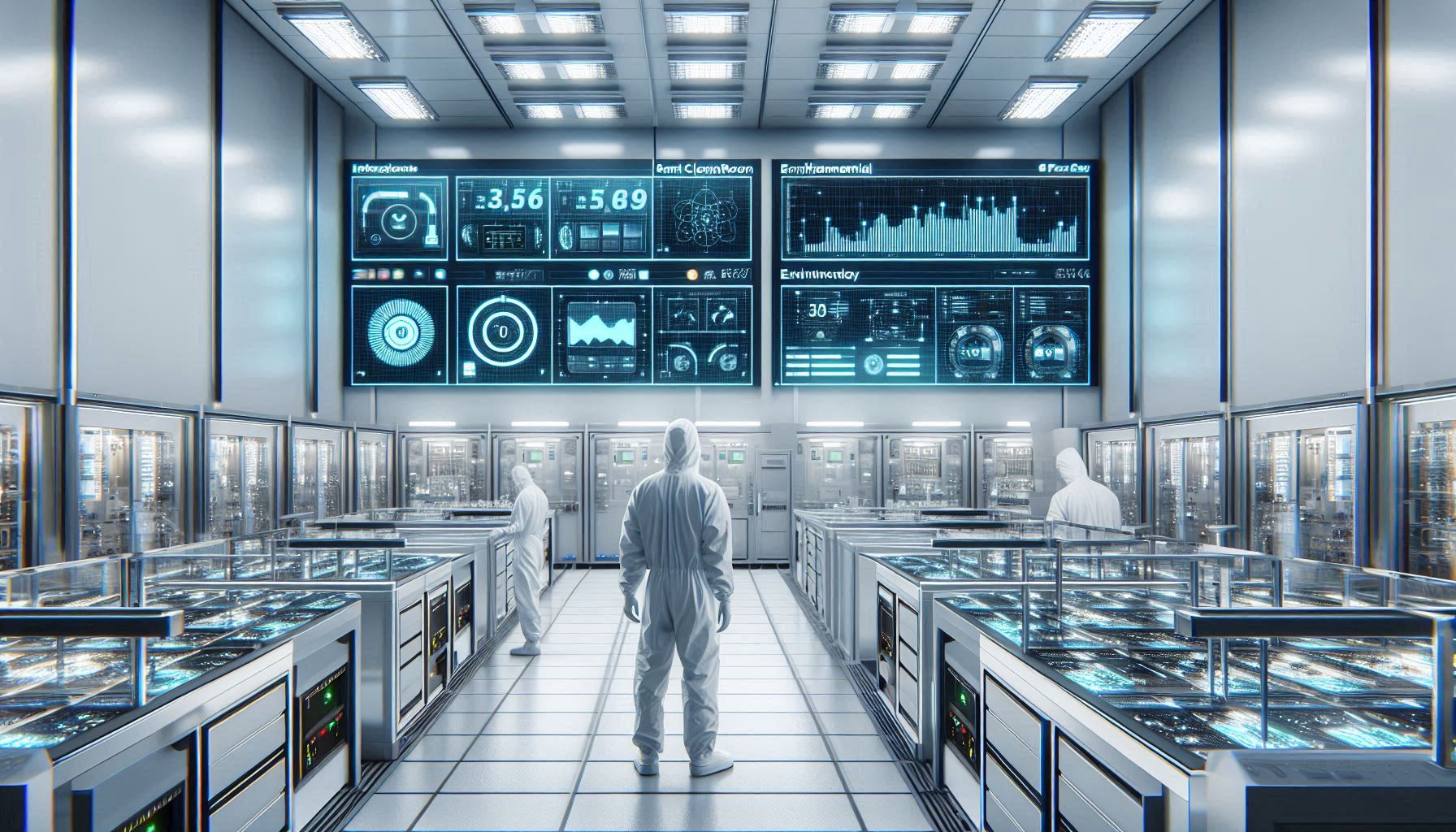
Advanced cleanroom design featuring HEPA filters and automated monitoring systems.

Cleanroom design is a cornerstone for industries that demand precision, sterility, and contamination control. From pharmaceuticals to biotechnology, cleanrooms are meticulously engineered environments where even the smallest oversight can compromise product quality or safety. However, designing and maintaining a cleanroom comes with its own set of challenges, ranging from real-time differential pressure maintenance to meeting high air change requirements as per ISO standards. This article delves into these critical challenges, offering insights and practical solutions based on real-world experiences.

Understanding the Basics of Cleanroom Design

At its core, cleanroom design focuses on creating an environment with minimal contamination. These spaces are classified based on ISO standards, which dictate allowable particle counts per cubic meter. For instance, an ISO Class 5 cleanroom permits fewer than 3,520 particles (0.5 microns or larger) per cubic meter, making it suitable for highly sensitive operations like semiconductor fabrication.

The key components of cleanroom design include high-efficiency particulate air (HEPA) filters, precise temperature and humidity controls, and specialized airflow systems. While these elements are essential, they also introduce unique challenges that require innovative solutions.

Let’s explore some of the most common challenges in cleanroom design and how they can be addressed effectively.

Cleanroom Design Requires Differential Pressure Maintenance in Real-Time

One of the most daunting challenges in cleanroom operation is maintaining differential pressure in real-time. Differential pressure ensures that air flows from cleaner areas to less clean areas, preventing contaminants from entering critical zones.

For example, during a defense project in Hyderabad, maintaining consistent differential pressure across multiple zones proved to be a significant challenge. The solution involved integrating advanced monitoring systems with IoT-enabled sensors that provided real-time data on pressure levels. Automated dampers were used to adjust airflow dynamically, ensuring compliance with required pressure gradients.

Such technologies not only simplify real-time maintenance but also reduce the risk of human error, making them indispensable for modern cleanroom designs.

High Air Change Requirements and Larger AHUs Makes Complex Cleanroom Design

ISO standards often mandate high air change rates to maintain cleanliness levels. For instance, an ISO Class 7 cleanroom may require 60-90 air changes per hour, necessitating larger air handling units (AHUs).

This requirement posed a significant challenge during the Hyderabad defense project. The sheer size of the AHUs required additional space and energy, complicating the design process. To address this, modular AHUs were employed, allowing for scalability and efficient use of space. Additionally, energy recovery systems were integrated to offset the increased energy consumption.

These strategies highlight the importance of balancing performance with practicality when designing cleanrooms with high air change requirements.

HEPA Ceiling Coverage is An Other challenge in Cleanroom Design

Another critical aspect of cleanroom design is achieving adequate HEPA ceiling coverage. HEPA filters play a vital role in removing airborne particles, but ensuring uniform coverage across the entire ceiling can be challenging.

In one pharmaceutical project, uneven HEPA coverage led to inconsistent particle counts in certain areas. The solution involved using computational fluid dynamics (CFD) analysis to optimize filter placement and airflow patterns. By simulating different configurations, engineers identified the most effective layout, ensuring uniform particle removal.

This case underscores the value of leveraging advanced tools like CFD analysis to overcome design challenges.

How to Handle Low Humidity Levels in Cleanroom Design

Certain applications, such as semiconductor manufacturing, require extremely low humidity levels to prevent issues like static electricity. Achieving and maintaining these conditions can be particularly difficult.

A project in Chennai highlighted this challenge when the facility struggled to maintain humidity below 30%. Desiccant wheels were introduced to address the issue, providing precise humidity control without compromising energy efficiency. This innovation not only resolved the problem but also improved overall system performance.

Desiccant wheels have since become a go-to solution for projects requiring stringent humidity control. Learn more about their benefits here.

Negative Pressure Systems for Biotech Applications

Designing negative pressure systems for biotechnology facilities, especially those handling viruses, presents unique challenges. A virology lab in Delhi required a robust negative pressure setup to ensure containment and prevent cross-contamination.

The solution involved installing specialized exhaust systems with redundant backups to maintain consistent negative pressure. Additionally, real-time monitoring systems were implemented to detect any deviations immediately. This approach not only ensured compliance with safety standards but also enhanced operational reliability.

This case study demonstrates the importance of redundancy and real-time monitoring in critical applications.

Case Study: Overcoming Multiple Challenges in a Single Project

A recent cleanroom project in Pune faced a combination of the above challenges. The facility required high air change rates, precise humidity control, and strict differential pressure maintenance. By integrating modular AHUs, desiccant wheels, and IoT-enabled monitoring systems, the team successfully addressed all requirements.

The result? A 20% reduction in energy consumption and a significant improvement in operational efficiency. This project serves as a testament to the power of innovative design and technology integration.

Best Practices for Cleanroom Maintenance

Maintaining a cleanroom requires a proactive approach. Here are some best practices:

  • Regular Filter Replacement: HEPA filters should be replaced periodically to ensure optimal performance.
  • Employee Training: Staff working in cleanrooms must follow strict protocols, such as wearing appropriate attire and adhering to hygiene standards.
  • Continuous Monitoring: Use IoT-enabled sensors to monitor environmental parameters and detect anomalies early.
  • Scheduled Audits: Conduct regular audits to ensure compliance with industry standards and identify areas for improvement.
  • Standard Operating Procedures: Establish a clear standard SOPs for men & material movement for easy maintenance avoiding cross contamination.

For more insights into cleanroom maintenance, check out HVAC Technocrat’s guide to cleanroom technology.

Emerging Trends in Cleanroom Design

AI and machine learning are reshaping cleanroom design by enabling predictive maintenance and optimizing energy efficiency. For example, AI-powered systems can predict HVAC failures before they occur, minimizing downtime and repair costs.

Another emerging trend is the use of modular cleanroom designs, which offer scalability and cost-effectiveness. Learn more about this innovation here.

FAQs

1. What is cleanroom design?

Cleanroom design involves creating controlled environments with minimal contamination, tailored to specific industry needs.

2. Why is differential pressure important in cleanrooms?

Differential pressure ensures that air flows from cleaner areas to less clean areas, preventing contaminants from entering critical zones.

3. How can automation improve cleanroom efficiency?

Automation enables real-time monitoring and predictive maintenance, reducing energy consumption and enhancing operational efficiency.

4. What are the challenges in cleanroom design?

Common challenges include maintaining differential pressure, meeting high air change requirements, and controlling humidity levels.

5. How can sustainability be integrated into cleanroom design?

Sustainability can be achieved through energy-efficient HVAC systems, renewable energy sources, and smart monitoring technologies.

6. What industries benefit from cleanroom design?

Industries such as pharmaceuticals, semiconductors, biotechnology, and healthcare rely heavily on cleanroom design.

Disclaimer

Disclosure: Some links in this article are affiliate links, such as those for Amazon products. These may generate a small commission at no extra cost to you, supporting our research. We never compromise editorial integrity for partnerships.

About the Author

About the Author: Mr. Om Prakash, with over 18 years of hands-on experience in the HVAC industry, brings unmatched expertise in cleanroom, pharmaceutical, semiconductor, data center, commercial, and industrial HVAC systems. As the founder of HVAC Technocrat, he specializes in customized HVAC design, energy efficiency audits, retrofit planning, and turnkey consultancy services across India. His deep understanding of critical environments and complex building needs ensures every solution is efficient, reliable, and future-ready. Through his writings, he simplifies HVAC concepts and shares real-world insights to support professionals, facility managers, and decision-makers.

For any enquiries or project support, feel free to call or WhatsApp at +91 9908091942, email at hvactechnocrats@gmail.com or visit www.hvactechnocrat.com

Enhancing HVAC Systems Through Intelligent Automation and Emerging Technologies

Enhancing HVAC Systems Through Intelligent Automation and Emerging Technologies

In today’s rapidly changing world, where climatic conditions are becoming more unpredictable and energy efficiency is paramount, the realm of Heating, Ventilation, and Air Conditioning (HVAC) systems is undergoing a revolutionary transformation. HVAC systems play a pivotal role in maintaining optimal indoor air quality and comfortable temperatures in various settings, from residential and commercial spaces to data centers and healthcare facilities. This article delves into how intelligent automation and emerging technologies are reshaping HVAC systems, making them more efficient, eco-friendly, and responsive to the dynamic needs of the modern world.

Table of Contents

Smart HVAC Systems and Automation

Modern HVAC systems are no longer limited to basic heating and cooling functions. The incorporation of automation and smart technologies has elevated HVAC systems to a new level of efficiency and adaptability. Building Automation Systems (BAS) now oversee the operation of HVAC systems, adjusting temperature, humidity, and air circulation based on real-time data. This not only enhances occupant comfort but also reduces energy wastage.

Automation has brought forth the concept of Central Air Conditioning, wherein large-scale systems cool expansive areas effectively. Through automated duct controls and smart zoning, different parts of a building can receive customized air conditioning, optimizing energy consumption. However, while automation streamlines operations, proper maintenance and regular inspection remain vital to prevent malfunctions and ensure consistent performance.

Integration of AI and IoT in HVAC

The fusion of Artificial Intelligence (AI) and the Internet of Things (IoT) has opened doors to unprecedented possibilities in HVAC systems. AI algorithms analyze historical data to predict patterns and adjust HVAC settings accordingly, thereby minimizing energy consumption. For instance, AI can learn occupancy patterns in an office space and adjust ventilation and cooling accordingly, resulting in substantial energy savings.

IoT-enabled sensors play a crucial role in collecting real-time data about temperature, humidity, and air quality. This data is used by AI algorithms to make informed decisions. Moreover, IoT devices enable remote monitoring and control, allowing facility managers to fine-tune HVAC systems without being physically present on-site.

Sustainable HVAC Design for Green Buildings

The construction industry is witnessing a shift towards sustainable practices, and HVAC systems are no exception. Green buildings are designed to minimize their carbon footprint and maximize energy efficiency. To align with this trend, HVAC systems are being designed with a focus on energy conservation and eco-friendliness.

The Energy Conservation Building Code (ECBC) and LEED (Leadership in Energy and Environmental Design) certifications are driving factors in the adoption of energy-efficient HVAC systems. This involves utilizing efficient equipment such as Air Handling Units and Chillers that adhere to ASHRAE standards. By implementing Air Changes Per Hour (ACH) effectively, HVAC systems in green buildings ensure superior indoor air quality.

HVAC Innovations in Data Centers

Data centers, the backbone of the digital age, generate substantial heat due to the operation of servers and equipment. Cooling these facilities efficiently is paramount to prevent overheating and maintain optimal performance. This challenge has spurred innovations in HVAC technology tailored for data centers.

The concept of Precision Air Conditioning involves targeted cooling, ensuring that equipment stays within optimal temperature ranges. Additionally, emerging technologies like Smart Data Center Systems leverage AI for predictive maintenance and optimal cooling. These advancements not only enhance operational efficiency but also contribute to reduced carbon emissions associated with data centers.

Enhancing Healthcare HVAC Systems

In healthcare facilities, HVAC systems play a pivotal role in maintaining a sterile and comfortable environment. The ASHRAE Healthcare Standards – 170  has introduced guidelines to ensure optimal indoor air quality in hospitals and healthcare centers. These guidelines encompass efficient ventilation systems, air filtration, and Indoor Air Quality (IAQ) management.

Furthermore, the integration of Building Automation Systems in healthcare facilities ensures precise control over temperature and humidity, contributing to patient comfort and recovery. These smart systems also aid in infection control by regulating airflow and minimizing the spread of airborne contaminants.

Ensuring Cleanroom’s HVAC Efficiency

Cleanrooms, essential in industries such as pharmaceuticals and biotechnology, demand an exceptionally controlled environment. HVAC systems in cleanrooms are designed to maintain low particulate levels and prevent cross-contamination. Stringent standards such as ISO 14644-1 govern the cleanliness of air in cleanrooms.

Efficiency in cleanroom HVAC systems is achieved through advanced filtration techniques, including HEPA (High-Efficiency Particulate Air) and ULPA (Ultra-Low Penetration Air) filters. Laminar airflow systems minimize the presence of particles, ensuring a contaminant-free environment for sensitive processes. Smart HVAC systems are now equipped with Particle Count monitoring to ensure compliance with cleanroom standards.

Efficient Petrochemical Industry HVAC

The petrochemical industry, known for its energy-intensive operations, is undergoing a transformation towards sustainability. HVAC systems play a crucial role in reducing energy consumption and CO2 emissions in this sector. The adoption of energy-efficient processes, such as Hybrid Cloud Automation and Distributed Control Systems, optimizes operations and minimizes waste.

Moreover, sustainable HVAC design in petrochemical plants contributes to safer working conditions for employees. By integrating smart sensors and predictive maintenance, HVAC systems can efficiently manage temperature, humidity, and airflow, ensuring optimal working environments even in extreme conditions.

Future Prospects and Conclusion

The future of HVAC systems is undoubtedly intertwined with emerging technologies and the pursuit of sustainability. As climate change continues to exert its influence, the demand for energy-efficient and climate-responsive HVAC systems will only intensify.

Intelligent automation, AI, and IoT will drive HVAC systems to adapt in real-time, optimizing energy consumption based on occupancy patterns and climatic conditions. Sustainable design practices will be the cornerstone of new construction projects, ensuring that HVAC systems align with the principles of green buildings and energy conservation.

As industries like data centers and petrochemicals continue to evolve, HVAC systems will play a pivotal role in reducing their carbon footprint and enhancing operational efficiency. In healthcare and cleanroom settings, these systems will remain critical for maintaining sterile environments and ensuring the safety of patients, products, and personnel.

In conclusion, the marriage of intelligent automation and emerging technologies with HVAC systems marks an exciting era of innovation. By seamlessly blending efficiency, sustainability, and comfort, these advancements are not only enhancing indoor environments but also contributing to a greener and more responsible future.

Description:

Explore how intelligent automation and emerging technologies are revolutionizing HVAC systems, from smart controls and AI integration to cleanroom efficiency and sustainable design.

Hashtags: #HVACAutomation #SmartHVAC #SustainableDesign #AIinHVAC #CleanroomEfficiency #DataCenterCooling #GreenBuilding #EnergyEfficiency

Clean Room Design and Construction: Environmentally Controlled Area

Clean Room Design and Construction: Environmentally Controlled Area

Introduction

Clean room design is an essential discipline that ensures the creation of controlled environments to carryout the processes inside the cleanroom with stringent levels of cleanliness, air quality, and temperature control. These environments are crucial for industries such as pharmaceuticals, electronics, biotechnology, and more, where even the smallest contaminants can have far-reaching consequences. In this comprehensive guide, we will explore the multifaceted realm of clean room design, covering everything from its significance and types to specifications and the latest technological advancements.

Table of Contents

  • What Is Clean Room Design?
  • The Role of Clean Room Design
  • Applications of Clean Room Design
  • Types of Clean Room Design
  • Positive and Negative Pressure Clean Rooms
  • Clean Room Classification and ACPH Ranges
  • Clean Room Design Specifications
  • Components of Clean Room Design
  • Special AHUs and Smart Controls in Clean Room Design
  • Wall and Ceiling Panels in Clean Room Design
  • HEPA and ULPA Filter Specifications
  • Return Air Risers in Clean Room Design
  • Advantages & Disadvantages of Clean Room Design
  • Latest Technologies in Clean Room Design
  • Clean Room Design Codes & Standards
  • Designing and Installing Clean Room Design
  • Clean Room Validation and Documentation
  • Testing, Adjusting & Balancing in Clean Room Design
  • Controlling Noise & Vibration in Clean Room Design
  • Clean Room Design Manufacturers and Sub-components
  • Spare Parts & Maintenance for Clean Room Design
  • Conclusion
  • What Is Clean Room Design?

    Clean room design is the meticulous process of creating controlled environments with minimal levels of particulate contamination. These environments are critical for industries to carryout the processes inside the cleanroom that require precision and sterility, including pharmaceuticals, biotechnology, and electronics. Clean room design involves the integration of various elements such as airflow control, filtration, temperature regulation, and specialized equipment to achieve optimal conditions.

    The Role of Clean Room Design

    Clean room design plays a pivotal role in maintaining the quality and integrity of products and processes. By providing controlled environments with minimal contaminants, clean rooms ensure consistent product quality, regulatory compliance, and safety for both personnel and end-users. They are essential for industries where even minor variations or impurities can lead to significant consequences.

    Applications of Clean Room Design

    Clean room design finds applications in a wide range of industries, including pharmaceuticals, biotechnology, electronics, healthcare, and more. It is essential wherever precision, sterility, and controlled environments are critical for maintaining product quality and safety.

    Types of Clean Room Design

    Clean rooms are classified based on the positive pressure & negative pressure environment and also the maximum allowable particle count within a specified cubic meter of air. This classification helps in designing environments suitable for specific processes and applications. Different industries require different levels of pressure gradients & cleanliness class, leading to various clean room classifications.

    Positive and Negative Pressure Clean Rooms

    Positive pressure clean rooms maintain higher air pressure inside compared to the outside environment. This prevents external contaminants from entering the clean room. Negative pressure clean rooms, on the other hand, keep lower air pressure inside to prevent the escape of potentially hazardous substances, such as pathogens or chemicals.

    Clean Room Classification and ACPH Ranges

    Clean room classification is a cornerstone of design, ensuring environments meet specific cleanliness levels. ISO standards define classes based on airborne particle count per cubic meter. These classes range from ISO Class 1 (most stringent) to ISO Class 9 (least stringent), each suited for diverse industries.

    One crucial metric in clean room design is Air Changes Per Hour (ACPH). ACPH represents the number of times the air within the clean room is replaced with fresh air every hour. This metric guarantees optimal air quality, crucial for preventing contamination and maintaining process integrity.

    The relationship between clean room classification and ACPH is vital. Higher classification demands more frequent air changes to meet stringent standards. For instance, ISO Class 1 clean rooms require higher ACPH compared to ISO Class 9 clean rooms.

    Understanding this relationship ensures clean room designs align with industry requirements, optimizing efficiency and contamination control. Precision in clean room classification and ACPH ranges contributes significantly to the success of controlled environments. However; Air-change rates do not define cleanliness classes and should be calculated as air-volume flow according to “Source-Strenght” (ISO14644-4:2022) (#8.)

    • ISO Class 1: Less than 1 particle/ft³ of 0.5µm size, ACPH Range: 200-600
    • ISO Class 5: Less than 100 particles/ft³ of 0.5µm size, ACPH Range: 60-80
    • ISO Class 7: Less than 10,000 particles/ft³ of 0.5µm size, ACPH Range: 40-60
    • ISO Class 8: Less than 100,000 particles/ft³ of 0.5µm size, ACPH Range: 25-40

    Clean Room Design Specifications

    Clean room design specifications include requirements for cleanliness levels, temperature control, humidity control, airflow quantity & patterns, and filtration efficiency. These specifications are tailored to the specific needs of the industry and the processes carried out within the clean room.

    • Airflow: Direction and speed to control particle movement.
    • Temperature & Humidity: Maintaining stability for product integrity.
    • Filtration: HEPA and ULPA filters for air purification.
    • Pressure Differentials: Preventing contamination by regulating air movement.
    • Surfaces & Materials: Non-porous, easy-to-clean surfaces.

    Components of Clean Room Design

    Key components of clean room design include following but not limited specialized equipment requirement for specific processes such as

    • HVAC Systems: Maintain temperature and humidity with temperature, humidity and pressure control devices and systems.
    • Air Handling Units (AHUs): Regulate air supply quantity and filtration as per the cleanliness class.
    • HEPA/ULPA Filters: Remove particles from the air.
    • Cleanroom Walls, Ceilings & Flooring materials: Seamless, smooth surfaces.
    • Air Showers & Pass Boxes: Entry and exit decontamination.

    Special AHUs and Smart Controls in Clean Room Design

    Clean room design often involves specialized Air Handling Units (AHUs) equipped with HEPA or ULPA filters. These AHUs ensure precise temperature and humidity control while providing a consistent flow of clean air. Smart controls and automation technologies further enhance clean room performance by allowing real-time monitoring and adjustments.

    Wall and Ceiling Panels in Clean Room Design

    Wall and ceiling panels used in clean room design are designed to be smooth, non-porous, and easy to clean. They prevent particle shedding and microbial growth, maintaining the desired cleanliness levels. These panels are often made from materials like stainless steel, aluminum, or specialized plastics, depending on the industry requirements.

    HEPA and ULPA Filter Specifications

    High-Efficiency Particulate Air (HEPA) and Ultra-Low Penetration Air (ULPA) filters are crucial components in clean room design. These filters remove particles as small as 0.3µm and 0.12µm, respectively. Filter efficiency is expressed as a percentage, and HEPA filters typically have an efficiency of 99.97% for 0.3µm particles, while ULPA filters can achieve up to 99.9995% efficiency.

    Return Air Risers in Clean Room Design

    Return air risers are essential components in clean room design that facilitate the proper circulation of air. These risers ensure that contaminated air is effectively removed from the controlled environment, contributing to the maintenance of clean air quality.

    Advantages & Disadvantages of Clean Room Design

    Advantages of Clean Room Design:

    • Ensures product quality and reliability
    • Prevents contamination-related issues
    • Compliance with regulatory standards
    • Enhances worker and environmental safety
    • Facilitates research and development

    Disadvantages of Clean Room Design:

    • High initial and operational costs
    • Complex maintenance requirements
    • Stringent personnel protocols
    • Limitations on process scale-up

    Latest Technologies in Clean Room Design

    The field of clean room design has witnessed significant technological advancements. These include smart sensors for real-time monitoring, advanced filtration systems, robotics for contamination-free handling, and data analytics for process optimization. Latest cleanroom technologies include intelligent air volume control depending on particle concentration.

    Clean Room Design Codes & Standards

    Clean room design adheres to various industry standards and codes. These standards ensure consistency and quality across different clean room facilities. FDA regulations for pharmaceuticals, and semiconductor industry standards for electronics manufacturing.

    • ISO 14644: Particle cleanliness classification.
    • GMP (Good Manufacturing Practices): Regulatory guidelines for pharmaceuticals.
    • EN 1822: Testing and classification of HEPA and ULPA filters.

    Designing and Installing Clean Room Design

    Designing and installing a clean room involves careful planning, collaboration with architects and engineers, selection of suitable materials, integration of HVAC systems, installation of filtration and ventilation systems, and compliance with regulatory requirements. Proper installation ensures the achievement of the desired cleanliness levels.

    • Layout Planning: Defining zones, flow, and equipment placement.
    • HVAC Design: Ensuring precise temperature, relative humidity, differential pressures, cleanliness classification and airflow control.
    • Materials Selection: Choosing cleanable, non-shedding surfaces.
    • Validation & Qualification: Testing and certifying or documentation of clean room performance.

    Clean Room Validation and Documentation

    Clean room validation is a critical step to ensure that the designed clean room meets the specified cleanliness levels and performance criteria. It involves various tests, including particle count measurements, airflow velocity assessments, and pressure differential checks. Documentation of clean room validation is essential for compliance with regulatory standards and quality assurance.

    Testing, Adjusting & Balancing in Clean Room Design

    After installation, clean rooms undergo rigorous testing to ensure that they meet the specified cleanliness levels, temperature, and humidity requirements. The process involves adjusting and balancing HVAC systems, validating filtration efficiency, and conducting particle count measurements.

    Controlling Noise & Vibration in Clean Room Design

    Noise and vibration control is essential to maintaining a stable and controlled environment within the clean room. Specialized noise insulation materials, vibration isolation techniques, and well-designed HVAC systems contribute to minimizing noise and vibration disturbances.

    Clean Room Design Manufacturers and Sub-components

    Several manufacturers specialize in providing clean room design solutions, including HVAC equipment, filtration systems, modular clean room components, wall panels, flooring materials, and specialized clean room equipment. These manufacturers play a crucial role in supplying the components necessary for creating controlled environments.

    Spare Parts & Maintenance for Clean Room Design

    Regular maintenance of clean rooms is vital to ensuring their ongoing performance and adherence to cleanliness standards. Maintenance involves the replacement of filters, calibration of sensors, monitoring of HVAC systems, and addressing any issues that may arise to prevent contamination risks.

    Conclusion

    Clean room design stands as a testament to human ingenuity and technological innovation. Through meticulous planning, sophisticated equipment, and stringent protocols, clean rooms empower industries to achieve unparalleled levels of precision and quality. From pharmaceuticals to electronics, the impact of clean room design reverberates across diverse sectors, safeguarding both products and people.

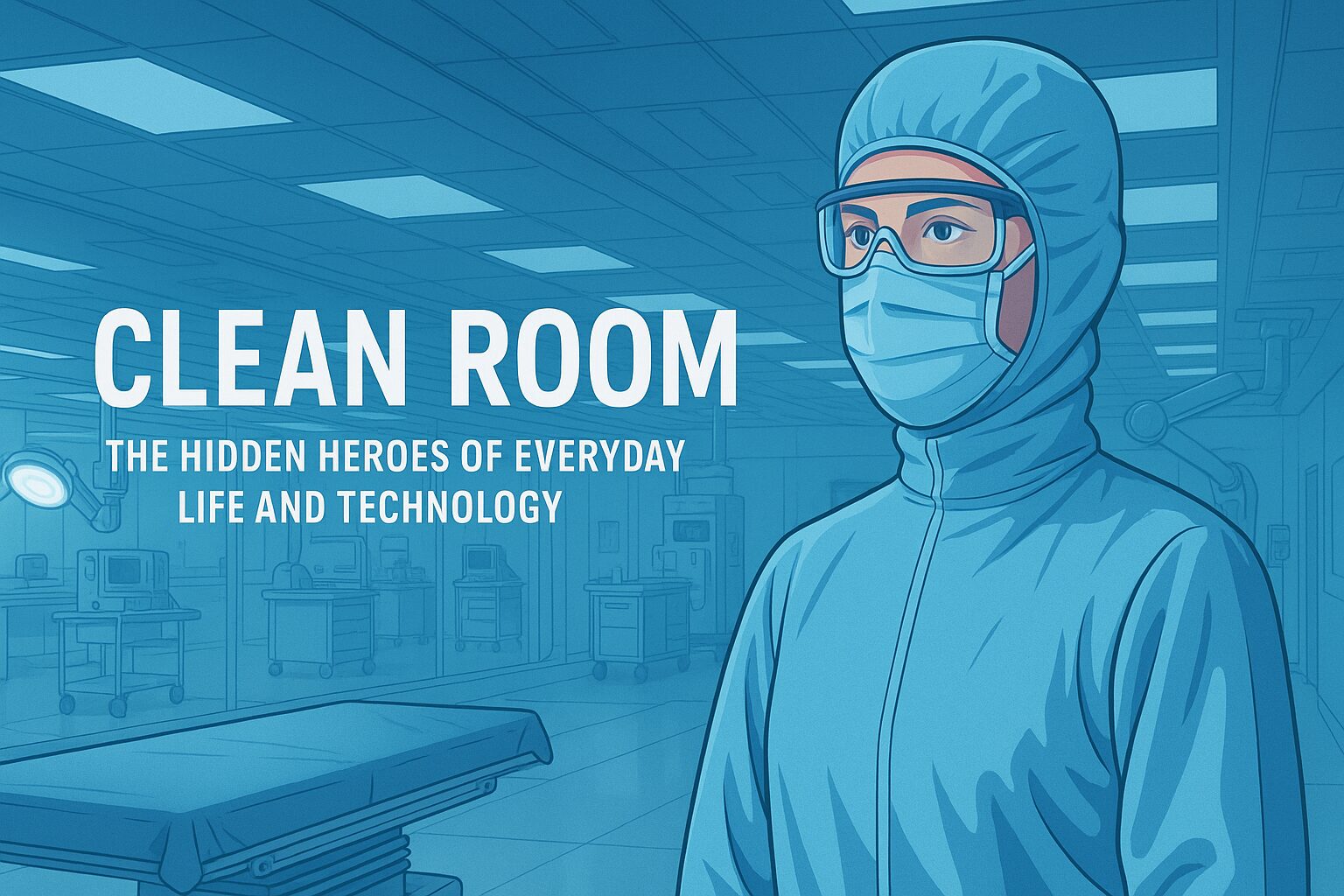
    Clean Room: The Hidden Heroes of Everyday Life and Technology

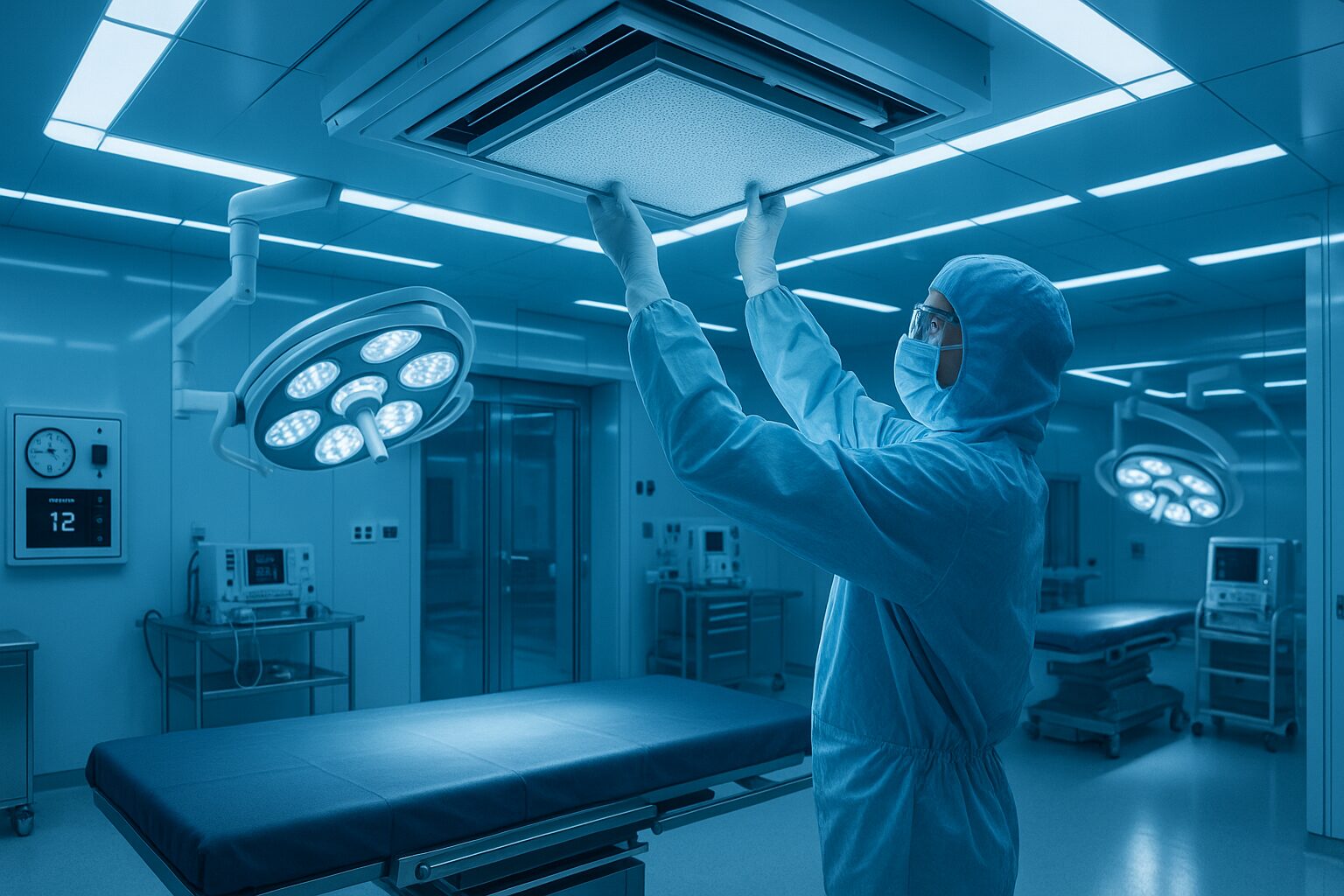
    Technician in sterile PPE inspecting HEPA filters in a pharmaceutical cleanroom

    What Defines a Clean Room?

    A clean room is a controlled environment where airborne particles, temperature, humidity, and pressure are carefully regulated to prevent contamination. These environments are indispensable in industries where even a single speck of dust or microbe could spell disaster—think semiconductor fabrication, pharmaceutical production, or aerospace engineering. For example, a Hyderabad-based vaccine manufacturer reduced contamination risks by 40% after upgrading to ISO 5 cleanrooms.

    Why Clean Rooms Are Non-Negotiable in Critical Industries

    Clean rooms safeguard processes where precision is paramount:

    • Pharmaceuticals: Sterile drug production relies on HEPA filters (learn maintenance tips here ) and pressure gradients to block pathogens.
    • Semiconductors: Nanoscale chip fabrication demands particle counts as low as ISO 1 standards (≤10 particles/m³).
    • Healthcare: Operation theatres use laminar airflow systems to prevent surgical infections.

    A Bengaluru semiconductor plant achieved ISO 14644-1 compliance by maintaining 300 air changes per hour (ACH), cutting defects by 25%.

    Decoding Clean Room Classifications (ISO 1 to ISO 9)

    Cleanrooms are classified based on the number of particles per cubic meter, following ISO 14644-1 standards:

    • ISO Classes: Range from ISO 1, the cleanest with 10 particles or fewer per cubic meter, to ISO 9, which reflects normal ambient air conditions.
    • Pharma Standards: EU GMP Grade A aligns with ISO 5 (≤3,520 particles/m³ ≥0.5µm).
    • Legacy systems: Class 100 correspond to ISO 5, which permits up to 100 particles per cubic foot.

    A Delhi hospital avoided FDA penalties by aligning its OTs with ISO 8 standards, ensuring NABH conditions.

    Types of Clean Room: From Modular to Soft-wall

    Cleanrooms vary by construction and airflow design:

    1. Modular Cleanrooms:
      • Prefabricated panels allow scalability. Ideal for startups needing flexible setups.
      • Example: A Pune biotech lab used modular units to expand production during the pandemic.
    2. Conventional Cleanrooms:
      • Built from scratch, offering permanent solutions for large-scale operations.
    3. Softwall Cleanrooms:
      • Temporary, PVC-curtained spaces for low-risk tasks like packaging.
    4. Unidirectional Flow Rooms:
      • Laminar airflow (0.45 m/s) for sterile zones, reducing turbulence.

    Designing Clean Room: Balancing Precision and Practicality

    Designing a clean room involves integrating advanced systems to sustain critical conditions such as temperature, humidity, pressure gradients, and particle count. These environments require meticulous planning to meet industry-specific standards while balancing cost and functionality.

    Key Components of Clean Room Design

    1. Airflow Systems:
    • Laminar Flow: Unidirectional airflow (typically downward) is used in sterile zones like pharmaceutical cleanrooms. This ensures that particles are removed from critical areas. For example, a Gujarat pharma facility achieved ISO Class 5 compliance using laminar flow systems.
    • Turbulent Flow: Non-unidirectional airflow suits less sensitive areas, such as packaging units, where particle control is less stringent.
    1. HVAC Integration:
    • HEPA Filters: Essential for trapping 99.97% of particles ≥0.3 microns. Regular maintenance of these filters is critical to avoid contamination risks.
    • Pressure Gradients: Positive pressure (+15 Pa) prevents external contaminants from entering, while negative pressure isolates hazardous materials in bio-safety labs.
    1. Material Selection:
    • Non-shedding surfaces like stainless steel and epoxy flooring minimize particle generation. A Bengaluru semiconductor plant reduced defects by 25% by using anti-static materials.

    Balancing Cost and Compliance

    Clean room costs vary widely:

    • ISO 5 Cleanrooms: ₹50,000–₹2 lakh per square foot.
    • Modular Cleanrooms: Prefabricated units offer flexibility for startups, reducing upfront investment.

    Adherence to ISO 14644-1 and ASHRAE 170 standards is essential. A Delhi hospital avoided regulatory penalties by aligning its operation theatre design with these guidelines.

    Emerging Trends in Clean Room Design

    • Sustainability: Solar-powered HVAC systems and energy recovery wheels reduce carbon footprints (learn more).
    • AI-Driven Monitoring: Predicts filter failures using airflow data.
    • Automation: Robotics and AI-driven sensors minimize human intervention, lowering contamination risks.

    Case Study: Semiconductor Manufacturing

    A Hyderabad semiconductor fab implemented low-velocity airflow systems and real-time particle monitoring, achieving Class 10 (ISO 4.5) compliance. This reduced chip defects by 30%, highlighting the ROI of precision design.

    Challenges in Clean Room Design

    • Human Error: Particularly gowning mistakes, causes 80% of contamination incidents.
    • Energy Costs: High ACH (air changes per hour) demands significant power, driving innovation in energy-efficient HVAC systems.
    • Costs: ISO 5 cleanrooms cost ₹50,000–₹2 lakh/sq.ft

    By prioritizing contamination control, airflow optimization, and sustainability, clean room design continues to evolve, supporting industries where precision is paramount.

    Maintaining Critical Conditions: SOPs and Monitoring

    Stringent protocols ensure compliance:

    • Gowning Procedures: Full PPE, including sterile suits and gloves.
    • Material Handling: Airlocks and ULPA filters for equipment entry.
    • Cleaning: Daily disinfection with ISO-certified agents.

    IoT sensors now enable real-time tracking of temperature, humidity, and particle counts, as seen in smart HVAC systems.

    FAQs

    Q1: What is a clean room?
    A: A controlled environment regulating particles, temperature, and pressure to protect sensitive processes.

    Q2: What are ISO classifications?
    A: ISO 1 to ISO 9 define cleanliness levels, with ISO 1 being the most stringent.

    Q3: How do HEPA filters work?
    A: They trap 99.97% of particles ≥0.3µm, essential for sterile environments.

    Q4: What is a Class 100 cleanroom?
    A: Equivalent to ISO 5, with ≤100 particles/ft³ ≥0.5µm.

    Q5: Why is pressure gradient important?
    A: It prevents contaminants from entering critical zones.

    Q6: How to maintain a clean room?
    A: Follow strict SOPs for gowning, cleaning, and HVAC upkeep (full guide ).

    Disclaimer: Some links in this article are affiliate links, such as those for Amazon products. These may generate a small commission at no extra cost to you, supporting our work. We never compromise editorial integrity for partnerships.

    About the Author
    Mr. Om Prakash, with over 18 years of hands-on experience in the HVAC industry, brings unmatched expertise in cleanroom, pharmaceutical, semiconductor, data center, commercial, and industrial HVAC systems. As the founder of HVAC Technocrat, he specializes in customized HVAC design, energy efficiency audits, retrofit planning, and turnkey consultancy services across India. His deep understanding of critical environments and complex building needs ensures every solution is efficient, reliable, and future-ready. Through his writings, he simplifies HVAC concepts and shares real-world insights to support professionals, facility managers, and decision-makers. For any enquiries or project support, feel free to call or WhatsApp at +91 9908091942, email at hvactechnocrats@gmail.com , or visit www.hvactechnocrat.com . Follow his LinkedIn profile https://www.linkedin.com/in/hvactechnocrats/ for updates.

    How to Replace and Maintain HEPA Filters in Operation Theatres

    HEPA filter installation in an operation theatre for infection control

    Why HEPA Filters Are Critical in Operation Theatres

    In operation theatres, HEPA (High-Efficiency Particulate Air) filters are the unsung heroes safeguarding patient outcomes. These filters capture 99.97% of airborne particles as small as 0.3 microns, including bacteria, viruses, and surgical debris. Without proper HEPA filters maintenance, even minor contamination risks can lead to surgical site infections, compromising patient safety. For instance, a Mumbai-based hospital reduced post-surgery infections by 30% after upgrading its HEPA replacement protocol—a testament to their vital role.

    What is the HEPA Filter

    A HEPA (High-Efficiency Particulate Air) filter is a critical air purification technology designed to trap 99.97% of particles as small as 0.3 microns. These particles consist of dust, pollen, bacteria, viruses, and even smoke. Originally developed for nuclear facilities, HEPA filters are now indispensable in healthcare, cleanrooms, and homes. For instance, during the 2020 pandemic, hospitals globally relied on HEPA systems to reduce airborne virus transmission.

    Where Are HEPA Filters Used

    HEPA filters are crucial for industries that require ultra-clean environments. Key applications include:

    1. Cleanrooms
      • Pharmaceuticals: Used in sterile manufacturing zones to prevent microbial contamination. For example, a Pune-based pharma facility reduced batch rejections by 35% after upgrading to H14 HEPA filters.
      • Semiconductors: Eliminate nanoscale particles during chip fabrication. A semiconductor plant in Gujarat attained ISO Class 5 cleanliness by incorporating HEPA-integrated laminar airflow systems.
      • Biotechnology: Maintain aseptic conditions for cell culture and genetic research.
    2. Healthcare
      • Operation Theatres: Critical for infection control. A Chennai hospital reported a 40% drop in post-surgical infections after adopting HEPA-compliant HVAC systems.
      • Isolation Wards: Contain airborne pathogens like tuberculosis or SARS-CoV-2.
    3. Research & Development Labs
      • BSL-3/4 Labs: Handle hazardous bioagents safely. HEPA filters in exhaust systems guarantee no leakage of contaminants, ensuring a sterile environment.
      • Nanotechnology Labs: Capture nanoparticles during material synthesis.
    4. Industrial Settings
      • Petrochemical Refineries: Remove dust and fumes in hazardous zones. Explosion-proof HEPA systems are integrated with HVAC safety protocols to ensure secure and reliable operation in hazardous environments.
      • Aerospace Manufacturing: Protect precision components from debris.
    5. Commercial Spaces
      • Data Centers: Prevent dust from damaging servers.
      • Food Processing: Ensure compliance with FSSAI standards by filtering airborne microbes.

    In India, a Bengaluru semiconductor plant uses HEPA filters to eliminate nanoscale contaminants, ensuring chip precision.

    Types of HEPA Filters

    HEPA filters are graded by efficiency:

    • H13 : 99.95% efficiency (common in homes and commercial spaces).
    • H14 : 99.995% efficiency (used in operation theatres and ISO 5 cleanrooms).
    • ULPA : Ultra-Low Penetration Air (ULPA) filters provide 99.999% efficiency, making them perfect for capturing nano-contaminants.

    A Delhi hospital reduced surgical infections by 40%

    Step-by-Step Guide to Replacing HEPA Filters

    Replacing HEPA filters demands precision to maintain sterile environments. Follow these steps:

    Step 1: Pre-Installation Preparation

    • Shut down HVAC systems to avoid contamination.
    • Use a particle counter to verify air quality before removal.

    Step 2: Safe Removal and Disposal

    • Seal old filters in plastic bags immediately to prevent pathogen spread.
    • Follow biomedical waste disposal protocols as per India’s CPCB guidelines.

    Step 3: Installation Best Practices

    • Ensure airtight seals using gaskets compliant with ASHRAE Standard 52.2 .
    • Test airflow post-installation to maintain 20–30 air changes per hour (ACH).

    Maintenance Best Practices for Longevity

    Regular upkeep extends HEPA filter lifespan and efficiency:

    • Inspect Monthly: Check for physical damage or clogging.
    • Monitor Pressure Drop: Replace filters when pressure exceeds 1.5 times the initial reading, as recommended by ISHRAE.
    • Clean Surrounding Areas: Dust near filter housings can compromise performance.
    • Humidity Control: Maintain relative humidity between 40–60% to prevent microbial growth and ensure optimal filter performance.

    A Chennai hospital’s case study highlighted that quarterly inspections reduced filter replacements by 20%, aligning with ECBC (Energy Conservation Building Code) sustainability goals.

    Compliance with Global and Indian Standards

    Adherence to codes ensures operational and safety benchmarks:

    • ASHRAE Standard 52.2: Governs filter efficiency testing.
    • ISO 14644-1: Defines cleanroom air quality standards, which are essential for maintaining the sterile environment in modular operation theatres.
    • ISHRAE Guidelines: Recommend HEPA filter replacement every 1–3 years based on usage.

    Linking these standards to practical applications, such as integrating HEPA systems with smart HVAC controls, enhances compliance and efficiency.

    Challenges in HEPA Filter Management

    Even seasoned facilities face hurdles:

    • Cost Concerns: High-grade HEPA filters cost ₹15,000–₹30,000 per unit.
    • Training Gaps: Staff errors during replacement can void warranties.
    • Humidity Control: Excessive moisture shortens filter life—a common issue in India’s monsoon-prone regions.

    Future Trends: Smart Monitoring and Sustainability

    Emerging technologies are reshaping HEPA maintenance:

    • IoT Sensors: Enable real-time tracking of filter performance (e.g., AI-driven HVAC systems).
    • Recyclable Filters: AI-powered HVAC systems forecast replacement schedules, cutting downtime by 30% and promoting sustainability. Reduce waste, supporting India’s push for circular economies.

    HEPA Filters for Home Use

    Home HEPA systems combat allergens like pollen and pet dander. Key considerations:

    • Room Size : Match the CADR (Clean Air Delivery Rate) to the room size to ensure optimal air filtration and efficiency.
    • Noise Levels : Opt for models under 50 dB for bedrooms.
    • Cost : Basic units start at ₹8,000, while medical-grade models cost up to ₹25,000 (shop HEPA filters ).

    FAQs

    Q1: How often should HEPA filters be replaced in operation theatres?
    A: Typically every 12–36 months, depending on usage and manufacturer guidelines.

    Q2: Is it possible to clean HEPA filters instead of replacing them?
    A: No. Cleaning risks damaging the delicate fibers; always replace as advised.

    Q3: What safety precautions are needed during replacement?
    A: Use PPE, seal old filters immediately, and conduct post-installation leak tests.

    Q4: How do I choose the right HEPA filter for my OT?
    A: Prioritize filters rated ISO 35 H (99.95% efficiency) and consult ASHRAE standards.

    Q5: Does humidity affect HEPA filter lifespan?
    A: Yes. Keep relative humidity between 40–60% to prevent microbial growth and extend the lifespan of filters.

    Q6: Are there eco-friendly HEPA disposal methods?
    A: Some providers offer recycling programs; inquire during procurement.

    Disclaimer:

    Some links in this article are affiliate links, such as those for HVAC tools. These may generate a small commission at no extra cost to you, supporting our work. We never compromise editorial integrity for partnerships.

    About the Author:

    Mr. Om Prakash, with over 18 years of hands-on experience in the HVAC industry, brings unmatched expertise in cleanroom, pharmaceutical, semiconductor, data center, commercial, and industrial HVAC systems. As the founder of HVAC Technocrat, he specializes in customized HVAC design, energy efficiency audits, retrofit planning, and turnkey consultancy services across India. His deep understanding of critical environments and complex building needs ensures every solution is efficient, reliable, and future-ready. Through his writings, he simplifies HVAC concepts and shares real-world insights to support professionals, facility managers, and decision-makers. For any enquiries or project support, feel free to call or WhatsApp at +91 9908091942, email at hvactechnocrats@gmail.com, or visit www.hvactechnocrat.com. Follow his LinkedIn profile https://www.linkedin.com/in/hvactechnocrats/ for updates.

    Operation And Maintenance of Air Conditioning System for Clean Rooms

    Operation And Maintenance of Air Conditioning System for Clean Rooms

    Introduction

    In the modern industrial landscape, maintaining controlled environments is paramount for ensuring precision, quality, and optimal performance. Clean rooms and data centers stand as prime examples of critical spaces that require meticulous attention to uphold contamination-free conditions and consistent temperatures. The operation and maintenance of air conditioning systems in these specialized environments play a pivotal role in ensuring efficiency, contamination control, and energy conservation.

    Table of Contents

    Operation and Maintenance Practices in Air Conditioning System

    An air conditioning system is not merely a cooling device; it constitutes a complex system that requires strategic operation and regular maintenance for optimal performance. Whether it’s a residential, commercial, or industrial space, adhering to best practices is crucial for energy conservation and prolonging the system’s lifespan. Here are several essential practices to adhere to:

    System Operation

    Efficient operation begins with a comprehensive understanding of the system’s functions and controls. Users should set the thermostat to their desired temperatures and modes, avoiding abrupt changes that could strain the system. Utilizing programmable thermostats enables smart temperature scheduling based on occupancy patterns.

    Filter Maintenance

    Filters serve as the initial line of defense against dust, allergens, and particles. Regular maintenance involves cleaning or replacing filters as per the manufacturer’s guidelines. Neglecting filters leads to restricted airflow, increased energy consumption, and compromised indoor air quality.

    Coil Cleaning

    Coils are pivotal for heat exchange within air conditioning systems. Consistent cleaning prevents energy wastage and maintains optimal cooling or heating efficiency. Dirty coils lead to reduced performance and higher energy bills.

    Condensate Drainage Maintenance

    The condensate drainage system removes moisture produced during the cooling process. Routine cleaning prevents clogs, mold growth, and potential damage due to water leakage. Maintaining a clean drainage system ensures reliable operation.

    Electrical Components Check

    Regular electrical checks are essential for detecting loose connections, faulty wiring, and damaged components that could cause malfunctions or safety hazards. Professional inspections ensure safe and dependable operation.

    Refrigerant Levels and Leak Detection

    Maintaining proper refrigerant levels is crucial for optimal cooling or heating performance. Regular checks and prompt leak detection prevent system damage and ensure consistent comfort.

    Energy Efficiency Measures

    Maintenance supports energy efficiency by ensuring smooth operation. In addition, practices like proper insulation, sealing air leaks, and utilizing programmable thermostats contribute to lower energy bills and reduced environmental impact.

    Professional Servicing

    While some tasks can be performed by property owners, comprehensive maintenance should be carried out by professional HVAC technicians. Regular servicing extends the system’s lifespan and reduces the risk of breakdowns.

    Documentation and Record-Keeping

    Accurate documentation of maintenance activities is essential for tracking system health, audits, and warranty claims.

    Continuous Learning

    The HVAC industry is continually evolving with technological advancements and best practices. Ongoing training enables professionals to implement the latest energy-efficient strategies and technologies into their maintenance practices, benefiting both system performance and energy conservation.

    O & M of HVAC System for Clean Rooms

    Operation

    Clean rooms are essential in industries where even the tiniest particles can compromise product quality. These systems are designed to maintain specific temperature, humidity, and particle levels. Control involves maintaining positive pressure differentials, ensuring proper air circulation, and utilizing advanced air filtration technologies such as HEPA and ULPA filters.

    Maintenance

    Regular maintenance practices are imperative to sustain the performance of air conditioning systems in clean rooms. Filters within the system should be cleaned or replaced at recommended intervals to maintain efficient air filtration and prevent particles from entering the clean environment. Coils and heat exchangers should be kept clean to ensure optimal heat exchange and energy efficiency. Routine inspections by trained professionals detect and address any mechanical issues promptly, preventing potential disruptions to operations.

    Validation

    Clean room air conditioning systems often require periodic validation to ensure compliance with regulatory standards. This involves conducting tests to verify the system’s ability to maintain specified parameters, such as particle count and airflow patterns. Validation ensures that the system consistently meets the stringent requirements of clean room environments.

    Documentation

    Detailed documentation of operation and maintenance activities is crucial in clean rooms. Records of maintenance schedules, repairs, filter replacements, and validation results serve as a reference for audits, compliance checks, and continuous improvement initiatives. This documentation supports accountability and transparency in maintaining the clean room’s controlled environment.

    Training

    Clean room personnel should receive training on proper operation and maintenance practices. This empowers them to recognize signs of system malfunction, report issues, and contribute to contamination prevention efforts. By following standardized procedures and best practices, clean room operators and maintenance staff play an integral role in upholding the system’s performance and the overall success of clean room operations.

    Conclusion

    Efficient operation and regular maintenance of air conditioning systems in clean rooms and data centers are crucial for maintaining controlled environments, contamination control, and energy efficiency. By adhering to best practices, conducting routine maintenance, and staying updated with the latest HVAC technologies, industries can create environments that are not only contamination-free but also energy-efficient and sustainable.

    Hashtags: #HVAC #CleanRooms #AirConditioning #Maintenance #ContaminationControl