Disinfectant: How to Detect Hidden Problems in Sterile Cleanroom

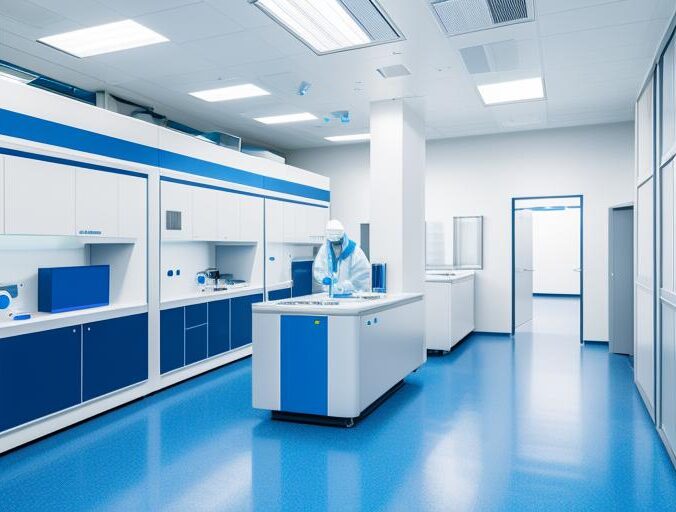
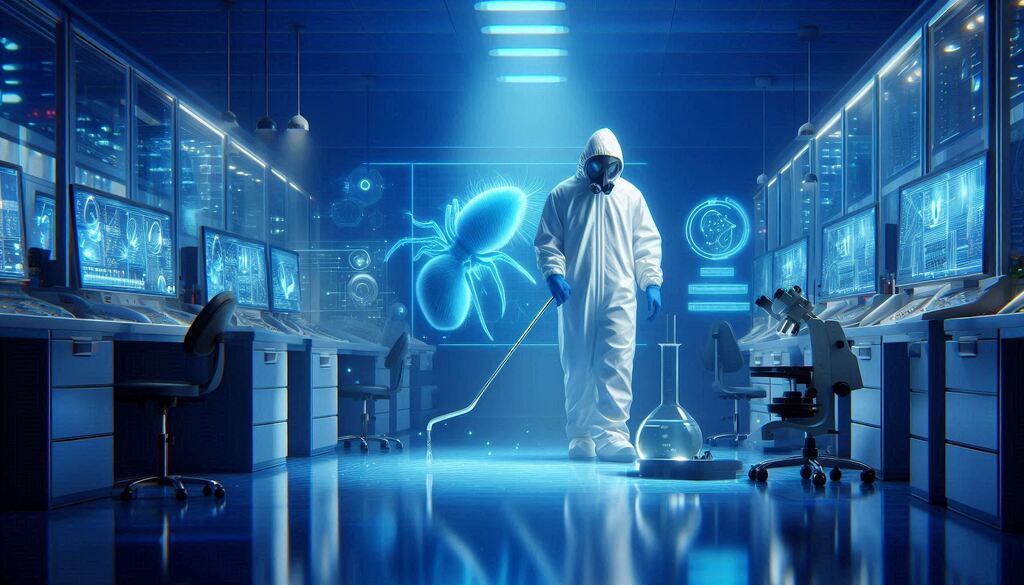
Sterile cleanroom disinfectant being applied to a laboratory surface.

Sterile cleanroom disinfectant are crucial in maintaining contamination-free environments. However, hidden problems in these disinfectants can undermine their effectiveness. This article will guide you through the process of detecting and addressing these issues, ensuring your cleanroom remains truly sterile.

Understanding the Importance of Effective Cleanroom Disinfectant

Effective disinfectants are the backbone of any sterile cleanroom. They prevent microbial contamination, ensuring product safety and compliance with industry standards. But what happens when these disinfectants harbor hidden problems? Detecting these issues early is key to maintaining a sterile environment.

Identifying Hidden Problems in Cleanroom Disinfectant

Hidden problems in disinfectants can range from ineffective microbial control to harmful residues. Here are some common issues:

  • Microbial Resistance: Over time, microbes can develop resistance to certain disinfectants, reducing their effectiveness.
  • Chemical Residues: Residues left behind can interfere with sensitive equipment and processes.
  • Inconsistent Efficacy: Variations in concentration or application can lead to inconsistent results.
  • Compliance Issues: Disinfectants must meet regulatory standards. Hidden problems can cause compliance failures.
  • Health Risks: Certain disinfectants may pose health risks to personnel if not used correctly.

Steps to Detect Microbial Resistance

Microbial resistance is a significant issue. Regularly test your disinfectants to ensure they remain effective. Here’s how:

  • Conduct Routine Tests: Regular microbial tests help identify resistance early.
  • Rotate Disinfectants: Using different disinfectants can prevent resistance.
  • Monitor Microbial Loads: Keep track of microbial levels in your cleanroom.
  • Review Cleaning Protocols: Ensure protocols are followed accurately.

Assessing for Chemical Residues

Chemical residues can compromise cleanroom operations. Detecting these residues is vital:

  • Visual Inspections: Regularly inspect surfaces for visible residues.
  • Swab Tests: Perform swab tests to detect chemical residues.
  • Review Cleaning Procedures: Ensure proper rinsing after disinfectant use.
  • Test with Sensitive Equipment: Use equipment that can detect minimal residue levels.

Ensuring Consistent Efficacy

Consistency is crucial in disinfectant application. Follow these steps to ensure uniform efficacy:

  • Check Concentration: Always use the correct disinfectant concentration.
  • Standardize Application Methods: Ensure all personnel follow the same application procedures.
  • Regular Training: Train staff on proper disinfectant use and application.
  • Documentation: Keep detailed records of disinfectant usage and application techniques.

Ensuring Compliance with Regulatory Standards

Compliance with regulatory standards is non-negotiable. Detect and address hidden compliance issues by:

  • Regular Audits: Conduct regular internal and external audits.
  • Stay Updated: Keep up with the latest regulatory changes and guidelines.
  • Documentation: Maintain thorough documentation of disinfectant usage and efficacy.
  • Third-Party Testing: Use third-party labs to verify disinfectant efficacy and compliance.

Monitoring for Health Risks against disinfectant

Disinfectants should not pose health risks to personnel. Here’s how to detect potential health hazards:

  • Review Safety Data Sheets (SDS): Always review and follow the safety guidelines provided in the SDS.
  • Monitor for Symptoms: Keep an eye out for any symptoms among staff that could indicate exposure to harmful disinfectants.
  • Proper Ventilation: Ensure the cleanroom has proper ventilation to minimize inhalation risks.
  • Personal Protective Equipment (PPE): Ensure all staff use appropriate PPE when handling disinfectants.

Regular Testing and Monitoring

Regular testing and monitoring are essential for detecting hidden problems in disinfectants. Implement a robust testing schedule:

  • Microbial Testing: Conduct routine microbial testing to detect any resistance issues.
  • Residue Testing: Perform regular tests to ensure no harmful residues remain.
  • Efficacy Testing: Regularly test the efficacy of your disinfectants.
  • Compliance Testing: Ensure your disinfectants comply with all relevant standards and regulations.

Training and Education

Proper training and education are vital for detecting and addressing hidden problems. Educate your staff on the following:

  • Proper Disinfectant Use: Train staff on the correct use of disinfectants.
  • Detection Techniques: Teach staff how to detect potential issues early.
  • Regulatory Compliance: Ensure staff are aware of regulatory standards and requirements.
  • Health and Safety Protocols: Educate staff on health and safety protocols to minimize risks.

Choosing the Right Disinfectant

Selecting the right disinfectant can prevent many hidden problems. Consider these factors when choosing a disinfectant:

  • Efficacy: Ensure the disinfectant is effective against a wide range of microbes.
  • Compatibility: Verify that the disinfectant is compatible with your cleanroom materials and equipment.
  • Safety: Choose disinfectants that pose minimal health risks to personnel.
  • Regulatory Compliance: Ensure the disinfectant meets all relevant regulatory standards.

FAQ

How do you test the effects of disinfectant?

Testing disinfectants involves several methods. Microbial tests measure how effectively the disinfectant kills or inhibits microorganisms. Surface compatibility tests ensure the disinfectant doesn’t damage materials in the cleanroom. Residue analysis checks for any leftover chemicals that might interfere with equipment. Lastly, efficacy over time tests assess if the disinfectant remains effective after repeated use.

What are the disinfectant validation requirements for cleanrooms?

Disinfectant validation for cleanrooms ensures the cleaning agents are effective and safe. It involves several steps, including selecting appropriate disinfectants, validating their efficacy through microbial tests, ensuring they don’t leave harmful residues, and checking their compatibility with cleanroom surfaces. Additionally, regular audits and compliance checks are crucial to maintaining standards.

What is the test for disinfectant efficiency?

Disinfectant efficiency is tested using microbial load reduction tests. These tests involve applying the disinfectant to a contaminated surface and measuring the reduction in microorganisms. Another method is the use-dilution test, which assesses the disinfectant’s effectiveness at various concentrations. Consistent results over time indicate high efficiency.

What are the common hidden problems in sterile cleanroom disinfectant?

Common hidden problems in disinfectants include microbial resistance, chemical residues, inconsistent efficacy, compliance issues, and potential health risks. Microbial resistance can reduce effectiveness. Residues might interfere with processes. Inconsistent application can lead to varying results. Compliance issues arise if the disinfectant doesn’t meet regulatory standards. Health risks occur if the disinfectant is hazardous to personnel.

How can I detect microbial resistance in my disinfectant?

Detecting microbial resistance involves regular microbial testing. These tests identify if microorganisms are becoming resistant to the disinfectant. Rotating disinfectants can prevent resistance. Monitoring microbial loads in the cleanroom and reviewing cleaning protocols also help in early detection of resistance.

What steps can I take to ensure my disinfectants do not leave harmful residues?

To ensure disinfectants do not leave harmful residues, perform visual inspections and swab tests regularly. Proper rinsing procedures should be followed to remove any leftover chemicals. Testing with sensitive equipment can detect minimal residue levels. Reviewing and updating cleaning procedures is also essential to prevent residue buildup.

How can I ensure my disinfectants consistently work effectively?

Consistency in disinfectant efficacy can be maintained by using the correct concentration, standardizing application methods, and providing regular training to staff. Detailed records of disinfectant usage and techniques help track consistency. Periodic efficacy tests ensure the disinfectant remains effective over time.

What should I do to ensure my disinfectants comply with regulatory standards?

Ensure regulatory compliance by conducting regular internal and external audits. Stay updated on the latest regulatory changes and guidelines. Maintain thorough documentation of disinfectant usage and efficacy. Using third-party labs to verify compliance and efficacy can provide an additional layer of assurance.

How can I prevent health risks associated with disinfectant?

Prevent health risks by reviewing Safety Data Sheets (SDS) and following the recommended safety guidelines. Monitor staff for any symptoms indicating exposure to harmful disinfectants. Ensure proper ventilation in the cleanroom to minimize inhalation risks. Provide appropriate personal protective equipment (PPE) for staff handling disinfectants.

Conclusion

Detecting hidden problems in your sterile cleanroom disinfectant is essential for maintaining a sterile environment. Regular testing, proper training, and vigilant monitoring can help you identify and address these issues early. By following these guidelines, you can ensure your cleanroom remains contamination-free and compliant with industry standards.

About The Author

Omprakash Ramagiri; as the Founder of HVAC Technocrats, I bring over 18 years of experience as a Mechanical Engineer specializing in HVAC (Central Air-conditioning) for commercial, cleanrooms, data centers, and Petrochemical industries. Throughout my career, I’ve held pivotal roles at companies like TATA Consulting Engineers, MW Zander (for Cleanroom solutions), Bluestar Malaysia, and ETA in Dubai. I’ve managed international HVAC projects and gained valuable exposure in dynamic markets like Dubai and Saudi Arabia. With a passion for excellence and a commitment to innovative solutions, I specialize in designing Class 10K & 100K Cleanrooms for various industries. Connect with me to explore collaborations in HVAC design, project sales, and consultancy. Click to visit the Author’s Linkedin page


Disclaimer: The pictures used are for illustrative purposes only. They may not depict actual products or situations and are meant for educational purposes. Actual products, situations, or outcomes may differ.

Cleanroom: What Are the Best Practices for Particle Control?

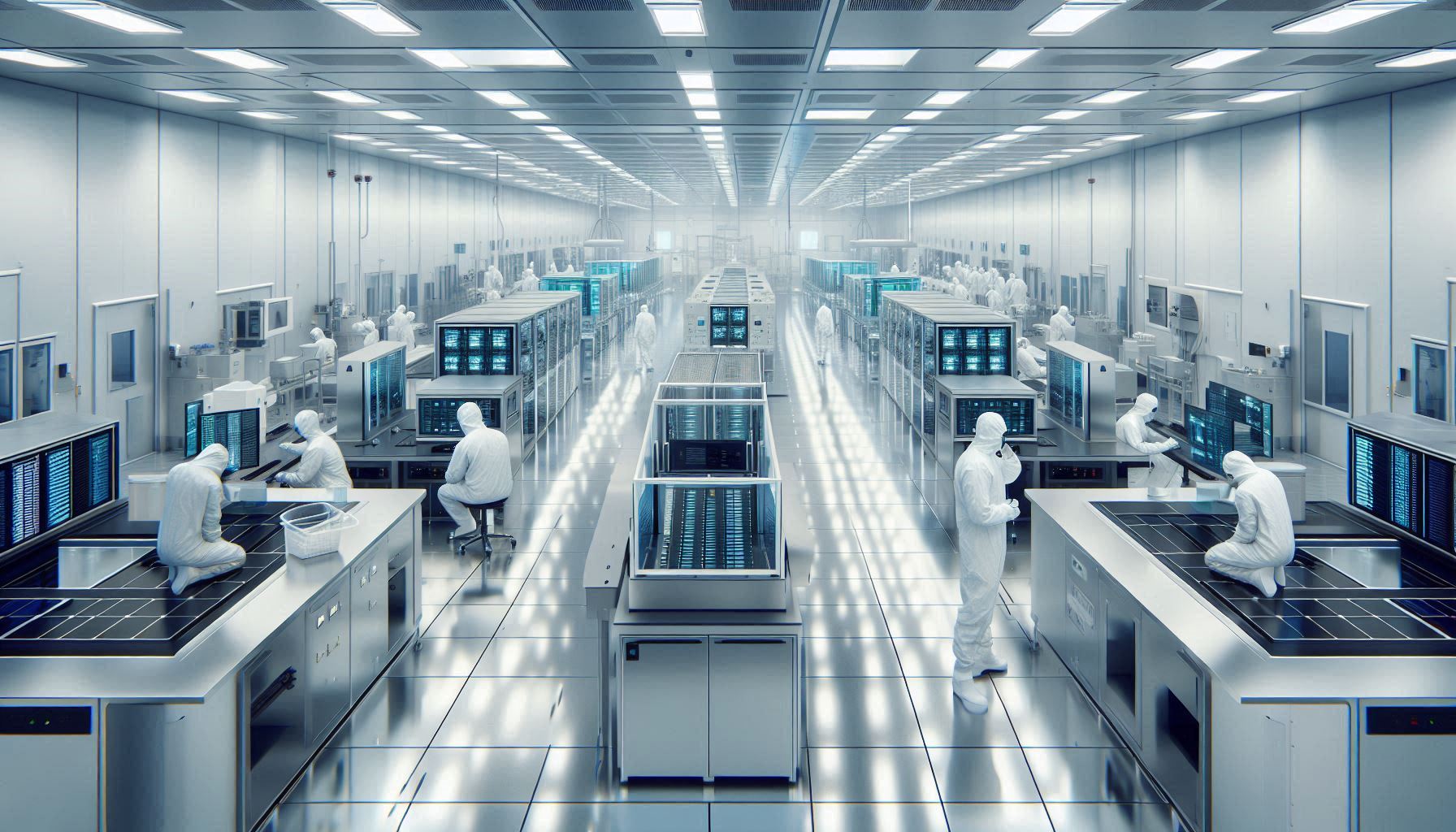
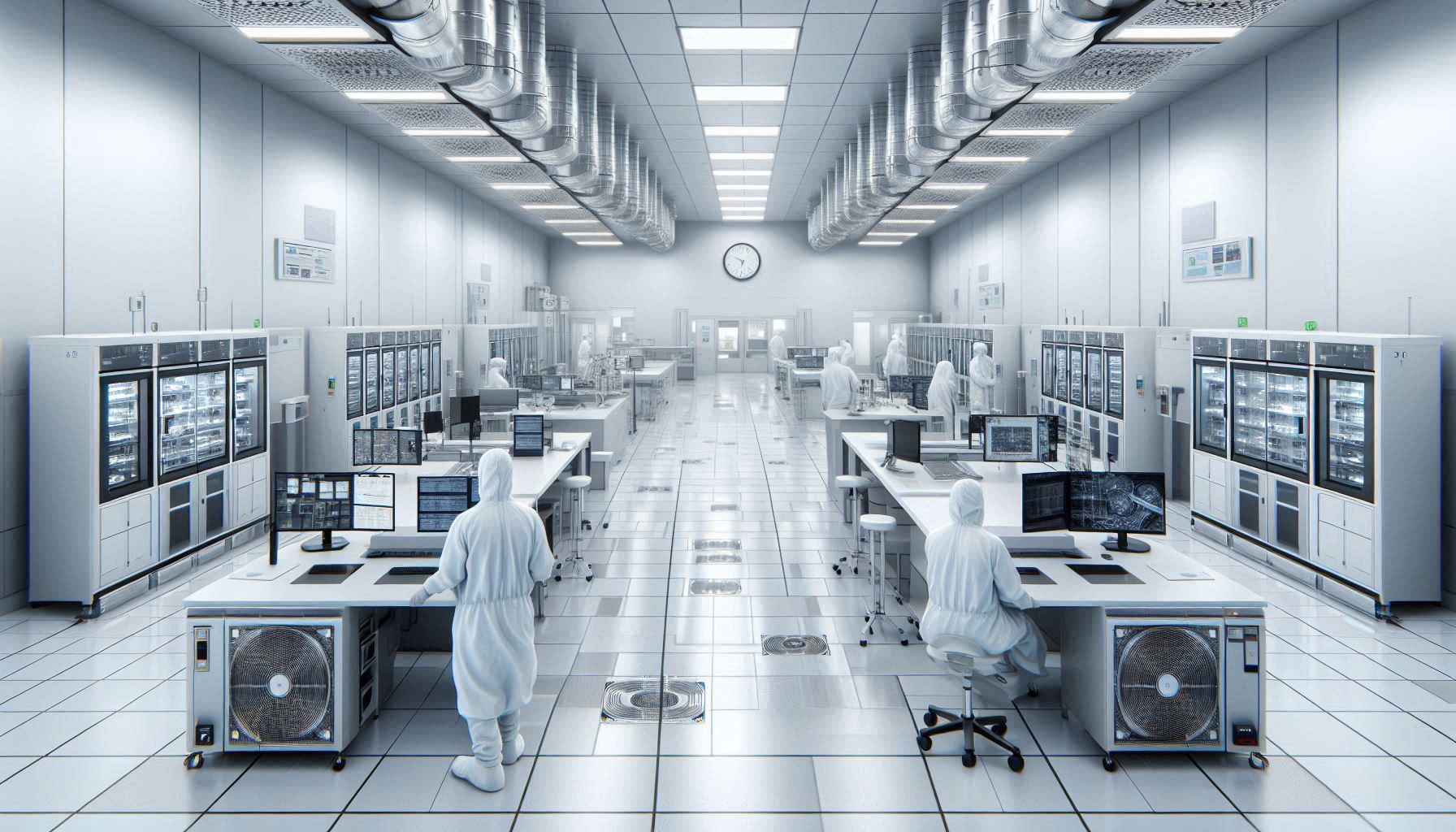
Diagram illustrating best practices for cleanroom particle control in pharmaceutical and semiconductor industries.

It is important to understand the importance of cell control in the cleanroom environment to maintain hygiene and ensure the quality of the product. This article analyzes how effective cell control measures can improve cleanroom capacity, prevent pollution and work to meet industry standards.

Importance of Particle Control for Cleanroom Capacity

Cleanrooms are special atmosphere, where cell control is important to maintain high levels of hygiene. By implementing stringent cell control measures, industries can ensure their procedures and integrity of products, which will eventually meet better operating efficiency and strict standards.

What is partial control in cleanroom?

Cleanrooms include maintenance and decrease of air and surface cells to maintain hygiene levels specified in cell control. It is obtained through various methods, including filtration systems, air flow control and strict procedural protocols. Effective cell control helps to adapt the criteria required for clean room pollution-sensitive processes.

What is a particle control role in the cleanroom environment?

The primary role of cell control in the cleaner environment is to prevent pollution that can damage the quality and safety of the products. By reducing the appearance of cells, cleaners protect sensitive manufacturing processes and research activities. Cell control industry helps to maintain the integrity of operations according to rules and standards.

Why does clean rooms have partial control?

Cell control in cleanroom for several reasons:

  • Product quality: Prevents pollution that affects production performance and safety.
  • Compliance: Strict industry ensures following standards and rules.
  • Activity capacity: The process reduces obstruction and risk of defects.
  • Security: Protects employees and delicate devices from harmful cells.
  • Where to apply particle control in cleanroom?

    Particle control should be applied in various aspects of the cleanroom environment, including:

  • Air filter: HEPA filler with high -spasm to remove cells in the air.
  • Surfaces: Cleaning and maintaining regular surfaces to prevent cell accumulation.
  • Employees: Proper gowning and hygiene protocol to reduce pollution from employees.
  • Equipment: To ensure that the equipment is maintained clean and regularly to prevent cell production.
  • Entry point: Airlock and cleanroom admission procedures to control cell entry.

  • How to get effective particles control?

    Effective cell control in cleanroom can be obtained through multiple strategies:

  • Regular monitoring: counting and monitoring of continuous cells to identify pollutants.
  • Management in Airflow: Proper design and maintenance of ventilation systems to stay in lamina airflow.
  • Strict cleaning protocol: Simple cleaning using appropriate techniques and equipment.
  • Staff Training: To educate employees on the best ways to maintain cleanliness.
  • Advanced filter: Using HEPA and ULPA filters to catch and remove cells in the air.

  • What are the latest technology in particle control?

    Latest Techniques in Cell Control for Cleanroom:

  • Real -time particle monitoring system: Provide continuous data at cell levels for immediate action.
  • Advanced Filter: Improve HEPA and ULPA filters with high efficiency ratings.
  • Robotic cleaning system: to clean the automatic robot stable and well -cleaned.
  • Nano coatings: Surface treatment that reduces cells and reduce pollution.
  • Smart HVAC system: Integrated systems that adjust air flow and filter based on real -time data.

  • What are the advantages and disadvantages of particle control?

    Advantages:

  • Better production quality: Low pollution can cause high quality outputs.
  • Compliance: Industry is according to standards and control requirements.
  • Activity capacity: low process interruption and defect.
  • Security: Protects both employees and sensitive equipment.
  • Dis Advantages:

  • Extreme initial cost: Implementation of sophisticated cell control systems is expensive.
  • Maintenance: Continuous maintenance and monitoring is necessary to be effective.
  • Complex procedures: Continuous implementation includes stringent protocols that are challenging.

  • FAQ

    What is the purpose of particle control in cleanroom?

    The primary purpose of particle control in the cleanroom is to prevent contamination, which is important to maintain the quality and safety of the product. Effective particle control industry ensures compliance with industry standards, improves operational efficiency, and protects both personnel and sensitive devices from harmful particles.

    How does particle control cleanliness affect the efficiency of the room?

    Particle control contamination-related process has a significant impact on cleanroom efficiency by reducing the risk of interruptions and errors. By maintaining a controlled environment, cleaners operate smoothly and continuously, which improves productivity and product quality.

    What are the common methods of particle control in cleaning chambers?

    Common practices for particle control in clean rooms include the use of HEPA and ULPA filters for air filtration, strict cleaning protocols, proper gowning and hygiene of personnel, and implementation of airlock and admission procedures to reduce particle introduction, and particle introduction. These methods work together to maintain the required hygiene level.

    Why is continuous monitoring in cleaning chambers?

    Continuous monitoring in cleaning chambers is important as it allows particle level and potential contamination sources to detect in real time. This enables quick corrective actions to ensure that the environment of cleanliness remains within the hygiene standards specified at all times.

    What are the challenges in applying particle control in cleaning chambers?

    Applying particle control in the cleanroom presents challenges such as high early costs, continuous maintenance and monitoring requirement and complexity of implementing strict procedural protocols for refined systems. Despite these challenges, the benefits of better product quality, compliance and operational efficiency make it necessary.

    Conclusion

    Particle control is necessary to maintain the integrity and efficiency of the environment of the cleaning chamber. By applying effective particle control measures, industry can ensure high product quality, compliance with strict standards and better operating efficiency. As the technology progresses, the methods of particle control and equipment are developed, which further improves the effectiveness of the clean environment.

    About The Author

    Omprakash Ramagiri; as the Founder of HVAC Technocrats, I bring over 18 years of experience as a Mechanical Engineer specializing in HVAC (Central Air-conditioning) for commercial, cleanrooms, data centers, and Petrochemical industries. Throughout my career, I’ve held pivotal roles at companies like TATA Consulting Engineers, MW Zander (for Cleanroom solutions), Bluestar Malaysia, and ETA in Dubai. I’ve managed international HVAC projects and gained valuable exposure in dynamic markets like Dubai and Saudi Arabia. With a passion for excellence and a commitment to innovative solutions, I specialize in designing Class 10K & 100K Cleanrooms for various industries. Connect with me to explore collaborations in HVAC design, project sales, and consultancy. Click to visit the Author’s Linkedin page


    Disclaimer: The pictures used are for illustrative purposes only. They may not depict actual products or situations and are meant for educational purposes. Actual products, situations, or outcomes may differ.