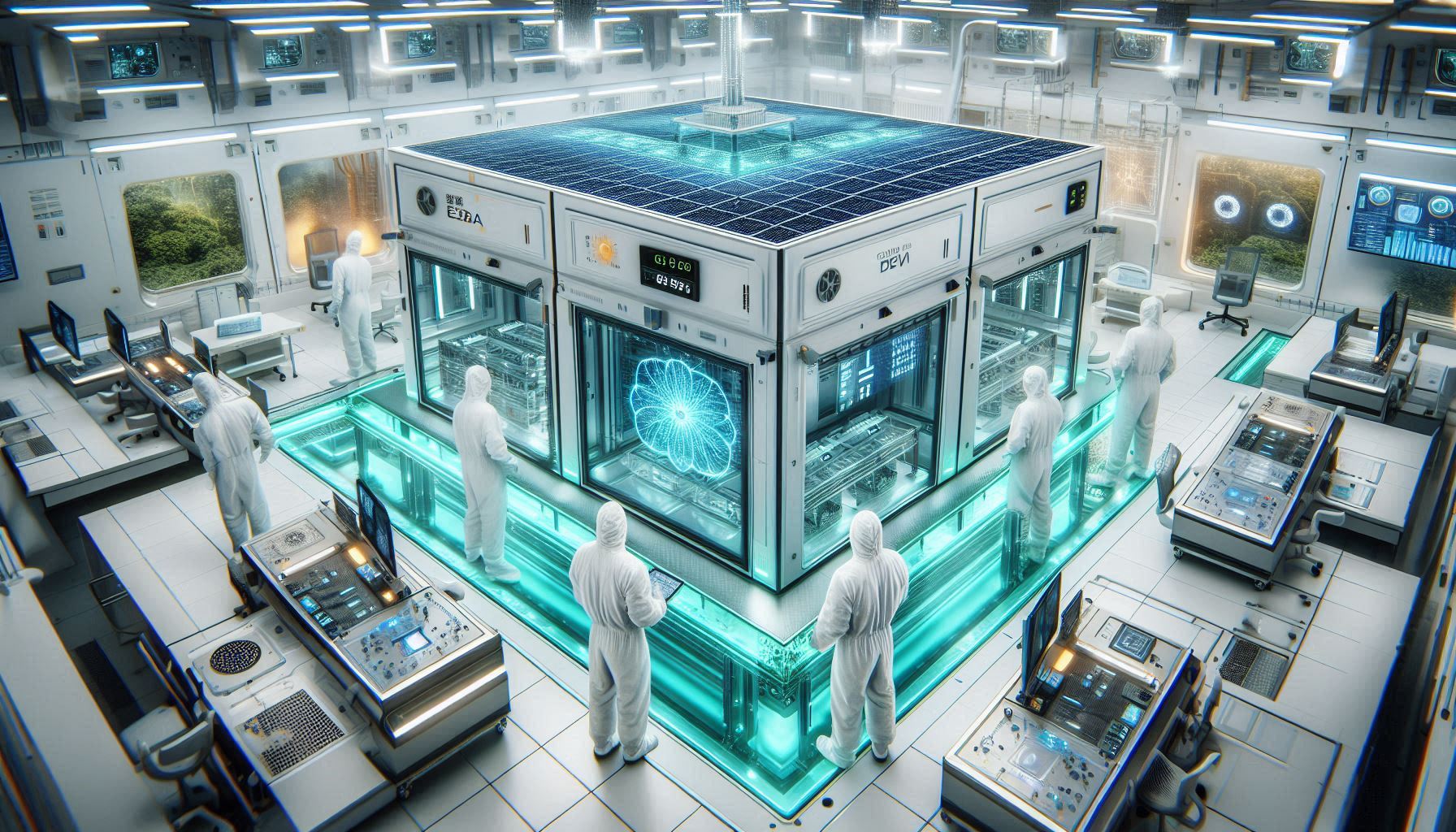
How to Optimize Cleanroom pressure differential for Semiconductor facilities

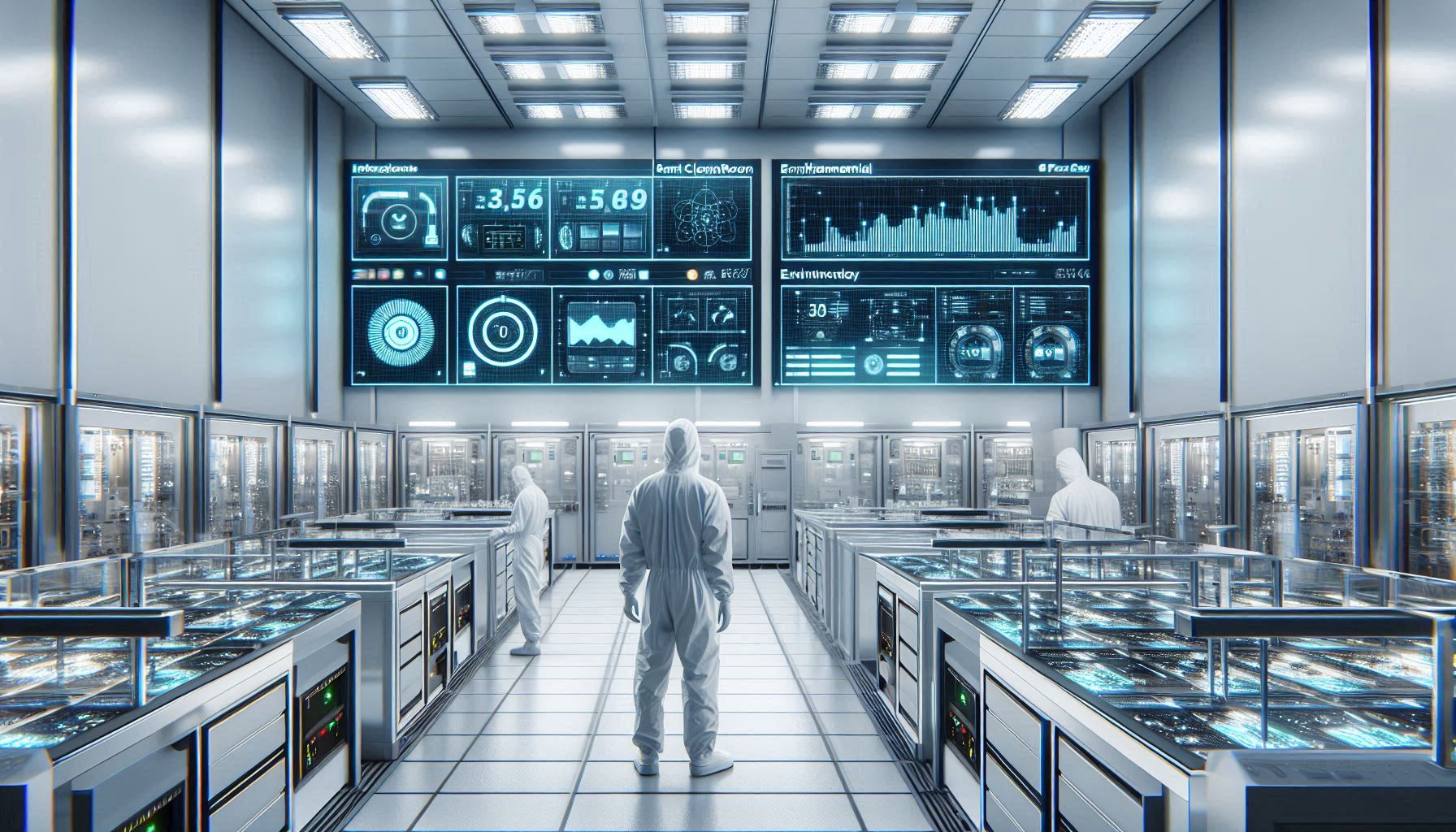
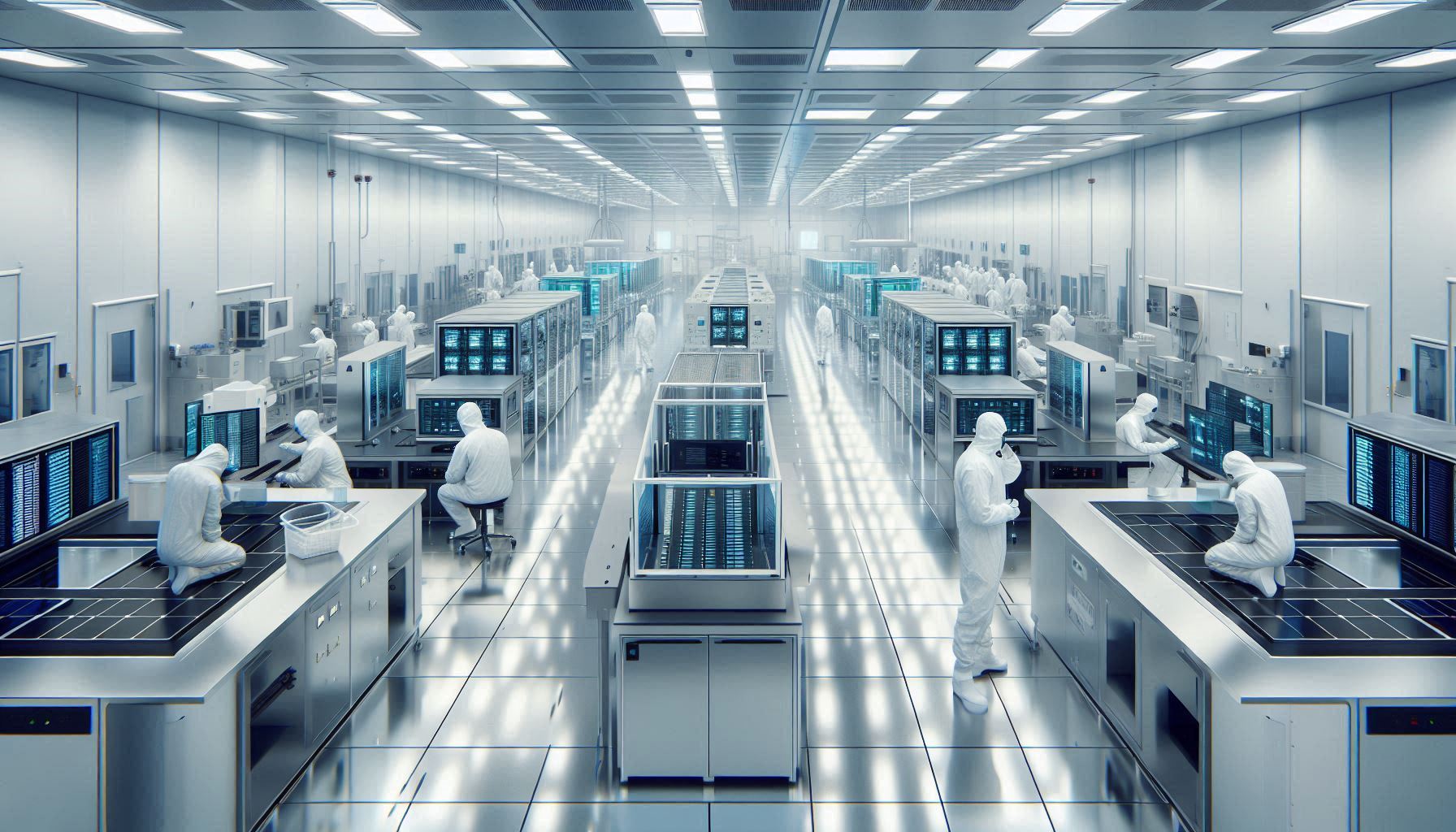
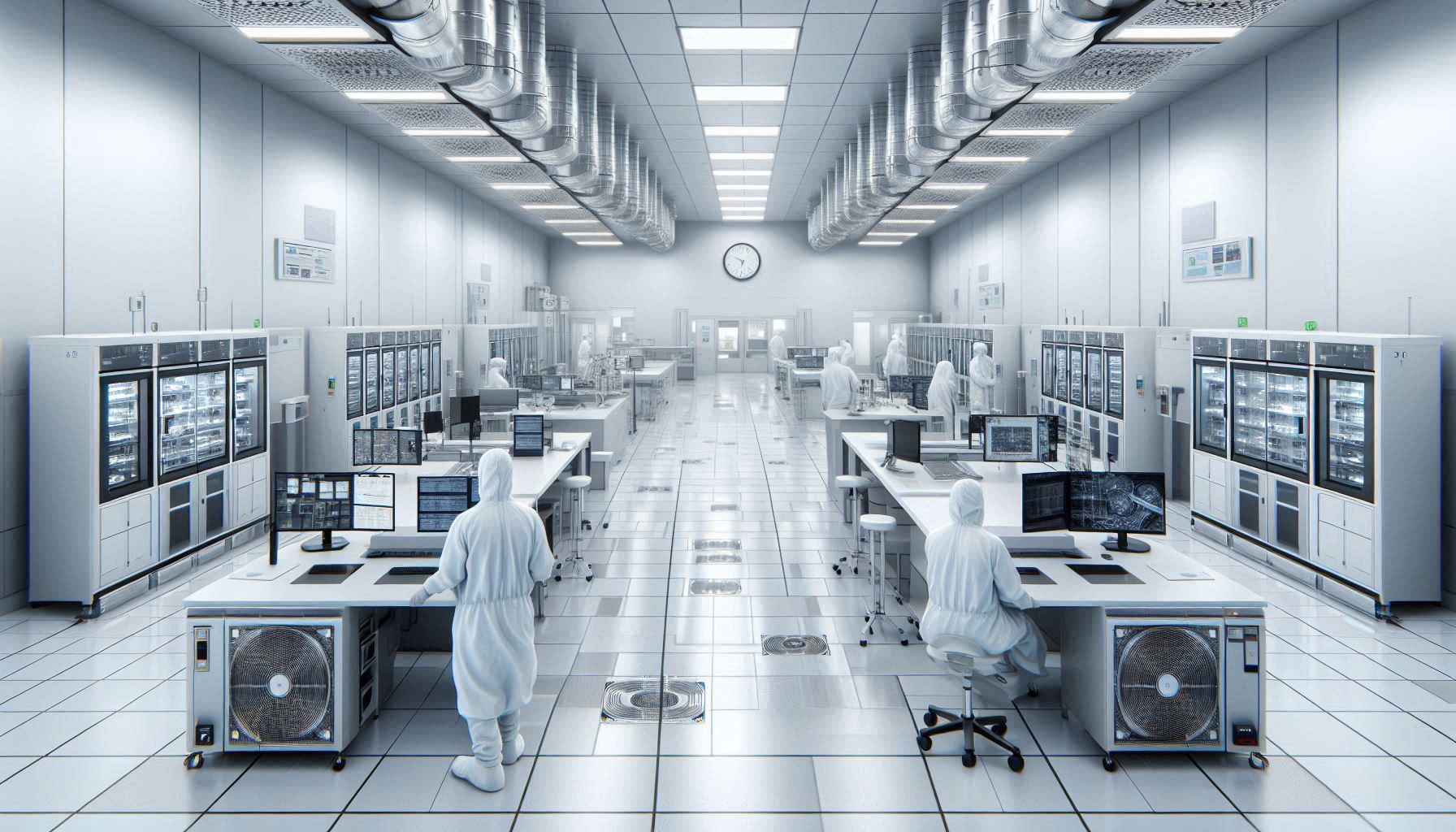
Cleanroom pressure differential in a semiconductor facility

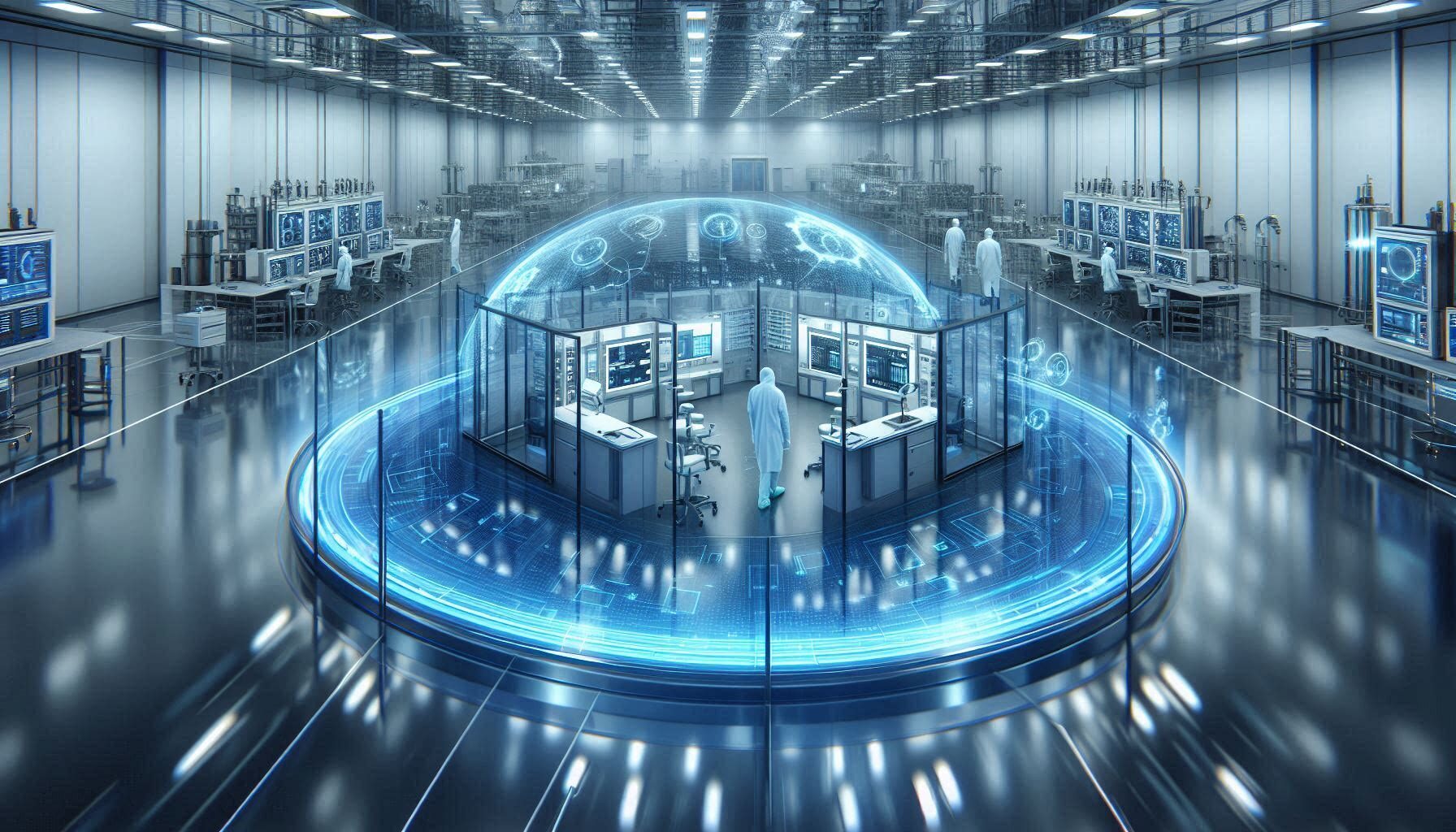
Cleanroom pressure differential optimization represents a critical success factor in semiconductor manufacturing, where even minor contamination can destroy entire production batches worth millions of rupees. The complexity of maintaining precise pressure differentials across multiple zones while accommodating dynamic process conditions requires sophisticated engineering approaches that balance contamination control with energy efficiency. Modern semiconductor facilities demand pressure management systems that respond intelligently to equipment operations, personnel movement, and environmental variations while maintaining the stringent cleanliness standards essential for advanced chip manufacturing.

Why the Particle Control is Required in the Cleanroom Environment

Understanding the fundamentals of pressure differential optimization enables facility managers and engineers to implement cost-effective solutions that enhance both product quality and operational efficiency. The challenge extends beyond simple static pressure maintenance to encompass real-time adjustments, predictive control strategies, and integration with overall facility management systems. Effective optimization directly impacts manufacturing yield rates, energy consumption, and compliance with international standards including ISO 14644 and regional requirements like BIS IS 15518.

Learn more about ISO 14644 standards

Understanding Cleanroom pressure differential Fundamentals in Semiconductor

Pressure differential optimization begins with understanding the physics of airflow control in contamination-sensitive environments. The fundamental principle relies on creating controlled airflow patterns that prevent particle migration from less clean areas toward critical manufacturing zones. This approach utilizes the natural tendency of air to flow from high-pressure regions toward low-pressure areas, effectively creating invisible barriers against contamination ingress.

Why Temperature and Humidity Control is Critical in Cleanrooms

Semiconductor cleanrooms typically implement cascade pressure systems where the most critical Class 1 areas maintain pressures 25-50 Pa above adjacent zones. This hierarchical approach creates multiple contamination barriers, ensuring that even temporary pressure disturbances don’t compromise manufacturing processes. The optimization process must account for the unique characteristics of semiconductor manufacturing, including frequent equipment cycling, personnel movement patterns, and the extreme contamination sensitivity of advanced processes.

The effectiveness of pressure differential systems depends on maintaining consistent airflow patterns during normal facility operations. Personnel movement through airlocks, door operations, and equipment startups all create pressure disturbances that optimized systems must compensate for automatically. Advanced facilities employ machine learning algorithms that predict these disturbances and proactively adjust system parameters to maintain optimal contamination control.

Temperature and humidity variations significantly impact pressure differential stability due to air density changes and thermal buoyancy effects. Optimization strategies must integrate pressure control with environmental conditioning systems to maintain stable conditions regardless of external weather variations or internal heat loads. This integration becomes particularly challenging in Indian climatic conditions where monsoon seasons create significant outdoor air condition variations.

HVAC Challenges Breaking Down for Practical Solutions in All Scenarios

Regulatory Standards and Compliance Framework for Optimization of Cleanroom pressure differential

ISO 14644-4 establishes the foundation for pressure differential requirements in semiconductor cleanrooms, specifying minimum differentials of 12.5 Pa between adjacent zones. However, optimization strategies for semiconductor applications typically exceed these minimums to provide robust contamination control during dynamic operating conditions. Modern facilities commonly implement differentials ranging from 15 Pa to 50 Pa depending on the specific contamination sensitivity of manufacturing processes.

BIS IS 15518 provides additional guidance specific to Indian semiconductor manufacturing facilities, incorporating regional considerations while maintaining compatibility with international standards. The optimization process must ensure compliance with these standards while adapting to local climatic conditions, power reliability concerns, and construction practices.

ISHRAE guidelines complement these standards by providing practical design recommendations for tropical and subtropical environments.

ASHRAE also provides relevant guidance for cleanroom design and operation.

Compliance optimization requires continuous monitoring and documentation of pressure differential performance throughout facility operation. Advanced monitoring systems utilize high-accuracy sensors capable of detecting variations as small as 1 Pa, enabling precise control adjustments that maintain compliance margins. The documentation requirements support regulatory inspections while providing data for ongoing optimization improvements.

The regulatory framework also addresses emergency response requirements, mandating that optimized systems maintain contamination control during various failure scenarios. Optimization strategies must incorporate backup systems and emergency protocols that ensure continued operation during power outages, equipment failures, and other disruptions. These requirements influence system design decisions and operational procedures throughout the facility lifecycle.

Advanced Cascade System Design and Implementation Strategies for Cleanroom pressure differential

Cascade pressure system optimization requires sophisticated analysis of airflow requirements, leakage characteristics, and system dynamics specific to semiconductor applications. The design process begins with detailed facility modeling that accounts for complex equipment layouts, personnel flow patterns, and process gas requirements. Computational fluid dynamics (CFD) analysis helps identify potential optimization opportunities while ensuring adequate contamination control throughout the facility.

Clean Room Classification – Ultimate Guide (ISO FS209E & IS15518)

Modern cascade systems employ variable frequency drives on all major air handling equipment, enabling precise pressure control that adapts to changing facility conditions. This optimization approach eliminates energy waste associated with constant-volume systems while maintaining superior contamination control effectiveness. Advanced control algorithms coordinate multiple air handling units to maintain optimal pressure relationships across the entire facility during varying load conditions.

The optimization of airlock systems within cascade designs requires careful attention to pressure transition rates and contamination control effectiveness. Personnel airlocks typically implement three-stage pressure transitions that minimize physical discomfort while maintaining contamination barriers. Material transfer airlocks require specialized optimization for semiconductor applications, including automated handling capabilities and decontamination protocols appropriate for sensitive manufacturing materials.

Integration with building automation systems enables centralized optimization of cascade pressure systems across multiple zones simultaneously. These systems provide real-time performance monitoring, automated adjustment capabilities, and predictive maintenance scheduling that optimizes both contamination control and energy efficiency. The integration supports facility-wide optimization strategies that coordinate pressure control with lighting, security, and process control systems.

Smart HVAC Systems – How to Protect in Data Centers

Smart Monitoring and Control Technologies for Real-Time Optimization of Cleanroom pressure differential

Artificial intelligence and machine learning technologies represent the cutting edge of pressure differential optimization in semiconductor facilities. These systems analyze vast amounts of operational data to identify patterns in equipment operation, personnel movement, and environmental conditions that affect pressure stability. Predictive algorithms enable proactive system adjustments that maintain optimal contamination control while minimizing energy consumption through continuous learning and adaptation.

Internet of Things sensor networks provide unprecedented visibility into pressure differential performance across all facility zones. Wireless sensors eliminate installation constraints while providing flexible monitoring capabilities that adapt to changing facility requirements. The sensor data supports both real-time optimization decisions and long-term performance analysis that identifies improvement opportunities.

Advanced building automation systems coordinate pressure control optimization with other facility systems including temperature control, humidity management, and air filtration. This integrated approach enables comprehensive optimization strategies that consider the interactions between multiple environmental parameters. The coordination prevents conflicting control actions while optimizing overall facility performance and energy efficiency.

Emergency response optimization requires integration with facility security systems, fire protection equipment, and emergency notification systems. Automated responses to various emergency scenarios ensure appropriate pressure control actions while maintaining personnel safety. These systems must be regularly tested and updated to ensure effective emergency response while supporting ongoing optimization objectives.

How AI is Revolutionizing HVAC

Energy Efficiency Optimization Strategies and Implementation

Energy optimization in pressure differential systems represents a significant opportunity for cost reduction while maintaining contamination control effectiveness. Variable frequency drive implementation on all major fans enables precise airflow control that matches actual pressure requirements rather than operating at maximum capacity continuously. This optimization approach typically reduces energy consumption by 20-40% while improving contamination control through more precise pressure management.

HVAC Systems – Why Sustainability is Important for Green Building

Heat recovery system integration provides substantial energy savings by capturing waste heat from exhaust air streams. However, semiconductor applications require careful optimization to prevent contamination cross-transfer between supply and exhaust air streams. Advanced heat recovery technologies including run-around loops and plate heat exchangers provide energy benefits while maintaining complete contamination isolation.

Demand-based pressure control optimization adjusts pressure differentials based on actual contamination risks and facility operating conditions. During periods of reduced personnel activity or equipment operation, pressure differentials can be optimized to maintain contamination control while reducing energy consumption. These strategies require sophisticated monitoring systems that accurately assess real-time contamination risks and adjust system parameters accordingly.

Renewable energy integration offers opportunities for sustainable pressure control optimization while maintaining critical contamination control requirements. Solar photovoltaic systems and wind energy can supplement conventional power sources, though the critical nature of cleanroom pressure control requires robust backup systems. Energy storage technologies enable optimization of renewable energy utilization while ensuring continuous operation during energy source variations.

Net Zero Energy Building HVAC Systems

Maintenance Optimization and Predictive Analytics Implementation

Predictive maintenance optimization utilizes sensor data and machine learning algorithms to identify maintenance needs before equipment failures occur. This approach minimizes unplanned downtime while ensuring optimal pressure differential performance throughout the facility lifecycle. Advanced analytics identify patterns in equipment performance that indicate developing problems, enabling proactive maintenance scheduling that prevents contamination control failures.

Filter replacement optimization represents a significant opportunity for both cost reduction and performance improvement. Traditional time-based replacement schedules often result in premature filter changes or inadequate contamination control due to overloaded filters. Optimization strategies utilize real-time pressure drop monitoring and particle loading analysis to determine optimal replacement timing based on actual performance rather than arbitrary schedules.

Seal and gasket maintenance optimization addresses one of the most common causes of pressure differential degradation. Regular inspection protocols and preventive replacement schedules help maintain system integrity while minimizing energy waste through leakage. Advanced facilities employ thermal imaging and ultrasonic leak detection to identify problems before they impact facility performance.

Control system calibration optimization ensures accurate pressure measurement and control response throughout the facility lifecycle. Regular calibration schedules based on equipment performance rather than arbitrary time intervals optimize both contamination control effectiveness and energy efficiency. Automated calibration systems can reduce maintenance costs while improving accuracy and documentation compliance.

HVAC Systems What Are Hidden Impacts of Overdesigning?

Integration with Manufacturing Process Equipment and Automation

Process equipment integration optimization addresses the significant challenges created by varying exhaust requirements, thermal loads, and process gas consumption in semiconductor manufacturing. Advanced control systems anticipate equipment operation cycles and adjust facility pressure control proactively to maintain optimal contamination control. This integration requires sophisticated communication protocols between process equipment and facility control systems.

Automated material handling system integration optimizes contamination control during wafer transport and storage operations. These systems require coordinated pressure control that accommodates material movement while maintaining contamination barriers. Integration with facility automation systems enables seamless operation that optimizes both manufacturing efficiency and contamination control effectiveness.

Emergency response integration ensures appropriate pressure control responses during various process equipment emergencies. Chemical spills, equipment fires, and toxic gas releases all require coordinated responses that maintain personnel safety while preserving contamination control where possible. These integration requirements must be carefully planned and regularly tested to ensure effective emergency response.

Process gas system integration addresses the complexity introduced by varying consumption rates and emergency purge requirements. Optimization strategies must accommodate normal process gas usage while maintaining contamination control during emergency purge events. Advanced control systems coordinate between process gas requirements and facility pressure control to optimize both manufacturing efficiency and safety.

Hazardous Area Classification – Innovative HVAC for Petrochemical

Troubleshooting and Performance Optimization Methods

Systematic troubleshooting optimization helps identify root causes of pressure differential problems while minimizing disruption to manufacturing operations. Common issues including filter loading, seal degradation, damper malfunction, and control system drift require specific diagnostic approaches that optimize both problem identification and resolution efficiency. Advanced diagnostic tools including pressure mapping and airflow visualization help identify problems that traditional monitoring might miss.

Data analysis optimization utilizes facility monitoring data to identify performance trends and optimization opportunities. Statistical analysis of pressure differential performance helps establish baseline conditions and identify deviations that indicate developing problems. This approach enables proactive optimization adjustments that prevent performance degradation before it impacts manufacturing processes.

Performance benchmarking optimization compares facility performance against industry standards and best practices to identify improvement opportunities. Regular performance assessments help identify areas where optimization efforts can provide the greatest benefits. Benchmarking also supports continuous improvement programs that drive ongoing optimization throughout the facility lifecycle.

Documentation optimization ensures that troubleshooting activities and performance improvements are properly recorded for future reference. Comprehensive documentation supports regulatory compliance while providing historical data that guides future optimization decisions. Digital documentation systems enable efficient information sharing and analysis that supports facility-wide optimization efforts.

HVAC Consultant – How They Can Save You Money and Energy

Validation and Qualification Optimization Protocols

Installation qualification optimization ensures that pressure control equipment is properly installed and configured for optimal performance from initial startup. This process includes verification of sensor accuracy, control logic programming, and integration with facility systems. Optimization during installation reduces commissioning time while ensuring that systems meet performance requirements immediately upon startup.

Operational qualification optimization demonstrates that pressure control systems perform as intended under all operating conditions while identifying opportunities for performance improvement. Testing protocols should encompass normal operation, challenging conditions, and emergency scenarios to ensure comprehensive system validation. The optimization process identifies control parameters that provide the best combination of contamination control and energy efficiency.

Performance qualification optimization establishes ongoing monitoring requirements and acceptance criteria that support continuous optimization throughout facility operation. Extended monitoring periods demonstrate consistent performance while identifying opportunities for system improvement. Statistical analysis of performance data helps establish alert limits and optimization triggers that maintain optimal operation.

Requalification optimization ensures continued compliance with performance standards while identifying opportunities for system upgrades and improvements. Risk-based requalification focuses on critical parameters that most directly impact contamination control effectiveness. The optimization process should consider technological advances and changing facility requirements that might benefit from system modifications.

IGBC Standards HVAC Systems – Guide Green Building Certification

Regional Considerations and Climate Adaptation Strategies

Indian semiconductor manufacturing facilities require optimization strategies adapted to tropical and subtropical climatic conditions that create unique challenges for pressure differential systems. Higher humidity loads and greater temperature variations impact system performance and require robust dehumidification and temperature control integration. Monsoon conditions create significant outdoor air condition variations that optimized systems must accommodate while maintaining stable indoor conditions.

Power reliability optimization addresses concerns in regions where electrical supply may be inconsistent or unreliable. Backup power systems must be sized appropriately to support essential contamination control functions during extended outages. Uninterruptible power systems and emergency generators require optimization to ensure seamless operation during power disturbances while minimizing energy costs during normal operation.

Local construction practice optimization adapts standard pressure differential design approaches to regional materials and installation capabilities. The availability of specialized cleanroom construction materials and skilled contractors can impact system design and performance. Early engagement with local suppliers and contractors helps identify optimization opportunities while ensuring system performance meets international standards.

Regulatory compliance optimization coordinates with BIS standards and local environmental regulations while maintaining compatibility with international requirements. The growing semiconductor industry in India requires optimization strategies that support world-class manufacturing standards while adapting to regional conditions. Collaboration with organizations like ISHRAE helps ensure optimized systems meet both international standards and local requirements.

HVAC Market Semiconductor – Driving Growth in India by 2030

Emerging Technologies and Future Optimization Opportunities

Artificial intelligence advancement promises revolutionary improvements in pressure differential optimization through autonomous system operation and predictive control capabilities. Machine learning algorithms will analyze increasingly complex data sets to identify optimization opportunities that human operators cannot detect. These systems promise to reduce energy consumption while improving contamination control through continuous learning and adaptation to changing facility conditions.

Digital twin technology enables comprehensive facility modeling that supports advanced optimization strategies through virtual testing and simulation. These digital representations allow optimization of system parameters without disrupting actual manufacturing operations. Digital twins support predictive maintenance, energy optimization, and performance improvement through detailed analysis of system interactions and performance characteristics.

Advanced materials development produces new filtration and sealing technologies that enable improved system performance while reducing maintenance requirements. Nanofiber filter media and smart materials that respond to environmental conditions offer possibilities for adaptive contamination control systems. These materials may enable self-optimizing systems that adjust performance based on real-time contamination risks and environmental conditions.

Modular system design enables more flexible and scalable optimization approaches that adapt quickly to changing technology requirements. Prefabricated equipment modules and standardized control interfaces reduce installation time and costs while ensuring consistent optimization performance. These approaches become particularly valuable as semiconductor manufacturing becomes more distributed and facilities must adapt quickly to evolving process requirements.

Innovations and Trends in HVAC Industry

FAQs

What pressure differential values optimize semiconductor cleanroom performance?

Optimized semiconductor cleanrooms typically maintain 15-25 Pa differentials between adjacent zones, with critical Class 1 areas requiring up to 50 Pa. These values exceed ISO 14644-4 minimums to provide robust contamination control during dynamic operating conditions while balancing energy efficiency considerations.

How do optimization strategies reduce energy consumption in pressure differential systems?

Optimization through variable frequency drives, demand-based control, and predictive algorithms typically reduces energy consumption by 20-40%. Heat recovery integration and renewable energy sources provide additional savings while maintaining contamination control effectiveness through intelligent system coordination.

What monitoring accuracy is required for pressure differential optimization?

Optimized semiconductor facilities require pressure measurement accuracy of ±1 Pa or better with redundant sensing systems. Real-time monitoring enables immediate optimization adjustments while continuous data analysis identifies long-term improvement opportunities and predictive maintenance needs.

How do cascade systems optimize contamination control in semiconductor facilities?

Cascade optimization creates hierarchical pressure levels with multiple contamination barriers through stepwise pressure reductions. Advanced control algorithms coordinate multiple zones simultaneously while variable frequency drives enable precise optimization that adapts to changing facility conditions.

What role does artificial intelligence play in pressure differential optimization?

AI systems analyze operational data to predict equipment needs, optimize energy consumption, and maintain contamination control through continuous learning. Machine learning algorithms identify patterns in facility operation that enable proactive optimization adjustments before problems develop.

How do regional climate conditions affect optimization strategies in India?

Indian facilities require optimization strategies adapted to tropical humidity loads, temperature variations, and monsoon conditions. Power reliability concerns necessitate robust backup systems while local construction practices and regulatory requirements influence optimization approaches and system design decisions.

Disclaimer

The content here is intended solely for educational and informational purposes. All case studies, examples, and hypothetical scenarios are illustrative in nature and do not refer to, endorse, or represent any actual company, organization, or product. Any similarity to real-world entities or events is purely coincidental. Readers are encouraged to verify any technical details or operational recommendations with additional, independent research prior to implementation. The author and publisher assume no responsibility or liability for any errors, omissions, or outcomes resulting from the use of this material.

About the Author

Mr. Om Prakash, with over 18 years of hands-on experience in the HVAC industry, brings unmatched expertise in cleanroom, semiconductor, pharmaceutical, data center, commercial, and industrial HVAC systems. As the founder of HVAC Technocrat, he specializes in customized HVAC design, energy efficiency audits, retrofit planning, and turnkey consultancy services across India. He simplifies complex HVAC concepts and shares real-world insights to support professionals, facility managers, and decision-makers. For enquiries or project support, call or WhatsApp at +91 9908091942, email hvactechnocrats@gmail.com, or visit www.hvactechnocrat.com. Also, follow his LinkedIn profile.

Pharma Cleanroom: Top Trends in Technology for 2025

A modern pharma cleanroom with advanced monitoring systems.

The pharmaceutical industry is evolving rapidly, and pharma cleanrooms are at the forefront of this transformation. As we approach 2025, advancements in technology are reshaping how cleanrooms are designed, operated, and maintained to ensure compliance with stringent standards like ISO Class 5, ASHRAE, and ISHRAE. These innovations not only enhance efficiency but also improve product quality and safety. In this article, we’ll explore the top trends in pharma cleanroom technology for 2025, offering insights into how these advancements can benefit your operations.

Understanding the Role of Pharma Cleanroom

A pharmaceutical cleanroom is a carefully controlled space designed to limit contaminants such as dust, airborne microbes, and aerosol particles. This environment is crucial for producing safe, high-quality medications that meet strict industry standards. These environments are critical for processes such as drug formulation, packaging, and sterile manufacturing. For instance, maintaining precise temperature and humidity levels in a cleanroom ensures the stability of sensitive compounds, while advanced filtration systems prevent contamination.

Learn more about cleanroom classifications and their importance in our detailed guide on cleanroom technology.

Emerging Technologies in Pharma Cleanroom

As we look toward 2025, several technological trends are set to revolutionize pharma cleanrooms:

AI-Driven Monitoring Systems

Artificial intelligence (AI) is transforming cleanroom operations by enabling real-time monitoring and predictive maintenance. AI-powered sensors can detect anomalies in air quality, temperature, and humidity, alerting operators before issues escalate. For example, a pharmaceutical facility in Hyderabad reduced contamination risks by 40% after implementing AI-driven monitoring systems. Explore how AI optimizes HVAC systems in data centers here.

Automation and Robotics

Automation is becoming increasingly prevalent in pharma cleanrooms, with robotic systems handling repetitive tasks like material handling and equipment sterilization. This minimizes human intervention, reducing the risk of contamination. For instance, a leading biotech company in Pune integrated robotic arms for packaging, achieving a 25% increase in operational efficiency.

Advanced Filtration Systems

HEPA and ULPA filters remain staples in cleanroom design, but innovations such as electrostatic filtration and UV-C disinfection are gaining traction. These technologies ensure superior air quality by trapping submicron particles and neutralizing pathogens. Discover more about indoor air quality solutions here.

Sustainable Cleanroom Design

Sustainability is a growing priority in cleanroom design. Energy-efficient HVAC systems, renewable energy sources, and eco-friendly materials are being incorporated to reduce carbon footprints. For example, a pharma plant in Bengaluru achieved LEED certification by integrating solar-powered HVAC units. Learn more about sustainable HVAC systems here.

Challenges in Pharma Cleanroom Technology

While modern technologies bring impressive advantages, they also come with their own set of challenges:

High Initial Costs

Implementing cutting-edge technologies like AI and robotics requires substantial investment. However, the long-term savings in energy efficiency and reduced contamination risks often justify the expense.

Regulatory Compliance

Meeting national and international standards such as ISO Class 5, BIS, and ECBC is non-negotiable. Regular audits and certifications ensure adherence to these guidelines.

Skilled Workforce Shortage

Operating advanced cleanroom technologies demands specialized skills. Training programs and workshops are essential to equip workers with the necessary expertise.

Case Studies: Real-World Applications

To better understand the impact of these trends, let’s look at some real-world examples:

Data-Driven Cleanroom Optimization

For example, a pharmaceutical company in Mumbai adopted IoT-enabled sensors to track air quality and monitor pressure differences in real time, ensuring tighter control over cleanroom conditions. This proactive approach reduced contamination incidents by 35%, ensuring consistent product quality.

Green Cleanroom Initiatives

A Chennai-based facility adopted geothermal HVAC systems to achieve energy savings of up to 30%. By leveraging renewable energy, they not only reduced operational costs but also contributed to environmental sustainability. Explore geothermal HVAC options here.

Future Trends in Pharma Cleanroom

Looking ahead, several trends are expected to shape the future of pharma cleanrooms:

Integration of Blockchain Technology

Blockchain can enhance traceability and transparency in pharmaceutical manufacturing. By recording every step of the production process, it ensures compliance and reduces the risk of counterfeit drugs entering the supply chain.

Augmented Reality (AR) for Training

AR is being used to train cleanroom operators in a virtual environment, allowing them to practice procedures without risking contamination. This immersive approach improves learning outcomes and reduces training time.

Smart Materials in Construction

Innovative materials like antimicrobial coatings and self-healing surfaces are being used in cleanroom construction to minimize contamination risks and extend the lifespan of equipment.

Tips for Implementing Advanced Technologies in Pharma Cleanroom

To stay competitive in 2025, here are a few smart moves:

Adopt AI and IoT technologies to boost real-time system monitoring and support predictive maintenance for smoother operations. Look into renewable energy options, like solar-powered HVAC systems, to help lower operating costs and support sustainability goals. Prioritize staff training to ensure smooth adoption of new technologies.

FAQ: Pharma Cleanroom

What is a pharma cleanroom?
A pharma cleanroom is a controlled environment designed to minimize contaminants during pharmaceutical production, ensuring product safety and quality.

Why is temperature control important in a pharma cleanroom?
Temperature control is critical to maintaining the stability of sensitive compounds and preventing degradation during manufacturing.

How do HEPA filters work in cleanrooms?
HEPA filters trap particles as small as 0.3 microns, ensuring superior air quality in cleanroom environments.

What are the latest trends in pharma cleanroom technology?
Emerging trends include AI-driven monitoring, automation, advanced filtration systems, and sustainable design practices.

How can I ensure regulatory compliance in my cleanroom?
Regular audits, staff training, and adherence to standards like ISO Class 5 and ECBC are essential for maintaining compliance.

What role does sustainability play in cleanroom design?
Sustainability reduces energy consumption and environmental impact, aligning with global green building initiatives like IGBC and LEED.

Disclaimer

Some links in this article are affiliate links, such as those for Amazon products. These may generate a small commission at no extra cost to you, supporting our work. We never compromise editorial integrity for partnerships.

About the Author

Mr. Om Prakash, with over 18 years of hands-on experience in the HVAC industry, brings unmatched expertise in cleanroom, pharmaceutical, semiconductor, data center, commercial, and industrial HVAC systems. As the founder of HVAC Technocrat, he specializes in customized HVAC design, energy efficiency audits, retrofit planning, and turnkey consultancy services across India. His deep understanding of critical environments and complex building needs ensures every solution is efficient, reliable, and future-ready. Through his writings, he simplifies HVAC concepts and shares real-world insights to support professionals, facility managers, and decision-makers. For any enquiries or project support, feel free to call or WhatsApp at +91 9908091942, email at hvactechnocrats@gmail.com, or visit www.hvactechnocrat.com.

Cleanroom: Best Practices What You Need to Know

Cleanroom technology with HEPA filters and automated monitoring systems.

Cleanroom technology has become a cornerstone for industries where contamination control is paramount. From pharmaceuticals to semiconductor manufacturing, cleanrooms ensure that products meet stringent quality standards by maintaining an environment free from airborne particles, microbes, and other contaminants. In this article, we’ll explore the best practices in cleanroom technology, emerging trends, and how industries are leveraging these innovations to achieve operational excellence. Whether you’re new to cleanroom design or looking to optimize your existing setup, this guide will equip you with actionable insights.

Understanding Cleanroom

Fundamentally, cleanroom technology focuses on designing environments where contamination is kept to a minimum. These spaces are classified based on ISO standards (such as ISO Class 5 or Class 7), which dictate the allowable particle count per cubic meter. For instance, a semiconductor manufacturing facility might require an ISO Class 5 cleanroom to ensure precision in chip fabrication.

The key components of cleanroom technology include high-efficiency particulate air (HEPA) filters, precise temperature and humidity controls, and specialized airflow systems. Together, these elements work to maintain the desired level of cleanliness.

The Importance of Airflow Design in Cleanroom

One of the most critical aspects of cleanroom technology is airflow design. Proper airflow ensures that contaminants are continuously removed from the environment. This can be achieved through laminar flow systems, where air moves in parallel streams, or turbulent flow systems, which create a mixing effect to disperse particles.

For example, a leading pharmaceutical company in India implemented a laminar flow system in their ISO Class 7 cleanroom, reducing particle counts by 40% within six months. Such case studies underscore the importance of tailoring airflow solutions to specific industry needs.

Automation and Sustainability: The Future of Cleanroom

The integration of automation is transforming cleanroom technology, boosting efficiency while promoting sustainability. Automated monitoring systems can track parameters like temperature, humidity, and particle levels in real time, alerting operators to any deviations. In addition to improving operational performance, this approach also cuts down on energy usage..

Sustainability is another growing trend in cleanroom design. By integrating energy-efficient HVAC systems and renewable energy sources, facilities can significantly lower their carbon footprint. For instance, a data center in Bangalore recently adopted solar-powered HVAC units, cutting energy costs by 25%.

Challenges in Cleanroom Implementation

Despite its benefits, implementing cleanroom technology comes with challenges. One common issue is overdesigning, where facilities invest in systems that exceed their actual requirements. This not only inflates costs but also leads to unnecessary energy consumption.

Another challenge is maintaining compliance with national and international standards. Organizations must adhere to guidelines such as ASHRAE, IGBC, and ISHRAE to ensure their cleanrooms meet regulatory requirements. Regular audits and energy audits can help address these issues effectively.

Case Study: Semiconductor Manufacturing in India

India’s semiconductor industry is rapidly adopting advanced cleanroom technologies to support its growth. A recent project involved the construction of a state-of-the-art ISO Class 5 cleanroom equipped with desiccant wheels for humidity control and AI-driven HVAC optimization. The result? A 30% reduction in energy use and a significant improvement in product yield.

This case study highlights how integrating innovative technologies can transform traditional cleanroom setups into future-ready facilities.

Best Practices for Cleanroom Maintenance

Maintaining a cleanroom requires a proactive approach. Here are some best practices:

  • Regular Filter Replacement: HEPA filters should be replaced periodically to ensure optimal performance.
  • Employee Training: Staff working in cleanrooms must follow strict protocols, such as wearing appropriate attire and adhering to hygiene standards.
  • Continuous Monitoring: Use IoT-enabled sensors to monitor environmental parameters and detect anomalies early.
  • Scheduled Audits: Conduct regular audits to ensure compliance with industry standards and identify areas for improvement.

For more insights into cleanroom technology, check out HVAC Technocrat’s guide to cleanroom technology.

Emerging Trends in Cleanroom Technology

AI and machine learning are reshaping cleanroom technology by enabling predictive maintenance and optimizing energy efficiency. For example, AI-powered systems can predict HVAC failures before they occur, minimizing downtime and repair costs.

Another emerging trend is the use of 3D-printed ductwork, which offers greater design flexibility and faster installation times. Learn more about this innovation here.

FAQs

1. What is cleanroom technology?

Cleanroom technology refers to the systems and processes used to create controlled environments with minimal contamination.

2. Why is airflow important in cleanrooms?

Effective airflow systems work to consistently eliminate impurities, ensuring the environment remains at the required cleanliness standard.

3. How can automation improve cleanroom efficiency?

Automation enables real-time monitoring and predictive maintenance, reducing energy consumption and enhancing operational efficiency.

4. What are the challenges in implementing cleanroom?

Common challenges include overdesigning, maintaining compliance with standards, and managing energy costs.

5. How can sustainability be integrated into cleanroom design?

Sustainability can be achieved through energy-efficient HVAC systems, renewable energy sources, and smart monitoring technologies.

6. What industries benefit from cleanroom technology?

Industries such as pharmaceuticals, semiconductors, data centers, and healthcare rely heavily on cleanroom technology.

Disclaimer

Some links in this article are affiliate links, such as those for Amazon products. Such links might earn a modest commission without any additional expense to you, aiding in funding our research efforts. We never compromise editorial integrity for partnerships.

About the Author

Mr. Om Prakash, with over 18 years of hands-on experience in the HVAC industry, brings unmatched expertise in cleanroom, pharmaceutical, semiconductor, data center, commercial, and industrial HVAC systems. As the founder of HVAC Technocrat, he specializes in customized HVAC design, energy efficiency audits, retrofit planning, and turnkey consultancy services across India. His deep understanding of critical environments and complex building needs ensures every solution is efficient, reliable, and future-ready. Through his writings, he simplifies HVAC concepts and shares real-world insights to support professionals, facility managers, and decision-makers.

For any enquiries or project support, feel free to call or WhatsApp at +91 9908091942, email at hvactechnocrats@gmail.com, or visit www.hvactechnocrat.com.

Cleanroom Technology: How Are Automation and Sustainability Reshaping?

Innovations in Cleanroom Technology: Transforming Design, Build, and Operations.

In the realm of cleanroom technology, advancements in automation and sustainability are driving transformative changes. From pharmaceuticals to electronics manufacturing, industries reliant on sterile environments are increasingly integrating automated systems and sustainable practices. This evolution not only enhances operational efficiency but also addresses environmental impacts. By exploring the intersection of automation and sustainability, we uncover the innovative solutions shaping the future of cleanroom technology.

Revolutionizing Cleanroom Technology, Design and Construction

Cleanroom technology has evolved significantly, emphasizing modular and flexible structures. Modern cleanrooms are designed with sustainability in mind, incorporating energy-efficient systems and materials. These innovations reduce environmental impact and improve efficiency.

Advanced materials resistant to microbial growth ensure a cleaner and safer environment. Imaging technologies for airflow visualization have become a game-changer. These allow precise mapping of airflow patterns, identifying contamination risks, and enabling better air distribution control.

Automation and Real-Time Monitoring

Automation has revolutionized cleanroom operations, offering unparalleled precision and control. Automated systems for monitoring activities within cleanrooms have become indispensable. These systems use advanced sensors and IoT devices to continuously monitor environmental parameters like temperature, humidity, and particle counts.

Real-time data collection enables immediate detection of deviations and prompt corrective actions. Imaging technologies for real-time airflow visualization provide a dynamic view of airflow patterns. This innovation helps operators monitor and adjust airflows, preventing contamination and ensuring critical areas are protected.

Enhancing Contamination Control and Microbial Air Sampling

Contamination control remains a cornerstone of cleanroom technology. Advanced microbial air sampling techniques have been developed to provide accurate and reliable data on airborne microorganisms. These techniques utilize cutting-edge sensors and analytical tools to detect even the smallest traces of contamination.

Zero-carbon cleanrooms have emerged as a significant advancement. Designed to minimize environmental impact, these cleanrooms reduce carbon emissions and use renewable energy sources. This development reflects a growing commitment to sustainability in the industry.

Advancements in Cleanroom Standards and Microbial Detection

Continuous improvement of cleanroom standards is essential for maintaining safety and performance. Recent advancements have introduced stricter requirements for contamination control and environmental monitoring. These standards ensure that cleanrooms operate at optimal levels, providing a safe environment for sensitive processes.

New microbial detection technologies offer higher sensitivity and specificity. These methods enable the identification of a broader range of microorganisms, ensuring the sterility of cleanrooms. This is particularly crucial in industries like pharmaceutical manufacturing, where contamination can have serious consequences.

Sustainable Design and Zero-Carbon Cleanrooms

Sustainable design principles are increasingly being incorporated into cleanroom technology. The focus on sustainability aims to reduce the environmental footprint while maintaining high performance standards. Zero-carbon cleanrooms represent a major leap forward, designed to operate without producing carbon emissions and utilizing energy-efficient systems and renewable energy sources.

Advanced materials used in cleanroom construction are durable, easy to clean, and resistant to microbial growth. These materials contribute to a cleaner environment and reduce the need for frequent maintenance and replacement, enhancing sustainability further.

The Role of Big Data Analytics

Big data analytics has emerged as a powerful tool for enhancing cleanroom performance. The ability to collect, analyze, and interpret large volumes of data from cleanroom operations provides valuable insights. Predictive maintenance is one key application of big data analytics. By analyzing data on equipment performance and environmental conditions, it is possible to predict maintenance needs, preventing unexpected failures and reducing downtime.

Real-time monitoring is another critical application. Continuous monitoring of environmental parameters and process conditions allows for immediate detection of deviations and corrective actions. This ensures cleanrooms operate within specified limits and maintain high performance.

Optimizing Cleanroom Operations for Pharmaceutical Manufacturing

Pharmaceutical manufacturing benefits greatly from advancements in cleanroom technology. The stringent requirements for sterility and contamination control make cleanrooms essential. Innovations in design, automation, and microbial detection have significantly enhanced efficiency and safety in pharmaceutical manufacturing processes.

Real-time monitoring and predictive maintenance enabled by big data analytics optimize cleanroom operations. These innovations ensure pharmaceutical products are manufactured in a controlled and sterile environment. This contributes to higher product quality, reduced contamination risk, and improved efficiency.

Networking and Future Innovations

The cleanroom industry is poised for further innovations driven by advances in technology and increasing demands for sustainability and performance. Networking and collaboration among industry stakeholders play a crucial role in driving these innovations. Sharing knowledge, best practices, and research findings accelerates the development and adoption of new technologies.

Future innovations in cleanroom technology are likely to focus on enhancing automation, improving contamination control, and further reducing environmental impact. Integrating artificial intelligence and machine learning into cleanroom operations is expected to provide greater precision and control. These technologies will enable more advanced predictive maintenance, real-time monitoring, and optimization of cleanroom performance.

FAQ

What is the future of cleanrooms?

The future of cleanrooms looks promising with advancements in automation, real-time monitoring, and sustainable design. Emerging technologies like artificial intelligence and machine learning are expected to enhance precision and control. These innovations will drive improvements in contamination control, energy efficiency, and overall performance. Additionally, the integration of big data analytics will enable predictive maintenance and optimization of cleanroom operations.

What are cleanroom technologies?

Cleanroom technologies refer to the specialized equipment, systems, and processes used to maintain a controlled environment. These include advanced HVAC systems, HEPA and ULPA filters, contamination control measures, and real-time monitoring systems. Cleanroom technologies ensure the air quality, temperature, humidity, and particle counts meet stringent standards required for sensitive processes in industries like pharmaceuticals, biotechnology, and electronics.

What is a cleanroom in VLSI technology?

A cleanroom in VLSI (Very-Large-Scale Integration) technology is a controlled environment where semiconductor devices are manufactured. These cleanrooms maintain low levels of airborne particles, and temperature, and humidity to prevent contamination of semiconductor wafers. The stringent control of the environment is crucial for the precision and quality required in VLSI manufacturing, ensuring the reliability and performance of electronic components.

What are the concepts of cleanroom design?

Cleanroom design involves several key concepts to ensure a controlled environment. These include airflow patterns, filtration systems, contamination control, and materials selection. The design must ensure unidirectional airflow to sweep away contaminants, while HEPA and ULPA filters remove particles from the air. The choice of materials for walls, floors, and equipment should minimize particle generation and be easy to clean. Proper zoning and pressure differentials help contain contaminants within specific areas.

Cleanroom Technology Conference 2024

The Cleanroom Technology Conference 2024 is an upcoming event where industry professionals gather to discuss the latest advancements, trends, and best practices in cleanroom technology. Attendees can expect presentations, workshops, and networking opportunities with experts in the field. The conference covers topics such as contamination control, sustainable design, and the integration of new technologies.

Cleanroom technology advertising

Cleanroom technology advertising focuses on promoting products, services, and solutions related to cleanroom environments. This includes advertising for advanced HVAC systems, filtration units, monitoring systems, and contamination control equipment. Effective advertising highlights the benefits, features, and innovations of these technologies, targeting industries that rely on cleanroom environments such as pharmaceuticals, biotechnology, and electronics.

Cleanroom Technology PDF

A Cleanroom Technology PDF is a detailed document providing comprehensive information on the principles, design, and operation of cleanrooms. These PDFs are often used for educational purposes, training, and reference by industry professionals. They typically include guidelines, standards, case studies, and technical specifications to help users understand and implement cleanroom technologies effectively.

Cleanroom Technology Magazine

The Cleanroom Technology magazine is a specialized publication that delivers the latest news, research, and insights on cleanroom technology. It covers a wide range of topics, including the design, construction, operation, and maintenance of cleanrooms. The magazine features articles from industry experts, case studies, and updates on new products and innovations in the field, making it an invaluable resource for professionals in the industry.

Cleanroom Technology Conference

The Cleanroom Technology Conference is an annual event that brings together professionals from various industries to discuss advancements in cleanroom technologies. The conference includes presentations, workshops, and networking opportunities focused on the latest trends and innovations. Topics covered range from contamination control and sustainable design to the integration of automation and real-time monitoring systems.

Cleanroom Technology PPT

A Cleanroom Technology PPT is a PowerPoint presentation used to educate and inform audiences about cleanroom principles, design, and operations. These presentations are commonly used in training sessions, conferences, and academic settings. They typically include slides on airflow patterns, filtration systems, contamination control measures, and the latest technological advancements in cleanroom environments.

Cleanroom Conference

The Cleanroom Conference is a significant event where industry professionals gather to share knowledge and discuss the latest advancements in cleanroom technology. This conference provides a platform for networking, learning, and exploring new trends and innovations. Attendees can participate in presentations, panel discussions, and workshops on various aspects of cleanroom design, construction, and operation, gaining valuable insights and best practices from experts in the field.

Conclusion

The evolution of cleanroom technology is marked by significant innovations that have transformed design, construction, and operations. From automation and real-time monitoring to sustainable design and big data analytics, these advancements ensure cleanrooms meet the highest standards of performance and safety. The ongoing commitment to innovation and collaboration among industry stakeholders will continue to drive progress, ensuring cleanroom technology remains at the forefront of environmental control and contamination prevention.

About The Author

Omprakash Ramagiri; as the Founder of HVAC Technocrats, I bring over 18 years of experience as a Mechanical Engineer specializing in HVAC (Central Air-conditioning) for commercial, cleanrooms, data centers, and Petrochemical industries. Throughout my career, I’ve held pivotal roles at companies like TATA Consulting Engineers, MW Zander (for Cleanroom solutions), Bluestar Malaysia, and ETA in Dubai. I’ve managed international HVAC projects and gained valuable exposure in dynamic markets like Dubai and Saudi Arabia. With a passion for excellence and a commitment to innovative solutions, I specialize in designing Class 10K & 100K Cleanrooms for various industries. Connect with me to explore collaborations in HVAC design, project sales, and consultancy. Click to visit the Author’s Linkedin page


Disclaimer: The pictures used are for illustrative purposes only. They may not depict actual products or situations and are meant for educational purposes. Actual products, situations, or outcomes may differ.

The Ultimate Guide to ISO Class 5 Cleanrooms

Illustration of ISO Class 5 Cleanroom Environment

Explore the significance of ISO Class 5 cleanrooms in industries like biotechnology, semiconductor manufacturing, and medical engineering. Learn about contamination control, air purity standards, and certification requirements.

The Ultimate Guide to ISO Class 5 Cleanrooms

Understanding ISO Class 5 Cleanrooms

ISO Class 5 cleanrooms, as defined by ISO 14644-1, are environments where air purity and pollution control are critical. These cleanrooms are essential in industries such as medical engineering, electronics, and biotechnology, where even the slightest contamination can compromise product integrity and safety.

Suitability of Cleanrooms for Various Industries

Cleanroom compatibility is critical for industries that require strict standards for pollution control. In semiconductor manufacturing, for example, maintaining an air purity class 5 environment ensures the production of high-quality, defect-free components. Similarly, in medical engineering, ISO Class 5 cleanrooms help prevent infection risks and ensure the safety of clean environments.

Avoiding Cross Contamination

Cross contamination in cleanrooms can lead to significant problems, especially in sensitive industries such as healthcare settings and biotechnology applications. It is essential to ensure proper pollution control through strict procedures and regular inspection. Small adjustments in process monitoring and sensor calibration can prevent disinfection equipment from malfunctioning, thus preserving the integrity of the cleanroom environment.

Importance of ISO 14644 Standards

ISO 14644 standards provide a comprehensive framework for managing air purity standards and pollution control. Meeting these standards is important for cleanroom certification, ensuring that the environment meets the standards required for high cleanliness. The Fraunhofer Institute for Manufacturing Engineering and Automation is one of the leading organizations in developing and promoting these standards.

Applications in Medical Engineering and Biotechnology

Infection control and clean environments are critical in medical engineering applications. ISO Class 5 cleanrooms ensure that medical devices and pharmaceuticals are manufactured under the highest hygiene standards. In biotechnology applications, maintaining a pollution-free environment is essential for the development of sensitive products such as vaccines and biopharmaceuticals.

Role of Process Monitoring and Sensors

Advanced process monitoring and sensors are integral to maintaining cleanroom conditions. These technologies provide real-time data on air quality, enabling immediate response to potential pollution hazards. Ensuring component compliance with industry standards increases product quality and safety.

Verification and Compliance

Cleanroom certification involves rigorous testing and validation to ensure compliance with national and international standards. The certification criteria described in ISO 14644-1 help maintain consistent energy application and adjustable energy in production processes, contributing to overall product quality.

Challenges in Maintaining Cleanroom Conditions

Maintaining ISO Class 5 cleanrooms addresses various challenges such as malfunctioning disinfection equipment and the need for regular inspection. Healthcare settings, in particular, require strict measures to prevent infection risks and maintain a clean environment.

New Market Opportunities

Adherence to the ISO 14644 standard opens up new market opportunities for industries that require high hygiene levels. Companies can use cleanroom certification to enhance their reputation and gain a competitive edge in fields such as semiconductor technology and medical engineering.

Innovations and User-Friendly Approaches

Innovations such as the ElectricDrive core system and plug-and-play systems provide user-friendly approaches to cleanroom management. These systems streamline process monitoring and ensure consistent application of cleanroom conditions, making it easier for industries to maintain high standards of cleanliness.

The Future of Cleanroom Technology

The future of cleanroom technology lies in continuous improvement and adherence to strict standards. As industries evolve, the need for cleanrooms that meet ISO Class 5 standards increases, fueling advances in pollution control, process monitoring, and certification.

Key Takeaways

ISO Class 5 cleanrooms play a vital role in maintaining air purity and preventing contamination in sensitive industries. Adherence to ISO 14644 standards ensures cleanroom environments meet strict cleanliness standards, contributing to product integrity and safety. Innovations and advances in cleanroom technology will continue to shape pollution control’s future.

Pros and Cons

  • Ensures high air purity
  • Prevents cross-contamination
  • Critical to sensitive industries
  • Improves product quality
  • Meets strict criteria
  • High maintenance requirements
  • Regular inspection is required
  • Probability of equipment malfunction
  • Initial setup costs
  • Special training is required

Frequently Asked Questions

  1. What is an ISO Class 5 Cleanroom?
  2. An ISO Class 5 cleanroom is an environment with strict air purity and pollution control standards, as defined by ISO 14644-1.

  3. Why is cleanroom compatibility important?
  4. Cleanroom compatibility is especially important for industries that require high cleanliness standards to prevent contamination and ensure product integrity.

  5. How can process monitoring and sensors help?
  6. Process monitoring and sensors provide real-time data on air quality, enabling immediate responses to potential pollution hazards.

  7. What are the benefits of cleanroom certification?
  8. Cleanroom certification ensures compliance with national and international standards, improving product quality and market opportunities.

  9. What challenges do cleanrooms face?
  10. Cleanrooms face challenges such as equipment malfunctions, routine inspection requirements, and high maintenance requirements.

Conclusion

ISO Class 5 cleanrooms are crucial for maintaining high air purity and preventing contamination in industries such as medical engineering, biotechnology, and semiconductor manufacturing. Adherence to ISO 14644 standards and the use of advanced process monitoring and verification technologies ensure compliance with stringent cleanliness standards in these environments. As cleanroom technology continues to evolve, industries must stay ahead to maintain product integrity and explore new market opportunities.

Internal Links

Check out this air conditioner for maintaining cleanroom conditions.

Learn more about cleanroom certification from The Importance of Pressure Differential in Cleanroom HVAC Systems.

Explore how to optimize HVAC performance with effective vibration isolation by visiting this article.