How to Optimize Cleanroom pressure differential for Semiconductor facilities

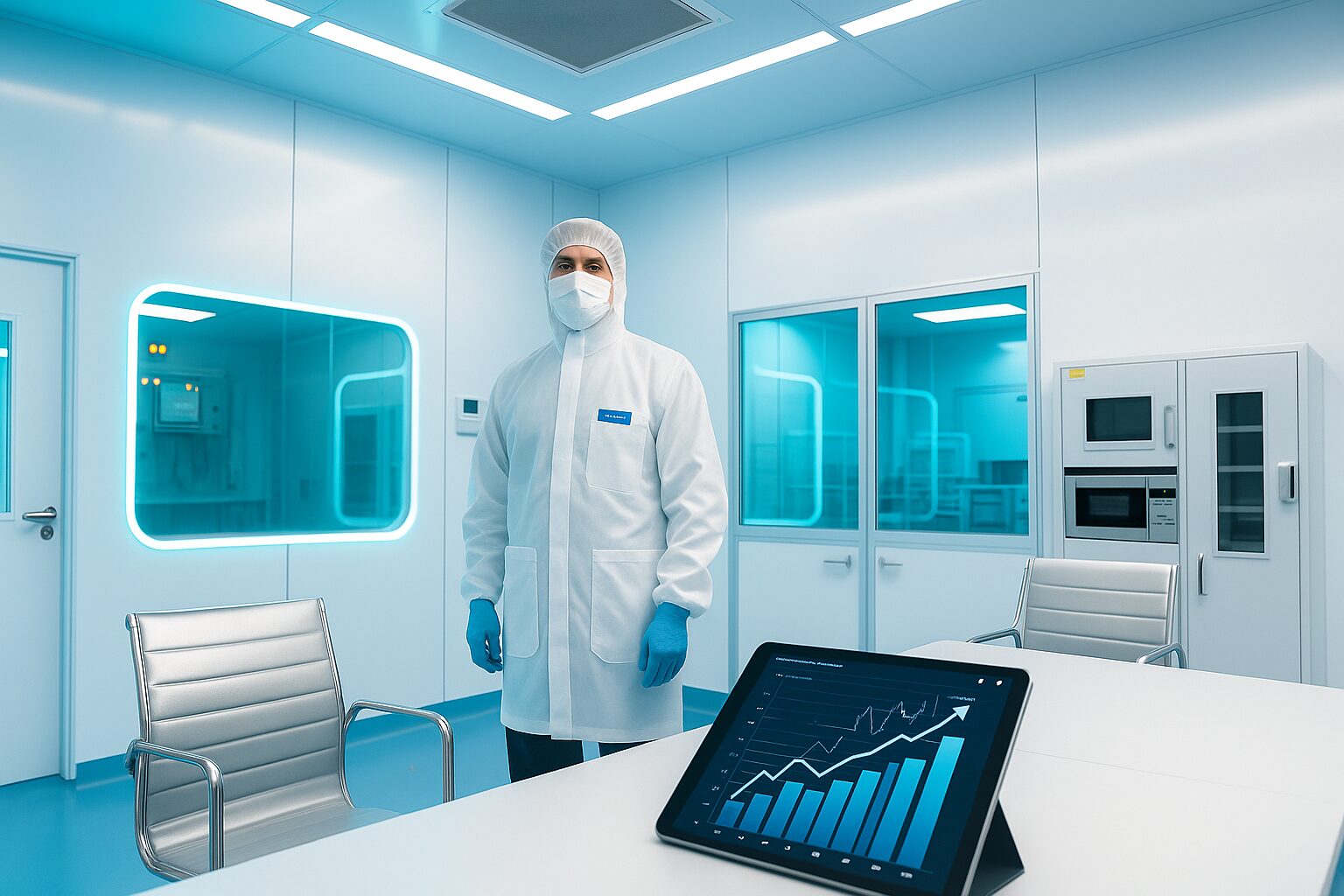
Cleanroom pressure differential in a semiconductor facility

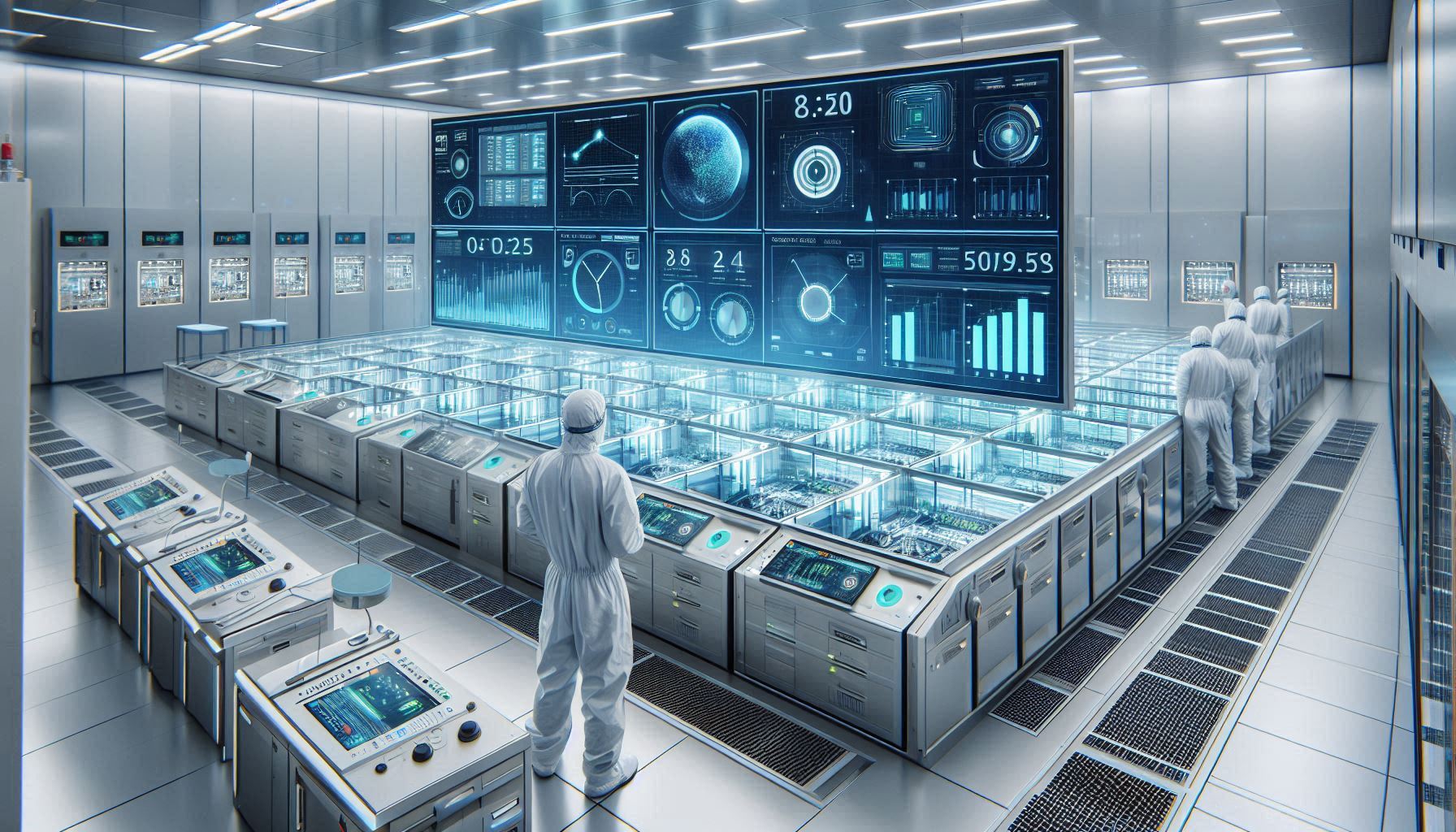
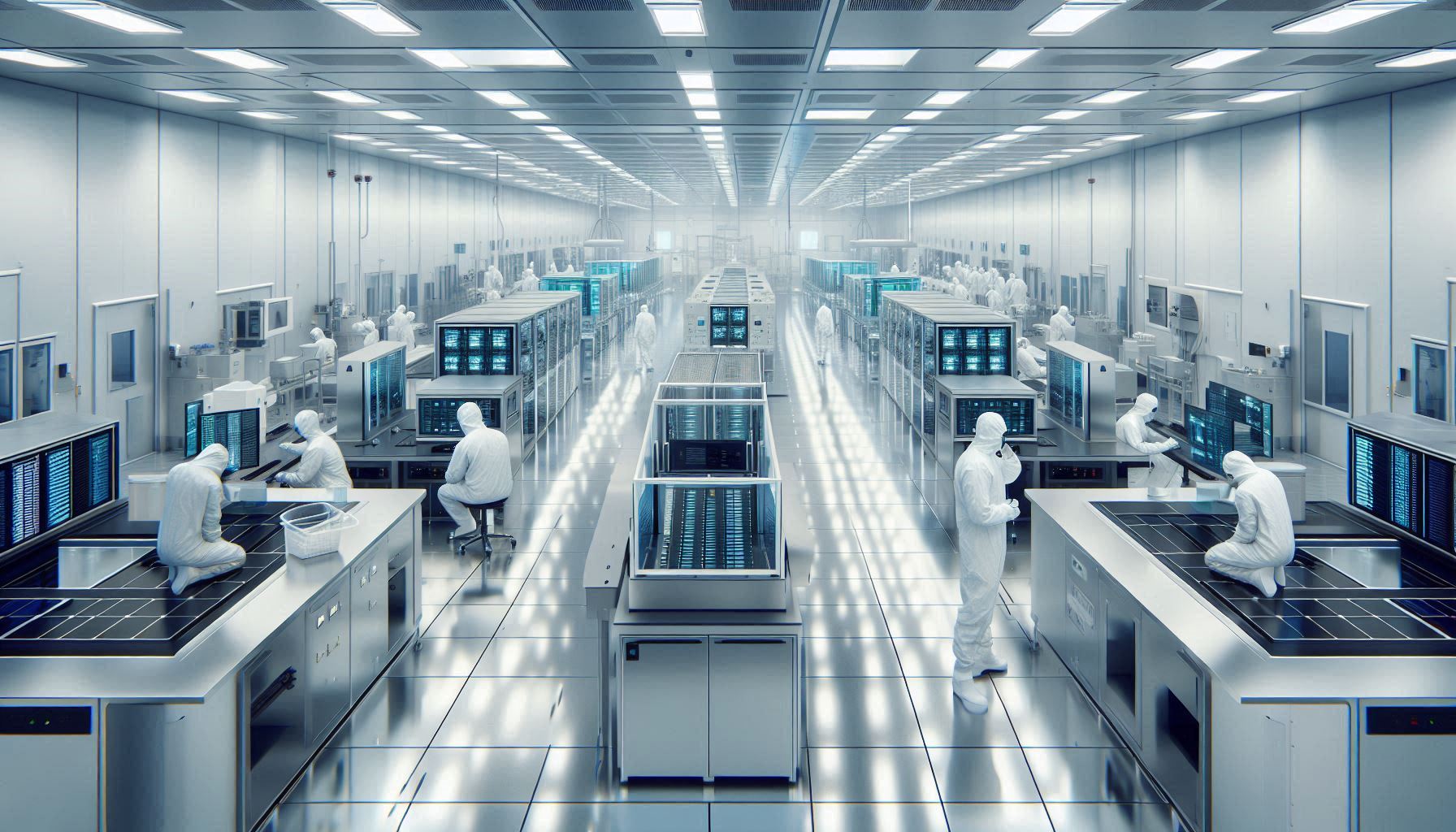
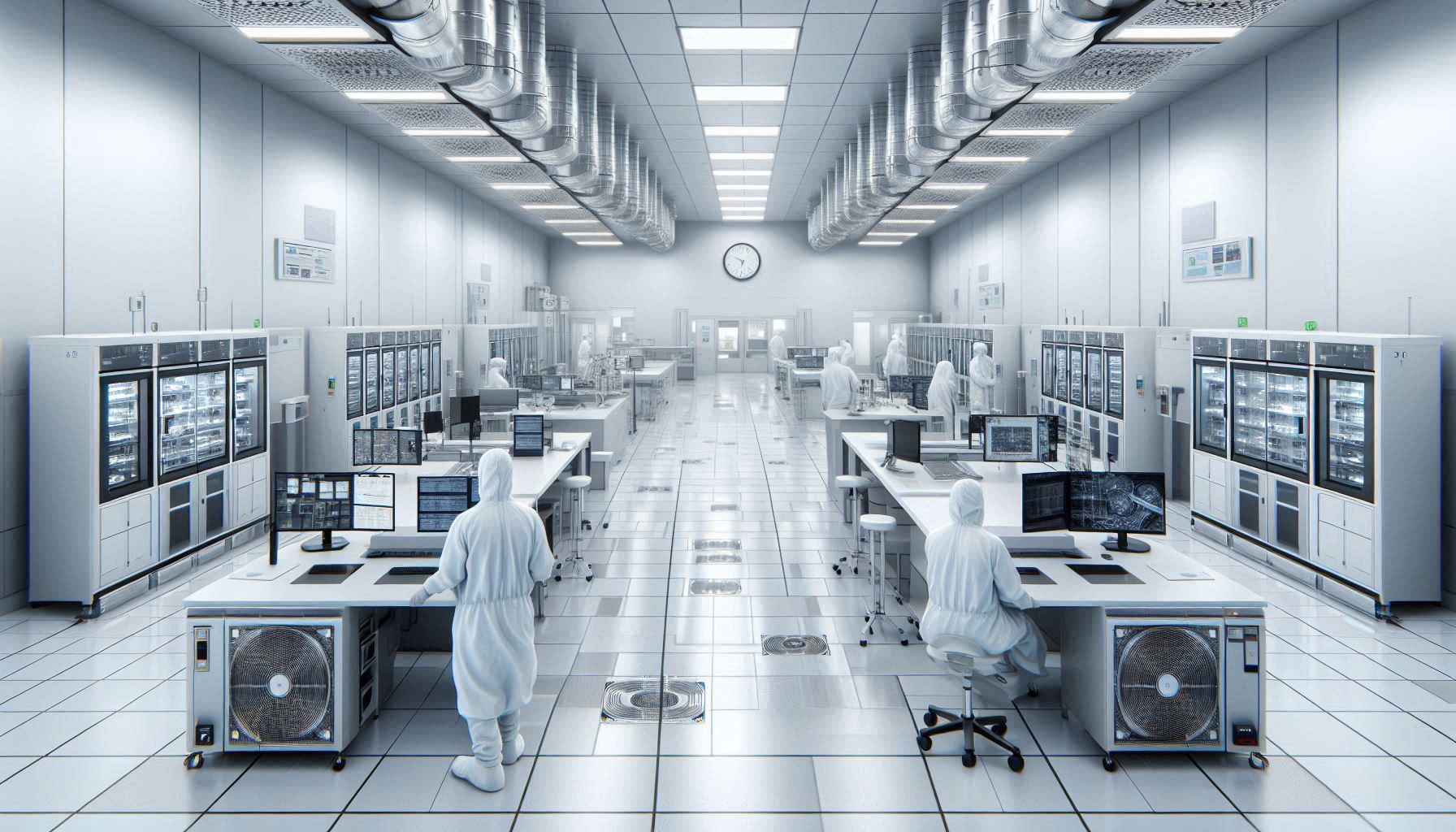
Cleanroom pressure differential optimization represents a critical success factor in semiconductor manufacturing, where even minor contamination can destroy entire production batches worth millions of rupees. The complexity of maintaining precise pressure differentials across multiple zones while accommodating dynamic process conditions requires sophisticated engineering approaches that balance contamination control with energy efficiency. Modern semiconductor facilities demand pressure management systems that respond intelligently to equipment operations, personnel movement, and environmental variations while maintaining the stringent cleanliness standards essential for advanced chip manufacturing.

Why the Particle Control is Required in the Cleanroom Environment

Understanding the fundamentals of pressure differential optimization enables facility managers and engineers to implement cost-effective solutions that enhance both product quality and operational efficiency. The challenge extends beyond simple static pressure maintenance to encompass real-time adjustments, predictive control strategies, and integration with overall facility management systems. Effective optimization directly impacts manufacturing yield rates, energy consumption, and compliance with international standards including ISO 14644 and regional requirements like BIS IS 15518.

Learn more about ISO 14644 standards

Understanding Cleanroom pressure differential Fundamentals in Semiconductor

Pressure differential optimization begins with understanding the physics of airflow control in contamination-sensitive environments. The fundamental principle relies on creating controlled airflow patterns that prevent particle migration from less clean areas toward critical manufacturing zones. This approach utilizes the natural tendency of air to flow from high-pressure regions toward low-pressure areas, effectively creating invisible barriers against contamination ingress.

Why Temperature and Humidity Control is Critical in Cleanrooms

Semiconductor cleanrooms typically implement cascade pressure systems where the most critical Class 1 areas maintain pressures 25-50 Pa above adjacent zones. This hierarchical approach creates multiple contamination barriers, ensuring that even temporary pressure disturbances don’t compromise manufacturing processes. The optimization process must account for the unique characteristics of semiconductor manufacturing, including frequent equipment cycling, personnel movement patterns, and the extreme contamination sensitivity of advanced processes.

The effectiveness of pressure differential systems depends on maintaining consistent airflow patterns during normal facility operations. Personnel movement through airlocks, door operations, and equipment startups all create pressure disturbances that optimized systems must compensate for automatically. Advanced facilities employ machine learning algorithms that predict these disturbances and proactively adjust system parameters to maintain optimal contamination control.

Temperature and humidity variations significantly impact pressure differential stability due to air density changes and thermal buoyancy effects. Optimization strategies must integrate pressure control with environmental conditioning systems to maintain stable conditions regardless of external weather variations or internal heat loads. This integration becomes particularly challenging in Indian climatic conditions where monsoon seasons create significant outdoor air condition variations.

HVAC Challenges Breaking Down for Practical Solutions in All Scenarios

Regulatory Standards and Compliance Framework for Optimization of Cleanroom pressure differential

ISO 14644-4 establishes the foundation for pressure differential requirements in semiconductor cleanrooms, specifying minimum differentials of 12.5 Pa between adjacent zones. However, optimization strategies for semiconductor applications typically exceed these minimums to provide robust contamination control during dynamic operating conditions. Modern facilities commonly implement differentials ranging from 15 Pa to 50 Pa depending on the specific contamination sensitivity of manufacturing processes.

BIS IS 15518 provides additional guidance specific to Indian semiconductor manufacturing facilities, incorporating regional considerations while maintaining compatibility with international standards. The optimization process must ensure compliance with these standards while adapting to local climatic conditions, power reliability concerns, and construction practices.

ISHRAE guidelines complement these standards by providing practical design recommendations for tropical and subtropical environments.

ASHRAE also provides relevant guidance for cleanroom design and operation.

Compliance optimization requires continuous monitoring and documentation of pressure differential performance throughout facility operation. Advanced monitoring systems utilize high-accuracy sensors capable of detecting variations as small as 1 Pa, enabling precise control adjustments that maintain compliance margins. The documentation requirements support regulatory inspections while providing data for ongoing optimization improvements.

The regulatory framework also addresses emergency response requirements, mandating that optimized systems maintain contamination control during various failure scenarios. Optimization strategies must incorporate backup systems and emergency protocols that ensure continued operation during power outages, equipment failures, and other disruptions. These requirements influence system design decisions and operational procedures throughout the facility lifecycle.

Advanced Cascade System Design and Implementation Strategies for Cleanroom pressure differential

Cascade pressure system optimization requires sophisticated analysis of airflow requirements, leakage characteristics, and system dynamics specific to semiconductor applications. The design process begins with detailed facility modeling that accounts for complex equipment layouts, personnel flow patterns, and process gas requirements. Computational fluid dynamics (CFD) analysis helps identify potential optimization opportunities while ensuring adequate contamination control throughout the facility.

Clean Room Classification – Ultimate Guide (ISO FS209E & IS15518)

Modern cascade systems employ variable frequency drives on all major air handling equipment, enabling precise pressure control that adapts to changing facility conditions. This optimization approach eliminates energy waste associated with constant-volume systems while maintaining superior contamination control effectiveness. Advanced control algorithms coordinate multiple air handling units to maintain optimal pressure relationships across the entire facility during varying load conditions.

The optimization of airlock systems within cascade designs requires careful attention to pressure transition rates and contamination control effectiveness. Personnel airlocks typically implement three-stage pressure transitions that minimize physical discomfort while maintaining contamination barriers. Material transfer airlocks require specialized optimization for semiconductor applications, including automated handling capabilities and decontamination protocols appropriate for sensitive manufacturing materials.

Integration with building automation systems enables centralized optimization of cascade pressure systems across multiple zones simultaneously. These systems provide real-time performance monitoring, automated adjustment capabilities, and predictive maintenance scheduling that optimizes both contamination control and energy efficiency. The integration supports facility-wide optimization strategies that coordinate pressure control with lighting, security, and process control systems.

Smart HVAC Systems – How to Protect in Data Centers

Smart Monitoring and Control Technologies for Real-Time Optimization of Cleanroom pressure differential

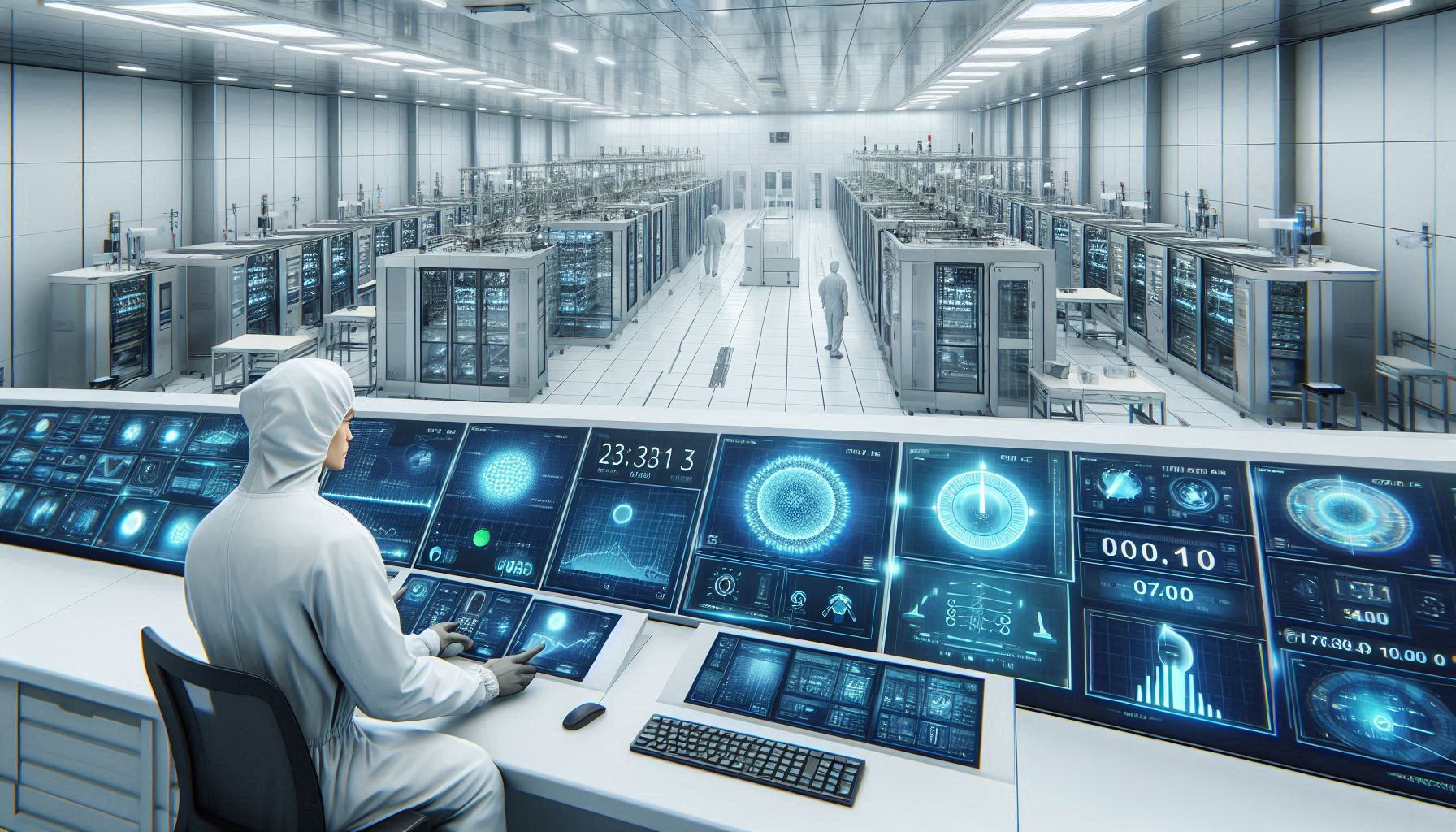
Artificial intelligence and machine learning technologies represent the cutting edge of pressure differential optimization in semiconductor facilities. These systems analyze vast amounts of operational data to identify patterns in equipment operation, personnel movement, and environmental conditions that affect pressure stability. Predictive algorithms enable proactive system adjustments that maintain optimal contamination control while minimizing energy consumption through continuous learning and adaptation.

Internet of Things sensor networks provide unprecedented visibility into pressure differential performance across all facility zones. Wireless sensors eliminate installation constraints while providing flexible monitoring capabilities that adapt to changing facility requirements. The sensor data supports both real-time optimization decisions and long-term performance analysis that identifies improvement opportunities.

Advanced building automation systems coordinate pressure control optimization with other facility systems including temperature control, humidity management, and air filtration. This integrated approach enables comprehensive optimization strategies that consider the interactions between multiple environmental parameters. The coordination prevents conflicting control actions while optimizing overall facility performance and energy efficiency.

Emergency response optimization requires integration with facility security systems, fire protection equipment, and emergency notification systems. Automated responses to various emergency scenarios ensure appropriate pressure control actions while maintaining personnel safety. These systems must be regularly tested and updated to ensure effective emergency response while supporting ongoing optimization objectives.

How AI is Revolutionizing HVAC

Energy Efficiency Optimization Strategies and Implementation

Energy optimization in pressure differential systems represents a significant opportunity for cost reduction while maintaining contamination control effectiveness. Variable frequency drive implementation on all major fans enables precise airflow control that matches actual pressure requirements rather than operating at maximum capacity continuously. This optimization approach typically reduces energy consumption by 20-40% while improving contamination control through more precise pressure management.

HVAC Systems – Why Sustainability is Important for Green Building

Heat recovery system integration provides substantial energy savings by capturing waste heat from exhaust air streams. However, semiconductor applications require careful optimization to prevent contamination cross-transfer between supply and exhaust air streams. Advanced heat recovery technologies including run-around loops and plate heat exchangers provide energy benefits while maintaining complete contamination isolation.

Demand-based pressure control optimization adjusts pressure differentials based on actual contamination risks and facility operating conditions. During periods of reduced personnel activity or equipment operation, pressure differentials can be optimized to maintain contamination control while reducing energy consumption. These strategies require sophisticated monitoring systems that accurately assess real-time contamination risks and adjust system parameters accordingly.

Renewable energy integration offers opportunities for sustainable pressure control optimization while maintaining critical contamination control requirements. Solar photovoltaic systems and wind energy can supplement conventional power sources, though the critical nature of cleanroom pressure control requires robust backup systems. Energy storage technologies enable optimization of renewable energy utilization while ensuring continuous operation during energy source variations.

Net Zero Energy Building HVAC Systems

Maintenance Optimization and Predictive Analytics Implementation

Predictive maintenance optimization utilizes sensor data and machine learning algorithms to identify maintenance needs before equipment failures occur. This approach minimizes unplanned downtime while ensuring optimal pressure differential performance throughout the facility lifecycle. Advanced analytics identify patterns in equipment performance that indicate developing problems, enabling proactive maintenance scheduling that prevents contamination control failures.

Filter replacement optimization represents a significant opportunity for both cost reduction and performance improvement. Traditional time-based replacement schedules often result in premature filter changes or inadequate contamination control due to overloaded filters. Optimization strategies utilize real-time pressure drop monitoring and particle loading analysis to determine optimal replacement timing based on actual performance rather than arbitrary schedules.

Seal and gasket maintenance optimization addresses one of the most common causes of pressure differential degradation. Regular inspection protocols and preventive replacement schedules help maintain system integrity while minimizing energy waste through leakage. Advanced facilities employ thermal imaging and ultrasonic leak detection to identify problems before they impact facility performance.

Control system calibration optimization ensures accurate pressure measurement and control response throughout the facility lifecycle. Regular calibration schedules based on equipment performance rather than arbitrary time intervals optimize both contamination control effectiveness and energy efficiency. Automated calibration systems can reduce maintenance costs while improving accuracy and documentation compliance.

HVAC Systems What Are Hidden Impacts of Overdesigning?

Integration with Manufacturing Process Equipment and Automation

Process equipment integration optimization addresses the significant challenges created by varying exhaust requirements, thermal loads, and process gas consumption in semiconductor manufacturing. Advanced control systems anticipate equipment operation cycles and adjust facility pressure control proactively to maintain optimal contamination control. This integration requires sophisticated communication protocols between process equipment and facility control systems.

Automated material handling system integration optimizes contamination control during wafer transport and storage operations. These systems require coordinated pressure control that accommodates material movement while maintaining contamination barriers. Integration with facility automation systems enables seamless operation that optimizes both manufacturing efficiency and contamination control effectiveness.

Emergency response integration ensures appropriate pressure control responses during various process equipment emergencies. Chemical spills, equipment fires, and toxic gas releases all require coordinated responses that maintain personnel safety while preserving contamination control where possible. These integration requirements must be carefully planned and regularly tested to ensure effective emergency response.

Process gas system integration addresses the complexity introduced by varying consumption rates and emergency purge requirements. Optimization strategies must accommodate normal process gas usage while maintaining contamination control during emergency purge events. Advanced control systems coordinate between process gas requirements and facility pressure control to optimize both manufacturing efficiency and safety.

Hazardous Area Classification – Innovative HVAC for Petrochemical

Troubleshooting and Performance Optimization Methods

Systematic troubleshooting optimization helps identify root causes of pressure differential problems while minimizing disruption to manufacturing operations. Common issues including filter loading, seal degradation, damper malfunction, and control system drift require specific diagnostic approaches that optimize both problem identification and resolution efficiency. Advanced diagnostic tools including pressure mapping and airflow visualization help identify problems that traditional monitoring might miss.

Data analysis optimization utilizes facility monitoring data to identify performance trends and optimization opportunities. Statistical analysis of pressure differential performance helps establish baseline conditions and identify deviations that indicate developing problems. This approach enables proactive optimization adjustments that prevent performance degradation before it impacts manufacturing processes.

Performance benchmarking optimization compares facility performance against industry standards and best practices to identify improvement opportunities. Regular performance assessments help identify areas where optimization efforts can provide the greatest benefits. Benchmarking also supports continuous improvement programs that drive ongoing optimization throughout the facility lifecycle.

Documentation optimization ensures that troubleshooting activities and performance improvements are properly recorded for future reference. Comprehensive documentation supports regulatory compliance while providing historical data that guides future optimization decisions. Digital documentation systems enable efficient information sharing and analysis that supports facility-wide optimization efforts.

HVAC Consultant – How They Can Save You Money and Energy

Validation and Qualification Optimization Protocols

Installation qualification optimization ensures that pressure control equipment is properly installed and configured for optimal performance from initial startup. This process includes verification of sensor accuracy, control logic programming, and integration with facility systems. Optimization during installation reduces commissioning time while ensuring that systems meet performance requirements immediately upon startup.

Operational qualification optimization demonstrates that pressure control systems perform as intended under all operating conditions while identifying opportunities for performance improvement. Testing protocols should encompass normal operation, challenging conditions, and emergency scenarios to ensure comprehensive system validation. The optimization process identifies control parameters that provide the best combination of contamination control and energy efficiency.

Performance qualification optimization establishes ongoing monitoring requirements and acceptance criteria that support continuous optimization throughout facility operation. Extended monitoring periods demonstrate consistent performance while identifying opportunities for system improvement. Statistical analysis of performance data helps establish alert limits and optimization triggers that maintain optimal operation.

Requalification optimization ensures continued compliance with performance standards while identifying opportunities for system upgrades and improvements. Risk-based requalification focuses on critical parameters that most directly impact contamination control effectiveness. The optimization process should consider technological advances and changing facility requirements that might benefit from system modifications.

IGBC Standards HVAC Systems – Guide Green Building Certification

Regional Considerations and Climate Adaptation Strategies

Indian semiconductor manufacturing facilities require optimization strategies adapted to tropical and subtropical climatic conditions that create unique challenges for pressure differential systems. Higher humidity loads and greater temperature variations impact system performance and require robust dehumidification and temperature control integration. Monsoon conditions create significant outdoor air condition variations that optimized systems must accommodate while maintaining stable indoor conditions.

Power reliability optimization addresses concerns in regions where electrical supply may be inconsistent or unreliable. Backup power systems must be sized appropriately to support essential contamination control functions during extended outages. Uninterruptible power systems and emergency generators require optimization to ensure seamless operation during power disturbances while minimizing energy costs during normal operation.

Local construction practice optimization adapts standard pressure differential design approaches to regional materials and installation capabilities. The availability of specialized cleanroom construction materials and skilled contractors can impact system design and performance. Early engagement with local suppliers and contractors helps identify optimization opportunities while ensuring system performance meets international standards.

Regulatory compliance optimization coordinates with BIS standards and local environmental regulations while maintaining compatibility with international requirements. The growing semiconductor industry in India requires optimization strategies that support world-class manufacturing standards while adapting to regional conditions. Collaboration with organizations like ISHRAE helps ensure optimized systems meet both international standards and local requirements.

HVAC Market Semiconductor – Driving Growth in India by 2030

Emerging Technologies and Future Optimization Opportunities

Artificial intelligence advancement promises revolutionary improvements in pressure differential optimization through autonomous system operation and predictive control capabilities. Machine learning algorithms will analyze increasingly complex data sets to identify optimization opportunities that human operators cannot detect. These systems promise to reduce energy consumption while improving contamination control through continuous learning and adaptation to changing facility conditions.

Digital twin technology enables comprehensive facility modeling that supports advanced optimization strategies through virtual testing and simulation. These digital representations allow optimization of system parameters without disrupting actual manufacturing operations. Digital twins support predictive maintenance, energy optimization, and performance improvement through detailed analysis of system interactions and performance characteristics.

Advanced materials development produces new filtration and sealing technologies that enable improved system performance while reducing maintenance requirements. Nanofiber filter media and smart materials that respond to environmental conditions offer possibilities for adaptive contamination control systems. These materials may enable self-optimizing systems that adjust performance based on real-time contamination risks and environmental conditions.

Modular system design enables more flexible and scalable optimization approaches that adapt quickly to changing technology requirements. Prefabricated equipment modules and standardized control interfaces reduce installation time and costs while ensuring consistent optimization performance. These approaches become particularly valuable as semiconductor manufacturing becomes more distributed and facilities must adapt quickly to evolving process requirements.

Innovations and Trends in HVAC Industry

FAQs

What pressure differential values optimize semiconductor cleanroom performance?

Optimized semiconductor cleanrooms typically maintain 15-25 Pa differentials between adjacent zones, with critical Class 1 areas requiring up to 50 Pa. These values exceed ISO 14644-4 minimums to provide robust contamination control during dynamic operating conditions while balancing energy efficiency considerations.

How do optimization strategies reduce energy consumption in pressure differential systems?

Optimization through variable frequency drives, demand-based control, and predictive algorithms typically reduces energy consumption by 20-40%. Heat recovery integration and renewable energy sources provide additional savings while maintaining contamination control effectiveness through intelligent system coordination.

What monitoring accuracy is required for pressure differential optimization?

Optimized semiconductor facilities require pressure measurement accuracy of ±1 Pa or better with redundant sensing systems. Real-time monitoring enables immediate optimization adjustments while continuous data analysis identifies long-term improvement opportunities and predictive maintenance needs.

How do cascade systems optimize contamination control in semiconductor facilities?

Cascade optimization creates hierarchical pressure levels with multiple contamination barriers through stepwise pressure reductions. Advanced control algorithms coordinate multiple zones simultaneously while variable frequency drives enable precise optimization that adapts to changing facility conditions.

What role does artificial intelligence play in pressure differential optimization?

AI systems analyze operational data to predict equipment needs, optimize energy consumption, and maintain contamination control through continuous learning. Machine learning algorithms identify patterns in facility operation that enable proactive optimization adjustments before problems develop.

How do regional climate conditions affect optimization strategies in India?

Indian facilities require optimization strategies adapted to tropical humidity loads, temperature variations, and monsoon conditions. Power reliability concerns necessitate robust backup systems while local construction practices and regulatory requirements influence optimization approaches and system design decisions.

Disclaimer

The content here is intended solely for educational and informational purposes. All case studies, examples, and hypothetical scenarios are illustrative in nature and do not refer to, endorse, or represent any actual company, organization, or product. Any similarity to real-world entities or events is purely coincidental. Readers are encouraged to verify any technical details or operational recommendations with additional, independent research prior to implementation. The author and publisher assume no responsibility or liability for any errors, omissions, or outcomes resulting from the use of this material.

About the Author

Mr. Om Prakash, with over 18 years of hands-on experience in the HVAC industry, brings unmatched expertise in cleanroom, semiconductor, pharmaceutical, data center, commercial, and industrial HVAC systems. As the founder of HVAC Technocrat, he specializes in customized HVAC design, energy efficiency audits, retrofit planning, and turnkey consultancy services across India. He simplifies complex HVAC concepts and shares real-world insights to support professionals, facility managers, and decision-makers. For enquiries or project support, call or WhatsApp at +91 9908091942, email hvactechnocrats@gmail.com, or visit www.hvactechnocrat.com. Also, follow his LinkedIn profile.

Disinfectant: How to Detect Hidden Problems in Sterile Cleanroom

Sterile cleanroom disinfectant being applied to a laboratory surface.

Sterile cleanroom disinfectant are crucial in maintaining contamination-free environments. However, hidden problems in these disinfectants can undermine their effectiveness. This article will guide you through the process of detecting and addressing these issues, ensuring your cleanroom remains truly sterile.

Understanding the Importance of Effective Cleanroom Disinfectant

Effective disinfectants are the backbone of any sterile cleanroom. They prevent microbial contamination, ensuring product safety and compliance with industry standards. But what happens when these disinfectants harbor hidden problems? Detecting these issues early is key to maintaining a sterile environment.

Identifying Hidden Problems in Cleanroom Disinfectant

Hidden problems in disinfectants can range from ineffective microbial control to harmful residues. Here are some common issues:

  • Microbial Resistance: Over time, microbes can develop resistance to certain disinfectants, reducing their effectiveness.
  • Chemical Residues: Residues left behind can interfere with sensitive equipment and processes.
  • Inconsistent Efficacy: Variations in concentration or application can lead to inconsistent results.
  • Compliance Issues: Disinfectants must meet regulatory standards. Hidden problems can cause compliance failures.
  • Health Risks: Certain disinfectants may pose health risks to personnel if not used correctly.

Steps to Detect Microbial Resistance

Microbial resistance is a significant issue. Regularly test your disinfectants to ensure they remain effective. Here’s how:

  • Conduct Routine Tests: Regular microbial tests help identify resistance early.
  • Rotate Disinfectants: Using different disinfectants can prevent resistance.
  • Monitor Microbial Loads: Keep track of microbial levels in your cleanroom.
  • Review Cleaning Protocols: Ensure protocols are followed accurately.

Assessing for Chemical Residues

Chemical residues can compromise cleanroom operations. Detecting these residues is vital:

  • Visual Inspections: Regularly inspect surfaces for visible residues.
  • Swab Tests: Perform swab tests to detect chemical residues.
  • Review Cleaning Procedures: Ensure proper rinsing after disinfectant use.
  • Test with Sensitive Equipment: Use equipment that can detect minimal residue levels.

Ensuring Consistent Efficacy

Consistency is crucial in disinfectant application. Follow these steps to ensure uniform efficacy:

  • Check Concentration: Always use the correct disinfectant concentration.
  • Standardize Application Methods: Ensure all personnel follow the same application procedures.
  • Regular Training: Train staff on proper disinfectant use and application.
  • Documentation: Keep detailed records of disinfectant usage and application techniques.

Ensuring Compliance with Regulatory Standards

Compliance with regulatory standards is non-negotiable. Detect and address hidden compliance issues by:

  • Regular Audits: Conduct regular internal and external audits.
  • Stay Updated: Keep up with the latest regulatory changes and guidelines.
  • Documentation: Maintain thorough documentation of disinfectant usage and efficacy.
  • Third-Party Testing: Use third-party labs to verify disinfectant efficacy and compliance.

Monitoring for Health Risks against disinfectant

Disinfectants should not pose health risks to personnel. Here’s how to detect potential health hazards:

  • Review Safety Data Sheets (SDS): Always review and follow the safety guidelines provided in the SDS.
  • Monitor for Symptoms: Keep an eye out for any symptoms among staff that could indicate exposure to harmful disinfectants.
  • Proper Ventilation: Ensure the cleanroom has proper ventilation to minimize inhalation risks.
  • Personal Protective Equipment (PPE): Ensure all staff use appropriate PPE when handling disinfectants.

Regular Testing and Monitoring

Regular testing and monitoring are essential for detecting hidden problems in disinfectants. Implement a robust testing schedule:

  • Microbial Testing: Conduct routine microbial testing to detect any resistance issues.
  • Residue Testing: Perform regular tests to ensure no harmful residues remain.
  • Efficacy Testing: Regularly test the efficacy of your disinfectants.
  • Compliance Testing: Ensure your disinfectants comply with all relevant standards and regulations.

Training and Education

Proper training and education are vital for detecting and addressing hidden problems. Educate your staff on the following:

  • Proper Disinfectant Use: Train staff on the correct use of disinfectants.
  • Detection Techniques: Teach staff how to detect potential issues early.
  • Regulatory Compliance: Ensure staff are aware of regulatory standards and requirements.
  • Health and Safety Protocols: Educate staff on health and safety protocols to minimize risks.

Choosing the Right Disinfectant

Selecting the right disinfectant can prevent many hidden problems. Consider these factors when choosing a disinfectant:

  • Efficacy: Ensure the disinfectant is effective against a wide range of microbes.
  • Compatibility: Verify that the disinfectant is compatible with your cleanroom materials and equipment.
  • Safety: Choose disinfectants that pose minimal health risks to personnel.
  • Regulatory Compliance: Ensure the disinfectant meets all relevant regulatory standards.

FAQ

How do you test the effects of disinfectant?

Testing disinfectants involves several methods. Microbial tests measure how effectively the disinfectant kills or inhibits microorganisms. Surface compatibility tests ensure the disinfectant doesn’t damage materials in the cleanroom. Residue analysis checks for any leftover chemicals that might interfere with equipment. Lastly, efficacy over time tests assess if the disinfectant remains effective after repeated use.

What are the disinfectant validation requirements for cleanrooms?

Disinfectant validation for cleanrooms ensures the cleaning agents are effective and safe. It involves several steps, including selecting appropriate disinfectants, validating their efficacy through microbial tests, ensuring they don’t leave harmful residues, and checking their compatibility with cleanroom surfaces. Additionally, regular audits and compliance checks are crucial to maintaining standards.

What is the test for disinfectant efficiency?

Disinfectant efficiency is tested using microbial load reduction tests. These tests involve applying the disinfectant to a contaminated surface and measuring the reduction in microorganisms. Another method is the use-dilution test, which assesses the disinfectant’s effectiveness at various concentrations. Consistent results over time indicate high efficiency.

What are the common hidden problems in sterile cleanroom disinfectant?

Common hidden problems in disinfectants include microbial resistance, chemical residues, inconsistent efficacy, compliance issues, and potential health risks. Microbial resistance can reduce effectiveness. Residues might interfere with processes. Inconsistent application can lead to varying results. Compliance issues arise if the disinfectant doesn’t meet regulatory standards. Health risks occur if the disinfectant is hazardous to personnel.

How can I detect microbial resistance in my disinfectant?

Detecting microbial resistance involves regular microbial testing. These tests identify if microorganisms are becoming resistant to the disinfectant. Rotating disinfectants can prevent resistance. Monitoring microbial loads in the cleanroom and reviewing cleaning protocols also help in early detection of resistance.

What steps can I take to ensure my disinfectants do not leave harmful residues?

To ensure disinfectants do not leave harmful residues, perform visual inspections and swab tests regularly. Proper rinsing procedures should be followed to remove any leftover chemicals. Testing with sensitive equipment can detect minimal residue levels. Reviewing and updating cleaning procedures is also essential to prevent residue buildup.

How can I ensure my disinfectants consistently work effectively?

Consistency in disinfectant efficacy can be maintained by using the correct concentration, standardizing application methods, and providing regular training to staff. Detailed records of disinfectant usage and techniques help track consistency. Periodic efficacy tests ensure the disinfectant remains effective over time.

What should I do to ensure my disinfectants comply with regulatory standards?

Ensure regulatory compliance by conducting regular internal and external audits. Stay updated on the latest regulatory changes and guidelines. Maintain thorough documentation of disinfectant usage and efficacy. Using third-party labs to verify compliance and efficacy can provide an additional layer of assurance.

How can I prevent health risks associated with disinfectant?

Prevent health risks by reviewing Safety Data Sheets (SDS) and following the recommended safety guidelines. Monitor staff for any symptoms indicating exposure to harmful disinfectants. Ensure proper ventilation in the cleanroom to minimize inhalation risks. Provide appropriate personal protective equipment (PPE) for staff handling disinfectants.

Conclusion

Detecting hidden problems in your sterile cleanroom disinfectant is essential for maintaining a sterile environment. Regular testing, proper training, and vigilant monitoring can help you identify and address these issues early. By following these guidelines, you can ensure your cleanroom remains contamination-free and compliant with industry standards.

About The Author

Omprakash Ramagiri; as the Founder of HVAC Technocrats, I bring over 18 years of experience as a Mechanical Engineer specializing in HVAC (Central Air-conditioning) for commercial, cleanrooms, data centers, and Petrochemical industries. Throughout my career, I’ve held pivotal roles at companies like TATA Consulting Engineers, MW Zander (for Cleanroom solutions), Bluestar Malaysia, and ETA in Dubai. I’ve managed international HVAC projects and gained valuable exposure in dynamic markets like Dubai and Saudi Arabia. With a passion for excellence and a commitment to innovative solutions, I specialize in designing Class 10K & 100K Cleanrooms for various industries. Connect with me to explore collaborations in HVAC design, project sales, and consultancy. Click to visit the Author’s Linkedin page


Disclaimer: The pictures used are for illustrative purposes only. They may not depict actual products or situations and are meant for educational purposes. Actual products, situations, or outcomes may differ.