HVAC Challenges: Breaking Down for Practical Solutions in All Scenarios

Illustration of advanced HVAC systems across industries including commercial buildings, cleanrooms, data centers, and factories. Features smart thermostat, energy-efficient cooling technologies, AI-powered monitoring, solar panels, and wind turbines.

HVAC Challenges: Breaking Down for Practical Solutions in All Scenarios

HVAC systems are the backbone of comfort and safety across homes, offices, factories, and specialized facilities. Yet, professionals face a maze of challenges—from energy inefficiency in aging systems to maintaining sterile environments in labs. This article breaks down common HVAC hurdles and offers actionable solutions tailored to residential, commercial, and industrial scenarios. Whether you’re troubleshooting airflow imbalances or retrofitting systems for sustainability, this guide equips you with strategies to tackle problems head-on.

Understanding Common HVAC Challenges Across Industries

HVAC issues vary widely depending on the setting. In homes, uneven cooling and high utility bills dominate complaints. Offices struggle with balancing air quality across open floor plans, while factories face heat management near heavy machinery. High-stakes environments like labs and hospitals demand precision humidity control and contamination prevention. For example, a hospital in Southeast Asia reduced airborne infections by 22% after upgrading to HEPA filters with UV-C light integration.

Residential HVAC: Solving Everyday Comfort Issues

Uneven Temperature Distribution
Rooms feeling like different climates? Duct leaks or improper insulation are common culprits. Sealing gaps with mastic tape and adding attic insulation can balance airflow. Smart thermostats [like these] simplify zoning, allowing customized temperatures for each room.

High Energy Bills
Older systems guzzle energy. Solutions include replacing outdated units with ENERGY STAR-rated models (up to 20% savings), scheduling seasonal maintenance to clean coils and check refrigerant levels, and installing programmable thermostats to reduce runtime during off-peak hours. A retrofit project in Texas saw homeowners cut cooling costs by 35% after switching to a variable-speed heat pump.

Commercial HVAC: Balancing Air Quality and Efficiency

Open-plan offices, retail spaces, and restaurants need systems that handle high occupancy without spiking energy use. Challenges include meeting ASHRAE Standard 62.1 for indoor air quality (IAQ), using dampers to direct airflow to crowded areas, and addressing clogged filters that reduce efficiency by 15–20%. A café chain in Europe adopted demand-controlled ventilation (DCV), which adjusts airflow based on CO2 sensors, slashing energy use by 25%.

Industrial HVAC: Managing Extreme Conditions

Factories, warehouses, and chemical plants require robust systems to handle heat, fumes, and dust. Key challenges include spot cooling for welding stations or furnaces, using electrostatic precipitators to capture fine particles, and installing backup systems to prevent downtime during failures. A textile mill in India integrated evaporative cooling pads with IoT-enabled fans, reducing ambient temperatures by 8°C while adhering to ECBC 2017 guidelines.

Specialized Environments: Labs, Hospitals, and Data Centers

Labs and Cleanrooms
Precision is non-negotiable. ISO Class 5 cleanrooms need 40+ air changes per hour (ACH). Challenges include maintaining pressure differentials and filtering chemical vapors. A biotech startup achieved compliance by pairing laminar airflow hoods with redundant exhaust fans.

Hospitals
HVAC systems must prevent cross-contamination. Strategies include HEPA filters with 99.97% efficiency, negative-pressure isolation rooms, and UVGI systems to neutralize pathogens.

Data Centers
Cooling consumes 40% of energy. Liquid immersion cooling and hot/cold aisle containment are game-changers. A Midwest data center cut cooling costs by 50% using AI-driven chilled water pumps.

Retrofitting Older Systems for Modern Demands

Many buildings operate with outdated HVAC infrastructure. Retrofits can enhance performance without full replacements. Options include variable refrigerant flow (VRF) for buildings with shifting occupancy, energy recovery ventilators (ERVs) to recycle heat from exhaust air, and ductless mini-splits to solve zoning issues in historic homes. A 1980s office tower in Melbourne achieved LEED Gold certification after retrofitting with VRF and solar-assisted heat pumps.

Energy Efficiency and Sustainability Solutions

Smart HVAC Technologies
IoT sensors and AI algorithms optimize runtime and detect faults early. For instance, predictive maintenance tools alert technicians about failing components before breakdowns occur.

Renewable Integration
Solar-powered absorption chillers and geothermal heat pumps reduce reliance on grids. A factory in Sweden runs its HVAC entirely on wind energy, cutting carbon emissions by 90%.

Compliance with Standards
ASHRAE 90.1 and India’s ECBC mandate efficiency benchmarks. Incentives like tax credits for LEED-certified projects accelerate ROI.

Troubleshooting Frequent HVAC Problems

Common issues include short cycling (caused by oversized units), poor airflow (due to dirty filters or blocked ducts), and refrigerant leaks. Solutions include load calculations using Manual J software, regular inspections, and repairs per EPA Section 608 guidelines.

Case Studies: Real-World Problem-Solving

  • A mall in Dubai resolved humidity issues by installing desiccant dehumidifiers, improving customer comfort and reducing mold complaints.
  • A pharma plant met FDA GMP standards using ISO 7-rated filters and automated pressure controls, cutting contamination risks by 40%.

Future-Proofing HVAC Systems

Emerging trends include hydrogen-ready boilers, 3D-printed ducts to reduce waste, and grid-interactive systems that adjust usage during peak demand.

FAQs

1. How often should HVAC filters be replaced?
Every 1–3 months, depending on usage and filter type (e.g., fiberglass vs. HEPA).

2. Can smart thermostats work with older systems?
Yes, but they may require a C-wire adapter for power.

3. What’s the lifespan of a commercial HVAC unit?
15–20 years with proper maintenance.

4. How do I calculate cooling capacity for a server room?
Use ASHRAE’s heat load equations, factoring in server wattage and room size.

5. Are geothermal systems worth the upfront cost?
Yes—payback periods average 5–10 years via energy savings.

6. What’s the best way to reduce HVAC noise?
Install vibration dampers and acoustically lined ducts.

Disclaimer: Disclosure: Some links may earn us a commission at no extra cost to you.

How to Choose the Right HVAC Valve for Commercial Building?

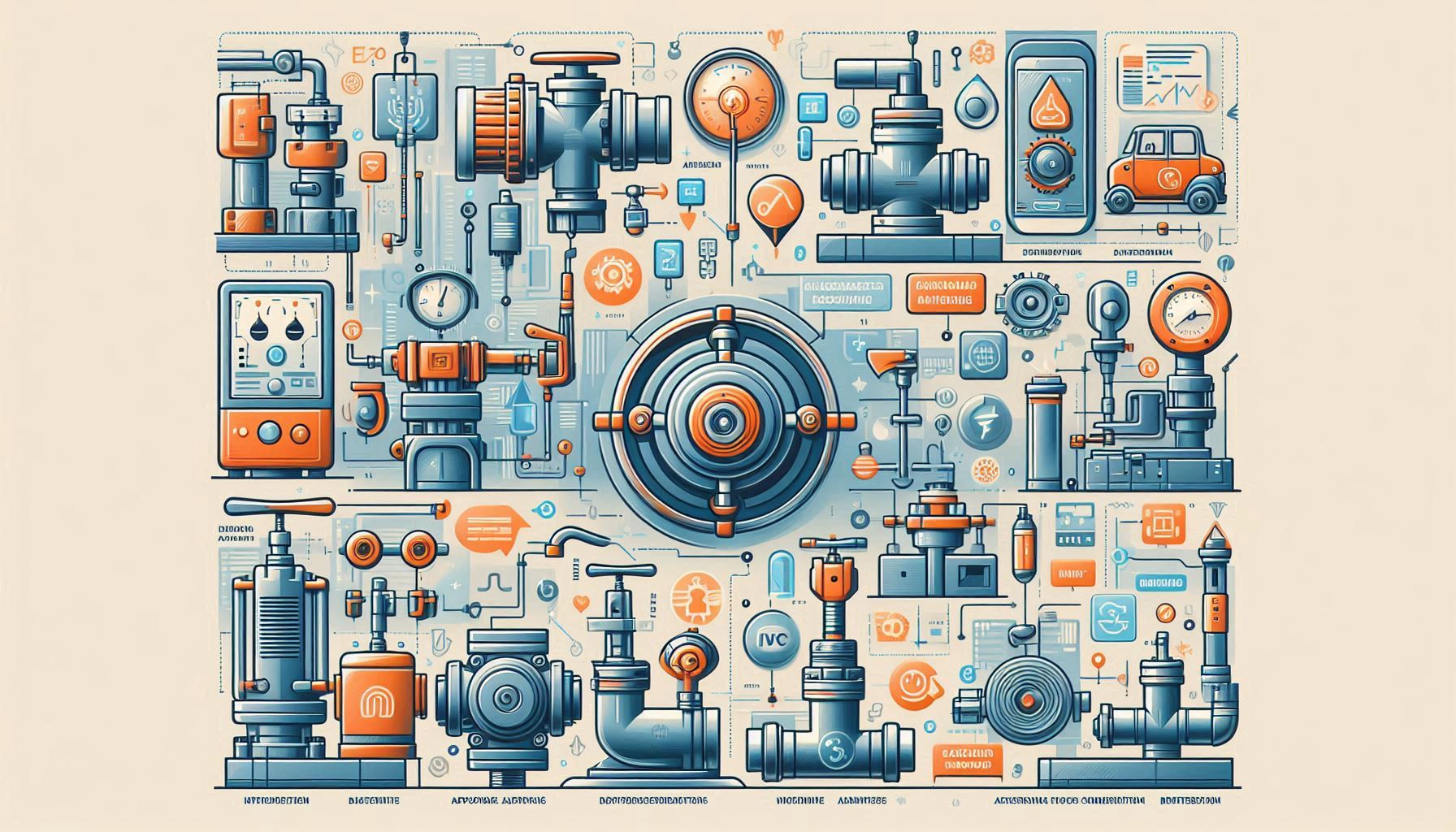
Selection of HVAC valves for commercial buildings showing different types and features.

Choosing the right HVAC valve for your commercial building can significantly influence system performance, energy efficiency, and overall comfort. With numerous options available, each offering distinct advantages, understanding what factors to consider is essential for making an informed decision. This article explores the key aspects of selecting HVAC valves, providing insights into types, specifications, materials, and the latest innovations. By the end, you’ll have a clearer understanding of how to choose the optimal HVAC valve tailored to your building’s needs.

What Factors Should You Consider When Selecting an HVAC Valve for Commercial Spaces?

When selecting an HVAC valve for commercial spaces, several crucial factors must be considered. First, the valve’s compatibility with the existing HVAC system is vital. Ensure that the valve type and size align with the system’s requirements to maintain efficiency and performance. Additionally, assess the valve’s intended application, whether it’s for heating, cooling, or ventilation. Consider the environment where the valve will be installed, including factors like temperature, pressure, and potential exposure to corrosive elements. Reliability and ease of maintenance are also important; choose valves from reputable manufacturers known for quality and durability. Finally, evaluate the valve’s energy efficiency features to ensure it contributes positively to your building’s overall energy management strategy.

How Do Different HVAC Valve Types Affect Building Efficiency?

Different HVAC valve types can significantly impact building efficiency. For instance, control valves regulate the flow of air or water within the system, influencing how effectively the HVAC system responds to varying loads. Thermostatic valves help in maintaining precise temperatures by adjusting based on preset conditions. Pressure-independent control valves ensure consistent flow rates despite pressure changes, enhancing overall system stability. Each valve type plays a role in optimizing energy usage, improving comfort, and reducing operational costs. Therefore, understanding how each type affects your system’s performance is crucial for achieving optimal efficiency.

What Are the Key Specifications to Look for in Commercial HVAC Valves?

Key specifications to look for in commercial HVAC valves include size, pressure rating, flow capacity, and material. The size of the valve must match the piping and system requirements to ensure proper flow and avoid pressure drops. The pressure rating should align with the system’s maximum operating pressure to prevent failures. Flow capacity is essential for determining how much air or water the valve can handle, affecting system performance. Material choice impacts durability and resistance to environmental factors. Stainless steel, brass, and other high-quality materials offer long-lasting performance. Additionally, consider valve features like control options, ease of installation, and maintenance requirements.

How Does Valve Sizing Impact HVAC System Performance?

Valve sizing plays a critical role in HVAC system performance. An improperly sized valve can lead to issues such as inadequate flow rates, pressure drops, and inefficient system operation. A valve that is too small may restrict flow, causing increased energy consumption and reduced comfort. Conversely, a valve that is too large may not provide adequate control over flow rates, leading to over-cooling or over-heating. Accurate valve sizing ensures that the valve matches the system’s requirements, facilitating optimal performance and energy efficiency. Properly sized valves contribute to balanced airflow, consistent temperature control, and overall system reliability.

What Are the Advantages of Motorized vs. Manual HVAC Valves?

Motorized and manual HVAC valves each offer distinct advantages. Motorized valves provide automated control, allowing for precise adjustments based on system demands or external inputs from building management systems. This automation enhances system efficiency, reduces the need for manual intervention, and improves response times. On the other hand, manual valves offer simplicity and lower upfront costs, making them suitable for systems where frequent adjustments are not required. They also provide reliable performance with minimal electronic components. Choosing between motorized and manual valves depends on your building’s specific needs, control requirements, and budget considerations.

How Do HVAC Valve Materials Influence Longevity and Maintenance?

The materials used in HVAC valves significantly impact their longevity and maintenance. High-quality materials like stainless steel and brass offer excellent resistance to corrosion, wear, and high temperatures, ensuring a longer service life. These materials also reduce the frequency of maintenance and replacement. Conversely, valves made from lower-grade materials may suffer from premature wear and require more frequent upkeep. Selecting valves with materials suited to your building’s specific conditions, such as temperature and pressure, helps in achieving long-term reliability and minimizing maintenance efforts.

What Role Do Control Systems Play in Choosing HVAC Valves?

Control systems play a crucial role in selecting HVAC valves by determining how valves interact with the overall HVAC system. Advanced control systems enable precise regulation of valve operation, optimizing performance based on real-time data and environmental conditions. This integration allows for enhanced energy management, improved comfort levels, and reduced operational costs. When choosing HVAC valves, consider compatibility with existing control systems or the need for additional control components. Effective control systems ensure that valves operate efficiently and respond accurately to changing system demands.

How Can You Determine the Best HVAC Valve for Energy Efficiency?

Determining the best HVAC valve for energy efficiency involves evaluating several factors. Look for valves with features that support energy-saving measures, such as variable flow capabilities and precise control options. Choose valves with high-performance ratings and low pressure drops to minimize energy losses. Additionally, consider valves that integrate with energy management systems to optimize their operation based on real-time data. Analyzing the valve’s impact on the overall system’s energy consumption and efficiency helps in selecting the most suitable option for achieving energy savings.

To know more about How BTU Meters Enhance Energy Efficiency in HVAC Systems Click Here

What Are the Latest Innovations in HVAC Valve Technology for Commercial Buildings?

Recent innovations in HVAC valve technology include smart valves with integrated sensors and IoT capabilities for enhanced control and monitoring. Advanced materials and coatings improve durability and performance in various environmental conditions. Energy-efficient designs focus on reducing energy consumption and operational costs. Additionally, automated and self-adjusting valves offer improved accuracy and responsiveness. These innovations contribute to better system integration, increased efficiency, and more effective management of HVAC systems in commercial buildings.

To know more about The Latest Innovations in HVAC Valve Technology Click Here

How Do Building Codes and Standards Affect HVAC Valve Selection?

Building codes and standards impact HVAC valve selection by setting requirements for safety, performance, and efficiency. Compliance with these regulations ensures that the selected valves meet the necessary criteria for operation and installation. Codes may specify performance benchmarks, material standards, and installation practices that must be adhered to. Choosing valves that align with these codes helps in avoiding potential issues during inspections and ensures the system operates within legal and safety guidelines.

What Are Common Mistakes to Avoid When Choosing HVAC Valves?

Common mistakes to avoid when choosing HVAC valves include selecting the wrong valve size, neglecting compatibility with existing systems, and overlooking long-term maintenance needs. Failing to consider the valve’s impact on energy efficiency and system performance can also lead to suboptimal results. Additionally, not evaluating the valve’s material quality and durability may result in premature failures. To avoid these pitfalls, ensure thorough assessment of your building’s needs, proper sizing, and alignment with system requirements.

How Do HVAC Valve Choices Impact Overall Building Comfort?

HVAC valve choices impact overall building comfort by affecting temperature control, airflow distribution, and system responsiveness. Properly selected valves ensure balanced air distribution, consistent temperatures, and efficient operation. This enhances occupant comfort and prevents issues like uneven heating or cooling. Valves that support precise control and efficient performance contribute to a comfortable and stable indoor environment, aligning with the building’s heating and cooling needs.

What Should You Know About HVAC Valve Installation and Integration?

HVAC valve installation and integration involve ensuring proper placement, alignment, and connection with the existing system. Installation should follow manufacturer guidelines and industry best practices to ensure optimal performance and longevity. Integration with control systems and other components must be done carefully to ensure seamless operation. Proper installation and integration contribute to the valve’s efficiency and effectiveness in the HVAC system.

To know more about HVAC Valves How to Troubleshoot Common Issues Click Here

How Can You Assess the Cost-Effectiveness of Different HVAC Valves?

Assessing the cost-effectiveness of different HVAC valves involves evaluating both upfront costs and long-term savings. Consider factors such as initial purchase price, installation costs, and expected maintenance expenses. Additionally, analyze the valve’s impact on energy efficiency and operational costs. Valves that offer higher energy savings and reduced maintenance can provide better long-term value despite a higher initial cost. Conduct a thorough cost-benefit analysis to determine the most cost-effective option for your building.

FAQ

What Valves Are Used in HVAC?

HVAC systems use various valves including control valves, isolation valves, pressure relief valves, and balancing valves. These valves regulate fluid flow, maintain pressure, and ensure system efficiency.

What Is an HVAC Control Valve?

An HVAC control valve regulates the flow of air or fluid in a system based on temperature, pressure, or other environmental factors. It ensures optimal performance and comfort by adjusting the flow as needed.

Right HVAC Valve for Commercial Building Size

Choosing the right HVAC valve for a commercial building depends on the building’s size, system design, and specific needs. Proper sizing ensures efficient operation and energy savings.

Right HVAC Valve for Commercial Building in India

For commercial buildings in India, select HVAC valves that comply with local standards and climate conditions. Consider factors like humidity and temperature variations in the selection process.

Right HVAC Valve for Commercial Building Diagram

A right HVAC valve for a commercial building can be identified through detailed system diagrams. These diagrams illustrate valve placement and connections within the HVAC system for optimal performance.

HVAC Valves Types PDF

A PDF detailing HVAC valve types can be useful for understanding the different valve options available. It includes information on control valves, isolation valves, and more, with their applications and specifications.

HVAC Duct Valve

An HVAC duct valve controls airflow within the duct system. It helps regulate the distribution of air throughout the building, ensuring balanced temperature and air quality.

HVAC Valve for Commercial Building Types

Commercial buildings may use various HVAC valve types, including motorized, manual, and pressure-regulating valves. The choice depends on the system’s requirements and building specifications.

HVAC Valve for Commercial Building PDF

A PDF on HVAC valves for commercial buildings provides detailed information on valve types, specifications, and applications. It helps in selecting the appropriate valve for specific commercial HVAC needs.

Best HVAC Valve for Commercial Building

The best HVAC valve for a commercial building depends on factors like system size, usage, and efficiency needs. Consider valves that offer reliability, energy savings, and compatibility with the building’s HVAC system.

HVAC Service Valve

An HVAC service valve allows technicians to isolate and service parts of the HVAC system. It’s crucial for maintenance and repair, ensuring the system remains operational and efficient.

Conclusion

Choosing the right HVAC valve for your commercial building involves careful consideration of various factors, including valve types, specifications, and materials. Understanding how different valves affect efficiency, performance, and comfort is crucial for making an informed decision. By evaluating the latest innovations, building codes, and common mistakes, you can select a valve that enhances system performance and meets your building’s needs. Proper valve selection not only contributes to energy efficiency but also ensures long-term reliability and comfort for occupants.

About The Author

Omprakash Ramagiri; as the Founder of HVAC Technocrats, I bring over 18 years of experience as a Mechanical Engineer specializing in HVAC (Central Air-conditioning) for commercial, cleanrooms, data centers, and Petrochemical industries. Throughout my career, I’ve held pivotal roles at companies like TATA Consulting Engineers, MW Zander (for Cleanroom solutions), Bluestar Malaysia, and ETA in Dubai. I’ve managed international HVAC projects and gained valuable exposure in dynamic markets like Dubai and Saudi Arabia. With a passion for excellence and a commitment to innovative solutions, I specialize in designing Class 10K & 100K Cleanrooms for various industries. Connect with me to explore collaborations in HVAC design, project sales, and consultancy. Click to visit the Author’s Linkedin page


Disclaimer: The content and images are for educational purposes and knowledge enhancement only. They may not depict actual products or situations. Outcomes may vary. Content is generated by AI and reviewed by industry experts, including Author.