Cleanroom MAU Design for Semiconductor Industry

Cleanroom MAU Design for Semiconductor Industry

Make-up Air Units MAU Design for Semiconductor Industry represent the backbone of semiconductor cleanroom environmental control systems. These specialized units maintain the precise atmospheric conditions essential for manufacturing integrated circuits and microprocessors. Unlike conventional HVAC systems, semiconductor cleanroom MAU systems must deliver unprecedented levels of air purity, temperature stability, and humidity control to prevent contamination that could destroy millions of dollars worth of semiconductor wafers.

The semiconductor industry operates within tolerances measured in nanometers, where even microscopic particles can render entire production batches unusable. Therefore, MAU design becomes a critical engineering discipline that directly impacts product yield, manufacturing efficiency, and ultimately, the profitability of semiconductor fabrication facilities. Modern fab facilities invest heavily in sophisticated MAU systems because the cost of contamination far exceeds the investment in premium environmental control equipment.

Enjoying this content? Get expert HVAC updates on our Telegram Channel.

Fundamental Design Principles for Semiconductor MAU Systems

Semiconductor MAU design follows stringent engineering principles that prioritize contamination prevention above all other considerations. The primary design objective focuses on delivering ultra-clean air at precise temperature and humidity levels while maintaining positive pressure differentials throughout the cleanroom environment. These systems must operate continuously without interruption, as even brief shutdowns can compromise ongoing manufacturing processes and result in substantial financial losses.

The design process begins with comprehensive contamination risk assessment, identifying potential sources of particles, chemicals, and biological contaminants that could affect semiconductor manufacturing. Engineers must consider both external contamination sources and internal generation mechanisms, including human activity, equipment operations, and material handling processes. This holistic approach ensures that MAU systems address all potential contamination pathways while maintaining optimal environmental conditions.

Furthermore, cleanroom design and construction requirements demand that MAU systems integrate seamlessly with architectural elements, including ceiling systems, wall configurations, and floor layouts. The interdisciplinary nature of semiconductor facility design requires close collaboration between HVAC engineers, architects, process engineers, and contamination control specialists to achieve optimal results.

Advanced Filtration Technologies in MAU Design

Modern semiconductor MAU systems incorporate multiple filtration stages to achieve the ultra-clean air quality required for nanometer-scale manufacturing processes. The filtration hierarchy typically begins with pre-filters that remove larger particles and protect downstream components from premature loading. These initial stages utilize pleated filters with efficiency ratings appropriate for the local environmental conditions and outdoor air quality.

The secondary filtration stage employs high-efficiency particulate air (HEPA) filters that capture particles down to 0.3 microns with 99.97% efficiency. However, semiconductor applications often require even higher performance, leading to the adoption of ultra-low penetration air (ULPA) filters that achieve 99.999% efficiency for particles as small as 0.12 microns. These advanced filters undergo rigorous testing and certification processes to ensure they meet stringent cleanroom standards.

HEPA filter systems represent the cornerstone of semiconductor air purification, requiring careful selection, installation, and maintenance protocols. The filter housing design must minimize bypass leakage while providing adequate access for replacement and testing procedures. Additionally, molecular filtration technologies address gaseous contaminants that could affect semiconductor processing, including airborne molecular contamination (AMC) that traditional particulate filters cannot capture.

Temperature and Humidity Control Strategies

Semiconductor manufacturing processes demand extremely precise temperature and humidity control, often within tolerances of ±0.1°C and ±1% relative humidity. These tight specifications require sophisticated MAU design approaches that incorporate multiple control loops, redundant sensors, and advanced control algorithms. Precise temperature control systems utilize staged heating and cooling components to maintain stability while responding quickly to load variations.

The thermal management strategy must account for both sensible and latent heat loads generated by manufacturing equipment, lighting systems, and personnel. Process equipment can generate substantial heat loads that vary throughout production cycles, requiring MAU systems to respond dynamically while maintaining stable conditions. Advanced control systems utilize predictive algorithms that anticipate load changes and adjust system operation proactively.

Humidity control presents unique challenges in semiconductor environments, where moisture can affect chemical processes and promote unwanted reactions. Semiconductor humidity control systems typically employ desiccant dehumidification technologies that provide precise moisture removal without introducing contaminants. These systems must operate continuously and maintain consistent performance across varying outdoor conditions and internal loads.

Pressure Differential Management and Zoning

Maintaining proper pressure differentials represents a fundamental aspect of semiconductor cleanroom design, preventing contamination migration between different cleanliness zones. Cleanroom pressure differential optimization requires careful analysis of airflow patterns, door operations, and equipment exhaust requirements. The MAU system must provide sufficient supply air to maintain positive pressures while accommodating exhaust requirements from process equipment.

The zoning strategy typically establishes a hierarchy of cleanliness levels, with the most critical manufacturing areas maintained at the highest pressures. This cascade approach ensures that air always flows from cleaner to less clean areas, preventing contamination backflow. The pressure differential design must account for door opening frequencies, personnel movement patterns, and emergency scenarios that could disrupt normal airflow patterns.

Semiconductor cleanroom zoning best practices require integration of MAU systems with architectural design elements, including airlocks, pass-through chambers, and material handling areas. The system design must maintain pressure differentials under all operating conditions while providing adequate air changes to support manufacturing processes and personnel comfort.

Airflow Distribution and Velocity Control

Semiconductor cleanrooms utilize unidirectional airflow patterns to minimize particle residence time and prevent contamination accumulation. The MAU system must deliver air uniformly across the cleanroom ceiling while maintaining appropriate velocities for particle removal. Cleanroom airflow calculations determine the required supply air quantities based on cleanliness classification, room dimensions, and contamination generation rates.

The airflow distribution system typically employs fan-filter units (FFUs) or central supply approaches, each with distinct advantages and limitations. FFU systems provide localized control and redundancy but require careful coordination to maintain uniform airflow patterns. Central supply systems offer greater energy efficiency and simplified maintenance but demand more complex ductwork distribution networks.

Velocity control becomes critical in areas where personnel work directly with sensitive products or equipment. The airflow must provide adequate contamination removal without creating excessive turbulence that could disturb manufacturing processes. Advanced computational fluid dynamics (CFD) modeling helps optimize airflow patterns and identify potential recirculation zones that could compromise cleanliness levels.

Energy Efficiency and Sustainability Considerations

Semiconductor MAU systems consume substantial amounts of energy, making efficiency optimization a critical design consideration. Energy efficient HVAC systems incorporate variable speed drives, economizer cycles, and heat recovery technologies to minimize operating costs while maintaining performance standards. The energy consumption must be balanced against cleanliness requirements to achieve optimal lifecycle cost performance.

Heat recovery systems capture waste heat from exhaust air streams and utilize it for preheating incoming makeup air. These systems can achieve significant energy savings, particularly in climates with extreme temperature differences between indoor and outdoor conditions. However, the heat recovery design must prevent any cross-contamination between exhaust and supply air streams through proper heat exchanger selection and installation practices.

Variable air volume (VAV) control strategies can reduce energy consumption during periods of reduced manufacturing activity while maintaining minimum airflow requirements for cleanliness maintenance. VAV system integration requires sophisticated control algorithms that monitor occupancy levels, equipment operation, and environmental conditions to optimize system performance continuously.

Control System Integration and Automation

Modern semiconductor MAU systems incorporate advanced building management systems (BMS) that provide comprehensive monitoring and control capabilities. BMS integration enables real-time optimization of system performance while maintaining detailed records of environmental conditions for quality assurance and regulatory compliance purposes. The control system must interface with manufacturing execution systems to coordinate environmental control with production schedules.

Automated alarm systems provide immediate notification of any deviations from specified operating parameters, enabling rapid response to prevent contamination events. The alarm hierarchy must distinguish between minor deviations that require attention and critical alarms that demand immediate action. Historical data logging capabilities support trend analysis and predictive maintenance strategies that minimize unexpected system failures.

Programmable logic controllers (PLCs) provide local control functions while interfacing with higher-level management systems. These controllers must operate reliably in industrial environments while providing the flexibility to accommodate changing process requirements and facility modifications over time.

Maintenance and Reliability Strategies

Semiconductor MAU systems require comprehensive maintenance programs to ensure continuous operation and optimal performance. Preventive maintenance strategies focus on filter replacement, component inspection, and system calibration to prevent unexpected failures that could compromise manufacturing operations. The maintenance schedule must balance component reliability with manufacturing uptime requirements.

Filter replacement procedures require careful planning to minimize disruption to manufacturing processes while ensuring continuous air quality. Some facilities incorporate redundant filtration systems that allow maintenance activities without shutting down production areas. The filter inventory management system must ensure adequate spare parts availability while minimizing storage costs and obsolescence risks.

System reliability depends on component selection, installation quality, and ongoing maintenance practices. Critical components often incorporate redundant configurations that provide backup capability during maintenance or failure events. The reliability analysis must consider both individual component failure rates and system-level dependencies that could affect overall performance.

Regulatory Compliance and Standards

Semiconductor MAU design must comply with multiple regulatory frameworks and industry standards that govern cleanroom construction and operation. Cleanroom classification standards including ISO 14644, Federal Standard 209E, and BIS IS 15518 establish specific requirements for air cleanliness, testing procedures, and monitoring protocols. These standards define the minimum performance criteria that MAU systems must achieve and maintain throughout their operational life.

International codes such as ASHRAE standards provide guidance on design methodologies, testing procedures, and operational practices for cleanroom environmental control systems. ASHRAE guidelines address energy efficiency requirements, indoor air quality standards, and safety considerations that impact MAU system design and operation. Compliance with these standards ensures that facilities meet regulatory requirements while achieving optimal performance.

Local building codes and environmental regulations may impose additional requirements that affect MAU system design and installation. These regulations often address fire safety, structural considerations, and environmental impact that must be integrated into the overall design approach. The regulatory compliance strategy must account for both initial certification requirements and ongoing monitoring obligations.

Future Trends and Innovations

The semiconductor industry continues to evolve toward smaller feature sizes and more complex manufacturing processes, driving demand for even more sophisticated MAU systems. Innovative cleanroom technologies incorporate artificial intelligence and machine learning algorithms to optimize system performance and predict maintenance requirements. These advanced systems can adapt to changing conditions automatically while maintaining optimal environmental control.

Artificial intelligence integration enables predictive maintenance strategies that identify potential problems before they impact manufacturing operations. AI-powered systems can analyze vast amounts of operational data to optimize energy consumption, predict component failures, and recommend system modifications that improve performance. This technology represents a significant advancement in cleanroom environmental control capabilities.

Sustainability initiatives drive development of more energy-efficient MAU systems that reduce environmental impact while maintaining performance standards. Green building certification programs encourage adoption of sustainable technologies and practices that minimize resource consumption and environmental impact. These initiatives influence MAU design approaches and component selection strategies.

FAQ

What are the key differences between semiconductor MAU systems and conventional HVAC systems?

Semiconductor MAU systems require ultra-high filtration efficiency, precise temperature and humidity control, and continuous operation without interruption. They incorporate multiple filtration stages, advanced control systems, and redundant components to prevent contamination that could damage semiconductor manufacturing processes.

How do you determine the required airflow capacity for a semiconductor cleanroom MAU system?

Airflow capacity depends on cleanroom classification, room dimensions, contamination generation rates, and heat load calculations. The system must provide sufficient air changes per hour to maintain cleanliness levels while accommodating process equipment exhaust requirements and maintaining proper pressure differentials.

What maintenance intervals are recommended for semiconductor MAU systems?

Filter replacement typically occurs every 6-12 months depending on loading conditions, while system calibration and component inspection should be performed quarterly. Critical components may require monthly inspection to ensure continuous operation and prevent unexpected failures.

How do you ensure energy efficiency in semiconductor MAU systems?

Energy efficiency can be achieved through variable speed drives, heat recovery systems, economizer cycles, and advanced control algorithms. The key is balancing energy consumption with cleanliness requirements to achieve optimal lifecycle cost performance.

What are the most common failure modes in semiconductor MAU systems?

Common failure modes include filter loading, control system malfunctions, component wear, and calibration drift. Preventive maintenance programs and redundant system designs help minimize the impact of these failures on manufacturing operations.

How do you validate the performance of a semiconductor MAU system?

Performance validation involves comprehensive testing of filtration efficiency, airflow patterns, temperature and humidity control, and pressure differentials. Testing must be conducted according to relevant standards and documented to demonstrate compliance with cleanroom requirements.

Disclaimer

The content here is intended solely for educational and informational purposes. All case studies, examples, and hypothetical scenarios are illustrative in nature and do not refer to, endorse, or represent any actual company, organization, or product. Any similarity to real-world entities or events is purely coincidental. Readers are encouraged to verify any technical details or operational recommendations with additional, independent research prior to implementation. The author and publisher assume no responsibility or liability for any errors, omissions, or outcomes resulting from the use of this material.

About the Author

Mr. Om Prakash, with over 18 years of hands-on experience in the HVAC industry, brings unmatched expertise in cleanroom, semiconductor, pharmaceutical, data center, commercial, and industrial HVAC systems. As the founder of HVAC Technocrat, he specializes in customized HVAC design, energy efficiency audits, retrofit planning, and turnkey consultancy services across India. He simplifies complex HVAC concepts and shares real-world insights to support professionals, facility managers, and decision-makers. For enquiries or project support, call or WhatsApp at +91 9908091942, email hvactechnocrats@gmail.com, or visit www.hvactechnocrat.com. Also, follow his LinkedIn profile.

Semiconductor Cleanroom Zoning: Best Practices of contamination control

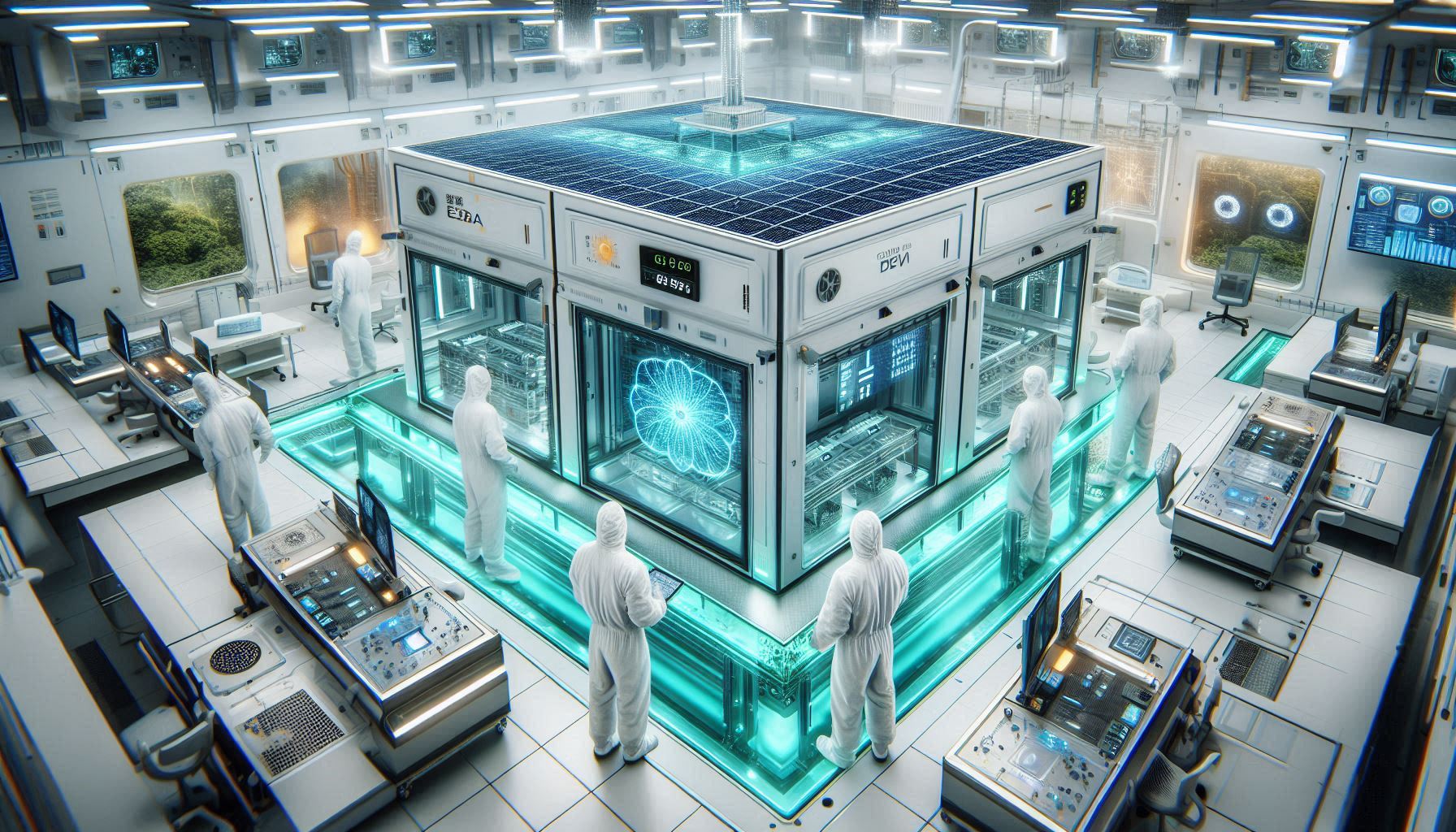
Semiconductor Cleanroom Zoning layout in a semiconductor manufacturing facility to control contamination.

Semiconductor cleanroom zoning represents the backbone of contamination control in modern chip manufacturing facilities. This systematic approach to space planning ensures that different manufacturing processes operate within their required cleanliness levels while preventing cross-contamination between zones. The concept extends far beyond simple room separation, incorporating sophisticated airflow management, pressure differentials, and material flow control mechanisms that collectively maintain the sterile environment essential for semiconductor production.

Understanding the Critical Role of Semiconductor Cleanroom Zoning

The importance of proper zoning becomes evident when considering that a single particle measuring just 0.1 micrometers can destroy an entire semiconductor wafer worth thousands of dollars. Indian semiconductor facilities, particularly those emerging under government initiatives like the Production Linked Incentive scheme, must implement robust zoning strategies to compete globally. These facilities typically handle everything from basic assembly operations to advanced wafer fabrication, each requiring distinct contamination control approaches that reflect international standards while adapting to local operational conditions.

Effective zoning strategies directly impact production yield, operational efficiency, and compliance with international standards such as ISO 14644-1 and various semiconductor industry specifications. The complexity increases when facilities must accommodate multiple product lines, different cleanliness requirements, and varying process technologies within a single building envelope. Understanding these fundamentals forms the foundation for developing comprehensive contamination control strategies.

Enjoying this content? Get expert HVAC updates on our Telegram Channel.

Wafer Fab Layout Optimization Through Strategic Zone Planning

Wafer fab layout optimization demands careful consideration of process flow, equipment placement, and personnel movement patterns to minimize contamination risks. The traditional approach involves creating a linear flow from raw wafer input through various processing steps to final testing and packaging. However, modern facilities often require more complex layouts that accommodate multiple process lines, shared utilities, and flexible manufacturing capabilities while maintaining strict contamination control.

The optimization process begins with mapping critical process steps and identifying contamination-sensitive operations. Photolithography areas typically require the highest cleanliness levels, often ISO Class 1 or Class 10, while mechanical assembly operations might function adequately in Class 1000 or Class 10000 environments. This hierarchy drives the overall facility layout, with the cleanest areas positioned at the facility core and progressively less critical zones arranged in concentric rings around this central clean zone.

Modern Indian semiconductor facilities increasingly adopt the ballroom concept, where large open cleanroom spaces house multiple process tools with flexible reconfiguration capabilities. This approach offers significant advantages in terms of airflow management, equipment access, and future expansion possibilities. The ballroom layout typically features a raised floor system for utilities distribution and a sophisticated ceiling-mounted air handling system that provides laminar airflow across the entire space.

Personnel and material flow patterns significantly influence layout optimization decisions. Successful designs incorporate separate pathways for people and materials, with dedicated airlocks, gowning areas, and decontamination stations positioned strategically throughout the facility. The goal involves minimizing travel distances while ensuring that all movements follow contamination control protocols. Advanced facilities implement automated material handling systems that further reduce human presence in the most critical zones.

Chip Manufacturing Area Segregation Principles

Chip manufacturing area segregation operates on the fundamental principle that different manufacturing processes generate varying types and levels of contamination. Wet chemical processes, plasma etching, ion implantation, and photolithography each present unique challenges that require specific containment and isolation strategies. Effective segregation ensures that contamination from one process does not compromise the cleanliness requirements of adjacent operations.

Chemical segregation represents one of the most critical aspects of area planning in semiconductor facilities. Wet benches handling hydrofluoric acid require specialized exhaust systems and corrosion-resistant materials, while organic solvent processes demand explosion-proof electrical systems and appropriate fire suppression measures. These chemical-specific requirements often drive the decision to create dedicated zones with their own air handling systems, preventing cross-contamination between incompatible processes.

Particle generation characteristics also influence segregation decisions. Mechanical processes such as wafer dicing, grinding, and packaging operations generate significantly more particles than chemical vapor deposition or photolithography processes. Facilities typically locate high-particle-generation processes in separate zones with enhanced air filtration and higher air change rates to contain contamination at its source.

Temperature and humidity requirements further complicate segregation planning. Photolithography processes often require precise temperature control within ±0.1°C, while furnace operations might tolerate broader temperature ranges. Humidity sensitivity varies dramatically between processes, with some requiring less than 1% relative humidity while others function adequately at standard cleanroom conditions of 45±5% RH. These environmental requirements often necessitate separate air handling systems for different zones.

Cleanroom Classification Zones and Compliance Requirements

Cleanroom classification zones must align with specific industry standards and product requirements while providing practical operational flexibility. The ISO 14644-1 standard provides the international framework for cleanroom classification, defining particle concentration limits for different cleanliness classes. Indian semiconductor facilities typically implement multiple classification zones within a single facility, ranging from ISO Class 1 for critical photolithography areas to ISO Class 8 for packaging and assembly operations.

The classification system considers both particle size and concentration, with measurements typically conducted using laser particle counters capable of detecting particles as small as 0.1 micrometers. Class 1 cleanrooms permit no more than 10 particles per cubic meter of 0.1-micrometer size, while Class 100 allows up to 3,520 particles of the same size per cubic meter. These stringent requirements demand sophisticated air filtration systems, typically employing HEPA or ULPA filters with 99.999% efficiency ratings.

Monitoring and verification requirements add another layer of complexity to classification zone management. Facilities must conduct regular particle counts, airflow measurements, and filter integrity tests to maintain certification. Indian facilities often face additional challenges related to external environmental conditions, including higher dust levels and seasonal variations that can impact cleanroom performance. Successful operations implement continuous monitoring systems that provide real-time data on particle levels, allowing for immediate corrective actions when deviations occur.

The transition zones between different classification areas require careful design attention to prevent contamination migration. These areas typically incorporate air locks, pressure cascades, and specialized air handling systems that maintain appropriate pressure differentials while allowing personnel and material movement. The pressure differential between adjacent zones should typically maintain at least 2.5 Pascals, with higher differentials used when significant cleanliness differences exist.

Fab Facility Space Planning for Optimal Contamination Control

Fab facility space planning integrates multiple engineering disciplines to create environments that support both current operations and future expansion needs. The planning process must consider structural requirements, utility distribution, equipment access, emergency egress, and contamination control measures within a cohesive design framework. Modern facilities typically allocate 60-70% of total floor area to production spaces, with the remainder dedicated to support functions including mechanical rooms, offices, and material storage areas.

The vertical organization of fab facilities significantly impacts contamination control effectiveness. Most facilities employ a three-level design with mechanical equipment located on the top floor, cleanroom production areas on the middle level, and utility distribution through a raised floor system at the bottom level. This arrangement facilitates gravity-fed exhaust systems, simplified utility routing, and effective separation of clean and potentially contaminated zones.

Utility distribution planning requires careful coordination to minimize contamination risks while providing necessary services to all areas. Chemical distribution systems typically utilize dedicated corridors or interstitial spaces to isolate potentially hazardous materials from production areas. Electrical systems must comply with explosion-proof requirements in certain zones while providing the clean, stable power required for sensitive semiconductor equipment.

Future flexibility considerations increasingly influence space planning decisions as semiconductor technology continues evolving rapidly. Facilities must accommodate equipment changes, process modifications, and capacity expansions without compromising contamination control integrity. This requirement often drives decisions toward larger open spaces with flexible utility connections rather than fixed, process-specific room layouts.

Advanced Airflow Management Systems in Zoned Environments

Advanced airflow management systems form the technical foundation of effective cleanroom zoning, providing the means to maintain required particle levels while accommodating complex facility layouts. These systems must deliver appropriate air volumes, maintain pressure differentials, provide uniform air distribution, and minimize energy consumption across multiple zones with varying requirements. Modern facilities typically employ computer-based airflow simulation during design phases to optimize system performance and identify potential problem areas.

Laminar airflow systems represent the gold standard for critical semiconductor processes, providing unidirectional airflow that sweeps particles away from sensitive areas. These systems typically operate at velocities between 0.3 and 0.5 meters per second, creating a laminar boundary layer that prevents turbulent mixing and particle recirculation. The implementation requires precision-engineered air distribution systems with HEPA or ULPA filtration, often consuming 30-40% of total facility energy.

Mixed airflow systems offer energy advantages in less critical areas while maintaining adequate contamination control. These systems combine high-efficiency filtration with strategic air distribution to achieve required particle levels at lower energy costs. The key involves understanding particle generation patterns and designing airflow systems that capture contamination at its source before it can spread throughout the space.

Pressure cascade management becomes critical when multiple zones with different cleanliness requirements connect within a single facility. The system must maintain appropriate pressure differentials across all boundaries while accommodating door openings, equipment installations, and normal operational activities. Advanced facilities implement automated pressure control systems that adjust airflow rates in real-time to maintain required differentials despite changing conditions.

Contamination Source Identification and Control Strategies

Contamination source identification requires systematic analysis of all potential particle and chemical sources within semiconductor facilities. Human activities typically represent the largest contamination source, with personnel generating particles through skin shedding, clothing fibers, and respiratory emissions. Equipment operations contribute mechanical particles, chemical residues, and electromagnetic interference that can impact sensitive processes. External sources including outdoor air, construction activities, and utility systems add additional contamination challenges.

Personnel contamination control strategies encompass comprehensive gowning procedures, training programs, and behavioral modifications designed to minimize particle generation. Modern facilities implement multi-stage gowning sequences with air showers, sticky mats, and ionization systems that remove particles and static charges before personnel enter critical areas. The effectiveness depends heavily on employee training and adherence to established procedures, making ongoing education programs essential for maintaining contamination control standards.

Equipment-related contamination control focuses on both source elimination and containment strategies. Preventive maintenance programs help minimize particle generation from mechanical wear, while specialized enclosures contain contamination from high-particle-generation processes. Advanced facilities implement real-time particle monitoring systems that automatically adjust air filtration rates when equipment-generated contamination exceeds predetermined thresholds.

Chemical contamination presents unique challenges requiring specialized detection and control strategies. Outgassing from construction materials, cleaning solvents, and process chemicals can create molecular contamination that interferes with semiconductor processes even at extremely low concentrations. Facilities typically implement material selection programs, bake-out procedures, and specialized filtration systems designed to remove molecular contaminants from the cleanroom environment.

Environmental Control Integration Across Multiple Zones

Environmental control integration demands sophisticated coordination between temperature, humidity, pressure, and air quality management systems across multiple zones with varying requirements. The complexity increases when facilities must accommodate incompatible environmental conditions within adjacent spaces while maintaining energy efficiency and operational flexibility. Modern systems typically employ computer-based control strategies that optimize performance across all zones simultaneously rather than treating each area independently.

Temperature control strategies must address both sensible and latent heat loads while maintaining the precision required for semiconductor processes. Critical photolithography areas often require temperature stability within ±0.1°C, while general manufacturing areas might tolerate ±1°C variations. The challenge involves designing systems that provide required precision in critical areas without overconditioning less sensitive zones, which would waste energy and create operational inefficiencies.

Humidity control becomes particularly challenging in facilities with multiple zones requiring different moisture levels. Photolithography processes typically require very low humidity levels to prevent resist adhesion problems, while some chemical processes function better at moderate humidity levels that reduce static electricity generation. The solution often involves dedicated air handling systems for each zone with different humidity requirements, coupled with sophisticated moisture management strategies.

Integration challenges extend beyond basic environmental parameters to include air quality management, pressure control, and emergency response capabilities. Systems must coordinate responses to equipment failures, power outages, and other emergency conditions while maintaining contamination control integrity. Advanced facilities implement redundant systems and fail-safe operating modes that ensure critical areas remain protected even during equipment failures or maintenance activities.

Technology Integration for Smart Cleanroom Operations

Technology integration transforms traditional cleanroom operations through automation, real-time monitoring, and predictive maintenance capabilities that enhance contamination control effectiveness while reducing operational costs. Modern facilities typically implement integrated building management systems that coordinate HVAC operations, particle monitoring, access control, and emergency response functions through centralized control platforms. These systems provide operators with comprehensive facility status information and automated responses to changing conditions.

Sensor networks enable continuous monitoring of critical parameters including particle levels, temperature, humidity, pressure differentials, and chemical concentrations throughout the facility. Advanced systems employ wireless sensor networks that eliminate potential contamination sources associated with traditional wiring while providing flexible monitoring capabilities that can adapt to changing facility layouts. The data collected supports both real-time operational decisions and long-term performance optimization strategies.

Artificial intelligence applications increasingly support cleanroom operations through predictive maintenance programs, energy optimization algorithms, and contamination source identification systems. Machine learning algorithms analyze historical performance data to identify patterns that predict equipment failures, optimize filter replacement schedules, and recommend operational adjustments that improve contamination control effectiveness. These capabilities become particularly valuable in large facilities with complex interconnected systems.

Digital twin technology represents the latest advancement in cleanroom management, creating virtual facility models that support operational optimization, staff training, and scenario planning activities. These models incorporate real-time sensor data, equipment performance information, and environmental conditions to provide accurate representations of facility operations. Operators can use digital twins to test operational changes, train personnel, and optimize system performance without impacting actual production operations.

Energy Efficiency Considerations in Multi-Zone Design

Energy efficiency considerations significantly impact the economic viability of semiconductor cleanroom operations, with HVAC systems typically consuming 40-60% of total facility energy. Multi-zone designs offer opportunities for optimization through load matching, equipment right-sizing, and operational scheduling strategies that reduce energy consumption while maintaining required environmental conditions. The key involves understanding the relationship between contamination control requirements and energy consumption to identify optimization opportunities.

Heat recovery systems provide significant energy savings opportunities in facilities with simultaneous heating and cooling requirements. Many semiconductor processes generate substantial heat loads that must be removed from cleanroom areas, while other areas require heating during certain operational periods. Heat recovery systems capture waste heat from exhaust airstreams and use it to condition incoming fresh air, reducing both heating and cooling energy requirements.

Variable air volume systems enable energy optimization by adjusting airflow rates based on actual contamination control requirements rather than maintaining constant maximum flow rates. These systems typically incorporate real-time particle monitoring that automatically adjusts air change rates when contamination levels change. During periods of reduced activity, such as overnight or weekend operations, airflow rates can be reduced significantly while maintaining required cleanliness levels.

Equipment optimization strategies focus on improving the efficiency of individual system components including fans, pumps, chillers, and air handling units. Modern facilities typically employ high-efficiency equipment with variable speed drives that adjust operating parameters based on actual load requirements. Regular maintenance programs ensure equipment operates at peak efficiency, while equipment replacement programs systematically upgrade older, less efficient components.

Regulatory Compliance and Industry Standards

Regulatory compliance requirements significantly influence cleanroom zoning decisions, with facilities must meeting various national and international standards depending on their products and markets. Indian semiconductor facilities typically must comply with BIS standards, ISHRAE guidelines, international ISO standards, and specific customer requirements that may impose additional restrictions. The complexity increases when facilities serve multiple markets with different regulatory requirements.

ISO 14644-1 provides the primary international framework for cleanroom classification and testing procedures. This standard defines particle concentration limits for different cleanliness classes while specifying testing methods, monitoring frequencies, and certification requirements. Facilities must demonstrate compliance through regular testing programs that document particle levels, airflow rates, and filter performance across all classified areas.

ASHRAE standards provide guidance on HVAC system design, operation, and maintenance practices that support cleanroom applications. These standards address air filtration requirements, energy efficiency considerations, and indoor air quality management strategies that complement ISO cleanroom standards. The integration of multiple standards requires careful coordination to ensure all requirements are met without creating conflicting operational constraints.

Industry-specific standards add another layer of complexity, with semiconductor manufacturers often imposing requirements that exceed general cleanroom standards. These specifications typically address specific contamination concerns related to particular manufacturing processes, materials compatibility requirements, and quality assurance procedures that support high-yield production operations. Facilities serving multiple customers may need to accommodate different standards simultaneously within the same building.

Future Trends and Emerging Technologies

Future trends in semiconductor cleanroom zoning reflect ongoing advances in manufacturing technology, environmental control systems, and automation capabilities that promise to improve contamination control effectiveness while reducing operational costs. The industry continues moving toward smaller feature sizes and more complex manufacturing processes that demand increasingly sophisticated contamination control strategies. These trends drive innovations in facility design, equipment technology, and operational procedures.

Nanotechnology applications are emerging in air filtration systems, offering improved particle removal efficiency and lower pressure drops compared to traditional HEPA and ULPA filters. These advanced filtration media employ nanofiber technology that creates smaller pore sizes while maintaining high airflow rates. The technology promises significant energy savings while providing superior contamination control performance.

Advanced monitoring technologies including real-time molecular contamination detection, automated particle sizing, and wireless sensor networks provide unprecedented visibility into cleanroom performance. These systems enable proactive contamination control strategies that identify and address problems before they impact production operations. The integration with artificial intelligence algorithms supports predictive maintenance programs and operational optimization strategies that improve overall facility performance.

Sustainable design principles increasingly influence cleanroom development, with facilities incorporating renewable energy systems, water recycling programs, and waste minimization strategies that reduce environmental impact while maintaining required performance levels. These approaches align with corporate sustainability goals while potentially reducing operational costs through resource conservation and efficiency improvements.

Frequently Asked Questions

How to control contamination in a clean room?

Contamination control in cleanrooms requires a comprehensive approach combining advanced air filtration, positive pressure maintenance, strict personnel protocols, and regular monitoring. The primary strategy involves creating laminar airflow patterns that continuously remove particles while preventing external contamination entry through pressure cascades and airlocks.

What does class 100 and class 1000 clean room mean?

Class 100 cleanrooms allow maximum 100 particles of 0.5 micrometers per cubic foot, equivalent to ISO Class 5. Class 1000 permits up to 1000 particles of the same size, corresponding to ISO Class 6. These classifications define the maximum allowable particle concentrations for different manufacturing processes.

What are the clean room standards for semiconductors?

Semiconductor cleanroom standards primarily follow ISO 14644-1 for classification, with specific areas requiring ISO Class 1-5 depending on process sensitivity. Additional standards include SEMI specifications for equipment, ASHRAE guidelines for HVAC systems, and industry-specific requirements for molecular contamination control and electrostatic discharge protection.

How does a cleanroom primarily prevent contamination?

Cleanrooms prevent contamination through engineered airflow systems that create positive pressure environments with continuous air filtration. HEPA or ULPA filters remove particles while laminar airflow patterns sweep contaminants away from sensitive areas. Personnel protocols and material control procedures minimize contamination introduction.

What is the clean room market for semiconductors?

The global semiconductor cleanroom market is experiencing rapid growth, particularly in Asia-Pacific regions including India. Market expansion is driven by increasing semiconductor demand, advanced manufacturing technologies, and government initiatives supporting domestic chip production. The market encompasses construction, equipment, and ongoing operational services.

What are the key factors in cleanroom zone design?

Key factors include process compatibility, contamination sensitivity levels, personnel and material flow patterns, utility requirements, regulatory compliance needs, and future flexibility requirements. Successful designs integrate these factors while optimizing energy efficiency and operational costs throughout the facility lifecycle.

Disclaimer

The content here is intended solely for educational and informational purposes. All case studies, examples, and hypothetical scenarios are illustrative in nature and do not refer to, endorse, or represent any actual company, organization, or product. Any similarity to real-world entities or events is purely coincidental. Readers are encouraged to verify any technical details or operational recommendations with additional, independent research prior to implementation. The author and publisher assume no responsibility or liability for any errors, omissions, or outcomes resulting from the use of this material.

About the Author

Mr. Om Prakash, with over 18 years of hands-on experience in the HVAC industry, brings unmatched expertise in cleanroom, semiconductor, pharmaceutical, data center, commercial, and industrial HVAC systems. As the founder of HVAC Technocrat, he specializes in customized HVAC design, energy efficiency audits, retrofit planning, and turnkey consultancy services across India. He simplifies complex HVAC concepts and shares real-world insights to support professionals, facility managers, and decision-makers. For enquiries or project support, call or WhatsApp at +91 9908091942, email hvactechnocrats@gmail.com, or visit www.hvactechnocrat.com. Also, follow his LinkedIn profile.

How to Optimize Cleanroom pressure differential for Semiconductor facilities

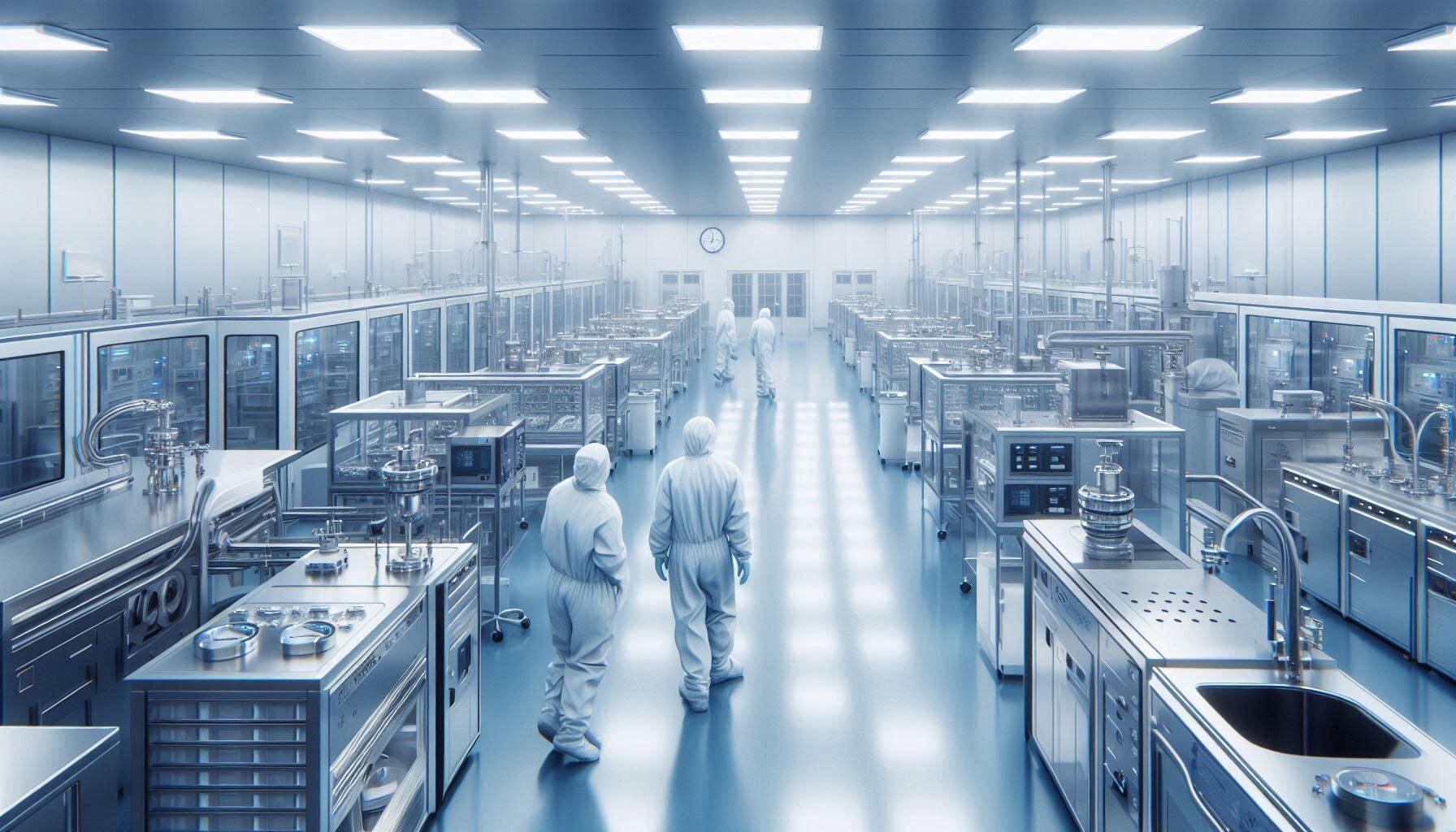
Cleanroom pressure differential in a semiconductor facility

Cleanroom pressure differential optimization represents a critical success factor in semiconductor manufacturing, where even minor contamination can destroy entire production batches worth millions of rupees. The complexity of maintaining precise pressure differentials across multiple zones while accommodating dynamic process conditions requires sophisticated engineering approaches that balance contamination control with energy efficiency. Modern semiconductor facilities demand pressure management systems that respond intelligently to equipment operations, personnel movement, and environmental variations while maintaining the stringent cleanliness standards essential for advanced chip manufacturing.

Why the Particle Control is Required in the Cleanroom Environment

Understanding the fundamentals of pressure differential optimization enables facility managers and engineers to implement cost-effective solutions that enhance both product quality and operational efficiency. The challenge extends beyond simple static pressure maintenance to encompass real-time adjustments, predictive control strategies, and integration with overall facility management systems. Effective optimization directly impacts manufacturing yield rates, energy consumption, and compliance with international standards including ISO 14644 and regional requirements like BIS IS 15518.

Learn more about ISO 14644 standards

Understanding Cleanroom pressure differential Fundamentals in Semiconductor

Pressure differential optimization begins with understanding the physics of airflow control in contamination-sensitive environments. The fundamental principle relies on creating controlled airflow patterns that prevent particle migration from less clean areas toward critical manufacturing zones. This approach utilizes the natural tendency of air to flow from high-pressure regions toward low-pressure areas, effectively creating invisible barriers against contamination ingress.

Why Temperature and Humidity Control is Critical in Cleanrooms

Semiconductor cleanrooms typically implement cascade pressure systems where the most critical Class 1 areas maintain pressures 25-50 Pa above adjacent zones. This hierarchical approach creates multiple contamination barriers, ensuring that even temporary pressure disturbances don’t compromise manufacturing processes. The optimization process must account for the unique characteristics of semiconductor manufacturing, including frequent equipment cycling, personnel movement patterns, and the extreme contamination sensitivity of advanced processes.

The effectiveness of pressure differential systems depends on maintaining consistent airflow patterns during normal facility operations. Personnel movement through airlocks, door operations, and equipment startups all create pressure disturbances that optimized systems must compensate for automatically. Advanced facilities employ machine learning algorithms that predict these disturbances and proactively adjust system parameters to maintain optimal contamination control.

Temperature and humidity variations significantly impact pressure differential stability due to air density changes and thermal buoyancy effects. Optimization strategies must integrate pressure control with environmental conditioning systems to maintain stable conditions regardless of external weather variations or internal heat loads. This integration becomes particularly challenging in Indian climatic conditions where monsoon seasons create significant outdoor air condition variations.

HVAC Challenges Breaking Down for Practical Solutions in All Scenarios

Regulatory Standards and Compliance Framework for Optimization of Cleanroom pressure differential

ISO 14644-4 establishes the foundation for pressure differential requirements in semiconductor cleanrooms, specifying minimum differentials of 12.5 Pa between adjacent zones. However, optimization strategies for semiconductor applications typically exceed these minimums to provide robust contamination control during dynamic operating conditions. Modern facilities commonly implement differentials ranging from 15 Pa to 50 Pa depending on the specific contamination sensitivity of manufacturing processes.

BIS IS 15518 provides additional guidance specific to Indian semiconductor manufacturing facilities, incorporating regional considerations while maintaining compatibility with international standards. The optimization process must ensure compliance with these standards while adapting to local climatic conditions, power reliability concerns, and construction practices.

ISHRAE guidelines complement these standards by providing practical design recommendations for tropical and subtropical environments.

ASHRAE also provides relevant guidance for cleanroom design and operation.

Compliance optimization requires continuous monitoring and documentation of pressure differential performance throughout facility operation. Advanced monitoring systems utilize high-accuracy sensors capable of detecting variations as small as 1 Pa, enabling precise control adjustments that maintain compliance margins. The documentation requirements support regulatory inspections while providing data for ongoing optimization improvements.

The regulatory framework also addresses emergency response requirements, mandating that optimized systems maintain contamination control during various failure scenarios. Optimization strategies must incorporate backup systems and emergency protocols that ensure continued operation during power outages, equipment failures, and other disruptions. These requirements influence system design decisions and operational procedures throughout the facility lifecycle.

Advanced Cascade System Design and Implementation Strategies for Cleanroom pressure differential

Cascade pressure system optimization requires sophisticated analysis of airflow requirements, leakage characteristics, and system dynamics specific to semiconductor applications. The design process begins with detailed facility modeling that accounts for complex equipment layouts, personnel flow patterns, and process gas requirements. Computational fluid dynamics (CFD) analysis helps identify potential optimization opportunities while ensuring adequate contamination control throughout the facility.

Clean Room Classification – Ultimate Guide (ISO FS209E & IS15518)

Modern cascade systems employ variable frequency drives on all major air handling equipment, enabling precise pressure control that adapts to changing facility conditions. This optimization approach eliminates energy waste associated with constant-volume systems while maintaining superior contamination control effectiveness. Advanced control algorithms coordinate multiple air handling units to maintain optimal pressure relationships across the entire facility during varying load conditions.

The optimization of airlock systems within cascade designs requires careful attention to pressure transition rates and contamination control effectiveness. Personnel airlocks typically implement three-stage pressure transitions that minimize physical discomfort while maintaining contamination barriers. Material transfer airlocks require specialized optimization for semiconductor applications, including automated handling capabilities and decontamination protocols appropriate for sensitive manufacturing materials.

Integration with building automation systems enables centralized optimization of cascade pressure systems across multiple zones simultaneously. These systems provide real-time performance monitoring, automated adjustment capabilities, and predictive maintenance scheduling that optimizes both contamination control and energy efficiency. The integration supports facility-wide optimization strategies that coordinate pressure control with lighting, security, and process control systems.

Smart HVAC Systems – How to Protect in Data Centers

Smart Monitoring and Control Technologies for Real-Time Optimization of Cleanroom pressure differential

Artificial intelligence and machine learning technologies represent the cutting edge of pressure differential optimization in semiconductor facilities. These systems analyze vast amounts of operational data to identify patterns in equipment operation, personnel movement, and environmental conditions that affect pressure stability. Predictive algorithms enable proactive system adjustments that maintain optimal contamination control while minimizing energy consumption through continuous learning and adaptation.

Internet of Things sensor networks provide unprecedented visibility into pressure differential performance across all facility zones. Wireless sensors eliminate installation constraints while providing flexible monitoring capabilities that adapt to changing facility requirements. The sensor data supports both real-time optimization decisions and long-term performance analysis that identifies improvement opportunities.

Advanced building automation systems coordinate pressure control optimization with other facility systems including temperature control, humidity management, and air filtration. This integrated approach enables comprehensive optimization strategies that consider the interactions between multiple environmental parameters. The coordination prevents conflicting control actions while optimizing overall facility performance and energy efficiency.

Emergency response optimization requires integration with facility security systems, fire protection equipment, and emergency notification systems. Automated responses to various emergency scenarios ensure appropriate pressure control actions while maintaining personnel safety. These systems must be regularly tested and updated to ensure effective emergency response while supporting ongoing optimization objectives.

How AI is Revolutionizing HVAC

Energy Efficiency Optimization Strategies and Implementation

Energy optimization in pressure differential systems represents a significant opportunity for cost reduction while maintaining contamination control effectiveness. Variable frequency drive implementation on all major fans enables precise airflow control that matches actual pressure requirements rather than operating at maximum capacity continuously. This optimization approach typically reduces energy consumption by 20-40% while improving contamination control through more precise pressure management.

HVAC Systems – Why Sustainability is Important for Green Building

Heat recovery system integration provides substantial energy savings by capturing waste heat from exhaust air streams. However, semiconductor applications require careful optimization to prevent contamination cross-transfer between supply and exhaust air streams. Advanced heat recovery technologies including run-around loops and plate heat exchangers provide energy benefits while maintaining complete contamination isolation.

Demand-based pressure control optimization adjusts pressure differentials based on actual contamination risks and facility operating conditions. During periods of reduced personnel activity or equipment operation, pressure differentials can be optimized to maintain contamination control while reducing energy consumption. These strategies require sophisticated monitoring systems that accurately assess real-time contamination risks and adjust system parameters accordingly.

Renewable energy integration offers opportunities for sustainable pressure control optimization while maintaining critical contamination control requirements. Solar photovoltaic systems and wind energy can supplement conventional power sources, though the critical nature of cleanroom pressure control requires robust backup systems. Energy storage technologies enable optimization of renewable energy utilization while ensuring continuous operation during energy source variations.

Net Zero Energy Building HVAC Systems

Maintenance Optimization and Predictive Analytics Implementation

Predictive maintenance optimization utilizes sensor data and machine learning algorithms to identify maintenance needs before equipment failures occur. This approach minimizes unplanned downtime while ensuring optimal pressure differential performance throughout the facility lifecycle. Advanced analytics identify patterns in equipment performance that indicate developing problems, enabling proactive maintenance scheduling that prevents contamination control failures.

Filter replacement optimization represents a significant opportunity for both cost reduction and performance improvement. Traditional time-based replacement schedules often result in premature filter changes or inadequate contamination control due to overloaded filters. Optimization strategies utilize real-time pressure drop monitoring and particle loading analysis to determine optimal replacement timing based on actual performance rather than arbitrary schedules.

Seal and gasket maintenance optimization addresses one of the most common causes of pressure differential degradation. Regular inspection protocols and preventive replacement schedules help maintain system integrity while minimizing energy waste through leakage. Advanced facilities employ thermal imaging and ultrasonic leak detection to identify problems before they impact facility performance.

Control system calibration optimization ensures accurate pressure measurement and control response throughout the facility lifecycle. Regular calibration schedules based on equipment performance rather than arbitrary time intervals optimize both contamination control effectiveness and energy efficiency. Automated calibration systems can reduce maintenance costs while improving accuracy and documentation compliance.

HVAC Systems What Are Hidden Impacts of Overdesigning?

Integration with Manufacturing Process Equipment and Automation

Process equipment integration optimization addresses the significant challenges created by varying exhaust requirements, thermal loads, and process gas consumption in semiconductor manufacturing. Advanced control systems anticipate equipment operation cycles and adjust facility pressure control proactively to maintain optimal contamination control. This integration requires sophisticated communication protocols between process equipment and facility control systems.

Automated material handling system integration optimizes contamination control during wafer transport and storage operations. These systems require coordinated pressure control that accommodates material movement while maintaining contamination barriers. Integration with facility automation systems enables seamless operation that optimizes both manufacturing efficiency and contamination control effectiveness.

Emergency response integration ensures appropriate pressure control responses during various process equipment emergencies. Chemical spills, equipment fires, and toxic gas releases all require coordinated responses that maintain personnel safety while preserving contamination control where possible. These integration requirements must be carefully planned and regularly tested to ensure effective emergency response.

Process gas system integration addresses the complexity introduced by varying consumption rates and emergency purge requirements. Optimization strategies must accommodate normal process gas usage while maintaining contamination control during emergency purge events. Advanced control systems coordinate between process gas requirements and facility pressure control to optimize both manufacturing efficiency and safety.

Hazardous Area Classification – Innovative HVAC for Petrochemical

Troubleshooting and Performance Optimization Methods

Systematic troubleshooting optimization helps identify root causes of pressure differential problems while minimizing disruption to manufacturing operations. Common issues including filter loading, seal degradation, damper malfunction, and control system drift require specific diagnostic approaches that optimize both problem identification and resolution efficiency. Advanced diagnostic tools including pressure mapping and airflow visualization help identify problems that traditional monitoring might miss.

Data analysis optimization utilizes facility monitoring data to identify performance trends and optimization opportunities. Statistical analysis of pressure differential performance helps establish baseline conditions and identify deviations that indicate developing problems. This approach enables proactive optimization adjustments that prevent performance degradation before it impacts manufacturing processes.

Performance benchmarking optimization compares facility performance against industry standards and best practices to identify improvement opportunities. Regular performance assessments help identify areas where optimization efforts can provide the greatest benefits. Benchmarking also supports continuous improvement programs that drive ongoing optimization throughout the facility lifecycle.

Documentation optimization ensures that troubleshooting activities and performance improvements are properly recorded for future reference. Comprehensive documentation supports regulatory compliance while providing historical data that guides future optimization decisions. Digital documentation systems enable efficient information sharing and analysis that supports facility-wide optimization efforts.

HVAC Consultant – How They Can Save You Money and Energy

Validation and Qualification Optimization Protocols

Installation qualification optimization ensures that pressure control equipment is properly installed and configured for optimal performance from initial startup. This process includes verification of sensor accuracy, control logic programming, and integration with facility systems. Optimization during installation reduces commissioning time while ensuring that systems meet performance requirements immediately upon startup.

Operational qualification optimization demonstrates that pressure control systems perform as intended under all operating conditions while identifying opportunities for performance improvement. Testing protocols should encompass normal operation, challenging conditions, and emergency scenarios to ensure comprehensive system validation. The optimization process identifies control parameters that provide the best combination of contamination control and energy efficiency.

Performance qualification optimization establishes ongoing monitoring requirements and acceptance criteria that support continuous optimization throughout facility operation. Extended monitoring periods demonstrate consistent performance while identifying opportunities for system improvement. Statistical analysis of performance data helps establish alert limits and optimization triggers that maintain optimal operation.

Requalification optimization ensures continued compliance with performance standards while identifying opportunities for system upgrades and improvements. Risk-based requalification focuses on critical parameters that most directly impact contamination control effectiveness. The optimization process should consider technological advances and changing facility requirements that might benefit from system modifications.

IGBC Standards HVAC Systems – Guide Green Building Certification

Regional Considerations and Climate Adaptation Strategies

Indian semiconductor manufacturing facilities require optimization strategies adapted to tropical and subtropical climatic conditions that create unique challenges for pressure differential systems. Higher humidity loads and greater temperature variations impact system performance and require robust dehumidification and temperature control integration. Monsoon conditions create significant outdoor air condition variations that optimized systems must accommodate while maintaining stable indoor conditions.

Power reliability optimization addresses concerns in regions where electrical supply may be inconsistent or unreliable. Backup power systems must be sized appropriately to support essential contamination control functions during extended outages. Uninterruptible power systems and emergency generators require optimization to ensure seamless operation during power disturbances while minimizing energy costs during normal operation.

Local construction practice optimization adapts standard pressure differential design approaches to regional materials and installation capabilities. The availability of specialized cleanroom construction materials and skilled contractors can impact system design and performance. Early engagement with local suppliers and contractors helps identify optimization opportunities while ensuring system performance meets international standards.

Regulatory compliance optimization coordinates with BIS standards and local environmental regulations while maintaining compatibility with international requirements. The growing semiconductor industry in India requires optimization strategies that support world-class manufacturing standards while adapting to regional conditions. Collaboration with organizations like ISHRAE helps ensure optimized systems meet both international standards and local requirements.

HVAC Market Semiconductor – Driving Growth in India by 2030

Emerging Technologies and Future Optimization Opportunities

Artificial intelligence advancement promises revolutionary improvements in pressure differential optimization through autonomous system operation and predictive control capabilities. Machine learning algorithms will analyze increasingly complex data sets to identify optimization opportunities that human operators cannot detect. These systems promise to reduce energy consumption while improving contamination control through continuous learning and adaptation to changing facility conditions.

Digital twin technology enables comprehensive facility modeling that supports advanced optimization strategies through virtual testing and simulation. These digital representations allow optimization of system parameters without disrupting actual manufacturing operations. Digital twins support predictive maintenance, energy optimization, and performance improvement through detailed analysis of system interactions and performance characteristics.

Advanced materials development produces new filtration and sealing technologies that enable improved system performance while reducing maintenance requirements. Nanofiber filter media and smart materials that respond to environmental conditions offer possibilities for adaptive contamination control systems. These materials may enable self-optimizing systems that adjust performance based on real-time contamination risks and environmental conditions.

Modular system design enables more flexible and scalable optimization approaches that adapt quickly to changing technology requirements. Prefabricated equipment modules and standardized control interfaces reduce installation time and costs while ensuring consistent optimization performance. These approaches become particularly valuable as semiconductor manufacturing becomes more distributed and facilities must adapt quickly to evolving process requirements.

Innovations and Trends in HVAC Industry

FAQs

What pressure differential values optimize semiconductor cleanroom performance?

Optimized semiconductor cleanrooms typically maintain 15-25 Pa differentials between adjacent zones, with critical Class 1 areas requiring up to 50 Pa. These values exceed ISO 14644-4 minimums to provide robust contamination control during dynamic operating conditions while balancing energy efficiency considerations.

How do optimization strategies reduce energy consumption in pressure differential systems?

Optimization through variable frequency drives, demand-based control, and predictive algorithms typically reduces energy consumption by 20-40%. Heat recovery integration and renewable energy sources provide additional savings while maintaining contamination control effectiveness through intelligent system coordination.

What monitoring accuracy is required for pressure differential optimization?

Optimized semiconductor facilities require pressure measurement accuracy of ±1 Pa or better with redundant sensing systems. Real-time monitoring enables immediate optimization adjustments while continuous data analysis identifies long-term improvement opportunities and predictive maintenance needs.

How do cascade systems optimize contamination control in semiconductor facilities?

Cascade optimization creates hierarchical pressure levels with multiple contamination barriers through stepwise pressure reductions. Advanced control algorithms coordinate multiple zones simultaneously while variable frequency drives enable precise optimization that adapts to changing facility conditions.

What role does artificial intelligence play in pressure differential optimization?

AI systems analyze operational data to predict equipment needs, optimize energy consumption, and maintain contamination control through continuous learning. Machine learning algorithms identify patterns in facility operation that enable proactive optimization adjustments before problems develop.

How do regional climate conditions affect optimization strategies in India?

Indian facilities require optimization strategies adapted to tropical humidity loads, temperature variations, and monsoon conditions. Power reliability concerns necessitate robust backup systems while local construction practices and regulatory requirements influence optimization approaches and system design decisions.

Disclaimer

The content here is intended solely for educational and informational purposes. All case studies, examples, and hypothetical scenarios are illustrative in nature and do not refer to, endorse, or represent any actual company, organization, or product. Any similarity to real-world entities or events is purely coincidental. Readers are encouraged to verify any technical details or operational recommendations with additional, independent research prior to implementation. The author and publisher assume no responsibility or liability for any errors, omissions, or outcomes resulting from the use of this material.

About the Author

Mr. Om Prakash, with over 18 years of hands-on experience in the HVAC industry, brings unmatched expertise in cleanroom, semiconductor, pharmaceutical, data center, commercial, and industrial HVAC systems. As the founder of HVAC Technocrat, he specializes in customized HVAC design, energy efficiency audits, retrofit planning, and turnkey consultancy services across India. He simplifies complex HVAC concepts and shares real-world insights to support professionals, facility managers, and decision-makers. For enquiries or project support, call or WhatsApp at +91 9908091942, email hvactechnocrats@gmail.com, or visit www.hvactechnocrat.com. Also, follow his LinkedIn profile.

Semiconductor Manufacturing: How to Control Airborne Contamination

Cleanroom semiconductor manufacturing with advanced HVAC contamination control system.

Airborne Contamination Control in Semiconductor Manufacturing is not merely a process; it stands as a cornerstone for ensuring product purity and optimal yield in high-tech production environments. In semiconductor facilities, even the tiniest particle or molecule can have a profound impact on integrated circuit performance. This chapter delves into the critical techniques and strategies that engineers employ to manage and mitigate airborne contaminants. As contamination levels must be controlled down to the submicron scale, the technological approaches outlined here emphasize active monitoring, filtration, and cleanroom design, all essential for maintaining operational excellence in semiconductor manufacturing. In doing so, we explore how effective airborne contamination control directly contributes to enhanced reliability and improved production outcomes.

Understanding Airborne Contamination in Semiconductor Manufacturing

Airborne contamination refers to the presence of undesired particles, chemical vapors, and molecular compounds suspended in the air—elements that can disrupt delicate semiconductor fabrication processes. Within semiconductor manufacturing, such contaminants can originate from construction materials, human activities, and chemical processes. The unique environment of a semiconductor facility requires that every airborne particulate, whether solid or gaseous, be carefully regulated. Engineers and facility managers leverage advanced HVAC systems, coupled with high-efficiency filters, to maintain the stringent cleanliness standards that are paramount for modern chip fabrication. The clarity in understanding these threats fosters the development of innovative contamination control strategies and sophisticated air monitoring systems. For further insights into sophisticated design approaches, one can review our detailed guide on Clean Room Design and Construction.

Sources and Types of Airborne Contaminants in Semiconductor Environments

In semiconductor cleanrooms, airborne contaminants can be broadly categorized into particulate matter, chemical vapors, and microbial agents. Particulates, which include dust and microfibers, are typically generated by human movement, equipment operation, or even from the natural shedding of materials. Chemical vapors—often byproducts of process chemicals—can infiltrate the manufacturing environment, posing risks to delicate circuitry. Furthermore, microbial contaminants, although less common, present potential hazards if proper environmental controls are not in place. Each contaminant type requires specific methods of detection and elimination. Advanced sensors and real-time monitoring systems help detect even trace concentrations, ensuring an immediate response to any deviation from baseline conditions. These vigilant practices enable semiconductor facilities to systematically address potential yield losses.

Impact of Airborne Contamination on Semiconductor Yield and Reliability

The semiconductor industry is extremely sensitive to airborne contamination due to the minuscule dimensions involved in chip fabrication. Even a single microscopic particle can cause defects that compromise the functionality of integrated circuits. Such contaminants can lead to yield losses, increased rework, and even severe operational delays. In many cases, these yield penalties result in significant financial costs and diminished product reliability. It is not uncommon for modern semiconductor fabs to invest heavily in contamination control measures to avoid the devastating impact of so-called “killer defects.” By proactively managing airborne contaminants, manufacturers not only protect their production lines but also foster long-term reliability and performance improvements. This proactive approach ensures that each chip meets the exacting standards dictated by today’s technology nodes.

Filtration Technologies: HEPA and ULPA Filters in Cleanrooms

Filtration technologies are at the heart of airborne contamination control in semiconductor manufacturing. High-Efficiency Particulate Air (HEPA) filters and Ultra-Low Particulate Air (ULPA) filters are engineered to capture extremely small particles, ensuring that only clean air circulates within the production environment. HEPA filters typically remove at least 99.97% of particles down to 0.3 microns, while ULPA filters offer an even higher degree of filtration efficiency. The integration of these filters within HVAC systems designed for semiconductor cleanrooms is critical. In this setting, filter performance is continuously monitored through a combination of differential pressure sensors and periodic validation tests. Such measures guarantee that filters are replaced or serviced before performance degrades, thereby preventing potential contamination events. For instance, a semiconductor facility in India recently reported a 25% reduction in energy use and enhanced yield stability after upgrading its filter system.

Continuous Monitoring and Real-Time Detection of Airborne Contaminants

Modern semiconductor facilities have embraced continuous monitoring systems that provide real-time insight into airborne contamination levels. Advanced sensors, including ion mobility spectrometers and innovative airborne molecular contaminant detectors, can measure pollutant levels in parts-per-billion (ppb) ranges. These systems are capable of detecting both routine background contaminants and sudden spikes in contamination due to process upsets. By continuously collecting data, facility managers can not only identify emerging issues but also predict trends that may necessitate proactive maintenance or design adjustments. The use of such technology elevates the overall cleanliness and performance of the manufacturing process. In many cases, incorporating smart controllers and automated alerts ensures rapid responses to contamination events, significantly reducing the risk of yield loss. Advanced air quality sensors [like these] also offer affiliate purchasing options that can complement an existing cleanroom setup.

Cleanroom Design for Effective Contamination Control

The blueprint of a semiconductor cleanroom is crucial to the success of its contamination control strategy. Effective design involves strategic layout planning that directs laminar airflow, minimizes turbulence, and segregates critical process areas from potential contamination sources. Careful zoning ensures that personnel, materials, and machinery maintain a disciplined flow throughout the facility. One key aspect is the incorporation of pressure differentials to create gentle barriers between clean and less clean areas. In addition, the design process must consider the integration of advanced HVAC components that support real-time monitoring and rapid environmental adjustments. For detailed methods and innovative strategies in this field, readers may find our article on Cleanroom Design Challenges and How to Overcome Them highly informative. This integrated approach is essential to safeguard the semiconductor manufacturing process against airborne contaminants.

Compliance with International Standards and Codes

Maintaining strict airborne contamination control requires adherence to both national and international standards. Semiconductor facilities in India, for example, must navigate guidelines set by local bodies such as the Bureau of Indian Standards (BIS) in conjunction with globally recognized standards. International codes like ASHRAE and ISHRAE provide rigorous frameworks for HVAC design and operation. Compliance with these standards ensures that cleanroom environments meet necessary criteria for temperature control, humidity regulation, and particulate filtration. Meeting such standards not only boosts process reliability but also reinforces the facility’s commitment to safety and quality. Facility audits and regular performance evaluations serve to validate adherence to these standards and to identify areas for iterative improvement. Overall, global standards push semiconductor manufacturers toward a higher level of operational excellence.

Smart Controls and Automation in Airborne Contamination Control

The rise of digital technologies has revolutionized airborne contamination control in semiconductor manufacturing through the use of smart controls and automation. Intelligent HVAC systems now incorporate machine learning algorithms and IoT connectivity to optimize environmental conditions continuously. Automated systems adjust airflow, pressure, and filtration rates dynamically in response to real-time sensor data. This automation not only enhances precision but also reduces the need for manual intervention, thereby minimizing human error. Smart monitoring solutions enable facility managers to schedule preventive maintenance, predict potential system failures, and quickly respond to any anomaly. Moreover, these systems empower factories to reduce energy consumption while upholding environmental standards. For additional insights on innovative HVAC solutions, check out our article on Innovative HVAC for Semiconductor Manufacturing.

Best Practices and Maintenance Strategies for Contamination Control

Implementing best practices in airborne contamination control involves the coordinated efforts of design, monitoring, and maintenance. Preventive maintenance plays a vital role in ensuring that HVAC systems and associated components like filters and sensors continue to operate at peak performance. Regular cleaning protocols, coupled with re-calibration of monitoring equipment, are essential to detect deviations from the norm. Facilities establish strict gowning and material handling procedures to further minimize the risk of contaminant ingress. Additionally, a culture of continuous improvement drives iterative upgrades, based on performance data trends and technological advances. Detailed documentation and routine training for personnel ensure that everyone in the facility adheres to contamination control protocols. These best practices significantly reduce downtime and maintain high throughput in semiconductor manufacturing.

Case Studies: Successful Implementation in Semiconductor Facilities

Several semiconductor facilities around the world have successfully implemented robust airborne contamination control measures, leading to substantial improvements in yield and efficiency. For example, one facility in Bangalore integrated state-of-the-art real-time monitoring systems with automated filter replacement protocols. This integration not only improved the overall cleanliness of the production environment but also resulted in a significant reduction in maintenance costs. Similarly, a facility in Europe showcased the effectiveness of combining smart controls with advanced HEPA and ULPA filtration, thereby reducing contaminant levels to near-zero. Such case studies highlight the importance of proactive contamination control and serve as benchmarks for other manufacturers. For more on innovative solutions in semiconductor environments, refer to our comprehensive post on India Semiconductor Innovative for Cleanroom Tech for Growth.

Emerging Trends and Future Directions in Contamination Control

The future of airborne contamination control in semiconductor manufacturing appears increasingly intertwined with technological innovation and sustainability. As device geometries become even smaller and production standards more rigorous, emerging trends such as AI-driven analytics, predictive maintenance, and IoT-enabled control systems are set to revolutionize cleanroom operations. Advances in sensor technology, including the use of compact, high-resolution detectors, promise to provide even more granular control of the manufacturing environment. Additionally, sustainable solutions—like energy-efficient HVAC retrofits and green building certifications—are gaining traction. These trends not only pave the way for enhanced contamination control but also align with broader global sustainability goals. Manufacturers who invest in these forward-thinking technologies are well poised to realize significant operational and environmental benefits.

Integrating Advanced Technologies into Existing Systems

Transitioning from traditional contamination control methods to advanced technological solutions can be challenging yet rewarding. Upgrading existing HVAC systems with smart components and enhanced sensors can lead to marked improvements in contamination monitoring and overall air quality management. The integration process usually involves phased implementations and rigorous testing, ensuring that new systems harmonize with legacy infrastructure. Additionally, the integration of advanced data analytics allows facility managers to identify subtle trends in contaminant levels and adjust operations accordingly. This seamless convergence of technology and process management not only maximizes cleanroom performance but also optimizes energy usage and maintenance schedules. Manufacturers have witnessed clear benefits including reduced downtime and improved product quality, thus solidifying the role of modern technologies in airborne contamination control.

The Role of Training and Human Factors

Even in an era of automation, human factors remain critical in the successful control of airborne contamination. Continuous training programs for staff, regular safety drills, and a clear understanding of contamination risks are essential components of a comprehensive control strategy. Personnel are trained to recognize early signs of contamination and to follow strict gowning and procedural protocols. By fostering a culture where every team member is aware of their role in contamination control, semiconductor manufacturers can significantly lower the risk of inadvertent lapses. Moreover, effective communication between technical teams and facility management further enhances response times and preventative measures. The human factor, therefore, acts as both a safeguard and a complement to technological systems, ensuring robust and reliable contamination control.

Operational Challenges and Innovative Solutions

Operating in a semiconductor manufacturing environment is replete with challenges—particularly in managing airborne contaminants. Fluctuating process conditions, unexpected equipment failures, and human error can all contribute to contamination risks. However, innovative engineering solutions are emerging to tackle these obstacles. One notable example is the utilization of real-time analytics powered by AI, which identifies potential contamination events before they escalate. Additionally, modular HVAC designs allow facilities to isolate and address issues rapidly without disrupting the entire cleanroom environment. Such operational innovations not only enhance performance but also boost overall facility resilience. By merging practical experience with cutting-edge technology, semiconductor manufacturers can effectively maintain stringent airborne contamination control.

Maintaining a Competitive Edge through Airborne Contamination Control

In today’s tough semiconductor market, keeping a clean manufacturing environment is key to success. Proactive airborne contamination control translates into improved yield, reduced rework costs, and enhanced product reliability. Businesses that prioritize these measures position themselves at the forefront of technological innovation, ensuring that they can meet the ever-evolving demands of a high-tech market. Ultimately, efficient contamination control instills confidence in clients and stakeholders alike. It becomes a strategic asset, driving operational excellence and strengthening a company’s competitive advantage. As the industry continues to evolve, those who invest in robust control systems will likely achieve sustained success in both performance and profitability.

FAQs

1. What are the primary sources of airborne contamination in semiconductor manufacturing?

Airborne contaminants can arise from human movement, process chemicals, construction materials, and even equipment operation. Dust, chemical vapors, and microbial agents can negatively impact production quality, making rigorous air filtration and control essential.

2. How do HEPA and ULPA filters contribute to contamination control?

HEPA filters capture 99.97% of particles down to 0.3 microns, and ULPA filters provide even better filtration. These filters ensure clean air circulation, preventing microscopic particles from affecting semiconductor fabrication processes.

3. Why is airborne contamination a critical concern in semiconductor fabrication?

Semiconductor chips are highly sensitive to even the smallest impurities. Airborne particles can lead to defects in microcircuits, causing yield losses and reliability issues in finished products.

4. How does HVAC design impact contamination control in semiconductor cleanrooms?

Proper HVAC systems regulate airflow, maintain temperature and humidity stability, and utilize pressure differentials to prevent contaminants from migrating into critical areas. Smart monitoring further enhances control.

5. What role do advanced air monitoring systems play in contamination prevention?

Real-time monitoring sensors detect airborne contaminants at submicron levels, enabling immediate adjustments in air filtration and airflow. These systems help minimize contamination risks and maintain stringent cleanliness standards.

6. How do cleanroom zoning strategies help minimize contamination?

Cleanroom zoning involves segmenting areas based on contamination sensitivity. Pressure differentials between zones prevent cross-contamination, ensuring a controlled environment where airborne particles are kept at bay.

7. What international standards govern airborne contamination control in semiconductor facilities?

Semiconductor cleanrooms follow global standards like ISO 14644, ASHRAE, and ISHRAE for air quality, HVAC systems, and contamination control practices.

8. What are the future trends in airborne contamination control for semiconductor manufacturing?

AI-driven analytics, IoT-enabled sensors, and real-time predictive maintenance are shaping contamination control strategies. Sustainable filtration solutions and automated airflow adjustments further optimize cleanroom conditions.

About the Author

Mr. Om Prakash, with over 18 years of hands-on experience in the HVAC industry, brings unmatched expertise in cleanroom, pharmaceutical, semiconductor, data center, commercial, and industrial HVAC systems. As the founder of HVAC Technocrat, he specializes in customized HVAC design, energy efficiency audits, retrofit planning, and turnkey consultancy services across India. His deep understanding of critical environments and complex building needs ensures every solution is efficient, reliable, and future-ready. Through his writings, he simplifies HVAC concepts and shares real-world insights to support professionals, facility managers, and decision-makers. For any enquiries or project support, feel free to call or WhatsApp at +91 9908091942, email at hvactechnocrats@gmail.com, or visit www.hvactechnocrat.com also follow LinkedIn profile: https://www.linkedin.com/in/hvactechnocrats/

Disclaimer:

The content here is intended solely for educational and informational purposes. All case studies, examples, and hypothetical scenarios are illustrative in nature and do not refer to, endorse, or represent any actual company, organization, or product. Any similarity to real-world entities or events is purely coincidental. Readers are encouraged to verify any technical details or operational recommendations with additional, independent research prior to implementation. The author and publisher assume no responsibility or liability for any errors, omissions, or outcomes resulting from the use of this material.

Cleanroom Gowning: Essentials What You Need to Know

An operator wearing cleanroom attire in a pharmaceutical facility

Cleanroom gowning is a critical aspect of maintaining contamination-free environments in industries such as pharmaceuticals, semiconductors, and biotechnology. Proper gowning ensures that particles from human operators do not compromise the integrity of sensitive processes or products. In this article, we’ll explore the essentials of cleanroom gowning, including guidelines, protocols, procedures, and requirements, to help you understand its importance and implement it effectively.

Cleanroom Gowning Guidelines

The foundation of effective cleanroom operations lies in adhering to strict gowning guidelines for cleanrooms. These guidelines are designed to minimize contamination risks by ensuring that personnel entering the cleanroom are properly attired. For instance, garments must cover all exposed skin, including hair, hands, and feet, to prevent shedding of particles. Additionally, materials used for cleanroom garments are often lint-free and resistant to static electricity, as outlined in standards like ISO 14644 and ASHRAE.

Learn more about cleanroom classifications and their requirements in our detailed guide on cleanroom technology.

Cleanroom Gowning Protocol

A well-defined cleanroom gowning protocol is essential for maintaining the sterility of controlled environments. This protocol typically includes step-by-step instructions for donning and doffing garments, hand hygiene practices, and inspection of attire before entry. For example, in a pharmaceutical cleanroom, operators may follow a specific sequence: washing hands, wearing gloves, putting on a bouffant cap, donning a face mask, and finally wearing a full-body coverall with boot covers.

Cleanroom Gowning Procedure

The gowning in cleanroom procedure environments varies depending on the cleanliness level required (e.g., ISO Class 5, 7, or 8). A typical procedure involves:

  • Entering an anteroom or gowning area.
  • Performing hand sanitization using alcohol-based solutions.
  • Wearing sterile gloves after inspecting them for tears.
  • Donning headgear, face masks, goggles, and shoe covers in a specific order.
  • Ensuring no gaps exist between garments to prevent particle release.

For instance, in a 10K cleanroom, operators might wear less restrictive attire compared to an ISO Class 5 environment, where aseptic techniques are paramount.

Cleanroom Gowning Requirements

Different cleanroom classes have distinct clean room gowning requirements. For example:

  • ISO Class 5 (or 100): Requires full-body coverage, including hoods, goggles, gloves, and boot covers.
  • ISO Class 7 (or 10,000): Allows slightly relaxed attire but still mandates gloves, face masks, and lab coats.
  • 10K Clean Room Requirements: Operators must wear lint-free clothing, gloves, and hairnets to meet contamination control standards.

These requirements ensure compliance with national and international codes like BIS and ISHRAE.

Cleanroom Gowning Instructions

Many organizations provide gowning instructions in cleanroom documents to standardize practices across teams. These documents often include visual aids, checklists, and detailed steps for donning and doffing garments. For example, a semiconductor manufacturing facility in Bengaluru implemented a gowning SOP available in PDF format, which reduced contamination incidents by 30%. Such resources are invaluable for training new employees and reinforcing best practices.

Aseptic Gowning for the Cleanroom

In highly sensitive environments like pharmaceutical production, aseptic gowning for the cleanroom is non-negotiable. This process involves sterilized garments and strict adherence to hygiene protocols. Operators may undergo air showers or pass-through chambers to remove residual particles before entering the cleanroom. A leading vaccine manufacturer in Pune adopted aseptic gowning techniques, achieving ISO Class 5 compliance and enhancing product safety.

10K Clean Room Requirements

A 10K clean room allows up to 10,000 particles per cubic foot, making it suitable for applications like electronics assembly and medical device manufacturing. Key requirements include:

  • Proper airflow systems to maintain positive pressure.
  • Regular cleaning schedules to prevent particle buildup.
  • Adherence to gowning procedures, including gloves, hairnets, and shoe covers.

Explore how advanced HVAC systems support cleanroom environments in our article on HVAC systems for cleanrooms.

Gowning SOP Clean Room Manufacturing

A gowning SOP (Standard Operating Procedure) is a cornerstone of cleanroom manufacturing. It outlines every step of the gowning process, from initial handwashing to final garment inspection. For example, a biotech company in Hyderabad implemented a comprehensive gowning SOP, resulting in a 25% improvement in contamination control metrics.

Emerging Trends in Cleanroom Gowning

As technology advances, so do trends in cleanroom gowning:

  • Smart Fabrics: Garments embedded with sensors monitor contamination levels in real time.
  • Reusable vs. Disposable: Many facilities are transitioning to reusable garments made from sustainable materials.
  • Automation: Robotic systems now support gowning processes, helping to minimize human error.

Challenges and Solutions in Cleanroom Gowning

While gowning is crucial, it presents challenges:

  • Human Error: Inconsistent adherence to protocols can lead to contamination. Training programs and regular audits address this issue.
  • Cost of Compliance: Prioritize well-made garments that offer both comfort and performance, reusable garments can be more cost-effective over time.
  • Comfort vs. Safety: Balancing operator comfort with stringent gowning requirements is challenging. Innovations in breathable fabrics help mitigate discomfort.

Case Studies: Real-World Applications

To better understand the impact of proper cleanroom gowning, consider these examples:

  • Pharmaceutical Facility: A plant in Chennai reduced microbial contamination by 40% after implementing aseptic gowning techniques.
  • Semiconductor Manufacturer: A factory in Taiwan achieved higher yields by adopting smart fabrics for real-time contamination monitoring.

Tips for Effective Cleanroom Gowning

To enhance your cleanroom operations, consider the following tips:

  • Conduct regular training sessions to reinforce gowning protocols.
  • Use visual aids like posters or videos to simplify instructions.
  • Invest in high-quality garments that balance comfort and functionality.

FAQs: Cleanroom Gowning

What is cleanroom gowning?
It refers to the process of wearing specialized garments to minimize contamination in controlled environments.

Why is cleanroom gowning important?
It prevents particles from human operators from contaminating sensitive processes or products.

What are the key components of cleanroom attire?
Gloves, hairnets, face masks, goggles, coveralls, and boot covers are common components.

How often should cleanroom garments be replaced?
Disposable garments are replaced after each use, while reusable ones are laundered according to SOPs.

What is aseptic gowning?
Aseptic gowning involves sterilized garments and strict hygiene protocols to maintain sterility.

What are the requirements for a 10K cleanroom?
Operators must wear lint-free clothing, gloves, and hairnets to meet contamination control standards.

How can I train staff on cleanroom gowning?
Provide detailed SOPs, conduct hands-on training sessions, and perform regular audits.

Where can I find cleanroom gowning instructions PDF?
Many organizations offer downloadable PDFs outlining gowning procedures; check industry-specific resources.

What are the latest trends in cleanroom gowning?
Smart fabrics, reusable garments, and automation are emerging trends.

How does gowning impact cleanroom performance?
Proper gowning reduces contamination risks, ensuring consistent product quality and regulatory compliance.

Disclaimer

Some links in this article are affiliate links, such as those for Amazon products. These may generate a small commission at no extra cost to you, supporting our work. We never compromise editorial integrity for partnerships.

About the Author

Mr. Om Prakash, with over 18 years of hands-on experience in the HVAC industry, brings unmatched expertise in cleanroom, pharmaceutical, semiconductor, data center, commercial, and industrial HVAC systems. As the founder of HVAC Technocrat, he specializes in customized HVAC design, energy efficiency audits, retrofit planning, and turnkey consultancy services across India. His deep understanding of critical environments and complex building needs ensures every solution is efficient, reliable, and future-ready. Through his writings, he simplifies HVAC concepts and shares real-world insights to support professionals, facility managers, and decision-makers. For any enquiries or project support, feel free to call or WhatsApp at +91 9908091942, email at hvactechnocrats@gmail.com, or visit www.hvactechnocrat.com.

Disinfectant: How to Detect Hidden Problems in Sterile Cleanroom

Sterile cleanroom disinfectant being applied to a laboratory surface.

Sterile cleanroom disinfectant are crucial in maintaining contamination-free environments. However, hidden problems in these disinfectants can undermine their effectiveness. This article will guide you through the process of detecting and addressing these issues, ensuring your cleanroom remains truly sterile.

Understanding the Importance of Effective Cleanroom Disinfectant

Effective disinfectants are the backbone of any sterile cleanroom. They prevent microbial contamination, ensuring product safety and compliance with industry standards. But what happens when these disinfectants harbor hidden problems? Detecting these issues early is key to maintaining a sterile environment.

Identifying Hidden Problems in Cleanroom Disinfectant

Hidden problems in disinfectants can range from ineffective microbial control to harmful residues. Here are some common issues:

  • Microbial Resistance: Over time, microbes can develop resistance to certain disinfectants, reducing their effectiveness.
  • Chemical Residues: Residues left behind can interfere with sensitive equipment and processes.
  • Inconsistent Efficacy: Variations in concentration or application can lead to inconsistent results.
  • Compliance Issues: Disinfectants must meet regulatory standards. Hidden problems can cause compliance failures.
  • Health Risks: Certain disinfectants may pose health risks to personnel if not used correctly.

Steps to Detect Microbial Resistance

Microbial resistance is a significant issue. Regularly test your disinfectants to ensure they remain effective. Here’s how:

  • Conduct Routine Tests: Regular microbial tests help identify resistance early.
  • Rotate Disinfectants: Using different disinfectants can prevent resistance.
  • Monitor Microbial Loads: Keep track of microbial levels in your cleanroom.
  • Review Cleaning Protocols: Ensure protocols are followed accurately.

Assessing for Chemical Residues

Chemical residues can compromise cleanroom operations. Detecting these residues is vital:

  • Visual Inspections: Regularly inspect surfaces for visible residues.
  • Swab Tests: Perform swab tests to detect chemical residues.
  • Review Cleaning Procedures: Ensure proper rinsing after disinfectant use.
  • Test with Sensitive Equipment: Use equipment that can detect minimal residue levels.

Ensuring Consistent Efficacy

Consistency is crucial in disinfectant application. Follow these steps to ensure uniform efficacy:

  • Check Concentration: Always use the correct disinfectant concentration.
  • Standardize Application Methods: Ensure all personnel follow the same application procedures.
  • Regular Training: Train staff on proper disinfectant use and application.
  • Documentation: Keep detailed records of disinfectant usage and application techniques.

Ensuring Compliance with Regulatory Standards

Compliance with regulatory standards is non-negotiable. Detect and address hidden compliance issues by:

  • Regular Audits: Conduct regular internal and external audits.
  • Stay Updated: Keep up with the latest regulatory changes and guidelines.
  • Documentation: Maintain thorough documentation of disinfectant usage and efficacy.
  • Third-Party Testing: Use third-party labs to verify disinfectant efficacy and compliance.

Monitoring for Health Risks against disinfectant

Disinfectants should not pose health risks to personnel. Here’s how to detect potential health hazards:

  • Review Safety Data Sheets (SDS): Always review and follow the safety guidelines provided in the SDS.
  • Monitor for Symptoms: Keep an eye out for any symptoms among staff that could indicate exposure to harmful disinfectants.
  • Proper Ventilation: Ensure the cleanroom has proper ventilation to minimize inhalation risks.
  • Personal Protective Equipment (PPE): Ensure all staff use appropriate PPE when handling disinfectants.

Regular Testing and Monitoring

Regular testing and monitoring are essential for detecting hidden problems in disinfectants. Implement a robust testing schedule:

  • Microbial Testing: Conduct routine microbial testing to detect any resistance issues.
  • Residue Testing: Perform regular tests to ensure no harmful residues remain.
  • Efficacy Testing: Regularly test the efficacy of your disinfectants.
  • Compliance Testing: Ensure your disinfectants comply with all relevant standards and regulations.

Training and Education

Proper training and education are vital for detecting and addressing hidden problems. Educate your staff on the following:

  • Proper Disinfectant Use: Train staff on the correct use of disinfectants.
  • Detection Techniques: Teach staff how to detect potential issues early.
  • Regulatory Compliance: Ensure staff are aware of regulatory standards and requirements.
  • Health and Safety Protocols: Educate staff on health and safety protocols to minimize risks.

Choosing the Right Disinfectant

Selecting the right disinfectant can prevent many hidden problems. Consider these factors when choosing a disinfectant:

  • Efficacy: Ensure the disinfectant is effective against a wide range of microbes.
  • Compatibility: Verify that the disinfectant is compatible with your cleanroom materials and equipment.
  • Safety: Choose disinfectants that pose minimal health risks to personnel.
  • Regulatory Compliance: Ensure the disinfectant meets all relevant regulatory standards.

FAQ

How do you test the effects of disinfectant?

Testing disinfectants involves several methods. Microbial tests measure how effectively the disinfectant kills or inhibits microorganisms. Surface compatibility tests ensure the disinfectant doesn’t damage materials in the cleanroom. Residue analysis checks for any leftover chemicals that might interfere with equipment. Lastly, efficacy over time tests assess if the disinfectant remains effective after repeated use.

What are the disinfectant validation requirements for cleanrooms?

Disinfectant validation for cleanrooms ensures the cleaning agents are effective and safe. It involves several steps, including selecting appropriate disinfectants, validating their efficacy through microbial tests, ensuring they don’t leave harmful residues, and checking their compatibility with cleanroom surfaces. Additionally, regular audits and compliance checks are crucial to maintaining standards.

What is the test for disinfectant efficiency?

Disinfectant efficiency is tested using microbial load reduction tests. These tests involve applying the disinfectant to a contaminated surface and measuring the reduction in microorganisms. Another method is the use-dilution test, which assesses the disinfectant’s effectiveness at various concentrations. Consistent results over time indicate high efficiency.

What are the common hidden problems in sterile cleanroom disinfectant?

Common hidden problems in disinfectants include microbial resistance, chemical residues, inconsistent efficacy, compliance issues, and potential health risks. Microbial resistance can reduce effectiveness. Residues might interfere with processes. Inconsistent application can lead to varying results. Compliance issues arise if the disinfectant doesn’t meet regulatory standards. Health risks occur if the disinfectant is hazardous to personnel.

How can I detect microbial resistance in my disinfectant?

Detecting microbial resistance involves regular microbial testing. These tests identify if microorganisms are becoming resistant to the disinfectant. Rotating disinfectants can prevent resistance. Monitoring microbial loads in the cleanroom and reviewing cleaning protocols also help in early detection of resistance.

What steps can I take to ensure my disinfectants do not leave harmful residues?

To ensure disinfectants do not leave harmful residues, perform visual inspections and swab tests regularly. Proper rinsing procedures should be followed to remove any leftover chemicals. Testing with sensitive equipment can detect minimal residue levels. Reviewing and updating cleaning procedures is also essential to prevent residue buildup.

How can I ensure my disinfectants consistently work effectively?

Consistency in disinfectant efficacy can be maintained by using the correct concentration, standardizing application methods, and providing regular training to staff. Detailed records of disinfectant usage and techniques help track consistency. Periodic efficacy tests ensure the disinfectant remains effective over time.

What should I do to ensure my disinfectants comply with regulatory standards?

Ensure regulatory compliance by conducting regular internal and external audits. Stay updated on the latest regulatory changes and guidelines. Maintain thorough documentation of disinfectant usage and efficacy. Using third-party labs to verify compliance and efficacy can provide an additional layer of assurance.

How can I prevent health risks associated with disinfectant?

Prevent health risks by reviewing Safety Data Sheets (SDS) and following the recommended safety guidelines. Monitor staff for any symptoms indicating exposure to harmful disinfectants. Ensure proper ventilation in the cleanroom to minimize inhalation risks. Provide appropriate personal protective equipment (PPE) for staff handling disinfectants.

Conclusion

Detecting hidden problems in your sterile cleanroom disinfectant is essential for maintaining a sterile environment. Regular testing, proper training, and vigilant monitoring can help you identify and address these issues early. By following these guidelines, you can ensure your cleanroom remains contamination-free and compliant with industry standards.

About The Author

Omprakash Ramagiri; as the Founder of HVAC Technocrats, I bring over 18 years of experience as a Mechanical Engineer specializing in HVAC (Central Air-conditioning) for commercial, cleanrooms, data centers, and Petrochemical industries. Throughout my career, I’ve held pivotal roles at companies like TATA Consulting Engineers, MW Zander (for Cleanroom solutions), Bluestar Malaysia, and ETA in Dubai. I’ve managed international HVAC projects and gained valuable exposure in dynamic markets like Dubai and Saudi Arabia. With a passion for excellence and a commitment to innovative solutions, I specialize in designing Class 10K & 100K Cleanrooms for various industries. Connect with me to explore collaborations in HVAC design, project sales, and consultancy. Click to visit the Author’s Linkedin page


Disclaimer: The pictures used are for illustrative purposes only. They may not depict actual products or situations and are meant for educational purposes. Actual products, situations, or outcomes may differ.

The Ultimate Guide to ISO Class 5 Cleanrooms

Illustration of ISO Class 5 Cleanroom Environment

Explore the significance of ISO Class 5 cleanrooms in industries like biotechnology, semiconductor manufacturing, and medical engineering. Learn about contamination control, air purity standards, and certification requirements.

The Ultimate Guide to ISO Class 5 Cleanrooms

Understanding ISO Class 5 Cleanrooms

ISO Class 5 cleanrooms, as defined by ISO 14644-1, are environments where air purity and pollution control are critical. These cleanrooms are essential in industries such as medical engineering, electronics, and biotechnology, where even the slightest contamination can compromise product integrity and safety.

Suitability of Cleanrooms for Various Industries

Cleanroom compatibility is critical for industries that require strict standards for pollution control. In semiconductor manufacturing, for example, maintaining an air purity class 5 environment ensures the production of high-quality, defect-free components. Similarly, in medical engineering, ISO Class 5 cleanrooms help prevent infection risks and ensure the safety of clean environments.

Avoiding Cross Contamination

Cross contamination in cleanrooms can lead to significant problems, especially in sensitive industries such as healthcare settings and biotechnology applications. It is essential to ensure proper pollution control through strict procedures and regular inspection. Small adjustments in process monitoring and sensor calibration can prevent disinfection equipment from malfunctioning, thus preserving the integrity of the cleanroom environment.

Importance of ISO 14644 Standards

ISO 14644 standards provide a comprehensive framework for managing air purity standards and pollution control. Meeting these standards is important for cleanroom certification, ensuring that the environment meets the standards required for high cleanliness. The Fraunhofer Institute for Manufacturing Engineering and Automation is one of the leading organizations in developing and promoting these standards.

Applications in Medical Engineering and Biotechnology

Infection control and clean environments are critical in medical engineering applications. ISO Class 5 cleanrooms ensure that medical devices and pharmaceuticals are manufactured under the highest hygiene standards. In biotechnology applications, maintaining a pollution-free environment is essential for the development of sensitive products such as vaccines and biopharmaceuticals.

Role of Process Monitoring and Sensors

Advanced process monitoring and sensors are integral to maintaining cleanroom conditions. These technologies provide real-time data on air quality, enabling immediate response to potential pollution hazards. Ensuring component compliance with industry standards increases product quality and safety.

Verification and Compliance

Cleanroom certification involves rigorous testing and validation to ensure compliance with national and international standards. The certification criteria described in ISO 14644-1 help maintain consistent energy application and adjustable energy in production processes, contributing to overall product quality.

Challenges in Maintaining Cleanroom Conditions

Maintaining ISO Class 5 cleanrooms addresses various challenges such as malfunctioning disinfection equipment and the need for regular inspection. Healthcare settings, in particular, require strict measures to prevent infection risks and maintain a clean environment.

New Market Opportunities

Adherence to the ISO 14644 standard opens up new market opportunities for industries that require high hygiene levels. Companies can use cleanroom certification to enhance their reputation and gain a competitive edge in fields such as semiconductor technology and medical engineering.

Innovations and User-Friendly Approaches

Innovations such as the ElectricDrive core system and plug-and-play systems provide user-friendly approaches to cleanroom management. These systems streamline process monitoring and ensure consistent application of cleanroom conditions, making it easier for industries to maintain high standards of cleanliness.

The Future of Cleanroom Technology

The future of cleanroom technology lies in continuous improvement and adherence to strict standards. As industries evolve, the need for cleanrooms that meet ISO Class 5 standards increases, fueling advances in pollution control, process monitoring, and certification.

Key Takeaways

ISO Class 5 cleanrooms play a vital role in maintaining air purity and preventing contamination in sensitive industries. Adherence to ISO 14644 standards ensures cleanroom environments meet strict cleanliness standards, contributing to product integrity and safety. Innovations and advances in cleanroom technology will continue to shape pollution control’s future.

Pros and Cons

  • Ensures high air purity
  • Prevents cross-contamination
  • Critical to sensitive industries
  • Improves product quality
  • Meets strict criteria
  • High maintenance requirements
  • Regular inspection is required
  • Probability of equipment malfunction
  • Initial setup costs
  • Special training is required

Frequently Asked Questions

  1. What is an ISO Class 5 Cleanroom?
  2. An ISO Class 5 cleanroom is an environment with strict air purity and pollution control standards, as defined by ISO 14644-1.

  3. Why is cleanroom compatibility important?
  4. Cleanroom compatibility is especially important for industries that require high cleanliness standards to prevent contamination and ensure product integrity.

  5. How can process monitoring and sensors help?
  6. Process monitoring and sensors provide real-time data on air quality, enabling immediate responses to potential pollution hazards.

  7. What are the benefits of cleanroom certification?
  8. Cleanroom certification ensures compliance with national and international standards, improving product quality and market opportunities.

  9. What challenges do cleanrooms face?
  10. Cleanrooms face challenges such as equipment malfunctions, routine inspection requirements, and high maintenance requirements.

Conclusion

ISO Class 5 cleanrooms are crucial for maintaining high air purity and preventing contamination in industries such as medical engineering, biotechnology, and semiconductor manufacturing. Adherence to ISO 14644 standards and the use of advanced process monitoring and verification technologies ensure compliance with stringent cleanliness standards in these environments. As cleanroom technology continues to evolve, industries must stay ahead to maintain product integrity and explore new market opportunities.

Internal Links

Check out this air conditioner for maintaining cleanroom conditions.

Learn more about cleanroom certification from The Importance of Pressure Differential in Cleanroom HVAC Systems.

Explore how to optimize HVAC performance with effective vibration isolation by visiting this article.

Clean Room: The Hidden Heroes of Everyday Life and Technology

Technician in sterile PPE inspecting HEPA filters in a pharmaceutical cleanroom

What Defines a Clean Room?

A clean room is a controlled environment where airborne particles, temperature, humidity, and pressure are carefully regulated to prevent contamination. These environments are indispensable in industries where even a single speck of dust or microbe could spell disaster—think semiconductor fabrication, pharmaceutical production, or aerospace engineering. For example, a Hyderabad-based vaccine manufacturer reduced contamination risks by 40% after upgrading to ISO 5 cleanrooms.

Why Clean Rooms Are Non-Negotiable in Critical Industries

Clean rooms safeguard processes where precision is paramount:

  • Pharmaceuticals: Sterile drug production relies on HEPA filters (learn maintenance tips here ) and pressure gradients to block pathogens.
  • Semiconductors: Nanoscale chip fabrication demands particle counts as low as ISO 1 standards (≤10 particles/m³).
  • Healthcare: Operation theatres use laminar airflow systems to prevent surgical infections.

A Bengaluru semiconductor plant achieved ISO 14644-1 compliance by maintaining 300 air changes per hour (ACH), cutting defects by 25%.

Decoding Clean Room Classifications (ISO 1 to ISO 9)

Cleanrooms are classified based on the number of particles per cubic meter, following ISO 14644-1 standards:

  • ISO Classes: Range from ISO 1, the cleanest with 10 particles or fewer per cubic meter, to ISO 9, which reflects normal ambient air conditions.
  • Pharma Standards: EU GMP Grade A aligns with ISO 5 (≤3,520 particles/m³ ≥0.5µm).
  • Legacy systems: Class 100 correspond to ISO 5, which permits up to 100 particles per cubic foot.

A Delhi hospital avoided FDA penalties by aligning its OTs with ISO 8 standards, ensuring NABH conditions.

Types of Clean Room: From Modular to Soft-wall

Cleanrooms vary by construction and airflow design:

  1. Modular Cleanrooms:
    • Prefabricated panels allow scalability. Ideal for startups needing flexible setups.
    • Example: A Pune biotech lab used modular units to expand production during the pandemic.
  2. Conventional Cleanrooms:
    • Built from scratch, offering permanent solutions for large-scale operations.
  3. Softwall Cleanrooms:
    • Temporary, PVC-curtained spaces for low-risk tasks like packaging.
  4. Unidirectional Flow Rooms:
    • Laminar airflow (0.45 m/s) for sterile zones, reducing turbulence.

Designing Clean Room: Balancing Precision and Practicality

Designing a clean room involves integrating advanced systems to sustain critical conditions such as temperature, humidity, pressure gradients, and particle count. These environments require meticulous planning to meet industry-specific standards while balancing cost and functionality.

Key Components of Clean Room Design

  1. Airflow Systems:
  • Laminar Flow: Unidirectional airflow (typically downward) is used in sterile zones like pharmaceutical cleanrooms. This ensures that particles are removed from critical areas. For example, a Gujarat pharma facility achieved ISO Class 5 compliance using laminar flow systems.
  • Turbulent Flow: Non-unidirectional airflow suits less sensitive areas, such as packaging units, where particle control is less stringent.
  1. HVAC Integration:
  • HEPA Filters: Essential for trapping 99.97% of particles ≥0.3 microns. Regular maintenance of these filters is critical to avoid contamination risks.
  • Pressure Gradients: Positive pressure (+15 Pa) prevents external contaminants from entering, while negative pressure isolates hazardous materials in bio-safety labs.
  1. Material Selection:
  • Non-shedding surfaces like stainless steel and epoxy flooring minimize particle generation. A Bengaluru semiconductor plant reduced defects by 25% by using anti-static materials.

Balancing Cost and Compliance

Clean room costs vary widely:

  • ISO 5 Cleanrooms: ₹50,000–₹2 lakh per square foot.
  • Modular Cleanrooms: Prefabricated units offer flexibility for startups, reducing upfront investment.

Adherence to ISO 14644-1 and ASHRAE 170 standards is essential. A Delhi hospital avoided regulatory penalties by aligning its operation theatre design with these guidelines.

Emerging Trends in Clean Room Design

  • Sustainability: Solar-powered HVAC systems and energy recovery wheels reduce carbon footprints (learn more).
  • AI-Driven Monitoring: Predicts filter failures using airflow data.
  • Automation: Robotics and AI-driven sensors minimize human intervention, lowering contamination risks.

Case Study: Semiconductor Manufacturing

A Hyderabad semiconductor fab implemented low-velocity airflow systems and real-time particle monitoring, achieving Class 10 (ISO 4.5) compliance. This reduced chip defects by 30%, highlighting the ROI of precision design.

Challenges in Clean Room Design

  • Human Error: Particularly gowning mistakes, causes 80% of contamination incidents.
  • Energy Costs: High ACH (air changes per hour) demands significant power, driving innovation in energy-efficient HVAC systems.
  • Costs: ISO 5 cleanrooms cost ₹50,000–₹2 lakh/sq.ft

By prioritizing contamination control, airflow optimization, and sustainability, clean room design continues to evolve, supporting industries where precision is paramount.

Maintaining Critical Conditions: SOPs and Monitoring

Stringent protocols ensure compliance:

  • Gowning Procedures: Full PPE, including sterile suits and gloves.
  • Material Handling: Airlocks and ULPA filters for equipment entry.
  • Cleaning: Daily disinfection with ISO-certified agents.

IoT sensors now enable real-time tracking of temperature, humidity, and particle counts, as seen in smart HVAC systems.

FAQs

Q1: What is a clean room?
A: A controlled environment regulating particles, temperature, and pressure to protect sensitive processes.

Q2: What are ISO classifications?
A: ISO 1 to ISO 9 define cleanliness levels, with ISO 1 being the most stringent.

Q3: How do HEPA filters work?
A: They trap 99.97% of particles ≥0.3µm, essential for sterile environments.

Q4: What is a Class 100 cleanroom?
A: Equivalent to ISO 5, with ≤100 particles/ft³ ≥0.5µm.

Q5: Why is pressure gradient important?
A: It prevents contaminants from entering critical zones.

Q6: How to maintain a clean room?
A: Follow strict SOPs for gowning, cleaning, and HVAC upkeep (full guide ).

Disclaimer: Some links in this article are affiliate links, such as those for Amazon products. These may generate a small commission at no extra cost to you, supporting our work. We never compromise editorial integrity for partnerships.

About the Author
Mr. Om Prakash, with over 18 years of hands-on experience in the HVAC industry, brings unmatched expertise in cleanroom, pharmaceutical, semiconductor, data center, commercial, and industrial HVAC systems. As the founder of HVAC Technocrat, he specializes in customized HVAC design, energy efficiency audits, retrofit planning, and turnkey consultancy services across India. His deep understanding of critical environments and complex building needs ensures every solution is efficient, reliable, and future-ready. Through his writings, he simplifies HVAC concepts and shares real-world insights to support professionals, facility managers, and decision-makers. For any enquiries or project support, feel free to call or WhatsApp at +91 9908091942, email at hvactechnocrats@gmail.com , or visit www.hvactechnocrat.com . Follow his LinkedIn profile https://www.linkedin.com/in/hvactechnocrats/ for updates.