HVAC for Data Centers: Essential Needs and Best Practices

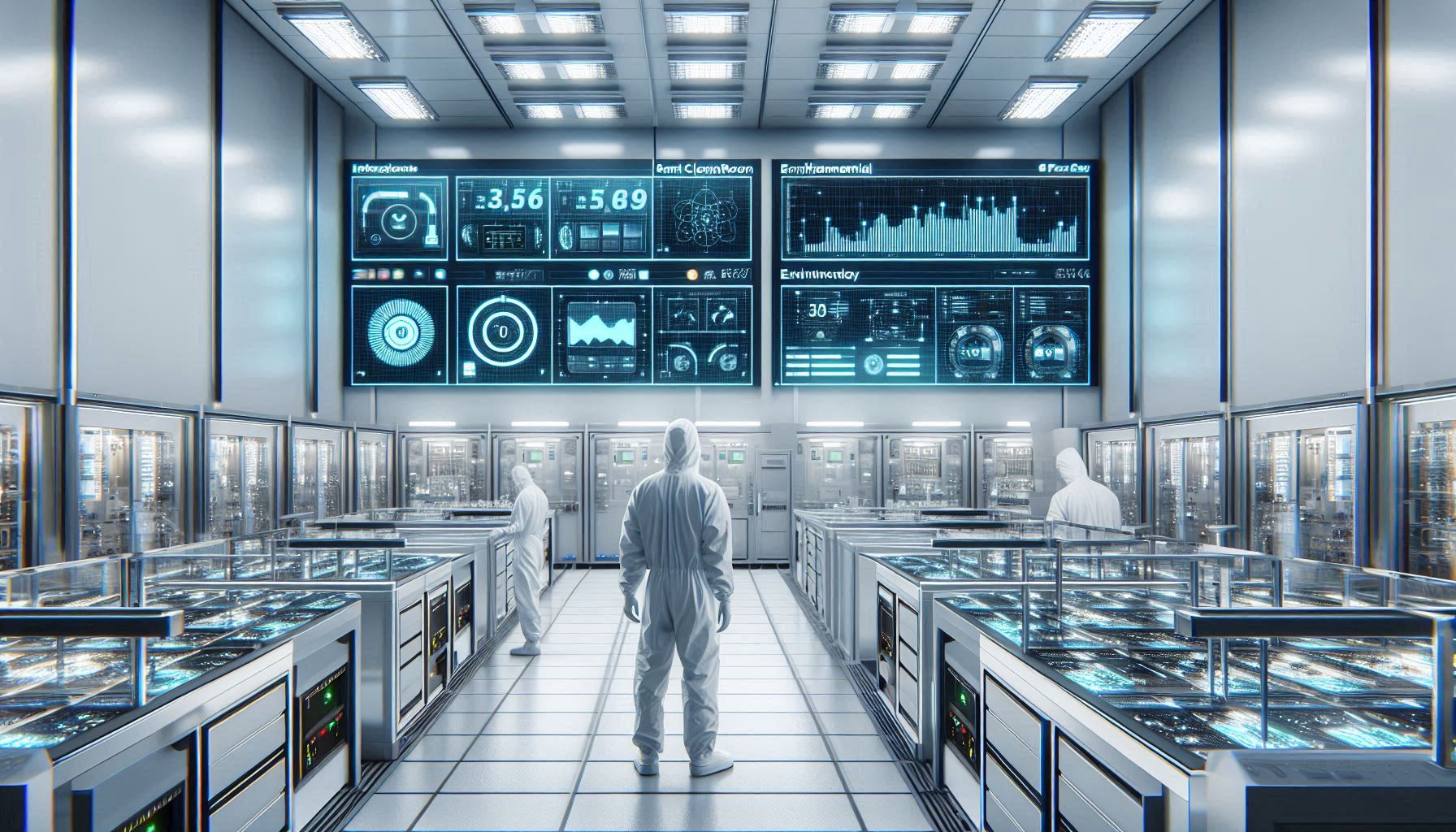
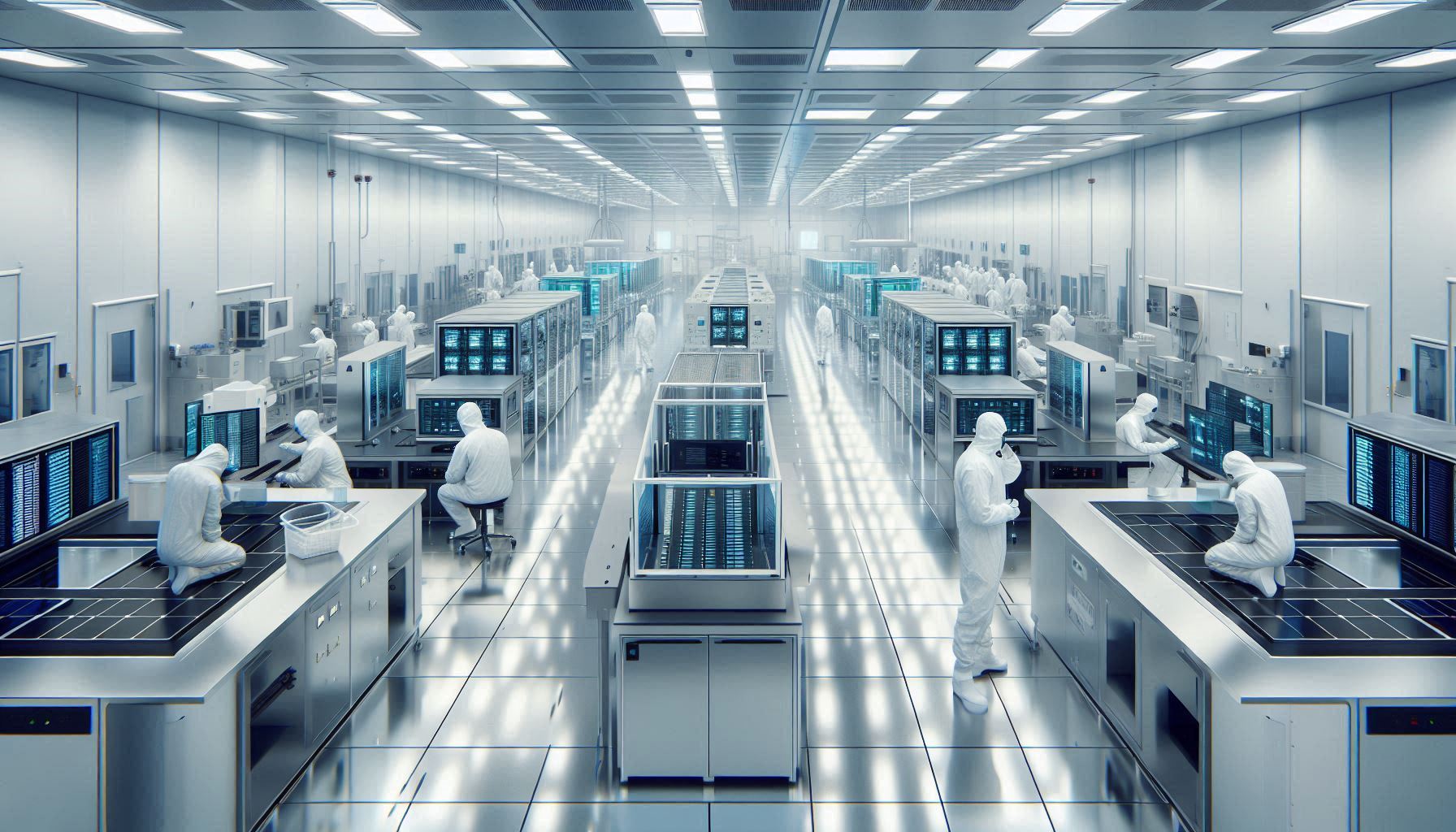
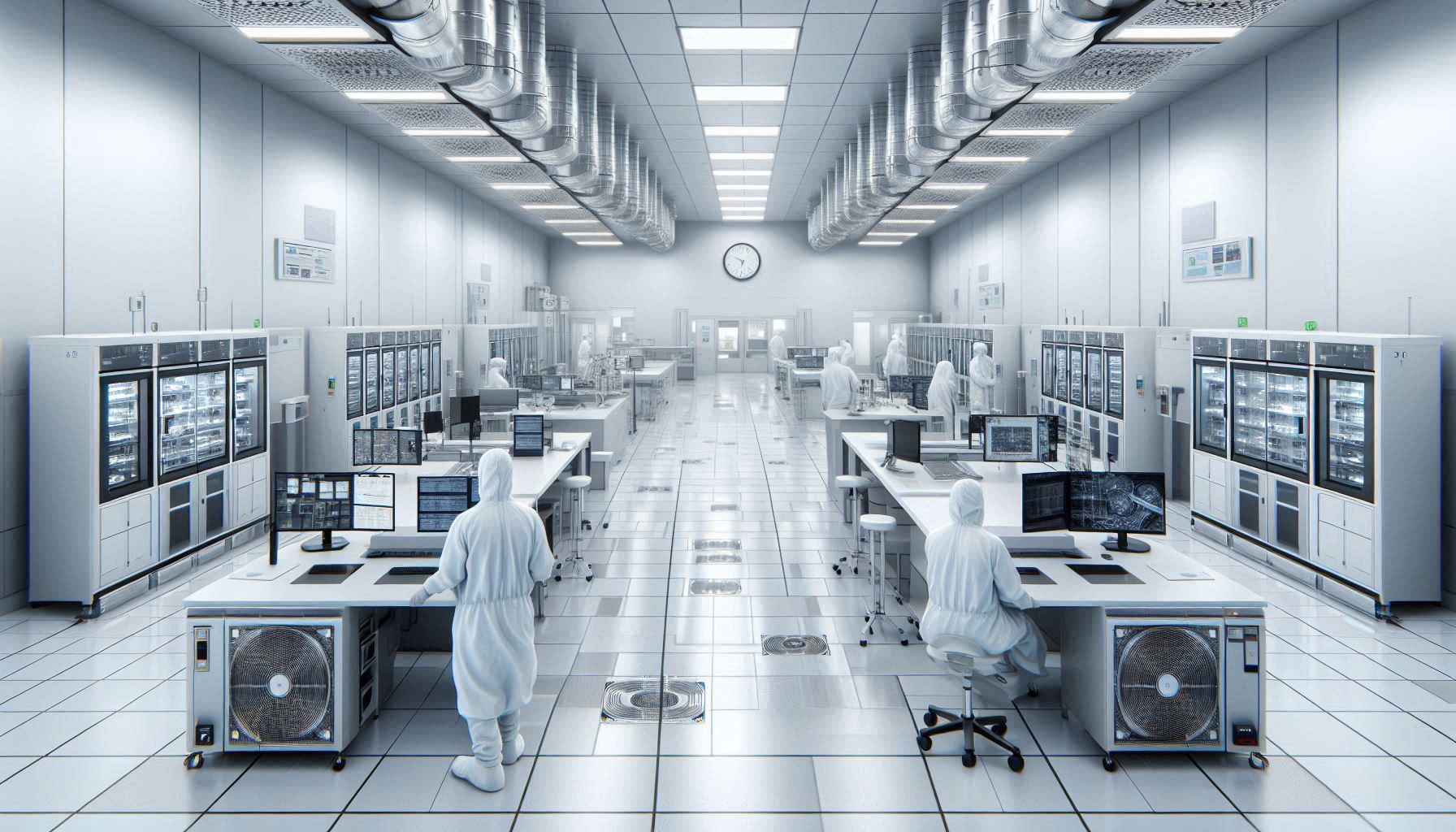
An advanced HVAC system installed in a modern data center

The HVAC for data centers is a cornerstone of modern IT infrastructure, ensuring that servers, storage systems, and networking equipment operate efficiently without overheating or succumbing to environmental risks. Maintaining temperatures between 18°C and 24°C and relative humidity levels between 40% and 60% is crucial for preventing condensation or static electricity buildup, which can damage sensitive electronic components. Additionally, standards like TIA-942 mandate redundancy in HVAC systems for Tier 1, 2, 3, and 4 data centers to ensure uninterrupted operations. In this article, we’ll explore the essential needs and best practices for HVAC for data centers, focusing on innovative solutions like underfloor cooling, in-row cooling, and smart rack cooling systems.

What Is HVAC for Data Centers?

HVAC in a data center refers to specialized systems designed to regulate temperature, humidity, and air quality within the facility. These systems are tailored to meet the unique demands of IT infrastructure, ensuring precise environmental control to prevent overheating, moisture-related issues, and contamination. Unlike traditional HVAC systems, HVAC for data centers often employs advanced technologies such as underfloor cooling, in-row cooling, and containment strategies to maximize efficiency. For instance, a facility in Bengaluru implemented in-row cooling units like these, achieving a 25% reduction in energy consumption.

Additionally, redundancy planning is critical for data centers. TIA-942 standards require backup systems for Tier 3 and Tier 4 facilities to handle failures without downtime. This ensures reliability and scalability, making HVAC systems indispensable for modern data centers.

How Do You Calculate HVAC in a Data Center?

Calculating HVAC requirements for a data center involves assessing heat loads generated by IT equipment, lighting, and human activity. A common formula is ( Q = P x 3.412 ), where ( Q ) represents heat load in BTU/hr and ( P ) is the power consumption in kW. Adding a safety margin ensures the system can handle unexpected spikes in heat generation.

For example, a data center in Hyderabad calculated its heat load using CFD analysis (computer-based airflow simulations) and integrated AI-driven controls to optimize cooling distribution here. Such precision helps reduce energy waste while maintaining optimal conditions.

HVAC for Data Centers in India

India’s growing IT sector has led to a surge in demand for HVAC for data centers. Cities like Hyderabad, Pune, and Chennai are becoming hubs for cloud computing and big data analytics, driving the need for advanced cooling solutions. Indian data centers face unique challenges, including high ambient temperatures and fluctuating power supply, which necessitate robust HVAC systems.

For instance, a data center in Chennai adopted geothermal cooling systems like these to reduce reliance on grid electricity. Similarly, facilities in Mumbai have implemented solar-powered HVAC units, cutting operational costs by up to 40%.

HVAC for Data Centers PDF

For professionals seeking detailed insights, numerous organizations publish comprehensive guides on HVAC for data centers in PDF format. These documents cover design principles, energy efficiency strategies, and compliance with international standards like ASHRAE and TIA-942. For example, ASHRAE’s guidelines emphasize the importance of maintaining specific temperature and humidity ranges to protect IT equipment.

If you’re looking for practical resources, explore materials like the ultimate guide to ISO Class 5 cleanrooms or the comprehensive guide to chiller types.

Data Center HVAC Companies

  • Leading Providers :
    • Companies like Black Box Corporation, Climaveneta Climate Technologies, and Emerson Electric are renowned for delivering energy-efficient and reliable cooling systems tailored to IT infrastructure.
    • Other notable names include Fujitsu, Hitachi, and Schneider Electric, which integrate smart technologies such as AI-driven controls and IoT-enabled sensors to optimize performance.
  • Specialized Solutions :
    • STULZ GmbH and Vertiv focus on advanced in-row and smart rack cooling systems, ensuring targeted airflow for high-density server environments.
    • Rittal and Nortek Air Solutions are known for modular designs, offering scalability and flexibility for growing data centers.
  • Compliance and Standards :
    • These companies adhere to international standards like ASHRAE and TIA-942, ensuring reliability and compliance in data center HVAC systems.
  • Sustainability Initiatives :
    • Many providers prioritize eco-friendly technologies, incorporating solutions like geothermal cooling and solar-powered units like these .
  • Industry Impact :
    • Their innovations are reshaping the future of data center HVAC, making systems more efficient, adaptable, and environmentally friendly.

Data Center HVAC Jobs

The demand for skilled professionals in data center HVAC jobs is growing rapidly. Roles range from HVAC technicians and engineers to project managers and consultants. Key responsibilities include designing, installing, and maintaining cooling systems, ensuring compliance with standards like TIA-942, and optimizing energy efficiency.

For instance, a technician in Hyderabad gained expertise by working on pharmaceutical cleanroom projects, which opened doors to higher-paying roles in data centers. Explore HVAC training programs like these to enhance your career prospects.

Data Center HVAC Design Course

Specialized courses on data center HVAC design equip professionals with the skills needed to create efficient and reliable cooling systems. Topics typically include heat load calculations, airflow management, and compliance with international standards like ASHRAE and TIA-942.

For example, a course in Bengaluru focuses on emerging trends like AI-driven optimization and geothermal cooling here. Such training ensures participants stay ahead in a competitive industry.

Data Center HVAC Manufacturers

Leading manufacturers play a pivotal role in advancing HVAC for data centers. These companies develop cutting-edge technologies like in-row cooling units, smart rack cooling systems, and geothermal HVAC solutions. For instance, a manufacturer in Chennai introduced energy-efficient chillers, helping facilities reduce operational costs significantly.

Collaborations between manufacturers and data center operators are driving innovation, with a focus on sustainability and energy efficiency here.

Types of Data Center Cooling Systems

Data centers employ various cooling systems tailored to their specific needs:

Underfloor Cooling

Underfloor cooling systems distribute cold air through raised floors, ensuring consistent airflow across server racks. This approach is particularly effective for large-scale facilities.

In-Row Cooling

In-row cooling units are placed directly between server racks, providing targeted cooling to high-density areas. For example, a facility in Pune reduced energy consumption by 30% after adopting in-row cooling here.

Smart Rack Cooling

Smart rack cooling systems use sensors and AI-driven controls to optimize airflow and temperature distribution. These systems are gaining popularity due to their efficiency and scalability.

Emerging Trends in Data Center HVAC

Several trends are reshaping HVAC for data centers, offering exciting opportunities for innovation:

AI-Powered Optimization

Artificial intelligence is transforming HVAC operations by enabling predictive maintenance and real-time adjustments. For instance, an AI-driven chiller plant in Mumbai optimized energy usage, achieving a 20% reduction in cooling costs here.

Sustainability Initiatives

Green building certifications like LEED and IGBC are encouraging data centers to adopt sustainable HVAC solutions. Geothermal cooling and energy recovery ventilators (ERVs) are becoming popular choices for reducing carbon footprints here.

Modular Designs

Modular HVAC systems offer scalability and flexibility, allowing data centers to expand their cooling capacity as needed. This approach ensures long-term adaptability without compromising efficiency.

Case Studies: Real-World Applications

To illustrate the impact of innovative HVAC solutions, consider these examples:

  • Bengaluru Facility: Achieved 30% cooling efficiency improvement using in-row cooling configurations.
  • Hyderabad Data Center: Reduced energy consumption by 25% after integrating AI-driven chiller plants.
  • Gujarat Setup: Cut reliance on grid electricity by 40% using solar-powered HVAC systems.

FAQs: HVAC for Data Centers

What is HVAC in a data center?

HVAC in a data center refers to systems that regulate temperature, humidity, and air quality to protect IT equipment from overheating and environmental risks.

How do you calculate HVAC in a data center?

Use formulas like ( Q = P x 3.412 ), where ( Q ) represents heat load in BTU/hr and ( P ) is the power consumption in kW. Add a safety margin for unexpected spikes.

HVAC for data centers in India?

Indian data centers increasingly adopt geothermal and solar-powered HVAC systems to address high ambient temperatures and fluctuating power supply.

HVAC for data centers PDF?

Comprehensive guides on HVAC for data centers are available from organizations like ASHRAE, covering design principles and energy efficiency strategies.

Data center HVAC companies?

Leading companies specialize in energy-efficient systems, redundancy planning, and compliance with industry standards like ASHRAE and TIA-942.

Data center HVAC jobs?

Roles range from HVAC technicians and engineers to project managers, with key responsibilities including system design, installation, and maintenance.

Data center HVAC design course?

Courses focus on heat load calculations, airflow management, and compliance with international standards like ASHRAE and TIA-942.

Data center HVAC manufacturers?

Manufacturers develop cutting-edge technologies like in-row cooling units, smart rack cooling systems, and geothermal HVAC solutions.

Types of data center cooling systems?

Common types include underfloor cooling, in-row cooling, and smart rack cooling systems.

Disclaimer

Some links in this article are affiliate links, such as those for Amazon products. These may generate a small commission at no extra cost to you, supporting our work. We never compromise editorial integrity for partnerships.

About the Author

Mr. Om Prakash, with over 18 years of hands-on experience in the HVAC industry, brings unmatched expertise in cleanroom, pharmaceutical, semiconductor, data center, commercial, and industrial HVAC systems. As the founder of HVAC Technocrat, he specializes in customized HVAC design, energy efficiency audits, retrofit planning, and turnkey consultancy services across India. His deep understanding of critical environments and complex building needs ensures every solution is efficient, reliable, and future-ready. Through his writings, he simplifies HVAC concepts and shares real-world insights to support professionals, facility managers, and decision-makers. For any enquiries or project support, feel free to call or WhatsApp at +91 9908091942, email at hvactechnocrats@gmail.com, or visit www.hvactechnocrat.com.

HVAC Engineer: How to Become Successful

An HVAC engineer analyzing a blueprint

Becoming a successful HVAC engineer requires more than just technical expertise; it demands leadership, coordination skills, and the ability to manage on-site activities effectively. Unlike HVAC design engineers who focus on creating blueprints and system plans, HVAC engineers are primarily responsible for overseeing site-based tasks, ensuring smooth project execution, and maintaining communication between clients, subcontractors, and internal teams. In this article, we will explore the essential steps, challenges, and strategies to help you thrive as an HVAC engineer, whether you’re managing labor, handling vendor relationships, or ensuring timely project handovers.

Understanding the Role of an HVAC Engineer

An HVAC engineer is the backbone of any HVAC project’s on-site execution. They ensure that designs created by HVAC design engineers are implemented accurately and efficiently. Their responsibilities include coordinating with subcontractors, managing labor, procuring materials, and resolving on-site issues. For example, an HVAC engineer working on a pharmaceutical cleanroom must ensure that temperature and humidity controls align with ISO standards while also managing the workforce and addressing unforeseen challenges like material shortages or design clashes.

Additionally, HVAC engineers play a crucial role in client interactions, acting as representatives of their companies. They handle billing progress, site measurements, and payment follow-ups, often under the guidance of senior engineers. This multifaceted role prepares them for career growth and leadership positions within the industry.

The Pathway to Becoming an HVAC Engineer

To become a successful HVAC engineer, you need a combination of education, hands-on experience, and certifications. Here’s a practical way to lay a solid foundation:

Pursue Relevant Education

Most employers prefer candidates with a degree in mechanical engineering, HVAC technology, or a related field. Courses in thermodynamics, fluid mechanics, and refrigeration systems give you a strong base in HVAC fundamentals. While design skills are not a primary focus for HVAC engineers, understanding these concepts helps in troubleshooting and resolving on-site issues.

Gain Practical Experience

Internships and apprenticeships offer real-world experience that’s essential for building practical skills. Aspiring HVAC engineers often start by assisting senior engineers in managing site activities such as work front forecasting, material procurement, and workforce coordination. These experiences prepare them for the multifaceted role they will eventually undertake.

For instance, working on projects like geothermal HVAC systems can deepen your understanding of sustainable technologies, which are increasingly important in modern HVAC projects.

Obtain Certifications

Certifications from well-known organizations like ASHRAE or ISHRAE boost your professional credibility and show your commitment to industry standards. Specialized certifications in areas like energy auditing or project management can further set you apart in the competitive job market.

Skills Every HVAC Engineer Should Master

Success as an HVAC engineer hinges on mastering a mix of technical and soft skills:

Technical Proficiency

While HVAC engineers are not responsible for design, they must understand technical aspects like heat load calculations, static pressure adjustments, and duct sizing to ensure proper implementation. Tools like CFD analysis (computer-based airflow simulations) can help predict system performance before installation.

Leadership and Coordination

Senior HVAC engineers typically oversee teams, coordinate on-site operations, and make sure projects are completed on schedule. Junior engineers can develop leadership skills by assisting in tasks such as workforce management, material procurement, and client interactions.

Communication Skills

Clear communication with clients, contractors, and internal teams is crucial. HVAC engineers act as intermediaries, ensuring that project milestones are met and issues are resolved promptly. For example, during a data center project in Mumbai, effective communication helped reduce energy consumption by 25% after implementing AI-driven chiller plants. Learn more about this trend in our article on AI-powered chiller plants.

Problem-Solving Abilities

An HVAC engineer must troubleshoot issues effectively. For example, figuring out why airflow is inconsistent in a building might mean inspecting the ductwork layout or adjusting the dampers for better balance.

Emerging Trends Shaping the HVAC Industry

Staying updated with the latest trends is vital for any aspiring HVAC engineer:

AI-Driven Optimization

Artificial intelligence is transforming HVAC systems by making predictive maintenance possible and allowing real-time performance tracking. Smart HVAC systems like these use machine learning algorithms to optimize energy consumption.

Sustainable Solutions

With growing emphasis on green buildings, HVAC engineers are increasingly incorporating renewable energy sources. Solar-powered air conditioners are becoming more popular, particularly in sun-rich regions like India. Learn more in our solar AC buying guide.

Advanced Filtration Systems

Indoor air quality has become a priority post-pandemic. Technologies such as HEPA filters and UV-C disinfection have become standard features in many HVAC systems.

Challenges Faced by HVAC Engineer

While rewarding, the path to success as an HVAC engineer comes with its share of challenges:

Managing Subcontractors and Labor

One of the most critical tasks for an HVAC engineer is managing subcontractors and labor. Ensuring that everyone works harmoniously and adheres to timelines is essential for project success. For example, an HVAC engineer in Hyderabad successfully coordinated multiple teams to achieve ISO Class 5 certification for a pharmaceutical facility. Dive deeper into cleanroom standards here.

Navigating Complex Codes

Adhering to local and international codes, like the Energy Conservation Building Code (ECBC), demands careful attention to detail.

Balancing Cost and Efficiency

Clients often demand cost-effective yet high-performing systems. Achieving this balance requires creative thinking and careful planning.

Client Interaction and Documentation

On-site HVAC engineers face the challenge of coordinating multiple stakeholders, including contractors, clients, and design teams. Effective communication and proactive problem-solving are essential to ensure smooth project execution. Additionally, documentation plays a vital role in project handover and future reference.

Real-World Case Studies

Case studies offer valuable lessons for budding HVAC engineers:

Data Center Cooling: A data center in Mumbai cut its energy usage by 23% after adopting AI-powered chiller plants. Read more about this trend in our article on AI-powered chiller plants.
Cleanroom Design: A pharmaceutical facility in Hyderabad earned ISO Class 5 certification through meticulous HVAC design. Dive deeper into cleanroom standards here.

Expert Insights: Lessons from 18 Years in the Field

With over 18 years of hands-on experience in the HVAC industry, it’s clear that success in this field requires meticulous groundwork and a proactive approach. Even after nearly two decades, preparing CAD drawings, conducting detailed heat load calculations, and sizing ducts and pipes using precise charts remain essential practices. These foundational steps ensure accuracy and efficiency in system design.

Additionally, tasks like static pressure calculations, sectional drawing preparations, and site visits are non-negotiable for achieving perfection. For instance, checking ceiling height availability during site visits can prevent costly redesigns later, while proactive visualization helps anticipate challenges before they arise. Thoughtful planning extends to plant room layouts, where optimizing space and accessibility is critical for seamless operations. By embracing these practices, HVAC engineers not only deliver high-quality results but also build trust with clients and stakeholders.

Frequently Asked Questions About Becoming an HVAC Engineer

What qualifications do I need to become an HVAC engineer?
A bachelor’s degree in mechanical engineering or HVAC technology is usually needed, along with industry-recognized certifications.

How long does it take to become an HVAC site engineer?
It usually takes four years to complete a bachelor’s degree, followed by additional time for certifications and hands-on experience.

Is programming knowledge necessary for HVAC engineer?
Although not required, knowing programming languages like Python can be a big plus when working with AI-driven systems.

Can HVAC engineers work internationally?
Yes, HVAC engineers can find opportunities worldwide, provided they meet regional licensing requirements.

What industries hire HVAC engineer?
HVAC engineers are employed in sectors like construction, healthcare, manufacturing, and IT infrastructure.

How important is sustainability in HVAC engineering?
Sustainability is critical, as energy-efficient systems reduce operational costs and environmental impact.

Tips for Career Growth as an HVAC Engineer

Continuous learning and networking play a big role in growing your HVAC career.

Joining industry conferences and hands-on workshops helps you keep up with the latest innovations and best practices. These events also give you a chance to meet professionals, exchange ideas, and build connections that can open doors to new opportunities

Disclaimer

Some links in this article are affiliate links, such as those for Amazon products. These may generate a small commission at no extra cost to you, supporting our work. We never compromise editorial integrity for partnerships.

About the Author

Mr. Om Prakash, with over 18 years of hands-on experience in the HVAC industry, brings unmatched expertise in cleanroom, pharmaceutical, semiconductor, data center, commercial, and industrial HVAC systems. As the founder of HVAC Technocrat, he specializes in customized HVAC design, energy efficiency audits, retrofit planning, and turnkey consultancy services across India. His deep understanding of critical environments and complex building needs ensures every solution is efficient, reliable, and future-ready. Through his writings, he simplifies HVAC concepts and shares real-world insights to support professionals, facility managers, and decision-makers. For any enquiries or project support, feel free to call or WhatsApp at +91 9908091942, email at hvactechnocrats@gmail.com, or visit www.hvactechnocrat.com.

HVAC Design Engineer: How to Become Successful

An HVAC design engineer analyzing a blueprint

Becoming a successful HVAC Design Engineer requires a unique combination of technical expertise, creativity, and adaptability. From designing efficient climate control systems for residential spaces to ensuring precise environmental conditions in critical environments like cleanrooms and data centers, HVAC design engineers play a pivotal role in shaping modern infrastructure. This article explores the essential steps, emerging trends, and real-world insights that can help you thrive as an HVAC Design Engineer, whether you’re just starting your career or looking to refine your skills.

Understanding the Role of an HVAC Design Engineer

An HVAC Design Engineer is responsible for creating detailed plans and specifications for heating, ventilation, and air conditioning systems that regulate temperature, humidity, and air quality in various settings. These professionals collaborate closely with architects, contractors, and facility managers to ensure systems are not only functional but also energy-efficient and sustainable. For instance, designing HVAC systems for pharmaceutical cleanrooms demands precise temperature and humidity control, while systems for data centers focus on cooling efficiency and redundancy.

A strong foundation in psychrometry (the study of air properties) and heat load calculations is crucial for success. Learn more about these concepts in our detailed guide on heat load calculation.

The Educational Pathway to Becoming an HVAC Design Engineer

The journey to becoming a successful HVAC Design Engineer begins with formal education and hands-on experience. Here’s how you can build a strong foundation:

Pursue Relevant Degrees

Most employers prefer candidates with a bachelor’s degree in mechanical engineering, HVAC technology, or a related field. Courses in thermodynamics, fluid mechanics, and refrigeration systems provide a solid grounding in the principles of HVAC design.

Gain Practical Experience

Internships and apprenticeships are invaluable for gaining hands-on skills. For example, working alongside seasoned professionals on projects like geothermal HVAC systems installation can deepen your understanding of sustainable technologies. Explore tips on selecting eco-friendly systems in our blog on geothermal HVAC systems.

Obtain Certifications

Certifications from recognized bodies such as ASHRAE or ISHRAE enhance credibility. Specialized certifications in areas like BIM (Building Information Modeling) or energy auditing can further set you apart in the competitive job market.

Skills Every HVAC Design Engineer Should Master

Success as an HVAC Design Engineer hinges on mastering a mix of technical and soft skills:

Technical Proficiency

CFD Analysis: Computer-based airflow simulations help predict system performance before implementation.
Energy Efficiency Audits: Conducting audits ensures systems operate optimally while reducing energy costs. Discover more about audits in our article on energy efficiency audits.

Problem-Solving Abilities

An HVAC design engineer must troubleshoot issues effectively. For instance, identifying the root cause of inconsistent airflow in a building could involve checking ductwork design or recalibrating dampers.

Communication Skills

Clear communication with clients and team members is crucial. Explaining complex HVAC concepts in simple terms builds trust and fosters collaboration.

Emerging Trends Shaping the HVAC Design Industry

Staying updated with the latest trends is vital for any aspiring HVAC Design Engineer:

AI-Driven Optimization

Artificial intelligence is revolutionizing HVAC systems by enabling predictive maintenance and real-time performance monitoring. Smart HVAC systems like these use machine learning algorithms to optimize energy consumption.

Sustainable Solutions

With growing emphasis on green buildings, HVAC design engineers are increasingly incorporating renewable energy sources. Solar-powered air conditioners are gaining traction, especially in regions like India. Learn more in our solar AC buying guide.

Advanced Filtration Systems

Indoor air quality has become a priority post-pandemic. Technologies like HEPA filters and UV-C disinfection are now standard in many HVAC designs.

Challenges Faced by HVAC Design Engineers

While rewarding, the path to success as an HVAC Design Engineer comes with its share of challenges:

Adapting to Climate Change

Rising global temperatures necessitate rethinking traditional cooling methods. Engineers must design systems capable of handling extreme heat waves without excessive energy usage.

Navigating Complex Codes

Compliance with local and international codes, such as ECBC (Energy Conservation Building Code), requires meticulous attention to detail.

Balancing Cost and Efficiency

Clients often demand cost-effective yet high-performing systems. Achieving this balance calls for innovative thinking and thorough planning.

Real-World Case Studies

Case studies offer valuable lessons for budding HVAC Design Engineers:

Data Center Cooling: A Mumbai-based data center reduced energy consumption by 25% after implementing AI-driven chiller plants. Read more about this trend in our article on AI-powered chiller plants.
Cleanroom Design: A pharmaceutical facility in Hyderabad achieved ISO Class 5 certification thanks to precise HVAC design. Dive deeper into cleanroom standards here.

Expert Insights: Lessons from 18 Years in the Field

With over 18 years of hands-on experience in the HVAC industry, it’s clear that success as an HVAC design engineer requires meticulous groundwork and a proactive approach. Even after nearly two decades, preparing CAD drawings, conducting detailed heat load calculations, and sizing ducts and pipes using precise charts remain essential practices. These foundational steps ensure accuracy and efficiency in system design.

Additionally, tasks like static pressure calculations, sectional drawing preparations, and site visits are non-negotiable for achieving perfection. For instance, checking ceiling height availability during site visits can prevent costly redesigns later, while proactive visualization helps anticipate challenges before they arise. Thoughtful planning extends to plant room layouts, where optimizing space and accessibility is critical for seamless operations. By embracing these practices, HVAC design engineers not only deliver high-quality results but also build trust with clients and stakeholders.

Job Opportunities in HVAC Industry

If you’re an aspiring professional looking to build a rewarding career in the HVAC industry, we’re here to help! Whether you’re a fresh graduate or an experienced, there are countless opportunities in areas like HVAC design, planning, installation, maintenance, and consultancy. To assist you in finding the right role within my network, please send me your updated CV at hvactechnocrats@gmail.com for my records. This will enable me to recommend you for suitable openings in my circle and support your career growth in the dynamic HVAC field. Reach out today to take the next step toward success!

Tips for Career Growth as an HVAC Design Engineer

Continuous learning and networking are key to advancing your career:

Attend industry conferences and workshops to stay updated on innovations.
Join professional organizations like ISHRAE or ASHRAE to connect with peers.
Leverage online platforms like LinkedIn to showcase your expertise and engage with thought leaders.

FAQs

What qualifications do I need to become an HVAC design engineer?
A bachelor’s degree in mechanical engineering or HVAC technology is typically required, along with relevant certifications.

How long does it take to become an HVAC design engineer?
It usually takes four years to complete a bachelor’s degree, followed by additional time for certifications and hands-on experience.

Is programming knowledge necessary for HVAC design engineers?
While not mandatory, familiarity with programming languages like Python can be beneficial for working with AI-driven systems.

Can HVAC design engineers work internationally?
Yes, HVAC design engineers can find opportunities worldwide, provided they meet regional licensing requirements.

What industries hire HVAC design engineers?
HVAC design engineers are employed in sectors like construction, healthcare, manufacturing, and IT infrastructure.

How important is sustainability in HVAC design engineering?
Sustainability is critical, as energy-efficient systems reduce operational costs and environmental impact.

Disclaimer

Some links in this article are affiliate links, such as those for Amazon products. These may generate a small commission at no extra cost to you, supporting our work. We never compromise editorial integrity for partnerships.

About the Author

Mr. Om Prakash, with over 18 years of hands-on experience in the HVAC industry, brings unmatched expertise in cleanroom, pharmaceutical, semiconductor, data center, commercial, and industrial HVAC systems. As the founder of HVAC Technocrat, he specializes in customized HVAC design, energy efficiency audits, retrofit planning, and turnkey consultancy services across India. His deep understanding of critical environments and complex building needs ensures every solution is efficient, reliable, and future-ready. Through his writings, he simplifies HVAC concepts and shares real-world insights to support professionals, facility managers, and decision-makers. For any enquiries or project support, feel free to call or WhatsApp at +91 9908091942, email at hvactechnocrats@gmail.com, or visit www.hvactechnocrat.com.

HVAC Challenges: Breaking Down for Practical Solutions in All Scenarios

Illustration of advanced HVAC systems across industries including commercial buildings, cleanrooms, data centers, and factories. Features smart thermostat, energy-efficient cooling technologies, AI-powered monitoring, solar panels, and wind turbines.

HVAC Challenges: Breaking Down for Practical Solutions in All Scenarios

HVAC systems are the backbone of comfort and safety across homes, offices, factories, and specialized facilities. Yet, professionals face a maze of challenges—from energy inefficiency in aging systems to maintaining sterile environments in labs. This article breaks down common HVAC hurdles and offers actionable solutions tailored to residential, commercial, and industrial scenarios. Whether you’re troubleshooting airflow imbalances or retrofitting systems for sustainability, this guide equips you with strategies to tackle problems head-on.

Understanding Common HVAC Challenges Across Industries

HVAC issues vary widely depending on the setting. In homes, uneven cooling and high utility bills dominate complaints. Offices struggle with balancing air quality across open floor plans, while factories face heat management near heavy machinery. High-stakes environments like labs and hospitals demand precision humidity control and contamination prevention. For example, a hospital in Southeast Asia reduced airborne infections by 22% after upgrading to HEPA filters with UV-C light integration.

Residential HVAC: Solving Everyday Comfort Issues

Uneven Temperature Distribution
Rooms feeling like different climates? Duct leaks or improper insulation are common culprits. Sealing gaps with mastic tape and adding attic insulation can balance airflow. Smart thermostats [like these] simplify zoning, allowing customized temperatures for each room.

High Energy Bills
Older systems guzzle energy. Solutions include replacing outdated units with ENERGY STAR-rated models (up to 20% savings), scheduling seasonal maintenance to clean coils and check refrigerant levels, and installing programmable thermostats to reduce runtime during off-peak hours. A retrofit project in Texas saw homeowners cut cooling costs by 35% after switching to a variable-speed heat pump.

Commercial HVAC: Balancing Air Quality and Efficiency

Open-plan offices, retail spaces, and restaurants need systems that handle high occupancy without spiking energy use. Challenges include meeting ASHRAE Standard 62.1 for indoor air quality (IAQ), using dampers to direct airflow to crowded areas, and addressing clogged filters that reduce efficiency by 15–20%. A café chain in Europe adopted demand-controlled ventilation (DCV), which adjusts airflow based on CO2 sensors, slashing energy use by 25%.

Industrial HVAC: Managing Extreme Conditions

Factories, warehouses, and chemical plants require robust systems to handle heat, fumes, and dust. Key challenges include spot cooling for welding stations or furnaces, using electrostatic precipitators to capture fine particles, and installing backup systems to prevent downtime during failures. A textile mill in India integrated evaporative cooling pads with IoT-enabled fans, reducing ambient temperatures by 8°C while adhering to ECBC 2017 guidelines.

Specialized Environments: Labs, Hospitals, and Data Centers

Labs and Cleanrooms
Precision is non-negotiable. ISO Class 5 cleanrooms need 40+ air changes per hour (ACH). Challenges include maintaining pressure differentials and filtering chemical vapors. A biotech startup achieved compliance by pairing laminar airflow hoods with redundant exhaust fans.

Hospitals
HVAC systems must prevent cross-contamination. Strategies include HEPA filters with 99.97% efficiency, negative-pressure isolation rooms, and UVGI systems to neutralize pathogens.

Data Centers
Cooling consumes 40% of energy. Liquid immersion cooling and hot/cold aisle containment are game-changers. A Midwest data center cut cooling costs by 50% using AI-driven chilled water pumps.

Retrofitting Older Systems for Modern Demands

Many buildings operate with outdated HVAC infrastructure. Retrofits can enhance performance without full replacements. Options include variable refrigerant flow (VRF) for buildings with shifting occupancy, energy recovery ventilators (ERVs) to recycle heat from exhaust air, and ductless mini-splits to solve zoning issues in historic homes. A 1980s office tower in Melbourne achieved LEED Gold certification after retrofitting with VRF and solar-assisted heat pumps.

Energy Efficiency and Sustainability Solutions

Smart HVAC Technologies
IoT sensors and AI algorithms optimize runtime and detect faults early. For instance, predictive maintenance tools alert technicians about failing components before breakdowns occur.

Renewable Integration
Solar-powered absorption chillers and geothermal heat pumps reduce reliance on grids. A factory in Sweden runs its HVAC entirely on wind energy, cutting carbon emissions by 90%.

Compliance with Standards
ASHRAE 90.1 and India’s ECBC mandate efficiency benchmarks. Incentives like tax credits for LEED-certified projects accelerate ROI.

Troubleshooting Frequent HVAC Problems

Common issues include short cycling (caused by oversized units), poor airflow (due to dirty filters or blocked ducts), and refrigerant leaks. Solutions include load calculations using Manual J software, regular inspections, and repairs per EPA Section 608 guidelines.

Case Studies: Real-World Problem-Solving

  • A mall in Dubai resolved humidity issues by installing desiccant dehumidifiers, improving customer comfort and reducing mold complaints.
  • A pharma plant met FDA GMP standards using ISO 7-rated filters and automated pressure controls, cutting contamination risks by 40%.

Future-Proofing HVAC Systems

Emerging trends include hydrogen-ready boilers, 3D-printed ducts to reduce waste, and grid-interactive systems that adjust usage during peak demand.

FAQs

1. How often should HVAC filters be replaced?
Every 1–3 months, depending on usage and filter type (e.g., fiberglass vs. HEPA).

2. Can smart thermostats work with older systems?
Yes, but they may require a C-wire adapter for power.

3. What’s the lifespan of a commercial HVAC unit?
15–20 years with proper maintenance.

4. How do I calculate cooling capacity for a server room?
Use ASHRAE’s heat load equations, factoring in server wattage and room size.

5. Are geothermal systems worth the upfront cost?
Yes—payback periods average 5–10 years via energy savings.

6. What’s the best way to reduce HVAC noise?
Install vibration dampers and acoustically lined ducts.

Disclaimer: Disclosure: Some links may earn us a commission at no extra cost to you.

Green Data Center: Pioneering Sustainable Practices for the Future

A modern, eco-friendly data center using advanced cooling and renewable energy technologies.

The ability to store and process data grows exponentially as the digital age progresses. As a result of this merger, the number and size of data centers has increased exponentially. Data centers are important, but they use a lot of energy, which can be harmful to the environment. A green data center is an alternative to making data storage more environmentally friendly and sustainable.

Understanding Green Data Center

The basic design of a green data center is sustainability. Through energy efficient technologies, renewable energy and innovative cooling methods, these centers aim to reduce their impact on the environment. The ultimate goal is to maintain the efficiency and reliability of data centers while simultaneously reducing their carbon footprint.

Energy Conservation

The green data center is based on energy efficiency, however the server and cooling systems, especially in traditional data centers, consume a lot of electricity. They use a variety of techniques to increase energy efficiency:

  • Cooling system efficiency: Advanced cooling technologies such as water cooling and free cooling will be used to reduce energy consumption.
  • Server virtualization: Combine multiple virtual servers into fewer physical machines to reduce power consumption.
  • Energy efficient hardware: Uses servers, storage devices, and networking devices designed to be energy efficient.

To know more about Essential Features of Precision Air Conditioning Units in Data Centers Click Here

Renewable Energy Integration

Integration of renewable energy into Green data center to power their operations. Solar, wind and hydropower are popular options. By implementing these renewables, data centers can significantly reduce their reliance on fossil fuels. Additionally, some data centers are using energy storage solutions such as batteries to store excess energy generated during peak production periods.

Innovative Cooling Methods

Cooling is an important driver of data center energy consumption. They use innovative cooling techniques to control temperature without using excess energy:

  • Free cooling: Outside air is used to cool the data center during the colder months, eliminating the need for traditional air conditioning.
  • Cooling water: Cooling water circulates through server racks for better heat dissipation than air-based systems.
  • Hot and Cold Corridor Containment: Configuring server racks into hot and cold corridors to improve ventilation and reduce workload on cooling systems.

Sustainable Building Practices

Green data centers are typically built with sustainable building materials and practices. This includes the use of recycled materials, the use of energy efficient lighting and HVSC systems, designing rooms to maximize natural light and even, roofing and green walls will be included to provide insulation and reduce heat absorption, thereby increasing energy efficiency.

To know more about How Does AI Optimize Energy Efficiency in Data Center Chiller Plant Click Here

Water Conservation

Water consumption is another important consideration. Traditional data centers consume a lot of water for cooling. However low-water cooling systems and frequently reuse water to reduce waste. Technologies such as evaporative cooling and closed-loop systems help conserve water while maintaining temperature control.

Monitoring and Management

Effective research and implementation is essential to the sustainability of a green data center. Advanced Building Management System (BMS) and Data Center Infrastructure Management (DCIM) tools are used to monitor energy consumption, temperature and humidity levels. These systems provide real-time data, enabling operators to make informed decisions and improve energy efficiency.

To know more about Data Center Sustainability Through Innovative Collaboration in India Click Here

Case Studies of Green Data Center

The standards for green data center have been established by previous companies:

  • Google: Google is focused on running its server farm on sustainable energy. To increase efficiency, their facilities use state-of-the-art AI-driven cooling and energy management technologies.
  • Microsoft: Microsoft’s data centers are powered by integrated renewable energy. It also uses advanced cooling systems and is guaranteed to be carbon-free by 2030.
  • Facebook: Facebook’s data centers use renewable energy and other cooling methods. For example, their Prineville data center uses a mix of evaporative cooling and 100% renewable energy.

The Future of Green Data Center

With continuous technological advancements and increased environmental awareness, the future of green data center looks promising. Energy efficient refrigerators, the use of artificial intelligence to increase energy efficiency and greater integration of renewable energy are among the upcoming trends. Additionally, sustainability standards and regulations for data centers are becoming more stringent. Organizations are expected to adhere to these guidelines, which will lead to greater adoption of green practices. Not only is the profit-only push towards sustainability beneficial for the environment, but it also provides economic incentives by reducing operating costs and improving public opinion.

FAQ

How do green data centers work?

Green data centers use energy-efficient technologies, renewable energy sources, and innovative cooling methods to reduce their impact on the environment. They aim to maintain high performance and reliability while simultaneously reducing their carbon footprint and energy consumption.

How to build a green data center?

Building a green data center requires several steps:

  1. Make energy-efficient improvements to server and cooling systems
  2. Use hydropower, wind power, or other renewable energy sources
  3. Incorporate imaginative cooling methods such as free cooling and water coolers
  4. Use environmentally friendly building materials and sophisticated approaches
  5. Integrate control and monitoring systems for quality

Who has launched its first green data centre in India?

The World Health Organization (WHO) launched its first green data center in India. This initiative is part of their efforts to enhance data processing and storage capabilities while promoting sustainability.

What differentiates a brownfield data center from a greenfield data center?

Greenfield data centers are built entirely from scratch on undeveloped land, enabling the development and deployment of private technologies. On the other hand, brownfield data centers are built by reusing existing buildings or facilities, which may require modifications and upgrades to meet current standards.

Green Data Center PDF

The Green Data Center PDF typically contains drafts of successful applications, detailed information on energy-efficient technologies, and sustainable practices. These documents are helpful resources for companies looking to build or upgrade their data centers to be more environmentally friendly.

Green Data Centers India

Green data centers in India are slowly gaining popularity as associations try to reduce their ecological impact. Renewable energy and energy storage technologies are incorporated into many services and products.

Green data center examples

Green data centers include:

  1. Google data centers, which use renewable energy and AI-powered cooling
  2. Microsoft data centers, which aim to be carbon-negative by 2030 and use renewable and active energy
  3. Facebook Prineville data center, which uses a mix of evaporative cooling and environmentally friendly energy

Green data center company

Green data center development and management is characteristic of many enterprises. Companies that specialize in environmentally friendly data center solutions, as well as tech giants like Google, Microsoft, and Facebook, fall into this category.

Green data center case study

A case study on a green data center shows effective activities in green data centers with enabling practices. This study describes the processes used, challenges encountered, and economic and environmental results.

Green data center PPT

A Green data center PPT presentation typically covers the principles of green data centers, the proposed innovations, and practical examples. Stakeholder education and green data center initiatives benefit from this presentation.

Green data center InfraVia

InfraVia is a commercial publishing company focused on framework projects, including green data centers. They maintain and develop environmentally friendly data storage systems that emphasize energy efficiency.

Green data center in green computing GeeksforGeeks

Green computing includes designing, collecting, and connecting PCs and related assets in an environmentally safe way. GeeksforGeeks provides content that educates on green data centers, which should be maintained as a basic add-on.

Conclusion

An important step towards an environmentally friendly future is seen in the rise of the green data center. Energy productive advancement, sustainable power and other cooling strategies can reduce their natural impact by elite execution with elite execution where information capacity prerequisites increase, welcoming green practices on server farms plays an important part in steering and computerized advances handling the future of environmental change.

About The Author

Omprakash Ramagiri; as the Founder of HVAC Technocrats, I bring over 18 years of experience as a Mechanical Engineer specializing in HVAC (Central Air-conditioning) for commercial, cleanrooms, data centers, and Petrochemical industries. Throughout my career, I’ve held pivotal roles at companies like TATA Consulting Engineers, MW Zander (for Cleanroom solutions), Bluestar Malaysia, and ETA in Dubai. I’ve managed international HVAC projects and gained valuable exposure in dynamic markets like Dubai and Saudi Arabia. With a passion for excellence and a commitment to innovative solutions, I specialize in designing Class 10K & 100K Cleanrooms for various industries. Connect with me to explore collaborations in HVAC design, project sales, and consultancy. Click to visit the Author’s Linkedin page


Disclaimer: The content and images are for educational purposes and knowledge enhancement only. They may not depict actual products or situations. Outcomes may vary. Content is generated by AI and reviewed by industry experts, including Author.

Chiller Plant: Do AI Optimize Energy Efficiency in Data Center?

AI-powered Chiller Plant HVAC system for data centers

In the digital age, data centers serve as vital hubs for storing, processing, and distributing vast amounts of information. Efficient operation of these centers relies heavily on robust HVAC systems, particularly chiller plant that maintain optimal temperature conditions. Recent advancements in artificial intelligence (AI) have profoundly impacted these systems, leading to enhanced efficiency, reliability, and sustainability.

Role of AI in Chiller Plant

AI technologies have revolutionized traditional chiller plants by introducing predictive analytics and adaptive control mechanisms. These systems analyze real-time data from sensors embedded within the infrastructure. By interpreting data patterns and predicting cooling demands, AI algorithms optimize chiller operations dynamically. This proactive approach ensures that cooling output aligns precisely with data center requirements, minimizing energy consumption and operational costs.

Applications in Data Centers

Data centers benefit significantly from AI-powered chiller plants due to their predictive capabilities. These systems can anticipate variations in server loads, environmental conditions, and energy demands. By adjusting cooling operations in real-time, AI ensures consistent temperature control and operational stability. This capability is crucial for maintaining optimal conditions to prevent overheating and equipment failures, thereby reducing downtime risks.

Advantages & Disadvantages

AI-driven chiller plants offer several advantages:

  • Improved Energy Efficiency: AI algorithms optimize energy use based on real-time data, reducing consumption by 10-30% compared to conventional systems.
  • Enhanced Reliability: Predictive analytics minimize the risk of equipment failures and downtime, ensuring uninterrupted data center operations.
  • Predictive Maintenance: AI-enabled systems identify potential issues before they escalate, facilitating proactive maintenance and extending equipment lifespan.

However, implementing AI in chiller plants also presents challenges:

  • Initial Costs: High upfront investment required for AI integration and infrastructure upgrades.
  • Data Accuracy: Dependence on accurate data inputs and continuous monitoring to maintain AI effectiveness.
  • Complex Integration: Integrating AI with existing HVAC systems may pose technical challenges and require specialized expertise.

Technical Data Sheet

Key technical specifications of AI-powered chiller plants include:

  • Capacity: Variable based on data center size and cooling requirements.
  • Energy Consumption: AI optimization typically reduces energy use by 10-30% compared to traditional systems.
  • Maintenance: Regular monitoring and data analysis required to ensure AI algorithms perform effectively.

Components and Design Parameters

AI-powered chiller plants consist of:

  • Sensors: Collect real-time data on temperature, humidity, and environmental conditions.
  • AI Software: Analyzes data patterns and adjusts cooling operations based on predictive analytics.
  • Chiller Units: Responsible for cooling the data center environment efficiently.
  • Data Analytics Platform: Processes and interprets data to optimize system performance.

Design parameters include:

  • Load Forecasting Models: Predict server load variations and cooling demands.
  • Adaptive Control Algorithms: Adjust chiller operations in real-time based on AI insights.
  • Data Integration Protocols: Ensure seamless communication between AI systems and existing infrastructure.

Installation and Maintenance Procedures

Implementing AI in chiller plants involves:

  • Installation: Detailed planning and integration to ensure compatibility with existing HVAC infrastructure.
  • Maintenance: Regular updates to AI algorithms, sensor calibration, and system audits to maintain peak performance.

Performance Monitoring and Lifecycle Analysis

AI-powered systems enable:

  • Performance Monitoring: Real-time dashboards track energy consumption, temperature variations, and system efficiency.
  • Lifecycle Analysis: Predictive maintenance schedules optimize equipment lifespan and resource allocation.

Environmental Impact and Safety Considerations

Key considerations include:

  • Environmental Impact: AI optimization reduces carbon footprint by optimizing energy use and resource allocation.
  • Safety: Fail-safe mechanisms ensure system stability and prevent overheating or equipment failures.

Conclusion

AI-powered chiller plants represent a transformative advancement in data center HVAC technology. By leveraging AI’s predictive capabilities, these systems enhance energy efficiency, reliability, and sustainability. As data centers continue to expand globally, AI-driven solutions will play a critical role in optimizing operations and ensuring uninterrupted performance.

For more insights into AI’s impact on data center HVAC systems, visit HVAC Technocrats.

How to get the most energy efficiency from a chiller plant?

To achieve maximum energy efficiency from a chiller plant, consider these strategies:

  • Regular Maintenance: Ensure chiller units are properly maintained, including cleaning tubes, checking refrigerant levels, and calibrating controls.
  • Optimal Set Points: Adjust chiller set points to match actual cooling demands, avoiding unnecessary energy consumption.
  • Use of Variable Speed Drives (VSDs): Install VSDs to adjust compressor and pump speeds based on load requirements, improving energy efficiency at part loads.
  • Chilled Water Temperature: Increase chilled water supply temperature to reduce chiller workload and improve overall efficiency.
  • Integration with Building Management Systems (BMS): Implement smart controls and integrate with BMS for automated monitoring, analysis, and optimization of chiller operations.

FAQ

How can chiller efficiency be improved?

Improving chiller efficiency involves several key steps:

  • Upgrade to High-Efficiency Chillers: Replace older units with modern, energy-efficient models that meet current standards.
  • Optimize Water Flow: Maintain proper water flow rates through the chiller system to enhance heat transfer efficiency.
  • Regular Cleaning and Maintenance: Clean heat exchanger surfaces, inspect insulation, and ensure all components are functioning optimally.
  • Utilize Free Cooling: Implement free cooling systems where possible, using ambient air or water to cool the chiller during favorable conditions.
  • Chiller Sequencing: Implement a sequencing strategy to operate chillers efficiently based on load and demand.

How do you optimize a chiller plant?

Optimizing a chiller plant involves:

  • System Audits: Conduct regular audits to identify inefficiencies and opportunities for improvement.
  • Performance Monitoring: Use data analytics to monitor chiller performance and identify areas for optimization.
  • Load Matching: Match chiller capacity to actual cooling demand through careful sizing and control adjustments.
  • Energy Recovery: Implement heat recovery systems to capture waste heat for other building uses.
  • Employee Training: Train operators on optimal chiller plant operation and maintenance practices.

How do you optimize cooling in a data center?

To optimize cooling in a data center:

  • Hot Aisle/Cold Aisle Configuration: Arrange server racks to optimize airflow and minimize hot spots.
  • Containment Systems: Implement hot or cold aisle containment to separate hot and cold air streams, improving efficiency.
  • Use of Economizers: Integrate economizer systems to use outside air for cooling during favorable weather conditions.
  • Precision Air Conditioning: Install precision air conditioning units for targeted cooling in sensitive areas.
  • Data Center Layout: Optimize layout to minimize airflow obstructions and ensure efficient air distribution.

Chiller plant optimize energy efficiency in data center ppt

For presentations on optimizing energy efficiency in chiller plants for data centers, consider including:

  • Overview of Chiller Plant Operations
  • Energy Efficiency Strategies
  • Case Studies and Success Stories
  • Technological Advancements in Chiller Systems
  • Recommendations for Data Center Cooling Optimization

For detailed insights, you can visit relevant resources or industry publications on HVAC and data center management.

Chiller plant optimize energy efficiency in data center pdf

To explore detailed strategies for optimizing energy efficiency in chiller plants for data centers, consider downloading PDF resources that cover:

  • Best Practices in Chiller Plant Design
  • Energy-Saving Technologies and Innovations
  • Regulatory Compliance and Standards
  • Case Studies and Performance Metrics
  • Implementation Guidelines for Efficient Operations

Look for reputable sources and publications that specialize in HVAC systems and data center operations.

Chiller plant optimization software

Chiller plant optimization software helps in:

  • Predictive Analytics: Analyzing data to predict cooling demands and optimize chiller operations.
  • Energy Management: Monitoring energy use and implementing strategies to reduce consumption.
  • System Integration: Integrating with BMS and other HVAC systems for centralized control and management.
  • Performance Monitoring: Real-time monitoring of chiller performance and efficiency metrics.
  • Reporting and Analysis: Generating reports and insights for continuous improvement and decision-making.

Chiller efficiency formula

The formula for calculating chiller efficiency typically includes:

  • Chiller Efficiency = (Cooling Output / Energy Input) × 100%
  • Factors such as COP (Coefficient of Performance) and EER (Energy Efficiency Ratio) are used to determine efficiency based on cooling capacity and power consumption.
  • Consult manufacturer specifications and industry standards for specific formulas and calculation methods.

Chiller optimisation to save energy

To optimize chillers for energy savings, consider:

  • Variable Speed Drives (VSDs): Adjusting compressor and pump speeds based on load requirements.
  • Temperature Set Points: Optimizing chilled water supply temperatures to reduce energy consumption.
  • Heat Recovery: Utilizing waste heat for heating purposes through heat recovery systems.
  • Regular Maintenance: Ensuring equipment is well-maintained for optimal efficiency.
  • Data-Driven Insights: Using analytics and monitoring tools to identify opportunities for improvement.

Chiller part load efficiency

Chillers operate efficiently at part loads by:

  • Variable Capacity Control: Adjusting compressor capacity to match cooling demand.
  • Economizer Modes: Using economizer modes to enhance efficiency during low load conditions.
  • Optimized Controls: Implementing advanced control algorithms for precise load management.
  • Efficient Component Design: Utilizing components designed to operate efficiently across various load conditions.

Chilled water system control strategy

To optimize chilled water systems, consider:

  • Flow Optimization: Balancing water flow rates to maximize heat transfer efficiency.
  • Temperature Control: Adjusting chilled water supply temperatures based on load and environmental conditions.
  • System Sequencing: Implementing a sequencing strategy to operate chillers efficiently.
  • Integration with BMS: Using building management systems for centralized control and optimization.
  • Monitoring and Adjustment: Regularly monitoring system performance and adjusting controls for optimal operation.

Increasing chilled water supply temperature

Raising chilled water supply temperatures can improve efficiency by:

  • Reducing Chiller Workload: Lowering the temperature differential between chilled water and return water.
  • Enhancing Compressor Efficiency: Operating chillers closer to their optimal design conditions.
  • Minimizing Heat Losses: Reducing losses associated with chilled water distribution.
  • Optimizing System Operation: Adjusting controls to maintain comfort and operational requirements.

About The Author

Omprakash Ramagiri; as the Founder of HVAC Technocrats, I bring over 18 years of experience as a Mechanical Engineer specializing in HVAC (Central Air-conditioning) for commercial, cleanrooms, data centers, and Petrochemical industries. Throughout my career, I’ve held pivotal roles at companies like TATA Consulting Engineers, MW Zander (for Cleanroom solutions), Bluestar Malaysia, and ETA in Dubai. I’ve managed international HVAC projects and gained valuable exposure in dynamic markets like Dubai and Saudi Arabia. With a passion for excellence and a commitment to innovative solutions, I specialize in designing Class 10K & 100K Cleanrooms for various industries. Connect with me to explore collaborations in HVAC design, project sales, and consultancy. Click to visit the Author’s Linkedin page


Disclaimer: The pictures used are for illustrative purposes only. They may not depict actual products or situations and are meant for educational purposes. Actual products, situations, or outcomes may differ.

What Makes Precision AC the Best Choice for Data Center?

Diagram of a precision AC system highlighting its benefits for data centers.

Precision AC units are required to maintain optimal environmental conditions in critical settings such as data centers and laboratories. These units provide precise Temperature Control , Humidity Control , and air quality, ensuring reliable performance and longevity of sensitive equipment. Understanding the key features of precision air conditioning units is crucial for businesses aiming to improve operational efficiency and reduce downtime due to environmental fluctuations

Data Center Precision AC Units Key Features

Precision AC units represent a unique category in the HVAC industry that is specifically designed to provide precise and consistent environmental control. In environments where even slight fluctuations in temperature or humidity can lead to equipment failures or compromised processes, these units serve as indispensable assets. They are engineered to handle conditions within the tightest tolerance levels, ensuring consistent performance and reliability for sensitive electronic equipment and high-precision manufacturing processes.

Variable Speed Technology for Precision AC

Variable speed technology is a unique feature of precision AC units. These units dynamically adjust cooling capacity based on real-time environmental conditions and load demands. By operating at optimal speeds rather than fixed settings, variable speed compressors and fans increase energy efficiency and reduce operational costs over time. This feature is particularly beneficial in environments with fluctuating cooling requirements, ensuring precise temperature control while reducing energy consumption and operational costs.

High Sensitivity Temperature and Humidity Control in Precision AC

Precision AC units excel in maintaining extremely fine control over temperature and humidity levels. Equipped with advanced sensors and controllers, these units continuously monitor and adjust environmental conditions to exact tolerances. This capability is critical for environments where stability is critical, such as server rooms, clean rooms, and research laboratories. By maintaining optimal conditions, precision air conditioning units protect the integrity and reliability of sensitive equipment, ensuring uninterrupted operation and reducing the risk of costly downtime.

Redundancy and Fault Tolerance System in Precision AC

Reliability is a cornerstone feature of precision AC units, highlighted by their built-in redundancy and fault tolerance mechanisms. Designed with duplicate components and fail-safe systems, these units can continue to operate smoothly even if a component or subsystem fails. Redundancy ensures continuity of cooling operations in critical environments, reducing the risk of equipment overheating or failure due to unexpected technical problems. This feature is essential for businesses and organizations that cannot afford disruptions to their operations due to environmental control failures.

Advanced Air Filtration and Purification

Precision AC units contribute significantly to indoor air quality management. Equipped with advanced filtration systems, these units effectively capture and remove airborne particles, dust, allergens, and pollutants. By improving indoor air quality, precision air conditioning units not only protect sensitive equipment from dust but also create a healthier and more comfortable environment for occupants. This feature is particularly beneficial in settings where maintaining clean air is critical, such as medical facilities, research laboratories, and manufacturing clean rooms.

Beauty of Precision AC for Scalability and Modular Design

Scalability is a key benefit that precision air conditioning units offer. Designed with modular components, these units facilitate easy customization and expansion to suit cooling needs. The modular design allows businesses and organizations to efficiently scale their cooling infrastructure without extensive retrofitting or disruption to operations. Expanding capacity to accommodate growth or technological advancements, precision air conditioning units offer flexibility and future-proofing capabilities, ensuring long-term operational efficiency and reliability.

Precision AC having in-built Remote Monitoring and Control

Remote monitoring and control capabilities are an integral part of modern precision air conditioning systems. Advanced monitoring systems enable facility managers and technicians to remotely monitor operational parameters and make real-time adjustments as needed. This capability improves proactive maintenance practices and troubleshooting, enabling potential problems to be addressed before they affect operations. Remote monitoring not only improves operational efficiency by reducing on-site interventions but also ensures continuous optimization of cooling performance, contributing to overall energy savings and environmental sustainability.

Precision AC are Energy Efficienct

Energy efficiency is a primary consideration in the design and operation of precision air conditioning units. These units feature innovative technologies such as electronically commutated (EC) fans and inverter-driven compressors that optimize energy consumption based on actual cooling demands. By reducing energy consumption during periods of low cooling demand and operating at maximum efficiency during periods of high demand, precision air conditioning units help organizations reduce their carbon footprint and reduce overall operating costs. Energy-efficient design supports sustainability goals and regulatory compliance in various industries, ensuring environmental responsibility while maintaining operational excellence.

Low Noise Operation

Precision air conditioning units are designed for quiet operation, making them suitable for noise-sensitive environments such as offices, hospitals, and research facilities. Advanced sound-dampening technologies and optimized fan designs ensure minimal noise levels during operation, creating a comfortable and productive indoor environment for occupants. Low noise operation is critical in environments that require concentration, communication, and patient care, allowing businesses and organizations to operate optimally without interruptions or distractions.

Conforming to Industry Standards

Adherence to industry standards and certifications is vital to ensure the quality and reliability of precision air conditioning units. These units undergo rigorous testing and meet standards set by organizations such as ASHRAE, ensuring performance excellence, energy efficiency, and environmental responsibility. Compliance with industry standards provides assurance to businesses and organizations investing in precision air conditioning systems, verifying their ability to effectively meet operational requirements and regulatory obligations.

User-Friendly Interface

User-friendly interfaces improve the usability and accessibility of precision air conditioning units. Equipped with intuitive controls and interfaces, these units simplify system management and operation for facility managers and operators. Features such as touchscreen displays, intuitive menus, and remote accessibility enable easy navigation, monitoring, and adjustment of operational settings. User-friendly interfaces empower users to optimize cooling performance, respond instantly to changing environmental conditions, and ensure seamless integration into facility management practices.

Codes & Standards

Precision air conditioning units adhere to strict industry standards and certifications to ensure performance, reliability, and safety in critical environments. Compliance with these standards is critical for businesses and organizations that want to maintain optimal conditions and operational continuity. The main criteria that precision air conditioning units usually meet are:

  • ASHRAE Standards: Developed by the American Society of Heating, Refrigerating and Air-Conditioning Engineers, ASHRAE standards define best practices for HVAC design, operation, and maintenance. Compliance ensures that units meet efficiency and performance standards to suit various applications.
  • ISO 14644 (Cleanrooms and associated controlled environments): This international standard specifies cleanliness levels for cleanrooms and controlled environments. Precision air conditioning units designed for cleanroom applications adhere to these standards to maintain specified air quality and cleanliness.
  • UL Certification: Offered by Underwriters Laboratories, UL certification certifies product safety and compliance with industry-specific standards. Precision air conditioning units with UL certification meet strict safety requirements, ensuring reliability and operational safety.
  • EU directives (CE marking): In Europe, precision air conditioning units must comply with the applicable EU directives and bear the CE marking. This marking indicates compliance with health, safety, and environmental protection standards, allowing units to be sold in the European Economic Area.
  • NEBS (Network Equipment Building System): NEBS standards are specific to telecommunication equipment and define environmental and durability requirements. Precision air conditioning units deployed in telecommunication facilities meet NEBS standards to ensure robust performance and reliability in telecommunication environments.
  • Energy Star: Units bearing the Energy Star label meet energy efficiency guidelines set by the Environmental Protection Agency (EPA) in the United States. ENERGY STAR-certified precision air conditioning units use less energy, reduce greenhouse gas emissions, and have lower operating costs compared to standard models.

Pros & Cons

Advantages:

  • Accurate Temperature Control and Humidity Control

  • Energy-efficient operation with variable speed technology

  • High reliability and fault tolerance with redundancy

  • Advanced air filtration and purification for improved indoor air quality

  • Scalable design allows for easy expansion and customization

  • Remote monitoring and control capabilities improve operational efficiency

  • Low noise operation suitable for noise-sensitive environments

  • Ensures quality and reliability in accordance with industry standards

  • User-friendly interface facilitates maintenance and operation

Disadvantages:

  • Higher initial investment compared to standard HVAC systems

  • Requires specialized management and technical expertise

FAQ

What makes precision AC units different from regular HVAC systems?

Precision air conditioning units provide precise control of temperature, humidity, and air quality, suitable for sensitive environments such as data centers and laboratories.

How do precision AC units contribute to energy efficiency?

They employ advanced technologies such as variable speed compressors and EC fans to optimize energy consumption based on real-time demands.

What are the primary applications of precision AC units?

They are used in critical environments that require stable conditions, including server rooms, clean rooms, and medical facilities.

How important is redundancy in precision AC units?

Redundancy ensures continued operation even if a component fails, reducing downtime and preserving equipment reliability.

Are precision air conditioning units suitable for noise-sensitive environments?

Yes, they are designed for low noise operation, making them ideal for environments where noise levels need to be reduced.

Conclusion

Precision AC units play a vital role in maintaining stable and controlled environmental conditions in critical settings such as data centers, laboratories, and clean rooms. Their advanced features including variable speed technology, high sensitivity temperature control, redundancy, advanced filtration, scalability, remote monitoring, energy efficiency, low noise operation, conformance to industry standards, and user-friendly interfaces ensure reliability, efficiency, and stability. Understanding these key attributes empowers organizations to make informed decisions that enhance operational efficiency, equipment reliability, and environmental stewardship across their facilities.

About The Author

Omprakash Ramagiri; as the Founder of HVAC Technocrats, I bring over 18 years of experience as a Mechanical Engineer specializing in HVAC (Central Air-conditioning) for commercial, cleanrooms, data centers, and Petrochemical industries. Throughout my career, I’ve held pivotal roles at companies like TATA Consulting Engineers, MW Zander (for Cleanroom solutions), Bluestar Malaysia, and ETA in Dubai. I’ve managed international HVAC projects and gained valuable exposure in dynamic markets like Dubai and Saudi Arabia. With a passion for excellence and a commitment to innovative solutions, I specialize in designing Class 10K & 100K Cleanrooms for various industries. Connect with me to explore collaborations in HVAC design, project sales, and consultancy. Click to visit the Author’s Linkedin page


Disclaimer: The pictures used are for illustrative purposes only. They may not depict actual products or situations and are meant for educational purposes. Actual products, situations, or outcomes may differ.

How to Use AI to Predict HVAC System Failures in Data Centers

Discover the transformative potential of AI in predicting HVAC system failures in data centers. Learn how AI technology can improve reliability, reduce downtime and optimize energy efficiency.

Using AI to Predict HVAC Failures in Data Centers

Using AI to predict HVAC system failures in data centers will revolutionize management and operational efficiency. This article explores the integration of AI, highlighting its benefits, applications and steps to implement it effectively.

What is AI in HVAC Systems?

AI in HVAC systems involves using advanced algorithms and machine learning techniques to monitor and analyze system performance data. This technology predicts potential failures, optimizes maintenance schedules, and increases overall system efficiency. AI-driven HVAC systems are becoming essential in data centers due to their ability to process large amounts of data in real time.

What is the role of AI in predicting HVAC failures?

AI plays a key role in predicting HVAC failures by analyzing data from sensors and historical performance records. Machine learning algorithms identify patterns and anomalies that indicate impending problems. This proactive approach enables timely maintenance interventions, avoiding system breakdowns and ensuring continuous data center operations.

Why Use AI for HVAC Failure Prediction?

Using AI for HVAC failure prediction provides several benefits:

  • Downtime is reduced: AI provides early warnings, enabling proactive maintenance.
  • Cost savings: Preventive maintenance reduces repair costs and extends equipment life.
  • Energy efficiency: AI optimizes HVAC operations, reducing energy consumption.
  • Reliability: Continuous monitoring and predictive analytics improve system reliability.

Where should AI be applied in data center HVAC systems?

AI can be applied to various components of data center HVAC systems, including:

  • Air Handling Units (AHUs): Monitoring air flow and temperature to ensure optimal conditions.
  • Chillers: Assessing cooling performance and potential failures.
  • Cooling Towers: Analyzing water flow and temperature for efficient cooling.
  • Air Distribution Systems: To evenly distribute the cooled air.
  • Monitoring and control systems: Integrating AI for centralized control and real-time monitoring.

How to Implement AI for HVAC Failure Prediction?

Implementing AI for HVAC failure prediction involves several steps:

  • Install IoT sensors: Collect real-time data on temperature, humidity, airflow and device performance.
  • Use machine learning algorithms: Analyze data to identify patterns and predict failures.
  • Integrate AI software: Seamlessly integrate AI with existing HVAC systems for real-time monitoring.
  • Continuous monitoring: Regularly update AI models with new data to maintain accuracy.
  • Collaborate with experts: Work with AI and HVAC experts to improve and optimize the system.

What are the latest AI technologies in HVAC?

Latest AI Technologies in HVAC:

  • Predictive maintenance software uses advanced algorithms to predict equipment failures and recommend optimal maintenance schedules. Machine learning is used to detect anomalies in system performance and detect differences.
  • Machine Learning for Anomaly Detection: Detects anomalies in system performance.
  • AI-based energy management systems: Optimize energy use and efficiency.
  • IoT sensors: Provide real-time data for AI analysis.
  • Cloud-based AI platforms: Enable remote monitoring and control of HVAC systems.

What are the advantages & disadvantages of using AI in HVAC?

Benefits:

  • Improved reliability: Early maintenance reduces unexpected failures.
  • Cost efficiency: Low maintenance and repair costs.
  • Improved energy efficiency: AI optimizes system performance, reducing energy consumption.
  • Proactive maintenance: Early detection of problems prevents major breakdowns.

Disadvantages:

  • High initial cost: AI systems are expensive to implement.
  • Complex integration: Integrating AI with existing systems may require significant effort.
  • Ongoing Monitoring: Continuous updates and adjustments are required for optimal performance.

How to optimize AI for HVAC systems?

Optimizing AI for HVAC systems includes:

  • Regular updates: Continuously update AI models with new data.
  • Accurate data collection: Use high-quality sensors for accurate data.
  • Continuous Training: Train AI algorithms to improve prediction accuracy.
  • Expert collaboration: Work with AI and HVAC experts to improve system performance.

FAQ

What is the benefit of using AI in HVAC systems?

Using AI in HVAC systems increases operational efficiency and reliability. AI enables predictive maintenance, reduces downtime and optimizes energy consumption. This leads to significant cost savings and more stable operation in data centers.

How does AI predict HVAC failures?

AI predicts HVAC failures by analyzing data from sensors and historical performance records. Machine learning algorithms identify patterns and anomalies that indicate potential problems. This enables early warnings and preventive maintenance, reducing the risk of system breakdowns.

What are the challenges of implementing AI in HVAC systems?

Implementing AI in HVAC systems presents challenges such as high initial costs, complex integration, and the need for continuous monitoring and adjustments. Despite these challenges, the long-term benefits of improved efficiency and reliability often outweigh the initial hurdles.

How can AI improve energy efficiency in data centers?

AI improves energy efficiency in data centers by optimizing HVAC operations. It analyzes real-time data to adjust cooling levels, reducing unnecessary energy consumption. Predictive maintenance also keeps systems running efficiently without unexpected failures, further saving energy.

What are the future trends in AI for HVAC systems?

Future trends in AI for HVAC systems include the use of cloud-based AI platforms, advanced predictive maintenance software, and more advanced machine learning algorithms. These trends aim to further improve efficiency, reliability and stability in HVAC operations.

Conclusion

Incorporating AI to predict HVAC system failures in data centers provides significant benefits such as reduced downtime, lower maintenance costs and improved energy efficiency. By using advanced AI technologies, data centers can ensure optimal HVAC performance and stability. As AI continues to evolve, its role in HVAC systems will become more complex, driving innovation and efficiencies across the industry.

How AI-powered chiller plants are revolutionizing data centers

Data centers are essential to our digital infrastructure, requiring precision cooling to maintain performance and reliability. AI-powered chiller plants are transforming these facilities, offering improved efficiency, stability and operational control. This article explains how AI is revolutionizing data center cooling.

What Does It Mean to Revolutionize Data Centers with AI-Powered Chiller Plants in HVAC Systems?

AI-powered chiller plants use artificial intelligence to optimize cooling processes in data centers. By continuously analyzing data, these systems adjust cooling parameters in real time, ensuring efficient operation and reduced energy consumption. This integration of AI with HVAC systems can significantly increase energy efficiency and sustainability.

Why use AI-powered chiller plants in data centers?

Energy efficiency: AI algorithms optimize chiller performance, reduce energy consumption and reduce operational costs.

Improved performance: Real-time monitoring and adjustments prevent overheating and equipment failure, ensuring optimal cooling.

Sustainability: Reduced energy consumption leads to lower CO2 emissions, supports environmentally friendly initiatives and meets standards such as ASHRAE Standards 62.1 and ECBC.

How to use AI-based chiller plants in data centers?

Integration with existing systems: AI can enhance existing HVAC infrastructure, providing advanced monitoring and control capabilities.

Continuous monitoring: Sensors and IoT technologies collect data, enabling AI to make informed decisions.

Automation: Building Automation Systems (BAS) ensure seamless operation, minimizing manual intervention and maintaining consistent performance.

Advantages and disadvantages of AI-based chiller plants

Advantages

Operational efficiency: AI-based systems optimize cooling processes, improving operational efficiency.
Cost Savings: Reduced energy consumption results in significant cost savings over time.
Improved reliability: Continuous monitoring and adjustments reduce the risk of equipment failure.

Disadvantages:

Initial investment: Implementing AI-based systems requires significant initial investment.
Technical complexity: Integration with existing systems requires technical expertise and comprehensive planning.

FAQ

How do AI-powered chiller plants reduce energy consumption?

AI algorithms optimize cooling processes, reduce unnecessary energy consumption and improve efficiency.

Can AI-based chiller plants be integrated with existing HVAC systems?

Yes, they can enhance existing systems, providing advanced monitoring and control capabilities.

What are the environmental benefits of using AI-powered chiller plants?

They reduce energy consumption and CO2 emissions, supporting sustainability initiatives.

Conclusion

AI-powered chiller plants are transforming data center cooling, offering significant benefits in terms of energy efficiency, operational performance and sustainability. By leveraging AI, data centers can achieve optimal cooling, reduced energy consumption and a lower carbon footprint, paving the way for a more sustainable digital future.

Data centers, the critical infrastructure of the digital age, must prioritize efficient and sustainable cooling solutions. AI-powered chiller plants are leading this revolution, providing a blueprint for the future of data center management. Adoption of this technology not only improves performance and reliability but also meets global sustainability goals.