Green Data Center: Pioneering Sustainable Practices for the Future

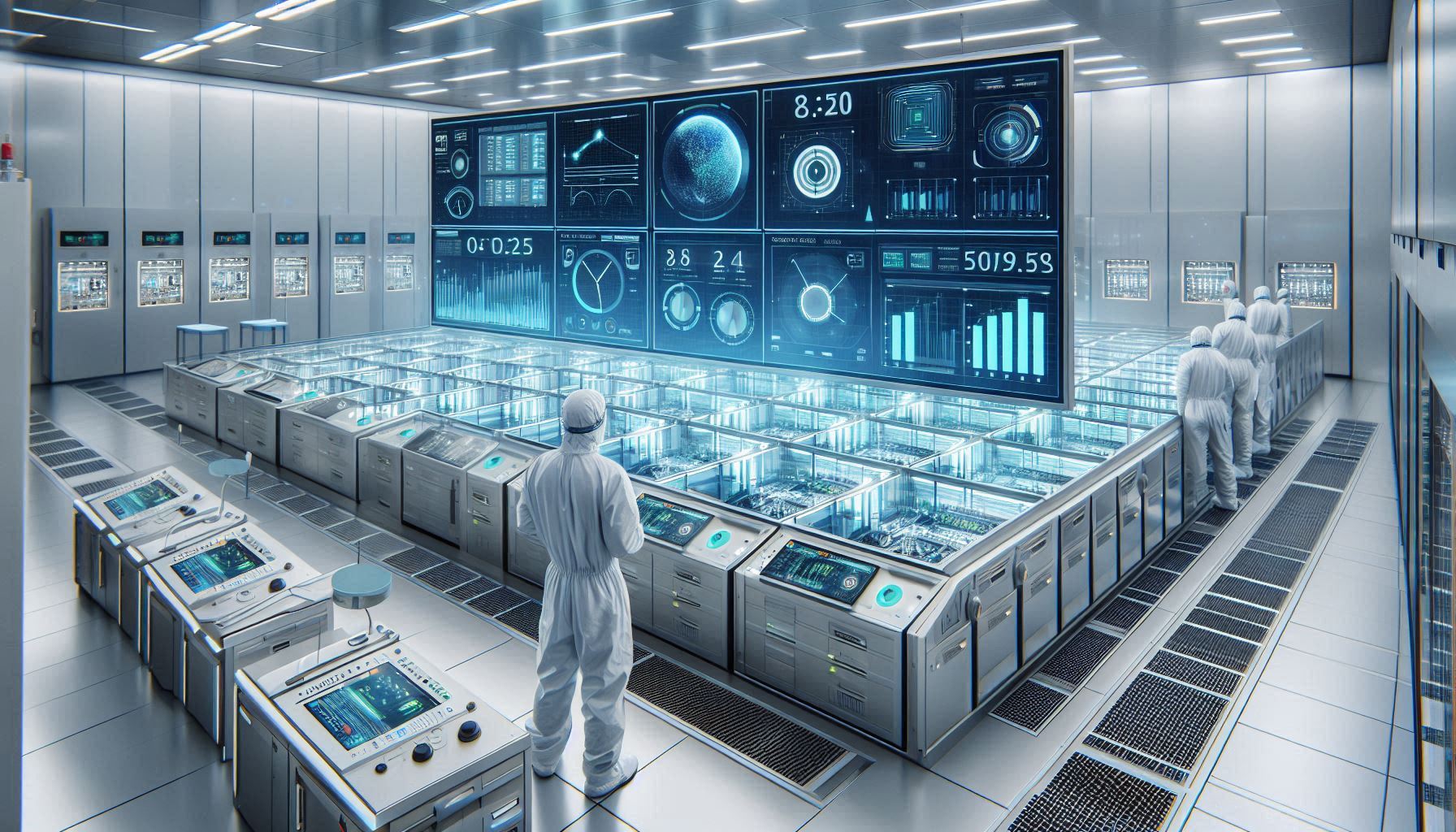
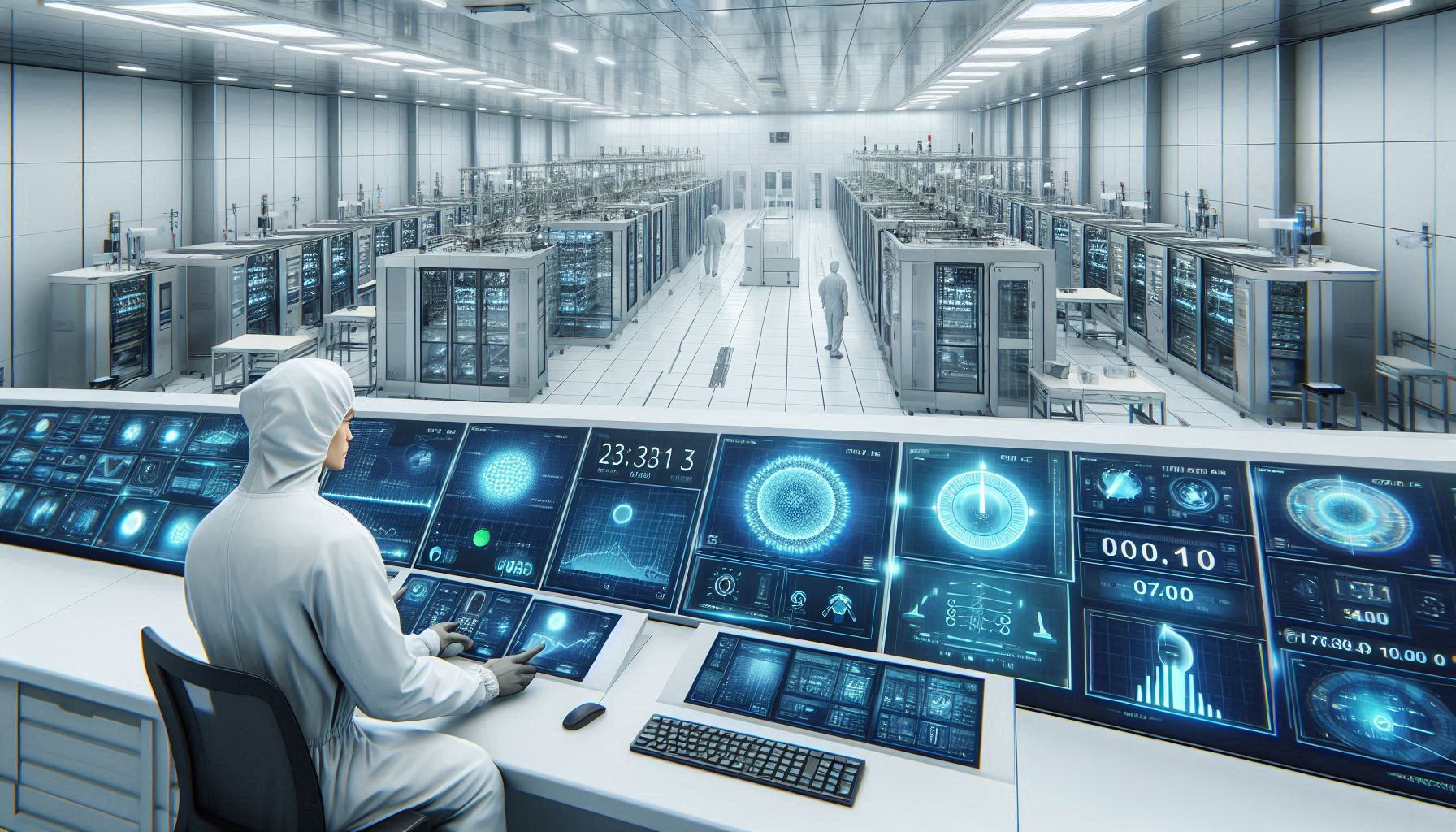
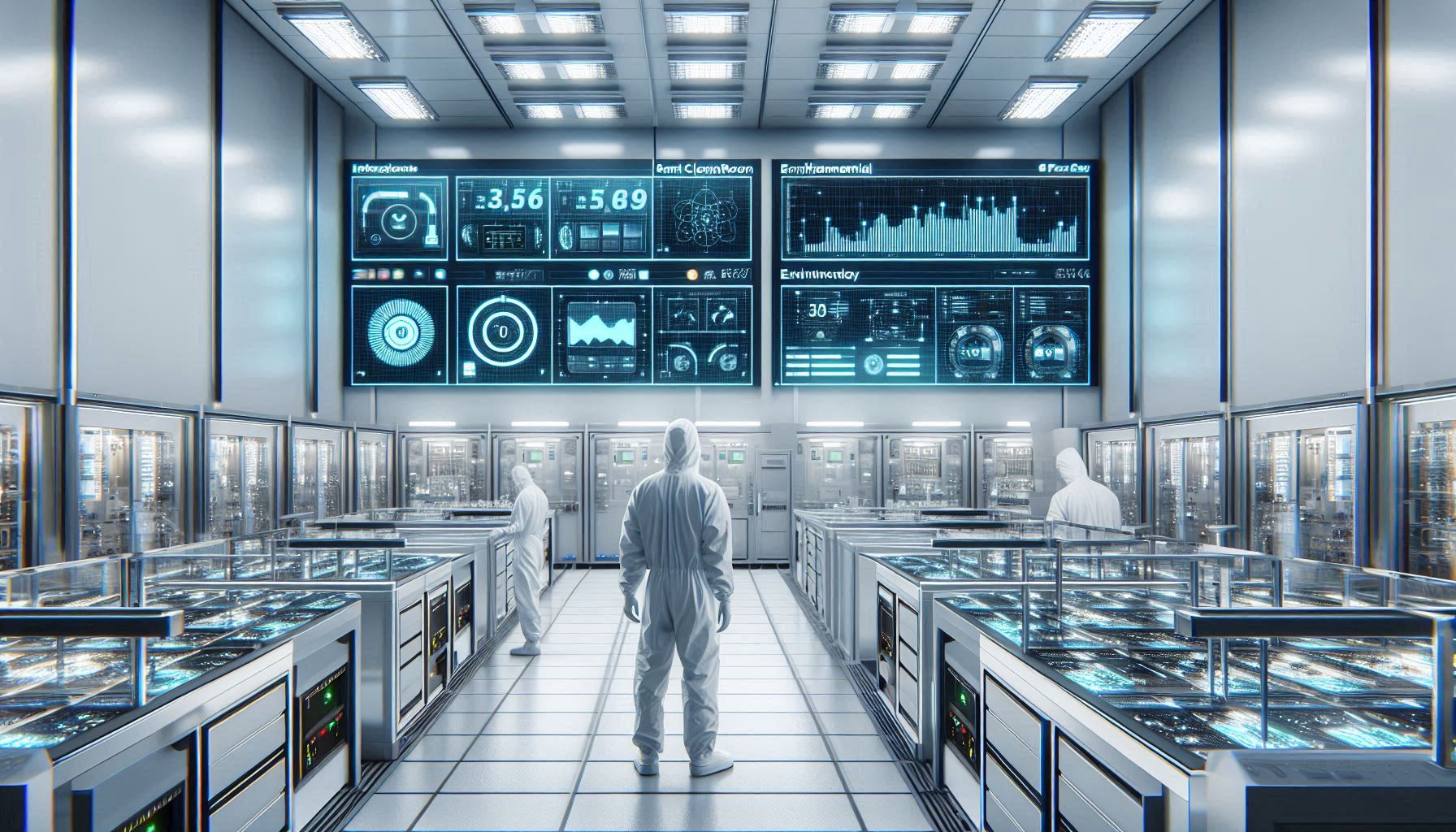
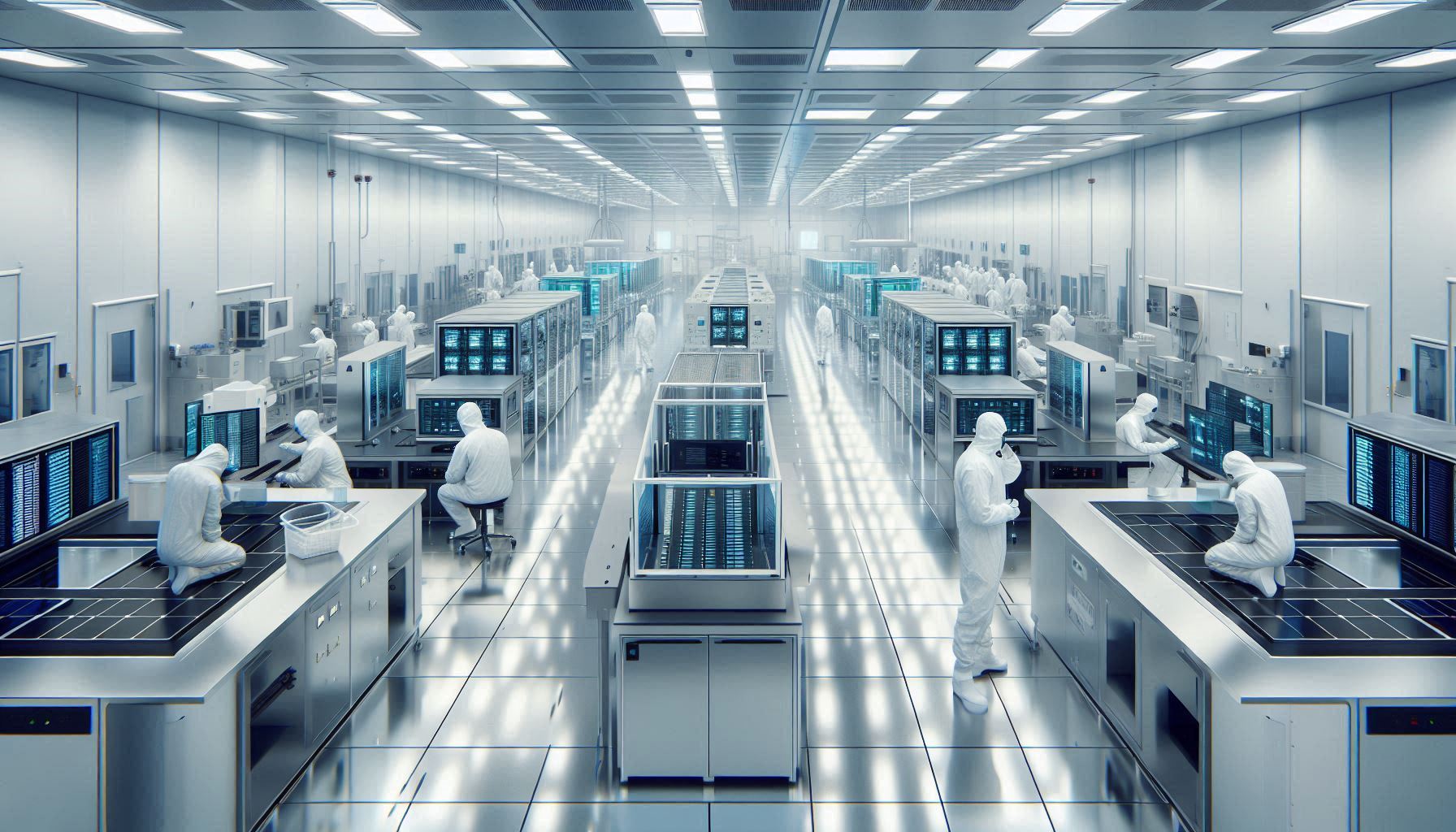
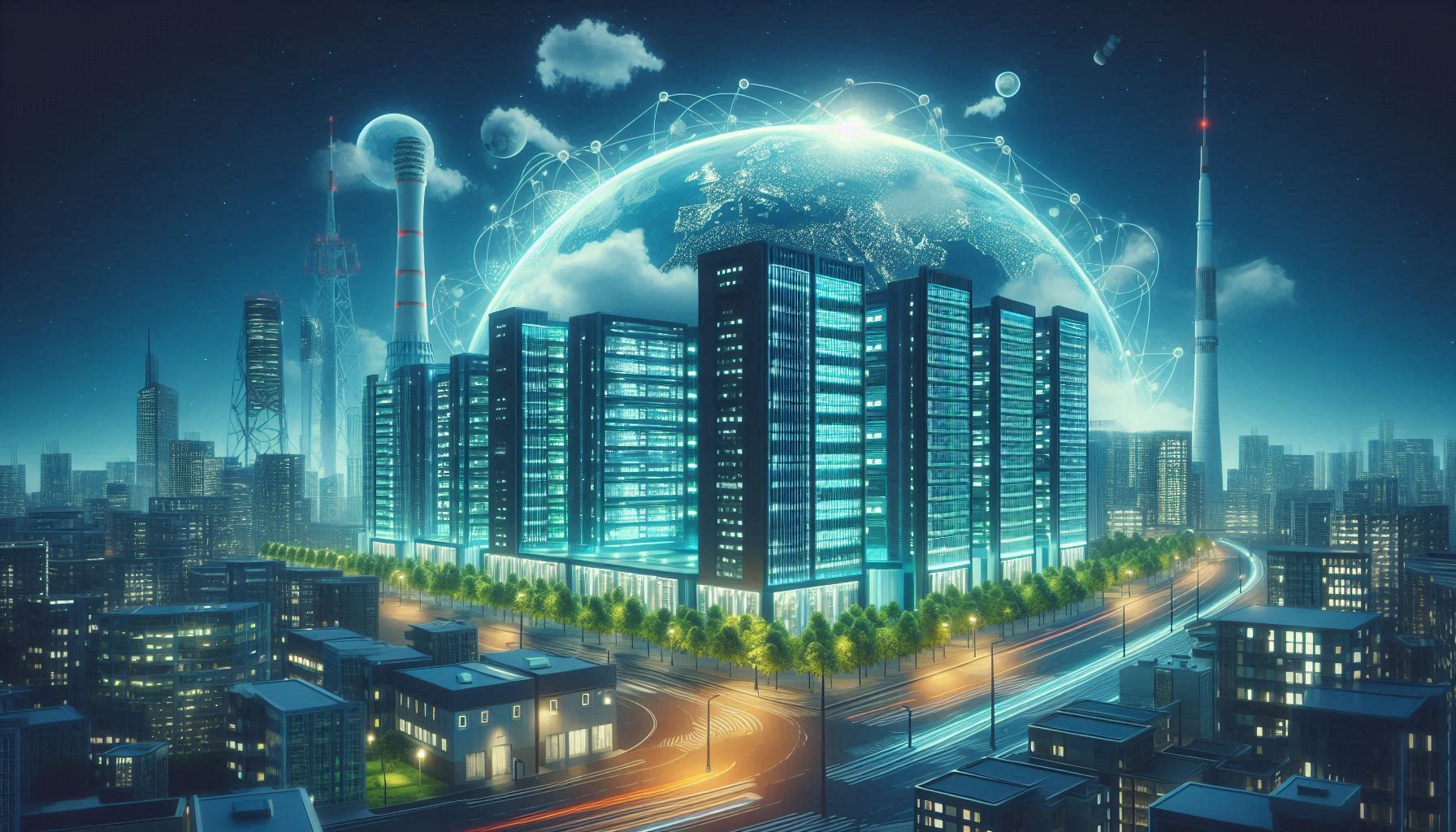
A modern, eco-friendly data center using advanced cooling and renewable energy technologies.

The ability to store and process data grows exponentially as the digital age progresses. As a result of this merger, the number and size of data centers has increased exponentially. Data centers are important, but they use a lot of energy, which can be harmful to the environment. A green data center is an alternative to making data storage more environmentally friendly and sustainable.

Understanding Green Data Center

The basic design of a green data center is sustainability. Through energy efficient technologies, renewable energy and innovative cooling methods, these centers aim to reduce their impact on the environment. The ultimate goal is to maintain the efficiency and reliability of data centers while simultaneously reducing their carbon footprint.

Energy Conservation

The green data center is based on energy efficiency, however the server and cooling systems, especially in traditional data centers, consume a lot of electricity. They use a variety of techniques to increase energy efficiency:

  • Cooling system efficiency: Advanced cooling technologies such as water cooling and free cooling will be used to reduce energy consumption.
  • Server virtualization: Combine multiple virtual servers into fewer physical machines to reduce power consumption.
  • Energy efficient hardware: Uses servers, storage devices, and networking devices designed to be energy efficient.

To know more about Essential Features of Precision Air Conditioning Units in Data Centers Click Here

Renewable Energy Integration

Integration of renewable energy into Green data center to power their operations. Solar, wind and hydropower are popular options. By implementing these renewables, data centers can significantly reduce their reliance on fossil fuels. Additionally, some data centers are using energy storage solutions such as batteries to store excess energy generated during peak production periods.

Innovative Cooling Methods

Cooling is an important driver of data center energy consumption. They use innovative cooling techniques to control temperature without using excess energy:

  • Free cooling: Outside air is used to cool the data center during the colder months, eliminating the need for traditional air conditioning.
  • Cooling water: Cooling water circulates through server racks for better heat dissipation than air-based systems.
  • Hot and Cold Corridor Containment: Configuring server racks into hot and cold corridors to improve ventilation and reduce workload on cooling systems.

Sustainable Building Practices

Green data centers are typically built with sustainable building materials and practices. This includes the use of recycled materials, the use of energy efficient lighting and HVSC systems, designing rooms to maximize natural light and even, roofing and green walls will be included to provide insulation and reduce heat absorption, thereby increasing energy efficiency.

To know more about How Does AI Optimize Energy Efficiency in Data Center Chiller Plant Click Here

Water Conservation

Water consumption is another important consideration. Traditional data centers consume a lot of water for cooling. However low-water cooling systems and frequently reuse water to reduce waste. Technologies such as evaporative cooling and closed-loop systems help conserve water while maintaining temperature control.

Monitoring and Management

Effective research and implementation is essential to the sustainability of a green data center. Advanced Building Management System (BMS) and Data Center Infrastructure Management (DCIM) tools are used to monitor energy consumption, temperature and humidity levels. These systems provide real-time data, enabling operators to make informed decisions and improve energy efficiency.

To know more about Data Center Sustainability Through Innovative Collaboration in India Click Here

Case Studies of Green Data Center

The standards for green data center have been established by previous companies:

  • Google: Google is focused on running its server farm on sustainable energy. To increase efficiency, their facilities use state-of-the-art AI-driven cooling and energy management technologies.
  • Microsoft: Microsoft’s data centers are powered by integrated renewable energy. It also uses advanced cooling systems and is guaranteed to be carbon-free by 2030.
  • Facebook: Facebook’s data centers use renewable energy and other cooling methods. For example, their Prineville data center uses a mix of evaporative cooling and 100% renewable energy.

The Future of Green Data Center

With continuous technological advancements and increased environmental awareness, the future of green data center looks promising. Energy efficient refrigerators, the use of artificial intelligence to increase energy efficiency and greater integration of renewable energy are among the upcoming trends. Additionally, sustainability standards and regulations for data centers are becoming more stringent. Organizations are expected to adhere to these guidelines, which will lead to greater adoption of green practices. Not only is the profit-only push towards sustainability beneficial for the environment, but it also provides economic incentives by reducing operating costs and improving public opinion.

FAQ

How do green data centers work?

Green data centers use energy-efficient technologies, renewable energy sources, and innovative cooling methods to reduce their impact on the environment. They aim to maintain high performance and reliability while simultaneously reducing their carbon footprint and energy consumption.

How to build a green data center?

Building a green data center requires several steps:

  1. Make energy-efficient improvements to server and cooling systems
  2. Use hydropower, wind power, or other renewable energy sources
  3. Incorporate imaginative cooling methods such as free cooling and water coolers
  4. Use environmentally friendly building materials and sophisticated approaches
  5. Integrate control and monitoring systems for quality

Who has launched its first green data centre in India?

The World Health Organization (WHO) launched its first green data center in India. This initiative is part of their efforts to enhance data processing and storage capabilities while promoting sustainability.

What differentiates a brownfield data center from a greenfield data center?

Greenfield data centers are built entirely from scratch on undeveloped land, enabling the development and deployment of private technologies. On the other hand, brownfield data centers are built by reusing existing buildings or facilities, which may require modifications and upgrades to meet current standards.

Green Data Center PDF

The Green Data Center PDF typically contains drafts of successful applications, detailed information on energy-efficient technologies, and sustainable practices. These documents are helpful resources for companies looking to build or upgrade their data centers to be more environmentally friendly.

Green Data Centers India

Green data centers in India are slowly gaining popularity as associations try to reduce their ecological impact. Renewable energy and energy storage technologies are incorporated into many services and products.

Green data center examples

Green data centers include:

  1. Google data centers, which use renewable energy and AI-powered cooling
  2. Microsoft data centers, which aim to be carbon-negative by 2030 and use renewable and active energy
  3. Facebook Prineville data center, which uses a mix of evaporative cooling and environmentally friendly energy

Green data center company

Green data center development and management is characteristic of many enterprises. Companies that specialize in environmentally friendly data center solutions, as well as tech giants like Google, Microsoft, and Facebook, fall into this category.

Green data center case study

A case study on a green data center shows effective activities in green data centers with enabling practices. This study describes the processes used, challenges encountered, and economic and environmental results.

Green data center PPT

A Green data center PPT presentation typically covers the principles of green data centers, the proposed innovations, and practical examples. Stakeholder education and green data center initiatives benefit from this presentation.

Green data center InfraVia

InfraVia is a commercial publishing company focused on framework projects, including green data centers. They maintain and develop environmentally friendly data storage systems that emphasize energy efficiency.

Green data center in green computing GeeksforGeeks

Green computing includes designing, collecting, and connecting PCs and related assets in an environmentally safe way. GeeksforGeeks provides content that educates on green data centers, which should be maintained as a basic add-on.

Conclusion

An important step towards an environmentally friendly future is seen in the rise of the green data center. Energy productive advancement, sustainable power and other cooling strategies can reduce their natural impact by elite execution with elite execution where information capacity prerequisites increase, welcoming green practices on server farms plays an important part in steering and computerized advances handling the future of environmental change.

About The Author

Omprakash Ramagiri; as the Founder of HVAC Technocrats, I bring over 18 years of experience as a Mechanical Engineer specializing in HVAC (Central Air-conditioning) for commercial, cleanrooms, data centers, and Petrochemical industries. Throughout my career, I’ve held pivotal roles at companies like TATA Consulting Engineers, MW Zander (for Cleanroom solutions), Bluestar Malaysia, and ETA in Dubai. I’ve managed international HVAC projects and gained valuable exposure in dynamic markets like Dubai and Saudi Arabia. With a passion for excellence and a commitment to innovative solutions, I specialize in designing Class 10K & 100K Cleanrooms for various industries. Connect with me to explore collaborations in HVAC design, project sales, and consultancy. Click to visit the Author’s Linkedin page


Disclaimer: The content and images are for educational purposes and knowledge enhancement only. They may not depict actual products or situations. Outcomes may vary. Content is generated by AI and reviewed by industry experts, including Author.

Data center sustainability through Innovative collaboration in India

IT Sustainability Services – Announced an exciting collaboration to introduce Data Center Heat Recovery, a heat recovery module designed to help organizations in India manage and utilize excess heat.

Transforming Data Centers: Enhanced Cooling Efficiency and Heat Recovery Solutions

Rapid adoption of AI technologies across various sectors in India is significantly increasing power demand and utilization of AI-optimized IT infrastructure. According to the International Energy Agency, the AI ​​industry is expected to use at least ten times more energy by 2026 compared to 2023 and increase its electricity consumption exponentially. To address these challenges, IT leaders and data center operators in India are implementing strategies to reduce energy consumption, improve energy efficiency, and improve cooling systems.

Using excess heat for constant power

Excess heat in the EU alone is estimated at 2,860 TWh per year, which almost matches the total energy demand for heating and hot water in residential and service sector buildings. This concept can be applied in India, where the continuous flow of excess heat from data centers represents a reliable source of clean energy.

To address these issues, the new energy-efficient data center solution offers the following:

• Modular Data Center (MDC): This scalable solution, consisting of compact, high-density (kW/rack) containers, can be deployed almost anywhere. It features direct liquid cooling technology, reducing overall energy consumption by 20%.

• Innovative Heat Reuse Solutions: Along with oil-free compressors that increase cooling efficiency by up to 30%, these modules capture excess heat from data centers to provide renewable heating onsite and to neighboring buildings and industries.

Strategic partnership and benefits

This partnership will revolutionize building and decarbonizing the data center industry in India, creating a blueprint for the next generation of sustainable data centers using existing technologies.

Advantages of Modular Data Centers

The MDC design includes Direct Liquid Cooling (DLC) technologies, improving fuel efficiency by over 20% and optimizing power generation and distribution resulting in significant energy savings. The compact design minimizes energy loss and maximizes temperature differences, promoting additional heat capture. Agility and exclusion of heavy industrial equipment reduces the need for expensive construction materials and shortens deployment time from 18 months to 6 months.

The flexibility of MDCs allows data to be placed near production sites, reducing energy impacts and data transfer barriers while improving data governance and security.

Transitional solutions and energy efficiency

Using commonly unused resources such as waste heat is an example of the future of efficient and intelligent energy use. Modular data centers deliver an impressive Power Consumption Effectiveness (PUE) of 1.14, compared to 1.3 to 1.4 PUE of traditional designs. These centers can handle power-demanding architectures and are suitable for supercomputing and generative AI workloads, delivering faster results to scientists, universities and organizations in India.

Driving innovation in decarbonisation

To leverage one of the largest untapped energy resources, excess heat, this strategic partnership will leverage an extensive product portfolio of energy-efficient solutions to drive innovation, support decarbonization and create a blueprint for sustainable modular data centers in India.

The IT Sustainability Services – Data Center Heat Recovery Initiative is inspired by the heat reuse technology already in use on the headquarters campus, where heat recovered from the onsite data center is boosted by a heat pump and reused in surrounding buildings or fed to the local district. A heating network to provide renewable heat to local residents. This approach is a key part of achieving carbon neutrality in the energy system of the 250,000m² campus.

Efficient cooling and heat recovery solutions

The scalable modular data center offering includes technologies such as heat pumps and chillers, heat exchangers, heat reuse modules, drives and compressors for pump skids, cooling data centers up to 30% more efficiently, while recovering and reusing excess heat. This modular solution consists of components that work seamlessly together and offers two technology stack options with a heat recovery system including a hydronic heat recovery heat exchanger and a water-to-water heat pump.

Circular Economy and Asset Upcycling

As part of a holistic “reduce, reuse, resource” approach, the partnership also focuses on retiring end-of-use IT assets through an asset upcycling service. This circular economy solution enables technology recovery and reuse, while recovering economic value from those assets.

FAQ

How can we make data centers more sustainable?

Making data centers more sustainable involves implementing several strategies:

Energy efficiency: using energy-efficient hardware and optimizing cooling systems.

Renewable Energy: Shifting to renewable energy sources such as solar and wind energy.

Heat Recovery: Capturing and reusing excess heat generated by data center operations.

Modular Data Centers: Implementing scalable, modular data centers that minimize energy loss and maximize resource utilization.

What are Green Data Centers?

Green data centers are facilities designed with a focus on environmental sustainability. They incorporate energy-efficient technologies, renewable energy sources and practices that reduce carbon footprints and reduce environmental impact. This includes using advanced cooling techniques, energy-efficient servers and heat recovery systems.

What are some current trends in data center sustainability?

Current Trends in Data Center Sustainability:

Liquid Cooling: Direct liquid cooling systems for improved energy efficiency.

AI Optimization: Using AI to optimize energy consumption and cooling processes.

Integration of renewable energy: Expanding the use of renewable energy sources.

Modular and Edge Data Centers: Deploying modular data centers close to data production sites to reduce energy consumption and improve data transfer efficiency.

What are the best practices and trends in enterprise data center sustainability?

Best practices and trends in enterprise data center sustainability:

Energy Audits: Regular energy audits to identify inefficiencies and opportunities for improvement.

Green Building Standards: Adherence to green building standards such as LEED.

Efficient Cooling Solutions: Implementing state-of-the-art cooling solutions like liquid cooling and heat recovery systems.

Server Virtualization: Reducing the number of physical servers through virtualization to save energy and space.

What is the carbon footprint of data centers?

The carbon footprint of data centers refers to the total greenhouse gas emissions caused by their operations, including energy consumption for servers, cooling systems and other infrastructure. As data centers expand to meet increasing demand, their carbon footprint increases, adopting sustainable practices and technologies to reduce their environmental impact is critical.

What are the sustainability goals for data centers?

Sustainability objectives for data centers typically include:

Reducing Energy Consumption: Reducing overall energy consumption through efficient technologies and practices.

Carbon Neutrality: Achieving zero net carbon emissions by balancing the carbon emitted with an equivalent carbon offset.

Water Conservation: Minimizing water consumption in cooling processes.

Waste reduction: Reducing end-of-use IT assets through recycling and upcycling. Renewable Energy Use: Increasing the proportion of energy available from renewable sources

Conclusion

The path to sustainable data centers involves a multifaceted approach such as energy efficiency, renewable energy integration, advanced cooling solutions and efficient waste management. By adopting these practices and using innovative technologies, organizations can significantly reduce the environmental impact of their data centers. The collaboration in promoting sustainable data centers in India exemplifies the potential of combining strategic partnerships and cutting-edge solutions to create a more sustainable and energy-efficient future. As demand for data continues to grow, it is imperative that data center operators and IT leaders prioritize sustainability goals, ensuring that growth in digital infrastructure is matched by environmental stewardship and carbon reduction commitments.