HVAC Valves: How to Troubleshoot Common Issues

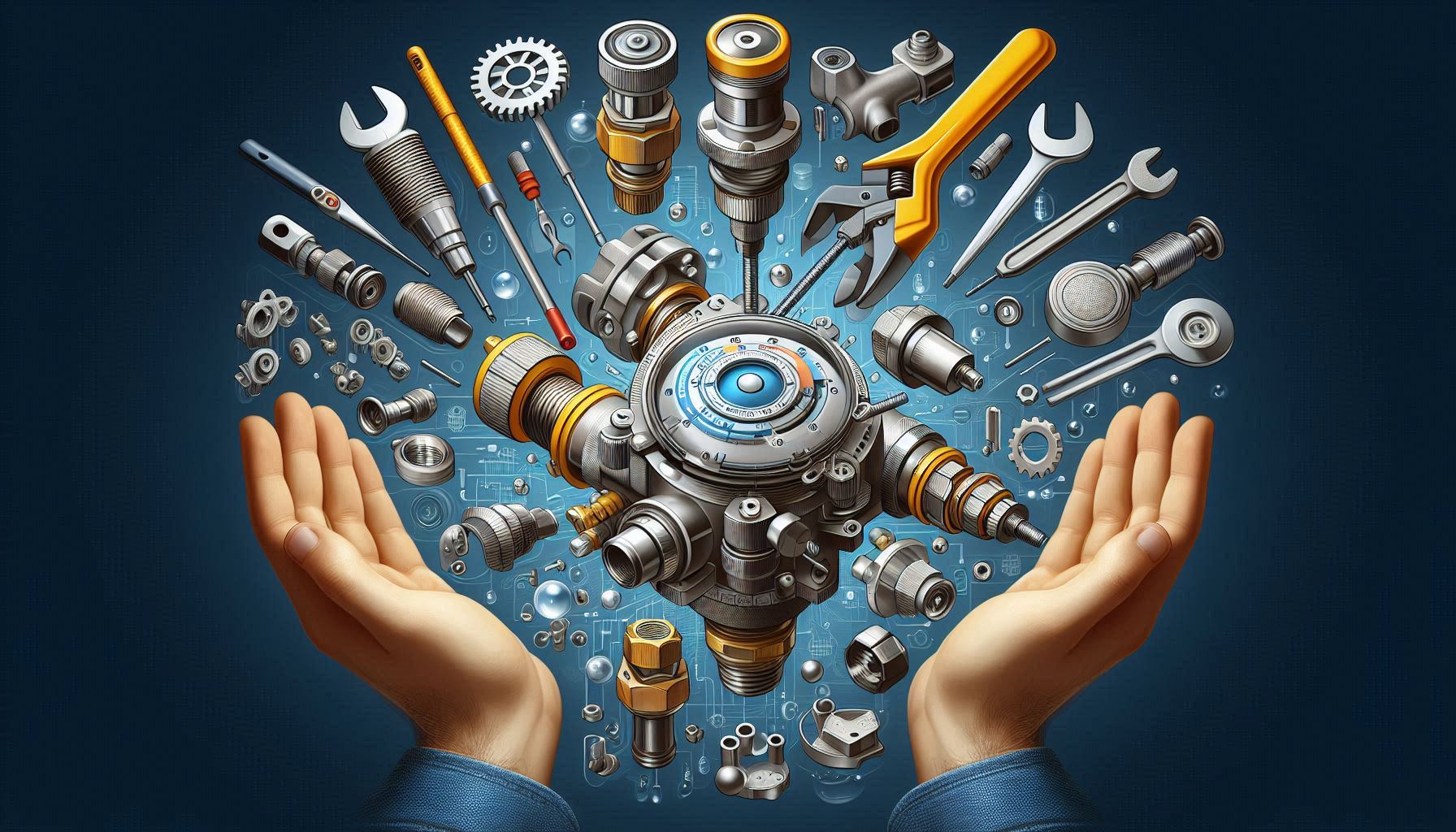
Troubleshooting HVAC valve issues guide with tools and techniques for effective maintenance.

Understanding and troubleshooting the HVAC valves issues are essential for maintaining a well-functioning HVAC system. This guide will help you identify and resolve common valve problems to ensure optimal performance.

What Are Common Symptoms of Faulty HVAC Valves?

Faulty HVAC valves can manifest in several ways. One common symptom is a noticeable drop in system efficiency. If your system struggles to heat or cool as it should, a malfunctioning valve might be the cause. Another indicator is unusual noises like banging or hissing, which suggest that the valve isn’t operating properly.

Inconsistent room temperatures can also signal valve issues. If certain areas of your building are significantly warmer or cooler than others, it could be due to a valve failing to regulate the flow of air or refrigerant effectively. Additionally, an unexplained increase in your energy bills might indicate that your system is overworking due to a faulty valve. Identifying these symptoms early can help prevent more severe problems.

To know more about How to Optimize Vibration Control Click Here

How to Identify Leaking HVAC Valves in a System?

Identifying leaks in HVAC valves is crucial for preventing system damage. Start with a visual inspection to look for signs of moisture or corrosion around the valve. These are often indicators of a leak. Another method is to apply a soapy water solution to the valve’s connections. If bubbles form, it means there is a leak.

Using a refrigerant leak detector is a more precise approach. This tool can detect even minor leaks and is essential for accurate diagnosis. Regularly checking for leaks can help maintain your system’s efficiency and prevent costly repairs.

What Are the Most Frequent Causes of HVAC Valve Failures?

HVAC valve failures often stem from a few common causes. Wear and tear from repeated use is a primary factor. Over time, the components of a valve can degrade, leading to leaks or complete failure. Dirt and debris can also obstruct the valve, affecting its performance.

Incorrect installation is another significant cause. Misalignment during installation can result in premature valve failure. Additionally, extreme temperature fluctuations can cause the valve materials to expand and contract, leading to fatigue and failure. Regular maintenance and correct installation procedures can mitigate these issues.

How to Diagnose HVAC Valve Malfunctions Using Basic Tools?

Diagnosing HVAC valve malfunctions can be done effectively with basic tools. Start by turning off the system for safety. Use a flashlight to inspect the valve for visible damage or debris.

A screwdriver can help open the valve housing to check for internal issues. If the valve is clogged or damaged, it may need cleaning or replacement. Use a multimeter to test the electrical connections for proper voltage and continuity. These basic diagnostic steps can help identify the problem without requiring advanced tools.

What Steps Should Be Taken to Troubleshoot Stuck HVAC Valves?

When dealing with a stuck HVAC valve, start by checking for physical obstructions. Turn off the system and inspect the valve for debris or corrosion that may be causing it to stick. Remove any blockages and clean the valve if needed.

If the valve remains stuck, the actuator might be at fault. Check the actuator’s connections and ensure it’s receiving the correct voltage. If the actuator is malfunctioning, replacing it might be necessary. Regular lubrication of the valve can also prevent sticking issues in the future.

How Can You Address Issues with HVAC Valve Actuators?

HVAC valve actuators are crucial for proper valve operation. To address actuator issues, first check if the actuator is receiving power. Use a multimeter to measure the voltage at the actuator terminals.

Inspect the actuator for physical damage or wear. If the actuator is not functioning correctly despite receiving power, it might need replacement. Regular maintenance, including checking connections and lubrication, can help prolong the life of actuators and prevent issues.

What Are Effective Methods for Fixing Noisy HVAC Valves?

Fixing noisy HVAC valves involves several steps. Start by tightening any loose components around the valve. Noise can also result from air trapped in the system, so bleeding the air out can often help.

If the noise continues, inspect the valve for wear or damage. Replacing worn parts may be necessary. Lubricating the valve with high-quality, manufacturer-recommended lubricants can reduce friction and noise. Regular maintenance and proper lubrication are key to minimizing noise and ensuring smooth valve operation.

How to Resolve HVAC Valve Calibration Problems?

HVAC valve calibration problems can impact system performance. Start by checking the valve settings against the manufacturer’s specifications. Ensure the valve is set correctly for your system’s needs. If adjustments are necessary, follow the manufacturer’s calibration guidelines.

Inspect the actuator and control systems for any issues. Calibration problems can also stem from faulty actuators or control boards. Use diagnostic tools to check electrical signals and adjust control parameters as needed. Regular calibration ensures the valve operates correctly and maintains system efficiency.

What Role Do Control Systems Play in HVAC Valve Troubleshooting?

Control systems are essential for the operation and troubleshooting of HVAC valves. They manage the opening and closing of valves based on system demands. When troubleshooting valve issues, check the control system to ensure it is sending the correct signals to the valve.

Diagnostic tools can help identify software or firmware issues within the control system. Updating or reprogramming the control system may resolve some problems. Properly functioning control systems are critical for maintaining efficient valve operation and overall system performance.

FAQ

What are three common valve failures?

Three common valve failures include leaks due to wear and tear, obstructions from dirt and debris, and issues stemming from incorrect installation.

How to troubleshoot HVAC problems?

To troubleshoot HVAC problems, start with a visual inspection, check for leaks, use basic tools to diagnose issues, and test electrical connections.

To know more about Over Design Issues in HVAC Click Here

What is the common problem in control valve?

A common problem in control valves is improper calibration, which can lead to inefficiency and inconsistent system performance.

How to troubleshoot a solenoid valve?

To troubleshoot a solenoid valve, check for power at the terminals, inspect for physical damage, and ensure the valve is clean and unobstructed.

HVAC valves how to troubleshoot common issues pdf?

Download the “HVAC Valves How to Troubleshoot Common Issues” PDF guide from reputable HVAC websites for detailed troubleshooting steps and maintenance tips.

Symptoms of bad gas valve on furnace?

Symptoms of a bad gas valve on a furnace include difficulty igniting the furnace, inconsistent heating, and unusual noises such as clicking or hissing.

Gas valve Troubleshooting guide?

A gas valve troubleshooting guide will typically include steps for checking for leaks, testing electrical connections, and inspecting for physical damage or wear.

Furnace gas valve not opening?

If a furnace gas valve is not opening, check for electrical issues, inspect the valve for obstructions, and ensure the control system is functioning properly.

New gas valve not working?

If a new gas valve is not working, verify the installation, check for electrical continuity, and ensure that there are no obstructions or leaks.

Is a faulty gas valve dangerous?

Yes, a faulty gas valve can be dangerous as it may lead to gas leaks, posing fire and health risks. Immediate inspection and repair are crucial.

What causes gas valve failure?

Gas valve failure can be caused by wear and tear, dirt and debris, incorrect installation, and extreme temperature fluctuations affecting the valve materials.

Furnace gas valve clicks but no gas?

If a furnace gas valve clicks but no gas flows, the issue could be with the control system, electrical connections, or a blocked valve.

Conclusion

Troubleshooting HVAC valve issues involves identifying symptoms, diagnosing problems, and applying effective solutions. By understanding common valve problems and their causes, you can take proactive steps to maintain your HVAC system. Regular maintenance, timely repairs, and proper calibration are essential for ensuring your HVAC valves function smoothly and efficiently. Implement these practices to enhance system reliability and performance, preventing costly repairs and maintaining comfort in your space.

To know more about Net Zero in HVAC System Click Here

About The Author

Omprakash Ramagiri; as the Founder of HVAC Technocrats, I bring over 18 years of experience as a Mechanical Engineer specializing in HVAC (Central Air-conditioning) for commercial, cleanrooms, data centers, and Petrochemical industries. Throughout my career, I’ve held pivotal roles at companies like TATA Consulting Engineers, MW Zander (for Cleanroom solutions), Bluestar Malaysia, and ETA in Dubai. I’ve managed international HVAC projects and gained valuable exposure in dynamic markets like Dubai and Saudi Arabia. With a passion for excellence and a commitment to innovative solutions, I specialize in designing Class 10K & 100K Cleanrooms for various industries. Connect with me to explore collaborations in HVAC design, project sales, and consultancy. Click to visit the Author’s Linkedin page


Disclaimer: The pictures used are for illustrative purposes only. They may not depict actual products or situations and are meant for educational purposes. Actual products, situations, or outcomes may differ.

Propane: What You Need to Know The Benefits in HVAC

Propane-based HVAC system with smart home technology controls.

As environmental concerns continue to drive innovations in building technologies, the adoption of propane based HVAC systems and natural ventilation strategies stands out for their significant benefits in energy efficiency and sustainability. These advancements, enhanced further by smart home technology, are reshaping how buildings are designed and operated, aiming to reduce carbon footprints and improve indoor environmental quality.

Propane Based HVAC Systems: Cleaner Energy Solutions

Propane, known for its clean-burning properties, is increasingly favored in HVAC systems over traditional fuels like natural gas or oil. This shift is motivated by its lower greenhouse gas emissions and reduced environmental impact. Unlike fossil fuels that emit pollutants during combustion, it burns cleanly, contributing to better indoor air quality and supporting efforts to combat climate change.

Smart Home Technology: Precision Control for Efficiency

Integrating smart home technology with HVAC systems enables precise control and automation based on real-time data and user preferences. Sensors monitor factors like occupancy and outdoor conditions to adjust heating and cooling accordingly, optimizing energy use and minimizing wastage. This technology not only enhances comfort but also supports energy efficiency goals by ensuring systems operate efficiently only when needed.

Environmental Benefits: Reducing Carbon Footprints

The combined adoption of propane based HVAC, natural ventilation, and smart home technology offers significant environmental advantages. By reducing energy consumption and greenhouse gas emissions, these systems help mitigate climate change impacts associated with building operations. Improved energy efficiency also translates into lower operational costs and promotes a sustainable built environment for future generations.

Energy Efficiency: Optimizing Building Performance using Propane

Efforts to enhance energy efficiency through advanced HVAC systems and natural ventilation strategies are crucial in modern building design. These initiatives not only lower energy bills but also reduce dependence on non-renewable resources. By optimizing building performance, stakeholders can achieve sustainability goals while improving indoor environmental quality and occupant comfort.

Benefits for Building Owners and Occupants

For building owners, adopting propane based HVAC systems combined with natural ventilation and smart home technology can lead to long-term cost savings and improved property value. Reduced energy bills and enhanced comfort contribute to tenant satisfaction and retention, making these technologies attractive investments in both residential and commercial sectors.

Natural Ventilation: Harnessing Nature’s Benefits

Natural ventilation utilizes openings in buildings—such as windows, doors, and vents—to facilitate airflow without relying heavily on mechanical systems. This approach not only lowers energy consumption but also enhances occupant comfort by providing fresh air and maintaining optimal indoor temperatures naturally. By reducing reliance on HVAC equipment, natural ventilation reduces operational costs and promotes sustainable building practices.

Challenges and Considerations

While the benefits of these technologies are clear, their adoption may pose challenges such as initial costs and retrofitting existing buildings. However, incentives and rebates offered by governments and utilities can offset these expenses, making the transition to sustainable HVAC solutions more financially viable.

Future Trends: Innovations in Sustainable Building

The future of building technologies is promising, with ongoing innovations focusing on enhancing the efficiency and sustainability of HVAC systems. Advancements in materials, design, and smart technologies will continue to drive improvements, making sustainable building practices the norm rather than the exception.

FAQs

How is propane good for the environment?

Propane benefits the environment in several ways:

  • Lower Carbon Emissions: Produces fewer carbon emissions compared to gasoline and diesel.
  • Versatile Applications: Efficient in heating, cooking, and transportation.
  • Non-toxic and Safe: Non-toxic and safe in case of leaks or spills.

What are the benefits of propane?

Propane offers various advantages beyond its environmental benefits:

  • Cost-Effective: Often more cost-effective than electricity or heating oil.
  • Reliable Energy Source: Ensures consistent supply even in remote areas.
  • Efficient Energy Production: High efficiency in appliances reduces energy bills.

What are the benefits of renewable propane?

Renewable propane provides additional environmental benefits:

  • Sustainable Production: Produced from renewable sources like biomass.
  • Lower Carbon Footprint: Emits fewer greenhouse gases than conventional propane.
  • Compatibility: Can be used in existing infrastructure without modification.

Which is better for the environment: propane or electric?

Propane vs. electric comparison in environmental impact:

  • Emissions: Propane generally emits fewer greenhouse gases than fossil fuel-generated electricity.
  • Efficiency: More energy-efficient in heating and cooking applications.
  • Resource Use: Resource-efficient compared to electricity production.

How does propane compare to electricity and heating oil in reducing emissions?

Propane’s lower emissions profile:

  • Greenhouse Gases: Emits less per unit of energy compared to heating oil.
  • Air Quality: Produces lower levels of pollutants like particulate matter.
  • Environmental Impact: Reduces overall environmental footprint compared to heating oil.

What air quality benefits does propane offer?

Propane improves air quality through:

  • Lower Emissions: Emits fewer pollutants contributing to smog and health issues.
  • Cleaner Combustion: Burns cleanly, reducing particulate matter in the air.
  • Health Benefits: Mitigates negative health impacts associated with poor air quality.

How does propane reduce global warming as a refrigerant?

Propane’s role in reducing global warming:

  • Low Global Warming Potential (GWP): Significantly lower than traditional refrigerants like HFCs.
  • Energy Efficiency: Highly efficient in refrigeration, reducing indirect emissions.
  • Sustainable Cooling: Minimizes impacts on climate change through sustainable use.

Is propane a green and eco-friendly fuel?

Yes, propane is considered green and eco-friendly because:

  • Reduced Emissions: Emits fewer pollutants and greenhouse gases.
  • Sustainable Sourcing: Renewable propane enhances eco-friendly credentials.
  • Environmental Benefits: Improves air quality and supports climate change mitigation.

Conclusion: Embracing Sustainable HVAC Solutions

In conclusion, the adoption of propane-based HVAC systems, complemented by natural ventilation strategies and smart home technology, represents a significant step towards achieving energy efficiency and sustainability in building design and operation. These innovations not only reduce environmental impacts but also enhance indoor comfort and lower operational costs. As awareness grows and technologies evolve, integrating these solutions becomes imperative for creating healthier, more resilient built environments for current and future generations.

About The Author

Omprakash Ramagiri; as the Founder of HVAC Technocrats, I bring over 18 years of experience as a Mechanical Engineer specializing in HVAC (Central Air-conditioning) for commercial, cleanrooms, data centers, and Petrochemical industries. Throughout my career, I’ve held pivotal roles at companies like TATA Consulting Engineers, MW Zander (for Cleanroom solutions), Bluestar Malaysia, and ETA in Dubai. I’ve managed international HVAC projects and gained valuable exposure in dynamic markets like Dubai and Saudi Arabia. With a passion for excellence and a commitment to innovative solutions, I specialize in designing Class 10K & 100K Cleanrooms for various industries. Connect with me to explore collaborations in HVAC design, project sales, and consultancy. Click to visit the Author’s Linkedin page


Disclaimer: The pictures used are for illustrative purposes only. They may not depict actual products or situations and are meant for educational purposes. Actual products, situations, or outcomes may differ.