Green Data Center: Pioneering Sustainable Practices for the Future

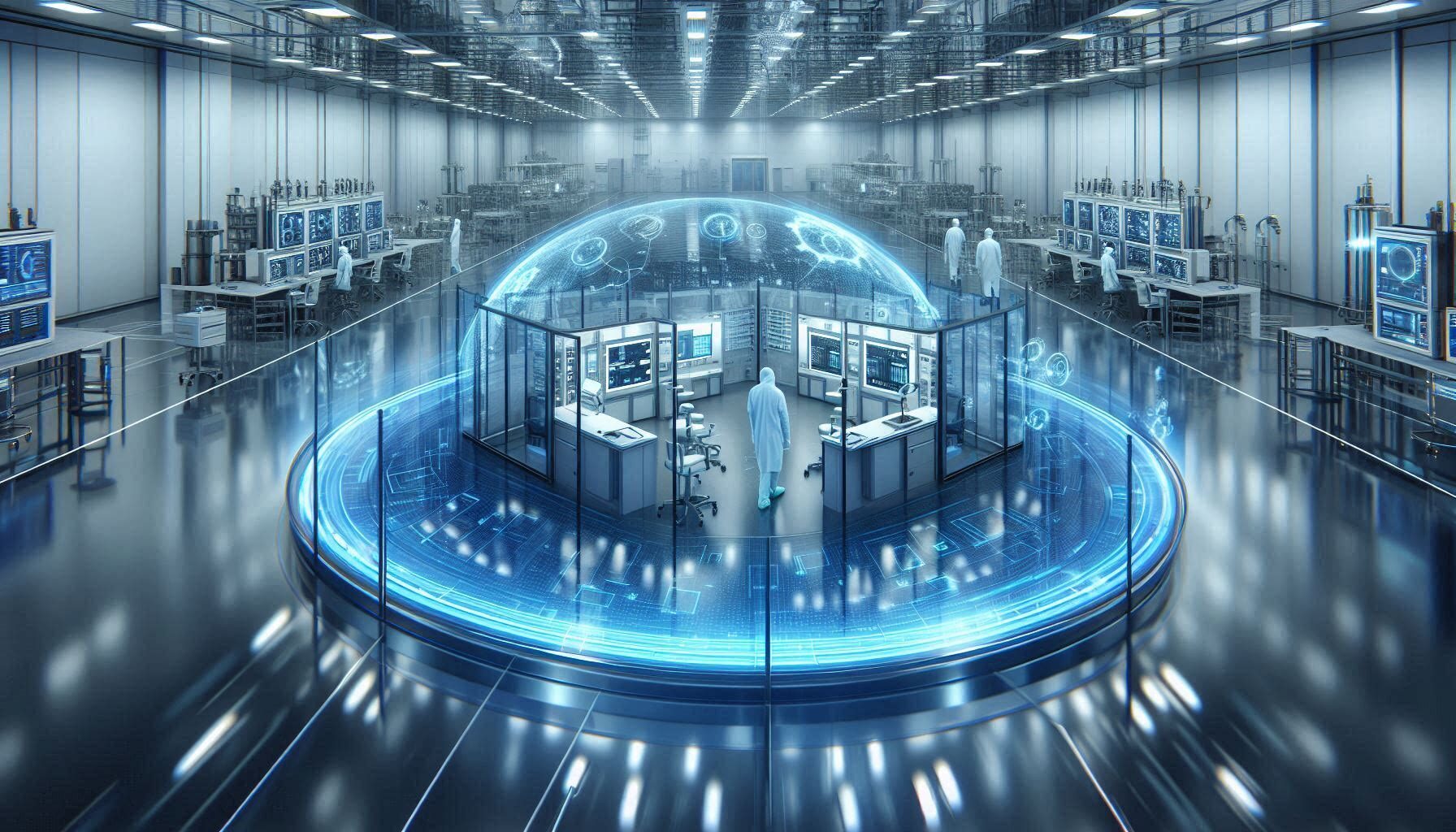
A modern, eco-friendly data center using advanced cooling and renewable energy technologies.

The ability to store and process data grows exponentially as the digital age progresses. As a result of this merger, the number and size of data centers has increased exponentially. Data centers are important, but they use a lot of energy, which can be harmful to the environment. A green data center is an alternative to making data storage more environmentally friendly and sustainable.

Understanding Green Data Center

The basic design of a green data center is sustainability. Through energy efficient technologies, renewable energy and innovative cooling methods, these centers aim to reduce their impact on the environment. The ultimate goal is to maintain the efficiency and reliability of data centers while simultaneously reducing their carbon footprint.

Energy Conservation

The green data center is based on energy efficiency, however the server and cooling systems, especially in traditional data centers, consume a lot of electricity. They use a variety of techniques to increase energy efficiency:

  • Cooling system efficiency: Advanced cooling technologies such as water cooling and free cooling will be used to reduce energy consumption.
  • Server virtualization: Combine multiple virtual servers into fewer physical machines to reduce power consumption.
  • Energy efficient hardware: Uses servers, storage devices, and networking devices designed to be energy efficient.

To know more about Essential Features of Precision Air Conditioning Units in Data Centers Click Here

Renewable Energy Integration

Integration of renewable energy into Green data center to power their operations. Solar, wind and hydropower are popular options. By implementing these renewables, data centers can significantly reduce their reliance on fossil fuels. Additionally, some data centers are using energy storage solutions such as batteries to store excess energy generated during peak production periods.

Innovative Cooling Methods

Cooling is an important driver of data center energy consumption. They use innovative cooling techniques to control temperature without using excess energy:

  • Free cooling: Outside air is used to cool the data center during the colder months, eliminating the need for traditional air conditioning.
  • Cooling water: Cooling water circulates through server racks for better heat dissipation than air-based systems.
  • Hot and Cold Corridor Containment: Configuring server racks into hot and cold corridors to improve ventilation and reduce workload on cooling systems.

Sustainable Building Practices

Green data centers are typically built with sustainable building materials and practices. This includes the use of recycled materials, the use of energy efficient lighting and HVSC systems, designing rooms to maximize natural light and even, roofing and green walls will be included to provide insulation and reduce heat absorption, thereby increasing energy efficiency.

To know more about How Does AI Optimize Energy Efficiency in Data Center Chiller Plant Click Here

Water Conservation

Water consumption is another important consideration. Traditional data centers consume a lot of water for cooling. However low-water cooling systems and frequently reuse water to reduce waste. Technologies such as evaporative cooling and closed-loop systems help conserve water while maintaining temperature control.

Monitoring and Management

Effective research and implementation is essential to the sustainability of a green data center. Advanced Building Management System (BMS) and Data Center Infrastructure Management (DCIM) tools are used to monitor energy consumption, temperature and humidity levels. These systems provide real-time data, enabling operators to make informed decisions and improve energy efficiency.

To know more about Data Center Sustainability Through Innovative Collaboration in India Click Here

Case Studies of Green Data Center

The standards for green data center have been established by previous companies:

  • Google: Google is focused on running its server farm on sustainable energy. To increase efficiency, their facilities use state-of-the-art AI-driven cooling and energy management technologies.
  • Microsoft: Microsoft’s data centers are powered by integrated renewable energy. It also uses advanced cooling systems and is guaranteed to be carbon-free by 2030.
  • Facebook: Facebook’s data centers use renewable energy and other cooling methods. For example, their Prineville data center uses a mix of evaporative cooling and 100% renewable energy.

The Future of Green Data Center

With continuous technological advancements and increased environmental awareness, the future of green data center looks promising. Energy efficient refrigerators, the use of artificial intelligence to increase energy efficiency and greater integration of renewable energy are among the upcoming trends. Additionally, sustainability standards and regulations for data centers are becoming more stringent. Organizations are expected to adhere to these guidelines, which will lead to greater adoption of green practices. Not only is the profit-only push towards sustainability beneficial for the environment, but it also provides economic incentives by reducing operating costs and improving public opinion.

FAQ

How do green data centers work?

Green data centers use energy-efficient technologies, renewable energy sources, and innovative cooling methods to reduce their impact on the environment. They aim to maintain high performance and reliability while simultaneously reducing their carbon footprint and energy consumption.

How to build a green data center?

Building a green data center requires several steps:

  1. Make energy-efficient improvements to server and cooling systems
  2. Use hydropower, wind power, or other renewable energy sources
  3. Incorporate imaginative cooling methods such as free cooling and water coolers
  4. Use environmentally friendly building materials and sophisticated approaches
  5. Integrate control and monitoring systems for quality

Who has launched its first green data centre in India?

The World Health Organization (WHO) launched its first green data center in India. This initiative is part of their efforts to enhance data processing and storage capabilities while promoting sustainability.

What differentiates a brownfield data center from a greenfield data center?

Greenfield data centers are built entirely from scratch on undeveloped land, enabling the development and deployment of private technologies. On the other hand, brownfield data centers are built by reusing existing buildings or facilities, which may require modifications and upgrades to meet current standards.

Green Data Center PDF

The Green Data Center PDF typically contains drafts of successful applications, detailed information on energy-efficient technologies, and sustainable practices. These documents are helpful resources for companies looking to build or upgrade their data centers to be more environmentally friendly.

Green Data Centers India

Green data centers in India are slowly gaining popularity as associations try to reduce their ecological impact. Renewable energy and energy storage technologies are incorporated into many services and products.

Green data center examples

Green data centers include:

  1. Google data centers, which use renewable energy and AI-powered cooling
  2. Microsoft data centers, which aim to be carbon-negative by 2030 and use renewable and active energy
  3. Facebook Prineville data center, which uses a mix of evaporative cooling and environmentally friendly energy

Green data center company

Green data center development and management is characteristic of many enterprises. Companies that specialize in environmentally friendly data center solutions, as well as tech giants like Google, Microsoft, and Facebook, fall into this category.

Green data center case study

A case study on a green data center shows effective activities in green data centers with enabling practices. This study describes the processes used, challenges encountered, and economic and environmental results.

Green data center PPT

A Green data center PPT presentation typically covers the principles of green data centers, the proposed innovations, and practical examples. Stakeholder education and green data center initiatives benefit from this presentation.

Green data center InfraVia

InfraVia is a commercial publishing company focused on framework projects, including green data centers. They maintain and develop environmentally friendly data storage systems that emphasize energy efficiency.

Green data center in green computing GeeksforGeeks

Green computing includes designing, collecting, and connecting PCs and related assets in an environmentally safe way. GeeksforGeeks provides content that educates on green data centers, which should be maintained as a basic add-on.

Conclusion

An important step towards an environmentally friendly future is seen in the rise of the green data center. Energy productive advancement, sustainable power and other cooling strategies can reduce their natural impact by elite execution with elite execution where information capacity prerequisites increase, welcoming green practices on server farms plays an important part in steering and computerized advances handling the future of environmental change.

About The Author

Omprakash Ramagiri; as the Founder of HVAC Technocrats, I bring over 18 years of experience as a Mechanical Engineer specializing in HVAC (Central Air-conditioning) for commercial, cleanrooms, data centers, and Petrochemical industries. Throughout my career, I’ve held pivotal roles at companies like TATA Consulting Engineers, MW Zander (for Cleanroom solutions), Bluestar Malaysia, and ETA in Dubai. I’ve managed international HVAC projects and gained valuable exposure in dynamic markets like Dubai and Saudi Arabia. With a passion for excellence and a commitment to innovative solutions, I specialize in designing Class 10K & 100K Cleanrooms for various industries. Connect with me to explore collaborations in HVAC design, project sales, and consultancy. Click to visit the Author’s Linkedin page


Disclaimer: The content and images are for educational purposes and knowledge enhancement only. They may not depict actual products or situations. Outcomes may vary. Content is generated by AI and reviewed by industry experts, including Author.

Net Zero Energy Building: How to Achieve High-Performance

Net Zero Energy Building HVAC Systems

As the world faces the pressing challenges of climate change and energy consumption, Net Zero Energy Building (NZEB) have emerged as a crucial solution in the quest for sustainability. These buildings are designed to generate as much energy as they consume over the course of a year, effectively balancing their energy footprint. Achieving this ambitious goal involves the integration of advanced HVAC systems, innovative technologies, and strict adherence to energy efficiency standards. In this article, we will explore the key components, strategies, and future trends that define high-performance HVAC systems within Net Zero Energy Buildings, highlighting their vital role in creating environmentally responsible and energy-efficient built environments.

Understanding Net Zero Energy Building Standards and Requirements

Net Zero Energy Buildings strive to achieve a delicate balance by generating as much energy as they consume annually. This objective hinges on strict standards and requirements that dictate energy efficiency benchmarks. These buildings rely heavily on renewable energy sources like solar and wind power to offset their energy demands, ensuring minimal environmental impact. By adhering to these standards, they contribute to a sustainable future.

Key Components of High-Performance HVAC Systems

High-performance HVAC systems in Net Zero Energy Buildings integrate advanced technologies such as variable refrigerant flow (VRF) and energy recovery ventilation. These components are crucial for optimizing energy usage by dynamically adjusting cooling and heating operations based on real-time needs. By enhancing indoor comfort and reducing energy wastage, these systems play a pivotal role in achieving sustainability goals.

Integrating AI Automation for Optimal HVAC Performance

AI automation is instrumental in maximizing HVAC efficiency within Net Zero Energy Buildings. Utilizing smart sensors and predictive analytics, these systems can pre-emptively adjust temperature and airflow. This proactive approach not only enhances energy efficiency but also reduces operational costs over time. As a result, AI automation has become a cornerstone of modern building management strategies.

Reducing Carbon Footprint: Strategies for Low GWP HVAC Systems

To minimize carbon footprint, Net Zero Energy Buildings adopt HVAC systems with low Global Warming Potential (GWP) refrigerants. These eco-friendly alternatives effectively mitigate greenhouse gas emissions without compromising cooling and heating efficiency. This approach aligns with sustainability objectives, ensuring these buildings contribute positively to environmental conservation.

Innovative Technologies Driving Energy Efficiency in HVAC

Innovative HVAC technologies, such as geothermal heat pumps and advanced insulation materials, significantly enhance energy efficiency in Net Zero Energy Buildings. By harnessing natural energy sources and optimizing thermal performance, these technologies contribute to overall sustainability and operational cost savings. These advancements are crucial for meeting the energy needs of modern buildings.

Sustainability Initiatives in Net Zero Energy Buildings

Sustainability initiatives encompass a holistic approach to building design and operation in Net Zero Energy Buildings. Strategies like passive design principles, green roofs, and rainwater harvesting systems promote environmental responsibility. Additionally, these initiatives enhance building resilience against climate change impacts, ensuring long-term sustainability.

Complying with Energy Efficiency Codes and Standards

Adhering to stringent energy efficiency codes and standards ensures that Net Zero Energy Buildings meet regulatory requirements. This involves rigorous energy modeling, performance testing, and documentation to verify HVAC systems operate at peak efficiency levels throughout their lifecycle. Compliance with these standards is essential for achieving net zero energy goals.

The Role of Renewable Energy in HVAC Systems

Renewable energy sources like solar panels and wind turbines play a critical role in powering HVAC systems within Net Zero Energy Buildings. These onsite energy sources generate clean electricity, reducing reliance on fossil fuels. By supporting sustainable energy practices, these buildings contribute to a greener future.

Optimizing Indoor Air Quality in Net Zero Buildings

Maintaining superior indoor air quality is paramount in Net Zero Energy Buildings. Advanced filtration systems, well-designed ventilation strategies, and low-emission building materials ensure occupants enjoy healthy, comfortable indoor environments. These measures also help minimize energy consumption, contributing to overall building efficiency.

Challenges and Solutions in Net Zero Energy HVAC Design

Designing HVAC systems for Net Zero Energy Buildings presents unique challenges. Balancing energy efficiency with thermal comfort and cost-effectiveness requires innovative solutions. Integrated design approaches, lifecycle assessments, and continuous performance monitoring are essential for optimizing system efficiency and reliability. These strategies ensure that HVAC systems meet the rigorous demands of net zero energy buildings.

Lifecycle Assessment of HVAC Systems: Environmental Impact

Conducting lifecycle assessments evaluates the environmental impact of HVAC systems in Net Zero Energy Buildings. Assessments consider manufacturing, installation, operation, and disposal phases. This comprehensive analysis quantifies carbon footprint, energy use, and resource consumption over the system’s entire lifecycle. Such evaluations are critical for sustainable building practices.

Future Trends in High-Performance HVAC for Net Zero Buildings

Future trends in high-performance HVAC for Net Zero Energy Buildings focus on advancing technology integration. Enhancing system intelligence and promoting circular economy principles are key objectives. These trends aim to further reduce energy consumption, improve system resilience, and support sustainable development goals. As technology evolves, these buildings will continue to set new standards for energy efficiency.

FAQ

How can zero energy building be achieved?

Achieving a zero energy building involves a combination of energy efficiency strategies, renewable energy integration, and smart building practices. This includes using high-performance HVAC systems, advanced insulation, energy-efficient windows, and renewable energy sources such as solar panels and wind turbines. Implementing passive design principles to optimize natural light and ventilation also plays a crucial role. These measures collectively reduce energy consumption and offset the remaining energy use with renewable sources.

How to achieve a net zero building?

To achieve a net zero building, start with a detailed energy audit to identify areas for improvement. Incorporate energy-efficient technologies such as LED lighting, high-efficiency HVAC systems, and smart thermostats. Maximize the use of renewable energy by installing solar panels or wind turbines. Additionally, employ advanced insulation materials and energy-efficient windows to minimize energy loss. Regularly monitor and adjust energy usage to ensure that the building remains net zero over time.

What are three most important features/qualities of a net-zero energy building?

The three most important features of a net-zero energy building are:

  • Energy Efficiency: Utilizing high-performance HVAC systems, advanced insulation, and energy-efficient windows to reduce energy consumption.
  • Renewable Energy Integration: Incorporating renewable energy sources such as solar panels and wind turbines to generate clean energy on-site.
  • Smart Building Technologies: Using smart sensors and automation systems to optimize energy usage and improve building performance.

What is one technique used in zero energy building?

One key technique used in zero energy buildings is the implementation of passive design principles. This involves optimizing the building’s orientation, window placement, and materials to maximize natural light and ventilation, reducing the need for artificial lighting and mechanical cooling or heating. By leveraging natural elements, passive design significantly lowers energy consumption and enhances occupant comfort.

Net zero energy building: How to achieve high performance in HVAC systems?

To achieve high performance in HVAC systems for net zero energy buildings, integrate advanced technologies such as variable refrigerant flow (VRF) and energy recovery ventilation (ERV). These systems dynamically adjust cooling and heating based on real-time needs, optimizing energy usage. Incorporating AI automation for predictive maintenance and energy management further enhances system efficiency. Additionally, use low Global Warming Potential (GWP) refrigerants to minimize environmental impact.

How to achieve net zero energy building?

Achieving a net zero energy building requires a comprehensive approach. Start with energy-efficient design and construction practices, including advanced insulation, high-performance windows, and energy-efficient HVAC systems. Integrate renewable energy sources like solar panels and wind turbines to generate on-site energy. Employ smart building technologies to monitor and manage energy use. Regularly assess and adjust energy strategies to maintain net zero energy balance.

What are the technologies for net-zero energy building?

Technologies for net-zero energy buildings include:

  • Solar panels and wind turbines for renewable energy generation
  • High-efficiency HVAC systems such as VRF and ERV
  • Advanced insulation materials and energy-efficient windows
  • Smart sensors and building automation systems
  • Geothermal heat pumps and energy recovery systems

How does a building achieve net-zero energy?

A building achieves net-zero energy by balancing its total energy consumption with renewable energy production. This involves implementing energy-efficient systems and technologies, reducing overall energy demand, and generating sufficient renewable energy to offset the remaining energy use. Regular monitoring and maintenance ensure the building continues to operate efficiently and sustainably.

What materials are used in net-zero energy buildings?

Materials used in net-zero energy buildings include:

  • High-performance insulation materials to minimize heat loss
  • Energy-efficient windows and doors to enhance thermal performance
  • Renewable energy systems like solar panels and wind turbines
  • Low-emission building materials to improve indoor air quality
  • Recycled and sustainable construction materials

What is a net-zero energy system?

A net-zero energy system is a comprehensive approach to building design and operation that balances energy consumption with renewable energy production. This system integrates energy-efficient technologies, renewable energy sources, and smart building practices to ensure that the building generates as much energy as it uses over the course of a year. The goal is to achieve a sustainable and environmentally friendly energy balance.

Net zero energy building HVAC systems PDF

To find detailed information on net-zero energy building HVAC systems in PDF format, you can refer to industry reports, academic papers, and technical guides available online. Resources from organizations like the U.S. Department of Energy, ASHRAE, and the International Energy Agency often provide comprehensive PDFs on this topic. These documents typically cover best practices, technological advancements, and case studies relevant to high-performance HVAC systems in net-zero energy buildings.

Best net-zero energy building HVAC systems

The best net-zero energy building HVAC systems include those that combine energy efficiency with advanced technology. Systems such as:

  • Variable Refrigerant Flow (VRF) systems for precise temperature control
  • Energy Recovery Ventilation (ERV) for efficient air exchange
  • Geothermal heat pumps for sustainable heating and cooling
  • Smart thermostats and automation systems for optimized energy management

These systems are designed to minimize energy consumption while maximizing indoor comfort and environmental sustainability.

Conclusion

Achieving high-performance HVAC systems in Net Zero Energy Buildings requires a strategic blend of innovative technologies, sustainable design practices, and compliance with stringent energy standards. By integrating renewable energy sources, optimizing system efficiency, and prioritizing indoor air quality, these buildings can set new benchmarks for environmental sustainability and operational excellence. This comprehensive approach paves the way for a greener, more sustainable future in building design and construction.

About The Author

Omprakash Ramagiri; as the Founder of HVAC Technocrats, I bring over 18 years of experience as a Mechanical Engineer specializing in HVAC (Central Air-conditioning) for commercial, cleanrooms, data centers, and Petrochemical industries. Throughout my career, I’ve held pivotal roles at companies like TATA Consulting Engineers, MW Zander (for Cleanroom solutions), Bluestar Malaysia, and ETA in Dubai. I’ve managed international HVAC projects and gained valuable exposure in dynamic markets like Dubai and Saudi Arabia. With a passion for excellence and a commitment to innovative solutions, I specialize in designing Class 10K & 100K Cleanrooms for various industries. Connect with me to explore collaborations in HVAC design, project sales, and consultancy. Click to visit the Author’s Linkedin page


Disclaimer: The pictures used are for illustrative purposes only. They may not depict actual products or situations and are meant for educational purposes. Actual products, situations, or outcomes may differ.

Propane: What You Need to Know The Benefits in HVAC

Propane-based HVAC system with smart home technology controls.

As environmental concerns continue to drive innovations in building technologies, the adoption of propane based HVAC systems and natural ventilation strategies stands out for their significant benefits in energy efficiency and sustainability. These advancements, enhanced further by smart home technology, are reshaping how buildings are designed and operated, aiming to reduce carbon footprints and improve indoor environmental quality.

Propane Based HVAC Systems: Cleaner Energy Solutions

Propane, known for its clean-burning properties, is increasingly favored in HVAC systems over traditional fuels like natural gas or oil. This shift is motivated by its lower greenhouse gas emissions and reduced environmental impact. Unlike fossil fuels that emit pollutants during combustion, it burns cleanly, contributing to better indoor air quality and supporting efforts to combat climate change.

Smart Home Technology: Precision Control for Efficiency

Integrating smart home technology with HVAC systems enables precise control and automation based on real-time data and user preferences. Sensors monitor factors like occupancy and outdoor conditions to adjust heating and cooling accordingly, optimizing energy use and minimizing wastage. This technology not only enhances comfort but also supports energy efficiency goals by ensuring systems operate efficiently only when needed.

Environmental Benefits: Reducing Carbon Footprints

The combined adoption of propane based HVAC, natural ventilation, and smart home technology offers significant environmental advantages. By reducing energy consumption and greenhouse gas emissions, these systems help mitigate climate change impacts associated with building operations. Improved energy efficiency also translates into lower operational costs and promotes a sustainable built environment for future generations.

Energy Efficiency: Optimizing Building Performance using Propane

Efforts to enhance energy efficiency through advanced HVAC systems and natural ventilation strategies are crucial in modern building design. These initiatives not only lower energy bills but also reduce dependence on non-renewable resources. By optimizing building performance, stakeholders can achieve sustainability goals while improving indoor environmental quality and occupant comfort.

Benefits for Building Owners and Occupants

For building owners, adopting propane based HVAC systems combined with natural ventilation and smart home technology can lead to long-term cost savings and improved property value. Reduced energy bills and enhanced comfort contribute to tenant satisfaction and retention, making these technologies attractive investments in both residential and commercial sectors.

Natural Ventilation: Harnessing Nature’s Benefits

Natural ventilation utilizes openings in buildings—such as windows, doors, and vents—to facilitate airflow without relying heavily on mechanical systems. This approach not only lowers energy consumption but also enhances occupant comfort by providing fresh air and maintaining optimal indoor temperatures naturally. By reducing reliance on HVAC equipment, natural ventilation reduces operational costs and promotes sustainable building practices.

Challenges and Considerations

While the benefits of these technologies are clear, their adoption may pose challenges such as initial costs and retrofitting existing buildings. However, incentives and rebates offered by governments and utilities can offset these expenses, making the transition to sustainable HVAC solutions more financially viable.

Future Trends: Innovations in Sustainable Building

The future of building technologies is promising, with ongoing innovations focusing on enhancing the efficiency and sustainability of HVAC systems. Advancements in materials, design, and smart technologies will continue to drive improvements, making sustainable building practices the norm rather than the exception.

FAQs

How is propane good for the environment?

Propane benefits the environment in several ways:

  • Lower Carbon Emissions: Produces fewer carbon emissions compared to gasoline and diesel.
  • Versatile Applications: Efficient in heating, cooking, and transportation.
  • Non-toxic and Safe: Non-toxic and safe in case of leaks or spills.

What are the benefits of propane?

Propane offers various advantages beyond its environmental benefits:

  • Cost-Effective: Often more cost-effective than electricity or heating oil.
  • Reliable Energy Source: Ensures consistent supply even in remote areas.
  • Efficient Energy Production: High efficiency in appliances reduces energy bills.

What are the benefits of renewable propane?

Renewable propane provides additional environmental benefits:

  • Sustainable Production: Produced from renewable sources like biomass.
  • Lower Carbon Footprint: Emits fewer greenhouse gases than conventional propane.
  • Compatibility: Can be used in existing infrastructure without modification.

Which is better for the environment: propane or electric?

Propane vs. electric comparison in environmental impact:

  • Emissions: Propane generally emits fewer greenhouse gases than fossil fuel-generated electricity.
  • Efficiency: More energy-efficient in heating and cooking applications.
  • Resource Use: Resource-efficient compared to electricity production.

How does propane compare to electricity and heating oil in reducing emissions?

Propane’s lower emissions profile:

  • Greenhouse Gases: Emits less per unit of energy compared to heating oil.
  • Air Quality: Produces lower levels of pollutants like particulate matter.
  • Environmental Impact: Reduces overall environmental footprint compared to heating oil.

What air quality benefits does propane offer?

Propane improves air quality through:

  • Lower Emissions: Emits fewer pollutants contributing to smog and health issues.
  • Cleaner Combustion: Burns cleanly, reducing particulate matter in the air.
  • Health Benefits: Mitigates negative health impacts associated with poor air quality.

How does propane reduce global warming as a refrigerant?

Propane’s role in reducing global warming:

  • Low Global Warming Potential (GWP): Significantly lower than traditional refrigerants like HFCs.
  • Energy Efficiency: Highly efficient in refrigeration, reducing indirect emissions.
  • Sustainable Cooling: Minimizes impacts on climate change through sustainable use.

Is propane a green and eco-friendly fuel?

Yes, propane is considered green and eco-friendly because:

  • Reduced Emissions: Emits fewer pollutants and greenhouse gases.
  • Sustainable Sourcing: Renewable propane enhances eco-friendly credentials.
  • Environmental Benefits: Improves air quality and supports climate change mitigation.

Conclusion: Embracing Sustainable HVAC Solutions

In conclusion, the adoption of propane-based HVAC systems, complemented by natural ventilation strategies and smart home technology, represents a significant step towards achieving energy efficiency and sustainability in building design and operation. These innovations not only reduce environmental impacts but also enhance indoor comfort and lower operational costs. As awareness grows and technologies evolve, integrating these solutions becomes imperative for creating healthier, more resilient built environments for current and future generations.

About The Author

Omprakash Ramagiri; as the Founder of HVAC Technocrats, I bring over 18 years of experience as a Mechanical Engineer specializing in HVAC (Central Air-conditioning) for commercial, cleanrooms, data centers, and Petrochemical industries. Throughout my career, I’ve held pivotal roles at companies like TATA Consulting Engineers, MW Zander (for Cleanroom solutions), Bluestar Malaysia, and ETA in Dubai. I’ve managed international HVAC projects and gained valuable exposure in dynamic markets like Dubai and Saudi Arabia. With a passion for excellence and a commitment to innovative solutions, I specialize in designing Class 10K & 100K Cleanrooms for various industries. Connect with me to explore collaborations in HVAC design, project sales, and consultancy. Click to visit the Author’s Linkedin page


Disclaimer: The pictures used are for illustrative purposes only. They may not depict actual products or situations and are meant for educational purposes. Actual products, situations, or outcomes may differ.

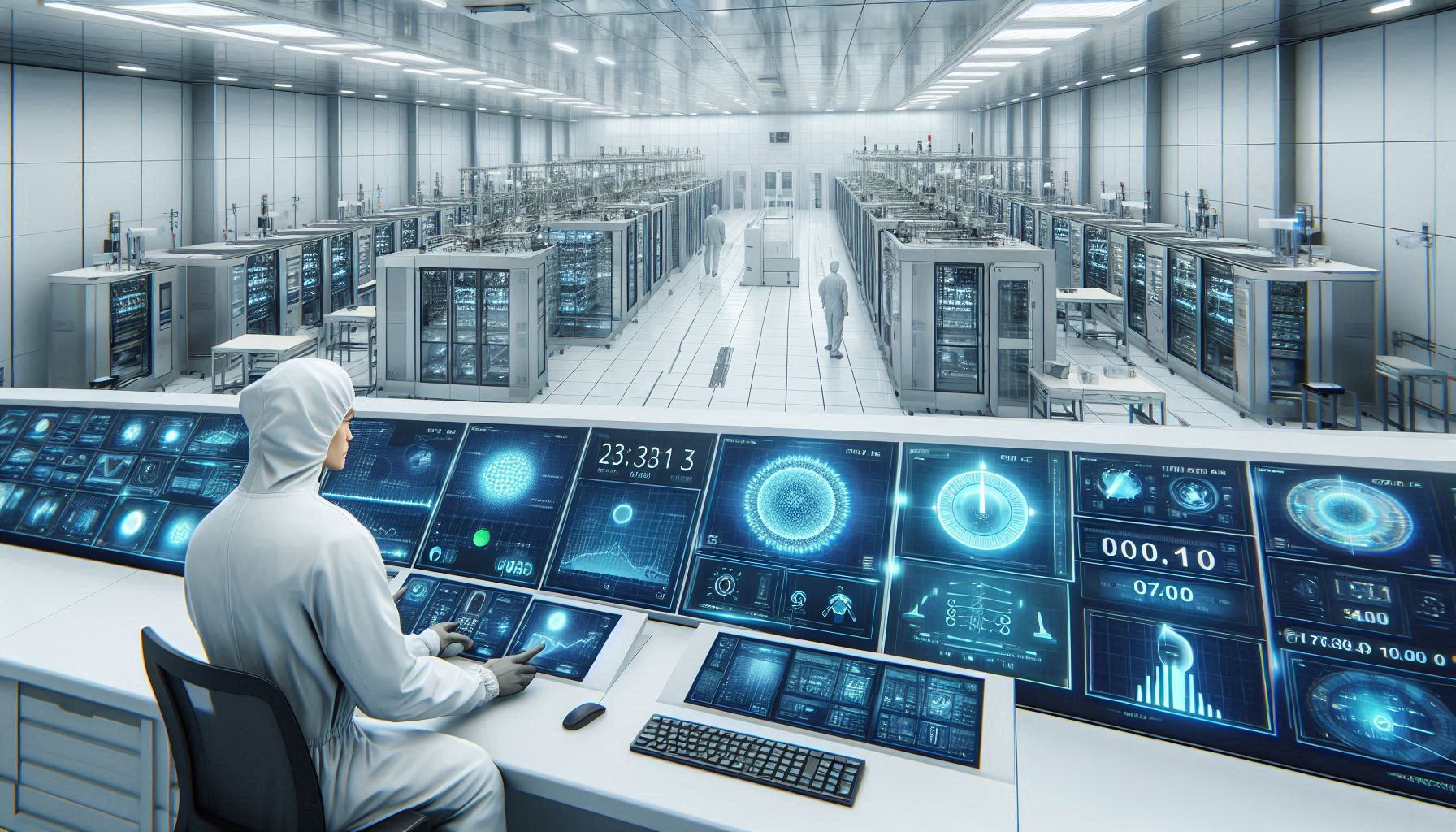
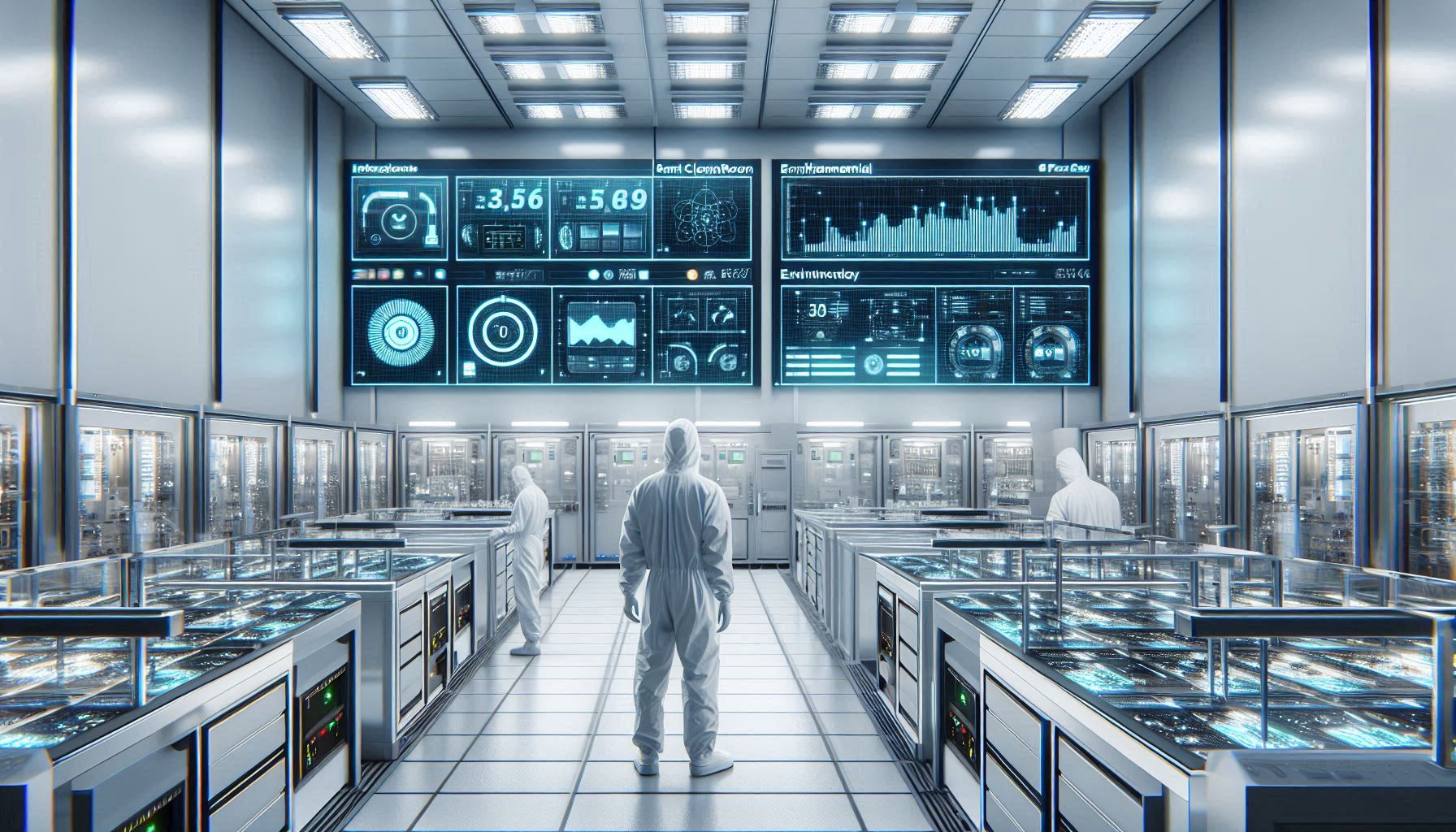
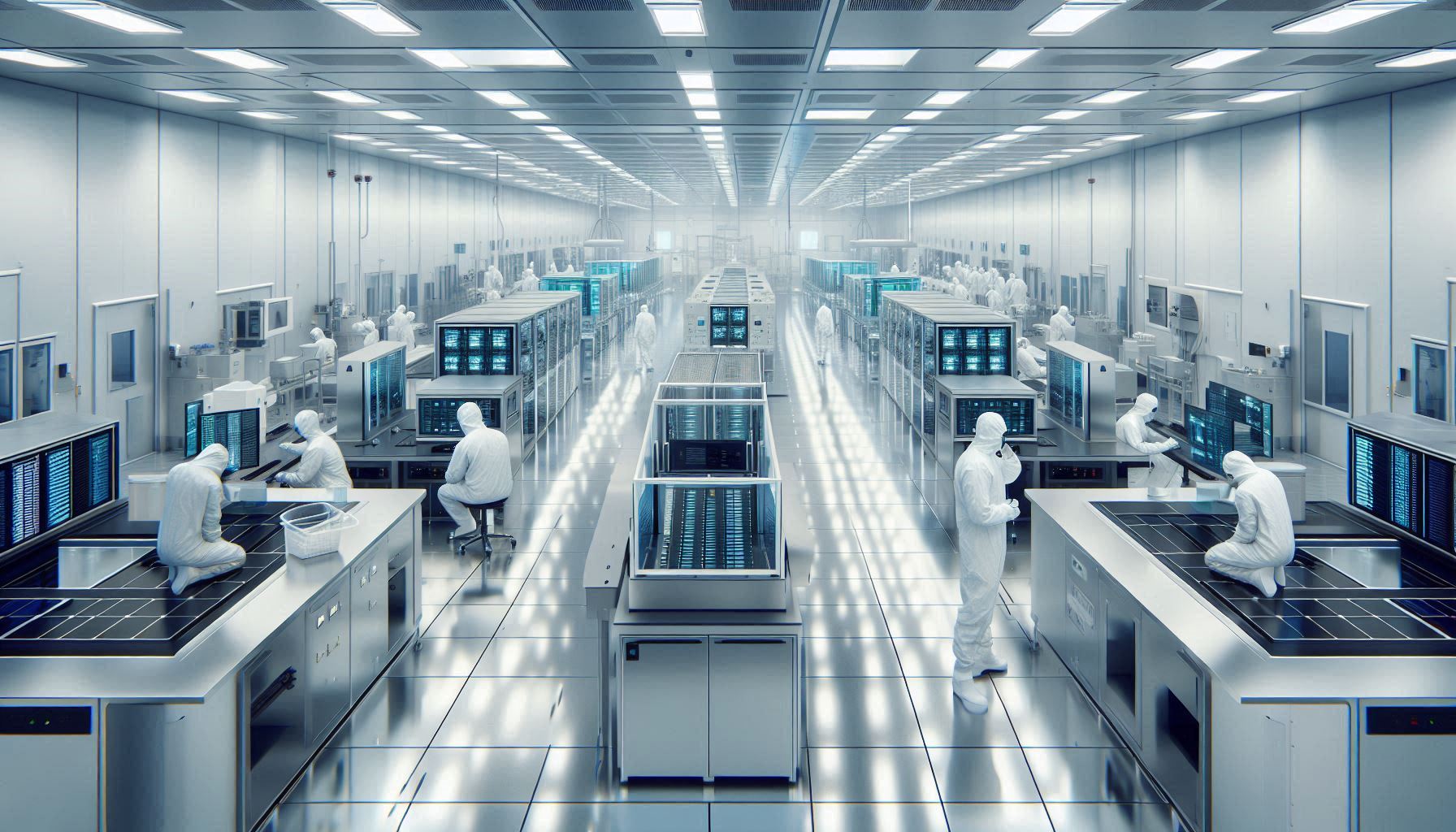
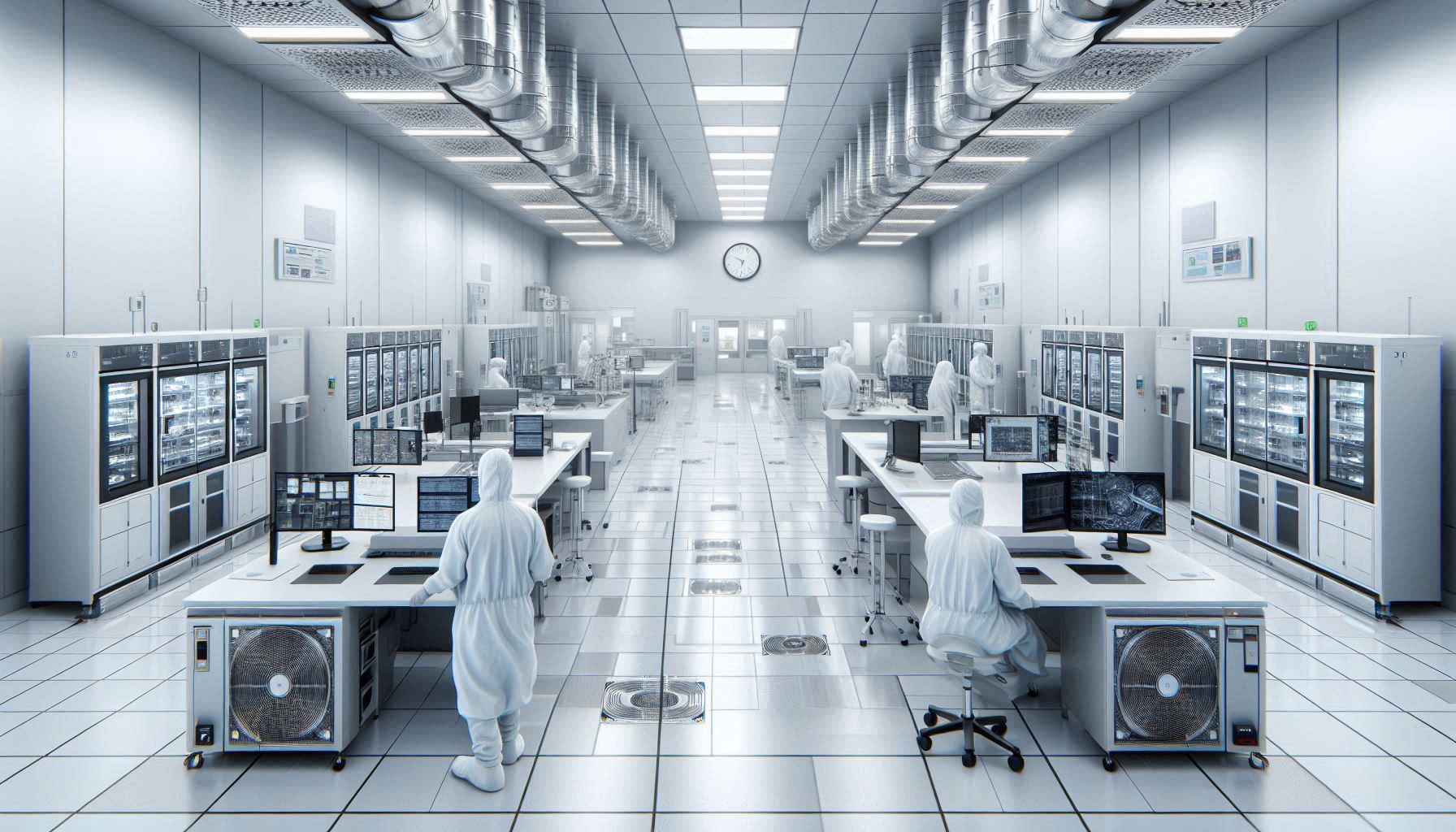
Cleanroom Technology: How Are Automation and Sustainability Reshaping?

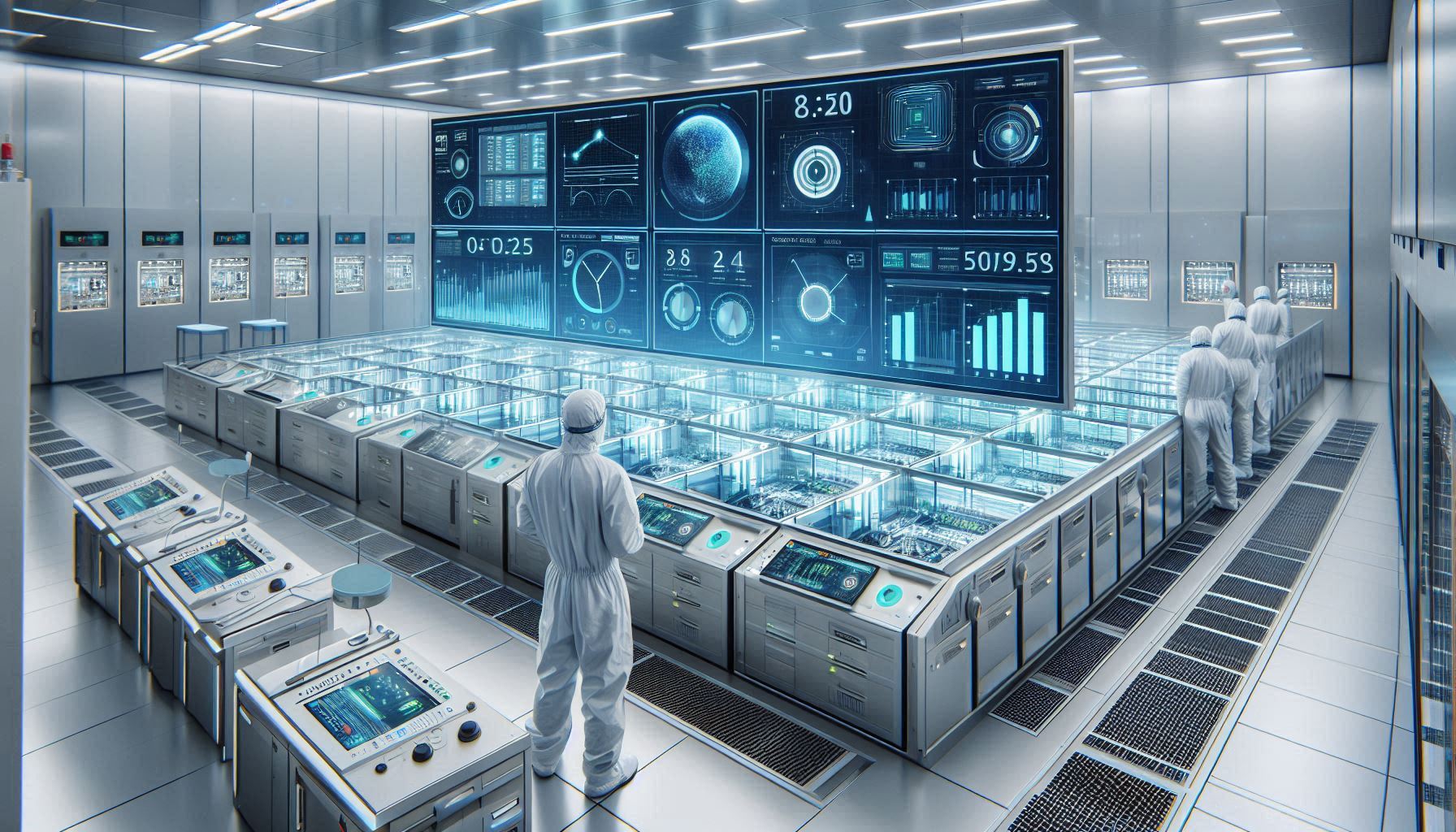
Innovations in Cleanroom Technology: Transforming Design, Build, and Operations.

In the realm of cleanroom technology, advancements in automation and sustainability are driving transformative changes. From pharmaceuticals to electronics manufacturing, industries reliant on sterile environments are increasingly integrating automated systems and sustainable practices. This evolution not only enhances operational efficiency but also addresses environmental impacts. By exploring the intersection of automation and sustainability, we uncover the innovative solutions shaping the future of cleanroom technology.

Revolutionizing Cleanroom Technology, Design and Construction

Cleanroom technology has evolved significantly, emphasizing modular and flexible structures. Modern cleanrooms are designed with sustainability in mind, incorporating energy-efficient systems and materials. These innovations reduce environmental impact and improve efficiency.

Advanced materials resistant to microbial growth ensure a cleaner and safer environment. Imaging technologies for airflow visualization have become a game-changer. These allow precise mapping of airflow patterns, identifying contamination risks, and enabling better air distribution control.

Automation and Real-Time Monitoring

Automation has revolutionized cleanroom operations, offering unparalleled precision and control. Automated systems for monitoring activities within cleanrooms have become indispensable. These systems use advanced sensors and IoT devices to continuously monitor environmental parameters like temperature, humidity, and particle counts.

Real-time data collection enables immediate detection of deviations and prompt corrective actions. Imaging technologies for real-time airflow visualization provide a dynamic view of airflow patterns. This innovation helps operators monitor and adjust airflows, preventing contamination and ensuring critical areas are protected.

Enhancing Contamination Control and Microbial Air Sampling

Contamination control remains a cornerstone of cleanroom technology. Advanced microbial air sampling techniques have been developed to provide accurate and reliable data on airborne microorganisms. These techniques utilize cutting-edge sensors and analytical tools to detect even the smallest traces of contamination.

Zero-carbon cleanrooms have emerged as a significant advancement. Designed to minimize environmental impact, these cleanrooms reduce carbon emissions and use renewable energy sources. This development reflects a growing commitment to sustainability in the industry.

Advancements in Cleanroom Standards and Microbial Detection

Continuous improvement of cleanroom standards is essential for maintaining safety and performance. Recent advancements have introduced stricter requirements for contamination control and environmental monitoring. These standards ensure that cleanrooms operate at optimal levels, providing a safe environment for sensitive processes.

New microbial detection technologies offer higher sensitivity and specificity. These methods enable the identification of a broader range of microorganisms, ensuring the sterility of cleanrooms. This is particularly crucial in industries like pharmaceutical manufacturing, where contamination can have serious consequences.

Sustainable Design and Zero-Carbon Cleanrooms

Sustainable design principles are increasingly being incorporated into cleanroom technology. The focus on sustainability aims to reduce the environmental footprint while maintaining high performance standards. Zero-carbon cleanrooms represent a major leap forward, designed to operate without producing carbon emissions and utilizing energy-efficient systems and renewable energy sources.

Advanced materials used in cleanroom construction are durable, easy to clean, and resistant to microbial growth. These materials contribute to a cleaner environment and reduce the need for frequent maintenance and replacement, enhancing sustainability further.

The Role of Big Data Analytics

Big data analytics has emerged as a powerful tool for enhancing cleanroom performance. The ability to collect, analyze, and interpret large volumes of data from cleanroom operations provides valuable insights. Predictive maintenance is one key application of big data analytics. By analyzing data on equipment performance and environmental conditions, it is possible to predict maintenance needs, preventing unexpected failures and reducing downtime.

Real-time monitoring is another critical application. Continuous monitoring of environmental parameters and process conditions allows for immediate detection of deviations and corrective actions. This ensures cleanrooms operate within specified limits and maintain high performance.

Optimizing Cleanroom Operations for Pharmaceutical Manufacturing

Pharmaceutical manufacturing benefits greatly from advancements in cleanroom technology. The stringent requirements for sterility and contamination control make cleanrooms essential. Innovations in design, automation, and microbial detection have significantly enhanced efficiency and safety in pharmaceutical manufacturing processes.

Real-time monitoring and predictive maintenance enabled by big data analytics optimize cleanroom operations. These innovations ensure pharmaceutical products are manufactured in a controlled and sterile environment. This contributes to higher product quality, reduced contamination risk, and improved efficiency.

Networking and Future Innovations

The cleanroom industry is poised for further innovations driven by advances in technology and increasing demands for sustainability and performance. Networking and collaboration among industry stakeholders play a crucial role in driving these innovations. Sharing knowledge, best practices, and research findings accelerates the development and adoption of new technologies.

Future innovations in cleanroom technology are likely to focus on enhancing automation, improving contamination control, and further reducing environmental impact. Integrating artificial intelligence and machine learning into cleanroom operations is expected to provide greater precision and control. These technologies will enable more advanced predictive maintenance, real-time monitoring, and optimization of cleanroom performance.

FAQ

What is the future of cleanrooms?

The future of cleanrooms looks promising with advancements in automation, real-time monitoring, and sustainable design. Emerging technologies like artificial intelligence and machine learning are expected to enhance precision and control. These innovations will drive improvements in contamination control, energy efficiency, and overall performance. Additionally, the integration of big data analytics will enable predictive maintenance and optimization of cleanroom operations.

What are cleanroom technologies?

Cleanroom technologies refer to the specialized equipment, systems, and processes used to maintain a controlled environment. These include advanced HVAC systems, HEPA and ULPA filters, contamination control measures, and real-time monitoring systems. Cleanroom technologies ensure the air quality, temperature, humidity, and particle counts meet stringent standards required for sensitive processes in industries like pharmaceuticals, biotechnology, and electronics.

What is a cleanroom in VLSI technology?

A cleanroom in VLSI (Very-Large-Scale Integration) technology is a controlled environment where semiconductor devices are manufactured. These cleanrooms maintain low levels of airborne particles, and temperature, and humidity to prevent contamination of semiconductor wafers. The stringent control of the environment is crucial for the precision and quality required in VLSI manufacturing, ensuring the reliability and performance of electronic components.

What are the concepts of cleanroom design?

Cleanroom design involves several key concepts to ensure a controlled environment. These include airflow patterns, filtration systems, contamination control, and materials selection. The design must ensure unidirectional airflow to sweep away contaminants, while HEPA and ULPA filters remove particles from the air. The choice of materials for walls, floors, and equipment should minimize particle generation and be easy to clean. Proper zoning and pressure differentials help contain contaminants within specific areas.

Cleanroom Technology Conference 2024

The Cleanroom Technology Conference 2024 is an upcoming event where industry professionals gather to discuss the latest advancements, trends, and best practices in cleanroom technology. Attendees can expect presentations, workshops, and networking opportunities with experts in the field. The conference covers topics such as contamination control, sustainable design, and the integration of new technologies.

Cleanroom technology advertising

Cleanroom technology advertising focuses on promoting products, services, and solutions related to cleanroom environments. This includes advertising for advanced HVAC systems, filtration units, monitoring systems, and contamination control equipment. Effective advertising highlights the benefits, features, and innovations of these technologies, targeting industries that rely on cleanroom environments such as pharmaceuticals, biotechnology, and electronics.

Cleanroom Technology PDF

A Cleanroom Technology PDF is a detailed document providing comprehensive information on the principles, design, and operation of cleanrooms. These PDFs are often used for educational purposes, training, and reference by industry professionals. They typically include guidelines, standards, case studies, and technical specifications to help users understand and implement cleanroom technologies effectively.

Cleanroom Technology Magazine

The Cleanroom Technology magazine is a specialized publication that delivers the latest news, research, and insights on cleanroom technology. It covers a wide range of topics, including the design, construction, operation, and maintenance of cleanrooms. The magazine features articles from industry experts, case studies, and updates on new products and innovations in the field, making it an invaluable resource for professionals in the industry.

Cleanroom Technology Conference

The Cleanroom Technology Conference is an annual event that brings together professionals from various industries to discuss advancements in cleanroom technologies. The conference includes presentations, workshops, and networking opportunities focused on the latest trends and innovations. Topics covered range from contamination control and sustainable design to the integration of automation and real-time monitoring systems.

Cleanroom Technology PPT

A Cleanroom Technology PPT is a PowerPoint presentation used to educate and inform audiences about cleanroom principles, design, and operations. These presentations are commonly used in training sessions, conferences, and academic settings. They typically include slides on airflow patterns, filtration systems, contamination control measures, and the latest technological advancements in cleanroom environments.

Cleanroom Conference

The Cleanroom Conference is a significant event where industry professionals gather to share knowledge and discuss the latest advancements in cleanroom technology. This conference provides a platform for networking, learning, and exploring new trends and innovations. Attendees can participate in presentations, panel discussions, and workshops on various aspects of cleanroom design, construction, and operation, gaining valuable insights and best practices from experts in the field.

Conclusion

The evolution of cleanroom technology is marked by significant innovations that have transformed design, construction, and operations. From automation and real-time monitoring to sustainable design and big data analytics, these advancements ensure cleanrooms meet the highest standards of performance and safety. The ongoing commitment to innovation and collaboration among industry stakeholders will continue to drive progress, ensuring cleanroom technology remains at the forefront of environmental control and contamination prevention.

About The Author

Omprakash Ramagiri; as the Founder of HVAC Technocrats, I bring over 18 years of experience as a Mechanical Engineer specializing in HVAC (Central Air-conditioning) for commercial, cleanrooms, data centers, and Petrochemical industries. Throughout my career, I’ve held pivotal roles at companies like TATA Consulting Engineers, MW Zander (for Cleanroom solutions), Bluestar Malaysia, and ETA in Dubai. I’ve managed international HVAC projects and gained valuable exposure in dynamic markets like Dubai and Saudi Arabia. With a passion for excellence and a commitment to innovative solutions, I specialize in designing Class 10K & 100K Cleanrooms for various industries. Connect with me to explore collaborations in HVAC design, project sales, and consultancy. Click to visit the Author’s Linkedin page


Disclaimer: The pictures used are for illustrative purposes only. They may not depict actual products or situations and are meant for educational purposes. Actual products, situations, or outcomes may differ.

HVAC Systems: What are Hidden Impacts of Overdesigning

Diagram showing the hidden environmental and economic impacts of overdesigned HVAC systems.

Overdesigning HVAC systems is a common yet overlooked practice that can have significant environmental and economic consequences. While a small safety margin is necessary for reliability, excessive overdesign can lead to systems that are vastly oversized, wasting energy and resources. This article explores the impacts of HVAC system overdesign, focusing on the environmental footprint, operational inefficiencies, and the broader implications for sustainable engineering.

The Concept of HVAC Systems Overdesign

Overdesign in HVAC systems refers to the practice of installing equipment that is larger or more powerful than necessary. This often stems from a desire to ensure reliability and accommodate unexpected load increases. However, when overdesign results in systems that are 50% larger than needed, the negative impacts can far outweigh the intended benefits.

Safety Margin in HVAC Systems: A Double-Edged Sword

While a safety margin of 8-10% during heat load estimation is prudent, pushing this boundary too far can be detrimental. The initial step in overdesign often starts with these conservative estimates, which are then compounded by selecting equipment and motors with higher capacities. This can lead to significant inefficiencies.

HVAC Systems Energy Consumption and Carbon Footprint

Oversized HVAC systems consume more energy than properly sized ones. The increased energy demand directly translates into higher carbon emissions. These emissions contribute to the building’s overall carbon footprint, exacerbating global warming and climate change. The environmental impact of this excessive energy use is a pressing concern that needs addressing.

HVAC Systems Impact on Ozone Layer

The manufacturing and disposal processes of larger HVAC equipment involve the release of various pollutants. Many refrigerants used in these systems are potent greenhouse gases that harm the ozone layer. Despite advances in refrigerant technology, the sheer volume required for oversized systems poses a significant environmental threat.

Operational Inefficiencies

Overdesigned HVAC systems are not only energy-inefficient but also operationally inefficient. These systems tend to cycle on and off more frequently, which reduces their lifespan and increases maintenance needs. The frequent cycling can lead to higher operational costs and more frequent replacements, further straining resources and the environment.

HVAC Systems Economic Costs

The economic impact of overdesign is substantial. Higher energy consumption leads to increased utility bills. Additionally, the costs associated with frequent maintenance and equipment replacement can be significant. Building owners and operators need to consider these long-term costs when opting for larger systems.

The Role of Proper Sizing

Properly sizing HVAC systems is crucial for energy efficiency and cost-effectiveness. Accurate load calculations and appropriate equipment selection can prevent the pitfalls of overdesign. This practice not only ensures optimal performance but also minimizes environmental impact.

Sustainable HVAC Systems Practice

Adopting sustainable HVAC practices involves more than just avoiding overdesign. It includes selecting energy-efficient equipment, regular maintenance, and considering alternative cooling methods. Sustainable practices help in reducing energy consumption, lowering operational costs, and minimizing the environmental footprint.

Future of HVAC Design

The future of HVAC design lies in balancing reliability with sustainability. Innovations in HVAC technology, such as variable speed drives and smart thermostats, can help achieve this balance. These advancements allow for more precise control of HVAC systems, reducing the need for excessive overdesign.

FAQs

What is HVAC overdesign?

Overdesign in HVAC refers to installing systems that are larger than necessary, often to ensure reliability.

Why is a safety margin used in HVAC design?

A safety margin of 8-10% is used to account for unexpected load increases and ensure reliability.

How does overdesign affect energy consumption?

Overdesign leads to higher energy consumption and increased carbon emissions.

What are the environmental impacts of overdesign?

Overdesign contributes to ozone depletion and climate change due to increased refrigerant use and energy consumption.

How does overdesign impact operational efficiency?

Overdesign causes frequent cycling of HVAC systems, reducing lifespan and increasing maintenance needs.

What are the economic costs of HVAC overdesign?

Higher energy bills and increased maintenance costs are significant economic impacts of overdesign.

What are sustainable HVAC practices?

Sustainable practices include proper sizing, selecting energy-efficient equipment, and regular maintenance.

What is the future of HVAC design?

The future involves balancing reliability with sustainability through innovations like variable speed drives and smart thermostats.

Conclusion

Overdesigning HVAC systems may seem like a cautious approach, but the long-term environmental and economic impacts are profound. By understanding the implications of overdesign and adopting sustainable practices, we can ensure that HVAC systems are both efficient and environmentally friendly. Proper sizing, regular maintenance, and innovative technologies are key to achieving this balance.

About The Author

Omprakash Ramagiri; as the Founder of HVAC Technocrats, I bring over 18 years of experience as a Mechanical Engineer specializing in HVAC (Central Air-conditioning) for commercial, cleanrooms, data centers, and Petrochemical industries. Throughout my career, I’ve held pivotal roles at companies like TATA Consulting Engineers, MW Zander (for Cleanroom solutions), Bluestar Malaysia, and ETA in Dubai. I’ve managed international HVAC projects and gained valuable exposure in dynamic markets like Dubai and Saudi Arabia. With a passion for excellence and a commitment to innovative solutions, I specialize in designing Class 10K & 100K Cleanrooms for various industries. Connect with me to explore collaborations in HVAC design, project sales, and consultancy. Click to visit the Author’s Linkedin page


Disclaimer: The pictures used are for illustrative purposes only. They may not depict actual products or situations and are meant for educational purposes. Actual products, situations, or outcomes may differ.

Chiller Plant: Do AI Optimize Energy Efficiency in Data Center?

AI-powered Chiller Plant HVAC system for data centers

In the digital age, data centers serve as vital hubs for storing, processing, and distributing vast amounts of information. Efficient operation of these centers relies heavily on robust HVAC systems, particularly chiller plant that maintain optimal temperature conditions. Recent advancements in artificial intelligence (AI) have profoundly impacted these systems, leading to enhanced efficiency, reliability, and sustainability.

Role of AI in Chiller Plant

AI technologies have revolutionized traditional chiller plants by introducing predictive analytics and adaptive control mechanisms. These systems analyze real-time data from sensors embedded within the infrastructure. By interpreting data patterns and predicting cooling demands, AI algorithms optimize chiller operations dynamically. This proactive approach ensures that cooling output aligns precisely with data center requirements, minimizing energy consumption and operational costs.

Applications in Data Centers

Data centers benefit significantly from AI-powered chiller plants due to their predictive capabilities. These systems can anticipate variations in server loads, environmental conditions, and energy demands. By adjusting cooling operations in real-time, AI ensures consistent temperature control and operational stability. This capability is crucial for maintaining optimal conditions to prevent overheating and equipment failures, thereby reducing downtime risks.

Advantages & Disadvantages

AI-driven chiller plants offer several advantages:

  • Improved Energy Efficiency: AI algorithms optimize energy use based on real-time data, reducing consumption by 10-30% compared to conventional systems.
  • Enhanced Reliability: Predictive analytics minimize the risk of equipment failures and downtime, ensuring uninterrupted data center operations.
  • Predictive Maintenance: AI-enabled systems identify potential issues before they escalate, facilitating proactive maintenance and extending equipment lifespan.

However, implementing AI in chiller plants also presents challenges:

  • Initial Costs: High upfront investment required for AI integration and infrastructure upgrades.
  • Data Accuracy: Dependence on accurate data inputs and continuous monitoring to maintain AI effectiveness.
  • Complex Integration: Integrating AI with existing HVAC systems may pose technical challenges and require specialized expertise.

Technical Data Sheet

Key technical specifications of AI-powered chiller plants include:

  • Capacity: Variable based on data center size and cooling requirements.
  • Energy Consumption: AI optimization typically reduces energy use by 10-30% compared to traditional systems.
  • Maintenance: Regular monitoring and data analysis required to ensure AI algorithms perform effectively.

Components and Design Parameters

AI-powered chiller plants consist of:

  • Sensors: Collect real-time data on temperature, humidity, and environmental conditions.
  • AI Software: Analyzes data patterns and adjusts cooling operations based on predictive analytics.
  • Chiller Units: Responsible for cooling the data center environment efficiently.
  • Data Analytics Platform: Processes and interprets data to optimize system performance.

Design parameters include:

  • Load Forecasting Models: Predict server load variations and cooling demands.
  • Adaptive Control Algorithms: Adjust chiller operations in real-time based on AI insights.
  • Data Integration Protocols: Ensure seamless communication between AI systems and existing infrastructure.

Installation and Maintenance Procedures

Implementing AI in chiller plants involves:

  • Installation: Detailed planning and integration to ensure compatibility with existing HVAC infrastructure.
  • Maintenance: Regular updates to AI algorithms, sensor calibration, and system audits to maintain peak performance.

Performance Monitoring and Lifecycle Analysis

AI-powered systems enable:

  • Performance Monitoring: Real-time dashboards track energy consumption, temperature variations, and system efficiency.
  • Lifecycle Analysis: Predictive maintenance schedules optimize equipment lifespan and resource allocation.

Environmental Impact and Safety Considerations

Key considerations include:

  • Environmental Impact: AI optimization reduces carbon footprint by optimizing energy use and resource allocation.
  • Safety: Fail-safe mechanisms ensure system stability and prevent overheating or equipment failures.

Conclusion

AI-powered chiller plants represent a transformative advancement in data center HVAC technology. By leveraging AI’s predictive capabilities, these systems enhance energy efficiency, reliability, and sustainability. As data centers continue to expand globally, AI-driven solutions will play a critical role in optimizing operations and ensuring uninterrupted performance.

For more insights into AI’s impact on data center HVAC systems, visit HVAC Technocrats.

How to get the most energy efficiency from a chiller plant?

To achieve maximum energy efficiency from a chiller plant, consider these strategies:

  • Regular Maintenance: Ensure chiller units are properly maintained, including cleaning tubes, checking refrigerant levels, and calibrating controls.
  • Optimal Set Points: Adjust chiller set points to match actual cooling demands, avoiding unnecessary energy consumption.
  • Use of Variable Speed Drives (VSDs): Install VSDs to adjust compressor and pump speeds based on load requirements, improving energy efficiency at part loads.
  • Chilled Water Temperature: Increase chilled water supply temperature to reduce chiller workload and improve overall efficiency.
  • Integration with Building Management Systems (BMS): Implement smart controls and integrate with BMS for automated monitoring, analysis, and optimization of chiller operations.

FAQ

How can chiller efficiency be improved?

Improving chiller efficiency involves several key steps:

  • Upgrade to High-Efficiency Chillers: Replace older units with modern, energy-efficient models that meet current standards.
  • Optimize Water Flow: Maintain proper water flow rates through the chiller system to enhance heat transfer efficiency.
  • Regular Cleaning and Maintenance: Clean heat exchanger surfaces, inspect insulation, and ensure all components are functioning optimally.
  • Utilize Free Cooling: Implement free cooling systems where possible, using ambient air or water to cool the chiller during favorable conditions.
  • Chiller Sequencing: Implement a sequencing strategy to operate chillers efficiently based on load and demand.

How do you optimize a chiller plant?

Optimizing a chiller plant involves:

  • System Audits: Conduct regular audits to identify inefficiencies and opportunities for improvement.
  • Performance Monitoring: Use data analytics to monitor chiller performance and identify areas for optimization.
  • Load Matching: Match chiller capacity to actual cooling demand through careful sizing and control adjustments.
  • Energy Recovery: Implement heat recovery systems to capture waste heat for other building uses.
  • Employee Training: Train operators on optimal chiller plant operation and maintenance practices.

How do you optimize cooling in a data center?

To optimize cooling in a data center:

  • Hot Aisle/Cold Aisle Configuration: Arrange server racks to optimize airflow and minimize hot spots.
  • Containment Systems: Implement hot or cold aisle containment to separate hot and cold air streams, improving efficiency.
  • Use of Economizers: Integrate economizer systems to use outside air for cooling during favorable weather conditions.
  • Precision Air Conditioning: Install precision air conditioning units for targeted cooling in sensitive areas.
  • Data Center Layout: Optimize layout to minimize airflow obstructions and ensure efficient air distribution.

Chiller plant optimize energy efficiency in data center ppt

For presentations on optimizing energy efficiency in chiller plants for data centers, consider including:

  • Overview of Chiller Plant Operations
  • Energy Efficiency Strategies
  • Case Studies and Success Stories
  • Technological Advancements in Chiller Systems
  • Recommendations for Data Center Cooling Optimization

For detailed insights, you can visit relevant resources or industry publications on HVAC and data center management.

Chiller plant optimize energy efficiency in data center pdf

To explore detailed strategies for optimizing energy efficiency in chiller plants for data centers, consider downloading PDF resources that cover:

  • Best Practices in Chiller Plant Design
  • Energy-Saving Technologies and Innovations
  • Regulatory Compliance and Standards
  • Case Studies and Performance Metrics
  • Implementation Guidelines for Efficient Operations

Look for reputable sources and publications that specialize in HVAC systems and data center operations.

Chiller plant optimization software

Chiller plant optimization software helps in:

  • Predictive Analytics: Analyzing data to predict cooling demands and optimize chiller operations.
  • Energy Management: Monitoring energy use and implementing strategies to reduce consumption.
  • System Integration: Integrating with BMS and other HVAC systems for centralized control and management.
  • Performance Monitoring: Real-time monitoring of chiller performance and efficiency metrics.
  • Reporting and Analysis: Generating reports and insights for continuous improvement and decision-making.

Chiller efficiency formula

The formula for calculating chiller efficiency typically includes:

  • Chiller Efficiency = (Cooling Output / Energy Input) × 100%
  • Factors such as COP (Coefficient of Performance) and EER (Energy Efficiency Ratio) are used to determine efficiency based on cooling capacity and power consumption.
  • Consult manufacturer specifications and industry standards for specific formulas and calculation methods.

Chiller optimisation to save energy

To optimize chillers for energy savings, consider:

  • Variable Speed Drives (VSDs): Adjusting compressor and pump speeds based on load requirements.
  • Temperature Set Points: Optimizing chilled water supply temperatures to reduce energy consumption.
  • Heat Recovery: Utilizing waste heat for heating purposes through heat recovery systems.
  • Regular Maintenance: Ensuring equipment is well-maintained for optimal efficiency.
  • Data-Driven Insights: Using analytics and monitoring tools to identify opportunities for improvement.

Chiller part load efficiency

Chillers operate efficiently at part loads by:

  • Variable Capacity Control: Adjusting compressor capacity to match cooling demand.
  • Economizer Modes: Using economizer modes to enhance efficiency during low load conditions.
  • Optimized Controls: Implementing advanced control algorithms for precise load management.
  • Efficient Component Design: Utilizing components designed to operate efficiently across various load conditions.

Chilled water system control strategy

To optimize chilled water systems, consider:

  • Flow Optimization: Balancing water flow rates to maximize heat transfer efficiency.
  • Temperature Control: Adjusting chilled water supply temperatures based on load and environmental conditions.
  • System Sequencing: Implementing a sequencing strategy to operate chillers efficiently.
  • Integration with BMS: Using building management systems for centralized control and optimization.
  • Monitoring and Adjustment: Regularly monitoring system performance and adjusting controls for optimal operation.

Increasing chilled water supply temperature

Raising chilled water supply temperatures can improve efficiency by:

  • Reducing Chiller Workload: Lowering the temperature differential between chilled water and return water.
  • Enhancing Compressor Efficiency: Operating chillers closer to their optimal design conditions.
  • Minimizing Heat Losses: Reducing losses associated with chilled water distribution.
  • Optimizing System Operation: Adjusting controls to maintain comfort and operational requirements.

About The Author

Omprakash Ramagiri; as the Founder of HVAC Technocrats, I bring over 18 years of experience as a Mechanical Engineer specializing in HVAC (Central Air-conditioning) for commercial, cleanrooms, data centers, and Petrochemical industries. Throughout my career, I’ve held pivotal roles at companies like TATA Consulting Engineers, MW Zander (for Cleanroom solutions), Bluestar Malaysia, and ETA in Dubai. I’ve managed international HVAC projects and gained valuable exposure in dynamic markets like Dubai and Saudi Arabia. With a passion for excellence and a commitment to innovative solutions, I specialize in designing Class 10K & 100K Cleanrooms for various industries. Connect with me to explore collaborations in HVAC design, project sales, and consultancy. Click to visit the Author’s Linkedin page


Disclaimer: The pictures used are for illustrative purposes only. They may not depict actual products or situations and are meant for educational purposes. Actual products, situations, or outcomes may differ.

HVAC System: Why Sustainability is Important for Green Building

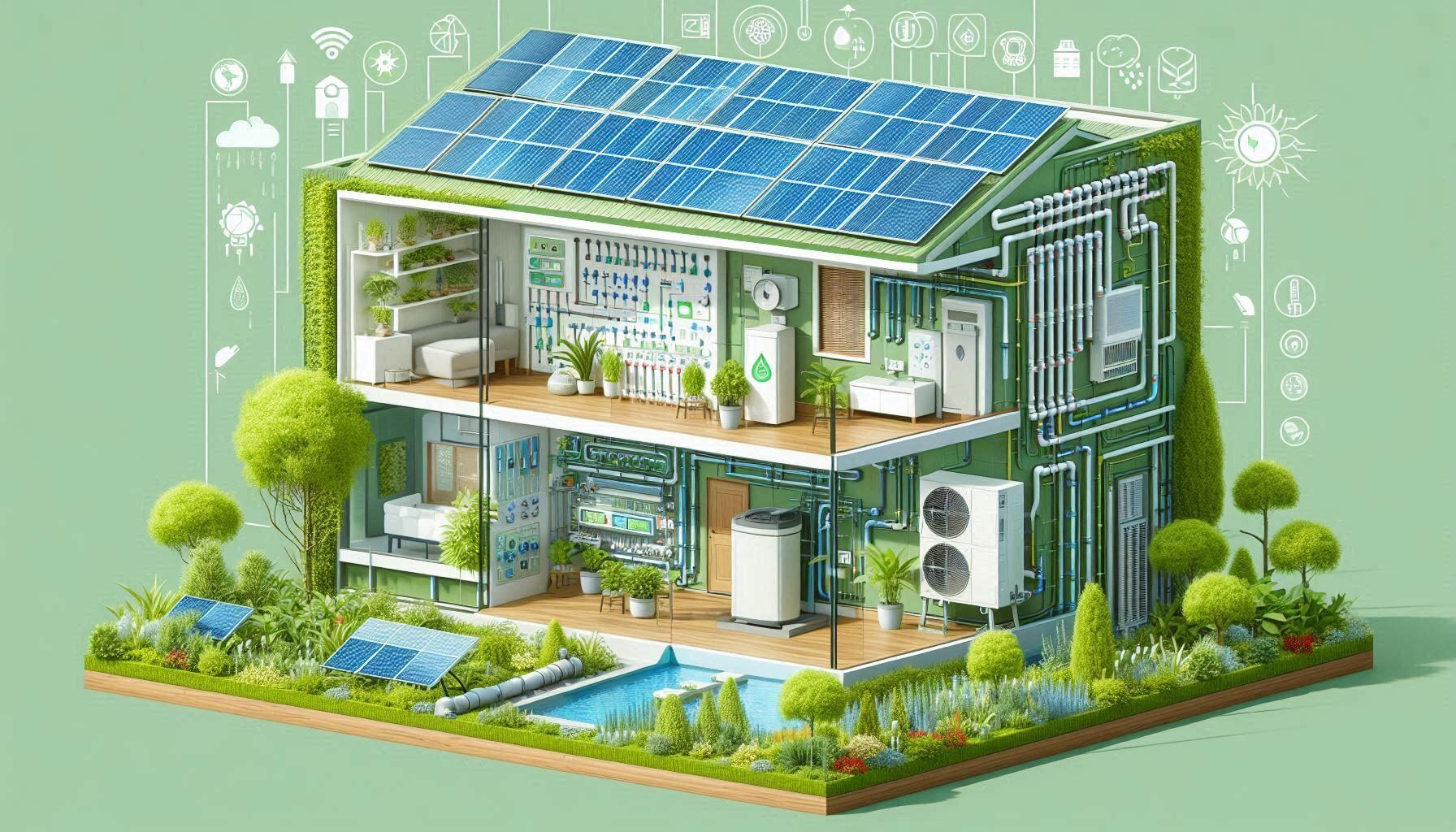
Illustration of sustainable HVAC system in a green building.

Sustainable HVAC system is revolutionizing green building design by providing energy-efficient, eco-friendly solutions that enhance indoor air quality and reduce environmental impact. These systems integrate advanced technologies and renewable energy sources, playing a crucial role in achieving sustainable and resilient buildings. Their benefits extend from reducing greenhouse gas emissions to lowering operational costs, benefiting building owners, occupants, and the broader community. In this article, we will explore the importance, benefits, and key technologies of sustainable HVAC systems, as well as their impact on green building certifications and energy efficiency.

Why Is Sustainability Important in HVAC Systems for Green Building Design?

Sustainability in HVAC systems is crucial for green building design because it reduces energy consumption, lowers greenhouse gas emissions, and promotes environmental conservation. Incorporating sustainable practices in HVAC systems ensures that buildings operate efficiently, minimizing their impact on the planet. This approach not only helps in mitigating climate change but also enhances the overall health and well-being of building occupants. By prioritizing sustainability, we contribute to a more resilient and eco-friendly built environment.

When Should Sustainable Practices Be Integrated into HVAC System Planning for Green Buildings?

Sustainable practices should be integrated into HVAC system planning from the very beginning of the design phase. Early integration allows for the consideration of energy-efficient technologies, renewable energy sources, and innovative design strategies that optimize system performance. By incorporating sustainability from the outset, designers can ensure that the HVAC systems are tailored to the specific needs of the building, leading to better energy management and reduced operational costs over the building’s lifespan.

Where Can Sustainable HVAC Systems Make the Most Impact in Green Buildings?

Sustainable HVAC systems can make the most impact in areas with high energy demand, such as commercial buildings, schools, and hospitals. These buildings often require extensive heating, cooling, and ventilation, making them prime candidates for energy-efficient and eco-friendly HVAC solutions. By implementing sustainable HVAC systems in these environments, we can achieve significant reductions in energy use and operational costs while improving indoor air quality and occupant comfort.

Who Benefits from Implementing Sustainable HVAC Systems in Green Buildings?

Implementing sustainable HVAC systems in green buildings benefits a wide range of stakeholders. Building owners and operators experience lower energy bills and reduced maintenance costs. Occupants enjoy enhanced indoor air quality, thermal comfort, and a healthier living or working environment. Additionally, the broader community benefits from reduced greenhouse gas emissions and the promotion of environmental stewardship. Ultimately, sustainable HVAC systems contribute to the well-being of both people and the planet.

What Are the Key Sustainable Technologies in Modern HVAC Systems for Green Buildings?

Modern HVAC systems for green buildings incorporate several key sustainable technologies, including variable refrigerant flow (VRF) systems, geothermal heat pumps, and energy recovery ventilators (ERVs). These technologies enhance energy efficiency by optimizing the use of heating and cooling resources. Additionally, smart thermostats and building automation systems (BAS) enable precise control of HVAC operations, further reducing energy consumption. Renewable energy integration, such as solar-powered HVAC systems, also plays a crucial role in achieving sustainability in green buildings.

How Do Sustainable HVAC Systems Contribute to Green Building Certifications?

Sustainable HVAC systems play a vital role in achieving green building certifications such as LEED (Leadership in Energy and Environmental Design) and BREEAM (Building Research Establishment Environmental Assessment Method). These certifications evaluate buildings based on their environmental performance and sustainability. Energy-efficient HVAC systems contribute significantly to the energy performance criteria, helping buildings score higher in certification assessments. Additionally, sustainable HVAC systems often incorporate eco-friendly materials and technologies, further enhancing a building’s overall sustainability profile.

Why Should Energy Efficiency Be a Priority in HVAC Systems for Green Buildings?

Energy efficiency should be a priority in HVAC systems for green buildings because it directly impacts operational costs, environmental footprint, and occupant comfort. Efficient HVAC systems use less energy to achieve the desired indoor conditions, resulting in lower utility bills and reduced greenhouse gas emissions. Moreover, energy-efficient systems tend to have longer lifespans and require less maintenance, providing long-term cost savings. Prioritizing energy efficiency in HVAC design and operation is a fundamental step towards achieving sustainable and resilient green buildings.

When Is It Best to Upgrade to Sustainable HVAC Systems in Existing Green Buildings?

Upgrading to sustainable HVAC systems in existing green buildings is best done during major renovations or when the existing HVAC systems are nearing the end of their lifespan. This timing allows for a comprehensive assessment of the building’s needs and the integration of modern, energy-efficient technologies. Additionally, building owners can take advantage of available incentives and rebates for sustainable upgrades. By upgrading at these opportune moments, building owners can improve energy efficiency, reduce operational costs, and enhance indoor air quality without disrupting daily operations.

Where Are the Most Cost-Effective Areas for Implementing Sustainable HVAC Solutions in Green Buildings?

The most cost-effective areas for implementing sustainable HVAC solutions in green buildings include the installation of high-efficiency heat pumps, energy recovery ventilators (ERVs), and smart thermostats. Retrofitting insulation and improving the building envelope can also enhance HVAC efficiency by reducing the load on heating and cooling systems. Additionally, incorporating renewable energy sources, such as solar panels, can provide sustainable power for HVAC operations, leading to significant long-term savings. Focusing on these areas allows building owners to achieve substantial energy and cost savings while promoting sustainability.

Who Are the Leading Innovators in Sustainable HVAC Systems for Green Buildings?

Leading innovators in sustainable HVAC systems for green buildings include companies such as Carrier, Trane, and Daikin. These companies are at the forefront of developing advanced, energy-efficient HVAC technologies that reduce environmental impact. Additionally, organizations like the U.S. Green Building Council (USGBC) and the American Society of Heating, Refrigerating and Air-Conditioning Engineers (ASHRAE) play a crucial role in promoting sustainable HVAC practices through research, standards development, and advocacy. These innovators continuously push the boundaries of what is possible in sustainable HVAC design and operation.

What Are the Benefits of Sustainable HVAC Systems for Occupants of Green Buildings?

Occupants of green buildings benefit from sustainable HVAC systems in several ways. Improved indoor air quality reduces the risk of respiratory issues and enhances overall health and well-being. Energy-efficient systems provide consistent thermal comfort, ensuring a pleasant living or working environment. Additionally, sustainable HVAC systems often operate more quietly than traditional systems, reducing noise pollution. These benefits contribute to a higher quality of life for building occupants, making green buildings an attractive option for both residential and commercial purposes.

How Can Green Building Projects Maximize Efficiency with Sustainable HVAC Systems?

Green building projects can maximize efficiency with sustainable HVAC systems by implementing integrated design strategies that consider the building’s orientation, insulation, and natural ventilation. Utilizing advanced technologies such as variable refrigerant flow (VRF) systems, energy recovery ventilators (ERVs), and smart controls can further enhance efficiency. Regular maintenance and performance monitoring are also essential to ensure that HVAC systems operate at peak efficiency. By adopting these practices, green building projects can achieve significant energy savings and reduce their environmental impact.

Why Is the Use of Renewable Energy in HVAC Systems Crucial for Green Buildings?

The use of renewable energy in HVAC systems is crucial for green buildings because it significantly reduces reliance on fossil fuels and lowers greenhouse gas emissions. Renewable energy sources such as solar, wind, and geothermal provide clean, sustainable power for heating, cooling, and ventilation. Incorporating renewable energy into HVAC systems not only enhances energy efficiency but also contributes to the overall sustainability goals of green buildings. This approach aligns with global efforts to combat climate change and promote a more sustainable future.

When to Consider Retrofitting HVAC Systems for Enhanced Sustainability in Green Buildings?

Retrofitting HVAC systems for enhanced sustainability in green buildings should be considered when the existing systems are outdated, inefficient, or require frequent repairs. Additionally, if energy costs are rising or if there are opportunities to take advantage of financial incentives for sustainable upgrades, it may be the right time to retrofit. Retrofitting provides an opportunity to incorporate modern, energy-efficient technologies that improve performance and reduce environmental impact. By carefully planning and timing these upgrades, building owners can achieve significant energy savings and enhance the sustainability of their properties.

Where to Find Resources and Guidelines for Sustainable HVAC System Design in Green Buildings?

Resources and guidelines for sustainable HVAC system design in green buildings can be found through organizations such as the U.S. Green Building Council (USGBC), the American Society of Heating, Refrigerating and Air-Conditioning Engineers (ASHRAE), and the International WELL Building Institute (IWBI). These organizations provide comprehensive resources, including standards, best practices, and case studies, to guide the design and implementation of sustainable HVAC systems. Additionally, industry publications, webinars, and professional development courses offer valuable insights and up-to-date information on sustainable HVAC technologies and practices.

Who Should Be Involved in the Design and Implementation of Sustainable HVAC Systems for Green Buildings?

The design and implementation of sustainable HVAC systems for green buildings should involve a multidisciplinary team, including architects, HVAC engineers, sustainability consultants, and building owners. Collaboration between these stakeholders ensures that all aspects of sustainability are considered and that the HVAC system is optimized for energy efficiency, performance, and occupant comfort. Additionally, involving contractors and facility managers early in the process can help identify practical solutions and streamline the implementation of sustainable HVAC systems. This collaborative approach is essential for achieving the best outcomes in green building projects.

What Are the Challenges in Integrating Sustainable HVAC Systems into Green Buildings?

Integrating sustainable HVAC systems into green buildings can present several challenges. These include higher initial costs, the need for specialized knowledge and skills, and potential compatibility issues with existing building infrastructure. Additionally, navigating regulatory requirements and obtaining necessary certifications can be complex and time-consuming. However, these challenges can be mitigated through careful planning, stakeholder collaboration, and leveraging available resources and incentives. Overcoming these challenges is crucial to realizing the full benefits of sustainable HVAC systems and advancing the goals of green building design.

How Do Sustainable HVAC Systems Improve Indoor Air Quality in Green Buildings ?

Sustainable HVAC systems improve indoor air quality in green buildings by using advanced filtration, ventilation, and humidity control technologies. These systems remove pollutants, allergens, and excess moisture from indoor air, creating a healthier environment for occupants. Energy recovery wheels (ERWs) and demand-controlled ventilation (DCV) systems optimize fresh air intake, ensuring that indoor air is continuously refreshed without compromising energy efficiency. By maintaining optimal indoor air quality, sustainable HVAC systems contribute to the health and well-being of building occupants and enhance overall comfort.

Why Is Lifecycle Analysis Important for Sustainable HVAC Systems in Green Buildings?

Lifecycle analysis is important for sustainable HVAC systems in green buildings because it evaluates the environmental impact of the system over its entire lifespan. This analysis considers factors such as energy consumption, maintenance requirements, and disposal impacts. By conducting a lifecycle analysis, designers and building owners can make informed decisions about the most sustainable and cost-effective HVAC solutions. This approach ensures that the chosen systems deliver long-term benefits in terms of energy efficiency, environmental conservation, and operational savings, aligning with the overall goals of green building design.

When to Incorporate Smart Technology in Sustainable HVAC Systems for Green Buildings?

Incorporating smart technology in sustainable HVAC systems for green buildings is best done during the initial design phase or when upgrading existing systems. Smart technologies, such as programmable thermostats, advanced sensors, and building automation systems (BAS), provide precise control over HVAC operations, enhancing energy efficiency and performance. By integrating smart technology early in the design process, building owners can optimize system configuration and ensure seamless operation. Additionally, incorporating smart technology during upgrades allows for the modernization of existing systems, improving their sustainability and efficiency.

FAQ

What is sustainable HVAC?

Sustainable HVAC refers to heating, ventilation, and air conditioning systems designed to minimize energy consumption, reduce environmental impact, and enhance indoor air quality. These systems use energy-efficient technologies, renewable energy sources, and eco-friendly materials to achieve sustainability goals. Sustainable HVAC systems are integral to green building design and contribute to the overall efficiency and resilience of buildings.

What is the most eco-friendly HVAC system?

The most eco-friendly HVAC system is typically a geothermal heat pump. Geothermal systems use the stable temperature of the earth to provide heating and cooling, making them highly efficient and environmentally friendly. They have a lower carbon footprint compared to traditional HVAC systems and can significantly reduce energy consumption and greenhouse gas emissions.

What is considered a green HVAC technology?

Green HVAC technology includes systems and components that enhance energy efficiency, reduce environmental impact, and improve indoor air quality. Examples include variable refrigerant flow (VRF) systems, energy recovery ventilators (ERVs), geothermal heat pumps, and smart thermostats. These technologies help achieve sustainability goals by optimizing HVAC performance and minimizing energy use.

What is HVAC system in green building?

An HVAC system in a green building is designed to provide heating, cooling, and ventilation in an energy-efficient and environmentally friendly manner. These systems incorporate sustainable technologies and practices to reduce energy consumption, lower greenhouse gas emissions, and improve indoor air quality. Green building HVAC systems contribute to the overall sustainability and resilience of the built environment.

Sustainable HVAC systems in commercial buildings

Sustainable HVAC systems in commercial buildings utilize advanced technologies to optimize energy use and enhance indoor air quality. These systems often include high-efficiency heat pumps, energy recovery ventilators (ERVs), and building automation systems (BAS) for precise control. By implementing sustainable HVAC solutions, commercial buildings can achieve significant energy savings, reduce operational costs, and create healthier indoor environments for occupants.

Sustainable HVAC systems examples

Examples of sustainable HVAC systems include geothermal heat pumps, variable refrigerant flow (VRF) systems, energy recovery ventilators (ERVs), and solar-powered HVAC systems. These systems use innovative technologies and renewable energy sources to enhance energy efficiency and reduce environmental impact. Sustainable HVAC systems are integral to green building design and contribute to overall building performance and occupant comfort.

Sustainable HVAC systems companies

Leading companies in sustainable HVAC systems include Carrier, Trane, and Daikin. These companies develop advanced, energy-efficient HVAC technologies that reduce environmental impact and enhance system performance. Additionally, organizations like the U.S. Green Building Council USGBC and the American Society of Heating, Refrigerating and Air-Conditioning Engineers (ASHRAE) promote sustainable HVAC practices through research, standards development, and advocacy.

Green HVAC systems

Green HVAC systems are designed to minimize energy consumption, reduce greenhouse gas emissions, and improve indoor air quality. These systems use energy-efficient technologies, renewable energy sources, and eco-friendly materials to achieve sustainability goals. Green HVAC systems are integral to green building design and contribute to the overall efficiency and resilience of buildings.

Best sustainable HVAC systems

The best sustainable HVAC systems include geothermal heat pumps, variable refrigerant flow (VRF) systems, and energy recovery ventilators (ERVs). These systems are highly efficient, environmentally friendly, and enhance indoor air quality. Sustainable HVAC systems provide long-term benefits in terms of energy savings, reduced environmental impact, and improved occupant comfort.

Sustainable cooling systems in buildings

Sustainable cooling systems in buildings include high-efficiency air conditioning units, evaporative coolers, and chilled beam systems. These systems use advanced technologies to optimize cooling performance and reduce energy consumption. By implementing sustainable cooling solutions, buildings can achieve significant energy savings, lower operational costs, and create comfortable indoor environments for occupants.

Green HVAC companies

Leading green HVAC companies include Carrier, Trane, and Daikin. These companies develop advanced, energy-efficient HVAC technologies that reduce environmental impact and enhance system performance. Additionally, organizations like the USGBC and the ASHRAE promote sustainable HVAC practices through research, standards development, and advocacy.

Geothermal heating systems

Geothermal heating systems use the stable temperature of the earth to provide heating and cooling. These systems are highly efficient, environmentally friendly, and have a lower carbon footprint compared to traditional HVAC systems. Geothermal heating systems can significantly reduce energy consumption and greenhouse gas emissions, making them an excellent choice for sustainable building design.

Conclusion

Sustainable HVAC systems are essential for green building design, offering numerous benefits in terms of energy efficiency, environmental impact, and occupant comfort. By integrating sustainable practices and advanced technologies, we can create buildings that are not only efficient and cost-effective but also contribute to a healthier and more sustainable future. From geothermal heat pumps to energy recovery ventilators, the array of sustainable HVAC solutions available today provides ample opportunities for innovation and improvement in the built environment. As we continue to prioritize sustainability in building design, the role of sustainable HVAC systems will only become more critical in achieving our environmental and energy goals.

About The Author

Omprakash Ramagiri; as the Founder of HVAC Technocrats, I bring over 18 years of experience as a Mechanical Engineer specializing in HVAC (Central Air-conditioning) for commercial, cleanrooms, data centers, and Petrochemical industries. Throughout my career, I’ve held pivotal roles at companies like TATA Consulting Engineers, MW Zander (for Cleanroom solutions), Bluestar Malaysia, and ETA in Dubai. I’ve managed international HVAC projects and gained valuable exposure in dynamic markets like Dubai and Saudi Arabia. With a passion for excellence and a commitment to innovative solutions, I specialize in designing Class 10K & 100K Cleanrooms for various industries. Connect with me to explore collaborations in HVAC design, project sales, and consultancy. Click to visit the Author’s Linkedin page


Disclaimer: The pictures used are for illustrative purposes only. They may not depict actual products or situations and are meant for educational purposes. Actual products, situations, or outcomes may differ.

Cassette AC Unit: What are Latest Enhanced Innovations?

Cassette AC Unit installed in a modern office ceiling, illustrating efficient cooling solution.

In today’s HVAC market, Cassette AC Unit air conditioning units have gained significant popularity due to their efficient cooling capabilities and discreet ceiling-mounted design. This comprehensive guide explores everything you need to know about cassette AC units, from their components and working principles to applications, advantages, disadvantages, and more.

Key Components of a Cassette AC Unit

A cassette AC unit is composed of several essential components that work together to provide effective cooling. These components include:

  • Evaporator Coil: Located inside the unit, the evaporator coil absorbs heat from indoor air as it passes over the coil’s surface. This process cools the air before it is distributed back into the room.
  • Condenser Coil: Situated outside the unit, the condenser coil releases the absorbed heat to the external environment. It plays a crucial role in expelling heat from the refrigerant, allowing the cycle to continue.
  • Compressor: The compressor is responsible for pressurizing and circulating the refrigerant throughout the system. By compressing the refrigerant, it increases its temperature, facilitating efficient heat exchange.
  • Expansion Valve: This component regulates the flow of refrigerant into the evaporator coil, controlling the rate at which the refrigerant expands and evaporates, thereby managing the cooling process.
  • Fan: The fan inside the unit blows air over the evaporator coil and circulates it throughout the room. This airflow ensures even distribution of cooled air, enhancing comfort.
  • Air Filters: Cassette AC units are equipped with air filters that trap dust, pollen, and other particles from the circulating air. Clean filters improve indoor air quality and maintain the unit’s efficiency.
  • Control Panel: The control panel allows users to adjust settings such as temperature, fan speed, and operating modes. It provides convenient access to the unit’s functionalities.

Each of these components plays a crucial role in the efficient operation of a cassette AC unit, ensuring optimal cooling performance and indoor comfort.

Working Principle of Cassette AC Units

The working principle of a cassette AC unit revolves around the fundamental refrigeration cycle, which involves the continuous circulation of refrigerant to absorb heat from indoor air and release it outdoors. Here’s a simplified explanation of the process:

  1. Compression: The compressor pressurizes the refrigerant, raising its temperature significantly.
  2. Condensation: The hot refrigerant moves to the condenser coil, where it releases heat to the external environment and condenses into a high-pressure liquid state.
  3. Expansion: Passing through the expansion valve, the refrigerant undergoes a pressure drop, causing it to evaporate and absorb heat from indoor air in the evaporator coil.
  4. Circulation: The fan blows air over the cooled evaporator coil, distributing cooled air throughout the room while the refrigerant continues its cycle to maintain desired indoor temperatures.

This continuous process of compression, condensation, expansion, and circulation enables cassette AC units to effectively cool indoor spaces while maintaining energy efficiency.

Advantages of Cassette AC Units in Commercial Spaces

Cassette AC units offer several advantages that make them particularly suitable for commercial environments:

  • Space Efficiency: By mounting flush with the ceiling, cassette AC units conserve valuable floor space that can be utilized for other purposes. This space-saving design is especially beneficial in crowded or compact commercial settings.
  • Uniform Air Distribution: These units provide even distribution of cooled air throughout the room, eliminating hot spots and ensuring consistent comfort levels for occupants.
  • Aesthetic Appeal: The flush-mounted design of cassette AC units blends seamlessly with interior decor, maintaining the aesthetic appeal of commercial spaces without compromising on cooling efficiency.
  • Low Noise Levels: Operating quietly, cassette AC units minimize disruptions in workplaces and commercial settings, creating a conducive environment for productivity and customer satisfaction.
  • Adjustable Airflow: Equipped with adjustable louvers, cassette AC units allow users to customize airflow direction according to specific preferences, enhancing comfort and air distribution efficiency.

These features collectively contribute to the popularity of cassette AC units in offices, retail stores, restaurants, and various other commercial establishments where efficient cooling and aesthetic considerations are paramount.

Disadvantages of Cassette AC Units Compared to Other Types

Despite their numerous advantages, cassette AC units also present certain drawbacks that potential users should consider:

  • Installation Complexity: Ceiling-mounted installation of cassette AC units can be more complex and labor-intensive compared to other types of AC systems. It requires careful assessment of ceiling structures and may necessitate professional installation services.
  • Higher Initial Cost: The initial purchase and installation costs of cassette AC units are generally higher than those of conventional split-system or window AC units. This initial investment may deter budget-conscious consumers.
  • Limited Placement Options: Due to their ceiling-mounted configuration, cassette AC units have limited placement flexibility. This restriction may impact their suitability for certain room layouts or architectural designs.
  • Maintenance Accessibility: Routine maintenance tasks, such as filter cleaning or coil inspection, may require specialized equipment or professional assistance due to the unit’s elevated position on the ceiling.

While cassette AC units offer efficient cooling and aesthetic benefits, potential users should weigh these disadvantages against their specific requirements and budget constraints.

Common Applications of Cassette AC Units in Building Design

Cassette AC units find widespread application in various building designs and architectural settings:

  • Office Buildings: These units are commonly used in office spaces to provide efficient cooling while maintaining a professional and uncluttered environment.
  • Hotels: Cassette AC units contribute to guest comfort in hotel rooms and common areas, ensuring a pleasant and relaxing stay for visitors.
  • Retail Stores: These units create a comfortable shopping environment for customers, enhancing their shopping experience and encouraging longer visits.
  • Restaurants: Cassette AC units help maintain optimal indoor temperatures in dining areas, contributing to a comfortable dining atmosphere for patrons.
  • Residential Spaces: In residential settings, cassette AC units are favored for their discreet installation and efficient cooling capabilities, making them suitable for modern home designs.

Their versatility and ability to blend seamlessly with interior aesthetics make cassette AC units a preferred choice among architects, designers, and building owners seeking effective cooling solutions.

Technological Advancements in Cassette AC Units

Recent technological innovations have significantly enhanced the performance and efficiency of cassette AC units:

  • Inverter Technology: Many modern cassette AC units incorporate inverter technology, which allows the compressor to operate at variable speeds based on cooling demands. This technology not only improves energy efficiency but also reduces operational noise levels.
  • Smart Controls: Integrated smart controls enable users to remotely monitor and adjust the settings of their cassette AC units via mobile devices or applications. This convenience enhances user experience and allows for optimal cooling management.
  • Enhanced Air Filters: Advanced air filtration systems within cassette AC units effectively capture dust, allergens, and airborne particles, thereby improving indoor air quality and promoting healthier environments.
  • Energy-Saving Features: Cassette AC units are equipped with energy-saving modes and features that optimize performance while reducing energy consumption during off-peak hours or low cooling demands.

These technological advancements underscore ongoing efforts to make cassette AC units more energy-efficient, user-friendly, and environmentally sustainable.

Differences Between Cassette AC Units and Other Types

Cassette AC units differ from traditional split-system or window AC units in several key aspects:

  • Installation: Cassette AC units are typically installed in the ceiling, whereas split-system AC units consist of separate indoor and outdoor components that are wall-mounted or placed on the ground.
  • Air Distribution: Cassette AC units feature 360-degree airflow distribution, ensuring uniform cooling throughout the room. In contrast, split-system AC units provide directional airflow from wall-mounted indoor units.
  • Noise Levels: Due to their ceiling-mounted installation, cassette AC units operate quietly compared to split-system units, which may generate noise from outdoor compressors or indoor fans.
  • Aesthetic Considerations: Cassette AC units blend discreetly with interior decor, offering a seamless appearance that complements modern architectural designs. In contrast, split-system AC units may feature visible indoor and outdoor components that impact visual aesthetics.

Understanding these differences helps consumers choose the most suitable AC unit based on their specific cooling needs, space requirements, and aesthetic preferences.

Choosing the Right Size Cassette AC Unit for Your Room

Selecting the appropriate size of a cassette AC unit is crucial to ensure optimal cooling efficiency and performance:

  • Room Size: Measure the dimensions of the room where the AC unit will be installed to determine its cooling capacity requirements.
  • Heat Load Calculation: Conduct a heat load calculation to assess factors such as room orientation, insulation levels, and heat-generating equipment.
  • Manufacturer Guidelines: Refer to the manufacturer’s recommendations regarding the ideal cooling capacity (BTU) based on room size and environmental conditions.

Choosing an appropriately sized cassette AC unit prevents underperformance or overloading, ensuring efficient cooling and energy savings over the unit’s lifespan.

Impact of Airflow Pattern on Cassette AC Unit Performance

The airflow pattern of a cassette AC unit significantly influences its cooling effectiveness and comfort levels:

  • 360-Degree Air Distribution: Cassette AC units distribute cooled air evenly in all directions, minimizing temperature variations and ensuring consistent comfort throughout the room.
  • Adjustable Louvers: The unit’s adjustable louvers allow users to control the direction and spread of airflow, optimizing cooling performance based on room layout and occupant preferences.
  • Indoor Air Circulation: Efficient indoor air circulation reduces stagnant air pockets and enhances ventilation, contributing to improved indoor air quality and occupant comfort.

Understanding and optimizing airflow patterns enhances the overall efficiency and performance of cassette AC units, ensuring optimal cooling and comfort in commercial and residential spaces.

Role of Cassette AC Units in Improving Indoor Air Quality

Cassette AC units play a crucial role in enhancing indoor air quality (IAQ) through effective filtration and ventilation:

  • Advanced Filtration Systems: Built-in air filters capture airborne particles, dust, pollen, and allergens, preventing them from circulating in indoor spaces and improving IAQ.
  • Continuous Ventilation: The circulation of fresh, filtered air reduces humidity levels and removes stale air, creating a healthier and more comfortable indoor environment.
  • IAQ Monitoring: Some cassette AC units feature IAQ sensors that monitor air quality parameters and adjust operation settings accordingly to maintain optimal IAQ levels.

By promoting cleaner and fresher indoor air, cassette AC units contribute to occupant well-being, productivity, and overall comfort in both residential and commercial settings.

Role of Cassette AC Units in Energy Conservation

Cassette AC units incorporate several energy-saving features and technologies to promote efficient cooling and reduce electricity consumption:

  • Inverter Technology: Inverter-driven compressors adjust operating speeds based on cooling demands, minimizing energy usage and optimizing performance.
  • Energy-Efficient Modes: These units offer programmable modes such as eco mode or sleep mode, which adjust cooling settings to conserve energy during periods of low activity or occupancy.
  • Smart Controls: Integrated smart controls enable remote monitoring and scheduling, allowing users to manage cooling operations efficiently and avoid unnecessary energy consumption.

By combining these energy-efficient technologies, cassette AC units help reduce operational costs and environmental impact while ensuring reliable and sustainable cooling performance.

Types of Cassette AC Units Available in the Market

Cassette AC units are available in various types and configurations to suit different cooling requirements and installation preferences:

  • Single Zone Units: Designed to cool a single room or area, these units are ideal for residential applications or smaller commercial spaces.
  • Multi-Zone Units: These systems consist of multiple indoor units connected to a single outdoor unit, providing customized cooling solutions for larger areas or multiple rooms.
  • Heat Pump Units: Some cassette AC units are equipped with heat pump technology, allowing them to provide both cooling and heating functions for year-round comfort.
  • Ducted Cassette Units: These units feature ducted airflow systems that distribute cooled air through ductwork, offering enhanced flexibility and installation options.

Choosing the right type of cassette AC unit depends on factors such as cooling capacity, installation requirements, and specific operational needs.

Comparison Between Ceiling-Mounted and Wall-Mounted Cassette AC Units

Cassette AC units are available in ceiling-mounted and wall-mounted configurations, each offering unique advantages:

  • Ceiling-Mounted Units: These units are installed flush with the ceiling, providing discreet and unobtrusive cooling without occupying floor space. They offer 360-degree airflow distribution for consistent comfort.
  • Wall-Mounted Units: Wall-mounted cassette AC units are installed on interior walls, offering flexibility in placement and installation. They provide directional airflow and are suitable for rooms with specific cooling needs.

Choosing between ceiling-mounted and wall-mounted cassette AC units depends on room layout, aesthetic preferences, and cooling requirements.

Buildings Suited for Cassette AC Units

Cassette AC units are well-suited for various types of buildings and spaces, including:

  • Office Buildings: These units provide efficient cooling for individual offices, conference rooms, and open-plan areas, maintaining comfortable working environments.
  • Retail Stores: Cassette AC units offer discreet cooling solutions for retail spaces, ensuring pleasant shopping experiences for customers and staff.
  • Hotels: These units contribute to guest comfort in hotel rooms, lobbies, and common areas, enhancing overall guest satisfaction.
  • Restaurants: Cassette AC units help maintain optimal temperatures in dining areas, ensuring a pleasant dining experience for patrons.
  • Residential Spaces: In homes, cassette AC units provide efficient cooling with minimal visual impact, blending seamlessly with interior decor.

Their versatility, efficiency, and aesthetic appeal make cassette AC units a preferred choice among architects, designers, and building owners seeking effective cooling solutions.

Integration of Cassette AC Units into Residential Spaces

In residential settings, cassette AC units offer several advantages that cater to modern living requirements:

  • Discreet Installation: Ceiling-mounted cassette units blend seamlessly with interior aesthetics, maintaining unobtrusive cooling without occupying valuable floor space.
  • Efficient Cooling: These units provide effective cooling for living rooms, bedrooms, and other areas, ensuring comfort during hot weather.
  • Quiet Operation: Cassette AC units operate quietly, minimizing noise disruptions and enhancing overall indoor comfort for residents.
  • Energy Efficiency: Modern cassette units incorporate energy-saving features that reduce operational costs and environmental impact, making them cost-effective solutions for homeowners.

By integrating cassette AC units into residential spaces, homeowners can enjoy enhanced comfort, improved indoor air quality, and energy-efficient cooling throughout the year.

Key Specifications to Consider When Choosing a Cassette AC Unit

When selecting a cassette AC unit, it’s essential to evaluate key specifications to ensure optimal performance and suitability:

  1. Cooling Capacity (BTU): This specification indicates the unit’s cooling power and should be matched to the size of the room or area being cooled.
  2. Energy Efficiency Ratio (EER): The EER reflects the unit’s energy efficiency by comparing cooling output to energy input. Higher EER ratings indicate greater efficiency.
  3. Noise Levels: Consider the unit’s noise output, typically measured in decibels (dB). Quieter units are preferable for noise-sensitive environments.
  4. Dimensions: Ensure the unit’s dimensions are compatible with ceiling space and installation requirements, allowing for proper fit and ventilation.
  5. Warranty Coverage: Review the manufacturer’s warranty terms, including coverage duration and conditions, to ensure comprehensive protection against potential defects or malfunctions.

By considering these specifications, consumers can make informed decisions and select a cassette AC unit that meets their cooling needs effectively.

Interpreting Specifications Listed for Cassette AC Units

Understanding and interpreting the specifications listed for cassette AC units is essential for assessing their performance and suitability:

  • Cooling Capacity: This specification indicates the amount of heat the unit can remove from indoor air within a specific time, expressed in BTU (British Thermal Units) per hour.
  • Energy Efficiency Ratio (EER): The EER represents the cooling output divided by the electrical input, providing a measure of the unit’s energy efficiency. Higher EER ratings indicate lower energy consumption.
  • Noise Levels: Manufacturers typically specify noise levels in decibels (dB) to indicate the unit’s operational sound output. Lower dB ratings denote quieter operation.
  • Dimensions and Weight: These specifications detail the unit’s physical size and weight, ensuring compatibility with ceiling space and installation requirements.
  • Additional Features: Specifications may include features such as adjustable airflow louvers, programmable settings, remote control capabilities, and advanced filtration systems.

By carefully reviewing and interpreting these specifications, consumers can make informed choices and select a cassette AC unit that aligns with their cooling requirements and preferences.

Benefits of Investing in Cassette AC Units for Businesses

Businesses can benefit significantly from investing in cassette AC units due to their unique advantages and operational efficiency:

  • Enhanced Comfort: Cassette AC units provide effective cooling and temperature control, creating a comfortable environment for employees, customers, and visitors.
  • Improved Aesthetics: The sleek, flush-mounted design of cassette units enhances interior aesthetics and contributes to a professional and inviting business environment.
  • Energy Efficiency: Modern cassette units feature energy-saving technologies that reduce operational costs and promote sustainable business practices.
  • Noise Reduction: These units operate quietly, minimizing disruptions in workplaces and ensuring a conducive environment for productivity and concentration.
  • Flexible Installation: Cassette AC units offer flexibility in installation, adapting to various commercial settings and optimizing space utilization.

By investing in cassette AC units, businesses can enhance operational efficiency, improve indoor comfort, and create positive impressions on customers and stakeholders.

Preference for Other AC Unit Types Over Cassette Models

While cassette AC units offer several advantages, some users may prefer alternative AC unit types for specific reasons:

  • Cost Considerations: Other AC unit types, such as split-system or window units, may have lower initial purchase and installation costs, making them more budget-friendly options for consumers.
  • Installation Flexibility: Split-system AC units offer flexible installation options, including wall-mounting or floor-standing configurations, which may better suit certain room layouts or building designs.
  • Personal Preferences: Individual preferences for AC unit aesthetics, noise levels, or specific cooling requirements may influence users’ choices of alternative AC unit types over cassette models.

Understanding these considerations helps users evaluate and select the most suitable AC unit type based on their priorities, budget constraints, and operational preferences.

Importance of Technical Data Sheets for Cassette AC Units

Technical data sheets provide vital information that helps consumers and HVAC professionals assess the performance, specifications, and capabilities of cassette AC units:

  • Performance Metrics: Data sheets include cooling capacity, EER ratings, noise levels, and airflow specifications, enabling precise evaluation of the unit’s operational efficiency.
  • Installation Requirements: Information on dimensions, weight, and installation guidelines ensures compatibility with ceiling space and structural considerations.
  • Maintenance Guidelines: Data sheets may outline recommended maintenance procedures, filter replacement schedules, and troubleshooting tips to optimize unit performance and longevity.
  • Warranty Coverage: Details on warranty terms and conditions provide assurance of product quality and comprehensive protection against potential defects.

By reviewing technical data sheets, consumers can make informed decisions, address installation challenges, and ensure efficient operation and maintenance of cassette AC units.

Information to Look for in a Cassette AC Unit’s Technical Data Sheet

When reviewing a cassette AC unit’s technical data sheet, focus on critical information that influences performance, efficiency, and compatibility:

  1. Cooling Capacity: Verify the unit’s BTU rating to determine its cooling power and suitability for specific room sizes or environments.
  2. Energy Efficiency Ratings: Evaluate EER or SEER ratings to assess the unit’s energy efficiency and potential cost savings over its operational lifespan.
  3. Noise Levels: Check dB ratings to understand the unit’s operational sound output and its impact on indoor noise levels.
  4. Dimensions and Installation Requirements: Ensure the unit’s dimensions and installation guidelines align with ceiling space and structural considerations for seamless integration.
  5. Additional Features and Technologies: Review specifications for advanced features such as inverter technology, smart controls, and enhanced filtration systems to optimize cooling performance and user experience.

By focusing on these key aspects in the technical data sheet, consumers can confidently select a cassette AC unit that meets their cooling requirements, operational preferences, and budget considerations.

Primary Components of a Cassette AC Unit and Their Efficiency Contributions

The primary components of a cassette AC unit work together to ensure efficient cooling performance:

  • Evaporator Coil: This component absorbs heat from indoor air, cooling it before circulating it back into the room. A clean and well-maintained evaporator coil enhances cooling efficiency.
  • Condenser Coil: Responsible for releasing absorbed heat to the external environment, the condenser coil plays a crucial role in the refrigeration cycle’s heat exchange process.
  • Compressor: The compressor pressurizes and circulates refrigerant through the system, maintaining optimal pressure and temperature levels for efficient heat transfer.
  • Expansion Valve: This component regulates refrigerant flow into the evaporator coil, controlling the rate of evaporation and ensuring precise cooling capacity.
  • Fan: The fan circulates air over the evaporator coil and throughout the room, distributing cooled air evenly and enhancing overall cooling efficiency.
  • Filters: Air filters trap dust, pollen, and other airborne particles, preventing them from entering the system and maintaining indoor air quality.
  • Control Panel: User-friendly controls allow for easy adjustment of settings such as temperature, fan speed, and operating modes, optimizing comfort and energy efficiency.

Each of these components plays a critical role in the functionality and efficiency of a cassette AC unit, ensuring reliable cooling performance and indoor comfort.

Factors Influencing the Design of Cassette AC Units

The design of cassette AC units is influenced by several factors that cater to functional performance, installation requirements, and user preferences:

  • Ceiling Space: Units are designed to fit seamlessly within standard ceiling grids, maximizing space utilization while maintaining aesthetic appeal.
  • Installation Flexibility: Manufacturers offer various installation options, including recessed, semi-recessed, or surface-mounted configurations, to accommodate diverse architectural designs.
  • Cooling Efficiency: Design considerations focus on optimizing airflow distribution, heat exchange capabilities, and refrigerant management for enhanced cooling efficiency.
  • Noise Reduction: Innovative designs incorporate noise-reducing technologies and vibration dampeners to minimize operational noise levels and enhance user comfort.
  • User Experience: Ergonomic features such as remote controls, programmable settings, and smart connectivity enhance user convenience and operational flexibility.

By addressing these design factors, cassette AC units deliver superior performance, energy efficiency, and user satisfaction across various residential and commercial applications.

Evolution of Cassette AC Unit Design Over the Years

The design of cassette AC units has evolved significantly to meet changing consumer demands and technological advancements:

  • Sleek Aesthetics: Modern units feature streamlined profiles, flush-mounted designs, and minimalist aesthetics that blend seamlessly with contemporary interior decor.
  • Enhanced Cooling Performance: Advanced technologies, such as inverter compressors and enhanced airflow systems, improve cooling efficiency and operational reliability.
  • Energy Efficiency: Innovations in energy-saving features and smart controls optimize performance while reducing operational costs and environmental impact.
  • Improved Air Quality: Integrated air filtration systems and IAQ enhancements promote cleaner, healthier indoor environments for enhanced occupant comfort.
  • Noise Reduction: Design refinements focus on minimizing operational noise levels, ensuring quiet operation and minimal disruption in residential and commercial settings.

By embracing these design advancements, cassette AC units continue to redefine cooling solutions, offering superior comfort, efficiency, and aesthetic appeal for modern living and working environments.

Installation Process of Cassette AC Units in Commercial Settings

The installation of cassette AC units in commercial settings involves several systematic steps to ensure optimal performance and operational efficiency:

  1. Site Assessment: Conduct a thorough assessment of the installation site, considering ceiling structure, electrical requirements, and access for equipment and personnel.
  2. Unit Placement: Determine the optimal location for unit placement, considering airflow distribution, aesthetic considerations, and accessibility for maintenance.
  3. Ceiling Preparation: Prepare the ceiling space for unit installation, including cutting the appropriate opening, reinforcing structural support if necessary, and ensuring proper alignment.
  4. Electrical Installation: Connect the unit to the electrical supply, following manufacturer specifications and local building codes to ensure safe and compliant operation.
  5. Refrigerant Line Connection: Install and connect refrigerant lines between the indoor and outdoor units, ensuring proper sealing, insulation, and compliance with refrigeration regulations.
  6. Testing and Commissioning: Conduct comprehensive testing of the unit’s functionality, including airflow, temperature control, and operational modes, to verify performance and address any issues.
  7. User Training: Provide training to facility personnel on unit operation, maintenance procedures, and troubleshooting techniques to ensure optimal performance and longevity.

By following these installation processes and best practices, commercial facilities can achieve efficient and reliable operation of cassette AC units, enhancing indoor comfort and occupant satisfaction.

Maintenance Tips for Maximizing the Lifespan of Cassette AC Units

Regular maintenance is essential for maximizing the lifespan and efficiency of cassette AC units:

  • Filter Cleaning or Replacement: Clean or replace air filters regularly to maintain optimal airflow and prevent dust buildup that can affect cooling performance.
  • Coil Cleaning: Schedule routine cleaning of evaporator and condenser coils to remove dirt, debris, and contaminants that hinder heat exchange efficiency.
  • Refrigerant Check: Monitor refrigerant levels and perform leak checks to ensure proper system operation and prevent potential compressor damage.
  • Fan Inspection: Check fan blades for debris or obstructions and ensure smooth operation to maintain efficient airflow distribution.
  • Condensate Drainage: Clear condensate drains to prevent clogs and water buildup that can lead to moisture-related issues and system malfunctions.
  • Electrical Components: Inspect electrical connections, controls, and wiring for signs of wear or corrosion, ensuring safe and reliable operation.
  • Professional Service: Schedule annual maintenance by qualified HVAC technicians to perform comprehensive inspections, adjustments, and performance tuning.

By following these maintenance tips, users can prolong the lifespan of cassette AC units, optimize energy efficiency, and ensure consistent cooling performance for residential and commercial applications.

Common Issues and Troubleshooting Tips for Cassette AC Units

Understanding common issues and troubleshooting tips helps users address potential problems and ensure reliable operation of cassette AC units:

  • Inadequate Cooling: Check air filters for clogs and clean or replace them as needed. Ensure adequate airflow around the unit and verify that settings are correct for cooling mode.
  • Uneven Air Distribution: Inspect adjustable louvers for obstructions or misalignment. Adjust airflow direction and louvers for optimal air distribution throughout the room.
  • Water Leakage: Check condensate drains for blockages and clear them to prevent water buildup. Inspect connections and seals for leaks that may require professional repair.
  • Electrical Issues: Verify power supply and electrical connections. Reset circuit breakers or replace fuses if necessary. Consult a qualified technician for complex electrical problems.
  • Unusual Noises: Inspect fan blades for debris or damage. Tighten loose components and ensure proper installation to reduce vibration and noise levels.
  • Remote Control Malfunctions: Replace remote control batteries and ensure a clear line of sight between the remote and unit’s receiver. Reset or reprogram remote settings as needed.
  • Sensor Errors: Clean or recalibrate IAQ sensors to ensure accurate monitoring and adjustment of indoor air quality parameters.

By addressing these common issues promptly and applying troubleshooting tips, users can maintain optimal performance and extend the lifespan of cassette AC units, ensuring consistent comfort and efficiency.

Summary of Cassette AC Unit Advantages and Applications

Cassette AC units offer numerous advantages and versatile applications across residential and commercial settings:

  • Advantages: Sleek design, discreet installation, 360-degree airflow distribution, quiet operation, energy efficiency, and advanced features such as inverter technology and smart controls.
  • Residential Applications: Ideal for living rooms, bedrooms, kitchens, and other living spaces, providing efficient cooling with minimal visual impact.
  • Commercial Applications: Suitable for offices, retail stores, hotels, restaurants, and various commercial spaces, enhancing indoor comfort and operational efficiency.
  • Specialized Installations: Options include single-zone and multi-zone configurations, ducted units, and models with heat pump capabilities for year-round comfort.

By leveraging these advantages and applications, cassette AC units deliver superior cooling performance, energy efficiency, and user satisfaction in diverse environments.

Comparison Between Cassette AC Units and Other Types

When comparing cassette AC units with other types of air conditioning systems, several key factors influence consumer preferences and practical considerations:

  • Installation: Cassette AC units are typically installed in the ceiling, offering a discreet and space-saving solution. In contrast, split-system AC units may require wall-mounting or floor-standing installations, which can impact interior aesthetics and space utilization.
  • Cooling Efficiency: Both cassette and split-system AC units offer efficient cooling performance. Cassette units feature 360-degree airflow distribution, ensuring uniform temperature control throughout the room, while split-system units may vary in airflow direction and distribution based on installation.
  • Noise Levels: Cassette AC units are known for their quiet operation, making them suitable for environments where minimal noise disruption is essential. Split-system units vary in noise levels depending on the model and installation location.
  • Design Flexibility: Split-system AC units offer flexibility in installation options, accommodating various room layouts and building designs. Cassette units, while ceiling-mounted, provide a sleek and integrated appearance that enhances interior aesthetics.
  • Cost Considerations: Initial costs for cassette AC units may include installation and ceiling modifications, depending on existing infrastructure. Split-system units may have lower upfront costs but could incur additional expenses for installation and equipment.

Understanding these differences helps consumers evaluate the most suitable air conditioning solution based on their preferences, budget, and specific cooling requirements.

Technical Data Sheet Importance in Cassette AC Unit Selection

The technical data sheet serves as a crucial tool for selecting the right cassette AC unit by providing comprehensive information on performance, specifications, and operational capabilities:

  • Cooling Capacity: Verify the unit’s BTU rating to determine its cooling power and suitability for room size and environmental conditions.
  • Energy Efficiency Ratings: Evaluate EER or SEER ratings to assess the unit’s energy efficiency and potential cost savings over its operational lifespan.
  • Noise Levels: Check dB ratings to understand the unit’s operational sound output and its impact on indoor noise levels.
  • Dimensions and Installation Requirements: Ensure the unit’s dimensions and installation guidelines align with ceiling space and structural considerations for seamless integration.
  • Additional Features and Technologies: Review specifications for advanced features such as inverter technology, smart controls, and enhanced filtration systems to optimize cooling performance and user experience.

By leveraging the information provided in the technical data sheet, consumers can make informed decisions, address installation challenges, and ensure efficient operation and maintenance of cassette AC units.

Primary Components of Cassette AC Units and Their Efficiency Contributions

The efficiency and performance of cassette AC units depend on several primary components that work together seamlessly:

  • Evaporator Coil: Absorbs heat from indoor air, cooling it before circulating it back into the room. A clean and well-maintained evaporator coil enhances cooling efficiency.
  • Condenser Coil: Releases absorbed heat to the external environment, crucial for the refrigeration cycle’s heat exchange process.
  • Compressor: Pressurizes and circulates refrigerant through the system, maintaining optimal pressure and temperature levels for efficient heat transfer.
  • Expansion Valve: Regulates refrigerant flow into the evaporator coil, controlling the rate of evaporation and ensuring precise cooling capacity.
  • Fan: Circulates air over the evaporator coil and throughout the room, distributing cooled air evenly and enhancing overall cooling efficiency.
  • Filters: Trap dust, pollen, and other airborne particles, preventing them from entering the system and maintaining indoor air quality.
  • Control Panel: Allows for easy adjustment of settings such as temperature, fan speed, and operating modes, optimizing comfort and energy efficiency.

Each component plays a critical role in the functionality and efficiency of cassette AC units, ensuring reliable cooling performance and indoor comfort.

Factors Influencing the Design Evolution of Cassette AC Units

The design evolution of cassette AC units is driven by various factors that prioritize functionality, installation requirements, and user preferences:

  • Ceiling Space: Units are designed to fit seamlessly within standard ceiling grids, maximizing space utilization while maintaining aesthetic appeal.
  • Installation Flexibility: Manufacturers offer various installation options, including recessed, semi-recessed, or surface-mounted configurations, to accommodate diverse architectural designs.
  • Cooling Efficiency: Design considerations focus on optimizing airflow distribution, heat exchange capabilities, and refrigerant management for enhanced cooling efficiency.
  • Noise Reduction: Innovative designs incorporate noise-reducing technologies and vibration dampeners to minimize operational noise levels and enhance user comfort.
  • User Experience: Ergonomic features such as remote controls, programmable settings, and smart connectivity enhance user convenience and operational flexibility.

By addressing these design factors, cassette AC units deliver superior performance, energy efficiency, and user satisfaction across residential and commercial applications.

FAQ

Which AC is better, cassette or split?

The choice between cassette and split AC depends on factors like installation space, aesthetic preferences, and cooling efficiency. Cassette ACs are ideal for spaces where ceiling installation is preferred, offering 360-degree airflow and quiet operation. Split ACs, on the other hand, provide flexibility in installation and are suitable for various room sizes.

What is a Cassette AC Unit?

A Cassette AC Unit is a type of air conditioner designed to be mounted in the ceiling. It distributes conditioned air through a grille, ensuring even airflow across the room. It’s commonly used in commercial spaces and offers a discreet cooling solution.

Do cassette ACs consume more electricity?

Cassette ACs are designed for efficiency, often featuring advanced technologies like inverter compressors that adjust power based on cooling demands. Proper sizing, regular maintenance, and energy-efficient models can help minimize electricity consumption.

What are the disadvantages of cassette air conditioners?

Some drawbacks of cassette air conditioners include higher installation costs due to ceiling modifications, potential maintenance challenges due to ceiling-mounted location, and limited options for DIY maintenance.

Cassette AC Units price

Cassette AC unit prices vary based on brand, capacity, features, and installation requirements. Generally, they are priced higher than traditional split systems due to their design and installation complexities.

Cassette AC price

The price of a cassette AC unit depends on factors such as brand, capacity (tonnage), energy efficiency rating, and additional features like smart controls or inverter technology. Prices typically range higher than wall-mounted split ACs.

Cassette AC Units price in India

In India, cassette AC unit prices vary widely based on factors like brand, tonnage, energy efficiency ratings (BEE star ratings), and local installation costs. Prices can range significantly across different cities and regions.

Cassette AC 1.5 Ton Price

The price of a 1.5-ton cassette AC unit varies based on brand and features but generally falls within a specific range. It’s advisable to compare prices from different suppliers and consider long-term operational costs.

Cassette AC Units India

Cassette AC units are widely used in India, particularly in commercial spaces where efficient cooling and aesthetic integration are priorities. They offer advantages like space-saving installation and quiet operation.

Cassette AC 2 Ton

A 2-ton cassette AC unit is suitable for larger rooms or areas requiring higher cooling capacity. Prices and energy efficiency considerations should be reviewed when selecting the right model for specific cooling needs.

Conclusion

Cassette AC units represent a sophisticated cooling solution that combines efficient performance with aesthetic appeal. Their discreet installation, quiet operation, and advanced features make them ideal for enhancing indoor comfort in both residential and commercial settings. With ongoing technological advancements and design innovations, cassette AC units continue to evolve, offering consumers versatile cooling options that prioritize energy efficiency and user convenience. By understanding the key components, operational principles, advantages, and applications of cassette AC units, consumers can confidently select a cooling solution that meets their specific needs and enhances their living or working environment.

Whether for residential living spaces or commercial establishments, the versatility and efficiency of cassette AC units make them a compelling choice for modern cooling solutions. As technology advances and consumer demands evolve, cassette AC units remain at the forefront of innovative HVAC solutions, ensuring optimal comfort, energy efficiency, and environmental sustainability.

For more information on cassette AC units, their applications, or assistance in selecting the right unit for your needs, contact our HVAC experts today. Discover how cassette AC units can transform your indoor environment with reliable cooling performance and unmatched comfort.

Remember, choosing the right HVAC system is crucial for maintaining indoor comfort and energy efficiency. Invest in a cassette AC unit that not only meets your cooling requirements but also enhances your living or working space with its advanced features and superior performance.

About The Author

Omprakash Ramagiri; as the Founder of HVAC Technocrats, I bring over 18 years of experience as a Mechanical Engineer specializing in HVAC (Central Air-conditioning) for commercial, cleanrooms, data centers, and Petrochemical industries. Throughout my career, I’ve held pivotal roles at companies like TATA Consulting Engineers, MW Zander (for Cleanroom solutions), Bluestar Malaysia, and ETA in Dubai. I’ve managed international HVAC projects and gained valuable exposure in dynamic markets like Dubai and Saudi Arabia. With a passion for excellence and a commitment to innovative solutions, I specialize in designing Class 10K & 100K Cleanrooms for various industries. Connect with me to explore collaborations in HVAC design, project sales, and consultancy. Click to visit the Author’s Linkedin page


Disclaimer: The pictures used are for illustrative purposes only. They may not depict actual products or situations and are meant for educational purposes. Actual products, situations, or outcomes may differ.

Basement Ventilation System: What Are the Best Practices?

Basement ventilation system installation with ductwork and exhaust fan.

Understanding Basement Ventilation Systems: A Comprehensive Guide

Basement ventilation systems play a crucial role in maintaining indoor air quality and ensuring a healthy environment in residential and commercial buildings. Whether you’re looking to install a new system or understand how to optimize an existing setup, this guide covers everything you need to know about basement ventilation.

Key Components of a Basement Ventilation System

A basement ventilation system typically consists of several key components:

  • Ventilation Fans: These are the heart of the system, responsible for moving air in and out of the basement.
  • Ductwork: Channels air throughout the basement and connects to the outside.
  • Air Intake Vents: Allow fresh air to enter the basement from outside.
  • Air Exhaust Vents: Remove stale air and moisture from the basement to the exterior.
  • Filters: Purify incoming air by trapping dust, pollen, and other particles.
  • Humidity Control Devices: Manage moisture levels to prevent mold and mildew growth.

Basics of Basement Ventilation Systems

Basement ventilation systems are designed to regulate airflow and humidity levels in below-ground spaces. They prevent stagnant air, reduce humidity buildup, and improve overall air quality.

Role of Ventilation Systems in Basements

Effective basement ventilation systems enhance indoor air quality by:

  • Removing excess moisture that can lead to mold and mildew.
  • Reducing musty odors commonly associated with basements.
  • Controlling humidity levels to prevent structural damage.
  • Circulating fresh air to create a healthier living environment.

Types of Ventilation Systems Suitable for Basements

There are several types of ventilation systems suitable for basements:

  • Mechanical Ventilation: Uses fans to actively move air in and out of the basement.
  • Natural Ventilation: Relies on air pressure differentials and vents to passively circulate air.
  • Combination Systems: Combine mechanical and natural ventilation methods for optimal performance.

Applications of Basement Ventilation Systems

Basement ventilation systems are most effective in:

  • Residential homes with finished or unfinished basements.
  • Commercial buildings such as offices, warehouses, and retail spaces with basement areas.
  • Properties prone to high humidity levels or located in humid climates.

Specifications to Consider When Choosing a Basement Ventilation System

When selecting a basement ventilation system, consider:

  • The size and layout of your basement.
  • The level of moisture control required.
  • Energy efficiency ratings of the system.
  • Noise levels produced by the fans.
  • Maintenance requirements and costs.

Advantages and Disadvantages of Basement Ventilation Systems

Advantages:

  • Improved indoor air quality.
  • Reduced risk of mold and mildew growth.
  • Enhanced comfort in basement living spaces.

Disadvantages:

  • Initial installation costs.
  • Ongoing maintenance needs.
  • Potential noise from ventilation fans.

How to Interpret a Technical Data Sheet for Basement Ventilation Systems

Technical data sheets provide essential information such as airflow rates, energy efficiency ratings, and noise levels. Pay attention to these metrics to understand the performance and suitability of the system for your basement.

Components That Make Up a Basement Ventilation System

A basement ventilation system integrates various components to work harmoniously:

What Are the Sub-components of a Basement Ventilation System?

Sub-components include:

  • Fan motors and blades.
  • Duct joints and fittings.
  • Grilles and registers for air distribution.
  • Humidistats and dehumidifiers.
  • Noise reduction materials.

Design Considerations for Basement Ventilation Systems

Factors influencing design include:

  • Basement size and layout.
  • Local climate conditions.
  • Occupancy and use of the basement space.
  • Building codes and regulations.

Design Parameters Affecting the Performance of Basement Ventilation Systems

Performance is affected by:

  • Airflow rates (CFM – cubic feet per minute).
  • Static pressure levels.
  • Energy consumption (watts).
  • Noise levels (decibels).

How to Perform Unit Conversions Relevant to Basement Ventilation System Parameters

Convert between units like CFM, watts, and decibels using online calculators or conversion tables. Ensure accurate measurements for proper system sizing and performance evaluation.

Capacity Calculation for Basement Ventilation Systems

Calculate ventilation capacity based on:

  • Basement volume (cubic feet).
  • Desired air changes per hour (ACH).
  • Required ventilation rate (CFM).

Codes and Standards Governing Installation of Basement Ventilation Systems

Adhere to:

  • International Mechanical Code (IMC).
  • ASHRAE standards (American Society of Heating, Refrigerating, and Air-Conditioning Engineers).
  • Local building codes and regulations.

General Arrangement Drawing for Basement Ventilation Systems

Includes:

  • Layout of ductwork and vents.
  • Location of ventilation fans.
  • Placement of intake and exhaust vents.

Schematic Drawing of a Basement Ventilation System

Visualizes:

  • Flow of air through the system.
  • Connection points of components.
  • Electrical wiring for fan operation.

Electrical Scope of Works for Basement Ventilation Systems

Includes:

  • Wiring diagrams.
  • Power requirements for fans.
  • Installation of switches and controls.

Manufacturers of Basement Ventilation Systems

Key players in the industry include:

  • Company A: Known for energy-efficient systems.
  • Company B: Offers customizable solutions.
  • Company C: Focuses on noise reduction technologies.

Bill of Materials for a Basement Ventilation System

Lists:

  • All components needed for installation.
  • Quantities and specifications of fans, ducts, and controls.
  • Cost estimates for budgeting purposes.

Shop Drawing Review Process for Basement Ventilation Systems

Review:

  • Accuracy of drawings.
  • Compatibility of components.
  • Compliance with design specifications.

Installation Process of Basement Ventilation Systems

Steps include:

  • Preparing the basement space.
  • Installing ductwork and vents.
  • Mounting and wiring ventilation fans.
  • Testing system functionality.

Checklist for Installing a Basement Ventilation System

Include:

  • Required permits and approvals.
  • Tools and equipment needed.
  • Safety precautions for installation.

Supporting Details for Basement Ventilation System Installations

Include:

  • Warranty information for components.
  • Maintenance schedules and tasks.
  • Contact information for technical support.

How to Test, Adjust, and Balance a Basement Ventilation System

Steps:

  • Measure airflow rates using an anemometer.
  • Adjust fan speeds for desired airflow.
  • Balance intake and exhaust for optimal performance.

Control of Noise and Vibration in Basement Ventilation Systems

Methods:

  • Use of vibration isolators for fan mounts.
  • Installation of soundproofing materials in ductwork.
  • Selection of quieter fan models.

Maintenance Procedures for Basement Ventilation Systems

Regular tasks:

  • Change air filters as recommended.
  • Clean ducts and vents to remove debris.
  • Inspect fans for wear and tear.

Troubleshooting and Diagnostics for Basement Ventilation Systems

Common issues:

  • Reduced airflow.
  • Excessive noise levels.
  • Malfunctioning humidity controls.

FAQs About Basement Ventilation Systems

What is the best way to ventilate a basement?

The best method depends on factors like basement size, local climate, and desired comfort levels. Mechanical ventilation systems are often recommended for precise control.

What is a basement ventilation system?

A basement ventilation system regulates airflow to prevent moisture buildup and improve indoor air quality in basements.

What are the 3 basic types of ventilation system?

The basic types are mechanical, natural, and hybrid (combination of mechanical and natural).

What is the purpose of the basement vent?

Basement vents allow fresh air to enter and stale air to exit, maintaining air circulation and reducing humidity.

Basement ventilation system design PDF

Downloadable PDFs provide detailed designs for basement ventilation systems, including layouts, specifications, and installation guidelines.

Basement Ventilation System India

In India, basement ventilation systems are crucial for managing high humidity levels and preventing mold growth, especially in monsoon-prone regions.

DIY basement ventilation system

A DIY approach involves installing fans, ducts, and vents following manufacturer instructions and local building codes.

What is the best basement ventilation system?

The best system depends on specific needs like basement size, climate, and budget. Consultation with HVAC professionals can help determine the ideal solution.

Basement ventilation window

Windows can aid ventilation but may not provide sufficient airflow control compared to dedicated ventilation systems.

Basement ventilation fan

Ventilation fans are essential components, moving air in and out of the basement to maintain air quality and reduce moisture.

Basement ventilation system cost

Costs vary based on system type, size, and installation complexity. Budget for initial setup, ongoing maintenance, and energy consumption.

Basement ventilation system design calculations

Design calculations include airflow rates, duct sizing, and ventilation capacity to ensure effective system performance and compliance with standards.

Conclusion

In conclusion, a well-designed and maintained basement ventilation system is crucial for maintaining healthy indoor air quality and protecting your home’s structural integrity. Various options for upgrading and retrofitting these systems are available, catering to different needs and budgets. Understanding warranty information, environmental impacts, and safety considerations can help you make informed decisions about installation and maintenance. Spare parts play a vital role in ensuring the system’s longevity and efficiency. Whether you opt for a DIY approach or professional installation, choosing the right system tailored to your specific requirements will ensure a comfortable and safe basement environment.

About The Author

Omprakash Ramagiri; as the Founder of HVAC Technocrats, I bring over 18 years of experience as a Mechanical Engineer specializing in HVAC (Central Air-conditioning) for commercial, cleanrooms, data centers, and Petrochemical industries. Throughout my career, I’ve held pivotal roles at companies like TATA Consulting Engineers, MW Zander (for Cleanroom solutions), Bluestar Malaysia, and ETA in Dubai. I’ve managed international HVAC projects and gained valuable exposure in dynamic markets like Dubai and Saudi Arabia. With a passion for excellence and a commitment to innovative solutions, I specialize in designing Class 10K & 100K Cleanrooms for various industries. Connect with me to explore collaborations in HVAC design, project sales, and consultancy. Click to visit the Author’s Linkedin page


Disclaimer: The pictures used are for illustrative purposes only. They may not depict actual products or situations and are meant for educational purposes. Actual products, situations, or outcomes may differ.

Air Cooler: How To Upgrade and Enhance Energy Efficiency?

Air cooler unit showing evaporative cooling pads and control panel.

Air cooler, also known as evaporative coolers, are increasingly popular alternatives to traditional air conditioning systems due to their energy efficiency and environmental benefits. They work by using the natural process of water evaporation to cool and humidify the air, making them ideal for dry and hot climates.

What Are the Basics of Air Cooler?

At its core, an air cooler operates on the principle of evaporative cooling. It draws warm air from the environment through water-soaked pads or filters. As the air passes through these pads, the water evaporates, absorbing heat and cooling the air, which is then circulated back into the room. This process is effective in increasing humidity levels, which can be beneficial in dry climates.

What Is the Role of Air Coolers in Modern HVAC Systems?

Air coolers play a crucial role in HVAC (Heating, Ventilation, and Air Conditioning) systems by providing sustainable cooling solutions. Unlike traditional air conditioners that use refrigerants and compressors, air coolers rely on water and a fan to cool the air. This makes them more energy-efficient and eco-friendly, contributing to lower electricity bills and reduced carbon footprint.

What Types of Air Coolers Are Available?

There are several types of air coolers designed to suit different needs:

  • Portable Air Coolers : These are compact units that can be moved from one room to another, offering flexibility in cooling specific areas.
  • Window-Mounted Air Coolers: Installed in windows, these coolers are more permanent fixtures and are effective in cooling larger spaces.
  • Ducted Air Coolers: These coolers are integrated into ductwork, distributing cooled air throughout a building or home.

Each type varies in size, cooling capacity, and installation requirements, catering to residential, commercial, and industrial applications.

What Are the Applications of Air Coolers in Different Industries?

Air coolers find diverse applications across various industries:

  • Residential Use: Ideal for cooling individual rooms or apartments, providing cost-effective cooling solutions compared to central air conditioning.
  • Commercial Use: Used in offices, retail spaces, and restaurants to maintain comfortable indoor environments for customers and employees.
  • Industrial Use: Employed in factories, warehouses, and manufacturing facilities to regulate temperatures and improve worker productivity.
  • Agricultural Use: Used in greenhouses to create optimal growing conditions for plants by Temperature Control and Humidity Control.

These applications demonstrate the versatility and efficiency of air coolers in various settings.

What Are the Key Specifications of Air Cooler?

When selecting an air cooler, consider the following specifications:

  • Airflow Capacity (CFM): Indicates the volume of air circulated by the cooler per minute, affecting its cooling efficiency.
  • Cooling Area: Specifies the size of the area the cooler can effectively cool, ensuring it matches the intended space.
  • Water Tank Capacity: Determines how long the cooler can operate before needing a refill, crucial for uninterrupted cooling.
  • Power Consumption: Indicates the energy efficiency of the cooler, with lower wattage units being more energy-efficient.
  • Noise Level: Measures the sound produced by the cooler, important for maintaining a peaceful environment.

These specifications help consumers choose a cooler that meets their specific cooling needs and efficiency expectations.

What Are the Advantages and Disadvantages of Using Air Cooler?

Advantages of air coolers include:

  • Energy Efficiency: They consume less electricity compared to traditional AC units, leading to lower operational costs.
  • Environmentally Friendly: Air coolers use natural evaporation processes and do not emit harmful chemicals, reducing their environmental impact.
  • Cost-Effective: Initial purchase and operational costs are generally lower than air conditioners, making them accessible to a broader range of consumers.

However, air coolers may have limitations:

  • Effectiveness in Humid Climates: They perform best in dry climates where humidity levels are low. In humid conditions, their cooling efficiency may decrease.
  • Regular Maintenance: Air coolers require periodic cleaning of water pads and filters to prevent mold and bacterial growth.

Understanding these pros and cons helps consumers make informed decisions when choosing between air coolers and other cooling options.

What Should Be Included in a Technical Data Sheet for Air Cooler?

A comprehensive technical data sheet for air coolers should include:

  • Detailed specifications such as dimensions, weight, and materials used
  • Performance data including airflow rate, cooling capacity, and energy efficiency rating
  • Installation guidelines and requirements
  • Maintenance instructions for filters, water pads, and other components
  • Safety precautions and operational tips

This information assists consumers and professionals in understanding the capabilities, limitations, and maintenance requirements of the cooler.

What Are the Main Components of Air Cooler?

The primary components of air coolers include:

  • Fan Assembly: Responsible for drawing air into the cooler and expelling cooled air into the environment.
  • Water Pump: Circulates water from the tank to the evaporative pads, facilitating the cooling process.
  • Evaporative Cooling Pads: Water-soaked pads through which warm air passes, causing water to evaporate and cool the air.
  • Control Panel: Allows users to adjust settings such as fan speed, cooling mode, and timer functions.
  • Housing: Encases and protects internal components while directing airflow efficiently.

Each component plays a vital role in the cooling process and overall functionality of the air cooler.

What Are the Key Subcomponents of Air Cooler?

Subcomponents of air coolers include:

  • Fan Motor: Powers the fan assembly to circulate air.
  • Float Valve: Regulates the water level in the cooler’s reservoir, ensuring optimal operation.
  • Drain Valve: Allows for easy drainage of excess water and maintenance of water quality.
  • Water Level Indicator: Alerts users when the water level in the tank is low, prompting refilling.
  • Filter Media: Filters impurities from water to prevent clogging and maintain cooling efficiency.

These subcomponents contribute to the proper functioning, efficiency, and longevity of the air cooler.

How Is the Design of Air Coolers Optimized?

The design of air coolers is optimized to enhance performance and efficiency:

  • Airflow Path: Ensures efficient circulation of air through the cooler for maximum cooling.
  • Material Selection: Uses corrosion-resistant materials to withstand exposure to water and environmental conditions.
  • Compact Design: Maximizes cooling capacity while minimizing space requirements for installation.
  • Energy-Efficient Components: Incorporates motors, pumps, and fans designed to minimize power consumption.

These design considerations ensure that air coolers deliver optimal cooling performance while maintaining durability and reliability.

What Are the Essential Design Parameters for Air Cooler?

Essential design parameters for air coolers include:

  • Cooling Capacity: Measured in BTUs (British Thermal Units) or CFM (Cubic Feet per Minute), indicates the amount of heat the cooler can remove from the air per unit of time.
  • Water Distribution System: Ensures uniform wetting of evaporative pads for efficient cooling across the entire surface area.
  • Noise Level: Specifies the sound produced during operation, influencing user comfort and indoor noise levels.
  • Environmental Impact: Considers the eco-friendliness of materials used and energy efficiency rating to minimize environmental footprint.

These parameters guide manufacturers in designing air coolers that meet performance standards and consumer expectations.

How Are Unit Conversions Relevant to Air Cooler Specifications?

Unit conversions play a crucial role in understanding and comparing air cooler specifications:

  • Converting airflow rates from CFM to cubic meters per hour (m³/h) for international standards and regional preferences.
  • Converting cooling capacities from BTUs to kilowatts (kW) for energy consumption and efficiency calculations.
  • Converting water tank capacities from liters to gallons for convenience in refilling and operational management.

These conversions facilitate global compatibility and ensure accurate interpretation of air cooler specifications across different markets.

How to Calculate the Capacity of an Air Cooler?

The capacity of an air cooler depends on several factors:

  • Room Size: Measure the dimensions of the room (length, width, height) to calculate the volume of air that needs to be cooled.
  • Cooling Efficiency: Consider the cooler’s airflow capacity (CFM) and cooling area coverage to determine its suitability for the room size.
  • Climate Conditions: Account for local climate conditions, including temperature and humidity levels, which affect cooling performance.

Using these factors, consumers can calculate the required cooling capacity to effectively cool their living or working space.

What Codes and Standards Govern Air Cooler?

Air coolers must adhere to various codes and standards:

  • ASHRAE Standards: Established by the American Society of Heating, Refrigerating and Air-Conditioning Engineers, providing guidelines for energy efficiency and indoor air quality.
  • IEC Standards: International Electrotechnical Commission standards ensure safety and performance compliance for electrical components used in air coolers.
  • NBC India Govern installation requirements and safety protocols to ensure proper integration of air coolers in buildings and structures.

Adhering to these standards ensures that air coolers meet safety, efficiency, and environmental requirements, providing reliable cooling solutions.

What Is a General Arrangement Drawing in Air Cooler Design?

A general arrangement drawing in air cooler design:

  • Provides an overview of the cooler’s layout, including dimensions, component locations, and assembly details.
  • Guides manufacturers, engineers, and installers in understanding spatial requirements and integration of components.
  • Ensures consistency in design and construction processes, facilitating efficient production and installation.

This drawing serves as a blueprint for manufacturing, installation, and maintenance activities related to air coolers.

What Is a Schematic Drawing for Air Cooler?

A schematic drawing for air coolers:

  • Illustrates the internal workings and connections of key components such as the fan, pump, water distribution system, and control panel.
  • Clarifies the flow of air and water within the cooler, aiding in troubleshooting, maintenance, and repair tasks.
  • Provides a visual representation of electrical circuits and controls, ensuring proper installation and operational functionality.

This drawing is essential for understanding the operational logic and maintenance requirements of air coolers.

What Is Included in the Electrical Scope of Works for Air Cooler?

The electrical scope of works for air coolers includes:

  • Installation of electrical wiring, switches, and outlets required for powering the cooler.
  • Integration of control panels, sensors, and safety devices to monitor and regulate cooler operation.
  • Testing and commissioning of electrical systems to ensure compliance with safety standards and operational reliability.

These tasks ensure safe and efficient electrical operation of air coolers, minimizing risks and maximizing performance.

Who Are the Leading Manufacturers of Air Cooler?

Some of the leading manufacturers of air coolers globally include:

  • Symphony Limited: Known for innovative designs and energy-efficient cooling solutions.
  • Havells India Limited: Offers a wide range of air coolers with advanced features for residential and commercial use.
  • Bajaj Electricals: Provides reliable and affordable air coolers suitable for various consumer needs.
  • Crompton Greaves: Offers high-performance air coolers designed for superior cooling efficiency.

These manufacturers are recognized for their quality, reliability, and innovation in air cooler technology, catering to diverse consumer preferences and market demands.

What Should Be Included in the Bill of Material for Air Cooler?

A comprehensive bill of material for air coolers should list:

  • All components and parts required for manufacturing the cooler, including materials, dimensions, and quantities.
  • Supplier information for each component to facilitate procurement and supply chain management.
  • Cost estimates and pricing details for budgeting and financial planning purposes.

This document ensures transparency, accuracy, and efficiency in the production and assembly of air coolers.

What Is a Shop Drawing for Air Cooler?

A shop drawing for air coolers:

  • Details the fabrication and assembly of components, including dimensions, materials, and manufacturing techniques.
  • Provides instructions for production processes, ensuring consistency and quality control in cooler manufacturing.
  • Guides fabricators, technicians, and assemblers in accurately constructing air coolers according to design specifications.

This drawing is essential for streamlining manufacturing processes and ensuring product conformity and reliability.

How to Install an Air Cooler Properly?

Proper installation of an air cooler involves:

  • Selecting an appropriate location with adequate ventilation and access to electrical outlets.
  • Assembling the cooler according to manufacturer instructions, ensuring all components are securely connected.
  • Positioning the cooler for optimal airflow and cooling efficiency, considering room layout and airflow patterns.
  • Connecting electrical wiring and water supply as per installation guidelines, ensuring safety and functionality.

Following these steps ensures effective installation and reliable operation of the air cooler, maximizing cooling performance and user satisfaction.

What Are the Installation Checklists for Air Cooler?

An installation checklist for air coolers includes:

  • Verification of all components and parts against the bill of material.
  • Pre-installation inspection to ensure site readiness and compliance with safety standards.
  • Assembly and placement of the cooler according to shop drawings and installation guidelines.
  • Testing of electrical and mechanical systems to confirm operational functionality and performance.
  • Documentation of installation procedures and final inspection for quality assurance.

Adhering to this checklist ensures systematic and efficient installation of air coolers, minimizing errors and ensuring compliance with specifications.

What Supporting Details Are Needed for Air Cooler Installation?

Supporting details for air cooler installation include:

  • Technical drawings and specifications for structural supports and mounting requirements.
  • Electrical wiring diagrams and schematics for proper connection and integration with existing systems.
  • Water supply and drainage plans to ensure adequate flow and management of water within the cooler.
  • Safety protocols and equipment for handling and installation to prevent accidents and ensure worker safety.

These details provide essential information and guidelines for safe and effective installation of air coolers in various environments and applications.

How to Conduct Testing, Adjusting & Balancing for Air Cooler?

Testing, adjusting, and balancing (TAB) procedures for air coolers involve:

  • Testing electrical systems and controls to ensure proper operation and compliance with safety standards.
  • Adjusting fan speed, water flow rate, and cooling settings for optimal performance and efficiency.
  • Balancing airflow distribution to maintain uniform cooling throughout the designated area or space.
  • Conducting performance tests to verify cooling capacity, noise levels, and energy consumption.

These procedures optimize air cooler performance, ensuring reliable operation and user satisfaction throughout its service life.

How to Control Noise & Vibration in Air Cooler?

Controlling noise and vibration in air coolers involves:

  • Isolating the cooler from structural elements and surfaces to minimize transmission of vibrations.
  • Using vibration-damping materials and mounting pads to absorb and reduce mechanical vibrations.
  • Installing sound-absorbing materials inside the cooler housing to dampen noise generated by fans and motors.
  • Optimizing fan blade design and motor operation to minimize noise without compromising cooling efficiency.

These techniques mitigate noise and vibration levels, creating a quieter and more comfortable indoor environment for users.

What Are the Maintenance Procedures for Air Cooler?

Regular maintenance of air coolers is essential for optimal performance and longevity:

  • Cleaning evaporative pads and filters periodically to prevent buildup of dirt, dust, and microbial growth.
  • Inspecting and lubricating fan motors, bearings, and moving parts to ensure smooth operation and extend component life.
  • Checking water levels and quality in the tank, refilling with fresh water and additives as recommended by the manufacturer.
  • Testing electrical systems and controls for proper function, replacing worn-out or damaged components as needed.

These maintenance procedures enhance cooling efficiency, prevent breakdowns, and prolong the service life of air coolers, ensuring continued performance and reliability.

How to Troubleshoot Common Issues with Air Cooler?

Common issues with air coolers and troubleshooting steps include:

  • Insufficient Cooling: Check airflow obstruction, clean or replace clogged filters, and adjust fan speed for increased cooling.
  • Water Leakage: Inspect water supply connections, tighten fittings, and replace damaged hoses or seals.
  • Noisy Operation: Lubricate fan bearings, tighten loose components, and adjust fan blade alignment for quieter operation.
  • Electrical Malfunction: Test electrical connections, check for blown fuses or tripped breakers, and replace defective components.

By identifying and addressing these issues promptly, users can restore air cooler performance and ensure uninterrupted cooling comfort.

Conclusion

Air coolers offer efficient and eco-friendly cooling solutions for residential, commercial, and industrial applications. By understanding their principles, types, applications, specifications, advantages, and maintenance requirements, consumers can make informed decisions when selecting and using air coolers. Regular maintenance and adherence to installation guidelines and safety standards maximize the performance, reliability, and longevity of air coolers, ensuring comfortable indoor environments and sustainable cooling solutions.