Kitchen Exhaust System: How to Design an Efficient HVAC Solution

Kitchen Exhaust Systems

Kitchen exhaust system play a vital role in maintaining air quality, safety and comfort in commercial and residential spaces. In the HVAC realm, these systems are essential components that cater specifically to the unique needs of kitchens. From restaurants to hospitals, understanding the importance, types, operation and design of kitchen exhaust systems is essential. In this article, we’ll delve into the depths of these systems, their benefits, design considerations, and more.

What is a Kitchen Exhaust System?

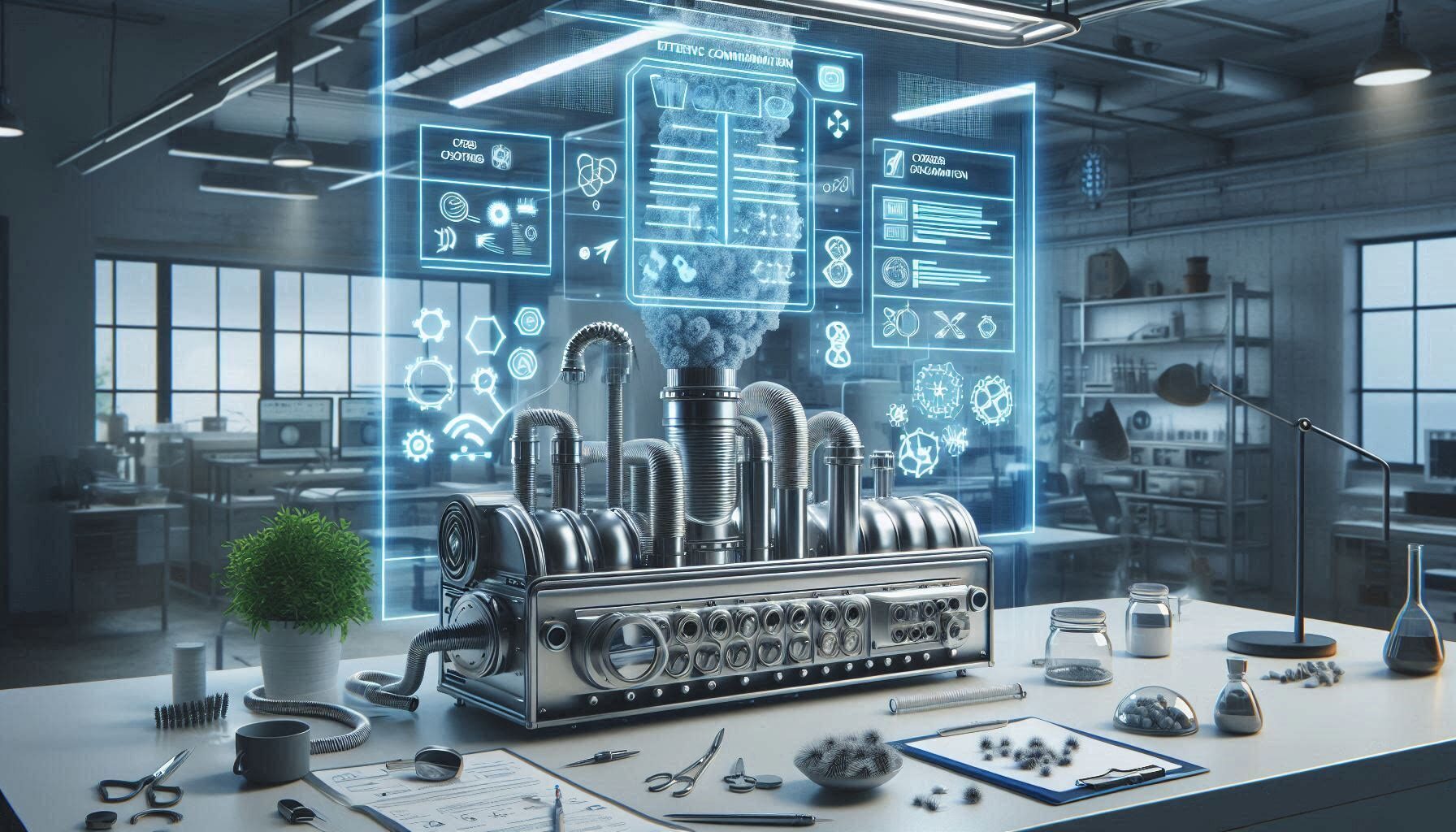
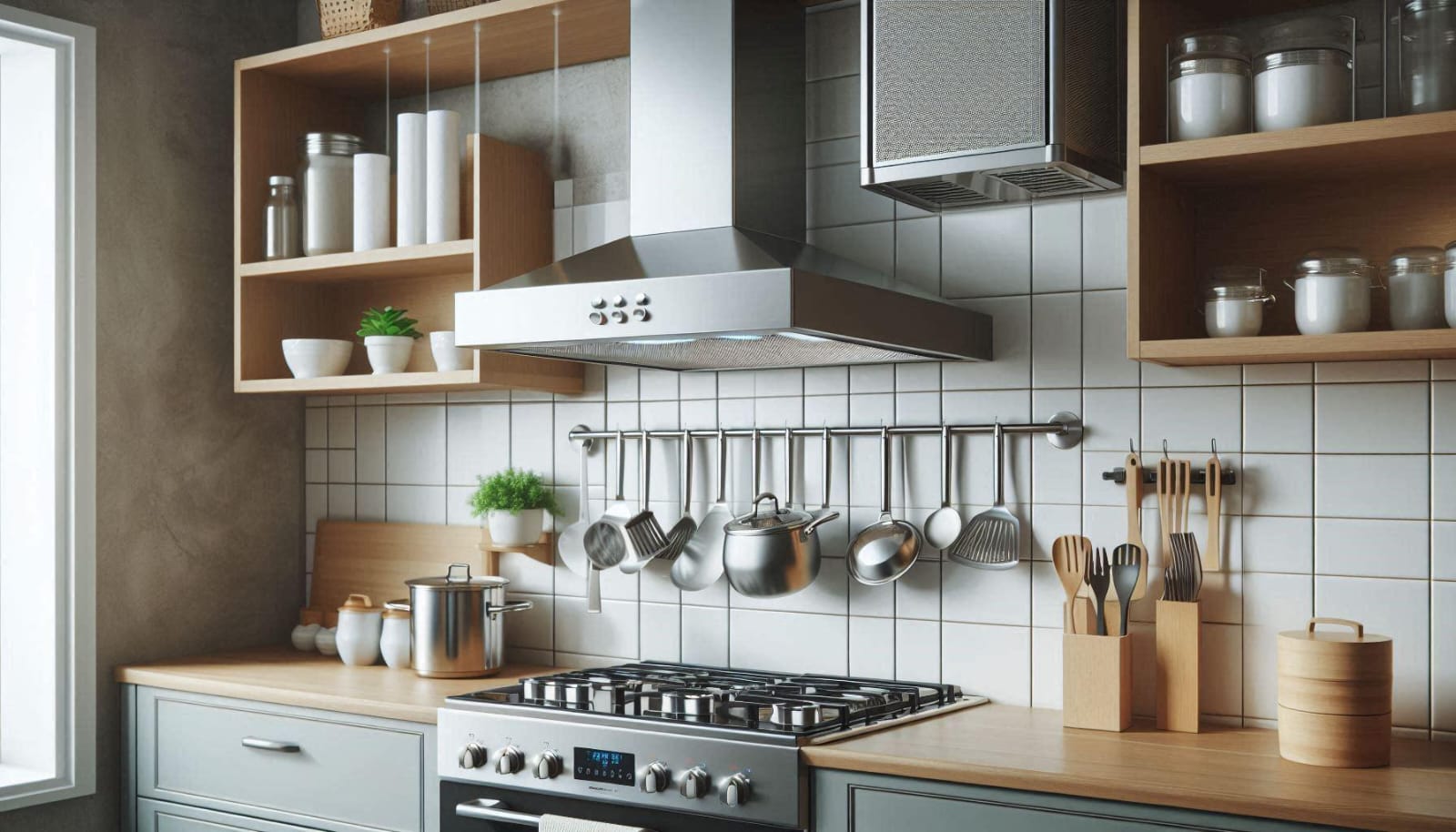
A kitchen exhaust system, a critical component of HVAC systems, is designed to remove smoke, grease, odors, and heat generated during cooking processes. It consists of a network of ducts, fans, and hoods that extract polluted air from the kitchen environment and either discharge it outdoors or treat it using filtration systems. The system not only improves indoor air quality but also maintains a safe and comfortable working environment for chefs and staff.

The Role of Kitchen Exhaust System

Kitchen exhaust systems serve a dual purpose: improving air quality and ensuring fire safety. Because kitchens are high-activity areas where cooking emissions accumulate quickly, these systems help prevent harmful pollutants. Moreover, they prevent the risk of grease fires by capturing and containing grease particles, preventing them from reaching flammable surfaces.

Common Applications of Kitchen Exhaust System

Kitchen exhaust systems find their indispensable role in a wide variety of applications, ensuring a healthy and safe environment in various settings. Here are some common areas where these systems are widely used:

  • Restaurants and cafeterias
  • Hospitals and healthcare facilities
  • Hotels and the hospitality industry
  • Industrial kitchens and factories
  • Residential kitchens

In essence, kitchen exhaust systems are an integral part of various areas where cooking activities take place. They contribute to a healthier, more comfortable environment and help comply with health and safety regulations.

Types of Kitchen Exhaust Systems

Kitchen exhaust systems come in a variety of types, each designed to meet specific needs and cooking environments. Understanding these types can help select the most appropriate system for a given setting. Here are the main types of kitchen exhaust systems:

Type 1

This type of system is designed to handle the heavy-duty cooking environments typically found in commercial kitchens. It effectively removes heat, grease-laden steam and smoke generated by high-volume cooking processes. A robust exhaust system with thorough filtration is essential to prevent grease build-up and maintain air quality.

Type 2

In places with light cooking activity, such as coffee shops or low-frying facilities, Type 2 kitchen exhaust systems are used. These systems mainly focus on removing heat and steam from the cooking area, increasing comfort for the kitchen staff and maintaining a hygienic environment.

The choice between these types depends on the intensity of cooking operations and the specific needs of the establishment. Restaurants with extensive cooking processes may choose Type 1 systems, while cafes or bakeries may find Type 2 systems more appropriate. Overall, understanding the types of kitchen exhaust systems allows for a tailored solution that meets both regulatory standards and the needs of the cooking environment.

Requirement of Kitchen Exhaust System

Kitchen exhaust systems are not just an option but a basic necessity in any cooking environment. The importance of these systems can be understood through different lenses:

In essence, the need for kitchen exhaust systems depends on their ability to protect health, prevent fires, and adhere to regulatory standards. By effectively managing pollutants and maintaining a safe environment, these systems contribute significantly to the overall well-being of residents and the longevity of the establishment.

Operation of Kitchen Exhaust System

These systems work through strategically placed exhaust hoods on cooking appliances. Fans create negative pressure, pulling air into the hood. Air passes through filters to capture grease particles before being expelled outside or recirculated after filtration.

Principle of Work

Kitchen exhaust systems use the principles of air movement, filtration, and ventilation. An exhaust hood captures pollutants, while fans create airflow. Filtration systems trap grease and particulate matter, ensuring that only clean air is released.

Pros and Cons

Kitchen exhaust systems offer a variety of advantages and disadvantages; it is essential to weigh their advantages against potential disadvantages before installation:

  • Better indoor air quality
  • Fire safety
  • Compliance

Ultimately, the benefits of kitchen exhaust systems in terms of improved air quality, safety, and compliance are balanced against the drawbacks of energy consumption, maintenance demands, and potential noise. Careful consideration of these factors is important in making an informed decision regarding the installation of these systems.

Components of Kitchen Exhaust System

Kitchen exhaust systems have many important components to effectively remove pollutants and maintain a safe and comfortable cooking environment. These parts include:

These components work seamlessly together to prevent pollutants, ensure fire safety, and improve indoor air quality. The design, size, and compatibility of each component with the others are key factors in creating a functional and effective kitchen exhaust system.

Design Considerations

Designing an effective kitchen exhaust system requires meticulous planning and consideration of various factors to ensure optimal performance and compliance with safety and regulatory standards. Some key design considerations are:

  • Air flow requirements
  • Hood sizing and placement
  • Filtration systems
  • Duct material and dimensions
  • Fan selection

By carefully considering these factors at the design stage, kitchen exhaust systems can be tailored to the specific needs of the cooking environment, providing optimal pollutant capture and maintaining a safe and comfortable environment.

Design Parameters

While designing a kitchen exhaust system, several critical parameters need to be carefully considered to ensure effective pollutant removal, compliance with safety standards, and overall system effectiveness. Here are the main design parameters to keep in mind:

  • Cooking equipment layout
  • Air changes per hour (ACPH)
  • Duct material and dimensions
  • Filtration system
  • Exhaust fan capacity
  • Hood design and placement
  • Code applicability

Considering these design parameters allows kitchen exhaust systems to be customized for a specific cooking environment. This ensures optimal indoor air quality, safety, and compliance with relevant regulations.

Calculating System Capacity

Determining the proper efficiency of a kitchen exhaust system is important to ensure effective contaminant removal and maintain a safe and comfortable cooking environment. Several factors affect the calculation of system efficiency:

  • Cooking volume and intensity
  • Cooking equipment
  • Air changes per hour (ACPH)
  • Kitchen size and layout
  • Hood performance
  • Filter capacity

By considering these factors, designers can accurately calculate the required system efficiency, leading to a well-designed kitchen exhaust system that effectively removes pollutants and promotes a safe and pleasant cooking environment.

Latest Technological Advances

Several technological advances have enhanced the efficiency and functionality of kitchen exhaust systems:

  • Demand-controlled ventilation: Advanced sensors and controls adjust airflow based on cooking activity, optimizing energy efficiency.
  • High-efficiency filtration: HEPA and UV-C filters capture smaller particles and kill pathogens, enhancing indoor air quality.
  • Remote monitoring: IoT-enabled systems allow real-time monitoring and maintenance alerts, improving system reliability.

These technological advancements contribute to the overall performance and sustainability of kitchen exhaust systems, providing enhanced air quality and energy efficiency benefits.

Regulatory Compliance

Meeting regulatory requirements is crucial for the installation and operation of kitchen exhaust systems. Various codes and standards govern the design, installation, and maintenance of these systems:

  • NFPA 96: Standard for Ventilation Control and Fire Protection
  • International Mechanical Code (IMC)
  • Local building codes

Adhering to these codes ensures that kitchen exhaust systems are designed and installed to meet safety and performance standards, protecting occupants and property from potential hazards.

Maintenance and Care

Regular maintenance is essential for the efficient and safe operation of kitchen exhaust systems:

  • Cleaning and replacing filters regularly
  • Inspecting ductwork for leaks and blockages
  • Testing fan performance and motor condition
  • Calibrating control systems

By following a comprehensive maintenance schedule, kitchen exhaust systems can continue to operate effectively, ensuring optimal indoor air quality and compliance with regulatory standards.

Cost Considerations

The cost of installing and operating a kitchen exhaust system varies depending on several factors:

  • System size and complexity
  • Equipment selection
  • Installation labor
  • Maintenance requirements
  • Energy efficiency features

While initial costs may vary, investing in a well-designed kitchen exhaust system can result in long-term savings through improved energy efficiency, reduced maintenance costs, and compliance with safety regulations.

The future of kitchen exhaust systems is likely to be influenced by ongoing technological advancements and sustainability goals:

  • Integration with smart building systems for enhanced control and efficiency
  • Development of biodegradable and recyclable filter materials
  • Adoption of carbon-neutral ventilation solutions

These trends reflect a growing emphasis on energy efficiency, indoor air quality, and environmental sustainability in the design and operation of kitchen exhaust systems.

Conclusion

Kitchen exhaust systems are indispensable for maintaining a safe, healthy, and comfortable cooking environment. By effectively removing pollutants, preventing fire hazards, and ensuring compliance with regulatory standards, these systems play a crucial role in various applications, from restaurants and hotels to residential kitchens. Technological advancements continue to enhance their efficiency and functionality, offering sustainable solutions for improved indoor air quality and energy efficiency. By understanding the components, operation, design considerations, and regulatory requirements of kitchen exhaust systems, stakeholders can make informed decisions to create safer and more sustainable cooking environments.

On-page links: kitchen exhaust system, restaurants, modular kitchen exhaust chimney,

How to Design Effective 100% Exhaust Air System

Diagram illustrating the components and airflow of a 100% exhaust air system for maintaining high indoor air quality.

Effective ventilation is crucial in various industries. Designing a 100% exhaust air system effectively removes contaminated air from the facility. This guide covers key features, considerations, and best practices for designing the perfect exhaust system.

Designing an Effective 100% Exhaust Air System

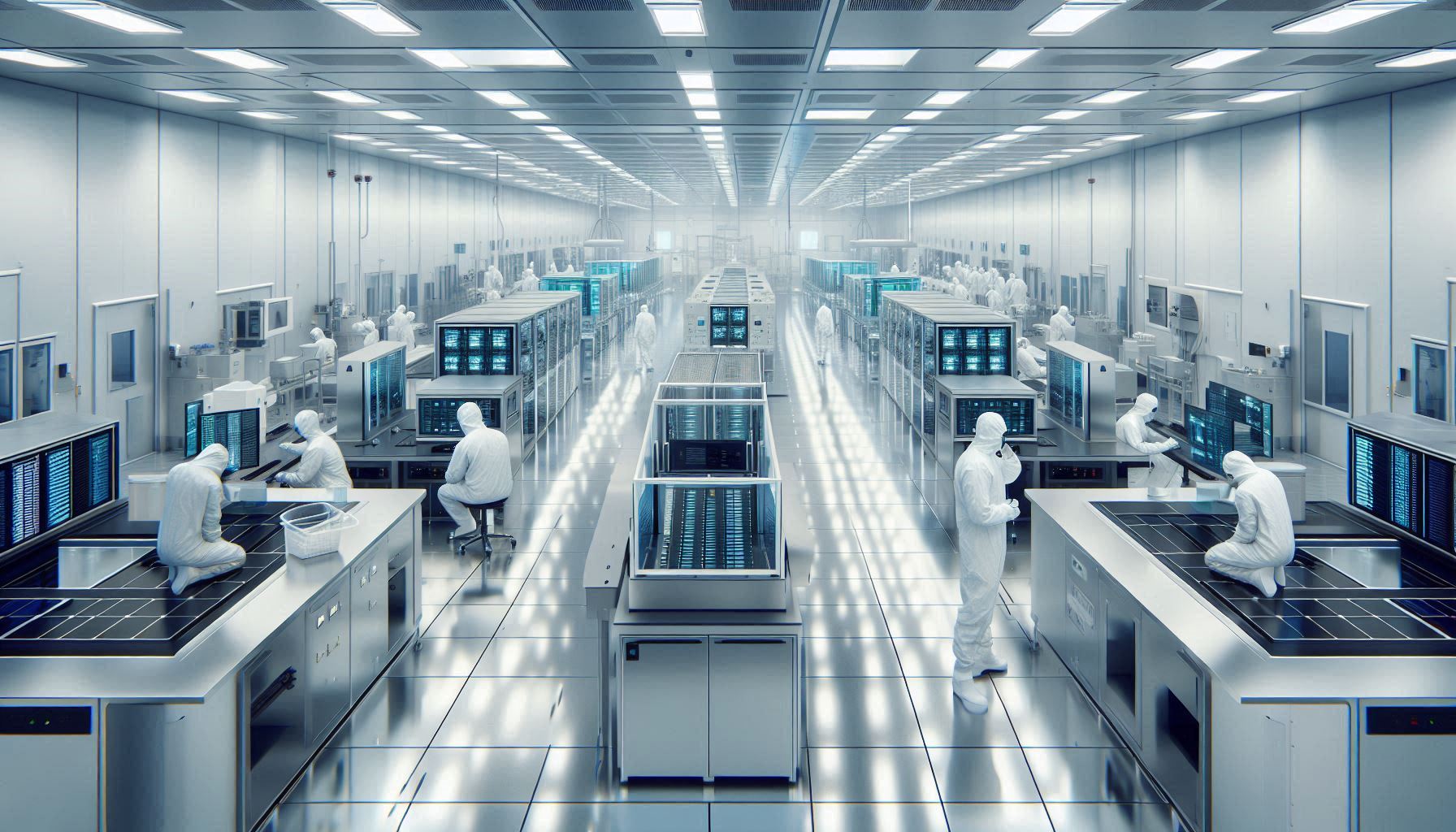
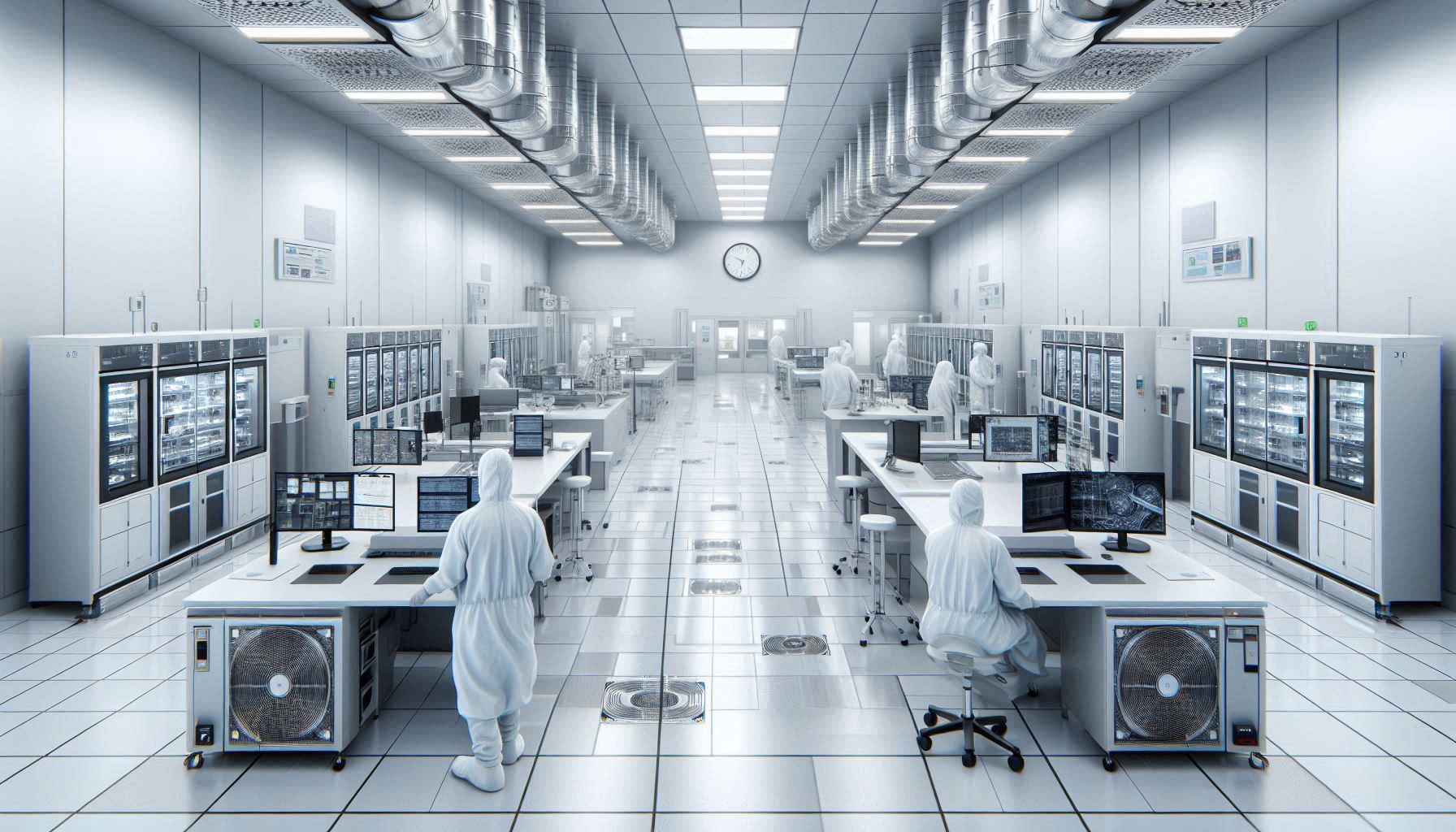
A 100% exhaust system is essential to maintain high indoor air quality in critical environments. It removes all indoor air and replaces it with fresh outdoor air. This system is especially important in places where air quality directly affects safety and efficiency, such as laboratories, cleanrooms, and industrial facilities. Understanding 100% exhaust system design, implementation, and maintenance ensures proper performance and compliance with regulations.

What are the key features of a 100% exhaust system?

A 100% exhaust system removes all indoor air and replaces it with fresh outdoor air, critical for environments where air quality is critical. Key features include high efficiency fans, ductwork designed for minimal resistance, and filters to capture particles. These components work together to maintain a safe and healthy indoor environment, allowing pollutants to be efficiently removed. System effectiveness requires proper design and management of these features.

When is a 100% exhaust system necessary?

A 100% exhaust system is essential in environments where indoor air quality must be strictly controlled. This includes laboratories, cleanrooms, and industrial facilities that handle hazardous materials. Such systems prevent the accumulation of contaminants and provide a safe working environment. They are also used in healthcare settings to prevent the spread of airborne pathogens, maintaining a clean environment that is critical to patient safety and health.

Where to install the exhaust system?

The location of the exhaust system is critical to its effectiveness. It should be installed in areas where contaminants are likely to be generated, near chemical storage and in handling areas in laboratories. Proper placement ensures effective removal of contaminants. In industrial settings, placing exhaust points near machines or processes that produce pollutants can significantly improve air quality.

Why is proper ductwork design important?

Proper ductwork design is essential to minimize resistance and ensure efficient airflow. Poorly designed ductwork can lead to reduced system efficiency, increased energy consumption, and inadequate removal of contaminants. To achieve optimal performance, use smooth, straight ducts with minimal bends. Additionally, regular inspection and maintenance of ductwork can help prevent leaks and blockages that compromise the effectiveness of the system.

How to choose the right fans for your system?

Choosing the right fans is important for an efficient exhaust system. Fans should be selected based on the volume of air to be moved and the resistance in the ductwork. High efficiency fans can move large volumes of air while consuming less power, making them ideal for 100% exhaust systems. Ensuring that fans are properly sized and maintained can significantly affect the overall efficiency and reliability of the system.

What role do filters play in the system?

Filters play a vital role in capturing particles before expelling the air from the system. High-efficiency particulate air (HEPA) filters, for example, can capture particles smaller than 0.3 microns, ensuring that pollutants do not escape into the environment. Regular maintenance and replacement of filters is essential to maintain system efficiency. Properly functioning filters protect both equipment and indoor air quality.

When should maintenance be performed?

Longevity and efficiency of the exhaust system requires regular maintenance. Maintenance tasks include checking and replacing filters, checking ductwork for leaks or damage, and making sure fans are working properly. Performing routine maintenance helps prevent system failures and ensures continuous protection. A well-maintained system operates more efficiently, reducing energy costs and extending equipment life.

Where can energy efficiency be improved?

Energy efficiency can be improved by using high efficiency fans, properly designing the ductwork and maintaining the system regularly. Energy-efficient systems lower operational costs and lessen environmental impact. Investing in energy-efficient components and practices can provide long-term benefits. In addition, the inclusion of variable speed drives and other fuel-saving technologies further improves the efficiency and performance of the system.

Why is it important to monitor air quality?

Monitoring air quality ensures that the exhaust system is working efficiently. Sensors can detect changes in air quality, triggering adjustments in the system to maintain optimal conditions. Continuous monitoring helps identify potential problems before they become significant problems. Effective air quality monitoring protects the health of residents and ensures compliance with industry standards and regulations.

How to ensure compliance with regulations?

Compliance with local and national regulations is very important for 100% safe and effective operation of the exhaust system. Regulations may specify the types of materials that can be used, required performance standards, and maintenance schedules. Ensuring compliance not only avoids legal issues but also ensures the safety and effectiveness of the exhaust system. Staying current with regulatory changes is crucial for maintaining compliance.

Pros & Cons

Pros

  • Ensures high indoor air quality
  • Reduces the risk of contamination
  • Improves safety in hazardous environments
  • Energy-efficient with proper design
  • Adherence to health regulations
  • Cons

  • Initial installation cost is high
  • Regular maintenance is required
  • Energy consumption can be significant if not managed properly
  • Special parts may be required

  • Codes & Standards

    Adherence to codes and standards ensures that the exhaust system meets safety and performance standards. Major standards include American Society of Heating, Refrigerating, and Air-Conditioning Engineers (ASHRAE) standards, Occupational Safety and Health Administration (OSHA) regulations, and local building codes. These standards guide the design, installation and maintenance of exhaust systems.

    Frequently Asked Questions

    What is a 100% exhaust system?

    A system that removes all indoor air and replaces it with fresh outdoor air to maintain high indoor air quality.

    When should you use a 100% exhaust system?

    Use it in environments where indoor air must be free of contaminants, such as laboratories and cleanrooms.

    How do you maintain a 100% exhaust system?

    Regular maintenance includes checking filters, checking ductwork and making sure fans are working properly.

    Why is ductwork design critical?

    Proper ductwork design minimizes resistance and ensures efficient airflow, improving system performance.

    What rules should be followed?

    Follow ASHRAE standards, OSHA regulations and local building codes to ensure safety and compliance.

    Conclusion

    Designing an efficient 100% exhaust system is essential to maintain high indoor air quality in critical environments. By understanding key features, proper placement, and maintenance requirements, you can ensure your system is efficient and compliant with regulations. Investing in the right components and practices can provide long-term benefits, ensuring a safe and healthy environment.

    About The Author

    Omprakash Ramagiri; as the Founder of HVAC Technocrats, I bring over 18 years of experience as a Mechanical Engineer specializing in HVAC (Central Air-conditioning) for commercial, cleanrooms, data centers, and Petrochemical industries. Throughout my career, I’ve held pivotal roles at companies like TATA Consulting Engineers, MW Zander (for Cleanroom solutions), Bluestar Malaysia, and ETA in Dubai. I’ve managed international HVAC projects and gained valuable exposure in dynamic markets like Dubai and Saudi Arabia. With a passion for excellence and a commitment to innovative solutions, I specialize in designing Class 10K & 100K Cleanrooms for various industries. Connect with me to explore collaborations in HVAC design, project sales, and consultancy. Click to visit the Author’s Linkedin page


    Disclaimer: The pictures used are for illustrative purposes only. They may not depict actual products or situations and are meant for educational purposes. Actual products, situations, or outcomes may differ.