Net Zero Energy Building: How to Achieve High-Performance

Net Zero Energy Building HVAC Systems

As the world faces the pressing challenges of climate change and energy consumption, Net Zero Energy Building (NZEB) have emerged as a crucial solution in the quest for sustainability. These buildings are designed to generate as much energy as they consume over the course of a year, effectively balancing their energy footprint. Achieving this ambitious goal involves the integration of advanced HVAC systems, innovative technologies, and strict adherence to energy efficiency standards. In this article, we will explore the key components, strategies, and future trends that define high-performance HVAC systems within Net Zero Energy Buildings, highlighting their vital role in creating environmentally responsible and energy-efficient built environments.

Understanding Net Zero Energy Building Standards and Requirements

Net Zero Energy Buildings strive to achieve a delicate balance by generating as much energy as they consume annually. This objective hinges on strict standards and requirements that dictate energy efficiency benchmarks. These buildings rely heavily on renewable energy sources like solar and wind power to offset their energy demands, ensuring minimal environmental impact. By adhering to these standards, they contribute to a sustainable future.

Key Components of High-Performance HVAC Systems

High-performance HVAC systems in Net Zero Energy Buildings integrate advanced technologies such as variable refrigerant flow (VRF) and energy recovery ventilation. These components are crucial for optimizing energy usage by dynamically adjusting cooling and heating operations based on real-time needs. By enhancing indoor comfort and reducing energy wastage, these systems play a pivotal role in achieving sustainability goals.

Integrating AI Automation for Optimal HVAC Performance

AI automation is instrumental in maximizing HVAC efficiency within Net Zero Energy Buildings. Utilizing smart sensors and predictive analytics, these systems can pre-emptively adjust temperature and airflow. This proactive approach not only enhances energy efficiency but also reduces operational costs over time. As a result, AI automation has become a cornerstone of modern building management strategies.

Reducing Carbon Footprint: Strategies for Low GWP HVAC Systems

To minimize carbon footprint, Net Zero Energy Buildings adopt HVAC systems with low Global Warming Potential (GWP) refrigerants. These eco-friendly alternatives effectively mitigate greenhouse gas emissions without compromising cooling and heating efficiency. This approach aligns with sustainability objectives, ensuring these buildings contribute positively to environmental conservation.

Innovative Technologies Driving Energy Efficiency in HVAC

Innovative HVAC technologies, such as geothermal heat pumps and advanced insulation materials, significantly enhance energy efficiency in Net Zero Energy Buildings. By harnessing natural energy sources and optimizing thermal performance, these technologies contribute to overall sustainability and operational cost savings. These advancements are crucial for meeting the energy needs of modern buildings.

Sustainability Initiatives in Net Zero Energy Buildings

Sustainability initiatives encompass a holistic approach to building design and operation in Net Zero Energy Buildings. Strategies like passive design principles, green roofs, and rainwater harvesting systems promote environmental responsibility. Additionally, these initiatives enhance building resilience against climate change impacts, ensuring long-term sustainability.

Complying with Energy Efficiency Codes and Standards

Adhering to stringent energy efficiency codes and standards ensures that Net Zero Energy Buildings meet regulatory requirements. This involves rigorous energy modeling, performance testing, and documentation to verify HVAC systems operate at peak efficiency levels throughout their lifecycle. Compliance with these standards is essential for achieving net zero energy goals.

The Role of Renewable Energy in HVAC Systems

Renewable energy sources like solar panels and wind turbines play a critical role in powering HVAC systems within Net Zero Energy Buildings. These onsite energy sources generate clean electricity, reducing reliance on fossil fuels. By supporting sustainable energy practices, these buildings contribute to a greener future.

Optimizing Indoor Air Quality in Net Zero Buildings

Maintaining superior indoor air quality is paramount in Net Zero Energy Buildings. Advanced filtration systems, well-designed ventilation strategies, and low-emission building materials ensure occupants enjoy healthy, comfortable indoor environments. These measures also help minimize energy consumption, contributing to overall building efficiency.

Challenges and Solutions in Net Zero Energy HVAC Design

Designing HVAC systems for Net Zero Energy Buildings presents unique challenges. Balancing energy efficiency with thermal comfort and cost-effectiveness requires innovative solutions. Integrated design approaches, lifecycle assessments, and continuous performance monitoring are essential for optimizing system efficiency and reliability. These strategies ensure that HVAC systems meet the rigorous demands of net zero energy buildings.

Lifecycle Assessment of HVAC Systems: Environmental Impact

Conducting lifecycle assessments evaluates the environmental impact of HVAC systems in Net Zero Energy Buildings. Assessments consider manufacturing, installation, operation, and disposal phases. This comprehensive analysis quantifies carbon footprint, energy use, and resource consumption over the system’s entire lifecycle. Such evaluations are critical for sustainable building practices.

Future Trends in High-Performance HVAC for Net Zero Buildings

Future trends in high-performance HVAC for Net Zero Energy Buildings focus on advancing technology integration. Enhancing system intelligence and promoting circular economy principles are key objectives. These trends aim to further reduce energy consumption, improve system resilience, and support sustainable development goals. As technology evolves, these buildings will continue to set new standards for energy efficiency.

FAQ

How can zero energy building be achieved?

Achieving a zero energy building involves a combination of energy efficiency strategies, renewable energy integration, and smart building practices. This includes using high-performance HVAC systems, advanced insulation, energy-efficient windows, and renewable energy sources such as solar panels and wind turbines. Implementing passive design principles to optimize natural light and ventilation also plays a crucial role. These measures collectively reduce energy consumption and offset the remaining energy use with renewable sources.

How to achieve a net zero building?

To achieve a net zero building, start with a detailed energy audit to identify areas for improvement. Incorporate energy-efficient technologies such as LED lighting, high-efficiency HVAC systems, and smart thermostats. Maximize the use of renewable energy by installing solar panels or wind turbines. Additionally, employ advanced insulation materials and energy-efficient windows to minimize energy loss. Regularly monitor and adjust energy usage to ensure that the building remains net zero over time.

What are three most important features/qualities of a net-zero energy building?

The three most important features of a net-zero energy building are:

  • Energy Efficiency: Utilizing high-performance HVAC systems, advanced insulation, and energy-efficient windows to reduce energy consumption.
  • Renewable Energy Integration: Incorporating renewable energy sources such as solar panels and wind turbines to generate clean energy on-site.
  • Smart Building Technologies: Using smart sensors and automation systems to optimize energy usage and improve building performance.

What is one technique used in zero energy building?

One key technique used in zero energy buildings is the implementation of passive design principles. This involves optimizing the building’s orientation, window placement, and materials to maximize natural light and ventilation, reducing the need for artificial lighting and mechanical cooling or heating. By leveraging natural elements, passive design significantly lowers energy consumption and enhances occupant comfort.

Net zero energy building: How to achieve high performance in HVAC systems?

To achieve high performance in HVAC systems for net zero energy buildings, integrate advanced technologies such as variable refrigerant flow (VRF) and energy recovery ventilation (ERV). These systems dynamically adjust cooling and heating based on real-time needs, optimizing energy usage. Incorporating AI automation for predictive maintenance and energy management further enhances system efficiency. Additionally, use low Global Warming Potential (GWP) refrigerants to minimize environmental impact.

How to achieve net zero energy building?

Achieving a net zero energy building requires a comprehensive approach. Start with energy-efficient design and construction practices, including advanced insulation, high-performance windows, and energy-efficient HVAC systems. Integrate renewable energy sources like solar panels and wind turbines to generate on-site energy. Employ smart building technologies to monitor and manage energy use. Regularly assess and adjust energy strategies to maintain net zero energy balance.

What are the technologies for net-zero energy building?

Technologies for net-zero energy buildings include:

  • Solar panels and wind turbines for renewable energy generation
  • High-efficiency HVAC systems such as VRF and ERV
  • Advanced insulation materials and energy-efficient windows
  • Smart sensors and building automation systems
  • Geothermal heat pumps and energy recovery systems

How does a building achieve net-zero energy?

A building achieves net-zero energy by balancing its total energy consumption with renewable energy production. This involves implementing energy-efficient systems and technologies, reducing overall energy demand, and generating sufficient renewable energy to offset the remaining energy use. Regular monitoring and maintenance ensure the building continues to operate efficiently and sustainably.

What materials are used in net-zero energy buildings?

Materials used in net-zero energy buildings include:

  • High-performance insulation materials to minimize heat loss
  • Energy-efficient windows and doors to enhance thermal performance
  • Renewable energy systems like solar panels and wind turbines
  • Low-emission building materials to improve indoor air quality
  • Recycled and sustainable construction materials

What is a net-zero energy system?

A net-zero energy system is a comprehensive approach to building design and operation that balances energy consumption with renewable energy production. This system integrates energy-efficient technologies, renewable energy sources, and smart building practices to ensure that the building generates as much energy as it uses over the course of a year. The goal is to achieve a sustainable and environmentally friendly energy balance.

Net zero energy building HVAC systems PDF

To find detailed information on net-zero energy building HVAC systems in PDF format, you can refer to industry reports, academic papers, and technical guides available online. Resources from organizations like the U.S. Department of Energy, ASHRAE, and the International Energy Agency often provide comprehensive PDFs on this topic. These documents typically cover best practices, technological advancements, and case studies relevant to high-performance HVAC systems in net-zero energy buildings.

Best net-zero energy building HVAC systems

The best net-zero energy building HVAC systems include those that combine energy efficiency with advanced technology. Systems such as:

  • Variable Refrigerant Flow (VRF) systems for precise temperature control
  • Energy Recovery Ventilation (ERV) for efficient air exchange
  • Geothermal heat pumps for sustainable heating and cooling
  • Smart thermostats and automation systems for optimized energy management

These systems are designed to minimize energy consumption while maximizing indoor comfort and environmental sustainability.

Conclusion

Achieving high-performance HVAC systems in Net Zero Energy Buildings requires a strategic blend of innovative technologies, sustainable design practices, and compliance with stringent energy standards. By integrating renewable energy sources, optimizing system efficiency, and prioritizing indoor air quality, these buildings can set new benchmarks for environmental sustainability and operational excellence. This comprehensive approach paves the way for a greener, more sustainable future in building design and construction.

About The Author

Omprakash Ramagiri; as the Founder of HVAC Technocrats, I bring over 18 years of experience as a Mechanical Engineer specializing in HVAC (Central Air-conditioning) for commercial, cleanrooms, data centers, and Petrochemical industries. Throughout my career, I’ve held pivotal roles at companies like TATA Consulting Engineers, MW Zander (for Cleanroom solutions), Bluestar Malaysia, and ETA in Dubai. I’ve managed international HVAC projects and gained valuable exposure in dynamic markets like Dubai and Saudi Arabia. With a passion for excellence and a commitment to innovative solutions, I specialize in designing Class 10K & 100K Cleanrooms for various industries. Connect with me to explore collaborations in HVAC design, project sales, and consultancy. Click to visit the Author’s Linkedin page


Disclaimer: The pictures used are for illustrative purposes only. They may not depict actual products or situations and are meant for educational purposes. Actual products, situations, or outcomes may differ.

HVAC System: Why Sustainability is Important for Green Building

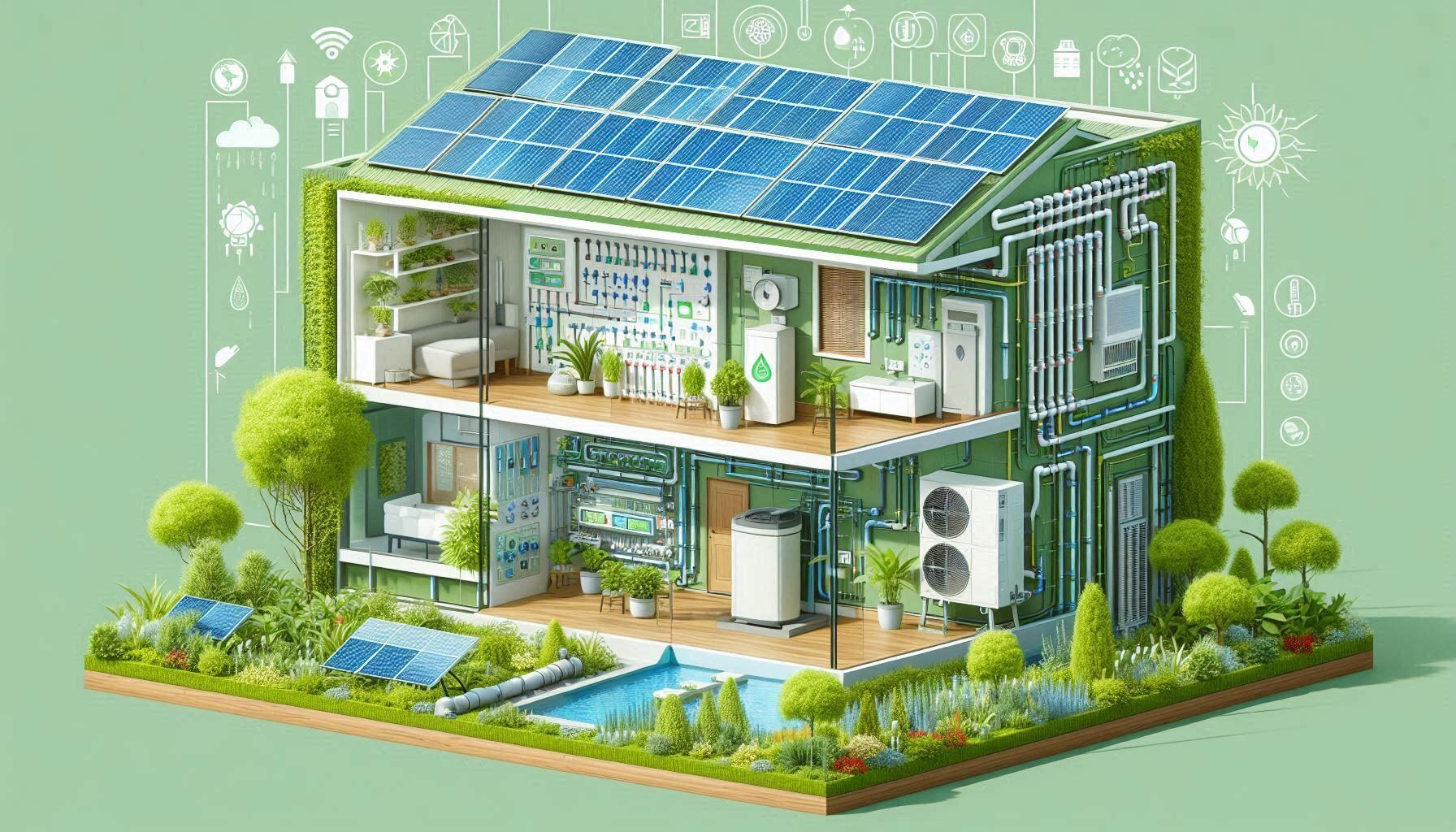
Illustration of sustainable HVAC system in a green building.

Sustainable HVAC system is revolutionizing green building design by providing energy-efficient, eco-friendly solutions that enhance indoor air quality and reduce environmental impact. These systems integrate advanced technologies and renewable energy sources, playing a crucial role in achieving sustainable and resilient buildings. Their benefits extend from reducing greenhouse gas emissions to lowering operational costs, benefiting building owners, occupants, and the broader community. In this article, we will explore the importance, benefits, and key technologies of sustainable HVAC systems, as well as their impact on green building certifications and energy efficiency.

Why Is Sustainability Important in HVAC Systems for Green Building Design?

Sustainability in HVAC systems is crucial for green building design because it reduces energy consumption, lowers greenhouse gas emissions, and promotes environmental conservation. Incorporating sustainable practices in HVAC systems ensures that buildings operate efficiently, minimizing their impact on the planet. This approach not only helps in mitigating climate change but also enhances the overall health and well-being of building occupants. By prioritizing sustainability, we contribute to a more resilient and eco-friendly built environment.

When Should Sustainable Practices Be Integrated into HVAC System Planning for Green Buildings?

Sustainable practices should be integrated into HVAC system planning from the very beginning of the design phase. Early integration allows for the consideration of energy-efficient technologies, renewable energy sources, and innovative design strategies that optimize system performance. By incorporating sustainability from the outset, designers can ensure that the HVAC systems are tailored to the specific needs of the building, leading to better energy management and reduced operational costs over the building’s lifespan.

Where Can Sustainable HVAC Systems Make the Most Impact in Green Buildings?

Sustainable HVAC systems can make the most impact in areas with high energy demand, such as commercial buildings, schools, and hospitals. These buildings often require extensive heating, cooling, and ventilation, making them prime candidates for energy-efficient and eco-friendly HVAC solutions. By implementing sustainable HVAC systems in these environments, we can achieve significant reductions in energy use and operational costs while improving indoor air quality and occupant comfort.

Who Benefits from Implementing Sustainable HVAC Systems in Green Buildings?

Implementing sustainable HVAC systems in green buildings benefits a wide range of stakeholders. Building owners and operators experience lower energy bills and reduced maintenance costs. Occupants enjoy enhanced indoor air quality, thermal comfort, and a healthier living or working environment. Additionally, the broader community benefits from reduced greenhouse gas emissions and the promotion of environmental stewardship. Ultimately, sustainable HVAC systems contribute to the well-being of both people and the planet.

What Are the Key Sustainable Technologies in Modern HVAC Systems for Green Buildings?

Modern HVAC systems for green buildings incorporate several key sustainable technologies, including variable refrigerant flow (VRF) systems, geothermal heat pumps, and energy recovery ventilators (ERVs). These technologies enhance energy efficiency by optimizing the use of heating and cooling resources. Additionally, smart thermostats and building automation systems (BAS) enable precise control of HVAC operations, further reducing energy consumption. Renewable energy integration, such as solar-powered HVAC systems, also plays a crucial role in achieving sustainability in green buildings.

How Do Sustainable HVAC Systems Contribute to Green Building Certifications?

Sustainable HVAC systems play a vital role in achieving green building certifications such as LEED (Leadership in Energy and Environmental Design) and BREEAM (Building Research Establishment Environmental Assessment Method). These certifications evaluate buildings based on their environmental performance and sustainability. Energy-efficient HVAC systems contribute significantly to the energy performance criteria, helping buildings score higher in certification assessments. Additionally, sustainable HVAC systems often incorporate eco-friendly materials and technologies, further enhancing a building’s overall sustainability profile.

Why Should Energy Efficiency Be a Priority in HVAC Systems for Green Buildings?

Energy efficiency should be a priority in HVAC systems for green buildings because it directly impacts operational costs, environmental footprint, and occupant comfort. Efficient HVAC systems use less energy to achieve the desired indoor conditions, resulting in lower utility bills and reduced greenhouse gas emissions. Moreover, energy-efficient systems tend to have longer lifespans and require less maintenance, providing long-term cost savings. Prioritizing energy efficiency in HVAC design and operation is a fundamental step towards achieving sustainable and resilient green buildings.

When Is It Best to Upgrade to Sustainable HVAC Systems in Existing Green Buildings?

Upgrading to sustainable HVAC systems in existing green buildings is best done during major renovations or when the existing HVAC systems are nearing the end of their lifespan. This timing allows for a comprehensive assessment of the building’s needs and the integration of modern, energy-efficient technologies. Additionally, building owners can take advantage of available incentives and rebates for sustainable upgrades. By upgrading at these opportune moments, building owners can improve energy efficiency, reduce operational costs, and enhance indoor air quality without disrupting daily operations.

Where Are the Most Cost-Effective Areas for Implementing Sustainable HVAC Solutions in Green Buildings?

The most cost-effective areas for implementing sustainable HVAC solutions in green buildings include the installation of high-efficiency heat pumps, energy recovery ventilators (ERVs), and smart thermostats. Retrofitting insulation and improving the building envelope can also enhance HVAC efficiency by reducing the load on heating and cooling systems. Additionally, incorporating renewable energy sources, such as solar panels, can provide sustainable power for HVAC operations, leading to significant long-term savings. Focusing on these areas allows building owners to achieve substantial energy and cost savings while promoting sustainability.

Who Are the Leading Innovators in Sustainable HVAC Systems for Green Buildings?

Leading innovators in sustainable HVAC systems for green buildings include companies such as Carrier, Trane, and Daikin. These companies are at the forefront of developing advanced, energy-efficient HVAC technologies that reduce environmental impact. Additionally, organizations like the U.S. Green Building Council (USGBC) and the American Society of Heating, Refrigerating and Air-Conditioning Engineers (ASHRAE) play a crucial role in promoting sustainable HVAC practices through research, standards development, and advocacy. These innovators continuously push the boundaries of what is possible in sustainable HVAC design and operation.

What Are the Benefits of Sustainable HVAC Systems for Occupants of Green Buildings?

Occupants of green buildings benefit from sustainable HVAC systems in several ways. Improved indoor air quality reduces the risk of respiratory issues and enhances overall health and well-being. Energy-efficient systems provide consistent thermal comfort, ensuring a pleasant living or working environment. Additionally, sustainable HVAC systems often operate more quietly than traditional systems, reducing noise pollution. These benefits contribute to a higher quality of life for building occupants, making green buildings an attractive option for both residential and commercial purposes.

How Can Green Building Projects Maximize Efficiency with Sustainable HVAC Systems?

Green building projects can maximize efficiency with sustainable HVAC systems by implementing integrated design strategies that consider the building’s orientation, insulation, and natural ventilation. Utilizing advanced technologies such as variable refrigerant flow (VRF) systems, energy recovery ventilators (ERVs), and smart controls can further enhance efficiency. Regular maintenance and performance monitoring are also essential to ensure that HVAC systems operate at peak efficiency. By adopting these practices, green building projects can achieve significant energy savings and reduce their environmental impact.

Why Is the Use of Renewable Energy in HVAC Systems Crucial for Green Buildings?

The use of renewable energy in HVAC systems is crucial for green buildings because it significantly reduces reliance on fossil fuels and lowers greenhouse gas emissions. Renewable energy sources such as solar, wind, and geothermal provide clean, sustainable power for heating, cooling, and ventilation. Incorporating renewable energy into HVAC systems not only enhances energy efficiency but also contributes to the overall sustainability goals of green buildings. This approach aligns with global efforts to combat climate change and promote a more sustainable future.

When to Consider Retrofitting HVAC Systems for Enhanced Sustainability in Green Buildings?

Retrofitting HVAC systems for enhanced sustainability in green buildings should be considered when the existing systems are outdated, inefficient, or require frequent repairs. Additionally, if energy costs are rising or if there are opportunities to take advantage of financial incentives for sustainable upgrades, it may be the right time to retrofit. Retrofitting provides an opportunity to incorporate modern, energy-efficient technologies that improve performance and reduce environmental impact. By carefully planning and timing these upgrades, building owners can achieve significant energy savings and enhance the sustainability of their properties.

Where to Find Resources and Guidelines for Sustainable HVAC System Design in Green Buildings?

Resources and guidelines for sustainable HVAC system design in green buildings can be found through organizations such as the U.S. Green Building Council (USGBC), the American Society of Heating, Refrigerating and Air-Conditioning Engineers (ASHRAE), and the International WELL Building Institute (IWBI). These organizations provide comprehensive resources, including standards, best practices, and case studies, to guide the design and implementation of sustainable HVAC systems. Additionally, industry publications, webinars, and professional development courses offer valuable insights and up-to-date information on sustainable HVAC technologies and practices.

Who Should Be Involved in the Design and Implementation of Sustainable HVAC Systems for Green Buildings?

The design and implementation of sustainable HVAC systems for green buildings should involve a multidisciplinary team, including architects, HVAC engineers, sustainability consultants, and building owners. Collaboration between these stakeholders ensures that all aspects of sustainability are considered and that the HVAC system is optimized for energy efficiency, performance, and occupant comfort. Additionally, involving contractors and facility managers early in the process can help identify practical solutions and streamline the implementation of sustainable HVAC systems. This collaborative approach is essential for achieving the best outcomes in green building projects.

What Are the Challenges in Integrating Sustainable HVAC Systems into Green Buildings?

Integrating sustainable HVAC systems into green buildings can present several challenges. These include higher initial costs, the need for specialized knowledge and skills, and potential compatibility issues with existing building infrastructure. Additionally, navigating regulatory requirements and obtaining necessary certifications can be complex and time-consuming. However, these challenges can be mitigated through careful planning, stakeholder collaboration, and leveraging available resources and incentives. Overcoming these challenges is crucial to realizing the full benefits of sustainable HVAC systems and advancing the goals of green building design.

How Do Sustainable HVAC Systems Improve Indoor Air Quality in Green Buildings ?

Sustainable HVAC systems improve indoor air quality in green buildings by using advanced filtration, ventilation, and humidity control technologies. These systems remove pollutants, allergens, and excess moisture from indoor air, creating a healthier environment for occupants. Energy recovery wheels (ERWs) and demand-controlled ventilation (DCV) systems optimize fresh air intake, ensuring that indoor air is continuously refreshed without compromising energy efficiency. By maintaining optimal indoor air quality, sustainable HVAC systems contribute to the health and well-being of building occupants and enhance overall comfort.

Why Is Lifecycle Analysis Important for Sustainable HVAC Systems in Green Buildings?

Lifecycle analysis is important for sustainable HVAC systems in green buildings because it evaluates the environmental impact of the system over its entire lifespan. This analysis considers factors such as energy consumption, maintenance requirements, and disposal impacts. By conducting a lifecycle analysis, designers and building owners can make informed decisions about the most sustainable and cost-effective HVAC solutions. This approach ensures that the chosen systems deliver long-term benefits in terms of energy efficiency, environmental conservation, and operational savings, aligning with the overall goals of green building design.

When to Incorporate Smart Technology in Sustainable HVAC Systems for Green Buildings?

Incorporating smart technology in sustainable HVAC systems for green buildings is best done during the initial design phase or when upgrading existing systems. Smart technologies, such as programmable thermostats, advanced sensors, and building automation systems (BAS), provide precise control over HVAC operations, enhancing energy efficiency and performance. By integrating smart technology early in the design process, building owners can optimize system configuration and ensure seamless operation. Additionally, incorporating smart technology during upgrades allows for the modernization of existing systems, improving their sustainability and efficiency.

FAQ

What is sustainable HVAC?

Sustainable HVAC refers to heating, ventilation, and air conditioning systems designed to minimize energy consumption, reduce environmental impact, and enhance indoor air quality. These systems use energy-efficient technologies, renewable energy sources, and eco-friendly materials to achieve sustainability goals. Sustainable HVAC systems are integral to green building design and contribute to the overall efficiency and resilience of buildings.

What is the most eco-friendly HVAC system?

The most eco-friendly HVAC system is typically a geothermal heat pump. Geothermal systems use the stable temperature of the earth to provide heating and cooling, making them highly efficient and environmentally friendly. They have a lower carbon footprint compared to traditional HVAC systems and can significantly reduce energy consumption and greenhouse gas emissions.

What is considered a green HVAC technology?

Green HVAC technology includes systems and components that enhance energy efficiency, reduce environmental impact, and improve indoor air quality. Examples include variable refrigerant flow (VRF) systems, energy recovery ventilators (ERVs), geothermal heat pumps, and smart thermostats. These technologies help achieve sustainability goals by optimizing HVAC performance and minimizing energy use.

What is HVAC system in green building?

An HVAC system in a green building is designed to provide heating, cooling, and ventilation in an energy-efficient and environmentally friendly manner. These systems incorporate sustainable technologies and practices to reduce energy consumption, lower greenhouse gas emissions, and improve indoor air quality. Green building HVAC systems contribute to the overall sustainability and resilience of the built environment.

Sustainable HVAC systems in commercial buildings

Sustainable HVAC systems in commercial buildings utilize advanced technologies to optimize energy use and enhance indoor air quality. These systems often include high-efficiency heat pumps, energy recovery ventilators (ERVs), and building automation systems (BAS) for precise control. By implementing sustainable HVAC solutions, commercial buildings can achieve significant energy savings, reduce operational costs, and create healthier indoor environments for occupants.

Sustainable HVAC systems examples

Examples of sustainable HVAC systems include geothermal heat pumps, variable refrigerant flow (VRF) systems, energy recovery ventilators (ERVs), and solar-powered HVAC systems. These systems use innovative technologies and renewable energy sources to enhance energy efficiency and reduce environmental impact. Sustainable HVAC systems are integral to green building design and contribute to overall building performance and occupant comfort.

Sustainable HVAC systems companies

Leading companies in sustainable HVAC systems include Carrier, Trane, and Daikin. These companies develop advanced, energy-efficient HVAC technologies that reduce environmental impact and enhance system performance. Additionally, organizations like the U.S. Green Building Council USGBC and the American Society of Heating, Refrigerating and Air-Conditioning Engineers (ASHRAE) promote sustainable HVAC practices through research, standards development, and advocacy.

Green HVAC systems

Green HVAC systems are designed to minimize energy consumption, reduce greenhouse gas emissions, and improve indoor air quality. These systems use energy-efficient technologies, renewable energy sources, and eco-friendly materials to achieve sustainability goals. Green HVAC systems are integral to green building design and contribute to the overall efficiency and resilience of buildings.

Best sustainable HVAC systems

The best sustainable HVAC systems include geothermal heat pumps, variable refrigerant flow (VRF) systems, and energy recovery ventilators (ERVs). These systems are highly efficient, environmentally friendly, and enhance indoor air quality. Sustainable HVAC systems provide long-term benefits in terms of energy savings, reduced environmental impact, and improved occupant comfort.

Sustainable cooling systems in buildings

Sustainable cooling systems in buildings include high-efficiency air conditioning units, evaporative coolers, and chilled beam systems. These systems use advanced technologies to optimize cooling performance and reduce energy consumption. By implementing sustainable cooling solutions, buildings can achieve significant energy savings, lower operational costs, and create comfortable indoor environments for occupants.

Green HVAC companies

Leading green HVAC companies include Carrier, Trane, and Daikin. These companies develop advanced, energy-efficient HVAC technologies that reduce environmental impact and enhance system performance. Additionally, organizations like the USGBC and the ASHRAE promote sustainable HVAC practices through research, standards development, and advocacy.

Geothermal heating systems

Geothermal heating systems use the stable temperature of the earth to provide heating and cooling. These systems are highly efficient, environmentally friendly, and have a lower carbon footprint compared to traditional HVAC systems. Geothermal heating systems can significantly reduce energy consumption and greenhouse gas emissions, making them an excellent choice for sustainable building design.

Conclusion

Sustainable HVAC systems are essential for green building design, offering numerous benefits in terms of energy efficiency, environmental impact, and occupant comfort. By integrating sustainable practices and advanced technologies, we can create buildings that are not only efficient and cost-effective but also contribute to a healthier and more sustainable future. From geothermal heat pumps to energy recovery ventilators, the array of sustainable HVAC solutions available today provides ample opportunities for innovation and improvement in the built environment. As we continue to prioritize sustainability in building design, the role of sustainable HVAC systems will only become more critical in achieving our environmental and energy goals.

About The Author

Omprakash Ramagiri; as the Founder of HVAC Technocrats, I bring over 18 years of experience as a Mechanical Engineer specializing in HVAC (Central Air-conditioning) for commercial, cleanrooms, data centers, and Petrochemical industries. Throughout my career, I’ve held pivotal roles at companies like TATA Consulting Engineers, MW Zander (for Cleanroom solutions), Bluestar Malaysia, and ETA in Dubai. I’ve managed international HVAC projects and gained valuable exposure in dynamic markets like Dubai and Saudi Arabia. With a passion for excellence and a commitment to innovative solutions, I specialize in designing Class 10K & 100K Cleanrooms for various industries. Connect with me to explore collaborations in HVAC design, project sales, and consultancy. Click to visit the Author’s Linkedin page


Disclaimer: The pictures used are for illustrative purposes only. They may not depict actual products or situations and are meant for educational purposes. Actual products, situations, or outcomes may differ.