Cleanroom Technology: How Are Automation and Sustainability Reshaping?

Innovations in Cleanroom Technology: Transforming Design, Build, and Operations.

In the realm of cleanroom technology, advancements in automation and sustainability are driving transformative changes. From pharmaceuticals to electronics manufacturing, industries reliant on sterile environments are increasingly integrating automated systems and sustainable practices. This evolution not only enhances operational efficiency but also addresses environmental impacts. By exploring the intersection of automation and sustainability, we uncover the innovative solutions shaping the future of cleanroom technology.

Revolutionizing Cleanroom Technology, Design and Construction

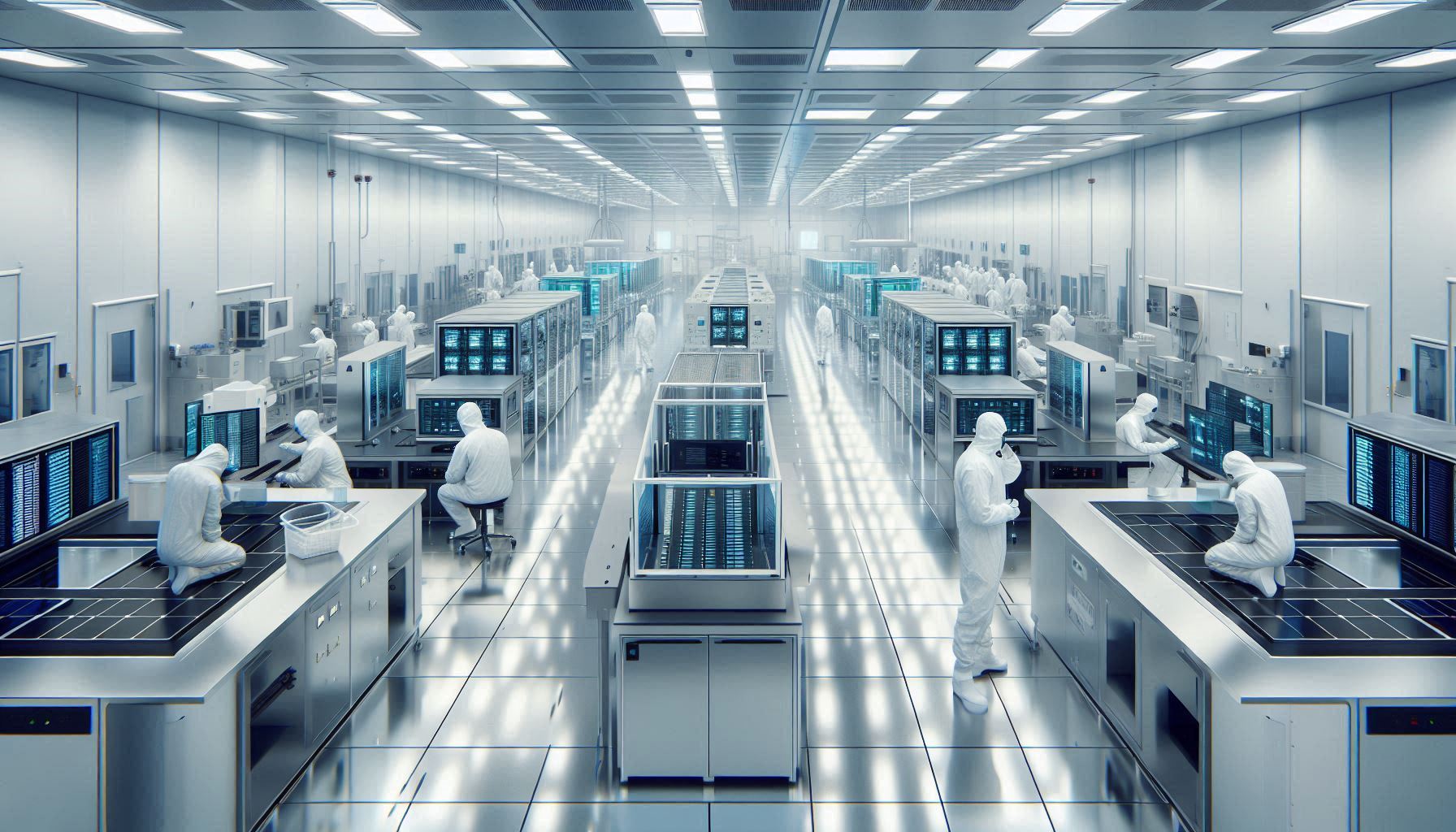
Cleanroom technology has evolved significantly, emphasizing modular and flexible structures. Modern cleanrooms are designed with sustainability in mind, incorporating energy-efficient systems and materials. These innovations reduce environmental impact and improve efficiency.

Advanced materials resistant to microbial growth ensure a cleaner and safer environment. Imaging technologies for airflow visualization have become a game-changer. These allow precise mapping of airflow patterns, identifying contamination risks, and enabling better air distribution control.

Automation and Real-Time Monitoring

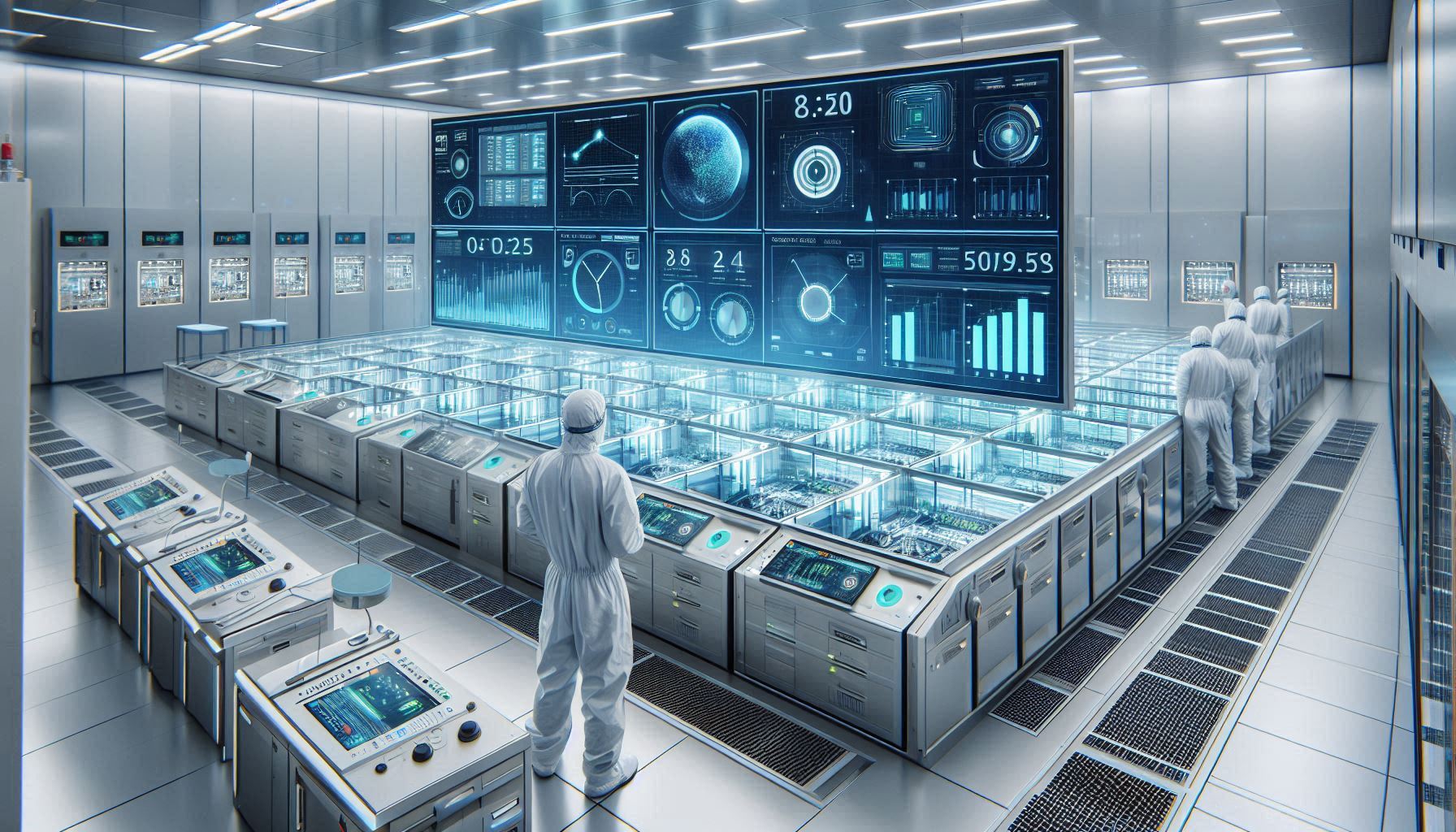
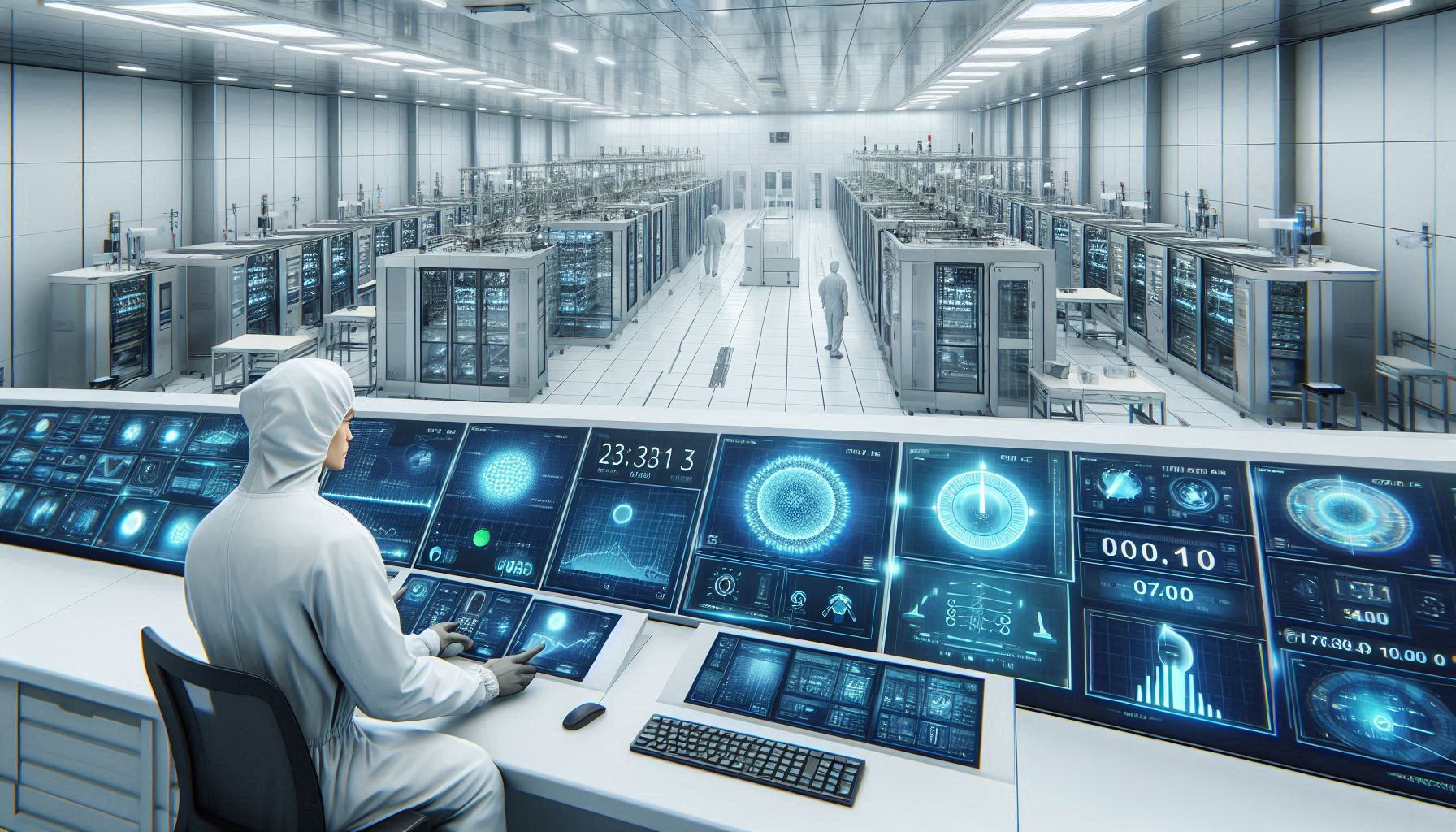
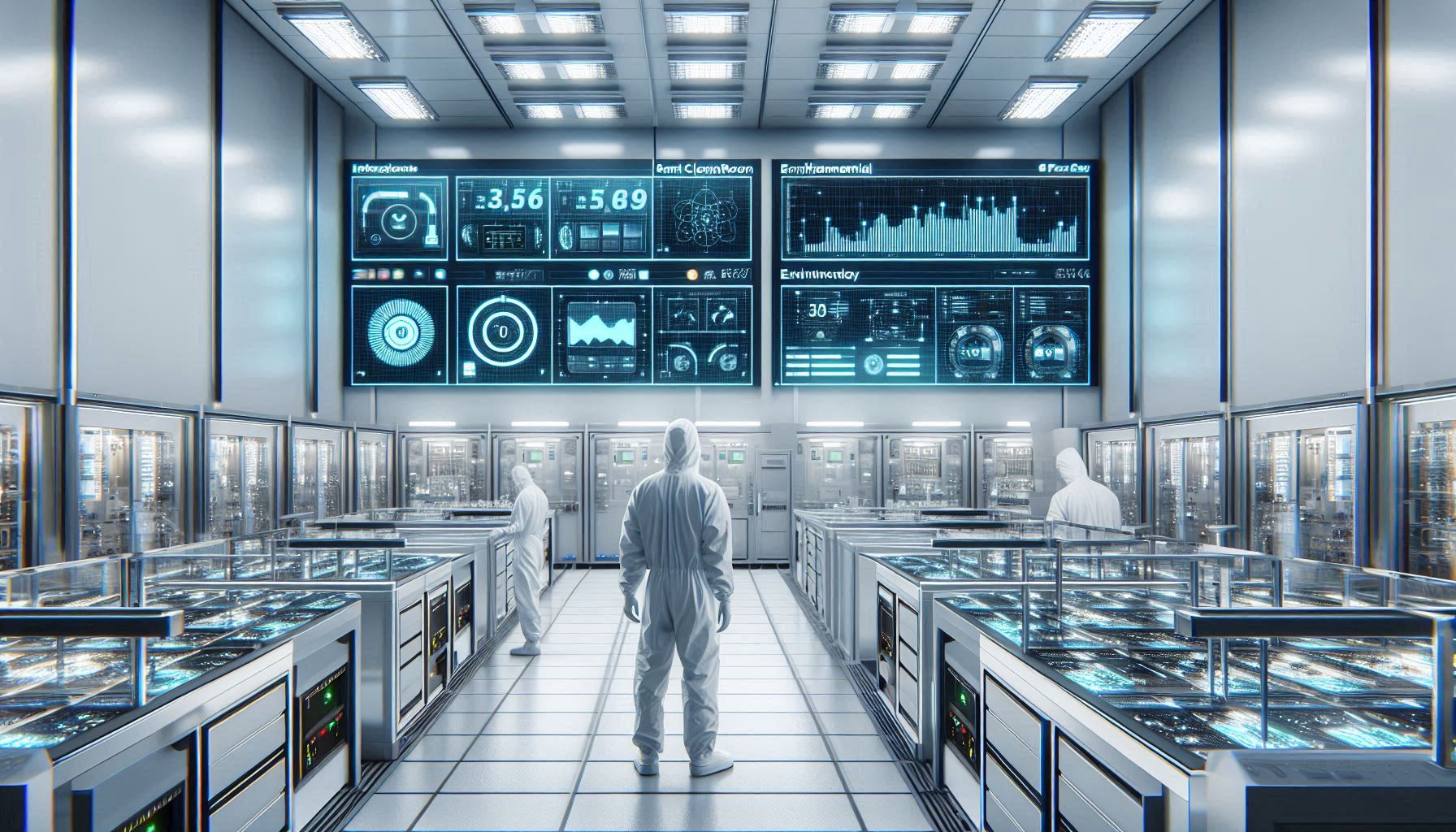
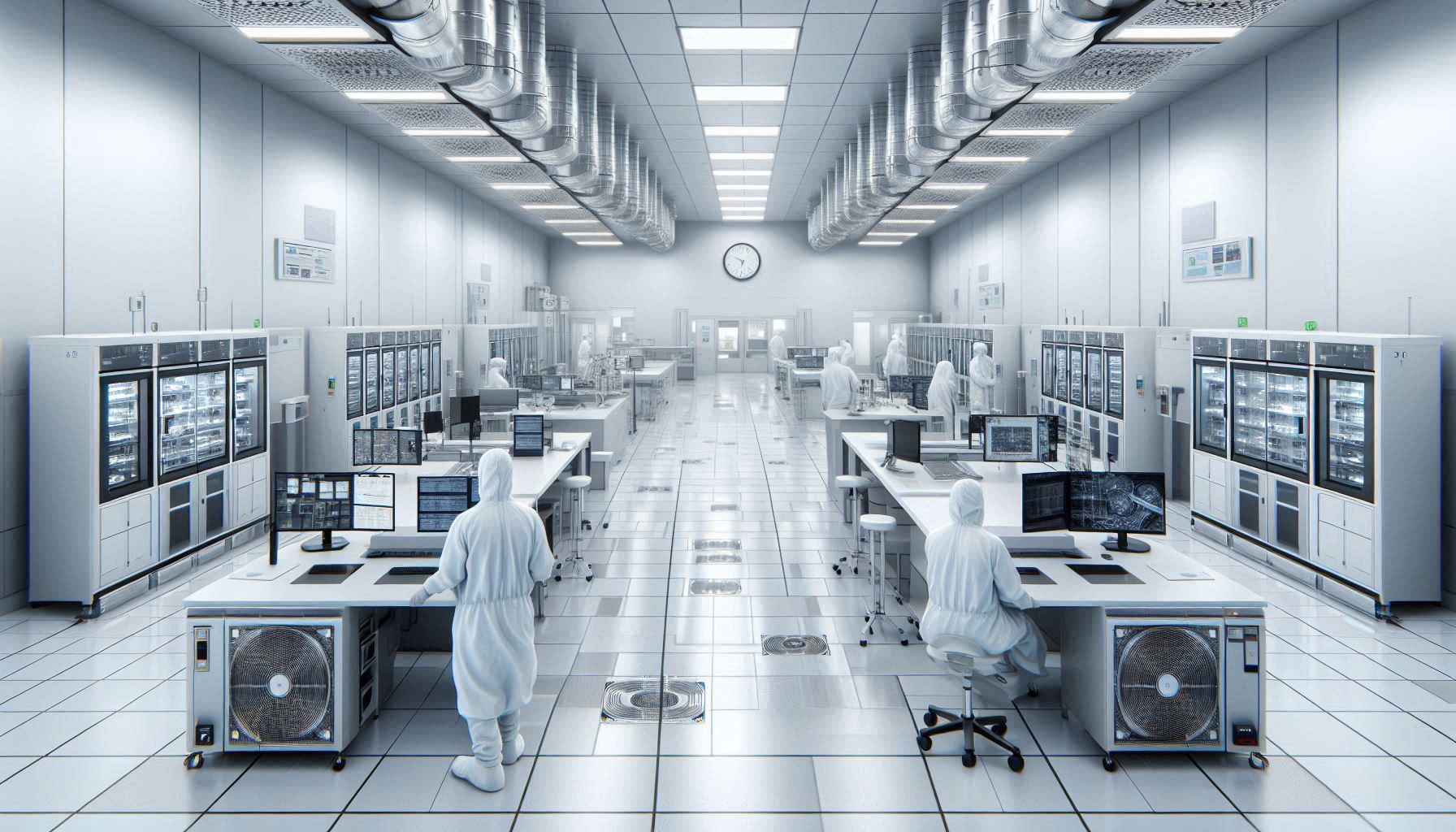
Automation has revolutionized cleanroom operations, offering unparalleled precision and control. Automated systems for monitoring activities within cleanrooms have become indispensable. These systems use advanced sensors and IoT devices to continuously monitor environmental parameters like temperature, humidity, and particle counts.

Real-time data collection enables immediate detection of deviations and prompt corrective actions. Imaging technologies for real-time airflow visualization provide a dynamic view of airflow patterns. This innovation helps operators monitor and adjust airflows, preventing contamination and ensuring critical areas are protected.

Enhancing Contamination Control and Microbial Air Sampling

Contamination control remains a cornerstone of cleanroom technology. Advanced microbial air sampling techniques have been developed to provide accurate and reliable data on airborne microorganisms. These techniques utilize cutting-edge sensors and analytical tools to detect even the smallest traces of contamination.

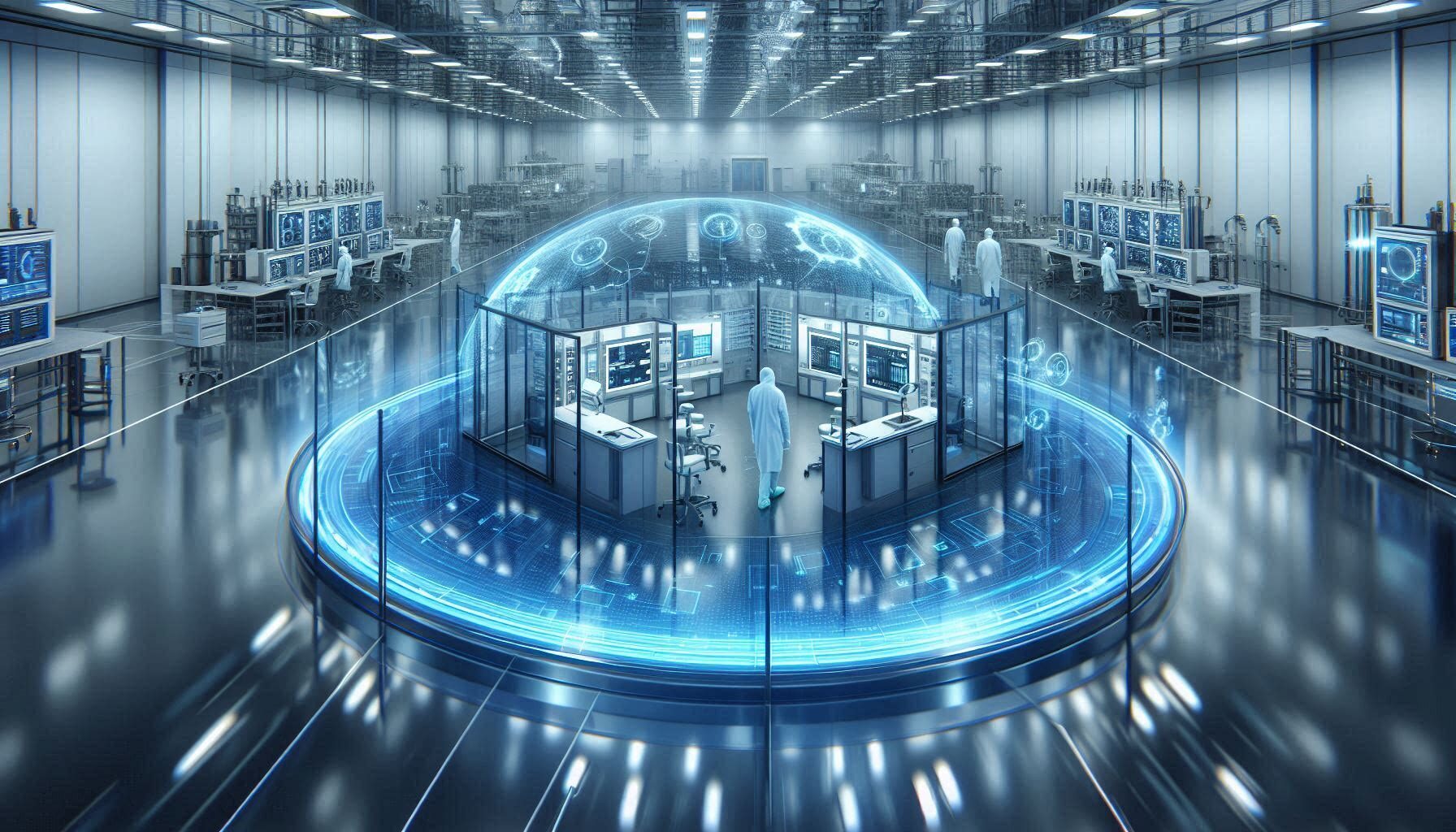
Zero-carbon cleanrooms have emerged as a significant advancement. Designed to minimize environmental impact, these cleanrooms reduce carbon emissions and use renewable energy sources. This development reflects a growing commitment to sustainability in the industry.

Advancements in Cleanroom Standards and Microbial Detection

Continuous improvement of cleanroom standards is essential for maintaining safety and performance. Recent advancements have introduced stricter requirements for contamination control and environmental monitoring. These standards ensure that cleanrooms operate at optimal levels, providing a safe environment for sensitive processes.

New microbial detection technologies offer higher sensitivity and specificity. These methods enable the identification of a broader range of microorganisms, ensuring the sterility of cleanrooms. This is particularly crucial in industries like pharmaceutical manufacturing, where contamination can have serious consequences.

Sustainable Design and Zero-Carbon Cleanrooms

Sustainable design principles are increasingly being incorporated into cleanroom technology. The focus on sustainability aims to reduce the environmental footprint while maintaining high performance standards. Zero-carbon cleanrooms represent a major leap forward, designed to operate without producing carbon emissions and utilizing energy-efficient systems and renewable energy sources.

Advanced materials used in cleanroom construction are durable, easy to clean, and resistant to microbial growth. These materials contribute to a cleaner environment and reduce the need for frequent maintenance and replacement, enhancing sustainability further.

The Role of Big Data Analytics

Big data analytics has emerged as a powerful tool for enhancing cleanroom performance. The ability to collect, analyze, and interpret large volumes of data from cleanroom operations provides valuable insights. Predictive maintenance is one key application of big data analytics. By analyzing data on equipment performance and environmental conditions, it is possible to predict maintenance needs, preventing unexpected failures and reducing downtime.

Real-time monitoring is another critical application. Continuous monitoring of environmental parameters and process conditions allows for immediate detection of deviations and corrective actions. This ensures cleanrooms operate within specified limits and maintain high performance.

Optimizing Cleanroom Operations for Pharmaceutical Manufacturing

Pharmaceutical manufacturing benefits greatly from advancements in cleanroom technology. The stringent requirements for sterility and contamination control make cleanrooms essential. Innovations in design, automation, and microbial detection have significantly enhanced efficiency and safety in pharmaceutical manufacturing processes.

Real-time monitoring and predictive maintenance enabled by big data analytics optimize cleanroom operations. These innovations ensure pharmaceutical products are manufactured in a controlled and sterile environment. This contributes to higher product quality, reduced contamination risk, and improved efficiency.

Networking and Future Innovations

The cleanroom industry is poised for further innovations driven by advances in technology and increasing demands for sustainability and performance. Networking and collaboration among industry stakeholders play a crucial role in driving these innovations. Sharing knowledge, best practices, and research findings accelerates the development and adoption of new technologies.

Future innovations in cleanroom technology are likely to focus on enhancing automation, improving contamination control, and further reducing environmental impact. Integrating artificial intelligence and machine learning into cleanroom operations is expected to provide greater precision and control. These technologies will enable more advanced predictive maintenance, real-time monitoring, and optimization of cleanroom performance.

FAQ

What is the future of cleanrooms?

The future of cleanrooms looks promising with advancements in automation, real-time monitoring, and sustainable design. Emerging technologies like artificial intelligence and machine learning are expected to enhance precision and control. These innovations will drive improvements in contamination control, energy efficiency, and overall performance. Additionally, the integration of big data analytics will enable predictive maintenance and optimization of cleanroom operations.

What are cleanroom technologies?

Cleanroom technologies refer to the specialized equipment, systems, and processes used to maintain a controlled environment. These include advanced HVAC systems, HEPA and ULPA filters, contamination control measures, and real-time monitoring systems. Cleanroom technologies ensure the air quality, temperature, humidity, and particle counts meet stringent standards required for sensitive processes in industries like pharmaceuticals, biotechnology, and electronics.

What is a cleanroom in VLSI technology?

A cleanroom in VLSI (Very-Large-Scale Integration) technology is a controlled environment where semiconductor devices are manufactured. These cleanrooms maintain low levels of airborne particles, and temperature, and humidity to prevent contamination of semiconductor wafers. The stringent control of the environment is crucial for the precision and quality required in VLSI manufacturing, ensuring the reliability and performance of electronic components.

What are the concepts of cleanroom design?

Cleanroom design involves several key concepts to ensure a controlled environment. These include airflow patterns, filtration systems, contamination control, and materials selection. The design must ensure unidirectional airflow to sweep away contaminants, while HEPA and ULPA filters remove particles from the air. The choice of materials for walls, floors, and equipment should minimize particle generation and be easy to clean. Proper zoning and pressure differentials help contain contaminants within specific areas.

Cleanroom Technology Conference 2024

The Cleanroom Technology Conference 2024 is an upcoming event where industry professionals gather to discuss the latest advancements, trends, and best practices in cleanroom technology. Attendees can expect presentations, workshops, and networking opportunities with experts in the field. The conference covers topics such as contamination control, sustainable design, and the integration of new technologies.

Cleanroom technology advertising

Cleanroom technology advertising focuses on promoting products, services, and solutions related to cleanroom environments. This includes advertising for advanced HVAC systems, filtration units, monitoring systems, and contamination control equipment. Effective advertising highlights the benefits, features, and innovations of these technologies, targeting industries that rely on cleanroom environments such as pharmaceuticals, biotechnology, and electronics.

Cleanroom Technology PDF

A Cleanroom Technology PDF is a detailed document providing comprehensive information on the principles, design, and operation of cleanrooms. These PDFs are often used for educational purposes, training, and reference by industry professionals. They typically include guidelines, standards, case studies, and technical specifications to help users understand and implement cleanroom technologies effectively.

Cleanroom Technology Magazine

The Cleanroom Technology magazine is a specialized publication that delivers the latest news, research, and insights on cleanroom technology. It covers a wide range of topics, including the design, construction, operation, and maintenance of cleanrooms. The magazine features articles from industry experts, case studies, and updates on new products and innovations in the field, making it an invaluable resource for professionals in the industry.

Cleanroom Technology Conference

The Cleanroom Technology Conference is an annual event that brings together professionals from various industries to discuss advancements in cleanroom technologies. The conference includes presentations, workshops, and networking opportunities focused on the latest trends and innovations. Topics covered range from contamination control and sustainable design to the integration of automation and real-time monitoring systems.

Cleanroom Technology PPT

A Cleanroom Technology PPT is a PowerPoint presentation used to educate and inform audiences about cleanroom principles, design, and operations. These presentations are commonly used in training sessions, conferences, and academic settings. They typically include slides on airflow patterns, filtration systems, contamination control measures, and the latest technological advancements in cleanroom environments.

Cleanroom Conference

The Cleanroom Conference is a significant event where industry professionals gather to share knowledge and discuss the latest advancements in cleanroom technology. This conference provides a platform for networking, learning, and exploring new trends and innovations. Attendees can participate in presentations, panel discussions, and workshops on various aspects of cleanroom design, construction, and operation, gaining valuable insights and best practices from experts in the field.

Conclusion

The evolution of cleanroom technology is marked by significant innovations that have transformed design, construction, and operations. From automation and real-time monitoring to sustainable design and big data analytics, these advancements ensure cleanrooms meet the highest standards of performance and safety. The ongoing commitment to innovation and collaboration among industry stakeholders will continue to drive progress, ensuring cleanroom technology remains at the forefront of environmental control and contamination prevention.

About The Author

Omprakash Ramagiri; as the Founder of HVAC Technocrats, I bring over 18 years of experience as a Mechanical Engineer specializing in HVAC (Central Air-conditioning) for commercial, cleanrooms, data centers, and Petrochemical industries. Throughout my career, I’ve held pivotal roles at companies like TATA Consulting Engineers, MW Zander (for Cleanroom solutions), Bluestar Malaysia, and ETA in Dubai. I’ve managed international HVAC projects and gained valuable exposure in dynamic markets like Dubai and Saudi Arabia. With a passion for excellence and a commitment to innovative solutions, I specialize in designing Class 10K & 100K Cleanrooms for various industries. Connect with me to explore collaborations in HVAC design, project sales, and consultancy. Click to visit the Author’s Linkedin page


Disclaimer: The pictures used are for illustrative purposes only. They may not depict actual products or situations and are meant for educational purposes. Actual products, situations, or outcomes may differ.

HVAC System: Why Sustainability is Important for Green Building

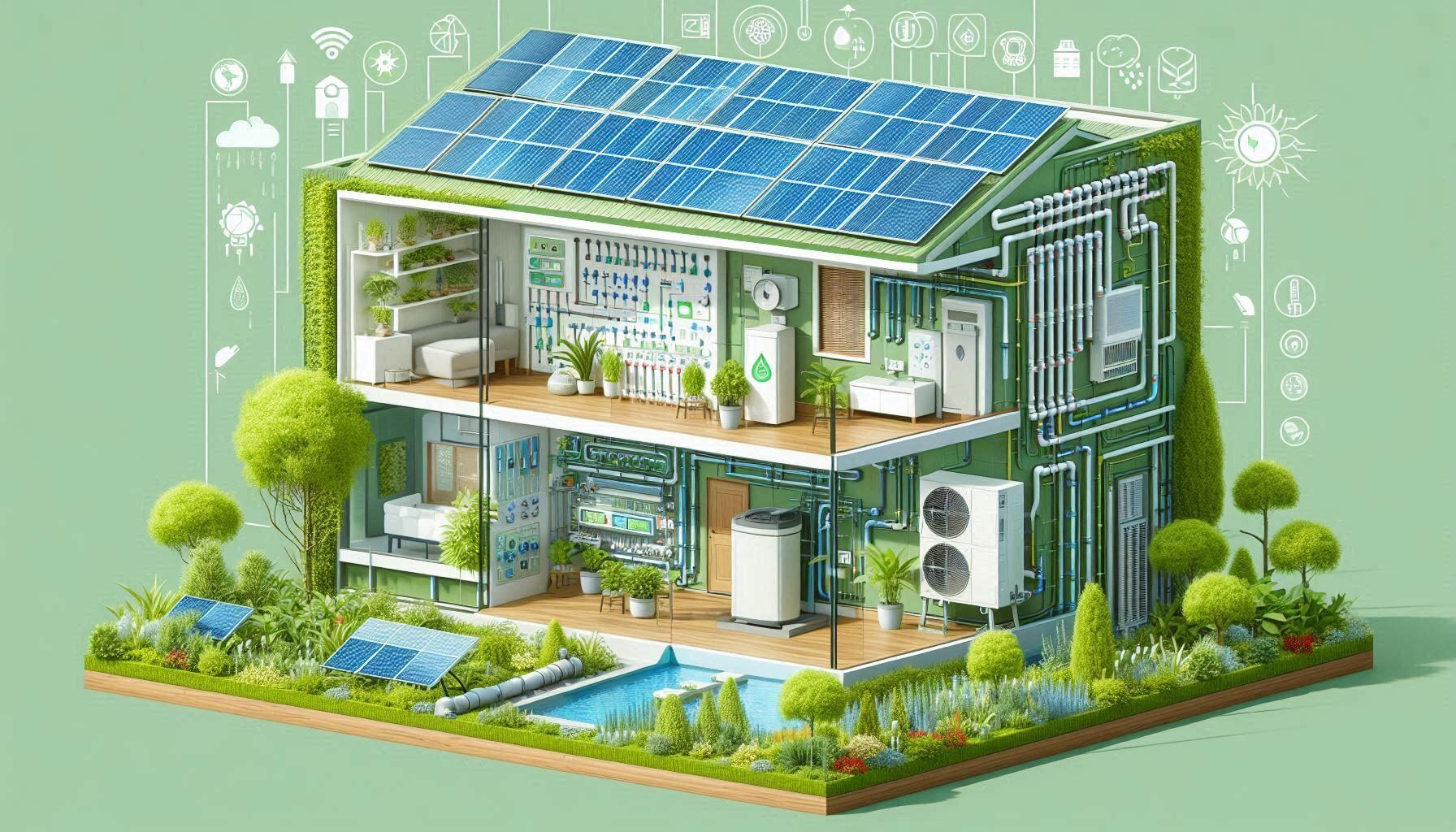
Illustration of sustainable HVAC system in a green building.

Sustainable HVAC system is revolutionizing green building design by providing energy-efficient, eco-friendly solutions that enhance indoor air quality and reduce environmental impact. These systems integrate advanced technologies and renewable energy sources, playing a crucial role in achieving sustainable and resilient buildings. Their benefits extend from reducing greenhouse gas emissions to lowering operational costs, benefiting building owners, occupants, and the broader community. In this article, we will explore the importance, benefits, and key technologies of sustainable HVAC systems, as well as their impact on green building certifications and energy efficiency.

Why Is Sustainability Important in HVAC Systems for Green Building Design?

Sustainability in HVAC systems is crucial for green building design because it reduces energy consumption, lowers greenhouse gas emissions, and promotes environmental conservation. Incorporating sustainable practices in HVAC systems ensures that buildings operate efficiently, minimizing their impact on the planet. This approach not only helps in mitigating climate change but also enhances the overall health and well-being of building occupants. By prioritizing sustainability, we contribute to a more resilient and eco-friendly built environment.

When Should Sustainable Practices Be Integrated into HVAC System Planning for Green Buildings?

Sustainable practices should be integrated into HVAC system planning from the very beginning of the design phase. Early integration allows for the consideration of energy-efficient technologies, renewable energy sources, and innovative design strategies that optimize system performance. By incorporating sustainability from the outset, designers can ensure that the HVAC systems are tailored to the specific needs of the building, leading to better energy management and reduced operational costs over the building’s lifespan.

Where Can Sustainable HVAC Systems Make the Most Impact in Green Buildings?

Sustainable HVAC systems can make the most impact in areas with high energy demand, such as commercial buildings, schools, and hospitals. These buildings often require extensive heating, cooling, and ventilation, making them prime candidates for energy-efficient and eco-friendly HVAC solutions. By implementing sustainable HVAC systems in these environments, we can achieve significant reductions in energy use and operational costs while improving indoor air quality and occupant comfort.

Who Benefits from Implementing Sustainable HVAC Systems in Green Buildings?

Implementing sustainable HVAC systems in green buildings benefits a wide range of stakeholders. Building owners and operators experience lower energy bills and reduced maintenance costs. Occupants enjoy enhanced indoor air quality, thermal comfort, and a healthier living or working environment. Additionally, the broader community benefits from reduced greenhouse gas emissions and the promotion of environmental stewardship. Ultimately, sustainable HVAC systems contribute to the well-being of both people and the planet.

What Are the Key Sustainable Technologies in Modern HVAC Systems for Green Buildings?

Modern HVAC systems for green buildings incorporate several key sustainable technologies, including variable refrigerant flow (VRF) systems, geothermal heat pumps, and energy recovery ventilators (ERVs). These technologies enhance energy efficiency by optimizing the use of heating and cooling resources. Additionally, smart thermostats and building automation systems (BAS) enable precise control of HVAC operations, further reducing energy consumption. Renewable energy integration, such as solar-powered HVAC systems, also plays a crucial role in achieving sustainability in green buildings.

How Do Sustainable HVAC Systems Contribute to Green Building Certifications?

Sustainable HVAC systems play a vital role in achieving green building certifications such as LEED (Leadership in Energy and Environmental Design) and BREEAM (Building Research Establishment Environmental Assessment Method). These certifications evaluate buildings based on their environmental performance and sustainability. Energy-efficient HVAC systems contribute significantly to the energy performance criteria, helping buildings score higher in certification assessments. Additionally, sustainable HVAC systems often incorporate eco-friendly materials and technologies, further enhancing a building’s overall sustainability profile.

Why Should Energy Efficiency Be a Priority in HVAC Systems for Green Buildings?

Energy efficiency should be a priority in HVAC systems for green buildings because it directly impacts operational costs, environmental footprint, and occupant comfort. Efficient HVAC systems use less energy to achieve the desired indoor conditions, resulting in lower utility bills and reduced greenhouse gas emissions. Moreover, energy-efficient systems tend to have longer lifespans and require less maintenance, providing long-term cost savings. Prioritizing energy efficiency in HVAC design and operation is a fundamental step towards achieving sustainable and resilient green buildings.

When Is It Best to Upgrade to Sustainable HVAC Systems in Existing Green Buildings?

Upgrading to sustainable HVAC systems in existing green buildings is best done during major renovations or when the existing HVAC systems are nearing the end of their lifespan. This timing allows for a comprehensive assessment of the building’s needs and the integration of modern, energy-efficient technologies. Additionally, building owners can take advantage of available incentives and rebates for sustainable upgrades. By upgrading at these opportune moments, building owners can improve energy efficiency, reduce operational costs, and enhance indoor air quality without disrupting daily operations.

Where Are the Most Cost-Effective Areas for Implementing Sustainable HVAC Solutions in Green Buildings?

The most cost-effective areas for implementing sustainable HVAC solutions in green buildings include the installation of high-efficiency heat pumps, energy recovery ventilators (ERVs), and smart thermostats. Retrofitting insulation and improving the building envelope can also enhance HVAC efficiency by reducing the load on heating and cooling systems. Additionally, incorporating renewable energy sources, such as solar panels, can provide sustainable power for HVAC operations, leading to significant long-term savings. Focusing on these areas allows building owners to achieve substantial energy and cost savings while promoting sustainability.

Who Are the Leading Innovators in Sustainable HVAC Systems for Green Buildings?

Leading innovators in sustainable HVAC systems for green buildings include companies such as Carrier, Trane, and Daikin. These companies are at the forefront of developing advanced, energy-efficient HVAC technologies that reduce environmental impact. Additionally, organizations like the U.S. Green Building Council (USGBC) and the American Society of Heating, Refrigerating and Air-Conditioning Engineers (ASHRAE) play a crucial role in promoting sustainable HVAC practices through research, standards development, and advocacy. These innovators continuously push the boundaries of what is possible in sustainable HVAC design and operation.

What Are the Benefits of Sustainable HVAC Systems for Occupants of Green Buildings?

Occupants of green buildings benefit from sustainable HVAC systems in several ways. Improved indoor air quality reduces the risk of respiratory issues and enhances overall health and well-being. Energy-efficient systems provide consistent thermal comfort, ensuring a pleasant living or working environment. Additionally, sustainable HVAC systems often operate more quietly than traditional systems, reducing noise pollution. These benefits contribute to a higher quality of life for building occupants, making green buildings an attractive option for both residential and commercial purposes.

How Can Green Building Projects Maximize Efficiency with Sustainable HVAC Systems?

Green building projects can maximize efficiency with sustainable HVAC systems by implementing integrated design strategies that consider the building’s orientation, insulation, and natural ventilation. Utilizing advanced technologies such as variable refrigerant flow (VRF) systems, energy recovery ventilators (ERVs), and smart controls can further enhance efficiency. Regular maintenance and performance monitoring are also essential to ensure that HVAC systems operate at peak efficiency. By adopting these practices, green building projects can achieve significant energy savings and reduce their environmental impact.

Why Is the Use of Renewable Energy in HVAC Systems Crucial for Green Buildings?

The use of renewable energy in HVAC systems is crucial for green buildings because it significantly reduces reliance on fossil fuels and lowers greenhouse gas emissions. Renewable energy sources such as solar, wind, and geothermal provide clean, sustainable power for heating, cooling, and ventilation. Incorporating renewable energy into HVAC systems not only enhances energy efficiency but also contributes to the overall sustainability goals of green buildings. This approach aligns with global efforts to combat climate change and promote a more sustainable future.

When to Consider Retrofitting HVAC Systems for Enhanced Sustainability in Green Buildings?

Retrofitting HVAC systems for enhanced sustainability in green buildings should be considered when the existing systems are outdated, inefficient, or require frequent repairs. Additionally, if energy costs are rising or if there are opportunities to take advantage of financial incentives for sustainable upgrades, it may be the right time to retrofit. Retrofitting provides an opportunity to incorporate modern, energy-efficient technologies that improve performance and reduce environmental impact. By carefully planning and timing these upgrades, building owners can achieve significant energy savings and enhance the sustainability of their properties.

Where to Find Resources and Guidelines for Sustainable HVAC System Design in Green Buildings?

Resources and guidelines for sustainable HVAC system design in green buildings can be found through organizations such as the U.S. Green Building Council (USGBC), the American Society of Heating, Refrigerating and Air-Conditioning Engineers (ASHRAE), and the International WELL Building Institute (IWBI). These organizations provide comprehensive resources, including standards, best practices, and case studies, to guide the design and implementation of sustainable HVAC systems. Additionally, industry publications, webinars, and professional development courses offer valuable insights and up-to-date information on sustainable HVAC technologies and practices.

Who Should Be Involved in the Design and Implementation of Sustainable HVAC Systems for Green Buildings?

The design and implementation of sustainable HVAC systems for green buildings should involve a multidisciplinary team, including architects, HVAC engineers, sustainability consultants, and building owners. Collaboration between these stakeholders ensures that all aspects of sustainability are considered and that the HVAC system is optimized for energy efficiency, performance, and occupant comfort. Additionally, involving contractors and facility managers early in the process can help identify practical solutions and streamline the implementation of sustainable HVAC systems. This collaborative approach is essential for achieving the best outcomes in green building projects.

What Are the Challenges in Integrating Sustainable HVAC Systems into Green Buildings?

Integrating sustainable HVAC systems into green buildings can present several challenges. These include higher initial costs, the need for specialized knowledge and skills, and potential compatibility issues with existing building infrastructure. Additionally, navigating regulatory requirements and obtaining necessary certifications can be complex and time-consuming. However, these challenges can be mitigated through careful planning, stakeholder collaboration, and leveraging available resources and incentives. Overcoming these challenges is crucial to realizing the full benefits of sustainable HVAC systems and advancing the goals of green building design.

How Do Sustainable HVAC Systems Improve Indoor Air Quality in Green Buildings ?

Sustainable HVAC systems improve indoor air quality in green buildings by using advanced filtration, ventilation, and humidity control technologies. These systems remove pollutants, allergens, and excess moisture from indoor air, creating a healthier environment for occupants. Energy recovery wheels (ERWs) and demand-controlled ventilation (DCV) systems optimize fresh air intake, ensuring that indoor air is continuously refreshed without compromising energy efficiency. By maintaining optimal indoor air quality, sustainable HVAC systems contribute to the health and well-being of building occupants and enhance overall comfort.

Why Is Lifecycle Analysis Important for Sustainable HVAC Systems in Green Buildings?

Lifecycle analysis is important for sustainable HVAC systems in green buildings because it evaluates the environmental impact of the system over its entire lifespan. This analysis considers factors such as energy consumption, maintenance requirements, and disposal impacts. By conducting a lifecycle analysis, designers and building owners can make informed decisions about the most sustainable and cost-effective HVAC solutions. This approach ensures that the chosen systems deliver long-term benefits in terms of energy efficiency, environmental conservation, and operational savings, aligning with the overall goals of green building design.

When to Incorporate Smart Technology in Sustainable HVAC Systems for Green Buildings?

Incorporating smart technology in sustainable HVAC systems for green buildings is best done during the initial design phase or when upgrading existing systems. Smart technologies, such as programmable thermostats, advanced sensors, and building automation systems (BAS), provide precise control over HVAC operations, enhancing energy efficiency and performance. By integrating smart technology early in the design process, building owners can optimize system configuration and ensure seamless operation. Additionally, incorporating smart technology during upgrades allows for the modernization of existing systems, improving their sustainability and efficiency.

FAQ

What is sustainable HVAC?

Sustainable HVAC refers to heating, ventilation, and air conditioning systems designed to minimize energy consumption, reduce environmental impact, and enhance indoor air quality. These systems use energy-efficient technologies, renewable energy sources, and eco-friendly materials to achieve sustainability goals. Sustainable HVAC systems are integral to green building design and contribute to the overall efficiency and resilience of buildings.

What is the most eco-friendly HVAC system?

The most eco-friendly HVAC system is typically a geothermal heat pump. Geothermal systems use the stable temperature of the earth to provide heating and cooling, making them highly efficient and environmentally friendly. They have a lower carbon footprint compared to traditional HVAC systems and can significantly reduce energy consumption and greenhouse gas emissions.

What is considered a green HVAC technology?

Green HVAC technology includes systems and components that enhance energy efficiency, reduce environmental impact, and improve indoor air quality. Examples include variable refrigerant flow (VRF) systems, energy recovery ventilators (ERVs), geothermal heat pumps, and smart thermostats. These technologies help achieve sustainability goals by optimizing HVAC performance and minimizing energy use.

What is HVAC system in green building?

An HVAC system in a green building is designed to provide heating, cooling, and ventilation in an energy-efficient and environmentally friendly manner. These systems incorporate sustainable technologies and practices to reduce energy consumption, lower greenhouse gas emissions, and improve indoor air quality. Green building HVAC systems contribute to the overall sustainability and resilience of the built environment.

Sustainable HVAC systems in commercial buildings

Sustainable HVAC systems in commercial buildings utilize advanced technologies to optimize energy use and enhance indoor air quality. These systems often include high-efficiency heat pumps, energy recovery ventilators (ERVs), and building automation systems (BAS) for precise control. By implementing sustainable HVAC solutions, commercial buildings can achieve significant energy savings, reduce operational costs, and create healthier indoor environments for occupants.

Sustainable HVAC systems examples

Examples of sustainable HVAC systems include geothermal heat pumps, variable refrigerant flow (VRF) systems, energy recovery ventilators (ERVs), and solar-powered HVAC systems. These systems use innovative technologies and renewable energy sources to enhance energy efficiency and reduce environmental impact. Sustainable HVAC systems are integral to green building design and contribute to overall building performance and occupant comfort.

Sustainable HVAC systems companies

Leading companies in sustainable HVAC systems include Carrier, Trane, and Daikin. These companies develop advanced, energy-efficient HVAC technologies that reduce environmental impact and enhance system performance. Additionally, organizations like the U.S. Green Building Council USGBC and the American Society of Heating, Refrigerating and Air-Conditioning Engineers (ASHRAE) promote sustainable HVAC practices through research, standards development, and advocacy.

Green HVAC systems

Green HVAC systems are designed to minimize energy consumption, reduce greenhouse gas emissions, and improve indoor air quality. These systems use energy-efficient technologies, renewable energy sources, and eco-friendly materials to achieve sustainability goals. Green HVAC systems are integral to green building design and contribute to the overall efficiency and resilience of buildings.

Best sustainable HVAC systems

The best sustainable HVAC systems include geothermal heat pumps, variable refrigerant flow (VRF) systems, and energy recovery ventilators (ERVs). These systems are highly efficient, environmentally friendly, and enhance indoor air quality. Sustainable HVAC systems provide long-term benefits in terms of energy savings, reduced environmental impact, and improved occupant comfort.

Sustainable cooling systems in buildings

Sustainable cooling systems in buildings include high-efficiency air conditioning units, evaporative coolers, and chilled beam systems. These systems use advanced technologies to optimize cooling performance and reduce energy consumption. By implementing sustainable cooling solutions, buildings can achieve significant energy savings, lower operational costs, and create comfortable indoor environments for occupants.

Green HVAC companies

Leading green HVAC companies include Carrier, Trane, and Daikin. These companies develop advanced, energy-efficient HVAC technologies that reduce environmental impact and enhance system performance. Additionally, organizations like the USGBC and the ASHRAE promote sustainable HVAC practices through research, standards development, and advocacy.

Geothermal heating systems

Geothermal heating systems use the stable temperature of the earth to provide heating and cooling. These systems are highly efficient, environmentally friendly, and have a lower carbon footprint compared to traditional HVAC systems. Geothermal heating systems can significantly reduce energy consumption and greenhouse gas emissions, making them an excellent choice for sustainable building design.

Conclusion

Sustainable HVAC systems are essential for green building design, offering numerous benefits in terms of energy efficiency, environmental impact, and occupant comfort. By integrating sustainable practices and advanced technologies, we can create buildings that are not only efficient and cost-effective but also contribute to a healthier and more sustainable future. From geothermal heat pumps to energy recovery ventilators, the array of sustainable HVAC solutions available today provides ample opportunities for innovation and improvement in the built environment. As we continue to prioritize sustainability in building design, the role of sustainable HVAC systems will only become more critical in achieving our environmental and energy goals.

About The Author

Omprakash Ramagiri; as the Founder of HVAC Technocrats, I bring over 18 years of experience as a Mechanical Engineer specializing in HVAC (Central Air-conditioning) for commercial, cleanrooms, data centers, and Petrochemical industries. Throughout my career, I’ve held pivotal roles at companies like TATA Consulting Engineers, MW Zander (for Cleanroom solutions), Bluestar Malaysia, and ETA in Dubai. I’ve managed international HVAC projects and gained valuable exposure in dynamic markets like Dubai and Saudi Arabia. With a passion for excellence and a commitment to innovative solutions, I specialize in designing Class 10K & 100K Cleanrooms for various industries. Connect with me to explore collaborations in HVAC design, project sales, and consultancy. Click to visit the Author’s Linkedin page


Disclaimer: The pictures used are for illustrative purposes only. They may not depict actual products or situations and are meant for educational purposes. Actual products, situations, or outcomes may differ.

Data center sustainability through Innovative collaboration in India

IT Sustainability Services – Announced an exciting collaboration to introduce Data Center Heat Recovery, a heat recovery module designed to help organizations in India manage and utilize excess heat.

Transforming Data Centers: Enhanced Cooling Efficiency and Heat Recovery Solutions

Rapid adoption of AI technologies across various sectors in India is significantly increasing power demand and utilization of AI-optimized IT infrastructure. According to the International Energy Agency, the AI ​​industry is expected to use at least ten times more energy by 2026 compared to 2023 and increase its electricity consumption exponentially. To address these challenges, IT leaders and data center operators in India are implementing strategies to reduce energy consumption, improve energy efficiency, and improve cooling systems.

Using excess heat for constant power

Excess heat in the EU alone is estimated at 2,860 TWh per year, which almost matches the total energy demand for heating and hot water in residential and service sector buildings. This concept can be applied in India, where the continuous flow of excess heat from data centers represents a reliable source of clean energy.

To address these issues, the new energy-efficient data center solution offers the following:

• Modular Data Center (MDC): This scalable solution, consisting of compact, high-density (kW/rack) containers, can be deployed almost anywhere. It features direct liquid cooling technology, reducing overall energy consumption by 20%.

• Innovative Heat Reuse Solutions: Along with oil-free compressors that increase cooling efficiency by up to 30%, these modules capture excess heat from data centers to provide renewable heating onsite and to neighboring buildings and industries.

Strategic partnership and benefits

This partnership will revolutionize building and decarbonizing the data center industry in India, creating a blueprint for the next generation of sustainable data centers using existing technologies.

Advantages of Modular Data Centers

The MDC design includes Direct Liquid Cooling (DLC) technologies, improving fuel efficiency by over 20% and optimizing power generation and distribution resulting in significant energy savings. The compact design minimizes energy loss and maximizes temperature differences, promoting additional heat capture. Agility and exclusion of heavy industrial equipment reduces the need for expensive construction materials and shortens deployment time from 18 months to 6 months.

The flexibility of MDCs allows data to be placed near production sites, reducing energy impacts and data transfer barriers while improving data governance and security.

Transitional solutions and energy efficiency

Using commonly unused resources such as waste heat is an example of the future of efficient and intelligent energy use. Modular data centers deliver an impressive Power Consumption Effectiveness (PUE) of 1.14, compared to 1.3 to 1.4 PUE of traditional designs. These centers can handle power-demanding architectures and are suitable for supercomputing and generative AI workloads, delivering faster results to scientists, universities and organizations in India.

Driving innovation in decarbonisation

To leverage one of the largest untapped energy resources, excess heat, this strategic partnership will leverage an extensive product portfolio of energy-efficient solutions to drive innovation, support decarbonization and create a blueprint for sustainable modular data centers in India.

The IT Sustainability Services – Data Center Heat Recovery Initiative is inspired by the heat reuse technology already in use on the headquarters campus, where heat recovered from the onsite data center is boosted by a heat pump and reused in surrounding buildings or fed to the local district. A heating network to provide renewable heat to local residents. This approach is a key part of achieving carbon neutrality in the energy system of the 250,000m² campus.

Efficient cooling and heat recovery solutions

The scalable modular data center offering includes technologies such as heat pumps and chillers, heat exchangers, heat reuse modules, drives and compressors for pump skids, cooling data centers up to 30% more efficiently, while recovering and reusing excess heat. This modular solution consists of components that work seamlessly together and offers two technology stack options with a heat recovery system including a hydronic heat recovery heat exchanger and a water-to-water heat pump.

Circular Economy and Asset Upcycling

As part of a holistic “reduce, reuse, resource” approach, the partnership also focuses on retiring end-of-use IT assets through an asset upcycling service. This circular economy solution enables technology recovery and reuse, while recovering economic value from those assets.

FAQ

How can we make data centers more sustainable?

Making data centers more sustainable involves implementing several strategies:

Energy efficiency: using energy-efficient hardware and optimizing cooling systems.

Renewable Energy: Shifting to renewable energy sources such as solar and wind energy.

Heat Recovery: Capturing and reusing excess heat generated by data center operations.

Modular Data Centers: Implementing scalable, modular data centers that minimize energy loss and maximize resource utilization.

What are Green Data Centers?

Green data centers are facilities designed with a focus on environmental sustainability. They incorporate energy-efficient technologies, renewable energy sources and practices that reduce carbon footprints and reduce environmental impact. This includes using advanced cooling techniques, energy-efficient servers and heat recovery systems.

What are some current trends in data center sustainability?

Current Trends in Data Center Sustainability:

Liquid Cooling: Direct liquid cooling systems for improved energy efficiency.

AI Optimization: Using AI to optimize energy consumption and cooling processes.

Integration of renewable energy: Expanding the use of renewable energy sources.

Modular and Edge Data Centers: Deploying modular data centers close to data production sites to reduce energy consumption and improve data transfer efficiency.

What are the best practices and trends in enterprise data center sustainability?

Best practices and trends in enterprise data center sustainability:

Energy Audits: Regular energy audits to identify inefficiencies and opportunities for improvement.

Green Building Standards: Adherence to green building standards such as LEED.

Efficient Cooling Solutions: Implementing state-of-the-art cooling solutions like liquid cooling and heat recovery systems.

Server Virtualization: Reducing the number of physical servers through virtualization to save energy and space.

What is the carbon footprint of data centers?

The carbon footprint of data centers refers to the total greenhouse gas emissions caused by their operations, including energy consumption for servers, cooling systems and other infrastructure. As data centers expand to meet increasing demand, their carbon footprint increases, adopting sustainable practices and technologies to reduce their environmental impact is critical.

What are the sustainability goals for data centers?

Sustainability objectives for data centers typically include:

Reducing Energy Consumption: Reducing overall energy consumption through efficient technologies and practices.

Carbon Neutrality: Achieving zero net carbon emissions by balancing the carbon emitted with an equivalent carbon offset.

Water Conservation: Minimizing water consumption in cooling processes.

Waste reduction: Reducing end-of-use IT assets through recycling and upcycling. Renewable Energy Use: Increasing the proportion of energy available from renewable sources

Conclusion

The path to sustainable data centers involves a multifaceted approach such as energy efficiency, renewable energy integration, advanced cooling solutions and efficient waste management. By adopting these practices and using innovative technologies, organizations can significantly reduce the environmental impact of their data centers. The collaboration in promoting sustainable data centers in India exemplifies the potential of combining strategic partnerships and cutting-edge solutions to create a more sustainable and energy-efficient future. As demand for data continues to grow, it is imperative that data center operators and IT leaders prioritize sustainability goals, ensuring that growth in digital infrastructure is matched by environmental stewardship and carbon reduction commitments.