HEPA Filter: The Heart of Cleanroom Air Purification

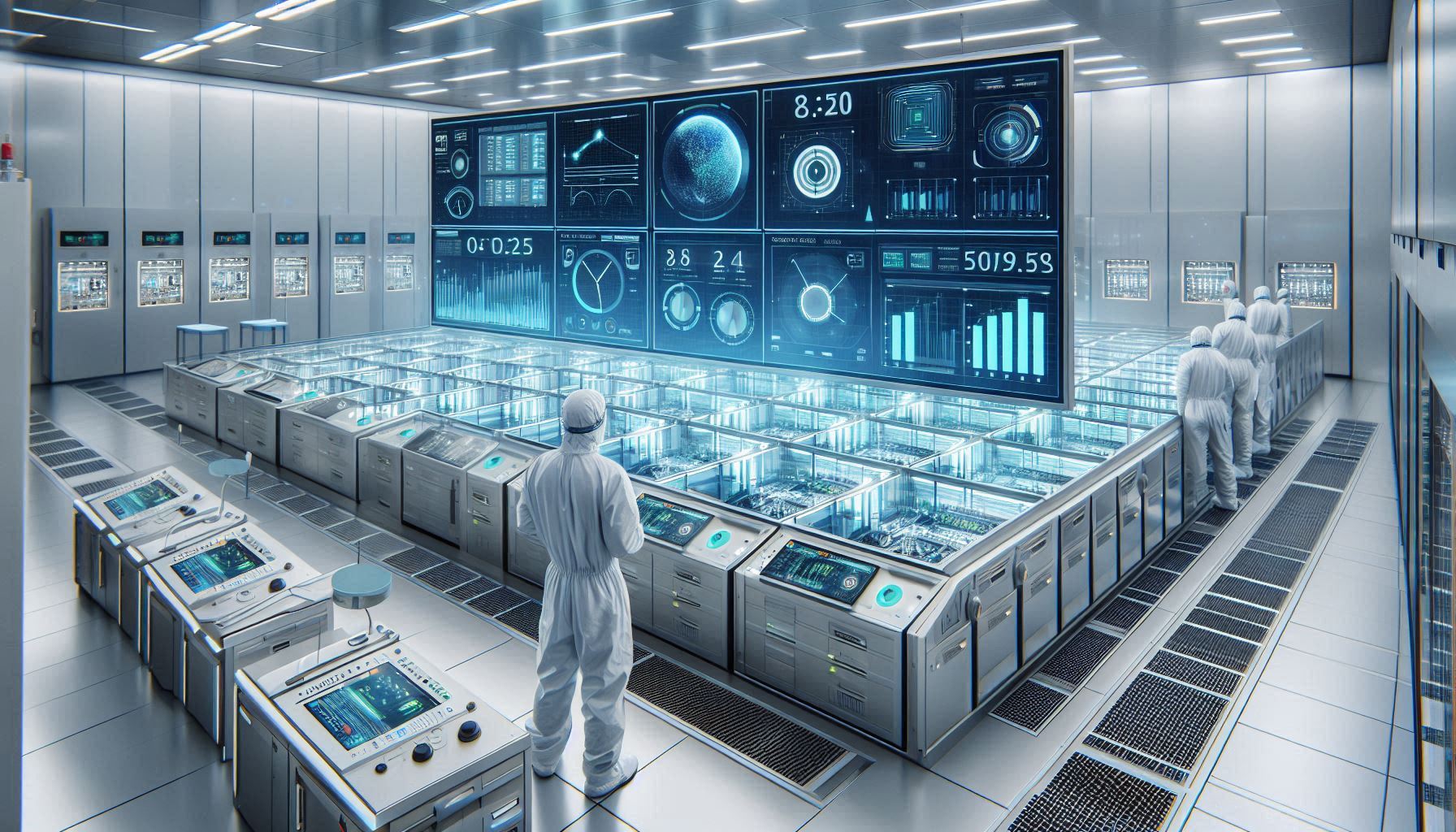
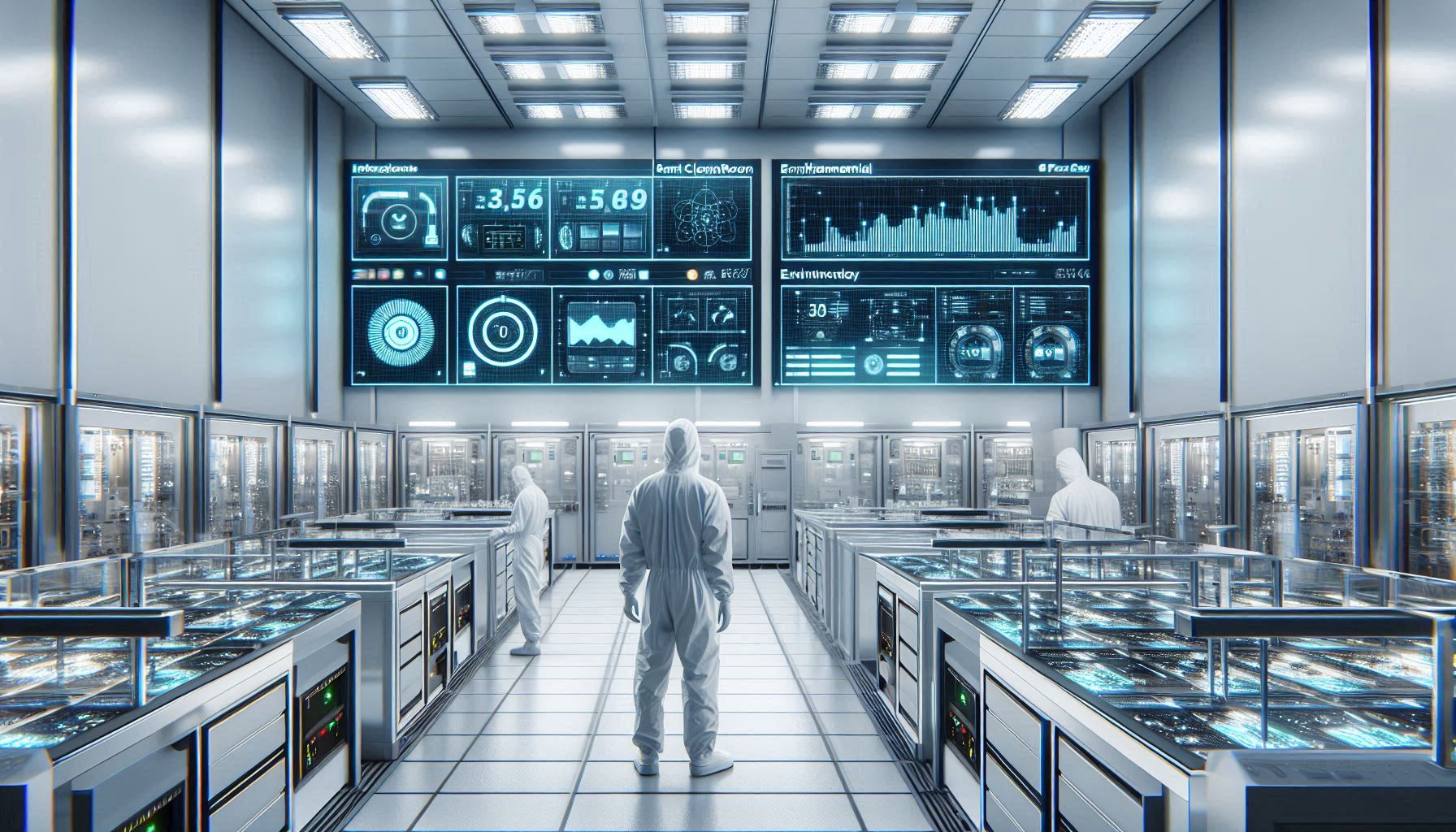
Modern semiconductor cleanroom with integrated pleated HEPA filters in an advanced HVAC system

Engineers design HEPA filter to protect cleanrooms in semiconductor fabs, wafer production facilities, and chip-making plants. These filters—short for High-Efficiency Particulate Air filters—play a pivotal role in safeguarding sensitive manufacturing processes. In these high-tech environments, even a single airborne particle can cost millions in yield losses. Therefore, cutting-edge filters work side by side with activated carbon filters to trap dust, chemical vapors, and other impurities. In this article, we explore the full form of HEPA filters, their working principles, various types, sizes, and price points. Furthermore, we compare HEPA filters with ULPA filters and explain their applications in cleanrooms, operating theatres, home air purifiers, and AC systems. We also answer key questions such as “What is the principle of HEPA filtration?” and “What are the three main types of HEPA filters??”

Introduction to HEPA Filter and Their Critical Role in Semiconductor Cleanrooms

Semiconductor manufacturing thrives on precision and low contamination. Manufacturers install HEPA filters in cleanrooms to remove at least 99.97% of particles as small as 0.3 microns. Because even a minuscule particle can ruin an entire wafer, cleanroom managers demand the highest quality filtration. In addition, process engineers incorporate filters into their HVAC systems to ensure continuous airflow in environments where chip-making processes are highly sensitive. As a result, HEPA filters become indispensable in ensuring high yields and defect-free product lines.

Moreover, facility managers in semiconductor plants and related industries continuously optimize their cleanroom designs. They add cutting-edge digital sensors and automated leak tests to monitor filter integrity. Consequently, they can proactively maintain the air purification system with minimal downtime. In comparison, home air purifiers also use HEPA filters, but with lower performance requirements. These systems serve to reduce allergens and provide comfortable indoor environments.

HEPA Filter Full Form and Its Basic Definition

The acronym “HEPA” means High-Efficiency Particulate Air. This term clearly outlines a filter’s purpose. Manufacturers design HEPA filters to trap airborne particles with extraordinary accuracy. In semiconductor cleanrooms, this capability proves essential because chip-making processes use intricate photolithography and etching steps that any contamination could spoil. Therefore, HEPA filters remain at the heart of cleanroom air purification systems.

Manufacturers offer various HEPA filter types based on standards. For instance, “True HEPA” filters adhere strictly to industry guidelines and boast verified efficiency ratings. Engineers in semiconductor fabs carefully select these filters over “HEPA-like” options to ensure that every cleanroom meets rigorous ISO and ASHRAE standards.

The Working Principle of HEPA Filter

To appreciate HEPA filters, one must understand their dynamic working principle. Engineers actively create a dense matrix of fibers wherein air interacts with the fibers by three distinct mechanisms:

  • Interception: Airborne particles follow the airstream and stick when they come within one particle radius of a fiber.
  • Impaction: Larger particles lose momentum and collide with the fibers, embedding within them.
  • Diffusion: Tiny particles move randomly and eventually stick to the filter fibers.

Each mechanism works in unison, ensuring that the filter captures even the most challenging 0.3‑micron particles. In semiconductor cleanrooms, this robust performance keeps particle counts at minimal levels and protects delicate wafers and chips. Additionally, a typical HEPA filter diagram illustrates these processes by showcasing pleated media, airflow paths with arrows, and particle trajectories that reveal the filter’s intricate design.

HEPA Filter Types and Classifications with a Semiconductor Focus

Manufacturers produce several HEPA filter types designed for diverse applications. In semiconductor cleanrooms, every filter must meet strict cleanliness requirements. Generally, industry experts classify HEPA as follows:

  • Standard HEPA: These capture 99.97% of particles and find use in many laboratory and cleanroom environments as well as in home air purifiers.
  • HEPA 13 Filters: Engineers use HEPA 13 filters in industrial settings. Although their efficiency rate hovers around 99.95%, they offer enhanced performance in semiconductor facilities when integrated with smart HVAC systems.
  • HEPA 14 Filters: These filters reach approximately 99.995% efficiency. They serve ultra-critical environments, for example, in advanced chip and wafer manufacturing plants where the tiniest contamination can lead to severe yield losses.

In addition, industry specialists often discuss HEPA filter vs ULPA filter comparisons. ULPA filters offer higher efficiency (up to 99.999% for particles as small as 0.12 microns) but need careful control of airflow resistance. Designers in semiconductor fabs choose HEPA filters when the balance between energy consumption and product yield is optimal. Transitioning from one filter type to another becomes an engineering decision driven by process sensitivity and cost considerations.

HEPA Filter in Semiconductor Cleanrooms: Real-World Applications

Peering into a semiconductor cleanroom reveals an environment where every particle counts. Advanced HEPA maintain ISO-class air quality levels and protect delicate semiconductor wafers during processing. Engineers integrate these filters within HVAC systems that feature automated controls and real-time monitoring. For instance, a leading wafer fabrication plant in Bangalore upgraded its cleanroom with state-of-the-art HEPA filters. This change not only improved chip quality but also reduced process downtime by tracking filter performance continuously.

Semiconductor facilities also use HEPA filters along with activated carbon filters for added air purification. The latter adsorbs airborne chemical vapors, safeguarding photolithography operations and etching processes. These systems support precise manufacturing steps by maintaining environmental stability even when operating under high production loads. Manufacturers then report increased yields, fewer defects, and overall better process reliability.

Furthermore, semiconductor cleanrooms employ rigorous filter replacement schedules, whereby technicians actively test for leaks and measure differential pressure. These checks ensure the filters perform consistently. Ultimately, HEPA become an even more critical asset in the battle against micro contamination in the chip-making industry.

Also Read | India Semiconductor: Innovative for Cleanroom Tech for Growth

HEPA Filter in Air Conditioning and Home Applications

While semiconductor cleanrooms demand ultra-strict filtration, HEPA filters also serve residential applications. Homeowners install HEPA to reduce allergens, dust, and pet dander within living spaces. Similarly, many modern AC systems integrate HEPA to improve indoor air quality. Consequently, residential and commercial markets have evolved to offer multiple sizes and designs—meeting both compact home units and large industrial HVAC systems.

For residential use, HEPA often pair with pre-filters and activated carbon filters to create a multi-stage air purification system. Conversely, semiconductor environments require high-grade filters with precise micron size control. In both cases, manufacturers provide detailed specifications and price ranges. For example, the HEPA filter price varies based on filter type, grade, diagram complexity, and whether the product is disposable or washable. As a result, a careful cost-benefit analysis drives decisions in both home and industrial settings.

HEPA Filter Sizes and Uses in Operating Theatres

In hospital operating rooms, HEPA filters help keep the air sterile and clean. Designers supply filters in various sizes to cover ceiling diffusers fully and ensure the capture of particles from every angle. Surgeons rely on these systems to reduce risks of infection during operations. Although semiconductor cleanrooms and OTs serve different functions, both require precise air purification. Therefore, engineers adapt similar HEPA filter designs across industries with a focus on optimizing overall air quality.

For example, in an OT setting, a specially designed HEPA filter with controlled micron size reduces airborne contaminants and satisfies stringent UK and European ISO standards. In semiconductor fabs, similar filters protect wafers during important lithography processes. In both cases, industry standards ensure that the filters provide consistent performance and prolonged service life.

The Role of Activated Carbon Filters and Complementary Technologies

In many air purification systems, HEPA combine with activated carbon filters to enhance performance. Activated carbon filters use a porous carbon material to adsorb volatile organic compounds (VOCs) and odors. Consequently, semiconductor fabs and cleanroom environments pair these with HEPA filters to tackle both particulate and gaseous pollutants. This integration ensures that semiconductor chips remain free from chemical contaminants during production runs. Furthermore, some advanced systems now incorporate digital air quality sensors that automatically adjust airflow, providing a robust solution to fluctuating contaminant levels.

HEPA Filter Working Principle Recap through Diagrams

A helpful HEPA filter diagram visually breaks down the filtration stages. Typically, the diagram displays a pleated media where airflow encounters numerous fibers. Engineers illustrate how air moves through the filter while particles get intercepted, impacted, or diffuse into the fibers. This visual representation makes it easier for designers, semiconductor engineers, and homeowners alike to understand the filter’s working principle. Moreover, such diagrams often incorporate icons that depict activated carbon filters alongside HEPA components, showcasing a harmonious multi-stage system.

What Is the Principle of HEPA Filtration?

In simple terms, HEPA filtration relies on three active processes:

  • Interception: Particles traveling within the airstream are captured when they come into close contact with a fiber.
  • Impaction: Larger particles that cannot adjust to the air’s curve hit the fibers and stick.
  • Diffusion: The smallest particles move randomly and stick to the fibers over time.

These processes combine to secure a remarkable 99.97% efficiency at filtering out 0.3‑micron particles. This principle proves invaluable in semiconductor fabrication, where ultra-fine control over contamination directly affects wafer yields and chip performance.

What Are the Three Classes of HEPA Filter?

Industry experts typically classify HEPA filters into three categories:

  1. Standard HEPA: Capture 99.97% of 0.3‑micron particles. They serve general cleanroom environments and home air filters.
  2. HEPA 13 Filters: Deliver approximately 99.95% efficiency and often support industrial-scale cleanrooms and semiconductor fabs.
  3. HEPA 14 Filters: Achieve around 99.995% efficiency and find use in ultra-critical applications, such as advanced chip manufacturing facilities.

These classifications help engineers choose the right filter for specific applications based on the level of cleanliness required and energy considerations.

HEPA vs. ULPA Filters: Making the Right Choice

Engineers often compare HEPA filters vs. ULPA filters when selecting air filtration systems. ULPA filters trap up to 99.999% of particles (as small as 0.12 microns) but use more energy and cause greater airflow resistance. In semiconductor cleanrooms, where energy efficiency and process stability are paramount, many experts prefer high-grade HEPA. They offer an ideal balance of performance and operational feasibility, ensuring precise control over airborne contaminants without excessive energy costs.

HEPA Filters for AC Systems and Home Use

Not only do semiconductor fabs benefit from HEPA, but modern air conditioning systems also embrace them. Homeowners install HEPA filter for home air purifiers and AC units to reduce dust, allergens, and pollutants. These filters provide cleaner indoor air and enhance overall comfort. In commercial systems, modern HVAC units incorporate HEPA filter, which work alongside pre-filters and activated carbon stages. Consequently, whether in high-tech cleanrooms or cozy living rooms, HEPA filters improve air quality reliably.

HEPA Filters Manufacturers and Pricing Considerations

Globally, many reputable manufacturers produce HEPA filter that meet stringent standards such as ISO, EN, and ASHRAE. These companies innovate by offering a range of HEPA filter types with varying micron sizes and designs. In semiconductor and critical cleanrooms, buyers invest in the highest-grade filters to secure flawless performance. Prices vary according to the grade (Standard, HEPA 13, HEPA 14), size, and whether the filter is disposable or reusable. Facility managers balance HEPA filter price with overall operational costs, energy consumption, and replacement frequency to achieve optimal performance.

HEPA Filter Diagram and Visual Insights

A well-designed HEPA filter diagram elucidates how the filter works. Typically, the diagram illustrates pleated filter media with a digital overlay showing the paths of airflow. Interception, impaction, and diffusion take place as air moves through the labyrinth of fibers. This visual aid helps semiconductor engineers, facility managers, and even homeowners understand complex filtration concepts. As a result, designers can optimize cleanroom HVAC systems and air purifiers simultaneously.

Transitioning from Traditional to Smart Filtration Systems

Semiconductor fabs are increasingly using smart cooling and filtration systems. Engineers now integrate digital sensors with HEPA filters to monitor air quality in real time. They receive instant alerts if particulate counts begin to rise. Consequently, they can schedule timely maintenance and replace filters before system performance declines. This proactive approach not only saves energy but also protects valuable semiconductor wafers and chips from contamination. Transitioning to smart systems has thus emerged as a key trend across high-tech manufacturing environments.

FAQs

What is the full form of HEPA filter?

HEPA means High-Efficiency Particulate Air filters, showing their strong ability to trap airborne particles.

What is the principle of HEPA filtration?

HEPA filter work actively by employing three mechanisms—interception, impaction, and diffusion—that capture 99.97% of 0.3‑micron particles.

What are the three main classes of HEPA filter?

The three classifications include Standard HEPA, HEPA 13, and HEPA 14 filters, each tailored for different levels of cleanliness required across various applications.

How do HEPA filter compare with ULPA filter?

HEPA filter capture 99.97% of 0.3‑micron particles while ULPA filters capture up to 99.999% of particles as small as 0.12 microns. Although ULPA filters offer higher efficiency, they also require more energy due to increased airflow resistance.

Where are HEPA filter commonly used beyond semiconductor cleanrooms?

HEPA filters serve in home air purifiers, AC systems, hospital operating theatres, and vehicle cabins. They improve indoor air quality and help control allergens and contaminants.

Can activated carbon filters combine with HEPA filters?

Yes, many systems integrate activated carbon filters with HEPA filters to remove both particulate matter and gaseous pollutants. This combination ensures cleaner, fresher air in diverse environments.

What factors affect the price of HEPA filters?

Filter type (Standard, HEPA 13, or HEPA 14), size, design, and whether it’s disposable or reusable all influence the cost.

How do I choose the right HEPA filter for my specific needs?

Consider the application environment, required efficiency, compatibility with your HVAC or air purifier, and maintenance costs. For semiconductor cleanrooms, higher-grade filters such as HEPA 14 are ideal, while home applications typically require standard HEPA filter.

Disclaimer

The content here is intended solely for educational and informational purposes. All case studies, examples, and hypothetical scenarios are illustrative in nature and do not refer to, endorse, or represent any actual company, organization, or product. Any similarity to real-world entities or events is purely coincidental. Readers should verify technical details with independent research before implementation. The author and publisher assume no responsibility for any errors, omissions, or outcomes resulting from the use of this material.

About the Author

Mr. Om Prakash, with over 18 years of hands-on experience in the HVAC industry, brings unmatched expertise in cleanroom, pharmaceutical, semiconductor, data center, commercial, and industrial HVAC systems. As the founder of HVAC Technocrat, he specializes in customized HVAC design, energy efficiency audits, retrofit planning, and turnkey consultancy services across India. He simplifies complex HVAC concepts and shares real-world insights to support professionals, facility managers, and decision-makers. For enquiries or project support, call or WhatsApp at +91 9908091942, email hvactechnocrats@gmail.com, or visit www.hvactechnocrat.com. Also, follow his LinkedIn profile at https://www.linkedin.com/in/hvactechnocrats/.

Semiconductor Manufacturing: How to Control Airborne Contamination

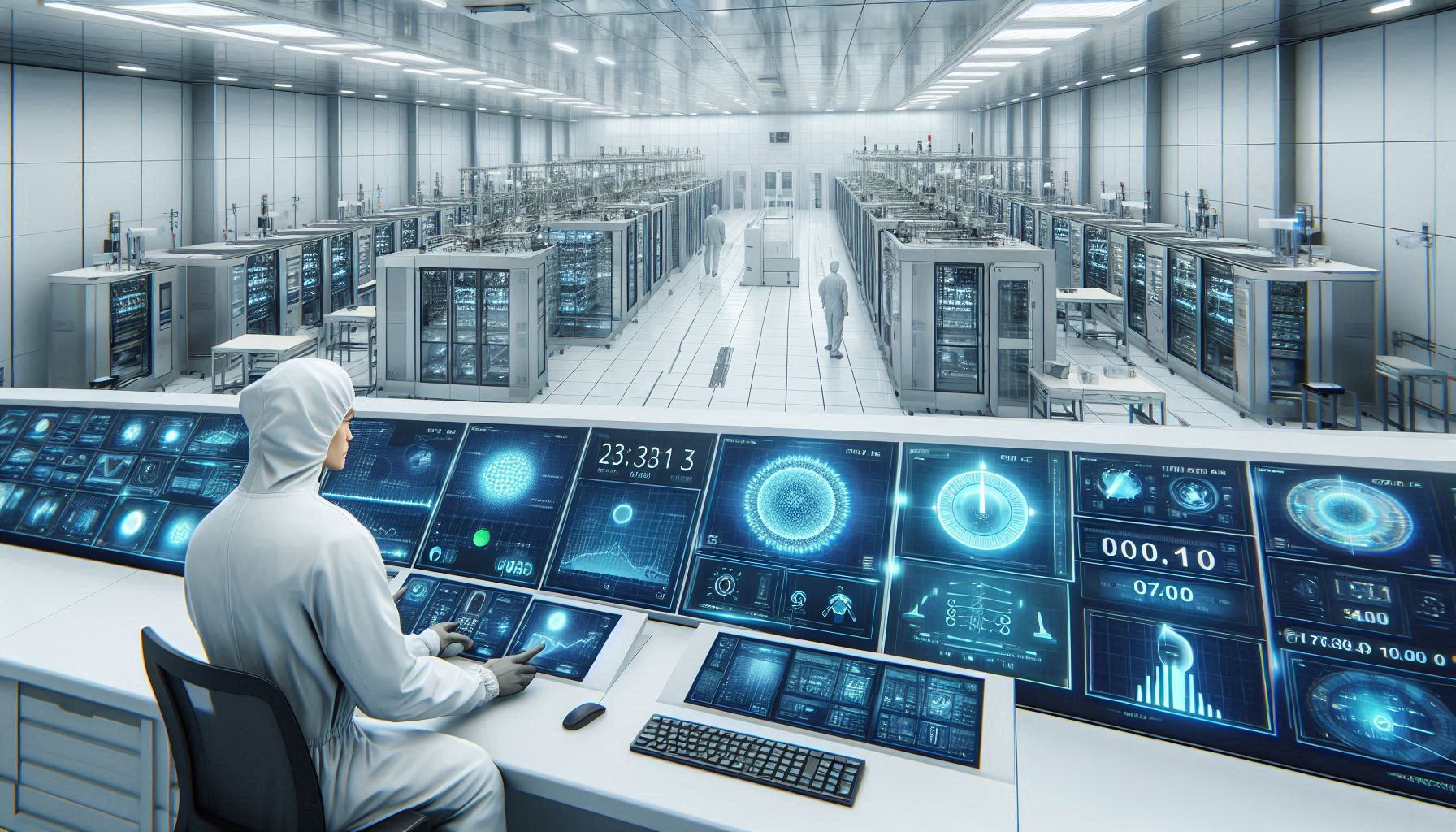
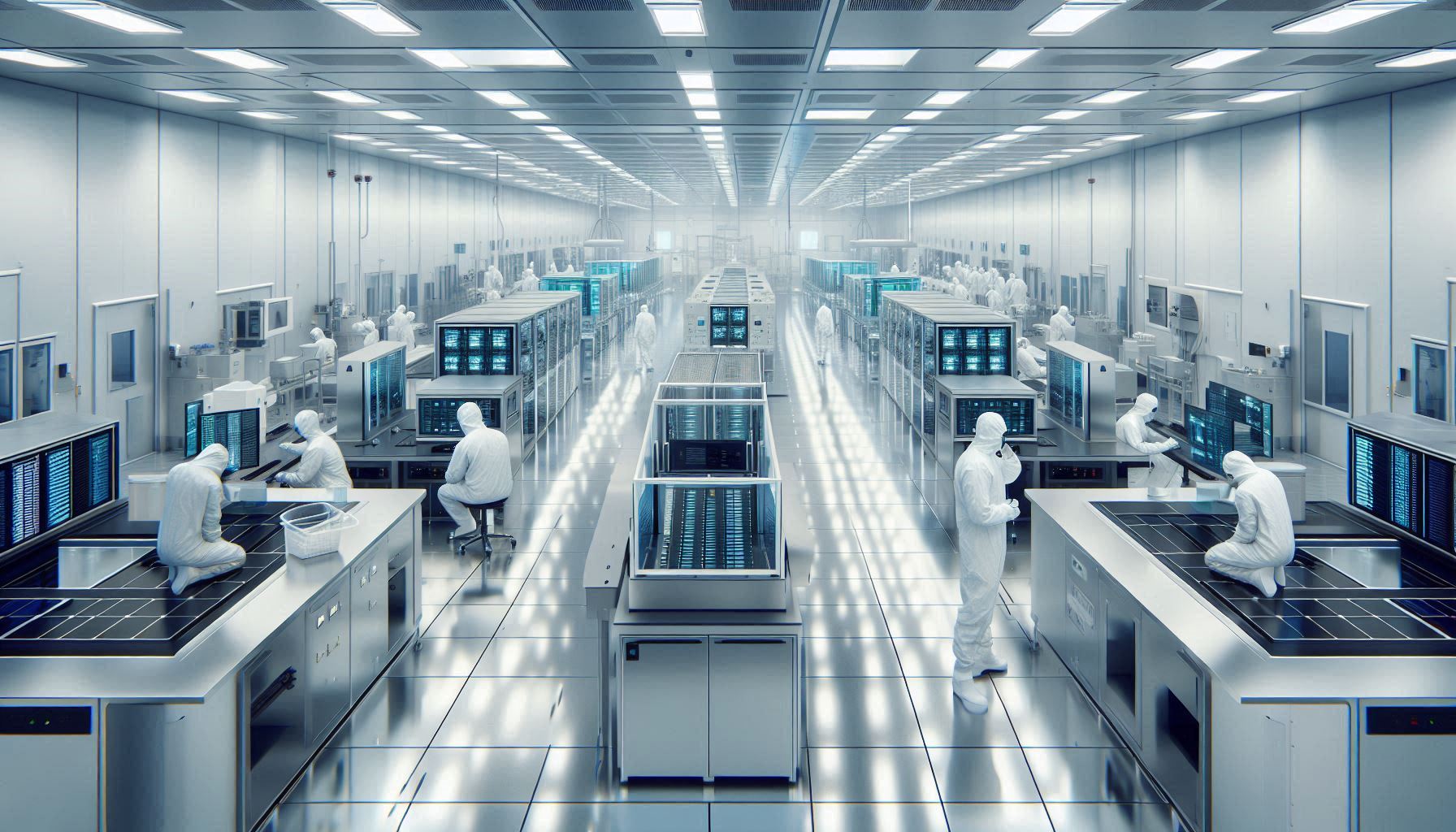
Cleanroom semiconductor manufacturing with advanced HVAC contamination control system.

Airborne Contamination Control in Semiconductor Manufacturing is not merely a process; it stands as a cornerstone for ensuring product purity and optimal yield in high-tech production environments. In semiconductor facilities, even the tiniest particle or molecule can have a profound impact on integrated circuit performance. This chapter delves into the critical techniques and strategies that engineers employ to manage and mitigate airborne contaminants. As contamination levels must be controlled down to the submicron scale, the technological approaches outlined here emphasize active monitoring, filtration, and cleanroom design, all essential for maintaining operational excellence in semiconductor manufacturing. In doing so, we explore how effective airborne contamination control directly contributes to enhanced reliability and improved production outcomes.

Understanding Airborne Contamination in Semiconductor Manufacturing

Airborne contamination refers to the presence of undesired particles, chemical vapors, and molecular compounds suspended in the air—elements that can disrupt delicate semiconductor fabrication processes. Within semiconductor manufacturing, such contaminants can originate from construction materials, human activities, and chemical processes. The unique environment of a semiconductor facility requires that every airborne particulate, whether solid or gaseous, be carefully regulated. Engineers and facility managers leverage advanced HVAC systems, coupled with high-efficiency filters, to maintain the stringent cleanliness standards that are paramount for modern chip fabrication. The clarity in understanding these threats fosters the development of innovative contamination control strategies and sophisticated air monitoring systems. For further insights into sophisticated design approaches, one can review our detailed guide on Clean Room Design and Construction.

Sources and Types of Airborne Contaminants in Semiconductor Environments

In semiconductor cleanrooms, airborne contaminants can be broadly categorized into particulate matter, chemical vapors, and microbial agents. Particulates, which include dust and microfibers, are typically generated by human movement, equipment operation, or even from the natural shedding of materials. Chemical vapors—often byproducts of process chemicals—can infiltrate the manufacturing environment, posing risks to delicate circuitry. Furthermore, microbial contaminants, although less common, present potential hazards if proper environmental controls are not in place. Each contaminant type requires specific methods of detection and elimination. Advanced sensors and real-time monitoring systems help detect even trace concentrations, ensuring an immediate response to any deviation from baseline conditions. These vigilant practices enable semiconductor facilities to systematically address potential yield losses.

Impact of Airborne Contamination on Semiconductor Yield and Reliability

The semiconductor industry is extremely sensitive to airborne contamination due to the minuscule dimensions involved in chip fabrication. Even a single microscopic particle can cause defects that compromise the functionality of integrated circuits. Such contaminants can lead to yield losses, increased rework, and even severe operational delays. In many cases, these yield penalties result in significant financial costs and diminished product reliability. It is not uncommon for modern semiconductor fabs to invest heavily in contamination control measures to avoid the devastating impact of so-called “killer defects.” By proactively managing airborne contaminants, manufacturers not only protect their production lines but also foster long-term reliability and performance improvements. This proactive approach ensures that each chip meets the exacting standards dictated by today’s technology nodes.

Filtration Technologies: HEPA and ULPA Filters in Cleanrooms

Filtration technologies are at the heart of airborne contamination control in semiconductor manufacturing. High-Efficiency Particulate Air (HEPA) filters and Ultra-Low Particulate Air (ULPA) filters are engineered to capture extremely small particles, ensuring that only clean air circulates within the production environment. HEPA filters typically remove at least 99.97% of particles down to 0.3 microns, while ULPA filters offer an even higher degree of filtration efficiency. The integration of these filters within HVAC systems designed for semiconductor cleanrooms is critical. In this setting, filter performance is continuously monitored through a combination of differential pressure sensors and periodic validation tests. Such measures guarantee that filters are replaced or serviced before performance degrades, thereby preventing potential contamination events. For instance, a semiconductor facility in India recently reported a 25% reduction in energy use and enhanced yield stability after upgrading its filter system.

Continuous Monitoring and Real-Time Detection of Airborne Contaminants

Modern semiconductor facilities have embraced continuous monitoring systems that provide real-time insight into airborne contamination levels. Advanced sensors, including ion mobility spectrometers and innovative airborne molecular contaminant detectors, can measure pollutant levels in parts-per-billion (ppb) ranges. These systems are capable of detecting both routine background contaminants and sudden spikes in contamination due to process upsets. By continuously collecting data, facility managers can not only identify emerging issues but also predict trends that may necessitate proactive maintenance or design adjustments. The use of such technology elevates the overall cleanliness and performance of the manufacturing process. In many cases, incorporating smart controllers and automated alerts ensures rapid responses to contamination events, significantly reducing the risk of yield loss. Advanced air quality sensors [like these] also offer affiliate purchasing options that can complement an existing cleanroom setup.

Cleanroom Design for Effective Contamination Control

The blueprint of a semiconductor cleanroom is crucial to the success of its contamination control strategy. Effective design involves strategic layout planning that directs laminar airflow, minimizes turbulence, and segregates critical process areas from potential contamination sources. Careful zoning ensures that personnel, materials, and machinery maintain a disciplined flow throughout the facility. One key aspect is the incorporation of pressure differentials to create gentle barriers between clean and less clean areas. In addition, the design process must consider the integration of advanced HVAC components that support real-time monitoring and rapid environmental adjustments. For detailed methods and innovative strategies in this field, readers may find our article on Cleanroom Design Challenges and How to Overcome Them highly informative. This integrated approach is essential to safeguard the semiconductor manufacturing process against airborne contaminants.

Compliance with International Standards and Codes

Maintaining strict airborne contamination control requires adherence to both national and international standards. Semiconductor facilities in India, for example, must navigate guidelines set by local bodies such as the Bureau of Indian Standards (BIS) in conjunction with globally recognized standards. International codes like ASHRAE and ISHRAE provide rigorous frameworks for HVAC design and operation. Compliance with these standards ensures that cleanroom environments meet necessary criteria for temperature control, humidity regulation, and particulate filtration. Meeting such standards not only boosts process reliability but also reinforces the facility’s commitment to safety and quality. Facility audits and regular performance evaluations serve to validate adherence to these standards and to identify areas for iterative improvement. Overall, global standards push semiconductor manufacturers toward a higher level of operational excellence.

Smart Controls and Automation in Airborne Contamination Control

The rise of digital technologies has revolutionized airborne contamination control in semiconductor manufacturing through the use of smart controls and automation. Intelligent HVAC systems now incorporate machine learning algorithms and IoT connectivity to optimize environmental conditions continuously. Automated systems adjust airflow, pressure, and filtration rates dynamically in response to real-time sensor data. This automation not only enhances precision but also reduces the need for manual intervention, thereby minimizing human error. Smart monitoring solutions enable facility managers to schedule preventive maintenance, predict potential system failures, and quickly respond to any anomaly. Moreover, these systems empower factories to reduce energy consumption while upholding environmental standards. For additional insights on innovative HVAC solutions, check out our article on Innovative HVAC for Semiconductor Manufacturing.

Best Practices and Maintenance Strategies for Contamination Control

Implementing best practices in airborne contamination control involves the coordinated efforts of design, monitoring, and maintenance. Preventive maintenance plays a vital role in ensuring that HVAC systems and associated components like filters and sensors continue to operate at peak performance. Regular cleaning protocols, coupled with re-calibration of monitoring equipment, are essential to detect deviations from the norm. Facilities establish strict gowning and material handling procedures to further minimize the risk of contaminant ingress. Additionally, a culture of continuous improvement drives iterative upgrades, based on performance data trends and technological advances. Detailed documentation and routine training for personnel ensure that everyone in the facility adheres to contamination control protocols. These best practices significantly reduce downtime and maintain high throughput in semiconductor manufacturing.

Case Studies: Successful Implementation in Semiconductor Facilities

Several semiconductor facilities around the world have successfully implemented robust airborne contamination control measures, leading to substantial improvements in yield and efficiency. For example, one facility in Bangalore integrated state-of-the-art real-time monitoring systems with automated filter replacement protocols. This integration not only improved the overall cleanliness of the production environment but also resulted in a significant reduction in maintenance costs. Similarly, a facility in Europe showcased the effectiveness of combining smart controls with advanced HEPA and ULPA filtration, thereby reducing contaminant levels to near-zero. Such case studies highlight the importance of proactive contamination control and serve as benchmarks for other manufacturers. For more on innovative solutions in semiconductor environments, refer to our comprehensive post on India Semiconductor Innovative for Cleanroom Tech for Growth.

Emerging Trends and Future Directions in Contamination Control

The future of airborne contamination control in semiconductor manufacturing appears increasingly intertwined with technological innovation and sustainability. As device geometries become even smaller and production standards more rigorous, emerging trends such as AI-driven analytics, predictive maintenance, and IoT-enabled control systems are set to revolutionize cleanroom operations. Advances in sensor technology, including the use of compact, high-resolution detectors, promise to provide even more granular control of the manufacturing environment. Additionally, sustainable solutions—like energy-efficient HVAC retrofits and green building certifications—are gaining traction. These trends not only pave the way for enhanced contamination control but also align with broader global sustainability goals. Manufacturers who invest in these forward-thinking technologies are well poised to realize significant operational and environmental benefits.

Integrating Advanced Technologies into Existing Systems

Transitioning from traditional contamination control methods to advanced technological solutions can be challenging yet rewarding. Upgrading existing HVAC systems with smart components and enhanced sensors can lead to marked improvements in contamination monitoring and overall air quality management. The integration process usually involves phased implementations and rigorous testing, ensuring that new systems harmonize with legacy infrastructure. Additionally, the integration of advanced data analytics allows facility managers to identify subtle trends in contaminant levels and adjust operations accordingly. This seamless convergence of technology and process management not only maximizes cleanroom performance but also optimizes energy usage and maintenance schedules. Manufacturers have witnessed clear benefits including reduced downtime and improved product quality, thus solidifying the role of modern technologies in airborne contamination control.

The Role of Training and Human Factors

Even in an era of automation, human factors remain critical in the successful control of airborne contamination. Continuous training programs for staff, regular safety drills, and a clear understanding of contamination risks are essential components of a comprehensive control strategy. Personnel are trained to recognize early signs of contamination and to follow strict gowning and procedural protocols. By fostering a culture where every team member is aware of their role in contamination control, semiconductor manufacturers can significantly lower the risk of inadvertent lapses. Moreover, effective communication between technical teams and facility management further enhances response times and preventative measures. The human factor, therefore, acts as both a safeguard and a complement to technological systems, ensuring robust and reliable contamination control.

Operational Challenges and Innovative Solutions

Operating in a semiconductor manufacturing environment is replete with challenges—particularly in managing airborne contaminants. Fluctuating process conditions, unexpected equipment failures, and human error can all contribute to contamination risks. However, innovative engineering solutions are emerging to tackle these obstacles. One notable example is the utilization of real-time analytics powered by AI, which identifies potential contamination events before they escalate. Additionally, modular HVAC designs allow facilities to isolate and address issues rapidly without disrupting the entire cleanroom environment. Such operational innovations not only enhance performance but also boost overall facility resilience. By merging practical experience with cutting-edge technology, semiconductor manufacturers can effectively maintain stringent airborne contamination control.

Maintaining a Competitive Edge through Airborne Contamination Control

In today’s tough semiconductor market, keeping a clean manufacturing environment is key to success. Proactive airborne contamination control translates into improved yield, reduced rework costs, and enhanced product reliability. Businesses that prioritize these measures position themselves at the forefront of technological innovation, ensuring that they can meet the ever-evolving demands of a high-tech market. Ultimately, efficient contamination control instills confidence in clients and stakeholders alike. It becomes a strategic asset, driving operational excellence and strengthening a company’s competitive advantage. As the industry continues to evolve, those who invest in robust control systems will likely achieve sustained success in both performance and profitability.

FAQs

1. What are the primary sources of airborne contamination in semiconductor manufacturing?

Airborne contaminants can arise from human movement, process chemicals, construction materials, and even equipment operation. Dust, chemical vapors, and microbial agents can negatively impact production quality, making rigorous air filtration and control essential.

2. How do HEPA and ULPA filters contribute to contamination control?

HEPA filters capture 99.97% of particles down to 0.3 microns, and ULPA filters provide even better filtration. These filters ensure clean air circulation, preventing microscopic particles from affecting semiconductor fabrication processes.

3. Why is airborne contamination a critical concern in semiconductor fabrication?

Semiconductor chips are highly sensitive to even the smallest impurities. Airborne particles can lead to defects in microcircuits, causing yield losses and reliability issues in finished products.

4. How does HVAC design impact contamination control in semiconductor cleanrooms?

Proper HVAC systems regulate airflow, maintain temperature and humidity stability, and utilize pressure differentials to prevent contaminants from migrating into critical areas. Smart monitoring further enhances control.

5. What role do advanced air monitoring systems play in contamination prevention?

Real-time monitoring sensors detect airborne contaminants at submicron levels, enabling immediate adjustments in air filtration and airflow. These systems help minimize contamination risks and maintain stringent cleanliness standards.

6. How do cleanroom zoning strategies help minimize contamination?

Cleanroom zoning involves segmenting areas based on contamination sensitivity. Pressure differentials between zones prevent cross-contamination, ensuring a controlled environment where airborne particles are kept at bay.

7. What international standards govern airborne contamination control in semiconductor facilities?

Semiconductor cleanrooms follow global standards like ISO 14644, ASHRAE, and ISHRAE for air quality, HVAC systems, and contamination control practices.

8. What are the future trends in airborne contamination control for semiconductor manufacturing?

AI-driven analytics, IoT-enabled sensors, and real-time predictive maintenance are shaping contamination control strategies. Sustainable filtration solutions and automated airflow adjustments further optimize cleanroom conditions.

About the Author

Mr. Om Prakash, with over 18 years of hands-on experience in the HVAC industry, brings unmatched expertise in cleanroom, pharmaceutical, semiconductor, data center, commercial, and industrial HVAC systems. As the founder of HVAC Technocrat, he specializes in customized HVAC design, energy efficiency audits, retrofit planning, and turnkey consultancy services across India. His deep understanding of critical environments and complex building needs ensures every solution is efficient, reliable, and future-ready. Through his writings, he simplifies HVAC concepts and shares real-world insights to support professionals, facility managers, and decision-makers. For any enquiries or project support, feel free to call or WhatsApp at +91 9908091942, email at hvactechnocrats@gmail.com, or visit www.hvactechnocrat.com also follow LinkedIn profile: https://www.linkedin.com/in/hvactechnocrats/

Disclaimer:

The content here is intended solely for educational and informational purposes. All case studies, examples, and hypothetical scenarios are illustrative in nature and do not refer to, endorse, or represent any actual company, organization, or product. Any similarity to real-world entities or events is purely coincidental. Readers are encouraged to verify any technical details or operational recommendations with additional, independent research prior to implementation. The author and publisher assume no responsibility or liability for any errors, omissions, or outcomes resulting from the use of this material.

Semiconductor Clean Rooms: How to Design HVAC Systems

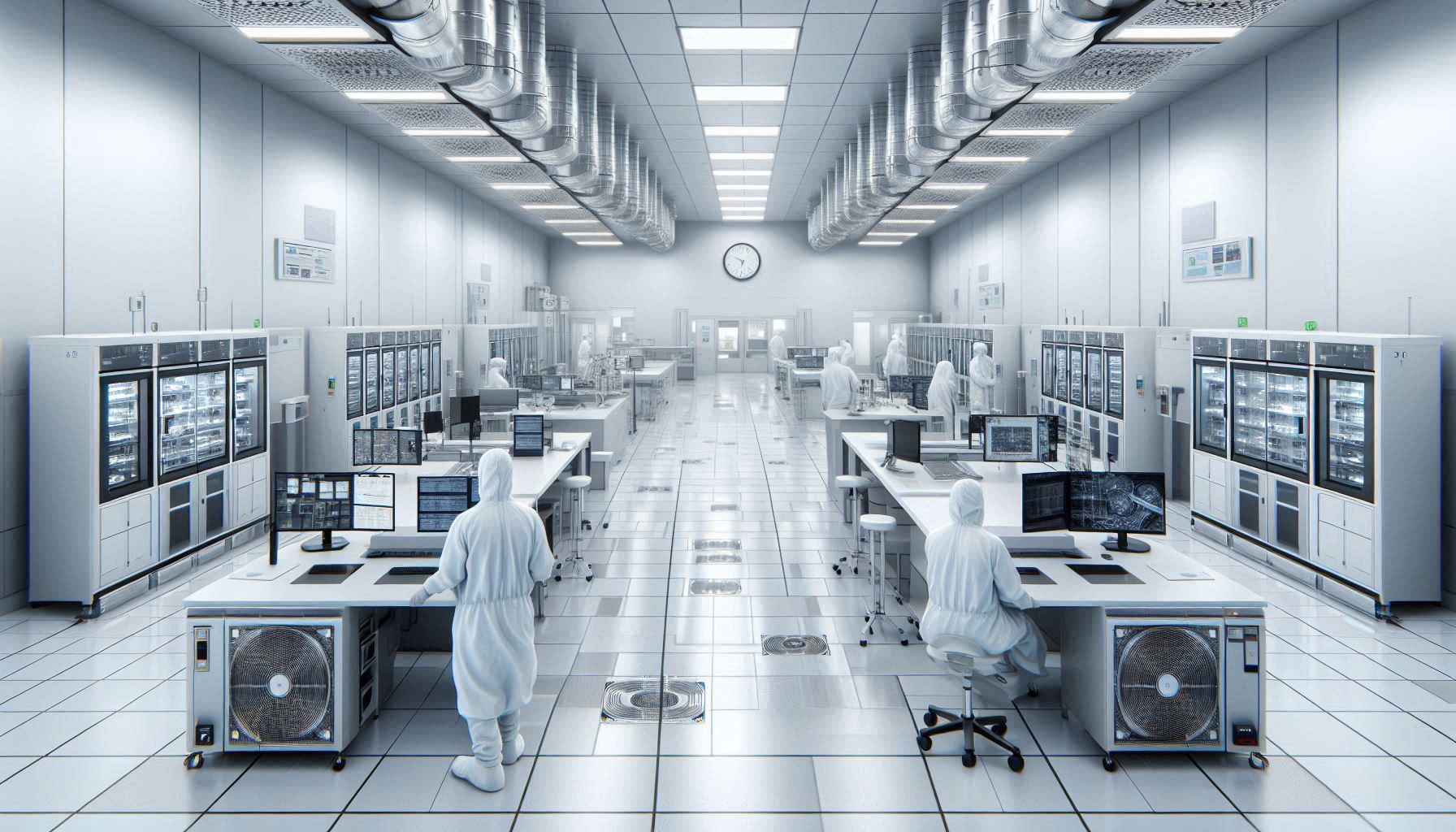
Semiconductor clean rooms technician checking HEPA filter integrity.

In semiconductor manufacturing, where nanoscale precision is non-negotiable, maintaining an ultra-clean environment is paramount. This is where semiconductor clean rooms come into play—controlled spaces engineered to eliminate airborne contaminants that could compromise wafer integrity and chip performance.

But what powers these pristine environments? The answer lies in highly specialized HVAC systems designed not for comfort, but for ultra-precise environmental control.

What Is the Concept of Clean Rooms?

A clean room is a controlled space where pollutants such as dust, microbes, aerosols, and chemical vapors are filtered out using advanced air purification systems. These rooms maintain strict limits on particulate matter, temperature, humidity, and pressure, ensuring that sensitive processes like photolithography and deposition can occur without interference.

Semiconductor fabrication, biotech research, and pharmaceutical production all rely on cleanrooms to ensure product yield and quality.

Clean Room Meaning and Containment

The core principle of a clean room is containment—either protecting the process from contamination (positive pressure) or protecting personnel from hazardous materials (negative pressure). In semiconductor clean rooms, the focus is on keeping the manufacturing area free from particles as small as 0.1 microns.

Containment is achieved through:

  • HEPA/ULPA filtration
  • Laminar airflow patterns
  • Pressure-controlled zones
  • Controlled entry protocols

What Are the Different Types of Cleanrooms?

Clean rooms are categorized based on airflow and application:

  • Turbulent Airflow Cleanrooms: Random air movement; suitable for ISO Class 7–9.
  • Laminar Airflow Cleanrooms: Unidirectional flow (vertical or horizontal); ideal for ISO Class 1–5.

Other types include:

  • Modular Cleanrooms: Quick-to-deploy structures with flexible layouts.
  • Softwall & Hardwall Cleanrooms: Based on material durability and permanence.

Each type serves specific industrial needs, with laminar airflow being the gold standard for semiconductor manufacturing.

What Is a Clean Room in GMP?

Under Good Manufacturing Practices (GMP), a clean room is defined as a classified area where microbial and particulate levels are controlled within defined limits. These standards are crucial in both pharmaceutical and semiconductor industries to meet regulatory compliance from bodies like the FDA, EMA, and CDSCO.

Semiconductor Clean Rooms Classification

Semiconductor clean rooms adhere to ISO 14644-1 classification, which defines allowable particle counts per cubic meter:

ISO ClassMax Particles ≥0.3 µm/m³
ISO 110
ISO 2100
ISO 31,000
ISO 410,000
ISO 5100,000

Most semiconductor fabrication lines require ISO Class 3 or 4, equivalent to older Class 10 or Class 100 standards under FS 209E.

What Are the Requirements for a Semiconductor Clean Rooms?

To maintain the required conditions for microchip production, semiconductor clean rooms must meet stringent requirements:

  • Air Changes per Hour (ACH): Typically between 300–600 ACH
  • Temperature Control: Maintained at 22°C ± 0.5°C
  • Relative Humidity (RH): Kept at 45% ± 5% RH
  • Pressure Gradient: Positive pressure maintained to prevent ingress of contaminants
  • Particle Count: <10 particles ≥0.3 µm/m³ for ISO Class 3
  • Vibration & Electrostatic Discharge (ESD) Control
  • Material Compatibility: Use of non-shedding, ESD-safe materials

These parameters ensure optimal conditions for wafer processing, lithography, and deposition.

What Is the Temperature of a Semiconductor Clean Rooms?

Maintaining precise thermal conditions is critical. The standard operating temperature is typically kept at 22°C ± 0.5°C. Even minor fluctuations can affect wafer expansion, lithography accuracy, and equipment performance.

Humidity is also tightly controlled to prevent static buildup and condensation issues that could damage sensitive components.

HVAC Systems for Semiconductor Clean Rooms

The HVAC system is the backbone of any semiconductor clean room. It ensures continuous delivery of filtered, temperature- and humidity-controlled air to maintain ISO-defined cleanliness levels.

Key Components of Cleanroom HVAC Systems:

  • Makeup Air Units (MAUs): Deliver treated outdoor air to replace exhausted indoor air.
  • Recirculating Air Units (RAUs): Maintain climate control and filtration without constant fresh air intake.
  • HEPA/ULPA Filters: Installed at terminal ends to capture submicron particles.
  • Variable Frequency Drives (VFDs): For energy-efficient fan control.
  • Control Systems: BMS/BAS for real-time monitoring and adjustments.

These systems operate continuously, often with redundant backups to avoid process interruptions.

Cleanroom HVAC Design PDF and Calculations

Designing HVAC systems for semiconductor clean rooms involves complex calculations:

  • Airflow Volume (CFM/LPM): Based on room size and ACH.
  • Heat Load Analysis: Equipment, lighting, and people contribute to internal loads.
  • Humidity Control: Latent vs sensible cooling load.
  • Filter Pressure Drop and Efficiency
  • Duct Sizing and Velocity Optimization

Comprehensive HVAC design PDFs often include schematics, psychrometric charts, and control sequences tailored to ISO and ASHRAE standards.

Many companies publish detailed cleanroom HVAC design guides and calculation templates, which serve as valuable references during facility planning.

Semiconductor Cleanroom Design

An effective semiconductor cleanroom integrates:

  • Zoned Layouts: Separating critical process zones from support areas.
  • Personnel & Material Flow Protocols: Minimizing contamination risk.
  • Modular Flexibility: Allowing future reconfiguration.
  • Integrated Monitoring Systems: Real-time data logging and alerts.

Design should comply with ASHRAE Standard 170 and ISO 14644-1 for global compliance.

Semiconductor Clean Rooms Jobs

With India’s growing semiconductor industry, job opportunities in cleanroom operations are expanding rapidly. Key roles include:

  • Cleanroom Technicians
  • Process Engineers
  • HVAC Maintenance Specialists
  • Facility Managers
  • QA/QC Inspectors

These professionals work in leading firms involved in chip manufacturing, packaging, and testing.

Semiconductor Clean Rooms Standards

Semiconductor clean rooms follow globally recognized standards:

  • ISO 14644-1 & 2: Classification and compliance testing.
  • ASHRAE Handbook – HVAC Applications: Provides standards and best practices for cleanroom HVAC system design.
  • Federal Standard 209E: Legacy reference for many facilities.
  • IS 15518:2004: Indian standard for cleanrooms.

Adherence to these ensures consistency in product yield, quality, and regulatory approval.

Conclusion

In semiconductor manufacturing, even the smallest particle can cause catastrophic failure. That’s why HVAC systems in clean rooms go far beyond basic heating and cooling—they are precision-engineered to maintain ultra-low contamination levels, stable thermal conditions, and continuous operation.

From ISO classifications to HVAC design principles, every detail plays a role in ensuring that the next generation of chips meets the highest standards of reliability and performance.

About the Author

Mr. Om Prakash is a seasoned HVAC expert with over 18 years of experience in cleanroom, pharmaceutical, semiconductor, and data center HVAC systems. As the founder of HVAC Technocrat, he offers end-to-end consultancy and customized solutions across India. He simplifies complex HVAC concepts to help professionals and facility managers make informed decisions.

Connect with him on LinkedIn or visit www.hvactechnocrat.com for expert guidance.

Pharma Cleanroom: Top Trends in Technology for 2025

A modern pharma cleanroom with advanced monitoring systems.

The pharmaceutical industry is evolving rapidly, and pharma cleanrooms are at the forefront of this transformation. As we approach 2025, advancements in technology are reshaping how cleanrooms are designed, operated, and maintained to ensure compliance with stringent standards like ISO Class 5, ASHRAE, and ISHRAE. These innovations not only enhance efficiency but also improve product quality and safety. In this article, we’ll explore the top trends in pharma cleanroom technology for 2025, offering insights into how these advancements can benefit your operations.

Understanding the Role of Pharma Cleanroom

A pharmaceutical cleanroom is a carefully controlled space designed to limit contaminants such as dust, airborne microbes, and aerosol particles. This environment is crucial for producing safe, high-quality medications that meet strict industry standards. These environments are critical for processes such as drug formulation, packaging, and sterile manufacturing. For instance, maintaining precise temperature and humidity levels in a cleanroom ensures the stability of sensitive compounds, while advanced filtration systems prevent contamination.

Learn more about cleanroom classifications and their importance in our detailed guide on cleanroom technology.

Emerging Technologies in Pharma Cleanroom

As we look toward 2025, several technological trends are set to revolutionize pharma cleanrooms:

AI-Driven Monitoring Systems

Artificial intelligence (AI) is transforming cleanroom operations by enabling real-time monitoring and predictive maintenance. AI-powered sensors can detect anomalies in air quality, temperature, and humidity, alerting operators before issues escalate. For example, a pharmaceutical facility in Hyderabad reduced contamination risks by 40% after implementing AI-driven monitoring systems. Explore how AI optimizes HVAC systems in data centers here.

Automation and Robotics

Automation is becoming increasingly prevalent in pharma cleanrooms, with robotic systems handling repetitive tasks like material handling and equipment sterilization. This minimizes human intervention, reducing the risk of contamination. For instance, a leading biotech company in Pune integrated robotic arms for packaging, achieving a 25% increase in operational efficiency.

Advanced Filtration Systems

HEPA and ULPA filters remain staples in cleanroom design, but innovations such as electrostatic filtration and UV-C disinfection are gaining traction. These technologies ensure superior air quality by trapping submicron particles and neutralizing pathogens. Discover more about indoor air quality solutions here.

Sustainable Cleanroom Design

Sustainability is a growing priority in cleanroom design. Energy-efficient HVAC systems, renewable energy sources, and eco-friendly materials are being incorporated to reduce carbon footprints. For example, a pharma plant in Bengaluru achieved LEED certification by integrating solar-powered HVAC units. Learn more about sustainable HVAC systems here.

Challenges in Pharma Cleanroom Technology

While modern technologies bring impressive advantages, they also come with their own set of challenges:

High Initial Costs

Implementing cutting-edge technologies like AI and robotics requires substantial investment. However, the long-term savings in energy efficiency and reduced contamination risks often justify the expense.

Regulatory Compliance

Meeting national and international standards such as ISO Class 5, BIS, and ECBC is non-negotiable. Regular audits and certifications ensure adherence to these guidelines.

Skilled Workforce Shortage

Operating advanced cleanroom technologies demands specialized skills. Training programs and workshops are essential to equip workers with the necessary expertise.

Case Studies: Real-World Applications

To better understand the impact of these trends, let’s look at some real-world examples:

Data-Driven Cleanroom Optimization

For example, a pharmaceutical company in Mumbai adopted IoT-enabled sensors to track air quality and monitor pressure differences in real time, ensuring tighter control over cleanroom conditions. This proactive approach reduced contamination incidents by 35%, ensuring consistent product quality.

Green Cleanroom Initiatives

A Chennai-based facility adopted geothermal HVAC systems to achieve energy savings of up to 30%. By leveraging renewable energy, they not only reduced operational costs but also contributed to environmental sustainability. Explore geothermal HVAC options here.

Future Trends in Pharma Cleanroom

Looking ahead, several trends are expected to shape the future of pharma cleanrooms:

Integration of Blockchain Technology

Blockchain can enhance traceability and transparency in pharmaceutical manufacturing. By recording every step of the production process, it ensures compliance and reduces the risk of counterfeit drugs entering the supply chain.

Augmented Reality (AR) for Training

AR is being used to train cleanroom operators in a virtual environment, allowing them to practice procedures without risking contamination. This immersive approach improves learning outcomes and reduces training time.

Smart Materials in Construction

Innovative materials like antimicrobial coatings and self-healing surfaces are being used in cleanroom construction to minimize contamination risks and extend the lifespan of equipment.

Tips for Implementing Advanced Technologies in Pharma Cleanroom

To stay competitive in 2025, here are a few smart moves:

Adopt AI and IoT technologies to boost real-time system monitoring and support predictive maintenance for smoother operations. Look into renewable energy options, like solar-powered HVAC systems, to help lower operating costs and support sustainability goals. Prioritize staff training to ensure smooth adoption of new technologies.

FAQ: Pharma Cleanroom

What is a pharma cleanroom?
A pharma cleanroom is a controlled environment designed to minimize contaminants during pharmaceutical production, ensuring product safety and quality.

Why is temperature control important in a pharma cleanroom?
Temperature control is critical to maintaining the stability of sensitive compounds and preventing degradation during manufacturing.

How do HEPA filters work in cleanrooms?
HEPA filters trap particles as small as 0.3 microns, ensuring superior air quality in cleanroom environments.

What are the latest trends in pharma cleanroom technology?
Emerging trends include AI-driven monitoring, automation, advanced filtration systems, and sustainable design practices.

How can I ensure regulatory compliance in my cleanroom?
Regular audits, staff training, and adherence to standards like ISO Class 5 and ECBC are essential for maintaining compliance.

What role does sustainability play in cleanroom design?
Sustainability reduces energy consumption and environmental impact, aligning with global green building initiatives like IGBC and LEED.

Disclaimer

Some links in this article are affiliate links, such as those for Amazon products. These may generate a small commission at no extra cost to you, supporting our work. We never compromise editorial integrity for partnerships.

About the Author

Mr. Om Prakash, with over 18 years of hands-on experience in the HVAC industry, brings unmatched expertise in cleanroom, pharmaceutical, semiconductor, data center, commercial, and industrial HVAC systems. As the founder of HVAC Technocrat, he specializes in customized HVAC design, energy efficiency audits, retrofit planning, and turnkey consultancy services across India. His deep understanding of critical environments and complex building needs ensures every solution is efficient, reliable, and future-ready. Through his writings, he simplifies HVAC concepts and shares real-world insights to support professionals, facility managers, and decision-makers. For any enquiries or project support, feel free to call or WhatsApp at +91 9908091942, email at hvactechnocrats@gmail.com, or visit www.hvactechnocrat.com.

Cleanroom Design: Challenges and How to Overcome

Advanced cleanroom design featuring HEPA filters and automated monitoring systems.

Cleanroom design is a cornerstone for industries that demand precision, sterility, and contamination control. From pharmaceuticals to biotechnology, cleanrooms are meticulously engineered environments where even the smallest oversight can compromise product quality or safety. However, designing and maintaining a cleanroom comes with its own set of challenges, ranging from real-time differential pressure maintenance to meeting high air change requirements as per ISO standards. This article delves into these critical challenges, offering insights and practical solutions based on real-world experiences.

Understanding the Basics of Cleanroom Design

At its core, cleanroom design focuses on creating an environment with minimal contamination. These spaces are classified based on ISO standards, which dictate allowable particle counts per cubic meter. For instance, an ISO Class 5 cleanroom permits fewer than 3,520 particles (0.5 microns or larger) per cubic meter, making it suitable for highly sensitive operations like semiconductor fabrication.

The key components of cleanroom design include high-efficiency particulate air (HEPA) filters, precise temperature and humidity controls, and specialized airflow systems. While these elements are essential, they also introduce unique challenges that require innovative solutions.

Let’s explore some of the most common challenges in cleanroom design and how they can be addressed effectively.

Cleanroom Design Requires Differential Pressure Maintenance in Real-Time

One of the most daunting challenges in cleanroom operation is maintaining differential pressure in real-time. Differential pressure ensures that air flows from cleaner areas to less clean areas, preventing contaminants from entering critical zones.

For example, during a defense project in Hyderabad, maintaining consistent differential pressure across multiple zones proved to be a significant challenge. The solution involved integrating advanced monitoring systems with IoT-enabled sensors that provided real-time data on pressure levels. Automated dampers were used to adjust airflow dynamically, ensuring compliance with required pressure gradients.

Such technologies not only simplify real-time maintenance but also reduce the risk of human error, making them indispensable for modern cleanroom designs.

High Air Change Requirements and Larger AHUs Makes Complex Cleanroom Design

ISO standards often mandate high air change rates to maintain cleanliness levels. For instance, an ISO Class 7 cleanroom may require 60-90 air changes per hour, necessitating larger air handling units (AHUs).

This requirement posed a significant challenge during the Hyderabad defense project. The sheer size of the AHUs required additional space and energy, complicating the design process. To address this, modular AHUs were employed, allowing for scalability and efficient use of space. Additionally, energy recovery systems were integrated to offset the increased energy consumption.

These strategies highlight the importance of balancing performance with practicality when designing cleanrooms with high air change requirements.

HEPA Ceiling Coverage is An Other challenge in Cleanroom Design

Another critical aspect of cleanroom design is achieving adequate HEPA ceiling coverage. HEPA filters play a vital role in removing airborne particles, but ensuring uniform coverage across the entire ceiling can be challenging.

In one pharmaceutical project, uneven HEPA coverage led to inconsistent particle counts in certain areas. The solution involved using computational fluid dynamics (CFD) analysis to optimize filter placement and airflow patterns. By simulating different configurations, engineers identified the most effective layout, ensuring uniform particle removal.

This case underscores the value of leveraging advanced tools like CFD analysis to overcome design challenges.

How to Handle Low Humidity Levels in Cleanroom Design

Certain applications, such as semiconductor manufacturing, require extremely low humidity levels to prevent issues like static electricity. Achieving and maintaining these conditions can be particularly difficult.

A project in Chennai highlighted this challenge when the facility struggled to maintain humidity below 30%. Desiccant wheels were introduced to address the issue, providing precise humidity control without compromising energy efficiency. This innovation not only resolved the problem but also improved overall system performance.

Desiccant wheels have since become a go-to solution for projects requiring stringent humidity control. Learn more about their benefits here.

Negative Pressure Systems for Biotech Applications

Designing negative pressure systems for biotechnology facilities, especially those handling viruses, presents unique challenges. A virology lab in Delhi required a robust negative pressure setup to ensure containment and prevent cross-contamination.

The solution involved installing specialized exhaust systems with redundant backups to maintain consistent negative pressure. Additionally, real-time monitoring systems were implemented to detect any deviations immediately. This approach not only ensured compliance with safety standards but also enhanced operational reliability.

This case study demonstrates the importance of redundancy and real-time monitoring in critical applications.

Case Study: Overcoming Multiple Challenges in a Single Project

A recent cleanroom project in Pune faced a combination of the above challenges. The facility required high air change rates, precise humidity control, and strict differential pressure maintenance. By integrating modular AHUs, desiccant wheels, and IoT-enabled monitoring systems, the team successfully addressed all requirements.

The result? A 20% reduction in energy consumption and a significant improvement in operational efficiency. This project serves as a testament to the power of innovative design and technology integration.

Best Practices for Cleanroom Maintenance

Maintaining a cleanroom requires a proactive approach. Here are some best practices:

  • Regular Filter Replacement: HEPA filters should be replaced periodically to ensure optimal performance.
  • Employee Training: Staff working in cleanrooms must follow strict protocols, such as wearing appropriate attire and adhering to hygiene standards.
  • Continuous Monitoring: Use IoT-enabled sensors to monitor environmental parameters and detect anomalies early.
  • Scheduled Audits: Conduct regular audits to ensure compliance with industry standards and identify areas for improvement.
  • Standard Operating Procedures: Establish a clear standard SOPs for men & material movement for easy maintenance avoiding cross contamination.

For more insights into cleanroom maintenance, check out HVAC Technocrat’s guide to cleanroom technology.

Emerging Trends in Cleanroom Design

AI and machine learning are reshaping cleanroom design by enabling predictive maintenance and optimizing energy efficiency. For example, AI-powered systems can predict HVAC failures before they occur, minimizing downtime and repair costs.

Another emerging trend is the use of modular cleanroom designs, which offer scalability and cost-effectiveness. Learn more about this innovation here.

FAQs

1. What is cleanroom design?

Cleanroom design involves creating controlled environments with minimal contamination, tailored to specific industry needs.

2. Why is differential pressure important in cleanrooms?

Differential pressure ensures that air flows from cleaner areas to less clean areas, preventing contaminants from entering critical zones.

3. How can automation improve cleanroom efficiency?

Automation enables real-time monitoring and predictive maintenance, reducing energy consumption and enhancing operational efficiency.

4. What are the challenges in cleanroom design?

Common challenges include maintaining differential pressure, meeting high air change requirements, and controlling humidity levels.

5. How can sustainability be integrated into cleanroom design?

Sustainability can be achieved through energy-efficient HVAC systems, renewable energy sources, and smart monitoring technologies.

6. What industries benefit from cleanroom design?

Industries such as pharmaceuticals, semiconductors, biotechnology, and healthcare rely heavily on cleanroom design.

Disclaimer

Disclosure: Some links in this article are affiliate links, such as those for Amazon products. These may generate a small commission at no extra cost to you, supporting our research. We never compromise editorial integrity for partnerships.

About the Author

About the Author: Mr. Om Prakash, with over 18 years of hands-on experience in the HVAC industry, brings unmatched expertise in cleanroom, pharmaceutical, semiconductor, data center, commercial, and industrial HVAC systems. As the founder of HVAC Technocrat, he specializes in customized HVAC design, energy efficiency audits, retrofit planning, and turnkey consultancy services across India. His deep understanding of critical environments and complex building needs ensures every solution is efficient, reliable, and future-ready. Through his writings, he simplifies HVAC concepts and shares real-world insights to support professionals, facility managers, and decision-makers.

For any enquiries or project support, feel free to call or WhatsApp at +91 9908091942, email at hvactechnocrats@gmail.com or visit www.hvactechnocrat.com

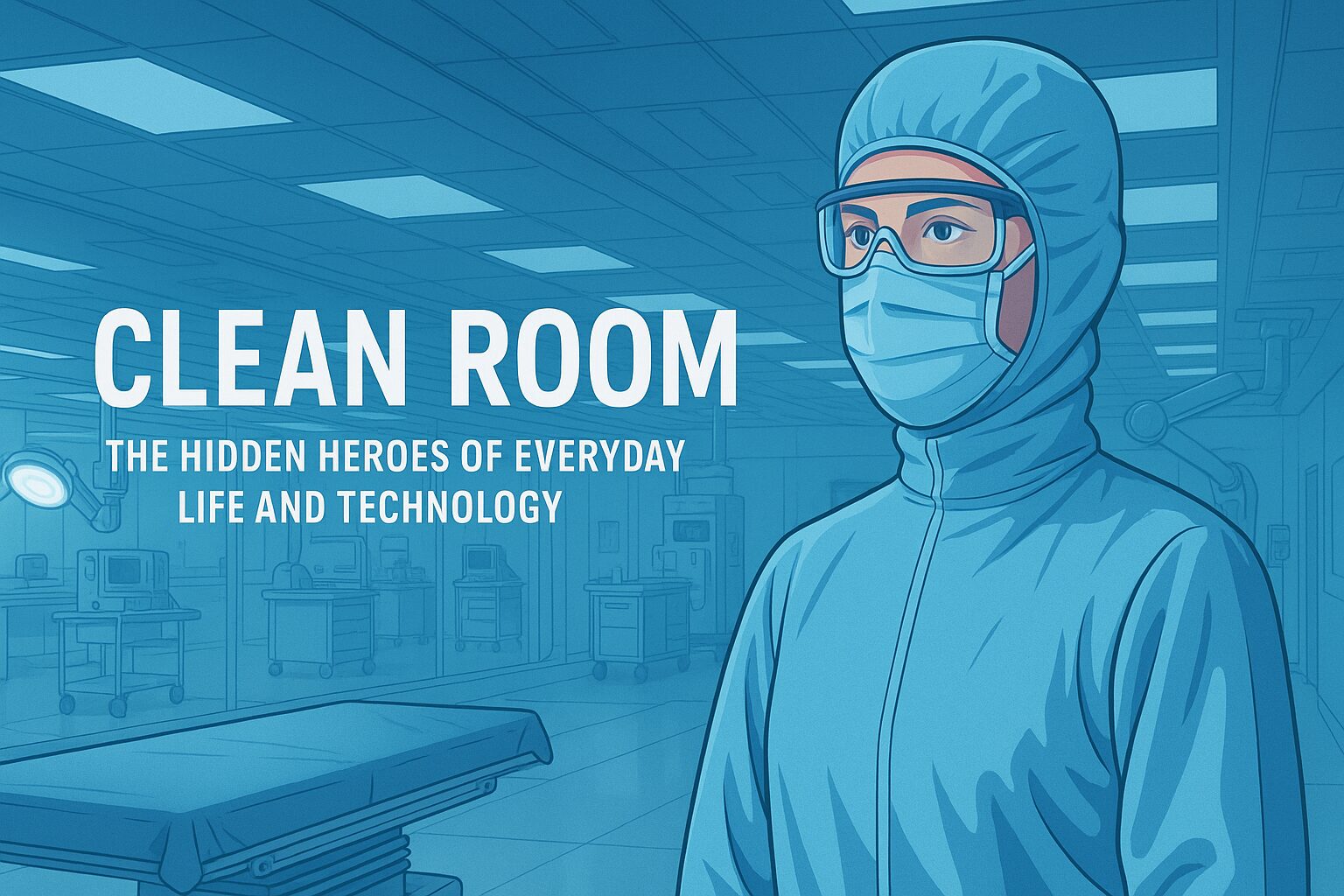
Clean Room: The Hidden Heroes of Everyday Life and Technology

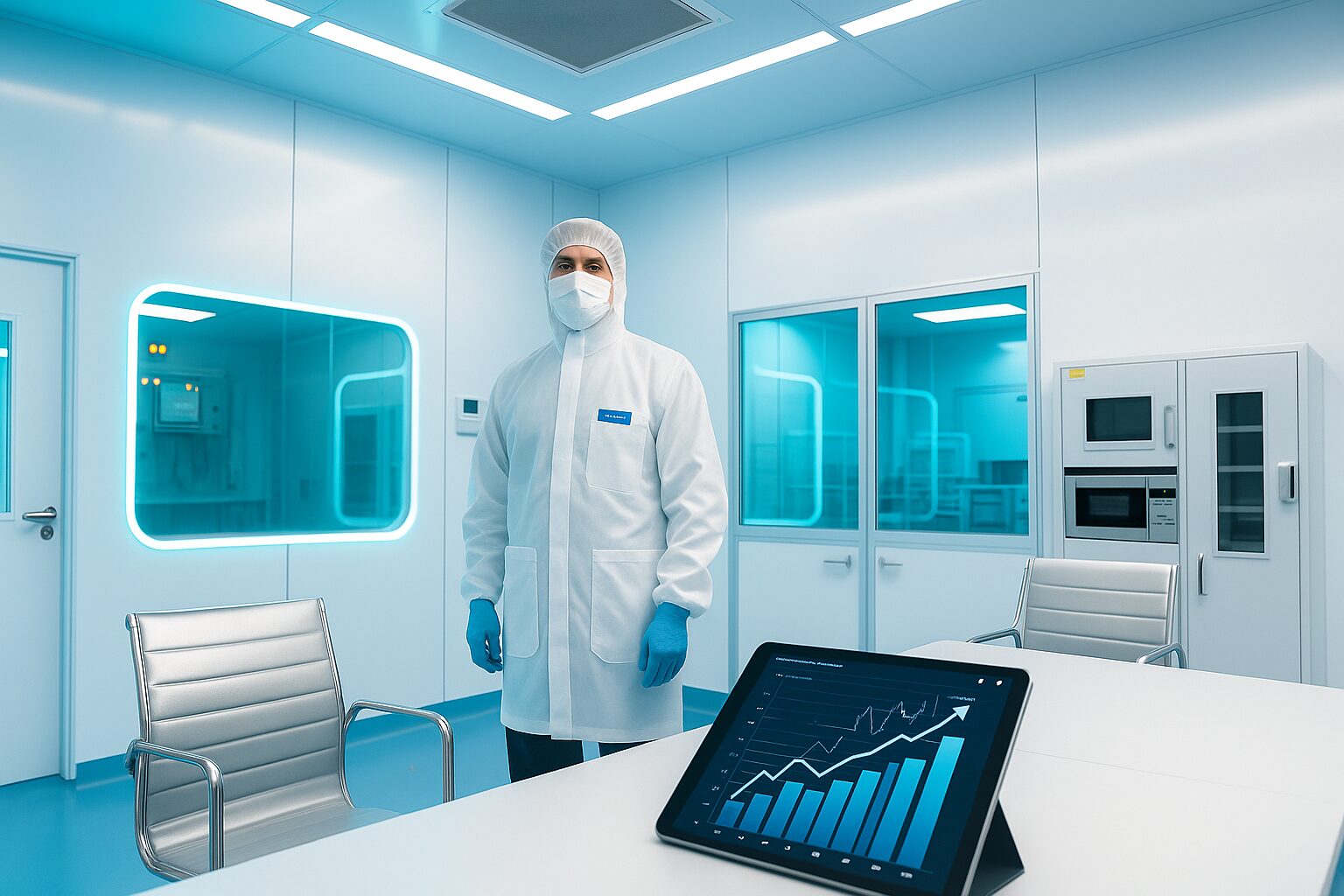
Technician in sterile PPE inspecting HEPA filters in a pharmaceutical cleanroom

What Defines a Clean Room?

A clean room is a controlled environment where airborne particles, temperature, humidity, and pressure are carefully regulated to prevent contamination. These environments are indispensable in industries where even a single speck of dust or microbe could spell disaster—think semiconductor fabrication, pharmaceutical production, or aerospace engineering. For example, a Hyderabad-based vaccine manufacturer reduced contamination risks by 40% after upgrading to ISO 5 cleanrooms.

Why Clean Rooms Are Non-Negotiable in Critical Industries

Clean rooms safeguard processes where precision is paramount:

  • Pharmaceuticals: Sterile drug production relies on HEPA filters (learn maintenance tips here ) and pressure gradients to block pathogens.
  • Semiconductors: Nanoscale chip fabrication demands particle counts as low as ISO 1 standards (≤10 particles/m³).
  • Healthcare: Operation theatres use laminar airflow systems to prevent surgical infections.

A Bengaluru semiconductor plant achieved ISO 14644-1 compliance by maintaining 300 air changes per hour (ACH), cutting defects by 25%.

Decoding Clean Room Classifications (ISO 1 to ISO 9)

Cleanrooms are classified based on the number of particles per cubic meter, following ISO 14644-1 standards:

  • ISO Classes: Range from ISO 1, the cleanest with 10 particles or fewer per cubic meter, to ISO 9, which reflects normal ambient air conditions.
  • Pharma Standards: EU GMP Grade A aligns with ISO 5 (≤3,520 particles/m³ ≥0.5µm).
  • Legacy systems: Class 100 correspond to ISO 5, which permits up to 100 particles per cubic foot.

A Delhi hospital avoided FDA penalties by aligning its OTs with ISO 8 standards, ensuring NABH conditions.

Types of Clean Room: From Modular to Soft-wall

Cleanrooms vary by construction and airflow design:

  1. Modular Cleanrooms:
    • Prefabricated panels allow scalability. Ideal for startups needing flexible setups.
    • Example: A Pune biotech lab used modular units to expand production during the pandemic.
  2. Conventional Cleanrooms:
    • Built from scratch, offering permanent solutions for large-scale operations.
  3. Softwall Cleanrooms:
    • Temporary, PVC-curtained spaces for low-risk tasks like packaging.
  4. Unidirectional Flow Rooms:
    • Laminar airflow (0.45 m/s) for sterile zones, reducing turbulence.

Designing Clean Room: Balancing Precision and Practicality

Designing a clean room involves integrating advanced systems to sustain critical conditions such as temperature, humidity, pressure gradients, and particle count. These environments require meticulous planning to meet industry-specific standards while balancing cost and functionality.

Key Components of Clean Room Design

  1. Airflow Systems:
  • Laminar Flow: Unidirectional airflow (typically downward) is used in sterile zones like pharmaceutical cleanrooms. This ensures that particles are removed from critical areas. For example, a Gujarat pharma facility achieved ISO Class 5 compliance using laminar flow systems.
  • Turbulent Flow: Non-unidirectional airflow suits less sensitive areas, such as packaging units, where particle control is less stringent.
  1. HVAC Integration:
  • HEPA Filters: Essential for trapping 99.97% of particles ≥0.3 microns. Regular maintenance of these filters is critical to avoid contamination risks.
  • Pressure Gradients: Positive pressure (+15 Pa) prevents external contaminants from entering, while negative pressure isolates hazardous materials in bio-safety labs.
  1. Material Selection:
  • Non-shedding surfaces like stainless steel and epoxy flooring minimize particle generation. A Bengaluru semiconductor plant reduced defects by 25% by using anti-static materials.

Balancing Cost and Compliance

Clean room costs vary widely:

  • ISO 5 Cleanrooms: ₹50,000–₹2 lakh per square foot.
  • Modular Cleanrooms: Prefabricated units offer flexibility for startups, reducing upfront investment.

Adherence to ISO 14644-1 and ASHRAE 170 standards is essential. A Delhi hospital avoided regulatory penalties by aligning its operation theatre design with these guidelines.

Emerging Trends in Clean Room Design

  • Sustainability: Solar-powered HVAC systems and energy recovery wheels reduce carbon footprints (learn more).
  • AI-Driven Monitoring: Predicts filter failures using airflow data.
  • Automation: Robotics and AI-driven sensors minimize human intervention, lowering contamination risks.

Case Study: Semiconductor Manufacturing

A Hyderabad semiconductor fab implemented low-velocity airflow systems and real-time particle monitoring, achieving Class 10 (ISO 4.5) compliance. This reduced chip defects by 30%, highlighting the ROI of precision design.

Challenges in Clean Room Design

  • Human Error: Particularly gowning mistakes, causes 80% of contamination incidents.
  • Energy Costs: High ACH (air changes per hour) demands significant power, driving innovation in energy-efficient HVAC systems.
  • Costs: ISO 5 cleanrooms cost ₹50,000–₹2 lakh/sq.ft

By prioritizing contamination control, airflow optimization, and sustainability, clean room design continues to evolve, supporting industries where precision is paramount.

Maintaining Critical Conditions: SOPs and Monitoring

Stringent protocols ensure compliance:

  • Gowning Procedures: Full PPE, including sterile suits and gloves.
  • Material Handling: Airlocks and ULPA filters for equipment entry.
  • Cleaning: Daily disinfection with ISO-certified agents.

IoT sensors now enable real-time tracking of temperature, humidity, and particle counts, as seen in smart HVAC systems.

FAQs

Q1: What is a clean room?
A: A controlled environment regulating particles, temperature, and pressure to protect sensitive processes.

Q2: What are ISO classifications?
A: ISO 1 to ISO 9 define cleanliness levels, with ISO 1 being the most stringent.

Q3: How do HEPA filters work?
A: They trap 99.97% of particles ≥0.3µm, essential for sterile environments.

Q4: What is a Class 100 cleanroom?
A: Equivalent to ISO 5, with ≤100 particles/ft³ ≥0.5µm.

Q5: Why is pressure gradient important?
A: It prevents contaminants from entering critical zones.

Q6: How to maintain a clean room?
A: Follow strict SOPs for gowning, cleaning, and HVAC upkeep (full guide ).

Disclaimer: Some links in this article are affiliate links, such as those for Amazon products. These may generate a small commission at no extra cost to you, supporting our work. We never compromise editorial integrity for partnerships.

About the Author
Mr. Om Prakash, with over 18 years of hands-on experience in the HVAC industry, brings unmatched expertise in cleanroom, pharmaceutical, semiconductor, data center, commercial, and industrial HVAC systems. As the founder of HVAC Technocrat, he specializes in customized HVAC design, energy efficiency audits, retrofit planning, and turnkey consultancy services across India. His deep understanding of critical environments and complex building needs ensures every solution is efficient, reliable, and future-ready. Through his writings, he simplifies HVAC concepts and shares real-world insights to support professionals, facility managers, and decision-makers. For any enquiries or project support, feel free to call or WhatsApp at +91 9908091942, email at hvactechnocrats@gmail.com , or visit www.hvactechnocrat.com . Follow his LinkedIn profile https://www.linkedin.com/in/hvactechnocrats/ for updates.

How to Replace and Maintain HEPA Filters in Operation Theatres

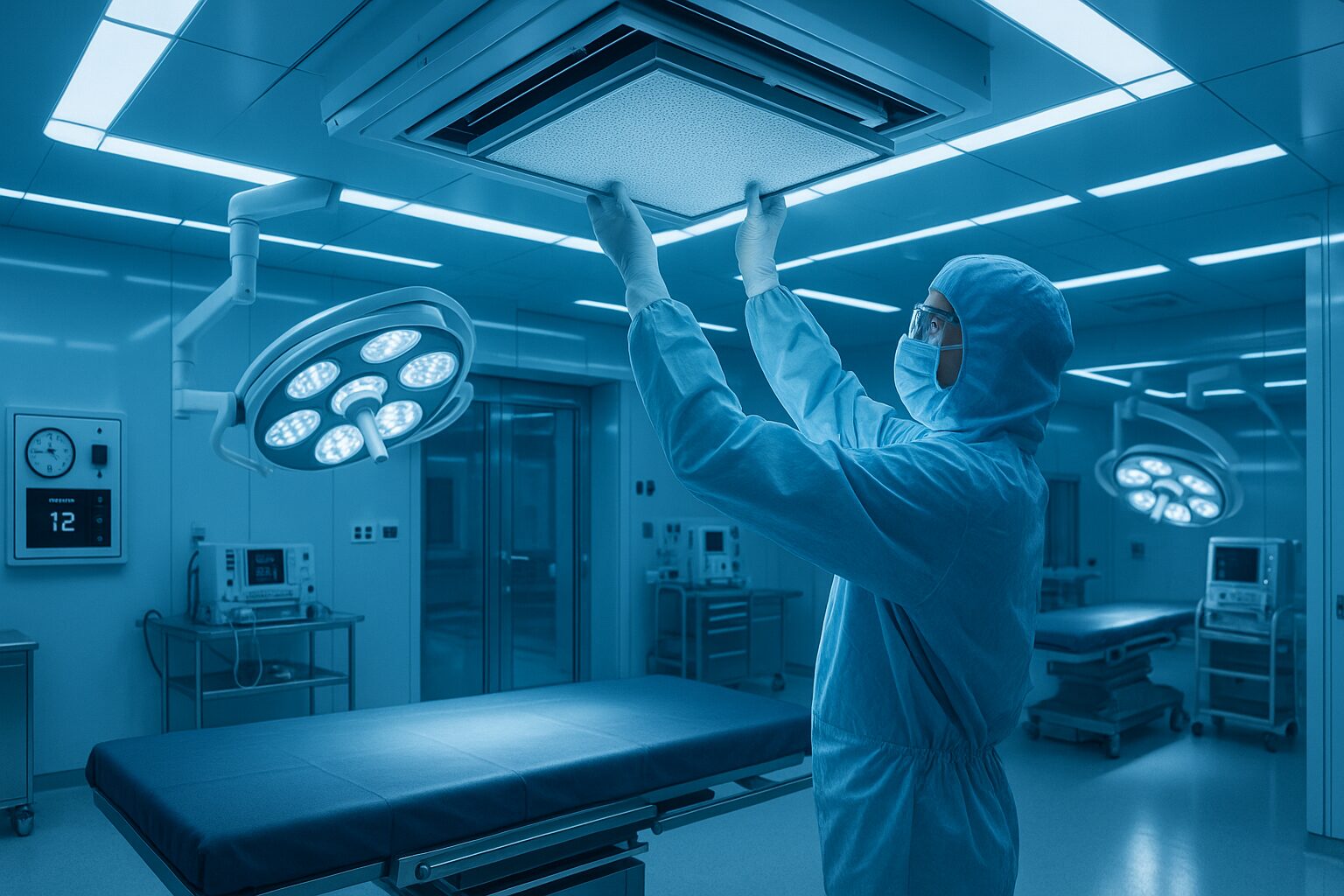
HEPA filter installation in an operation theatre for infection control

Why HEPA Filters Are Critical in Operation Theatres

In operation theatres, HEPA (High-Efficiency Particulate Air) filters are the unsung heroes safeguarding patient outcomes. These filters capture 99.97% of airborne particles as small as 0.3 microns, including bacteria, viruses, and surgical debris. Without proper HEPA filters maintenance, even minor contamination risks can lead to surgical site infections, compromising patient safety. For instance, a Mumbai-based hospital reduced post-surgery infections by 30% after upgrading its HEPA replacement protocol—a testament to their vital role.

What is the HEPA Filter

A HEPA (High-Efficiency Particulate Air) filter is a critical air purification technology designed to trap 99.97% of particles as small as 0.3 microns. These particles consist of dust, pollen, bacteria, viruses, and even smoke. Originally developed for nuclear facilities, HEPA filters are now indispensable in healthcare, cleanrooms, and homes. For instance, during the 2020 pandemic, hospitals globally relied on HEPA systems to reduce airborne virus transmission.

Where Are HEPA Filters Used

HEPA filters are crucial for industries that require ultra-clean environments. Key applications include:

  1. Cleanrooms
    • Pharmaceuticals: Used in sterile manufacturing zones to prevent microbial contamination. For example, a Pune-based pharma facility reduced batch rejections by 35% after upgrading to H14 HEPA filters.
    • Semiconductors: Eliminate nanoscale particles during chip fabrication. A semiconductor plant in Gujarat attained ISO Class 5 cleanliness by incorporating HEPA-integrated laminar airflow systems.
    • Biotechnology: Maintain aseptic conditions for cell culture and genetic research.
  2. Healthcare
    • Operation Theatres: Critical for infection control. A Chennai hospital reported a 40% drop in post-surgical infections after adopting HEPA-compliant HVAC systems.
    • Isolation Wards: Contain airborne pathogens like tuberculosis or SARS-CoV-2.
  3. Research & Development Labs
    • BSL-3/4 Labs: Handle hazardous bioagents safely. HEPA filters in exhaust systems guarantee no leakage of contaminants, ensuring a sterile environment.
    • Nanotechnology Labs: Capture nanoparticles during material synthesis.
  4. Industrial Settings
    • Petrochemical Refineries: Remove dust and fumes in hazardous zones. Explosion-proof HEPA systems are integrated with HVAC safety protocols to ensure secure and reliable operation in hazardous environments.
    • Aerospace Manufacturing: Protect precision components from debris.
  5. Commercial Spaces
    • Data Centers: Prevent dust from damaging servers.
    • Food Processing: Ensure compliance with FSSAI standards by filtering airborne microbes.

In India, a Bengaluru semiconductor plant uses HEPA filters to eliminate nanoscale contaminants, ensuring chip precision.

Types of HEPA Filters

HEPA filters are graded by efficiency:

  • H13 : 99.95% efficiency (common in homes and commercial spaces).
  • H14 : 99.995% efficiency (used in operation theatres and ISO 5 cleanrooms).
  • ULPA : Ultra-Low Penetration Air (ULPA) filters provide 99.999% efficiency, making them perfect for capturing nano-contaminants.

A Delhi hospital reduced surgical infections by 40%

Step-by-Step Guide to Replacing HEPA Filters

Replacing HEPA filters demands precision to maintain sterile environments. Follow these steps:

Step 1: Pre-Installation Preparation

  • Shut down HVAC systems to avoid contamination.
  • Use a particle counter to verify air quality before removal.

Step 2: Safe Removal and Disposal

  • Seal old filters in plastic bags immediately to prevent pathogen spread.
  • Follow biomedical waste disposal protocols as per India’s CPCB guidelines.

Step 3: Installation Best Practices

  • Ensure airtight seals using gaskets compliant with ASHRAE Standard 52.2 .
  • Test airflow post-installation to maintain 20–30 air changes per hour (ACH).

Maintenance Best Practices for Longevity

Regular upkeep extends HEPA filter lifespan and efficiency:

  • Inspect Monthly: Check for physical damage or clogging.
  • Monitor Pressure Drop: Replace filters when pressure exceeds 1.5 times the initial reading, as recommended by ISHRAE.
  • Clean Surrounding Areas: Dust near filter housings can compromise performance.
  • Humidity Control: Maintain relative humidity between 40–60% to prevent microbial growth and ensure optimal filter performance.

A Chennai hospital’s case study highlighted that quarterly inspections reduced filter replacements by 20%, aligning with ECBC (Energy Conservation Building Code) sustainability goals.

Compliance with Global and Indian Standards

Adherence to codes ensures operational and safety benchmarks:

  • ASHRAE Standard 52.2: Governs filter efficiency testing.
  • ISO 14644-1: Defines cleanroom air quality standards, which are essential for maintaining the sterile environment in modular operation theatres.
  • ISHRAE Guidelines: Recommend HEPA filter replacement every 1–3 years based on usage.

Linking these standards to practical applications, such as integrating HEPA systems with smart HVAC controls, enhances compliance and efficiency.

Challenges in HEPA Filter Management

Even seasoned facilities face hurdles:

  • Cost Concerns: High-grade HEPA filters cost ₹15,000–₹30,000 per unit.
  • Training Gaps: Staff errors during replacement can void warranties.
  • Humidity Control: Excessive moisture shortens filter life—a common issue in India’s monsoon-prone regions.

Future Trends: Smart Monitoring and Sustainability

Emerging technologies are reshaping HEPA maintenance:

  • IoT Sensors: Enable real-time tracking of filter performance (e.g., AI-driven HVAC systems).
  • Recyclable Filters: AI-powered HVAC systems forecast replacement schedules, cutting downtime by 30% and promoting sustainability. Reduce waste, supporting India’s push for circular economies.

HEPA Filters for Home Use

Home HEPA systems combat allergens like pollen and pet dander. Key considerations:

  • Room Size : Match the CADR (Clean Air Delivery Rate) to the room size to ensure optimal air filtration and efficiency.
  • Noise Levels : Opt for models under 50 dB for bedrooms.
  • Cost : Basic units start at ₹8,000, while medical-grade models cost up to ₹25,000 (shop HEPA filters ).

FAQs

Q1: How often should HEPA filters be replaced in operation theatres?
A: Typically every 12–36 months, depending on usage and manufacturer guidelines.

Q2: Is it possible to clean HEPA filters instead of replacing them?
A: No. Cleaning risks damaging the delicate fibers; always replace as advised.

Q3: What safety precautions are needed during replacement?
A: Use PPE, seal old filters immediately, and conduct post-installation leak tests.

Q4: How do I choose the right HEPA filter for my OT?
A: Prioritize filters rated ISO 35 H (99.95% efficiency) and consult ASHRAE standards.

Q5: Does humidity affect HEPA filter lifespan?
A: Yes. Keep relative humidity between 40–60% to prevent microbial growth and extend the lifespan of filters.

Q6: Are there eco-friendly HEPA disposal methods?
A: Some providers offer recycling programs; inquire during procurement.

Disclaimer:

Some links in this article are affiliate links, such as those for HVAC tools. These may generate a small commission at no extra cost to you, supporting our work. We never compromise editorial integrity for partnerships.

About the Author:

Mr. Om Prakash, with over 18 years of hands-on experience in the HVAC industry, brings unmatched expertise in cleanroom, pharmaceutical, semiconductor, data center, commercial, and industrial HVAC systems. As the founder of HVAC Technocrat, he specializes in customized HVAC design, energy efficiency audits, retrofit planning, and turnkey consultancy services across India. His deep understanding of critical environments and complex building needs ensures every solution is efficient, reliable, and future-ready. Through his writings, he simplifies HVAC concepts and shares real-world insights to support professionals, facility managers, and decision-makers. For any enquiries or project support, feel free to call or WhatsApp at +91 9908091942, email at hvactechnocrats@gmail.com, or visit www.hvactechnocrat.com. Follow his LinkedIn profile https://www.linkedin.com/in/hvactechnocrats/ for updates.