HVAC Market: Semiconductor Driving Growth in India by 2030

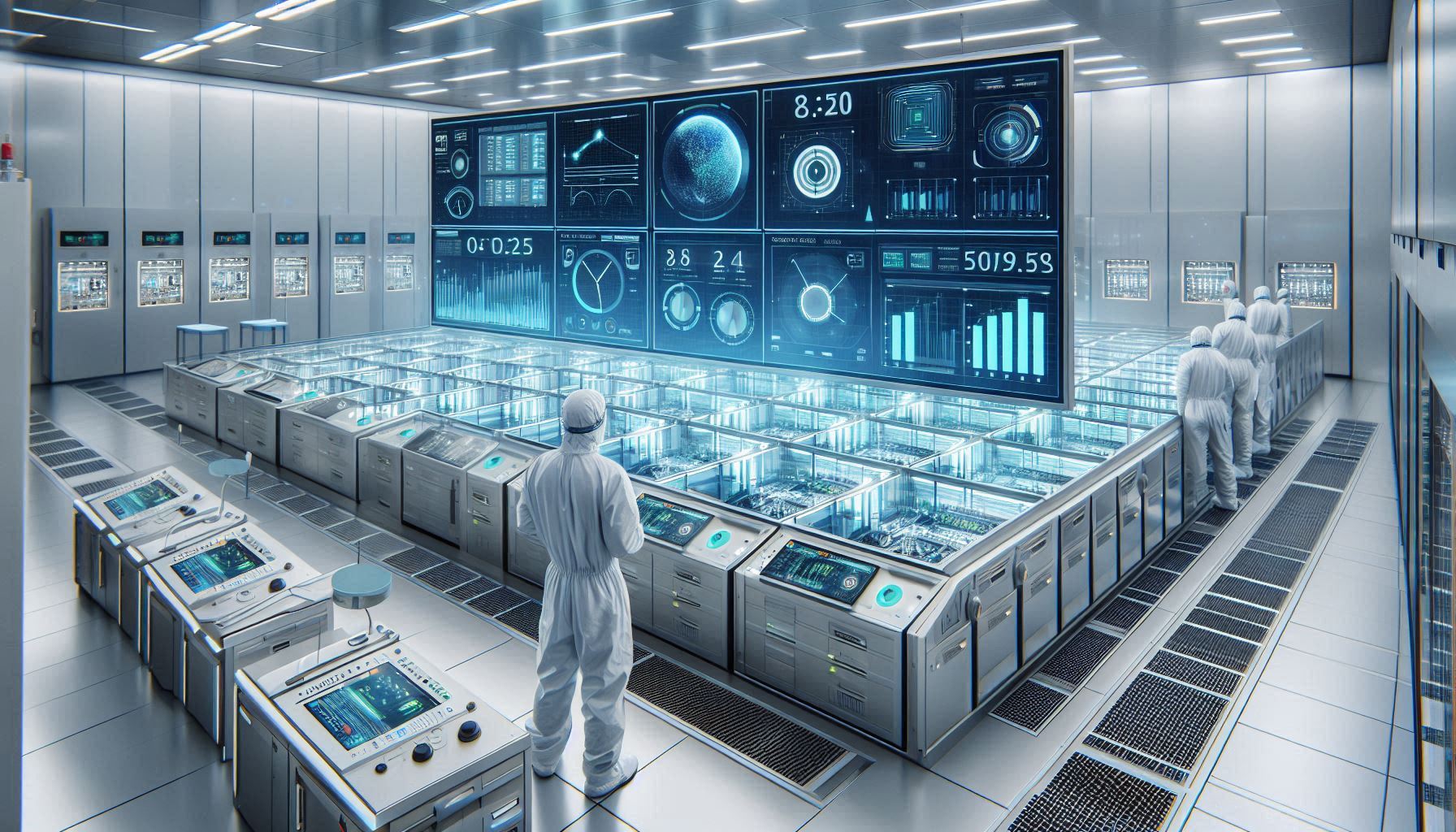
Graph showing projected growth of the HVAC market in India by 2030

The HVAC market by 2030 is expected to witness unprecedented growth, with India emerging as a key player. The Indian HVAC industry, currently valued at approximately USD 11.93 billion as of 2024, is projected to grow at a compound annual growth rate (CAGR) of 12% over the next six years. This surge is fueled by several factors, including the rapid expansion of the semiconductor industry, the proliferation of data centers, and increasing demand in residential and commercial sectors. But what does this mean for the future of HVAC in India, and how will it shape the global landscape? Let’s explore this dynamic growth from multiple angles.

The Role of Semiconductors in HVAC Market Expansion

Semiconductors are at the heart of modern technology, driving innovation across industries like telecommunications, automotive, and consumer electronics. In India, the government’s push for semiconductor manufacturing has created a ripple effect, boosting the HVAC industry growth. Cleanrooms, which are essential for semiconductor fabrication, require highly specialized HVAC systems to maintain precise temperature, humidity, and air quality levels. As India positions itself as a hub for semiconductor production, the demand for advanced HVAC solutions is skyrocketing.

For instance, a leading semiconductor facility in Hyderabad reportedly reduced its energy consumption by 25% after implementing cutting-edge HVAC technologies tailored for cleanroom environments. This highlights not just the importance of HVAC systems but also their role in promoting sustainability within high-tech industries.

Data Centers: A Catalyst for HVAC Market and Innovation

Another significant contributor to the HVAC market by 2030 is the rise of data centers. With digital transformation accelerating globally, India has become a hotspot for cloud computing and IT services. Data centers generate immense heat, necessitating robust cooling solutions. Companies are now investing in AI-driven HVAC systems that optimize energy efficiency while maintaining optimal operating conditions.

A case study from Bengaluru illustrates this trend perfectly. A major data center implemented an AI-powered chiller plant that improved cooling efficiency by 30%, significantly reducing operational costs. Such innovations underscore the potential for growth in the HVAC sector, particularly in regions experiencing rapid technological advancements.

Residential and Commercial HVAC Trends

On the domestic front, the air conditioner market size in India is expanding rapidly due to urbanization and rising disposable incomes. Consumers are increasingly seeking energy-efficient models that offer both comfort and cost savings. According to ISHRAE standards, energy-efficient HVAC units can reduce electricity bills by up to 40%, making them an attractive option for homeowners and businesses alike.

Moreover, the commercial real estate boom in cities like Mumbai, Delhi, and Chennai has further propelled the HVAC industry in India. Modern office complexes prioritize indoor air quality and thermal comfort, aligning with international benchmarks such as LEED and IGBC certifications. These trends indicate a promising outlook for HVAC companies operating in the country.

Challenges Facing the HVAC Industry

Despite its vast potential, the HVAC market by 2030 faces several challenges. One major hurdle is the lack of skilled professionals capable of designing and maintaining sophisticated systems. Additionally, regulatory compliance remains a concern, especially when adhering to national codes like BIS and ECBC or international standards like ASHRAE.

Energy consumption is another pressing issue. While advancements in smart thermostats and variable refrigerant flow (VRF) systems have enhanced efficiency, there’s still room for improvement. For example, retrofitting older buildings with modern HVAC technologies could unlock substantial energy savings, yet many property owners hesitate due to upfront costs.

Key Players Shaping the HVAC Landscape

Several prominent HVAC companies in India are leading the charge in innovation. These firms are leveraging IoT, machine learning, and renewable energy integration to develop sustainable solutions. Some are even exploring geothermal HVAC systems, which harness natural heat from the earth to provide eco-friendly cooling and heating.

Collaborations between Indian and global players are also fostering knowledge exchange and technological breakthroughs. Such partnerships are crucial for addressing the unique climatic and infrastructural needs of the Indian market.

Future Outlook: What Lies Ahead for the HVAC Market?

So, how big is the HVAC market in 2030? Estimates suggest it could exceed USD 25 billion in India alone, driven by ongoing industrialization, urbanization, and policy support. The future of the HVAC market lies in embracing emerging technologies like AI, predictive maintenance, and carbon-neutral designs. Furthermore, the focus on green building initiatives under programs like IGBC and GRIHA will continue to propel demand for sustainable HVAC solutions.

To stay competitive, HVAC companies must adopt a customer-centric approach, offering tailored solutions that address specific pain points. Whether it’s enhancing indoor air quality in schools or optimizing energy use in commercial spaces, the opportunities are endless.

FAQs About the HVAC Market by 2030

What is the future of the HVAC market?
The future of the HVAC market is bright, with innovations in AI, IoT, and sustainability driving growth. By 2030, we can expect smarter, greener, and more efficient systems.

How big is the HVAC market in 2030?
The Indian HVAC market is projected to surpass USD 25 billion by 2030, growing at a CAGR of 12%.

What are the top HVAC companies in India?
While brand names aren’t disclosed here, leading HVAC companies in India specialize in energy-efficient systems, smart controls, and sustainable designs.

Where can I find an HVAC industry report PDF?
Industry reports are available through research portals like Statista, Mordor Intelligence, and ResearchAndMarkets, providing detailed insights into market trends and forecasts.

What is the air conditioner market size in India?
As of 2024, the air conditioner market in India is valued at over USD 6 billion, with steady growth expected through 2030.

Why is the HVAC industry growing in India?
Factors include the semiconductor boom, data center expansion, urbanization, and increased awareness about energy efficiency and indoor air quality.

Disclaimer

Some links in this article are affiliate links, such as those for Amazon products. These may generate a small commission at no extra cost to you, supporting our work. We never compromise editorial integrity for partnerships.

About the Author

Mr. Om Prakash, with over 18 years of hands-on experience in the HVAC industry, brings unmatched expertise in cleanroom, pharmaceutical, semiconductor, data center, commercial, and industrial HVAC systems. As the founder of HVAC Technocrat, he specializes in customized HVAC design, energy efficiency audits, retrofit planning, and turnkey consultancy services across India. His deep understanding of critical environments and complex building needs ensures every solution is efficient, reliable, and future-ready. Through his writings, he simplifies HVAC concepts and shares real-world insights to support professionals, facility managers, and decision-makers. For any enquiries or project support, feel free to call or WhatsApp at +91 9908091942, email at hvactechnocrats@gmail.com, or visit www.hvactechnocrat.com.

HVAC Engineer: How to Become Successful

An HVAC engineer analyzing a blueprint

Becoming a successful HVAC engineer requires more than just technical expertise; it demands leadership, coordination skills, and the ability to manage on-site activities effectively. Unlike HVAC design engineers who focus on creating blueprints and system plans, HVAC engineers are primarily responsible for overseeing site-based tasks, ensuring smooth project execution, and maintaining communication between clients, subcontractors, and internal teams. In this article, we will explore the essential steps, challenges, and strategies to help you thrive as an HVAC engineer, whether you’re managing labor, handling vendor relationships, or ensuring timely project handovers.

Understanding the Role of an HVAC Engineer

An HVAC engineer is the backbone of any HVAC project’s on-site execution. They ensure that designs created by HVAC design engineers are implemented accurately and efficiently. Their responsibilities include coordinating with subcontractors, managing labor, procuring materials, and resolving on-site issues. For example, an HVAC engineer working on a pharmaceutical cleanroom must ensure that temperature and humidity controls align with ISO standards while also managing the workforce and addressing unforeseen challenges like material shortages or design clashes.

Additionally, HVAC engineers play a crucial role in client interactions, acting as representatives of their companies. They handle billing progress, site measurements, and payment follow-ups, often under the guidance of senior engineers. This multifaceted role prepares them for career growth and leadership positions within the industry.

The Pathway to Becoming an HVAC Engineer

To become a successful HVAC engineer, you need a combination of education, hands-on experience, and certifications. Here’s a practical way to lay a solid foundation:

Pursue Relevant Education

Most employers prefer candidates with a degree in mechanical engineering, HVAC technology, or a related field. Courses in thermodynamics, fluid mechanics, and refrigeration systems give you a strong base in HVAC fundamentals. While design skills are not a primary focus for HVAC engineers, understanding these concepts helps in troubleshooting and resolving on-site issues.

Gain Practical Experience

Internships and apprenticeships offer real-world experience that’s essential for building practical skills. Aspiring HVAC engineers often start by assisting senior engineers in managing site activities such as work front forecasting, material procurement, and workforce coordination. These experiences prepare them for the multifaceted role they will eventually undertake.

For instance, working on projects like geothermal HVAC systems can deepen your understanding of sustainable technologies, which are increasingly important in modern HVAC projects.

Obtain Certifications

Certifications from well-known organizations like ASHRAE or ISHRAE boost your professional credibility and show your commitment to industry standards. Specialized certifications in areas like energy auditing or project management can further set you apart in the competitive job market.

Skills Every HVAC Engineer Should Master

Success as an HVAC engineer hinges on mastering a mix of technical and soft skills:

Technical Proficiency

While HVAC engineers are not responsible for design, they must understand technical aspects like heat load calculations, static pressure adjustments, and duct sizing to ensure proper implementation. Tools like CFD analysis (computer-based airflow simulations) can help predict system performance before installation.

Leadership and Coordination

Senior HVAC engineers typically oversee teams, coordinate on-site operations, and make sure projects are completed on schedule. Junior engineers can develop leadership skills by assisting in tasks such as workforce management, material procurement, and client interactions.

Communication Skills

Clear communication with clients, contractors, and internal teams is crucial. HVAC engineers act as intermediaries, ensuring that project milestones are met and issues are resolved promptly. For example, during a data center project in Mumbai, effective communication helped reduce energy consumption by 25% after implementing AI-driven chiller plants. Learn more about this trend in our article on AI-powered chiller plants.

Problem-Solving Abilities

An HVAC engineer must troubleshoot issues effectively. For example, figuring out why airflow is inconsistent in a building might mean inspecting the ductwork layout or adjusting the dampers for better balance.

Emerging Trends Shaping the HVAC Industry

Staying updated with the latest trends is vital for any aspiring HVAC engineer:

AI-Driven Optimization

Artificial intelligence is transforming HVAC systems by making predictive maintenance possible and allowing real-time performance tracking. Smart HVAC systems like these use machine learning algorithms to optimize energy consumption.

Sustainable Solutions

With growing emphasis on green buildings, HVAC engineers are increasingly incorporating renewable energy sources. Solar-powered air conditioners are becoming more popular, particularly in sun-rich regions like India. Learn more in our solar AC buying guide.

Advanced Filtration Systems

Indoor air quality has become a priority post-pandemic. Technologies such as HEPA filters and UV-C disinfection have become standard features in many HVAC systems.

Challenges Faced by HVAC Engineer

While rewarding, the path to success as an HVAC engineer comes with its share of challenges:

Managing Subcontractors and Labor

One of the most critical tasks for an HVAC engineer is managing subcontractors and labor. Ensuring that everyone works harmoniously and adheres to timelines is essential for project success. For example, an HVAC engineer in Hyderabad successfully coordinated multiple teams to achieve ISO Class 5 certification for a pharmaceutical facility. Dive deeper into cleanroom standards here.

Navigating Complex Codes

Adhering to local and international codes, like the Energy Conservation Building Code (ECBC), demands careful attention to detail.

Balancing Cost and Efficiency

Clients often demand cost-effective yet high-performing systems. Achieving this balance requires creative thinking and careful planning.

Client Interaction and Documentation

On-site HVAC engineers face the challenge of coordinating multiple stakeholders, including contractors, clients, and design teams. Effective communication and proactive problem-solving are essential to ensure smooth project execution. Additionally, documentation plays a vital role in project handover and future reference.

Real-World Case Studies

Case studies offer valuable lessons for budding HVAC engineers:

Data Center Cooling: A data center in Mumbai cut its energy usage by 23% after adopting AI-powered chiller plants. Read more about this trend in our article on AI-powered chiller plants.
Cleanroom Design: A pharmaceutical facility in Hyderabad earned ISO Class 5 certification through meticulous HVAC design. Dive deeper into cleanroom standards here.

Expert Insights: Lessons from 18 Years in the Field

With over 18 years of hands-on experience in the HVAC industry, it’s clear that success in this field requires meticulous groundwork and a proactive approach. Even after nearly two decades, preparing CAD drawings, conducting detailed heat load calculations, and sizing ducts and pipes using precise charts remain essential practices. These foundational steps ensure accuracy and efficiency in system design.

Additionally, tasks like static pressure calculations, sectional drawing preparations, and site visits are non-negotiable for achieving perfection. For instance, checking ceiling height availability during site visits can prevent costly redesigns later, while proactive visualization helps anticipate challenges before they arise. Thoughtful planning extends to plant room layouts, where optimizing space and accessibility is critical for seamless operations. By embracing these practices, HVAC engineers not only deliver high-quality results but also build trust with clients and stakeholders.

Frequently Asked Questions About Becoming an HVAC Engineer

What qualifications do I need to become an HVAC engineer?
A bachelor’s degree in mechanical engineering or HVAC technology is usually needed, along with industry-recognized certifications.

How long does it take to become an HVAC site engineer?
It usually takes four years to complete a bachelor’s degree, followed by additional time for certifications and hands-on experience.

Is programming knowledge necessary for HVAC engineer?
Although not required, knowing programming languages like Python can be a big plus when working with AI-driven systems.

Can HVAC engineers work internationally?
Yes, HVAC engineers can find opportunities worldwide, provided they meet regional licensing requirements.

What industries hire HVAC engineer?
HVAC engineers are employed in sectors like construction, healthcare, manufacturing, and IT infrastructure.

How important is sustainability in HVAC engineering?
Sustainability is critical, as energy-efficient systems reduce operational costs and environmental impact.

Tips for Career Growth as an HVAC Engineer

Continuous learning and networking play a big role in growing your HVAC career.

Joining industry conferences and hands-on workshops helps you keep up with the latest innovations and best practices. These events also give you a chance to meet professionals, exchange ideas, and build connections that can open doors to new opportunities

Disclaimer

Some links in this article are affiliate links, such as those for Amazon products. These may generate a small commission at no extra cost to you, supporting our work. We never compromise editorial integrity for partnerships.

About the Author

Mr. Om Prakash, with over 18 years of hands-on experience in the HVAC industry, brings unmatched expertise in cleanroom, pharmaceutical, semiconductor, data center, commercial, and industrial HVAC systems. As the founder of HVAC Technocrat, he specializes in customized HVAC design, energy efficiency audits, retrofit planning, and turnkey consultancy services across India. His deep understanding of critical environments and complex building needs ensures every solution is efficient, reliable, and future-ready. Through his writings, he simplifies HVAC concepts and shares real-world insights to support professionals, facility managers, and decision-makers. For any enquiries or project support, feel free to call or WhatsApp at +91 9908091942, email at hvactechnocrats@gmail.com, or visit www.hvactechnocrat.com.

HVAC Design Engineer: How to Become Successful

An HVAC design engineer analyzing a blueprint

Becoming a successful HVAC Design Engineer requires a unique combination of technical expertise, creativity, and adaptability. From designing efficient climate control systems for residential spaces to ensuring precise environmental conditions in critical environments like cleanrooms and data centers, HVAC design engineers play a pivotal role in shaping modern infrastructure. This article explores the essential steps, emerging trends, and real-world insights that can help you thrive as an HVAC Design Engineer, whether you’re just starting your career or looking to refine your skills.

Understanding the Role of an HVAC Design Engineer

An HVAC Design Engineer is responsible for creating detailed plans and specifications for heating, ventilation, and air conditioning systems that regulate temperature, humidity, and air quality in various settings. These professionals collaborate closely with architects, contractors, and facility managers to ensure systems are not only functional but also energy-efficient and sustainable. For instance, designing HVAC systems for pharmaceutical cleanrooms demands precise temperature and humidity control, while systems for data centers focus on cooling efficiency and redundancy.

A strong foundation in psychrometry (the study of air properties) and heat load calculations is crucial for success. Learn more about these concepts in our detailed guide on heat load calculation.

The Educational Pathway to Becoming an HVAC Design Engineer

The journey to becoming a successful HVAC Design Engineer begins with formal education and hands-on experience. Here’s how you can build a strong foundation:

Pursue Relevant Degrees

Most employers prefer candidates with a bachelor’s degree in mechanical engineering, HVAC technology, or a related field. Courses in thermodynamics, fluid mechanics, and refrigeration systems provide a solid grounding in the principles of HVAC design.

Gain Practical Experience

Internships and apprenticeships are invaluable for gaining hands-on skills. For example, working alongside seasoned professionals on projects like geothermal HVAC systems installation can deepen your understanding of sustainable technologies. Explore tips on selecting eco-friendly systems in our blog on geothermal HVAC systems.

Obtain Certifications

Certifications from recognized bodies such as ASHRAE or ISHRAE enhance credibility. Specialized certifications in areas like BIM (Building Information Modeling) or energy auditing can further set you apart in the competitive job market.

Skills Every HVAC Design Engineer Should Master

Success as an HVAC Design Engineer hinges on mastering a mix of technical and soft skills:

Technical Proficiency

CFD Analysis: Computer-based airflow simulations help predict system performance before implementation.
Energy Efficiency Audits: Conducting audits ensures systems operate optimally while reducing energy costs. Discover more about audits in our article on energy efficiency audits.

Problem-Solving Abilities

An HVAC design engineer must troubleshoot issues effectively. For instance, identifying the root cause of inconsistent airflow in a building could involve checking ductwork design or recalibrating dampers.

Communication Skills

Clear communication with clients and team members is crucial. Explaining complex HVAC concepts in simple terms builds trust and fosters collaboration.

Emerging Trends Shaping the HVAC Design Industry

Staying updated with the latest trends is vital for any aspiring HVAC Design Engineer:

AI-Driven Optimization

Artificial intelligence is revolutionizing HVAC systems by enabling predictive maintenance and real-time performance monitoring. Smart HVAC systems like these use machine learning algorithms to optimize energy consumption.

Sustainable Solutions

With growing emphasis on green buildings, HVAC design engineers are increasingly incorporating renewable energy sources. Solar-powered air conditioners are gaining traction, especially in regions like India. Learn more in our solar AC buying guide.

Advanced Filtration Systems

Indoor air quality has become a priority post-pandemic. Technologies like HEPA filters and UV-C disinfection are now standard in many HVAC designs.

Challenges Faced by HVAC Design Engineers

While rewarding, the path to success as an HVAC Design Engineer comes with its share of challenges:

Adapting to Climate Change

Rising global temperatures necessitate rethinking traditional cooling methods. Engineers must design systems capable of handling extreme heat waves without excessive energy usage.

Navigating Complex Codes

Compliance with local and international codes, such as ECBC (Energy Conservation Building Code), requires meticulous attention to detail.

Balancing Cost and Efficiency

Clients often demand cost-effective yet high-performing systems. Achieving this balance calls for innovative thinking and thorough planning.

Real-World Case Studies

Case studies offer valuable lessons for budding HVAC Design Engineers:

Data Center Cooling: A Mumbai-based data center reduced energy consumption by 25% after implementing AI-driven chiller plants. Read more about this trend in our article on AI-powered chiller plants.
Cleanroom Design: A pharmaceutical facility in Hyderabad achieved ISO Class 5 certification thanks to precise HVAC design. Dive deeper into cleanroom standards here.

Expert Insights: Lessons from 18 Years in the Field

With over 18 years of hands-on experience in the HVAC industry, it’s clear that success as an HVAC design engineer requires meticulous groundwork and a proactive approach. Even after nearly two decades, preparing CAD drawings, conducting detailed heat load calculations, and sizing ducts and pipes using precise charts remain essential practices. These foundational steps ensure accuracy and efficiency in system design.

Additionally, tasks like static pressure calculations, sectional drawing preparations, and site visits are non-negotiable for achieving perfection. For instance, checking ceiling height availability during site visits can prevent costly redesigns later, while proactive visualization helps anticipate challenges before they arise. Thoughtful planning extends to plant room layouts, where optimizing space and accessibility is critical for seamless operations. By embracing these practices, HVAC design engineers not only deliver high-quality results but also build trust with clients and stakeholders.

Job Opportunities in HVAC Industry

If you’re an aspiring professional looking to build a rewarding career in the HVAC industry, we’re here to help! Whether you’re a fresh graduate or an experienced, there are countless opportunities in areas like HVAC design, planning, installation, maintenance, and consultancy. To assist you in finding the right role within my network, please send me your updated CV at hvactechnocrats@gmail.com for my records. This will enable me to recommend you for suitable openings in my circle and support your career growth in the dynamic HVAC field. Reach out today to take the next step toward success!

Tips for Career Growth as an HVAC Design Engineer

Continuous learning and networking are key to advancing your career:

Attend industry conferences and workshops to stay updated on innovations.
Join professional organizations like ISHRAE or ASHRAE to connect with peers.
Leverage online platforms like LinkedIn to showcase your expertise and engage with thought leaders.

FAQs

What qualifications do I need to become an HVAC design engineer?
A bachelor’s degree in mechanical engineering or HVAC technology is typically required, along with relevant certifications.

How long does it take to become an HVAC design engineer?
It usually takes four years to complete a bachelor’s degree, followed by additional time for certifications and hands-on experience.

Is programming knowledge necessary for HVAC design engineers?
While not mandatory, familiarity with programming languages like Python can be beneficial for working with AI-driven systems.

Can HVAC design engineers work internationally?
Yes, HVAC design engineers can find opportunities worldwide, provided they meet regional licensing requirements.

What industries hire HVAC design engineers?
HVAC design engineers are employed in sectors like construction, healthcare, manufacturing, and IT infrastructure.

How important is sustainability in HVAC design engineering?
Sustainability is critical, as energy-efficient systems reduce operational costs and environmental impact.

Disclaimer

Some links in this article are affiliate links, such as those for Amazon products. These may generate a small commission at no extra cost to you, supporting our work. We never compromise editorial integrity for partnerships.

About the Author

Mr. Om Prakash, with over 18 years of hands-on experience in the HVAC industry, brings unmatched expertise in cleanroom, pharmaceutical, semiconductor, data center, commercial, and industrial HVAC systems. As the founder of HVAC Technocrat, he specializes in customized HVAC design, energy efficiency audits, retrofit planning, and turnkey consultancy services across India. His deep understanding of critical environments and complex building needs ensures every solution is efficient, reliable, and future-ready. Through his writings, he simplifies HVAC concepts and shares real-world insights to support professionals, facility managers, and decision-makers. For any enquiries or project support, feel free to call or WhatsApp at +91 9908091942, email at hvactechnocrats@gmail.com, or visit www.hvactechnocrat.com.

HVAC Challenges: Breaking Down for Practical Solutions in All Scenarios

Illustration of advanced HVAC systems across industries including commercial buildings, cleanrooms, data centers, and factories. Features smart thermostat, energy-efficient cooling technologies, AI-powered monitoring, solar panels, and wind turbines.

HVAC Challenges: Breaking Down for Practical Solutions in All Scenarios

HVAC systems are the backbone of comfort and safety across homes, offices, factories, and specialized facilities. Yet, professionals face a maze of challenges—from energy inefficiency in aging systems to maintaining sterile environments in labs. This article breaks down common HVAC hurdles and offers actionable solutions tailored to residential, commercial, and industrial scenarios. Whether you’re troubleshooting airflow imbalances or retrofitting systems for sustainability, this guide equips you with strategies to tackle problems head-on.

Understanding Common HVAC Challenges Across Industries

HVAC issues vary widely depending on the setting. In homes, uneven cooling and high utility bills dominate complaints. Offices struggle with balancing air quality across open floor plans, while factories face heat management near heavy machinery. High-stakes environments like labs and hospitals demand precision humidity control and contamination prevention. For example, a hospital in Southeast Asia reduced airborne infections by 22% after upgrading to HEPA filters with UV-C light integration.

Residential HVAC: Solving Everyday Comfort Issues

Uneven Temperature Distribution
Rooms feeling like different climates? Duct leaks or improper insulation are common culprits. Sealing gaps with mastic tape and adding attic insulation can balance airflow. Smart thermostats [like these] simplify zoning, allowing customized temperatures for each room.

High Energy Bills
Older systems guzzle energy. Solutions include replacing outdated units with ENERGY STAR-rated models (up to 20% savings), scheduling seasonal maintenance to clean coils and check refrigerant levels, and installing programmable thermostats to reduce runtime during off-peak hours. A retrofit project in Texas saw homeowners cut cooling costs by 35% after switching to a variable-speed heat pump.

Commercial HVAC: Balancing Air Quality and Efficiency

Open-plan offices, retail spaces, and restaurants need systems that handle high occupancy without spiking energy use. Challenges include meeting ASHRAE Standard 62.1 for indoor air quality (IAQ), using dampers to direct airflow to crowded areas, and addressing clogged filters that reduce efficiency by 15–20%. A café chain in Europe adopted demand-controlled ventilation (DCV), which adjusts airflow based on CO2 sensors, slashing energy use by 25%.

Industrial HVAC: Managing Extreme Conditions

Factories, warehouses, and chemical plants require robust systems to handle heat, fumes, and dust. Key challenges include spot cooling for welding stations or furnaces, using electrostatic precipitators to capture fine particles, and installing backup systems to prevent downtime during failures. A textile mill in India integrated evaporative cooling pads with IoT-enabled fans, reducing ambient temperatures by 8°C while adhering to ECBC 2017 guidelines.

Specialized Environments: Labs, Hospitals, and Data Centers

Labs and Cleanrooms
Precision is non-negotiable. ISO Class 5 cleanrooms need 40+ air changes per hour (ACH). Challenges include maintaining pressure differentials and filtering chemical vapors. A biotech startup achieved compliance by pairing laminar airflow hoods with redundant exhaust fans.

Hospitals
HVAC systems must prevent cross-contamination. Strategies include HEPA filters with 99.97% efficiency, negative-pressure isolation rooms, and UVGI systems to neutralize pathogens.

Data Centers
Cooling consumes 40% of energy. Liquid immersion cooling and hot/cold aisle containment are game-changers. A Midwest data center cut cooling costs by 50% using AI-driven chilled water pumps.

Retrofitting Older Systems for Modern Demands

Many buildings operate with outdated HVAC infrastructure. Retrofits can enhance performance without full replacements. Options include variable refrigerant flow (VRF) for buildings with shifting occupancy, energy recovery ventilators (ERVs) to recycle heat from exhaust air, and ductless mini-splits to solve zoning issues in historic homes. A 1980s office tower in Melbourne achieved LEED Gold certification after retrofitting with VRF and solar-assisted heat pumps.

Energy Efficiency and Sustainability Solutions

Smart HVAC Technologies
IoT sensors and AI algorithms optimize runtime and detect faults early. For instance, predictive maintenance tools alert technicians about failing components before breakdowns occur.

Renewable Integration
Solar-powered absorption chillers and geothermal heat pumps reduce reliance on grids. A factory in Sweden runs its HVAC entirely on wind energy, cutting carbon emissions by 90%.

Compliance with Standards
ASHRAE 90.1 and India’s ECBC mandate efficiency benchmarks. Incentives like tax credits for LEED-certified projects accelerate ROI.

Troubleshooting Frequent HVAC Problems

Common issues include short cycling (caused by oversized units), poor airflow (due to dirty filters or blocked ducts), and refrigerant leaks. Solutions include load calculations using Manual J software, regular inspections, and repairs per EPA Section 608 guidelines.

Case Studies: Real-World Problem-Solving

  • A mall in Dubai resolved humidity issues by installing desiccant dehumidifiers, improving customer comfort and reducing mold complaints.
  • A pharma plant met FDA GMP standards using ISO 7-rated filters and automated pressure controls, cutting contamination risks by 40%.

Future-Proofing HVAC Systems

Emerging trends include hydrogen-ready boilers, 3D-printed ducts to reduce waste, and grid-interactive systems that adjust usage during peak demand.

FAQs

1. How often should HVAC filters be replaced?
Every 1–3 months, depending on usage and filter type (e.g., fiberglass vs. HEPA).

2. Can smart thermostats work with older systems?
Yes, but they may require a C-wire adapter for power.

3. What’s the lifespan of a commercial HVAC unit?
15–20 years with proper maintenance.

4. How do I calculate cooling capacity for a server room?
Use ASHRAE’s heat load equations, factoring in server wattage and room size.

5. Are geothermal systems worth the upfront cost?
Yes—payback periods average 5–10 years via energy savings.

6. What’s the best way to reduce HVAC noise?
Install vibration dampers and acoustically lined ducts.

Disclaimer: Disclosure: Some links may earn us a commission at no extra cost to you.