HVAC Market: Semiconductor Driving Growth in India by 2030

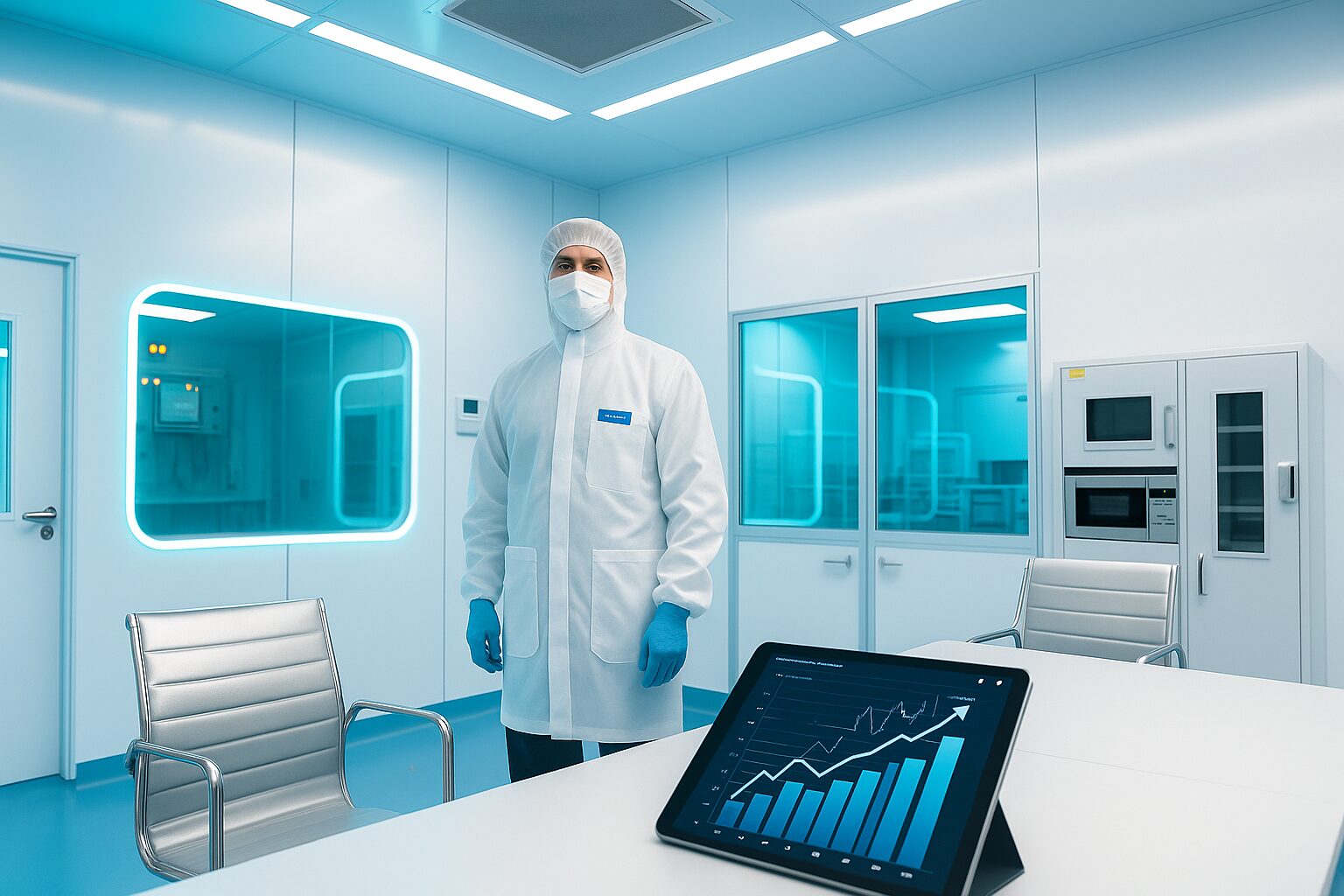
Graph showing projected growth of the HVAC market in India by 2030

The HVAC market by 2030 is expected to witness unprecedented growth, with India emerging as a key player. The Indian HVAC industry, currently valued at approximately USD 11.93 billion as of 2024, is projected to grow at a compound annual growth rate (CAGR) of 12% over the next six years. This surge is fueled by several factors, including the rapid expansion of the semiconductor industry, the proliferation of data centers, and increasing demand in residential and commercial sectors. But what does this mean for the future of HVAC in India, and how will it shape the global landscape? Let’s explore this dynamic growth from multiple angles.

The Role of Semiconductors in HVAC Market Expansion

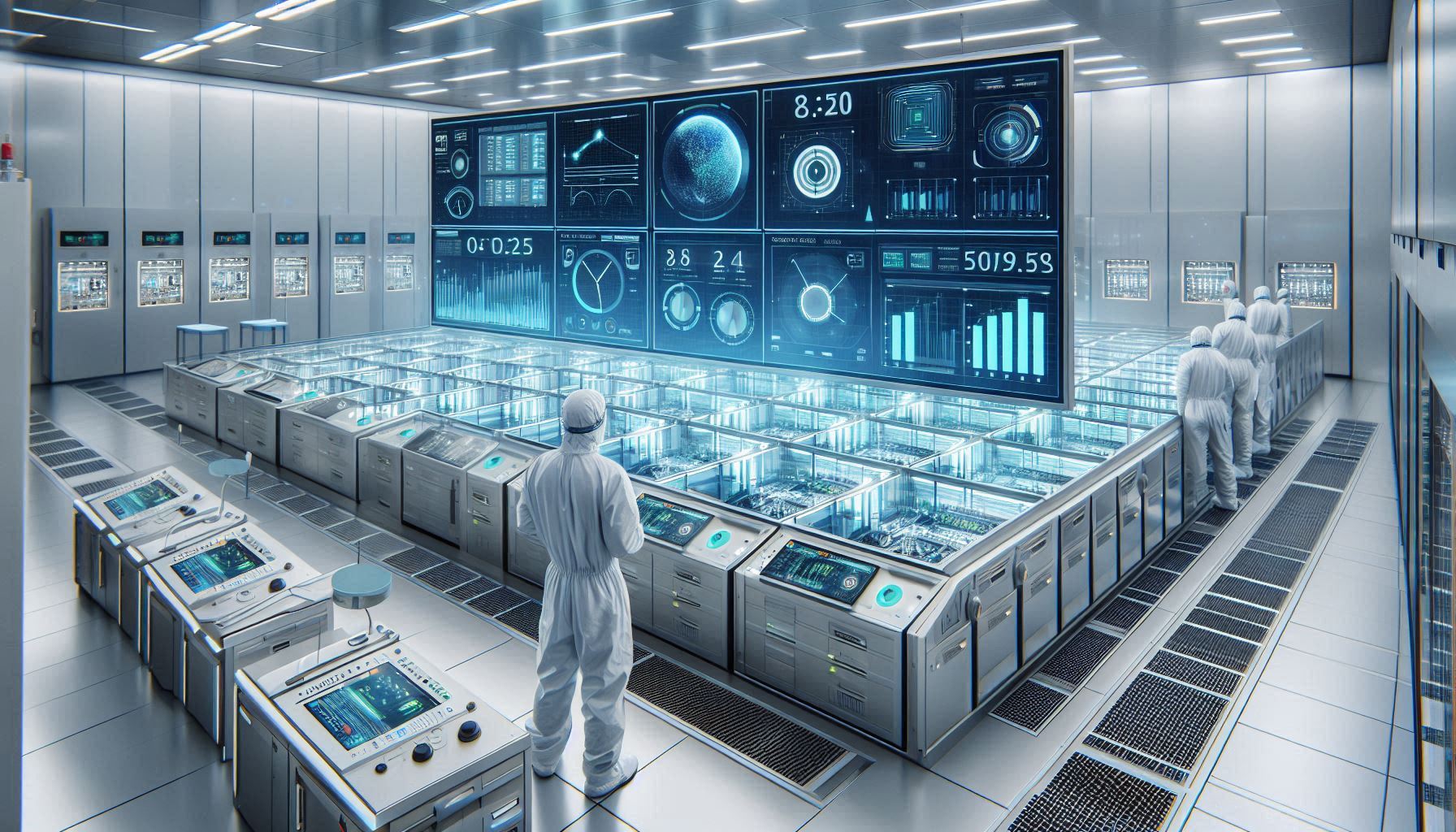
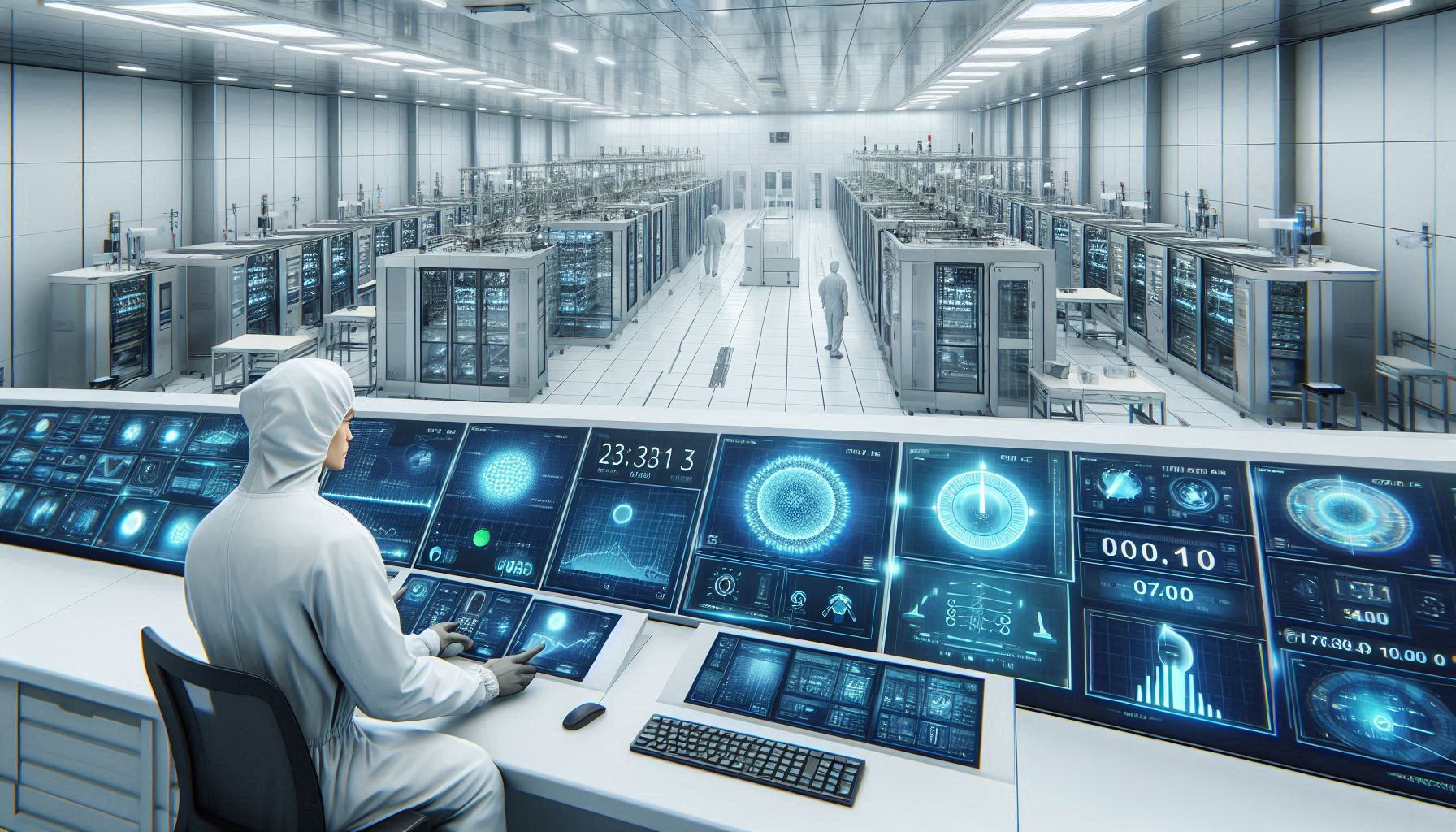
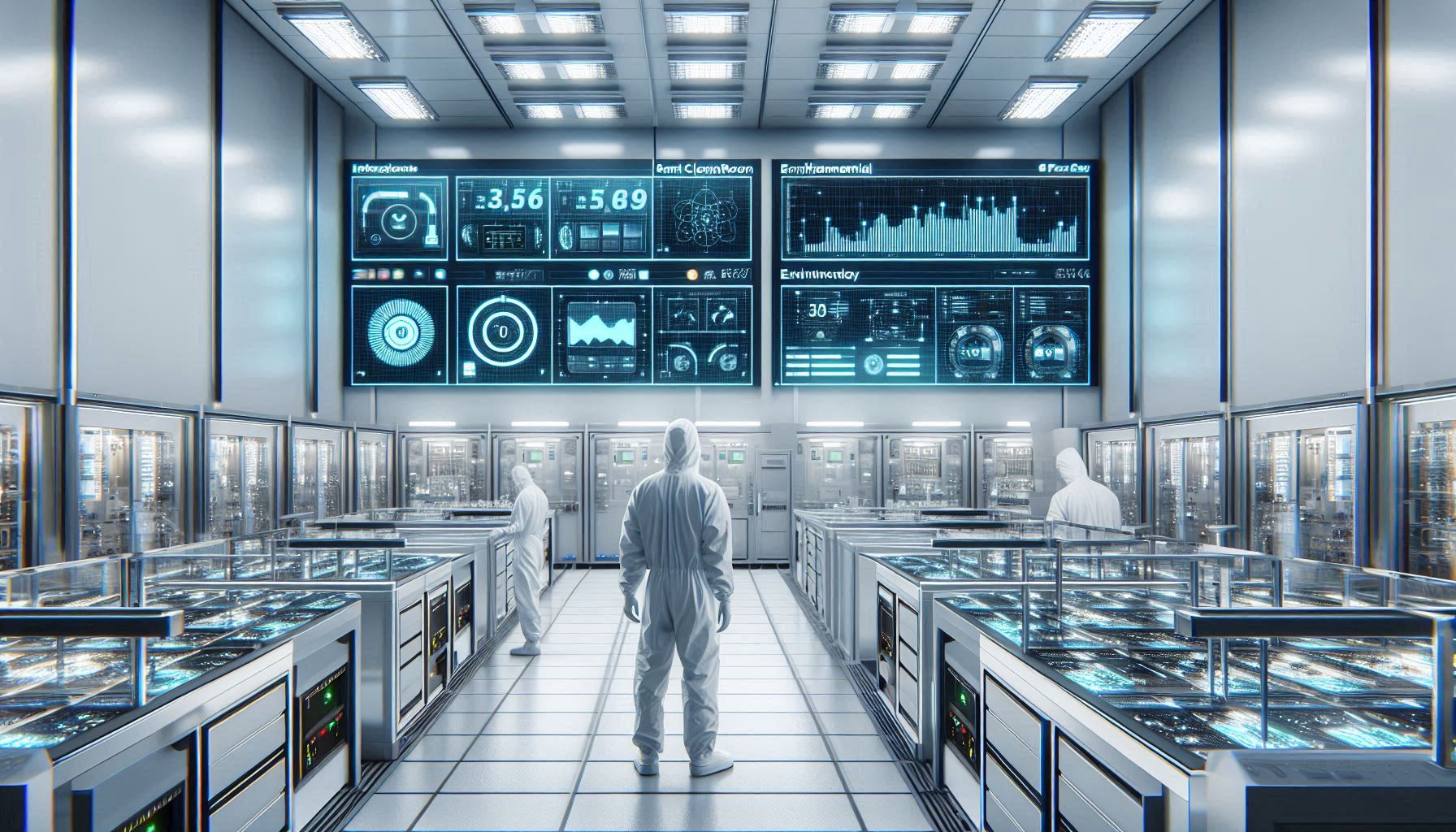
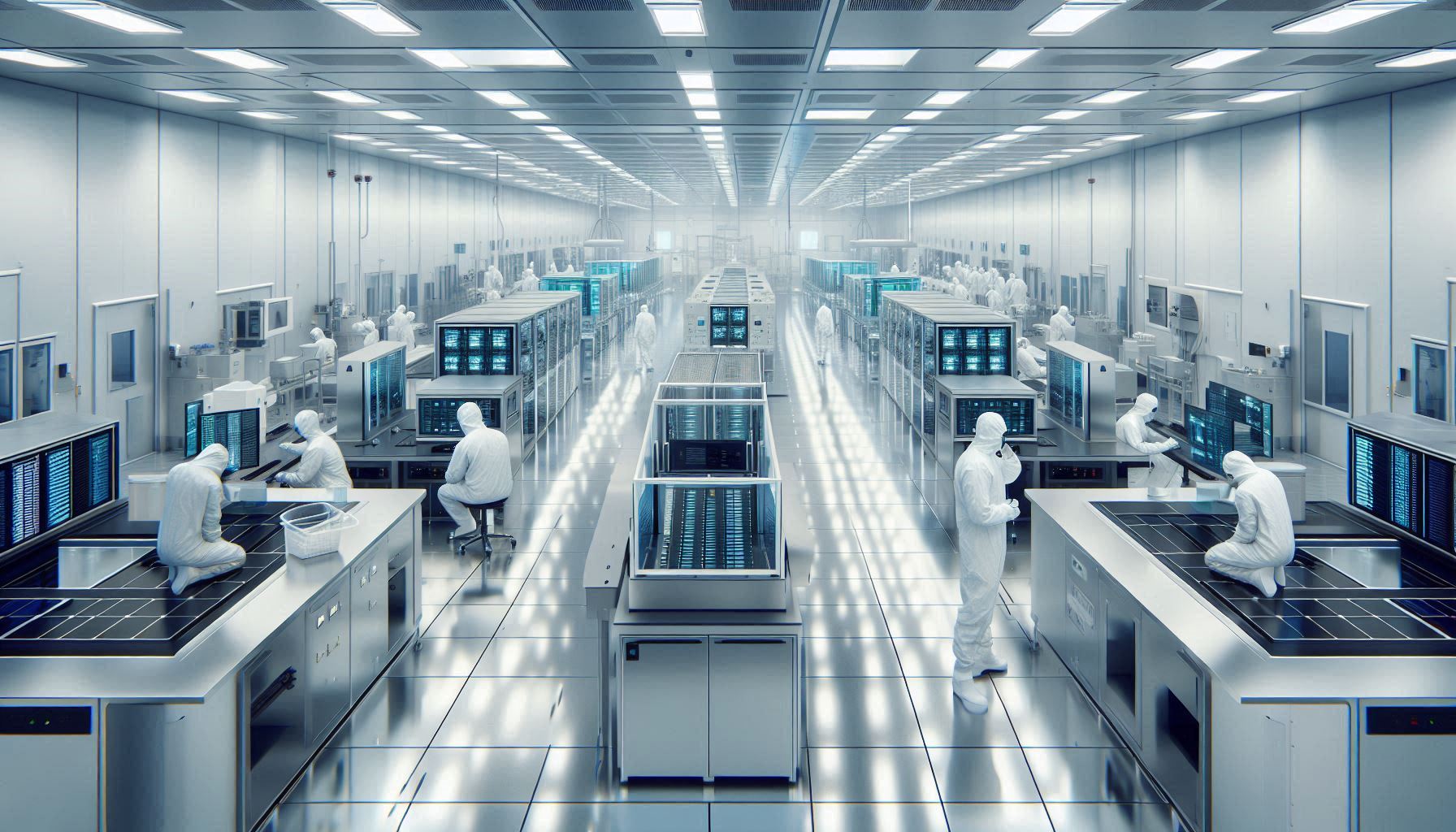
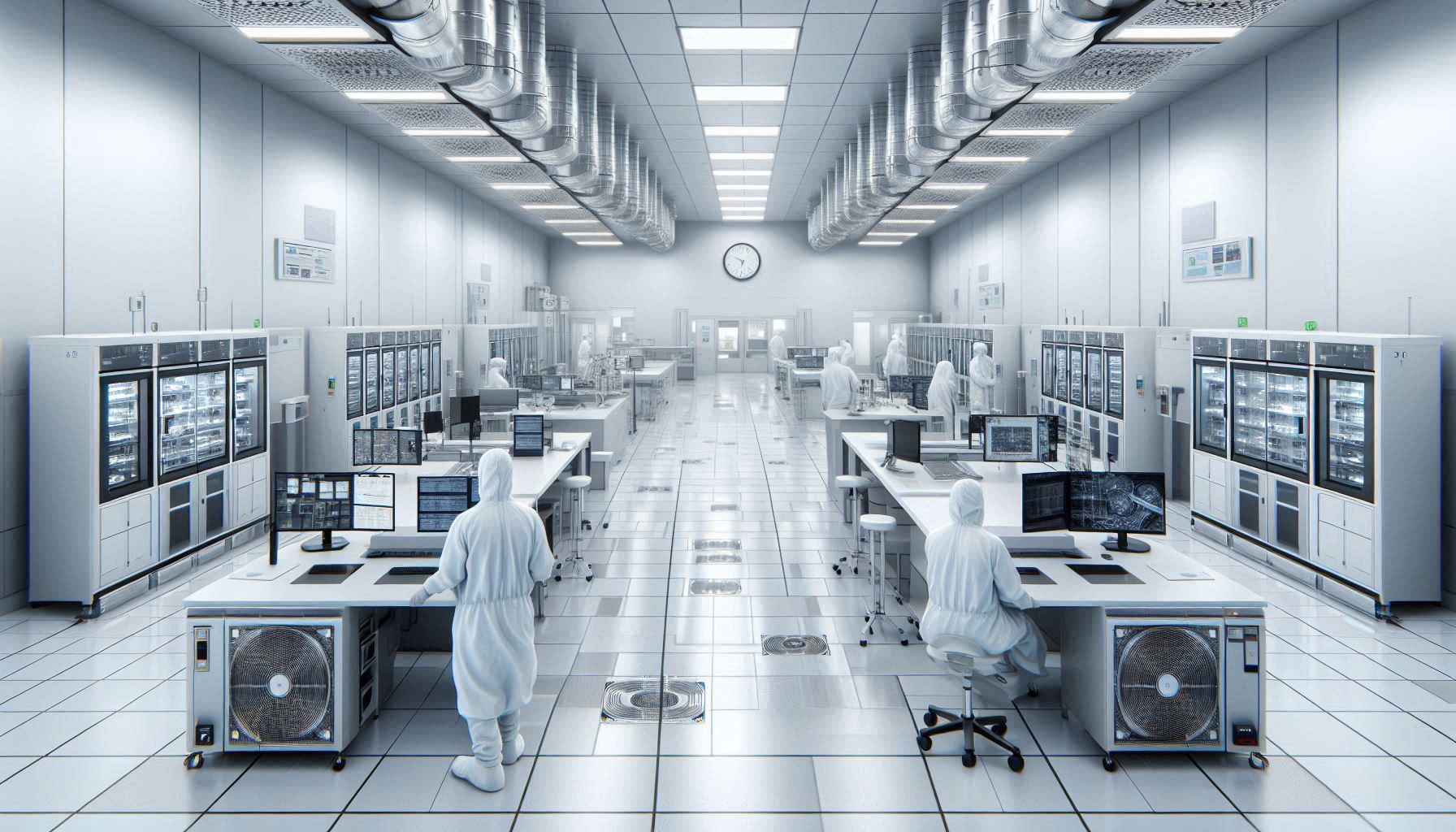
Semiconductors are at the heart of modern technology, driving innovation across industries like telecommunications, automotive, and consumer electronics. In India, the government’s push for semiconductor manufacturing has created a ripple effect, boosting the HVAC industry growth. Cleanrooms, which are essential for semiconductor fabrication, require highly specialized HVAC systems to maintain precise temperature, humidity, and air quality levels. As India positions itself as a hub for semiconductor production, the demand for advanced HVAC solutions is skyrocketing.

For instance, a leading semiconductor facility in Hyderabad reportedly reduced its energy consumption by 25% after implementing cutting-edge HVAC technologies tailored for cleanroom environments. This highlights not just the importance of HVAC systems but also their role in promoting sustainability within high-tech industries.

Data Centers: A Catalyst for HVAC Market and Innovation

Another significant contributor to the HVAC market by 2030 is the rise of data centers. With digital transformation accelerating globally, India has become a hotspot for cloud computing and IT services. Data centers generate immense heat, necessitating robust cooling solutions. Companies are now investing in AI-driven HVAC systems that optimize energy efficiency while maintaining optimal operating conditions.

A case study from Bengaluru illustrates this trend perfectly. A major data center implemented an AI-powered chiller plant that improved cooling efficiency by 30%, significantly reducing operational costs. Such innovations underscore the potential for growth in the HVAC sector, particularly in regions experiencing rapid technological advancements.

Residential and Commercial HVAC Trends

On the domestic front, the air conditioner market size in India is expanding rapidly due to urbanization and rising disposable incomes. Consumers are increasingly seeking energy-efficient models that offer both comfort and cost savings. According to ISHRAE standards, energy-efficient HVAC units can reduce electricity bills by up to 40%, making them an attractive option for homeowners and businesses alike.

Moreover, the commercial real estate boom in cities like Mumbai, Delhi, and Chennai has further propelled the HVAC industry in India. Modern office complexes prioritize indoor air quality and thermal comfort, aligning with international benchmarks such as LEED and IGBC certifications. These trends indicate a promising outlook for HVAC companies operating in the country.

Challenges Facing the HVAC Industry

Despite its vast potential, the HVAC market by 2030 faces several challenges. One major hurdle is the lack of skilled professionals capable of designing and maintaining sophisticated systems. Additionally, regulatory compliance remains a concern, especially when adhering to national codes like BIS and ECBC or international standards like ASHRAE.

Energy consumption is another pressing issue. While advancements in smart thermostats and variable refrigerant flow (VRF) systems have enhanced efficiency, there’s still room for improvement. For example, retrofitting older buildings with modern HVAC technologies could unlock substantial energy savings, yet many property owners hesitate due to upfront costs.

Key Players Shaping the HVAC Landscape

Several prominent HVAC companies in India are leading the charge in innovation. These firms are leveraging IoT, machine learning, and renewable energy integration to develop sustainable solutions. Some are even exploring geothermal HVAC systems, which harness natural heat from the earth to provide eco-friendly cooling and heating.

Collaborations between Indian and global players are also fostering knowledge exchange and technological breakthroughs. Such partnerships are crucial for addressing the unique climatic and infrastructural needs of the Indian market.

Future Outlook: What Lies Ahead for the HVAC Market?

So, how big is the HVAC market in 2030? Estimates suggest it could exceed USD 25 billion in India alone, driven by ongoing industrialization, urbanization, and policy support. The future of the HVAC market lies in embracing emerging technologies like AI, predictive maintenance, and carbon-neutral designs. Furthermore, the focus on green building initiatives under programs like IGBC and GRIHA will continue to propel demand for sustainable HVAC solutions.

To stay competitive, HVAC companies must adopt a customer-centric approach, offering tailored solutions that address specific pain points. Whether it’s enhancing indoor air quality in schools or optimizing energy use in commercial spaces, the opportunities are endless.

FAQs About the HVAC Market by 2030

What is the future of the HVAC market?
The future of the HVAC market is bright, with innovations in AI, IoT, and sustainability driving growth. By 2030, we can expect smarter, greener, and more efficient systems.

How big is the HVAC market in 2030?
The Indian HVAC market is projected to surpass USD 25 billion by 2030, growing at a CAGR of 12%.

What are the top HVAC companies in India?
While brand names aren’t disclosed here, leading HVAC companies in India specialize in energy-efficient systems, smart controls, and sustainable designs.

Where can I find an HVAC industry report PDF?
Industry reports are available through research portals like Statista, Mordor Intelligence, and ResearchAndMarkets, providing detailed insights into market trends and forecasts.

What is the air conditioner market size in India?
As of 2024, the air conditioner market in India is valued at over USD 6 billion, with steady growth expected through 2030.

Why is the HVAC industry growing in India?
Factors include the semiconductor boom, data center expansion, urbanization, and increased awareness about energy efficiency and indoor air quality.

Disclaimer

Some links in this article are affiliate links, such as those for Amazon products. These may generate a small commission at no extra cost to you, supporting our work. We never compromise editorial integrity for partnerships.

About the Author

Mr. Om Prakash, with over 18 years of hands-on experience in the HVAC industry, brings unmatched expertise in cleanroom, pharmaceutical, semiconductor, data center, commercial, and industrial HVAC systems. As the founder of HVAC Technocrat, he specializes in customized HVAC design, energy efficiency audits, retrofit planning, and turnkey consultancy services across India. His deep understanding of critical environments and complex building needs ensures every solution is efficient, reliable, and future-ready. Through his writings, he simplifies HVAC concepts and shares real-world insights to support professionals, facility managers, and decision-makers. For any enquiries or project support, feel free to call or WhatsApp at +91 9908091942, email at hvactechnocrats@gmail.com, or visit www.hvactechnocrat.com.

Propane: What You Need to Know The Benefits in HVAC

Propane-based HVAC system with smart home technology controls.

As environmental concerns continue to drive innovations in building technologies, the adoption of propane based HVAC systems and natural ventilation strategies stands out for their significant benefits in energy efficiency and sustainability. These advancements, enhanced further by smart home technology, are reshaping how buildings are designed and operated, aiming to reduce carbon footprints and improve indoor environmental quality.

Propane Based HVAC Systems: Cleaner Energy Solutions

Propane, known for its clean-burning properties, is increasingly favored in HVAC systems over traditional fuels like natural gas or oil. This shift is motivated by its lower greenhouse gas emissions and reduced environmental impact. Unlike fossil fuels that emit pollutants during combustion, it burns cleanly, contributing to better indoor air quality and supporting efforts to combat climate change.

Smart Home Technology: Precision Control for Efficiency

Integrating smart home technology with HVAC systems enables precise control and automation based on real-time data and user preferences. Sensors monitor factors like occupancy and outdoor conditions to adjust heating and cooling accordingly, optimizing energy use and minimizing wastage. This technology not only enhances comfort but also supports energy efficiency goals by ensuring systems operate efficiently only when needed.

Environmental Benefits: Reducing Carbon Footprints

The combined adoption of propane based HVAC, natural ventilation, and smart home technology offers significant environmental advantages. By reducing energy consumption and greenhouse gas emissions, these systems help mitigate climate change impacts associated with building operations. Improved energy efficiency also translates into lower operational costs and promotes a sustainable built environment for future generations.

Energy Efficiency: Optimizing Building Performance using Propane

Efforts to enhance energy efficiency through advanced HVAC systems and natural ventilation strategies are crucial in modern building design. These initiatives not only lower energy bills but also reduce dependence on non-renewable resources. By optimizing building performance, stakeholders can achieve sustainability goals while improving indoor environmental quality and occupant comfort.

Benefits for Building Owners and Occupants

For building owners, adopting propane based HVAC systems combined with natural ventilation and smart home technology can lead to long-term cost savings and improved property value. Reduced energy bills and enhanced comfort contribute to tenant satisfaction and retention, making these technologies attractive investments in both residential and commercial sectors.

Natural Ventilation: Harnessing Nature’s Benefits

Natural ventilation utilizes openings in buildings—such as windows, doors, and vents—to facilitate airflow without relying heavily on mechanical systems. This approach not only lowers energy consumption but also enhances occupant comfort by providing fresh air and maintaining optimal indoor temperatures naturally. By reducing reliance on HVAC equipment, natural ventilation reduces operational costs and promotes sustainable building practices.

Challenges and Considerations

While the benefits of these technologies are clear, their adoption may pose challenges such as initial costs and retrofitting existing buildings. However, incentives and rebates offered by governments and utilities can offset these expenses, making the transition to sustainable HVAC solutions more financially viable.

Future Trends: Innovations in Sustainable Building

The future of building technologies is promising, with ongoing innovations focusing on enhancing the efficiency and sustainability of HVAC systems. Advancements in materials, design, and smart technologies will continue to drive improvements, making sustainable building practices the norm rather than the exception.

FAQs

How is propane good for the environment?

Propane benefits the environment in several ways:

  • Lower Carbon Emissions: Produces fewer carbon emissions compared to gasoline and diesel.
  • Versatile Applications: Efficient in heating, cooking, and transportation.
  • Non-toxic and Safe: Non-toxic and safe in case of leaks or spills.

What are the benefits of propane?

Propane offers various advantages beyond its environmental benefits:

  • Cost-Effective: Often more cost-effective than electricity or heating oil.
  • Reliable Energy Source: Ensures consistent supply even in remote areas.
  • Efficient Energy Production: High efficiency in appliances reduces energy bills.

What are the benefits of renewable propane?

Renewable propane provides additional environmental benefits:

  • Sustainable Production: Produced from renewable sources like biomass.
  • Lower Carbon Footprint: Emits fewer greenhouse gases than conventional propane.
  • Compatibility: Can be used in existing infrastructure without modification.

Which is better for the environment: propane or electric?

Propane vs. electric comparison in environmental impact:

  • Emissions: Propane generally emits fewer greenhouse gases than fossil fuel-generated electricity.
  • Efficiency: More energy-efficient in heating and cooking applications.
  • Resource Use: Resource-efficient compared to electricity production.

How does propane compare to electricity and heating oil in reducing emissions?

Propane’s lower emissions profile:

  • Greenhouse Gases: Emits less per unit of energy compared to heating oil.
  • Air Quality: Produces lower levels of pollutants like particulate matter.
  • Environmental Impact: Reduces overall environmental footprint compared to heating oil.

What air quality benefits does propane offer?

Propane improves air quality through:

  • Lower Emissions: Emits fewer pollutants contributing to smog and health issues.
  • Cleaner Combustion: Burns cleanly, reducing particulate matter in the air.
  • Health Benefits: Mitigates negative health impacts associated with poor air quality.

How does propane reduce global warming as a refrigerant?

Propane’s role in reducing global warming:

  • Low Global Warming Potential (GWP): Significantly lower than traditional refrigerants like HFCs.
  • Energy Efficiency: Highly efficient in refrigeration, reducing indirect emissions.
  • Sustainable Cooling: Minimizes impacts on climate change through sustainable use.

Is propane a green and eco-friendly fuel?

Yes, propane is considered green and eco-friendly because:

  • Reduced Emissions: Emits fewer pollutants and greenhouse gases.
  • Sustainable Sourcing: Renewable propane enhances eco-friendly credentials.
  • Environmental Benefits: Improves air quality and supports climate change mitigation.

Conclusion: Embracing Sustainable HVAC Solutions

In conclusion, the adoption of propane-based HVAC systems, complemented by natural ventilation strategies and smart home technology, represents a significant step towards achieving energy efficiency and sustainability in building design and operation. These innovations not only reduce environmental impacts but also enhance indoor comfort and lower operational costs. As awareness grows and technologies evolve, integrating these solutions becomes imperative for creating healthier, more resilient built environments for current and future generations.

About The Author

Omprakash Ramagiri; as the Founder of HVAC Technocrats, I bring over 18 years of experience as a Mechanical Engineer specializing in HVAC (Central Air-conditioning) for commercial, cleanrooms, data centers, and Petrochemical industries. Throughout my career, I’ve held pivotal roles at companies like TATA Consulting Engineers, MW Zander (for Cleanroom solutions), Bluestar Malaysia, and ETA in Dubai. I’ve managed international HVAC projects and gained valuable exposure in dynamic markets like Dubai and Saudi Arabia. With a passion for excellence and a commitment to innovative solutions, I specialize in designing Class 10K & 100K Cleanrooms for various industries. Connect with me to explore collaborations in HVAC design, project sales, and consultancy. Click to visit the Author’s Linkedin page


Disclaimer: The pictures used are for illustrative purposes only. They may not depict actual products or situations and are meant for educational purposes. Actual products, situations, or outcomes may differ.

Chiller Plant: Do AI Optimize Energy Efficiency in Data Center?

AI-powered Chiller Plant HVAC system for data centers

In the digital age, data centers serve as vital hubs for storing, processing, and distributing vast amounts of information. Efficient operation of these centers relies heavily on robust HVAC systems, particularly chiller plant that maintain optimal temperature conditions. Recent advancements in artificial intelligence (AI) have profoundly impacted these systems, leading to enhanced efficiency, reliability, and sustainability.

Role of AI in Chiller Plant

AI technologies have revolutionized traditional chiller plants by introducing predictive analytics and adaptive control mechanisms. These systems analyze real-time data from sensors embedded within the infrastructure. By interpreting data patterns and predicting cooling demands, AI algorithms optimize chiller operations dynamically. This proactive approach ensures that cooling output aligns precisely with data center requirements, minimizing energy consumption and operational costs.

Applications in Data Centers

Data centers benefit significantly from AI-powered chiller plants due to their predictive capabilities. These systems can anticipate variations in server loads, environmental conditions, and energy demands. By adjusting cooling operations in real-time, AI ensures consistent temperature control and operational stability. This capability is crucial for maintaining optimal conditions to prevent overheating and equipment failures, thereby reducing downtime risks.

Advantages & Disadvantages

AI-driven chiller plants offer several advantages:

  • Improved Energy Efficiency: AI algorithms optimize energy use based on real-time data, reducing consumption by 10-30% compared to conventional systems.
  • Enhanced Reliability: Predictive analytics minimize the risk of equipment failures and downtime, ensuring uninterrupted data center operations.
  • Predictive Maintenance: AI-enabled systems identify potential issues before they escalate, facilitating proactive maintenance and extending equipment lifespan.

However, implementing AI in chiller plants also presents challenges:

  • Initial Costs: High upfront investment required for AI integration and infrastructure upgrades.
  • Data Accuracy: Dependence on accurate data inputs and continuous monitoring to maintain AI effectiveness.
  • Complex Integration: Integrating AI with existing HVAC systems may pose technical challenges and require specialized expertise.

Technical Data Sheet

Key technical specifications of AI-powered chiller plants include:

  • Capacity: Variable based on data center size and cooling requirements.
  • Energy Consumption: AI optimization typically reduces energy use by 10-30% compared to traditional systems.
  • Maintenance: Regular monitoring and data analysis required to ensure AI algorithms perform effectively.

Components and Design Parameters

AI-powered chiller plants consist of:

  • Sensors: Collect real-time data on temperature, humidity, and environmental conditions.
  • AI Software: Analyzes data patterns and adjusts cooling operations based on predictive analytics.
  • Chiller Units: Responsible for cooling the data center environment efficiently.
  • Data Analytics Platform: Processes and interprets data to optimize system performance.

Design parameters include:

  • Load Forecasting Models: Predict server load variations and cooling demands.
  • Adaptive Control Algorithms: Adjust chiller operations in real-time based on AI insights.
  • Data Integration Protocols: Ensure seamless communication between AI systems and existing infrastructure.

Installation and Maintenance Procedures

Implementing AI in chiller plants involves:

  • Installation: Detailed planning and integration to ensure compatibility with existing HVAC infrastructure.
  • Maintenance: Regular updates to AI algorithms, sensor calibration, and system audits to maintain peak performance.

Performance Monitoring and Lifecycle Analysis

AI-powered systems enable:

  • Performance Monitoring: Real-time dashboards track energy consumption, temperature variations, and system efficiency.
  • Lifecycle Analysis: Predictive maintenance schedules optimize equipment lifespan and resource allocation.

Environmental Impact and Safety Considerations

Key considerations include:

  • Environmental Impact: AI optimization reduces carbon footprint by optimizing energy use and resource allocation.
  • Safety: Fail-safe mechanisms ensure system stability and prevent overheating or equipment failures.

Conclusion

AI-powered chiller plants represent a transformative advancement in data center HVAC technology. By leveraging AI’s predictive capabilities, these systems enhance energy efficiency, reliability, and sustainability. As data centers continue to expand globally, AI-driven solutions will play a critical role in optimizing operations and ensuring uninterrupted performance.

For more insights into AI’s impact on data center HVAC systems, visit HVAC Technocrats.

How to get the most energy efficiency from a chiller plant?

To achieve maximum energy efficiency from a chiller plant, consider these strategies:

  • Regular Maintenance: Ensure chiller units are properly maintained, including cleaning tubes, checking refrigerant levels, and calibrating controls.
  • Optimal Set Points: Adjust chiller set points to match actual cooling demands, avoiding unnecessary energy consumption.
  • Use of Variable Speed Drives (VSDs): Install VSDs to adjust compressor and pump speeds based on load requirements, improving energy efficiency at part loads.
  • Chilled Water Temperature: Increase chilled water supply temperature to reduce chiller workload and improve overall efficiency.
  • Integration with Building Management Systems (BMS): Implement smart controls and integrate with BMS for automated monitoring, analysis, and optimization of chiller operations.

FAQ

How can chiller efficiency be improved?

Improving chiller efficiency involves several key steps:

  • Upgrade to High-Efficiency Chillers: Replace older units with modern, energy-efficient models that meet current standards.
  • Optimize Water Flow: Maintain proper water flow rates through the chiller system to enhance heat transfer efficiency.
  • Regular Cleaning and Maintenance: Clean heat exchanger surfaces, inspect insulation, and ensure all components are functioning optimally.
  • Utilize Free Cooling: Implement free cooling systems where possible, using ambient air or water to cool the chiller during favorable conditions.
  • Chiller Sequencing: Implement a sequencing strategy to operate chillers efficiently based on load and demand.

How do you optimize a chiller plant?

Optimizing a chiller plant involves:

  • System Audits: Conduct regular audits to identify inefficiencies and opportunities for improvement.
  • Performance Monitoring: Use data analytics to monitor chiller performance and identify areas for optimization.
  • Load Matching: Match chiller capacity to actual cooling demand through careful sizing and control adjustments.
  • Energy Recovery: Implement heat recovery systems to capture waste heat for other building uses.
  • Employee Training: Train operators on optimal chiller plant operation and maintenance practices.

How do you optimize cooling in a data center?

To optimize cooling in a data center:

  • Hot Aisle/Cold Aisle Configuration: Arrange server racks to optimize airflow and minimize hot spots.
  • Containment Systems: Implement hot or cold aisle containment to separate hot and cold air streams, improving efficiency.
  • Use of Economizers: Integrate economizer systems to use outside air for cooling during favorable weather conditions.
  • Precision Air Conditioning: Install precision air conditioning units for targeted cooling in sensitive areas.
  • Data Center Layout: Optimize layout to minimize airflow obstructions and ensure efficient air distribution.

Chiller plant optimize energy efficiency in data center ppt

For presentations on optimizing energy efficiency in chiller plants for data centers, consider including:

  • Overview of Chiller Plant Operations
  • Energy Efficiency Strategies
  • Case Studies and Success Stories
  • Technological Advancements in Chiller Systems
  • Recommendations for Data Center Cooling Optimization

For detailed insights, you can visit relevant resources or industry publications on HVAC and data center management.

Chiller plant optimize energy efficiency in data center pdf

To explore detailed strategies for optimizing energy efficiency in chiller plants for data centers, consider downloading PDF resources that cover:

  • Best Practices in Chiller Plant Design
  • Energy-Saving Technologies and Innovations
  • Regulatory Compliance and Standards
  • Case Studies and Performance Metrics
  • Implementation Guidelines for Efficient Operations

Look for reputable sources and publications that specialize in HVAC systems and data center operations.

Chiller plant optimization software

Chiller plant optimization software helps in:

  • Predictive Analytics: Analyzing data to predict cooling demands and optimize chiller operations.
  • Energy Management: Monitoring energy use and implementing strategies to reduce consumption.
  • System Integration: Integrating with BMS and other HVAC systems for centralized control and management.
  • Performance Monitoring: Real-time monitoring of chiller performance and efficiency metrics.
  • Reporting and Analysis: Generating reports and insights for continuous improvement and decision-making.

Chiller efficiency formula

The formula for calculating chiller efficiency typically includes:

  • Chiller Efficiency = (Cooling Output / Energy Input) × 100%
  • Factors such as COP (Coefficient of Performance) and EER (Energy Efficiency Ratio) are used to determine efficiency based on cooling capacity and power consumption.
  • Consult manufacturer specifications and industry standards for specific formulas and calculation methods.

Chiller optimisation to save energy

To optimize chillers for energy savings, consider:

  • Variable Speed Drives (VSDs): Adjusting compressor and pump speeds based on load requirements.
  • Temperature Set Points: Optimizing chilled water supply temperatures to reduce energy consumption.
  • Heat Recovery: Utilizing waste heat for heating purposes through heat recovery systems.
  • Regular Maintenance: Ensuring equipment is well-maintained for optimal efficiency.
  • Data-Driven Insights: Using analytics and monitoring tools to identify opportunities for improvement.

Chiller part load efficiency

Chillers operate efficiently at part loads by:

  • Variable Capacity Control: Adjusting compressor capacity to match cooling demand.
  • Economizer Modes: Using economizer modes to enhance efficiency during low load conditions.
  • Optimized Controls: Implementing advanced control algorithms for precise load management.
  • Efficient Component Design: Utilizing components designed to operate efficiently across various load conditions.

Chilled water system control strategy

To optimize chilled water systems, consider:

  • Flow Optimization: Balancing water flow rates to maximize heat transfer efficiency.
  • Temperature Control: Adjusting chilled water supply temperatures based on load and environmental conditions.
  • System Sequencing: Implementing a sequencing strategy to operate chillers efficiently.
  • Integration with BMS: Using building management systems for centralized control and optimization.
  • Monitoring and Adjustment: Regularly monitoring system performance and adjusting controls for optimal operation.

Increasing chilled water supply temperature

Raising chilled water supply temperatures can improve efficiency by:

  • Reducing Chiller Workload: Lowering the temperature differential between chilled water and return water.
  • Enhancing Compressor Efficiency: Operating chillers closer to their optimal design conditions.
  • Minimizing Heat Losses: Reducing losses associated with chilled water distribution.
  • Optimizing System Operation: Adjusting controls to maintain comfort and operational requirements.

About The Author

Omprakash Ramagiri; as the Founder of HVAC Technocrats, I bring over 18 years of experience as a Mechanical Engineer specializing in HVAC (Central Air-conditioning) for commercial, cleanrooms, data centers, and Petrochemical industries. Throughout my career, I’ve held pivotal roles at companies like TATA Consulting Engineers, MW Zander (for Cleanroom solutions), Bluestar Malaysia, and ETA in Dubai. I’ve managed international HVAC projects and gained valuable exposure in dynamic markets like Dubai and Saudi Arabia. With a passion for excellence and a commitment to innovative solutions, I specialize in designing Class 10K & 100K Cleanrooms for various industries. Connect with me to explore collaborations in HVAC design, project sales, and consultancy. Click to visit the Author’s Linkedin page


Disclaimer: The pictures used are for illustrative purposes only. They may not depict actual products or situations and are meant for educational purposes. Actual products, situations, or outcomes may differ.

HVAC System: Why Sustainability is Important for Green Building

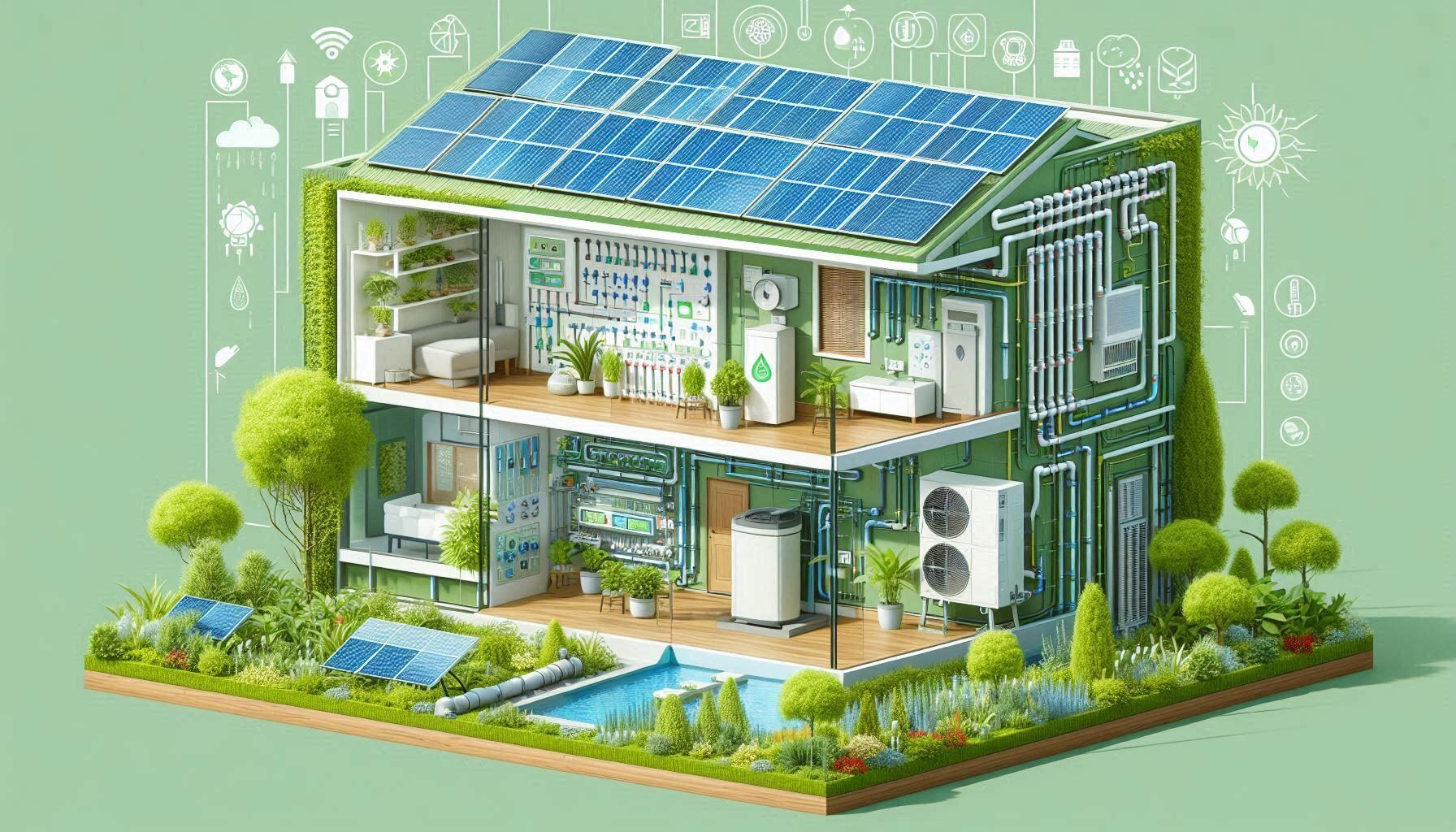
Illustration of sustainable HVAC system in a green building.

Sustainable HVAC system is revolutionizing green building design by providing energy-efficient, eco-friendly solutions that enhance indoor air quality and reduce environmental impact. These systems integrate advanced technologies and renewable energy sources, playing a crucial role in achieving sustainable and resilient buildings. Their benefits extend from reducing greenhouse gas emissions to lowering operational costs, benefiting building owners, occupants, and the broader community. In this article, we will explore the importance, benefits, and key technologies of sustainable HVAC systems, as well as their impact on green building certifications and energy efficiency.

Why Is Sustainability Important in HVAC Systems for Green Building Design?

Sustainability in HVAC systems is crucial for green building design because it reduces energy consumption, lowers greenhouse gas emissions, and promotes environmental conservation. Incorporating sustainable practices in HVAC systems ensures that buildings operate efficiently, minimizing their impact on the planet. This approach not only helps in mitigating climate change but also enhances the overall health and well-being of building occupants. By prioritizing sustainability, we contribute to a more resilient and eco-friendly built environment.

When Should Sustainable Practices Be Integrated into HVAC System Planning for Green Buildings?

Sustainable practices should be integrated into HVAC system planning from the very beginning of the design phase. Early integration allows for the consideration of energy-efficient technologies, renewable energy sources, and innovative design strategies that optimize system performance. By incorporating sustainability from the outset, designers can ensure that the HVAC systems are tailored to the specific needs of the building, leading to better energy management and reduced operational costs over the building’s lifespan.

Where Can Sustainable HVAC Systems Make the Most Impact in Green Buildings?

Sustainable HVAC systems can make the most impact in areas with high energy demand, such as commercial buildings, schools, and hospitals. These buildings often require extensive heating, cooling, and ventilation, making them prime candidates for energy-efficient and eco-friendly HVAC solutions. By implementing sustainable HVAC systems in these environments, we can achieve significant reductions in energy use and operational costs while improving indoor air quality and occupant comfort.

Who Benefits from Implementing Sustainable HVAC Systems in Green Buildings?

Implementing sustainable HVAC systems in green buildings benefits a wide range of stakeholders. Building owners and operators experience lower energy bills and reduced maintenance costs. Occupants enjoy enhanced indoor air quality, thermal comfort, and a healthier living or working environment. Additionally, the broader community benefits from reduced greenhouse gas emissions and the promotion of environmental stewardship. Ultimately, sustainable HVAC systems contribute to the well-being of both people and the planet.

What Are the Key Sustainable Technologies in Modern HVAC Systems for Green Buildings?

Modern HVAC systems for green buildings incorporate several key sustainable technologies, including variable refrigerant flow (VRF) systems, geothermal heat pumps, and energy recovery ventilators (ERVs). These technologies enhance energy efficiency by optimizing the use of heating and cooling resources. Additionally, smart thermostats and building automation systems (BAS) enable precise control of HVAC operations, further reducing energy consumption. Renewable energy integration, such as solar-powered HVAC systems, also plays a crucial role in achieving sustainability in green buildings.

How Do Sustainable HVAC Systems Contribute to Green Building Certifications?

Sustainable HVAC systems play a vital role in achieving green building certifications such as LEED (Leadership in Energy and Environmental Design) and BREEAM (Building Research Establishment Environmental Assessment Method). These certifications evaluate buildings based on their environmental performance and sustainability. Energy-efficient HVAC systems contribute significantly to the energy performance criteria, helping buildings score higher in certification assessments. Additionally, sustainable HVAC systems often incorporate eco-friendly materials and technologies, further enhancing a building’s overall sustainability profile.

Why Should Energy Efficiency Be a Priority in HVAC Systems for Green Buildings?

Energy efficiency should be a priority in HVAC systems for green buildings because it directly impacts operational costs, environmental footprint, and occupant comfort. Efficient HVAC systems use less energy to achieve the desired indoor conditions, resulting in lower utility bills and reduced greenhouse gas emissions. Moreover, energy-efficient systems tend to have longer lifespans and require less maintenance, providing long-term cost savings. Prioritizing energy efficiency in HVAC design and operation is a fundamental step towards achieving sustainable and resilient green buildings.

When Is It Best to Upgrade to Sustainable HVAC Systems in Existing Green Buildings?

Upgrading to sustainable HVAC systems in existing green buildings is best done during major renovations or when the existing HVAC systems are nearing the end of their lifespan. This timing allows for a comprehensive assessment of the building’s needs and the integration of modern, energy-efficient technologies. Additionally, building owners can take advantage of available incentives and rebates for sustainable upgrades. By upgrading at these opportune moments, building owners can improve energy efficiency, reduce operational costs, and enhance indoor air quality without disrupting daily operations.

Where Are the Most Cost-Effective Areas for Implementing Sustainable HVAC Solutions in Green Buildings?

The most cost-effective areas for implementing sustainable HVAC solutions in green buildings include the installation of high-efficiency heat pumps, energy recovery ventilators (ERVs), and smart thermostats. Retrofitting insulation and improving the building envelope can also enhance HVAC efficiency by reducing the load on heating and cooling systems. Additionally, incorporating renewable energy sources, such as solar panels, can provide sustainable power for HVAC operations, leading to significant long-term savings. Focusing on these areas allows building owners to achieve substantial energy and cost savings while promoting sustainability.

Who Are the Leading Innovators in Sustainable HVAC Systems for Green Buildings?

Leading innovators in sustainable HVAC systems for green buildings include companies such as Carrier, Trane, and Daikin. These companies are at the forefront of developing advanced, energy-efficient HVAC technologies that reduce environmental impact. Additionally, organizations like the U.S. Green Building Council (USGBC) and the American Society of Heating, Refrigerating and Air-Conditioning Engineers (ASHRAE) play a crucial role in promoting sustainable HVAC practices through research, standards development, and advocacy. These innovators continuously push the boundaries of what is possible in sustainable HVAC design and operation.

What Are the Benefits of Sustainable HVAC Systems for Occupants of Green Buildings?

Occupants of green buildings benefit from sustainable HVAC systems in several ways. Improved indoor air quality reduces the risk of respiratory issues and enhances overall health and well-being. Energy-efficient systems provide consistent thermal comfort, ensuring a pleasant living or working environment. Additionally, sustainable HVAC systems often operate more quietly than traditional systems, reducing noise pollution. These benefits contribute to a higher quality of life for building occupants, making green buildings an attractive option for both residential and commercial purposes.

How Can Green Building Projects Maximize Efficiency with Sustainable HVAC Systems?

Green building projects can maximize efficiency with sustainable HVAC systems by implementing integrated design strategies that consider the building’s orientation, insulation, and natural ventilation. Utilizing advanced technologies such as variable refrigerant flow (VRF) systems, energy recovery ventilators (ERVs), and smart controls can further enhance efficiency. Regular maintenance and performance monitoring are also essential to ensure that HVAC systems operate at peak efficiency. By adopting these practices, green building projects can achieve significant energy savings and reduce their environmental impact.

Why Is the Use of Renewable Energy in HVAC Systems Crucial for Green Buildings?

The use of renewable energy in HVAC systems is crucial for green buildings because it significantly reduces reliance on fossil fuels and lowers greenhouse gas emissions. Renewable energy sources such as solar, wind, and geothermal provide clean, sustainable power for heating, cooling, and ventilation. Incorporating renewable energy into HVAC systems not only enhances energy efficiency but also contributes to the overall sustainability goals of green buildings. This approach aligns with global efforts to combat climate change and promote a more sustainable future.

When to Consider Retrofitting HVAC Systems for Enhanced Sustainability in Green Buildings?

Retrofitting HVAC systems for enhanced sustainability in green buildings should be considered when the existing systems are outdated, inefficient, or require frequent repairs. Additionally, if energy costs are rising or if there are opportunities to take advantage of financial incentives for sustainable upgrades, it may be the right time to retrofit. Retrofitting provides an opportunity to incorporate modern, energy-efficient technologies that improve performance and reduce environmental impact. By carefully planning and timing these upgrades, building owners can achieve significant energy savings and enhance the sustainability of their properties.

Where to Find Resources and Guidelines for Sustainable HVAC System Design in Green Buildings?

Resources and guidelines for sustainable HVAC system design in green buildings can be found through organizations such as the U.S. Green Building Council (USGBC), the American Society of Heating, Refrigerating and Air-Conditioning Engineers (ASHRAE), and the International WELL Building Institute (IWBI). These organizations provide comprehensive resources, including standards, best practices, and case studies, to guide the design and implementation of sustainable HVAC systems. Additionally, industry publications, webinars, and professional development courses offer valuable insights and up-to-date information on sustainable HVAC technologies and practices.

Who Should Be Involved in the Design and Implementation of Sustainable HVAC Systems for Green Buildings?

The design and implementation of sustainable HVAC systems for green buildings should involve a multidisciplinary team, including architects, HVAC engineers, sustainability consultants, and building owners. Collaboration between these stakeholders ensures that all aspects of sustainability are considered and that the HVAC system is optimized for energy efficiency, performance, and occupant comfort. Additionally, involving contractors and facility managers early in the process can help identify practical solutions and streamline the implementation of sustainable HVAC systems. This collaborative approach is essential for achieving the best outcomes in green building projects.

What Are the Challenges in Integrating Sustainable HVAC Systems into Green Buildings?

Integrating sustainable HVAC systems into green buildings can present several challenges. These include higher initial costs, the need for specialized knowledge and skills, and potential compatibility issues with existing building infrastructure. Additionally, navigating regulatory requirements and obtaining necessary certifications can be complex and time-consuming. However, these challenges can be mitigated through careful planning, stakeholder collaboration, and leveraging available resources and incentives. Overcoming these challenges is crucial to realizing the full benefits of sustainable HVAC systems and advancing the goals of green building design.

How Do Sustainable HVAC Systems Improve Indoor Air Quality in Green Buildings ?

Sustainable HVAC systems improve indoor air quality in green buildings by using advanced filtration, ventilation, and humidity control technologies. These systems remove pollutants, allergens, and excess moisture from indoor air, creating a healthier environment for occupants. Energy recovery wheels (ERWs) and demand-controlled ventilation (DCV) systems optimize fresh air intake, ensuring that indoor air is continuously refreshed without compromising energy efficiency. By maintaining optimal indoor air quality, sustainable HVAC systems contribute to the health and well-being of building occupants and enhance overall comfort.

Why Is Lifecycle Analysis Important for Sustainable HVAC Systems in Green Buildings?

Lifecycle analysis is important for sustainable HVAC systems in green buildings because it evaluates the environmental impact of the system over its entire lifespan. This analysis considers factors such as energy consumption, maintenance requirements, and disposal impacts. By conducting a lifecycle analysis, designers and building owners can make informed decisions about the most sustainable and cost-effective HVAC solutions. This approach ensures that the chosen systems deliver long-term benefits in terms of energy efficiency, environmental conservation, and operational savings, aligning with the overall goals of green building design.

When to Incorporate Smart Technology in Sustainable HVAC Systems for Green Buildings?

Incorporating smart technology in sustainable HVAC systems for green buildings is best done during the initial design phase or when upgrading existing systems. Smart technologies, such as programmable thermostats, advanced sensors, and building automation systems (BAS), provide precise control over HVAC operations, enhancing energy efficiency and performance. By integrating smart technology early in the design process, building owners can optimize system configuration and ensure seamless operation. Additionally, incorporating smart technology during upgrades allows for the modernization of existing systems, improving their sustainability and efficiency.

FAQ

What is sustainable HVAC?

Sustainable HVAC refers to heating, ventilation, and air conditioning systems designed to minimize energy consumption, reduce environmental impact, and enhance indoor air quality. These systems use energy-efficient technologies, renewable energy sources, and eco-friendly materials to achieve sustainability goals. Sustainable HVAC systems are integral to green building design and contribute to the overall efficiency and resilience of buildings.

What is the most eco-friendly HVAC system?

The most eco-friendly HVAC system is typically a geothermal heat pump. Geothermal systems use the stable temperature of the earth to provide heating and cooling, making them highly efficient and environmentally friendly. They have a lower carbon footprint compared to traditional HVAC systems and can significantly reduce energy consumption and greenhouse gas emissions.

What is considered a green HVAC technology?

Green HVAC technology includes systems and components that enhance energy efficiency, reduce environmental impact, and improve indoor air quality. Examples include variable refrigerant flow (VRF) systems, energy recovery ventilators (ERVs), geothermal heat pumps, and smart thermostats. These technologies help achieve sustainability goals by optimizing HVAC performance and minimizing energy use.

What is HVAC system in green building?

An HVAC system in a green building is designed to provide heating, cooling, and ventilation in an energy-efficient and environmentally friendly manner. These systems incorporate sustainable technologies and practices to reduce energy consumption, lower greenhouse gas emissions, and improve indoor air quality. Green building HVAC systems contribute to the overall sustainability and resilience of the built environment.

Sustainable HVAC systems in commercial buildings

Sustainable HVAC systems in commercial buildings utilize advanced technologies to optimize energy use and enhance indoor air quality. These systems often include high-efficiency heat pumps, energy recovery ventilators (ERVs), and building automation systems (BAS) for precise control. By implementing sustainable HVAC solutions, commercial buildings can achieve significant energy savings, reduce operational costs, and create healthier indoor environments for occupants.

Sustainable HVAC systems examples

Examples of sustainable HVAC systems include geothermal heat pumps, variable refrigerant flow (VRF) systems, energy recovery ventilators (ERVs), and solar-powered HVAC systems. These systems use innovative technologies and renewable energy sources to enhance energy efficiency and reduce environmental impact. Sustainable HVAC systems are integral to green building design and contribute to overall building performance and occupant comfort.

Sustainable HVAC systems companies

Leading companies in sustainable HVAC systems include Carrier, Trane, and Daikin. These companies develop advanced, energy-efficient HVAC technologies that reduce environmental impact and enhance system performance. Additionally, organizations like the U.S. Green Building Council USGBC and the American Society of Heating, Refrigerating and Air-Conditioning Engineers (ASHRAE) promote sustainable HVAC practices through research, standards development, and advocacy.

Green HVAC systems

Green HVAC systems are designed to minimize energy consumption, reduce greenhouse gas emissions, and improve indoor air quality. These systems use energy-efficient technologies, renewable energy sources, and eco-friendly materials to achieve sustainability goals. Green HVAC systems are integral to green building design and contribute to the overall efficiency and resilience of buildings.

Best sustainable HVAC systems

The best sustainable HVAC systems include geothermal heat pumps, variable refrigerant flow (VRF) systems, and energy recovery ventilators (ERVs). These systems are highly efficient, environmentally friendly, and enhance indoor air quality. Sustainable HVAC systems provide long-term benefits in terms of energy savings, reduced environmental impact, and improved occupant comfort.

Sustainable cooling systems in buildings

Sustainable cooling systems in buildings include high-efficiency air conditioning units, evaporative coolers, and chilled beam systems. These systems use advanced technologies to optimize cooling performance and reduce energy consumption. By implementing sustainable cooling solutions, buildings can achieve significant energy savings, lower operational costs, and create comfortable indoor environments for occupants.

Green HVAC companies

Leading green HVAC companies include Carrier, Trane, and Daikin. These companies develop advanced, energy-efficient HVAC technologies that reduce environmental impact and enhance system performance. Additionally, organizations like the USGBC and the ASHRAE promote sustainable HVAC practices through research, standards development, and advocacy.

Geothermal heating systems

Geothermal heating systems use the stable temperature of the earth to provide heating and cooling. These systems are highly efficient, environmentally friendly, and have a lower carbon footprint compared to traditional HVAC systems. Geothermal heating systems can significantly reduce energy consumption and greenhouse gas emissions, making them an excellent choice for sustainable building design.

Conclusion

Sustainable HVAC systems are essential for green building design, offering numerous benefits in terms of energy efficiency, environmental impact, and occupant comfort. By integrating sustainable practices and advanced technologies, we can create buildings that are not only efficient and cost-effective but also contribute to a healthier and more sustainable future. From geothermal heat pumps to energy recovery ventilators, the array of sustainable HVAC solutions available today provides ample opportunities for innovation and improvement in the built environment. As we continue to prioritize sustainability in building design, the role of sustainable HVAC systems will only become more critical in achieving our environmental and energy goals.

About The Author

Omprakash Ramagiri; as the Founder of HVAC Technocrats, I bring over 18 years of experience as a Mechanical Engineer specializing in HVAC (Central Air-conditioning) for commercial, cleanrooms, data centers, and Petrochemical industries. Throughout my career, I’ve held pivotal roles at companies like TATA Consulting Engineers, MW Zander (for Cleanroom solutions), Bluestar Malaysia, and ETA in Dubai. I’ve managed international HVAC projects and gained valuable exposure in dynamic markets like Dubai and Saudi Arabia. With a passion for excellence and a commitment to innovative solutions, I specialize in designing Class 10K & 100K Cleanrooms for various industries. Connect with me to explore collaborations in HVAC design, project sales, and consultancy. Click to visit the Author’s Linkedin page


Disclaimer: The pictures used are for illustrative purposes only. They may not depict actual products or situations and are meant for educational purposes. Actual products, situations, or outcomes may differ.