AC Service Near Me: A Comprehensive Guide to Quality Services

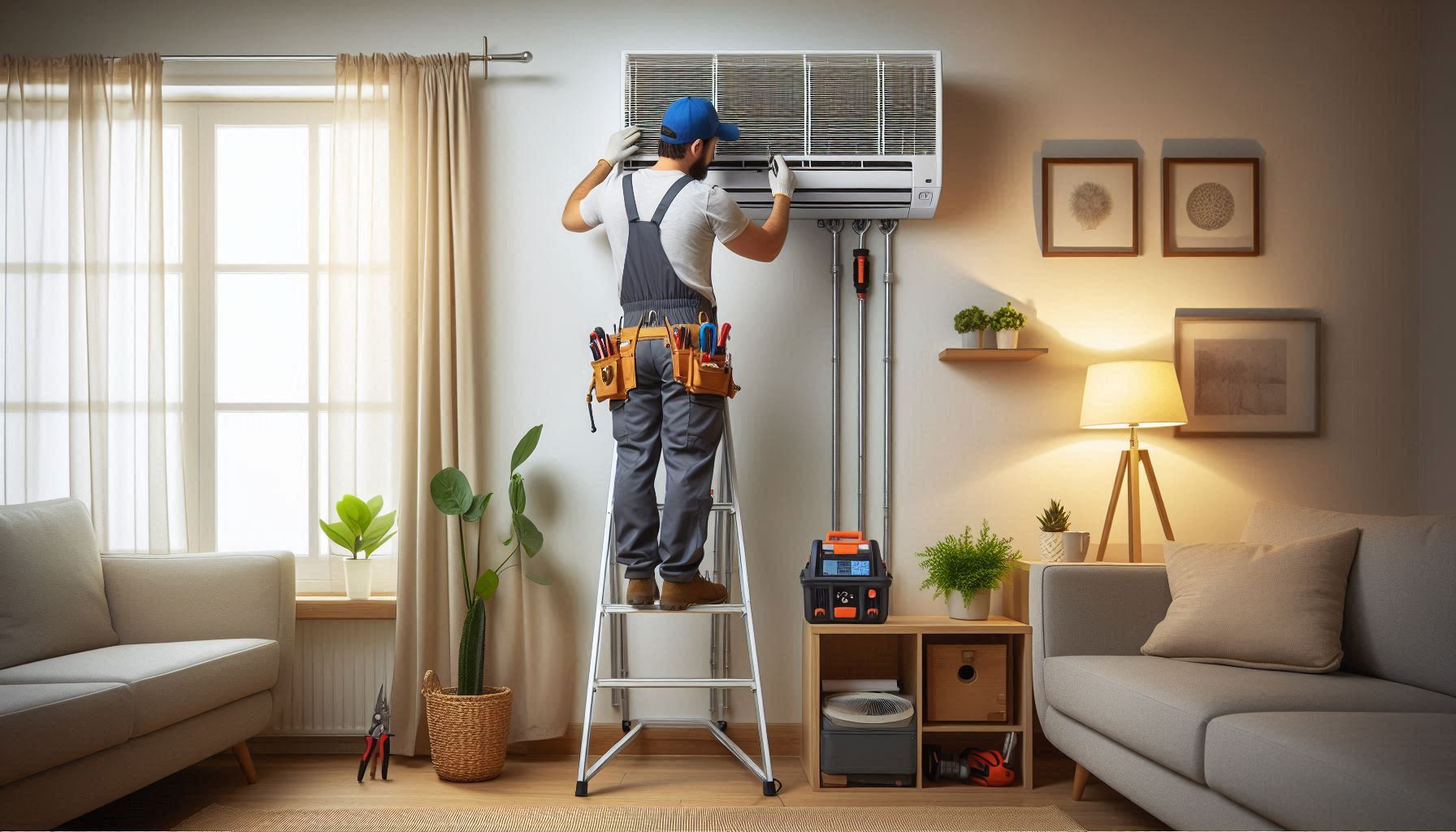
Professional technician inspecting and repairing an air conditioning unit, emphasizing thorough service and expertise.

Finding the right air conditioner service provider near you can be a daunting task. With numerous options available, ensuring you choose a reliable and professional service can make a significant difference in maintaining the efficiency and longevity of your AC unit. This guide will walk you through the essential steps to evaluate and select the best AC service near me, ensuring you receive quality support when you need it most.

AC Service Near Me: Start with Thorough Online Research

Your search for an AC service provider should begin online. Utilize search engines and review platforms to compile a list of potential service providers in your area. Websites like JustDial, Sulekha, and Housejoy can offer detailed listings of local AC service companies. Pay attention to customer reviews and ratings to gauge the quality of service provided. Positive feedback and high ratings often indicate a reliable service provider. Conversely, frequent complaints or low ratings can be a red flag. By analyzing these reviews, you can gain valuable insights into the company’s reliability and customer satisfaction levels.

AC Service Near Me: Verify Licensing and Certifications

Ensure that the AC service providers you consider are properly licensed and certified. A licensed service provider adheres to industry standards and regulations, which is crucial for ensuring safe and effective service. Certifications from reputable organizations such as the Air Conditioning Contractors of India (ACCI) or the Bureau of Indian Standards (BIS) demonstrate the company’s commitment to quality. These credentials confirm that the technicians are trained and qualified to handle your air conditioning system effectively. Checking for these certifications will help you avoid unqualified or amateur technicians.

Evaluate Technician Experience for AC Service Near Me

The experience level of technicians is a key factor in determining the quality of service. Inquire about the experience of the technicians who will be working on your air conditioner. Technicians with extensive experience are generally better equipped to diagnose and resolve issues accurately. Ask about their familiarity with various air conditioner brands and models. Specialized experience with your specific type of AC unit can further enhance the quality of service. More experienced technicians are likely to provide more efficient and reliable repairs and maintenance.

Compare Quotes and Estimates for AC Service Near Me

Before making a decision, obtain detailed quotes from multiple service providers. A clear estimate should include a breakdown of parts, labor, and any additional charges. Comparing quotes will help you understand the market rate for the services you need and avoid unexpected costs. Although cost is an important consideration, it should not be the only factor when choosing a service provider. Weigh affordability against the quality of service to ensure you receive good value. Be wary of exceptionally low quotes, as they may be a sign of inadequate service or hidden charges.

Look for Warranties and Guarantees in AC Service Near Me

Reputable AC service providers often offer warranties or guarantees on their work. A warranty indicates the company’s assurance in their workmanship and offers you added security. It protects you against additional costs if issues recur shortly after the service. When reviewing warranty terms, focus on what is covered and the duration of coverage. Make sure the warranty includes both parts and labor to fully safeguard yourself from potential future expenses.

Assess Customer Service and Communication for AC Service Near Me

Effective communication and excellent customer service are crucial for a positive service experience. Assess how the company engages with you from your first interaction. Are they responsive, polite, and willing to address your questions? Good customer service should include clear explanations of the work to be done, timely updates, and a readiness to resolve your concerns. A company that values its customers is more likely to deliver a satisfactory service experience and build long-term relationships.

Check for Emergency Service Availability for AC Service Near Me

Air conditioner issues can arise unexpectedly, so it’s important to choose a service provider that offers emergency repair options. Verify if the company provides 24/7 support or after-hours service for urgent situations. Availability for emergency repairs ensures that you won’t be left without cooling during critical times and can get prompt assistance when needed. This feature is especially important during peak seasons or extreme weather conditions when AC breakdowns can be more common.

Verify Insurance Coverage for AC Service Near Me

Ensure that the AC service provider carries adequate insurance coverage. This includes both liability insurance and workers’ compensation insurance. Liability insurance protects you in case of damage to your property during the service, while workers’ compensation insurance covers any injuries that might occur to the technicians while on the job. Confirming insurance coverage provides additional peace of mind and safeguards against potential risks. It ensures that you are protected in case of accidents or damage during the service process.

Seek Recommendations and Referrals for AC Service Near Me

Personal referrals from friends, family, or neighbors can be incredibly valuable in finding a reliable AC service provider. Ask those you trust for recommendations based on their own experiences. Personal referrals often lead to discovering trustworthy companies with a proven track record of quality service. People you know can offer honest feedback and insights that you may not find through online reviews. This can be a great way to find reputable service providers who are already vetted by those you trust.

To know more about How to Get Quality Service from Air Conditioner Repair Service Near Me Click Here

Trust Your Instincts When Choosing AC Service Near Me

Finally, trust your instincts when selecting an AC service provider. If something doesn’t feel right or if you have concerns about the company’s reliability, consider exploring other options. Choose a provider that makes you feel confident in their ability to perform the necessary work efficiently and professionally. Your comfort and satisfaction are paramount, and trusting your gut can help ensure that you select a service provider that meets your expectations.

Top Air Conditioner Service Providers in India

  • Blue Star – A leading name in air conditioning services, offering installation, maintenance, and repair solutions across India.
    Click here to explore the range of Blue Star products and capacities available on Amazon India.
  • Voltas – Known for comprehensive AC services including repair, maintenance, and emergency support.
    Click here to explore the range of Voltas products and capacities available on Amazon India.
  • Haier India – Provides expert servicing for Haier air conditioners with a focus on customer satisfaction.
    Click here to explore the range of Haier products and capacities available on Amazon India.
  • LG Electronics – Offers a range of services including installation, repair, and maintenance for LG AC units.
    Click here to explore the range of LG Electronics products and capacities available on Amazon India.
  • Daikin – Specializes in air conditioning services with a strong reputation for quality and reliability.
    Click here to explore the range of Daikin products and capacities available on Amazon India.
  • Samsung India – Provides service for Samsung air conditioners, ensuring professional repair and maintenance.
    Click here to explore the range of Samsung India products and capacities available on Amazon India.
  • Mitsubishi Electric – Offers expert servicing for Mitsubishi air conditioning systems with a focus on technical excellence.
    Click here to explore the range of Mitsubishi Electric products and capacities available on Amazon India.
  • Panasonic India – Known for its efficient and reliable AC servicing solutions.
    Click here to explore the range of Panasonic India products and capacities available on Amazon India.
  • IFB Appliances – Provides specialized services for IFB air conditioning units.
    Click here to explore the range of IFB Appliances products and capacities available on Amazon India.
  • Hitachi – Offers a range of air conditioning services including repair and maintenance for Hitachi AC units.
    Click here to explore the range of Hitachi products and capacities available on Amazon India.

FAQ

What factors should I consider when choosing an AC service provider near me?

When choosing an AC service provider, consider factors such as online reviews, licensing, certifications, technician experience, and the availability of warranties. Also, compare quotes from different providers to ensure competitive pricing and check for emergency service availability and insurance coverage. Reliable customer service and recommendations from trusted sources can further guide your decision.

How important is it to check for licensing and certifications?

Checking for licensing and certifications is crucial as it ensures that the service provider meets industry standards and regulations. Licensed technicians are trained to handle your air conditioning system safely and effectively, providing you with quality service and peace of mind.

Why should I compare quotes from multiple service providers?

Comparing quotes helps you understand the market rate for AC services and avoid overpaying. It allows you to evaluate the cost of parts and labor from different providers, ensuring you get the best value for your money without hidden charges.

To know more about How to Evaluate Right Air Conditioner Service Near Me Professionals Click Here

What should I look for in a warranty offered by an AC service provider?

When evaluating a warranty, look for coverage that includes both parts and labor. The warranty should specify what is covered and for how long. A good warranty provides protection against additional costs if issues arise shortly after the service.

How can personal referrals help in finding a reliable AC service provider?

Personal referrals from friends, family, or neighbors can lead you to trusted service providers with a proven track record. Referrals offer firsthand experiences and honest feedback, helping you choose a reputable provider based on the recommendations of those you trust.

To know more about How to find the reliable experts for air conditioning service near me Click Here

What should I do if I have concerns about a service provider?

If you have concerns about a service provider, trust your instincts and consider exploring other options. Choose a provider that makes you feel confident in their ability to deliver efficient and professional service. Your comfort and satisfaction are key in making the right choice.

Conclusion

Selecting the right AC service provider is essential for maintaining the performance and longevity of your air conditioning system. By conducting thorough research, verifying credentials, comparing quotes, and considering customer feedback, you can make an informed decision. Ensure that the provider offers reliable customer service, emergency support, and appropriate insurance coverage. Following these guidelines will help you find a trustworthy AC service provider who meets your needs and ensures your air conditioner operates efficiently for years to come.

About The Author

Omprakash Ramagiri; as the Founder of HVAC Technocrats, I bring over 18 years of experience as a Mechanical Engineer specializing in HVAC (Central Air-conditioning) for Commercial, Cleanrooms, Data centers, and Petrochemical industries. Throughout my career, I’ve held pivotal roles at companies like TATA Consulting Engineers, MW Zander (for Cleanroom solutions), Bluestar Malaysia, and ETA in Dubai. I’ve managed international HVAC projects and gained valuable exposure in dynamic markets like Dubai and Saudi Arabia. With a passion for excellence and a commitment to innovative solutions, I specialize in designing Class 10K & 100K Cleanrooms for various industries. Connect with me to explore collaborations in HVAC design, project sales, and consultancy. Click to visit the Author’s Linkedin page


Disclaimer: The content and images are for educational purposes and knowledge enhancement only. They may not depict actual products or situations. Outcomes may vary. Content is generated by AI and reviewed by industry experts, including Author.

Air Conditioner Service Near Me: How to Evaluate Services

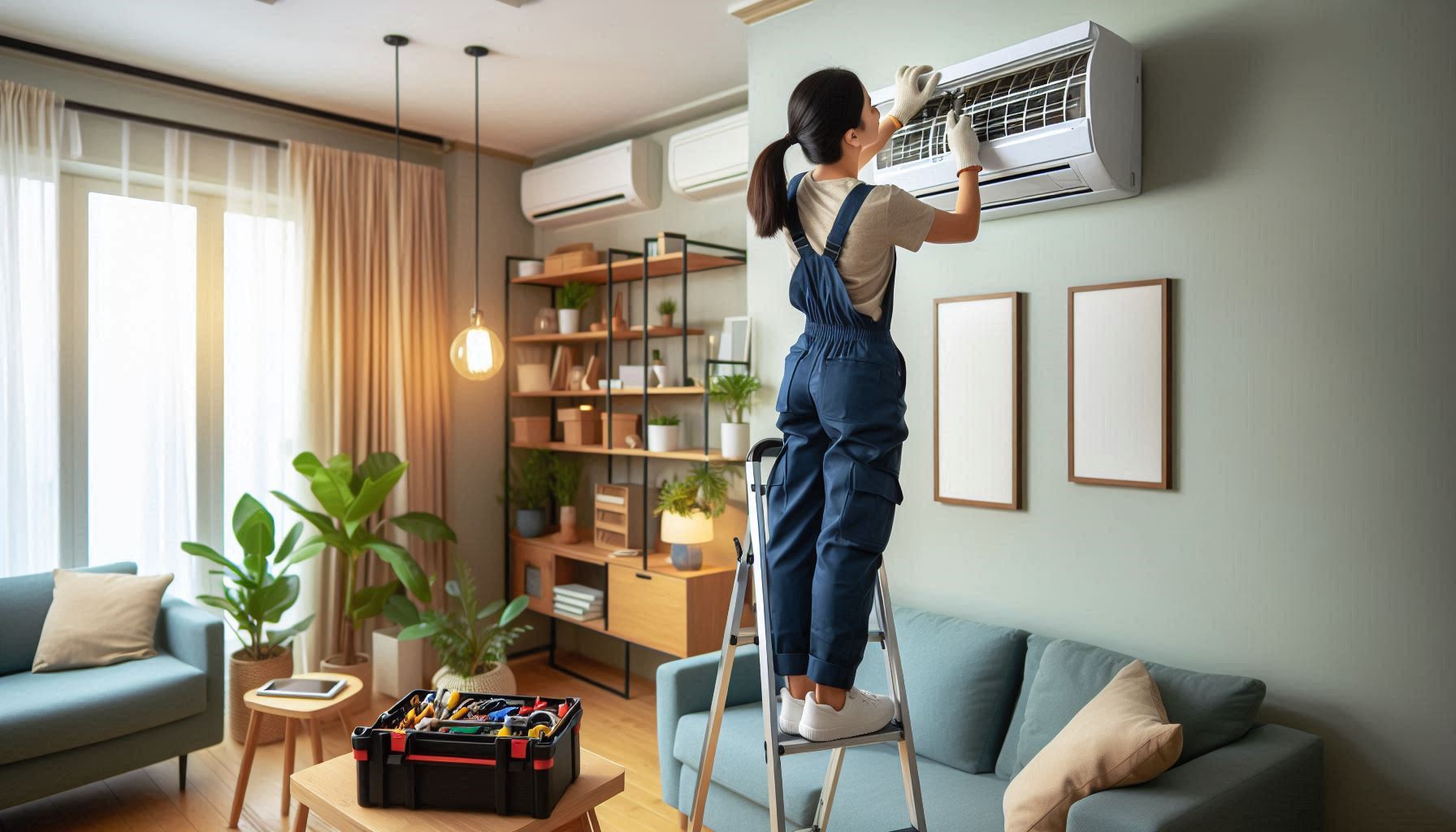
Technician servicing an air conditioner.

When your air conditioner needs servicing, finding a dependable company can be challenging. With numerous options available, evaluating which service provider is right for you requires careful consideration. Here’s a guide on how to effectively assess air conditioner service near me to ensure you receive high-quality and reliable support.

Air Conditioner Service Near Me: Start with Online Research

Begin your search by looking up air conditioner services in your local area. Utilize search engines and review platforms to compile a list of potential service providers. Look for companies with strong ratings and positive feedback from previous customers. Online reviews offer important information about the level of service and overall customer satisfaction. Pay attention to patterns in the reviews, such as recurring praises or complaints, to gauge the reliability of the services.

Air Conditioner Service Near Me: Check for Proper Licensing and Certification

Ensure the companies you consider have the necessary licenses and certifications. A licensed service provider adheres to industry standards and regulations. Certifications from organizations like the Air Conditioning Contractors of America (ACCA) or the Environmental Protection Agency (EPA) are indicators of a company’s credibility and expertise. These credentials assure you that the technicians are trained and qualified to handle your air conditioning system effectively.

Air Conditioner Service Near Me: Evaluate Technician Experience

Experience plays a crucial role in the quality of service provided. Inquire about the experience level of the technicians who will be working on your air conditioner. Technicians with extensive experience are likely to diagnose and fix issues more accurately. Ask about their familiarity with different air conditioner brands and models, and whether they specialize in particular types of repairs or maintenance.

Air Conditioner Service Near Me: Compare Quotes and Estimates

Obtain detailed quotes from multiple service providers before making a decision. A transparent estimate should break down the costs of parts and labor. Comparing quotes helps you understand the market rate for the service you need and prevents unexpected charges. While cost is important, it should not be the sole factor; ensure that the service provider offers a good balance of quality and affordability.

Air Conditioner Service Near Me: Look for Warranties and Guarantees

Reputable air conditioner services often offer warranties or guarantees on their work. These assurances demonstrate the company’s confidence in their service quality. A warranty or guarantee provides protection against additional costs if issues recur shortly after the repair or maintenance. Examine the details of any warranty to understand the coverage and duration.

Air Conditioner Service Near Me: Assess Customer Service and Communication

Effective communication and customer service are essential for a positive experience. Assess the company’s communication and responsiveness from your first interaction. Are they responsive, courteous, and helpful? Good customer service includes clear explanations of the work to be done, timely updates, and a willingness to address your concerns. A company that values its customers is more likely to provide a satisfactory service experience.

Air Conditioner Service Near Me: Check for Emergency Service Availability

Air conditioner problems can arise unexpectedly, so it’s important to choose a service provider that offers emergency repair options. Check if the company provides 24/7 support or after-hours service for urgent issues. Availability for emergency repairs ensures that you won’t be left without cooling during critical times and can get prompt assistance when needed.

Air Conditioner Service Near Me: Verify Insurance Coverage

Ensure that the air conditioner service provider carries adequate insurance coverage. This encompasses liability coverage and workers’ compensation insurance. Liability insurance protects you in case of damage to your property during the service, while workers’ compensation insurance covers any injuries that might occur to the technicians while on the job. Confirming insurance coverage provides additional peace of mind and safeguards against potential risks.

Air Conditioner Service Near Me: Seek Recommendations and Referrals

Ask friends, family, or neighbors for recommendations on reliable air conditioner services. Personal referrals can lead you to trustworthy companies with a proven track record. People you know can provide honest feedback based on their own experiences, which can be a valuable resource in finding a dependable service provider.

Air Conditioner Service Near Me: Trust Your Instincts

Finally, trust your instincts when selecting an air conditioner service provider. If something doesn’t feel right, or if you have concerns about the company’s reliability, consider exploring other options. Choose a service provider that makes you feel confident in their ability to perform the necessary work efficiently and professionally.

To know more about Cassette AC Unit What Are Latest Enhanced Innovations Click Here

AC Repair Kit: Equip Yourself for Efficient Repairs

If you’re looking to tackle air conditioner repairs on your own, having the right tools is essential. An AC repair kit can be a game-changer, offering everything you need to handle common issues with efficiency and precision. This comprehensive kit typically includes essential tools such as gauges, wrenches, and screwdrivers specifically designed for HVAC systems. Having these tools at your disposal ensures you’re well-prepared for both routine maintenance and unexpected repairs. To find a high-quality AC repair kit that meets your needs, click here to browse your options on Amazon India.

Top Air Conditioner Service Providers in India

  • Blue Star – A leading name in air conditioning services, offering installation, maintenance, and repair solutions across India. Click here to explore the range of Blue Star products and capacities available on Amazon India.
  • Voltas – Known for comprehensive AC services including repair, maintenance, and emergency support. Click here to explore the range of Voltas products and capacities available on Amazon India.
  • Haier India – Provides expert servicing for Haier air conditioners with a focus on customer satisfaction. Click here to explore the range of Haier products and capacities available on Amazon India.
  • LG Electronics – Offers a range of services including installation, repair, and maintenance for LG AC units. Click here to explore the range of LG Electronics products and capacities available on Amazon India.
  • Daikin – Specializes in air conditioning services with a strong reputation for quality and reliability. Click here to explore the range of Daikin products and capacities available on Amazon India.
  • Samsung India – Provides service for Samsung air conditioners, ensuring professional repair and maintenance. Click here to explore the range of Samsung India products and capacities available on Amazon India.
  • Mitsubishi Electric – Offers expert servicing for Mitsubishi air conditioning systems with a focus on technical excellence. Click here to explore the range of Mitsubishi Electric products and capacities available on Amazon India.
  • Panasonic India – Known for its efficient and reliable AC servicing solutions. Click here to explore the range of Panasonic India products and capacities available on Amazon India.
  • IFB Appliances – Provides specialized services for IFB air conditioning units. Click here to explore the range of IFB Appliances products and capacities available on Amazon India.
  • Hitachi – Offers a range of air conditioning services including repair and maintenance for Hitachi AC units. Click here to explore the range of Hitachi products and capacities available on Amazon India.

FAQ

What are AC service charges?

AC service charges vary depending on the type of service, the company, and your location. Typically, routine maintenance can cost between ₹1,000 and ₹3,000, while repairs may range from ₹2,000 to ₹10,000 or more, depending on the complexity of the issue. Factors like the type of air conditioner, required parts, and labor charges can affect the overall cost. It’s best to get a detailed estimate from the service provider to understand the charges involved.

Why is my AC not cooling?

If your AC is not cooling, several issues could be the cause. Common reasons include a dirty or clogged air filter, low refrigerant levels, a malfunctioning thermostat, or issues with the compressor. It might also be due to blocked vents or ducts. To diagnose the exact problem, it’s advisable to contact a professional technician who can inspect your system and perform the necessary repairs.

How many times should AC be serviced?

It’s advisable to have your air conditioner serviced at least once annually. Regular servicing ensures that the system operates efficiently and helps prevent unexpected breakdowns. For optimal performance, consider scheduling a service before the start of the cooling season. If you use your AC heavily or experience issues, more frequent servicing might be necessary.

To know more about Energy Efficient AC Unit How to Maintain to Run Efficiently During Hot Weather Click Here

How to check AC gas level?

Checking the AC gas (refrigerant) level requires a professional. Technicians use specialized tools like a pressure gauge to measure the refrigerant levels in your air conditioner. If you suspect a refrigerant issue, contact a licensed technician to inspect and refill the refrigerant if necessary. Attempting to check or recharge the refrigerant yourself can be dangerous and is not recommended.

Air conditioner service near me home service

To find air conditioner service near you that offers home service, search local directories or online platforms for companies providing at-home repairs and maintenance. Look for reviews, verify qualifications, and ensure they offer home service. Contact the company to confirm their availability and schedule an appointment for in-home service.

Split AC service near me

If you need split AC service near you, search online or use local service directories to find companies specializing in split AC units. Ensure the service provider has experience with split systems and offers comprehensive services, including repair and maintenance. Check reviews and contact them to discuss your specific needs.

To know more about How Efficient Multi-Split Condensing Units Click Here

AC service near me contact number

To obtain the contact number for AC service near you, use local directories such as JustDial or Sulekha. Look up air conditioner repair and maintenance services in your area to find their contact details. You can also visit the company’s website or social media pages to get their phone number and reach out for service inquiries.

Best air conditioner service near me

Finding the best air conditioner service near you involves researching local companies with high ratings and positive reviews. Use review platforms and directories to compare services and find providers with a strong reputation for reliability and customer satisfaction. Consider factors such as experience, qualifications, and warranty offers when making your choice.

Cheap air conditioner service near me

For affordable air conditioner service near you, search for budget-friendly options and compare quotes from different providers. While cost is important, ensure that the service provider offers quality workmanship and has good reviews. Be cautious of extremely low prices, as they may indicate subpar service or hidden costs.

Window air conditioner service near me

To find window air conditioner service near you, look for local repair and maintenance companies that specialize in window units. Search online or use service directories to find providers with experience in servicing window ACs. Check their reviews, verify their qualifications, and contact them to arrange a service appointment.

Conclusion

Choosing the right air conditioner service provider is crucial for maintaining the efficiency and longevity of your cooling system. By conducting thorough research, verifying qualifications, and evaluating customer feedback, you can find a reliable service provider that meets your needs. Whether you require routine maintenance or emergency repairs, ensuring that you select a reputable company will help you achieve the best results and enjoy a comfortable indoor environment.

HVAC Valves: How to Troubleshoot Common Issues

Troubleshooting HVAC valve issues guide with tools and techniques for effective maintenance.

Understanding and troubleshooting the HVAC valves issues are essential for maintaining a well-functioning HVAC system. This guide will help you identify and resolve common valve problems to ensure optimal performance.

What Are Common Symptoms of Faulty HVAC Valves?

Faulty HVAC valves can manifest in several ways. One common symptom is a noticeable drop in system efficiency. If your system struggles to heat or cool as it should, a malfunctioning valve might be the cause. Another indicator is unusual noises like banging or hissing, which suggest that the valve isn’t operating properly.

Inconsistent room temperatures can also signal valve issues. If certain areas of your building are significantly warmer or cooler than others, it could be due to a valve failing to regulate the flow of air or refrigerant effectively. Additionally, an unexplained increase in your energy bills might indicate that your system is overworking due to a faulty valve. Identifying these symptoms early can help prevent more severe problems.

To know more about How to Optimize Vibration Control Click Here

How to Identify Leaking HVAC Valves in a System?

Identifying leaks in HVAC valves is crucial for preventing system damage. Start with a visual inspection to look for signs of moisture or corrosion around the valve. These are often indicators of a leak. Another method is to apply a soapy water solution to the valve’s connections. If bubbles form, it means there is a leak.

Using a refrigerant leak detector is a more precise approach. This tool can detect even minor leaks and is essential for accurate diagnosis. Regularly checking for leaks can help maintain your system’s efficiency and prevent costly repairs.

What Are the Most Frequent Causes of HVAC Valve Failures?

HVAC valve failures often stem from a few common causes. Wear and tear from repeated use is a primary factor. Over time, the components of a valve can degrade, leading to leaks or complete failure. Dirt and debris can also obstruct the valve, affecting its performance.

Incorrect installation is another significant cause. Misalignment during installation can result in premature valve failure. Additionally, extreme temperature fluctuations can cause the valve materials to expand and contract, leading to fatigue and failure. Regular maintenance and correct installation procedures can mitigate these issues.

How to Diagnose HVAC Valve Malfunctions Using Basic Tools?

Diagnosing HVAC valve malfunctions can be done effectively with basic tools. Start by turning off the system for safety. Use a flashlight to inspect the valve for visible damage or debris.

A screwdriver can help open the valve housing to check for internal issues. If the valve is clogged or damaged, it may need cleaning or replacement. Use a multimeter to test the electrical connections for proper voltage and continuity. These basic diagnostic steps can help identify the problem without requiring advanced tools.

What Steps Should Be Taken to Troubleshoot Stuck HVAC Valves?

When dealing with a stuck HVAC valve, start by checking for physical obstructions. Turn off the system and inspect the valve for debris or corrosion that may be causing it to stick. Remove any blockages and clean the valve if needed.

If the valve remains stuck, the actuator might be at fault. Check the actuator’s connections and ensure it’s receiving the correct voltage. If the actuator is malfunctioning, replacing it might be necessary. Regular lubrication of the valve can also prevent sticking issues in the future.

How Can You Address Issues with HVAC Valve Actuators?

HVAC valve actuators are crucial for proper valve operation. To address actuator issues, first check if the actuator is receiving power. Use a multimeter to measure the voltage at the actuator terminals.

Inspect the actuator for physical damage or wear. If the actuator is not functioning correctly despite receiving power, it might need replacement. Regular maintenance, including checking connections and lubrication, can help prolong the life of actuators and prevent issues.

What Are Effective Methods for Fixing Noisy HVAC Valves?

Fixing noisy HVAC valves involves several steps. Start by tightening any loose components around the valve. Noise can also result from air trapped in the system, so bleeding the air out can often help.

If the noise continues, inspect the valve for wear or damage. Replacing worn parts may be necessary. Lubricating the valve with high-quality, manufacturer-recommended lubricants can reduce friction and noise. Regular maintenance and proper lubrication are key to minimizing noise and ensuring smooth valve operation.

How to Resolve HVAC Valve Calibration Problems?

HVAC valve calibration problems can impact system performance. Start by checking the valve settings against the manufacturer’s specifications. Ensure the valve is set correctly for your system’s needs. If adjustments are necessary, follow the manufacturer’s calibration guidelines.

Inspect the actuator and control systems for any issues. Calibration problems can also stem from faulty actuators or control boards. Use diagnostic tools to check electrical signals and adjust control parameters as needed. Regular calibration ensures the valve operates correctly and maintains system efficiency.

What Role Do Control Systems Play in HVAC Valve Troubleshooting?

Control systems are essential for the operation and troubleshooting of HVAC valves. They manage the opening and closing of valves based on system demands. When troubleshooting valve issues, check the control system to ensure it is sending the correct signals to the valve.

Diagnostic tools can help identify software or firmware issues within the control system. Updating or reprogramming the control system may resolve some problems. Properly functioning control systems are critical for maintaining efficient valve operation and overall system performance.

FAQ

What are three common valve failures?

Three common valve failures include leaks due to wear and tear, obstructions from dirt and debris, and issues stemming from incorrect installation.

How to troubleshoot HVAC problems?

To troubleshoot HVAC problems, start with a visual inspection, check for leaks, use basic tools to diagnose issues, and test electrical connections.

To know more about Over Design Issues in HVAC Click Here

What is the common problem in control valve?

A common problem in control valves is improper calibration, which can lead to inefficiency and inconsistent system performance.

How to troubleshoot a solenoid valve?

To troubleshoot a solenoid valve, check for power at the terminals, inspect for physical damage, and ensure the valve is clean and unobstructed.

HVAC valves how to troubleshoot common issues pdf?

Download the “HVAC Valves How to Troubleshoot Common Issues” PDF guide from reputable HVAC websites for detailed troubleshooting steps and maintenance tips.

Symptoms of bad gas valve on furnace?

Symptoms of a bad gas valve on a furnace include difficulty igniting the furnace, inconsistent heating, and unusual noises such as clicking or hissing.

Gas valve Troubleshooting guide?

A gas valve troubleshooting guide will typically include steps for checking for leaks, testing electrical connections, and inspecting for physical damage or wear.

Furnace gas valve not opening?

If a furnace gas valve is not opening, check for electrical issues, inspect the valve for obstructions, and ensure the control system is functioning properly.

New gas valve not working?

If a new gas valve is not working, verify the installation, check for electrical continuity, and ensure that there are no obstructions or leaks.

Is a faulty gas valve dangerous?

Yes, a faulty gas valve can be dangerous as it may lead to gas leaks, posing fire and health risks. Immediate inspection and repair are crucial.

What causes gas valve failure?

Gas valve failure can be caused by wear and tear, dirt and debris, incorrect installation, and extreme temperature fluctuations affecting the valve materials.

Furnace gas valve clicks but no gas?

If a furnace gas valve clicks but no gas flows, the issue could be with the control system, electrical connections, or a blocked valve.

Conclusion

Troubleshooting HVAC valve issues involves identifying symptoms, diagnosing problems, and applying effective solutions. By understanding common valve problems and their causes, you can take proactive steps to maintain your HVAC system. Regular maintenance, timely repairs, and proper calibration are essential for ensuring your HVAC valves function smoothly and efficiently. Implement these practices to enhance system reliability and performance, preventing costly repairs and maintaining comfort in your space.

To know more about Net Zero in HVAC System Click Here

About The Author

Omprakash Ramagiri; as the Founder of HVAC Technocrats, I bring over 18 years of experience as a Mechanical Engineer specializing in HVAC (Central Air-conditioning) for commercial, cleanrooms, data centers, and Petrochemical industries. Throughout my career, I’ve held pivotal roles at companies like TATA Consulting Engineers, MW Zander (for Cleanroom solutions), Bluestar Malaysia, and ETA in Dubai. I’ve managed international HVAC projects and gained valuable exposure in dynamic markets like Dubai and Saudi Arabia. With a passion for excellence and a commitment to innovative solutions, I specialize in designing Class 10K & 100K Cleanrooms for various industries. Connect with me to explore collaborations in HVAC design, project sales, and consultancy. Click to visit the Author’s Linkedin page


Disclaimer: The pictures used are for illustrative purposes only. They may not depict actual products or situations and are meant for educational purposes. Actual products, situations, or outcomes may differ.

AHU: Exploring Specifications Which You Need to Know

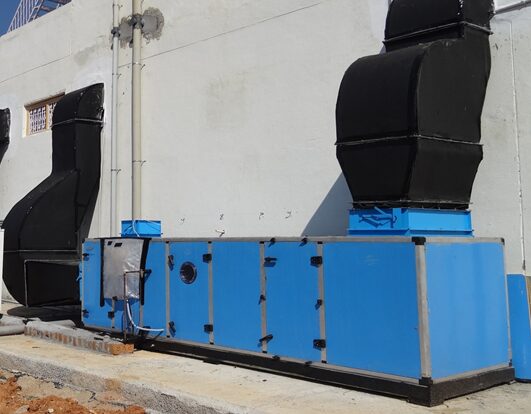
Illustration of an AHU in a commercial HVAC system.

An Air Handling Unit (AHU) is a critical component in HVAC systems, designed to regulate and circulate air. It houses essential elements like fans, filters, heating and cooling coils, and dampers. AHUs are typically used in commercial and industrial settings. They ensure that indoor air quality is maintained by managing temperature, humidity, and air cleanliness. In HVAC systems, AHUs are central to the efficient delivery of conditioned air throughout a building. Therefore, understanding their functionality and role is crucial for optimal HVAC system performance.

How does an AHU contribute to the overall performance of an HVAC system?

An AHU significantly enhances the overall performance of an HVAC system by ensuring effective air circulation and quality control. It maintains desired indoor conditions by managing airflow, filtering pollutants, and adjusting temperature and humidity levels. The integration of advanced controls and sensors within AHUs allows precise monitoring and adjustment, leading to energy efficiency and cost savings. Moreover, AHUs support the system’s adaptability to varying external conditions, ensuring comfort and safety for occupants. Therefore, a well-designed AHU is indispensable for maintaining optimal HVAC system performance and energy efficiency.

What are the different types of AHU available for HVAC systems?

Several types of AHUs cater to different HVAC system requirements. The main types include packaged AHUs, modular AHUs, and custom-built AHUs. Packaged AHUs are pre-engineered and suitable for standard applications. Modular AHUs offer flexibility with various sections that can be configured as needed. Custom-built AHUs are tailored for specific needs, often used in specialized environments like cleanrooms or laboratories. Additionally, AHUs can be categorized based on their location, such as rooftop units or indoor units. Each type serves distinct purposes, providing versatility in HVAC system design and application.

Where are AHU commonly used in various industries?

AHUs are widely used across multiple industries due to their versatility in managing indoor air quality. In commercial buildings like offices and shopping malls, AHUs maintain a comfortable environment for occupants. In healthcare settings, they ensure sterile and clean air, essential for patient safety. AHUs are also crucial in manufacturing plants, especially in cleanrooms and pharmaceutical production, where air purity is paramount. Additionally, they play a significant role in data centers, preserving the optimal temperature for equipment. Thus, AHUs are integral in diverse industries, ensuring environmental control and operational efficiency.

What key specifications should be considered when selecting an AHU?

Selecting an AHU involves evaluating several key specifications to ensure optimal performance and compatibility with the HVAC system. Important factors include the unit’s airflow capacity, measured in cubic feet per minute (CFM), and the static pressure it can handle. Additionally, the efficiency of filters, the type and capacity of heating and cooling coils, and the energy efficiency ratio (EER) are critical considerations. Noise levels, ease of maintenance, and the integration of control systems also play a vital role. These specifications help in choosing an AHU that meets the specific requirements of the building and its occupants.

What are the advantages and disadvantages of using an AHU in an HVAC system?

Using an AHU in an HVAC system offers several advantages. It provides precise control over air quality, temperature, and humidity, enhancing occupant comfort. AHUs are energy-efficient, contributing to reduced operational costs. They also support modularity and scalability, allowing customization for specific needs. However, there are some disadvantages. AHUs can be complex and expensive to install and maintain. They require regular servicing to ensure optimal performance. Additionally, improperly sized or poorly maintained AHUs can lead to inefficiencies and increased energy consumption. Therefore, a balanced approach is necessary to maximize the benefits of AHUs.

What information is typically included in an AHU technical data sheet?

An AHU technical data sheet provides comprehensive details about the unit’s specifications and performance characteristics. Key information includes the airflow rate, static pressure, heating and cooling capacities, and filter efficiency. It also outlines the electrical requirements, including voltage, power consumption, and control options. The data sheet includes dimensions, weight, and installation guidelines. Performance curves, noise levels, and maintenance schedules are also detailed. This information is crucial for selecting, installing, and maintaining the AHU, ensuring it meets the specific needs of the HVAC system and the building it serves.

What are the main components of an AHU?

An AHU comprises several main components essential for its operation. The primary components include fans, which drive the airflow, and filters, which remove particulates from the air. Heating and cooling coils adjust the temperature and humidity levels. Dampers control the airflow and pressure within the unit. Additionally, humidifiers add moisture to the air when needed. Sensors and control systems monitor and regulate the performance of these components. Each part plays a critical role in ensuring the AHU functions efficiently, providing a comfortable and healthy indoor environment.

What are the critical sub-components within an AHU?

Within an AHU, several critical sub-components ensure its efficient operation. These include the fan motor, which powers the fans, and the belt drive system that transmits this power. Heat exchangers are crucial for transferring thermal energy between the air and the coils. Air filters, including pre-filters and high-efficiency particulate air (HEPA) filters, are essential for removing contaminants. Additionally, dampers and actuators control airflow and pressure. Control systems and sensors monitor and adjust the unit’s performance. Each sub-component plays a vital role in maintaining the AHU’s functionality and efficiency.

What are the essential design considerations for an AHU?

Designing an AHU involves several essential considerations to ensure optimal performance and compatibility with the HVAC system. These include determining the required airflow rate and static pressure, selecting appropriate filters, and choosing the right type and capacity of heating and cooling coils. The design must also consider noise levels, energy efficiency, and ease of maintenance. Additionally, the integration of control systems and sensors is crucial for monitoring and adjusting performance. Properly addressing these factors ensures the AHU meets the specific needs of the building and its occupants, providing a comfortable and healthy indoor environment.

What design parameters must be considered when planning an AHU?

When planning an AHU, several design parameters are critical to ensure optimal performance. These include the airflow rate, static pressure, and temperature and humidity control requirements. The type and efficiency of filters, the capacity of heating and cooling coils, and the energy efficiency ratio (EER) are also important. Noise levels, ease of maintenance, and the integration of control systems and sensors are crucial considerations. Properly addressing these parameters ensures the AHU meets the specific needs of the building and its occupants, providing a comfortable and healthy indoor environment.

What unit conversions are necessary for AHU design and specification?

Designing and specifying an AHU requires several unit conversions to ensure accuracy. Common conversions include airflow rate from cubic feet per minute (CFM) to cubic meters per hour (m³/h) and static pressure from inches of water column (in. w.c.) to Pascals (Pa). Temperature conversions between Fahrenheit (°F) and Celsius (°C) are often necessary. Additionally, energy efficiency ratios (EER) may need to be converted to coefficient of performance (COP). These conversions ensure that the AHU specifications align with industry standards and meet the specific needs of the building and its occupants.

What methods are used to calculate the capacity of an AHU?

Calculating the capacity of an AHU involves several methods to ensure accurate sizing and performance. One common method is the heat load calculation, which considers the building’s thermal requirements based on factors like occupancy, equipment, and insulation. The airflow rate is determined by calculating the volume of air needed to maintain desired indoor conditions. Additionally, the cooling and heating capacities are calculated based on the temperature and humidity control requirements. These calculations ensure the AHU is appropriately sized and capable of meeting the specific needs of the building and its occupants.

What codes and standards govern the use of AHU in HVAC systems?

The use of AHUs in HVAC systems is governed by several codes and standards to ensure safety, efficiency, and performance. Key standards include those set by the American Society of Heating, Refrigerating, and Air-Conditioning Engineers (ASHRAE) and the Indian Society of Heating, Refrigerating, and Air Conditioning Engineers (ISHRAE). These standards provide guidelines for design, installation, and maintenance. Additionally, building codes like the International Building Code (IBC) and local regulations may apply. Adhering to these codes and standards ensures that AHUs meet the necessary safety and performance requirements, providing a comfortable and healthy indoor environment.

What is a general arrangement drawing for an AHU?

A general arrangement drawing for an AHU provides a detailed visual representation of the unit’s layout and components. It includes dimensions, placement of filters, motor, fans, coils, drain pan, limit switch, lamp, motor base channels, dampers and other elements. The drawing shows the overall configuration, including duct connections, access doors, and control panels. It also indicates service and maintenance areas, ensuring ease of access. This drawing is crucial for the proper installation and integration of the AHU within the HVAC system. It helps ensure that all components are correctly placed and that the unit functions efficiently, providing a comfortable and healthy indoor environment.

What information is conveyed in an AHU schematic drawing?

An AHU schematic drawing provides a detailed representation of the unit’s internal components and their connections. It includes diagrams of fans, filters, heating and cooling coils, dampers, and control systems. The schematic shows the airflow path, indicating how air moves through the unit. It also details electrical connections, including power supply and control wiring. This drawing is essential for understanding the AHU’s operation and for troubleshooting any issues. It ensures that all components are correctly connected and functioning as intended, contributing to the overall performance of the HVAC system.

What is included in the electrical scope of works for an AHU?

The electrical scope of works for an AHU outlines the necessary electrical requirements and connections. It includes details on power supply, such as voltage and phase, and the unit’s electrical load. The scope also specifies the wiring connections for fans, motors, control panels, and sensors. It includes requirements for grounding, circuit protection, and emergency shutdown systems. This document ensures that the AHU is correctly wired and complies with electrical codes and standards. Properly addressing the electrical scope of works is crucial for the safe and efficient operation of the AHU within the HVAC system.

Who are the leading manufacturers of AHU?

Several leading manufacturers specialize in producing high-quality AHUs for various HVAC applications. Notable names include

  • Carrier
  • Trane
  • Daikin
  • Johnson Controls
  • York
known for their advanced technology and reliable performance and are also prominent manufacturers, offering a range of AHUs tailored for different industries. Other key players include
  • Zeco
  • Greenheck
  • McQuay
  • Bluestar
  • Voltas
  • Systemair
each providing innovative solutions to meet specific air handling needs. These manufacturers are renowned for their commitment to quality, energy efficiency, and sustainability, ensuring that their AHUs deliver optimal performance and reliability in diverse applications.

What is a bill of material for an AHU?

A bill of material (BOM) for an AHU lists all the components and materials required for its construction and installation. It includes detailed descriptions and quantities of parts like panels, fans, motors, filters, coils, and control systems. The BOM also specifies the necessary hardware, such as bolts, brackets, and duct connections. This document is crucial for ensuring that all components are accounted for and available during the assembly and installation process. A comprehensive BOM helps streamline procurement, minimize delays, and ensure the AHU is built and installed correctly, providing efficient and reliable operation.

What is the purpose of a shop drawing for an AHU?

A shop drawing for an AHU provides detailed instructions for its fabrication and assembly. It includes precise dimensions, materials, and construction techniques. The drawing outlines the placement of components, such as fans, coils, and filters, and specifies the necessary connections and alignments. Shop drawings ensure that the AHU is built according to the design specifications and meets the required performance standards. They are used by manufacturers and contractors to guide the construction process, ensuring accuracy and consistency. Properly executed shop drawings are essential for delivering a high-quality AHU that functions efficiently.

What are the steps involved in the installation of an AHU?

The installation of an AHU involves several critical steps to ensure proper setup and operation. First, the unit is positioned and anchored in the designated location. Duct connections are made, ensuring airtight seals. Electrical wiring is completed according to the electrical scope of works. Next, the fans, coils, filters, and control systems are installed and connected. The unit is then tested for leaks, airflow, and operational functionality. Finally, adjustments are made to optimize performance, and the AHU is commissioned for use. Following these steps ensures that the AHU operates efficiently and meets the HVAC system’s requirements.

What should be included in an AHU installation checklist?

An AHU installation checklist ensures all critical tasks are completed for a successful setup. Key items include verifying the correct placement and securing the unit, checking duct connections for airtight seals, and completing electrical wiring according to the scope of works. The checklist also includes installing and connecting fans, coils, filters, and control systems, testing for leaks and airflow, and verifying operational functionality. Finally, adjustments are made to optimize performance, and the unit is commissioned for use. This comprehensive checklist helps ensure that the AHU operates efficiently and meets the HVAC system’s requirements.

What supporting details are necessary for AHU installation?

Supporting details for AHU installation include site-specific information such as the unit’s location, mounting requirements, and available space. Detailed diagrams of duct connections, electrical wiring, and control system interfaces are essential. Information on necessary tools, equipment, and materials, including dimensions and quantities, is crucial. Additionally, guidelines for safety procedures, maintenance access, and operational testing are necessary. These details ensure that the AHU installation is carried out accurately and efficiently, minimizing the risk of errors and ensuring optimal performance within the HVAC system.

What procedures are involved in testing, adjusting, and balancing an AHU?

Testing, adjusting, and balancing (TAB) an AHU involves several procedures to ensure optimal performance. First, airflow measurements are taken to verify the unit’s output matches the design specifications. Adjustments are made to fan speeds, dampers, and control settings to achieve the desired airflow and pressure. The temperature and humidity levels are checked and adjusted as needed. Filters and coils are inspected for proper installation and functionality. Finally, the entire system is tested under various operating conditions to ensure consistent performance. These procedures help maintain the AHU’s efficiency and reliability within the HVAC system.

What techniques are used to control noise and vibration in AHU?

Controlling noise and vibration in AHUs involves several techniques to enhance comfort and efficiency. Acoustic insulation materials are used to line the unit’s casing, reducing noise transmission. Vibration isolation mounts are installed to minimize the transfer of vibrations to the building structure. Additionally, flexible duct connectors help absorb vibrations from the unit’s fans and motors. Properly balancing the fans and ensuring all components are securely fastened also reduces noise and vibration. These techniques are essential for maintaining a quiet and comfortable indoor environment, enhancing the overall performance of the HVAC system.

What are the recommended maintenance procedures for an AHU?

Regular maintenance is essential for ensuring the optimal performance and longevity of an AHU. Key procedures include inspecting and cleaning filters, coils, and fans to prevent the buildup of dust and debris. Checking and adjusting belts and pulleys ensures proper alignment and tension. Lubricating moving parts, such as fan bearings and motor shafts, reduces wear and tear. Additionally, verifying the functionality of control systems and sensors is crucial for maintaining accurate performance. Periodic testing and calibration of the unit’s components help identify potential issues early, ensuring reliable operation and energy efficiency.

What are common troubleshooting and diagnostic techniques for AHUs?

Troubleshooting and diagnosing AHU issues involve several techniques to identify and resolve problems. Visual inspections are conducted to check for obvious signs of damage or wear. Measuring airflow and static pressure helps detect blockages or leaks in the ductwork. Temperature and humidity readings indicate issues with heating or cooling coils. Electrical tests verify the functionality of motors, fans, and control systems. Additionally, listening for unusual noises and checking vibration levels can reveal mechanical issues. These techniques help pinpoint the cause of problems, allowing for timely repairs and ensuring the AHU operates efficiently.

What methods are used to monitor the performance of an AHU?

Monitoring the performance of an AHU involves several methods to ensure it operates efficiently. Sensors and control systems provide real-time data on airflow, temperature, humidity, and pressure. Regular inspections and maintenance checks help identify potential issues early. Performance metrics, such as energy consumption and runtime, are tracked to detect changes in efficiency. Additionally, advanced monitoring systems can alert operators to deviations from normal operating conditions. These methods help maintain the AHU’s performance, ensuring it meets the HVAC system’s requirements and provides a comfortable and healthy indoor environment.

What is involved in the lifecycle analysis of an AHU?

Lifecycle analysis of an AHU involves evaluating its performance, costs, and environmental impact from installation to decommissioning. Key factors include the unit’s initial purchase and installation costs, operational and maintenance expenses, and energy consumption. Environmental considerations, such as the materials used and the unit’s efficiency, are also analyzed. The expected lifespan and potential for upgrades or retrofits are evaluated. This comprehensive analysis helps determine the overall value and sustainability of the AHU, guiding decisions on its selection, operation, and replacement within the HVAC system.

What features of an AHU contribute to energy efficiency?

Several features of an AHU contribute to its energy efficiency. High-efficiency fans and motors reduce energy consumption while maintaining optimal airflow. Variable speed drives (VSDs) adjust fan speeds based on demand, minimizing energy use. Advanced control systems monitor and regulate the unit’s performance, optimizing energy efficiency. High-efficiency filters reduce pressure drop, decreasing the workload on fans. Additionally, heat recovery systems capture and reuse waste heat, further enhancing energy efficiency. These features help reduce operational costs and environmental impact, ensuring the AHU provides sustainable and efficient performance within the HVAC system.

What are the benefits of upgrading or retrofitting an AHU?

Upgrading or retrofitting an AHU offers several benefits, enhancing performance and efficiency. Newer components, such as high-efficiency fans, motors, and filters, reduce energy consumption and operational costs. Advanced control systems improve the unit’s responsiveness and accuracy, ensuring optimal indoor conditions. Retrofitting can also address specific issues, such as noise and vibration control, improving occupant comfort. Additionally, upgrades extend the unit’s lifespan, delaying the need for a complete replacement. These benefits contribute to a more efficient, reliable, and sustainable HVAC system, providing long-term value and improved performance.

What warranty information should you look for when purchasing an AHU?

When purchasing an AHU, it is important to consider the warranty information provided by the manufacturer. Look for warranties that cover key components, such as fans, motors, coils, and control systems, for an extended period. Ensure the warranty includes coverage for defects in materials and workmanship. Additionally, check if the warranty provides for labor costs associated with repairs or replacements. Understanding the warranty terms, conditions, and exclusions is crucial for ensuring long-term protection and support. A comprehensive warranty offers peace of mind and safeguards your investment in the AHU, ensuring reliable performance and customer satisfaction.

What is the environmental impact of using an AHU?

The environmental impact of using an AHU depends on several factors, including its energy efficiency, materials used, and emissions. High-efficiency units consume less energy, reducing greenhouse gas emissions and lowering operational costs. Sustainable materials, such as recyclable components and environmentally friendly refrigerants, minimize environmental harm. Proper maintenance and regular servicing ensure optimal performance, reducing the unit’s overall impact. Additionally, advanced technologies, such as heat recovery systems, further enhance sustainability. By choosing energy-efficient and environmentally conscious AHUs, you can significantly reduce the environmental footprint of your HVAC system, contributing to a healthier planet.

What safety considerations must be taken into account when installing an AHU?

Safety considerations are crucial when installing an AHU to ensure the protection of personnel and equipment. Proper grounding and electrical connections prevent electrical hazards. Adequate clearance around the unit allows for safe access during maintenance and servicing. Using appropriate lifting equipment and techniques ensures safe handling and installation of heavy components. Additionally, following manufacturer guidelines and local codes and standards, such as those set by ASHRAE and ISHRAE, ensures compliance with safety regulations. Implementing safety measures during installation helps prevent accidents, ensuring a safe and efficient operation of the AHU within the HVAC system.

What spare parts are typically required for AHU maintenance?

AHU maintenance requires several spare parts to ensure continued performance and reliability. Commonly needed parts include filters, belts, and bearings, which wear out over time. Replacement fans and motors are essential for addressing mechanical failures. Coils and heat exchangers may also need replacement due to corrosion or damage. Control components, such as sensors and actuators, ensure accurate system operation and may require periodic replacement. Keeping a stock of these spare parts enables timely repairs and minimizes downtime, ensuring the AHU operates efficiently and maintains the desired indoor air quality and comfort levels.

FAQ

What is the AHU in HVAC?

The AHU, or Air Handling Unit, in HVAC systems, is a device that conditions and circulates air as part of the heating, ventilation, and air conditioning system. It ensures proper air filtration, temperature control, and humidity regulation to maintain indoor air quality and comfort in buildings.

What is AHU vs FCU in HVAC?

AHU (Air Handling Unit) and FCU (Fan Coil Unit) serve different purposes in HVAC systems. AHUs are larger units that handle air conditioning and ventilation for entire buildings, while FCUs are smaller units that condition air for specific spaces or rooms.

What are the main parts of the AHU?

The main parts of an AHU include:

  • Fan: Moves air through the unit.
  • Coils: Heat or cool the air.
  • Filters: Remove particles from the air.
  • Dampers: Control airflow.
  • Mixing Chamber: Mixes air for temperature control.
  • Control Panel: Manages the unit’s operation.

Types of AHU in HVAC systems

There are several types of AHUs used in HVAC systems:

  • Rooftop Units: Installed on the roof, suitable for large spaces.
  • Modular Units: Flexible and customizable for various applications.
  • Make-up Air Units: Provide fresh air to replace exhaust air.
  • Packaged Units: Contain all components in a single enclosure.

Role of AHU in HVAC systems

The AHU plays a crucial role in HVAC systems by conditioning and distributing air throughout the building. It ensures the air is clean, at the right temperature, and maintains proper humidity levels, contributing to occupant comfort and indoor air quality.

AHU in HVAC systems Wikipedia

AHU in HVAC systems is extensively covered on Wikipedia, describing its function, components, and various types used in different applications. It provides an in-depth overview of how AHUs integrate into HVAC systems to maintain air quality and comfort in buildings.

Types of AHU

Different types of AHUs include:

  • Single Zone Units: Serve specific areas with consistent requirements.
  • Multi-Zone Units: Serve multiple areas with varying needs.
  • Heat Recovery Units: Recover energy from exhaust air.
  • Custom-Built Units: Designed for unique applications or specifications.

Air handling unit diagram

An air handling unit diagram illustrates the internal components and airflow path within the unit. It typically includes fans, coils, filters, dampers, and control systems, helping to understand how air moves through the system for effective operation and maintenance.

Air handling unit working principle

The working principle of an air handling unit involves drawing air in, conditioning it by heating, cooling, filtering, and regulating humidity, and then distributing it throughout the building. This process ensures consistent indoor air quality and comfort.

AHU full form in HVAC

AHU in HVAC stands for Air Handling Unit. It refers to the equipment responsible for air conditioning and ventilation within buildings, ensuring proper air quality and comfort.

Air handling unit for home

An air handling unit for home use is designed to provide efficient air conditioning and ventilation specifically for residential spaces. It helps maintain optimal indoor air quality and comfort levels within homes.

Conclusion

AHUs are integral components of HVAC systems, providing essential air handling functions for various applications. Understanding their types, specifications, components, and installation requirements is crucial for optimizing performance and efficiency. Proper maintenance, troubleshooting, and monitoring ensure reliable operation and longevity. Upgrading or retrofitting AHUs can enhance energy efficiency, reduce operational costs, and improve indoor air quality. By following industry standards and guidelines, such as those from ASHRAE and ISHRAE, you can ensure safe and compliant AHU installations. Investing in high-quality AHUs with comprehensive warranties and minimal environmental impact contributes to a sustainable and efficient HVAC system.

About the Author

Omprakash Ramagiri; as the Founder of HVAC Technocrats, I bring over 18 years of experience as a Mechanical Engineer specializing in HVAC (Central Air-conditioning) for commercial, cleanrooms, data centers, and Petrochemical industries. Throughout my career, I’ve held pivotal roles at companies like TATA Consulting Engineers, MW Zander (for Cleanroom solutions), Bluestar Malaysia, and ETA in Dubai. I’ve managed international HVAC projects and gained valuable exposure in dynamic markets like Dubai and Saudi Arabia. With a passion for excellence and a commitment to innovative solutions, I specialize in designing Class 10K & 100K Cleanrooms for various industries. Connect with me to explore collaborations in HVAC design, project sales, and consultancy. Click to visit the Author’s Linkedin page


Disclaimer: The pictures used are for illustrative purposes only. They may not depict actual products or situations and are meant for educational purposes. Actual products, situations, or outcomes may differ.

Desiccant Wheels in HVAC: How They Improve Indoor Air Quality

Desiccant wheel in an HVAC system improving indoor air quality

The desiccant wheel is an important part of HVAC systems, especially where dehumidification is critical. It is a rotating wheel with materials that absorb moisture from the air. This cycle helps improve indoor air quality by controlling humidity, making it ideal for places like labs, hospitals, and manufacturing plants.

What is a Desiccant Wheel in HVAC Systems?

The desiccant wheel is essential in HVAC systems for controlling humidity. It is a rotating wheel filled with desiccant material that absorbs moisture from the air, improving indoor air quality in places like labs, hospitals, and manufacturing plants.

What is the role of desiccant wheel?

The main function of the desiccant wheel is to remove moisture from the air. It does this by forcing air through the wheel material, which absorbs moisture. The cycle then moves to a different zone where the moisture is released and exhausted, allowing the material to be reused. This ongoing process keeps humidity levels stable, improves comfort, and prevents mold growth.

Why use a desiccant wheel?

Desiccant wheels provide many benefits. They effectively dehumidify the air, which is vital for maintaining good indoor air quality and comfort. They also help reduce energy consumption by reducing the cooling load on HVAC systems. These wheels are particularly useful in humid environments and for applications that require precise humidity control, such as protecting sensitive equipment from moisture damage.

Where are desiccant wheels used?

Desiccant wheels are used in a variety of locations, including commercial buildings, industrial settings, and homes. They are common where humidity control is critical, such as data centers, pharmaceutical manufacturing, food processing plants, and museums. They are also used in places where high indoor air quality is required, such as hospitals and labs. Their ability to maintain optimum humidity levels makes them versatile for many climates.

How to use a desiccant wheel

Using a desiccant wheel means integrating it into the HVAC system. The wheel is installed in an air handling unit where it absorbs moisture from the incoming air. Regular maintenance, such as cleaning and inspecting the desiccant material, will ensure that it performs well. Proper setup and calibration are critical to achieving the desired humidity control. Following the manufacturer’s guidelines for operation and maintenance will increase efficiency and lifespan.

What are the types of desiccant wheels?

There are two main types of desiccant wheels: silica gel and molecular sieve. Silica gel wheels are commonly used for general dehumidification and work well in many cases. Molecular sieve wheels are used where very low humidity levels are required, such as in pharmaceuticals and electronics production. Each type has specific advantages and is selected based on application requirements.

What are the specifications of desiccant wheel?

Desiccant wheels come in different sizes, materials, and capacities depending on their use. Specifications include the diameter and thickness of the wheel, the type of desiccant material, and its air handling capacity. Other specs may include rotational speed of the wheel, pressure drop, and power consumption for regeneration. Manufacturers provide detailed data sheets with these specifications to help engineers select the right wheel.

What are the latest developments in desiccant wheel technology?

Recent advances in desiccant wheel technology have focused on improving efficiency and stability. Innovations include the use of advanced materials that absorb more moisture and regenerate faster. New designs aim to reduce pressure and reduce energy consumption. Integration with smart HVAC systems allows better control and monitoring of humidity levels. These developments improve desiccant wheel performance in modern HVAC systems.

How to install a desiccant wheel

Installing a desiccant wheel involves several steps. First, choose the right size and type of wheel based on the HVAC system’s needs. Mount the wheel in the air handling unit or ductwork, ensuring proper alignment and sealing. Connect the electrical components for the motor and sensors. After installation, test the system to make sure it works properly. Follow the manufacturer’s installation guidelines and consult an HVAC professional for a successful setup.

What are the codes and standards for desiccant wheels?

Desiccant wheels must meet various codes and standards to ensure safety and performance. Related standards include ASHRAE guidelines, which provide standards for energy efficiency and indoor air quality. The International Mechanical Code (IMC) and local building codes may have specific requirements for installing and operating desiccant wheels. Adherence to these codes ensures efficient and safe operation of the HVAC system.

Advantages and disadvantages of desiccant wheels

Pros:

  • Efficient dehumidification
  • Improves indoor air quality
  • Reduces energy consumption
  • Versatile for various applications
  • Disadvantages:

  • High initial installation cost
  • Requires regular maintenance
  • Energy required for regeneration under certain conditions
  • FAQ

    What is the typical lifespan of a desiccant wheel?

    The lifespan of a desiccant wheel is typically 5 to 10 years, depending on usage and maintenance.

    Can desiccant wheels be used in residential HVAC systems?

    Yes, desiccant wheels are used in residential systems, especially in humid environments that require dehumidification.

    How often should the desiccant wheel be serviced?

    Desiccant wheels should be inspected and maintained at least twice a year to ensure proper performance.

    Are desiccant wheels energy-efficient?

    Yes, desiccant wheels are energy-efficient because they reduce the cooling load on HVAC systems.

    Can a desiccant wheel improve indoor air quality?

    Certainly, by controlling humidity levels, desiccant wheels help improve indoor air quality and comfort.

    Conclusion

    Desiccant wheels play a vital role in HVAC systems by providing effective dehumidification and improving indoor air quality. They are versatile and can be used in various applications from commercial buildings to residential homes. Although they require regular maintenance and have high initial costs, their advantages in terms of energy efficiency and humidity control make them a valuable addition to any HVAC system. Keeping up with the latest advancements and adhering to codes and standards ensures that desiccant wheels continue to perform at their best in modern HVAC applications.

    For more information, consider these articles:
    How to Optimize HVAC Performance,
    Why Temperature and Humidity Control is Critical in Cleanrooms, and
    Essential Portable Air Conditioner Guide.

    Check out these recommended products:
    Air Conditioner,
    Portable Air Conditioners, and
    Modular Kitchen Exhaust Chimney.

    Chilled Water Pipe: How to Enhance HVAC Systems

    Illustration of HVAC Chilled Water Piping and Specifications

    In the modern world of construction and industrial processes, the proper functioning of heating, ventilation and air conditioning (HVAC) systems is critical to maintaining comfort, productivity and environmental sustainability. The critical components of HVAC systems include chilled water pipe and associated specifications. This article examines the importance of chilled water piping and specifications, components and quality assurance aspects, highlighting their role in achieving optimal HVAC performance.

    Understanding chilled water pipe and specifications

    Chilled water pipe serves as a critical conduit in HVAC systems, facilitating the circulation of chilled water to achieve effective temperature control. Working alongside the piping, various features including air vents, relief valves, and strainers contribute to the seamless operation and overall efficiency of these systems.

    Components and their functions

    Air vents & drains: These components play a vital role in removing air from the system and preventing water hammer, thus ensuring the longevity and efficiency of the system.

    Relief valves: Relief valves are integral to maintaining safe pressure levels in the system by releasing excess pressure, thereby protecting against potential hazards.

    Strainers: Strainers are important components that filter debris and particles, preventing blockages and blockages that compromise the performance of the system.

    Pressure gauge: Pressure gauges provide real-time pressure data, aiding in continuous monitoring and maintenance of optimal system conditions.

    Thermometers: Thermometers provide insights into temperature, a key factor for system control and accurate performance assessment.

    Anti vibration coupling: The anti-vibration coupling is designed to reduce component vibrations, effectively reducing wear and tear on the system and extending its operational lifetime.

    Chilled water expansion tank: A chilled water expansion tank ensures consistency in terms of water expansion and is critical to maintaining the system’s water volume within the correct range.

    Quality assurance in chilled water pipe systems

    Strict adherence to local codes and regulations, as well as ASME, ANSI, ASTM, IEC and U.L., is paramount to ensuring the safety and efficiency of chilled water systems. Submission of manufacturer’s data, shop drawings, and equipment approval are critical steps that help assure system quality.

    Installation and Execution Guidelines

    A proper installation includes the integration of automatic air vents, drain cocks, adequate drain cocks, as well as strategically placed thermometers and pressure gauges for effective monitoring. Strainers prevent debris build-up and anti-vibration couplings reduce wear. Incorporating chilled water expansion tanks is critical to maintaining the system’s water volume within optimal ranges.

    Ensuring optimal system performance

    Regular maintenance, thorough cleaning, and consistent commitment to design specifications are critical to achieving and maintaining the efficiency and longevity of chilled water systems. Collaboration with experienced professionals ensures proper installation and adherence to industry best practices.

    FAQ

    What are the components of a chilled water system?

    The components of a chilled water system usually include chillers, pumps, chilled water pipes, air handling units, cooling towers and various control devices. These components work together to circulate chilled water and control temperature in HVAC systems.

    What is a chilled water piping system?

    A chilled water piping system is a network of pipes that circulate chilled water from a chiller to various cooling loads such as air handling units, fan coil units and process equipment. It plays a vital role in distributing chilled water throughout a building or industrial facility for cooling purposes.

    Which type of pipe is typically used for transporting chilled water?

    Commonly used pipes for chilled water systems include steel, copper, and plastic (such as PVC or CPVC). Pipe material selection depends on factors such as system design, cost, corrosion resistance, and local building codes.

    What is a chilled water pipe?

    A chilled water pipe is a conduit through which chilled water flows to provide cooling to various parts of a building or industrial setup. These tubes are designed to maintain the temperature of the water as it circulates through the system.

    What are chilled water pipe fittings?

    Chilled water pipe fittings are essential components that facilitate the connection and junction of chilled water pipe sections. These fittings include elbows, tees, reducers and couplings that ensure a secure and leak-free connection between pipes.

    What is a chilled water pipe system?

    A chilled water piping system consists of pipes, fittings, valves, pumps and other accessories that collectively transport and control the flow of chilled water throughout a building’s HVAC infrastructure.

    How is chilled water piping used in HVAC systems?

    Chilled water piping is a central component of HVAC systems. It carries chilled water from the chiller to various cooling loads, where the chilled water absorbs heat and returns to the chiller to cool again. This process ensures a consistently comfortable indoor temperature.

    What advantages does a chilled water system offer?

    A chilled water system provides energy-efficient cooling, precise temperature control and the ability to cool large spaces. It can be integrated with various HVAC components for optimum indoor comfort.

    Why are relief valves important in chilled water systems?

    Relief valves are critical safety devices in chilled water systems. They prevent excessive pressure build-up, ensure the integrity of the system and protect against potential hazards such as burst pipes or equipment damage.

    What is the specification for cooling water piping?

    The specification for cooling water piping describes requirements for the material, size, installation and testing of pipes used to circulate cooling water. This specification ensures that the cooling water system operates efficiently and safely.

    Conclusion

    Chilled water piping and specifications are integral to the functionality, efficiency and longevity of HVAC systems. Understanding their roles, components and installation guidelines is critical to ensure optimal performance, energy efficiency and occupant comfort. Adhering to quality standards and best practices,

    For more information on related topics, visit these articles: