Balancing Valve: How to Select the Right One for HVAC System?

Balancing valve installation in HVAC system

In HVAC systems, maintaining the correct balance of water or air flow is essential for optimal performance and energy efficiency. This is where balancing valve come into play. These crucial components help ensure that every part of your system receives the right amount of flow, preventing issues like uneven heating or cooling and excessive energy consumption. Understanding how to choose and use the right valve effectively can significantly impact your system’s efficiency and comfort levels. In this article, we’ll explore different types and their key characteristics, and how to select the right one for your HVAC system.

What is a Balancing Valve and Why is it Essential for HVAC Systems?

A balancing valve is crucial for HVAC systems as it ensures the correct distribution of water or air throughout the system. By regulating the flow to different parts of the system, it helps maintain consistent temperatures and efficiency. This is vital for achieving optimal performance and energy savings, as it prevents issues like uneven heating or cooling and excessive energy consumption.

Understanding Different Types of Balancing Valves for HVAC Applications

There are several types of balancing valves used in HVAC systems, including manual, automatic, and pressure-independent balancing valves (PIBVs). Manual require adjustment by hand to set the desired flow rates. Automatic self-adjust to maintain consistent flow. PIBVs combine balancing and control functions, adjusting flow based on pressure variations to ensure optimal performance.

Also to know more about The different types of HVAC Valves Click Here

How to Select the Right Balancing Valve for Your HVAC System

Selecting the right balancing valve involves considering factors such as system size, flow requirements, and pressure conditions. For example, in a large HVAC system, a PIBV might be preferred for its precise flow control. In smaller systems, a manual or automatic may be sufficient. Understanding these needs helps ensure that the chosen valve effectively balances the system and improves efficiency.

Key Characteristics to Look for in a Balancing Valve

When choosing a balancing valve, look for features like accuracy, ease of adjustment, and durability. Accuracy ensures precise flow measurement and regulation. Ease of adjustment is important for maintaining balance over time. Durability ensures the valve can withstand the system’s operating conditions without frequent replacements or repairs.

Balancing Valve Parts: What You Need to Know for Optimal Performance

A typical balancing valve consists of several key parts, including the valve body, adjustment mechanism, and flow measurement device. The valve body houses the internal components, while the adjustment mechanism allows for flow rate changes. The flow measurement device helps monitor and regulate the flow through the valve, ensuring it performs optimally.

What Makes a Balancing Valves Suitable for HVAC Needs?

A balancing valves suitable for HVAC needs must provide accurate flow measurement and control while being durable enough for the system’s conditions. It should also be easy to install and adjust. For optimal performance, the valve must effectively balance the system’s flow, contributing to energy efficiency and consistent comfort levels.

The Working Principle of Balancing Valves Explained

Balancing valves work by controlling the flow of water or air to maintain system balance. They achieve this by adjusting the valve opening based on the required flow rates and pressure conditions. In manual, this adjustment is done manually. In automatic and PIBVs, the adjustment occurs automatically based on real-time measurements and system demands.

How to Assemble a Balancing Valve: A Step-by-Step Guide

To assemble a balancing valve, follow these steps: First, ensure you have all necessary parts. Second, install the valve body into the system’s piping. Third, attach the adjustment mechanism and flow measurement device. Finally, calibrate the valve according to the system’s requirements to ensure proper function and flow balance.

The Role of Pressure-Independent Balancing Valves in HVAC Systems

Pressure-independent balancing valves (PIBVs) play a critical role in maintaining flow consistency despite pressure changes in the system. They automatically adjust the flow to meet the desired set points, ensuring balanced distribution of water or air throughout the HVAC system. This contributes to improved efficiency and performance.

Choosing Between Manual and Automatic Balancing Valves

When choosing between manual and automatic balancing valves, consider system complexity and maintenance preferences. Manual require manual adjustments, which may be suitable for simpler systems. Automatic one, however, adjust automatically to maintain balance, making them ideal for more complex systems or for reducing maintenance efforts.

Balancing Valve Characteristics to Consider for Efficient HVAC Operation

For efficient HVAC operation, consider characteristics such as flow capacity, pressure range, and ease of adjustment. The valve should handle the system’s flow capacity and pressure conditions effectively. It should also be adjustable to fine-tune the balance as needed, ensuring consistent performance and energy efficiency.

How to Determine the Best Balancing Valves for Specific HVAC Applications

To determine the best balancing valves for specific HVAC applications, assess the system’s flow requirements, pressure conditions, and size. Consider whether a manual, automatic, or pressure-independent valve best meets these needs. Evaluating these factors helps ensure you select a valve that maintains proper balance and enhances system performance.

Why Accurate Balancing Valves Selection Matters for HVAC System Efficiency

Accurate balancing valve selection is crucial for HVAC system efficiency. A well-chosen valve ensures proper flow distribution, preventing energy waste and maintaining comfortable temperatures. It also helps avoid overworking the system, leading to longer equipment life and reduced operational costs. Proper valve selection ultimately supports a more efficient and reliable HVAC system.

FAQ

What does a balancing valve do?

A balancing valve ensures the correct flow rate of water or air in an HVAC system. It adjusts and maintains the proper distribution of flow throughout the system, which helps to achieve uniform heating or cooling and improves overall system efficiency.

What is balancing in HVAC?

Balancing in HVAC involves adjusting the flow of air or water to ensure that each part of the system receives the appropriate amount. This process helps to maintain optimal performance, prevent energy waste, and ensure consistent comfort throughout the space.

What is the use of a balancing valve in a chiller?

In a chiller system, a balancing valve is used to regulate the flow of water through various parts of the system. It ensures that the chiller operates efficiently by providing the right amount of water flow to each component, which helps in maintaining consistent cooling and preventing system imbalances.

What is another name for a balancing valve?

Another name for a balancing valve is a “flow control valve.” This term reflects its primary function of controlling and adjusting the flow rate within an HVAC system to ensure proper balance and efficiency.

To know more about How to Choose the Right Control Valve for HVAC System Click Here

Types of balancing valve in HVAC

There are several types of balancing valves used in HVAC systems, including manual, automatic, and PIBVs. Each type offers different methods for adjusting and maintaining flow rates to achieve optimal system performance.

Balancing valve for chilled water

For chilled water systems, balancing valves are crucial to regulate the flow of chilled water to various parts of the system. These valves help to ensure that each area receives the correct amount of cooling, improving efficiency and comfort.

Balancing valve in HVAC PDF

A “Balancing Valve in HVAC PDF” is a document that provides detailed information on the design, installation, and functions in HVAC systems. It typically includes diagrams, technical specifications, and guidelines for proper usage.

Balancing valve diagram

A balancing valve diagram illustrates the layout and operation of a valve within an HVAC system. It shows how the valve integrates with other system components and how it controls the flow of water or air.

Balancing valve working principle

The working principle of a balancing valve involves adjusting the valve to regulate the flow of water or air. This adjustment ensures that the desired amount of flow is maintained throughout the system, achieving balance and enhancing system efficiency.

Manual balancing valve

A manual balancing valve requires manual adjustment to set the flow rate. It is operated by turning a handwheel or knob to open or close the valve, allowing users to achieve the desired balance in the HVAC system.

Balancing Valve Price

The price of a balancing valve can vary depending on factors such as its type, size, and features. Manual are generally less expensive than automatic or pressure-independent models. It’s essential to consider the specific needs of your system when selecting a valve to ensure cost-effectiveness and performance.

Balancing valve for hot water return

A balancing valve for hot water return helps regulate the flow of hot water returning to the heating system. It ensures that the correct amount of water is returned to the system, maintaining optimal heating performance and efficiency.

Conclusion

Choosing the right balancing valve is essential for the smooth operation of your HVAC system. By understanding the different types, including manual, automatic, and pressure-independent options, you can make an informed decision that enhances system performance and efficiency. Key characteristics to consider, such as accuracy, ease of adjustment, and durability, will help ensure your valve performs optimally. Properly selecting and using valves not only improves comfort but also contributes to energy savings and reduces maintenance needs. With the right one in place, your HVAC system can achieve better balance, efficiency, and reliability.

About The Author

Omprakash Ramagiri; as the Founder of HVAC Technocrats, I bring over 18 years of experience as a Mechanical Engineer specializing in HVAC (Central Air-conditioning) for commercial, cleanrooms, data centers, and Petrochemical industries. Throughout my career, I’ve held pivotal roles at companies like TATA Consulting Engineers, MW Zander (for Cleanroom solutions), Bluestar Malaysia, and ETA in Dubai. I’ve managed international HVAC projects and gained valuable exposure in dynamic markets like Dubai and Saudi Arabia. With a passion for excellence and a commitment to innovative solutions, I specialize in designing Class 10K & 100K Cleanrooms for various industries. Connect with me to explore collaborations in HVAC design, project sales, and consultancy. Click to visit the Author’s Linkedin page


Disclaimer: The content and images are for educational purposes and knowledge enhancement only. They may not depict actual products or situations. Outcomes may vary. Content is generated by AI and reviewed by industry experts, including Author.

Control Valve: How to Choose the Right One for HVAC System?

Diagram showing 2-way, 3-way, PIBV, and PICV control valves for HVAC systems.

Control valve play a pivotal role in managing HVAC systems, ensuring they operate efficiently and effectively. These valves regulate the flow of air or fluids, which helps maintain optimal temperature and pressure within a system. Selecting the right one is crucial for achieving energy efficiency and system performance. In this guide, we’ll explore various types of control valves—such as 2-way, 3-way and PICV—understand their unique features, and offer tips for choosing the best one for your HVAC needs. By mastering these elements, you’ll be equipped to enhance your HVAC system’s functionality and efficiency.

What is a Control Valve and Why is it Essential for HVAC Systems?

Control valves play a critical role in HVAC systems. They regulate the flow of air or water, ensuring that your system operates efficiently. Without these valves, HVAC systems would struggle to maintain the desired temperature and pressure levels. These valves adjust based on signals from the control system, maintaining balance and ensuring comfort.

Understanding Different Types of Control Valves for HVAC Applications

There are several types of control valves used in HVAC systems. The most common ones are 2-way valves, 3-way valves and Pressure Independent Control Valves (PICV). A 2-way valve has two ports: one for the inlet and one for the outlet. A 3-way valve has three ports and can either mix or divert fluids. PICV combines flow control and pressure independence in one valve. Each type serves different functions and is suitable for various applications.

To know more about What are different types of HVAC Valves Click Here

How to Select the Right Flow Control Valve for HVAC System

Selecting the right flow control valve requires understanding your system’s needs. Consider factors such as flow capacity, pressure requirements, and the nature of the fluid. For precise control, look for valves that offer accurate modulation. The right valve ensures efficient operation and long-term performance.

To know more about How to Choose The Right HVAC Valve for Commercial Building Click Here

Key Characteristics to Look for

When choosing a pressure control valve, focus on durability and accuracy. Key characteristics include the valve’s ability to maintain consistent pressure and its material resistance to corrosion and wear. Reliable performance and a long lifespan are crucial for maintaining system efficiency.

Control Valve Parts: What You Need to Know for Optimal Performance

Understanding valve parts is essential for optimal performance. Key components include the actuator, body, and trim. The actuator controls the valve position, while the body houses the flow passage. The trim regulates flow and pressure. Familiarity with these parts helps in proper selection and maintenance.

What Makes a Control Valves Suitable for HVAC Needs?

For a control valve to be suitable for HVAC needs, it must be reliable and efficient. It should handle the required flow and pressure while maintaining system balance. Additionally, the valve should be durable enough to withstand the system’s operating conditions.

The Working Principle of Flow Control Valves Explained

Flow control valves modulate fluid flow through the system. They adjust the valve opening based on signals from the control system, regulating the flow rate to maintain desired conditions. This modulation helps in achieving precise control and efficient operation.

How to Assemble a Control Valves: A Step-by-Step Guide

Assembling a control valve involves several steps. Start by ensuring you have all necessary parts. Assemble the valve body, trim, and actuator, following the manufacturer’s instructions. Proper assembly ensures valves function correctly and perform optimally in the system.

The Role of Equal Percentage Valves in HVAC Systems

Equal percentage valves are designed to provide consistent control across a range of flow rates. They are particularly useful in applications where flow requirements vary. These valves ensure that the control response remains linear, providing stable and predictable performance.

Choosing Between Pressure Control Valves and Flow Control Valves

Choose valves based on the HVAC system’s specific needs. Pressure control valves regulate pressure, while flow control valves modulate the flow rate. Consider your system’s requirements for pressure and flow to make the best choice.

Control Valve Characteristics to Consider for Efficient HVAC Operation

For efficient HVAC operation, consider the valve’s flow capacity, accuracy, and durability. The valve should offer precise control and withstand system conditions. Characteristics like responsiveness and reliability are essential for maintaining system efficiency.

How to Determine the Best Control Valve for Specific HVAC Applications

Determine the best control valve by evaluating the specific requirements of your HVAC application. Consider factors such as the type of fluid, flow rate, and pressure needs. Understanding these requirements helps in selecting a valve that meets the system’s demands.

Why Accurate Control Valve Selection Matters for HVAC System Efficiency

Accurate valve selection boosts HVAC efficiency and performance. A well-chosen valve ensures proper flow and pressure control, leading to energy savings and improved system reliability. Investing in the right valve contributes to long-term operational success.

FAQ

What is the purpose of a control valve?

A control valve regulates the flow of fluids or air within an HVAC system. It ensures that the system maintains the desired temperature, pressure, or flow rate by adjusting the fluid or air flow accordingly. This helps optimize energy use and system performance, providing consistent comfort and efficiency.

What valves are used in HVAC?

HVAC systems typically use several types of valves, including 2-way and 3-way valves and pressure-independent control valves (PICV). Each valve type serves a specific function, such as regulating flow, balancing pressure, or controlling temperature, depending on the system’s requirements.

What is an AC control valve?

An AC control valve is a type of valve used in air conditioning systems to regulate the flow of refrigerants or air. It helps control the temperature and pressure within the system, ensuring efficient operation and maintaining the desired comfort levels in a building.

Types of control valve in HVAC

In HVAC systems, common types of control valves include 2-way valves, which control flow in one direction; 3-way valves, which mix or divert flows and PICVs (pressure-independent control valves), which adjust flow based on pressure and temperature changes.

Function of control valve in HVAC

The function of a control valve in HVAC is to regulate the flow of air or fluids within the system. By adjusting the flow, the valve helps maintain desired temperatures, pressures, and energy efficiency. This control is essential for keeping the HVAC system running smoothly and providing consistent comfort.

Control valve in HVAC pdf

A PDF on control valves in HVAC typically includes detailed information about valve types, their functions, installation guidelines, and performance characteristics. It is a valuable resource for understanding how to choose and use control valves effectively in HVAC systems.

HVAC valves types pdf

A PDF on HVAC valve types offers an overview of various valves used in HVAC systems. This document usually covers different valve types, such as 2-way, 3-way and PICV, and explains their specific applications and benefits within HVAC systems.

Types of valves used in chilled water system

In chilled water systems, common valve types include 2-way and 3-way valves for controlling flow and mixing. Pressure-independent control valves (PICVs) are also used to ensure accurate flow regulation and system balance.

AHU actuator valve function

The actuator valve in an Air Handling Unit (AHU) controls the flow of air or water through the unit. It adjusts the position of the damper or valve based on signals from the control system, helping to maintain the desired temperature and air quality in the space served by the AHU.

HVAC duct valve

HVAC duct valves are used to regulate the flow of air through ductwork. They can be manually or automatically operated and help balance the airflow to ensure consistent temperature and air distribution throughout the building.

AHU Valve connection details

AHU valve connection details involve the specific fittings and arrangements needed to connect valves to the Air Handling Unit. These details ensure proper installation and integration with the system’s piping and controls, facilitating optimal operation and maintenance.

Conclusion

Selecting the right control valve is crucial for efficient HVAC system operation. By understanding different types of valves, such as 2-way, 3-way and PICV, and considering key characteristics and application needs, you can make an informed decision. Proper valve selection enhances system performance, efficiency, and longevity, ensuring comfort and reliability in your HVAC system.

About The Author

Omprakash Ramagiri; as the Founder of HVAC Technocrats, I bring over 18 years of experience as a Mechanical Engineer specializing in HVAC (Central Air-conditioning) for commercial, cleanrooms, data centers, and Petrochemical industries. Throughout my career, I’ve held pivotal roles at companies like TATA Consulting Engineers, MW Zander (for Cleanroom solutions), Bluestar Malaysia, and ETA in Dubai. I’ve managed international HVAC projects and gained valuable exposure in dynamic markets like Dubai and Saudi Arabia. With a passion for excellence and a commitment to innovative solutions, I specialize in designing Class 10K & 100K Cleanrooms for various industries. Connect with me to explore collaborations in HVAC design, project sales, and consultancy. Click to visit the Author’s Linkedin page


Disclaimer: The content and images are for educational purposes and knowledge enhancement only. They may not depict actual products or situations. Outcomes may vary. Content is generated by AI and reviewed by industry experts, including Author.

HVAC Valves: How to Troubleshoot Common Issues

Troubleshooting HVAC valve issues guide with tools and techniques for effective maintenance.

Understanding and troubleshooting the HVAC valves issues are essential for maintaining a well-functioning HVAC system. This guide will help you identify and resolve common valve problems to ensure optimal performance.

What Are Common Symptoms of Faulty HVAC Valves?

Faulty HVAC valves can manifest in several ways. One common symptom is a noticeable drop in system efficiency. If your system struggles to heat or cool as it should, a malfunctioning valve might be the cause. Another indicator is unusual noises like banging or hissing, which suggest that the valve isn’t operating properly.

Inconsistent room temperatures can also signal valve issues. If certain areas of your building are significantly warmer or cooler than others, it could be due to a valve failing to regulate the flow of air or refrigerant effectively. Additionally, an unexplained increase in your energy bills might indicate that your system is overworking due to a faulty valve. Identifying these symptoms early can help prevent more severe problems.

To know more about How to Optimize Vibration Control Click Here

How to Identify Leaking HVAC Valves in a System?

Identifying leaks in HVAC valves is crucial for preventing system damage. Start with a visual inspection to look for signs of moisture or corrosion around the valve. These are often indicators of a leak. Another method is to apply a soapy water solution to the valve’s connections. If bubbles form, it means there is a leak.

Using a refrigerant leak detector is a more precise approach. This tool can detect even minor leaks and is essential for accurate diagnosis. Regularly checking for leaks can help maintain your system’s efficiency and prevent costly repairs.

What Are the Most Frequent Causes of HVAC Valve Failures?

HVAC valve failures often stem from a few common causes. Wear and tear from repeated use is a primary factor. Over time, the components of a valve can degrade, leading to leaks or complete failure. Dirt and debris can also obstruct the valve, affecting its performance.

Incorrect installation is another significant cause. Misalignment during installation can result in premature valve failure. Additionally, extreme temperature fluctuations can cause the valve materials to expand and contract, leading to fatigue and failure. Regular maintenance and correct installation procedures can mitigate these issues.

How to Diagnose HVAC Valve Malfunctions Using Basic Tools?

Diagnosing HVAC valve malfunctions can be done effectively with basic tools. Start by turning off the system for safety. Use a flashlight to inspect the valve for visible damage or debris.

A screwdriver can help open the valve housing to check for internal issues. If the valve is clogged or damaged, it may need cleaning or replacement. Use a multimeter to test the electrical connections for proper voltage and continuity. These basic diagnostic steps can help identify the problem without requiring advanced tools.

What Steps Should Be Taken to Troubleshoot Stuck HVAC Valves?

When dealing with a stuck HVAC valve, start by checking for physical obstructions. Turn off the system and inspect the valve for debris or corrosion that may be causing it to stick. Remove any blockages and clean the valve if needed.

If the valve remains stuck, the actuator might be at fault. Check the actuator’s connections and ensure it’s receiving the correct voltage. If the actuator is malfunctioning, replacing it might be necessary. Regular lubrication of the valve can also prevent sticking issues in the future.

How Can You Address Issues with HVAC Valve Actuators?

HVAC valve actuators are crucial for proper valve operation. To address actuator issues, first check if the actuator is receiving power. Use a multimeter to measure the voltage at the actuator terminals.

Inspect the actuator for physical damage or wear. If the actuator is not functioning correctly despite receiving power, it might need replacement. Regular maintenance, including checking connections and lubrication, can help prolong the life of actuators and prevent issues.

What Are Effective Methods for Fixing Noisy HVAC Valves?

Fixing noisy HVAC valves involves several steps. Start by tightening any loose components around the valve. Noise can also result from air trapped in the system, so bleeding the air out can often help.

If the noise continues, inspect the valve for wear or damage. Replacing worn parts may be necessary. Lubricating the valve with high-quality, manufacturer-recommended lubricants can reduce friction and noise. Regular maintenance and proper lubrication are key to minimizing noise and ensuring smooth valve operation.

How to Resolve HVAC Valve Calibration Problems?

HVAC valve calibration problems can impact system performance. Start by checking the valve settings against the manufacturer’s specifications. Ensure the valve is set correctly for your system’s needs. If adjustments are necessary, follow the manufacturer’s calibration guidelines.

Inspect the actuator and control systems for any issues. Calibration problems can also stem from faulty actuators or control boards. Use diagnostic tools to check electrical signals and adjust control parameters as needed. Regular calibration ensures the valve operates correctly and maintains system efficiency.

What Role Do Control Systems Play in HVAC Valve Troubleshooting?

Control systems are essential for the operation and troubleshooting of HVAC valves. They manage the opening and closing of valves based on system demands. When troubleshooting valve issues, check the control system to ensure it is sending the correct signals to the valve.

Diagnostic tools can help identify software or firmware issues within the control system. Updating or reprogramming the control system may resolve some problems. Properly functioning control systems are critical for maintaining efficient valve operation and overall system performance.

FAQ

What are three common valve failures?

Three common valve failures include leaks due to wear and tear, obstructions from dirt and debris, and issues stemming from incorrect installation.

How to troubleshoot HVAC problems?

To troubleshoot HVAC problems, start with a visual inspection, check for leaks, use basic tools to diagnose issues, and test electrical connections.

To know more about Over Design Issues in HVAC Click Here

What is the common problem in control valve?

A common problem in control valves is improper calibration, which can lead to inefficiency and inconsistent system performance.

How to troubleshoot a solenoid valve?

To troubleshoot a solenoid valve, check for power at the terminals, inspect for physical damage, and ensure the valve is clean and unobstructed.

HVAC valves how to troubleshoot common issues pdf?

Download the “HVAC Valves How to Troubleshoot Common Issues” PDF guide from reputable HVAC websites for detailed troubleshooting steps and maintenance tips.

Symptoms of bad gas valve on furnace?

Symptoms of a bad gas valve on a furnace include difficulty igniting the furnace, inconsistent heating, and unusual noises such as clicking or hissing.

Gas valve Troubleshooting guide?

A gas valve troubleshooting guide will typically include steps for checking for leaks, testing electrical connections, and inspecting for physical damage or wear.

Furnace gas valve not opening?

If a furnace gas valve is not opening, check for electrical issues, inspect the valve for obstructions, and ensure the control system is functioning properly.

New gas valve not working?

If a new gas valve is not working, verify the installation, check for electrical continuity, and ensure that there are no obstructions or leaks.

Is a faulty gas valve dangerous?

Yes, a faulty gas valve can be dangerous as it may lead to gas leaks, posing fire and health risks. Immediate inspection and repair are crucial.

What causes gas valve failure?

Gas valve failure can be caused by wear and tear, dirt and debris, incorrect installation, and extreme temperature fluctuations affecting the valve materials.

Furnace gas valve clicks but no gas?

If a furnace gas valve clicks but no gas flows, the issue could be with the control system, electrical connections, or a blocked valve.

Conclusion

Troubleshooting HVAC valve issues involves identifying symptoms, diagnosing problems, and applying effective solutions. By understanding common valve problems and their causes, you can take proactive steps to maintain your HVAC system. Regular maintenance, timely repairs, and proper calibration are essential for ensuring your HVAC valves function smoothly and efficiently. Implement these practices to enhance system reliability and performance, preventing costly repairs and maintaining comfort in your space.

To know more about Net Zero in HVAC System Click Here

About The Author

Omprakash Ramagiri; as the Founder of HVAC Technocrats, I bring over 18 years of experience as a Mechanical Engineer specializing in HVAC (Central Air-conditioning) for commercial, cleanrooms, data centers, and Petrochemical industries. Throughout my career, I’ve held pivotal roles at companies like TATA Consulting Engineers, MW Zander (for Cleanroom solutions), Bluestar Malaysia, and ETA in Dubai. I’ve managed international HVAC projects and gained valuable exposure in dynamic markets like Dubai and Saudi Arabia. With a passion for excellence and a commitment to innovative solutions, I specialize in designing Class 10K & 100K Cleanrooms for various industries. Connect with me to explore collaborations in HVAC design, project sales, and consultancy. Click to visit the Author’s Linkedin page


Disclaimer: The pictures used are for illustrative purposes only. They may not depict actual products or situations and are meant for educational purposes. Actual products, situations, or outcomes may differ.

HVAC System: Why Sustainability is Important for Green Building

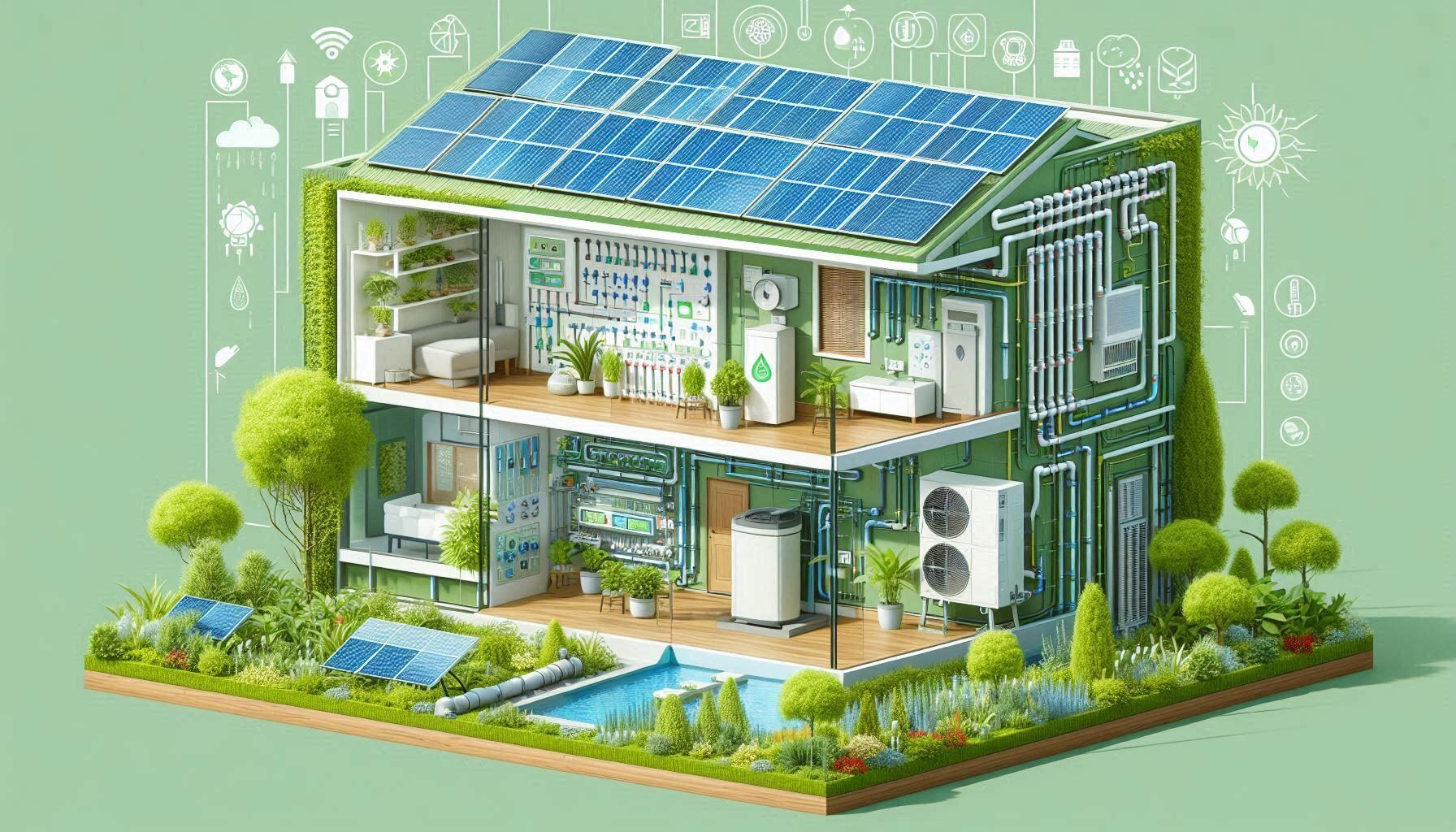
Illustration of sustainable HVAC system in a green building.

Sustainable HVAC system is revolutionizing green building design by providing energy-efficient, eco-friendly solutions that enhance indoor air quality and reduce environmental impact. These systems integrate advanced technologies and renewable energy sources, playing a crucial role in achieving sustainable and resilient buildings. Their benefits extend from reducing greenhouse gas emissions to lowering operational costs, benefiting building owners, occupants, and the broader community. In this article, we will explore the importance, benefits, and key technologies of sustainable HVAC systems, as well as their impact on green building certifications and energy efficiency.

Why Is Sustainability Important in HVAC Systems for Green Building Design?

Sustainability in HVAC systems is crucial for green building design because it reduces energy consumption, lowers greenhouse gas emissions, and promotes environmental conservation. Incorporating sustainable practices in HVAC systems ensures that buildings operate efficiently, minimizing their impact on the planet. This approach not only helps in mitigating climate change but also enhances the overall health and well-being of building occupants. By prioritizing sustainability, we contribute to a more resilient and eco-friendly built environment.

When Should Sustainable Practices Be Integrated into HVAC System Planning for Green Buildings?

Sustainable practices should be integrated into HVAC system planning from the very beginning of the design phase. Early integration allows for the consideration of energy-efficient technologies, renewable energy sources, and innovative design strategies that optimize system performance. By incorporating sustainability from the outset, designers can ensure that the HVAC systems are tailored to the specific needs of the building, leading to better energy management and reduced operational costs over the building’s lifespan.

Where Can Sustainable HVAC Systems Make the Most Impact in Green Buildings?

Sustainable HVAC systems can make the most impact in areas with high energy demand, such as commercial buildings, schools, and hospitals. These buildings often require extensive heating, cooling, and ventilation, making them prime candidates for energy-efficient and eco-friendly HVAC solutions. By implementing sustainable HVAC systems in these environments, we can achieve significant reductions in energy use and operational costs while improving indoor air quality and occupant comfort.

Who Benefits from Implementing Sustainable HVAC Systems in Green Buildings?

Implementing sustainable HVAC systems in green buildings benefits a wide range of stakeholders. Building owners and operators experience lower energy bills and reduced maintenance costs. Occupants enjoy enhanced indoor air quality, thermal comfort, and a healthier living or working environment. Additionally, the broader community benefits from reduced greenhouse gas emissions and the promotion of environmental stewardship. Ultimately, sustainable HVAC systems contribute to the well-being of both people and the planet.

What Are the Key Sustainable Technologies in Modern HVAC Systems for Green Buildings?

Modern HVAC systems for green buildings incorporate several key sustainable technologies, including variable refrigerant flow (VRF) systems, geothermal heat pumps, and energy recovery ventilators (ERVs). These technologies enhance energy efficiency by optimizing the use of heating and cooling resources. Additionally, smart thermostats and building automation systems (BAS) enable precise control of HVAC operations, further reducing energy consumption. Renewable energy integration, such as solar-powered HVAC systems, also plays a crucial role in achieving sustainability in green buildings.

How Do Sustainable HVAC Systems Contribute to Green Building Certifications?

Sustainable HVAC systems play a vital role in achieving green building certifications such as LEED (Leadership in Energy and Environmental Design) and BREEAM (Building Research Establishment Environmental Assessment Method). These certifications evaluate buildings based on their environmental performance and sustainability. Energy-efficient HVAC systems contribute significantly to the energy performance criteria, helping buildings score higher in certification assessments. Additionally, sustainable HVAC systems often incorporate eco-friendly materials and technologies, further enhancing a building’s overall sustainability profile.

Why Should Energy Efficiency Be a Priority in HVAC Systems for Green Buildings?

Energy efficiency should be a priority in HVAC systems for green buildings because it directly impacts operational costs, environmental footprint, and occupant comfort. Efficient HVAC systems use less energy to achieve the desired indoor conditions, resulting in lower utility bills and reduced greenhouse gas emissions. Moreover, energy-efficient systems tend to have longer lifespans and require less maintenance, providing long-term cost savings. Prioritizing energy efficiency in HVAC design and operation is a fundamental step towards achieving sustainable and resilient green buildings.

When Is It Best to Upgrade to Sustainable HVAC Systems in Existing Green Buildings?

Upgrading to sustainable HVAC systems in existing green buildings is best done during major renovations or when the existing HVAC systems are nearing the end of their lifespan. This timing allows for a comprehensive assessment of the building’s needs and the integration of modern, energy-efficient technologies. Additionally, building owners can take advantage of available incentives and rebates for sustainable upgrades. By upgrading at these opportune moments, building owners can improve energy efficiency, reduce operational costs, and enhance indoor air quality without disrupting daily operations.

Where Are the Most Cost-Effective Areas for Implementing Sustainable HVAC Solutions in Green Buildings?

The most cost-effective areas for implementing sustainable HVAC solutions in green buildings include the installation of high-efficiency heat pumps, energy recovery ventilators (ERVs), and smart thermostats. Retrofitting insulation and improving the building envelope can also enhance HVAC efficiency by reducing the load on heating and cooling systems. Additionally, incorporating renewable energy sources, such as solar panels, can provide sustainable power for HVAC operations, leading to significant long-term savings. Focusing on these areas allows building owners to achieve substantial energy and cost savings while promoting sustainability.

Who Are the Leading Innovators in Sustainable HVAC Systems for Green Buildings?

Leading innovators in sustainable HVAC systems for green buildings include companies such as Carrier, Trane, and Daikin. These companies are at the forefront of developing advanced, energy-efficient HVAC technologies that reduce environmental impact. Additionally, organizations like the U.S. Green Building Council (USGBC) and the American Society of Heating, Refrigerating and Air-Conditioning Engineers (ASHRAE) play a crucial role in promoting sustainable HVAC practices through research, standards development, and advocacy. These innovators continuously push the boundaries of what is possible in sustainable HVAC design and operation.

What Are the Benefits of Sustainable HVAC Systems for Occupants of Green Buildings?

Occupants of green buildings benefit from sustainable HVAC systems in several ways. Improved indoor air quality reduces the risk of respiratory issues and enhances overall health and well-being. Energy-efficient systems provide consistent thermal comfort, ensuring a pleasant living or working environment. Additionally, sustainable HVAC systems often operate more quietly than traditional systems, reducing noise pollution. These benefits contribute to a higher quality of life for building occupants, making green buildings an attractive option for both residential and commercial purposes.

How Can Green Building Projects Maximize Efficiency with Sustainable HVAC Systems?

Green building projects can maximize efficiency with sustainable HVAC systems by implementing integrated design strategies that consider the building’s orientation, insulation, and natural ventilation. Utilizing advanced technologies such as variable refrigerant flow (VRF) systems, energy recovery ventilators (ERVs), and smart controls can further enhance efficiency. Regular maintenance and performance monitoring are also essential to ensure that HVAC systems operate at peak efficiency. By adopting these practices, green building projects can achieve significant energy savings and reduce their environmental impact.

Why Is the Use of Renewable Energy in HVAC Systems Crucial for Green Buildings?

The use of renewable energy in HVAC systems is crucial for green buildings because it significantly reduces reliance on fossil fuels and lowers greenhouse gas emissions. Renewable energy sources such as solar, wind, and geothermal provide clean, sustainable power for heating, cooling, and ventilation. Incorporating renewable energy into HVAC systems not only enhances energy efficiency but also contributes to the overall sustainability goals of green buildings. This approach aligns with global efforts to combat climate change and promote a more sustainable future.

When to Consider Retrofitting HVAC Systems for Enhanced Sustainability in Green Buildings?

Retrofitting HVAC systems for enhanced sustainability in green buildings should be considered when the existing systems are outdated, inefficient, or require frequent repairs. Additionally, if energy costs are rising or if there are opportunities to take advantage of financial incentives for sustainable upgrades, it may be the right time to retrofit. Retrofitting provides an opportunity to incorporate modern, energy-efficient technologies that improve performance and reduce environmental impact. By carefully planning and timing these upgrades, building owners can achieve significant energy savings and enhance the sustainability of their properties.

Where to Find Resources and Guidelines for Sustainable HVAC System Design in Green Buildings?

Resources and guidelines for sustainable HVAC system design in green buildings can be found through organizations such as the U.S. Green Building Council (USGBC), the American Society of Heating, Refrigerating and Air-Conditioning Engineers (ASHRAE), and the International WELL Building Institute (IWBI). These organizations provide comprehensive resources, including standards, best practices, and case studies, to guide the design and implementation of sustainable HVAC systems. Additionally, industry publications, webinars, and professional development courses offer valuable insights and up-to-date information on sustainable HVAC technologies and practices.

Who Should Be Involved in the Design and Implementation of Sustainable HVAC Systems for Green Buildings?

The design and implementation of sustainable HVAC systems for green buildings should involve a multidisciplinary team, including architects, HVAC engineers, sustainability consultants, and building owners. Collaboration between these stakeholders ensures that all aspects of sustainability are considered and that the HVAC system is optimized for energy efficiency, performance, and occupant comfort. Additionally, involving contractors and facility managers early in the process can help identify practical solutions and streamline the implementation of sustainable HVAC systems. This collaborative approach is essential for achieving the best outcomes in green building projects.

What Are the Challenges in Integrating Sustainable HVAC Systems into Green Buildings?

Integrating sustainable HVAC systems into green buildings can present several challenges. These include higher initial costs, the need for specialized knowledge and skills, and potential compatibility issues with existing building infrastructure. Additionally, navigating regulatory requirements and obtaining necessary certifications can be complex and time-consuming. However, these challenges can be mitigated through careful planning, stakeholder collaboration, and leveraging available resources and incentives. Overcoming these challenges is crucial to realizing the full benefits of sustainable HVAC systems and advancing the goals of green building design.

How Do Sustainable HVAC Systems Improve Indoor Air Quality in Green Buildings ?

Sustainable HVAC systems improve indoor air quality in green buildings by using advanced filtration, ventilation, and humidity control technologies. These systems remove pollutants, allergens, and excess moisture from indoor air, creating a healthier environment for occupants. Energy recovery wheels (ERWs) and demand-controlled ventilation (DCV) systems optimize fresh air intake, ensuring that indoor air is continuously refreshed without compromising energy efficiency. By maintaining optimal indoor air quality, sustainable HVAC systems contribute to the health and well-being of building occupants and enhance overall comfort.

Why Is Lifecycle Analysis Important for Sustainable HVAC Systems in Green Buildings?

Lifecycle analysis is important for sustainable HVAC systems in green buildings because it evaluates the environmental impact of the system over its entire lifespan. This analysis considers factors such as energy consumption, maintenance requirements, and disposal impacts. By conducting a lifecycle analysis, designers and building owners can make informed decisions about the most sustainable and cost-effective HVAC solutions. This approach ensures that the chosen systems deliver long-term benefits in terms of energy efficiency, environmental conservation, and operational savings, aligning with the overall goals of green building design.

When to Incorporate Smart Technology in Sustainable HVAC Systems for Green Buildings?

Incorporating smart technology in sustainable HVAC systems for green buildings is best done during the initial design phase or when upgrading existing systems. Smart technologies, such as programmable thermostats, advanced sensors, and building automation systems (BAS), provide precise control over HVAC operations, enhancing energy efficiency and performance. By integrating smart technology early in the design process, building owners can optimize system configuration and ensure seamless operation. Additionally, incorporating smart technology during upgrades allows for the modernization of existing systems, improving their sustainability and efficiency.

FAQ

What is sustainable HVAC?

Sustainable HVAC refers to heating, ventilation, and air conditioning systems designed to minimize energy consumption, reduce environmental impact, and enhance indoor air quality. These systems use energy-efficient technologies, renewable energy sources, and eco-friendly materials to achieve sustainability goals. Sustainable HVAC systems are integral to green building design and contribute to the overall efficiency and resilience of buildings.

What is the most eco-friendly HVAC system?

The most eco-friendly HVAC system is typically a geothermal heat pump. Geothermal systems use the stable temperature of the earth to provide heating and cooling, making them highly efficient and environmentally friendly. They have a lower carbon footprint compared to traditional HVAC systems and can significantly reduce energy consumption and greenhouse gas emissions.

What is considered a green HVAC technology?

Green HVAC technology includes systems and components that enhance energy efficiency, reduce environmental impact, and improve indoor air quality. Examples include variable refrigerant flow (VRF) systems, energy recovery ventilators (ERVs), geothermal heat pumps, and smart thermostats. These technologies help achieve sustainability goals by optimizing HVAC performance and minimizing energy use.

What is HVAC system in green building?

An HVAC system in a green building is designed to provide heating, cooling, and ventilation in an energy-efficient and environmentally friendly manner. These systems incorporate sustainable technologies and practices to reduce energy consumption, lower greenhouse gas emissions, and improve indoor air quality. Green building HVAC systems contribute to the overall sustainability and resilience of the built environment.

Sustainable HVAC systems in commercial buildings

Sustainable HVAC systems in commercial buildings utilize advanced technologies to optimize energy use and enhance indoor air quality. These systems often include high-efficiency heat pumps, energy recovery ventilators (ERVs), and building automation systems (BAS) for precise control. By implementing sustainable HVAC solutions, commercial buildings can achieve significant energy savings, reduce operational costs, and create healthier indoor environments for occupants.

Sustainable HVAC systems examples

Examples of sustainable HVAC systems include geothermal heat pumps, variable refrigerant flow (VRF) systems, energy recovery ventilators (ERVs), and solar-powered HVAC systems. These systems use innovative technologies and renewable energy sources to enhance energy efficiency and reduce environmental impact. Sustainable HVAC systems are integral to green building design and contribute to overall building performance and occupant comfort.

Sustainable HVAC systems companies

Leading companies in sustainable HVAC systems include Carrier, Trane, and Daikin. These companies develop advanced, energy-efficient HVAC technologies that reduce environmental impact and enhance system performance. Additionally, organizations like the U.S. Green Building Council USGBC and the American Society of Heating, Refrigerating and Air-Conditioning Engineers (ASHRAE) promote sustainable HVAC practices through research, standards development, and advocacy.

Green HVAC systems

Green HVAC systems are designed to minimize energy consumption, reduce greenhouse gas emissions, and improve indoor air quality. These systems use energy-efficient technologies, renewable energy sources, and eco-friendly materials to achieve sustainability goals. Green HVAC systems are integral to green building design and contribute to the overall efficiency and resilience of buildings.

Best sustainable HVAC systems

The best sustainable HVAC systems include geothermal heat pumps, variable refrigerant flow (VRF) systems, and energy recovery ventilators (ERVs). These systems are highly efficient, environmentally friendly, and enhance indoor air quality. Sustainable HVAC systems provide long-term benefits in terms of energy savings, reduced environmental impact, and improved occupant comfort.

Sustainable cooling systems in buildings

Sustainable cooling systems in buildings include high-efficiency air conditioning units, evaporative coolers, and chilled beam systems. These systems use advanced technologies to optimize cooling performance and reduce energy consumption. By implementing sustainable cooling solutions, buildings can achieve significant energy savings, lower operational costs, and create comfortable indoor environments for occupants.

Green HVAC companies

Leading green HVAC companies include Carrier, Trane, and Daikin. These companies develop advanced, energy-efficient HVAC technologies that reduce environmental impact and enhance system performance. Additionally, organizations like the USGBC and the ASHRAE promote sustainable HVAC practices through research, standards development, and advocacy.

Geothermal heating systems

Geothermal heating systems use the stable temperature of the earth to provide heating and cooling. These systems are highly efficient, environmentally friendly, and have a lower carbon footprint compared to traditional HVAC systems. Geothermal heating systems can significantly reduce energy consumption and greenhouse gas emissions, making them an excellent choice for sustainable building design.

Conclusion

Sustainable HVAC systems are essential for green building design, offering numerous benefits in terms of energy efficiency, environmental impact, and occupant comfort. By integrating sustainable practices and advanced technologies, we can create buildings that are not only efficient and cost-effective but also contribute to a healthier and more sustainable future. From geothermal heat pumps to energy recovery ventilators, the array of sustainable HVAC solutions available today provides ample opportunities for innovation and improvement in the built environment. As we continue to prioritize sustainability in building design, the role of sustainable HVAC systems will only become more critical in achieving our environmental and energy goals.

About The Author

Omprakash Ramagiri; as the Founder of HVAC Technocrats, I bring over 18 years of experience as a Mechanical Engineer specializing in HVAC (Central Air-conditioning) for commercial, cleanrooms, data centers, and Petrochemical industries. Throughout my career, I’ve held pivotal roles at companies like TATA Consulting Engineers, MW Zander (for Cleanroom solutions), Bluestar Malaysia, and ETA in Dubai. I’ve managed international HVAC projects and gained valuable exposure in dynamic markets like Dubai and Saudi Arabia. With a passion for excellence and a commitment to innovative solutions, I specialize in designing Class 10K & 100K Cleanrooms for various industries. Connect with me to explore collaborations in HVAC design, project sales, and consultancy. Click to visit the Author’s Linkedin page


Disclaimer: The pictures used are for illustrative purposes only. They may not depict actual products or situations and are meant for educational purposes. Actual products, situations, or outcomes may differ.