Why Indoor Air Quality Matters in Commercial Spaces

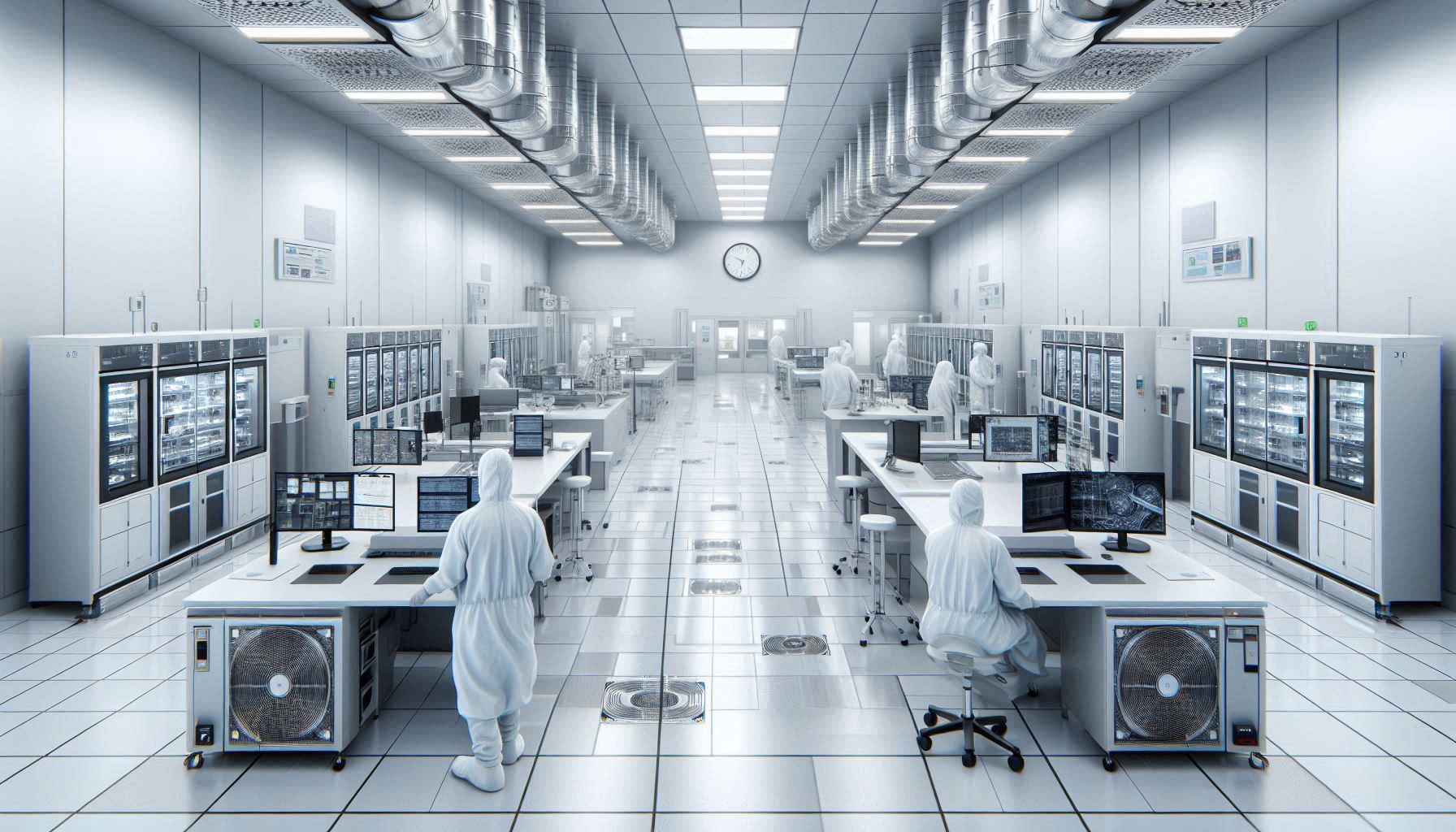
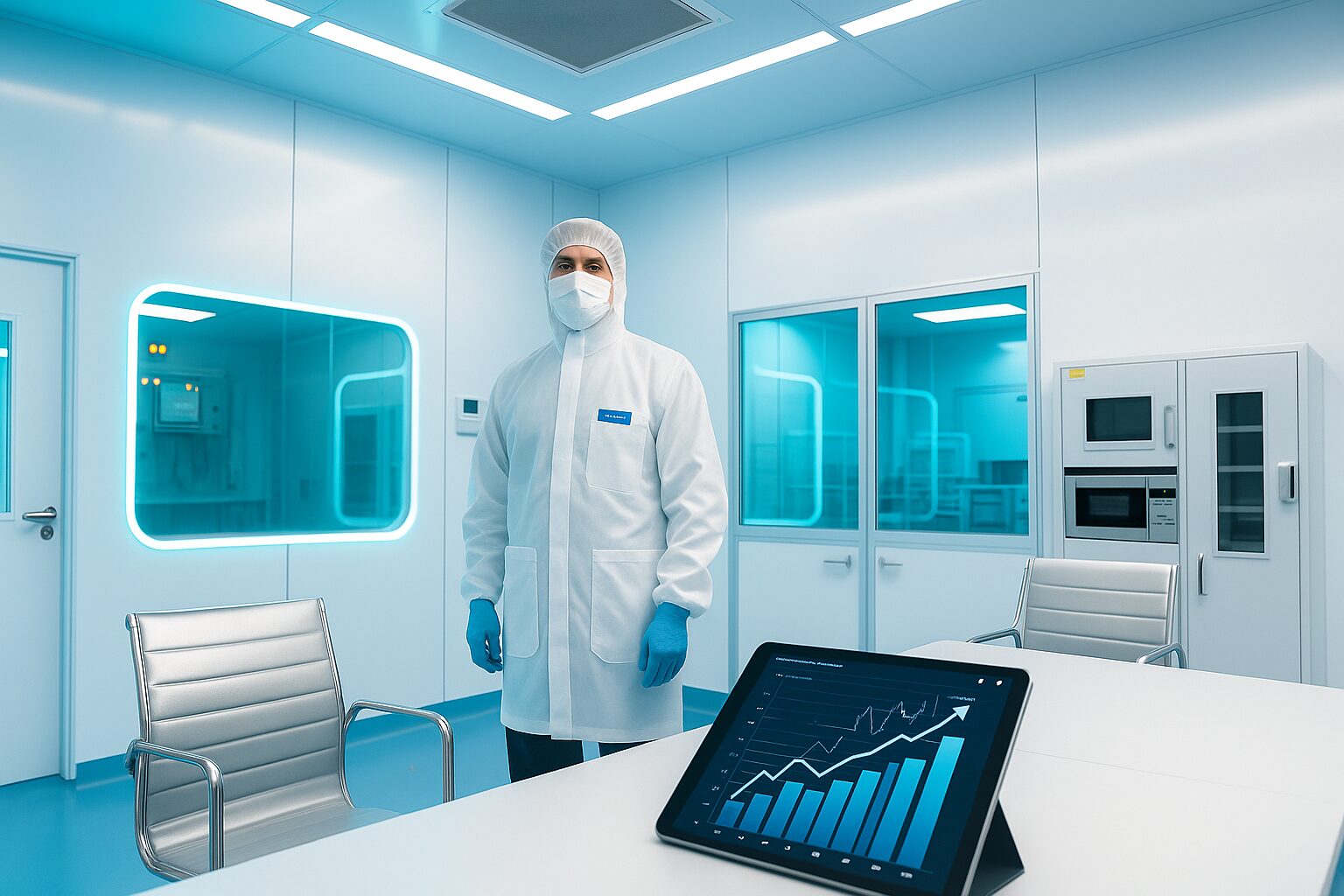
Healthy indoor air quality in a modern commercial office space

Understanding the importance of indoor air quality (IAQ) in commercial spaces is critical to health, productivity, and overall well-being. Poor air quality can lead to various health problems and affect the efficiency of business. This article provides insights into why indoor air quality is important in commercial spaces and how to maintain a healthy environment.

Indoor air quality significantly affects the health and productivity of occupants. Poor air can lead to health problems such as allergies, respiratory problems and fatigue. This, in turn, affects productivity, which increases absenteeism and reduces efficiency. Understanding the factors that influence IAQ and implementing effective measures are essential to a healthy and productive workplace.

Why Indoor Air Quality Matters in Commercial Spaces

What is Indoor Air Quality in Commercial Spaces?

Indoor air quality refers to the cleanliness and healthiness of the air inside and around buildings, especially as it relates to the health and comfort of building occupants. In commercial spaces, this includes offices, retail stores and other offices. Factors such as ventilation, humidity, temperature and the presence of pollutants play a key role in determining IAQ.

When does indoor air quality become a concern?

Indoor air quality becomes a concern when pollutants exceed acceptable levels or ventilation is inadequate. It can occur in new and old buildings. Common sources of indoor air pollution are building materials, office equipment, cleaning products and outdoor pollution that seeps into the building. It is essential to recognize early signs such as bad breath, frequent illnesses and decreased employee performance.

Where are the common sources of indoor air pollutants?

Common sources of indoor air pollutants in commercial spaces are HVAC systems, building materials, office equipment, and cleaning products. HVAC systems can spread contaminants if not maintained properly. Building materials such as paints, carpets and furniture emit volatile organic compounds (VOCs). Office equipment such as printers and copiers emit ozone and other chemicals, while cleaning products often contain harmful substances.

Why is ventilation important to indoor air quality?

Ventilation is critical to maintaining good indoor air quality. Proper ventilation helps to remove pollutants, control humidity and provide clean air. Without adequate ventilation, pollutants can accumulate, leading to poor air quality and health problems. A steady flow of fresh air can be achieved by using natural ventilation methods such as opening windows and mechanical systems such as HVAC.

How do HVAC systems affect indoor air quality?

HVAC systems play an important role in indoor air quality by controlling temperature, humidity and ventilation. However, if they are not managed properly, they can become pollutants. Regular maintenance, including cleaning filters and ducts, ensures that the system is working efficiently and does not contribute to poor air quality. Advanced HVAC systems also include air purification technologies.

What are the health effects of poor indoor air quality?

Poor indoor air quality can lead to various health problems such as allergies, asthma, respiratory infections, headaches and fatigue. Prolonged exposure to pollutants may result in chronic health issues. Poor air quality in commercial spaces can result in decreased productivity of employees and increased absenteeism due to health issues, affecting the overall performance of the business. Click for detailed article on The Hidden Risks of Chronic Air Conditioning

When should air quality testing be conducted?

Air quality tests should be performed regularly to ensure a healthy indoor environment. Testing is recommended when there are persistent odors, increased illnesses among residents, or noticeable changes in air quality after renovations. Regular testing helps identify potential problems early and allows timely intervention to improve air quality.

Where can you find professional indoor air quality services?

Professional indoor air quality services can be found through environmental consulting firms, HVAC companies, and specialized air quality testing providers. These audit experts can conduct a thorough assessment, identify sources of contamination and recommend solutions. Hiring certified and experienced professionals ensures accurate testing and effective preventative measures.

How can businesses improve indoor air quality?

Businesses can improve indoor air quality by implementing several strategies. These include regular maintenance of HVAC systems, using air purifiers, choosing low-VOC building materials and ensuring proper ventilation. Additionally, adopting green cleaning practices and conducting regular air quality tests can significantly improve the indoor environment. Employee education on maintaining good IAQ is also beneficial.

What are the benefits of good indoor air quality for businesses?

Good indoor air quality offers many benefits to businesses. This improves employee health and productivity, reduces absenteeism and leads to lower health care costs. A healthy indoor environment also improves employee satisfaction and retention. Furthermore, businesses that prioritize IAQ demonstrate a commitment to employee well-being, which can improve their reputation and attract talent.

Pros & Cons of Improving Indoor Air Quality

Pros:

  • Increases health and productivity.
  • Reduces absenteeism.
  • Reduces health care costs.
  • Improves employee satisfaction.
  • Improves business reputation.

Cons:

  • Initial investment in air quality improvement measures.
  • Operating expenses.
  • Needs ongoing monitoring and testing.

Codes & Standards for Indoor Air Quality

Many codes and standards regulate indoor air quality in commercial spaces. The American Society of Heating, Refrigerating, and Air-Conditioning Engineers (ASHRAE) provides guidelines for ventilation and air quality is ASHRAE Standard 62.1. OSHA establishes standards to guarantee workplace safety. Adherence to these codes and standards will help maintain a healthy indoor environment.

Frequently Asked Questions

What are common indoor air pollutants? Common pollutants include VOCs, mold, dust and ozone from office equipment.

How often should HVAC systems be serviced? HVAC systems require servicing at least twice annually.

Do indoor plants improve air quality? Yes, some indoor plants can help reduce pollutants.

What is the role of humidity in indoor air quality? Proper humidity levels prevent mold growth and maintain comfort.

How does natural ventilation improve air quality? Opening windows and using fans can help circulate fresh air and reduce pollutants.

Conclusion

Maintaining good indoor air quality in commercial spaces is essential for health, productivity, and overall well-being. By understanding the factors that influence IAQ and implementing effective measures, businesses can create a healthier and more productive environment for their employees. Regular monitoring, proper ventilation, and the use of air purification technologies are key to ensuring a high standard of indoor air quality.

About the Author

Omprakash Ramagiri; as the Founder of HVAC Technocrats, I bring over 18 years of experience as a Mechanical Engineer specializing in HVAC (Central Air-conditioning) for commercial, cleanrooms, data centers, and Petrochemical industries. Throughout my career, I’ve held pivotal roles at companies like TATA Consulting Engineers, MW Zander (for Cleanroom solutions), Bluestar Malaysia, and ETA in Dubai. I’ve managed international HVAC projects and gained valuable exposure in dynamic markets like Dubai and Saudi Arabia. With a passion for excellence and a commitment to innovative solutions, I specialize in designing Class 10K & 100K Cleanrooms for various industries. Connect with me to explore collaborations in HVAC design, project sales, and consultancy. Click to visit the Linkedin page

Petrochemical: When to Perform Energy Audits for HVAC Systems

Diagram illustrating energy audits for HVAC systems in petrochemical facilities.

Understanding when to perform energy audits for Petrochemical HVAC systems is critical to optimizing energy efficiency, reducing operating costs, and ensuring environmental friendliness. This article examines the timing of these audits, their benefits, and best practices for implementation in the petrochemical industry.

Conducting Energy Audits for Petrochemical HVAC Systems

Performing energy audits for petrochemical HVAC systems is essential to maintaining optimal energy efficiency and reducing operating costs. Regular audits help identify areas of energy waste and recommend improvements to improve system performance. This article explores the best time to perform these audits and provides information on the benefits and methodology involved.

What is energy audit in Petrochemical for HVAC system?

An energy audit on an HVAC system is a thorough investigation of the system’s energy consumption and efficiency. It involves assessing current energy consumption, identifying inefficiencies, and recommending improvements. These audits help identify areas where energy savings can be achieved, ensuring that the HVAC system is operating at its maximum efficiency.

What is the role of an energy audit in petrochemical HVAC systems?

The primary role of an energy audit in petrochemical HVAC systems is to improve energy efficiency and reduce operating costs. These audits identify inefficiencies and suggest actions to improve system performance. They also help maintain compliance with environmental regulations and industry standards, ensuring sustainable and cost-effective operations.

Why perform an energy audit on petrochemical HVAC systems?

Performing an energy audit on petrochemical HVAC systems is important for several reasons:

  • Energy efficiency: Identifying and resolving energy waste.
  • Cost reduction: Helps reduce operating costs by optimizing energy consumption.
  • Compliance: Ensures compliance with environmental regulations and industry standards.
  • System longevity: Extends the lifespan of the HVAC system while maintaining optimal performance.
  • Sustainability: Promotes sustainable practices by reducing the carbon footprint.
  • Where to apply an energy audit in a petrochemical HVAC system?

    Energy audits should be applied to various aspects of petrochemical HVAC systems, including:

  • Air handling units: Assessing the efficiency of air handling units and their components.
  • Ventilation systems: Evaluating the performance of ventilation systems to ensure proper air flow.
  • Cooling towers: Checking the efficiency and condition of cooling towers.
  • Piping and ductwork: Inspecting piping and ductwork for leaks and insulation problems.
  • Control systems: Analyzing the effectiveness of control systems in managing energy consumption.
  • How to conduct an effective energy audit?

    Effective energy audits in petrochemical HVAC systems can be achieved through several strategies:

  • Regular monitoring: Continuous monitoring of energy consumption to identify trends and anomalies.
  • Detailed inspection: Comprehensive inspection of all HVAC components to assess their condition and performance.
  • Data analysis: Analyzing energy consumption data to identify inefficiencies and recommend improvements.
  • Staff training: Staff training on best practices for energy management and system maintenance.
  • Advanced instrumentation: Using advanced instrumentation and techniques for accurate measurements and analysis.
  • What are the latest techniques in energy audits?

    Latest techniques in energy audits for petrochemical HVAC systems:

  • Real-time monitoring system: Provide continuous data on energy consumption and system performance.
  • Advanced sensors: High efficiency sensors for accurate measurement of energy consumption.
  • Thermal Imaging: Detects areas of energy loss through thermal imaging.
  • AI and Machine Learning: AI-powered tools for predictive maintenance and energy optimization.
  • Smart Meter: Advanced metering system for accurate energy consumption tracking.
  • What are the advantages and disadvantages of an energy audit?

    Benefits:

  • Improved Efficiency: Improves the overall efficiency of the HVAC system.
  • Cost savings: Reduces operating costs through energy optimization.
  • Compliance: Ensures compliance with regulations and standards.
  • Sustainability: Promotes sustainable energy practices.
  • System Longevity: Extends the lifespan of the HVAC system.
  • Disadvantages:

  • Initial cost: Energy audit is expensive in the beginning.
  • Maintenance: Continuous maintenance and monitoring is required for continuous benefit.
  • Complexity: Implementation of recommended actions is complex and time consuming.
  • What Are the Key Components of an Energy Audit?

    An energy audit includes several key components:

  • Pre-audit preparation: Collect relevant data for the audit and determine the objective.
  • Site Inspection: Physical examination of the HVAC system and its components.
  • Data collection: Measure energy consumption and performance metrics.
  • Analysis: Identifying inefficiencies and possible improvements.
  • Reporting: Documenting findings and recommendations for energy savings.
  • How to prepare for an energy audit?

    Preparation is key to an effective energy audit. The steps include:

  • Data collection: Historical energy consumption data and system documentation are collected.
  • Team Coordination: Assembling a team of experts to conduct the audit.
  • Objective Determination: Defining the objectives and scope of the audit.
  • Scheduling: Planning the audit to minimize disruptions to operations.
  • Communication: Informing stakeholders about the audit process and expected results.
  • What are best practices for energy audits?

    Best practices for conducting an energy audit:

  • Comprehensive evaluation: Ensure that all components of the HVAC system are thoroughly checked.
  • Stakeholder Participation: Involving all relevant stakeholders in the audit process.
  • Detailed Documentation: Keeping a detailed record of findings and recommendations.
  • Follow-up: Implement recommended actions and monitor their effectiveness.
  • Continuous improvement: Regular review and updating of energy management practices.
  • How often should an energy audit be done?

    Energy audits should be conducted regularly to ensure ongoing efficiency and compliance. The best practice suggests:

  • Annual Audit: Conduct a comprehensive audit at least once a year.
  • Interim Review: Interim reviews quarterly or semi-annually.
  • Event-Driven Audit: Schedule an audit after a significant change or upgrade to the HVAC system.
  • What are the costs associated with energy audits?

    The costs associated with energy audits can vary based on a number of factors, including:

  • Scope of Audit: A more extensive audit may require more investment.
  • Size of facility: Larger facilities generally cost more.
  • Complexity of systems: Complex HVAC systems may require specialized expertise and equipment.
  • Implementation of Recommendations: Costs may also include investments in recommended improvements and upgrades.
  • How to measure the success of an energy audit?

    The effectiveness of an energy audit can be evaluated by:

  • Energy saving: Quantitative reduction in energy consumption.
  • Cost savings: Reduction in operating cost as a result of better efficiency.
  • Compliance: Adherence to environmental regulations and industry standards.
  • System performance: Better performance and longevity of the HVAC system.
  • Sustainability target: progress towards sustainability and carbon reduction targets.
  • FAQ

    What is the purpose of an energy audit in petrochemical HVAC systems?

    The primary purpose of an energy audit in petrochemical HVAC systems is to identify and resolve energy inefficiencies. These audits help reduce operating costs, ensure compliance with environmental regulations, and promote sustainable practices.

    How can energy audits improve the efficiency of HVAC systems?

    Energy audits improve the efficiency of HVAC systems by identifying areas of energy waste and recommending actions to optimize energy use. This includes upgrading components, improving maintenance practices, and implementing advanced control systems.

    What are the common methods used in energy audits for HVAC systems?

    Common methods used in energy audits for HVAC systems include real-time monitoring, thermal imaging, data analysis, and detailed inspections. These techniques help identify inefficiencies and recommend improvements.

    Why is continuous monitoring important in energy audits?

    Continuous monitoring is crucial in energy audits as it provides real-time data on energy consumption and system performance. This enables early detection of inefficiencies and timely implementation of corrective actions.

    What are the challenges in conducting energy audits for petrochemical HVAC systems?

    Challenges in conducting energy audits for petrochemical HVAC systems include high initial costs, complexity in implementing recommended measures, and the need for continuous maintenance and monitoring. Despite these challenges, the benefits of improved efficiency, cost savings, and compliance make energy audits imperative.

    Conclusion

    Conducting energy audits for petrochemical HVAC systems is essential to maintain optimal efficiency and reduce operational costs. These audits help identify inefficiencies, ensure compliance with regulations, and promote sustainable practices. By implementing effective energy audit strategies, industries can improve the performance and longevity of their HVAC systems, ultimately resulting in cost savings and improved operational efficiency.

    About The Author

    Omprakash Ramagiri; as the Founder of HVAC Technocrats, I bring over 18 years of experience as a Mechanical Engineer specializing in HVAC (Central Air-conditioning) for commercial, cleanrooms, data centers, and Petrochemical industries. Throughout my career, I’ve held pivotal roles at companies like TATA Consulting Engineers, MW Zander (for Cleanroom solutions), Bluestar Malaysia, and ETA in Dubai. I’ve managed international HVAC projects and gained valuable exposure in dynamic markets like Dubai and Saudi Arabia. With a passion for excellence and a commitment to innovative solutions, I specialize in designing Class 10K & 100K Cleanrooms for various industries. Connect with me to explore collaborations in HVAC design, project sales, and consultancy. Click to visit the Author’s Linkedin page


    Disclaimer: The pictures used are for illustrative purposes only. They may not depict actual products or situations and are meant for educational purposes. Actual products, situations, or outcomes may differ.