Cleanroom Design: Challenges and How to Overcome

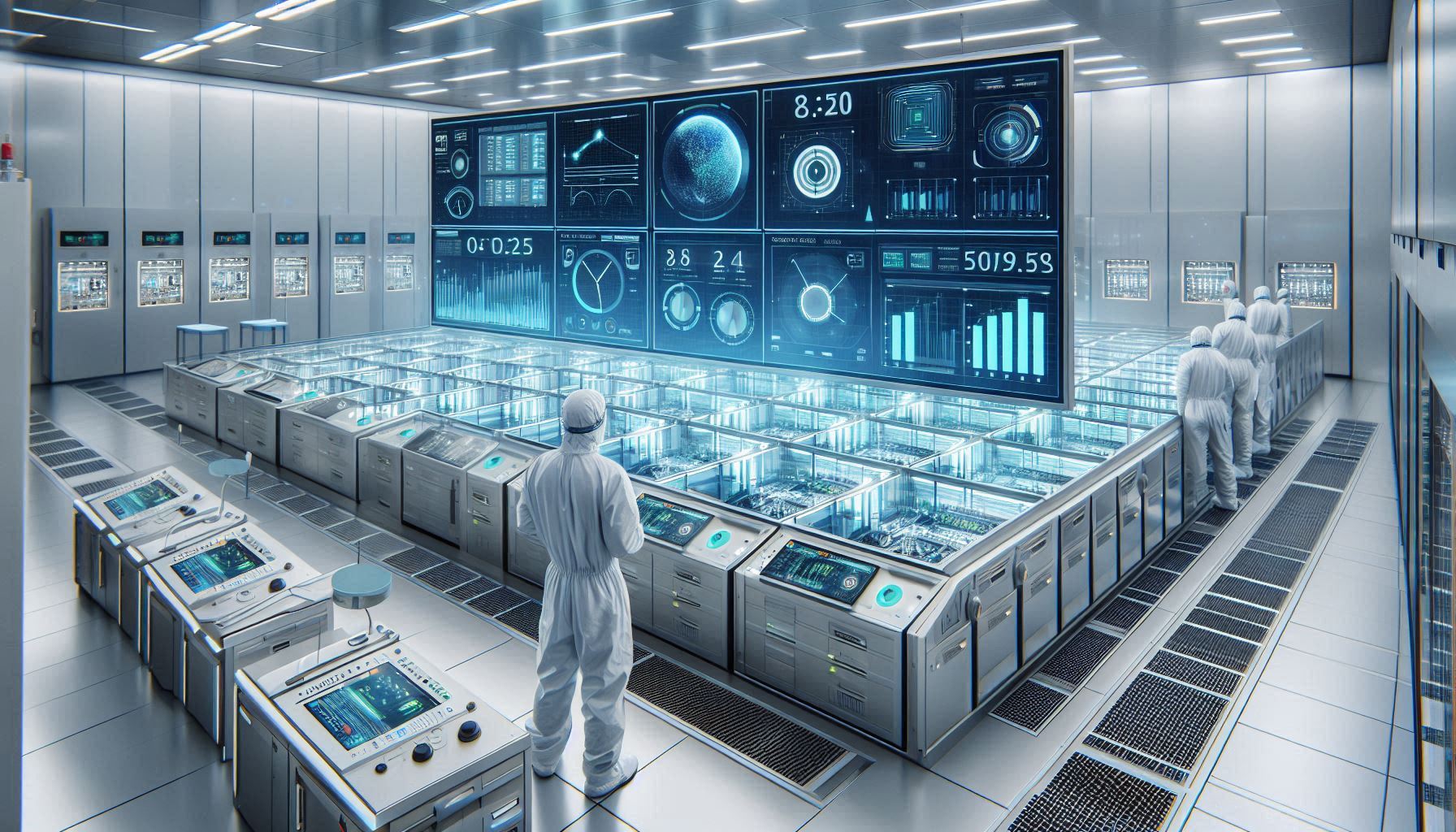
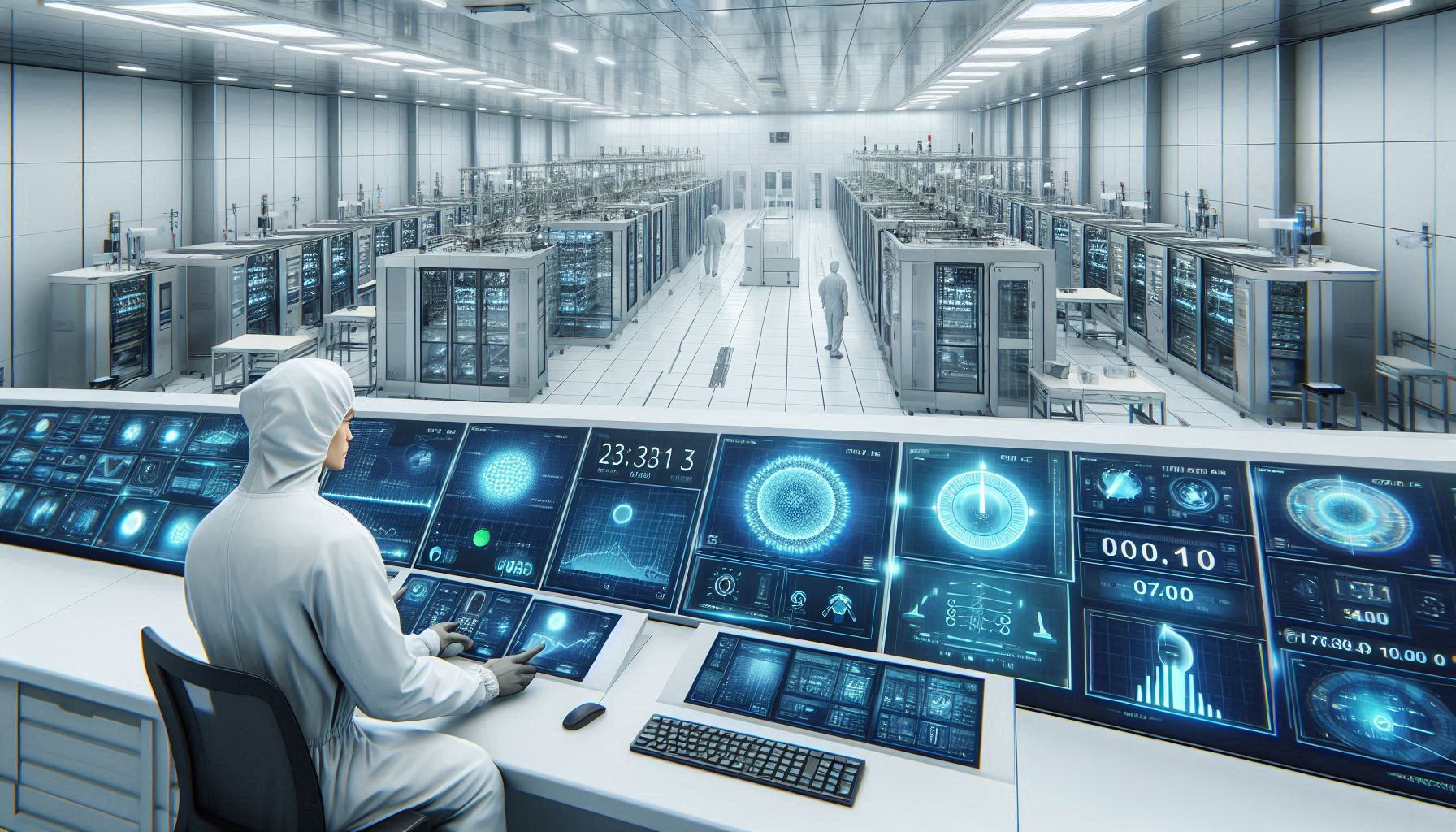
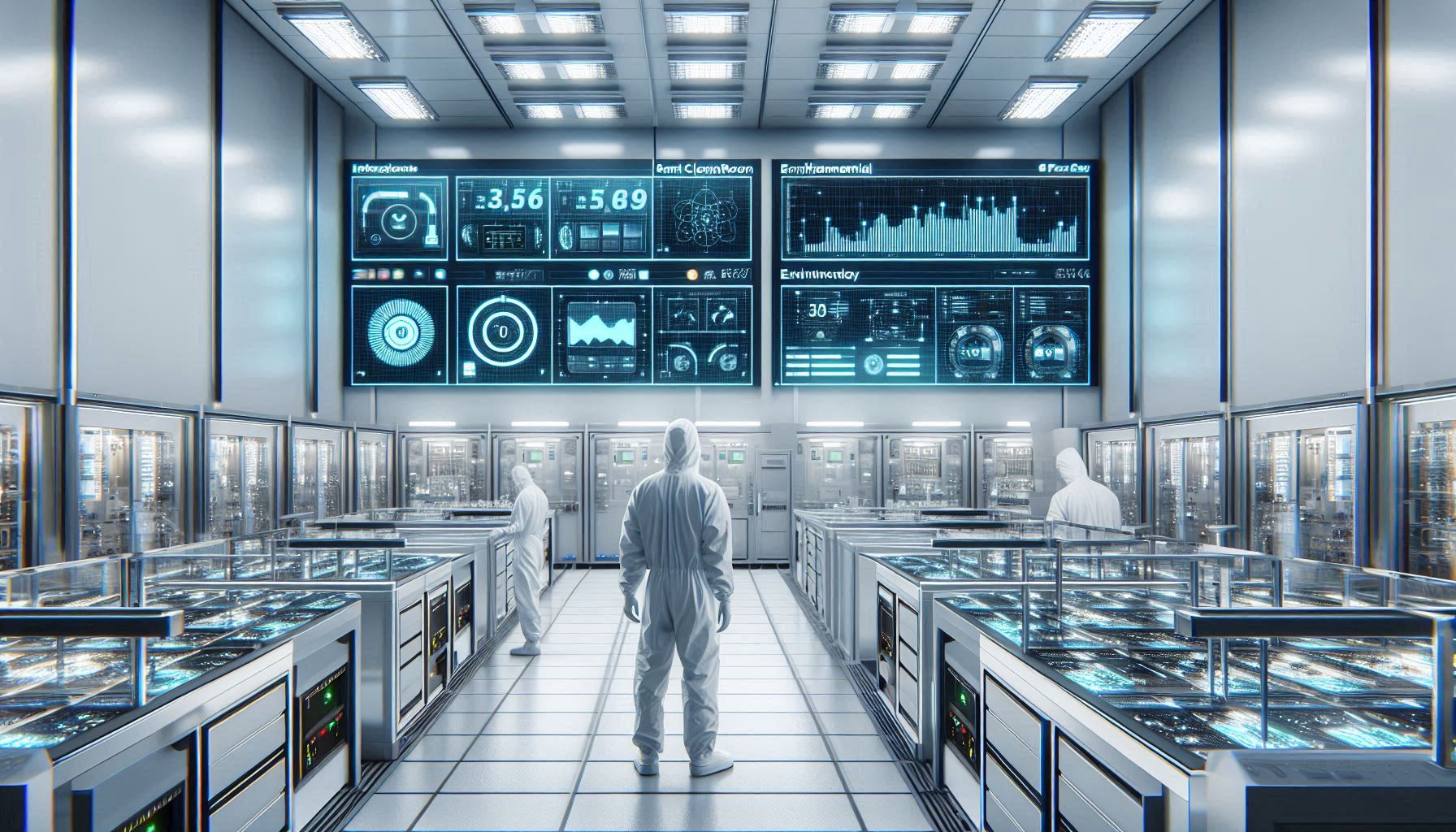
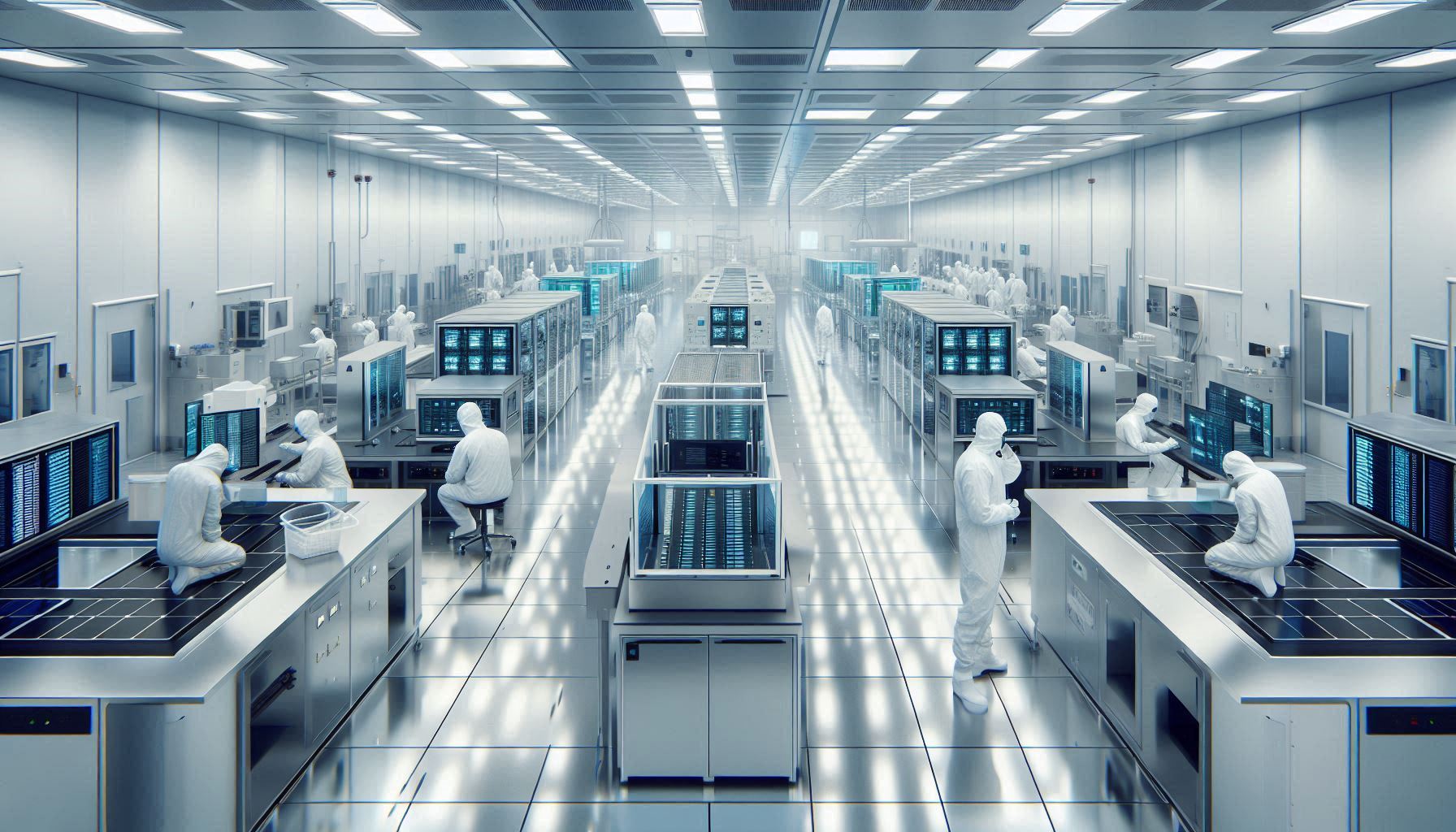
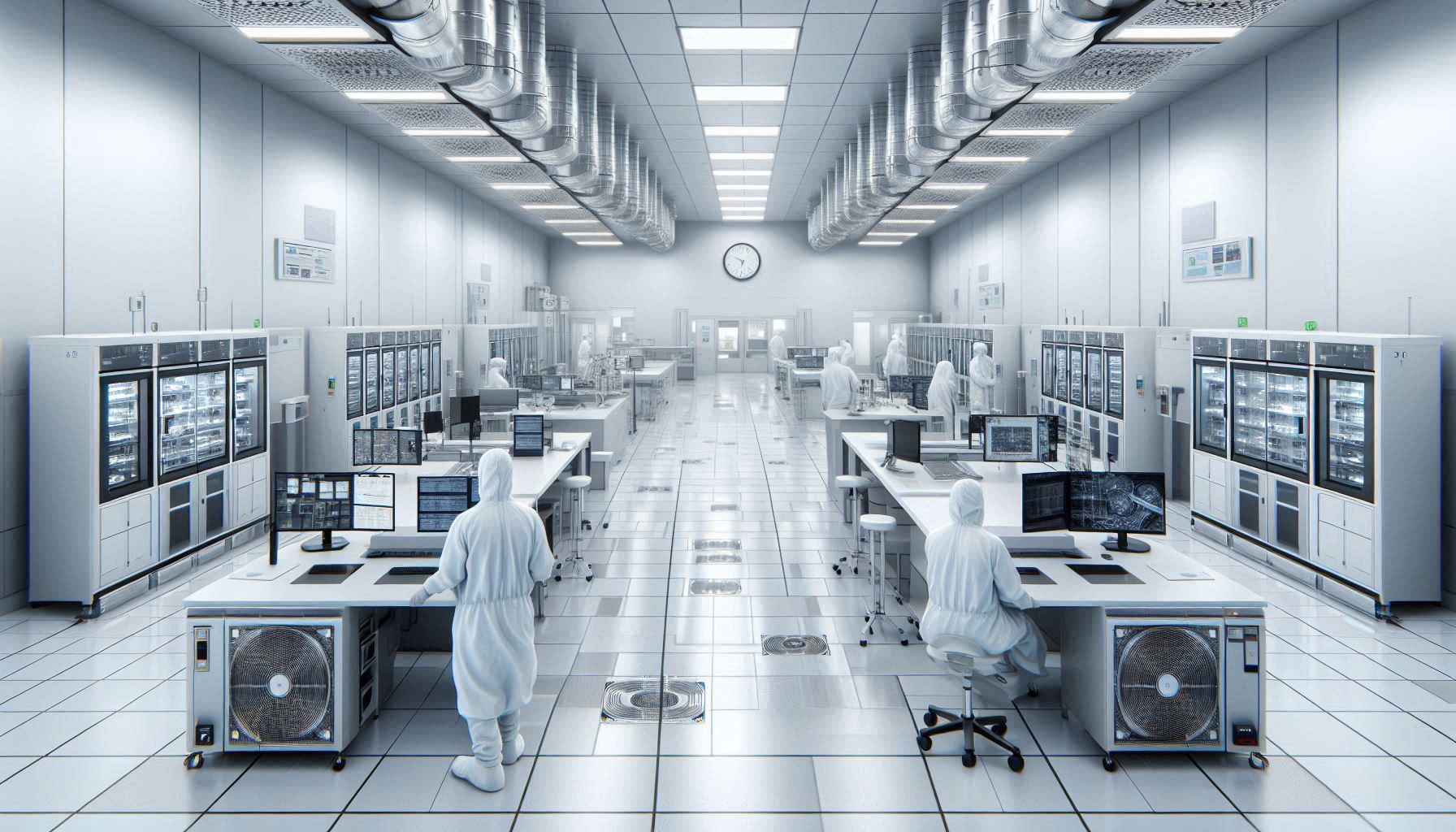
Advanced cleanroom design featuring HEPA filters and automated monitoring systems.

Cleanroom design is a cornerstone for industries that demand precision, sterility, and contamination control. From pharmaceuticals to biotechnology, cleanrooms are meticulously engineered environments where even the smallest oversight can compromise product quality or safety. However, designing and maintaining a cleanroom comes with its own set of challenges, ranging from real-time differential pressure maintenance to meeting high air change requirements as per ISO standards. This article delves into these critical challenges, offering insights and practical solutions based on real-world experiences.

Understanding the Basics of Cleanroom Design

At its core, cleanroom design focuses on creating an environment with minimal contamination. These spaces are classified based on ISO standards, which dictate allowable particle counts per cubic meter. For instance, an ISO Class 5 cleanroom permits fewer than 3,520 particles (0.5 microns or larger) per cubic meter, making it suitable for highly sensitive operations like semiconductor fabrication.

The key components of cleanroom design include high-efficiency particulate air (HEPA) filters, precise temperature and humidity controls, and specialized airflow systems. While these elements are essential, they also introduce unique challenges that require innovative solutions.

Let’s explore some of the most common challenges in cleanroom design and how they can be addressed effectively.

Cleanroom Design Requires Differential Pressure Maintenance in Real-Time

One of the most daunting challenges in cleanroom operation is maintaining differential pressure in real-time. Differential pressure ensures that air flows from cleaner areas to less clean areas, preventing contaminants from entering critical zones.

For example, during a defense project in Hyderabad, maintaining consistent differential pressure across multiple zones proved to be a significant challenge. The solution involved integrating advanced monitoring systems with IoT-enabled sensors that provided real-time data on pressure levels. Automated dampers were used to adjust airflow dynamically, ensuring compliance with required pressure gradients.

Such technologies not only simplify real-time maintenance but also reduce the risk of human error, making them indispensable for modern cleanroom designs.

High Air Change Requirements and Larger AHUs Makes Complex Cleanroom Design

ISO standards often mandate high air change rates to maintain cleanliness levels. For instance, an ISO Class 7 cleanroom may require 60-90 air changes per hour, necessitating larger air handling units (AHUs).

This requirement posed a significant challenge during the Hyderabad defense project. The sheer size of the AHUs required additional space and energy, complicating the design process. To address this, modular AHUs were employed, allowing for scalability and efficient use of space. Additionally, energy recovery systems were integrated to offset the increased energy consumption.

These strategies highlight the importance of balancing performance with practicality when designing cleanrooms with high air change requirements.

HEPA Ceiling Coverage is An Other challenge in Cleanroom Design

Another critical aspect of cleanroom design is achieving adequate HEPA ceiling coverage. HEPA filters play a vital role in removing airborne particles, but ensuring uniform coverage across the entire ceiling can be challenging.

In one pharmaceutical project, uneven HEPA coverage led to inconsistent particle counts in certain areas. The solution involved using computational fluid dynamics (CFD) analysis to optimize filter placement and airflow patterns. By simulating different configurations, engineers identified the most effective layout, ensuring uniform particle removal.

This case underscores the value of leveraging advanced tools like CFD analysis to overcome design challenges.

How to Handle Low Humidity Levels in Cleanroom Design

Certain applications, such as semiconductor manufacturing, require extremely low humidity levels to prevent issues like static electricity. Achieving and maintaining these conditions can be particularly difficult.

A project in Chennai highlighted this challenge when the facility struggled to maintain humidity below 30%. Desiccant wheels were introduced to address the issue, providing precise humidity control without compromising energy efficiency. This innovation not only resolved the problem but also improved overall system performance.

Desiccant wheels have since become a go-to solution for projects requiring stringent humidity control. Learn more about their benefits here.

Negative Pressure Systems for Biotech Applications

Designing negative pressure systems for biotechnology facilities, especially those handling viruses, presents unique challenges. A virology lab in Delhi required a robust negative pressure setup to ensure containment and prevent cross-contamination.

The solution involved installing specialized exhaust systems with redundant backups to maintain consistent negative pressure. Additionally, real-time monitoring systems were implemented to detect any deviations immediately. This approach not only ensured compliance with safety standards but also enhanced operational reliability.

This case study demonstrates the importance of redundancy and real-time monitoring in critical applications.

Case Study: Overcoming Multiple Challenges in a Single Project

A recent cleanroom project in Pune faced a combination of the above challenges. The facility required high air change rates, precise humidity control, and strict differential pressure maintenance. By integrating modular AHUs, desiccant wheels, and IoT-enabled monitoring systems, the team successfully addressed all requirements.

The result? A 20% reduction in energy consumption and a significant improvement in operational efficiency. This project serves as a testament to the power of innovative design and technology integration.

Best Practices for Cleanroom Maintenance

Maintaining a cleanroom requires a proactive approach. Here are some best practices:

  • Regular Filter Replacement: HEPA filters should be replaced periodically to ensure optimal performance.
  • Employee Training: Staff working in cleanrooms must follow strict protocols, such as wearing appropriate attire and adhering to hygiene standards.
  • Continuous Monitoring: Use IoT-enabled sensors to monitor environmental parameters and detect anomalies early.
  • Scheduled Audits: Conduct regular audits to ensure compliance with industry standards and identify areas for improvement.
  • Standard Operating Procedures: Establish a clear standard SOPs for men & material movement for easy maintenance avoiding cross contamination.

For more insights into cleanroom maintenance, check out HVAC Technocrat’s guide to cleanroom technology.

Emerging Trends in Cleanroom Design

AI and machine learning are reshaping cleanroom design by enabling predictive maintenance and optimizing energy efficiency. For example, AI-powered systems can predict HVAC failures before they occur, minimizing downtime and repair costs.

Another emerging trend is the use of modular cleanroom designs, which offer scalability and cost-effectiveness. Learn more about this innovation here.

FAQs

1. What is cleanroom design?

Cleanroom design involves creating controlled environments with minimal contamination, tailored to specific industry needs.

2. Why is differential pressure important in cleanrooms?

Differential pressure ensures that air flows from cleaner areas to less clean areas, preventing contaminants from entering critical zones.

3. How can automation improve cleanroom efficiency?

Automation enables real-time monitoring and predictive maintenance, reducing energy consumption and enhancing operational efficiency.

4. What are the challenges in cleanroom design?

Common challenges include maintaining differential pressure, meeting high air change requirements, and controlling humidity levels.

5. How can sustainability be integrated into cleanroom design?

Sustainability can be achieved through energy-efficient HVAC systems, renewable energy sources, and smart monitoring technologies.

6. What industries benefit from cleanroom design?

Industries such as pharmaceuticals, semiconductors, biotechnology, and healthcare rely heavily on cleanroom design.

Disclaimer

Disclosure: Some links in this article are affiliate links, such as those for Amazon products. These may generate a small commission at no extra cost to you, supporting our research. We never compromise editorial integrity for partnerships.

About the Author

About the Author: Mr. Om Prakash, with over 18 years of hands-on experience in the HVAC industry, brings unmatched expertise in cleanroom, pharmaceutical, semiconductor, data center, commercial, and industrial HVAC systems. As the founder of HVAC Technocrat, he specializes in customized HVAC design, energy efficiency audits, retrofit planning, and turnkey consultancy services across India. His deep understanding of critical environments and complex building needs ensures every solution is efficient, reliable, and future-ready. Through his writings, he simplifies HVAC concepts and shares real-world insights to support professionals, facility managers, and decision-makers.

For any enquiries or project support, feel free to call or WhatsApp at +91 9908091942, email at hvactechnocrats@gmail.com or visit www.hvactechnocrat.com

Cleanroom: Best Practices What You Need to Know

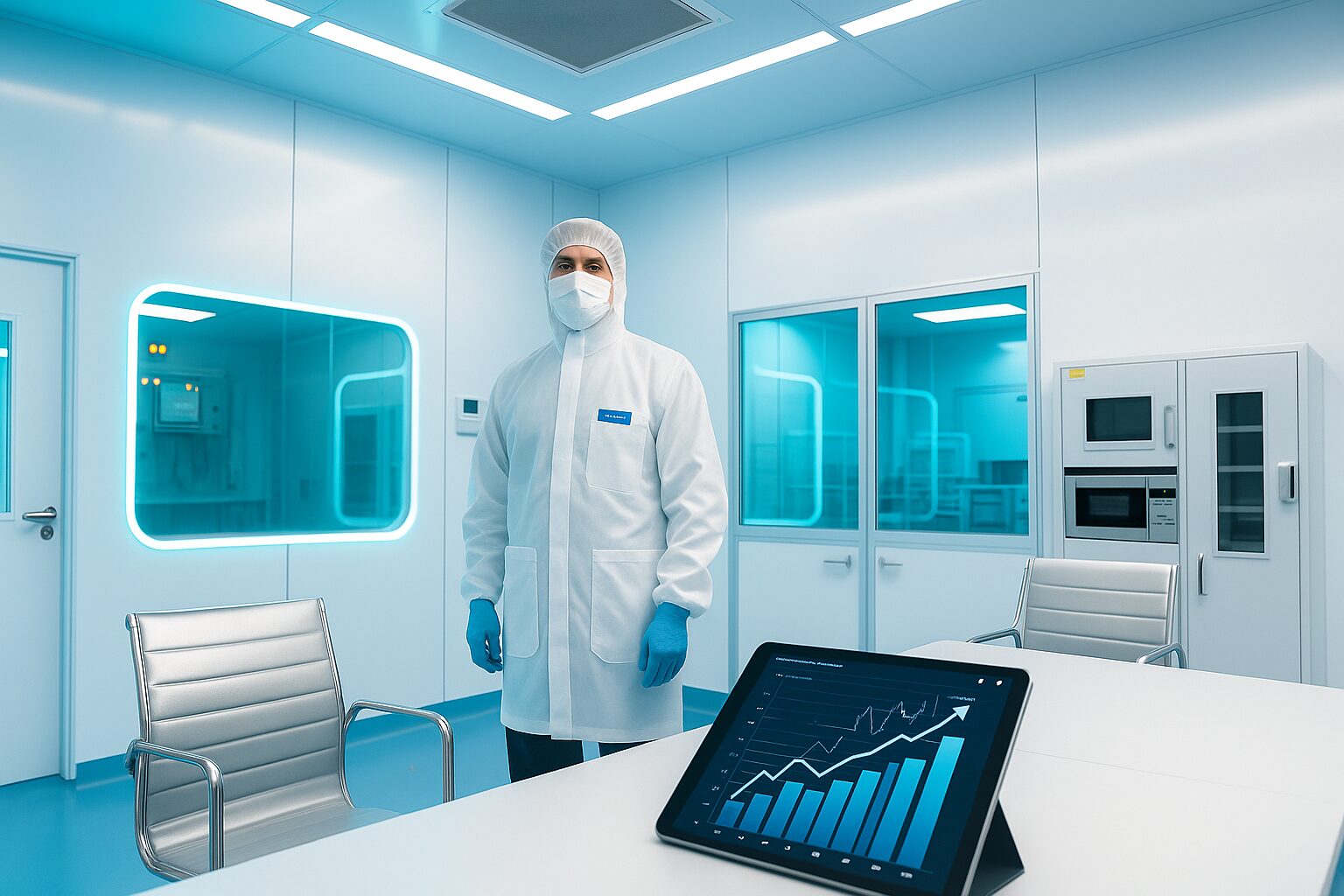
Cleanroom technology with HEPA filters and automated monitoring systems.

Cleanroom technology has become a cornerstone for industries where contamination control is paramount. From pharmaceuticals to semiconductor manufacturing, cleanrooms ensure that products meet stringent quality standards by maintaining an environment free from airborne particles, microbes, and other contaminants. In this article, we’ll explore the best practices in cleanroom technology, emerging trends, and how industries are leveraging these innovations to achieve operational excellence. Whether you’re new to cleanroom design or looking to optimize your existing setup, this guide will equip you with actionable insights.

Understanding Cleanroom

Fundamentally, cleanroom technology focuses on designing environments where contamination is kept to a minimum. These spaces are classified based on ISO standards (such as ISO Class 5 or Class 7), which dictate the allowable particle count per cubic meter. For instance, a semiconductor manufacturing facility might require an ISO Class 5 cleanroom to ensure precision in chip fabrication.

The key components of cleanroom technology include high-efficiency particulate air (HEPA) filters, precise temperature and humidity controls, and specialized airflow systems. Together, these elements work to maintain the desired level of cleanliness.

The Importance of Airflow Design in Cleanroom

One of the most critical aspects of cleanroom technology is airflow design. Proper airflow ensures that contaminants are continuously removed from the environment. This can be achieved through laminar flow systems, where air moves in parallel streams, or turbulent flow systems, which create a mixing effect to disperse particles.

For example, a leading pharmaceutical company in India implemented a laminar flow system in their ISO Class 7 cleanroom, reducing particle counts by 40% within six months. Such case studies underscore the importance of tailoring airflow solutions to specific industry needs.

Automation and Sustainability: The Future of Cleanroom

The integration of automation is transforming cleanroom technology, boosting efficiency while promoting sustainability. Automated monitoring systems can track parameters like temperature, humidity, and particle levels in real time, alerting operators to any deviations. In addition to improving operational performance, this approach also cuts down on energy usage..

Sustainability is another growing trend in cleanroom design. By integrating energy-efficient HVAC systems and renewable energy sources, facilities can significantly lower their carbon footprint. For instance, a data center in Bangalore recently adopted solar-powered HVAC units, cutting energy costs by 25%.

Challenges in Cleanroom Implementation

Despite its benefits, implementing cleanroom technology comes with challenges. One common issue is overdesigning, where facilities invest in systems that exceed their actual requirements. This not only inflates costs but also leads to unnecessary energy consumption.

Another challenge is maintaining compliance with national and international standards. Organizations must adhere to guidelines such as ASHRAE, IGBC, and ISHRAE to ensure their cleanrooms meet regulatory requirements. Regular audits and energy audits can help address these issues effectively.

Case Study: Semiconductor Manufacturing in India

India’s semiconductor industry is rapidly adopting advanced cleanroom technologies to support its growth. A recent project involved the construction of a state-of-the-art ISO Class 5 cleanroom equipped with desiccant wheels for humidity control and AI-driven HVAC optimization. The result? A 30% reduction in energy use and a significant improvement in product yield.

This case study highlights how integrating innovative technologies can transform traditional cleanroom setups into future-ready facilities.

Best Practices for Cleanroom Maintenance

Maintaining a cleanroom requires a proactive approach. Here are some best practices:

  • Regular Filter Replacement: HEPA filters should be replaced periodically to ensure optimal performance.
  • Employee Training: Staff working in cleanrooms must follow strict protocols, such as wearing appropriate attire and adhering to hygiene standards.
  • Continuous Monitoring: Use IoT-enabled sensors to monitor environmental parameters and detect anomalies early.
  • Scheduled Audits: Conduct regular audits to ensure compliance with industry standards and identify areas for improvement.

For more insights into cleanroom technology, check out HVAC Technocrat’s guide to cleanroom technology.

Emerging Trends in Cleanroom Technology

AI and machine learning are reshaping cleanroom technology by enabling predictive maintenance and optimizing energy efficiency. For example, AI-powered systems can predict HVAC failures before they occur, minimizing downtime and repair costs.

Another emerging trend is the use of 3D-printed ductwork, which offers greater design flexibility and faster installation times. Learn more about this innovation here.

FAQs

1. What is cleanroom technology?

Cleanroom technology refers to the systems and processes used to create controlled environments with minimal contamination.

2. Why is airflow important in cleanrooms?

Effective airflow systems work to consistently eliminate impurities, ensuring the environment remains at the required cleanliness standard.

3. How can automation improve cleanroom efficiency?

Automation enables real-time monitoring and predictive maintenance, reducing energy consumption and enhancing operational efficiency.

4. What are the challenges in implementing cleanroom?

Common challenges include overdesigning, maintaining compliance with standards, and managing energy costs.

5. How can sustainability be integrated into cleanroom design?

Sustainability can be achieved through energy-efficient HVAC systems, renewable energy sources, and smart monitoring technologies.

6. What industries benefit from cleanroom technology?

Industries such as pharmaceuticals, semiconductors, data centers, and healthcare rely heavily on cleanroom technology.

Disclaimer

Some links in this article are affiliate links, such as those for Amazon products. Such links might earn a modest commission without any additional expense to you, aiding in funding our research efforts. We never compromise editorial integrity for partnerships.

About the Author

Mr. Om Prakash, with over 18 years of hands-on experience in the HVAC industry, brings unmatched expertise in cleanroom, pharmaceutical, semiconductor, data center, commercial, and industrial HVAC systems. As the founder of HVAC Technocrat, he specializes in customized HVAC design, energy efficiency audits, retrofit planning, and turnkey consultancy services across India. His deep understanding of critical environments and complex building needs ensures every solution is efficient, reliable, and future-ready. Through his writings, he simplifies HVAC concepts and shares real-world insights to support professionals, facility managers, and decision-makers.

For any enquiries or project support, feel free to call or WhatsApp at +91 9908091942, email at hvactechnocrats@gmail.com, or visit www.hvactechnocrat.com.