Clean Room Classification: Ultimate Guide ISO, FS209E & IS15518

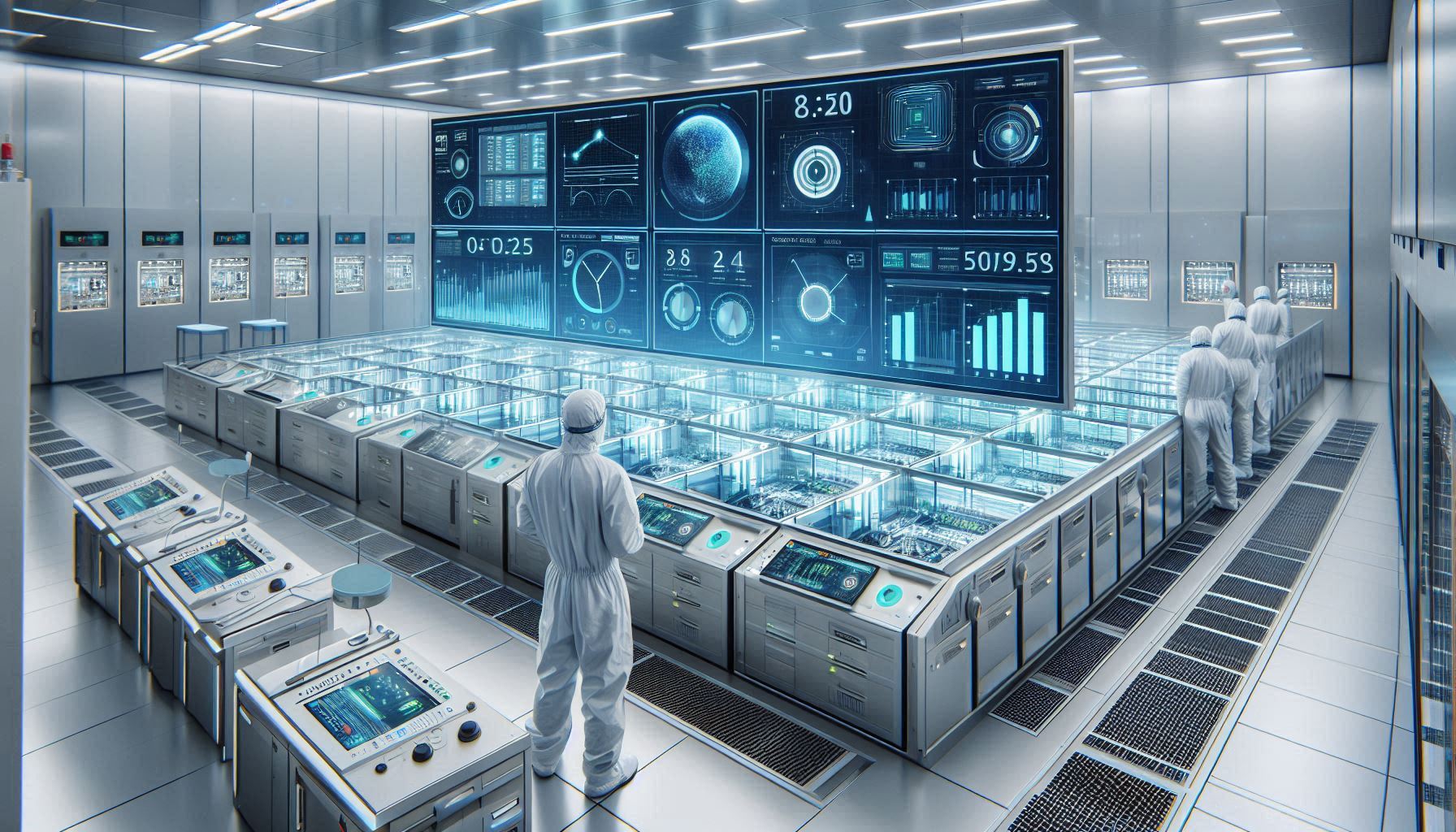
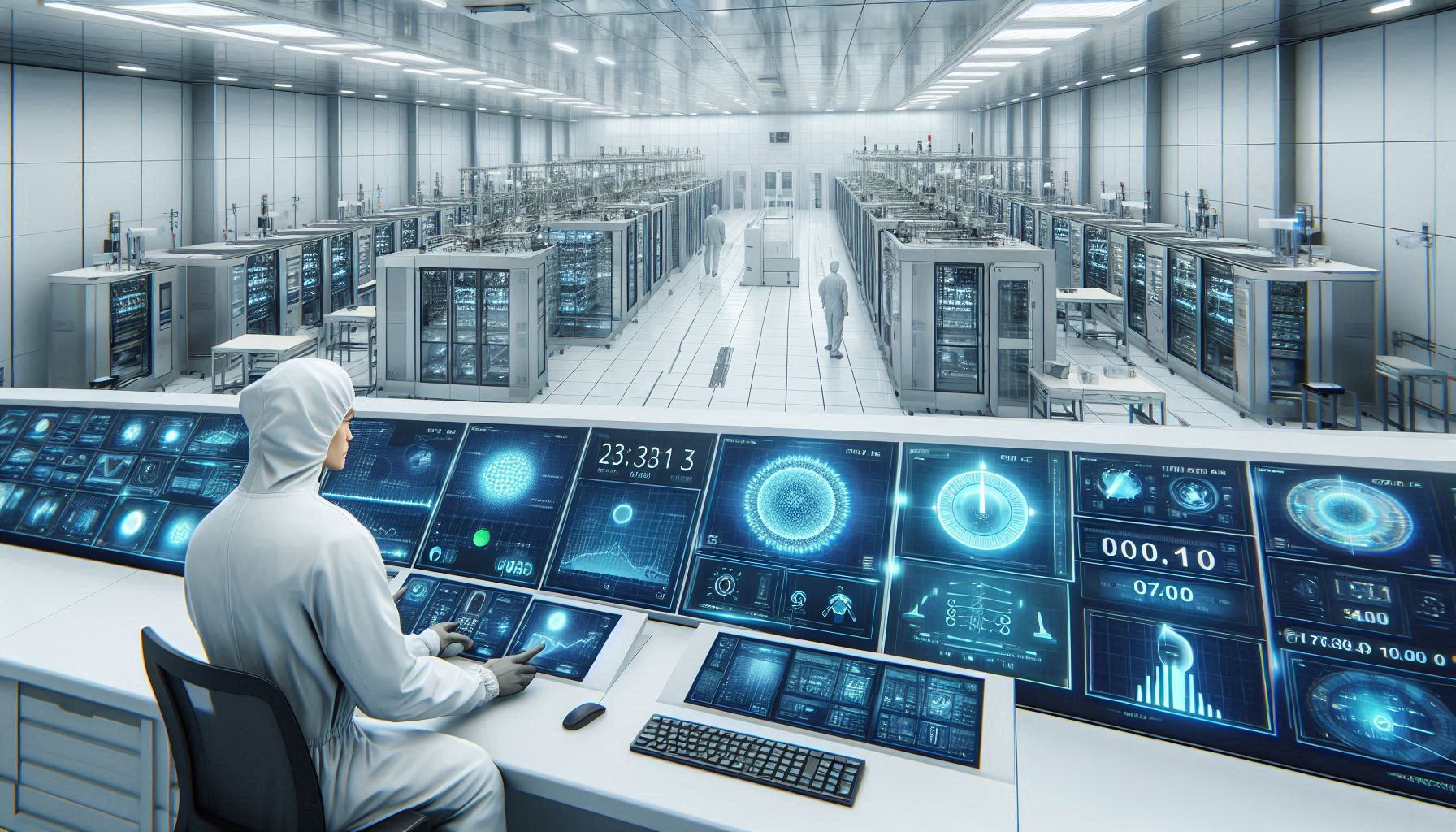
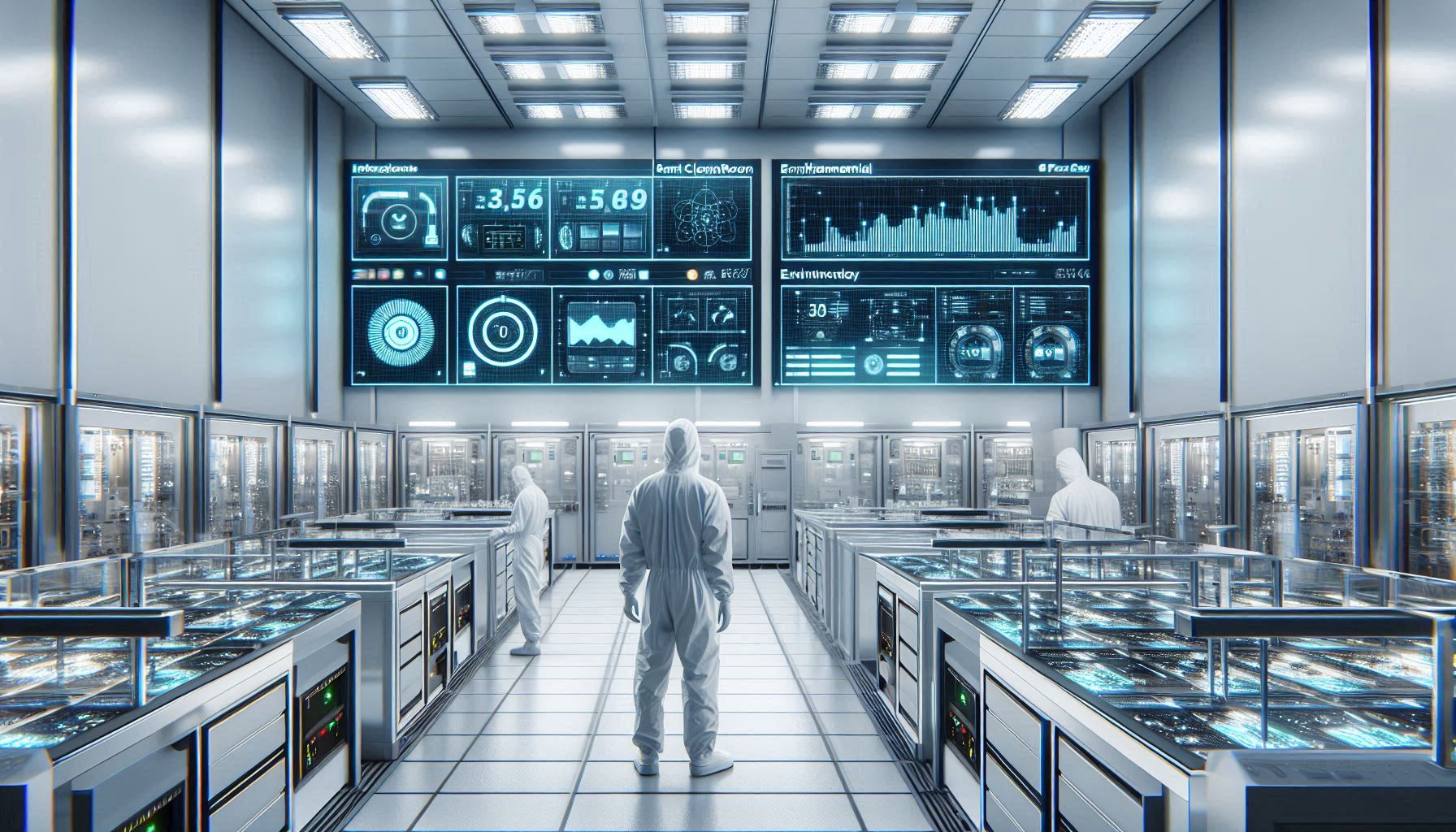
Image showing clean room classification standards with particle count charts and digital sensor overlays.

Introduction

Clean room classification matter. They form the foundation for proper manufacturing conditions. In semiconductor fabrication and other high-tech environments, clean room classifications define how clean the air must be. These standards prevent contamination and ensure process reliability. Moreover, they guide engineers and facility managers in setting up systems. In this chapter, we decode clean room classifications. We explain ISO 14644-1, FS 209E, and IS 15518. We also compare their strengths. Finally, we show a hypothetical case that highlights their impact. Consequently, understanding clean room classifications improves routine operations.

Understanding Clean Room Classification

Clean room classifications set specific particle limits in a controlled area. They list the maximum number of particles allowed per cubic meter or per cubic foot. These classifications vary by standard. For instance, ISO 14644-1 defines classes from ISO 1 (the cleanest) to ISO 9. FS 209E categorizes cleanrooms using classes such as Class 100 and Class 10, whereas IS 15518 tailors its standards to align with regional requirements. In this section, we focus on the core ideas behind clean room classifications. We also use the term “clean room standards” as a synonym to reinforce our keyphrase.

Why Clean Room Classifications Are Crucial

Clean room classifications help prevent incidents. They guide the design of HVAC systems and filtration setups. They keep production consistent. Moreover, they meet regulatory demands. In turn, clean room classifications reduce defects and boost operational efficiency. Therefore, every facility must respect these standards.

ISO 14644-1: The Global Benchmark for Clean Room Classification

ISO 14644-1 is the international standard for clean room classifications. It measures cleanliness by the number of airborne particles present in each cubic meter of air. First, engineers use particle counters that measure as small as 0.1 µm. Then, they compare these counts against ISO limits. For example, an ISO Class 5 room allows a limited count of particles ≥ 0.5 µm.

Additionally, ISO 14644-1 supports consistency worldwide. Many industries adopt these clean room classifications. They cover sectors such as semiconductor manufacturing, aerospace, and pharmaceuticals. Clearly, ISO 14644-1 sets a detailed benchmark. As a result, it continues to be the most commonly recognized benchmark for cleanroom classification.

FS 209E: The U.S. Clean Room Standard

FS 209E was the U.S. standard for clean room classifications. Although discontinued today, it remains influential. This standard measured particle counts per cubic foot instead of per cubic meter. As a result, FS 209E defined classes such as Class 1, Class 10, and Class 100.

Let us compare FS 209E with ISO 14644-1. FS 209E uses imperial units, which require conversion to metric units. Moreover, its classification numbers differ from ISO’s incremental levels. Nevertheless, many legacy facilities still refer to FS 209E. In summary, FS 209E played a key role in early clean room classifications.

IS 15518: The Emerging Regional Standard

IS 15518 serves certain regional needs. It adapts clean room classifications to local environmental and regulatory demands. This standard uses a metric system like ISO 14644-1. It also incorporates local air quality factors and industry practices. In this way, IS 15518 delivers targeted guidance for select sectors.

Furthermore, IS 15518 aligns with global expectations while addressing local needs. For industries facing unique climate or regulatory challenges, IS 15518 offers a flexible framework. Thus, clean room classifications under IS 15518 can complement ISO standards. This dual approach helps facilities achieve excellence.

Comparative Analysis of Clean Room Classification

Let us now compare the three standards side by side:

  • Measurement Units: FS 209E uses cubic feet. ISO 14644-1 and IS 15518 use cubic meters. This difference adds complexity. However, conversion remains simple.
  • Classification Ranges: ISO 14644-1 has a broad range (ISO 1 to ISO 9). FS 209E defines classes (e.g., Class 100). IS 15518 often mirrors ISO but may include extra factors. Here, clean room classifications differ in granularity.
  • Industry Applications: New facilities usually follow ISO 14644-1. Legacy facilities often reference FS 209E. Some regional industries choose IS 15518. Therefore, clean room classifications serve various needs.

Overall, each standard has advantages and limitations. ISO 14644-1 provides detailed, scalable guidelines. FS 209E offers simplicity. IS 15518 gives local adaptability. These differences highlight the importance of standard-specific clean room classifications.

Hypothetical Case Study: Upgrading Clean Room Classification

Consider a modern semiconductor fabrication plant that wishes to improve its clean room environment. Initially, the facility used older benchmarks loosely based on outdated clean room classifications. After a rigorous audit, the discrepancy became clear. The measured particle counts exceeded current limits.

Consequently, engineers decided to upgrade the facility using ISO 14644-1 as the primary guide. They also reviewed aspects of IS 15518 to tailor the solution locally. First, they installed state-of-the-art particle counters. Next, they replaced old filters with high-efficiency units. Furthermore, the HVAC system was enhanced with real-time monitoring and control capabilities.

After these changes, the facility achieved an ISO Class 5 rating. This upgrade reduced defects and increased production yields. It also ensured compliance with international clean room classifications. Ultimately, the facility benefitted from improved stability and reduced downtime. This case vividly demonstrates the critical role of clean room classifications in modern manufacturing.

Challenges in Implementing Clean Room Classification

Even with clear clean room classifications, many challenges persist. Let us explore a few:

  • Instrumentation and Calibration: Using accurate particle counters remains essential. Calibration errors can mislead clean room classifications. Thus, regular checks are necessary.
  • Dynamic Environmental Conditions: Factors such as equipment heat and human activity alter particle counts. Robust HVAC systems must adjust quickly. In response, facilities need dynamic monitoring.
  • Training and Expertise: Staff must understand clean room classifications thoroughly. They also need to act swiftly when deviations occur. Therefore, regular training becomes crucial.
  • Cost Implications: Upgrading systems to meet strict clean room classifications may require high initial investments. However, these costs pay off by reducing defects and boosting yields later.

In summary, while clean room classifications set the standards, maintaining compliance demands continuous effort.

Future Trends in Clean Room Classification and Standards

Clean room classifications continue to evolve with technology. Emerging trends include:

  • Digital Integration: Facilities now use AI and IoT sensors. These tools monitor clean room classifications in real time. They also predict system failures. Consequently, the integration of digital systems enhances overall operational efficiency.
  • Granularity and Precision: New standards may become even more detailed. This enhanced precision will further reduce particulate contamination. In turn, clean room classifications will offer greater reliability.
  • Global Harmonization: There is a movement to standardize clean room classifications worldwide. This effort simplifies international manufacturing. Consequently, facilities can better meet global demands.
  • Sustainability Considerations: Future standards may include energy use and environmental impacts. This change encourages greener practices while preserving strict clean room classifications.

These future trends will ensure that clean room classifications remain relevant in a rapidly changing environment.

Concluding Reflections

Clean room classifications are vital to managing high-tech manufacturing processes. They set the limits, guide operational decisions, and ensure regulatory compliance. In short, these standards keep production safe and efficient. By understanding ISO 14644-1, FS 209E, and IS 15518, facility managers can design better systems. Ultimately, robust clean room classifications improve yield, reduce defects, and protect products.

This chapter showed how each standard defines clean room classifications differently. It compared their metrics, applications, and challenges. It also presented a case study to demonstrate real-world impacts. As technology evolves, so too will clean room classifications. Manufacturers must adapt continuously to maintain excellence.

Disclaimer

The content here is intended solely for educational and informational purposes. All case studies, examples, and hypothetical scenarios are illustrative in nature and do not refer to, endorse, or represent any actual company, organization, or product. Any similarity to real-world entities or events is purely coincidental. Readers are encouraged to verify any technical details or operational recommendations with additional, independent research prior to implementation. The author and publisher assume no responsibility or liability for any errors, omissions, or outcomes resulting from the use of this material.

Semiconductor Clean Rooms: How to Design HVAC Systems

Semiconductor clean rooms technician checking HEPA filter integrity.

In semiconductor manufacturing, where nanoscale precision is non-negotiable, maintaining an ultra-clean environment is paramount. This is where semiconductor clean rooms come into play—controlled spaces engineered to eliminate airborne contaminants that could compromise wafer integrity and chip performance.

But what powers these pristine environments? The answer lies in highly specialized HVAC systems designed not for comfort, but for ultra-precise environmental control.

What Is the Concept of Clean Rooms?

A clean room is a controlled space where pollutants such as dust, microbes, aerosols, and chemical vapors are filtered out using advanced air purification systems. These rooms maintain strict limits on particulate matter, temperature, humidity, and pressure, ensuring that sensitive processes like photolithography and deposition can occur without interference.

Semiconductor fabrication, biotech research, and pharmaceutical production all rely on cleanrooms to ensure product yield and quality.

Clean Room Meaning and Containment

The core principle of a clean room is containment—either protecting the process from contamination (positive pressure) or protecting personnel from hazardous materials (negative pressure). In semiconductor clean rooms, the focus is on keeping the manufacturing area free from particles as small as 0.1 microns.

Containment is achieved through:

  • HEPA/ULPA filtration
  • Laminar airflow patterns
  • Pressure-controlled zones
  • Controlled entry protocols

What Are the Different Types of Cleanrooms?

Clean rooms are categorized based on airflow and application:

  • Turbulent Airflow Cleanrooms: Random air movement; suitable for ISO Class 7–9.
  • Laminar Airflow Cleanrooms: Unidirectional flow (vertical or horizontal); ideal for ISO Class 1–5.

Other types include:

  • Modular Cleanrooms: Quick-to-deploy structures with flexible layouts.
  • Softwall & Hardwall Cleanrooms: Based on material durability and permanence.

Each type serves specific industrial needs, with laminar airflow being the gold standard for semiconductor manufacturing.

What Is a Clean Room in GMP?

Under Good Manufacturing Practices (GMP), a clean room is defined as a classified area where microbial and particulate levels are controlled within defined limits. These standards are crucial in both pharmaceutical and semiconductor industries to meet regulatory compliance from bodies like the FDA, EMA, and CDSCO.

Semiconductor Clean Rooms Classification

Semiconductor clean rooms adhere to ISO 14644-1 classification, which defines allowable particle counts per cubic meter:

ISO ClassMax Particles ≥0.3 µm/m³
ISO 110
ISO 2100
ISO 31,000
ISO 410,000
ISO 5100,000

Most semiconductor fabrication lines require ISO Class 3 or 4, equivalent to older Class 10 or Class 100 standards under FS 209E.

What Are the Requirements for a Semiconductor Clean Rooms?

To maintain the required conditions for microchip production, semiconductor clean rooms must meet stringent requirements:

  • Air Changes per Hour (ACH): Typically between 300–600 ACH
  • Temperature Control: Maintained at 22°C ± 0.5°C
  • Relative Humidity (RH): Kept at 45% ± 5% RH
  • Pressure Gradient: Positive pressure maintained to prevent ingress of contaminants
  • Particle Count: <10 particles ≥0.3 µm/m³ for ISO Class 3
  • Vibration & Electrostatic Discharge (ESD) Control
  • Material Compatibility: Use of non-shedding, ESD-safe materials

These parameters ensure optimal conditions for wafer processing, lithography, and deposition.

What Is the Temperature of a Semiconductor Clean Rooms?

Maintaining precise thermal conditions is critical. The standard operating temperature is typically kept at 22°C ± 0.5°C. Even minor fluctuations can affect wafer expansion, lithography accuracy, and equipment performance.

Humidity is also tightly controlled to prevent static buildup and condensation issues that could damage sensitive components.

HVAC Systems for Semiconductor Clean Rooms

The HVAC system is the backbone of any semiconductor clean room. It ensures continuous delivery of filtered, temperature- and humidity-controlled air to maintain ISO-defined cleanliness levels.

Key Components of Cleanroom HVAC Systems:

  • Makeup Air Units (MAUs): Deliver treated outdoor air to replace exhausted indoor air.
  • Recirculating Air Units (RAUs): Maintain climate control and filtration without constant fresh air intake.
  • HEPA/ULPA Filters: Installed at terminal ends to capture submicron particles.
  • Variable Frequency Drives (VFDs): For energy-efficient fan control.
  • Control Systems: BMS/BAS for real-time monitoring and adjustments.

These systems operate continuously, often with redundant backups to avoid process interruptions.

Cleanroom HVAC Design PDF and Calculations

Designing HVAC systems for semiconductor clean rooms involves complex calculations:

  • Airflow Volume (CFM/LPM): Based on room size and ACH.
  • Heat Load Analysis: Equipment, lighting, and people contribute to internal loads.
  • Humidity Control: Latent vs sensible cooling load.
  • Filter Pressure Drop and Efficiency
  • Duct Sizing and Velocity Optimization

Comprehensive HVAC design PDFs often include schematics, psychrometric charts, and control sequences tailored to ISO and ASHRAE standards.

Many companies publish detailed cleanroom HVAC design guides and calculation templates, which serve as valuable references during facility planning.

Semiconductor Cleanroom Design

An effective semiconductor cleanroom integrates:

  • Zoned Layouts: Separating critical process zones from support areas.
  • Personnel & Material Flow Protocols: Minimizing contamination risk.
  • Modular Flexibility: Allowing future reconfiguration.
  • Integrated Monitoring Systems: Real-time data logging and alerts.

Design should comply with ASHRAE Standard 170 and ISO 14644-1 for global compliance.

Semiconductor Clean Rooms Jobs

With India’s growing semiconductor industry, job opportunities in cleanroom operations are expanding rapidly. Key roles include:

  • Cleanroom Technicians
  • Process Engineers
  • HVAC Maintenance Specialists
  • Facility Managers
  • QA/QC Inspectors

These professionals work in leading firms involved in chip manufacturing, packaging, and testing.

Semiconductor Clean Rooms Standards

Semiconductor clean rooms follow globally recognized standards:

  • ISO 14644-1 & 2: Classification and compliance testing.
  • ASHRAE Handbook – HVAC Applications: Provides standards and best practices for cleanroom HVAC system design.
  • Federal Standard 209E: Legacy reference for many facilities.
  • IS 15518:2004: Indian standard for cleanrooms.

Adherence to these ensures consistency in product yield, quality, and regulatory approval.

Conclusion

In semiconductor manufacturing, even the smallest particle can cause catastrophic failure. That’s why HVAC systems in clean rooms go far beyond basic heating and cooling—they are precision-engineered to maintain ultra-low contamination levels, stable thermal conditions, and continuous operation.

From ISO classifications to HVAC design principles, every detail plays a role in ensuring that the next generation of chips meets the highest standards of reliability and performance.

About the Author

Mr. Om Prakash is a seasoned HVAC expert with over 18 years of experience in cleanroom, pharmaceutical, semiconductor, and data center HVAC systems. As the founder of HVAC Technocrat, he offers end-to-end consultancy and customized solutions across India. He simplifies complex HVAC concepts to help professionals and facility managers make informed decisions.

Connect with him on LinkedIn or visit www.hvactechnocrat.com for expert guidance.

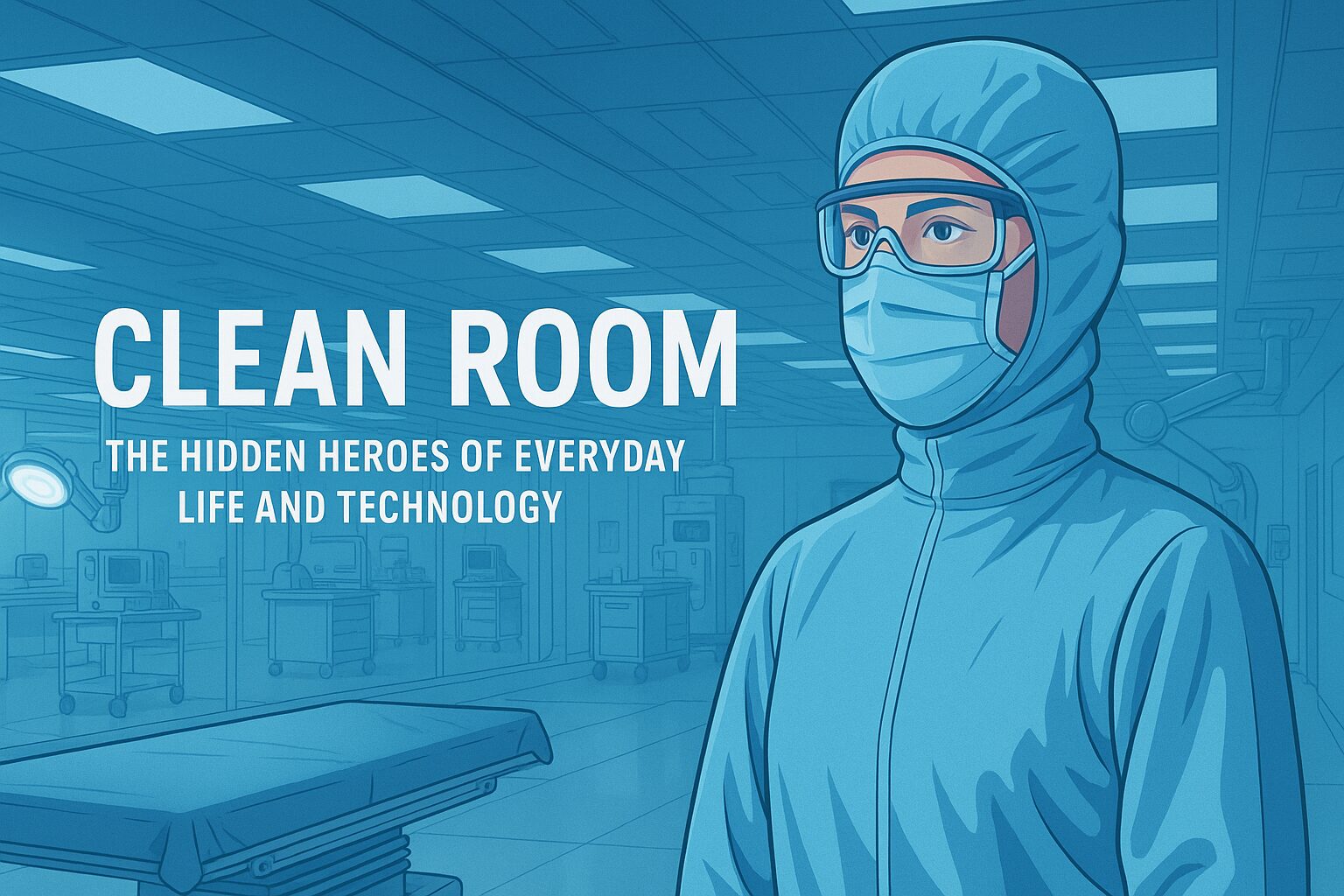
Clean Room: The Hidden Heroes of Everyday Life and Technology

Technician in sterile PPE inspecting HEPA filters in a pharmaceutical cleanroom

What Defines a Clean Room?

A clean room is a controlled environment where airborne particles, temperature, humidity, and pressure are carefully regulated to prevent contamination. These environments are indispensable in industries where even a single speck of dust or microbe could spell disaster—think semiconductor fabrication, pharmaceutical production, or aerospace engineering. For example, a Hyderabad-based vaccine manufacturer reduced contamination risks by 40% after upgrading to ISO 5 cleanrooms.

Why Clean Rooms Are Non-Negotiable in Critical Industries

Clean rooms safeguard processes where precision is paramount:

  • Pharmaceuticals: Sterile drug production relies on HEPA filters (learn maintenance tips here ) and pressure gradients to block pathogens.
  • Semiconductors: Nanoscale chip fabrication demands particle counts as low as ISO 1 standards (≤10 particles/m³).
  • Healthcare: Operation theatres use laminar airflow systems to prevent surgical infections.

A Bengaluru semiconductor plant achieved ISO 14644-1 compliance by maintaining 300 air changes per hour (ACH), cutting defects by 25%.

Decoding Clean Room Classifications (ISO 1 to ISO 9)

Cleanrooms are classified based on the number of particles per cubic meter, following ISO 14644-1 standards:

  • ISO Classes: Range from ISO 1, the cleanest with 10 particles or fewer per cubic meter, to ISO 9, which reflects normal ambient air conditions.
  • Pharma Standards: EU GMP Grade A aligns with ISO 5 (≤3,520 particles/m³ ≥0.5µm).
  • Legacy systems: Class 100 correspond to ISO 5, which permits up to 100 particles per cubic foot.

A Delhi hospital avoided FDA penalties by aligning its OTs with ISO 8 standards, ensuring NABH conditions.

Types of Clean Room: From Modular to Soft-wall

Cleanrooms vary by construction and airflow design:

  1. Modular Cleanrooms:
    • Prefabricated panels allow scalability. Ideal for startups needing flexible setups.
    • Example: A Pune biotech lab used modular units to expand production during the pandemic.
  2. Conventional Cleanrooms:
    • Built from scratch, offering permanent solutions for large-scale operations.
  3. Softwall Cleanrooms:
    • Temporary, PVC-curtained spaces for low-risk tasks like packaging.
  4. Unidirectional Flow Rooms:
    • Laminar airflow (0.45 m/s) for sterile zones, reducing turbulence.

Designing Clean Room: Balancing Precision and Practicality

Designing a clean room involves integrating advanced systems to sustain critical conditions such as temperature, humidity, pressure gradients, and particle count. These environments require meticulous planning to meet industry-specific standards while balancing cost and functionality.

Key Components of Clean Room Design

  1. Airflow Systems:
  • Laminar Flow: Unidirectional airflow (typically downward) is used in sterile zones like pharmaceutical cleanrooms. This ensures that particles are removed from critical areas. For example, a Gujarat pharma facility achieved ISO Class 5 compliance using laminar flow systems.
  • Turbulent Flow: Non-unidirectional airflow suits less sensitive areas, such as packaging units, where particle control is less stringent.
  1. HVAC Integration:
  • HEPA Filters: Essential for trapping 99.97% of particles ≥0.3 microns. Regular maintenance of these filters is critical to avoid contamination risks.
  • Pressure Gradients: Positive pressure (+15 Pa) prevents external contaminants from entering, while negative pressure isolates hazardous materials in bio-safety labs.
  1. Material Selection:
  • Non-shedding surfaces like stainless steel and epoxy flooring minimize particle generation. A Bengaluru semiconductor plant reduced defects by 25% by using anti-static materials.

Balancing Cost and Compliance

Clean room costs vary widely:

  • ISO 5 Cleanrooms: ₹50,000–₹2 lakh per square foot.
  • Modular Cleanrooms: Prefabricated units offer flexibility for startups, reducing upfront investment.

Adherence to ISO 14644-1 and ASHRAE 170 standards is essential. A Delhi hospital avoided regulatory penalties by aligning its operation theatre design with these guidelines.

Emerging Trends in Clean Room Design

  • Sustainability: Solar-powered HVAC systems and energy recovery wheels reduce carbon footprints (learn more).
  • AI-Driven Monitoring: Predicts filter failures using airflow data.
  • Automation: Robotics and AI-driven sensors minimize human intervention, lowering contamination risks.

Case Study: Semiconductor Manufacturing

A Hyderabad semiconductor fab implemented low-velocity airflow systems and real-time particle monitoring, achieving Class 10 (ISO 4.5) compliance. This reduced chip defects by 30%, highlighting the ROI of precision design.

Challenges in Clean Room Design

  • Human Error: Particularly gowning mistakes, causes 80% of contamination incidents.
  • Energy Costs: High ACH (air changes per hour) demands significant power, driving innovation in energy-efficient HVAC systems.
  • Costs: ISO 5 cleanrooms cost ₹50,000–₹2 lakh/sq.ft

By prioritizing contamination control, airflow optimization, and sustainability, clean room design continues to evolve, supporting industries where precision is paramount.

Maintaining Critical Conditions: SOPs and Monitoring

Stringent protocols ensure compliance:

  • Gowning Procedures: Full PPE, including sterile suits and gloves.
  • Material Handling: Airlocks and ULPA filters for equipment entry.
  • Cleaning: Daily disinfection with ISO-certified agents.

IoT sensors now enable real-time tracking of temperature, humidity, and particle counts, as seen in smart HVAC systems.

FAQs

Q1: What is a clean room?
A: A controlled environment regulating particles, temperature, and pressure to protect sensitive processes.

Q2: What are ISO classifications?
A: ISO 1 to ISO 9 define cleanliness levels, with ISO 1 being the most stringent.

Q3: How do HEPA filters work?
A: They trap 99.97% of particles ≥0.3µm, essential for sterile environments.

Q4: What is a Class 100 cleanroom?
A: Equivalent to ISO 5, with ≤100 particles/ft³ ≥0.5µm.

Q5: Why is pressure gradient important?
A: It prevents contaminants from entering critical zones.

Q6: How to maintain a clean room?
A: Follow strict SOPs for gowning, cleaning, and HVAC upkeep (full guide ).

Disclaimer: Some links in this article are affiliate links, such as those for Amazon products. These may generate a small commission at no extra cost to you, supporting our work. We never compromise editorial integrity for partnerships.

About the Author
Mr. Om Prakash, with over 18 years of hands-on experience in the HVAC industry, brings unmatched expertise in cleanroom, pharmaceutical, semiconductor, data center, commercial, and industrial HVAC systems. As the founder of HVAC Technocrat, he specializes in customized HVAC design, energy efficiency audits, retrofit planning, and turnkey consultancy services across India. His deep understanding of critical environments and complex building needs ensures every solution is efficient, reliable, and future-ready. Through his writings, he simplifies HVAC concepts and shares real-world insights to support professionals, facility managers, and decision-makers. For any enquiries or project support, feel free to call or WhatsApp at +91 9908091942, email at hvactechnocrats@gmail.com , or visit www.hvactechnocrat.com . Follow his LinkedIn profile https://www.linkedin.com/in/hvactechnocrats/ for updates.

How to Replace and Maintain HEPA Filters in Operation Theatres

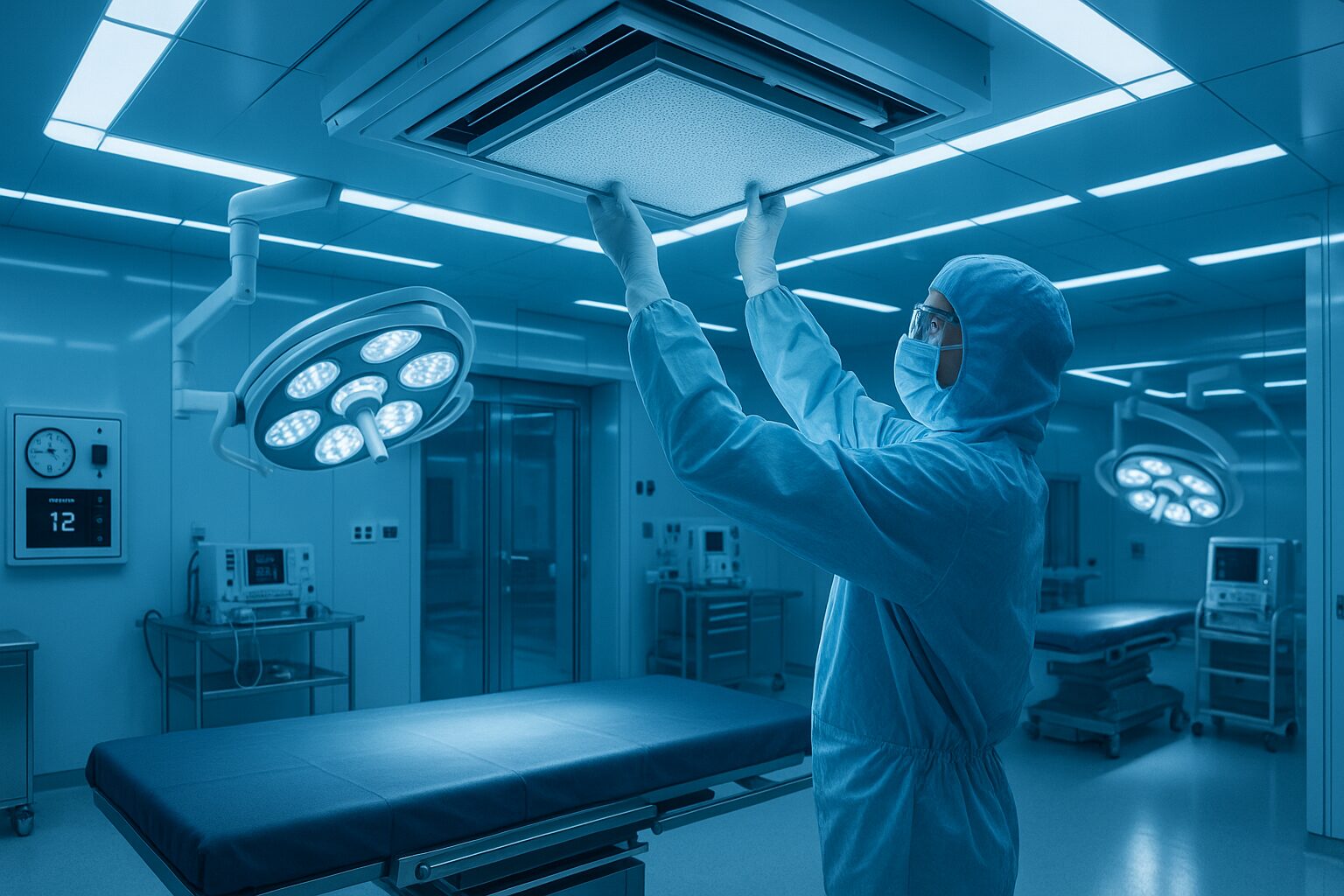
HEPA filter installation in an operation theatre for infection control

Why HEPA Filters Are Critical in Operation Theatres

In operation theatres, HEPA (High-Efficiency Particulate Air) filters are the unsung heroes safeguarding patient outcomes. These filters capture 99.97% of airborne particles as small as 0.3 microns, including bacteria, viruses, and surgical debris. Without proper HEPA filters maintenance, even minor contamination risks can lead to surgical site infections, compromising patient safety. For instance, a Mumbai-based hospital reduced post-surgery infections by 30% after upgrading its HEPA replacement protocol—a testament to their vital role.

What is the HEPA Filter

A HEPA (High-Efficiency Particulate Air) filter is a critical air purification technology designed to trap 99.97% of particles as small as 0.3 microns. These particles consist of dust, pollen, bacteria, viruses, and even smoke. Originally developed for nuclear facilities, HEPA filters are now indispensable in healthcare, cleanrooms, and homes. For instance, during the 2020 pandemic, hospitals globally relied on HEPA systems to reduce airborne virus transmission.

Where Are HEPA Filters Used

HEPA filters are crucial for industries that require ultra-clean environments. Key applications include:

  1. Cleanrooms
    • Pharmaceuticals: Used in sterile manufacturing zones to prevent microbial contamination. For example, a Pune-based pharma facility reduced batch rejections by 35% after upgrading to H14 HEPA filters.
    • Semiconductors: Eliminate nanoscale particles during chip fabrication. A semiconductor plant in Gujarat attained ISO Class 5 cleanliness by incorporating HEPA-integrated laminar airflow systems.
    • Biotechnology: Maintain aseptic conditions for cell culture and genetic research.
  2. Healthcare
    • Operation Theatres: Critical for infection control. A Chennai hospital reported a 40% drop in post-surgical infections after adopting HEPA-compliant HVAC systems.
    • Isolation Wards: Contain airborne pathogens like tuberculosis or SARS-CoV-2.
  3. Research & Development Labs
    • BSL-3/4 Labs: Handle hazardous bioagents safely. HEPA filters in exhaust systems guarantee no leakage of contaminants, ensuring a sterile environment.
    • Nanotechnology Labs: Capture nanoparticles during material synthesis.
  4. Industrial Settings
    • Petrochemical Refineries: Remove dust and fumes in hazardous zones. Explosion-proof HEPA systems are integrated with HVAC safety protocols to ensure secure and reliable operation in hazardous environments.
    • Aerospace Manufacturing: Protect precision components from debris.
  5. Commercial Spaces
    • Data Centers: Prevent dust from damaging servers.
    • Food Processing: Ensure compliance with FSSAI standards by filtering airborne microbes.

In India, a Bengaluru semiconductor plant uses HEPA filters to eliminate nanoscale contaminants, ensuring chip precision.

Types of HEPA Filters

HEPA filters are graded by efficiency:

  • H13 : 99.95% efficiency (common in homes and commercial spaces).
  • H14 : 99.995% efficiency (used in operation theatres and ISO 5 cleanrooms).
  • ULPA : Ultra-Low Penetration Air (ULPA) filters provide 99.999% efficiency, making them perfect for capturing nano-contaminants.

A Delhi hospital reduced surgical infections by 40%

Step-by-Step Guide to Replacing HEPA Filters

Replacing HEPA filters demands precision to maintain sterile environments. Follow these steps:

Step 1: Pre-Installation Preparation

  • Shut down HVAC systems to avoid contamination.
  • Use a particle counter to verify air quality before removal.

Step 2: Safe Removal and Disposal

  • Seal old filters in plastic bags immediately to prevent pathogen spread.
  • Follow biomedical waste disposal protocols as per India’s CPCB guidelines.

Step 3: Installation Best Practices

  • Ensure airtight seals using gaskets compliant with ASHRAE Standard 52.2 .
  • Test airflow post-installation to maintain 20–30 air changes per hour (ACH).

Maintenance Best Practices for Longevity

Regular upkeep extends HEPA filter lifespan and efficiency:

  • Inspect Monthly: Check for physical damage or clogging.
  • Monitor Pressure Drop: Replace filters when pressure exceeds 1.5 times the initial reading, as recommended by ISHRAE.
  • Clean Surrounding Areas: Dust near filter housings can compromise performance.
  • Humidity Control: Maintain relative humidity between 40–60% to prevent microbial growth and ensure optimal filter performance.

A Chennai hospital’s case study highlighted that quarterly inspections reduced filter replacements by 20%, aligning with ECBC (Energy Conservation Building Code) sustainability goals.

Compliance with Global and Indian Standards

Adherence to codes ensures operational and safety benchmarks:

  • ASHRAE Standard 52.2: Governs filter efficiency testing.
  • ISO 14644-1: Defines cleanroom air quality standards, which are essential for maintaining the sterile environment in modular operation theatres.
  • ISHRAE Guidelines: Recommend HEPA filter replacement every 1–3 years based on usage.

Linking these standards to practical applications, such as integrating HEPA systems with smart HVAC controls, enhances compliance and efficiency.

Challenges in HEPA Filter Management

Even seasoned facilities face hurdles:

  • Cost Concerns: High-grade HEPA filters cost ₹15,000–₹30,000 per unit.
  • Training Gaps: Staff errors during replacement can void warranties.
  • Humidity Control: Excessive moisture shortens filter life—a common issue in India’s monsoon-prone regions.

Future Trends: Smart Monitoring and Sustainability

Emerging technologies are reshaping HEPA maintenance:

  • IoT Sensors: Enable real-time tracking of filter performance (e.g., AI-driven HVAC systems).
  • Recyclable Filters: AI-powered HVAC systems forecast replacement schedules, cutting downtime by 30% and promoting sustainability. Reduce waste, supporting India’s push for circular economies.

HEPA Filters for Home Use

Home HEPA systems combat allergens like pollen and pet dander. Key considerations:

  • Room Size : Match the CADR (Clean Air Delivery Rate) to the room size to ensure optimal air filtration and efficiency.
  • Noise Levels : Opt for models under 50 dB for bedrooms.
  • Cost : Basic units start at ₹8,000, while medical-grade models cost up to ₹25,000 (shop HEPA filters ).

FAQs

Q1: How often should HEPA filters be replaced in operation theatres?
A: Typically every 12–36 months, depending on usage and manufacturer guidelines.

Q2: Is it possible to clean HEPA filters instead of replacing them?
A: No. Cleaning risks damaging the delicate fibers; always replace as advised.

Q3: What safety precautions are needed during replacement?
A: Use PPE, seal old filters immediately, and conduct post-installation leak tests.

Q4: How do I choose the right HEPA filter for my OT?
A: Prioritize filters rated ISO 35 H (99.95% efficiency) and consult ASHRAE standards.

Q5: Does humidity affect HEPA filter lifespan?
A: Yes. Keep relative humidity between 40–60% to prevent microbial growth and extend the lifespan of filters.

Q6: Are there eco-friendly HEPA disposal methods?
A: Some providers offer recycling programs; inquire during procurement.

Disclaimer:

Some links in this article are affiliate links, such as those for HVAC tools. These may generate a small commission at no extra cost to you, supporting our work. We never compromise editorial integrity for partnerships.

About the Author:

Mr. Om Prakash, with over 18 years of hands-on experience in the HVAC industry, brings unmatched expertise in cleanroom, pharmaceutical, semiconductor, data center, commercial, and industrial HVAC systems. As the founder of HVAC Technocrat, he specializes in customized HVAC design, energy efficiency audits, retrofit planning, and turnkey consultancy services across India. His deep understanding of critical environments and complex building needs ensures every solution is efficient, reliable, and future-ready. Through his writings, he simplifies HVAC concepts and shares real-world insights to support professionals, facility managers, and decision-makers. For any enquiries or project support, feel free to call or WhatsApp at +91 9908091942, email at hvactechnocrats@gmail.com, or visit www.hvactechnocrat.com. Follow his LinkedIn profile https://www.linkedin.com/in/hvactechnocrats/ for updates.