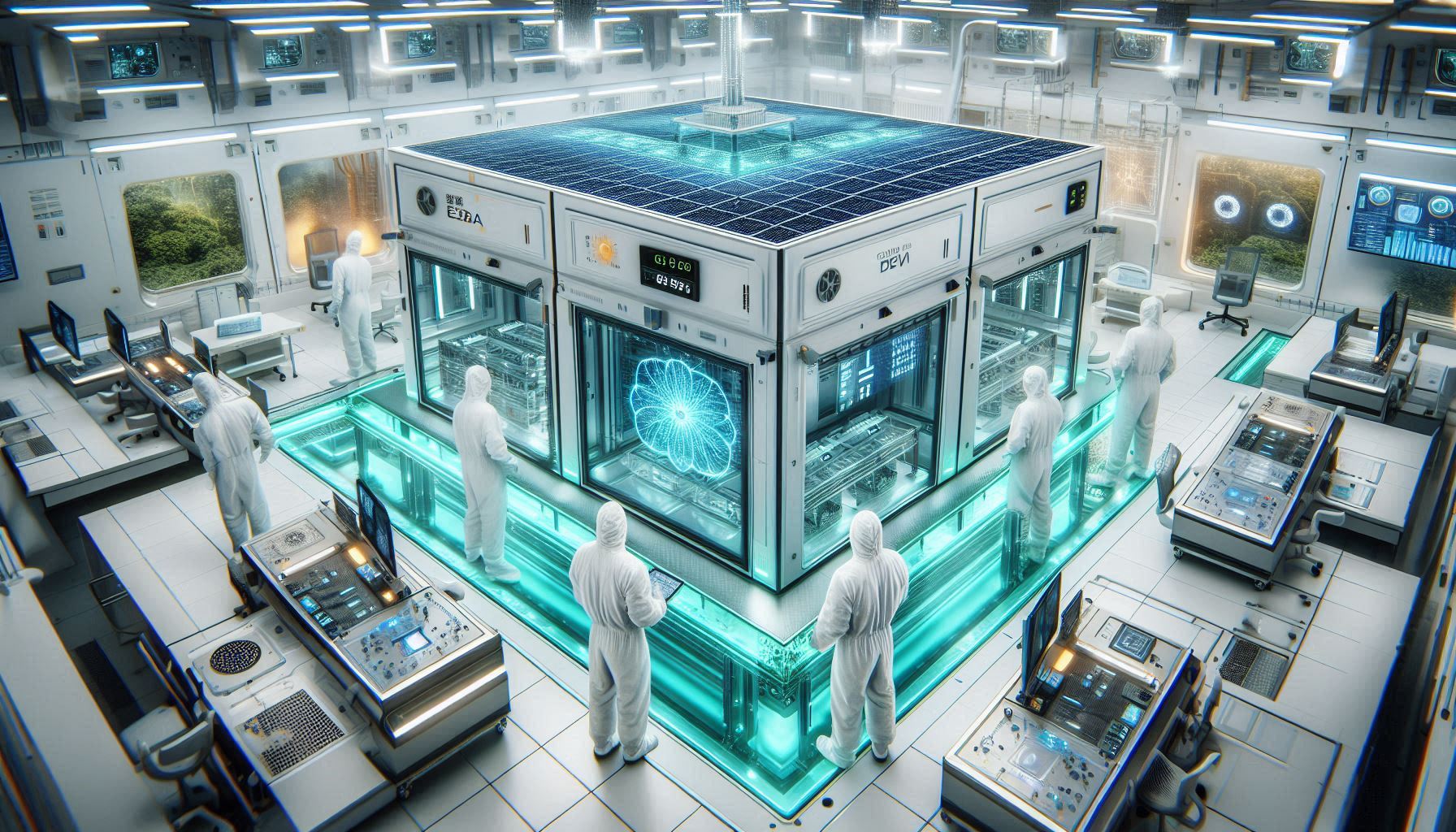
How to Optimize Cleanroom pressure differential for Semiconductor facilities

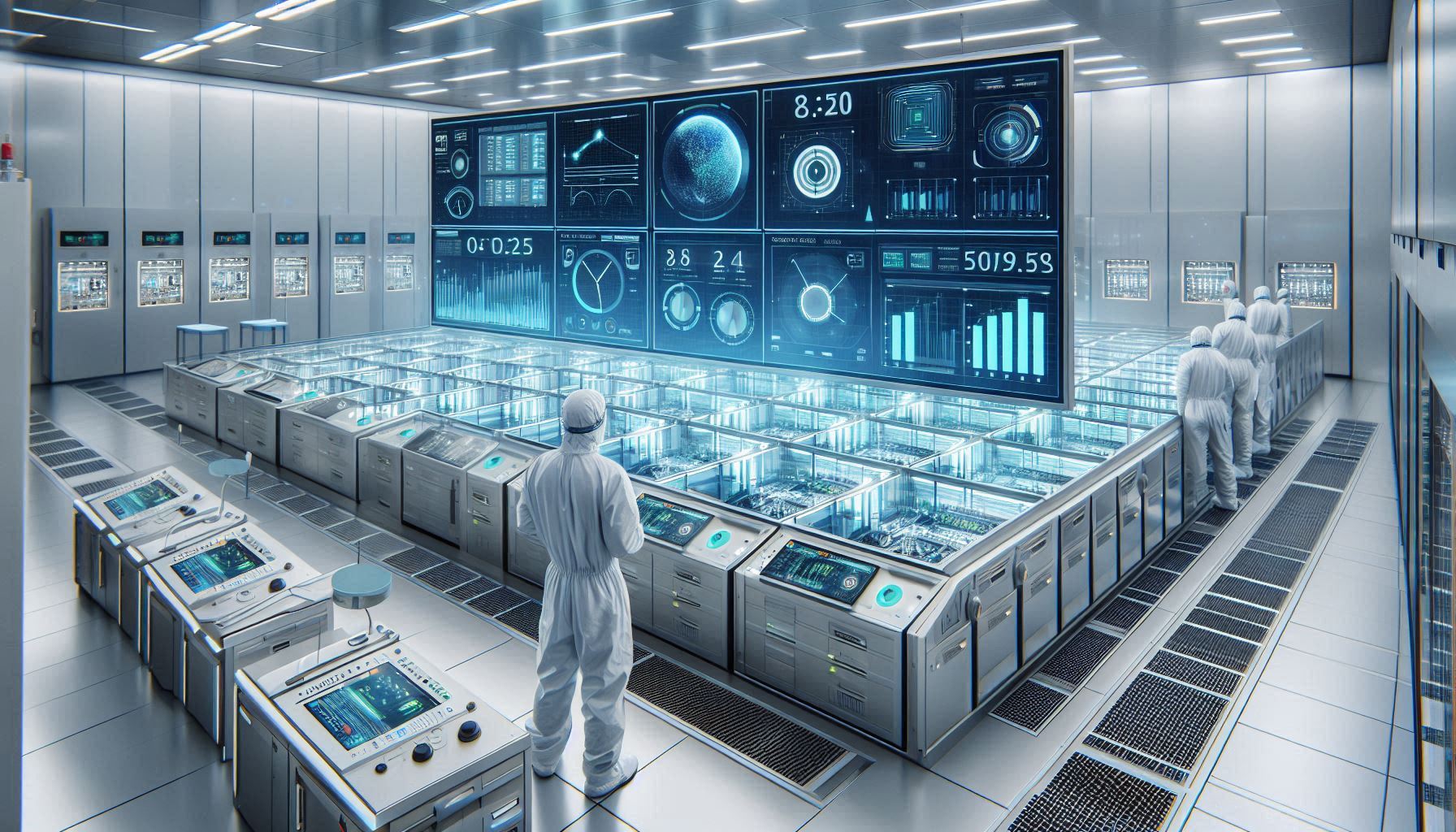
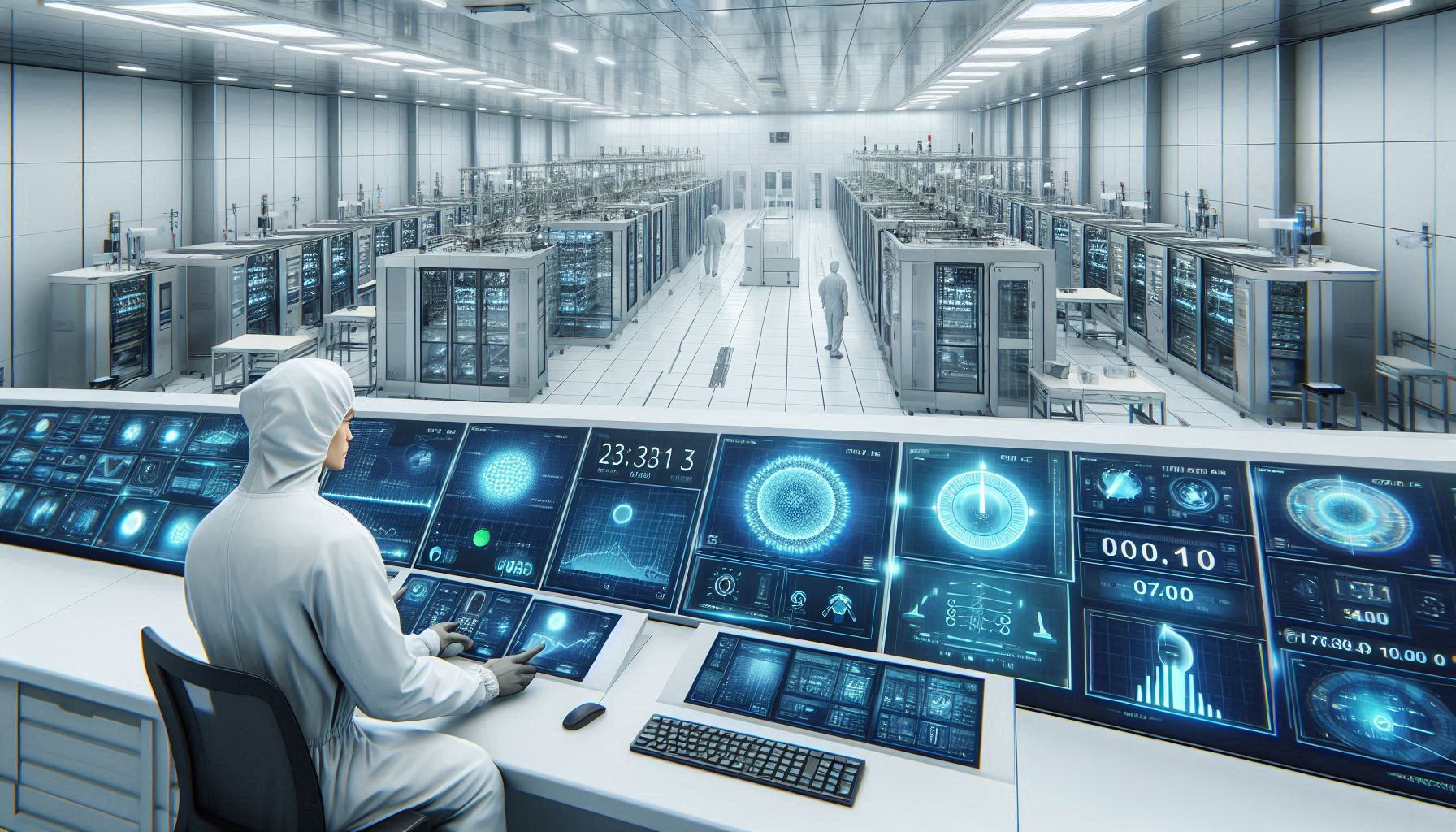
Cleanroom pressure differential in a semiconductor facility

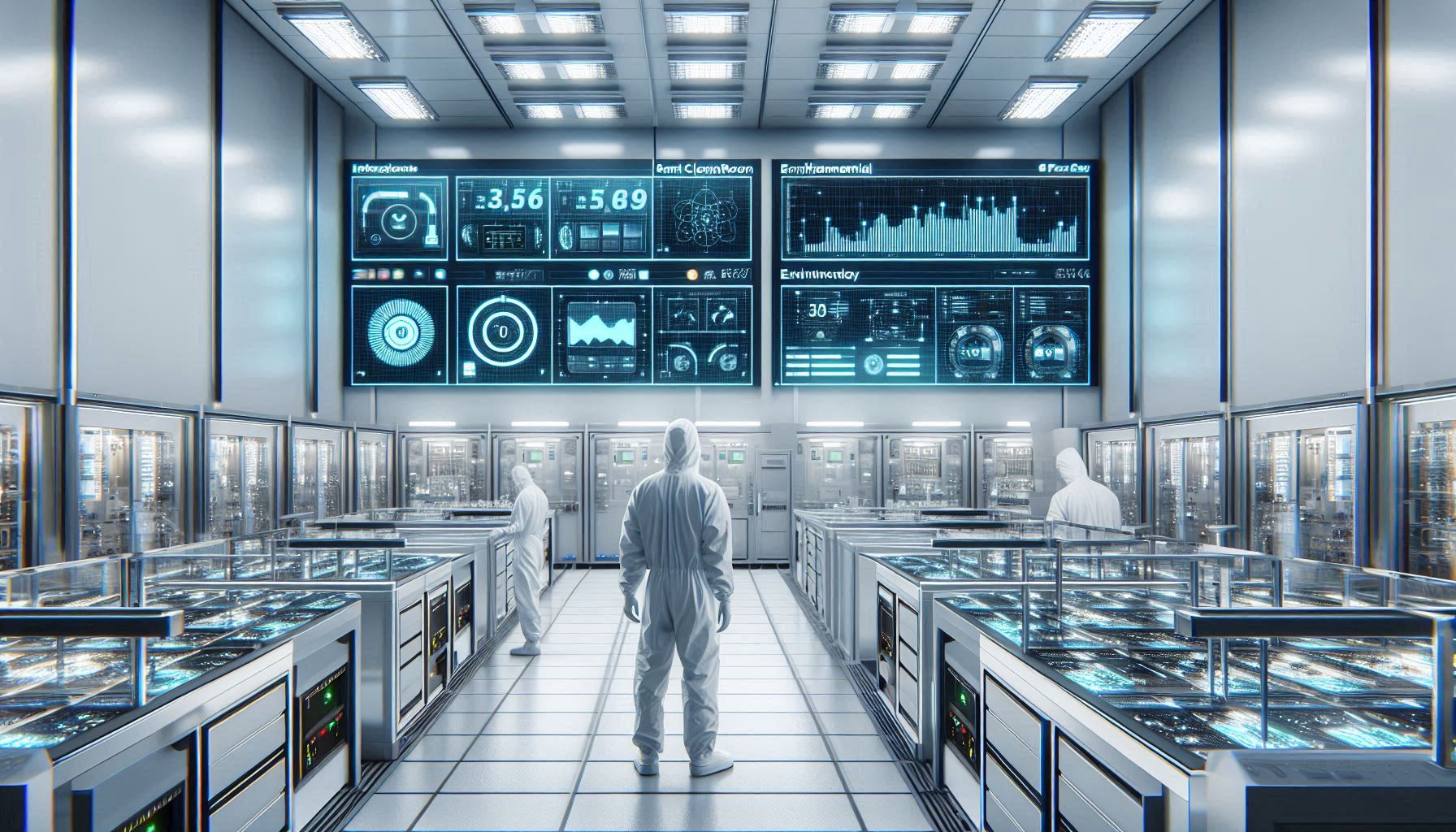
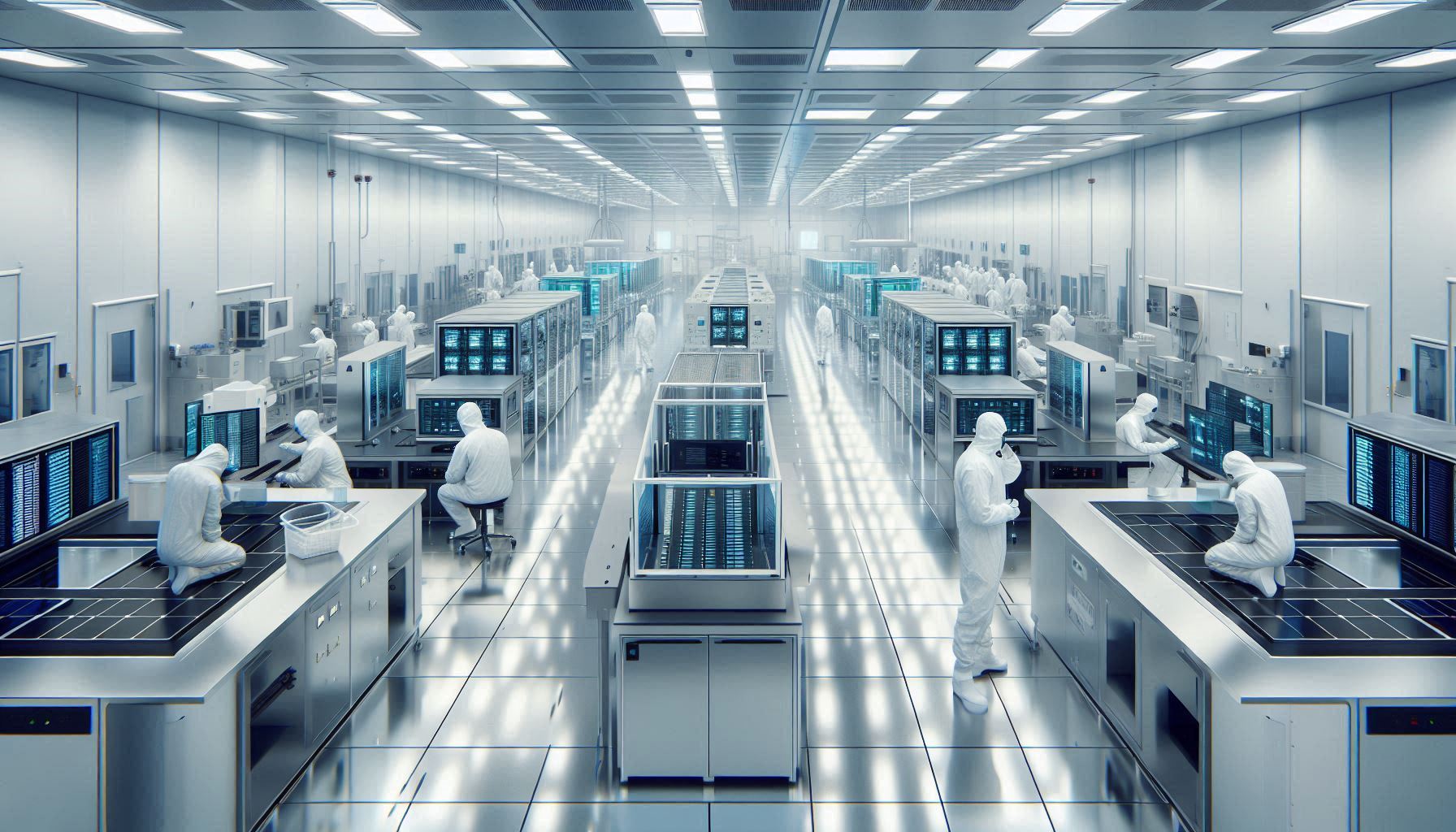
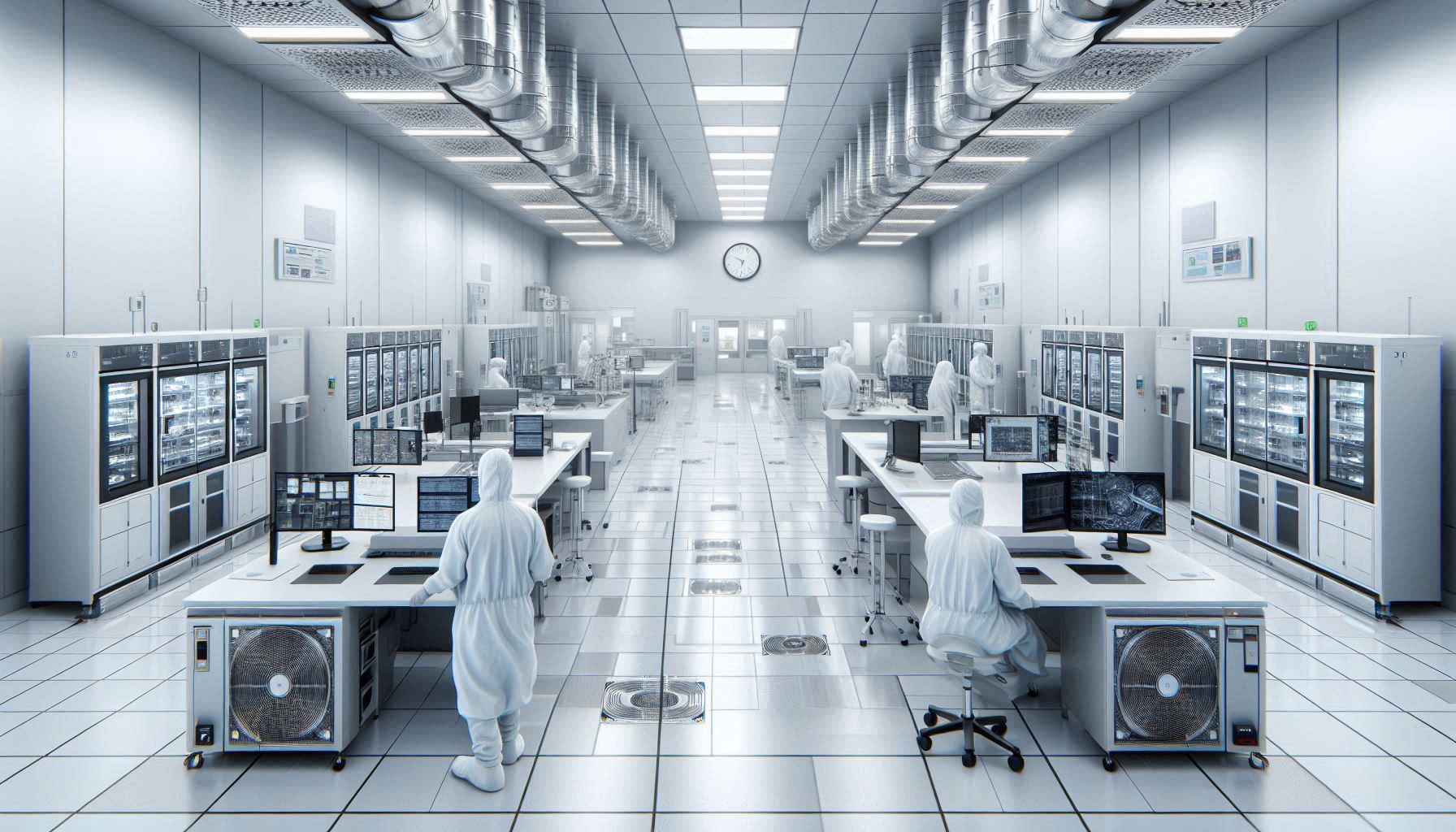
Cleanroom pressure differential optimization represents a critical success factor in semiconductor manufacturing, where even minor contamination can destroy entire production batches worth millions of rupees. The complexity of maintaining precise pressure differentials across multiple zones while accommodating dynamic process conditions requires sophisticated engineering approaches that balance contamination control with energy efficiency. Modern semiconductor facilities demand pressure management systems that respond intelligently to equipment operations, personnel movement, and environmental variations while maintaining the stringent cleanliness standards essential for advanced chip manufacturing.

Why the Particle Control is Required in the Cleanroom Environment

Understanding the fundamentals of pressure differential optimization enables facility managers and engineers to implement cost-effective solutions that enhance both product quality and operational efficiency. The challenge extends beyond simple static pressure maintenance to encompass real-time adjustments, predictive control strategies, and integration with overall facility management systems. Effective optimization directly impacts manufacturing yield rates, energy consumption, and compliance with international standards including ISO 14644 and regional requirements like BIS IS 15518.

Learn more about ISO 14644 standards

Understanding Cleanroom pressure differential Fundamentals in Semiconductor

Pressure differential optimization begins with understanding the physics of airflow control in contamination-sensitive environments. The fundamental principle relies on creating controlled airflow patterns that prevent particle migration from less clean areas toward critical manufacturing zones. This approach utilizes the natural tendency of air to flow from high-pressure regions toward low-pressure areas, effectively creating invisible barriers against contamination ingress.

Why Temperature and Humidity Control is Critical in Cleanrooms

Semiconductor cleanrooms typically implement cascade pressure systems where the most critical Class 1 areas maintain pressures 25-50 Pa above adjacent zones. This hierarchical approach creates multiple contamination barriers, ensuring that even temporary pressure disturbances don’t compromise manufacturing processes. The optimization process must account for the unique characteristics of semiconductor manufacturing, including frequent equipment cycling, personnel movement patterns, and the extreme contamination sensitivity of advanced processes.

The effectiveness of pressure differential systems depends on maintaining consistent airflow patterns during normal facility operations. Personnel movement through airlocks, door operations, and equipment startups all create pressure disturbances that optimized systems must compensate for automatically. Advanced facilities employ machine learning algorithms that predict these disturbances and proactively adjust system parameters to maintain optimal contamination control.

Temperature and humidity variations significantly impact pressure differential stability due to air density changes and thermal buoyancy effects. Optimization strategies must integrate pressure control with environmental conditioning systems to maintain stable conditions regardless of external weather variations or internal heat loads. This integration becomes particularly challenging in Indian climatic conditions where monsoon seasons create significant outdoor air condition variations.

HVAC Challenges Breaking Down for Practical Solutions in All Scenarios

Regulatory Standards and Compliance Framework for Optimization of Cleanroom pressure differential

ISO 14644-4 establishes the foundation for pressure differential requirements in semiconductor cleanrooms, specifying minimum differentials of 12.5 Pa between adjacent zones. However, optimization strategies for semiconductor applications typically exceed these minimums to provide robust contamination control during dynamic operating conditions. Modern facilities commonly implement differentials ranging from 15 Pa to 50 Pa depending on the specific contamination sensitivity of manufacturing processes.

BIS IS 15518 provides additional guidance specific to Indian semiconductor manufacturing facilities, incorporating regional considerations while maintaining compatibility with international standards. The optimization process must ensure compliance with these standards while adapting to local climatic conditions, power reliability concerns, and construction practices.

ISHRAE guidelines complement these standards by providing practical design recommendations for tropical and subtropical environments.

ASHRAE also provides relevant guidance for cleanroom design and operation.

Compliance optimization requires continuous monitoring and documentation of pressure differential performance throughout facility operation. Advanced monitoring systems utilize high-accuracy sensors capable of detecting variations as small as 1 Pa, enabling precise control adjustments that maintain compliance margins. The documentation requirements support regulatory inspections while providing data for ongoing optimization improvements.

The regulatory framework also addresses emergency response requirements, mandating that optimized systems maintain contamination control during various failure scenarios. Optimization strategies must incorporate backup systems and emergency protocols that ensure continued operation during power outages, equipment failures, and other disruptions. These requirements influence system design decisions and operational procedures throughout the facility lifecycle.

Advanced Cascade System Design and Implementation Strategies for Cleanroom pressure differential

Cascade pressure system optimization requires sophisticated analysis of airflow requirements, leakage characteristics, and system dynamics specific to semiconductor applications. The design process begins with detailed facility modeling that accounts for complex equipment layouts, personnel flow patterns, and process gas requirements. Computational fluid dynamics (CFD) analysis helps identify potential optimization opportunities while ensuring adequate contamination control throughout the facility.

Clean Room Classification – Ultimate Guide (ISO FS209E & IS15518)

Modern cascade systems employ variable frequency drives on all major air handling equipment, enabling precise pressure control that adapts to changing facility conditions. This optimization approach eliminates energy waste associated with constant-volume systems while maintaining superior contamination control effectiveness. Advanced control algorithms coordinate multiple air handling units to maintain optimal pressure relationships across the entire facility during varying load conditions.

The optimization of airlock systems within cascade designs requires careful attention to pressure transition rates and contamination control effectiveness. Personnel airlocks typically implement three-stage pressure transitions that minimize physical discomfort while maintaining contamination barriers. Material transfer airlocks require specialized optimization for semiconductor applications, including automated handling capabilities and decontamination protocols appropriate for sensitive manufacturing materials.

Integration with building automation systems enables centralized optimization of cascade pressure systems across multiple zones simultaneously. These systems provide real-time performance monitoring, automated adjustment capabilities, and predictive maintenance scheduling that optimizes both contamination control and energy efficiency. The integration supports facility-wide optimization strategies that coordinate pressure control with lighting, security, and process control systems.

Smart HVAC Systems – How to Protect in Data Centers

Smart Monitoring and Control Technologies for Real-Time Optimization of Cleanroom pressure differential

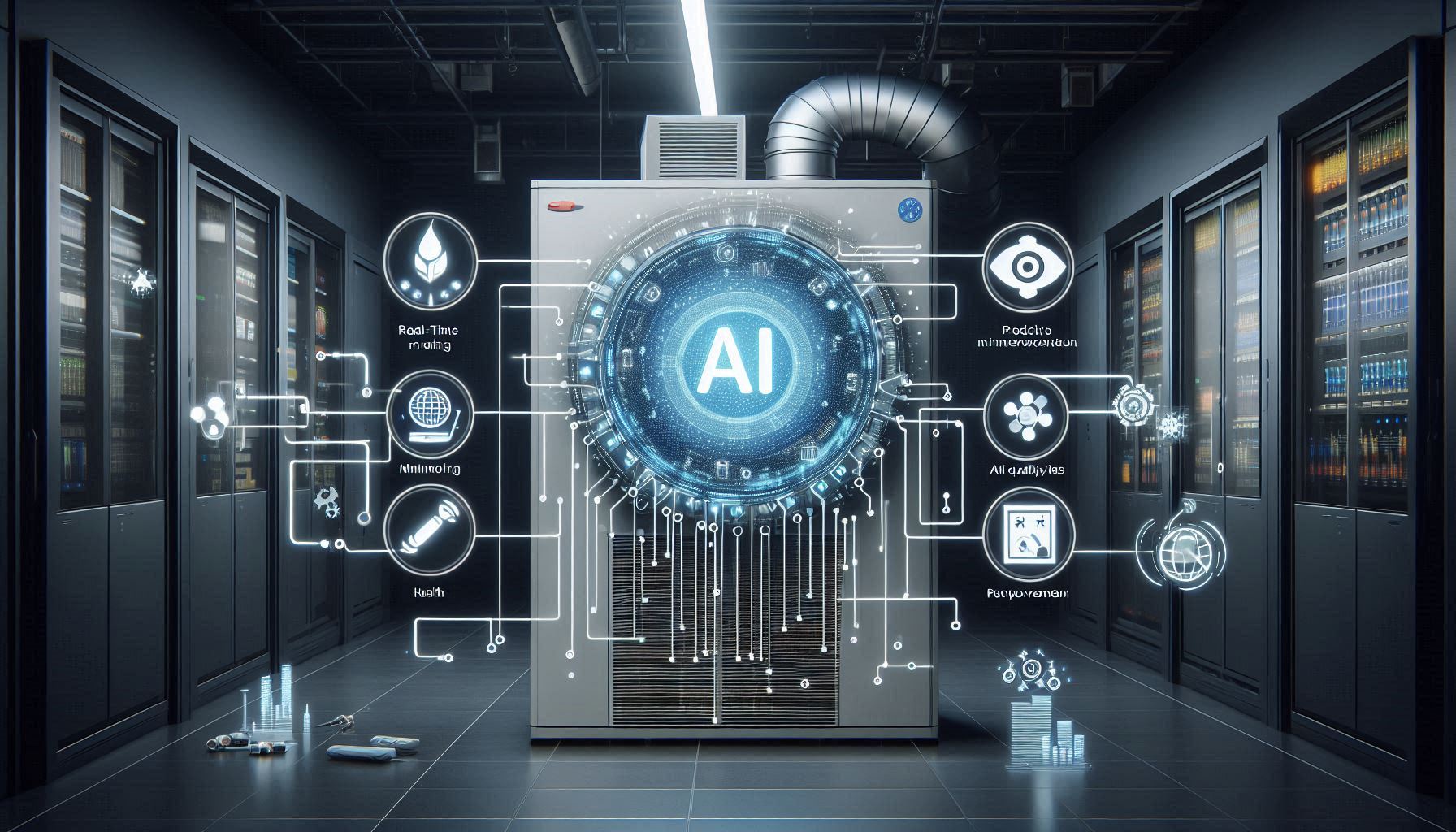
Artificial intelligence and machine learning technologies represent the cutting edge of pressure differential optimization in semiconductor facilities. These systems analyze vast amounts of operational data to identify patterns in equipment operation, personnel movement, and environmental conditions that affect pressure stability. Predictive algorithms enable proactive system adjustments that maintain optimal contamination control while minimizing energy consumption through continuous learning and adaptation.

Internet of Things sensor networks provide unprecedented visibility into pressure differential performance across all facility zones. Wireless sensors eliminate installation constraints while providing flexible monitoring capabilities that adapt to changing facility requirements. The sensor data supports both real-time optimization decisions and long-term performance analysis that identifies improvement opportunities.

Advanced building automation systems coordinate pressure control optimization with other facility systems including temperature control, humidity management, and air filtration. This integrated approach enables comprehensive optimization strategies that consider the interactions between multiple environmental parameters. The coordination prevents conflicting control actions while optimizing overall facility performance and energy efficiency.

Emergency response optimization requires integration with facility security systems, fire protection equipment, and emergency notification systems. Automated responses to various emergency scenarios ensure appropriate pressure control actions while maintaining personnel safety. These systems must be regularly tested and updated to ensure effective emergency response while supporting ongoing optimization objectives.

How AI is Revolutionizing HVAC

Energy Efficiency Optimization Strategies and Implementation

Energy optimization in pressure differential systems represents a significant opportunity for cost reduction while maintaining contamination control effectiveness. Variable frequency drive implementation on all major fans enables precise airflow control that matches actual pressure requirements rather than operating at maximum capacity continuously. This optimization approach typically reduces energy consumption by 20-40% while improving contamination control through more precise pressure management.

HVAC Systems – Why Sustainability is Important for Green Building

Heat recovery system integration provides substantial energy savings by capturing waste heat from exhaust air streams. However, semiconductor applications require careful optimization to prevent contamination cross-transfer between supply and exhaust air streams. Advanced heat recovery technologies including run-around loops and plate heat exchangers provide energy benefits while maintaining complete contamination isolation.

Demand-based pressure control optimization adjusts pressure differentials based on actual contamination risks and facility operating conditions. During periods of reduced personnel activity or equipment operation, pressure differentials can be optimized to maintain contamination control while reducing energy consumption. These strategies require sophisticated monitoring systems that accurately assess real-time contamination risks and adjust system parameters accordingly.

Renewable energy integration offers opportunities for sustainable pressure control optimization while maintaining critical contamination control requirements. Solar photovoltaic systems and wind energy can supplement conventional power sources, though the critical nature of cleanroom pressure control requires robust backup systems. Energy storage technologies enable optimization of renewable energy utilization while ensuring continuous operation during energy source variations.

Net Zero Energy Building HVAC Systems

Maintenance Optimization and Predictive Analytics Implementation

Predictive maintenance optimization utilizes sensor data and machine learning algorithms to identify maintenance needs before equipment failures occur. This approach minimizes unplanned downtime while ensuring optimal pressure differential performance throughout the facility lifecycle. Advanced analytics identify patterns in equipment performance that indicate developing problems, enabling proactive maintenance scheduling that prevents contamination control failures.

Filter replacement optimization represents a significant opportunity for both cost reduction and performance improvement. Traditional time-based replacement schedules often result in premature filter changes or inadequate contamination control due to overloaded filters. Optimization strategies utilize real-time pressure drop monitoring and particle loading analysis to determine optimal replacement timing based on actual performance rather than arbitrary schedules.

Seal and gasket maintenance optimization addresses one of the most common causes of pressure differential degradation. Regular inspection protocols and preventive replacement schedules help maintain system integrity while minimizing energy waste through leakage. Advanced facilities employ thermal imaging and ultrasonic leak detection to identify problems before they impact facility performance.

Control system calibration optimization ensures accurate pressure measurement and control response throughout the facility lifecycle. Regular calibration schedules based on equipment performance rather than arbitrary time intervals optimize both contamination control effectiveness and energy efficiency. Automated calibration systems can reduce maintenance costs while improving accuracy and documentation compliance.

HVAC Systems What Are Hidden Impacts of Overdesigning?

Integration with Manufacturing Process Equipment and Automation

Process equipment integration optimization addresses the significant challenges created by varying exhaust requirements, thermal loads, and process gas consumption in semiconductor manufacturing. Advanced control systems anticipate equipment operation cycles and adjust facility pressure control proactively to maintain optimal contamination control. This integration requires sophisticated communication protocols between process equipment and facility control systems.

Automated material handling system integration optimizes contamination control during wafer transport and storage operations. These systems require coordinated pressure control that accommodates material movement while maintaining contamination barriers. Integration with facility automation systems enables seamless operation that optimizes both manufacturing efficiency and contamination control effectiveness.

Emergency response integration ensures appropriate pressure control responses during various process equipment emergencies. Chemical spills, equipment fires, and toxic gas releases all require coordinated responses that maintain personnel safety while preserving contamination control where possible. These integration requirements must be carefully planned and regularly tested to ensure effective emergency response.

Process gas system integration addresses the complexity introduced by varying consumption rates and emergency purge requirements. Optimization strategies must accommodate normal process gas usage while maintaining contamination control during emergency purge events. Advanced control systems coordinate between process gas requirements and facility pressure control to optimize both manufacturing efficiency and safety.

Hazardous Area Classification – Innovative HVAC for Petrochemical

Troubleshooting and Performance Optimization Methods

Systematic troubleshooting optimization helps identify root causes of pressure differential problems while minimizing disruption to manufacturing operations. Common issues including filter loading, seal degradation, damper malfunction, and control system drift require specific diagnostic approaches that optimize both problem identification and resolution efficiency. Advanced diagnostic tools including pressure mapping and airflow visualization help identify problems that traditional monitoring might miss.

Data analysis optimization utilizes facility monitoring data to identify performance trends and optimization opportunities. Statistical analysis of pressure differential performance helps establish baseline conditions and identify deviations that indicate developing problems. This approach enables proactive optimization adjustments that prevent performance degradation before it impacts manufacturing processes.

Performance benchmarking optimization compares facility performance against industry standards and best practices to identify improvement opportunities. Regular performance assessments help identify areas where optimization efforts can provide the greatest benefits. Benchmarking also supports continuous improvement programs that drive ongoing optimization throughout the facility lifecycle.

Documentation optimization ensures that troubleshooting activities and performance improvements are properly recorded for future reference. Comprehensive documentation supports regulatory compliance while providing historical data that guides future optimization decisions. Digital documentation systems enable efficient information sharing and analysis that supports facility-wide optimization efforts.

HVAC Consultant – How They Can Save You Money and Energy

Validation and Qualification Optimization Protocols

Installation qualification optimization ensures that pressure control equipment is properly installed and configured for optimal performance from initial startup. This process includes verification of sensor accuracy, control logic programming, and integration with facility systems. Optimization during installation reduces commissioning time while ensuring that systems meet performance requirements immediately upon startup.

Operational qualification optimization demonstrates that pressure control systems perform as intended under all operating conditions while identifying opportunities for performance improvement. Testing protocols should encompass normal operation, challenging conditions, and emergency scenarios to ensure comprehensive system validation. The optimization process identifies control parameters that provide the best combination of contamination control and energy efficiency.

Performance qualification optimization establishes ongoing monitoring requirements and acceptance criteria that support continuous optimization throughout facility operation. Extended monitoring periods demonstrate consistent performance while identifying opportunities for system improvement. Statistical analysis of performance data helps establish alert limits and optimization triggers that maintain optimal operation.

Requalification optimization ensures continued compliance with performance standards while identifying opportunities for system upgrades and improvements. Risk-based requalification focuses on critical parameters that most directly impact contamination control effectiveness. The optimization process should consider technological advances and changing facility requirements that might benefit from system modifications.

IGBC Standards HVAC Systems – Guide Green Building Certification

Regional Considerations and Climate Adaptation Strategies

Indian semiconductor manufacturing facilities require optimization strategies adapted to tropical and subtropical climatic conditions that create unique challenges for pressure differential systems. Higher humidity loads and greater temperature variations impact system performance and require robust dehumidification and temperature control integration. Monsoon conditions create significant outdoor air condition variations that optimized systems must accommodate while maintaining stable indoor conditions.

Power reliability optimization addresses concerns in regions where electrical supply may be inconsistent or unreliable. Backup power systems must be sized appropriately to support essential contamination control functions during extended outages. Uninterruptible power systems and emergency generators require optimization to ensure seamless operation during power disturbances while minimizing energy costs during normal operation.

Local construction practice optimization adapts standard pressure differential design approaches to regional materials and installation capabilities. The availability of specialized cleanroom construction materials and skilled contractors can impact system design and performance. Early engagement with local suppliers and contractors helps identify optimization opportunities while ensuring system performance meets international standards.

Regulatory compliance optimization coordinates with BIS standards and local environmental regulations while maintaining compatibility with international requirements. The growing semiconductor industry in India requires optimization strategies that support world-class manufacturing standards while adapting to regional conditions. Collaboration with organizations like ISHRAE helps ensure optimized systems meet both international standards and local requirements.

HVAC Market Semiconductor – Driving Growth in India by 2030

Emerging Technologies and Future Optimization Opportunities

Artificial intelligence advancement promises revolutionary improvements in pressure differential optimization through autonomous system operation and predictive control capabilities. Machine learning algorithms will analyze increasingly complex data sets to identify optimization opportunities that human operators cannot detect. These systems promise to reduce energy consumption while improving contamination control through continuous learning and adaptation to changing facility conditions.

Digital twin technology enables comprehensive facility modeling that supports advanced optimization strategies through virtual testing and simulation. These digital representations allow optimization of system parameters without disrupting actual manufacturing operations. Digital twins support predictive maintenance, energy optimization, and performance improvement through detailed analysis of system interactions and performance characteristics.

Advanced materials development produces new filtration and sealing technologies that enable improved system performance while reducing maintenance requirements. Nanofiber filter media and smart materials that respond to environmental conditions offer possibilities for adaptive contamination control systems. These materials may enable self-optimizing systems that adjust performance based on real-time contamination risks and environmental conditions.

Modular system design enables more flexible and scalable optimization approaches that adapt quickly to changing technology requirements. Prefabricated equipment modules and standardized control interfaces reduce installation time and costs while ensuring consistent optimization performance. These approaches become particularly valuable as semiconductor manufacturing becomes more distributed and facilities must adapt quickly to evolving process requirements.

Innovations and Trends in HVAC Industry

FAQs

What pressure differential values optimize semiconductor cleanroom performance?

Optimized semiconductor cleanrooms typically maintain 15-25 Pa differentials between adjacent zones, with critical Class 1 areas requiring up to 50 Pa. These values exceed ISO 14644-4 minimums to provide robust contamination control during dynamic operating conditions while balancing energy efficiency considerations.

How do optimization strategies reduce energy consumption in pressure differential systems?

Optimization through variable frequency drives, demand-based control, and predictive algorithms typically reduces energy consumption by 20-40%. Heat recovery integration and renewable energy sources provide additional savings while maintaining contamination control effectiveness through intelligent system coordination.

What monitoring accuracy is required for pressure differential optimization?

Optimized semiconductor facilities require pressure measurement accuracy of ±1 Pa or better with redundant sensing systems. Real-time monitoring enables immediate optimization adjustments while continuous data analysis identifies long-term improvement opportunities and predictive maintenance needs.

How do cascade systems optimize contamination control in semiconductor facilities?

Cascade optimization creates hierarchical pressure levels with multiple contamination barriers through stepwise pressure reductions. Advanced control algorithms coordinate multiple zones simultaneously while variable frequency drives enable precise optimization that adapts to changing facility conditions.

What role does artificial intelligence play in pressure differential optimization?

AI systems analyze operational data to predict equipment needs, optimize energy consumption, and maintain contamination control through continuous learning. Machine learning algorithms identify patterns in facility operation that enable proactive optimization adjustments before problems develop.

How do regional climate conditions affect optimization strategies in India?

Indian facilities require optimization strategies adapted to tropical humidity loads, temperature variations, and monsoon conditions. Power reliability concerns necessitate robust backup systems while local construction practices and regulatory requirements influence optimization approaches and system design decisions.

Disclaimer

The content here is intended solely for educational and informational purposes. All case studies, examples, and hypothetical scenarios are illustrative in nature and do not refer to, endorse, or represent any actual company, organization, or product. Any similarity to real-world entities or events is purely coincidental. Readers are encouraged to verify any technical details or operational recommendations with additional, independent research prior to implementation. The author and publisher assume no responsibility or liability for any errors, omissions, or outcomes resulting from the use of this material.

About the Author

Mr. Om Prakash, with over 18 years of hands-on experience in the HVAC industry, brings unmatched expertise in cleanroom, semiconductor, pharmaceutical, data center, commercial, and industrial HVAC systems. As the founder of HVAC Technocrat, he specializes in customized HVAC design, energy efficiency audits, retrofit planning, and turnkey consultancy services across India. He simplifies complex HVAC concepts and shares real-world insights to support professionals, facility managers, and decision-makers. For enquiries or project support, call or WhatsApp at +91 9908091942, email hvactechnocrats@gmail.com, or visit www.hvactechnocrat.com. Also, follow his LinkedIn profile.

Next Pandemic: How AI in HVAC Can Improve Indoor Air Quality

AI-enhanced HVAC system improving indoor air quality

Next pandemic scenarios have shown us the critical importance of maintaining excellent indoor air quality (IAQ) to safeguard health. The COVID-19 pandemic, in particular, underscored how poor IAQ can exacerbate the spread of airborne infections. As we prepare for future health crises, it’s essential to explore advanced solutions that can enhance our indoor environments. Traditional methods, such as basic ventilation and standard air filtration, often fall short when faced with the complexities of global health emergencies.

Artificial intelligence (AI) stands out as a promising tool that could transform how we manage IAQ. By integrating AI into HVAC (Heating, Ventilation, and Air Conditioning) systems, we can achieve more precise control and monitoring of indoor air quality. This article delves into how AI can improve HVAC systems, making them more effective in maintaining healthy indoor environments and better preparing us for the next pandemic.

Understanding Indoor Air Quality and Its Importance to beat Next Pandemic

Indoor air quality refers to the cleanliness and healthiness of the air inside buildings. Good IAQ is essential because poor air quality can lead to various health problems, including respiratory issues and the spread of infections. During the pandemic, many buildings were found lacking in effective ventilation, which contributed to the spread of airborne diseases. This has led to a greater focus on improving IAQ through various methods.

Traditionally, buildings relied on basic ventilation and filtration systems. However, these methods often fall short. Air filters are great at capturing particulate matter like dust and pollen, but they do little for gases or viruses. UVGI (Ultraviolet Germicidal Irradiation) systems can kill pathogens, but they have their own drawbacks, such as the potential to produce harmful byproducts. This highlights the need for more advanced solutions, such as AI-enhanced HVAC systems.

To know more about Desiccant Wheels in HVAC How They Improve Indoor Air Quality Click Here

The Role of AI in Enhancing HVAC Systems defeat Next Pandemic

AI has the potential to transform HVAC systems in several ways, making them more effective at maintaining indoor air quality. Here’s how:

  • Predictive Maintenance: AI can analyze data from HVAC systems to predict when maintenance is needed. This helps prevent system failures and ensures that the system is always operating efficiently.
  • Real-Time Monitoring: AI-powered sensors can provide continuous data on indoor air quality. This allows for immediate adjustments to ventilation and filtration systems, keeping air quality at optimal levels.
  • Adaptive Control: AI can adjust HVAC operations in real-time based on current air quality data. For example, if CO2 levels rise, AI can increase ventilation to bring them back down.
  • Energy Efficiency: AI can optimize HVAC operations to balance air quality with energy consumption. This ensures that buildings are not only healthier but also more energy-efficient.
  • Integration with Other Systems: AI can integrate HVAC systems with lighting and security systems for a comprehensive approach to building management.

How AI Can Address Specific IAQ Challenges for Next Pandemic

AI can tackle several specific challenges related to indoor air quality:

  • Managing CO2 Levels: High CO2 levels can indicate poor ventilation. AI can monitor CO2 levels and adjust ventilation accordingly to maintain a healthy environment.
  • Handling Pollutants: AI can help manage and filter out various pollutants, including volatile organic compounds (VOCs) and other harmful gases, by using advanced filtration systems.
  • Optimizing UVGI Systems: AI can enhance the effectiveness of UVGI systems by ensuring they are used efficiently and reducing the risk of producing harmful byproducts.

The Need for Robust IAQ Regulations and Standards to face Next Pandemic

While AI can greatly improve IAQ, it’s also important to have strong regulations and standards. The pandemic highlighted the need for comprehensive IAQ guidelines to ensure that all buildings maintain high air quality standards. Regulations should require real-time monitoring and response systems to keep air quality in check.

Regulations should also encourage the integration of AI into HVAC systems. By setting standards for AI-powered IAQ management, we can ensure that all buildings are equipped to handle future health crises effectively.

Future Innovations in AI and HVAC Systems

As technology continues to advance, we can expect even more innovations in AI and HVAC systems. Future developments may include:

  • More Advanced Sensors: New sensors will provide even more detailed data on indoor air quality, allowing for more precise adjustments.
  • Enhanced Machine Learning: AI algorithms will become better at predicting and responding to changes in air quality, improving the overall effectiveness of HVAC systems.
  • Integration with Smart Buildings: AI will increasingly be integrated with other smart building technologies, creating more cohesive and responsive building management systems.

To know more about Why Indoor Air Quality Matters in Commercial Spaces Click Here

FAQs

How does AI improve indoor air quality?

AI enhances indoor air quality by providing real-time monitoring, predictive maintenance, and adaptive control of HVAC systems. It can adjust ventilation and filtration based on current air quality data, ensuring a healthier environment.

What are the benefits of using AI in HVAC systems?

AI offers several benefits for HVAC systems, including improved energy efficiency, enhanced air quality management, predictive maintenance, and integration with other building systems. These benefits help create a healthier and more efficient indoor environment.

To know more about How Does AI Optimize Energy Efficiency in Data Center Chiller Plant Click Here

Can AI in HVAC systems help during a next pandemic?

Yes, AI can help during a pandemic by providing real-time data on indoor air quality, adjusting ventilation and filtration systems as needed, and maintaining optimal conditions to reduce the spread of airborne diseases.

What challenges does AI face in HVAC systems?

AI in HVAC systems faces challenges such as high initial costs, the need for regular updates and maintenance, and integration with existing systems. Overcoming these challenges is essential to fully leverage the benefits of AI technology.

How can regulations support AI in HVAC systems?

Regulations can support AI in HVAC systems by setting standards for real-time monitoring, requiring integration of AI technologies, and ensuring that buildings maintain high air quality standards. This helps create a safer and healthier indoor environment.

Conclusion

Preparing for future pandemics requires more than just reacting to crises; it involves proactive measures to improve indoor environments. AI in HVAC systems offers a promising solution for enhancing indoor air quality and ensuring that buildings are ready for health challenges. By leveraging AI technology, we can make significant strides in maintaining healthier indoor environments and better prepare for future pandemics. The lessons learned from the COVID-19 pandemic should drive us to embrace these innovations and make our buildings safer and more resilient.

To know more about Innovations and Trends in HVAC Industry Click Here

About The Author

Omprakash Ramagiri; as the Founder of HVAC Technocrats, I bring over 18 years of experience as a Mechanical Engineer specializing in HVAC (Central Air-conditioning) for Commercial, Cleanrooms, Data centers, and Petrochemical industries. Throughout my career, I’ve held pivotal roles at companies like TATA Consulting Engineers, MW Zander (for Cleanroom solutions), Bluestar Malaysia, and ETA in Dubai. I’ve managed international HVAC projects and gained valuable exposure in dynamic markets like Dubai and Saudi Arabia. With a passion for excellence and a commitment to innovative solutions, I specialize in designing Class 10K & 100K Cleanrooms for various industries. Connect with me to explore collaborations in HVAC design, project sales, and consultancy. Click to visit the Author’s Linkedin page


Disclaimer: The content and images are for educational purposes and knowledge enhancement only. They may not depict actual products or situations. Outcomes may vary. Content is generated by AI and reviewed by industry experts, including Author.

What Are the Latest Innovations in HVAC Valve Technology?

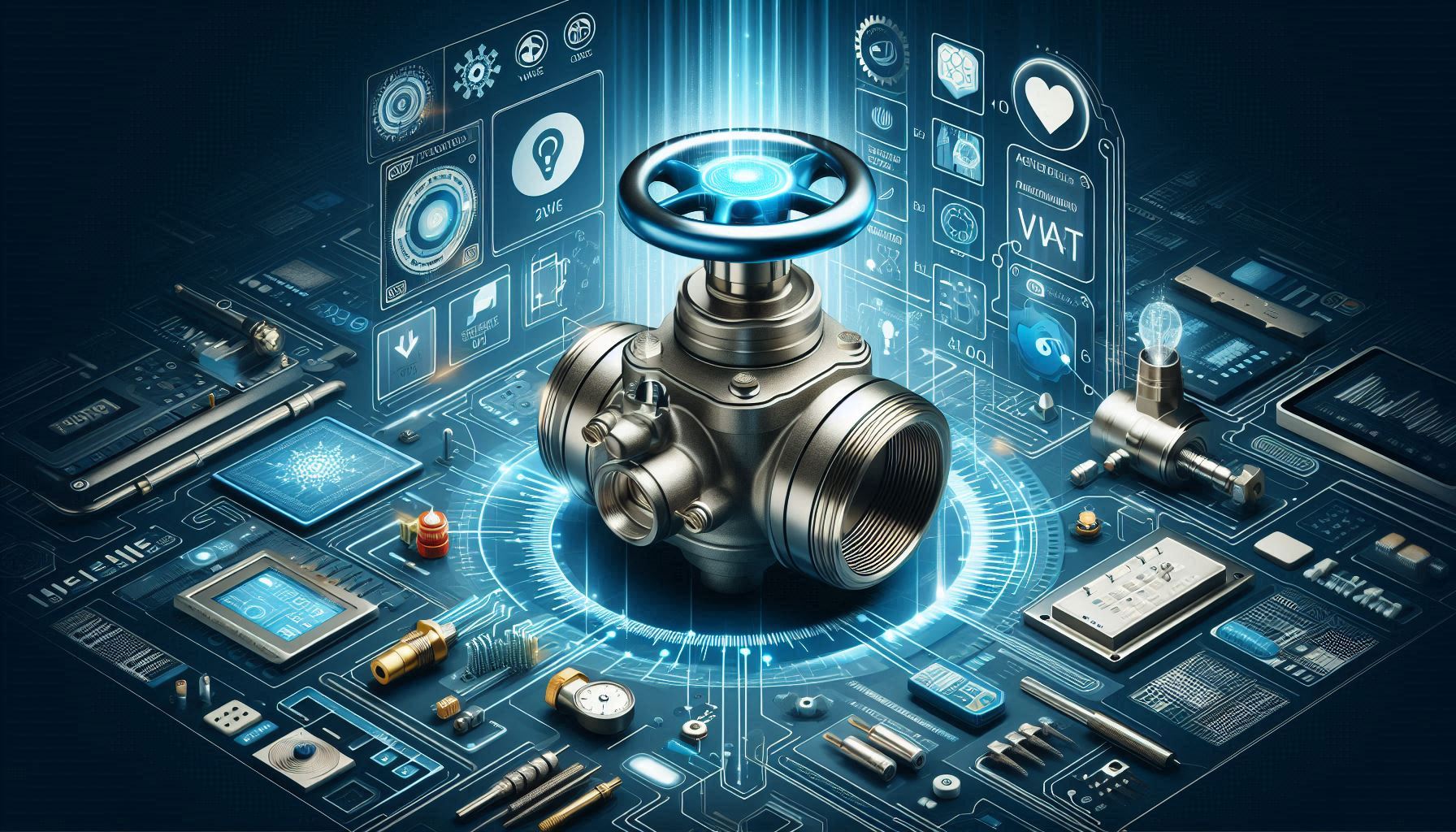
Modern HVAC valve technology innovations, showcasing smart valves, IoT integration, and energy-efficient designs.

In the ever-evolving world of HVAC (Heating, Ventilation, and Air Conditioning) technology, valves play a crucial role in ensuring optimal system performance and efficiency. As building demands grow and environmental regulations become stricter, the HVAC industry is embracing a wave of innovations aimed at enhancing valve technology. From smart valves that adapt in real-time to advanced materials that extend durability, these innovations are reshaping how HVAC systems operate.

Understanding the latest advancements in HVAC valve technology is essential for anyone looking to optimize system efficiency, reduce energy consumption, and improve overall performance. This article delves into the most recent breakthroughs in HVAC valve technology, exploring how smart systems, IoT connectivity, and new materials are transforming the industry. Whether you’re a building manager, HVAC professional, or simply curious about technological trends, this guide will provide valuable insights into how modern HVAC valves are revolutionizing the way we manage climate control.

What Are the Cutting-Edge Advances in HVAC Valve Technology?

The HVAC industry is rapidly evolving, and one of the most exciting developments is in the field of HVAC valve technology. These advancements focus on improving energy efficiency, enhancing performance, and increasing durability. Cutting-edge technologies are redefining how HVAC valves function and interact with other system components.

Recent innovations include the development of smart valves that adapt in real-time to changing conditions. These valves use advanced sensors and control systems to optimize airflow and temperature management. Additionally, new materials and manufacturing techniques are extending the lifespan of HVAC valves, reducing maintenance needs and operational costs.

Another significant advancement is the integration of advanced automation technologies. Modern HVAC valves can now operate with greater precision and flexibility, contributing to overall system efficiency. These technological strides ensure that HVAC systems are not only more reliable but also more cost-effective in the long run.

To know more about Innovations and Trends in HVAC Industry Click Here

How Do Smart HVAC Valves Enhance System Efficiency?

Smart HVAC valves represent a major leap forward in system efficiency. Unlike traditional valves, smart valves are equipped with sensors and controllers that allow them to adjust in real-time based on current system demands. This capability leads to more precise control of airflow and temperature, which translates into energy savings and enhanced comfort.

These smart devices can communicate with building management systems (BMS) to optimize overall HVAC performance. By analyzing data from various sensors, smart valves can make adjustments that improve system efficiency and reduce energy consumption. This results in lower operational costs and a smaller environmental footprint.

Moreover, smart HVAC valves can also provide valuable insights into system performance through data analytics. This information helps in identifying potential issues before they become major problems, allowing for proactive maintenance and further improving system reliability.

What Role Do IoT and Connectivity Play in Modern HVAC Valves?

The Internet of Things (IoT) and connectivity have revolutionized modern HVAC valves. IoT-enabled valves are designed to communicate with other components in the HVAC system, as well as with external networks. This connectivity allows for real-time monitoring and control, enhancing system management and performance.

IoT integration enables remote access to valve data, making it easier to track performance and make adjustments from anywhere. Building managers can receive alerts about potential issues, access performance data, and control valves remotely, leading to more efficient and effective system management.

Connectivity also supports advanced analytics, providing deeper insights into system operation. By analyzing data collected from IoT-enabled valves, building managers can identify trends, optimize performance, and implement more efficient maintenance strategies. This improved oversight contributes to better overall system efficiency and reliability.

How Are Energy-Efficient HVAC Valves Transforming Building Operations?

Energy-efficient HVAC valves are making a significant impact on building operations by reducing energy consumption and operational costs. These valves are designed to operate more efficiently, using less energy to achieve the same results as traditional valves.

Energy-efficient valves contribute to improved system performance by reducing energy waste and optimizing airflow. They help in maintaining consistent temperatures and air quality, which enhances overall comfort for building occupants.

In addition to cost savings, energy-efficient valves support sustainability goals by lowering the building’s carbon footprint. Many modern valves are designed with eco-friendly materials and technologies, further contributing to environmental conservation efforts.

What Are the Latest Developments in HVAC Valve Materials and Durability?

Recent developments in HVAC valve materials and durability are enhancing the performance and longevity of these critical components. Innovations in materials science have led to the creation of more resilient valves that can withstand harsh conditions and extend their operational life.

New coatings and treatments are being applied to HVAC valves to protect them from corrosion, wear, and other forms of damage. These advancements ensure that valves remain reliable and effective over time, reducing the need for frequent replacements and maintenance.

Additionally, improved manufacturing processes are contributing to the overall durability of HVAC valves. Precision engineering and advanced quality control measures are resulting in valves that meet higher standards of performance and reliability.

How Do Advanced Control Systems Improve HVAC Valve Performance?

Advanced control systems are playing a crucial role in enhancing HVAC valve performance. These systems use sophisticated algorithms and sensors to manage valve operations with greater accuracy and efficiency.

By continuously monitoring system conditions and making real-time adjustments, advanced control systems help optimize airflow and temperature regulation. This leads to improved system performance and energy efficiency.

Furthermore, these control systems provide valuable data for performance analysis and troubleshooting. Building managers can use this information to identify areas for improvement, implement more effective maintenance strategies, and ensure that HVAC valves operate at peak efficiency.

To know more about HVAC Valves How to Troubleshoot Common Issues Click Here

What Innovations Are Driving the Future of HVAC Valve Automation?

HVAC valve automation is advancing rapidly, driven by innovations that enhance system functionality and efficiency. Modern automation technologies are enabling HVAC valves to operate with greater precision and flexibility.

Innovations such as programmable logic controllers (PLCs) and advanced actuator systems are contributing to more sophisticated automation solutions. These technologies allow for more complex control strategies and better integration with other system components.

Automated HVAC valves are also benefiting from improvements in communication protocols and data integration. These advancements enable seamless interaction with building management systems and other automation technologies, leading to more efficient and reliable HVAC operations.

How Are Predictive Maintenance Technologies Enhancing HVAC Valve Longevity?

Predictive maintenance technologies are revolutionizing the way HVAC valve maintenance is approached. By using data analytics and monitoring tools, these technologies can predict potential issues before they lead to failures.

Predictive maintenance involves analyzing data from sensors and other monitoring devices to identify signs of wear or performance degradation. This information allows for timely interventions and repairs, reducing the risk of unexpected breakdowns and extending the lifespan of HVAC valves.

Implementing predictive maintenance strategies helps in optimizing valve performance and minimizing downtime. It also contributes to cost savings by preventing major repairs and replacements, ensuring that valves remain in good working condition for longer periods.

What Are the Benefits of Variable Flow HVAC Valves in Modern Systems?

Variable flow HVAC valves offer several benefits in modern systems by providing more precise control over airflow and temperature. These valves are designed to adjust their flow rates based on system demands, leading to improved energy efficiency and comfort.

Variable flow valves help in optimizing system performance by reducing energy consumption during periods of low demand. This flexibility allows for better temperature regulation and improved indoor air quality.

Additionally, variable flow HVAC valves contribute to system longevity by minimizing the strain on components and reducing wear. Their adaptability ensures that the HVAC system operates efficiently, even in changing conditions.

To know more about Why Indoor Air Quality Matters in Commercial Spaces Click Here

How Do New Sensor Technologies Improve HVAC Valve Accuracy?

New sensor technologies are enhancing the accuracy of HVAC valves by providing more precise measurements and control. Modern sensors are capable of detecting subtle changes in system conditions, leading to better performance and efficiency.

Advanced sensors can measure variables such as temperature, pressure, and flow rates with high precision. This data allows HVAC valves to make more accurate adjustments, improving system responsiveness and reliability.

These technologies also contribute to better monitoring and diagnostics. By providing detailed data on valve performance, new sensors help in identifying potential issues early and ensuring that valves operate within their optimal parameters.

What Impact Do Eco-Friendly HVAC Valve Designs Have on Sustainability?

Eco-friendly HVAC valve designs are making a positive impact on sustainability by reducing environmental impact and promoting energy efficiency. These designs often incorporate materials and technologies that minimize resource consumption and waste.

Eco-friendly valves are designed to operate with lower energy consumption, contributing to reduced greenhouse gas emissions and lower operational costs. They also use recyclable materials and environmentally friendly manufacturing processes.

By adopting eco-friendly valve designs, building owners and managers can support sustainability goals and improve the overall environmental performance of their HVAC systems.

To know more about How BTU Meters Enhance Energy Efficiency in HVAC Systems Click Here

How Are HVAC Valve Innovations Addressing Challenges in Indoor Air Quality?

HVAC valve innovations are playing a key role in improving indoor air quality by addressing common challenges such as temperature control, airflow management, and filtration.

Advanced valve technologies enable more precise control over air distribution, helping to maintain consistent temperatures and reduce the presence of pollutants. Enhanced filtration systems integrated into valves also contribute to cleaner, healthier indoor air.

These innovations ensure that HVAC systems can effectively manage indoor air quality, providing a more comfortable and healthy environment for building occupants.

FAQ

What Are Smart HVAC Valves?

Smart HVAC valves use sensors and controls to optimize system performance and adapt to real-time conditions automatically.

How Do IoT and Connectivity Enhance HVAC Valves?

IoT and connectivity allow HVAC valves to integrate with building management systems for improved monitoring and control.

What Benefits Do Energy-Efficient HVAC Valves Offer?

Energy-efficient HVAC valves reduce energy consumption, lower operational costs, and enhance overall system efficiency.

How Do Advanced Materials Affect HVAC Valve Durability?

Advanced materials increase HVAC valve durability, making them more resistant to wear and extending their operational lifespan.

What Is Predictive Maintenance for HVAC Valves?

Predictive maintenance uses data and analytics to anticipate valve issues before they occur, improving reliability and performance.

How Do New Sensor Technologies Improve HVAC Valves?

New sensor technologies enhance HVAC valve accuracy by providing precise data for better control and system performance.

Conclusion

The landscape of HVAC valve technology is undergoing a remarkable transformation, driven by advancements in smart technology, materials, and connectivity. These innovations are not just about keeping pace with modern demands but are actively shaping the future of HVAC systems. Smart HVAC valves enhance efficiency by adapting to real-time conditions, while IoT and connectivity integrate seamlessly into building management systems for better control and monitoring.

Energy-efficient designs and advanced materials contribute to longer-lasting, more reliable valves, reducing maintenance costs and improving overall system performance. Meanwhile, predictive maintenance technologies and new sensor capabilities are paving the way for greater accuracy and longevity. As HVAC systems continue to evolve, the focus on sustainability and addressing indoor air quality challenges remains paramount.

By staying informed about these latest innovations, stakeholders can make better decisions that lead to more efficient, sustainable, and high-performing HVAC systems. Embracing these advancements not only meets contemporary needs but also prepares for future demands, ensuring that HVAC systems remain at the forefront of technology and efficiency.

About The Author

Omprakash Ramagiri; as the Founder of HVAC Technocrats, I bring over 18 years of experience as a Mechanical Engineer specializing in HVAC (Central Air-conditioning) for commercial, cleanrooms, data centers, and Petrochemical industries. Throughout my career, I’ve held pivotal roles at companies like TATA Consulting Engineers, MW Zander (for Cleanroom solutions), Bluestar Malaysia, and ETA in Dubai. I’ve managed international HVAC projects and gained valuable exposure in dynamic markets like Dubai and Saudi Arabia. With a passion for excellence and a commitment to innovative solutions, I specialize in designing Class 10K & 100K Cleanrooms for various industries. Connect with me to explore collaborations in HVAC design, project sales, and consultancy. Click to visit the Author’s Linkedin page


Disclaimer: The pictures used are for illustrative purposes only. They may not depict actual products or situations and are meant for educational purposes. Actual products, situations, or outcomes may differ.

How to Use AI to Predict HVAC System Failures in Data Centers

Discover the transformative potential of AI in predicting HVAC system failures in data centers. Learn how AI technology can improve reliability, reduce downtime and optimize energy efficiency.

Using AI to Predict HVAC Failures in Data Centers

Using AI to predict HVAC system failures in data centers will revolutionize management and operational efficiency. This article explores the integration of AI, highlighting its benefits, applications and steps to implement it effectively.

What is AI in HVAC Systems?

AI in HVAC systems involves using advanced algorithms and machine learning techniques to monitor and analyze system performance data. This technology predicts potential failures, optimizes maintenance schedules, and increases overall system efficiency. AI-driven HVAC systems are becoming essential in data centers due to their ability to process large amounts of data in real time.

What is the role of AI in predicting HVAC failures?

AI plays a key role in predicting HVAC failures by analyzing data from sensors and historical performance records. Machine learning algorithms identify patterns and anomalies that indicate impending problems. This proactive approach enables timely maintenance interventions, avoiding system breakdowns and ensuring continuous data center operations.

Why Use AI for HVAC Failure Prediction?

Using AI for HVAC failure prediction provides several benefits:

  • Downtime is reduced: AI provides early warnings, enabling proactive maintenance.
  • Cost savings: Preventive maintenance reduces repair costs and extends equipment life.
  • Energy efficiency: AI optimizes HVAC operations, reducing energy consumption.
  • Reliability: Continuous monitoring and predictive analytics improve system reliability.

Where should AI be applied in data center HVAC systems?

AI can be applied to various components of data center HVAC systems, including:

  • Air Handling Units (AHUs): Monitoring air flow and temperature to ensure optimal conditions.
  • Chillers: Assessing cooling performance and potential failures.
  • Cooling Towers: Analyzing water flow and temperature for efficient cooling.
  • Air Distribution Systems: To evenly distribute the cooled air.
  • Monitoring and control systems: Integrating AI for centralized control and real-time monitoring.

How to Implement AI for HVAC Failure Prediction?

Implementing AI for HVAC failure prediction involves several steps:

  • Install IoT sensors: Collect real-time data on temperature, humidity, airflow and device performance.
  • Use machine learning algorithms: Analyze data to identify patterns and predict failures.
  • Integrate AI software: Seamlessly integrate AI with existing HVAC systems for real-time monitoring.
  • Continuous monitoring: Regularly update AI models with new data to maintain accuracy.
  • Collaborate with experts: Work with AI and HVAC experts to improve and optimize the system.

What are the latest AI technologies in HVAC?

Latest AI Technologies in HVAC:

  • Predictive maintenance software uses advanced algorithms to predict equipment failures and recommend optimal maintenance schedules. Machine learning is used to detect anomalies in system performance and detect differences.
  • Machine Learning for Anomaly Detection: Detects anomalies in system performance.
  • AI-based energy management systems: Optimize energy use and efficiency.
  • IoT sensors: Provide real-time data for AI analysis.
  • Cloud-based AI platforms: Enable remote monitoring and control of HVAC systems.

What are the advantages & disadvantages of using AI in HVAC?

Benefits:

  • Improved reliability: Early maintenance reduces unexpected failures.
  • Cost efficiency: Low maintenance and repair costs.
  • Improved energy efficiency: AI optimizes system performance, reducing energy consumption.
  • Proactive maintenance: Early detection of problems prevents major breakdowns.

Disadvantages:

  • High initial cost: AI systems are expensive to implement.
  • Complex integration: Integrating AI with existing systems may require significant effort.
  • Ongoing Monitoring: Continuous updates and adjustments are required for optimal performance.

How to optimize AI for HVAC systems?

Optimizing AI for HVAC systems includes:

  • Regular updates: Continuously update AI models with new data.
  • Accurate data collection: Use high-quality sensors for accurate data.
  • Continuous Training: Train AI algorithms to improve prediction accuracy.
  • Expert collaboration: Work with AI and HVAC experts to improve system performance.

FAQ

What is the benefit of using AI in HVAC systems?

Using AI in HVAC systems increases operational efficiency and reliability. AI enables predictive maintenance, reduces downtime and optimizes energy consumption. This leads to significant cost savings and more stable operation in data centers.

How does AI predict HVAC failures?

AI predicts HVAC failures by analyzing data from sensors and historical performance records. Machine learning algorithms identify patterns and anomalies that indicate potential problems. This enables early warnings and preventive maintenance, reducing the risk of system breakdowns.

What are the challenges of implementing AI in HVAC systems?

Implementing AI in HVAC systems presents challenges such as high initial costs, complex integration, and the need for continuous monitoring and adjustments. Despite these challenges, the long-term benefits of improved efficiency and reliability often outweigh the initial hurdles.

How can AI improve energy efficiency in data centers?

AI improves energy efficiency in data centers by optimizing HVAC operations. It analyzes real-time data to adjust cooling levels, reducing unnecessary energy consumption. Predictive maintenance also keeps systems running efficiently without unexpected failures, further saving energy.

What are the future trends in AI for HVAC systems?

Future trends in AI for HVAC systems include the use of cloud-based AI platforms, advanced predictive maintenance software, and more advanced machine learning algorithms. These trends aim to further improve efficiency, reliability and stability in HVAC operations.

Conclusion

Incorporating AI to predict HVAC system failures in data centers provides significant benefits such as reduced downtime, lower maintenance costs and improved energy efficiency. By using advanced AI technologies, data centers can ensure optimal HVAC performance and stability. As AI continues to evolve, its role in HVAC systems will become more complex, driving innovation and efficiencies across the industry.

How AI-powered chiller plants are revolutionizing data centers

Data centers are essential to our digital infrastructure, requiring precision cooling to maintain performance and reliability. AI-powered chiller plants are transforming these facilities, offering improved efficiency, stability and operational control. This article explains how AI is revolutionizing data center cooling.

What Does It Mean to Revolutionize Data Centers with AI-Powered Chiller Plants in HVAC Systems?

AI-powered chiller plants use artificial intelligence to optimize cooling processes in data centers. By continuously analyzing data, these systems adjust cooling parameters in real time, ensuring efficient operation and reduced energy consumption. This integration of AI with HVAC systems can significantly increase energy efficiency and sustainability.

Why use AI-powered chiller plants in data centers?

Energy efficiency: AI algorithms optimize chiller performance, reduce energy consumption and reduce operational costs.

Improved performance: Real-time monitoring and adjustments prevent overheating and equipment failure, ensuring optimal cooling.

Sustainability: Reduced energy consumption leads to lower CO2 emissions, supports environmentally friendly initiatives and meets standards such as ASHRAE Standards 62.1 and ECBC.

How to use AI-based chiller plants in data centers?

Integration with existing systems: AI can enhance existing HVAC infrastructure, providing advanced monitoring and control capabilities.

Continuous monitoring: Sensors and IoT technologies collect data, enabling AI to make informed decisions.

Automation: Building Automation Systems (BAS) ensure seamless operation, minimizing manual intervention and maintaining consistent performance.

Advantages and disadvantages of AI-based chiller plants

Advantages

Operational efficiency: AI-based systems optimize cooling processes, improving operational efficiency.
Cost Savings: Reduced energy consumption results in significant cost savings over time.
Improved reliability: Continuous monitoring and adjustments reduce the risk of equipment failure.

Disadvantages:

Initial investment: Implementing AI-based systems requires significant initial investment.
Technical complexity: Integration with existing systems requires technical expertise and comprehensive planning.

FAQ

How do AI-powered chiller plants reduce energy consumption?

AI algorithms optimize cooling processes, reduce unnecessary energy consumption and improve efficiency.

Can AI-based chiller plants be integrated with existing HVAC systems?

Yes, they can enhance existing systems, providing advanced monitoring and control capabilities.

What are the environmental benefits of using AI-powered chiller plants?

They reduce energy consumption and CO2 emissions, supporting sustainability initiatives.

Conclusion

AI-powered chiller plants are transforming data center cooling, offering significant benefits in terms of energy efficiency, operational performance and sustainability. By leveraging AI, data centers can achieve optimal cooling, reduced energy consumption and a lower carbon footprint, paving the way for a more sustainable digital future.

Data centers, the critical infrastructure of the digital age, must prioritize efficient and sustainable cooling solutions. AI-powered chiller plants are leading this revolution, providing a blueprint for the future of data center management. Adoption of this technology not only improves performance and reliability but also meets global sustainability goals.

Why PLCs Are Important for HVAC Equipment Automation

    Understanding the Role of Programmable Logic Controllers (PLCs) in HVAC Automation

    In the HVAC equipment industry, programmable logic controllers (PLCs) play an important role in streamlining operation and increasing efficiency It is important to understand their importance and applications for the optimization of HVAC systems breed.

      What is a programmable logic controller (PLC) in an HVAC system?

      Programmable logic controllers (PLCs) are specialized industrial computers designed to control machinery and processes, including those in heating, ventilation, and air conditioning (HVAC) systems that perform specific tasks based on conditions that insertion controls are included, making them important components of HVAC automation.

      What is the role of a programmable logic controller (PLC)?

      The main role of PLC in HVAC equipment automation is to monitor and control various system components such as pumps, fans, valves and sensors. By receiving input signals and preprogramming commands, the PLC ensures accurate control of temperature, humidity, ventilation, and other parameters necessary for optimal HVAC performance

      Where should programmable logic controllers (PLCs) be used / applications?

      PLCs find a wide range of applications in a variety of HVAC environments, including commercial buildings, industrial buildings, data centers and hospitals and residential complexes. They are instrumental in regulating temperature, humidity, and air quality while improving energy efficiency and operational reliability.

      How To Use The Programmable Logic Controllers (PLC)?

      Using PLCs in HVAC automation involves programming them to perform specific functions according to system requirements. This includes configuring input and output devices, creating logical sequences, and implementing control strategies tailored to the unique needs of each application.

      What Are The Advantages & Disadvantages Of Programmable Logic Controllers (PLC)?

      Pros:
      • Flexibility in programming and customization
      • Enhanced system reliability and uptime
      • Real-time monitoring and diagnostics capabilities
      • Incorporating with Building Automation Systems (BAS) to achieve centralized control.
      • Simplified troubleshooting and maintenance procedures
      Cons:
      • Initial setup and programming complexity
      • Dependency on skilled technicians for installation and maintenance
      • Potential for cybersecurity vulnerabilities if not adequately secured
      • Higher upfront costs compared to conventional control systems

      How To Install The Programmable Logic Controllers (PLC)?

      Installing PLCs in HVAC systems requires expertise in electrical wiring, device mounting, and programming. It involves mounting the PLC hardware, connecting input and output devices, configuring communication networks, and programming the control logic using specialized software.

      What Are The Supporting Details For Programmable Logic Controllers (PLC)?

      To ensure optimal performance and longevity of PLC-based HVAC automation systems, regular maintenance, software updates, and cybersecurity measures are essential. Additionally, ongoing training for personnel responsible for system operation and maintenance is crucial to maximize efficiency and minimize downtime.

      FAQ

        What is the function of programmable logic control in automation?

        Programmable logic controllers (PLCs) serve as the brain of automation systems, executing predefined logic commands to control machinery and processes. They monitor input signals, make decisions based on programmed instructions, and actuate output devices to achieve desired automation outcomes.

        Why are programmable logic controllers important?

        PLCs are vital in automation due to their ability to precisely control industrial processes, enhance operational efficiency, and improve system reliability. They facilitate seamless integration of various components, enable real-time monitoring, and streamline maintenance procedures, thus contributing to overall productivity and cost-effectiveness.

        What is PLC programming?

        PLC programming involves writing and implementing sets of instructions, known as ladder logic or function blocks, to define the behavior of a programmable logic controller. This programming dictates how the PLC processes input signals, executes logical operations, and generates output commands to automate specific tasks.

        How is PLC used in HVAC?

        PLCs are utilized in HVAC systems to automate control functions such as temperature regulation, airflow management, and equipment operation. They receive input signals from sensors, process data based on programmed logic, and adjust system parameters accordingly to maintain desired environmental conditions efficiently.

        HVAC PLC program example?

        An HVAC PLC program example could involve regulating the operation of a chiller unit based on temperature setpoints. The PLC would receive input from temperature sensors, compare it with the desired setpoints, and control the chiller’s compressor and valves to maintain optimal cooling levels.

        What is the working principle of PLC?

        The working principle of PLC revolves around scanning input signals, executing programmed logic, and generating output commands in a cyclical manner. PLCs continuously cycle through these processes, updating system states based on input conditions and executing control functions to automate industrial processes effectively.

        What is the full form of PLC?

        PLC stands for Programmable Logic Controller.

        What are the types of PLC?

        Types of PLCs include modular PLCs, compact PLCs, rack-mounted PLCs, and programmable automation controllers (PACs). Each type offers different form factors, processing capabilities, and expansion options to suit various automation applications and requirements.

        What is HVAC programming training?

        HVAC programming training involves learning how to program and configure PLCs specifically for HVAC system automation. It covers topics such as ladder logic programming, sensor interfacing, control algorithms, and troubleshooting techniques tailored to the needs of HVAC automation in commercial and industrial settings.

        What is PLC in electrical?

        PLC in electrical refers to the application of programmable logic controllers in electrical control systems. PLCs are used to automate electrical processes, monitor power distribution, control machinery, and implement safety interlocks, offering efficient and reliable control solutions in various electrical applications.

        Conclusion

        In conclusion, Programmable Logic Controllers (PLC) play a vital role in automating HVAC equipment, offering precise control, enhanced reliability, and energy efficiency. Understanding their application and leveraging their capabilities is key to optimizing HVAC systems for various commercial, industrial, and residential settings.