Cleanroom MAU Design for Semiconductor Industry

Cleanroom MAU Design for Semiconductor Industry

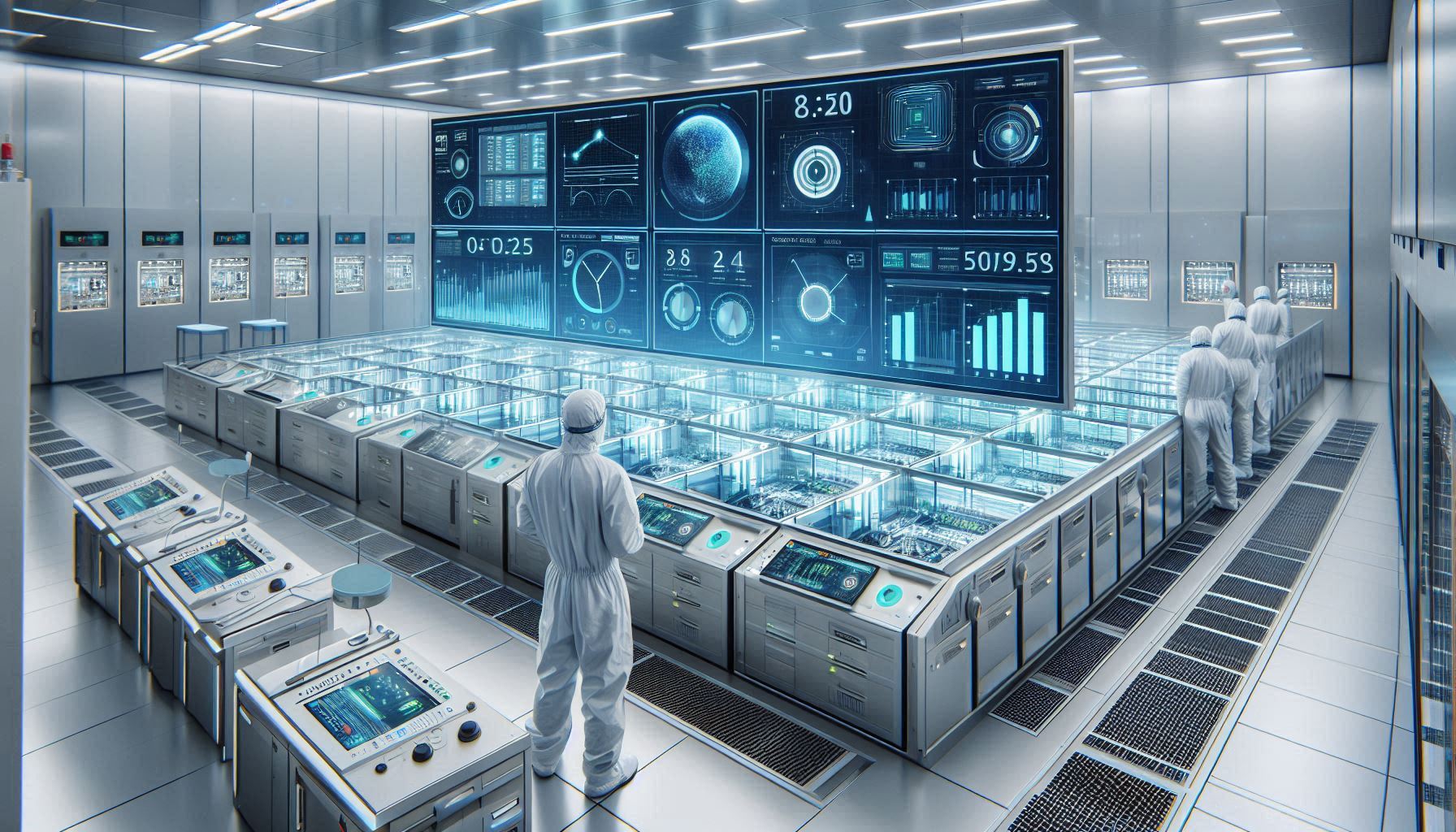
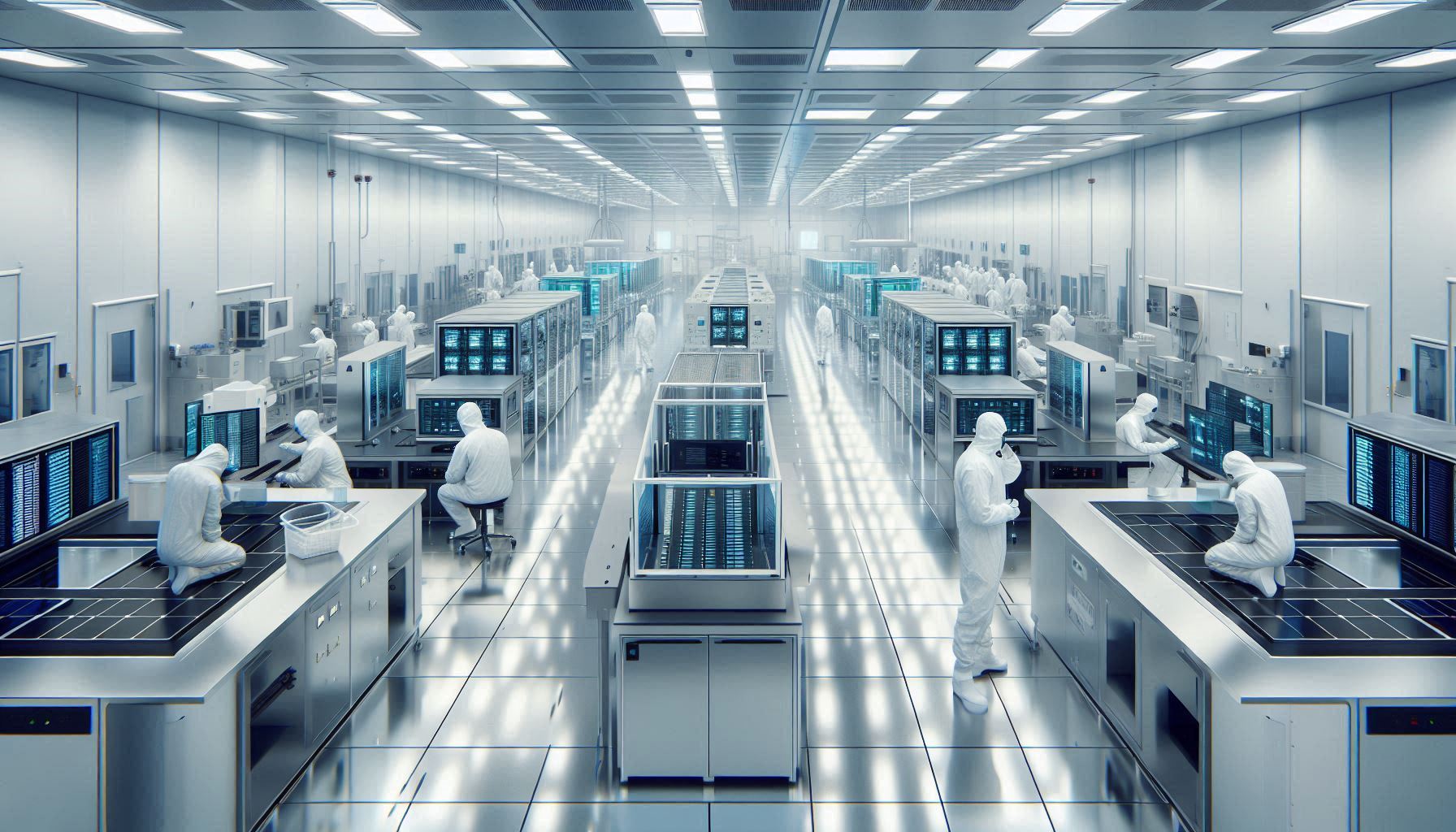
Make-up Air Units MAU Design for Semiconductor Industry represent the backbone of semiconductor cleanroom environmental control systems. These specialized units maintain the precise atmospheric conditions essential for manufacturing integrated circuits and microprocessors. Unlike conventional HVAC systems, semiconductor cleanroom MAU systems must deliver unprecedented levels of air purity, temperature stability, and humidity control to prevent contamination that could destroy millions of dollars worth of semiconductor wafers.

The semiconductor industry operates within tolerances measured in nanometers, where even microscopic particles can render entire production batches unusable. Therefore, MAU design becomes a critical engineering discipline that directly impacts product yield, manufacturing efficiency, and ultimately, the profitability of semiconductor fabrication facilities. Modern fab facilities invest heavily in sophisticated MAU systems because the cost of contamination far exceeds the investment in premium environmental control equipment.

Enjoying this content? Get expert HVAC updates on our Telegram Channel.

Fundamental Design Principles for Semiconductor MAU Systems

Semiconductor MAU design follows stringent engineering principles that prioritize contamination prevention above all other considerations. The primary design objective focuses on delivering ultra-clean air at precise temperature and humidity levels while maintaining positive pressure differentials throughout the cleanroom environment. These systems must operate continuously without interruption, as even brief shutdowns can compromise ongoing manufacturing processes and result in substantial financial losses.

The design process begins with comprehensive contamination risk assessment, identifying potential sources of particles, chemicals, and biological contaminants that could affect semiconductor manufacturing. Engineers must consider both external contamination sources and internal generation mechanisms, including human activity, equipment operations, and material handling processes. This holistic approach ensures that MAU systems address all potential contamination pathways while maintaining optimal environmental conditions.

Furthermore, cleanroom design and construction requirements demand that MAU systems integrate seamlessly with architectural elements, including ceiling systems, wall configurations, and floor layouts. The interdisciplinary nature of semiconductor facility design requires close collaboration between HVAC engineers, architects, process engineers, and contamination control specialists to achieve optimal results.

Advanced Filtration Technologies in MAU Design

Modern semiconductor MAU systems incorporate multiple filtration stages to achieve the ultra-clean air quality required for nanometer-scale manufacturing processes. The filtration hierarchy typically begins with pre-filters that remove larger particles and protect downstream components from premature loading. These initial stages utilize pleated filters with efficiency ratings appropriate for the local environmental conditions and outdoor air quality.

The secondary filtration stage employs high-efficiency particulate air (HEPA) filters that capture particles down to 0.3 microns with 99.97% efficiency. However, semiconductor applications often require even higher performance, leading to the adoption of ultra-low penetration air (ULPA) filters that achieve 99.999% efficiency for particles as small as 0.12 microns. These advanced filters undergo rigorous testing and certification processes to ensure they meet stringent cleanroom standards.

HEPA filter systems represent the cornerstone of semiconductor air purification, requiring careful selection, installation, and maintenance protocols. The filter housing design must minimize bypass leakage while providing adequate access for replacement and testing procedures. Additionally, molecular filtration technologies address gaseous contaminants that could affect semiconductor processing, including airborne molecular contamination (AMC) that traditional particulate filters cannot capture.

Temperature and Humidity Control Strategies

Semiconductor manufacturing processes demand extremely precise temperature and humidity control, often within tolerances of ±0.1°C and ±1% relative humidity. These tight specifications require sophisticated MAU design approaches that incorporate multiple control loops, redundant sensors, and advanced control algorithms. Precise temperature control systems utilize staged heating and cooling components to maintain stability while responding quickly to load variations.

The thermal management strategy must account for both sensible and latent heat loads generated by manufacturing equipment, lighting systems, and personnel. Process equipment can generate substantial heat loads that vary throughout production cycles, requiring MAU systems to respond dynamically while maintaining stable conditions. Advanced control systems utilize predictive algorithms that anticipate load changes and adjust system operation proactively.

Humidity control presents unique challenges in semiconductor environments, where moisture can affect chemical processes and promote unwanted reactions. Semiconductor humidity control systems typically employ desiccant dehumidification technologies that provide precise moisture removal without introducing contaminants. These systems must operate continuously and maintain consistent performance across varying outdoor conditions and internal loads.

Pressure Differential Management and Zoning

Maintaining proper pressure differentials represents a fundamental aspect of semiconductor cleanroom design, preventing contamination migration between different cleanliness zones. Cleanroom pressure differential optimization requires careful analysis of airflow patterns, door operations, and equipment exhaust requirements. The MAU system must provide sufficient supply air to maintain positive pressures while accommodating exhaust requirements from process equipment.

The zoning strategy typically establishes a hierarchy of cleanliness levels, with the most critical manufacturing areas maintained at the highest pressures. This cascade approach ensures that air always flows from cleaner to less clean areas, preventing contamination backflow. The pressure differential design must account for door opening frequencies, personnel movement patterns, and emergency scenarios that could disrupt normal airflow patterns.

Semiconductor cleanroom zoning best practices require integration of MAU systems with architectural design elements, including airlocks, pass-through chambers, and material handling areas. The system design must maintain pressure differentials under all operating conditions while providing adequate air changes to support manufacturing processes and personnel comfort.

Airflow Distribution and Velocity Control

Semiconductor cleanrooms utilize unidirectional airflow patterns to minimize particle residence time and prevent contamination accumulation. The MAU system must deliver air uniformly across the cleanroom ceiling while maintaining appropriate velocities for particle removal. Cleanroom airflow calculations determine the required supply air quantities based on cleanliness classification, room dimensions, and contamination generation rates.

The airflow distribution system typically employs fan-filter units (FFUs) or central supply approaches, each with distinct advantages and limitations. FFU systems provide localized control and redundancy but require careful coordination to maintain uniform airflow patterns. Central supply systems offer greater energy efficiency and simplified maintenance but demand more complex ductwork distribution networks.

Velocity control becomes critical in areas where personnel work directly with sensitive products or equipment. The airflow must provide adequate contamination removal without creating excessive turbulence that could disturb manufacturing processes. Advanced computational fluid dynamics (CFD) modeling helps optimize airflow patterns and identify potential recirculation zones that could compromise cleanliness levels.

Energy Efficiency and Sustainability Considerations

Semiconductor MAU systems consume substantial amounts of energy, making efficiency optimization a critical design consideration. Energy efficient HVAC systems incorporate variable speed drives, economizer cycles, and heat recovery technologies to minimize operating costs while maintaining performance standards. The energy consumption must be balanced against cleanliness requirements to achieve optimal lifecycle cost performance.

Heat recovery systems capture waste heat from exhaust air streams and utilize it for preheating incoming makeup air. These systems can achieve significant energy savings, particularly in climates with extreme temperature differences between indoor and outdoor conditions. However, the heat recovery design must prevent any cross-contamination between exhaust and supply air streams through proper heat exchanger selection and installation practices.

Variable air volume (VAV) control strategies can reduce energy consumption during periods of reduced manufacturing activity while maintaining minimum airflow requirements for cleanliness maintenance. VAV system integration requires sophisticated control algorithms that monitor occupancy levels, equipment operation, and environmental conditions to optimize system performance continuously.

Control System Integration and Automation

Modern semiconductor MAU systems incorporate advanced building management systems (BMS) that provide comprehensive monitoring and control capabilities. BMS integration enables real-time optimization of system performance while maintaining detailed records of environmental conditions for quality assurance and regulatory compliance purposes. The control system must interface with manufacturing execution systems to coordinate environmental control with production schedules.

Automated alarm systems provide immediate notification of any deviations from specified operating parameters, enabling rapid response to prevent contamination events. The alarm hierarchy must distinguish between minor deviations that require attention and critical alarms that demand immediate action. Historical data logging capabilities support trend analysis and predictive maintenance strategies that minimize unexpected system failures.

Programmable logic controllers (PLCs) provide local control functions while interfacing with higher-level management systems. These controllers must operate reliably in industrial environments while providing the flexibility to accommodate changing process requirements and facility modifications over time.

Maintenance and Reliability Strategies

Semiconductor MAU systems require comprehensive maintenance programs to ensure continuous operation and optimal performance. Preventive maintenance strategies focus on filter replacement, component inspection, and system calibration to prevent unexpected failures that could compromise manufacturing operations. The maintenance schedule must balance component reliability with manufacturing uptime requirements.

Filter replacement procedures require careful planning to minimize disruption to manufacturing processes while ensuring continuous air quality. Some facilities incorporate redundant filtration systems that allow maintenance activities without shutting down production areas. The filter inventory management system must ensure adequate spare parts availability while minimizing storage costs and obsolescence risks.

System reliability depends on component selection, installation quality, and ongoing maintenance practices. Critical components often incorporate redundant configurations that provide backup capability during maintenance or failure events. The reliability analysis must consider both individual component failure rates and system-level dependencies that could affect overall performance.

Regulatory Compliance and Standards

Semiconductor MAU design must comply with multiple regulatory frameworks and industry standards that govern cleanroom construction and operation. Cleanroom classification standards including ISO 14644, Federal Standard 209E, and BIS IS 15518 establish specific requirements for air cleanliness, testing procedures, and monitoring protocols. These standards define the minimum performance criteria that MAU systems must achieve and maintain throughout their operational life.

International codes such as ASHRAE standards provide guidance on design methodologies, testing procedures, and operational practices for cleanroom environmental control systems. ASHRAE guidelines address energy efficiency requirements, indoor air quality standards, and safety considerations that impact MAU system design and operation. Compliance with these standards ensures that facilities meet regulatory requirements while achieving optimal performance.

Local building codes and environmental regulations may impose additional requirements that affect MAU system design and installation. These regulations often address fire safety, structural considerations, and environmental impact that must be integrated into the overall design approach. The regulatory compliance strategy must account for both initial certification requirements and ongoing monitoring obligations.

Future Trends and Innovations

The semiconductor industry continues to evolve toward smaller feature sizes and more complex manufacturing processes, driving demand for even more sophisticated MAU systems. Innovative cleanroom technologies incorporate artificial intelligence and machine learning algorithms to optimize system performance and predict maintenance requirements. These advanced systems can adapt to changing conditions automatically while maintaining optimal environmental control.

Artificial intelligence integration enables predictive maintenance strategies that identify potential problems before they impact manufacturing operations. AI-powered systems can analyze vast amounts of operational data to optimize energy consumption, predict component failures, and recommend system modifications that improve performance. This technology represents a significant advancement in cleanroom environmental control capabilities.

Sustainability initiatives drive development of more energy-efficient MAU systems that reduce environmental impact while maintaining performance standards. Green building certification programs encourage adoption of sustainable technologies and practices that minimize resource consumption and environmental impact. These initiatives influence MAU design approaches and component selection strategies.

FAQ

What are the key differences between semiconductor MAU systems and conventional HVAC systems?

Semiconductor MAU systems require ultra-high filtration efficiency, precise temperature and humidity control, and continuous operation without interruption. They incorporate multiple filtration stages, advanced control systems, and redundant components to prevent contamination that could damage semiconductor manufacturing processes.

How do you determine the required airflow capacity for a semiconductor cleanroom MAU system?

Airflow capacity depends on cleanroom classification, room dimensions, contamination generation rates, and heat load calculations. The system must provide sufficient air changes per hour to maintain cleanliness levels while accommodating process equipment exhaust requirements and maintaining proper pressure differentials.

What maintenance intervals are recommended for semiconductor MAU systems?

Filter replacement typically occurs every 6-12 months depending on loading conditions, while system calibration and component inspection should be performed quarterly. Critical components may require monthly inspection to ensure continuous operation and prevent unexpected failures.

How do you ensure energy efficiency in semiconductor MAU systems?

Energy efficiency can be achieved through variable speed drives, heat recovery systems, economizer cycles, and advanced control algorithms. The key is balancing energy consumption with cleanliness requirements to achieve optimal lifecycle cost performance.

What are the most common failure modes in semiconductor MAU systems?

Common failure modes include filter loading, control system malfunctions, component wear, and calibration drift. Preventive maintenance programs and redundant system designs help minimize the impact of these failures on manufacturing operations.

How do you validate the performance of a semiconductor MAU system?

Performance validation involves comprehensive testing of filtration efficiency, airflow patterns, temperature and humidity control, and pressure differentials. Testing must be conducted according to relevant standards and documented to demonstrate compliance with cleanroom requirements.

Disclaimer

The content here is intended solely for educational and informational purposes. All case studies, examples, and hypothetical scenarios are illustrative in nature and do not refer to, endorse, or represent any actual company, organization, or product. Any similarity to real-world entities or events is purely coincidental. Readers are encouraged to verify any technical details or operational recommendations with additional, independent research prior to implementation. The author and publisher assume no responsibility or liability for any errors, omissions, or outcomes resulting from the use of this material.

About the Author

Mr. Om Prakash, with over 18 years of hands-on experience in the HVAC industry, brings unmatched expertise in cleanroom, semiconductor, pharmaceutical, data center, commercial, and industrial HVAC systems. As the founder of HVAC Technocrat, he specializes in customized HVAC design, energy efficiency audits, retrofit planning, and turnkey consultancy services across India. He simplifies complex HVAC concepts and shares real-world insights to support professionals, facility managers, and decision-makers. For enquiries or project support, call or WhatsApp at +91 9908091942, email hvactechnocrats@gmail.com, or visit www.hvactechnocrat.com. Also, follow his LinkedIn profile.

How to Calculate Semiconductor ACPH and Airflow

Advanced semiconductor ACPH clean room with HVAC system showcasing ACH and airflow management

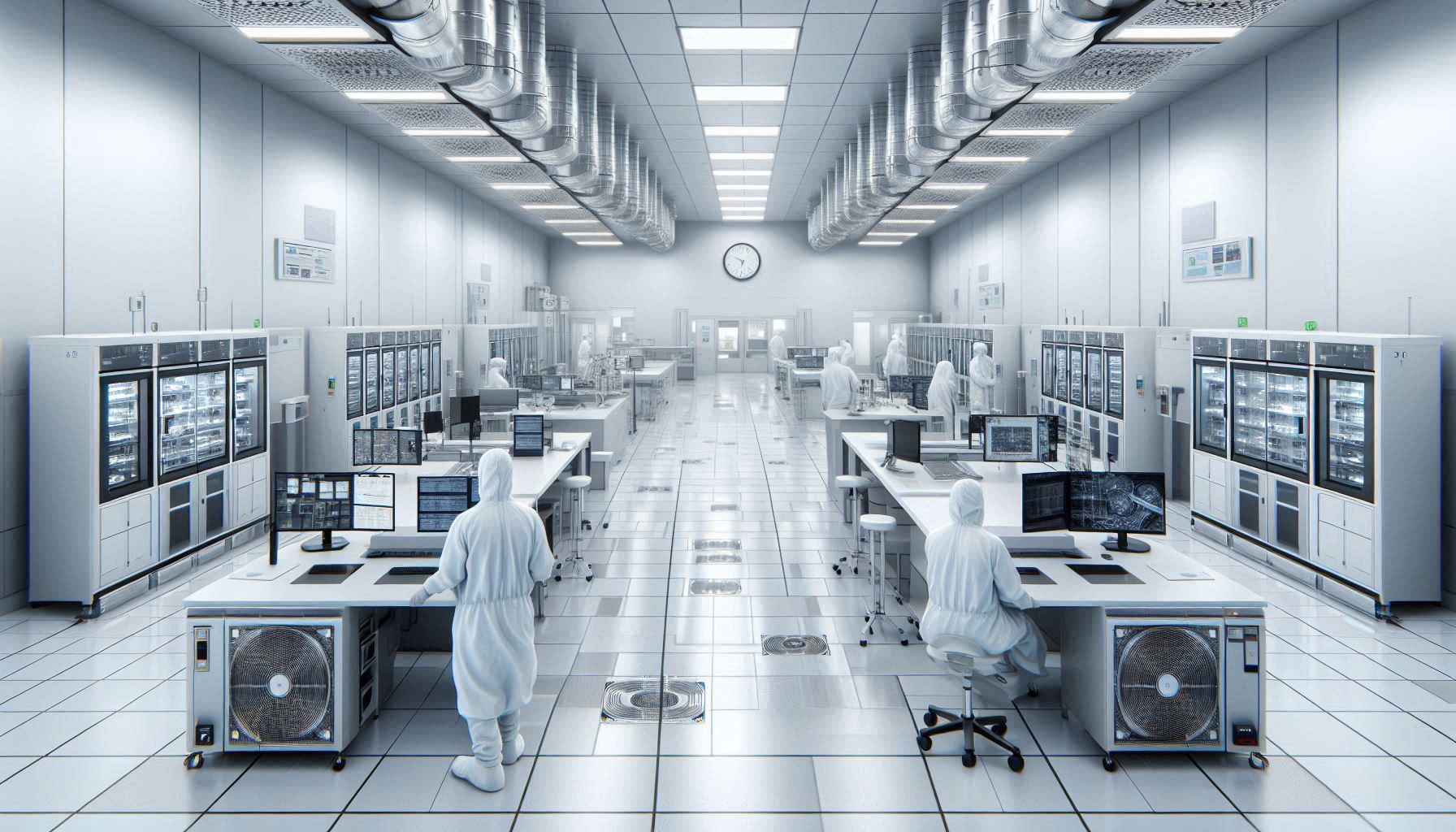
Semiconductor clean rooms demand precise environmental control. In these facilities, engineers design HVAC systems that calculate air changes per hour ACPH and manage airflow requirements with extreme accuracy. Semiconductor clean room performance depends on proper ACPH calculations, as even small errors may affect wafer quality and chip performance. In semiconductor manufacturing, ensuring that HEPA filtration, temperature regulation, and humidity control work harmoniously is critical. This article explains how to calculate semiconductor ACPH, determine proper airflow, and implement effective HVAC designs for semiconductor clean rooms.

Understanding the Concept of Semiconductor ACPH in Clean Rooms

Air changes per hour (ACPH) represent the number of times a room’s air volume is completely exchanged in one hour. In semiconductor clean rooms, engineers calculate ACH by dividing the total volume of air supplied by the room volume. Practically, designers measure the airflow in cubic meters per hour and divide it by the clean room’s volume in cubic meters. ACH plays a key role in controlling airborne contaminants and ensuring the clean room maintains its designated classification. For example, excessive airflow may lower energy efficiency, whereas insufficient airflow can lead to contamination. Therefore, the balance achieved through accurate ACH calculations supports continuous production stability and robust contamination control.

Furthermore, semiconductor clean room ACH calculations help designers determine the optimum layout of fan filter units (FFUs) and ductwork. An optimized ACH ensures that ultra-clean air flows uniformly over sensitive equipment. Manufacturers also use computer-based airflow simulations to verify that calculated ACH meets real-world performance. Industry standards such as ISO 14644-1 and guidelines from ASHRAE and ISHRAE ensure that semiconductor facilities conform to regulatory requirements. Properly calculated ACH reduces the probability of airborne contaminants interfering with chip manufacturing processes.

Calculating Semiconductor ACPH and Airflow Requirements in Clean Rooms

Engineers determine airflow by considering clean room dimensions, occupancy, equipment heat loads, and contamination risks. Designers calculate required air volume by multiplying air changes per hour (ACH) with the room’s volume. Typically, clean room airflow is measured in cubic meters per hour (m³/h) or cubic feet per minute (CFM). For semiconductor applications, airflow must maintain a unidirectional (laminar) pattern that pushes contaminants away from production areas.

Additionally, advanced HVAC systems monitor airflow rates continuously. They adjust fan speeds and duct configurations, thereby ensuring that the volume of air delivered meets exact process requirements. Semiconductor clean room designs include sensors that track air velocity and supply volumes, providing instant feedback if deviations occur. This proactive approach helps minimize downtime and ensures that even minor fluctuations in airflow do not compromise the manufacturing environment.

Key HVAC Parameters and Their Importance in Semiconductor Clean Rooms

Several HVAC parameters influence semiconductor clean room performance. Besides ACH, engineers carefully control temperature, humidity, and positive pressure. Temperature stability within a range of 20°C to 22°C (±0.1°C) prevents thermal expansion or contraction that may cause defects during photolithography. Humidity control (typically maintained between 40% and 60% relative humidity) reduces the risk of electrostatic discharge (ESD) and condensation issues. Positive pressure in the cleanroom prevents unfiltered air from entering from surrounding areas.

Moreover, designers plan the placement of supply diffusers and return vents to achieve uniform airflow distribution. Proper pressure gradients and airflow zoning guarantee that contaminants do not settle on critical wafers. Integrating smart controls into HVAC systems further refines the operation by automatically adjusting to changes in environmental conditions. These measures not only protect semiconductor products but can also lead to energy savings and reduced operational costs.

Methods and Formulas for Calculating Semiconductor ACPH Clean Rooms

Calculating ACH follows a simple formula:

ACH = (Airflow Rate ÷ Room Volume)

For example, if a clean room has a volume of 1,000 m³, and the HVAC system delivers 20,000 m³/h, then:

ACPH = 20,000 ÷ 1,000 = 20 air changes per hour

Q = Volume x ACPH / 60; where Q in cubic feet per min, Volume in cubit feet, ACPH in number

Additionally, engineers often convert airflow from CFM to m³/h (1 CFM ≈ 1.7 m³/h) and consider these conversions during design calculations. Furthermore, designers factor in the efficiency of ductwork and filter media, which might lower the effective airflow delivered.

Case studies reveal that semiconductor facilities in India have achieved optimized ACH by carefully balancing airflow with energy considerations. In one anonymized case study, a semiconductor plant improved its yield by 15% after recalculating ACH to better match clean room dimensions and process requirements. This demonstrates that precise measurement and control of ACH directly impact production efficiency.

Airflow Measurement Techniques and Instrumentation

Accurate airflow measurement is pivotal for proper ACH calculations. Engineers use an array of instruments, such as anemometers, airflow capture hoods, and manometers. These devices provide real-time measurements of air velocity and pressure. For instance, digital anemometers measure the speed of the air flowing out of fan filter units, which is then used in the ACH formula.

Moreover, sensors in the HVAC system alert operators if airflow falls below required levels. Continuous monitoring not only helps maintain clean room classification but also supports energy-efficient operation. A semiconductor clean room with misaligned airflow may experience increased energy consumption or, worse, contamination issues. Utilizing modern instrumentation thus ensures that semiconductor HVAC systems perform reliably over time.

Optimizing HVAC System Design for Semiconductor Clean Rooms

Optimal HVAC system design for semiconductor clean rooms includes several aspects:

  • Precise Calculations: Use accurate measurements for ACH and total airflow, ensuring uniform distribution.
  • Efficient Filtration: Integrate HEPA filters with a high removal efficiency (99.97% at 0.3 microns), which maintain low particle counts.
  • Smart Controls: Implement sensor networks and building automation systems (BAS) that adjust air supply dynamically.
  • Energy Efficiency: Design systems that balance high airflow with low energy consumption by using variable frequency drives (VFDs) and heat recovery measures.

Designers also use computer-based simulations to model airflow trajectories. This method, known as CFD (computer-based airflow simulations), helps predict how air moves throughout the clean room. Internal links to detailed guides on Clean Room Design and Construction provide more insights on this topic. Such simulations contribute to achieving the optimal balance between contamination control and energy efficiency.

Impact of Room Layout and Geometry on Airflow Requirements

Room layout and geometry significantly affect airflow performance. Semiconductor clean rooms use a combination of modular panels, raised floors, and dedicated gowning zones to optimize airflow. The placement of equipment, workstations, and staff affects how clean air flows throughout the room. Engineers design layouts that support unidirectional airflow, which clears out contaminants quickly and prevents stagnation.

For example, facilities in semiconductor manufacturing incorporate zigzag or serpentine airflow patterns to avoid dead zones. Additionally, strategic placement of diffusers ensures that air reaches every part of the clean room. These design choices not only improve the effectiveness of HVAC systems but also enhance energy efficiency by minimizing the need for excessive airflow.

Challenges in Calculating Ach and Airflow in Semiconductor Clean Rooms

Several challenges arise when calculating ACH and airflow in semiconductor clean rooms. First, the complex geometry of high-density equipment and varying occupancy levels can lead to uneven air distribution. Second, filters and ducts may introduce pressure drops, which affect the actual airflow rate delivered to the clean room space. Third, the dynamic nature of manufacturing processes means that airflow requirements may change over time.

Engineers must address these issues by performing regular audits, conducting CFD analyses, and recalibrating sensors. In one case study from India, recalibration of airflow systems led to a 10% energy savings and a more uniform ACH across production areas. By overcoming these challenges, semiconductor facilities improve both product yield and operational cost-effectiveness.

Future Trends: AI, IoT, and Smart Monitoring in ACH Calculations

Emerging technologies such as artificial intelligence (AI) and the Internet of Things (IoT) are revolutionizing HVAC system optimization. Modern semiconductor clean rooms now utilize smart sensors that continuously feed data about temperature, humidity, and airflow into centralized control systems. AI algorithms analyze these data streams in real time, predicting maintenance needs and optimizing air delivery for the calculated ACH.

For example, early AI-driven predictive analytics have helped reduce downtime by alerting facility operators to potential system inefficiencies before they cause contamination events. IoT connectivity further supports energy-efficient operations by automatically adjusting fan speeds and air distribution based on process demands. These innovations promise greater precision in ACH calculations and a more sustainable operation.

Calculating ACH: Practical Case Studies and Industry Examples

Several semiconductor clean room facilities have successfully optimized their HVAC systems by closely monitoring ACH. One semiconductor plant in Hyderabad recalculated its airflow requirements by installing advanced sensors and integrating a smart BAS. This resulted in a 15% increase in yield and a 10% decrease in energy costs. Another example from a facility in South Korea demonstrated that recalculating ACH to account for recirculating air improved contamination control and extended filter lifespan.

These case studies underscore how crucial accurate ACH calculations are in real-world scenarios. They offer practical insights into how minor adjustments in airflow rates can yield significant benefits in terms of performance and cost savings.

Strategies for Enhancing Energy Efficiency and Airflow Control

Semiconductor clean room HVAC systems must balance high performance with energy efficiency. Several strategies help achieve this balance:

  • Variable Frequency Drives (VFDs): Adjust fan speeds automatically based on real-time process requirements.
  • Heat Recovery Systems: Reuse waste heat from the clean room to pre-condition incoming air.
  • Regular Maintenance and Calibration: Maintain sensor accuracy and system performance to ensure that calculated ACH remains reliable over time.
  • Design Optimization: Use CFD simulations to optimize duct routes and diffusers in relation to clean room geometry.

Furthermore, implementing such strategies not only guarantees contamination control but also reduces the operating costs significantly. Manufacturers across the globe, including those in India, have noted improvements in overall efficiency after adopting these measures.

Integrating Standards and Regulatory Guidelines in ACH Calculations

Compliance with established standards safeguards semiconductor clean rooms from performance lapses. HVAC systems in such facilities must adhere to ISO 14644-1, which details classification and airflow criteria, as well as SEMI standards that illustrate industry-specific requirements. Designers also refer to guidelines from ASHRAE and ISHRAE to ensure that their calculations follow best practices.

Regulatory compliance includes detailed documentation in cleanroom PDFs and continuous monitoring protocols. These practices help maintain a stable environment that meets stringent criteria and supports high-yield semiconductor production.

Future of Semiconductor ACH Calculations: Trends and Innovations

The next generation of semiconductor HVAC systems will integrate even more advanced predictive maintenance and AI-powered monitoring capabilities. Increased reliance on data analytics and IoT devices will allow for real-time adjustments to ACH, ensuring that the clean room environment remains consistent with process demands. In addition, emerging trends toward carbon-neutral retrofits and sustainable HVAC technology further drive innovation in this field.

As semiconductor manufacturing evolves, these technological advancements will greatly impact how engineers calculate and control ACH. Facilities that adopt these innovations enjoy not only cleaner environments but also reduced energy consumption and enhanced operational reliability.

Internal Linking for Expanded Insights

For readers seeking further details on related topics, consider exploring our additional articles:

These internal links provide valuable, supplementary information related to HVAC design principles and energy-efficient systems.

FAQs

What is the significance of calculating semiconductor ACPH in clean rooms?

Calculating ACH is crucial because it defines how often the entire volume of air in a clean room is replaced. A properly calculated ACH ensures that contaminants are continuously removed, maintaining strict environmental conditions necessary for semiconductor manufacturing.

How is airflow measured in semiconductor clean room HVAC systems?

Engineers use instruments like anemometers and airflow capture hoods to measure air velocity and volume. They convert these measurements into cubic meters per hour and divide by the clean room’s volume to determine ACH.

What factors influence the appropriate airflow requirements for a semiconductor clean room?

Factors include the room volume, required cleanliness class (based on ISO 14644-1), heat loads from equipment, occupancy, and the design of fan filter units. Designers also consider pressure differentials and laminar airflow patterns.

How do smart controls enhance ACH performance in clean rooms?

Smart controls use IoT sensors and AI to monitor temperature, humidity, and airflow in real time. They automatically adjust fan speeds and air distribution to maintain steady ACH and ideal conditions.

What challenges do engineers face when calculating ACH?

Challenges include addressing complex room geometries, compensating for pressure drops in ducts and filters, and accommodating fluctuations in occupancy and equipment usage. Regular calibration and advanced simulations help overcome these challenges.

How do international standards and industry guidelines influence ACH calculations?

Standards such as ISO 14644-1 and guidelines from SEMI, ASHRAE, and ISHRAE provide benchmarks for allowable particle levels and environmental conditions. Compliance with these standards ensures that calculated ACH meets the strict demands of semiconductor fabrication.

Can ACH calculations adapt to changing production conditions?

Yes, with continuous monitoring and smart HVAC controls, ACH calculations can dynamically adjust to accommodate changes in production processes, occupancy, and equipment load, ensuring optimal performance at all times.

About the Author

Mr. Om Prakash, with over 18 years of hands-on experience in the HVAC industry, brings unmatched expertise in cleanroom, semiconductor, pharmaceutical, data center, commercial, and industrial HVAC systems. As the founder of HVAC Technocrat, he specializes in customized HVAC design, energy efficiency audits, retrofit planning, and turnkey consultancy services across India. He simplifies complex HVAC concepts and shares real-world insights to support professionals, facility managers, and decision-makers. For any enquiries or project support, call or WhatsApp at +91 9908091942, email hvactechnocrats@gmail.com, or visit www.hvactechnocrat.com. Also, follow his LinkedIn profile for more updates.

Disclaimer

The content here is intended solely for educational and informational purposes. All case studies, examples, and hypothetical scenarios are illustrative in nature and do not refer to, endorse, or represent any actual company, organization, or product. Any similarity to real-world entities or events is purely coincidental. Readers are encouraged to verify any technical details or operational recommendations with additional, independent research prior to implementation. The author and publisher assume no responsibility or liability for any errors, omissions, or outcomes resulting from the use of this material.

Semiconductor Cleanroom: How to Design HVAC Systems

Advanced semiconductor cleanroom with integrated HVAC system and cleanroom air filtration

Semiconductor fabrication demands ultra‐clean environments to protect delicate wafers and complex integrated circuits. In today’s high‐tech manufacturing, advanced HVAC systems ensure that semiconductor cleanroom maintain optimal temperature, humidity, and air purity. This article explains what a cleanroom is for semiconductor manufacturing, why semiconductors need a cleanroom, how cleanrooms and semiconductor cleaning processes work, and details HVAC design principles, from air filtration to complying with stringent HVAC standards for semiconductor facilities.

What Is a Cleanroom in Semiconductor Manufacturing?

A semiconductor cleanroom is a highly controlled space where particles, temperature, and humidity are kept to strict limits. These rooms adhere to international standards such as ISO 14644‑1 that classify cleanrooms based on the maximum allowable particles per cubic meter. Cleanrooms usually range from ISO Class 1 (the strictest) up to Class 10 or even Class 100, depending on the application. In semiconductor fabs, the typical cleanroom often operates in ISO Class 5 or lower, ensuring that the wafer surfaces remain pristine throughout photolithography, deposition, and etching processes.

Why Do Semiconductors Need a Cleanroom?

Semiconductor devices are built layer by layer on silicon wafers using photolithography and other processes that are extremely sensitive to contamination. Even a single microscopic particle may cause defects, compromises in yield, or electrical shorts. Consequently, semiconductor cleanrooms protect chips from airborne particles, metal ions, and volatile compounds. In addition, stable temperature and humidity conditions prevent device variability caused by thermal expansion or moisture-induced oxidation. Ultimately, maintaining a contaminant‐free environment leads to higher efficiency, reliability, and improved overall wafer yields.

Also Read | Why Temperature and Humidity Control Is Critical in Cleanrooms

How Do You Clean a Semiconductor?

Cleaning semiconductor components is a multi‐step process designed to remove every trace of contamination without damaging the wafer. Typical cleaning steps include:

  • Preliminary Rinse: Using ultra‐pure deionized (DI) water to remove loose particulate matter.
  • Organic Solvent Cleaning: Immersing or wiping the wafer with solvents (e.g., acetone or isopropyl alcohol) to eliminate grease, photoresists, or polymer residues.
  • Oxide Removal: Employing chemical etches like hydrofluoric acid (HF) dips to strip away native oxides before subsequent processing steps.
  • Megasonic or Ultrasonic Cleaning: Applying high‐frequency sound waves in DI water to dislodge particles that cling to the wafer surface.
  • Final Rinse and Drying: Using spin rinse dryers and controlled atmosphere drying to ensure the wafer is completely dry and free of residual contaminants.

These methods together achieve the cleanliness levels required in semiconductor manufacturing.

Semiconductor Cleanroom Standards and Classifications

Cleanroom standards are critical for ensuring that semiconductor processes are not compromised by contaminants. Manufacturers follow guidelines such as ISO 14644‑1 and SEMI standards to set the allowable limits on particle counts. For example, a semiconductor cleanroom may allow no more than 3,520 particles (0.5 µm or larger) per cubic meter of air. Many facilities provide detailed documentation in the form of cleanroom PDFs that outline classification criteria, operational protocols, and layout designs.

Other important criteria include:

  • Cleanroom PDF Guides and Manuals: These documents provide step-by-step procedures for cleanroom construction, maintenance, and gowning procedures.
  • Classification: Semiconductor cleanroom classifications (e.g., Class 1,000 or ISO Class 5) determine the cleanliness level required for various production stages.
  • Manufacturers and Companies: Leading semiconductor cleanroom manufacturers and companies supply customized HVAC solutions, specialized filtration systems, and innovative cleanroom construction materials.
  • Jobs and Training: The semiconductor industry offers many job opportunities, including roles such as cleanroom technicians and HVAC engineers, all of whom must follow strict gowning procedures and layout protocols.
  • Environmental Parameters: Critical operating parameters—such as maintaining a stable temperature (usually around 20 °C to 22 °C) and controlled humidity (typically 40% to 60% RH)—continue to play a pivotal role in the overall design.

HVAC Design for Semiconductor Cleanroom

A robust HVAC design is essential for maintaining a cleanroom environment. Designers must integrate multiple subsystems to meet the demanding requirements of semiconductor manufacturing.

1. Semiconductor HVAC and Cleanroom Air Filtration

Engineers use advanced air filtration systems (HEPA and sometimes ULPA filters) to remove contaminants. In these systems:

  • HEPA filters remove at least 99.97% of 0.3 µm particles, preventing airborne contaminants from reaching sensitive wafer surfaces.
  • Cleanroom Air Filtration is key to maintaining air purity. Filtered air flows downwards through ceiling fan filter units in a smooth, vertical pattern to reduce turbulence.

2. HVAC for Semiconductor: Controlling Temperature and Humidity

Maintaining a controlled environment is key. Semiconductor HVAC systems ensure:

  • Temperature Stability: Semiconductor operations often require temperature control within a narrow range—typically between 20 °C and 22 °C—to avoid process variations due to thermal expansion.
  • Humidity Regulation: Relative humidity is maintained around 40% to 60% to mitigate electrostatic discharge (ESD) issues and prevent moisture condensation on sensitive surfaces.
  • Airflow Management: Unidirectional (laminar) airflow is employed to maintain uniform air distribution and ensure contaminants are efficiently exhausted.

3. Adhering to HVAC Standards for Semiconductor

HVAC standards for semiconductor applications require full compliance with both international and industry-specific guidelines. These include:

  • ISO 14644‑1 Compliance: Establishing the particulate limits and environmental parameters based on the cleanroom classification.
  • SEMI Guidelines: These provide additional criteria for air quality and performance reliability in semiconductor facilities.
  • Energy Efficiency Considerations: While maintaining clean conditions, modern HVAC systems also optimize energy consumption by using variable frequency drives (VFDs) and smart sensors that adjust the system performance in real time.

By incorporating these HVAC standards and using the right combination of filtration, temperature, and airflow controls, semiconductor cleanrooms achieve consistent, high-quality performance.

Semiconductor Cleanroom Design and Construction

Attention to detail in cleanroom design is vital for semiconductor fabrication. Key design considerations include:

  • Layout and Modular Construction: Cleanroom layout must optimize space while ensuring an uninterrupted flow of filtered air. Modular wall panels, raised floors, and dedicated gowning areas facilitate efficient operation and future expansion.
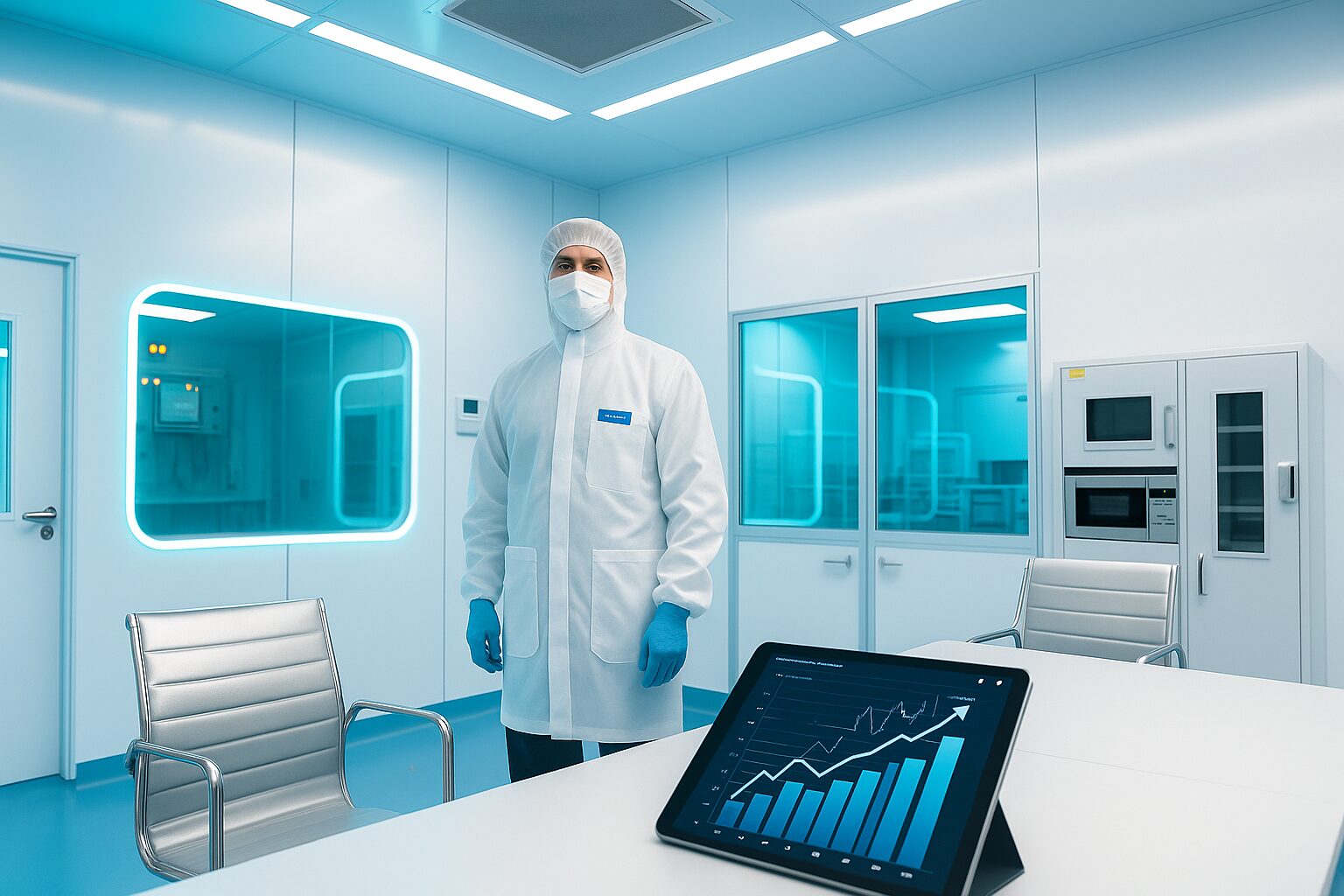
  • Gowning Procedures and Cleanroom Suits: Personnel must wear cleanroom suits (often called “bunny suits”) along with gloves, masks, and shoe covers. Strict gowning procedures reduce particle shedding and protect the clean environment.
  • Cleanroom Construction: Specialized materials—such as non-shedding wall panels and static-dissipative flooring—minimize the generation of particulates. Construction guidelines also incorporate electrical, plumbing, and HVAC system integration.
  • Cleanroom Layout: An effective layout considers pedestrian flow, equipment access, and air return systems, which together contribute to the overall cleanliness of the environment.

Temperature, Humidity, and Environmental Control

Environmental control remains a cornerstone of cleanroom operation. In semiconductor cleanrooms:

  • Temperature is closely managed (typically within ±0.1 °C) to prevent thermal expansion or contraction that could impair chip production.
  • Humidity levels are carefully set between 40% and 60% RH to reduce static electricity and deter condensation.
  • Air Pressure is managed to ensure a positive pressure differential, which blocks contaminants from entering the cleanroom.

These parameters directly influence product yield, making precise HVAC design imperative.

Semiconductor Cleanroom Jobs and Industry Opportunities

The semiconductor industry is expanding rapidly, opening up numerous career paths in cleanroom management and HVAC design. Jobs in this field include:

  • Semiconductor Cleanroom Technicians: Responsible for maintaining cleanliness standards and ensuring strict adherence to gowning procedures.
  • HVAC Engineers: Specialize in designing and optimizing HVAC systems tailored to the stringent requirements of semiconductor fabs.
  • Facility Managers: Oversee cleanroom operations, coordinate maintenance schedules, and ensure compliance with regulatory standards.

Companies investing in semiconductor cleanroom construction and HVAC integration often provide ongoing training, competitive salaries, and opportunities for professional growth.

Conclusion

Semiconductor cleanrooms and their corresponding HVAC systems are critical to producing high‐quality microelectronic devices. By employing advanced cleanroom air filtration, precise temperature and humidity controls, and strictly adhering to HVAC standards for semiconductor environments, manufacturers can ensure that even the smallest contaminants are kept at bay. As semiconductor technologies continue to evolve, the need for optimized HVAC systems grows, driving innovations in cleanroom design, construction, and operational procedures.

If you’re looking to learn more about semiconductor cleanroom standards, layout design, or how to implement robust HVAC for semiconductor applications, many resources—ranging from detailed PDFs to industry webinars—are available to guide you.

FAQs

What is a cleanroom in semiconductor manufacturing?

A semiconductor cleanroom is a controlled environment designed to minimize airborne particles and maintain strict temperature and humidity conditions, ensuring that sensitive wafer fabrication processes remain free from contamination.

Why do semiconductors need a cleanroom?

Semiconductors require cleanrooms because even microscopic contamination can cause defects during photolithography and etching. These environments prevent particle-induced failures and protect the integrity of semiconductor chips.

How do you clean a semiconductor?

Cleaning involves multiple steps: preliminary DI water rinse, solvent washing to remove organics, chemical etching for oxide removal, megasonic or ultrasonic cleaning to dislodge particles, followed by a final rinse and drying.

Which standards govern semiconductor cleanroom?

Cleanrooms follow ISO 14644‑1 classifications and industry‐specific guidelines such as SEMI standards. These ensure that particle counts, temperature, humidity, and airflow are maintained at precise levels.

What role do HVAC systems play in semiconductor cleanroom?

HVAC systems control air filtration, temperature, humidity, and pressure. They maintain a laminar airflow using HEPA or ULPA filters and optimize the environment to comply with strict semiconductor HVAC standards.

How is a semiconductor cleanroom constructed?

Construction involves using modular panels, raised floors, and non‐shed materials, along with dedicated gowning areas and a well-integrated HVAC system. Effective layouts and strict gowning procedures further ensure a contaminant-free environment.

Disclaimer

The content here is intended solely for educational and informational purposes. All case studies, examples, and hypothetical scenarios are illustrative in nature and do not refer to, endorse, or represent any actual company, organization, or product. Any similarity to real-world entities or events is purely coincidental. Readers should verify technical details with independent research before implementation. The author and publisher assume no responsibility for any errors, omissions, or outcomes resulting from this material.

About the Author

Mr. Om Prakash, with over 18 years of hands-on experience in the HVAC industry, brings unmatched expertise in cleanroom, semiconductor, pharmaceutical, data center, commercial, and industrial HVAC systems. As the founder of HVAC Technocrat, he specializes in customized HVAC design, energy efficiency audits, retrofit planning, and turnkey consultancy services across India. He simplifies complex HVAC concepts and shares real-world insights that support professionals, facility managers, and decision-makers. For enquiries or project support, call or WhatsApp at +91 9908091942, email hvactechnocrats@gmail.com, or visit www.hvactechnocrat.com. Also, follow his LinkedIn profile at https://www.linkedin.com/in/hvactechnocrats/.