Chiller Plant: Do AI Optimize Energy Efficiency in Data Center?

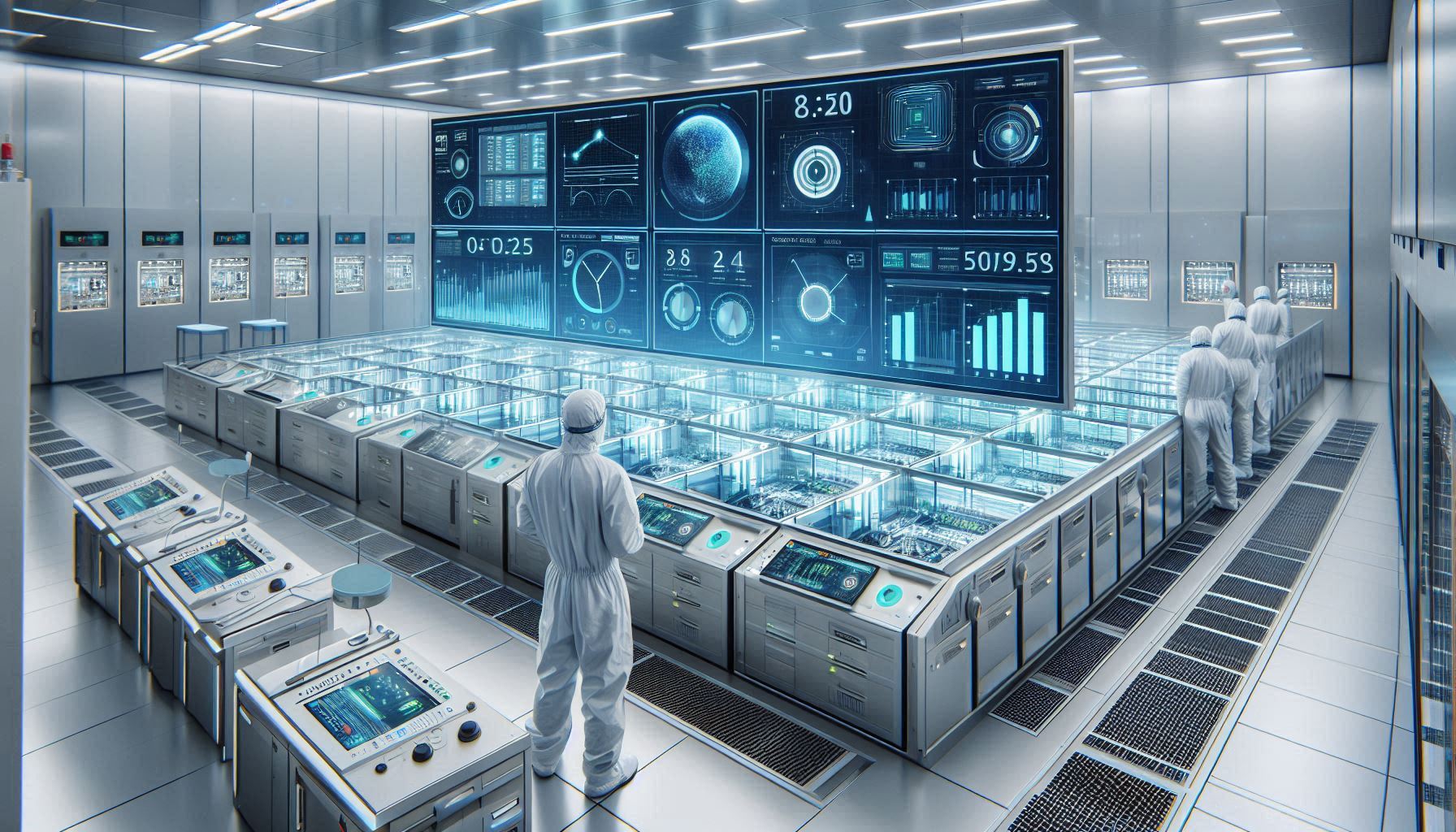
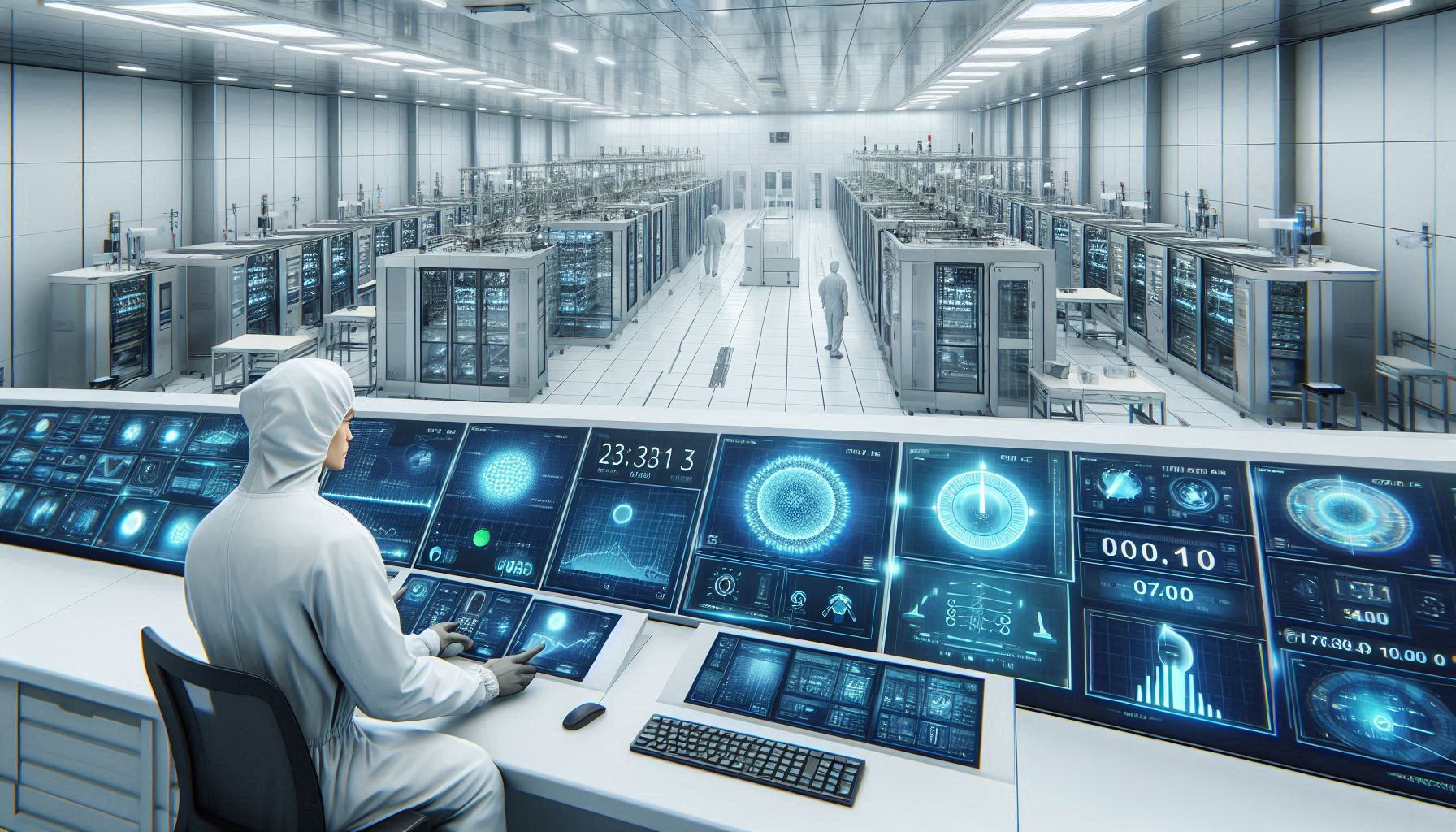
AI-powered Chiller Plant HVAC system for data centers

In the digital age, data centers serve as vital hubs for storing, processing, and distributing vast amounts of information. Efficient operation of these centers relies heavily on robust HVAC systems, particularly chiller plant that maintain optimal temperature conditions. Recent advancements in artificial intelligence (AI) have profoundly impacted these systems, leading to enhanced efficiency, reliability, and sustainability.

Role of AI in Chiller Plant

AI technologies have revolutionized traditional chiller plants by introducing predictive analytics and adaptive control mechanisms. These systems analyze real-time data from sensors embedded within the infrastructure. By interpreting data patterns and predicting cooling demands, AI algorithms optimize chiller operations dynamically. This proactive approach ensures that cooling output aligns precisely with data center requirements, minimizing energy consumption and operational costs.

Applications in Data Centers

Data centers benefit significantly from AI-powered chiller plants due to their predictive capabilities. These systems can anticipate variations in server loads, environmental conditions, and energy demands. By adjusting cooling operations in real-time, AI ensures consistent temperature control and operational stability. This capability is crucial for maintaining optimal conditions to prevent overheating and equipment failures, thereby reducing downtime risks.

Advantages & Disadvantages

AI-driven chiller plants offer several advantages:

  • Improved Energy Efficiency: AI algorithms optimize energy use based on real-time data, reducing consumption by 10-30% compared to conventional systems.
  • Enhanced Reliability: Predictive analytics minimize the risk of equipment failures and downtime, ensuring uninterrupted data center operations.
  • Predictive Maintenance: AI-enabled systems identify potential issues before they escalate, facilitating proactive maintenance and extending equipment lifespan.

However, implementing AI in chiller plants also presents challenges:

  • Initial Costs: High upfront investment required for AI integration and infrastructure upgrades.
  • Data Accuracy: Dependence on accurate data inputs and continuous monitoring to maintain AI effectiveness.
  • Complex Integration: Integrating AI with existing HVAC systems may pose technical challenges and require specialized expertise.

Technical Data Sheet

Key technical specifications of AI-powered chiller plants include:

  • Capacity: Variable based on data center size and cooling requirements.
  • Energy Consumption: AI optimization typically reduces energy use by 10-30% compared to traditional systems.
  • Maintenance: Regular monitoring and data analysis required to ensure AI algorithms perform effectively.

Components and Design Parameters

AI-powered chiller plants consist of:

  • Sensors: Collect real-time data on temperature, humidity, and environmental conditions.
  • AI Software: Analyzes data patterns and adjusts cooling operations based on predictive analytics.
  • Chiller Units: Responsible for cooling the data center environment efficiently.
  • Data Analytics Platform: Processes and interprets data to optimize system performance.

Design parameters include:

  • Load Forecasting Models: Predict server load variations and cooling demands.
  • Adaptive Control Algorithms: Adjust chiller operations in real-time based on AI insights.
  • Data Integration Protocols: Ensure seamless communication between AI systems and existing infrastructure.

Installation and Maintenance Procedures

Implementing AI in chiller plants involves:

  • Installation: Detailed planning and integration to ensure compatibility with existing HVAC infrastructure.
  • Maintenance: Regular updates to AI algorithms, sensor calibration, and system audits to maintain peak performance.

Performance Monitoring and Lifecycle Analysis

AI-powered systems enable:

  • Performance Monitoring: Real-time dashboards track energy consumption, temperature variations, and system efficiency.
  • Lifecycle Analysis: Predictive maintenance schedules optimize equipment lifespan and resource allocation.

Environmental Impact and Safety Considerations

Key considerations include:

  • Environmental Impact: AI optimization reduces carbon footprint by optimizing energy use and resource allocation.
  • Safety: Fail-safe mechanisms ensure system stability and prevent overheating or equipment failures.

Conclusion

AI-powered chiller plants represent a transformative advancement in data center HVAC technology. By leveraging AI’s predictive capabilities, these systems enhance energy efficiency, reliability, and sustainability. As data centers continue to expand globally, AI-driven solutions will play a critical role in optimizing operations and ensuring uninterrupted performance.

For more insights into AI’s impact on data center HVAC systems, visit HVAC Technocrats.

How to get the most energy efficiency from a chiller plant?

To achieve maximum energy efficiency from a chiller plant, consider these strategies:

  • Regular Maintenance: Ensure chiller units are properly maintained, including cleaning tubes, checking refrigerant levels, and calibrating controls.
  • Optimal Set Points: Adjust chiller set points to match actual cooling demands, avoiding unnecessary energy consumption.
  • Use of Variable Speed Drives (VSDs): Install VSDs to adjust compressor and pump speeds based on load requirements, improving energy efficiency at part loads.
  • Chilled Water Temperature: Increase chilled water supply temperature to reduce chiller workload and improve overall efficiency.
  • Integration with Building Management Systems (BMS): Implement smart controls and integrate with BMS for automated monitoring, analysis, and optimization of chiller operations.

FAQ

How can chiller efficiency be improved?

Improving chiller efficiency involves several key steps:

  • Upgrade to High-Efficiency Chillers: Replace older units with modern, energy-efficient models that meet current standards.
  • Optimize Water Flow: Maintain proper water flow rates through the chiller system to enhance heat transfer efficiency.
  • Regular Cleaning and Maintenance: Clean heat exchanger surfaces, inspect insulation, and ensure all components are functioning optimally.
  • Utilize Free Cooling: Implement free cooling systems where possible, using ambient air or water to cool the chiller during favorable conditions.
  • Chiller Sequencing: Implement a sequencing strategy to operate chillers efficiently based on load and demand.

How do you optimize a chiller plant?

Optimizing a chiller plant involves:

  • System Audits: Conduct regular audits to identify inefficiencies and opportunities for improvement.
  • Performance Monitoring: Use data analytics to monitor chiller performance and identify areas for optimization.
  • Load Matching: Match chiller capacity to actual cooling demand through careful sizing and control adjustments.
  • Energy Recovery: Implement heat recovery systems to capture waste heat for other building uses.
  • Employee Training: Train operators on optimal chiller plant operation and maintenance practices.

How do you optimize cooling in a data center?

To optimize cooling in a data center:

  • Hot Aisle/Cold Aisle Configuration: Arrange server racks to optimize airflow and minimize hot spots.
  • Containment Systems: Implement hot or cold aisle containment to separate hot and cold air streams, improving efficiency.
  • Use of Economizers: Integrate economizer systems to use outside air for cooling during favorable weather conditions.
  • Precision Air Conditioning: Install precision air conditioning units for targeted cooling in sensitive areas.
  • Data Center Layout: Optimize layout to minimize airflow obstructions and ensure efficient air distribution.

Chiller plant optimize energy efficiency in data center ppt

For presentations on optimizing energy efficiency in chiller plants for data centers, consider including:

  • Overview of Chiller Plant Operations
  • Energy Efficiency Strategies
  • Case Studies and Success Stories
  • Technological Advancements in Chiller Systems
  • Recommendations for Data Center Cooling Optimization

For detailed insights, you can visit relevant resources or industry publications on HVAC and data center management.

Chiller plant optimize energy efficiency in data center pdf

To explore detailed strategies for optimizing energy efficiency in chiller plants for data centers, consider downloading PDF resources that cover:

  • Best Practices in Chiller Plant Design
  • Energy-Saving Technologies and Innovations
  • Regulatory Compliance and Standards
  • Case Studies and Performance Metrics
  • Implementation Guidelines for Efficient Operations

Look for reputable sources and publications that specialize in HVAC systems and data center operations.

Chiller plant optimization software

Chiller plant optimization software helps in:

  • Predictive Analytics: Analyzing data to predict cooling demands and optimize chiller operations.
  • Energy Management: Monitoring energy use and implementing strategies to reduce consumption.
  • System Integration: Integrating with BMS and other HVAC systems for centralized control and management.
  • Performance Monitoring: Real-time monitoring of chiller performance and efficiency metrics.
  • Reporting and Analysis: Generating reports and insights for continuous improvement and decision-making.

Chiller efficiency formula

The formula for calculating chiller efficiency typically includes:

  • Chiller Efficiency = (Cooling Output / Energy Input) × 100%
  • Factors such as COP (Coefficient of Performance) and EER (Energy Efficiency Ratio) are used to determine efficiency based on cooling capacity and power consumption.
  • Consult manufacturer specifications and industry standards for specific formulas and calculation methods.

Chiller optimisation to save energy

To optimize chillers for energy savings, consider:

  • Variable Speed Drives (VSDs): Adjusting compressor and pump speeds based on load requirements.
  • Temperature Set Points: Optimizing chilled water supply temperatures to reduce energy consumption.
  • Heat Recovery: Utilizing waste heat for heating purposes through heat recovery systems.
  • Regular Maintenance: Ensuring equipment is well-maintained for optimal efficiency.
  • Data-Driven Insights: Using analytics and monitoring tools to identify opportunities for improvement.

Chiller part load efficiency

Chillers operate efficiently at part loads by:

  • Variable Capacity Control: Adjusting compressor capacity to match cooling demand.
  • Economizer Modes: Using economizer modes to enhance efficiency during low load conditions.
  • Optimized Controls: Implementing advanced control algorithms for precise load management.
  • Efficient Component Design: Utilizing components designed to operate efficiently across various load conditions.

Chilled water system control strategy

To optimize chilled water systems, consider:

  • Flow Optimization: Balancing water flow rates to maximize heat transfer efficiency.
  • Temperature Control: Adjusting chilled water supply temperatures based on load and environmental conditions.
  • System Sequencing: Implementing a sequencing strategy to operate chillers efficiently.
  • Integration with BMS: Using building management systems for centralized control and optimization.
  • Monitoring and Adjustment: Regularly monitoring system performance and adjusting controls for optimal operation.

Increasing chilled water supply temperature

Raising chilled water supply temperatures can improve efficiency by:

  • Reducing Chiller Workload: Lowering the temperature differential between chilled water and return water.
  • Enhancing Compressor Efficiency: Operating chillers closer to their optimal design conditions.
  • Minimizing Heat Losses: Reducing losses associated with chilled water distribution.
  • Optimizing System Operation: Adjusting controls to maintain comfort and operational requirements.

About The Author

Omprakash Ramagiri; as the Founder of HVAC Technocrats, I bring over 18 years of experience as a Mechanical Engineer specializing in HVAC (Central Air-conditioning) for commercial, cleanrooms, data centers, and Petrochemical industries. Throughout my career, I’ve held pivotal roles at companies like TATA Consulting Engineers, MW Zander (for Cleanroom solutions), Bluestar Malaysia, and ETA in Dubai. I’ve managed international HVAC projects and gained valuable exposure in dynamic markets like Dubai and Saudi Arabia. With a passion for excellence and a commitment to innovative solutions, I specialize in designing Class 10K & 100K Cleanrooms for various industries. Connect with me to explore collaborations in HVAC design, project sales, and consultancy. Click to visit the Author’s Linkedin page


Disclaimer: The pictures used are for illustrative purposes only. They may not depict actual products or situations and are meant for educational purposes. Actual products, situations, or outcomes may differ.

Energy Savings with Multi Split AC: What You Need to Know

Multi-Split Condensing Units Overview

Efficient Multi Split AC Condensing Units provide advanced cooling solutions with multiple compressors and independent refrigerant circuits. Designed for various fan coil units, these units are factory-packaged for easy installation, featuring robust components like copper piping, brazed connections, and leak-tested refrigerant circuits. They include high-performance condenser coils, centrifugal blowers, and comprehensive safety controls for reliable operation. Ideal for diverse applications, they offer efficient cooling with minimal maintenance requirements.

Overview of Multi Split AC Condensing Units

The multi-split condensing units shall be with multiple compressors, each with its own independent refrigerant circuit couple with selected fan coil units (wall mounted, ceiling concealed, ceiling cassette or ceiling exposed type). Multi split units are completely factories packaged, wired and provided with shut off valves for convenient connection to the suitably selected direct expansion fan coil units. Each refrigerant circuit of this package shall be constructed using copper piping with brazed connections; joining compressor, condenser coil, filter drier, sight glass, thermo-expansion valve and evaporator cooling coil in a completely sealed loop. The refrigerant circuit shall also be factory leak tested, dehydrated, evacuated and pre-charged with R-22. The air-cooled condensing section shall consist of the compressor(s); condenser coil; centrifugal condenser fan(s) with motor and drive assembly, factory packaged switchboard, safety and operating controls.

The evaporator blower section shall consist of the direct driven centrifugal blower fan and motor assembly; direct expansion coil complete with thermo-expansion valve(s), remote controller and a filter frame for flat filters.

Air-Cooled Condensing Section

Casing

All steel parts shall be coated with epoxy-acrylic electro-deposition (ED) paint. Prior to ED coating, the part shall undergo a complete pre-treatment process, which involves de-greasing, phosphating and rinsing with de-ionized water.

Compressor(s)

Compressors shall be of sealed hermetic rotary, reciprocating or scroll type, with suction gas-cooled motor, internal suspension system to eliminate vibration, internal line or solid state protection and external crankcase heater. Unit shall have multiple compressors and each shall have its own independent refrigerant circuit and controls. Compressor shall also be pre-charged with oil.

Condenser Coil(s)

Each coil shall consist of staggered row of 3/8″ OD seamless copper tubes, mechanically expanded into die-formed corrugated hydrophilic coated aluminium fins. Each coil shall also be provided with integral sub cooling circuit. Coils shall be leak and pressure tested to 450 psig.

Condenser Blower(s)

The condenser fans shall be centrifugal types. Fan shall be statically and dynamically balanced and shall be mounted on a solid steel shaft running in self-aligning ball bearing, amply sized for quiet operation and long life. The condenser fan shall be driven directly by a resiliently mounted squirrel cage induction motor with adequate horsepower for the day.

Factory Packaged Switchboard

The multi-split condensing unit shall be completed with built-in factory wired starters for compressors, condenser fan motor, indicating lights, line fuses, isolator and interlocking points for fan motors of evaporator blower unit. Factory packaged starters for compressors shall be direct on line type.

Safety Controls

High pressure and low-pressure cutouts to guard against compressor damage due to high discharge head pressure and system leakage respectively shall be included. Crankcase heater for each compressor and anti-recycling timer shall also be provided.

Evaporator Blower Section

Evaporator Coil(s)

Each coil shall consist of staggered row of seamless copper tubes mechanically expanded into die-formed corrugated hydrophilic-coated alluminium fins, spaced 12 per inch. The direct expansion coil(s) shall have one or multiple independent refrigerant circuits each with its own thermo-expansion valve. Each coil shall be leak and pressure tested to 450 psig, evacuated and pre-charged with a small holding charge of R-22.

Blower

Centrifugal blower(s) of forward curved multi-blade type shall be fitted to the air conditioning unit. Blower shall be statically and dynamically balanced and shall be rust proofed. Blower shall be run on a common shaft mounted on self-aligning bearing. Bearings shall be sized for load imposed and shall be either permanently lubricated type or fitted with accessible greasing points.

Remote Controller

LCD wireless remote controller shell be operated in 3 operation modes (cool, dry and fan), fan speed control (Low/Med/High/Auto), 24 hours auto start/stop timer and clock, and on/off air swing control.

Pros & Cons

Pros:

Cons:

  • High initial cost
  • Potential coolant compatibility issues

FAQ

What types of fan coil units are suitable for multi-split condensing units?

Multi-split condensing units are suitable for wall-mounted, ceiling-concealed, ceiling cassette or ceiling exposed fan coil units.

How are refrigerant circuits of multi-split units constructed?

Refrigerant circuits are constructed using copper piping with brazed connections, including components such as compressors, condenser coils, filter driers, sight glasses, thermo-expansion valves, and evaporator cooling coils.

What safety features are included in multi-split condensing units?

They feature high-pressure and low-pressure cutouts, crankcase heaters and anti-recycling timers to ensure safe and efficient operation.

Conclusion

Efficient multi-split condensing units provide reliable cooling solutions for a wide variety of applications, combining advanced technology with robust construction. Despite their initial cost and potential challenges with refrigerant compatibility, they offer efficient performance and ease of installation, making them a preferred choice for a variety of refrigeration needs.