HVAC Challenges: Breaking Down for Practical Solutions in All Scenarios

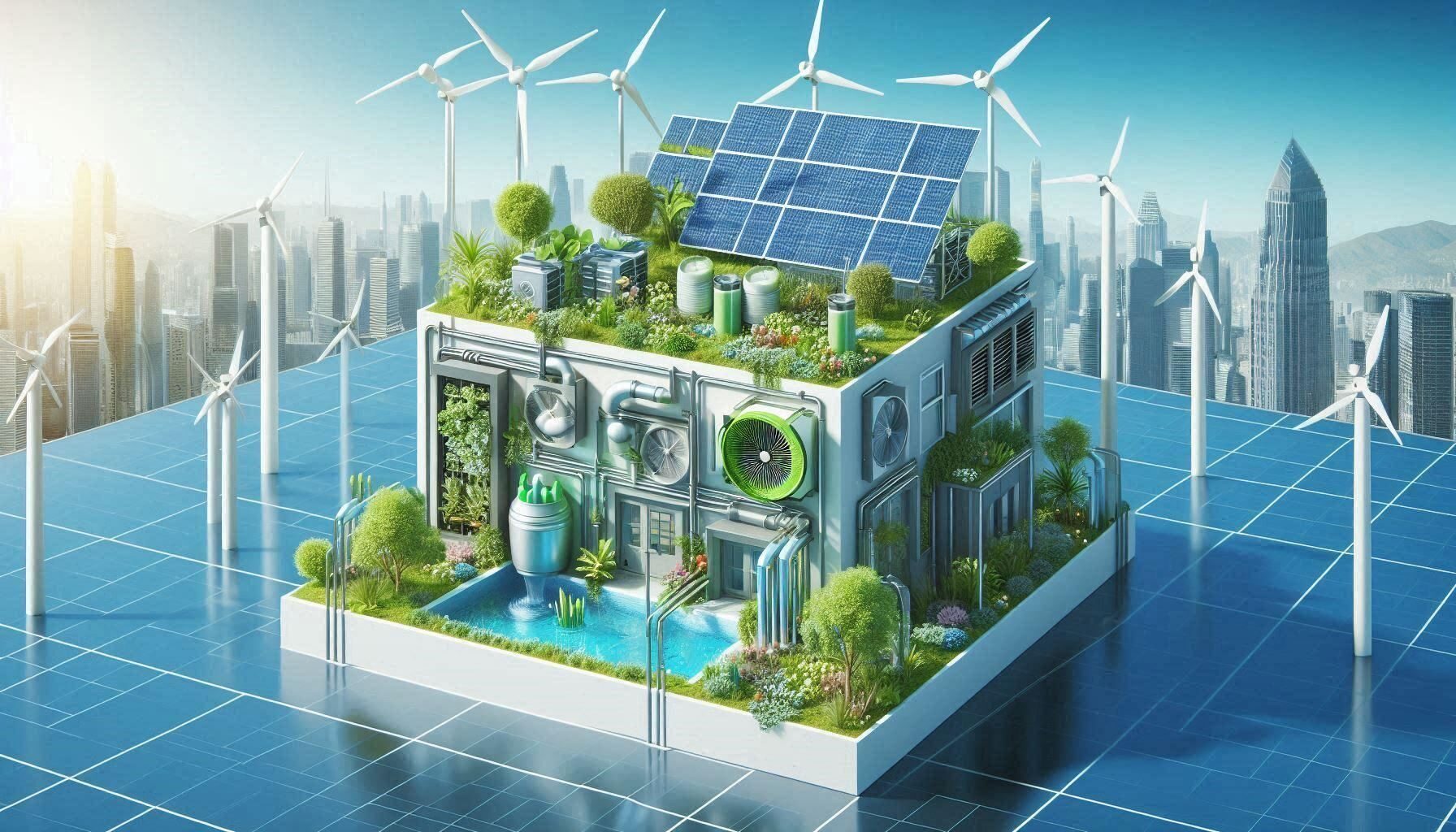
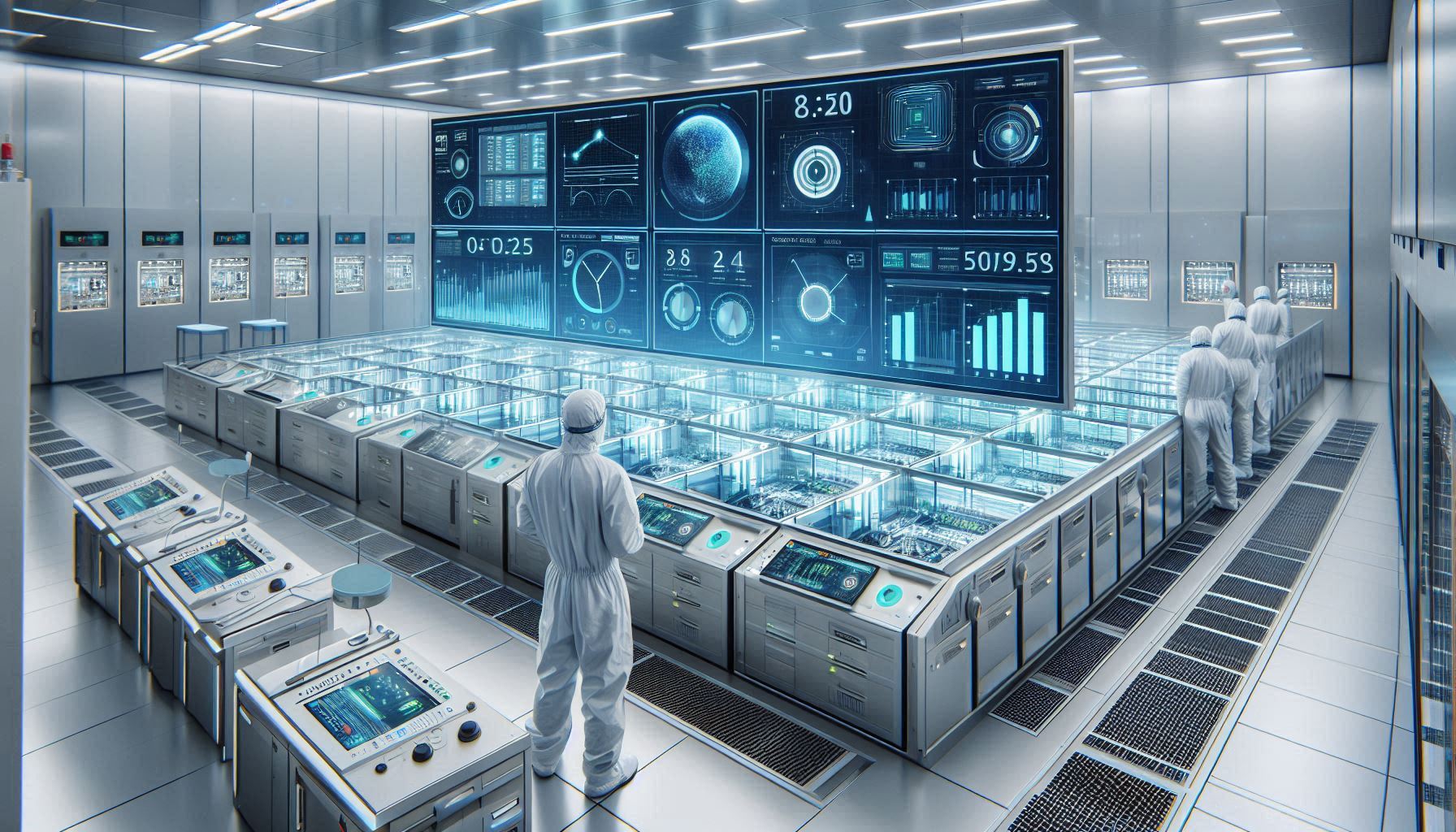
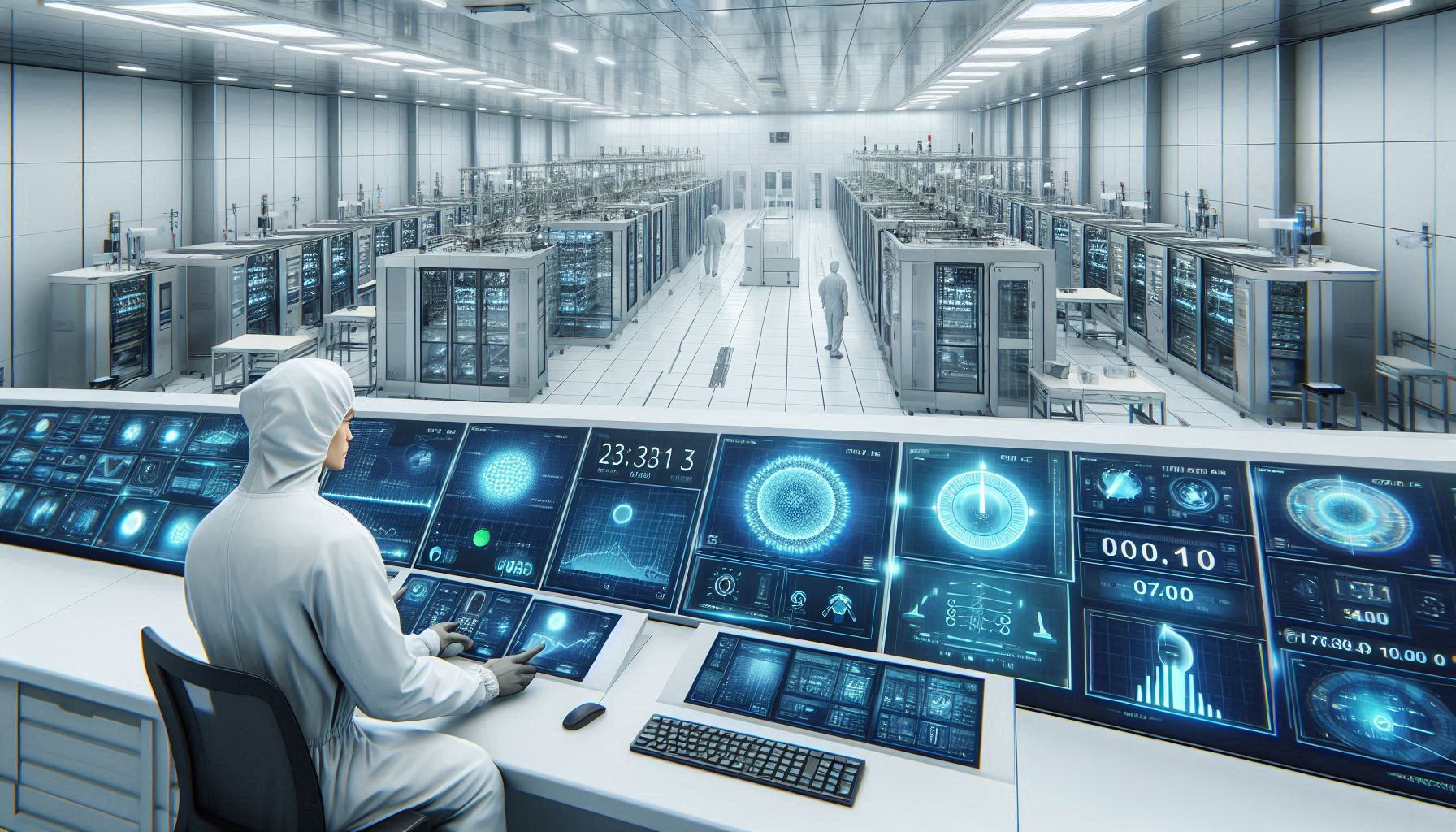
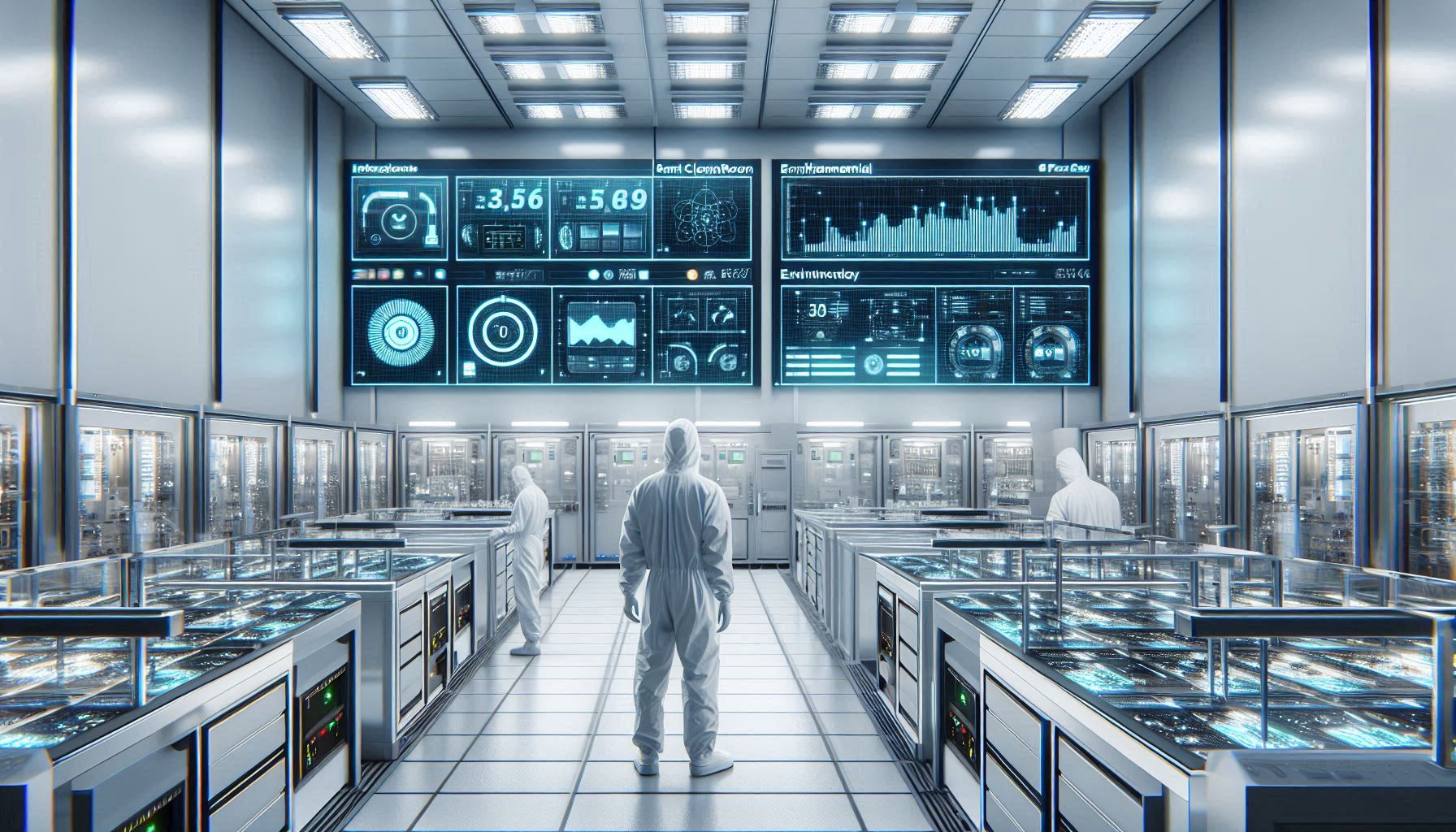
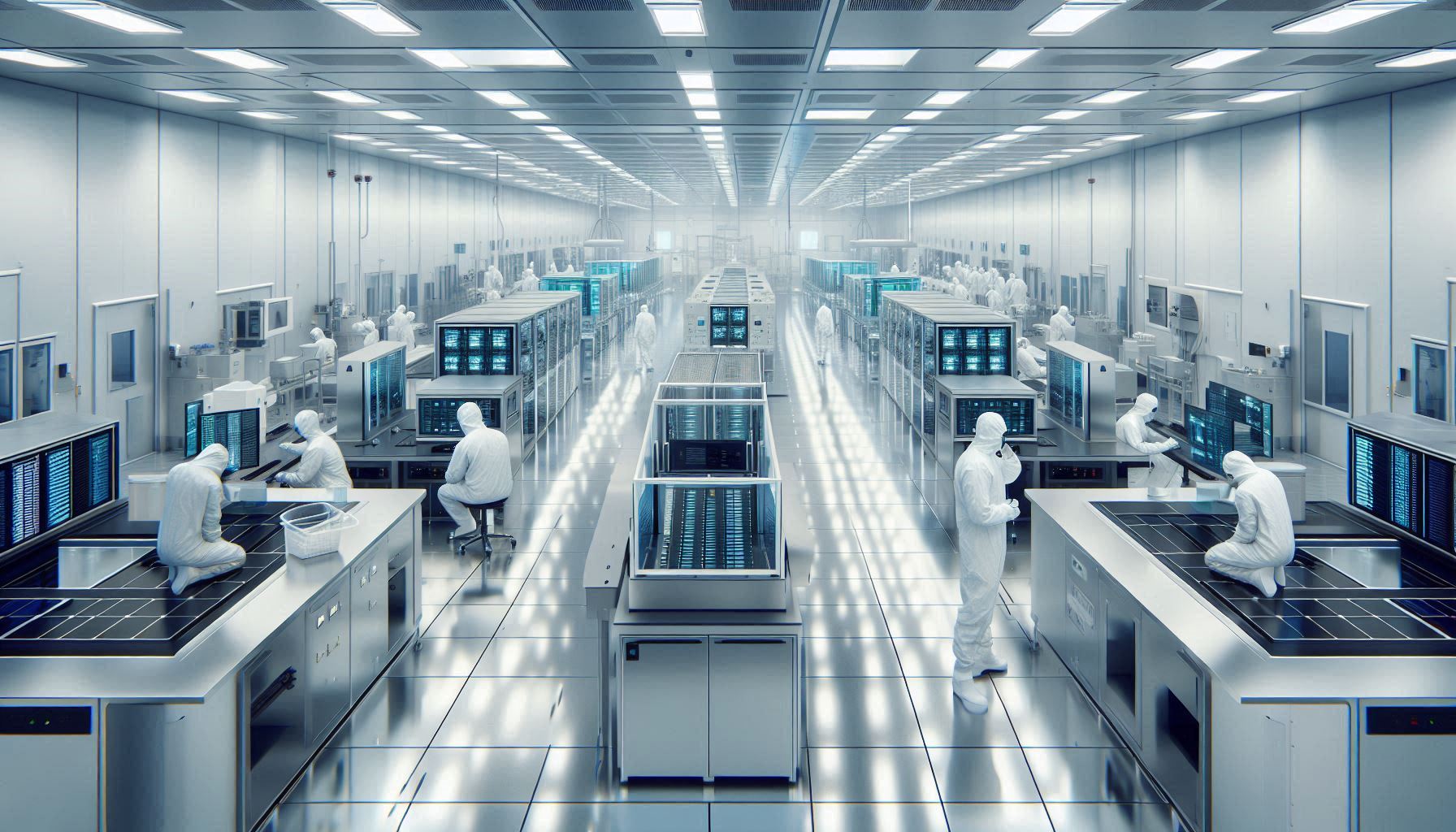
Illustration of advanced HVAC systems across industries including commercial buildings, cleanrooms, data centers, and factories. Features smart thermostat, energy-efficient cooling technologies, AI-powered monitoring, solar panels, and wind turbines.

HVAC Challenges: Breaking Down for Practical Solutions in All Scenarios

HVAC systems are the backbone of comfort and safety across homes, offices, factories, and specialized facilities. Yet, professionals face a maze of challenges—from energy inefficiency in aging systems to maintaining sterile environments in labs. This article breaks down common HVAC hurdles and offers actionable solutions tailored to residential, commercial, and industrial scenarios. Whether you’re troubleshooting airflow imbalances or retrofitting systems for sustainability, this guide equips you with strategies to tackle problems head-on.

Understanding Common HVAC Challenges Across Industries

HVAC issues vary widely depending on the setting. In homes, uneven cooling and high utility bills dominate complaints. Offices struggle with balancing air quality across open floor plans, while factories face heat management near heavy machinery. High-stakes environments like labs and hospitals demand precision humidity control and contamination prevention. For example, a hospital in Southeast Asia reduced airborne infections by 22% after upgrading to HEPA filters with UV-C light integration.

Residential HVAC: Solving Everyday Comfort Issues

Uneven Temperature Distribution
Rooms feeling like different climates? Duct leaks or improper insulation are common culprits. Sealing gaps with mastic tape and adding attic insulation can balance airflow. Smart thermostats [like these] simplify zoning, allowing customized temperatures for each room.

High Energy Bills
Older systems guzzle energy. Solutions include replacing outdated units with ENERGY STAR-rated models (up to 20% savings), scheduling seasonal maintenance to clean coils and check refrigerant levels, and installing programmable thermostats to reduce runtime during off-peak hours. A retrofit project in Texas saw homeowners cut cooling costs by 35% after switching to a variable-speed heat pump.

Commercial HVAC: Balancing Air Quality and Efficiency

Open-plan offices, retail spaces, and restaurants need systems that handle high occupancy without spiking energy use. Challenges include meeting ASHRAE Standard 62.1 for indoor air quality (IAQ), using dampers to direct airflow to crowded areas, and addressing clogged filters that reduce efficiency by 15–20%. A café chain in Europe adopted demand-controlled ventilation (DCV), which adjusts airflow based on CO2 sensors, slashing energy use by 25%.

Industrial HVAC: Managing Extreme Conditions

Factories, warehouses, and chemical plants require robust systems to handle heat, fumes, and dust. Key challenges include spot cooling for welding stations or furnaces, using electrostatic precipitators to capture fine particles, and installing backup systems to prevent downtime during failures. A textile mill in India integrated evaporative cooling pads with IoT-enabled fans, reducing ambient temperatures by 8°C while adhering to ECBC 2017 guidelines.

Specialized Environments: Labs, Hospitals, and Data Centers

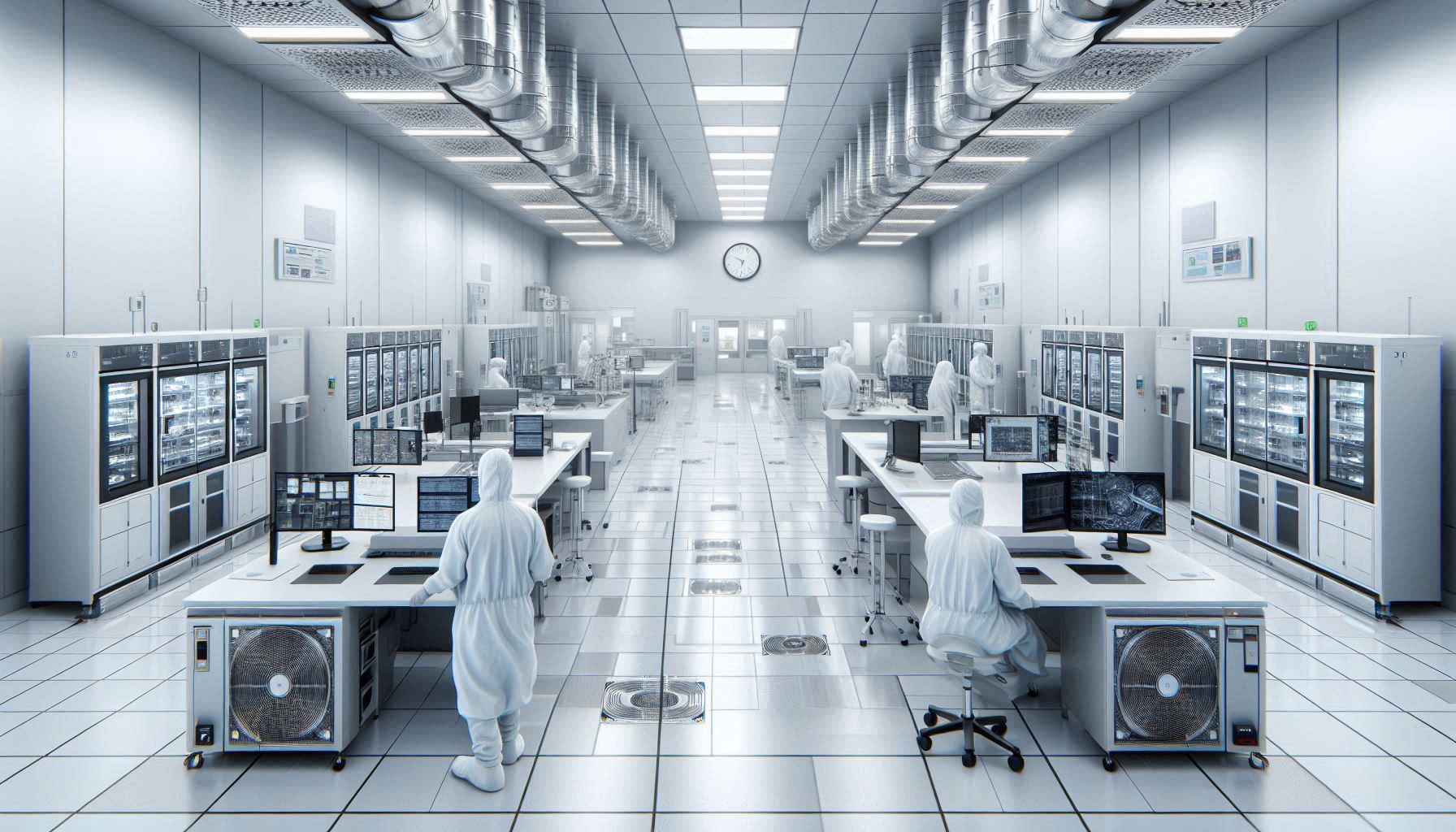
Labs and Cleanrooms
Precision is non-negotiable. ISO Class 5 cleanrooms need 40+ air changes per hour (ACH). Challenges include maintaining pressure differentials and filtering chemical vapors. A biotech startup achieved compliance by pairing laminar airflow hoods with redundant exhaust fans.

Hospitals
HVAC systems must prevent cross-contamination. Strategies include HEPA filters with 99.97% efficiency, negative-pressure isolation rooms, and UVGI systems to neutralize pathogens.

Data Centers
Cooling consumes 40% of energy. Liquid immersion cooling and hot/cold aisle containment are game-changers. A Midwest data center cut cooling costs by 50% using AI-driven chilled water pumps.

Retrofitting Older Systems for Modern Demands

Many buildings operate with outdated HVAC infrastructure. Retrofits can enhance performance without full replacements. Options include variable refrigerant flow (VRF) for buildings with shifting occupancy, energy recovery ventilators (ERVs) to recycle heat from exhaust air, and ductless mini-splits to solve zoning issues in historic homes. A 1980s office tower in Melbourne achieved LEED Gold certification after retrofitting with VRF and solar-assisted heat pumps.

Energy Efficiency and Sustainability Solutions

Smart HVAC Technologies
IoT sensors and AI algorithms optimize runtime and detect faults early. For instance, predictive maintenance tools alert technicians about failing components before breakdowns occur.

Renewable Integration
Solar-powered absorption chillers and geothermal heat pumps reduce reliance on grids. A factory in Sweden runs its HVAC entirely on wind energy, cutting carbon emissions by 90%.

Compliance with Standards
ASHRAE 90.1 and India’s ECBC mandate efficiency benchmarks. Incentives like tax credits for LEED-certified projects accelerate ROI.

Troubleshooting Frequent HVAC Problems

Common issues include short cycling (caused by oversized units), poor airflow (due to dirty filters or blocked ducts), and refrigerant leaks. Solutions include load calculations using Manual J software, regular inspections, and repairs per EPA Section 608 guidelines.

Case Studies: Real-World Problem-Solving

  • A mall in Dubai resolved humidity issues by installing desiccant dehumidifiers, improving customer comfort and reducing mold complaints.
  • A pharma plant met FDA GMP standards using ISO 7-rated filters and automated pressure controls, cutting contamination risks by 40%.

Future-Proofing HVAC Systems

Emerging trends include hydrogen-ready boilers, 3D-printed ducts to reduce waste, and grid-interactive systems that adjust usage during peak demand.

FAQs

1. How often should HVAC filters be replaced?
Every 1–3 months, depending on usage and filter type (e.g., fiberglass vs. HEPA).

2. Can smart thermostats work with older systems?
Yes, but they may require a C-wire adapter for power.

3. What’s the lifespan of a commercial HVAC unit?
15–20 years with proper maintenance.

4. How do I calculate cooling capacity for a server room?
Use ASHRAE’s heat load equations, factoring in server wattage and room size.

5. Are geothermal systems worth the upfront cost?
Yes—payback periods average 5–10 years via energy savings.

6. What’s the best way to reduce HVAC noise?
Install vibration dampers and acoustically lined ducts.

Disclaimer: Disclosure: Some links may earn us a commission at no extra cost to you.

What Are the Latest Innovations in HVAC Valve Technology?

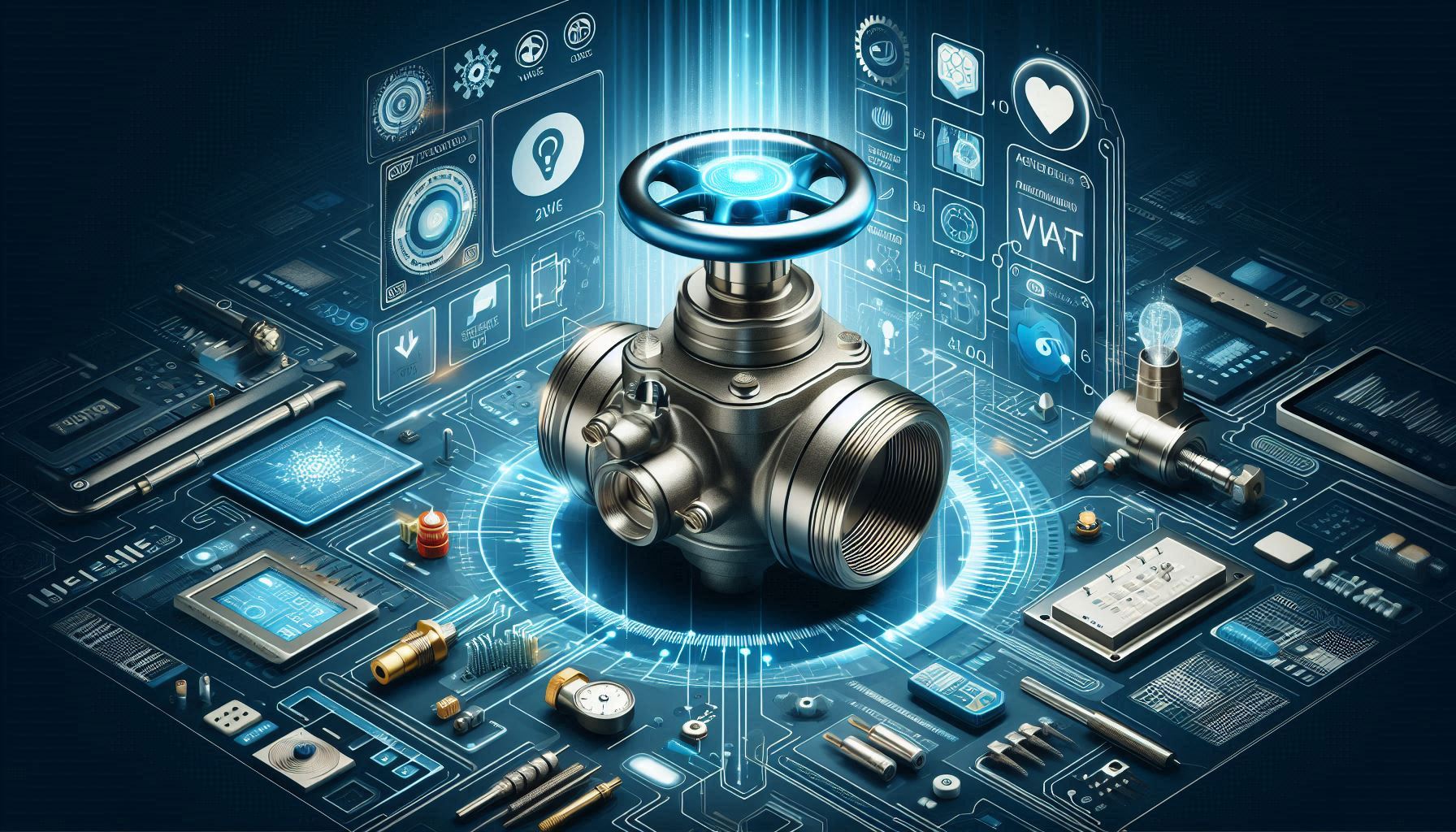
Modern HVAC valve technology innovations, showcasing smart valves, IoT integration, and energy-efficient designs.

In the ever-evolving world of HVAC (Heating, Ventilation, and Air Conditioning) technology, valves play a crucial role in ensuring optimal system performance and efficiency. As building demands grow and environmental regulations become stricter, the HVAC industry is embracing a wave of innovations aimed at enhancing valve technology. From smart valves that adapt in real-time to advanced materials that extend durability, these innovations are reshaping how HVAC systems operate.

Understanding the latest advancements in HVAC valve technology is essential for anyone looking to optimize system efficiency, reduce energy consumption, and improve overall performance. This article delves into the most recent breakthroughs in HVAC valve technology, exploring how smart systems, IoT connectivity, and new materials are transforming the industry. Whether you’re a building manager, HVAC professional, or simply curious about technological trends, this guide will provide valuable insights into how modern HVAC valves are revolutionizing the way we manage climate control.

What Are the Cutting-Edge Advances in HVAC Valve Technology?

The HVAC industry is rapidly evolving, and one of the most exciting developments is in the field of HVAC valve technology. These advancements focus on improving energy efficiency, enhancing performance, and increasing durability. Cutting-edge technologies are redefining how HVAC valves function and interact with other system components.

Recent innovations include the development of smart valves that adapt in real-time to changing conditions. These valves use advanced sensors and control systems to optimize airflow and temperature management. Additionally, new materials and manufacturing techniques are extending the lifespan of HVAC valves, reducing maintenance needs and operational costs.

Another significant advancement is the integration of advanced automation technologies. Modern HVAC valves can now operate with greater precision and flexibility, contributing to overall system efficiency. These technological strides ensure that HVAC systems are not only more reliable but also more cost-effective in the long run.

To know more about Innovations and Trends in HVAC Industry Click Here

How Do Smart HVAC Valves Enhance System Efficiency?

Smart HVAC valves represent a major leap forward in system efficiency. Unlike traditional valves, smart valves are equipped with sensors and controllers that allow them to adjust in real-time based on current system demands. This capability leads to more precise control of airflow and temperature, which translates into energy savings and enhanced comfort.

These smart devices can communicate with building management systems (BMS) to optimize overall HVAC performance. By analyzing data from various sensors, smart valves can make adjustments that improve system efficiency and reduce energy consumption. This results in lower operational costs and a smaller environmental footprint.

Moreover, smart HVAC valves can also provide valuable insights into system performance through data analytics. This information helps in identifying potential issues before they become major problems, allowing for proactive maintenance and further improving system reliability.

What Role Do IoT and Connectivity Play in Modern HVAC Valves?

The Internet of Things (IoT) and connectivity have revolutionized modern HVAC valves. IoT-enabled valves are designed to communicate with other components in the HVAC system, as well as with external networks. This connectivity allows for real-time monitoring and control, enhancing system management and performance.

IoT integration enables remote access to valve data, making it easier to track performance and make adjustments from anywhere. Building managers can receive alerts about potential issues, access performance data, and control valves remotely, leading to more efficient and effective system management.

Connectivity also supports advanced analytics, providing deeper insights into system operation. By analyzing data collected from IoT-enabled valves, building managers can identify trends, optimize performance, and implement more efficient maintenance strategies. This improved oversight contributes to better overall system efficiency and reliability.

How Are Energy-Efficient HVAC Valves Transforming Building Operations?

Energy-efficient HVAC valves are making a significant impact on building operations by reducing energy consumption and operational costs. These valves are designed to operate more efficiently, using less energy to achieve the same results as traditional valves.

Energy-efficient valves contribute to improved system performance by reducing energy waste and optimizing airflow. They help in maintaining consistent temperatures and air quality, which enhances overall comfort for building occupants.

In addition to cost savings, energy-efficient valves support sustainability goals by lowering the building’s carbon footprint. Many modern valves are designed with eco-friendly materials and technologies, further contributing to environmental conservation efforts.

What Are the Latest Developments in HVAC Valve Materials and Durability?

Recent developments in HVAC valve materials and durability are enhancing the performance and longevity of these critical components. Innovations in materials science have led to the creation of more resilient valves that can withstand harsh conditions and extend their operational life.

New coatings and treatments are being applied to HVAC valves to protect them from corrosion, wear, and other forms of damage. These advancements ensure that valves remain reliable and effective over time, reducing the need for frequent replacements and maintenance.

Additionally, improved manufacturing processes are contributing to the overall durability of HVAC valves. Precision engineering and advanced quality control measures are resulting in valves that meet higher standards of performance and reliability.

How Do Advanced Control Systems Improve HVAC Valve Performance?

Advanced control systems are playing a crucial role in enhancing HVAC valve performance. These systems use sophisticated algorithms and sensors to manage valve operations with greater accuracy and efficiency.

By continuously monitoring system conditions and making real-time adjustments, advanced control systems help optimize airflow and temperature regulation. This leads to improved system performance and energy efficiency.

Furthermore, these control systems provide valuable data for performance analysis and troubleshooting. Building managers can use this information to identify areas for improvement, implement more effective maintenance strategies, and ensure that HVAC valves operate at peak efficiency.

To know more about HVAC Valves How to Troubleshoot Common Issues Click Here

What Innovations Are Driving the Future of HVAC Valve Automation?

HVAC valve automation is advancing rapidly, driven by innovations that enhance system functionality and efficiency. Modern automation technologies are enabling HVAC valves to operate with greater precision and flexibility.

Innovations such as programmable logic controllers (PLCs) and advanced actuator systems are contributing to more sophisticated automation solutions. These technologies allow for more complex control strategies and better integration with other system components.

Automated HVAC valves are also benefiting from improvements in communication protocols and data integration. These advancements enable seamless interaction with building management systems and other automation technologies, leading to more efficient and reliable HVAC operations.

How Are Predictive Maintenance Technologies Enhancing HVAC Valve Longevity?

Predictive maintenance technologies are revolutionizing the way HVAC valve maintenance is approached. By using data analytics and monitoring tools, these technologies can predict potential issues before they lead to failures.

Predictive maintenance involves analyzing data from sensors and other monitoring devices to identify signs of wear or performance degradation. This information allows for timely interventions and repairs, reducing the risk of unexpected breakdowns and extending the lifespan of HVAC valves.

Implementing predictive maintenance strategies helps in optimizing valve performance and minimizing downtime. It also contributes to cost savings by preventing major repairs and replacements, ensuring that valves remain in good working condition for longer periods.

What Are the Benefits of Variable Flow HVAC Valves in Modern Systems?

Variable flow HVAC valves offer several benefits in modern systems by providing more precise control over airflow and temperature. These valves are designed to adjust their flow rates based on system demands, leading to improved energy efficiency and comfort.

Variable flow valves help in optimizing system performance by reducing energy consumption during periods of low demand. This flexibility allows for better temperature regulation and improved indoor air quality.

Additionally, variable flow HVAC valves contribute to system longevity by minimizing the strain on components and reducing wear. Their adaptability ensures that the HVAC system operates efficiently, even in changing conditions.

To know more about Why Indoor Air Quality Matters in Commercial Spaces Click Here

How Do New Sensor Technologies Improve HVAC Valve Accuracy?

New sensor technologies are enhancing the accuracy of HVAC valves by providing more precise measurements and control. Modern sensors are capable of detecting subtle changes in system conditions, leading to better performance and efficiency.

Advanced sensors can measure variables such as temperature, pressure, and flow rates with high precision. This data allows HVAC valves to make more accurate adjustments, improving system responsiveness and reliability.

These technologies also contribute to better monitoring and diagnostics. By providing detailed data on valve performance, new sensors help in identifying potential issues early and ensuring that valves operate within their optimal parameters.

What Impact Do Eco-Friendly HVAC Valve Designs Have on Sustainability?

Eco-friendly HVAC valve designs are making a positive impact on sustainability by reducing environmental impact and promoting energy efficiency. These designs often incorporate materials and technologies that minimize resource consumption and waste.

Eco-friendly valves are designed to operate with lower energy consumption, contributing to reduced greenhouse gas emissions and lower operational costs. They also use recyclable materials and environmentally friendly manufacturing processes.

By adopting eco-friendly valve designs, building owners and managers can support sustainability goals and improve the overall environmental performance of their HVAC systems.

To know more about How BTU Meters Enhance Energy Efficiency in HVAC Systems Click Here

How Are HVAC Valve Innovations Addressing Challenges in Indoor Air Quality?

HVAC valve innovations are playing a key role in improving indoor air quality by addressing common challenges such as temperature control, airflow management, and filtration.

Advanced valve technologies enable more precise control over air distribution, helping to maintain consistent temperatures and reduce the presence of pollutants. Enhanced filtration systems integrated into valves also contribute to cleaner, healthier indoor air.

These innovations ensure that HVAC systems can effectively manage indoor air quality, providing a more comfortable and healthy environment for building occupants.

FAQ

What Are Smart HVAC Valves?

Smart HVAC valves use sensors and controls to optimize system performance and adapt to real-time conditions automatically.

How Do IoT and Connectivity Enhance HVAC Valves?

IoT and connectivity allow HVAC valves to integrate with building management systems for improved monitoring and control.

What Benefits Do Energy-Efficient HVAC Valves Offer?

Energy-efficient HVAC valves reduce energy consumption, lower operational costs, and enhance overall system efficiency.

How Do Advanced Materials Affect HVAC Valve Durability?

Advanced materials increase HVAC valve durability, making them more resistant to wear and extending their operational lifespan.

What Is Predictive Maintenance for HVAC Valves?

Predictive maintenance uses data and analytics to anticipate valve issues before they occur, improving reliability and performance.

How Do New Sensor Technologies Improve HVAC Valves?

New sensor technologies enhance HVAC valve accuracy by providing precise data for better control and system performance.

Conclusion

The landscape of HVAC valve technology is undergoing a remarkable transformation, driven by advancements in smart technology, materials, and connectivity. These innovations are not just about keeping pace with modern demands but are actively shaping the future of HVAC systems. Smart HVAC valves enhance efficiency by adapting to real-time conditions, while IoT and connectivity integrate seamlessly into building management systems for better control and monitoring.

Energy-efficient designs and advanced materials contribute to longer-lasting, more reliable valves, reducing maintenance costs and improving overall system performance. Meanwhile, predictive maintenance technologies and new sensor capabilities are paving the way for greater accuracy and longevity. As HVAC systems continue to evolve, the focus on sustainability and addressing indoor air quality challenges remains paramount.

By staying informed about these latest innovations, stakeholders can make better decisions that lead to more efficient, sustainable, and high-performing HVAC systems. Embracing these advancements not only meets contemporary needs but also prepares for future demands, ensuring that HVAC systems remain at the forefront of technology and efficiency.

About The Author

Omprakash Ramagiri; as the Founder of HVAC Technocrats, I bring over 18 years of experience as a Mechanical Engineer specializing in HVAC (Central Air-conditioning) for commercial, cleanrooms, data centers, and Petrochemical industries. Throughout my career, I’ve held pivotal roles at companies like TATA Consulting Engineers, MW Zander (for Cleanroom solutions), Bluestar Malaysia, and ETA in Dubai. I’ve managed international HVAC projects and gained valuable exposure in dynamic markets like Dubai and Saudi Arabia. With a passion for excellence and a commitment to innovative solutions, I specialize in designing Class 10K & 100K Cleanrooms for various industries. Connect with me to explore collaborations in HVAC design, project sales, and consultancy. Click to visit the Author’s Linkedin page


Disclaimer: The pictures used are for illustrative purposes only. They may not depict actual products or situations and are meant for educational purposes. Actual products, situations, or outcomes may differ.

HVAC System: Why Sustainability is Important for Green Building

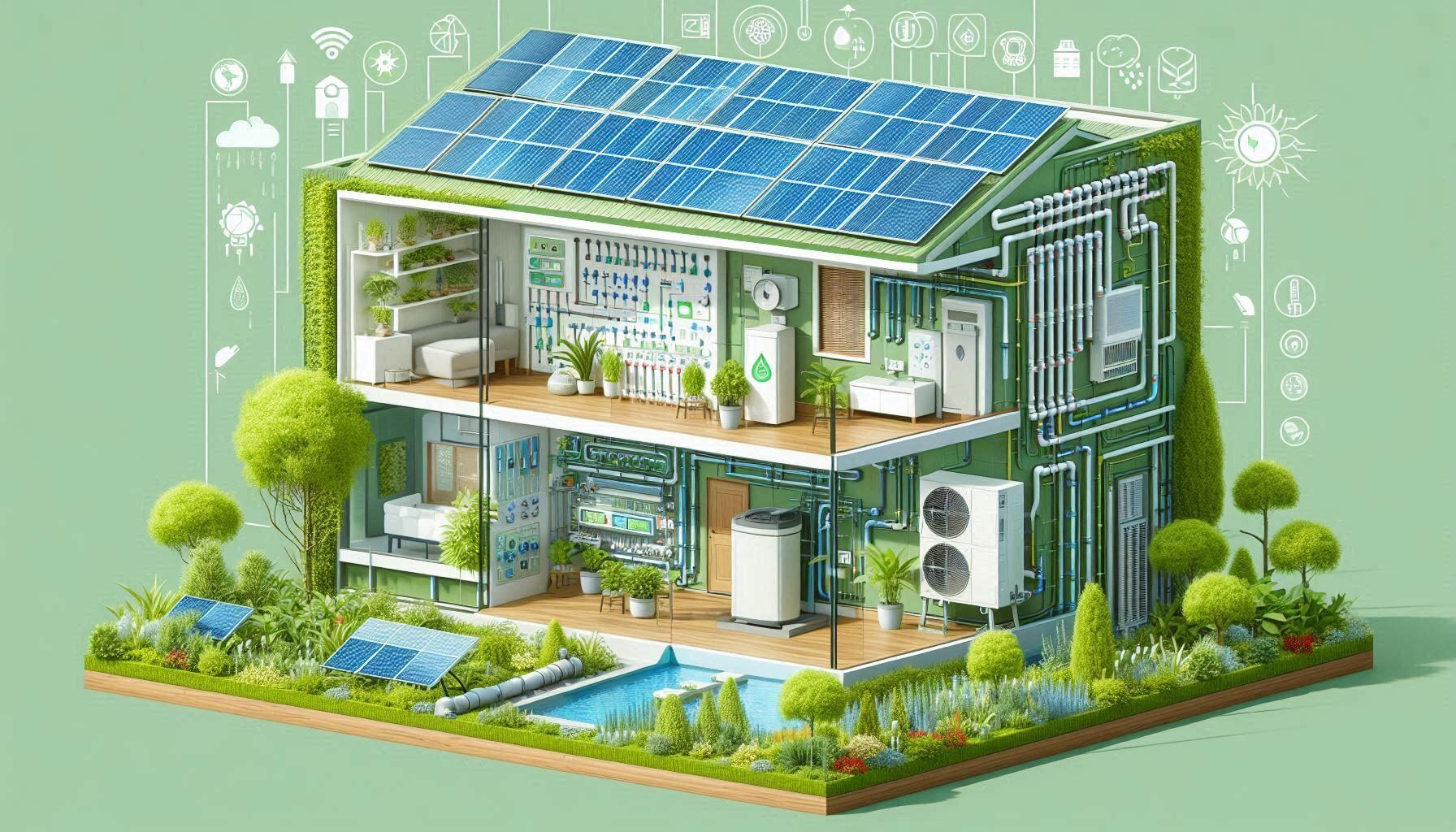
Illustration of sustainable HVAC system in a green building.

Sustainable HVAC system is revolutionizing green building design by providing energy-efficient, eco-friendly solutions that enhance indoor air quality and reduce environmental impact. These systems integrate advanced technologies and renewable energy sources, playing a crucial role in achieving sustainable and resilient buildings. Their benefits extend from reducing greenhouse gas emissions to lowering operational costs, benefiting building owners, occupants, and the broader community. In this article, we will explore the importance, benefits, and key technologies of sustainable HVAC systems, as well as their impact on green building certifications and energy efficiency.

Why Is Sustainability Important in HVAC Systems for Green Building Design?

Sustainability in HVAC systems is crucial for green building design because it reduces energy consumption, lowers greenhouse gas emissions, and promotes environmental conservation. Incorporating sustainable practices in HVAC systems ensures that buildings operate efficiently, minimizing their impact on the planet. This approach not only helps in mitigating climate change but also enhances the overall health and well-being of building occupants. By prioritizing sustainability, we contribute to a more resilient and eco-friendly built environment.

When Should Sustainable Practices Be Integrated into HVAC System Planning for Green Buildings?

Sustainable practices should be integrated into HVAC system planning from the very beginning of the design phase. Early integration allows for the consideration of energy-efficient technologies, renewable energy sources, and innovative design strategies that optimize system performance. By incorporating sustainability from the outset, designers can ensure that the HVAC systems are tailored to the specific needs of the building, leading to better energy management and reduced operational costs over the building’s lifespan.

Where Can Sustainable HVAC Systems Make the Most Impact in Green Buildings?

Sustainable HVAC systems can make the most impact in areas with high energy demand, such as commercial buildings, schools, and hospitals. These buildings often require extensive heating, cooling, and ventilation, making them prime candidates for energy-efficient and eco-friendly HVAC solutions. By implementing sustainable HVAC systems in these environments, we can achieve significant reductions in energy use and operational costs while improving indoor air quality and occupant comfort.

Who Benefits from Implementing Sustainable HVAC Systems in Green Buildings?

Implementing sustainable HVAC systems in green buildings benefits a wide range of stakeholders. Building owners and operators experience lower energy bills and reduced maintenance costs. Occupants enjoy enhanced indoor air quality, thermal comfort, and a healthier living or working environment. Additionally, the broader community benefits from reduced greenhouse gas emissions and the promotion of environmental stewardship. Ultimately, sustainable HVAC systems contribute to the well-being of both people and the planet.

What Are the Key Sustainable Technologies in Modern HVAC Systems for Green Buildings?

Modern HVAC systems for green buildings incorporate several key sustainable technologies, including variable refrigerant flow (VRF) systems, geothermal heat pumps, and energy recovery ventilators (ERVs). These technologies enhance energy efficiency by optimizing the use of heating and cooling resources. Additionally, smart thermostats and building automation systems (BAS) enable precise control of HVAC operations, further reducing energy consumption. Renewable energy integration, such as solar-powered HVAC systems, also plays a crucial role in achieving sustainability in green buildings.

How Do Sustainable HVAC Systems Contribute to Green Building Certifications?

Sustainable HVAC systems play a vital role in achieving green building certifications such as LEED (Leadership in Energy and Environmental Design) and BREEAM (Building Research Establishment Environmental Assessment Method). These certifications evaluate buildings based on their environmental performance and sustainability. Energy-efficient HVAC systems contribute significantly to the energy performance criteria, helping buildings score higher in certification assessments. Additionally, sustainable HVAC systems often incorporate eco-friendly materials and technologies, further enhancing a building’s overall sustainability profile.

Why Should Energy Efficiency Be a Priority in HVAC Systems for Green Buildings?

Energy efficiency should be a priority in HVAC systems for green buildings because it directly impacts operational costs, environmental footprint, and occupant comfort. Efficient HVAC systems use less energy to achieve the desired indoor conditions, resulting in lower utility bills and reduced greenhouse gas emissions. Moreover, energy-efficient systems tend to have longer lifespans and require less maintenance, providing long-term cost savings. Prioritizing energy efficiency in HVAC design and operation is a fundamental step towards achieving sustainable and resilient green buildings.

When Is It Best to Upgrade to Sustainable HVAC Systems in Existing Green Buildings?

Upgrading to sustainable HVAC systems in existing green buildings is best done during major renovations or when the existing HVAC systems are nearing the end of their lifespan. This timing allows for a comprehensive assessment of the building’s needs and the integration of modern, energy-efficient technologies. Additionally, building owners can take advantage of available incentives and rebates for sustainable upgrades. By upgrading at these opportune moments, building owners can improve energy efficiency, reduce operational costs, and enhance indoor air quality without disrupting daily operations.

Where Are the Most Cost-Effective Areas for Implementing Sustainable HVAC Solutions in Green Buildings?

The most cost-effective areas for implementing sustainable HVAC solutions in green buildings include the installation of high-efficiency heat pumps, energy recovery ventilators (ERVs), and smart thermostats. Retrofitting insulation and improving the building envelope can also enhance HVAC efficiency by reducing the load on heating and cooling systems. Additionally, incorporating renewable energy sources, such as solar panels, can provide sustainable power for HVAC operations, leading to significant long-term savings. Focusing on these areas allows building owners to achieve substantial energy and cost savings while promoting sustainability.

Who Are the Leading Innovators in Sustainable HVAC Systems for Green Buildings?

Leading innovators in sustainable HVAC systems for green buildings include companies such as Carrier, Trane, and Daikin. These companies are at the forefront of developing advanced, energy-efficient HVAC technologies that reduce environmental impact. Additionally, organizations like the U.S. Green Building Council (USGBC) and the American Society of Heating, Refrigerating and Air-Conditioning Engineers (ASHRAE) play a crucial role in promoting sustainable HVAC practices through research, standards development, and advocacy. These innovators continuously push the boundaries of what is possible in sustainable HVAC design and operation.

What Are the Benefits of Sustainable HVAC Systems for Occupants of Green Buildings?

Occupants of green buildings benefit from sustainable HVAC systems in several ways. Improved indoor air quality reduces the risk of respiratory issues and enhances overall health and well-being. Energy-efficient systems provide consistent thermal comfort, ensuring a pleasant living or working environment. Additionally, sustainable HVAC systems often operate more quietly than traditional systems, reducing noise pollution. These benefits contribute to a higher quality of life for building occupants, making green buildings an attractive option for both residential and commercial purposes.

How Can Green Building Projects Maximize Efficiency with Sustainable HVAC Systems?

Green building projects can maximize efficiency with sustainable HVAC systems by implementing integrated design strategies that consider the building’s orientation, insulation, and natural ventilation. Utilizing advanced technologies such as variable refrigerant flow (VRF) systems, energy recovery ventilators (ERVs), and smart controls can further enhance efficiency. Regular maintenance and performance monitoring are also essential to ensure that HVAC systems operate at peak efficiency. By adopting these practices, green building projects can achieve significant energy savings and reduce their environmental impact.

Why Is the Use of Renewable Energy in HVAC Systems Crucial for Green Buildings?

The use of renewable energy in HVAC systems is crucial for green buildings because it significantly reduces reliance on fossil fuels and lowers greenhouse gas emissions. Renewable energy sources such as solar, wind, and geothermal provide clean, sustainable power for heating, cooling, and ventilation. Incorporating renewable energy into HVAC systems not only enhances energy efficiency but also contributes to the overall sustainability goals of green buildings. This approach aligns with global efforts to combat climate change and promote a more sustainable future.

When to Consider Retrofitting HVAC Systems for Enhanced Sustainability in Green Buildings?

Retrofitting HVAC systems for enhanced sustainability in green buildings should be considered when the existing systems are outdated, inefficient, or require frequent repairs. Additionally, if energy costs are rising or if there are opportunities to take advantage of financial incentives for sustainable upgrades, it may be the right time to retrofit. Retrofitting provides an opportunity to incorporate modern, energy-efficient technologies that improve performance and reduce environmental impact. By carefully planning and timing these upgrades, building owners can achieve significant energy savings and enhance the sustainability of their properties.

Where to Find Resources and Guidelines for Sustainable HVAC System Design in Green Buildings?

Resources and guidelines for sustainable HVAC system design in green buildings can be found through organizations such as the U.S. Green Building Council (USGBC), the American Society of Heating, Refrigerating and Air-Conditioning Engineers (ASHRAE), and the International WELL Building Institute (IWBI). These organizations provide comprehensive resources, including standards, best practices, and case studies, to guide the design and implementation of sustainable HVAC systems. Additionally, industry publications, webinars, and professional development courses offer valuable insights and up-to-date information on sustainable HVAC technologies and practices.

Who Should Be Involved in the Design and Implementation of Sustainable HVAC Systems for Green Buildings?

The design and implementation of sustainable HVAC systems for green buildings should involve a multidisciplinary team, including architects, HVAC engineers, sustainability consultants, and building owners. Collaboration between these stakeholders ensures that all aspects of sustainability are considered and that the HVAC system is optimized for energy efficiency, performance, and occupant comfort. Additionally, involving contractors and facility managers early in the process can help identify practical solutions and streamline the implementation of sustainable HVAC systems. This collaborative approach is essential for achieving the best outcomes in green building projects.

What Are the Challenges in Integrating Sustainable HVAC Systems into Green Buildings?

Integrating sustainable HVAC systems into green buildings can present several challenges. These include higher initial costs, the need for specialized knowledge and skills, and potential compatibility issues with existing building infrastructure. Additionally, navigating regulatory requirements and obtaining necessary certifications can be complex and time-consuming. However, these challenges can be mitigated through careful planning, stakeholder collaboration, and leveraging available resources and incentives. Overcoming these challenges is crucial to realizing the full benefits of sustainable HVAC systems and advancing the goals of green building design.

How Do Sustainable HVAC Systems Improve Indoor Air Quality in Green Buildings ?

Sustainable HVAC systems improve indoor air quality in green buildings by using advanced filtration, ventilation, and humidity control technologies. These systems remove pollutants, allergens, and excess moisture from indoor air, creating a healthier environment for occupants. Energy recovery wheels (ERWs) and demand-controlled ventilation (DCV) systems optimize fresh air intake, ensuring that indoor air is continuously refreshed without compromising energy efficiency. By maintaining optimal indoor air quality, sustainable HVAC systems contribute to the health and well-being of building occupants and enhance overall comfort.

Why Is Lifecycle Analysis Important for Sustainable HVAC Systems in Green Buildings?

Lifecycle analysis is important for sustainable HVAC systems in green buildings because it evaluates the environmental impact of the system over its entire lifespan. This analysis considers factors such as energy consumption, maintenance requirements, and disposal impacts. By conducting a lifecycle analysis, designers and building owners can make informed decisions about the most sustainable and cost-effective HVAC solutions. This approach ensures that the chosen systems deliver long-term benefits in terms of energy efficiency, environmental conservation, and operational savings, aligning with the overall goals of green building design.

When to Incorporate Smart Technology in Sustainable HVAC Systems for Green Buildings?

Incorporating smart technology in sustainable HVAC systems for green buildings is best done during the initial design phase or when upgrading existing systems. Smart technologies, such as programmable thermostats, advanced sensors, and building automation systems (BAS), provide precise control over HVAC operations, enhancing energy efficiency and performance. By integrating smart technology early in the design process, building owners can optimize system configuration and ensure seamless operation. Additionally, incorporating smart technology during upgrades allows for the modernization of existing systems, improving their sustainability and efficiency.

FAQ

What is sustainable HVAC?

Sustainable HVAC refers to heating, ventilation, and air conditioning systems designed to minimize energy consumption, reduce environmental impact, and enhance indoor air quality. These systems use energy-efficient technologies, renewable energy sources, and eco-friendly materials to achieve sustainability goals. Sustainable HVAC systems are integral to green building design and contribute to the overall efficiency and resilience of buildings.

What is the most eco-friendly HVAC system?

The most eco-friendly HVAC system is typically a geothermal heat pump. Geothermal systems use the stable temperature of the earth to provide heating and cooling, making them highly efficient and environmentally friendly. They have a lower carbon footprint compared to traditional HVAC systems and can significantly reduce energy consumption and greenhouse gas emissions.

What is considered a green HVAC technology?

Green HVAC technology includes systems and components that enhance energy efficiency, reduce environmental impact, and improve indoor air quality. Examples include variable refrigerant flow (VRF) systems, energy recovery ventilators (ERVs), geothermal heat pumps, and smart thermostats. These technologies help achieve sustainability goals by optimizing HVAC performance and minimizing energy use.

What is HVAC system in green building?

An HVAC system in a green building is designed to provide heating, cooling, and ventilation in an energy-efficient and environmentally friendly manner. These systems incorporate sustainable technologies and practices to reduce energy consumption, lower greenhouse gas emissions, and improve indoor air quality. Green building HVAC systems contribute to the overall sustainability and resilience of the built environment.

Sustainable HVAC systems in commercial buildings

Sustainable HVAC systems in commercial buildings utilize advanced technologies to optimize energy use and enhance indoor air quality. These systems often include high-efficiency heat pumps, energy recovery ventilators (ERVs), and building automation systems (BAS) for precise control. By implementing sustainable HVAC solutions, commercial buildings can achieve significant energy savings, reduce operational costs, and create healthier indoor environments for occupants.

Sustainable HVAC systems examples

Examples of sustainable HVAC systems include geothermal heat pumps, variable refrigerant flow (VRF) systems, energy recovery ventilators (ERVs), and solar-powered HVAC systems. These systems use innovative technologies and renewable energy sources to enhance energy efficiency and reduce environmental impact. Sustainable HVAC systems are integral to green building design and contribute to overall building performance and occupant comfort.

Sustainable HVAC systems companies

Leading companies in sustainable HVAC systems include Carrier, Trane, and Daikin. These companies develop advanced, energy-efficient HVAC technologies that reduce environmental impact and enhance system performance. Additionally, organizations like the U.S. Green Building Council USGBC and the American Society of Heating, Refrigerating and Air-Conditioning Engineers (ASHRAE) promote sustainable HVAC practices through research, standards development, and advocacy.

Green HVAC systems

Green HVAC systems are designed to minimize energy consumption, reduce greenhouse gas emissions, and improve indoor air quality. These systems use energy-efficient technologies, renewable energy sources, and eco-friendly materials to achieve sustainability goals. Green HVAC systems are integral to green building design and contribute to the overall efficiency and resilience of buildings.

Best sustainable HVAC systems

The best sustainable HVAC systems include geothermal heat pumps, variable refrigerant flow (VRF) systems, and energy recovery ventilators (ERVs). These systems are highly efficient, environmentally friendly, and enhance indoor air quality. Sustainable HVAC systems provide long-term benefits in terms of energy savings, reduced environmental impact, and improved occupant comfort.

Sustainable cooling systems in buildings

Sustainable cooling systems in buildings include high-efficiency air conditioning units, evaporative coolers, and chilled beam systems. These systems use advanced technologies to optimize cooling performance and reduce energy consumption. By implementing sustainable cooling solutions, buildings can achieve significant energy savings, lower operational costs, and create comfortable indoor environments for occupants.

Green HVAC companies

Leading green HVAC companies include Carrier, Trane, and Daikin. These companies develop advanced, energy-efficient HVAC technologies that reduce environmental impact and enhance system performance. Additionally, organizations like the USGBC and the ASHRAE promote sustainable HVAC practices through research, standards development, and advocacy.

Geothermal heating systems

Geothermal heating systems use the stable temperature of the earth to provide heating and cooling. These systems are highly efficient, environmentally friendly, and have a lower carbon footprint compared to traditional HVAC systems. Geothermal heating systems can significantly reduce energy consumption and greenhouse gas emissions, making them an excellent choice for sustainable building design.

Conclusion

Sustainable HVAC systems are essential for green building design, offering numerous benefits in terms of energy efficiency, environmental impact, and occupant comfort. By integrating sustainable practices and advanced technologies, we can create buildings that are not only efficient and cost-effective but also contribute to a healthier and more sustainable future. From geothermal heat pumps to energy recovery ventilators, the array of sustainable HVAC solutions available today provides ample opportunities for innovation and improvement in the built environment. As we continue to prioritize sustainability in building design, the role of sustainable HVAC systems will only become more critical in achieving our environmental and energy goals.

About The Author

Omprakash Ramagiri; as the Founder of HVAC Technocrats, I bring over 18 years of experience as a Mechanical Engineer specializing in HVAC (Central Air-conditioning) for commercial, cleanrooms, data centers, and Petrochemical industries. Throughout my career, I’ve held pivotal roles at companies like TATA Consulting Engineers, MW Zander (for Cleanroom solutions), Bluestar Malaysia, and ETA in Dubai. I’ve managed international HVAC projects and gained valuable exposure in dynamic markets like Dubai and Saudi Arabia. With a passion for excellence and a commitment to innovative solutions, I specialize in designing Class 10K & 100K Cleanrooms for various industries. Connect with me to explore collaborations in HVAC design, project sales, and consultancy. Click to visit the Author’s Linkedin page


Disclaimer: The pictures used are for illustrative purposes only. They may not depict actual products or situations and are meant for educational purposes. Actual products, situations, or outcomes may differ.

How to Choose the Right Geothermal HVAC System

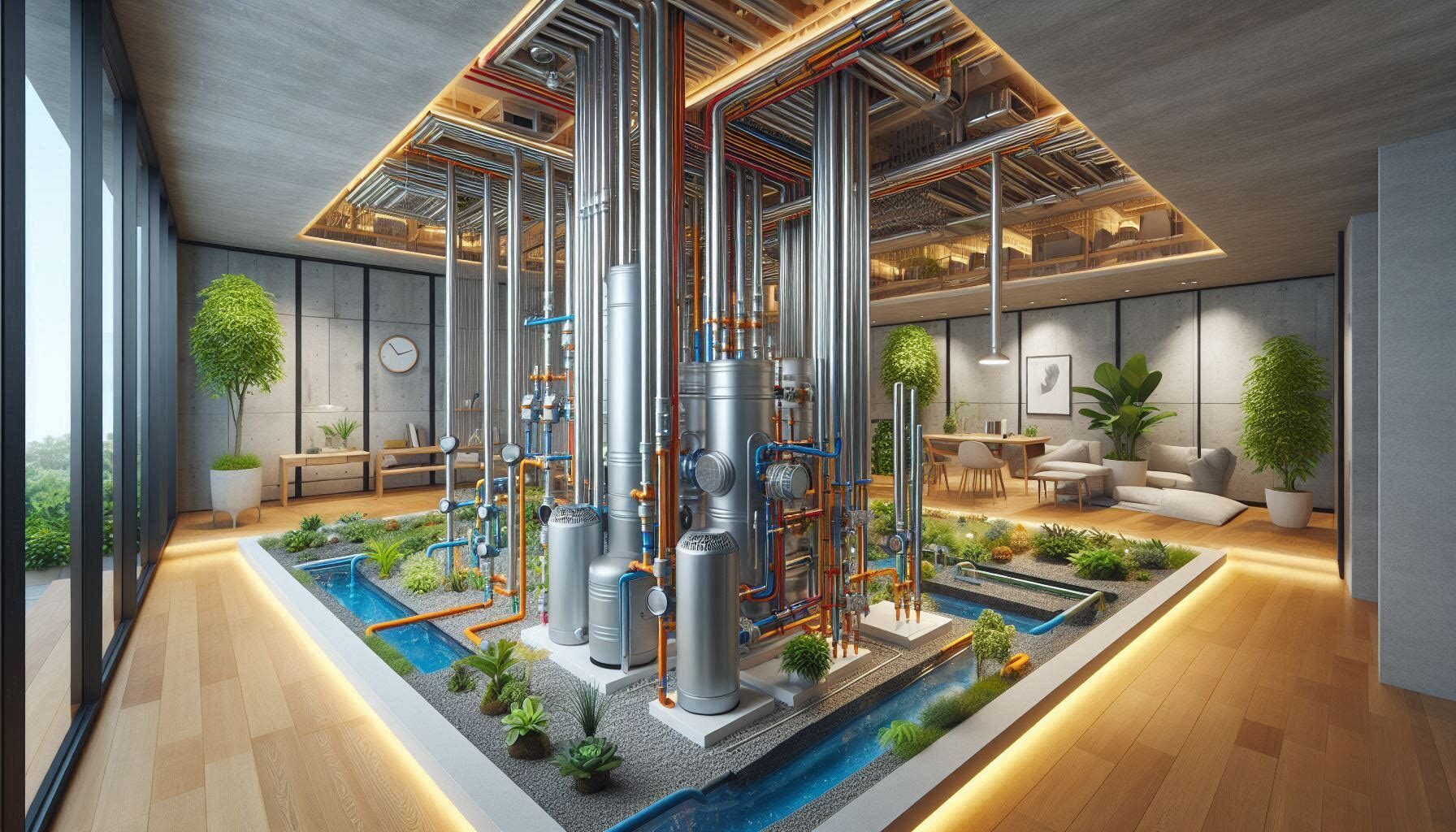
Illustration of Geothermal HVAC System

Geothermal HVAC systems significantly reduce energy bills by harnessing the stable temperatures found underground. Unlike traditional systems that rely on fluctuating outdoor air temperatures, geothermal systems use the constant temperature of the earth as a heat source in the winter and a heat sink in the summer. This efficient transfer of heat reduces the need for electricity, leading to lower utility costs. Furthermore, geothermal systems have fewer mechanical components, resulting in less wear and tear and lower maintenance costs. The high efficiency of these systems translates to reduced energy consumption, contributing to overall energy efficiency. As energy prices continue to rise, the long-term savings from geothermal HVAC systems become even more significant, making them an attractive option for both residential and commercial applications.

How do geothermal HVAC systems reduce energy bills and contribute to energy efficiency?

Geothermal HVAC systems significantly reduce energy bills by harnessing the stable temperatures found underground. Unlike traditional systems that rely on fluctuating outdoor air temperatures, geothermal systems use the constant temperature of the earth as a heat source in the winter and a heat sink in the summer. This efficient transfer of heat reduces the need for electricity, leading to lower utility costs. Furthermore, geothermal systems have fewer mechanical components, resulting in less wear and tear and lower maintenance costs. The high efficiency of these systems translates to reduced energy consumption, contributing to overall energy efficiency. As energy prices continue to rise, the long-term savings from geothermal HVAC systems become even more significant, making them an attractive option for both residential and commercial applications.

What is the role of geothermal HVAC systems in reducing a building’s carbon footprint?

Geothermal HVAC systems play a crucial role in reducing a building’s carbon footprint by utilizing renewable energy from the earth. Unlike conventional heating and cooling systems that burn fossil fuels, geothermal systems rely on the earth’s natural heat, which is a sustainable and clean energy source. This drastically reduces greenhouse gas emissions associated with heating and cooling a building. Additionally, the energy efficiency of geothermal systems means less electricity is needed to achieve the same level of comfort, further reducing the reliance on fossil fuel-based power plants. By lowering the demand for fossil fuels and decreasing emissions, geothermal HVAC systems contribute to a more sustainable and environmentally friendly building operation. This makes them an ideal choice for those looking to minimize their environmental impact.

When should builders consider integrating geothermal HVAC systems in new construction projects?

Builders should consider integrating geothermal HVAC systems in new construction projects from the initial planning stages. Early integration allows for the design and layout to accommodate the specific requirements of geothermal systems, such as the placement of ground loops. Additionally, incorporating geothermal systems early in the design process can help optimize the overall energy efficiency of the building, as the system can be tailored to the building’s specific heating and cooling loads. The upfront costs of geothermal systems can be offset by the long-term savings on energy bills and potential tax incentives or rebates available for green building practices. Therefore, for projects aiming to achieve high energy efficiency and sustainability standards, geothermal HVAC systems are a valuable consideration from the outset.

Where are geothermal HVAC systems most beneficial, in residential or commercial buildings?

Geothermal HVAC systems offer significant benefits for both residential and commercial buildings, but their advantages can be more pronounced in certain contexts. In residential settings, homeowners can experience substantial reductions in energy bills and maintenance costs. The consistent and efficient heating and cooling provided by geothermal systems enhance comfort while reducing reliance on fossil fuels. In commercial buildings, the larger scale of heating and cooling needs can amplify the energy savings and environmental benefits of geothermal systems. Commercial properties often have more space available for installing ground loops, making it easier to implement these systems effectively. Additionally, businesses can benefit from improved indoor air quality and a greener corporate image by adopting geothermal HVAC systems. Therefore, while both residential and commercial buildings can benefit, the scale and environmental impact may be more significant in commercial applications.

Who decides on incorporating geothermal HVAC systems into building designs, and what factors influence this decision?

The decision to incorporate geothermal HVAC systems into building designs typically involves architects, engineers, building owners, and sometimes environmental consultants. These stakeholders evaluate various factors, including the project’s budget, energy efficiency goals, and environmental impact. The location of the building site is crucial, as the feasibility of installing geothermal systems depends on the geological conditions and available space for ground loops. Additionally, long-term cost savings, potential incentives or rebates, and the desire to achieve green building certifications can influence the decision. Architects and engineers assess the technical aspects and design integration, while building owners consider the financial and environmental benefits. Collaboration among these parties ensures that the decision to implement geothermal HVAC systems aligns with the overall goals of the project.

Why are geothermal HVAC systems considered the ultimate sustainable heating and cooling solutions?

Geothermal HVAC systems are considered the ultimate sustainable heating and cooling solutions due to their unparalleled energy efficiency and minimal environmental impact. These systems utilize the stable temperatures of the earth to provide consistent heating and cooling, drastically reducing the need for fossil fuels and lowering greenhouse gas emissions. The renewable energy source used by geothermal systems ensures a sustainable and reliable solution for temperature control. Additionally, geothermal systems have a longer lifespan compared to traditional HVAC systems, further enhancing their sustainability. Their ability to significantly reduce energy consumption and environmental footprint makes them an ideal choice for those committed to sustainable building practices. The comprehensive benefits of geothermal HVAC systems make them a leading option for achieving energy efficiency and environmental stewardship.

How do geothermal HVAC systems contribute to long-term cost savings?

Geothermal HVAC systems contribute to long-term cost savings through their high energy efficiency and low maintenance requirements. By utilizing the earth’s stable temperatures, these systems operate more efficiently than traditional HVAC systems, resulting in lower energy consumption and reduced utility bills. The initial installation costs of geothermal systems can be higher, but the significant savings on energy bills typically offset these costs within a few years. Additionally, geothermal systems have fewer moving parts, leading to lower maintenance costs and longer system lifespan. Over time, the reduced operational and maintenance expenses contribute to substantial long-term cost savings. For property owners, the investment in geothermal HVAC systems can yield financial benefits through decreased energy expenses and increased property value.

What are the different types of geothermal HVAC systems, and what are their specific advantages?

There are several types of geothermal HVAC systems, each with its own advantages. The most common types include closed-loop and open-loop systems. Closed-loop systems, which can be further divided into horizontal, vertical, and pond/lake systems, use a continuous loop of piping filled with a heat transfer fluid. Horizontal systems are ideal for properties with ample land, while vertical systems are suitable for smaller plots or where ground conditions require deeper drilling. Pond/lake systems are efficient for properties with access to a water body. Open-loop systems, on the other hand, use groundwater from a well or surface water source, returning it to the ground after heat exchange. Each type offers specific benefits based on site conditions and project requirements, providing versatile solutions for various applications.

When is a closed-loop geothermal HVAC system preferable over an open-loop system, and why?

A closed-loop geothermal HVAC system is preferable over an open-loop system when groundwater availability is limited or the quality of groundwater is not suitable for direct use. Closed-loop systems do not rely on a continuous supply of water and are therefore more reliable in areas where water resources are scarce or regulated. Additionally, closed-loop systems are generally easier to maintain since the heat transfer fluid remains in a closed system, reducing the risk of contamination and mineral buildup that can occur in open-loop systems. Closed-loop systems are also more versatile in terms of installation, as they can be adapted to various site conditions, including horizontal or vertical configurations. This flexibility makes closed-loop systems a preferred choice for many installations, ensuring consistent performance and reliability.

Where are horizontal and vertical geothermal heat pump systems most effective?

Horizontal geothermal heat pump systems are most effective in areas with ample land space where excavation is feasible. These systems involve laying pipes horizontally in trenches, typically at a depth of four to six feet. They are ideal for residential properties with large yards or commercial sites with available open land. Vertical geothermal heat pump systems, on the other hand, are most effective in areas where land space is limited or where the soil conditions are unsuitable for horizontal trenching. These systems require drilling deep vertical boreholes, making them suitable for urban environments, small properties, or areas with rocky or compact soil. The choice between horizontal and vertical systems depends on land availability, soil conditions, and the specific heating and cooling needs of the building.

Who benefits the most from using hybrid geothermal HVAC systems in their buildings?

Hybrid geothermal HVAC systems offer the greatest benefits to buildings with diverse and variable heating and cooling loads. These systems combine geothermal technology with traditional HVAC equipment, optimizing energy efficiency by leveraging the strengths of both systems. Large commercial buildings, such as office complexes, hospitals, and schools, can benefit significantly from hybrid systems due to their varying occupancy and usage patterns. Hybrid systems can provide base load heating and cooling through geothermal means, while supplementary equipment can handle peak loads or extreme weather conditions. This approach maximizes energy savings and ensures consistent comfort levels throughout the year. Additionally, hybrid systems can reduce the size and cost of the geothermal installation, making them an attractive option for projects with budget constraints.

Why are direct exchange geothermal systems gaining popularity in the HVAC industry?

Direct exchange (DX) geothermal systems are gaining popularity in the HVAC industry due to their simplicity, efficiency, and cost-effectiveness. Unlike traditional geothermal systems that use a heat transfer fluid, DX systems circulate refrigerant directly through copper tubing buried in the ground. This direct heat exchange minimizes energy losses and increases system efficiency, resulting in lower operating costs and reduced environmental impact. DX systems are also easier to install and maintain compared to closed-loop systems, as they require fewer components and eliminate the need for a secondary heat exchanger. The compact design of DX systems makes them suitable for residential and light commercial applications where space and installation ease are priorities. As energy efficiency standards continue to evolve, DX geothermal systems offer a streamlined solution for achieving sustainable HVAC performance.

How do geothermal HVAC systems contribute to indoor air quality improvement?

Geothermal HVAC systems contribute to indoor air quality improvement by reducing the circulation of indoor pollutants and allergens. Unlike traditional HVAC systems that draw air from the outside, geothermal systems exchange heat with the ground, where the air is naturally cleaner and free of contaminants. This process eliminates the introduction of outdoor pollutants into the building’s ventilation system, leading to cleaner indoor air. Additionally, geothermal systems typically include air filtration and purification components as part of their design, further enhancing indoor air quality. By maintaining consistent humidity levels and reducing airborne particles, geothermal HVAC systems create a healthier indoor environment for occupants. Improved indoor air quality can benefit individuals with respiratory conditions or allergies, as well as contribute to overall comfort and well-being in residential and commercial settings.

Who can benefit from integrating geothermal HVAC systems in industrial facilities?

Industrial facilities can benefit greatly from integrating geothermal HVAC systems due to their high energy demands and need for reliable temperature control. Geothermal systems provide efficient and consistent heating and cooling, reducing energy consumption and operational costs. Industries that require precise temperature regulation, such as manufacturing, pharmaceuticals, and food processing, can benefit from the stable and efficient performance of geothermal systems. Additionally, the reduced environmental impact and lower greenhouse gas emissions associated with geothermal systems align with corporate sustainability goals. By adopting geothermal HVAC systems, industrial facilities can achieve significant energy savings, enhance operational efficiency, and contribute to environmental stewardship. The long-term cost benefits and environmental advantages make geothermal systems a valuable investment for industrial applications.

Why are geothermal HVAC systems preferred for maintaining consistent indoor temperatures throughout the year?

Geothermal HVAC systems are preferred for maintaining consistent indoor temperatures throughout the year due to their ability to leverage the stable temperatures of the earth. Unlike traditional systems that rely on fluctuating outdoor air temperatures, geothermal systems use the constant underground temperature to provide heating and cooling. This ensures a more stable and reliable indoor climate, regardless of seasonal variations. Geothermal systems can efficiently switch between heating and cooling modes, providing seamless comfort all year round. Additionally, the even distribution of heat and cooling through geothermal systems enhances overall comfort levels within the building. The ability to maintain consistent indoor temperatures with high efficiency and reliability makes geothermal HVAC systems a preferred choice for many property owners.

How do geothermal HVAC systems contribute to enhancing indoor air quality?

Geothermal HVAC systems contribute to enhancing indoor air quality by eliminating the need for combustion-based heating methods that can release pollutants into the indoor environment. Traditional heating systems, such as furnaces and boilers, can emit carbon monoxide, nitrogen oxides, and other harmful substances that degrade indoor air quality. Geothermal systems, on the other hand, use the earth’s natural heat, providing a clean and safe source of heating and cooling. Additionally, geothermal systems often include air purification and humidity control features, further improving indoor air quality. The consistent and efficient operation of geothermal systems ensures a healthier indoor environment, reducing the risk of respiratory issues and allergies. By providing clean and efficient heating and cooling, geothermal HVAC systems enhance overall indoor air quality.

What key specifications should be considered when designing a geothermal HVAC system?

When designing a geothermal HVAC system, several key specifications should be considered to ensure optimal performance and efficiency. These include the size and layout of the ground loop, the type of system (closed-loop or open-loop), and the capacity of the heat pump. The ground loop design must be tailored to the specific site conditions, including soil type, moisture content, and available space. The heat pump capacity should be appropriately matched to the building’s heating and cooling loads to ensure efficient operation. Additionally, the design should consider the integration of auxiliary systems, such as radiant floor heating or domestic hot water. Proper insulation and sealing of ductwork and piping are also crucial to minimize energy losses. By carefully considering these specifications, designers can create a geothermal HVAC system that delivers maximum efficiency and performance.

When should geothermal HVAC system specifications be customized for unique project needs?

Geothermal HVAC system specifications should be customized for unique project needs when the standard designs do not meet the specific requirements of the site or the building. Customization is necessary for projects with unique geological conditions, such as rocky or unstable soil, which may require specialized ground loop configurations. Additionally, buildings with unusual heating and cooling loads, such as those with large glass facades or high occupancy rates, may need tailored system capacities and designs. Custom specifications are also essential for integrating geothermal systems with other renewable energy sources, like solar panels, or with advanced building automation systems. By customizing the specifications, designers can ensure that the geothermal HVAC system meets the specific needs of the project, providing optimal performance and efficiency.

Where can builders find detailed specifications for geothermal HVAC equipment and components?

Builders can find detailed specifications for geothermal HVAC equipment and components through manufacturers’ catalogs, industry standards, and professional associations. Leading manufacturers of geothermal systems provide comprehensive technical documentation and design guides for their products. These resources include detailed specifications on heat pumps, ground loop materials, and installation practices. Industry standards, such as those from the American Society of Heating, Refrigerating and Air-Conditioning Engineers (ASHRAE), offer guidelines and best practices for designing and installing geothermal systems. Professional associations, such as the International Ground Source Heat Pump Association (IGSHPA), provide training and certification programs that include access to detailed specifications and design resources. By consulting these sources, builders can obtain the necessary specifications to ensure the successful implementation of geothermal HVAC systems.

Who sets the standards for geothermal HVAC system specifications and compliance?

The standards for geothermal HVAC system specifications and compliance are set by several organizations, including the American Society of Heating, Refrigerating and Air-Conditioning Engineers (ASHRAE), the International Ground Source Heat Pump Association (IGSHPA), and various national and local regulatory bodies. ASHRAE develops guidelines and standards for the design and installation of geothermal systems, ensuring safety, efficiency, and performance. IGSHPA provides training and certification programs that promote best practices and adherence to industry standards. Additionally, national and local regulatory bodies may have specific codes and regulations governing geothermal system installations to ensure compliance with environmental and safety requirements. These organizations work together to establish and maintain high standards for geothermal HVAC systems, ensuring their reliability and effectiveness.

Why is adherence to precise specifications crucial for optimizing the performance of geothermal HVAC systems?

Adherence to precise specifications is crucial for optimizing the performance of geothermal HVAC systems because it ensures that the system operates efficiently and effectively. Precise specifications ensure that the ground loop is properly sized and installed, the heat pump is appropriately matched to the building’s heating and cooling loads, and the overall system design is tailored to the specific site conditions. Deviations from these specifications can lead to suboptimal performance, increased energy consumption, and higher maintenance costs. Additionally, adherence to specifications ensures compliance with industry standards and regulations, promoting safety and reliability. By following precise specifications, designers and installers can maximize the efficiency and performance of geothermal HVAC systems, providing long-term benefits for property owners.

How do specific geothermal HVAC system specifications impact installation and operational efficiency?

Specific geothermal HVAC system specifications impact installation and operational efficiency by ensuring that each component of the system is properly designed and matched to the overall system requirements. Properly sized ground loops and heat pumps ensure that the system can efficiently transfer heat to and from the earth, minimizing energy consumption. Accurate specifications for ductwork and piping reduce energy losses and ensure consistent distribution of heating and cooling throughout the building. Additionally, specifications for insulation and sealing prevent heat loss and improve the overall efficiency of the system. By adhering to precise specifications, the installation process is streamlined, reducing the likelihood of errors and ensuring that the system operates at peak efficiency. This results in lower energy bills, reduced maintenance costs, and improved overall performance.

What are the advantages of using geothermal HVAC systems over traditional heating and cooling methods?

Geothermal HVAC systems offer several advantages over traditional heating and cooling methods. Firstly, they are highly energy efficient, using the stable temperatures of the earth to provide consistent heating and cooling with minimal energy consumption. This results in significant cost savings on energy bills. Secondly, geothermal systems are environmentally friendly, reducing greenhouse gas emissions and reliance on fossil fuels. They provide clean and renewable energy for heating and cooling. Additionally, geothermal systems have lower maintenance requirements and longer lifespans compared to traditional systems, further enhancing their cost-effectiveness. The ability to maintain consistent indoor temperatures and improve indoor air quality are additional benefits. Overall, geothermal HVAC systems offer a sustainable and efficient alternative to traditional heating and cooling methods.

When might the disadvantages of geothermal HVAC systems outweigh their benefits?

The disadvantages of geothermal HVAC systems might outweigh their benefits in certain situations. The high initial installation costs can be a significant barrier for some property owners, especially for smaller projects with limited budgets. Additionally, the installation process can be complex and require extensive excavation or drilling, which may not be feasible in urban areas or sites with restricted space. Geothermal systems also depend on specific geological conditions; areas with rocky or unstable soil might face increased installation challenges and costs. Furthermore, while geothermal systems are generally low-maintenance, they may require specialized expertise for repairs and maintenance, potentially leading to higher service costs. In cases where the site conditions are not ideal, or the budget constraints are too tight, the disadvantages of geothermal HVAC systems could outweigh their benefits.

Pros and Cons of Geothermal HVAC Systems

Pros:

  • High energy efficiency and lower energy bills
  • Environmentally friendly, reducing carbon footprint
  • Consistent indoor temperature control year-round
  • Lower maintenance requirements and longer lifespan
  • Potential for integration with other renewable energy systems
  • Enhanced indoor air quality

Cons:

  • High initial installation costs
  • Complex installation process requiring extensive excavation or drilling
  • Dependence on specific geological conditions
  • Potential for higher service costs for specialized repairs
  • Limitations in urban or densely populated areas

Codes and Standards for Geothermal HVAC Systems

Geothermal HVAC systems must adhere to various codes and standards to ensure safety, efficiency, and environmental compliance. Key standards include those developed by the American Society of Heating, Refrigerating and Air-Conditioning Engineers (ASHRAE), such as ASHRAE Standard 118 and ASHRAE Guideline 3. Additionally, the International Ground Source Heat Pump Association (IGSHPA) provides guidelines for the design, installation, and operation of geothermal systems. Local building codes and regulations may also apply, governing aspects such as ground loop design, heat pump efficiency, and environmental impact. Compliance with these codes and standards is essential to obtain permits, ensure system reliability, and protect public health and safety.

FAQ

What are geothermal HVAC systems?

Geothermal HVAC systems use the stable temperatures found underground to provide heating, cooling, and hot water for buildings. They consist of a ground loop and a heat pump. The ground loop exchanges heat with the earth, while the heat pump transfers this heat to and from the building, offering an efficient and sustainable way to control indoor climates.

Is geothermal HVAC worth it?

Geothermal HVAC systems are worth the investment for many property owners due to their high energy efficiency, reduced operational costs, and environmental benefits. While the initial installation cost is higher, the long-term savings on energy bills and lower maintenance costs can offset this over time, making them a financially sound choice for many.

What are the three types of geothermal systems?

The three main types of geothermal systems are:

  1. Closed-Loop Systems: These circulate a refrigerant or antifreeze solution through a closed network of pipes buried underground.
  2. Open-Loop Systems: These use groundwater or surface water as the heat exchange fluid, which is then returned to the source.
  3. Direct Exchange (DX) Systems: These circulate refrigerant directly through copper tubing buried in the ground, eliminating the need for a separate heat exchanger.

Does geothermal replace HVAC?

Yes, geothermal systems can replace traditional HVAC systems. They provide both heating and cooling, making them a comprehensive solution for climate control in buildings. They are more energy-efficient and environmentally friendly compared to conventional HVAC systems.

Geothermal air conditioning system in India

Geothermal air conditioning systems are gaining traction in India due to their efficiency and sustainability. They offer a reliable alternative to traditional air conditioning, particularly in areas with stable ground temperatures. The adoption of geothermal technology is supported by government initiatives promoting renewable energy sources.

Geothermal cooling system cost in India

The cost of installing a geothermal cooling system in India can vary based on factors such as the size of the installation, soil conditions, and the type of system used. Generally, the initial investment is higher than traditional systems, ranging from ₹2,00,000 to ₹5,00,000 for residential projects. However, the long-term savings on energy bills can make it a cost-effective option over time.

Geothermal HVAC cost

The cost of a geothermal HVAC system typically ranges from $10,000 to $30,000 for residential installations, depending on factors such as system size, type, and site conditions. While the upfront cost is higher than traditional HVAC systems, the long-term energy savings and lower maintenance costs can result in significant financial benefits over time.

Best geothermal HVAC systems

The best geothermal HVAC systems are those that offer high efficiency, reliability, and ease of maintenance. Leading brands in the industry include WaterFurnace, ClimateMaster, and Bosch. These systems are known for their advanced technology, robust construction, and excellent performance in various environmental conditions.

Geothermal systems for homes

Geothermal systems are ideal for homes as they provide efficient heating and cooling, reduce energy bills, and have a lower environmental impact. They are particularly beneficial in regions with extreme temperature variations. Homeowners can also benefit from incentives and rebates offered for renewable energy installations.

Geothermal energy

Geothermal energy harnesses the heat stored within the earth to generate electricity or provide direct heating and cooling. It is a renewable and sustainable energy source with minimal environmental impact. Geothermal energy is used worldwide for various applications, including power generation, district heating, and residential climate control.

Geothermal heat pump requirements

The requirements for a geothermal heat pump include a suitable site for installing the ground loop, stable underground temperatures, and proper system sizing to match the building’s heating and cooling loads. Professional installation and regular maintenance are essential to ensure the system operates efficiently and reliably.

Geothermal heating

Geothermal heating uses the earth’s natural heat to warm buildings. A geothermal heat pump transfers heat from the ground into the building during the winter. This method is highly efficient, providing consistent and cost-effective heating with minimal environmental impact. It is an ideal solution for sustainable and energy-efficient home heating.

Conclusion

Geothermal HVAC systems present a sustainable and efficient solution for heating and cooling needs, leveraging the earth’s stable temperatures to provide consistent and cost-effective climate control. While they offer significant benefits, including reduced energy bills, enhanced indoor air quality, and environmental sustainability, they also come with challenges such as high initial costs and complex installation requirements. By understanding the specific needs and conditions of each project, property owners can make informed decisions about integrating geothermal systems into their buildings. With the right design, installation, and maintenance, geothermal HVAC systems can deliver long-term benefits and contribute to a greener, more energy-efficient future.

About the Author

Omprakash Ramagiri; as the Founder of HVAC Technocrats, I bring over 18 years of experience as a Mechanical Engineer specializing in HVAC (Central Air-conditioning) for commercial, cleanrooms, data centers, and Petrochemical industries. Throughout my career, I’ve held pivotal roles at companies like TATA Consulting Engineers, MW Zander (for Cleanroom solutions), Bluestar Malaysia, and ETA in Dubai. I’ve managed international HVAC projects and gained valuable exposure in dynamic markets like Dubai and Saudi Arabia. With a passion for excellence and a commitment to innovative solutions, I specialize in designing Class 10K & 100K Cleanrooms for various industries. Connect with me to explore collaborations in HVAC design, project sales, and consultancy. Click to visit the Author’s Linkedin page


Disclaimer: The pictures used are for illustrative purposes only. They may not depict actual products or situations and are meant for educational purposes. Actual products, situations, or outcomes may differ.

How IGBC Standards Ensure Energy Efficiency in HVAC Systems

Illustration of IGBC Standards in HVAC Systems.

Introduction: Understanding IGBC standards in HVAC systems is essential for achieving sustainability and energy efficiency in building projects. The Indian Green Building Council (IGBC) provides guidelines that help design, install, and maintain HVAC systems to minimize environmental impact. This article explores various aspects of IGBC standards, from design and installation to maintenance and energy efficiency, ensuring a comprehensive understanding of their role in HVAC systems.

What Role Do IGBC Standards Play in HVAC Systems?

IGBC standards play a crucial role in ensuring that HVAC systems contribute to the overall sustainability of buildings. These standards provide a framework for designing HVAC systems that are energy-efficient, environmentally friendly, and capable of maintaining optimal indoor air quality. By adhering to IGBC standards, HVAC systems can help reduce energy consumption, lower greenhouse gas emissions, and improve the overall comfort and health of building occupants. These guidelines also promote the use of eco-friendly refrigerants and advanced technologies that enhance system performance and durability.

What Types of HVAC Systems Are Recognized by IGBC?

IGBC recognizes various types of HVAC systems that align with its sustainability goals. These include central air conditioning systems, split systems, variable refrigerant flow (VRF) systems, and chilled beam systems. Each type offers unique advantages in terms of energy efficiency and environmental impact. Central air conditioning systems are ideal for large buildings, providing consistent cooling and heating. Split systems are suitable for smaller spaces, offering flexibility and ease of installation. VRF systems are known for their ability to provide zoned comfort and high energy efficiency. Chilled beam systems, often used in commercial buildings, offer enhanced thermal comfort and energy savings by using water to cool and heat the space.

Where Are IGBC-Compliant HVAC Systems Typically Applied?

IGBC-compliant HVAC systems are typically applied in a variety of building types, including commercial, residential, institutional, and industrial buildings. In commercial buildings, such as offices and retail spaces, these systems help create a comfortable environment for employees and customers while reducing energy costs. Residential buildings benefit from improved indoor air quality and energy savings, enhancing the living conditions for occupants. Institutional buildings, such as schools and hospitals, require precise temperature and humidity control, which IGBC-compliant systems provide. Industrial buildings, with their specific heating and cooling needs, also benefit from the energy-efficient solutions promoted by IGBC standards.

What Are the Specifications for IGBC-Compliant HVAC Systems?

The specifications for IGBC-compliant HVAC systems focus on energy efficiency, environmental impact, and indoor air quality. These systems must achieve a high level of energy performance, often measured by metrics such as the Energy Efficiency Ratio (EER) or Seasonal Energy Efficiency Ratio (SEER). They should use refrigerants with low Global Warming Potential (GWP) to minimize environmental impact. Additionally, IGBC-compliant systems should include features that enhance indoor air quality, such as advanced filtration systems and humidity control. Proper insulation, duct sealing, and regular maintenance are also critical components of these specifications to ensure optimal performance and longevity.

What Are the Advantages and Disadvantages of IGBC-Compliant HVAC Systems?

The advantages of IGBC-compliant HVAC systems include enhanced energy efficiency, reduced environmental impact, and improved indoor air quality. These systems can lead to significant energy cost savings over time and contribute to a healthier and more comfortable indoor environment. However, there are also some disadvantages to consider. The initial cost of installing IGBC-compliant systems can be higher compared to conventional systems. Additionally, achieving and maintaining compliance with IGBC standards requires ongoing commitment to regular maintenance and performance monitoring. Despite these challenges, the long-term benefits of sustainability and cost savings often outweigh the initial investment.

How Is the Technical Data Sheet for IGBC-Compliant HVAC Systems Structured?

The technical data sheet for IGBC-compliant HVAC systems provides detailed information about the system’s specifications, performance metrics, and compliance with IGBC standards. It typically includes data on energy efficiency ratios, refrigerant types, airflow rates, and noise levels. The sheet also outlines the system’s capabilities in terms of temperature and humidity control, as well as its environmental impact. Manufacturers often provide this technical data to help building professionals evaluate the suitability of the HVAC system for their specific project requirements. Accurate and comprehensive technical data is essential for ensuring that the system meets IGBC standards and performs as expected.

What Are the Key Components of IGBC-Compliant HVAC Systems?

The key components of IGBC-compliant HVAC systems include energy-efficient compressors, eco-friendly refrigerants, advanced filtration systems, and smart controls. Energy-efficient compressors help reduce power consumption and operating costs. Eco-friendly refrigerants with low GWP minimize the system’s environmental impact. Advanced filtration systems improve indoor air quality by removing particulates and contaminants. Smart controls enable precise temperature and humidity regulation, optimizing comfort and energy use. Additionally, proper insulation and well-sealed ductwork are critical to maintaining the system’s efficiency and performance. These components work together to ensure that the HVAC system adheres to IGBC standards and contributes to sustainable building practices.

How Are Subcomponents Integrated in IGBC-Compliant HVAC Systems?

In IGBC-compliant HVAC systems, subcomponents are integrated to enhance overall performance and efficiency. These subcomponents include variable speed drives, heat exchangers, sensors, and thermostats. Variable speed drives allow compressors and fans to operate at different speeds, improving energy efficiency by matching output to demand. Heat exchangers transfer heat between air and refrigerant, enhancing cooling and heating performance. Sensors monitor indoor conditions and adjust system operation to maintain optimal comfort levels. Thermostats provide precise temperature control, ensuring energy-efficient operation. The integration of these subcomponents is crucial for achieving the energy efficiency and environmental goals outlined by IGBC standards.

What Design Parameters Are Crucial for IGBC-Compliant HVAC Systems?

Design parameters crucial for IGBC-compliant HVAC systems include load calculations, zoning, insulation, and ventilation. Load calculations determine the heating and cooling requirements of the building, ensuring the system is appropriately sized for maximum efficiency. Zoning divides the building into different areas with specific temperature and humidity needs, allowing for targeted comfort and energy savings. Insulation reduces heat loss and gain, enhancing the system’s performance. Proper ventilation ensures adequate indoor air quality by introducing fresh air and removing stale air. These design parameters are essential for creating HVAC systems that meet IGBC standards and provide sustainable and efficient climate control.

How Are Capacity Calculations Performed for IGBC-Compliant HVAC Systems?

Capacity calculations for IGBC-compliant HVAC systems involve determining the heating and cooling load requirements of a building. This process considers various factors, including the building’s size, orientation, insulation, window types, occupancy, and internal heat gains from equipment and lighting. Accurate capacity calculations ensure that the HVAC system is neither oversized nor undersized, which can lead to inefficiencies and higher energy costs. Advanced software tools and methodologies, such as the Manual J load calculation, are often used to perform these calculations. Proper capacity calculations are crucial for designing HVAC systems that meet IGBC standards and deliver optimal performance and energy efficiency.

What Codes and Standards Govern IGBC-Compliant HVAC Systems?

IGBC-compliant HVAC systems are governed by a range of codes and standards designed to promote energy efficiency, environmental sustainability, and indoor air quality. These include the Energy Conservation Building Code (ECBC), which sets minimum energy performance standards for buildings. The American Society of Heating, Refrigerating and Air-Conditioning Engineers (ASHRAE) standards, such as ASHRAE 90.1, provide guidelines for energy-efficient HVAC system design and operation. Additionally, the Montreal Protocol and Kigali Amendment regulate the use of refrigerants to minimize environmental impact. Adherence to these codes and standards ensures that HVAC systems meet IGBC requirements and contribute to sustainable building practices.

How Is the Electrical Scope of Works Defined for IGBC-Compliant HVAC Systems?

The electrical scope of works for IGBC-compliant HVAC systems outlines the electrical requirements and installations necessary for the system’s operation. This includes the provision of power supplies, wiring, circuit breakers, and controls. The scope of works also details the placement of electrical components, such as panels and junction boxes, and specifies the safety measures to be followed during installation. Ensuring that the electrical infrastructure is designed and installed correctly is critical for the safe and efficient operation of the HVAC system. Adhering to IGBC standards in the electrical scope of works helps achieve overall system sustainability and performance.

Which Manufacturers Provide IGBC-Compliant HVAC Systems?

Several manufacturers provide IGBC-compliant HVAC systems, offering a range of products designed to meet sustainability and energy efficiency standards. Companies such as Carrier, Daikin, Trane, and Mitsubishi Electric are known for their commitment to producing high-performance, eco-friendly HVAC systems. These manufacturers offer systems that incorporate advanced technologies, such as variable refrigerant flow, smart controls, and high-efficiency compressors.

What Are the Key Considerations for Installing IGBC-Compliant HVAC Systems?

Installing IGBC-compliant HVAC systems involves several key considerations to ensure energy efficiency and sustainability. Proper sizing and placement of equipment are crucial to avoid inefficiencies and ensure optimal performance. The installation process should also include thorough insulation of ductwork and sealing of air leaks to prevent energy loss. Additionally, the use of eco-friendly refrigerants and components that meet IGBC standards is essential. Regular testing and commissioning of the system are necessary to verify that it operates as intended. By addressing these considerations, the installation of IGBC-compliant HVAC systems contributes to the overall sustainability of the building.

How Are Installation Checklists Used in IGBC-Compliant HVAC Systems?

Installation checklists for IGBC-compliant HVAC systems provide a step-by-step guide to ensure that all installation procedures are completed correctly. These checklists cover various aspects of the installation process, including equipment placement, ductwork insulation, electrical connections, and system commissioning. By following a detailed checklist, installers can verify that each component meets IGBC standards and is installed properly. This helps prevent issues such as air leaks, poor insulation, and improper system operation. Installation checklists are a critical tool for achieving compliance with IGBC standards and ensuring the long-term performance and efficiency of the HVAC system.

What Supporting Details Are Needed for IGBC-Compliant HVAC Systems?

Supporting details for IGBC-compliant HVAC systems include documentation of design calculations, performance metrics, and compliance with relevant codes and standards. This documentation provides evidence that the system meets IGBC requirements and performs as expected. It may also include manufacturer’s specifications, maintenance schedules, and records of system commissioning and testing. Providing comprehensive supporting details ensures transparency and accountability in the design, installation, and operation of the HVAC system. These details are essential for demonstrating compliance with IGBC standards and achieving certification for sustainable building practices.

How Are Testing, Adjusting, and Balancing Performed in IGBC-Compliant HVAC Systems?

Testing, adjusting, and balancing (TAB) are critical procedures in the installation of IGBC-compliant HVAC systems. These procedures ensure that the system operates efficiently and meets the design specifications. Testing involves verifying that all components function correctly and that the system delivers the required airflow and temperature control. Adjusting involves fine-tuning the system to achieve optimal performance, such as calibrating controls and adjusting airflow rates. Balancing ensures that air distribution is even and that all areas of the building receive the appropriate heating and cooling. By performing TAB procedures, HVAC systems can achieve the energy efficiency and performance goals outlined by IGBC standards.

How Is Noise and Vibration Controlled in IGBC-Compliant HVAC Systems?

Controlling noise and vibration in IGBC-compliant HVAC systems is essential for maintaining occupant comfort and system efficiency. Techniques for noise control include using sound-dampening materials, installing silencers in ductwork, and isolating vibrating components. Proper installation and maintenance of equipment also play a role in minimizing noise and vibration. By addressing these factors, HVAC systems can operate quietly and smoothly, enhancing the overall indoor environment. Adhering to IGBC standards for noise and vibration control ensures that the HVAC system contributes to a comfortable and sustainable building.

What Maintenance Procedures Are Essential for IGBC-Compliant HVAC Systems?

Regular maintenance is crucial for the performance and longevity of IGBC-compliant HVAC systems. Essential maintenance procedures include inspecting and cleaning filters, checking refrigerant levels, and ensuring that all components operate correctly. Preventive maintenance helps identify and address potential issues before they become major problems, ensuring that the system operates efficiently and meets IGBC standards. Additionally, maintaining accurate records of maintenance activities is important for tracking system performance and compliance. By following a comprehensive maintenance schedule, building owners can ensure that their HVAC systems continue to provide energy-efficient and sustainable climate control.

How Is Performance Monitoring Conducted in IGBC-Compliant HVAC Systems?

Performance monitoring in IGBC-compliant HVAC systems involves regularly tracking the operation and efficiency of HVAC systems. This process includes measuring energy consumption, indoor air quality, and system responsiveness. Monitoring tools such as building management systems (BMS) and smart sensors provide real-time data on system performance. Analyzing this data helps identify trends, detect anomalies, and optimize system operation. By continuously monitoring performance, building owners can ensure that their HVAC systems meet IGBC standards and provide consistent energy savings and comfort. Performance monitoring is an ongoing process that supports the sustainability and efficiency goals of IGBC-compliant buildings.

What Is Lifecycle Analysis in IGBC-Compliant HVAC Systems?

Lifecycle analysis (LCA) in IGBC-compliant HVAC systems evaluates the environmental impact throughout their entire lifespan, from manufacturing to disposal. LCA considers factors such as energy consumption, refrigerant use, and material sustainability. This analysis helps identify opportunities for reducing environmental impact and improving system efficiency. By considering the entire lifecycle of HVAC systems, building professionals can make informed decisions that support IGBC standards and sustainable building practices. LCA is a valuable tool for assessing the long-term benefits and trade-offs of different HVAC system options.

How Do IGBC Standards Promote Energy Efficiency in HVAC Systems?

IGBC standards promote energy efficiency in HVAC systems by setting guidelines for design, installation, and operation. These standards encourage the use of high-efficiency components such as variable speed drives and advanced control systems, which reduce energy consumption. Proper insulation and duct sealing are also emphasized to minimize energy loss. Additionally, IGBC standards advocate for regular maintenance and performance monitoring to ensure that systems operate at peak efficiency. By adhering to these guidelines, HVAC systems can achieve significant energy savings and contribute to the overall sustainability of buildings.

What Upgrades and Retrofitting Are Recommended for IGBC-Compliant HVAC Systems?

Upgrades and retrofitting are recommended for IGBC-compliant HVAC systems to improve performance and efficiency. Common upgrades include replacing outdated components with high-efficiency alternatives, installing advanced control systems, and improving insulation. Retrofitting ductwork to eliminate leaks and enhance airflow can also lead to significant energy savings. These upgrades not only improve system efficiency but also extend the lifespan of HVAC systems. By implementing recommended upgrades and retrofitting, building owners can enhance the sustainability of their HVAC systems and achieve compliance with IGBC standards.

How Do IGBC Standards Address the Environmental Impact of HVAC Systems?

IGBC standards address the environmental impact of HVAC systems by promoting energy efficiency, the use of eco-friendly refrigerants, and sustainable materials. These standards aim to reduce greenhouse gas emissions and minimize the carbon footprint of HVAC systems. By encouraging the adoption of advanced technologies and best practices, IGBC standards help mitigate the environmental impact of heating and cooling. Additionally, IGBC guidelines emphasize proper disposal and recycling of HVAC components to further reduce environmental harm. By adhering to these standards, HVAC systems can contribute to a more sustainable and eco-friendly built environment.

How Are Safety Considerations Integrated into IGBC-Compliant HVAC Systems?

Safety considerations are integrated into IGBC-compliant HVAC systems through design, installation, and maintenance practices that prioritize the well-being of occupants and technicians. This includes using non-toxic refrigerants, ensuring proper ventilation, and implementing safety features such as pressure relief valves and automatic shutoff systems. Regular maintenance and inspections are also crucial for identifying and addressing potential safety hazards. By incorporating safety considerations, IGBC-compliant HVAC systems provide a safe and comfortable indoor environment while meeting sustainability goals. Adhering to these guidelines helps prevent accidents and ensures the long-term reliability of the system.

FAQs:

  1. What are IGBC standards? IGBC standards refer to the guidelines and criteria set by the Indian Green Building Council (IGBC) for designing, constructing, and operating green buildings and infrastructure projects in India.
  2. What is IGBC full form? IGBC stands for Indian Green Building Council. It is a part of the Confederation of Indian Industry (CII) and promotes sustainable building practices in the country.
  3. Why is IGBC important? IGBC is important because it promotes energy efficiency, environmental sustainability, and occupant health in buildings. It sets benchmarks for green building practices that reduce resource consumption and environmental impact.
  4. Who is eligible for IGBC certification? Any building project in India that meets IGBC criteria for green buildings is eligible for IGBC certification. This includes residential, commercial, institutional, and industrial buildings.
  5. IGBC standards PDF IGBC provides detailed PDF documents outlining its standards and guidelines for green building certification and sustainability practices.
  6. IGBC Rating system PDF The IGBC Rating System PDF provides comprehensive information on the various rating systems used by IGBC to assess and certify green buildings based on their sustainability performance.
  7. IGBC full form IGBC stands for Indian Green Building Council, which is involved in promoting green building practices and sustainability in India.
  8. IGBC standards list The IGBC standards list includes criteria and guidelines for energy efficiency, water conservation, material usage, indoor environmental quality, and overall sustainability in building construction and operations.
  9. IGBC certification IGBC certification verifies that a building project meets specified green building criteria and standards set by the Indian Green Building Council, demonstrating its commitment to sustainability.
  10. IGBC UPSC IGBC does not have a direct connection with UPSC (Union Public Service Commission). However, knowledge of IGBC standards and green building concepts may be relevant for certain UPSC exams related to architecture, engineering, or environmental sciences.
  11. IGBC rating criteria IGBC rating criteria include parameters such as energy efficiency, water conservation, site selection, material usage, indoor environmental quality, and innovation in design to evaluate the sustainability of buildings.
  12. IGBC certification levels IGBC offers different certification levels based on the sustainability performance of buildings, ranging from Certified, Silver, Gold, and Platinum levels, with Platinum being the highest certification level.

Conclusion:

Understanding IGBC standards in HVAC systems is essential for promoting energy efficiency, sustainability, and occupant comfort. These standards guide the design, installation, and operation of HVAC systems to ensure they meet rigorous environmental and performance criteria. By adhering to IGBC guidelines, building professionals can contribute to a more sustainable built environment, reduce energy consumption, and improve indoor air quality. Emphasizing the importance of regular maintenance, performance monitoring, and proper installation practices ensures that HVAC systems operate at peak efficiency. Ultimately, IGBC-compliant HVAC systems play a crucial role in achieving green building certifications and supporting global sustainability goals.

Relevant Links

For more information on related topics, you can visit the following links:

Related Products

About The Author

As the Founder of HVAC Technocrats, I bring over 18 years of experience as a Mechanical Engineer specializing in HVAC (Central Air-conditioning) for commercial, cleanrooms, data centers, and Petrochemical industries. Throughout my career, I’ve held pivotal roles at companies like TATA Consulting Engineers, MW Zander (for Cleanroom solutions), Bluestar Malaysia, and ETA in Dubai. I’ve managed international HVAC projects and gained valuable exposure in dynamic markets like Dubai and Saudi Arabia. With a passion for excellence and a commitment to innovative solutions, I specialize in designing Class 10K & 100K Cleanrooms for various industries. Connect with me to explore collaborations in HVAC design, project sales, and consultancy.


Disclaimer: The pictures used are for illustrative purposes only. They may not depict actual products or situations and are meant for educational purposes. Actual products, situations, or outcomes may differ.