How BTU Meters Enhance Energy Efficiency in HVAC Systems

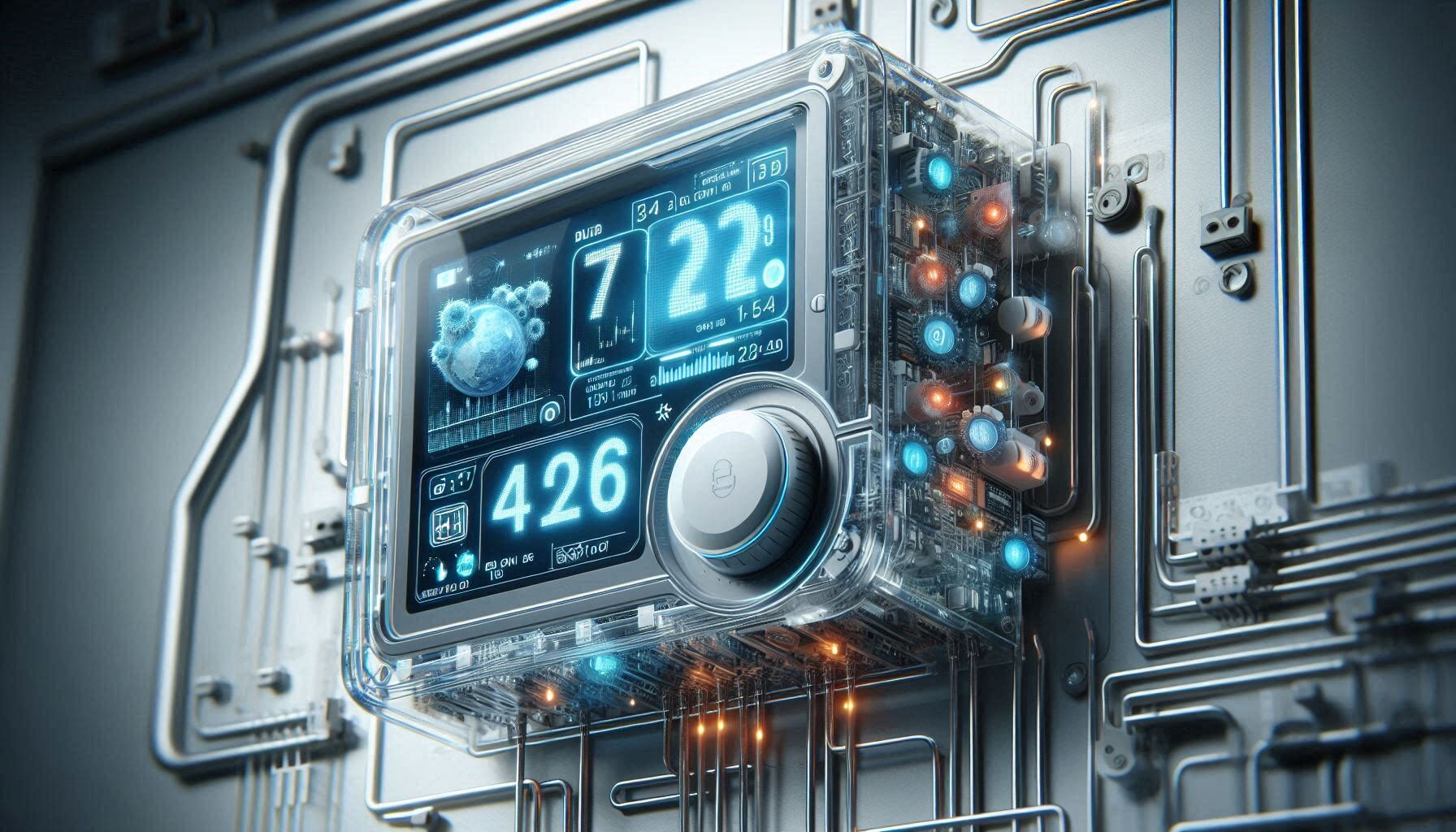
BTU meter installed in HVAC system with digital display

Introduction:

BTU meters play a vital role in HVAC systems by measuring the heat energy exchanged in a controlled environment. Understanding their functionality, applications and installation requirements is essential to optimizing energy efficiency and operational costs in various settings.

What is a BTU meter and how does it work?

A BTU (British Thermal Unit) meter is a device used to measure heat energy transferred in heating, ventilation, and air conditioning (HVAC) systems. It works by sensing the temperature difference between the supply and return lines of the circulating fluid (often water) in the HVAC system. This difference, combined with flow rate measurements, allows the BTU meter to calculate the heat energy exchanged.

Where are BTU meters used in HVAC systems?

BTU meters find applications in commercial buildings, industrial facilities, residential complexes, and institutional settings that require accurate energy monitoring and billing. They are usually installed in heating and cooling systems that use water-based heat exchangers or hydronic systems.

Why Use BTU Meters for HVAC Energy Management?

The primary reason to use BTU meters is to accurately measure and monitor energy consumption in HVAC systems. This data helps facility managers, building owners, and operators identify energy inefficiencies, optimize system performance, and better allocate energy costs among tenants or departments.

When should BTU meters be installed in HVAC systems?

BTU meters should ideally be installed during the initial design and construction phase of HVAC systems. Retrofitting can also be done on existing systems to improve energy management and billing accuracy. Initial installation ensures seamless integration with other components and accurate data collection from the start.

Who should install BTU meters on HVAC systems?

Installation of BTU meters requires expertise in HVAC system design and hydronic engineering. Qualified technicians, HVAC contractors, or specialized firms experienced in metering solutions should perform the installation to ensure proper calibration, alignment with regulatory standards, and reliable performance.

Role of BTU Meters in Energy Efficiency of HVAC Systems

BTU meters play a critical role in improving energy efficiency by providing real-time data on heat energy consumption. This information allows stakeholders to implement energy-saving measures, optimize equipment operation, and reduce overall energy waste in HVAC systems.

Types of BTU Meters Available for HVAC Applications

There are many types of BTU meters available, including inline, clamp-on, and ultrasonic models. Each type is suited to specific HVAC applications based on factors such as pipe size, fluid type and installation environment. Choosing the right type ensures accurate measurement and reliable performance over the life of the meter.

Applications of BTU Meters in Various HVAC Settings

BTU meters are widely used in various HVAC settings such as office buildings, shopping malls, hospitals, data centers, and industrial plants. They support energy-efficient practices, facilitate cost allocation in multi-tenant buildings, and enable proactive maintenance strategies by monitoring thermal performance.

Required Specifications for BTU Meters in HVAC

Key specifications for BTU meters include accuracy class, flow range, temperature range, communication protocols (e.g., Modbus, BACnet) and compliance with industry standards (e.g., ISO 17025, EN 1434). These features ensure compatibility, performance reliability and regulatory compliance in HVAC applications.

Advantages and Disadvantages of Using BTU Meters

Advantages:

  • Facilitates accurate energy billing and cost allocation.
  • Promotes energy savings and operational efficiency.
  • Enables proactive maintenance and system optimization.

Disadvantages:

  • Initial installation costs and complexity.
  • Dependence on accurate flow and temperature measurements.
  • Possibility of misinterpretation of data without proper calibration.

Components of a Typical BTU Meter

A typical BTU meter consists of temperature sensors (usually RTDs), flow sensors (e.g., ultrasonic or magnetic), a calculator or processor unit, and data communication interfaces. These components work together to accurately measure, calculate and record thermal energy consumption.

Sub-components of BTU Meters and Their Functions

Sub-components such as signal converters, data loggers and display units enhance the functionality and usability of BTU meters. Signal converters interface with sensors and processors, while data loggers store usage data and display units provide real-time information to users.

Design Considerations for BTU Meters in HVAC Systems

Design considerations include sensor placement for accurate temperature and flow measurement, integration with building automation systems (BAS), and compliance with space constraints. Proper design ensures optimal meter performance, data accuracy and long-term reliability in a variety of HVAC environments.

Design Parameters That Affect BTU Meter Performance

Critical design parameters include sensor accuracy, response time, calibration intervals, and environmental conditions (e.g., temperature, humidity). These parameters affect the meter’s ability to capture accurate thermal energy data, maintain calibration integrity, and operate efficiently throughout its lifecycle.

Unit Conversions Used with BTU Meters

BTU meters typically convert thermal energy units between BTUs, joules, kilowatt-hours (kWh), or tons of refrigeration (TR). These conversions facilitate energy management, billing accuracy and compatibility with international standards and units of measurement in HVAC applications.

Efficiency Calculation Methods for BTU Meters

Efficiency calculations determine the maximum heat load or heat energy exchange in a particular HVAC system. Methods include heat balance equations, flow rate measurements, and temperature differentials. Accurate capacity calculations ensure that BTU meters can handle expected energy loads and provide reliable data.

Codes and Standards for BTU Meter Installation

Installation of BTU meters must comply with local building codes, energy regulations (e.g., ASHRAE, ANSI) and metrology standards (e.g., ISO 4064, EN 1434). Adherence to these standards ensures meter accuracy, operational safety and legal compliance in energy measurement and billing practices.

Typical Arrangement Drawing for BTU Meter Installation

A typical arrangement drawing depicts the layout, dimensions, and placement of BTU meters in HVAC systems. It describes sensor locations, flow directions, pipe connections, and integration with other system components. Clear drawings help installation teams minimize errors and ensure proper meter performance.

Schematic Drawing of BTU Meter Connections

Schematic drawings illustrate electrical and communication connections between BTU meter components, sensors, and building management systems (BMS). They provide a visual roadmap for installation, troubleshooting and maintenance, ensuring reliable data transmission and system integration.

Leading Manufacturers of BTU Meters

Leading manufacturers of BTU meters offer a range of solutions to suit different HVAC applications. Brands like Siemens, Kamstrup, Danfoss and Schneider Electric provide reliable products with advanced features, technical support and compatibility with industry standards.

Frequently Asked Questions

1. How do BTU meters contribute to energy efficiency in HVAC systems?

BTU meters monitor thermal energy consumption, enable targeted energy-saving measures and optimize system performance.

2. What types of buildings benefit most from BTU meter installations?

Commercial buildings, multi-tenant facilities and industrial plants benefit from accurate energy monitoring and cost allocation.

3. What are the key factors to consider when choosing a BTU meter?

Consider accuracy, flow range, communication protocols, and compliance with local regulations and standards.

4. How do BTU meters help in early maintenance of HVAC systems?

By monitoring thermal performance trends, BTU meters facilitate early detection of system inefficiencies and potential failures.

5. What are the maintenance requirements of BTU meters?

Regular calibration, sensor checks and software updates are required to maintain accuracy and reliability.

Conclusion:

In conclusion, BTU meters are indispensable tools for increasing energy efficiency, optimizing HVAC system performance, and ensuring fair energy billing. Understanding their functionality, types, applications, and installation considerations is critical to effectively utilizing their benefits in various construction environments.

Related Links:


Disclaimer: The pictures used are for illustrative purposes only. They may not depict actual products or situations and are meant for educational purposes. Actual products, situations, or outcomes may differ.

Desiccant Wheels in HVAC: How They Improve Indoor Air Quality

Desiccant wheel in an HVAC system improving indoor air quality

The desiccant wheel is an important part of HVAC systems, especially where dehumidification is critical. It is a rotating wheel with materials that absorb moisture from the air. This cycle helps improve indoor air quality by controlling humidity, making it ideal for places like labs, hospitals, and manufacturing plants.

What is a Desiccant Wheel in HVAC Systems?

The desiccant wheel is essential in HVAC systems for controlling humidity. It is a rotating wheel filled with desiccant material that absorbs moisture from the air, improving indoor air quality in places like labs, hospitals, and manufacturing plants.

What is the role of desiccant wheel?

The main function of the desiccant wheel is to remove moisture from the air. It does this by forcing air through the wheel material, which absorbs moisture. The cycle then moves to a different zone where the moisture is released and exhausted, allowing the material to be reused. This ongoing process keeps humidity levels stable, improves comfort, and prevents mold growth.

Why use a desiccant wheel?

Desiccant wheels provide many benefits. They effectively dehumidify the air, which is vital for maintaining good indoor air quality and comfort. They also help reduce energy consumption by reducing the cooling load on HVAC systems. These wheels are particularly useful in humid environments and for applications that require precise humidity control, such as protecting sensitive equipment from moisture damage.

Where are desiccant wheels used?

Desiccant wheels are used in a variety of locations, including commercial buildings, industrial settings, and homes. They are common where humidity control is critical, such as data centers, pharmaceutical manufacturing, food processing plants, and museums. They are also used in places where high indoor air quality is required, such as hospitals and labs. Their ability to maintain optimum humidity levels makes them versatile for many climates.

How to use a desiccant wheel

Using a desiccant wheel means integrating it into the HVAC system. The wheel is installed in an air handling unit where it absorbs moisture from the incoming air. Regular maintenance, such as cleaning and inspecting the desiccant material, will ensure that it performs well. Proper setup and calibration are critical to achieving the desired humidity control. Following the manufacturer’s guidelines for operation and maintenance will increase efficiency and lifespan.

What are the types of desiccant wheels?

There are two main types of desiccant wheels: silica gel and molecular sieve. Silica gel wheels are commonly used for general dehumidification and work well in many cases. Molecular sieve wheels are used where very low humidity levels are required, such as in pharmaceuticals and electronics production. Each type has specific advantages and is selected based on application requirements.

What are the specifications of desiccant wheel?

Desiccant wheels come in different sizes, materials, and capacities depending on their use. Specifications include the diameter and thickness of the wheel, the type of desiccant material, and its air handling capacity. Other specs may include rotational speed of the wheel, pressure drop, and power consumption for regeneration. Manufacturers provide detailed data sheets with these specifications to help engineers select the right wheel.

What are the latest developments in desiccant wheel technology?

Recent advances in desiccant wheel technology have focused on improving efficiency and stability. Innovations include the use of advanced materials that absorb more moisture and regenerate faster. New designs aim to reduce pressure and reduce energy consumption. Integration with smart HVAC systems allows better control and monitoring of humidity levels. These developments improve desiccant wheel performance in modern HVAC systems.

How to install a desiccant wheel

Installing a desiccant wheel involves several steps. First, choose the right size and type of wheel based on the HVAC system’s needs. Mount the wheel in the air handling unit or ductwork, ensuring proper alignment and sealing. Connect the electrical components for the motor and sensors. After installation, test the system to make sure it works properly. Follow the manufacturer’s installation guidelines and consult an HVAC professional for a successful setup.

What are the codes and standards for desiccant wheels?

Desiccant wheels must meet various codes and standards to ensure safety and performance. Related standards include ASHRAE guidelines, which provide standards for energy efficiency and indoor air quality. The International Mechanical Code (IMC) and local building codes may have specific requirements for installing and operating desiccant wheels. Adherence to these codes ensures efficient and safe operation of the HVAC system.

Advantages and disadvantages of desiccant wheels

Pros:

  • Efficient dehumidification
  • Improves indoor air quality
  • Reduces energy consumption
  • Versatile for various applications
  • Disadvantages:

  • High initial installation cost
  • Requires regular maintenance
  • Energy required for regeneration under certain conditions
  • FAQ

    What is the typical lifespan of a desiccant wheel?

    The lifespan of a desiccant wheel is typically 5 to 10 years, depending on usage and maintenance.

    Can desiccant wheels be used in residential HVAC systems?

    Yes, desiccant wheels are used in residential systems, especially in humid environments that require dehumidification.

    How often should the desiccant wheel be serviced?

    Desiccant wheels should be inspected and maintained at least twice a year to ensure proper performance.

    Are desiccant wheels energy-efficient?

    Yes, desiccant wheels are energy-efficient because they reduce the cooling load on HVAC systems.

    Can a desiccant wheel improve indoor air quality?

    Certainly, by controlling humidity levels, desiccant wheels help improve indoor air quality and comfort.

    Conclusion

    Desiccant wheels play a vital role in HVAC systems by providing effective dehumidification and improving indoor air quality. They are versatile and can be used in various applications from commercial buildings to residential homes. Although they require regular maintenance and have high initial costs, their advantages in terms of energy efficiency and humidity control make them a valuable addition to any HVAC system. Keeping up with the latest advancements and adhering to codes and standards ensures that desiccant wheels continue to perform at their best in modern HVAC applications.

    For more information, consider these articles:
    How to Optimize HVAC Performance,
    Why Temperature and Humidity Control is Critical in Cleanrooms, and
    Essential Portable Air Conditioner Guide.

    Check out these recommended products:
    Air Conditioner,
    Portable Air Conditioners, and
    Modular Kitchen Exhaust Chimney.

    Chilled Water Pipe: How to Enhance HVAC Systems

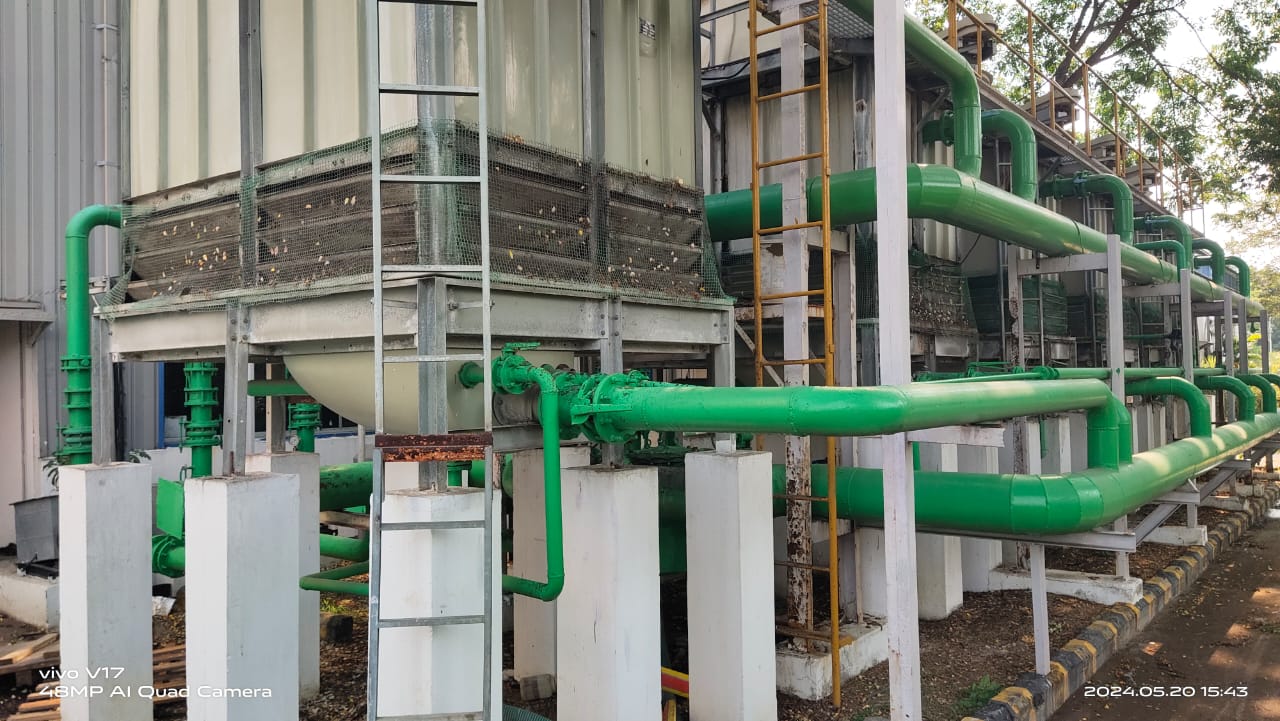
    Illustration of HVAC Chilled Water Piping and Specifications

    In the modern world of construction and industrial processes, the proper functioning of heating, ventilation and air conditioning (HVAC) systems is critical to maintaining comfort, productivity and environmental sustainability. The critical components of HVAC systems include chilled water pipe and associated specifications. This article examines the importance of chilled water piping and specifications, components and quality assurance aspects, highlighting their role in achieving optimal HVAC performance.

    Understanding chilled water pipe and specifications

    Chilled water pipe serves as a critical conduit in HVAC systems, facilitating the circulation of chilled water to achieve effective temperature control. Working alongside the piping, various features including air vents, relief valves, and strainers contribute to the seamless operation and overall efficiency of these systems.

    Components and their functions

    Air vents & drains: These components play a vital role in removing air from the system and preventing water hammer, thus ensuring the longevity and efficiency of the system.

    Relief valves: Relief valves are integral to maintaining safe pressure levels in the system by releasing excess pressure, thereby protecting against potential hazards.

    Strainers: Strainers are important components that filter debris and particles, preventing blockages and blockages that compromise the performance of the system.

    Pressure gauge: Pressure gauges provide real-time pressure data, aiding in continuous monitoring and maintenance of optimal system conditions.

    Thermometers: Thermometers provide insights into temperature, a key factor for system control and accurate performance assessment.

    Anti vibration coupling: The anti-vibration coupling is designed to reduce component vibrations, effectively reducing wear and tear on the system and extending its operational lifetime.

    Chilled water expansion tank: A chilled water expansion tank ensures consistency in terms of water expansion and is critical to maintaining the system’s water volume within the correct range.

    Quality assurance in chilled water pipe systems

    Strict adherence to local codes and regulations, as well as ASME, ANSI, ASTM, IEC and U.L., is paramount to ensuring the safety and efficiency of chilled water systems. Submission of manufacturer’s data, shop drawings, and equipment approval are critical steps that help assure system quality.

    Installation and Execution Guidelines

    A proper installation includes the integration of automatic air vents, drain cocks, adequate drain cocks, as well as strategically placed thermometers and pressure gauges for effective monitoring. Strainers prevent debris build-up and anti-vibration couplings reduce wear. Incorporating chilled water expansion tanks is critical to maintaining the system’s water volume within optimal ranges.

    Ensuring optimal system performance

    Regular maintenance, thorough cleaning, and consistent commitment to design specifications are critical to achieving and maintaining the efficiency and longevity of chilled water systems. Collaboration with experienced professionals ensures proper installation and adherence to industry best practices.

    FAQ

    What are the components of a chilled water system?

    The components of a chilled water system usually include chillers, pumps, chilled water pipes, air handling units, cooling towers and various control devices. These components work together to circulate chilled water and control temperature in HVAC systems.

    What is a chilled water piping system?

    A chilled water piping system is a network of pipes that circulate chilled water from a chiller to various cooling loads such as air handling units, fan coil units and process equipment. It plays a vital role in distributing chilled water throughout a building or industrial facility for cooling purposes.

    Which type of pipe is typically used for transporting chilled water?

    Commonly used pipes for chilled water systems include steel, copper, and plastic (such as PVC or CPVC). Pipe material selection depends on factors such as system design, cost, corrosion resistance, and local building codes.

    What is a chilled water pipe?

    A chilled water pipe is a conduit through which chilled water flows to provide cooling to various parts of a building or industrial setup. These tubes are designed to maintain the temperature of the water as it circulates through the system.

    What are chilled water pipe fittings?

    Chilled water pipe fittings are essential components that facilitate the connection and junction of chilled water pipe sections. These fittings include elbows, tees, reducers and couplings that ensure a secure and leak-free connection between pipes.

    What is a chilled water pipe system?

    A chilled water piping system consists of pipes, fittings, valves, pumps and other accessories that collectively transport and control the flow of chilled water throughout a building’s HVAC infrastructure.

    How is chilled water piping used in HVAC systems?

    Chilled water piping is a central component of HVAC systems. It carries chilled water from the chiller to various cooling loads, where the chilled water absorbs heat and returns to the chiller to cool again. This process ensures a consistently comfortable indoor temperature.

    What advantages does a chilled water system offer?

    A chilled water system provides energy-efficient cooling, precise temperature control and the ability to cool large spaces. It can be integrated with various HVAC components for optimum indoor comfort.

    Why are relief valves important in chilled water systems?

    Relief valves are critical safety devices in chilled water systems. They prevent excessive pressure build-up, ensure the integrity of the system and protect against potential hazards such as burst pipes or equipment damage.

    What is the specification for cooling water piping?

    The specification for cooling water piping describes requirements for the material, size, installation and testing of pipes used to circulate cooling water. This specification ensures that the cooling water system operates efficiently and safely.

    Conclusion

    Chilled water piping and specifications are integral to the functionality, efficiency and longevity of HVAC systems. Understanding their roles, components and installation guidelines is critical to ensure optimal performance, energy efficiency and occupant comfort. Adhering to quality standards and best practices,

    For more information on related topics, visit these articles:

    The Ultimate Guide to ISO Class 5 Cleanrooms

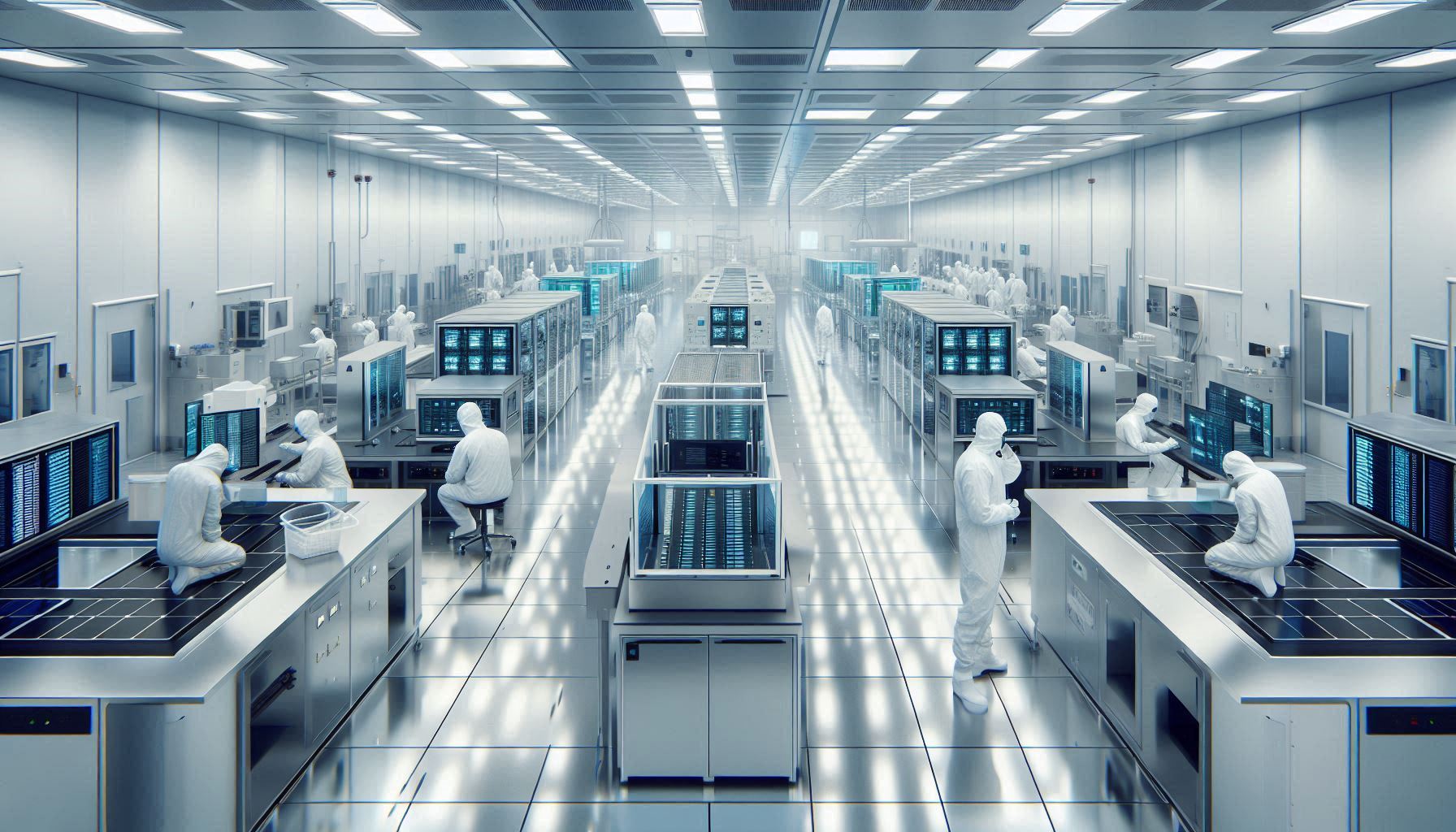
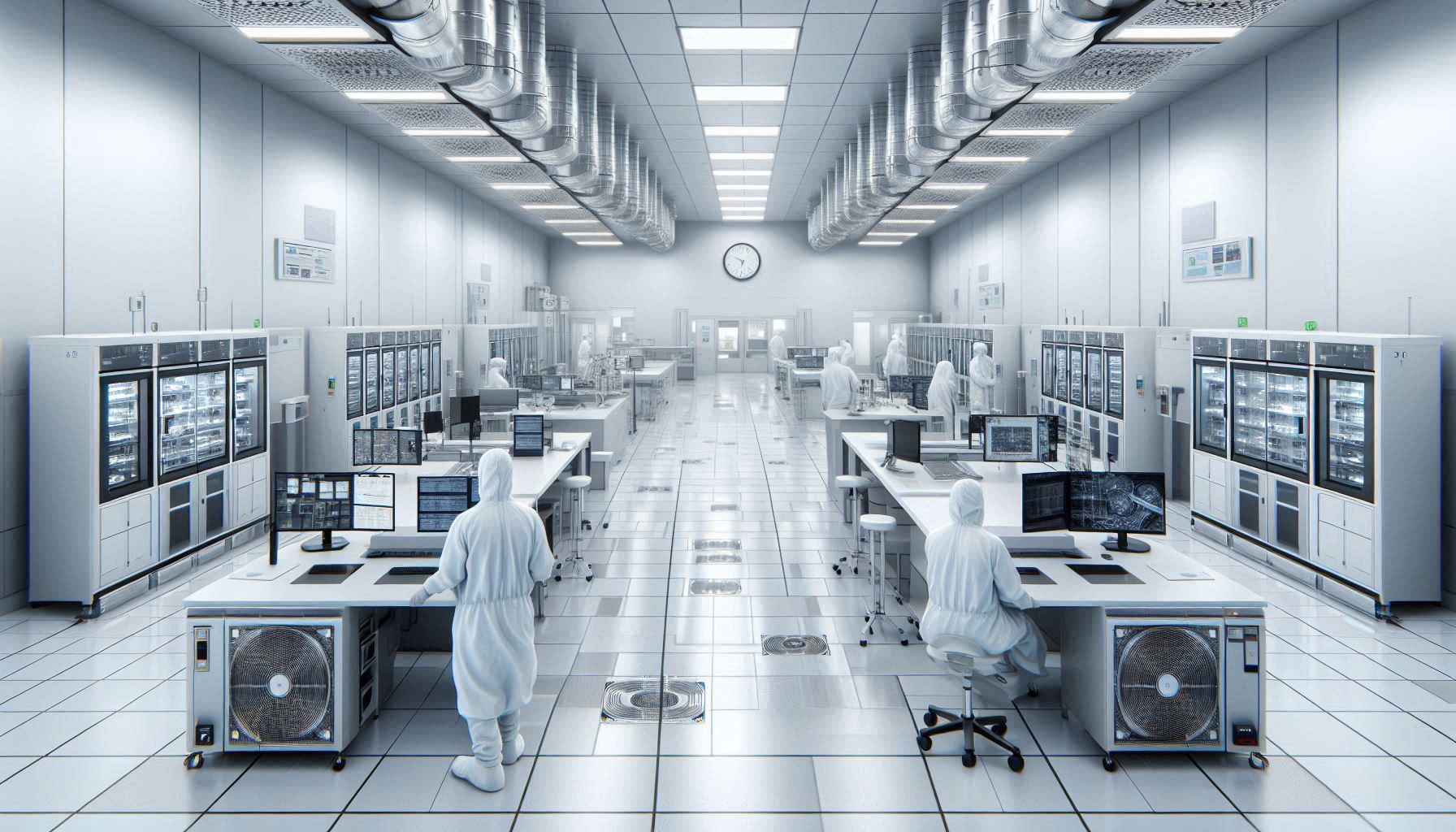
    Illustration of ISO Class 5 Cleanroom Environment

    Explore the significance of ISO Class 5 cleanrooms in industries like biotechnology, semiconductor manufacturing, and medical engineering. Learn about contamination control, air purity standards, and certification requirements.

    The Ultimate Guide to ISO Class 5 Cleanrooms

    Understanding ISO Class 5 Cleanrooms

    ISO Class 5 cleanrooms, as defined by ISO 14644-1, are environments where air purity and pollution control are critical. These cleanrooms are essential in industries such as medical engineering, electronics, and biotechnology, where even the slightest contamination can compromise product integrity and safety.

    Suitability of Cleanrooms for Various Industries

    Cleanroom compatibility is critical for industries that require strict standards for pollution control. In semiconductor manufacturing, for example, maintaining an air purity class 5 environment ensures the production of high-quality, defect-free components. Similarly, in medical engineering, ISO Class 5 cleanrooms help prevent infection risks and ensure the safety of clean environments.

    Avoiding Cross Contamination

    Cross contamination in cleanrooms can lead to significant problems, especially in sensitive industries such as healthcare settings and biotechnology applications. It is essential to ensure proper pollution control through strict procedures and regular inspection. Small adjustments in process monitoring and sensor calibration can prevent disinfection equipment from malfunctioning, thus preserving the integrity of the cleanroom environment.

    Importance of ISO 14644 Standards

    ISO 14644 standards provide a comprehensive framework for managing air purity standards and pollution control. Meeting these standards is important for cleanroom certification, ensuring that the environment meets the standards required for high cleanliness. The Fraunhofer Institute for Manufacturing Engineering and Automation is one of the leading organizations in developing and promoting these standards.

    Applications in Medical Engineering and Biotechnology

    Infection control and clean environments are critical in medical engineering applications. ISO Class 5 cleanrooms ensure that medical devices and pharmaceuticals are manufactured under the highest hygiene standards. In biotechnology applications, maintaining a pollution-free environment is essential for the development of sensitive products such as vaccines and biopharmaceuticals.

    Role of Process Monitoring and Sensors

    Advanced process monitoring and sensors are integral to maintaining cleanroom conditions. These technologies provide real-time data on air quality, enabling immediate response to potential pollution hazards. Ensuring component compliance with industry standards increases product quality and safety.

    Verification and Compliance

    Cleanroom certification involves rigorous testing and validation to ensure compliance with national and international standards. The certification criteria described in ISO 14644-1 help maintain consistent energy application and adjustable energy in production processes, contributing to overall product quality.

    Challenges in Maintaining Cleanroom Conditions

    Maintaining ISO Class 5 cleanrooms addresses various challenges such as malfunctioning disinfection equipment and the need for regular inspection. Healthcare settings, in particular, require strict measures to prevent infection risks and maintain a clean environment.

    New Market Opportunities

    Adherence to the ISO 14644 standard opens up new market opportunities for industries that require high hygiene levels. Companies can use cleanroom certification to enhance their reputation and gain a competitive edge in fields such as semiconductor technology and medical engineering.

    Innovations and User-Friendly Approaches

    Innovations such as the ElectricDrive core system and plug-and-play systems provide user-friendly approaches to cleanroom management. These systems streamline process monitoring and ensure consistent application of cleanroom conditions, making it easier for industries to maintain high standards of cleanliness.

    The Future of Cleanroom Technology

    The future of cleanroom technology lies in continuous improvement and adherence to strict standards. As industries evolve, the need for cleanrooms that meet ISO Class 5 standards increases, fueling advances in pollution control, process monitoring, and certification.

    Key Takeaways

    ISO Class 5 cleanrooms play a vital role in maintaining air purity and preventing contamination in sensitive industries. Adherence to ISO 14644 standards ensures cleanroom environments meet strict cleanliness standards, contributing to product integrity and safety. Innovations and advances in cleanroom technology will continue to shape pollution control’s future.

    Pros and Cons

    • Ensures high air purity
    • Prevents cross-contamination
    • Critical to sensitive industries
    • Improves product quality
    • Meets strict criteria
    • High maintenance requirements
    • Regular inspection is required
    • Probability of equipment malfunction
    • Initial setup costs
    • Special training is required

    Frequently Asked Questions

    1. What is an ISO Class 5 Cleanroom?
    2. An ISO Class 5 cleanroom is an environment with strict air purity and pollution control standards, as defined by ISO 14644-1.

    3. Why is cleanroom compatibility important?
    4. Cleanroom compatibility is especially important for industries that require high cleanliness standards to prevent contamination and ensure product integrity.

    5. How can process monitoring and sensors help?
    6. Process monitoring and sensors provide real-time data on air quality, enabling immediate responses to potential pollution hazards.

    7. What are the benefits of cleanroom certification?
    8. Cleanroom certification ensures compliance with national and international standards, improving product quality and market opportunities.

    9. What challenges do cleanrooms face?
    10. Cleanrooms face challenges such as equipment malfunctions, routine inspection requirements, and high maintenance requirements.

    Conclusion

    ISO Class 5 cleanrooms are crucial for maintaining high air purity and preventing contamination in industries such as medical engineering, biotechnology, and semiconductor manufacturing. Adherence to ISO 14644 standards and the use of advanced process monitoring and verification technologies ensure compliance with stringent cleanliness standards in these environments. As cleanroom technology continues to evolve, industries must stay ahead to maintain product integrity and explore new market opportunities.

    Internal Links

    Check out this air conditioner for maintaining cleanroom conditions.

    Learn more about cleanroom certification from The Importance of Pressure Differential in Cleanroom HVAC Systems.

    Explore how to optimize HVAC performance with effective vibration isolation by visiting this article.

    AC Health Problems: The Hidden Risks of Chronic Air Conditioning

    AC Health Problems - Impact on Respiratory Health and Skin Dryness

    Air conditioning makes life more comfortable in hot climates. However, staying prolonged time may cause AC Health Problems in that environment and that to too long can have its drawbacks. Understanding these risks and knowing how to manage them is essential to maintaining your health and well-being.

    AC Health Problems due to Dry Air Effect

    One of the primary dangers of prolonged air conditioning use is dry air. Air conditioning systems often remove moisture from the air, which leads to dry eyes, skin, and airways. Staying hydrated and using moisturizers can help reduce these effects. Adequate hydration is critical in air-conditioned environments.

    In addition, dry air aggravates respiratory problems. People with asthma or other respiratory conditions should be especially mindful of humidity levels in their homes or offices. Using a humidifier in conjunction with your air conditioning system can help maintain a healthy humidity level. Humidity Controller

    Ventilation and Air Quality

    Good indoor air quality relies heavily on adequate ventilation. Air conditioning systems can recirculate air, which can lead to a build-up of indoor pollutants. Making sure your air conditioning system provides adequate ventilation can prevent harmful carbon dioxide and other pollutants from accumulating.

    Using an air conditioning unit with a high efficiency particulate air (HEPA) filter can significantly improve air quality. HEPA filters remove 99.97% of dust, pollen, mold, bacteria, and airborne particles of 0.3 microns. Regularly opening windows to let in fresh air can also improve indoor air quality. Technical Submittal Requirements for Air Handling Unit

    Maintaining System to avoid AC Health Problems

    The condition of your air conditioning system plays a vital role in maintaining air quality. Poorly maintained or outdated air conditioning systems can harbor mold and other pollutants. Regular maintenance, including cleaning and replacing filters, can prevent these problems and ensure your system is operating efficiently.

    If your current unit is old, consider upgrading to newer, more efficient air conditioning systems. Modern systems are designed to be more energy-efficient and environmentally friendly, reducing your carbon footprint while providing better air quality. Air Conditioner Temperature Controller

    To know more about Energy Efficient AC Unit How to Maintain to Run Efficiently During Hot Weather Click Here

    Loss of Outdoor Benefits

    Spending too much time indoors makes you miss out on the benefits of being outdoors. Exposure to sunlight is essential for the production of vitamin D, which supports bone health and immune function. Additionally, spending time in nature can reduce stress and improve mental well-being. Why Indoor Air Quality Matters in Commercial Spaces

    Physical activity is another important factor. Being outdoors provides more opportunities for exercise, which is vital for maintaining overall health. Even in hot weather, finding ways to safely enjoy the outdoors balances the benefits of air conditioning with natural environmental benefits.

    To know more about Why Indoor Air Quality Matters in Commercial Spaces Click Here

    Pros and Cons

    Pros:

  • Comfortable indoor temperatures
  • Reduces the risk of heat-related diseases
  • Indoor air quality improves with proper filtration
  • Low humidity reduces mold growth
  • Cons:

  • Dry air contributes to discomfort and can lead to health problems
  • Poor ventilation can lead to indoor pollution
  • Potential for mold and contaminants in poorly maintained systems
  • Less exposure to outdoor benefits
  • FAQ

    What are the dangers of dry air from air conditioning?

    Dry air dries the eyes, skin, and respiratory tract. It also aggravates respiratory problems. Staying hydrated and using moisturizers can help.

    How can I improve indoor air quality with air conditioning?

    Ensure proper ventilation and use HEPA filters in your air conditioning system. Regularly opening windows allows fresh air to circulate indoors. Why Pressure Differential is Key in Cleanroom HVAC Systems

    What kind of maintenance does my air conditioning system need?

    Clean and replace filters regularly and consider upgrading to newer systems for better efficiency and air quality. Filter for Split AC

    Why is spending time outdoors important?

    Time outdoors provides vitamin D from sunlight, reduces stress, and provides more opportunities for physical activity. How to Maintain an Energy-Efficient AC Unit

    What are the advantages and disadvantages of air conditioning?

    Comfort and improved air quality. Disadvantages are dry air, poor ventilation, and less outdoor exposure.

    What are common health problems caused by air conditioning?

    Common health issues caused by air conditioning include respiratory problems, such as asthma and allergies, due to poor air quality and dry air. Additionally, prolonged exposure can lead to skin dryness and dehydration. Proper maintenance and regular cleaning of AC units can help mitigate these problems.

    Can air conditioning cause or worsen allergies and other AC health problems?

    Yes, air conditioning can worsen allergies and other AC health problems by circulating dust, mold, and pollen if the filters are not cleaned regularly. Ensuring that your AC unit has a high-quality filter and is maintained properly can help reduce allergen levels in the air.

    How does air conditioning affect respiratory health and contribute to AC health problems?

    Air conditioning can affect respiratory health and contribute to AC health problems by circulating dry, cold air that may irritate the airways and exacerbate conditions like asthma or bronchitis. It’s essential to keep the AC unit well-maintained and use humidifiers if the air is too dry.

    Can air conditioning cause dry skin and dehydration, which are common AC health problems?

    Yes, the dry air produced by air conditioning can lead to dry skin and dehydration, which are common AC health problems. Using a humidifier or keeping skin moisturized can help counteract these effects.

    What steps can I take to minimize health problems related to air conditioning?

    To minimize health problems related to air conditioning, ensure regular maintenance of your AC unit, clean or replace filters frequently, and use a humidifier if needed. Additionally, maintaining a comfortable temperature and staying hydrated can help prevent issues.

    Can prolonged exposure to air conditioning lead to headaches and other AC health problems?

    Prolonged exposure to air conditioning can lead to headaches and other AC health problems due to cold, dry air, and changes in temperature. It’s important to regulate the temperature and maintain humidity levels to reduce this risk.

    How often should I clean or replace my AC filter to avoid health issues?

    It is recommended to clean or replace your AC filter every 1-3 months, depending on usage and the type of filter. Regular maintenance helps ensure good air quality and prevents AC health problems.

    Conclusion

    Although air conditioning offers significant benefits, it is important to be aware of the potential risks. These precautions include maintaining proper humidity, ensuring adequate ventilation, and maintaining your air conditioning system regularly.

    Kitchen Exhaust System: How to Design an Efficient HVAC Solution

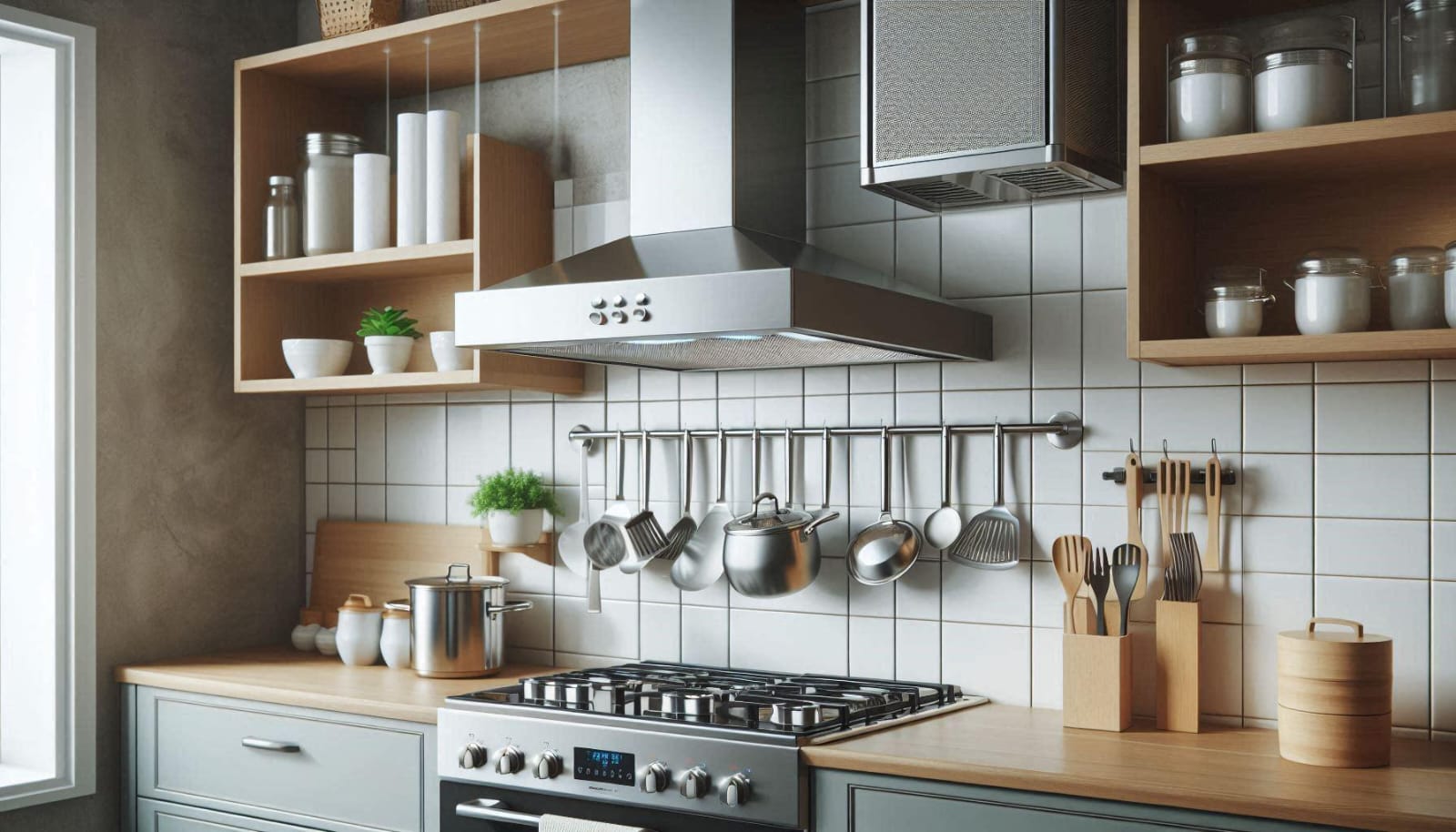
    Kitchen Exhaust Systems

    Kitchen exhaust system play a vital role in maintaining air quality, safety and comfort in commercial and residential spaces. In the HVAC realm, these systems are essential components that cater specifically to the unique needs of kitchens. From restaurants to hospitals, understanding the importance, types, operation and design of kitchen exhaust systems is essential. In this article, we’ll delve into the depths of these systems, their benefits, design considerations, and more.

    What is a Kitchen Exhaust System?

    A kitchen exhaust system, a critical component of HVAC systems, is designed to remove smoke, grease, odors, and heat generated during cooking processes. It consists of a network of ducts, fans, and hoods that extract polluted air from the kitchen environment and either discharge it outdoors or treat it using filtration systems. The system not only improves indoor air quality but also maintains a safe and comfortable working environment for chefs and staff.

    The Role of Kitchen Exhaust System

    Kitchen exhaust systems serve a dual purpose: improving air quality and ensuring fire safety. Because kitchens are high-activity areas where cooking emissions accumulate quickly, these systems help prevent harmful pollutants. Moreover, they prevent the risk of grease fires by capturing and containing grease particles, preventing them from reaching flammable surfaces.

    Common Applications of Kitchen Exhaust System

    Kitchen exhaust systems find their indispensable role in a wide variety of applications, ensuring a healthy and safe environment in various settings. Here are some common areas where these systems are widely used:

    • Restaurants and cafeterias
    • Hospitals and healthcare facilities
    • Hotels and the hospitality industry
    • Industrial kitchens and factories
    • Residential kitchens

    In essence, kitchen exhaust systems are an integral part of various areas where cooking activities take place. They contribute to a healthier, more comfortable environment and help comply with health and safety regulations.

    Types of Kitchen Exhaust Systems

    Kitchen exhaust systems come in a variety of types, each designed to meet specific needs and cooking environments. Understanding these types can help select the most appropriate system for a given setting. Here are the main types of kitchen exhaust systems:

    Type 1

    This type of system is designed to handle the heavy-duty cooking environments typically found in commercial kitchens. It effectively removes heat, grease-laden steam and smoke generated by high-volume cooking processes. A robust exhaust system with thorough filtration is essential to prevent grease build-up and maintain air quality.

    Type 2

    In places with light cooking activity, such as coffee shops or low-frying facilities, Type 2 kitchen exhaust systems are used. These systems mainly focus on removing heat and steam from the cooking area, increasing comfort for the kitchen staff and maintaining a hygienic environment.

    The choice between these types depends on the intensity of cooking operations and the specific needs of the establishment. Restaurants with extensive cooking processes may choose Type 1 systems, while cafes or bakeries may find Type 2 systems more appropriate. Overall, understanding the types of kitchen exhaust systems allows for a tailored solution that meets both regulatory standards and the needs of the cooking environment.

    Requirement of Kitchen Exhaust System

    Kitchen exhaust systems are not just an option but a basic necessity in any cooking environment. The importance of these systems can be understood through different lenses:

    In essence, the need for kitchen exhaust systems depends on their ability to protect health, prevent fires, and adhere to regulatory standards. By effectively managing pollutants and maintaining a safe environment, these systems contribute significantly to the overall well-being of residents and the longevity of the establishment.

    Operation of Kitchen Exhaust System

    These systems work through strategically placed exhaust hoods on cooking appliances. Fans create negative pressure, pulling air into the hood. Air passes through filters to capture grease particles before being expelled outside or recirculated after filtration.

    Principle of Work

    Kitchen exhaust systems use the principles of air movement, filtration, and ventilation. An exhaust hood captures pollutants, while fans create airflow. Filtration systems trap grease and particulate matter, ensuring that only clean air is released.

    Pros and Cons

    Kitchen exhaust systems offer a variety of advantages and disadvantages; it is essential to weigh their advantages against potential disadvantages before installation:

    • Better indoor air quality
    • Fire safety
    • Compliance

    Ultimately, the benefits of kitchen exhaust systems in terms of improved air quality, safety, and compliance are balanced against the drawbacks of energy consumption, maintenance demands, and potential noise. Careful consideration of these factors is important in making an informed decision regarding the installation of these systems.

    Components of Kitchen Exhaust System

    Kitchen exhaust systems have many important components to effectively remove pollutants and maintain a safe and comfortable cooking environment. These parts include:

    These components work seamlessly together to prevent pollutants, ensure fire safety, and improve indoor air quality. The design, size, and compatibility of each component with the others are key factors in creating a functional and effective kitchen exhaust system.

    Design Considerations

    Designing an effective kitchen exhaust system requires meticulous planning and consideration of various factors to ensure optimal performance and compliance with safety and regulatory standards. Some key design considerations are:

    • Air flow requirements
    • Hood sizing and placement
    • Filtration systems
    • Duct material and dimensions
    • Fan selection

    By carefully considering these factors at the design stage, kitchen exhaust systems can be tailored to the specific needs of the cooking environment, providing optimal pollutant capture and maintaining a safe and comfortable environment.

    Design Parameters

    While designing a kitchen exhaust system, several critical parameters need to be carefully considered to ensure effective pollutant removal, compliance with safety standards, and overall system effectiveness. Here are the main design parameters to keep in mind:

    • Cooking equipment layout
    • Air changes per hour (ACPH)
    • Duct material and dimensions
    • Filtration system
    • Exhaust fan capacity
    • Hood design and placement
    • Code applicability

    Considering these design parameters allows kitchen exhaust systems to be customized for a specific cooking environment. This ensures optimal indoor air quality, safety, and compliance with relevant regulations.

    Calculating System Capacity

    Determining the proper efficiency of a kitchen exhaust system is important to ensure effective contaminant removal and maintain a safe and comfortable cooking environment. Several factors affect the calculation of system efficiency:

    • Cooking volume and intensity
    • Cooking equipment
    • Air changes per hour (ACPH)
    • Kitchen size and layout
    • Hood performance
    • Filter capacity

    By considering these factors, designers can accurately calculate the required system efficiency, leading to a well-designed kitchen exhaust system that effectively removes pollutants and promotes a safe and pleasant cooking environment.

    Latest Technological Advances

    Several technological advances have enhanced the efficiency and functionality of kitchen exhaust systems:

    • Demand-controlled ventilation: Advanced sensors and controls adjust airflow based on cooking activity, optimizing energy efficiency.
    • High-efficiency filtration: HEPA and UV-C filters capture smaller particles and kill pathogens, enhancing indoor air quality.
    • Remote monitoring: IoT-enabled systems allow real-time monitoring and maintenance alerts, improving system reliability.

    These technological advancements contribute to the overall performance and sustainability of kitchen exhaust systems, providing enhanced air quality and energy efficiency benefits.

    Regulatory Compliance

    Meeting regulatory requirements is crucial for the installation and operation of kitchen exhaust systems. Various codes and standards govern the design, installation, and maintenance of these systems:

    • NFPA 96: Standard for Ventilation Control and Fire Protection
    • International Mechanical Code (IMC)
    • Local building codes

    Adhering to these codes ensures that kitchen exhaust systems are designed and installed to meet safety and performance standards, protecting occupants and property from potential hazards.

    Maintenance and Care

    Regular maintenance is essential for the efficient and safe operation of kitchen exhaust systems:

    • Cleaning and replacing filters regularly
    • Inspecting ductwork for leaks and blockages
    • Testing fan performance and motor condition
    • Calibrating control systems

    By following a comprehensive maintenance schedule, kitchen exhaust systems can continue to operate effectively, ensuring optimal indoor air quality and compliance with regulatory standards.

    Cost Considerations

    The cost of installing and operating a kitchen exhaust system varies depending on several factors:

    • System size and complexity
    • Equipment selection
    • Installation labor
    • Maintenance requirements
    • Energy efficiency features

    While initial costs may vary, investing in a well-designed kitchen exhaust system can result in long-term savings through improved energy efficiency, reduced maintenance costs, and compliance with safety regulations.

    The future of kitchen exhaust systems is likely to be influenced by ongoing technological advancements and sustainability goals:

    • Integration with smart building systems for enhanced control and efficiency
    • Development of biodegradable and recyclable filter materials
    • Adoption of carbon-neutral ventilation solutions

    These trends reflect a growing emphasis on energy efficiency, indoor air quality, and environmental sustainability in the design and operation of kitchen exhaust systems.

    Conclusion

    Kitchen exhaust systems are indispensable for maintaining a safe, healthy, and comfortable cooking environment. By effectively removing pollutants, preventing fire hazards, and ensuring compliance with regulatory standards, these systems play a crucial role in various applications, from restaurants and hotels to residential kitchens. Technological advancements continue to enhance their efficiency and functionality, offering sustainable solutions for improved indoor air quality and energy efficiency. By understanding the components, operation, design considerations, and regulatory requirements of kitchen exhaust systems, stakeholders can make informed decisions to create safer and more sustainable cooking environments.

    On-page links: kitchen exhaust system, restaurants, modular kitchen exhaust chimney,

    Vibration Isolation: How to Optimize HVAC Performance

    A professional HVAC technician installing vibration isolation equipment in a commercial building.

    This article on vibration isolation covers the supply, delivery, installation, and testing of noise and vibration control equipment used to isolate various mechanical devices in HVAC systems.

    The purpose of this specification is to ensure that noise levels from mechanical equipment and related services meet the design objectives in all occupied areas specified. The requirements outlined are the minimum necessary precautions to achieve these objectives. The entire installation must operate without objectionable noise and vibration, as determined by the Engineer.

    This specification includes the supply, delivery to site, installation, commissioning, and a two-year warranty for noise and vibration control equipment, as detailed in the specification, including schedules of vibration control equipment and drawings.

    Vibration Isolation: Sub-Contractor Responsibilities

    The Sub-Contractor shall select and provide all mechanical equipment according to the specification, focusing particularly on balancing equipment, aligning driving and driven units, and operating speed.

    The Sub-Contractor is responsible for installing all mechanical plant and services in accordance with the specified installation practices and additional precautions necessary to ensure the plant operates without exceeding noise levels or vibration amplitudes specified.

    Before starting work on the Project, the Sub-Contractor must review all drawings and specifications and report any features or characteristics that may impact achieving the design objectives to the Engineer.

    The Sub-Contractor shall warrant that the complete plant and installation, when performed within design standards, will meet the noise standards specified in this section.

    During construction or after completing the works, the Sub-Contractor is responsible for any corrective actions needed to meet all design objectives.

    Design Objectives

    The octave band sound pressure levels at various parts of the building and specific locations outside the building, due to equipment operation, shall not exceed the noise level ratings specified in the schedule below.

    In case of disputes regarding the classification of areas per the schedule, the area classification determined by the architect shall be final:

    SPACE/AREA NOISE CRITERIA (NC) dBA
    Food Court, Hawkers Areas, Atrium, Lobbies, Corridors 45 53
    Supermarket, Shop Lots, Retail Departmental Stores 45 53
    General Office and Clerical Areas 40 49
    Toilets 50 58
    Car Parks, Kitchens 55 62
    Exterior Areas at Property Boundaries 60 dBA daytime, 55 dBA nighttime 62
    Hotel Guest Rooms 27 32
    Hotel Guest Bathrooms 35
    Hotel Public Rooms 35-40
    Hotel Meeting/Board/Ball Rooms 35
    Private Offices 35

    Vibration Isolation: Space/Area Noise Standards (NC) dBA

    The specified noise level limits apply to locations 1 m to 2 m above the floor and not closer than 1.5 m from any air outlet or equipment.

    Environmental external noise limits are imposed on all equipment operations to control noise disturbance from outside equipment.

    Standards for environmental vibration levels should be nearly imperceptible to most people, with reradiated structure-borne noise levels not exceeding approximately NC 35 to minimize contribution to airborne noise in the audible range.

    Vibration levels should be below minus 60 dB Re 1G from 2 Hz to 10 Hz and minus 55 dB Re 1G from 10 Hz to 31.5 Hz.

    Vibration Isolation: Anti-Vibration Equipment/Techniques

    The following summarizes the types and methods of noise and vibration control equipment used to isolate various mechanical equipment:

    Steel Springs in Series with Neoprene Pads

    Unless otherwise specified, the spring type isolator shall be non-housing, laterally fixed with leveling bolts firmly bolted to the inertia blocks/base frames. The diameter should be comparable to the compressed height at rated load, with horizontal spring stiffness equal to vertical stiffness.

    The spring should have a minimum excess travel per solid equal to 50% of the rated deflection, ensuring the elastic limit is not exceeded.

    All springs must be mounted with adequate clearance from the brackets and must be visible or subject to critical inspection.

    Examples of spring types include:

    • Mason Type SLFH
    • Vibron Engineering (M) Sdn Bhd 86B, 2nd Floor, Jalan SS 15/4 47500 Petaling Jaya, Selangor
    • Kinetics Type S (preferably Type FDS)
    • Mecomb Malaysia Sdn Bhd Lot 20, Jalan 225 PO Box 24, 46700 Petaling Jaya, Selangor

    Other makes/types of isolators with known load/deflection curves may be used with the Engineer’s approval.

    For restricted mounts, use housing with vertical limit stops, maintaining a clearance of at least 10 mm around bolts and between housing and spring to prevent interference. Mounts used outdoors should be hot-dipped galvanized.

    Common choices include: Kinetics FLS Corefund WSCL, Mason SLR, WMC, AWR.

    All steel springs must be installed in series with two layers of neoprene ribbed or waffle pattern pads (minimum 8 mm thickness).

    Springs should support calculated loads with specified minimum spring deflections without exceeding the manufacturer’s maximum rated loads.

    The mechanical contractor must consider the weight distribution of equipment, unsupported pipes/vessels, and dynamic forces from fluid movement, torque reaction, and starting/stopping. Shop drawings, make, and model numbers of selected isolators, and their calculated loads must be submitted.

    Inertia Blocks

    Inertia blocks are installed as specified. Mechanical devices must be bolted directly to integral concrete inertia blocks. The concrete should have a minimum density of 2240-2400 kg/cu m (140-150 lb/cuft).

    Generally, the length and width of the inertia block should be at least 50% greater than the supported equipment. The inertia is determined by the block’s weight and thickness.

    The base consists of a concrete slab on a welded steel base frame assembly. Frames should be welded steel channels with a minimum thickness of 150 mm (6″) or equivalent, reinforced with 12 mm (½”) steel reinforcing rods or angles welded at 150 mm (6″) centers. Anchor bolts should allow minor location adjustments. Bolts are placed in sleeves or pockets cast into the block for later insertion.

    Provide a minimum 10 mm plywood or equivalent to form the slab. Steel channel isolator brackets must be welded to the channel frames and adjusted to the height of the deflected springs and inertia block clearance with the plinth.

    Ensure sufficient clearance (min. 20 mm) across the spring to avoid contact with any part of the mounted assembly. Clearance between inertia block and floor/plinth should be at least 75 mm (3”).

    The Sub-Contractor shall supply and install all required welded structural steel and reinforcement for inertia blocks and coordinate with the main contractor for concrete supply. Installation works are included in this sub-contract.

    Ribbed or Waffle Pattern Neoprene Pads

    Use 40 durometer pads 8 mm (5/16″) – 9.5 mm (3/8″) thick as supplied by the manufacturer.

    For typical applications, 40 durometer neoprene pads should support a surface weight of approximately 35,000 kg/sq.m (7150 lb/sq ft).

    When using multiple layers of neoprene pads, separate individual layers with 1 mm (20 g) thick steel shims.

    Vibration Isolation: Resilient Hangers

    Elastic hangers are used for the suspension of pipes and ducts where specified. For deflections above 6 mm (¼”), the hangers should be multi-disked or coil spring, allowing vertical movement of 6 mm (¼”) without generating excess noise or vibration.

    Ensure hangers are suitable for the installation, including dynamic vibration loads from moving parts, and meet the specified isolation criteria.

    Acoustic Mufflers

    Install acoustic mufflers to reduce noise levels in ductwork. Mufflers should be constructed with sound-absorbing materials and installed as specified to meet the desired noise reduction levels.

    Ensure mufflers are tested and rated according to standards and comply with specified noise criteria.

    Testing and Acceptance

    Following installation, conduct vibration testing to ensure compliance with specified limits. Testing should include vibration amplitude measurements and verification against the provided standards. The Contractor must correct any deviations and retest as necessary to meet requirements.

    All equipment, installation practices, and control measures must be validated to ensure that the completed work meets the noise and vibration criteria specified. The Engineer’s approval is required before final acceptance.

    Conclusion

    Effective vibration isolation is crucial for maintaining a quiet and comfortable environment in buildings. By following the specifications for the supply, installation, and testing of noise and vibration control equipment, and ensuring all components meet the specified standards, the Sub-Contractor ensures that the mechanical systems operate smoothly and quietly, meeting the design objectives and enhancing overall building performance.

    About The Author

    Omprakash Ramagiri; as the Founder of HVAC Technocrats, I bring over 18 years of experience as a Mechanical Engineer specializing in HVAC (Central Air-conditioning) for commercial, cleanrooms, data centers, and Petrochemical industries. Throughout my career, I’ve held pivotal roles at companies like TATA Consulting Engineers, MW Zander (for Cleanroom solutions), Bluestar Malaysia, and ETA in Dubai. I’ve managed international HVAC projects and gained valuable exposure in dynamic markets like Dubai and Saudi Arabia. With a passion for excellence and a commitment to innovative solutions, I specialize in designing Class 10K & 100K Cleanrooms for various industries. Connect with me to explore collaborations in HVAC design, project sales, and consultancy. Click to visit the Author’s Linkedin page


    Disclaimer: The content and images are for educational purposes and knowledge enhancement only. They may not depict actual products or situations. Outcomes may vary. Content is generated by AI and reviewed by industry experts, including Author.