The Ultimate Guide to ISO Class 5 Cleanrooms

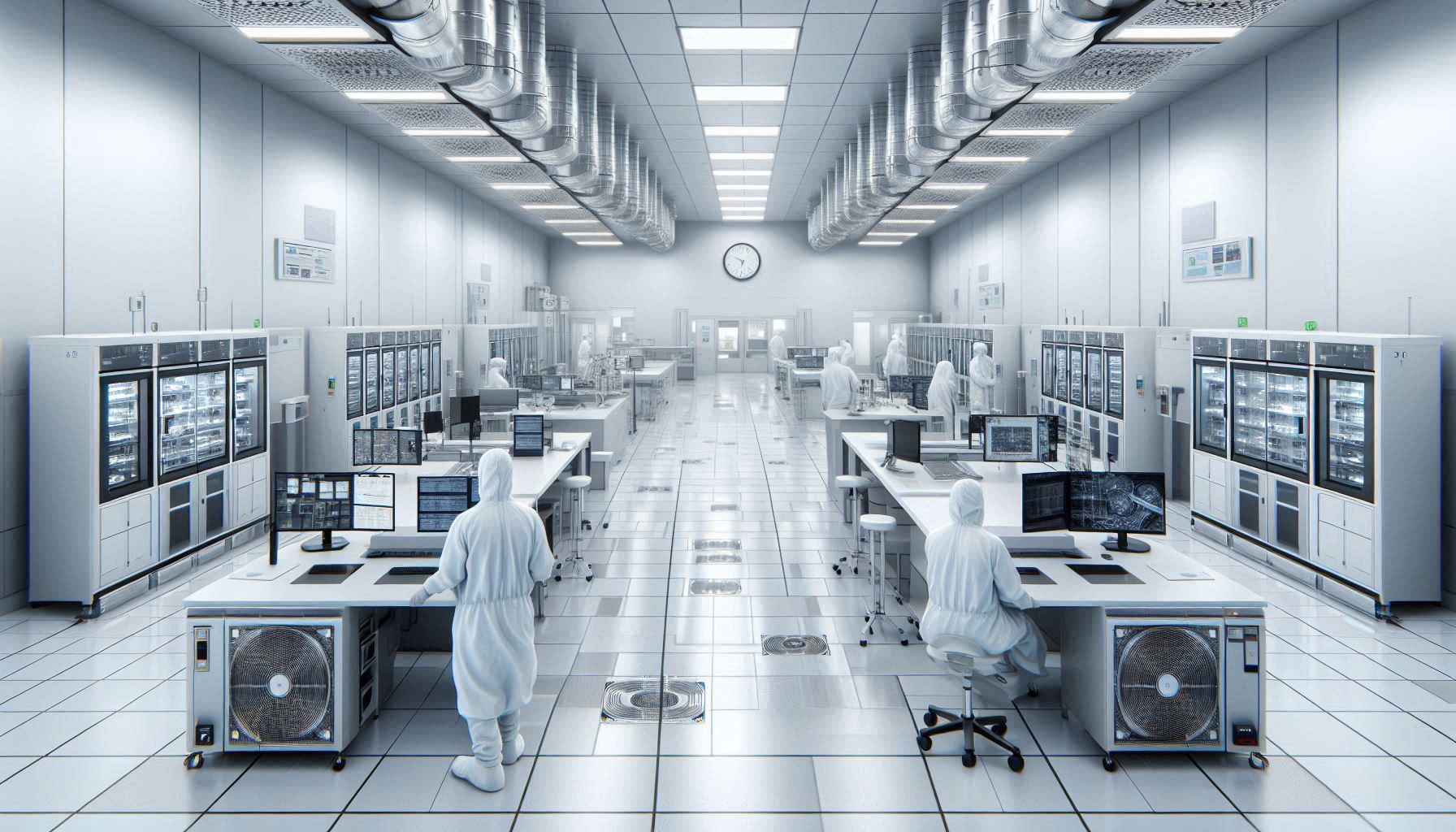
Illustration of ISO Class 5 Cleanroom Environment

Explore the significance of ISO Class 5 cleanrooms in industries like biotechnology, semiconductor manufacturing, and medical engineering. Learn about contamination control, air purity standards, and certification requirements.

The Ultimate Guide to ISO Class 5 Cleanrooms

Understanding ISO Class 5 Cleanrooms

ISO Class 5 cleanrooms, as defined by ISO 14644-1, are environments where air purity and pollution control are critical. These cleanrooms are essential in industries such as medical engineering, electronics, and biotechnology, where even the slightest contamination can compromise product integrity and safety.

Suitability of Cleanrooms for Various Industries

Cleanroom compatibility is critical for industries that require strict standards for pollution control. In semiconductor manufacturing, for example, maintaining an air purity class 5 environment ensures the production of high-quality, defect-free components. Similarly, in medical engineering, ISO Class 5 cleanrooms help prevent infection risks and ensure the safety of clean environments.

Avoiding Cross Contamination

Cross contamination in cleanrooms can lead to significant problems, especially in sensitive industries such as healthcare settings and biotechnology applications. It is essential to ensure proper pollution control through strict procedures and regular inspection. Small adjustments in process monitoring and sensor calibration can prevent disinfection equipment from malfunctioning, thus preserving the integrity of the cleanroom environment.

Importance of ISO 14644 Standards

ISO 14644 standards provide a comprehensive framework for managing air purity standards and pollution control. Meeting these standards is important for cleanroom certification, ensuring that the environment meets the standards required for high cleanliness. The Fraunhofer Institute for Manufacturing Engineering and Automation is one of the leading organizations in developing and promoting these standards.

Applications in Medical Engineering and Biotechnology

Infection control and clean environments are critical in medical engineering applications. ISO Class 5 cleanrooms ensure that medical devices and pharmaceuticals are manufactured under the highest hygiene standards. In biotechnology applications, maintaining a pollution-free environment is essential for the development of sensitive products such as vaccines and biopharmaceuticals.

Role of Process Monitoring and Sensors

Advanced process monitoring and sensors are integral to maintaining cleanroom conditions. These technologies provide real-time data on air quality, enabling immediate response to potential pollution hazards. Ensuring component compliance with industry standards increases product quality and safety.

Verification and Compliance

Cleanroom certification involves rigorous testing and validation to ensure compliance with national and international standards. The certification criteria described in ISO 14644-1 help maintain consistent energy application and adjustable energy in production processes, contributing to overall product quality.

Challenges in Maintaining Cleanroom Conditions

Maintaining ISO Class 5 cleanrooms addresses various challenges such as malfunctioning disinfection equipment and the need for regular inspection. Healthcare settings, in particular, require strict measures to prevent infection risks and maintain a clean environment.

New Market Opportunities

Adherence to the ISO 14644 standard opens up new market opportunities for industries that require high hygiene levels. Companies can use cleanroom certification to enhance their reputation and gain a competitive edge in fields such as semiconductor technology and medical engineering.

Innovations and User-Friendly Approaches

Innovations such as the ElectricDrive core system and plug-and-play systems provide user-friendly approaches to cleanroom management. These systems streamline process monitoring and ensure consistent application of cleanroom conditions, making it easier for industries to maintain high standards of cleanliness.

The Future of Cleanroom Technology

The future of cleanroom technology lies in continuous improvement and adherence to strict standards. As industries evolve, the need for cleanrooms that meet ISO Class 5 standards increases, fueling advances in pollution control, process monitoring, and certification.

Key Takeaways

ISO Class 5 cleanrooms play a vital role in maintaining air purity and preventing contamination in sensitive industries. Adherence to ISO 14644 standards ensures cleanroom environments meet strict cleanliness standards, contributing to product integrity and safety. Innovations and advances in cleanroom technology will continue to shape pollution control’s future.

Pros and Cons

  • Ensures high air purity
  • Prevents cross-contamination
  • Critical to sensitive industries
  • Improves product quality
  • Meets strict criteria
  • High maintenance requirements
  • Regular inspection is required
  • Probability of equipment malfunction
  • Initial setup costs
  • Special training is required

Frequently Asked Questions

  1. What is an ISO Class 5 Cleanroom?
  2. An ISO Class 5 cleanroom is an environment with strict air purity and pollution control standards, as defined by ISO 14644-1.

  3. Why is cleanroom compatibility important?
  4. Cleanroom compatibility is especially important for industries that require high cleanliness standards to prevent contamination and ensure product integrity.

  5. How can process monitoring and sensors help?
  6. Process monitoring and sensors provide real-time data on air quality, enabling immediate responses to potential pollution hazards.

  7. What are the benefits of cleanroom certification?
  8. Cleanroom certification ensures compliance with national and international standards, improving product quality and market opportunities.

  9. What challenges do cleanrooms face?
  10. Cleanrooms face challenges such as equipment malfunctions, routine inspection requirements, and high maintenance requirements.

Conclusion

ISO Class 5 cleanrooms are crucial for maintaining high air purity and preventing contamination in industries such as medical engineering, biotechnology, and semiconductor manufacturing. Adherence to ISO 14644 standards and the use of advanced process monitoring and verification technologies ensure compliance with stringent cleanliness standards in these environments. As cleanroom technology continues to evolve, industries must stay ahead to maintain product integrity and explore new market opportunities.

Internal Links

Check out this air conditioner for maintaining cleanroom conditions.

Learn more about cleanroom certification from The Importance of Pressure Differential in Cleanroom HVAC Systems.

Explore how to optimize HVAC performance with effective vibration isolation by visiting this article.

AC Health Problems: The Hidden Risks of Chronic Air Conditioning

AC Health Problems - Impact on Respiratory Health and Skin Dryness

Air conditioning makes life more comfortable in hot climates. However, staying prolonged time may cause AC Health Problems in that environment and that to too long can have its drawbacks. Understanding these risks and knowing how to manage them is essential to maintaining your health and well-being.

AC Health Problems due to Dry Air Effect

One of the primary dangers of prolonged air conditioning use is dry air. Air conditioning systems often remove moisture from the air, which leads to dry eyes, skin, and airways. Staying hydrated and using moisturizers can help reduce these effects. Adequate hydration is critical in air-conditioned environments.

In addition, dry air aggravates respiratory problems. People with asthma or other respiratory conditions should be especially mindful of humidity levels in their homes or offices. Using a humidifier in conjunction with your air conditioning system can help maintain a healthy humidity level. Humidity Controller

Ventilation and Air Quality

Good indoor air quality relies heavily on adequate ventilation. Air conditioning systems can recirculate air, which can lead to a build-up of indoor pollutants. Making sure your air conditioning system provides adequate ventilation can prevent harmful carbon dioxide and other pollutants from accumulating.

Using an air conditioning unit with a high efficiency particulate air (HEPA) filter can significantly improve air quality. HEPA filters remove 99.97% of dust, pollen, mold, bacteria, and airborne particles of 0.3 microns. Regularly opening windows to let in fresh air can also improve indoor air quality. Technical Submittal Requirements for Air Handling Unit

Maintaining System to avoid AC Health Problems

The condition of your air conditioning system plays a vital role in maintaining air quality. Poorly maintained or outdated air conditioning systems can harbor mold and other pollutants. Regular maintenance, including cleaning and replacing filters, can prevent these problems and ensure your system is operating efficiently.

If your current unit is old, consider upgrading to newer, more efficient air conditioning systems. Modern systems are designed to be more energy-efficient and environmentally friendly, reducing your carbon footprint while providing better air quality. Air Conditioner Temperature Controller

To know more about Energy Efficient AC Unit How to Maintain to Run Efficiently During Hot Weather Click Here

Loss of Outdoor Benefits

Spending too much time indoors makes you miss out on the benefits of being outdoors. Exposure to sunlight is essential for the production of vitamin D, which supports bone health and immune function. Additionally, spending time in nature can reduce stress and improve mental well-being. Why Indoor Air Quality Matters in Commercial Spaces

Physical activity is another important factor. Being outdoors provides more opportunities for exercise, which is vital for maintaining overall health. Even in hot weather, finding ways to safely enjoy the outdoors balances the benefits of air conditioning with natural environmental benefits.

To know more about Why Indoor Air Quality Matters in Commercial Spaces Click Here

Pros and Cons

Pros:

  • Comfortable indoor temperatures
  • Reduces the risk of heat-related diseases
  • Indoor air quality improves with proper filtration
  • Low humidity reduces mold growth
  • Cons:

  • Dry air contributes to discomfort and can lead to health problems
  • Poor ventilation can lead to indoor pollution
  • Potential for mold and contaminants in poorly maintained systems
  • Less exposure to outdoor benefits
  • FAQ

    What are the dangers of dry air from air conditioning?

    Dry air dries the eyes, skin, and respiratory tract. It also aggravates respiratory problems. Staying hydrated and using moisturizers can help.

    How can I improve indoor air quality with air conditioning?

    Ensure proper ventilation and use HEPA filters in your air conditioning system. Regularly opening windows allows fresh air to circulate indoors. Why Pressure Differential is Key in Cleanroom HVAC Systems

    What kind of maintenance does my air conditioning system need?

    Clean and replace filters regularly and consider upgrading to newer systems for better efficiency and air quality. Filter for Split AC

    Why is spending time outdoors important?

    Time outdoors provides vitamin D from sunlight, reduces stress, and provides more opportunities for physical activity. How to Maintain an Energy-Efficient AC Unit

    What are the advantages and disadvantages of air conditioning?

    Comfort and improved air quality. Disadvantages are dry air, poor ventilation, and less outdoor exposure.

    What are common health problems caused by air conditioning?

    Common health issues caused by air conditioning include respiratory problems, such as asthma and allergies, due to poor air quality and dry air. Additionally, prolonged exposure can lead to skin dryness and dehydration. Proper maintenance and regular cleaning of AC units can help mitigate these problems.

    Can air conditioning cause or worsen allergies and other AC health problems?

    Yes, air conditioning can worsen allergies and other AC health problems by circulating dust, mold, and pollen if the filters are not cleaned regularly. Ensuring that your AC unit has a high-quality filter and is maintained properly can help reduce allergen levels in the air.

    How does air conditioning affect respiratory health and contribute to AC health problems?

    Air conditioning can affect respiratory health and contribute to AC health problems by circulating dry, cold air that may irritate the airways and exacerbate conditions like asthma or bronchitis. It’s essential to keep the AC unit well-maintained and use humidifiers if the air is too dry.

    Can air conditioning cause dry skin and dehydration, which are common AC health problems?

    Yes, the dry air produced by air conditioning can lead to dry skin and dehydration, which are common AC health problems. Using a humidifier or keeping skin moisturized can help counteract these effects.

    What steps can I take to minimize health problems related to air conditioning?

    To minimize health problems related to air conditioning, ensure regular maintenance of your AC unit, clean or replace filters frequently, and use a humidifier if needed. Additionally, maintaining a comfortable temperature and staying hydrated can help prevent issues.

    Can prolonged exposure to air conditioning lead to headaches and other AC health problems?

    Prolonged exposure to air conditioning can lead to headaches and other AC health problems due to cold, dry air, and changes in temperature. It’s important to regulate the temperature and maintain humidity levels to reduce this risk.

    How often should I clean or replace my AC filter to avoid health issues?

    It is recommended to clean or replace your AC filter every 1-3 months, depending on usage and the type of filter. Regular maintenance helps ensure good air quality and prevents AC health problems.

    Conclusion

    Although air conditioning offers significant benefits, it is important to be aware of the potential risks. These precautions include maintaining proper humidity, ensuring adequate ventilation, and maintaining your air conditioning system regularly.

    Kitchen Exhaust System: How to Design an Efficient HVAC Solution

    Kitchen Exhaust Systems

    Kitchen exhaust system play a vital role in maintaining air quality, safety and comfort in commercial and residential spaces. In the HVAC realm, these systems are essential components that cater specifically to the unique needs of kitchens. From restaurants to hospitals, understanding the importance, types, operation and design of kitchen exhaust systems is essential. In this article, we’ll delve into the depths of these systems, their benefits, design considerations, and more.

    What is a Kitchen Exhaust System?

    A kitchen exhaust system, a critical component of HVAC systems, is designed to remove smoke, grease, odors, and heat generated during cooking processes. It consists of a network of ducts, fans, and hoods that extract polluted air from the kitchen environment and either discharge it outdoors or treat it using filtration systems. The system not only improves indoor air quality but also maintains a safe and comfortable working environment for chefs and staff.

    The Role of Kitchen Exhaust System

    Kitchen exhaust systems serve a dual purpose: improving air quality and ensuring fire safety. Because kitchens are high-activity areas where cooking emissions accumulate quickly, these systems help prevent harmful pollutants. Moreover, they prevent the risk of grease fires by capturing and containing grease particles, preventing them from reaching flammable surfaces.

    Common Applications of Kitchen Exhaust System

    Kitchen exhaust systems find their indispensable role in a wide variety of applications, ensuring a healthy and safe environment in various settings. Here are some common areas where these systems are widely used:

    • Restaurants and cafeterias
    • Hospitals and healthcare facilities
    • Hotels and the hospitality industry
    • Industrial kitchens and factories
    • Residential kitchens

    In essence, kitchen exhaust systems are an integral part of various areas where cooking activities take place. They contribute to a healthier, more comfortable environment and help comply with health and safety regulations.

    Types of Kitchen Exhaust Systems

    Kitchen exhaust systems come in a variety of types, each designed to meet specific needs and cooking environments. Understanding these types can help select the most appropriate system for a given setting. Here are the main types of kitchen exhaust systems:

    Type 1

    This type of system is designed to handle the heavy-duty cooking environments typically found in commercial kitchens. It effectively removes heat, grease-laden steam and smoke generated by high-volume cooking processes. A robust exhaust system with thorough filtration is essential to prevent grease build-up and maintain air quality.

    Type 2

    In places with light cooking activity, such as coffee shops or low-frying facilities, Type 2 kitchen exhaust systems are used. These systems mainly focus on removing heat and steam from the cooking area, increasing comfort for the kitchen staff and maintaining a hygienic environment.

    The choice between these types depends on the intensity of cooking operations and the specific needs of the establishment. Restaurants with extensive cooking processes may choose Type 1 systems, while cafes or bakeries may find Type 2 systems more appropriate. Overall, understanding the types of kitchen exhaust systems allows for a tailored solution that meets both regulatory standards and the needs of the cooking environment.

    Requirement of Kitchen Exhaust System

    Kitchen exhaust systems are not just an option but a basic necessity in any cooking environment. The importance of these systems can be understood through different lenses:

    In essence, the need for kitchen exhaust systems depends on their ability to protect health, prevent fires, and adhere to regulatory standards. By effectively managing pollutants and maintaining a safe environment, these systems contribute significantly to the overall well-being of residents and the longevity of the establishment.

    Operation of Kitchen Exhaust System

    These systems work through strategically placed exhaust hoods on cooking appliances. Fans create negative pressure, pulling air into the hood. Air passes through filters to capture grease particles before being expelled outside or recirculated after filtration.

    Principle of Work

    Kitchen exhaust systems use the principles of air movement, filtration, and ventilation. An exhaust hood captures pollutants, while fans create airflow. Filtration systems trap grease and particulate matter, ensuring that only clean air is released.

    Pros and Cons

    Kitchen exhaust systems offer a variety of advantages and disadvantages; it is essential to weigh their advantages against potential disadvantages before installation:

    • Better indoor air quality
    • Fire safety
    • Compliance

    Ultimately, the benefits of kitchen exhaust systems in terms of improved air quality, safety, and compliance are balanced against the drawbacks of energy consumption, maintenance demands, and potential noise. Careful consideration of these factors is important in making an informed decision regarding the installation of these systems.

    Components of Kitchen Exhaust System

    Kitchen exhaust systems have many important components to effectively remove pollutants and maintain a safe and comfortable cooking environment. These parts include:

    These components work seamlessly together to prevent pollutants, ensure fire safety, and improve indoor air quality. The design, size, and compatibility of each component with the others are key factors in creating a functional and effective kitchen exhaust system.

    Design Considerations

    Designing an effective kitchen exhaust system requires meticulous planning and consideration of various factors to ensure optimal performance and compliance with safety and regulatory standards. Some key design considerations are:

    • Air flow requirements
    • Hood sizing and placement
    • Filtration systems
    • Duct material and dimensions
    • Fan selection

    By carefully considering these factors at the design stage, kitchen exhaust systems can be tailored to the specific needs of the cooking environment, providing optimal pollutant capture and maintaining a safe and comfortable environment.

    Design Parameters

    While designing a kitchen exhaust system, several critical parameters need to be carefully considered to ensure effective pollutant removal, compliance with safety standards, and overall system effectiveness. Here are the main design parameters to keep in mind:

    • Cooking equipment layout
    • Air changes per hour (ACPH)
    • Duct material and dimensions
    • Filtration system
    • Exhaust fan capacity
    • Hood design and placement
    • Code applicability

    Considering these design parameters allows kitchen exhaust systems to be customized for a specific cooking environment. This ensures optimal indoor air quality, safety, and compliance with relevant regulations.

    Calculating System Capacity

    Determining the proper efficiency of a kitchen exhaust system is important to ensure effective contaminant removal and maintain a safe and comfortable cooking environment. Several factors affect the calculation of system efficiency:

    • Cooking volume and intensity
    • Cooking equipment
    • Air changes per hour (ACPH)
    • Kitchen size and layout
    • Hood performance
    • Filter capacity

    By considering these factors, designers can accurately calculate the required system efficiency, leading to a well-designed kitchen exhaust system that effectively removes pollutants and promotes a safe and pleasant cooking environment.

    Latest Technological Advances

    Several technological advances have enhanced the efficiency and functionality of kitchen exhaust systems:

    • Demand-controlled ventilation: Advanced sensors and controls adjust airflow based on cooking activity, optimizing energy efficiency.
    • High-efficiency filtration: HEPA and UV-C filters capture smaller particles and kill pathogens, enhancing indoor air quality.
    • Remote monitoring: IoT-enabled systems allow real-time monitoring and maintenance alerts, improving system reliability.

    These technological advancements contribute to the overall performance and sustainability of kitchen exhaust systems, providing enhanced air quality and energy efficiency benefits.

    Regulatory Compliance

    Meeting regulatory requirements is crucial for the installation and operation of kitchen exhaust systems. Various codes and standards govern the design, installation, and maintenance of these systems:

    • NFPA 96: Standard for Ventilation Control and Fire Protection
    • International Mechanical Code (IMC)
    • Local building codes

    Adhering to these codes ensures that kitchen exhaust systems are designed and installed to meet safety and performance standards, protecting occupants and property from potential hazards.

    Maintenance and Care

    Regular maintenance is essential for the efficient and safe operation of kitchen exhaust systems:

    • Cleaning and replacing filters regularly
    • Inspecting ductwork for leaks and blockages
    • Testing fan performance and motor condition
    • Calibrating control systems

    By following a comprehensive maintenance schedule, kitchen exhaust systems can continue to operate effectively, ensuring optimal indoor air quality and compliance with regulatory standards.

    Cost Considerations

    The cost of installing and operating a kitchen exhaust system varies depending on several factors:

    • System size and complexity
    • Equipment selection
    • Installation labor
    • Maintenance requirements
    • Energy efficiency features

    While initial costs may vary, investing in a well-designed kitchen exhaust system can result in long-term savings through improved energy efficiency, reduced maintenance costs, and compliance with safety regulations.

    The future of kitchen exhaust systems is likely to be influenced by ongoing technological advancements and sustainability goals:

    • Integration with smart building systems for enhanced control and efficiency
    • Development of biodegradable and recyclable filter materials
    • Adoption of carbon-neutral ventilation solutions

    These trends reflect a growing emphasis on energy efficiency, indoor air quality, and environmental sustainability in the design and operation of kitchen exhaust systems.

    Conclusion

    Kitchen exhaust systems are indispensable for maintaining a safe, healthy, and comfortable cooking environment. By effectively removing pollutants, preventing fire hazards, and ensuring compliance with regulatory standards, these systems play a crucial role in various applications, from restaurants and hotels to residential kitchens. Technological advancements continue to enhance their efficiency and functionality, offering sustainable solutions for improved indoor air quality and energy efficiency. By understanding the components, operation, design considerations, and regulatory requirements of kitchen exhaust systems, stakeholders can make informed decisions to create safer and more sustainable cooking environments.

    On-page links: kitchen exhaust system, restaurants, modular kitchen exhaust chimney,

    Vibration Isolation: How to Optimize HVAC Performance

    A professional HVAC technician installing vibration isolation equipment in a commercial building.

    This article on vibration isolation covers the supply, delivery, installation, and testing of noise and vibration control equipment used to isolate various mechanical devices in HVAC systems.

    The purpose of this specification is to ensure that noise levels from mechanical equipment and related services meet the design objectives in all occupied areas specified. The requirements outlined are the minimum necessary precautions to achieve these objectives. The entire installation must operate without objectionable noise and vibration, as determined by the Engineer.

    This specification includes the supply, delivery to site, installation, commissioning, and a two-year warranty for noise and vibration control equipment, as detailed in the specification, including schedules of vibration control equipment and drawings.

    Vibration Isolation: Sub-Contractor Responsibilities

    The Sub-Contractor shall select and provide all mechanical equipment according to the specification, focusing particularly on balancing equipment, aligning driving and driven units, and operating speed.

    The Sub-Contractor is responsible for installing all mechanical plant and services in accordance with the specified installation practices and additional precautions necessary to ensure the plant operates without exceeding noise levels or vibration amplitudes specified.

    Before starting work on the Project, the Sub-Contractor must review all drawings and specifications and report any features or characteristics that may impact achieving the design objectives to the Engineer.

    The Sub-Contractor shall warrant that the complete plant and installation, when performed within design standards, will meet the noise standards specified in this section.

    During construction or after completing the works, the Sub-Contractor is responsible for any corrective actions needed to meet all design objectives.

    Design Objectives

    The octave band sound pressure levels at various parts of the building and specific locations outside the building, due to equipment operation, shall not exceed the noise level ratings specified in the schedule below.

    In case of disputes regarding the classification of areas per the schedule, the area classification determined by the architect shall be final:

    SPACE/AREA NOISE CRITERIA (NC) dBA
    Food Court, Hawkers Areas, Atrium, Lobbies, Corridors 45 53
    Supermarket, Shop Lots, Retail Departmental Stores 45 53
    General Office and Clerical Areas 40 49
    Toilets 50 58
    Car Parks, Kitchens 55 62
    Exterior Areas at Property Boundaries 60 dBA daytime, 55 dBA nighttime 62
    Hotel Guest Rooms 27 32
    Hotel Guest Bathrooms 35
    Hotel Public Rooms 35-40
    Hotel Meeting/Board/Ball Rooms 35
    Private Offices 35

    Vibration Isolation: Space/Area Noise Standards (NC) dBA

    The specified noise level limits apply to locations 1 m to 2 m above the floor and not closer than 1.5 m from any air outlet or equipment.

    Environmental external noise limits are imposed on all equipment operations to control noise disturbance from outside equipment.

    Standards for environmental vibration levels should be nearly imperceptible to most people, with reradiated structure-borne noise levels not exceeding approximately NC 35 to minimize contribution to airborne noise in the audible range.

    Vibration levels should be below minus 60 dB Re 1G from 2 Hz to 10 Hz and minus 55 dB Re 1G from 10 Hz to 31.5 Hz.

    Vibration Isolation: Anti-Vibration Equipment/Techniques

    The following summarizes the types and methods of noise and vibration control equipment used to isolate various mechanical equipment:

    Steel Springs in Series with Neoprene Pads

    Unless otherwise specified, the spring type isolator shall be non-housing, laterally fixed with leveling bolts firmly bolted to the inertia blocks/base frames. The diameter should be comparable to the compressed height at rated load, with horizontal spring stiffness equal to vertical stiffness.

    The spring should have a minimum excess travel per solid equal to 50% of the rated deflection, ensuring the elastic limit is not exceeded.

    All springs must be mounted with adequate clearance from the brackets and must be visible or subject to critical inspection.

    Examples of spring types include:

    • Mason Type SLFH
    • Vibron Engineering (M) Sdn Bhd 86B, 2nd Floor, Jalan SS 15/4 47500 Petaling Jaya, Selangor
    • Kinetics Type S (preferably Type FDS)
    • Mecomb Malaysia Sdn Bhd Lot 20, Jalan 225 PO Box 24, 46700 Petaling Jaya, Selangor

    Other makes/types of isolators with known load/deflection curves may be used with the Engineer’s approval.

    For restricted mounts, use housing with vertical limit stops, maintaining a clearance of at least 10 mm around bolts and between housing and spring to prevent interference. Mounts used outdoors should be hot-dipped galvanized.

    Common choices include: Kinetics FLS Corefund WSCL, Mason SLR, WMC, AWR.

    All steel springs must be installed in series with two layers of neoprene ribbed or waffle pattern pads (minimum 8 mm thickness).

    Springs should support calculated loads with specified minimum spring deflections without exceeding the manufacturer’s maximum rated loads.

    The mechanical contractor must consider the weight distribution of equipment, unsupported pipes/vessels, and dynamic forces from fluid movement, torque reaction, and starting/stopping. Shop drawings, make, and model numbers of selected isolators, and their calculated loads must be submitted.

    Inertia Blocks

    Inertia blocks are installed as specified. Mechanical devices must be bolted directly to integral concrete inertia blocks. The concrete should have a minimum density of 2240-2400 kg/cu m (140-150 lb/cuft).

    Generally, the length and width of the inertia block should be at least 50% greater than the supported equipment. The inertia is determined by the block’s weight and thickness.

    The base consists of a concrete slab on a welded steel base frame assembly. Frames should be welded steel channels with a minimum thickness of 150 mm (6″) or equivalent, reinforced with 12 mm (½”) steel reinforcing rods or angles welded at 150 mm (6″) centers. Anchor bolts should allow minor location adjustments. Bolts are placed in sleeves or pockets cast into the block for later insertion.

    Provide a minimum 10 mm plywood or equivalent to form the slab. Steel channel isolator brackets must be welded to the channel frames and adjusted to the height of the deflected springs and inertia block clearance with the plinth.

    Ensure sufficient clearance (min. 20 mm) across the spring to avoid contact with any part of the mounted assembly. Clearance between inertia block and floor/plinth should be at least 75 mm (3”).

    The Sub-Contractor shall supply and install all required welded structural steel and reinforcement for inertia blocks and coordinate with the main contractor for concrete supply. Installation works are included in this sub-contract.

    Ribbed or Waffle Pattern Neoprene Pads

    Use 40 durometer pads 8 mm (5/16″) – 9.5 mm (3/8″) thick as supplied by the manufacturer.

    For typical applications, 40 durometer neoprene pads should support a surface weight of approximately 35,000 kg/sq.m (7150 lb/sq ft).

    When using multiple layers of neoprene pads, separate individual layers with 1 mm (20 g) thick steel shims.

    Vibration Isolation: Resilient Hangers

    Elastic hangers are used for the suspension of pipes and ducts where specified. For deflections above 6 mm (¼”), the hangers should be multi-disked or coil spring, allowing vertical movement of 6 mm (¼”) without generating excess noise or vibration.

    Ensure hangers are suitable for the installation, including dynamic vibration loads from moving parts, and meet the specified isolation criteria.

    Acoustic Mufflers

    Install acoustic mufflers to reduce noise levels in ductwork. Mufflers should be constructed with sound-absorbing materials and installed as specified to meet the desired noise reduction levels.

    Ensure mufflers are tested and rated according to standards and comply with specified noise criteria.

    Testing and Acceptance

    Following installation, conduct vibration testing to ensure compliance with specified limits. Testing should include vibration amplitude measurements and verification against the provided standards. The Contractor must correct any deviations and retest as necessary to meet requirements.

    All equipment, installation practices, and control measures must be validated to ensure that the completed work meets the noise and vibration criteria specified. The Engineer’s approval is required before final acceptance.

    Conclusion

    Effective vibration isolation is crucial for maintaining a quiet and comfortable environment in buildings. By following the specifications for the supply, installation, and testing of noise and vibration control equipment, and ensuring all components meet the specified standards, the Sub-Contractor ensures that the mechanical systems operate smoothly and quietly, meeting the design objectives and enhancing overall building performance.

    About The Author

    Omprakash Ramagiri; as the Founder of HVAC Technocrats, I bring over 18 years of experience as a Mechanical Engineer specializing in HVAC (Central Air-conditioning) for commercial, cleanrooms, data centers, and Petrochemical industries. Throughout my career, I’ve held pivotal roles at companies like TATA Consulting Engineers, MW Zander (for Cleanroom solutions), Bluestar Malaysia, and ETA in Dubai. I’ve managed international HVAC projects and gained valuable exposure in dynamic markets like Dubai and Saudi Arabia. With a passion for excellence and a commitment to innovative solutions, I specialize in designing Class 10K & 100K Cleanrooms for various industries. Connect with me to explore collaborations in HVAC design, project sales, and consultancy. Click to visit the Author’s Linkedin page


    Disclaimer: The content and images are for educational purposes and knowledge enhancement only. They may not depict actual products or situations. Outcomes may vary. Content is generated by AI and reviewed by industry experts, including Author.

    Air Handling Unit: Key and Best Practices of Technical Submittals

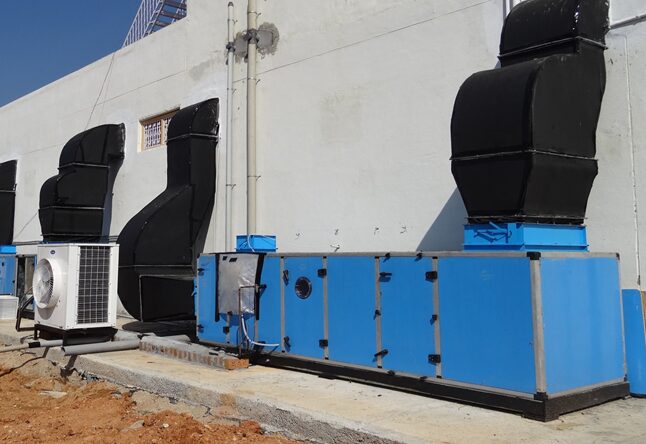
    Packaged Air Handling Unit with Blowers, Cooling Coil, and Filters

    The packaged air handling unit (AHU) shall be factory assembled units in factory fabricated casings. Each unit shall be complete with aerofoil centrifugal blowers, motors, drives and guards, cooling coil and drain pans, air filters, structural mountings, vibration isolators and all other necessary accessories. The units shall be tested, rated and constructed in accordance with relevant ARI standard, ASHRAE Standard and America Safety Code B91. The blowers and cooling coils of the units shall have the specifications and capacity ratings as states in the technical schedule.

    Air Handling Unit

    AHU Casing

    The casing shall be fabricated from the best quality corrosion resistance electron-galvanized sheet steel and finished externally with oven-baked-on paint. It shall be properly reinforced and braced for rigidly with steel angle. The casing shall be made up in sections to accommodate the fan, the coil, condensate tray and the filters. Mating joints shall be flanged and bolted together with 1/8” thick gaskets to form a continuous air tight seal. Housing shall be supported from floor or ceiling as indicated in the drawings. The casing shall be double-skinned lined internally with corrosion resistance GI sheet to prevent condensation and control noise emission. Insulation material sandwiched between the doubled skinned panel shall be either 2 inches, 24 kg/m3 fibreglass or equivalent injected (thermal and acoustically) foam having a spread of flame index not greater than 0 and a smoked developed index not greater than 3 when tested on exposed face in accordance with AS 1530.3. Prior to the fixing of insulation all casing shall be treated with an approved anti-corrosive treatment. Condensation on any external parts of the casings will not be permitted. Install insulation in such a manner as not to be disturbed if panels are removed. Secure insulation to the casing surfaces and framework with adhesive over the entire surface. Cover insulation with inner casing wall. Neoprene coated fabric shall be used to connect the unit to the ductwork. Each unit shall be mounted on spring isolators. Ceiling hung units shall be mounted on a rigid steel channel or angle frame with shall then be suspended from hanger rods through spring isolators. External galvanised sheet steel shall be of 1.6mm (16 gauge) thick and the internal wall shall be constructed of galvanised sheet steel of 0.6mm (24 gauge) thickness. Fully gasket individual unit sections between flanged joints and fasten together with lock boilers, nuts and bolts to produce an airtight assembly.

    Blower and Blower Sections of Air Handling Unit

    The blowers of each air-handling unit shall be double width, double inlet and of centrifugal airfoil type. The whole blower, shaft and motor assembly shall be statically and dynamically balanced to ISO quality grade G6.3 and complete with matching housing, Bearings shall be heavy duty self-aligning ball type amply sized for the loads with factory-sealed lubrication and with provisions for re-lubrication externally thru grease nipples. The ball bearing shall be designed for a life not less than 50,000 hours. (ISO B10, 90 survival). The blowers shall be vee-belt driven (minimum 2 belts) by a squirrel-cage type high efficiency A.C induction motor. The vee-belt shall be able to withstand 1.5 times the duty requirement. Motors must be constructed with totally enclosed fan cooling. Motors shall be suitable for 415 volts, 3-phase, 50 cycle supply and 1450 rpm designed for continuous operation. Appropriate starter to comply with TNB Regulation shall be used to limit the in-rush starting current. A method of motor mounting giving full belt adjustment shall be incorporated. The maximum outlet velocity of the blowers shall not exceed 2200 fpm. The blower section shall be manufactured of heavy gauge galvanised steel or aluminium angle members securely bolted and braced with galvanised steel panels. The panels shall be double-skinned insulated with 50mm minimum thickness of neoprene coated fibreglass insulation with a density of not less than 2.0 1b/ft3 and faced with perforated mate face. The casing and all accessories shall be given a protective enamel finish. All metal parts of the units shall be chemically cleaned, phosphatised and coated with oven-baked enamel finish.

    Cooling Coils and Coil Sections

    The cooling coils of each air-handling unit shall be of cartridge type, removable from either side of casing and supported the entire length in tracks. All coils of more than one row deep should be provided with staggered tube pattern. The coils shall constructed of copper tubes and have a minimum outside diameter of 5/8 ins. tubing shall be individually finned with corrugated aluminium or copper ins warrant under tension and having not less than fins per inch and not more than 12 fin per inch. There shall be minimum of 6 rows of interlaced copper tube to cool and dehumidify the total air-flow. Fin design shall be suitable for operation up to 600 fpm face velocities without moisture carrying over. The maximum design face velocity shall be 550 fpm or less. The coils fitted with the headers shall have a suitable distribution network designed to provide uniform distribution of chilled water over the face of the coils. All coil tube joints must utilize high-temperature brazing alloys. The coils shall be designed for a maximum working condition of 300 psig for cooling. Coil section shall be manufactured the same as the fan section. Coil section with cooling coils shall have drain pan constructed of heavy gauge stainless steel sloped towards centre and with drain connection on the side. The exterior of pan shall be adequately insulated to prevent condensation being formed on the outside.

    Face and Bypass Damper

    Face and bypass dampers shall be fitted to the all Cinemas AHUs. The damper blades shall be opposed acting type with damper contact rod rotating on nylon bushes and mounted in a rigid galvanised steel damper frame. Each of the Face and Bypass damper shall consist of two sets of dampers, the face damper and the bypass damper. The face damper shall be located directly in front of the cooling coil and the bypass damper shall be located above the coil. This arrangement permits air to bypass the cooling coil for part load control. When one of the dampers is fully opened the other should be fully closed. The bypass arrangement reduces the capacity of the coil by decreasing the amount of air passing over the coil. However, as air flow through the coil is decreased, the remaining fan CFM passes through the bypass to maintain a constant air volume to the air distribution system. This face and bypass damper shall be from the AHU manufacturer. Dampers assembly must be approved by the Consultant before manufacturer to ensure they air of heavy duty type and withstand the operating condition. On application employing face and bypass section, the fan selection and air distribution system must be designed for an air quantity 10% above design dehumidified air volume. This additional air quantity compensates for leakage through a fully closed bypass damper and for air quantity variations when the dampers are in intermediate positions. Dependable heavy duty motorized damper motor shall be installed which shall be activated by a temperature controller installed at the returned end. An off-coil temperature sensor shall be installed after the coil to maintain a constant off-coil temperate by modulating the proposed two-way control valve. The operation shall be Proportional and Integral for optimum control of room temperature and humidity.

    Air Handling Unit Filters

    Pre-filters and secondary filters shall have an A.F.I dust extraction efficiency of not less than 75% and 95% respectively. Pre-filters shall be of the washable type while secondary filters may be of the disposable or washable type. They shall be arranged in sufficient numbers to operate at the correct manufacturer’s rating. The filters shall be supported on both sides by 12 gauge wire mesh or not more than 4 ins. square in a filter frame of rust proof construction of 18 gauge steel. The filter frame shall consist of an outer section and a quick release removable gate section from which the filter only can be removed for changeover and/or washing. Each A.H.U. shall have 2 stage filter located before the coil.

    Vibration Isolators

    Factory engineered spring isolators shall be provided with neoprene in double deflection with the optimum deflection for the loading. Suitable mounting channels shall be provided for floor mounting use with the vibration isolators.

    Insulation

    The blower and cooling coil sections shall be internally insulated and vapour sealed with mastic compound or equivalent.

    Condensate – Drip Tray

    A suitable designed durable rust proof stainless steel drip tray shall be provided with each air-handling unit. It shall be insulated with sufficiency designed thick PE insulated sheet to prevent condensation and sweating. The drip tray shall be graded to a drain pipe extended throw the unit casing. The drain pipe shall be minimum 32 mm the trapped drain design shall ensure correct condensate drainage and maintain a water seal during unit start-up and operation. Calculation shall be submitted to substantiate the water seal properties.

    Technical Submittal Requirements

    The following information is to be included and shall form the basis of the shop drawing submittal.

    The listed information is to be provided for each unit type and size:

    • Detailed construction specification sheets.
    • Manufacturer’s latest published data for dimensions, materials, accessories and installation details.
    • Full technical rating data based on tests in accordance with current AMCA standards. Include manufacturer’s certified fan performance curves, and certified sound power ratings. Correct all ratings and curves for altitude and temperature.
    • Factory test reports initiated by technician who performed test.
    • Certified fan performance curves indicating volume- pressure-speed-horsepower characteristics from shut off the free delivery.
    • Certified sound power ratings with octave band analysis.
    • The type and size of fans being provided.
    • The fan motor kW and electrical power characteristics.
    • The fan brake kW per unit at:
      • 100% flow
      • Specified conditions
      • 80% flow (maintaining external static)
      • 60% flow (maintaining external static)
      • Minimum flow (state minimum air flow as % of specified flow)
    • Technical data for the motor, including manufacturer’s name and location.
    • Plans, elevations and sections of the unit, dimensioned in inches and in millimetres showing clearance required on each side and top of unit as well as the location and access to the following components:
      • Fan motor drive, belts, bearings
      • Cooling coils
      • Filters
      • Construction of access panels and method of fastening.
    • Unit control diagrams.
    • Operating, maintenance, and service instruction and manuals.
    • Single line electrical diagrams of all wiring internal to unit.

    Quality Assurance

    Construct units in compliance with all requirements of the latest edition of the Air Movement and Control Association’s (AMCA) certified rating standards for air moving equipment.

    Test, rate and certify unit’s performance characteristics, including cooling coils.

    Filters shall be U.L. listed.

    Rate filter efficiency, as measured by the Atmospheric Dust Spot Efficiency Test, weight arrestance and dust holding capacity in accordance with the test procedures of ASHRAE Standard 52.

    All components shall comply with Fire for flame spread and smoke develop characteristics.

    To know more about Net Zero Energy Building HVAC Systems Click Here

    Site Execution of Air Handling Unit

    Installation

    Install as per manufacturer’s recommendations and as shown on drawings. Follow SMACNA recommended procedures.

    Manufacturer shall provide supervisory, testing, and start-up personnel as required.

    Provide flexible connections to prevent separation of equipment from ductwork and to prevent metal to metal contact.

    Install air handling units with proper support and vibration isolation as specified in section entitled ‘Vibration Isolation’.

    Provide sufficient clearance around equipment for access and servicing of equipment and its components. Install equipment such that fans, coils, valves, access doors, filter, electrical components, etc. are readily accessible and unobstructed.

    Bump start fans to check that fan wheel rotation is correct. For fans not rotating in proper direction, correct them.

    Tighten and align belts, taking into account design of drive. Do not over tension belts.

    Check all belts and fasteners to ensure proper tightness.

    Check bearings and motor for lubrication; do not over lubricate. Use lubricants recommended by manufacturer.

    Connect all chilled water and drain piping to unit in approved way and in accordance with drawings.

    Acoustical Acceptance Test

    General

    Air handling unit shall be subject to a full scale mock-up test demonstration, witnessed by Employer’s representatives. The Manufacturer must demonstrate, as per the following specification, that the specified sound level as defined in the ‘Schedule of the Noise level of the Designated Room’ is achieved.

    The test set-up shall be conducted at the manufacturer plant or at the project building, which will be constructed by the Contractor. Delivery and set up of the AHU, including ductwork construction inside of the fan room, electrical connections, and any other necessary work, shall be conducted by the Manufacturer or its designated representatives.

    Air Handling Unit

    The test unit shall be standard manufactured equipment, able to deliver the design air flow against the design external static pressure and shall be shown in the schedules in the design drawings, satisfying all specified requirements explained elsewhere in this specification. The unit must be tested with a temporary 50Hz power source, 415 Volts, arranged by the Contractor.

    The variable speed control device, fan motor, and all related electrical components, shall be identical models, and shall be mounted in the cabinet exactly as units shall be sent for the project. Substitution or remote placement of any such components for the purpose of the test shall not be acceptable. Provide 19mm thick waffled neoprene pad isolators to be installed beneath the structural supports.

    To know more about AHU Specifications Exploring What You Need to Know Click Here

    Ductwork Construction Inside of Fan Room

    The Contractor shall supply ductwork connection from the AHU discharge to the point where the duct exist the fan room. Supply ductwork out of the fan room shall be constructed and shall be shown on the design drawing, to provide optimum airflow conditions and sound attenuation. The supply ductwork shall be constructed per SMACNA standards.

    Internal acoustical lining should be provided in ductwork. In the AHU supply plenum, acoustical duct lining as specified in “Casings” should be used; and the remainder of the ductwork is to be lined with 25mm thick, mat faced, 24 kg/m3 (1½ lb/ft3) fibreglass duct liner. The manufacturer shall submit drawings showing the fan room layout, with the intended AHU and ductwork configuration, for review by the Employer and the Consultant.

    Test Procedures for Air Handling Unit

    1. The manufacturer shall furnish qualified technicians and the approved Acoustical Consultant appointed by the Contractor to assist the Employer and the E.R Acoustical performance tests shall be conducted as follows:-
    2. Test unit shall be balanced to deliver design air quantities at design discharge pressures.
    3. Air quantities shall be verified by taking air velocity traverses across ductwork.
    4. Motor amperage draw and fan RPM shall be recorded for verification of fan performance with the fan curve.
    5. Noise measurements in the test rooms shall be performed by the approved Acoustical Consultant appointed by the Contractor who will search for the peak sound pressure levels and establish a reasonable average at each octave bank frequency.
    6. The test air handling unit will then the throttled back by means of the unit’s variable volume control device to deliver 80% and 60% of full air flow. While maintaining the same discharge duct static pressure. (Downstream damper positions will be varied to provide the necessary resistance at the various airflow conditions). Intermediate steps in the fan speed will be subjectively evaluated to verify that the fan noise does not exhibit any “tonal” characteristics at any fan operating speed.
    7. Repeat steps (2) through (4) at each air quantity setting.
    8. Test measurements will be plotted on Noise Criterion curves to establish the test unit’s acoustical performance based on Noise Criterion ratings.

    Acceptance Criteria for Air Handling Unit

    Manufacturers are encouraged to design and construct their equipment to perform with the lowest Noise Criterion levels, when tested in accordance with procedures specified herein. Suitable internal design features and optimum discharge duct configuration should be incorporated to minimise noise transmitted to the test rooms.

    If the manufacturer’s unit performs with noise levels measured in the test room exceeding the designed sound level pressure levels for the office area served.

    Conclusion

    In conclusion, the specified packaged air handling unit (AHUs) are designed for optimal performance, durability, and efficiency. Each unit is factory-assembled with high-quality materials, including corrosion-resistant steel and advanced insulation, to prevent condensation and reduce noise. Components such as centrifugal blowers and cooling coils are meticulously tested and rated to meet industry standards. The inclusion of face and bypass dampers, high-efficiency filters, vibration isolators, and condensate drip trays ensures effective air control and high air quality. The detailed technical and quality assurance requirements, along with rigorous acoustical testing, guarantee that the AHUs will perform reliably while maintaining compliance with all operational and safety standards, making them a valuable addition to any HVAC system.

    About The Author

    Omprakash Ramagiri; as the Founder of HVAC Technocrats, I bring over 18 years of experience as a Mechanical Engineer specializing in HVAC (Central Air-conditioning) for commercial, cleanrooms, data centers, and Petrochemical industries. Throughout my career, I’ve held pivotal roles at companies like TATA Consulting Engineers, MW Zander (for Cleanroom solutions), Bluestar Malaysia, and ETA in Dubai. I’ve managed international HVAC projects and gained valuable exposure in dynamic markets like Dubai and Saudi Arabia. With a passion for excellence and a commitment to innovative solutions, I specialize in designing Class 10K & 100K Cleanrooms for various industries. Connect with me to explore collaborations in HVAC design, project sales, and consultancy. Click to visit the Author’s Linkedin page


    Disclaimer: The content and images are for educational purposes and knowledge enhancement only. They may not depict actual products or situations. Outcomes may vary. Content is generated by AI and reviewed by industry experts, including Author.

    Energy Savings with Multi Split AC: What You Need to Know

    Multi-Split Condensing Units Overview

    Efficient Multi Split AC Condensing Units provide advanced cooling solutions with multiple compressors and independent refrigerant circuits. Designed for various fan coil units, these units are factory-packaged for easy installation, featuring robust components like copper piping, brazed connections, and leak-tested refrigerant circuits. They include high-performance condenser coils, centrifugal blowers, and comprehensive safety controls for reliable operation. Ideal for diverse applications, they offer efficient cooling with minimal maintenance requirements.

    Overview of Multi Split AC Condensing Units

    The multi-split condensing units shall be with multiple compressors, each with its own independent refrigerant circuit couple with selected fan coil units (wall mounted, ceiling concealed, ceiling cassette or ceiling exposed type). Multi split units are completely factories packaged, wired and provided with shut off valves for convenient connection to the suitably selected direct expansion fan coil units. Each refrigerant circuit of this package shall be constructed using copper piping with brazed connections; joining compressor, condenser coil, filter drier, sight glass, thermo-expansion valve and evaporator cooling coil in a completely sealed loop. The refrigerant circuit shall also be factory leak tested, dehydrated, evacuated and pre-charged with R-22. The air-cooled condensing section shall consist of the compressor(s); condenser coil; centrifugal condenser fan(s) with motor and drive assembly, factory packaged switchboard, safety and operating controls.

    The evaporator blower section shall consist of the direct driven centrifugal blower fan and motor assembly; direct expansion coil complete with thermo-expansion valve(s), remote controller and a filter frame for flat filters.

    Air-Cooled Condensing Section

    Casing

    All steel parts shall be coated with epoxy-acrylic electro-deposition (ED) paint. Prior to ED coating, the part shall undergo a complete pre-treatment process, which involves de-greasing, phosphating and rinsing with de-ionized water.

    Compressor(s)

    Compressors shall be of sealed hermetic rotary, reciprocating or scroll type, with suction gas-cooled motor, internal suspension system to eliminate vibration, internal line or solid state protection and external crankcase heater. Unit shall have multiple compressors and each shall have its own independent refrigerant circuit and controls. Compressor shall also be pre-charged with oil.

    Condenser Coil(s)

    Each coil shall consist of staggered row of 3/8″ OD seamless copper tubes, mechanically expanded into die-formed corrugated hydrophilic coated aluminium fins. Each coil shall also be provided with integral sub cooling circuit. Coils shall be leak and pressure tested to 450 psig.

    Condenser Blower(s)

    The condenser fans shall be centrifugal types. Fan shall be statically and dynamically balanced and shall be mounted on a solid steel shaft running in self-aligning ball bearing, amply sized for quiet operation and long life. The condenser fan shall be driven directly by a resiliently mounted squirrel cage induction motor with adequate horsepower for the day.

    Factory Packaged Switchboard

    The multi-split condensing unit shall be completed with built-in factory wired starters for compressors, condenser fan motor, indicating lights, line fuses, isolator and interlocking points for fan motors of evaporator blower unit. Factory packaged starters for compressors shall be direct on line type.

    Safety Controls

    High pressure and low-pressure cutouts to guard against compressor damage due to high discharge head pressure and system leakage respectively shall be included. Crankcase heater for each compressor and anti-recycling timer shall also be provided.

    Evaporator Blower Section

    Evaporator Coil(s)

    Each coil shall consist of staggered row of seamless copper tubes mechanically expanded into die-formed corrugated hydrophilic-coated alluminium fins, spaced 12 per inch. The direct expansion coil(s) shall have one or multiple independent refrigerant circuits each with its own thermo-expansion valve. Each coil shall be leak and pressure tested to 450 psig, evacuated and pre-charged with a small holding charge of R-22.

    Blower

    Centrifugal blower(s) of forward curved multi-blade type shall be fitted to the air conditioning unit. Blower shall be statically and dynamically balanced and shall be rust proofed. Blower shall be run on a common shaft mounted on self-aligning bearing. Bearings shall be sized for load imposed and shall be either permanently lubricated type or fitted with accessible greasing points.

    Remote Controller

    LCD wireless remote controller shell be operated in 3 operation modes (cool, dry and fan), fan speed control (Low/Med/High/Auto), 24 hours auto start/stop timer and clock, and on/off air swing control.

    Pros & Cons

    Pros:

    Cons:

    • High initial cost
    • Potential coolant compatibility issues

    FAQ

    What types of fan coil units are suitable for multi-split condensing units?

    Multi-split condensing units are suitable for wall-mounted, ceiling-concealed, ceiling cassette or ceiling exposed fan coil units.

    How are refrigerant circuits of multi-split units constructed?

    Refrigerant circuits are constructed using copper piping with brazed connections, including components such as compressors, condenser coils, filter driers, sight glasses, thermo-expansion valves, and evaporator cooling coils.

    What safety features are included in multi-split condensing units?

    They feature high-pressure and low-pressure cutouts, crankcase heaters and anti-recycling timers to ensure safe and efficient operation.

    Conclusion

    Efficient multi-split condensing units provide reliable cooling solutions for a wide variety of applications, combining advanced technology with robust construction. Despite their initial cost and potential challenges with refrigerant compatibility, they offer efficient performance and ease of installation, making them a preferred choice for a variety of refrigeration needs.

    Portable Air Conditioner: Do This Save Energy?

    Portable Air Conditioner in indoor application

    Portable Air Conditioner are split & ducted condensing units shall be with single compressors, each with its own independent refrigerant circuit couple with selected fan coil units (wall mounted, ceiling concealed, ceiling cassette or ceiling exposed type). The split units are completely factories packaged, wired and provided with shut off valves for convenient connection to the suitably selected direct expansion fan coil units.

    Each refrigerant circuit of this package shall be constructed using copper piping with brazed connections; joining compressor, condenser coil, filter drier, sight glass, thermo-expansion valve and evaporator cooling coil in a completely sealed loop. The refrigerant circuit shall also be factory leak tested, dehydrated, evacuated and pre-charged with R410A.

    The air-cooled condensing section shall consist of the compressor(s); condenser coil; centrifugal condenser fan(s) with motor and drive assembly, factory packaged switchboard, safety and operating controls.

    Click here to the complete range of trending products in the market.

    The evaporator blower section shall consist of the direct driven centrifugal blower fan and motor assembly; direct expansion coil complete with thermo-expansion valve(s), remote controller and a filter frame for flat filters.

    Air-Cooled Condensing Section

    Casing

    All steel parts shall be coated with epoxy-acrylic electro-deposition (ED) paint. Prior to ED coating, the part shall undergo a complete pretreatment process, which involves degreasing, phosphating and rinsing with de-ionized water.

    Compressor(s)

    Compressors shall be of sealed hermetic rotary, reciprocating or scroll type, with suction gas-cooled motor, internal suspension system to eliminate vibration, internal line or solid state protection and external crankcase heater. Unit shall have multiple compressors and each shall have its own independent refrigerant circuit and controls. Compressor shall also be pre-charged with oil.

    Condenser Coil(s)

    Each coil shall consist of staggered row of 3/8″ OD seamless copper tubes, mechanically expanded into die-formed corrugated hydrophilic-coated aluminium fins. Each coil shall also be provided with integral sub cooling circuit. Coils shall be leak and pressure tested to 450 psig.

    Condenser Blower(s)

    The condenser fans shall be centrifugal types. Fan shall be statically and dynamically balanced and shall be mounted on a solid steel shaft running in self-aligning ball bearing, amply sized for quiet operation and long life. The condenser fan shall be driven directly by a resiliently mounted squirrel cage induction motor with adequate horsepower for the day.

    Factory Packaged Switchboard

    The multi split condensing unit shall be completed with built-in factory wired starters for compressors, condenser fan motor, indicating lights, line fuses, isolator and interlocking points for fan motors of evaporator blower unit. Factory packaged starters for compressors shall be direct on line type.

    Safety Controls

    The multi split condensing unit shall be completed with built-in factory wired starters for compressors, condenser fan motor, indicating lights, line fuses, isolator and interlocking points for fan motors of evaporator blower unit. Factory packaged starters for compressors shall be direct on line type.

    Evaporator Blower Section

    Evaporator Coil(s)

    Each coil shall consist of staggered row of seamless copper tubes mechanically expanded into die-formed corrugated hydrophilic-coated alluminium fins, spaced 12 per inch. The direct expansion coil(s) shall have one or multiple independent refrigerant circuits each with its own thermo-expansion valve. Each coil shall be leak and pressure tested to 450 psig, evacuated and pre-charged with a small holding charge of R410A.

    Blower

    Centrifugal blower(s) of forward curved multi-blade type shall be fitted to the air conditioning unit. Blower shall be statically and dynamically balanced and shall be rust proofed. Blower shall be run on a common shaft mounted on self-aligning bearing. Bearings shall be sized for load imposed and shall be either permanently lubricated type or fitted with accessible greasing points.

    Remote Controller

    LCD wireless remote controller shell be operated in 3 operation modes (cool, dry and fan), 4 fan speed control (Low/Medium/High/Auto), 24 hours auto start/stop timer and clock, and on/off air swing control.

    Pros & Cons

    Pros:

    • Portability: Easy to move and install in different indoor spaces.
    • Versatility: Suitable for various indoor applications.
    • Quick Installation: No need for permanent installation like traditional AC units.
    • Energy efficient: Cools specific areas, reducing overall energy consumption.
    • User Friendly: Usually comes with remote controls for convenient operation.

    Cons:

    • Limited cooling capacity: May not be suitable for large areas or whole house cooling.
    • Noise levels: Some models can be noisy during operation.
    • Maintenance: Regular maintenance is required, including cleaning filters and draining condensation.
    • Ventilation: Proper ventilation is essential for efficient operation.
    • Initial cost: High upfront cost compared to some window units.

    FAQ

    Q1: Can a portable air conditioner cool multiple rooms?

    A: Portable air conditioners are designed to efficiently cool specific areas, usually one room at a time.

    Q2: How do portable air conditioners dissipate heat?

    A: They circulate hot air through a duct that can pass through a window, sliding door, or vent kit.

    Q3: What size portable air conditioner do I need for my room?

    A: Cooling capacity is measured in BTUs (British Thermal Units). Choose the unit size based on the square footage of your room. Try comparing the Portable Air Conditioner here to buy

    Q4: Are portable air conditioners energy efficient?

    A: They are efficient for spot cooling but compare Energy Efficiency Ratio (EER) ratings for optimal efficiency. Review the best in class product’s EER rating here

    Q5: Do portable air conditioners require drainage?

    A: Yes, they usually require drainage for condensation. Some models are self-evaporating or use a condensate pump.

    Conclusion

    Portable air conditioners offer a convenient cooling solution for indoor applications, offering mobility and ease of installation without the need for permanent fixtures. Although they excel at cooling small spaces and providing targeted comfort, they may have limitations in terms of cooling capacity and noise levels. Understanding these pros and cons will help you decide if a portable air conditioner is the right choice for your indoor cooling needs.

    Cleanroom Temperature and Humidity: Why Its Critical to Control

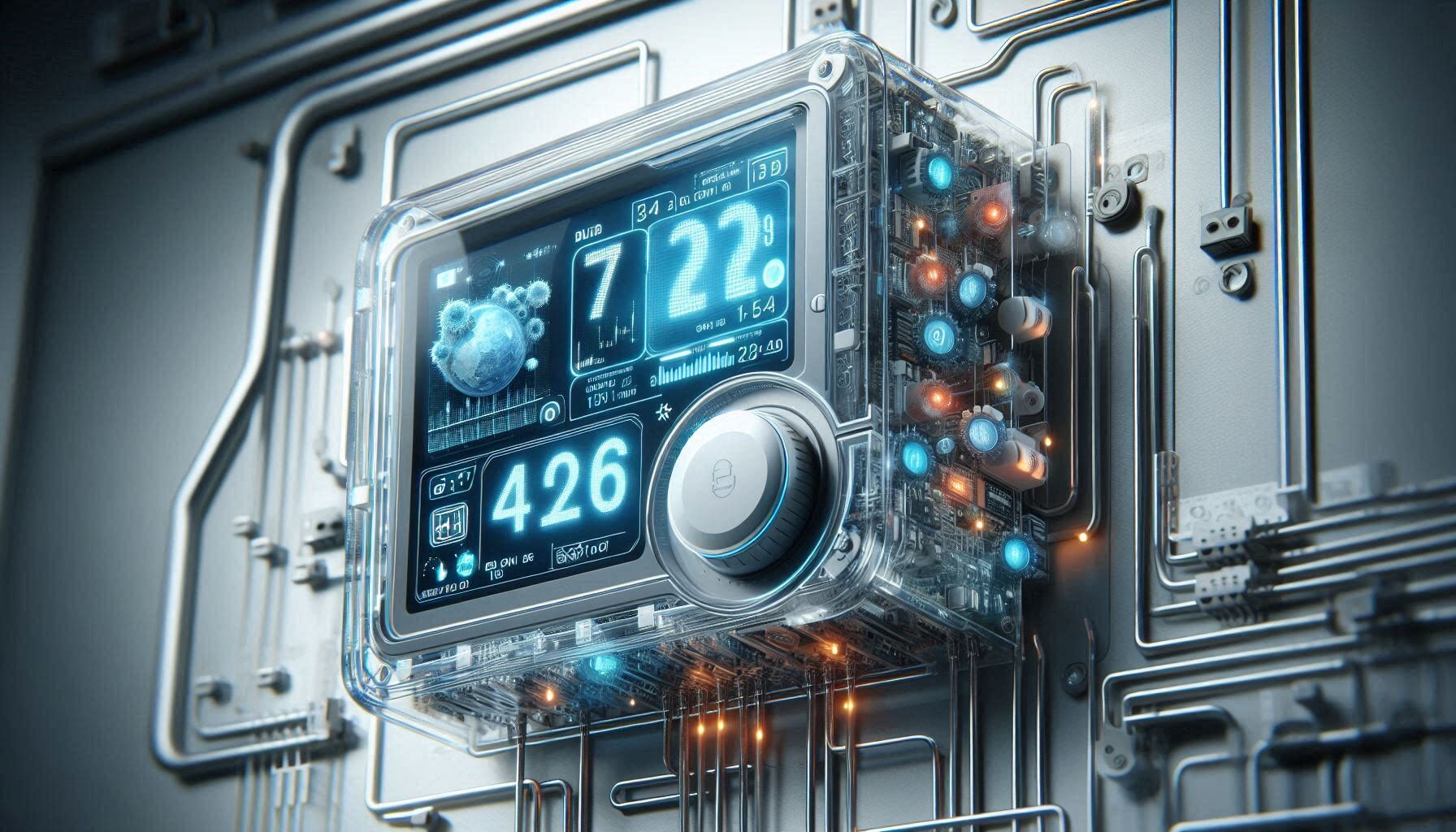
    Graph showing optimal temperature and humidity ranges for maintaining a controlled cleanroom environment.

    Ensuring proper Cleanroom Temperature and Humidity Control is critical to maintaining the integrity of sensitive processes and products. Cleanrooms used in various industries such as pharmaceuticals, biotechnology and electronics require strict environmental controls to prevent contamination and ensure the highest standards of quality and safety.

    How Do Temperature and Humidity Affect Cleanroom Operations?

    Proper temperature and humidity control is fundamental to cleanroom operations, which directly affects the quality and safety of products. Stable environmental conditions prevent contamination, ensure equipment functionality and maintain material properties. This article explores why Temperature Control and Humidity Control is essential in cleanrooms, highlighting its role in compliance, product quality and operational efficiency. Understanding these factors can help industries maintain high standards and achieve reliable results in sensitive processes.

    What Is the Role of Temperature Control in Cleanrooms?

    Temperature control in cleanrooms plays a critical role in ensuring the stability and reliability of processes and products. Constant temperatures help maintain the properties of delicate materials and prevent deterioration. Additionally, temperature fluctuations can cause condensation, which leads to moisture accumulation and potential contamination. By maintaining a constant temperature, cleanrooms ensure that products are manufactured and tested under optimal conditions, reducing the risk of defects and ensuring consistent quality.

    How Does Humidity Affect the Cleanroom Environment?

    Humidity levels are equally critical in cleanrooms, as high humidity can lead to microbial growth, corrosion and static electricity build-up. High humidity can create an environment conducive to the growth of mold and bacteria, which can compromise the sterility of the cleanroom. Conversely, low humidity levels can cause materials to become brittle and increase the risk of electrostatic discharge, damaging sensitive electronic components. Therefore, maintaining an adequate humidity range is essential to protect both products and equipment.

    When Should Temperature and Humidity Be Monitored in Cleanrooms?

    Cleanrooms should be continuously monitored to ensure that temperature and humidity are within specified limits. Real-time monitoring allows any deviations to be identified immediately, enabling prompt corrective actions. Continuous monitoring systems can provide alerts and logs, helping to identify trends and prevent potential problems before they escalate. Regular calibration of monitoring equipment is also critical to ensure accuracy and reliability in maintaining desired environmental conditions.

    Where Are the Critical Areas for Temperature and Humidity Control?

    Key areas for temperature and Humidity Control in cleanrooms include production zones, storage areas, and testing laboratories. Each region may have specific requirements based on the nature of the activities conducted. For example, production areas require strict controls to prevent contamination during manufacturing, while storage areas must maintain stable conditions to maintain the integrity of stored materials. Understanding the unique needs of each region is essential to implementing effective control measures.

    Why Is Temperature and Humidity Control Critical for Compliance?

    Temperature and humidity control is very important to meet industry norms and standards. Regulatory bodies, such as FDA and ISO, have strict requirements for environmental conditions in cleanrooms to ensure product safety and efficacy. Failure to meet these standards can result in costly fines, product recalls and reputational damage. Adherence to temperature and humidity guidelines not only ensures compliance but also increases the overall reliability and quality of cleanroom operations.

    How Does Temperature and Humidity Control Improve Product Quality?

    Maintaining proper temperature and humidity levels directly affects product quality by preventing contamination and deterioration. In pharmaceuticals, for example, improper environmental conditions can alter the chemical composition of drugs, rendering them ineffective or unsafe. In electronics, humidity control prevents static discharge that can damage sensitive components. By ensuring consistent conditions, cleanrooms can produce high-quality, reliable products that meet industry standards and customer expectations.

    What Techniques Are Used for Temperature and Humidity Control?

    Advanced technologies such as HVAC systems, dehumidifiers and humidifiers are commonly used to control temperature and humidity in cleanrooms. HVAC systems provide precise control over temperature, while dehumidifiers and humidifiers adjust humidity levels to maintain a desired humidity range. These systems are often integrated with monitoring and control software that allows for real-time adjustments and ensures stable environmental conditions. Using advanced technology increases the efficiency and reliability of temperature and humidity control in cleanrooms.

    When Should Cleanroom Conditions Be Verified?

    Cleanroom conditions should be verified during initial set-up and ensure compliance with required specifications. Validation includes thorough testing and documentation of temperature and humidity levels to verify compliance with industry standards. Regular validation ensures that control systems are functioning properly and that the cleanroom environment remains within acceptable limits. This practice is essential to maintain the integrity of cleanroom operations and ensure product quality and safety.

    Where Can Temperature and Humidity Control Be Improved?

    Improvements in temperature and Humidity Control can be achieved through routine maintenance, updates to control systems, and continuous training of personnel. Regular maintenance of HVAC systems and monitoring equipment ensures proper performance and prevents unexpected failures. Upgrading to more advanced control technologies increases accuracy and reliability. Additionally, training staff on best practices for managing cleanroom conditions can significantly improve overall control and compliance.

    How Does Temperature and Humidity Control Affect Operational Efficiency?

    Effective temperature and humidity control contribute to operational efficiency by reducing downtime, reducing the risk of contamination and ensuring consistent product quality. Stable environmental conditions reduce the likelihood of equipment malfunctions and process interruptions, leading to smoother operations. Furthermore, maintaining optimal conditions improves the reliability of processes and products, reduces the need for rework, and increases overall productivity. By investing in strong temperature and humidity control measures, cleanrooms can achieve higher efficiency and better results.

    Pros & Cons

    • Ensures product quality
    • Prevents microbial growth
    • Enhances compliance with regulations
    • Reduces equipment malfunctions
    • Improves operational efficiency
    • High initial setup cost
    • Requires continuous monitoring and maintenance
    • Potential for system malfunctions
    • Complexity in achieving precise control
    • Energy consumption

    Codes & Standards

    Temperature and humidity control in cleanrooms must comply with various industry codes and standards. Key standards include ISO 14644 for cleanroom environments, the FDA’s cGMP (current Good Manufacturing Practices) for pharmaceuticals, and ASHRAE guidelines for HVAC systems. Adhering to these standards ensures that cleanrooms meet the necessary criteria for safety, quality, and efficacy, providing a reliable framework for maintaining optimal environmental conditions.

    FAQs

    What are the ideal temperature and humidity levels for cleanrooms?

    Ideal levels vary by industry but generally range between 20-22°C for temperature and 30-50% for humidity.

    How Frequently Should Temperature and Humidity Levels Be Monitored?

    Continuous monitoring is recommended, with regular calibration of sensors and equipment.

    Can improper humidity levels cause contamination?

    Yes, high humidity can promote microbial growth, while low humidity can cause static discharge, both leading to contamination.

    What technologies help maintain cleanroom conditions?

    HVAC systems, dehumidifiers, humidifiers, and real-time monitoring software are commonly used.

    Why is compliance with standards important?

    Compliance ensures product safety, regulatory adherence, and maintains the integrity of cleanroom operations.

    Conclusion

    Temperature and humidity control in cleanrooms is crucial for maintaining the quality, safety, and reliability of products and processes. By understanding the importance of these parameters and implementing effective control measures, industries can ensure compliance with regulations, improve product quality, and enhance operational efficiency. Investing in advanced technologies and regular validation further supports the achievement of optimal cleanroom conditions, contributing to the overall success and reliability of cleanroom operations.

    About The Author

    Omprakash Ramagiri; as the Founder of HVAC Technocrats, I bring over 18 years of experience as a Mechanical Engineer specializing in HVAC (Central Air-conditioning) for commercial, cleanrooms, data centers, and Petrochemical industries. Throughout my career, I’ve held pivotal roles at companies like TATA Consulting Engineers, MW Zander (for Cleanroom solutions), Bluestar Malaysia, and ETA in Dubai. I’ve managed international HVAC projects and gained valuable exposure in dynamic markets like Dubai and Saudi Arabia. With a passion for excellence and a commitment to innovative solutions, I specialize in designing Class 10K & 100K Cleanrooms for various industries. Connect with me to explore collaborations in HVAC design, project sales, and consultancy. Click to visit the Author’s Linkedin page


    Disclaimer: The pictures used are for illustrative purposes only. They may not depict actual products or situations and are meant for educational purposes. Actual products, situations, or outcomes may differ.

    Why Indoor Air Quality Matters in Commercial Spaces

    Healthy indoor air quality in a modern commercial office space

    Understanding the importance of indoor air quality (IAQ) in commercial spaces is critical to health, productivity, and overall well-being. Poor air quality can lead to various health problems and affect the efficiency of business. This article provides insights into why indoor air quality is important in commercial spaces and how to maintain a healthy environment.

    Indoor air quality significantly affects the health and productivity of occupants. Poor air can lead to health problems such as allergies, respiratory problems and fatigue. This, in turn, affects productivity, which increases absenteeism and reduces efficiency. Understanding the factors that influence IAQ and implementing effective measures are essential to a healthy and productive workplace.

    Why Indoor Air Quality Matters in Commercial Spaces

    What is Indoor Air Quality in Commercial Spaces?

    Indoor air quality refers to the cleanliness and healthiness of the air inside and around buildings, especially as it relates to the health and comfort of building occupants. In commercial spaces, this includes offices, retail stores and other offices. Factors such as ventilation, humidity, temperature and the presence of pollutants play a key role in determining IAQ.

    When does indoor air quality become a concern?

    Indoor air quality becomes a concern when pollutants exceed acceptable levels or ventilation is inadequate. It can occur in new and old buildings. Common sources of indoor air pollution are building materials, office equipment, cleaning products and outdoor pollution that seeps into the building. It is essential to recognize early signs such as bad breath, frequent illnesses and decreased employee performance.

    Where are the common sources of indoor air pollutants?

    Common sources of indoor air pollutants in commercial spaces are HVAC systems, building materials, office equipment, and cleaning products. HVAC systems can spread contaminants if not maintained properly. Building materials such as paints, carpets and furniture emit volatile organic compounds (VOCs). Office equipment such as printers and copiers emit ozone and other chemicals, while cleaning products often contain harmful substances.

    Why is ventilation important to indoor air quality?

    Ventilation is critical to maintaining good indoor air quality. Proper ventilation helps to remove pollutants, control humidity and provide clean air. Without adequate ventilation, pollutants can accumulate, leading to poor air quality and health problems. A steady flow of fresh air can be achieved by using natural ventilation methods such as opening windows and mechanical systems such as HVAC.

    How do HVAC systems affect indoor air quality?

    HVAC systems play an important role in indoor air quality by controlling temperature, humidity and ventilation. However, if they are not managed properly, they can become pollutants. Regular maintenance, including cleaning filters and ducts, ensures that the system is working efficiently and does not contribute to poor air quality. Advanced HVAC systems also include air purification technologies.

    What are the health effects of poor indoor air quality?

    Poor indoor air quality can lead to various health problems such as allergies, asthma, respiratory infections, headaches and fatigue. Prolonged exposure to pollutants may result in chronic health issues. Poor air quality in commercial spaces can result in decreased productivity of employees and increased absenteeism due to health issues, affecting the overall performance of the business. Click for detailed article on The Hidden Risks of Chronic Air Conditioning

    When should air quality testing be conducted?

    Air quality tests should be performed regularly to ensure a healthy indoor environment. Testing is recommended when there are persistent odors, increased illnesses among residents, or noticeable changes in air quality after renovations. Regular testing helps identify potential problems early and allows timely intervention to improve air quality.

    Where can you find professional indoor air quality services?

    Professional indoor air quality services can be found through environmental consulting firms, HVAC companies, and specialized air quality testing providers. These audit experts can conduct a thorough assessment, identify sources of contamination and recommend solutions. Hiring certified and experienced professionals ensures accurate testing and effective preventative measures.

    How can businesses improve indoor air quality?

    Businesses can improve indoor air quality by implementing several strategies. These include regular maintenance of HVAC systems, using air purifiers, choosing low-VOC building materials and ensuring proper ventilation. Additionally, adopting green cleaning practices and conducting regular air quality tests can significantly improve the indoor environment. Employee education on maintaining good IAQ is also beneficial.

    What are the benefits of good indoor air quality for businesses?

    Good indoor air quality offers many benefits to businesses. This improves employee health and productivity, reduces absenteeism and leads to lower health care costs. A healthy indoor environment also improves employee satisfaction and retention. Furthermore, businesses that prioritize IAQ demonstrate a commitment to employee well-being, which can improve their reputation and attract talent.

    Pros & Cons of Improving Indoor Air Quality

    Pros:

    • Increases health and productivity.
    • Reduces absenteeism.
    • Reduces health care costs.
    • Improves employee satisfaction.
    • Improves business reputation.

    Cons:

    • Initial investment in air quality improvement measures.
    • Operating expenses.
    • Needs ongoing monitoring and testing.

    Codes & Standards for Indoor Air Quality

    Many codes and standards regulate indoor air quality in commercial spaces. The American Society of Heating, Refrigerating, and Air-Conditioning Engineers (ASHRAE) provides guidelines for ventilation and air quality is ASHRAE Standard 62.1. OSHA establishes standards to guarantee workplace safety. Adherence to these codes and standards will help maintain a healthy indoor environment.

    Frequently Asked Questions

    What are common indoor air pollutants? Common pollutants include VOCs, mold, dust and ozone from office equipment.

    How often should HVAC systems be serviced? HVAC systems require servicing at least twice annually.

    Do indoor plants improve air quality? Yes, some indoor plants can help reduce pollutants.

    What is the role of humidity in indoor air quality? Proper humidity levels prevent mold growth and maintain comfort.

    How does natural ventilation improve air quality? Opening windows and using fans can help circulate fresh air and reduce pollutants.

    Conclusion

    Maintaining good indoor air quality in commercial spaces is essential for health, productivity, and overall well-being. By understanding the factors that influence IAQ and implementing effective measures, businesses can create a healthier and more productive environment for their employees. Regular monitoring, proper ventilation, and the use of air purification technologies are key to ensuring a high standard of indoor air quality.

    About the Author

    Omprakash Ramagiri; as the Founder of HVAC Technocrats, I bring over 18 years of experience as a Mechanical Engineer specializing in HVAC (Central Air-conditioning) for commercial, cleanrooms, data centers, and Petrochemical industries. Throughout my career, I’ve held pivotal roles at companies like TATA Consulting Engineers, MW Zander (for Cleanroom solutions), Bluestar Malaysia, and ETA in Dubai. I’ve managed international HVAC projects and gained valuable exposure in dynamic markets like Dubai and Saudi Arabia. With a passion for excellence and a commitment to innovative solutions, I specialize in designing Class 10K & 100K Cleanrooms for various industries. Connect with me to explore collaborations in HVAC design, project sales, and consultancy. Click to visit the Linkedin page

    How to Design Effective 100% Exhaust Air System

    Diagram illustrating the components and airflow of a 100% exhaust air system for maintaining high indoor air quality.

    Effective ventilation is crucial in various industries. Designing a 100% exhaust air system effectively removes contaminated air from the facility. This guide covers key features, considerations, and best practices for designing the perfect exhaust system.

    Designing an Effective 100% Exhaust Air System

    A 100% exhaust system is essential to maintain high indoor air quality in critical environments. It removes all indoor air and replaces it with fresh outdoor air. This system is especially important in places where air quality directly affects safety and efficiency, such as laboratories, cleanrooms, and industrial facilities. Understanding 100% exhaust system design, implementation, and maintenance ensures proper performance and compliance with regulations.

    What are the key features of a 100% exhaust system?

    A 100% exhaust system removes all indoor air and replaces it with fresh outdoor air, critical for environments where air quality is critical. Key features include high efficiency fans, ductwork designed for minimal resistance, and filters to capture particles. These components work together to maintain a safe and healthy indoor environment, allowing pollutants to be efficiently removed. System effectiveness requires proper design and management of these features.

    When is a 100% exhaust system necessary?

    A 100% exhaust system is essential in environments where indoor air quality must be strictly controlled. This includes laboratories, cleanrooms, and industrial facilities that handle hazardous materials. Such systems prevent the accumulation of contaminants and provide a safe working environment. They are also used in healthcare settings to prevent the spread of airborne pathogens, maintaining a clean environment that is critical to patient safety and health.

    Where to install the exhaust system?

    The location of the exhaust system is critical to its effectiveness. It should be installed in areas where contaminants are likely to be generated, near chemical storage and in handling areas in laboratories. Proper placement ensures effective removal of contaminants. In industrial settings, placing exhaust points near machines or processes that produce pollutants can significantly improve air quality.

    Why is proper ductwork design important?

    Proper ductwork design is essential to minimize resistance and ensure efficient airflow. Poorly designed ductwork can lead to reduced system efficiency, increased energy consumption, and inadequate removal of contaminants. To achieve optimal performance, use smooth, straight ducts with minimal bends. Additionally, regular inspection and maintenance of ductwork can help prevent leaks and blockages that compromise the effectiveness of the system.

    How to choose the right fans for your system?

    Choosing the right fans is important for an efficient exhaust system. Fans should be selected based on the volume of air to be moved and the resistance in the ductwork. High efficiency fans can move large volumes of air while consuming less power, making them ideal for 100% exhaust systems. Ensuring that fans are properly sized and maintained can significantly affect the overall efficiency and reliability of the system.

    What role do filters play in the system?

    Filters play a vital role in capturing particles before expelling the air from the system. High-efficiency particulate air (HEPA) filters, for example, can capture particles smaller than 0.3 microns, ensuring that pollutants do not escape into the environment. Regular maintenance and replacement of filters is essential to maintain system efficiency. Properly functioning filters protect both equipment and indoor air quality.

    When should maintenance be performed?

    Longevity and efficiency of the exhaust system requires regular maintenance. Maintenance tasks include checking and replacing filters, checking ductwork for leaks or damage, and making sure fans are working properly. Performing routine maintenance helps prevent system failures and ensures continuous protection. A well-maintained system operates more efficiently, reducing energy costs and extending equipment life.

    Where can energy efficiency be improved?

    Energy efficiency can be improved by using high efficiency fans, properly designing the ductwork and maintaining the system regularly. Energy-efficient systems lower operational costs and lessen environmental impact. Investing in energy-efficient components and practices can provide long-term benefits. In addition, the inclusion of variable speed drives and other fuel-saving technologies further improves the efficiency and performance of the system.

    Why is it important to monitor air quality?

    Monitoring air quality ensures that the exhaust system is working efficiently. Sensors can detect changes in air quality, triggering adjustments in the system to maintain optimal conditions. Continuous monitoring helps identify potential problems before they become significant problems. Effective air quality monitoring protects the health of residents and ensures compliance with industry standards and regulations.

    How to ensure compliance with regulations?

    Compliance with local and national regulations is very important for 100% safe and effective operation of the exhaust system. Regulations may specify the types of materials that can be used, required performance standards, and maintenance schedules. Ensuring compliance not only avoids legal issues but also ensures the safety and effectiveness of the exhaust system. Staying current with regulatory changes is crucial for maintaining compliance.

    Pros & Cons

    Pros

  • Ensures high indoor air quality
  • Reduces the risk of contamination
  • Improves safety in hazardous environments
  • Energy-efficient with proper design
  • Adherence to health regulations
  • Cons

  • Initial installation cost is high
  • Regular maintenance is required
  • Energy consumption can be significant if not managed properly
  • Special parts may be required

  • Codes & Standards

    Adherence to codes and standards ensures that the exhaust system meets safety and performance standards. Major standards include American Society of Heating, Refrigerating, and Air-Conditioning Engineers (ASHRAE) standards, Occupational Safety and Health Administration (OSHA) regulations, and local building codes. These standards guide the design, installation and maintenance of exhaust systems.

    Frequently Asked Questions

    What is a 100% exhaust system?

    A system that removes all indoor air and replaces it with fresh outdoor air to maintain high indoor air quality.

    When should you use a 100% exhaust system?

    Use it in environments where indoor air must be free of contaminants, such as laboratories and cleanrooms.

    How do you maintain a 100% exhaust system?

    Regular maintenance includes checking filters, checking ductwork and making sure fans are working properly.

    Why is ductwork design critical?

    Proper ductwork design minimizes resistance and ensures efficient airflow, improving system performance.

    What rules should be followed?

    Follow ASHRAE standards, OSHA regulations and local building codes to ensure safety and compliance.

    Conclusion

    Designing an efficient 100% exhaust system is essential to maintain high indoor air quality in critical environments. By understanding key features, proper placement, and maintenance requirements, you can ensure your system is efficient and compliant with regulations. Investing in the right components and practices can provide long-term benefits, ensuring a safe and healthy environment.

    About The Author

    Omprakash Ramagiri; as the Founder of HVAC Technocrats, I bring over 18 years of experience as a Mechanical Engineer specializing in HVAC (Central Air-conditioning) for commercial, cleanrooms, data centers, and Petrochemical industries. Throughout my career, I’ve held pivotal roles at companies like TATA Consulting Engineers, MW Zander (for Cleanroom solutions), Bluestar Malaysia, and ETA in Dubai. I’ve managed international HVAC projects and gained valuable exposure in dynamic markets like Dubai and Saudi Arabia. With a passion for excellence and a commitment to innovative solutions, I specialize in designing Class 10K & 100K Cleanrooms for various industries. Connect with me to explore collaborations in HVAC design, project sales, and consultancy. Click to visit the Author’s Linkedin page


    Disclaimer: The pictures used are for illustrative purposes only. They may not depict actual products or situations and are meant for educational purposes. Actual products, situations, or outcomes may differ.