How to Optimize HVAC Systems for Cleanroom Pressure Control?

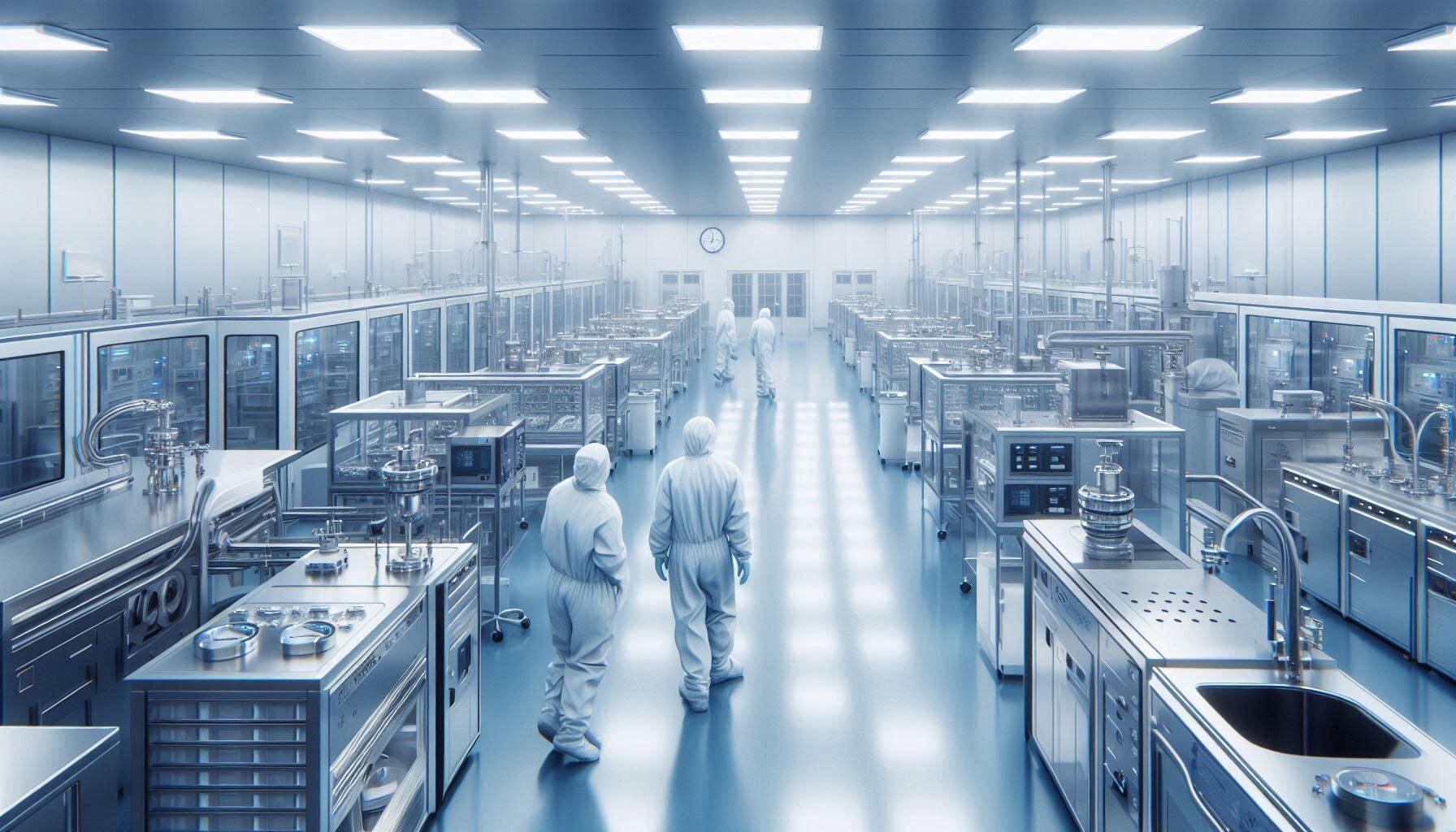
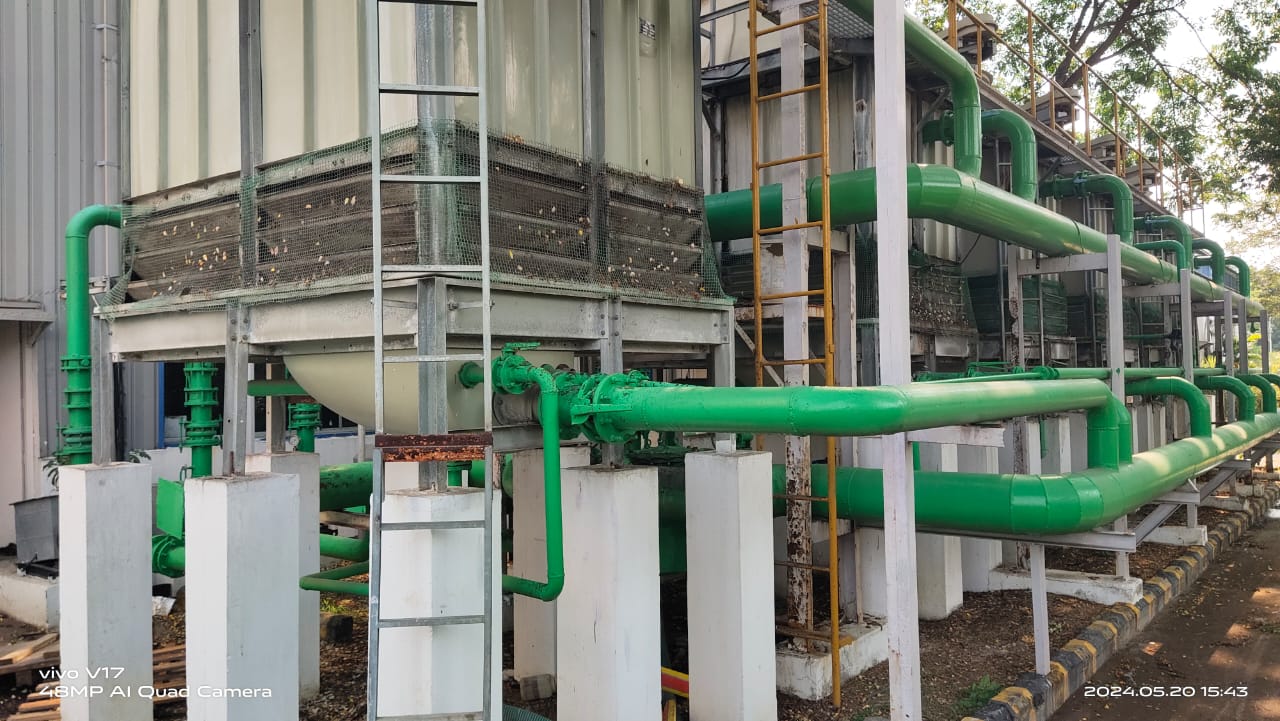
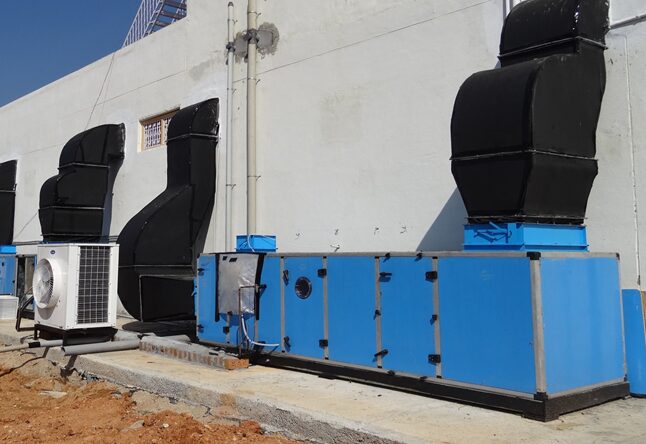
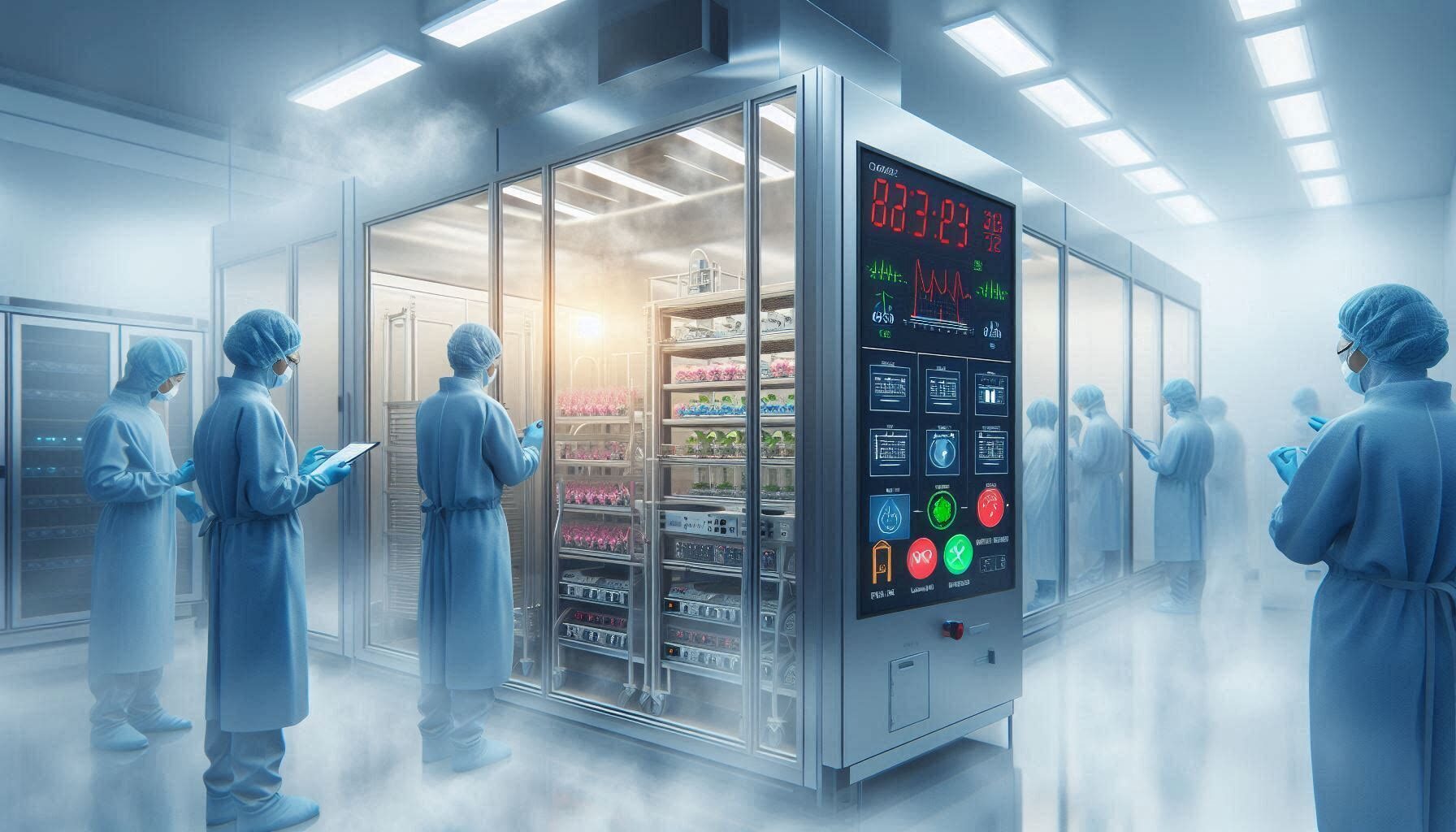
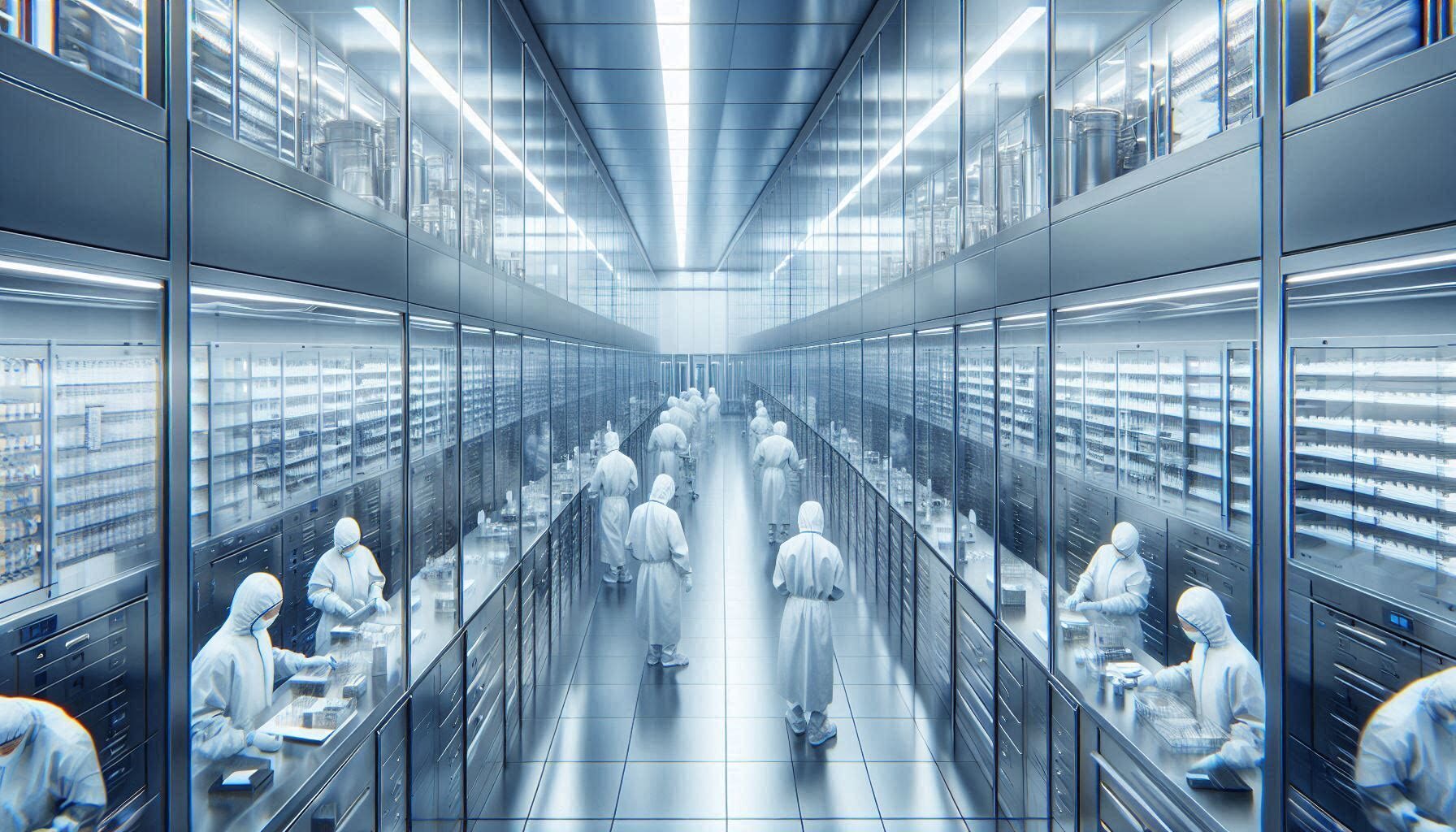
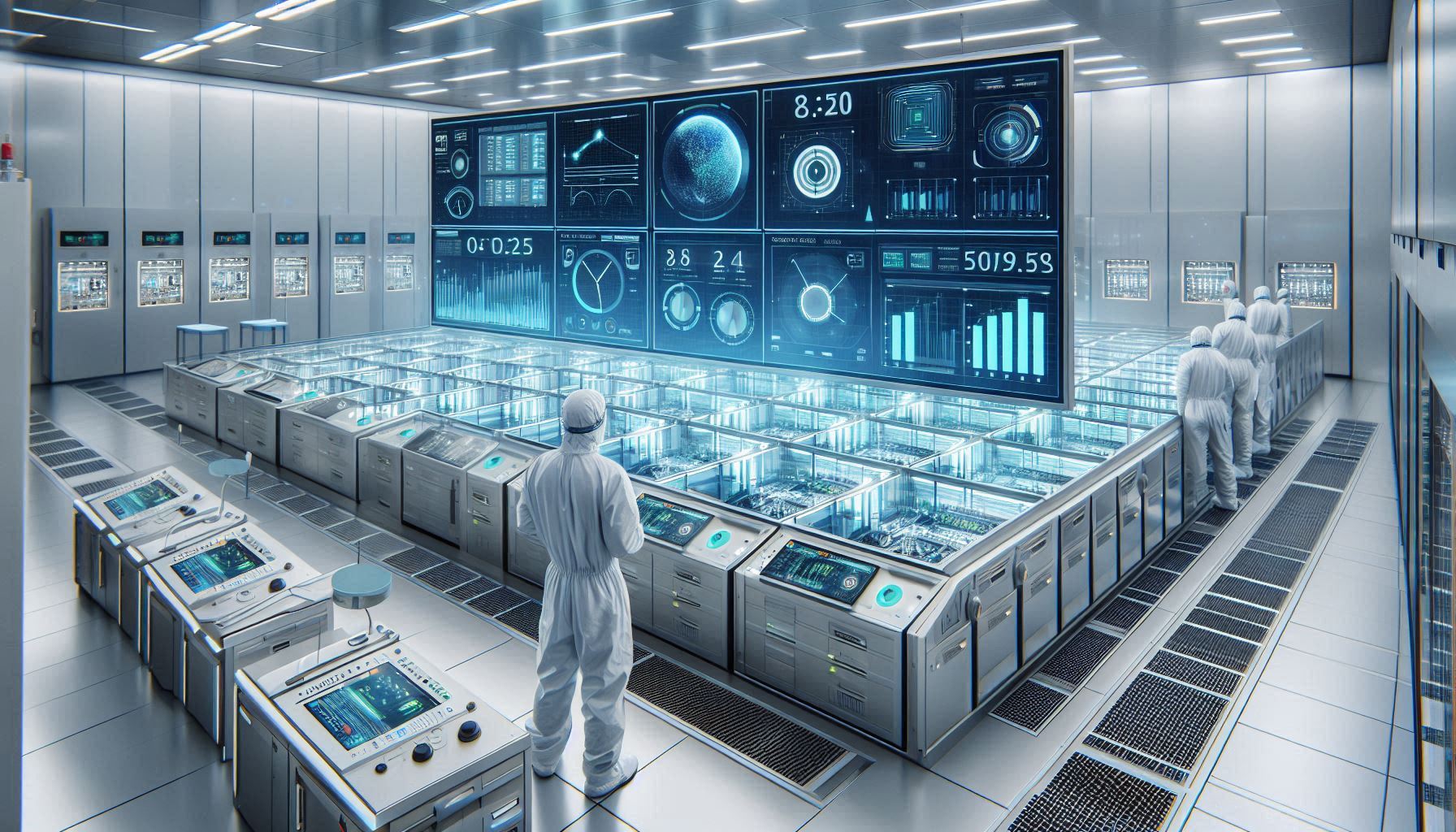
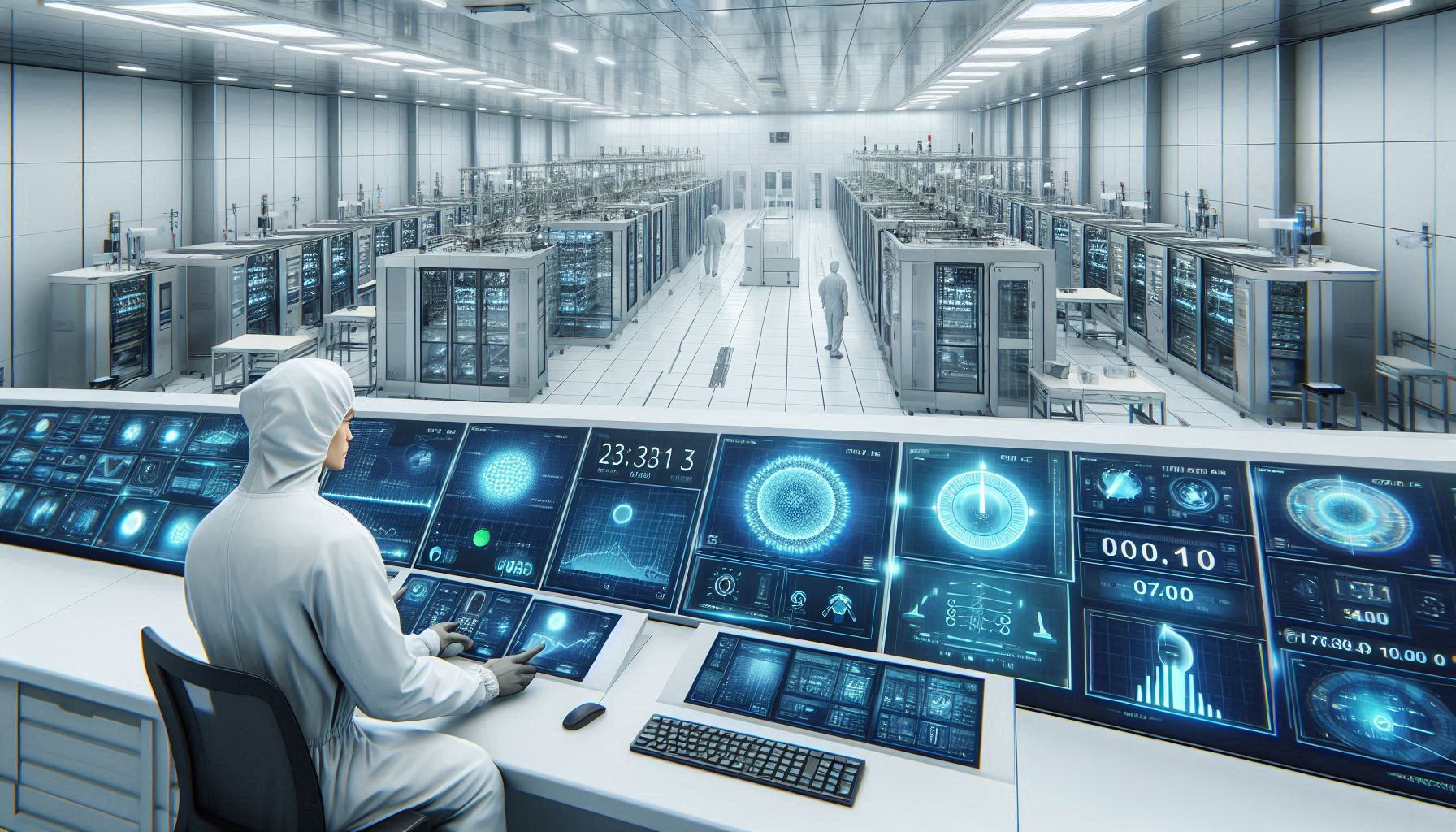
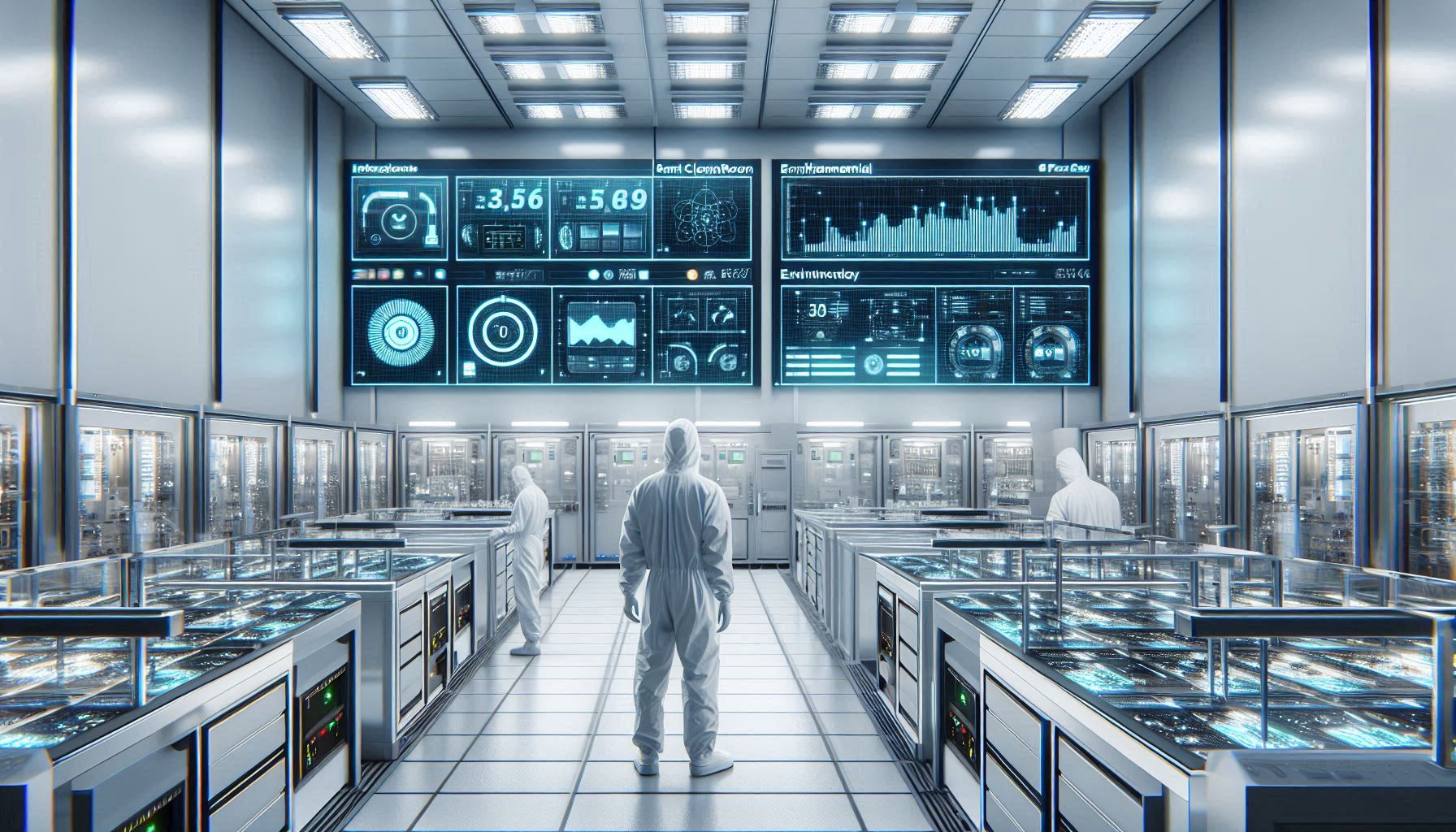
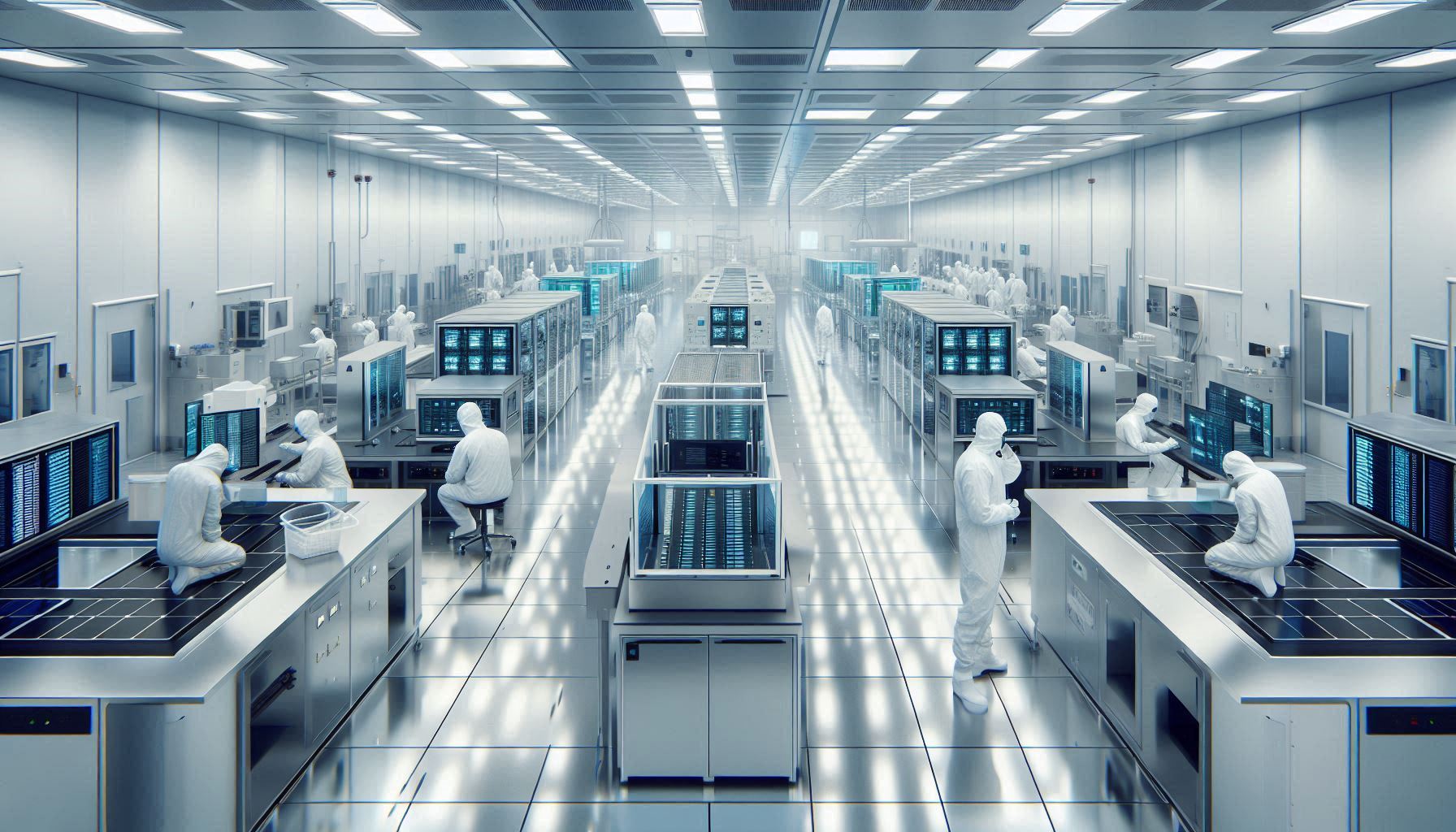
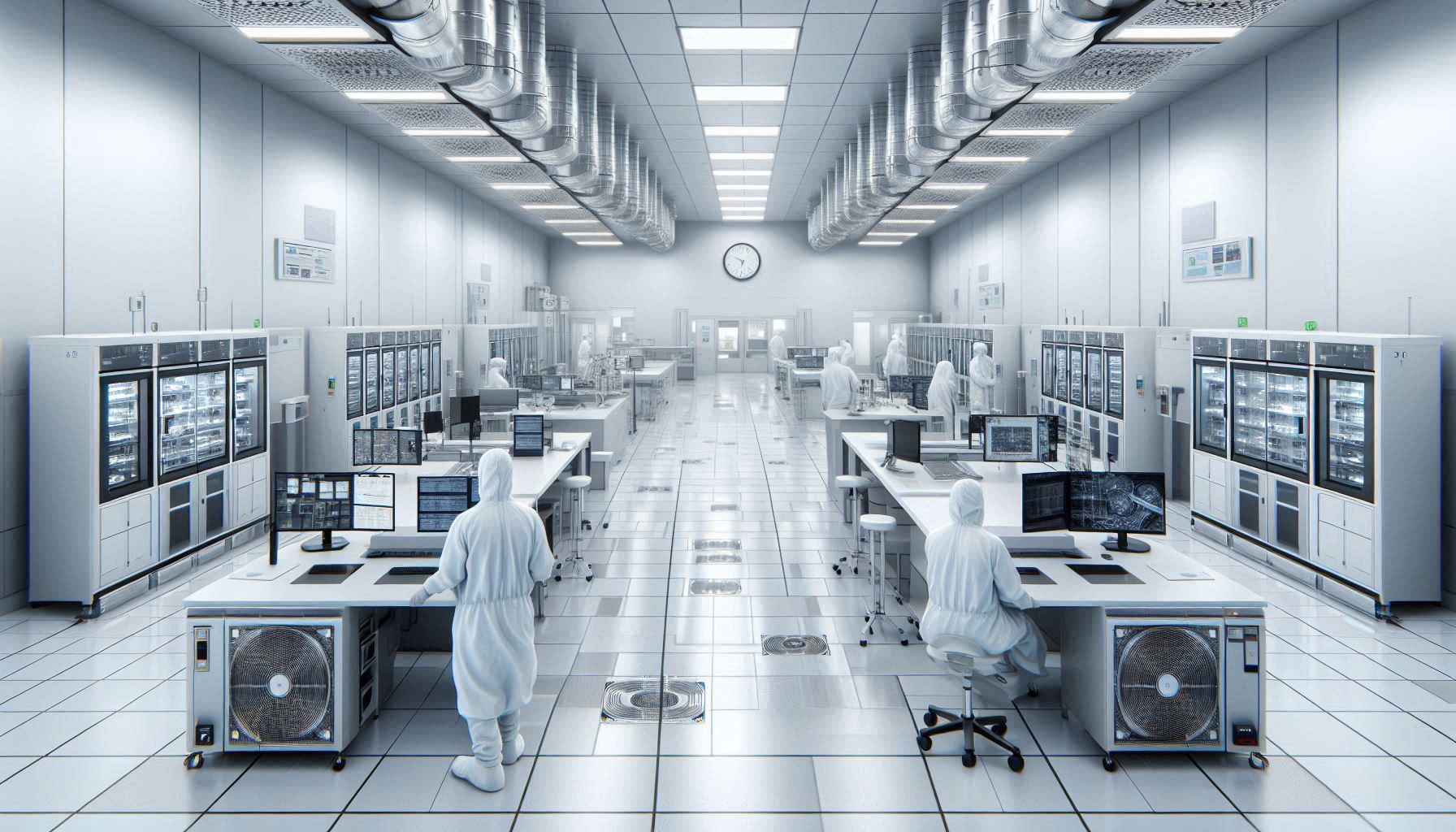
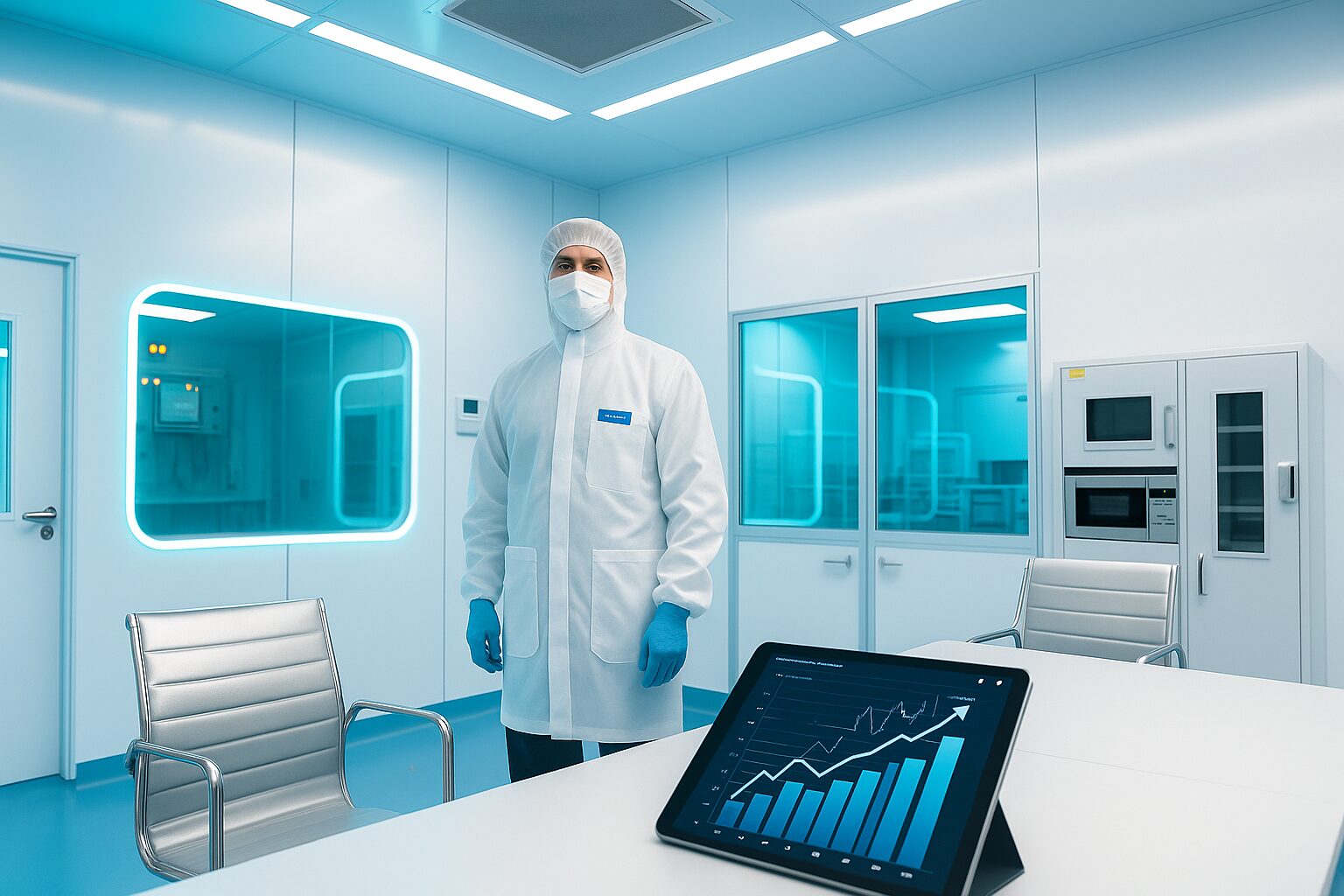
Diagram illustrating the optimization of HVAC systems for maintaining cleanroom pressure control.

Maintaining the integrity of cleanrooms is crucial in industries like pharmaceuticals, electronics, and biotechnology. The role of cleanroom pressure differential in HVAC systems is a fundamental aspect of ensuring this integrity. Understanding its significance helps in creating controlled environments that meet stringent cleanliness standards.

Ensuring proper air quality and contamination control in cleanrooms hinges on maintaining pressure differentials. By controlling the pressure, cleanrooms can effectively prevent the ingress of contaminants, thereby safeguarding sensitive processes and products.

The significance of pressure differential in cleanroom HVAC systems cannot be overstated. It forms the backbone of contamination control, ensuring that clean air is consistently maintained, and contaminants are kept at bay.

What Is Cleanroom Pressure Differential and Why Does It Matter?

Pressure differential refers to the difference in air pressure between adjacent areas within a cleanroom environment. This differential creates a directional airflow, preventing contaminated air from entering the cleanroom. By maintaining higher pressure in cleaner zones, contaminants are pushed towards areas of lower cleanliness, ensuring that the most critical areas remain uncontaminated.

How Does Pressure Differential Impact Cleanroom Performance?

The effectiveness of a cleanroom hinges on its ability to maintain a controlled environment. Pressure differential plays a pivotal role by creating barriers against contamination. It ensures that any potential contaminants are moved away from critical areas, maintaining the purity of the cleanroom environment.

Where Is Pressure Differential Most Critical in Cleanrooms?

Pressure differentials are particularly crucial at entry points, such as doors and pass-throughs. These areas are potential weak spots where contaminants can enter. By maintaining a pressure differential, cleanrooms can ensure that these points do not become sources of contamination, safeguarding the integrity of the clean environment.

When Should Pressure Differential Be Monitored?

Continuous monitoring of pressure differential is essential to maintaining a cleanroom’s integrity. Any fluctuations can compromise the controlled environment, allowing contaminants to enter. Regular monitoring ensures that the pressure differential is maintained, providing consistent protection against contamination.

Why Is Consistent Pressure Differential Vital?

Consistency in maintaining pressure differentials is key to ensuring the cleanroom remains uncontaminated. Any variation can lead to breaches, allowing contaminants to infiltrate. Consistent pressure differentials provide a stable barrier, protecting sensitive processes and products within the cleanroom.

What Are the Consequences of Improper Pressure Differential?

Failure to maintain proper pressure differentials can lead to significant contamination issues. Contaminants can enter critical areas, compromising product quality and safety. This can result in costly downtime, product recalls, and potential health risks, highlighting the importance of maintaining proper pressure differentials.

How Can Pressure Differential Be Effectively Managed?

Effective management of pressure differential involves the use of advanced HVAC systems equipped with sensors and controls. These systems monitor and adjust pressure levels in real-time, ensuring that the cleanroom environment remains stable and uncontaminated.

What Technologies Support Pressure Differential Management?

Modern HVAC systems incorporate various technologies to manage pressure differentials. These include sensors, control systems, and feedback mechanisms that work together to maintain the desired pressure levels. These technologies ensure that cleanrooms remain effective in preventing contamination.

Why Is Training Important in Managing Pressure Differential?

Proper training for personnel is crucial in managing pressure differentials. Staff need to understand the importance of maintaining these differentials and how to operate and monitor the HVAC systems effectively. Training ensures that everyone is aware of their role in protecting the cleanroom environment.

What Are Bubble, Sink, and Cascade Pressure Differentials?

Different strategies for maintaining pressure differentials in cleanrooms include bubble, sink, and cascade setups:

  • Bubble Pressure Differential: The cleanroom is kept at a higher pressure than adjacent areas, creating a “bubble” that prevents contaminants from entering. For example, if a cleanroom is at +10 Pa relative to surrounding areas, it pushes air out, keeping contaminants at bay.

  • Sink Pressure Differential: The cleanroom is kept at a lower pressure than adjacent areas, causing contaminants to be drawn into the cleaner area from surrounding spaces. For example, a room maintained at -10 Pa relative to adjacent spaces will pull air in, ensuring contaminants are trapped.

  • Cascade Pressure Differential: This setup involves multiple rooms with progressively lower or higher pressure, creating a gradient that controls the flow of contaminants. For instance, a sequence of rooms at +20 Pa, +10 Pa, and 0 Pa ensures contaminants are pushed through a controlled path.

  • Examples of Pressure Differential Values

    Typical pressure differential values in cleanrooms vary depending on their classification:

  • ISO Class 5: +15 to +20 Pa

  • ISO Class 7: +10 to +15 Pa

  • ISO Class 8: +5 to +10 Pa

  • These values are critical to maintaining the cleanroom’s integrity and preventing contamination.

    What Standards Govern Pressure Differential in Cleanrooms?

    Several industry standards govern the maintenance of pressure differentials in cleanrooms. These include ISO 14644 and the US Federal Standard 209E. Additionally, pressure differentials can vary based on the classification of the cleanroom. Higher-class cleanrooms require stricter pressure controls to maintain their integrity. Adhering to these standards ensures that cleanrooms meet the required levels of cleanliness and contamination control.

    Pros and Cons of Maintaining Pressure Differential in Cleanrooms

    Pros:

  • Ensures contamination control

  • Protects product quality and safety

  • Enhances operational efficiency

  • Complies with industry standards

  • Cons:

  • Requires continuous monitoring and maintenance

  • Can be cost-intensive to implement and maintain

  • Needs specialized training for personnel

  • Codes and Standards Governing Pressure Differential

    Maintaining pressure differential in cleanrooms is governed by stringent codes and standards. Key standards include ISO 14644, which outlines the requirements for cleanroom classifications, which sets the criteria for cleanroom contamination control. These standards dictate the pressure differentials required based on cleanroom classifications, ensuring each area maintains its integrity. Adherence to these standards is crucial for ensuring the effectiveness of pressure differentials in maintaining cleanroom integrity.

    FAQ

    What is the purpose of pressure differential in cleanrooms?

    Pressure differential prevents contaminants from entering critical clean areas.

    How is pressure differential maintained in cleanrooms?

    Using advanced HVAC systems with real-time monitoring and adjustments.

    Why is continuous monitoring of pressure differential important?

    It ensures consistent contamination control and cleanroom integrity.

    What standards regulate pressure differentials in cleanrooms?

    ISO 14644 and US Federal Standard 209E are key standards.

    Can pressure differential affect cleanroom performance?

    Yes, improper pressure differentials can lead to contamination and compromised performance.

    Conclusion

    Maintaining proper pressure differential is critical in cleanroom HVAC systems. It ensures effective contamination control, protecting sensitive processes and products. By adhering to industry standards and employing advanced technologies, cleanrooms can achieve and maintain the necessary pressure differentials. This, in turn, guarantees the integrity and effectiveness of the cleanroom environment, ensuring the highest levels of cleanliness and safety.

    About The Author

    Omprakash Ramagiri; as the Founder of HVAC Technocrats, I bring over 18 years of experience as a Mechanical Engineer specializing in HVAC (Central Air-conditioning) for commercial, cleanrooms, data centers, and Petrochemical industries. Throughout my career, I’ve held pivotal roles at companies like TATA Consulting Engineers, MW Zander (for Cleanroom solutions), Bluestar Malaysia, and ETA in Dubai. I’ve managed international HVAC projects and gained valuable exposure in dynamic markets like Dubai and Saudi Arabia. With a passion for excellence and a commitment to innovative solutions, I specialize in designing Class 10K & 100K Cleanrooms for various industries. Connect with me to explore collaborations in HVAC design, project sales, and consultancy. Click to visit the Author’s Linkedin page


    Disclaimer: The pictures used are for illustrative purposes only. They may not depict actual products or situations and are meant for educational purposes. Actual products, situations, or outcomes may differ.

    Cleanroom: What Are the Best Practices for Particle Control?

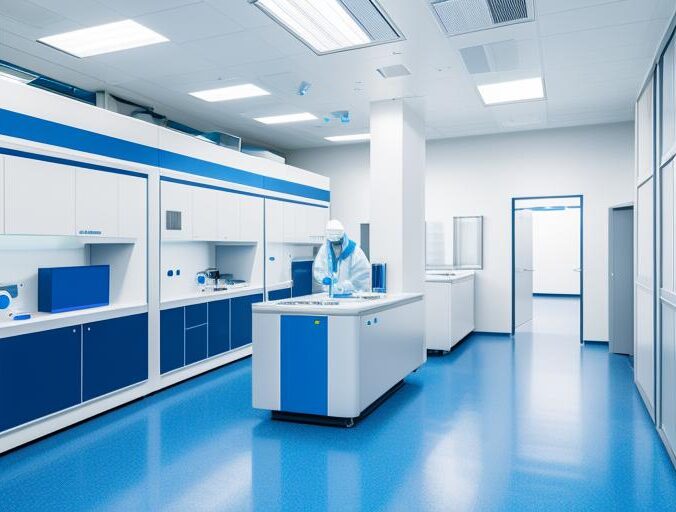
    Diagram illustrating best practices for cleanroom particle control in pharmaceutical and semiconductor industries.

    It is important to understand the importance of cell control in the cleanroom environment to maintain hygiene and ensure the quality of the product. This article analyzes how effective cell control measures can improve cleanroom capacity, prevent pollution and work to meet industry standards.

    Importance of Particle Control for Cleanroom Capacity

    Cleanrooms are special atmosphere, where cell control is important to maintain high levels of hygiene. By implementing stringent cell control measures, industries can ensure their procedures and integrity of products, which will eventually meet better operating efficiency and strict standards.

    What is partial control in cleanroom?

    Cleanrooms include maintenance and decrease of air and surface cells to maintain hygiene levels specified in cell control. It is obtained through various methods, including filtration systems, air flow control and strict procedural protocols. Effective cell control helps to adapt the criteria required for clean room pollution-sensitive processes.

    What is a particle control role in the cleanroom environment?

    The primary role of cell control in the cleaner environment is to prevent pollution that can damage the quality and safety of the products. By reducing the appearance of cells, cleaners protect sensitive manufacturing processes and research activities. Cell control industry helps to maintain the integrity of operations according to rules and standards.

    Why does clean rooms have partial control?

    Cell control in cleanroom for several reasons:

  • Product quality: Prevents pollution that affects production performance and safety.
  • Compliance: Strict industry ensures following standards and rules.
  • Activity capacity: The process reduces obstruction and risk of defects.
  • Security: Protects employees and delicate devices from harmful cells.
  • Where to apply particle control in cleanroom?

    Particle control should be applied in various aspects of the cleanroom environment, including:

  • Air filter: HEPA filler with high -spasm to remove cells in the air.
  • Surfaces: Cleaning and maintaining regular surfaces to prevent cell accumulation.
  • Employees: Proper gowning and hygiene protocol to reduce pollution from employees.
  • Equipment: To ensure that the equipment is maintained clean and regularly to prevent cell production.
  • Entry point: Airlock and cleanroom admission procedures to control cell entry.

  • How to get effective particles control?

    Effective cell control in cleanroom can be obtained through multiple strategies:

  • Regular monitoring: counting and monitoring of continuous cells to identify pollutants.
  • Management in Airflow: Proper design and maintenance of ventilation systems to stay in lamina airflow.
  • Strict cleaning protocol: Simple cleaning using appropriate techniques and equipment.
  • Staff Training: To educate employees on the best ways to maintain cleanliness.
  • Advanced filter: Using HEPA and ULPA filters to catch and remove cells in the air.

  • What are the latest technology in particle control?

    Latest Techniques in Cell Control for Cleanroom:

  • Real -time particle monitoring system: Provide continuous data at cell levels for immediate action.
  • Advanced Filter: Improve HEPA and ULPA filters with high efficiency ratings.
  • Robotic cleaning system: to clean the automatic robot stable and well -cleaned.
  • Nano coatings: Surface treatment that reduces cells and reduce pollution.
  • Smart HVAC system: Integrated systems that adjust air flow and filter based on real -time data.

  • What are the advantages and disadvantages of particle control?

    Advantages:

  • Better production quality: Low pollution can cause high quality outputs.
  • Compliance: Industry is according to standards and control requirements.
  • Activity capacity: low process interruption and defect.
  • Security: Protects both employees and sensitive equipment.
  • Dis Advantages:

  • Extreme initial cost: Implementation of sophisticated cell control systems is expensive.
  • Maintenance: Continuous maintenance and monitoring is necessary to be effective.
  • Complex procedures: Continuous implementation includes stringent protocols that are challenging.

  • FAQ

    What is the purpose of particle control in cleanroom?

    The primary purpose of particle control in the cleanroom is to prevent contamination, which is important to maintain the quality and safety of the product. Effective particle control industry ensures compliance with industry standards, improves operational efficiency, and protects both personnel and sensitive devices from harmful particles.

    How does particle control cleanliness affect the efficiency of the room?

    Particle control contamination-related process has a significant impact on cleanroom efficiency by reducing the risk of interruptions and errors. By maintaining a controlled environment, cleaners operate smoothly and continuously, which improves productivity and product quality.

    What are the common methods of particle control in cleaning chambers?

    Common practices for particle control in clean rooms include the use of HEPA and ULPA filters for air filtration, strict cleaning protocols, proper gowning and hygiene of personnel, and implementation of airlock and admission procedures to reduce particle introduction, and particle introduction. These methods work together to maintain the required hygiene level.

    Why is continuous monitoring in cleaning chambers?

    Continuous monitoring in cleaning chambers is important as it allows particle level and potential contamination sources to detect in real time. This enables quick corrective actions to ensure that the environment of cleanliness remains within the hygiene standards specified at all times.

    What are the challenges in applying particle control in cleaning chambers?

    Applying particle control in the cleanroom presents challenges such as high early costs, continuous maintenance and monitoring requirement and complexity of implementing strict procedural protocols for refined systems. Despite these challenges, the benefits of better product quality, compliance and operational efficiency make it necessary.

    Conclusion

    Particle control is necessary to maintain the integrity and efficiency of the environment of the cleaning chamber. By applying effective particle control measures, industry can ensure high product quality, compliance with strict standards and better operating efficiency. As the technology progresses, the methods of particle control and equipment are developed, which further improves the effectiveness of the clean environment.

    About The Author

    Omprakash Ramagiri; as the Founder of HVAC Technocrats, I bring over 18 years of experience as a Mechanical Engineer specializing in HVAC (Central Air-conditioning) for commercial, cleanrooms, data centers, and Petrochemical industries. Throughout my career, I’ve held pivotal roles at companies like TATA Consulting Engineers, MW Zander (for Cleanroom solutions), Bluestar Malaysia, and ETA in Dubai. I’ve managed international HVAC projects and gained valuable exposure in dynamic markets like Dubai and Saudi Arabia. With a passion for excellence and a commitment to innovative solutions, I specialize in designing Class 10K & 100K Cleanrooms for various industries. Connect with me to explore collaborations in HVAC design, project sales, and consultancy. Click to visit the Author’s Linkedin page


    Disclaimer: The pictures used are for illustrative purposes only. They may not depict actual products or situations and are meant for educational purposes. Actual products, situations, or outcomes may differ.

    Why PLCs Are Important for HVAC Equipment Automation

      Understanding the Role of Programmable Logic Controllers (PLCs) in HVAC Automation

      In the HVAC equipment industry, programmable logic controllers (PLCs) play an important role in streamlining operation and increasing efficiency It is important to understand their importance and applications for the optimization of HVAC systems breed.

        What is a programmable logic controller (PLC) in an HVAC system?

        Programmable logic controllers (PLCs) are specialized industrial computers designed to control machinery and processes, including those in heating, ventilation, and air conditioning (HVAC) systems that perform specific tasks based on conditions that insertion controls are included, making them important components of HVAC automation.

        What is the role of a programmable logic controller (PLC)?

        The main role of PLC in HVAC equipment automation is to monitor and control various system components such as pumps, fans, valves and sensors. By receiving input signals and preprogramming commands, the PLC ensures accurate control of temperature, humidity, ventilation, and other parameters necessary for optimal HVAC performance

        Where should programmable logic controllers (PLCs) be used / applications?

        PLCs find a wide range of applications in a variety of HVAC environments, including commercial buildings, industrial buildings, data centers and hospitals and residential complexes. They are instrumental in regulating temperature, humidity, and air quality while improving energy efficiency and operational reliability.

        How To Use The Programmable Logic Controllers (PLC)?

        Using PLCs in HVAC automation involves programming them to perform specific functions according to system requirements. This includes configuring input and output devices, creating logical sequences, and implementing control strategies tailored to the unique needs of each application.

        What Are The Advantages & Disadvantages Of Programmable Logic Controllers (PLC)?

        Pros:
        • Flexibility in programming and customization
        • Enhanced system reliability and uptime
        • Real-time monitoring and diagnostics capabilities
        • Incorporating with Building Automation Systems (BAS) to achieve centralized control.
        • Simplified troubleshooting and maintenance procedures
        Cons:
        • Initial setup and programming complexity
        • Dependency on skilled technicians for installation and maintenance
        • Potential for cybersecurity vulnerabilities if not adequately secured
        • Higher upfront costs compared to conventional control systems

        How To Install The Programmable Logic Controllers (PLC)?

        Installing PLCs in HVAC systems requires expertise in electrical wiring, device mounting, and programming. It involves mounting the PLC hardware, connecting input and output devices, configuring communication networks, and programming the control logic using specialized software.

        What Are The Supporting Details For Programmable Logic Controllers (PLC)?

        To ensure optimal performance and longevity of PLC-based HVAC automation systems, regular maintenance, software updates, and cybersecurity measures are essential. Additionally, ongoing training for personnel responsible for system operation and maintenance is crucial to maximize efficiency and minimize downtime.

        FAQ

          What is the function of programmable logic control in automation?

          Programmable logic controllers (PLCs) serve as the brain of automation systems, executing predefined logic commands to control machinery and processes. They monitor input signals, make decisions based on programmed instructions, and actuate output devices to achieve desired automation outcomes.

          Why are programmable logic controllers important?

          PLCs are vital in automation due to their ability to precisely control industrial processes, enhance operational efficiency, and improve system reliability. They facilitate seamless integration of various components, enable real-time monitoring, and streamline maintenance procedures, thus contributing to overall productivity and cost-effectiveness.

          What is PLC programming?

          PLC programming involves writing and implementing sets of instructions, known as ladder logic or function blocks, to define the behavior of a programmable logic controller. This programming dictates how the PLC processes input signals, executes logical operations, and generates output commands to automate specific tasks.

          How is PLC used in HVAC?

          PLCs are utilized in HVAC systems to automate control functions such as temperature regulation, airflow management, and equipment operation. They receive input signals from sensors, process data based on programmed logic, and adjust system parameters accordingly to maintain desired environmental conditions efficiently.

          HVAC PLC program example?

          An HVAC PLC program example could involve regulating the operation of a chiller unit based on temperature setpoints. The PLC would receive input from temperature sensors, compare it with the desired setpoints, and control the chiller’s compressor and valves to maintain optimal cooling levels.

          What is the working principle of PLC?

          The working principle of PLC revolves around scanning input signals, executing programmed logic, and generating output commands in a cyclical manner. PLCs continuously cycle through these processes, updating system states based on input conditions and executing control functions to automate industrial processes effectively.

          What is the full form of PLC?

          PLC stands for Programmable Logic Controller.

          What are the types of PLC?

          Types of PLCs include modular PLCs, compact PLCs, rack-mounted PLCs, and programmable automation controllers (PACs). Each type offers different form factors, processing capabilities, and expansion options to suit various automation applications and requirements.

          What is HVAC programming training?

          HVAC programming training involves learning how to program and configure PLCs specifically for HVAC system automation. It covers topics such as ladder logic programming, sensor interfacing, control algorithms, and troubleshooting techniques tailored to the needs of HVAC automation in commercial and industrial settings.

          What is PLC in electrical?

          PLC in electrical refers to the application of programmable logic controllers in electrical control systems. PLCs are used to automate electrical processes, monitor power distribution, control machinery, and implement safety interlocks, offering efficient and reliable control solutions in various electrical applications.

          Conclusion

          In conclusion, Programmable Logic Controllers (PLC) play a vital role in automating HVAC equipment, offering precise control, enhanced reliability, and energy efficiency. Understanding their application and leveraging their capabilities is key to optimizing HVAC systems for various commercial, industrial, and residential settings.

          Clean Room: The Hidden Heroes of Everyday Life and Technology

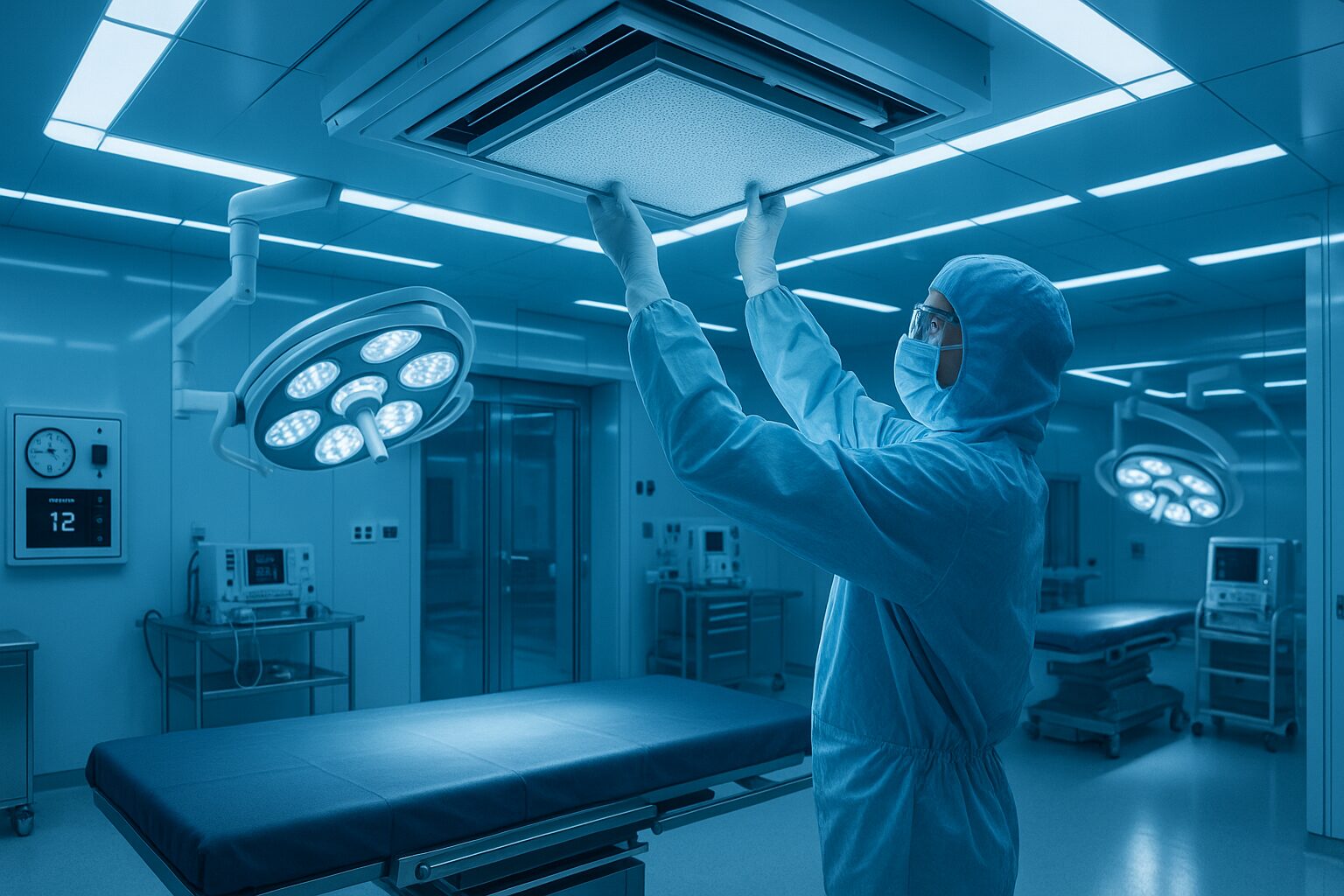
          Technician in sterile PPE inspecting HEPA filters in a pharmaceutical cleanroom

          What Defines a Clean Room?

          A clean room is a controlled environment where airborne particles, temperature, humidity, and pressure are carefully regulated to prevent contamination. These environments are indispensable in industries where even a single speck of dust or microbe could spell disaster—think semiconductor fabrication, pharmaceutical production, or aerospace engineering. For example, a Hyderabad-based vaccine manufacturer reduced contamination risks by 40% after upgrading to ISO 5 cleanrooms.

          Why Clean Rooms Are Non-Negotiable in Critical Industries

          Clean rooms safeguard processes where precision is paramount:

          • Pharmaceuticals: Sterile drug production relies on HEPA filters (learn maintenance tips here ) and pressure gradients to block pathogens.
          • Semiconductors: Nanoscale chip fabrication demands particle counts as low as ISO 1 standards (≤10 particles/m³).
          • Healthcare: Operation theatres use laminar airflow systems to prevent surgical infections.

          A Bengaluru semiconductor plant achieved ISO 14644-1 compliance by maintaining 300 air changes per hour (ACH), cutting defects by 25%.

          Decoding Clean Room Classifications (ISO 1 to ISO 9)

          Cleanrooms are classified based on the number of particles per cubic meter, following ISO 14644-1 standards:

          • ISO Classes: Range from ISO 1, the cleanest with 10 particles or fewer per cubic meter, to ISO 9, which reflects normal ambient air conditions.
          • Pharma Standards: EU GMP Grade A aligns with ISO 5 (≤3,520 particles/m³ ≥0.5µm).
          • Legacy systems: Class 100 correspond to ISO 5, which permits up to 100 particles per cubic foot.

          A Delhi hospital avoided FDA penalties by aligning its OTs with ISO 8 standards, ensuring NABH conditions.

          Types of Clean Room: From Modular to Soft-wall

          Cleanrooms vary by construction and airflow design:

          1. Modular Cleanrooms:
            • Prefabricated panels allow scalability. Ideal for startups needing flexible setups.
            • Example: A Pune biotech lab used modular units to expand production during the pandemic.
          2. Conventional Cleanrooms:
            • Built from scratch, offering permanent solutions for large-scale operations.
          3. Softwall Cleanrooms:
            • Temporary, PVC-curtained spaces for low-risk tasks like packaging.
          4. Unidirectional Flow Rooms:
            • Laminar airflow (0.45 m/s) for sterile zones, reducing turbulence.

          Designing Clean Room: Balancing Precision and Practicality

          Designing a clean room involves integrating advanced systems to sustain critical conditions such as temperature, humidity, pressure gradients, and particle count. These environments require meticulous planning to meet industry-specific standards while balancing cost and functionality.

          Key Components of Clean Room Design

          1. Airflow Systems:
          • Laminar Flow: Unidirectional airflow (typically downward) is used in sterile zones like pharmaceutical cleanrooms. This ensures that particles are removed from critical areas. For example, a Gujarat pharma facility achieved ISO Class 5 compliance using laminar flow systems.
          • Turbulent Flow: Non-unidirectional airflow suits less sensitive areas, such as packaging units, where particle control is less stringent.
          1. HVAC Integration:
          • HEPA Filters: Essential for trapping 99.97% of particles ≥0.3 microns. Regular maintenance of these filters is critical to avoid contamination risks.
          • Pressure Gradients: Positive pressure (+15 Pa) prevents external contaminants from entering, while negative pressure isolates hazardous materials in bio-safety labs.
          1. Material Selection:
          • Non-shedding surfaces like stainless steel and epoxy flooring minimize particle generation. A Bengaluru semiconductor plant reduced defects by 25% by using anti-static materials.

          Balancing Cost and Compliance

          Clean room costs vary widely:

          • ISO 5 Cleanrooms: ₹50,000–₹2 lakh per square foot.
          • Modular Cleanrooms: Prefabricated units offer flexibility for startups, reducing upfront investment.

          Adherence to ISO 14644-1 and ASHRAE 170 standards is essential. A Delhi hospital avoided regulatory penalties by aligning its operation theatre design with these guidelines.

          Emerging Trends in Clean Room Design

          • Sustainability: Solar-powered HVAC systems and energy recovery wheels reduce carbon footprints (learn more).
          • AI-Driven Monitoring: Predicts filter failures using airflow data.
          • Automation: Robotics and AI-driven sensors minimize human intervention, lowering contamination risks.

          Case Study: Semiconductor Manufacturing

          A Hyderabad semiconductor fab implemented low-velocity airflow systems and real-time particle monitoring, achieving Class 10 (ISO 4.5) compliance. This reduced chip defects by 30%, highlighting the ROI of precision design.

          Challenges in Clean Room Design

          • Human Error: Particularly gowning mistakes, causes 80% of contamination incidents.
          • Energy Costs: High ACH (air changes per hour) demands significant power, driving innovation in energy-efficient HVAC systems.
          • Costs: ISO 5 cleanrooms cost ₹50,000–₹2 lakh/sq.ft

          By prioritizing contamination control, airflow optimization, and sustainability, clean room design continues to evolve, supporting industries where precision is paramount.

          Maintaining Critical Conditions: SOPs and Monitoring

          Stringent protocols ensure compliance:

          • Gowning Procedures: Full PPE, including sterile suits and gloves.
          • Material Handling: Airlocks and ULPA filters for equipment entry.
          • Cleaning: Daily disinfection with ISO-certified agents.

          IoT sensors now enable real-time tracking of temperature, humidity, and particle counts, as seen in smart HVAC systems.

          FAQs

          Q1: What is a clean room?
          A: A controlled environment regulating particles, temperature, and pressure to protect sensitive processes.

          Q2: What are ISO classifications?
          A: ISO 1 to ISO 9 define cleanliness levels, with ISO 1 being the most stringent.

          Q3: How do HEPA filters work?
          A: They trap 99.97% of particles ≥0.3µm, essential for sterile environments.

          Q4: What is a Class 100 cleanroom?
          A: Equivalent to ISO 5, with ≤100 particles/ft³ ≥0.5µm.

          Q5: Why is pressure gradient important?
          A: It prevents contaminants from entering critical zones.

          Q6: How to maintain a clean room?
          A: Follow strict SOPs for gowning, cleaning, and HVAC upkeep (full guide ).

          Disclaimer: Some links in this article are affiliate links, such as those for Amazon products. These may generate a small commission at no extra cost to you, supporting our work. We never compromise editorial integrity for partnerships.

          About the Author
          Mr. Om Prakash, with over 18 years of hands-on experience in the HVAC industry, brings unmatched expertise in cleanroom, pharmaceutical, semiconductor, data center, commercial, and industrial HVAC systems. As the founder of HVAC Technocrat, he specializes in customized HVAC design, energy efficiency audits, retrofit planning, and turnkey consultancy services across India. His deep understanding of critical environments and complex building needs ensures every solution is efficient, reliable, and future-ready. Through his writings, he simplifies HVAC concepts and shares real-world insights to support professionals, facility managers, and decision-makers. For any enquiries or project support, feel free to call or WhatsApp at +91 9908091942, email at hvactechnocrats@gmail.com , or visit www.hvactechnocrat.com . Follow his LinkedIn profile https://www.linkedin.com/in/hvactechnocrats/ for updates.

          How to Replace and Maintain HEPA Filters in Operation Theatres

          HEPA filter installation in an operation theatre for infection control

          Why HEPA Filters Are Critical in Operation Theatres

          In operation theatres, HEPA (High-Efficiency Particulate Air) filters are the unsung heroes safeguarding patient outcomes. These filters capture 99.97% of airborne particles as small as 0.3 microns, including bacteria, viruses, and surgical debris. Without proper HEPA filters maintenance, even minor contamination risks can lead to surgical site infections, compromising patient safety. For instance, a Mumbai-based hospital reduced post-surgery infections by 30% after upgrading its HEPA replacement protocol—a testament to their vital role.

          What is the HEPA Filter

          A HEPA (High-Efficiency Particulate Air) filter is a critical air purification technology designed to trap 99.97% of particles as small as 0.3 microns. These particles consist of dust, pollen, bacteria, viruses, and even smoke. Originally developed for nuclear facilities, HEPA filters are now indispensable in healthcare, cleanrooms, and homes. For instance, during the 2020 pandemic, hospitals globally relied on HEPA systems to reduce airborne virus transmission.

          Where Are HEPA Filters Used

          HEPA filters are crucial for industries that require ultra-clean environments. Key applications include:

          1. Cleanrooms
            • Pharmaceuticals: Used in sterile manufacturing zones to prevent microbial contamination. For example, a Pune-based pharma facility reduced batch rejections by 35% after upgrading to H14 HEPA filters.
            • Semiconductors: Eliminate nanoscale particles during chip fabrication. A semiconductor plant in Gujarat attained ISO Class 5 cleanliness by incorporating HEPA-integrated laminar airflow systems.
            • Biotechnology: Maintain aseptic conditions for cell culture and genetic research.
          2. Healthcare
            • Operation Theatres: Critical for infection control. A Chennai hospital reported a 40% drop in post-surgical infections after adopting HEPA-compliant HVAC systems.
            • Isolation Wards: Contain airborne pathogens like tuberculosis or SARS-CoV-2.
          3. Research & Development Labs
            • BSL-3/4 Labs: Handle hazardous bioagents safely. HEPA filters in exhaust systems guarantee no leakage of contaminants, ensuring a sterile environment.
            • Nanotechnology Labs: Capture nanoparticles during material synthesis.
          4. Industrial Settings
            • Petrochemical Refineries: Remove dust and fumes in hazardous zones. Explosion-proof HEPA systems are integrated with HVAC safety protocols to ensure secure and reliable operation in hazardous environments.
            • Aerospace Manufacturing: Protect precision components from debris.
          5. Commercial Spaces
            • Data Centers: Prevent dust from damaging servers.
            • Food Processing: Ensure compliance with FSSAI standards by filtering airborne microbes.

          In India, a Bengaluru semiconductor plant uses HEPA filters to eliminate nanoscale contaminants, ensuring chip precision.

          Types of HEPA Filters

          HEPA filters are graded by efficiency:

          • H13 : 99.95% efficiency (common in homes and commercial spaces).
          • H14 : 99.995% efficiency (used in operation theatres and ISO 5 cleanrooms).
          • ULPA : Ultra-Low Penetration Air (ULPA) filters provide 99.999% efficiency, making them perfect for capturing nano-contaminants.

          A Delhi hospital reduced surgical infections by 40%

          Step-by-Step Guide to Replacing HEPA Filters

          Replacing HEPA filters demands precision to maintain sterile environments. Follow these steps:

          Step 1: Pre-Installation Preparation

          • Shut down HVAC systems to avoid contamination.
          • Use a particle counter to verify air quality before removal.

          Step 2: Safe Removal and Disposal

          • Seal old filters in plastic bags immediately to prevent pathogen spread.
          • Follow biomedical waste disposal protocols as per India’s CPCB guidelines.

          Step 3: Installation Best Practices

          • Ensure airtight seals using gaskets compliant with ASHRAE Standard 52.2 .
          • Test airflow post-installation to maintain 20–30 air changes per hour (ACH).

          Maintenance Best Practices for Longevity

          Regular upkeep extends HEPA filter lifespan and efficiency:

          • Inspect Monthly: Check for physical damage or clogging.
          • Monitor Pressure Drop: Replace filters when pressure exceeds 1.5 times the initial reading, as recommended by ISHRAE.
          • Clean Surrounding Areas: Dust near filter housings can compromise performance.
          • Humidity Control: Maintain relative humidity between 40–60% to prevent microbial growth and ensure optimal filter performance.

          A Chennai hospital’s case study highlighted that quarterly inspections reduced filter replacements by 20%, aligning with ECBC (Energy Conservation Building Code) sustainability goals.

          Compliance with Global and Indian Standards

          Adherence to codes ensures operational and safety benchmarks:

          • ASHRAE Standard 52.2: Governs filter efficiency testing.
          • ISO 14644-1: Defines cleanroom air quality standards, which are essential for maintaining the sterile environment in modular operation theatres.
          • ISHRAE Guidelines: Recommend HEPA filter replacement every 1–3 years based on usage.

          Linking these standards to practical applications, such as integrating HEPA systems with smart HVAC controls, enhances compliance and efficiency.

          Challenges in HEPA Filter Management

          Even seasoned facilities face hurdles:

          • Cost Concerns: High-grade HEPA filters cost ₹15,000–₹30,000 per unit.
          • Training Gaps: Staff errors during replacement can void warranties.
          • Humidity Control: Excessive moisture shortens filter life—a common issue in India’s monsoon-prone regions.

          Future Trends: Smart Monitoring and Sustainability

          Emerging technologies are reshaping HEPA maintenance:

          • IoT Sensors: Enable real-time tracking of filter performance (e.g., AI-driven HVAC systems).
          • Recyclable Filters: AI-powered HVAC systems forecast replacement schedules, cutting downtime by 30% and promoting sustainability. Reduce waste, supporting India’s push for circular economies.

          HEPA Filters for Home Use

          Home HEPA systems combat allergens like pollen and pet dander. Key considerations:

          • Room Size : Match the CADR (Clean Air Delivery Rate) to the room size to ensure optimal air filtration and efficiency.
          • Noise Levels : Opt for models under 50 dB for bedrooms.
          • Cost : Basic units start at ₹8,000, while medical-grade models cost up to ₹25,000 (shop HEPA filters ).

          FAQs

          Q1: How often should HEPA filters be replaced in operation theatres?
          A: Typically every 12–36 months, depending on usage and manufacturer guidelines.

          Q2: Is it possible to clean HEPA filters instead of replacing them?
          A: No. Cleaning risks damaging the delicate fibers; always replace as advised.

          Q3: What safety precautions are needed during replacement?
          A: Use PPE, seal old filters immediately, and conduct post-installation leak tests.

          Q4: How do I choose the right HEPA filter for my OT?
          A: Prioritize filters rated ISO 35 H (99.95% efficiency) and consult ASHRAE standards.

          Q5: Does humidity affect HEPA filter lifespan?
          A: Yes. Keep relative humidity between 40–60% to prevent microbial growth and extend the lifespan of filters.

          Q6: Are there eco-friendly HEPA disposal methods?
          A: Some providers offer recycling programs; inquire during procurement.

          Disclaimer:

          Some links in this article are affiliate links, such as those for HVAC tools. These may generate a small commission at no extra cost to you, supporting our work. We never compromise editorial integrity for partnerships.

          About the Author:

          Mr. Om Prakash, with over 18 years of hands-on experience in the HVAC industry, brings unmatched expertise in cleanroom, pharmaceutical, semiconductor, data center, commercial, and industrial HVAC systems. As the founder of HVAC Technocrat, he specializes in customized HVAC design, energy efficiency audits, retrofit planning, and turnkey consultancy services across India. His deep understanding of critical environments and complex building needs ensures every solution is efficient, reliable, and future-ready. Through his writings, he simplifies HVAC concepts and shares real-world insights to support professionals, facility managers, and decision-makers. For any enquiries or project support, feel free to call or WhatsApp at +91 9908091942, email at hvactechnocrats@gmail.com, or visit www.hvactechnocrat.com. Follow his LinkedIn profile https://www.linkedin.com/in/hvactechnocrats/ for updates.