Explosion Proof AHU: How to Choose the Best in Petrochemical

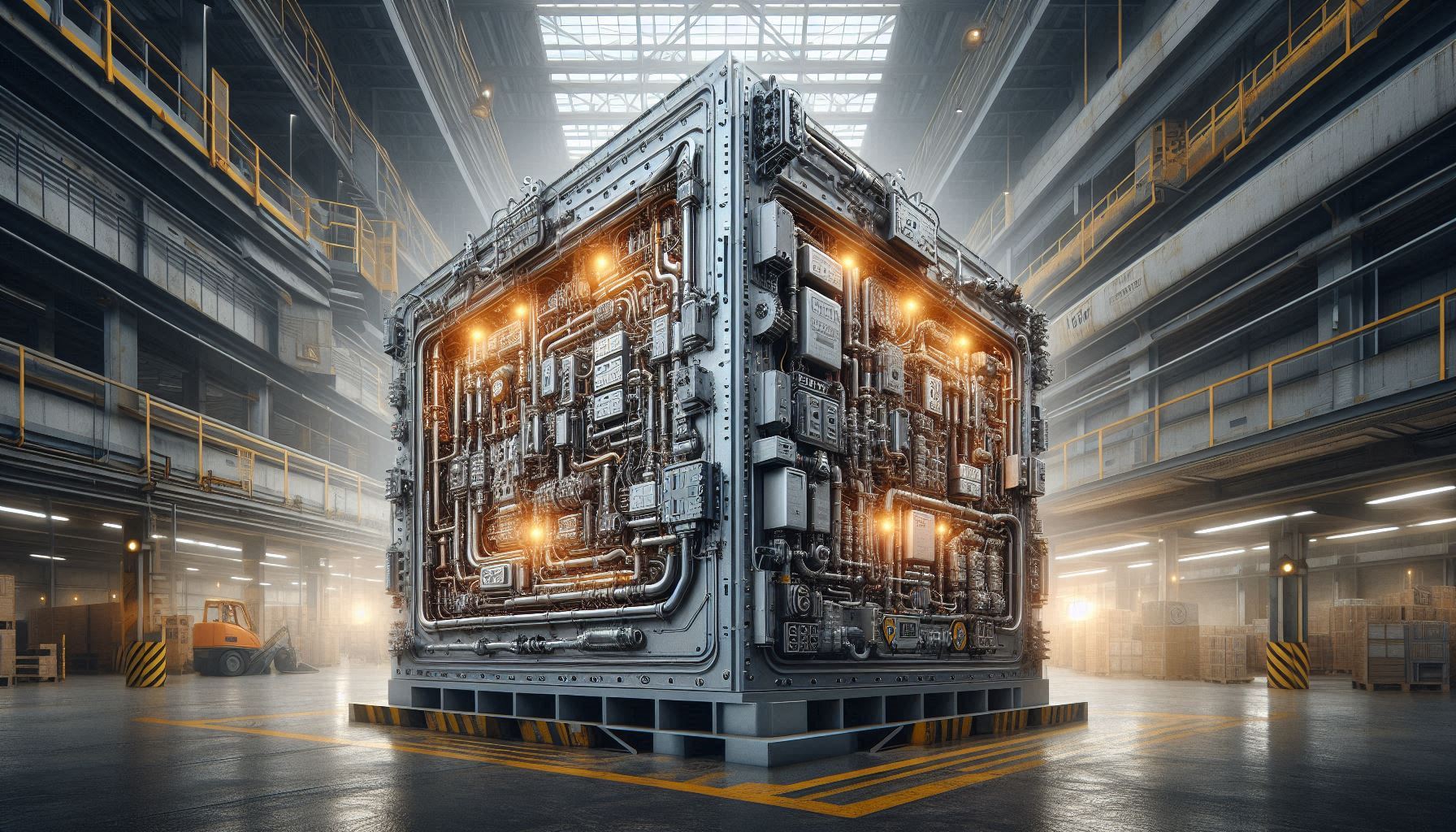
Explosion proof AHU unit installed in an industrial setting, ensuring safety in hazardous environments.

Choosing the best explosion proof AHU (Air Handling Unit) is crucial for ensuring safety in hazardous environments. These specialized units are designed to prevent sparks and contain potential explosions, protecting both equipment and personnel. This guide covers essential features, materials used, types available, key specifications, advantages, and design considerations to help you make an informed decision. Whether selecting a unit for a new installation or upgrading an existing system, this overview provides the insights needed to enhance safety and efficiency in your operations.

What are the essential features of an explosion proof AHU?

An explosion proof Air Handling Unit (AHU) includes features designed to prevent ignition sources in hazardous environments. These features involve robust enclosures that can withstand internal explosions, reinforced structural components, and specialized electrical fittings to contain any sparks or arcs. Additionally, advanced filtration systems prevent the accumulation of flammable dust or gases within the unit. Ensuring these features are in place is crucial for maintaining safety in high-risk areas.

What materials are commonly used?

Manufacturers typically use materials that can resist high temperatures and pressures in explosion proof AHUs. Common materials include stainless steel for its durability and corrosion resistance, aluminum for its lightweight properties, and reinforced plastics that can withstand chemical exposure. These materials are chosen for their strength and ability to maintain integrity under explosive conditions. Non-sparking metals in the internal components further enhance safety.

Why is it crucial to use these AHU in hazardous environments?

In hazardous environments like petrochemical plants or facilities handling flammable materials, the risk of explosions is significantly higher. Using explosion proof AHUs in these settings prevents ignition sources that could trigger an explosion. These units operate safely in the presence of volatile substances, protecting personnel and equipment. Adhering to safety standards by using appropriate AHUs in such environments is essential to avoid catastrophic incidents.

How do they function to ensure safety?

Explosion proof AHU function by containing potential ignition sources within their robust enclosures. They prevent sparks or hot surfaces from contacting flammable substances. The electrical components are enclosed in explosion proof casings, and the unit’s design ensures safe pressure venting without igniting the surrounding atmosphere. Additionally, redundant safety systems and regular maintenance checks ensure ongoing safety.

What role do they play in the petrochemical industry?

In the petrochemical industry, explosion proof AHUs maintain a safe working environment by controlling air quality within processing areas. They effectively filter and remove hazardous fumes or gases, minimizing the risk of explosive atmospheres. Moreover, these AHUs support regulatory compliance, as industries must adhere to strict safety standards to prevent accidents.

How do this AHU contribute to overall plant safety?

Explosion proof AHUs mitigate risks associated with airborne contaminants and potential ignition sources, thus contributing to overall plant safety. They provide clean and safe air circulation, reducing the likelihood of explosions caused by flammable gases or dust. Additionally, they ensure that the working environment remains within safe temperature and pressure limits, enhancing safety further. Their reliability and robust design make them integral to any safety protocol in hazardous industries.

What are the different types of explosion proof AHUs available?

Several types of explosion proof AHUs meet specific requirements, including rooftop units, modular units, and packaged units. Rooftop units are used in larger facilities with fewer space constraints. Modular units offer flexibility and customization for specific needs, while packaged units are compact and pre-assembled for quick installation. Each type has advantages and is chosen based on the specific application and environmental conditions.

How do the various types of explosion proof AHUs differ in functionality?

Explosion proof AHUs vary in functionality based on their design and intended use. Rooftop units are typically larger, providing higher capacity air handling suitable for extensive industrial applications. Modular units allow for customization, enabling specific filtration and airflow configurations tailored to facility needs. Packaged units, being compact and self-contained, are ideal for smaller spaces or mobile applications where quick setup and mobility are essential. These functional differences ensure the right AHU type is used for each specific application, enhancing efficiency and safety.

Where are explosion proof AHUs typically installed?

Explosion proof AHUs are installed in environments with a high risk of explosion due to flammable gases, vapors, or dust. Common installation sites include petrochemical plants, refineries, pharmaceutical manufacturing facilities, and chemical processing plants. They are also used in mining operations and certain areas within food processing plants where combustible dust may be present. The installation location is chosen to maximize the unit’s effectiveness and ensure the safety of the entire facility.

How are explosion proof AHUs utilized in different industrial settings?

Explosion proof AHUs provide safe and efficient air handling and filtration in different industrial settings. In petrochemical plants, they control volatile organic compounds and prevent explosive atmospheres. In pharmaceutical manufacturing, they ensure that air quality meets stringent cleanliness standards while preventing ignition sources. Chemical processing plants use these AHUs to manage hazardous fumes and maintain a safe environment. Each application leverages the explosion proof design to mitigate specific risks associated with the industry, ensuring both safety and regulatory compliance.

To know more about HVAC Systems What Are Hidden Impacts of Overdesigning Click Here

What are the key specifications to consider when selecting an explosion proof AHU?

When selecting an explosion proof AHU, consider several key specifications. These include the unit’s airflow capacity, filtration efficiency, and temperature control capabilities. The materials used in construction, such as corrosion-resistant metals and non-sparking components, are also critical. Additionally, verify the unit’s compliance with relevant safety standards and certifications, such as ATEX or IECEx. Other important specifications include the power requirements, maintenance accessibility, and overall durability of the unit in harsh conditions.

To know more about AHU Specifications Exploring What You Need to Know Click Here

How do the specifications of explosion proof AHUs impact their performance?

Specifications of explosion proof AHUs impact their performance by determining how effectively they can handle the specific needs of an environment. Higher airflow capacity ensures adequate ventilation, while advanced filtration systems improve air quality by removing hazardous particles. Temperature control capabilities are crucial for maintaining safe operational conditions. The choice of materials affects the unit’s durability and resistance to corrosion or chemical damage. Meeting or exceeding safety standards ensures reliable performance and protection in explosive atmospheres, making these specifications essential for optimal functionality.

What are the main advantages of using explosion proof AHUs?

Using explosion proof AHUs offers several advantages, primarily related to safety and compliance. These units significantly reduce the risk of explosions in hazardous environments by containing potential ignition sources. They also enhance air quality and ventilation, vital for the health and safety of personnel. Compliance with safety standards and regulations helps avoid legal and financial repercussions. Additionally, these are designed for durability and long-term reliability, ensuring consistent performance even in harsh conditions.

What are the potential disadvantages of explosion proof AHUs?

Despite their benefits, explosion proof AHUs have some potential disadvantages. One main drawback is the higher initial cost compared to standard AHUs due to the specialized materials and construction methods required. They can also be more complex to install and maintain, necessitating skilled technicians familiar with the safety requirements. Additionally, these units may be heavier and bulkier, posing challenges regarding space and structural support. However, these disadvantages are often outweighed by the safety and compliance benefits they provide.

What information is included in the technical data sheet of an explosion proof AHU?

The technical data sheet of an explosion proof AHU includes comprehensive information about the unit’s specifications and performance characteristics. Key details typically found in the data sheet include airflow rates, filtration efficiency, temperature and pressure ratings, and electrical specifications. It also provides information on the materials used in construction, compliance with safety standards, and maintenance requirements. Additionally, the data sheet may include diagrams and charts to illustrate the unit’s design and operational parameters, offering a clear overview of its capabilities.

How can you interpret the technical data sheet for an explosion proof AHU?

Interpreting the technical data sheet for an explosion proof AHU involves understanding the various specifications and how they relate to the unit’s performance and suitability for a particular application. Start by reviewing the airflow rates and filtration efficiency to ensure they meet your environment’s needs. Check the temperature and pressure ratings to confirm the unit can operate safely under your specific conditions. Evaluate the electrical specifications to ensure compatibility with your power supply. Additionally, review the materials and construction details to assess durability and compliance with safety standards. Understanding these elements helps in making informed decisions about the AHU’s application.

What are the primary components of an explosion proof AHU?

The primary components of an explosion proof AHU include the fan assembly, filters, heat exchangers, and control systems. The fan assembly is designed to provide the necessary airflow while minimizing the risk of sparks. Filters are crucial for removing hazardous particles from the air. Heat exchangers manage temperature control, ensuring safe operational conditions. The control systems include explosion proof electrical components and sensors to monitor and regulate the unit’s performance. Together, these components ensure safe and efficient air handling in hazardous environments.

How do the components of explosion proof AHUs ensure safety and efficiency?

Components of explosion proof AHUs ensure both safety and efficiency through specific design features. The fan assembly uses non-sparking materials and explosion proof motors to prevent ignition. High-efficiency filters capture flammable particles and gases, reducing the risk of explosive atmospheres. Heat exchangers maintain stable temperatures, preventing overheating. Control systems equipped with safety sensors detect anomalies and shut down the unit if necessary. By integrating these components, these AHUs provide reliable and safe operation in environments with significant explosion risks.

What design considerations are essential for explosion proof AHUs?

Essential design considerations for explosion proof AHUs include selecting materials that can withstand explosive forces, ensuring all electrical components are properly enclosed, and incorporating robust filtration systems. The design must also account for adequate ventilation and temperature control to prevent overheating. Additionally, ease of maintenance and accessibility are important to ensure that the units can be regularly inspected and serviced without compromising safety. Compliance with industry standards and regulations is a critical factor in the design process to ensure the units meet all necessary safety requirements.

How does the design of explosion proof AHUs enhance their effectiveness?

The design of explosion proof AHUs enhances their effectiveness by integrating safety features and robust construction that mitigate the risks of explosion. The use of explosion proof enclosures and non-sparking materials prevents ignition sources from causing accidents. Advanced filtration systems ensure that hazardous particles and gases are effectively removed from the air. The design also focuses on maintaining optimal airflow and temperature control, which are critical for safe operation. By addressing these factors, the design of these AHUs ensures they can operate reliably and safely in high-risk environments.

FAQ

Why are explosion proof AHUs important in petrochemical plants?

In petrochemical plants, explosion proof AHUs are essential for maintaining air quality and preventing explosive atmospheres. They control volatile organic compounds and other hazardous substances, ensuring a safe working environment.

How do explosion proof AHUs differ from standard AHUs?

Explosion proof AHUs differ from standard AHUs in their construction and materials. They use non-sparking materials, robust enclosures, and specialized electrical components to prevent ignition in hazardous environments.

What should be considered when selecting an explosion proof AHU?

When selecting an explosion proof AHU, consider factors such as airflow capacity, filtration efficiency, material durability, compliance with safety standards, and compatibility with existing systems. These factors ensure the AHU meets the specific needs of the environment.

Conclusion

Choosing the best explosion proof AHU for the petrochemical industry requires careful consideration of compliance with safety standards, material selection, design and engineering, customization options, energy efficiency, and maintenance support. By focusing on these factors, you can ensure the safety and efficiency of your operations in hazardous environments. Remember, investing in a high-quality explosion proof AHU is an investment in the safety and productivity of your facility.

To know more about How to Reduce HVAC Energy Consumption in Petrochemical Operations Click Here

About The Author

Omprakash Ramagiri; as the Founder of HVAC Technocrats, I bring over 18 years of experience as a Mechanical Engineer specializing in HVAC (Central Air-conditioning) for commercial, cleanrooms, data centers, and Petrochemical industries. Throughout my career, I’ve held pivotal roles at companies like TATA Consulting Engineers, MW Zander (for Cleanroom solutions), Bluestar Malaysia, and ETA in Dubai. I’ve managed international HVAC projects and gained valuable exposure in dynamic markets like Dubai and Saudi Arabia. With a passion for excellence and a commitment to innovative solutions, I specialize in designing Class 10K & 100K Cleanrooms for various industries. Connect with me to explore collaborations in HVAC design, project sales, and consultancy. Click to visit the Author’s Linkedin page


Disclaimer: The content and images are for educational purposes and knowledge enhancement only. They may not depict actual products or situations. Outcomes may vary. Content is generated by AI and reviewed by industry experts, including Author.

Green Data Center: Pioneering Sustainable Practices for the Future

A modern, eco-friendly data center using advanced cooling and renewable energy technologies.

The ability to store and process data grows exponentially as the digital age progresses. As a result of this merger, the number and size of data centers has increased exponentially. Data centers are important, but they use a lot of energy, which can be harmful to the environment. A green data center is an alternative to making data storage more environmentally friendly and sustainable.

Understanding Green Data Center

The basic design of a green data center is sustainability. Through energy efficient technologies, renewable energy and innovative cooling methods, these centers aim to reduce their impact on the environment. The ultimate goal is to maintain the efficiency and reliability of data centers while simultaneously reducing their carbon footprint.

Energy Conservation

The green data center is based on energy efficiency, however the server and cooling systems, especially in traditional data centers, consume a lot of electricity. They use a variety of techniques to increase energy efficiency:

  • Cooling system efficiency: Advanced cooling technologies such as water cooling and free cooling will be used to reduce energy consumption.
  • Server virtualization: Combine multiple virtual servers into fewer physical machines to reduce power consumption.
  • Energy efficient hardware: Uses servers, storage devices, and networking devices designed to be energy efficient.

To know more about Essential Features of Precision Air Conditioning Units in Data Centers Click Here

Renewable Energy Integration

Integration of renewable energy into Green data center to power their operations. Solar, wind and hydropower are popular options. By implementing these renewables, data centers can significantly reduce their reliance on fossil fuels. Additionally, some data centers are using energy storage solutions such as batteries to store excess energy generated during peak production periods.

Innovative Cooling Methods

Cooling is an important driver of data center energy consumption. They use innovative cooling techniques to control temperature without using excess energy:

  • Free cooling: Outside air is used to cool the data center during the colder months, eliminating the need for traditional air conditioning.
  • Cooling water: Cooling water circulates through server racks for better heat dissipation than air-based systems.
  • Hot and Cold Corridor Containment: Configuring server racks into hot and cold corridors to improve ventilation and reduce workload on cooling systems.

Sustainable Building Practices

Green data centers are typically built with sustainable building materials and practices. This includes the use of recycled materials, the use of energy efficient lighting and HVSC systems, designing rooms to maximize natural light and even, roofing and green walls will be included to provide insulation and reduce heat absorption, thereby increasing energy efficiency.

To know more about How Does AI Optimize Energy Efficiency in Data Center Chiller Plant Click Here

Water Conservation

Water consumption is another important consideration. Traditional data centers consume a lot of water for cooling. However low-water cooling systems and frequently reuse water to reduce waste. Technologies such as evaporative cooling and closed-loop systems help conserve water while maintaining temperature control.

Monitoring and Management

Effective research and implementation is essential to the sustainability of a green data center. Advanced Building Management System (BMS) and Data Center Infrastructure Management (DCIM) tools are used to monitor energy consumption, temperature and humidity levels. These systems provide real-time data, enabling operators to make informed decisions and improve energy efficiency.

To know more about Data Center Sustainability Through Innovative Collaboration in India Click Here

Case Studies of Green Data Center

The standards for green data center have been established by previous companies:

  • Google: Google is focused on running its server farm on sustainable energy. To increase efficiency, their facilities use state-of-the-art AI-driven cooling and energy management technologies.
  • Microsoft: Microsoft’s data centers are powered by integrated renewable energy. It also uses advanced cooling systems and is guaranteed to be carbon-free by 2030.
  • Facebook: Facebook’s data centers use renewable energy and other cooling methods. For example, their Prineville data center uses a mix of evaporative cooling and 100% renewable energy.

The Future of Green Data Center

With continuous technological advancements and increased environmental awareness, the future of green data center looks promising. Energy efficient refrigerators, the use of artificial intelligence to increase energy efficiency and greater integration of renewable energy are among the upcoming trends. Additionally, sustainability standards and regulations for data centers are becoming more stringent. Organizations are expected to adhere to these guidelines, which will lead to greater adoption of green practices. Not only is the profit-only push towards sustainability beneficial for the environment, but it also provides economic incentives by reducing operating costs and improving public opinion.

FAQ

How do green data centers work?

Green data centers use energy-efficient technologies, renewable energy sources, and innovative cooling methods to reduce their impact on the environment. They aim to maintain high performance and reliability while simultaneously reducing their carbon footprint and energy consumption.

How to build a green data center?

Building a green data center requires several steps:

  1. Make energy-efficient improvements to server and cooling systems
  2. Use hydropower, wind power, or other renewable energy sources
  3. Incorporate imaginative cooling methods such as free cooling and water coolers
  4. Use environmentally friendly building materials and sophisticated approaches
  5. Integrate control and monitoring systems for quality

Who has launched its first green data centre in India?

The World Health Organization (WHO) launched its first green data center in India. This initiative is part of their efforts to enhance data processing and storage capabilities while promoting sustainability.

What differentiates a brownfield data center from a greenfield data center?

Greenfield data centers are built entirely from scratch on undeveloped land, enabling the development and deployment of private technologies. On the other hand, brownfield data centers are built by reusing existing buildings or facilities, which may require modifications and upgrades to meet current standards.

Green Data Center PDF

The Green Data Center PDF typically contains drafts of successful applications, detailed information on energy-efficient technologies, and sustainable practices. These documents are helpful resources for companies looking to build or upgrade their data centers to be more environmentally friendly.

Green Data Centers India

Green data centers in India are slowly gaining popularity as associations try to reduce their ecological impact. Renewable energy and energy storage technologies are incorporated into many services and products.

Green data center examples

Green data centers include:

  1. Google data centers, which use renewable energy and AI-powered cooling
  2. Microsoft data centers, which aim to be carbon-negative by 2030 and use renewable and active energy
  3. Facebook Prineville data center, which uses a mix of evaporative cooling and environmentally friendly energy

Green data center company

Green data center development and management is characteristic of many enterprises. Companies that specialize in environmentally friendly data center solutions, as well as tech giants like Google, Microsoft, and Facebook, fall into this category.

Green data center case study

A case study on a green data center shows effective activities in green data centers with enabling practices. This study describes the processes used, challenges encountered, and economic and environmental results.

Green data center PPT

A Green data center PPT presentation typically covers the principles of green data centers, the proposed innovations, and practical examples. Stakeholder education and green data center initiatives benefit from this presentation.

Green data center InfraVia

InfraVia is a commercial publishing company focused on framework projects, including green data centers. They maintain and develop environmentally friendly data storage systems that emphasize energy efficiency.

Green data center in green computing GeeksforGeeks

Green computing includes designing, collecting, and connecting PCs and related assets in an environmentally safe way. GeeksforGeeks provides content that educates on green data centers, which should be maintained as a basic add-on.

Conclusion

An important step towards an environmentally friendly future is seen in the rise of the green data center. Energy productive advancement, sustainable power and other cooling strategies can reduce their natural impact by elite execution with elite execution where information capacity prerequisites increase, welcoming green practices on server farms plays an important part in steering and computerized advances handling the future of environmental change.

About The Author

Omprakash Ramagiri; as the Founder of HVAC Technocrats, I bring over 18 years of experience as a Mechanical Engineer specializing in HVAC (Central Air-conditioning) for commercial, cleanrooms, data centers, and Petrochemical industries. Throughout my career, I’ve held pivotal roles at companies like TATA Consulting Engineers, MW Zander (for Cleanroom solutions), Bluestar Malaysia, and ETA in Dubai. I’ve managed international HVAC projects and gained valuable exposure in dynamic markets like Dubai and Saudi Arabia. With a passion for excellence and a commitment to innovative solutions, I specialize in designing Class 10K & 100K Cleanrooms for various industries. Connect with me to explore collaborations in HVAC design, project sales, and consultancy. Click to visit the Author’s Linkedin page


Disclaimer: The content and images are for educational purposes and knowledge enhancement only. They may not depict actual products or situations. Outcomes may vary. Content is generated by AI and reviewed by industry experts, including Author.

Balancing Valve: How to Select the Right One for HVAC System?

Balancing valve installation in HVAC system

In HVAC systems, maintaining the correct balance of water or air flow is essential for optimal performance and energy efficiency. This is where balancing valve come into play. These crucial components help ensure that every part of your system receives the right amount of flow, preventing issues like uneven heating or cooling and excessive energy consumption. Understanding how to choose and use the right valve effectively can significantly impact your system’s efficiency and comfort levels. In this article, we’ll explore different types and their key characteristics, and how to select the right one for your HVAC system.

What is a Balancing Valve and Why is it Essential for HVAC Systems?

A balancing valve is crucial for HVAC systems as it ensures the correct distribution of water or air throughout the system. By regulating the flow to different parts of the system, it helps maintain consistent temperatures and efficiency. This is vital for achieving optimal performance and energy savings, as it prevents issues like uneven heating or cooling and excessive energy consumption.

Understanding Different Types of Balancing Valves for HVAC Applications

There are several types of balancing valves used in HVAC systems, including manual, automatic, and pressure-independent balancing valves (PIBVs). Manual require adjustment by hand to set the desired flow rates. Automatic self-adjust to maintain consistent flow. PIBVs combine balancing and control functions, adjusting flow based on pressure variations to ensure optimal performance.

Also to know more about The different types of HVAC Valves Click Here

How to Select the Right Balancing Valve for Your HVAC System

Selecting the right balancing valve involves considering factors such as system size, flow requirements, and pressure conditions. For example, in a large HVAC system, a PIBV might be preferred for its precise flow control. In smaller systems, a manual or automatic may be sufficient. Understanding these needs helps ensure that the chosen valve effectively balances the system and improves efficiency.

Key Characteristics to Look for in a Balancing Valve

When choosing a balancing valve, look for features like accuracy, ease of adjustment, and durability. Accuracy ensures precise flow measurement and regulation. Ease of adjustment is important for maintaining balance over time. Durability ensures the valve can withstand the system’s operating conditions without frequent replacements or repairs.

Balancing Valve Parts: What You Need to Know for Optimal Performance

A typical balancing valve consists of several key parts, including the valve body, adjustment mechanism, and flow measurement device. The valve body houses the internal components, while the adjustment mechanism allows for flow rate changes. The flow measurement device helps monitor and regulate the flow through the valve, ensuring it performs optimally.

What Makes a Balancing Valves Suitable for HVAC Needs?

A balancing valves suitable for HVAC needs must provide accurate flow measurement and control while being durable enough for the system’s conditions. It should also be easy to install and adjust. For optimal performance, the valve must effectively balance the system’s flow, contributing to energy efficiency and consistent comfort levels.

The Working Principle of Balancing Valves Explained

Balancing valves work by controlling the flow of water or air to maintain system balance. They achieve this by adjusting the valve opening based on the required flow rates and pressure conditions. In manual, this adjustment is done manually. In automatic and PIBVs, the adjustment occurs automatically based on real-time measurements and system demands.

How to Assemble a Balancing Valve: A Step-by-Step Guide

To assemble a balancing valve, follow these steps: First, ensure you have all necessary parts. Second, install the valve body into the system’s piping. Third, attach the adjustment mechanism and flow measurement device. Finally, calibrate the valve according to the system’s requirements to ensure proper function and flow balance.

The Role of Pressure-Independent Balancing Valves in HVAC Systems

Pressure-independent balancing valves (PIBVs) play a critical role in maintaining flow consistency despite pressure changes in the system. They automatically adjust the flow to meet the desired set points, ensuring balanced distribution of water or air throughout the HVAC system. This contributes to improved efficiency and performance.

Choosing Between Manual and Automatic Balancing Valves

When choosing between manual and automatic balancing valves, consider system complexity and maintenance preferences. Manual require manual adjustments, which may be suitable for simpler systems. Automatic one, however, adjust automatically to maintain balance, making them ideal for more complex systems or for reducing maintenance efforts.

Balancing Valve Characteristics to Consider for Efficient HVAC Operation

For efficient HVAC operation, consider characteristics such as flow capacity, pressure range, and ease of adjustment. The valve should handle the system’s flow capacity and pressure conditions effectively. It should also be adjustable to fine-tune the balance as needed, ensuring consistent performance and energy efficiency.

How to Determine the Best Balancing Valves for Specific HVAC Applications

To determine the best balancing valves for specific HVAC applications, assess the system’s flow requirements, pressure conditions, and size. Consider whether a manual, automatic, or pressure-independent valve best meets these needs. Evaluating these factors helps ensure you select a valve that maintains proper balance and enhances system performance.

Why Accurate Balancing Valves Selection Matters for HVAC System Efficiency

Accurate balancing valve selection is crucial for HVAC system efficiency. A well-chosen valve ensures proper flow distribution, preventing energy waste and maintaining comfortable temperatures. It also helps avoid overworking the system, leading to longer equipment life and reduced operational costs. Proper valve selection ultimately supports a more efficient and reliable HVAC system.

FAQ

What does a balancing valve do?

A balancing valve ensures the correct flow rate of water or air in an HVAC system. It adjusts and maintains the proper distribution of flow throughout the system, which helps to achieve uniform heating or cooling and improves overall system efficiency.

What is balancing in HVAC?

Balancing in HVAC involves adjusting the flow of air or water to ensure that each part of the system receives the appropriate amount. This process helps to maintain optimal performance, prevent energy waste, and ensure consistent comfort throughout the space.

What is the use of a balancing valve in a chiller?

In a chiller system, a balancing valve is used to regulate the flow of water through various parts of the system. It ensures that the chiller operates efficiently by providing the right amount of water flow to each component, which helps in maintaining consistent cooling and preventing system imbalances.

What is another name for a balancing valve?

Another name for a balancing valve is a “flow control valve.” This term reflects its primary function of controlling and adjusting the flow rate within an HVAC system to ensure proper balance and efficiency.

To know more about How to Choose the Right Control Valve for HVAC System Click Here

Types of balancing valve in HVAC

There are several types of balancing valves used in HVAC systems, including manual, automatic, and PIBVs. Each type offers different methods for adjusting and maintaining flow rates to achieve optimal system performance.

Balancing valve for chilled water

For chilled water systems, balancing valves are crucial to regulate the flow of chilled water to various parts of the system. These valves help to ensure that each area receives the correct amount of cooling, improving efficiency and comfort.

Balancing valve in HVAC PDF

A “Balancing Valve in HVAC PDF” is a document that provides detailed information on the design, installation, and functions in HVAC systems. It typically includes diagrams, technical specifications, and guidelines for proper usage.

Balancing valve diagram

A balancing valve diagram illustrates the layout and operation of a valve within an HVAC system. It shows how the valve integrates with other system components and how it controls the flow of water or air.

Balancing valve working principle

The working principle of a balancing valve involves adjusting the valve to regulate the flow of water or air. This adjustment ensures that the desired amount of flow is maintained throughout the system, achieving balance and enhancing system efficiency.

Manual balancing valve

A manual balancing valve requires manual adjustment to set the flow rate. It is operated by turning a handwheel or knob to open or close the valve, allowing users to achieve the desired balance in the HVAC system.

Balancing Valve Price

The price of a balancing valve can vary depending on factors such as its type, size, and features. Manual are generally less expensive than automatic or pressure-independent models. It’s essential to consider the specific needs of your system when selecting a valve to ensure cost-effectiveness and performance.

Balancing valve for hot water return

A balancing valve for hot water return helps regulate the flow of hot water returning to the heating system. It ensures that the correct amount of water is returned to the system, maintaining optimal heating performance and efficiency.

Conclusion

Choosing the right balancing valve is essential for the smooth operation of your HVAC system. By understanding the different types, including manual, automatic, and pressure-independent options, you can make an informed decision that enhances system performance and efficiency. Key characteristics to consider, such as accuracy, ease of adjustment, and durability, will help ensure your valve performs optimally. Properly selecting and using valves not only improves comfort but also contributes to energy savings and reduces maintenance needs. With the right one in place, your HVAC system can achieve better balance, efficiency, and reliability.

About The Author

Omprakash Ramagiri; as the Founder of HVAC Technocrats, I bring over 18 years of experience as a Mechanical Engineer specializing in HVAC (Central Air-conditioning) for commercial, cleanrooms, data centers, and Petrochemical industries. Throughout my career, I’ve held pivotal roles at companies like TATA Consulting Engineers, MW Zander (for Cleanroom solutions), Bluestar Malaysia, and ETA in Dubai. I’ve managed international HVAC projects and gained valuable exposure in dynamic markets like Dubai and Saudi Arabia. With a passion for excellence and a commitment to innovative solutions, I specialize in designing Class 10K & 100K Cleanrooms for various industries. Connect with me to explore collaborations in HVAC design, project sales, and consultancy. Click to visit the Author’s Linkedin page


Disclaimer: The content and images are for educational purposes and knowledge enhancement only. They may not depict actual products or situations. Outcomes may vary. Content is generated by AI and reviewed by industry experts, including Author.

Control Valve: How to Choose the Right One for HVAC System?

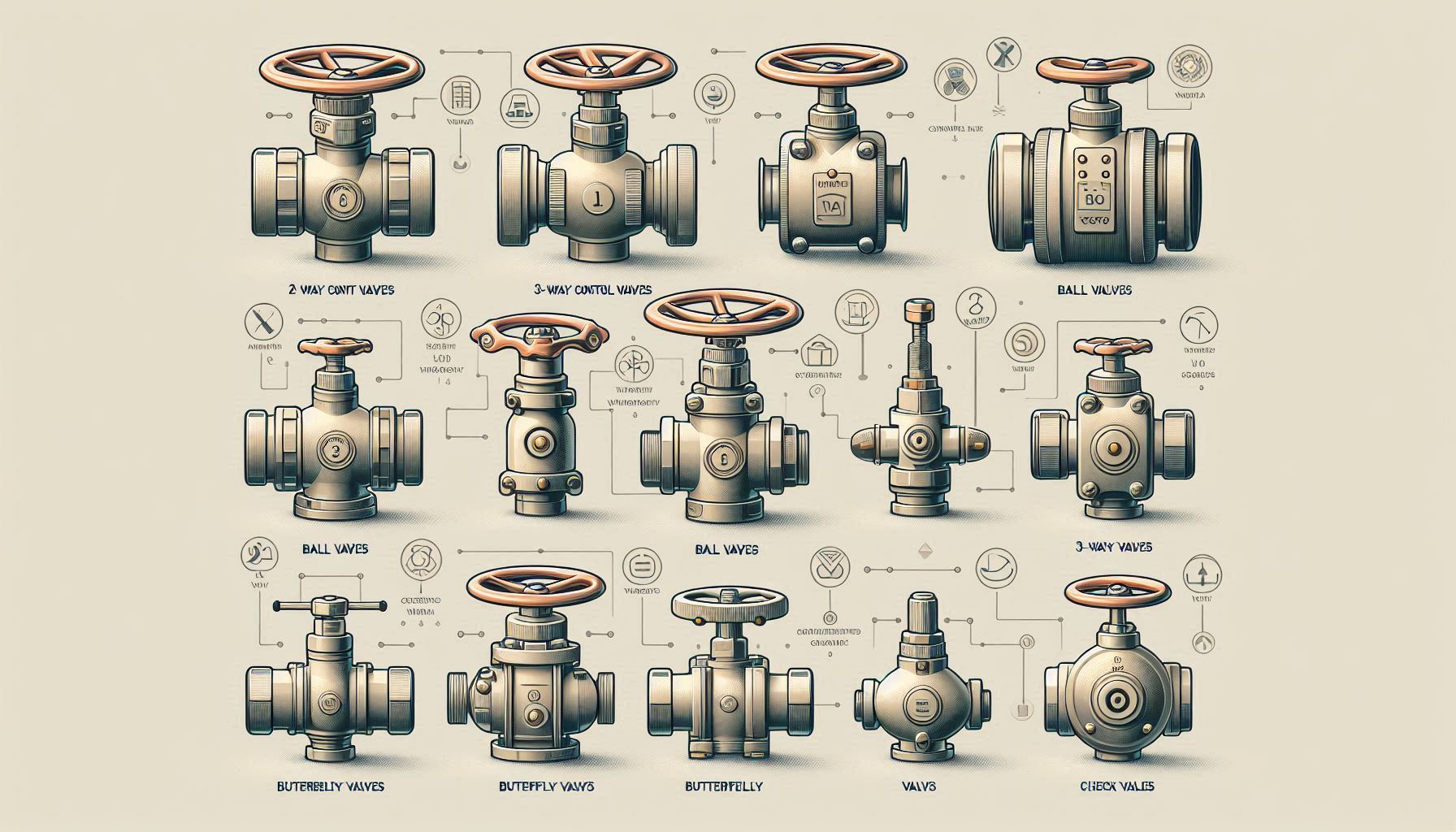
Diagram showing 2-way, 3-way, PIBV, and PICV control valves for HVAC systems.

Control valve play a pivotal role in managing HVAC systems, ensuring they operate efficiently and effectively. These valves regulate the flow of air or fluids, which helps maintain optimal temperature and pressure within a system. Selecting the right one is crucial for achieving energy efficiency and system performance. In this guide, we’ll explore various types of control valves—such as 2-way, 3-way and PICV—understand their unique features, and offer tips for choosing the best one for your HVAC needs. By mastering these elements, you’ll be equipped to enhance your HVAC system’s functionality and efficiency.

What is a Control Valve and Why is it Essential for HVAC Systems?

Control valves play a critical role in HVAC systems. They regulate the flow of air or water, ensuring that your system operates efficiently. Without these valves, HVAC systems would struggle to maintain the desired temperature and pressure levels. These valves adjust based on signals from the control system, maintaining balance and ensuring comfort.

Understanding Different Types of Control Valves for HVAC Applications

There are several types of control valves used in HVAC systems. The most common ones are 2-way valves, 3-way valves and Pressure Independent Control Valves (PICV). A 2-way valve has two ports: one for the inlet and one for the outlet. A 3-way valve has three ports and can either mix or divert fluids. PICV combines flow control and pressure independence in one valve. Each type serves different functions and is suitable for various applications.

To know more about What are different types of HVAC Valves Click Here

How to Select the Right Flow Control Valve for HVAC System

Selecting the right flow control valve requires understanding your system’s needs. Consider factors such as flow capacity, pressure requirements, and the nature of the fluid. For precise control, look for valves that offer accurate modulation. The right valve ensures efficient operation and long-term performance.

To know more about How to Choose The Right HVAC Valve for Commercial Building Click Here

Key Characteristics to Look for

When choosing a pressure control valve, focus on durability and accuracy. Key characteristics include the valve’s ability to maintain consistent pressure and its material resistance to corrosion and wear. Reliable performance and a long lifespan are crucial for maintaining system efficiency.

Control Valve Parts: What You Need to Know for Optimal Performance

Understanding valve parts is essential for optimal performance. Key components include the actuator, body, and trim. The actuator controls the valve position, while the body houses the flow passage. The trim regulates flow and pressure. Familiarity with these parts helps in proper selection and maintenance.

What Makes a Control Valves Suitable for HVAC Needs?

For a control valve to be suitable for HVAC needs, it must be reliable and efficient. It should handle the required flow and pressure while maintaining system balance. Additionally, the valve should be durable enough to withstand the system’s operating conditions.

The Working Principle of Flow Control Valves Explained

Flow control valves modulate fluid flow through the system. They adjust the valve opening based on signals from the control system, regulating the flow rate to maintain desired conditions. This modulation helps in achieving precise control and efficient operation.

How to Assemble a Control Valves: A Step-by-Step Guide

Assembling a control valve involves several steps. Start by ensuring you have all necessary parts. Assemble the valve body, trim, and actuator, following the manufacturer’s instructions. Proper assembly ensures valves function correctly and perform optimally in the system.

The Role of Equal Percentage Valves in HVAC Systems

Equal percentage valves are designed to provide consistent control across a range of flow rates. They are particularly useful in applications where flow requirements vary. These valves ensure that the control response remains linear, providing stable and predictable performance.

Choosing Between Pressure Control Valves and Flow Control Valves

Choose valves based on the HVAC system’s specific needs. Pressure control valves regulate pressure, while flow control valves modulate the flow rate. Consider your system’s requirements for pressure and flow to make the best choice.

Control Valve Characteristics to Consider for Efficient HVAC Operation

For efficient HVAC operation, consider the valve’s flow capacity, accuracy, and durability. The valve should offer precise control and withstand system conditions. Characteristics like responsiveness and reliability are essential for maintaining system efficiency.

How to Determine the Best Control Valve for Specific HVAC Applications

Determine the best control valve by evaluating the specific requirements of your HVAC application. Consider factors such as the type of fluid, flow rate, and pressure needs. Understanding these requirements helps in selecting a valve that meets the system’s demands.

Why Accurate Control Valve Selection Matters for HVAC System Efficiency

Accurate valve selection boosts HVAC efficiency and performance. A well-chosen valve ensures proper flow and pressure control, leading to energy savings and improved system reliability. Investing in the right valve contributes to long-term operational success.

FAQ

What is the purpose of a control valve?

A control valve regulates the flow of fluids or air within an HVAC system. It ensures that the system maintains the desired temperature, pressure, or flow rate by adjusting the fluid or air flow accordingly. This helps optimize energy use and system performance, providing consistent comfort and efficiency.

What valves are used in HVAC?

HVAC systems typically use several types of valves, including 2-way and 3-way valves and pressure-independent control valves (PICV). Each valve type serves a specific function, such as regulating flow, balancing pressure, or controlling temperature, depending on the system’s requirements.

What is an AC control valve?

An AC control valve is a type of valve used in air conditioning systems to regulate the flow of refrigerants or air. It helps control the temperature and pressure within the system, ensuring efficient operation and maintaining the desired comfort levels in a building.

Types of control valve in HVAC

In HVAC systems, common types of control valves include 2-way valves, which control flow in one direction; 3-way valves, which mix or divert flows and PICVs (pressure-independent control valves), which adjust flow based on pressure and temperature changes.

Function of control valve in HVAC

The function of a control valve in HVAC is to regulate the flow of air or fluids within the system. By adjusting the flow, the valve helps maintain desired temperatures, pressures, and energy efficiency. This control is essential for keeping the HVAC system running smoothly and providing consistent comfort.

Control valve in HVAC pdf

A PDF on control valves in HVAC typically includes detailed information about valve types, their functions, installation guidelines, and performance characteristics. It is a valuable resource for understanding how to choose and use control valves effectively in HVAC systems.

HVAC valves types pdf

A PDF on HVAC valve types offers an overview of various valves used in HVAC systems. This document usually covers different valve types, such as 2-way, 3-way and PICV, and explains their specific applications and benefits within HVAC systems.

Types of valves used in chilled water system

In chilled water systems, common valve types include 2-way and 3-way valves for controlling flow and mixing. Pressure-independent control valves (PICVs) are also used to ensure accurate flow regulation and system balance.

AHU actuator valve function

The actuator valve in an Air Handling Unit (AHU) controls the flow of air or water through the unit. It adjusts the position of the damper or valve based on signals from the control system, helping to maintain the desired temperature and air quality in the space served by the AHU.

HVAC duct valve

HVAC duct valves are used to regulate the flow of air through ductwork. They can be manually or automatically operated and help balance the airflow to ensure consistent temperature and air distribution throughout the building.

AHU Valve connection details

AHU valve connection details involve the specific fittings and arrangements needed to connect valves to the Air Handling Unit. These details ensure proper installation and integration with the system’s piping and controls, facilitating optimal operation and maintenance.

Conclusion

Selecting the right control valve is crucial for efficient HVAC system operation. By understanding different types of valves, such as 2-way, 3-way and PICV, and considering key characteristics and application needs, you can make an informed decision. Proper valve selection enhances system performance, efficiency, and longevity, ensuring comfort and reliability in your HVAC system.

About The Author

Omprakash Ramagiri; as the Founder of HVAC Technocrats, I bring over 18 years of experience as a Mechanical Engineer specializing in HVAC (Central Air-conditioning) for commercial, cleanrooms, data centers, and Petrochemical industries. Throughout my career, I’ve held pivotal roles at companies like TATA Consulting Engineers, MW Zander (for Cleanroom solutions), Bluestar Malaysia, and ETA in Dubai. I’ve managed international HVAC projects and gained valuable exposure in dynamic markets like Dubai and Saudi Arabia. With a passion for excellence and a commitment to innovative solutions, I specialize in designing Class 10K & 100K Cleanrooms for various industries. Connect with me to explore collaborations in HVAC design, project sales, and consultancy. Click to visit the Author’s Linkedin page


Disclaimer: The content and images are for educational purposes and knowledge enhancement only. They may not depict actual products or situations. Outcomes may vary. Content is generated by AI and reviewed by industry experts, including Author.

HVAC Valves: How To Select Different Types?

A variety of HVAC valves including 2-way, 3-way, and check valves, showing their different uses in a heating and cooling system.

Choosing the right HVAC valves is vital for your heating and cooling system’s efficiency and longevity. With numerous valve types available, each with specific functions, it’s essential to understand their roles to make informed decisions. This guide will help you navigate the selection process, ensuring your HVAC system operates optimally.

What Factors Should You Consider When Selecting HVAC Valves?

When selecting HVAC valves, several critical factors come into play. First, consider the system’s specific needs. For instance, do you need precise flow control, pressure regulation, or temperature management? Next, think about the operating environment. Extreme temperatures and exposure to corrosive substances can affect valve performance. Compatibility with HVAC system components is also crucial to ensure durability and reliability. Additionally, evaluate the ease of maintenance and accessibility for servicing. By considering these factors, you can select valves that meet your system’s requirements and enhance overall performance.

How Do Different HVAC Valve Types Impact System Efficiency?

Different HVAC valve types can significantly impact system efficiency. Here are some common types and their roles:

  • 2-Way Control Valves: Regulate the flow rate by opening and closing in response to control signals, ensuring precise temperature control.
  • 3-Way Control Valves: Allow for mixing or diverting flow, which is useful in systems requiring balanced temperature distribution.
  • Balancing Valves: Maintain even pressure and flow rates throughout the system, reducing energy consumption and enhancing efficiency.

Each valve type has unique characteristics that can optimize or hinder system performance, so understanding their roles is crucial.

To know more about How BTU Meters Enhance Energy Efficiency in HVAC Systems Click Here

To know more about Net Zero Energy Building HVAC Systems Click Here

What Are the Main Functions of Various HVAC Valves?

HVAC valves serve several primary functions, including flow regulation, pressure control, and system protection. Here are some common HVAC valves and their functions:

  • Ball Valves: Known for their simple on/off control and durability.
  • Butterfly Valves: Provide quick shutoff capabilities with minimal pressure drop.
  • Check Valves: Prevent backflow, ensuring system safety and efficiency.
  • Globe Valves: Offer precise flow control, making them ideal for throttling applications.
  • Motorized On/Off Valves: Automate control, enhancing system responsiveness and reducing manual intervention.
  • Valve Actuators: Automate the opening and closing of valves, improving efficiency and control.

Understanding these functions helps in selecting the right valves for specific needs.

How to Choose the Right HVAC Valve for Your System Requirements?

Choosing the right HVAC valve involves understanding your system’s specific requirements. Assess the desired control function, such as modulating or on/off control. Evaluate the system’s pressure and temperature ranges to ensure the valve can withstand these conditions. Consider the valve’s flow characteristics, such as linear or equal percentage, to match the system’s performance needs. Also, account for the installation space and the need for automation when choosing between manual and motorized valves. By carefully considering these factors, you can select the most appropriate valve for your HVAC system.

To know more about How to Choose The Right HVAC Valve for Commercial Building Click Here

What Are the Key Differences Between Motorized and Manual HVAC Valves?

The primary difference between motorized and manual HVAC valves lies in their operation and control mechanisms. Manual valves require physical intervention to open or close, making them suitable for applications where infrequent adjustments are needed. Motorized valves, on the other hand, are controlled by actuators that respond to control signals from the HVAC system. This automation allows for precise and timely adjustments, improving system efficiency and reducing the need for manual oversight. Motorized valves are ideal for modern, automated HVAC systems.

How Do Material Choices Affect HVAC Valve Performance and Longevity?

Material selection is critical in determining the performance and longevity of HVAC valves. Common materials include brass, stainless steel, and PVC. Brass valves are durable and resistant to corrosion, making them suitable for various applications. Stainless steel valves offer higher corrosion resistance and strength, ideal for harsh environments. PVC valves are lightweight and resistant to chemicals, often used in less demanding applications. The right material choice ensures the valve can withstand operational stresses and environmental conditions, reducing maintenance and replacement costs.

What Are the Benefits of Using Smart HVAC Valves in Modern Systems?

Smart HVAC valves integrate advanced sensors and control technologies to enhance system performance and efficiency. These valves can automatically adjust to changing conditions, optimizing flow rates and reducing energy consumption. They provide real-time data on system performance, enabling predictive maintenance and reducing downtime. Smart valves can be integrated into building automation systems, allowing for centralized control and monitoring. This connectivity ensures optimal system operation and contributes to energy savings and improved indoor air quality.

How Can You Ensure Proper Sizing of HVAC Valves for Optimal Performance?

Proper sizing of HVAC valves is essential to ensure optimal system performance. Undersized valves can cause excessive pressure drops and restrict flow, while oversized valves may lead to poor control and increased wear. To ensure correct sizing, calculate the required flow rate and pressure drop for the specific application. Use manufacturers’ sizing charts and software tools to select the appropriate valve size. Proper sizing ensures efficient operation, reduces energy consumption, and extends the lifespan of the valves and associated equipment.

What Are the Latest Innovations in HVAC Valve Technology?

Recent innovations in HVAC valve technology focus on enhancing efficiency, control, and connectivity. Pressure-Independent Balancing and Control Valves (PIBCV) combine balancing and control functions, simplifying installation and improving performance. Smart valves with integrated IoT capabilities provide real-time monitoring and remote control, optimizing system operation. Advanced materials and coatings improve durability and corrosion resistance, extending valve life. Innovations in actuator design enhance responsiveness and precision, contributing to better overall system performance.

To know more about The Latest Innovations in HVAC Valve Technology Click Here

How Do HVAC Control Valves Enhance Building Automation and Efficiency?

HVAC control valves play a pivotal role in building automation and efficiency. By regulating flow rates and maintaining desired temperatures, they ensure optimal comfort levels and energy usage. Motorized control valves can be integrated into building management systems (BMS), allowing for automated adjustments based on real-time data. This integration enables efficient energy management, reduces operational costs, and enhances occupant comfort. Advanced control algorithms and sensors further improve the responsiveness and accuracy of HVAC systems.

What Role Do Pressure-Independent Control Valves Play in HVAC Systems?

Pressure-Independent Control Valves (PICVs) are essential for maintaining consistent flow rates regardless of pressure fluctuations in the system. PICVs combine the functions of a balancing valve and a control valve, simplifying system design and installation. They ensure optimal performance by maintaining the set flow rate, reducing energy consumption, and improving system stability. PICVs are particularly beneficial in variable flow systems, where pressure changes can impact performance. Their ability to maintain precise control enhances system efficiency and comfort.

How to Troubleshoot and Maintain Different Types of HVAC Valves?

Regular maintenance and troubleshooting of HVAC valves are crucial to ensure system reliability and performance. Inspect valves for signs of wear, corrosion, or leakage, and replace damaged components promptly. Clean valve internals to prevent clogging and ensure smooth operation. For motorized valves, check actuator performance and calibration. Troubleshoot common issues such as improper flow rates or pressure drops by verifying valve sizing and installation. Implementing a proactive maintenance schedule helps prevent unexpected failures and extends the lifespan of HVAC valves.

To know more about HVAC Valves How to Troubleshoot Common Issues Click Here

What Are the Cost-Effective Solutions for HVAC Valve Selection?

Cost-effective HVAC valve selection involves balancing initial investment with long-term operational savings. Ball valves and butterfly valves offer cost-effective solutions for on/off control with minimal pressure drop. Check valves ensure system protection at a reasonable cost. For precise flow control, globe valves and PIBCVs provide efficient performance with lower energy consumption. Consider the total cost of ownership, including maintenance and energy savings, when selecting valves. Investing in high-quality valves can reduce long-term costs and improve system reliability.

How Do Regulatory Standards Influence HVAC Valve Selection?

Regulatory standards play a significant role in HVAC valve selection, ensuring safety, performance, and environmental compliance. Standards such as ASHRAE and IGBC provide guidelines for valve performance, installation, and maintenance. Compliance with these standards ensures that valves meet industry benchmarks for efficiency and reliability. Additionally, adhering to regulatory standards can enhance system certification and marketability, particularly in green building projects. Understanding and incorporating relevant standards into valve selection helps achieve compliance and optimize system performance.

Conclusion

Selecting the right HVAC valves is essential for the efficient and reliable operation of heating, ventilation, and air conditioning systems. By understanding the functions, impacts, and innovations of various valve types, HVAC professionals can make informed decisions that enhance system performance and longevity. Proper sizing, material selection, and adherence to regulatory standards further ensure optimal valve performance. With advancements in smart valve technology and building automation, HVAC systems can achieve greater efficiency, comfort, and sustainability.

About The Author

Omprakash Ramagiri; as the Founder of HVAC Technocrats, I bring over 18 years of experience as a Mechanical Engineer specializing in HVAC (Central Air-conditioning) for commercial, cleanrooms, data centers, and Petrochemical industries. Throughout my career, I’ve held pivotal roles at companies like TATA Consulting Engineers, MW Zander (for Cleanroom solutions), Bluestar Malaysia, and ETA in Dubai. I’ve managed international HVAC projects and gained valuable exposure in dynamic markets like Dubai and Saudi Arabia. With a passion for excellence and a commitment to innovative solutions, I specialize in designing Class 10K & 100K Cleanrooms for various industries. Connect with me to explore collaborations in HVAC design, project sales, and consultancy. Click to visit the Author’s Linkedin page


Disclaimer: The content and images are for educational purposes and knowledge enhancement only. They may not depict actual products or situations. Outcomes may vary. Content is generated by AI and reviewed by industry experts, including Author.

How to Choose the Right HVAC Valve for Commercial Building?

Selection of HVAC valves for commercial buildings showing different types and features.

Choosing the right HVAC valve for your commercial building can significantly influence system performance, energy efficiency, and overall comfort. With numerous options available, each offering distinct advantages, understanding what factors to consider is essential for making an informed decision. This article explores the key aspects of selecting HVAC valves, providing insights into types, specifications, materials, and the latest innovations. By the end, you’ll have a clearer understanding of how to choose the optimal HVAC valve tailored to your building’s needs.

What Factors Should You Consider When Selecting an HVAC Valve for Commercial Spaces?

When selecting an HVAC valve for commercial spaces, several crucial factors must be considered. First, the valve’s compatibility with the existing HVAC system is vital. Ensure that the valve type and size align with the system’s requirements to maintain efficiency and performance. Additionally, assess the valve’s intended application, whether it’s for heating, cooling, or ventilation. Consider the environment where the valve will be installed, including factors like temperature, pressure, and potential exposure to corrosive elements. Reliability and ease of maintenance are also important; choose valves from reputable manufacturers known for quality and durability. Finally, evaluate the valve’s energy efficiency features to ensure it contributes positively to your building’s overall energy management strategy.

How Do Different HVAC Valve Types Affect Building Efficiency?

Different HVAC valve types can significantly impact building efficiency. For instance, control valves regulate the flow of air or water within the system, influencing how effectively the HVAC system responds to varying loads. Thermostatic valves help in maintaining precise temperatures by adjusting based on preset conditions. Pressure-independent control valves ensure consistent flow rates despite pressure changes, enhancing overall system stability. Each valve type plays a role in optimizing energy usage, improving comfort, and reducing operational costs. Therefore, understanding how each type affects your system’s performance is crucial for achieving optimal efficiency.

What Are the Key Specifications to Look for in Commercial HVAC Valves?

Key specifications to look for in commercial HVAC valves include size, pressure rating, flow capacity, and material. The size of the valve must match the piping and system requirements to ensure proper flow and avoid pressure drops. The pressure rating should align with the system’s maximum operating pressure to prevent failures. Flow capacity is essential for determining how much air or water the valve can handle, affecting system performance. Material choice impacts durability and resistance to environmental factors. Stainless steel, brass, and other high-quality materials offer long-lasting performance. Additionally, consider valve features like control options, ease of installation, and maintenance requirements.

How Does Valve Sizing Impact HVAC System Performance?

Valve sizing plays a critical role in HVAC system performance. An improperly sized valve can lead to issues such as inadequate flow rates, pressure drops, and inefficient system operation. A valve that is too small may restrict flow, causing increased energy consumption and reduced comfort. Conversely, a valve that is too large may not provide adequate control over flow rates, leading to over-cooling or over-heating. Accurate valve sizing ensures that the valve matches the system’s requirements, facilitating optimal performance and energy efficiency. Properly sized valves contribute to balanced airflow, consistent temperature control, and overall system reliability.

What Are the Advantages of Motorized vs. Manual HVAC Valves?

Motorized and manual HVAC valves each offer distinct advantages. Motorized valves provide automated control, allowing for precise adjustments based on system demands or external inputs from building management systems. This automation enhances system efficiency, reduces the need for manual intervention, and improves response times. On the other hand, manual valves offer simplicity and lower upfront costs, making them suitable for systems where frequent adjustments are not required. They also provide reliable performance with minimal electronic components. Choosing between motorized and manual valves depends on your building’s specific needs, control requirements, and budget considerations.

How Do HVAC Valve Materials Influence Longevity and Maintenance?

The materials used in HVAC valves significantly impact their longevity and maintenance. High-quality materials like stainless steel and brass offer excellent resistance to corrosion, wear, and high temperatures, ensuring a longer service life. These materials also reduce the frequency of maintenance and replacement. Conversely, valves made from lower-grade materials may suffer from premature wear and require more frequent upkeep. Selecting valves with materials suited to your building’s specific conditions, such as temperature and pressure, helps in achieving long-term reliability and minimizing maintenance efforts.

What Role Do Control Systems Play in Choosing HVAC Valves?

Control systems play a crucial role in selecting HVAC valves by determining how valves interact with the overall HVAC system. Advanced control systems enable precise regulation of valve operation, optimizing performance based on real-time data and environmental conditions. This integration allows for enhanced energy management, improved comfort levels, and reduced operational costs. When choosing HVAC valves, consider compatibility with existing control systems or the need for additional control components. Effective control systems ensure that valves operate efficiently and respond accurately to changing system demands.

How Can You Determine the Best HVAC Valve for Energy Efficiency?

Determining the best HVAC valve for energy efficiency involves evaluating several factors. Look for valves with features that support energy-saving measures, such as variable flow capabilities and precise control options. Choose valves with high-performance ratings and low pressure drops to minimize energy losses. Additionally, consider valves that integrate with energy management systems to optimize their operation based on real-time data. Analyzing the valve’s impact on the overall system’s energy consumption and efficiency helps in selecting the most suitable option for achieving energy savings.

To know more about How BTU Meters Enhance Energy Efficiency in HVAC Systems Click Here

What Are the Latest Innovations in HVAC Valve Technology for Commercial Buildings?

Recent innovations in HVAC valve technology include smart valves with integrated sensors and IoT capabilities for enhanced control and monitoring. Advanced materials and coatings improve durability and performance in various environmental conditions. Energy-efficient designs focus on reducing energy consumption and operational costs. Additionally, automated and self-adjusting valves offer improved accuracy and responsiveness. These innovations contribute to better system integration, increased efficiency, and more effective management of HVAC systems in commercial buildings.

To know more about The Latest Innovations in HVAC Valve Technology Click Here

How Do Building Codes and Standards Affect HVAC Valve Selection?

Building codes and standards impact HVAC valve selection by setting requirements for safety, performance, and efficiency. Compliance with these regulations ensures that the selected valves meet the necessary criteria for operation and installation. Codes may specify performance benchmarks, material standards, and installation practices that must be adhered to. Choosing valves that align with these codes helps in avoiding potential issues during inspections and ensures the system operates within legal and safety guidelines.

What Are Common Mistakes to Avoid When Choosing HVAC Valves?

Common mistakes to avoid when choosing HVAC valves include selecting the wrong valve size, neglecting compatibility with existing systems, and overlooking long-term maintenance needs. Failing to consider the valve’s impact on energy efficiency and system performance can also lead to suboptimal results. Additionally, not evaluating the valve’s material quality and durability may result in premature failures. To avoid these pitfalls, ensure thorough assessment of your building’s needs, proper sizing, and alignment with system requirements.

How Do HVAC Valve Choices Impact Overall Building Comfort?

HVAC valve choices impact overall building comfort by affecting temperature control, airflow distribution, and system responsiveness. Properly selected valves ensure balanced air distribution, consistent temperatures, and efficient operation. This enhances occupant comfort and prevents issues like uneven heating or cooling. Valves that support precise control and efficient performance contribute to a comfortable and stable indoor environment, aligning with the building’s heating and cooling needs.

What Should You Know About HVAC Valve Installation and Integration?

HVAC valve installation and integration involve ensuring proper placement, alignment, and connection with the existing system. Installation should follow manufacturer guidelines and industry best practices to ensure optimal performance and longevity. Integration with control systems and other components must be done carefully to ensure seamless operation. Proper installation and integration contribute to the valve’s efficiency and effectiveness in the HVAC system.

To know more about HVAC Valves How to Troubleshoot Common Issues Click Here

How Can You Assess the Cost-Effectiveness of Different HVAC Valves?

Assessing the cost-effectiveness of different HVAC valves involves evaluating both upfront costs and long-term savings. Consider factors such as initial purchase price, installation costs, and expected maintenance expenses. Additionally, analyze the valve’s impact on energy efficiency and operational costs. Valves that offer higher energy savings and reduced maintenance can provide better long-term value despite a higher initial cost. Conduct a thorough cost-benefit analysis to determine the most cost-effective option for your building.

FAQ

What Valves Are Used in HVAC?

HVAC systems use various valves including control valves, isolation valves, pressure relief valves, and balancing valves. These valves regulate fluid flow, maintain pressure, and ensure system efficiency.

What Is an HVAC Control Valve?

An HVAC control valve regulates the flow of air or fluid in a system based on temperature, pressure, or other environmental factors. It ensures optimal performance and comfort by adjusting the flow as needed.

Right HVAC Valve for Commercial Building Size

Choosing the right HVAC valve for a commercial building depends on the building’s size, system design, and specific needs. Proper sizing ensures efficient operation and energy savings.

Right HVAC Valve for Commercial Building in India

For commercial buildings in India, select HVAC valves that comply with local standards and climate conditions. Consider factors like humidity and temperature variations in the selection process.

Right HVAC Valve for Commercial Building Diagram

A right HVAC valve for a commercial building can be identified through detailed system diagrams. These diagrams illustrate valve placement and connections within the HVAC system for optimal performance.

HVAC Valves Types PDF

A PDF detailing HVAC valve types can be useful for understanding the different valve options available. It includes information on control valves, isolation valves, and more, with their applications and specifications.

HVAC Duct Valve

An HVAC duct valve controls airflow within the duct system. It helps regulate the distribution of air throughout the building, ensuring balanced temperature and air quality.

HVAC Valve for Commercial Building Types

Commercial buildings may use various HVAC valve types, including motorized, manual, and pressure-regulating valves. The choice depends on the system’s requirements and building specifications.

HVAC Valve for Commercial Building PDF

A PDF on HVAC valves for commercial buildings provides detailed information on valve types, specifications, and applications. It helps in selecting the appropriate valve for specific commercial HVAC needs.

Best HVAC Valve for Commercial Building

The best HVAC valve for a commercial building depends on factors like system size, usage, and efficiency needs. Consider valves that offer reliability, energy savings, and compatibility with the building’s HVAC system.

HVAC Service Valve

An HVAC service valve allows technicians to isolate and service parts of the HVAC system. It’s crucial for maintenance and repair, ensuring the system remains operational and efficient.

Conclusion

Choosing the right HVAC valve for your commercial building involves careful consideration of various factors, including valve types, specifications, and materials. Understanding how different valves affect efficiency, performance, and comfort is crucial for making an informed decision. By evaluating the latest innovations, building codes, and common mistakes, you can select a valve that enhances system performance and meets your building’s needs. Proper valve selection not only contributes to energy efficiency but also ensures long-term reliability and comfort for occupants.

About The Author

Omprakash Ramagiri; as the Founder of HVAC Technocrats, I bring over 18 years of experience as a Mechanical Engineer specializing in HVAC (Central Air-conditioning) for commercial, cleanrooms, data centers, and Petrochemical industries. Throughout my career, I’ve held pivotal roles at companies like TATA Consulting Engineers, MW Zander (for Cleanroom solutions), Bluestar Malaysia, and ETA in Dubai. I’ve managed international HVAC projects and gained valuable exposure in dynamic markets like Dubai and Saudi Arabia. With a passion for excellence and a commitment to innovative solutions, I specialize in designing Class 10K & 100K Cleanrooms for various industries. Connect with me to explore collaborations in HVAC design, project sales, and consultancy. Click to visit the Author’s Linkedin page


Disclaimer: The content and images are for educational purposes and knowledge enhancement only. They may not depict actual products or situations. Outcomes may vary. Content is generated by AI and reviewed by industry experts, including Author.

What Are the Latest Innovations in HVAC Valve Technology?

Modern HVAC valve technology innovations, showcasing smart valves, IoT integration, and energy-efficient designs.

In the ever-evolving world of HVAC (Heating, Ventilation, and Air Conditioning) technology, valves play a crucial role in ensuring optimal system performance and efficiency. As building demands grow and environmental regulations become stricter, the HVAC industry is embracing a wave of innovations aimed at enhancing valve technology. From smart valves that adapt in real-time to advanced materials that extend durability, these innovations are reshaping how HVAC systems operate.

Understanding the latest advancements in HVAC valve technology is essential for anyone looking to optimize system efficiency, reduce energy consumption, and improve overall performance. This article delves into the most recent breakthroughs in HVAC valve technology, exploring how smart systems, IoT connectivity, and new materials are transforming the industry. Whether you’re a building manager, HVAC professional, or simply curious about technological trends, this guide will provide valuable insights into how modern HVAC valves are revolutionizing the way we manage climate control.

What Are the Cutting-Edge Advances in HVAC Valve Technology?

The HVAC industry is rapidly evolving, and one of the most exciting developments is in the field of HVAC valve technology. These advancements focus on improving energy efficiency, enhancing performance, and increasing durability. Cutting-edge technologies are redefining how HVAC valves function and interact with other system components.

Recent innovations include the development of smart valves that adapt in real-time to changing conditions. These valves use advanced sensors and control systems to optimize airflow and temperature management. Additionally, new materials and manufacturing techniques are extending the lifespan of HVAC valves, reducing maintenance needs and operational costs.

Another significant advancement is the integration of advanced automation technologies. Modern HVAC valves can now operate with greater precision and flexibility, contributing to overall system efficiency. These technological strides ensure that HVAC systems are not only more reliable but also more cost-effective in the long run.

To know more about Innovations and Trends in HVAC Industry Click Here

How Do Smart HVAC Valves Enhance System Efficiency?

Smart HVAC valves represent a major leap forward in system efficiency. Unlike traditional valves, smart valves are equipped with sensors and controllers that allow them to adjust in real-time based on current system demands. This capability leads to more precise control of airflow and temperature, which translates into energy savings and enhanced comfort.

These smart devices can communicate with building management systems (BMS) to optimize overall HVAC performance. By analyzing data from various sensors, smart valves can make adjustments that improve system efficiency and reduce energy consumption. This results in lower operational costs and a smaller environmental footprint.

Moreover, smart HVAC valves can also provide valuable insights into system performance through data analytics. This information helps in identifying potential issues before they become major problems, allowing for proactive maintenance and further improving system reliability.

What Role Do IoT and Connectivity Play in Modern HVAC Valves?

The Internet of Things (IoT) and connectivity have revolutionized modern HVAC valves. IoT-enabled valves are designed to communicate with other components in the HVAC system, as well as with external networks. This connectivity allows for real-time monitoring and control, enhancing system management and performance.

IoT integration enables remote access to valve data, making it easier to track performance and make adjustments from anywhere. Building managers can receive alerts about potential issues, access performance data, and control valves remotely, leading to more efficient and effective system management.

Connectivity also supports advanced analytics, providing deeper insights into system operation. By analyzing data collected from IoT-enabled valves, building managers can identify trends, optimize performance, and implement more efficient maintenance strategies. This improved oversight contributes to better overall system efficiency and reliability.

How Are Energy-Efficient HVAC Valves Transforming Building Operations?

Energy-efficient HVAC valves are making a significant impact on building operations by reducing energy consumption and operational costs. These valves are designed to operate more efficiently, using less energy to achieve the same results as traditional valves.

Energy-efficient valves contribute to improved system performance by reducing energy waste and optimizing airflow. They help in maintaining consistent temperatures and air quality, which enhances overall comfort for building occupants.

In addition to cost savings, energy-efficient valves support sustainability goals by lowering the building’s carbon footprint. Many modern valves are designed with eco-friendly materials and technologies, further contributing to environmental conservation efforts.

What Are the Latest Developments in HVAC Valve Materials and Durability?

Recent developments in HVAC valve materials and durability are enhancing the performance and longevity of these critical components. Innovations in materials science have led to the creation of more resilient valves that can withstand harsh conditions and extend their operational life.

New coatings and treatments are being applied to HVAC valves to protect them from corrosion, wear, and other forms of damage. These advancements ensure that valves remain reliable and effective over time, reducing the need for frequent replacements and maintenance.

Additionally, improved manufacturing processes are contributing to the overall durability of HVAC valves. Precision engineering and advanced quality control measures are resulting in valves that meet higher standards of performance and reliability.

How Do Advanced Control Systems Improve HVAC Valve Performance?

Advanced control systems are playing a crucial role in enhancing HVAC valve performance. These systems use sophisticated algorithms and sensors to manage valve operations with greater accuracy and efficiency.

By continuously monitoring system conditions and making real-time adjustments, advanced control systems help optimize airflow and temperature regulation. This leads to improved system performance and energy efficiency.

Furthermore, these control systems provide valuable data for performance analysis and troubleshooting. Building managers can use this information to identify areas for improvement, implement more effective maintenance strategies, and ensure that HVAC valves operate at peak efficiency.

To know more about HVAC Valves How to Troubleshoot Common Issues Click Here

What Innovations Are Driving the Future of HVAC Valve Automation?

HVAC valve automation is advancing rapidly, driven by innovations that enhance system functionality and efficiency. Modern automation technologies are enabling HVAC valves to operate with greater precision and flexibility.

Innovations such as programmable logic controllers (PLCs) and advanced actuator systems are contributing to more sophisticated automation solutions. These technologies allow for more complex control strategies and better integration with other system components.

Automated HVAC valves are also benefiting from improvements in communication protocols and data integration. These advancements enable seamless interaction with building management systems and other automation technologies, leading to more efficient and reliable HVAC operations.

How Are Predictive Maintenance Technologies Enhancing HVAC Valve Longevity?

Predictive maintenance technologies are revolutionizing the way HVAC valve maintenance is approached. By using data analytics and monitoring tools, these technologies can predict potential issues before they lead to failures.

Predictive maintenance involves analyzing data from sensors and other monitoring devices to identify signs of wear or performance degradation. This information allows for timely interventions and repairs, reducing the risk of unexpected breakdowns and extending the lifespan of HVAC valves.

Implementing predictive maintenance strategies helps in optimizing valve performance and minimizing downtime. It also contributes to cost savings by preventing major repairs and replacements, ensuring that valves remain in good working condition for longer periods.

What Are the Benefits of Variable Flow HVAC Valves in Modern Systems?

Variable flow HVAC valves offer several benefits in modern systems by providing more precise control over airflow and temperature. These valves are designed to adjust their flow rates based on system demands, leading to improved energy efficiency and comfort.

Variable flow valves help in optimizing system performance by reducing energy consumption during periods of low demand. This flexibility allows for better temperature regulation and improved indoor air quality.

Additionally, variable flow HVAC valves contribute to system longevity by minimizing the strain on components and reducing wear. Their adaptability ensures that the HVAC system operates efficiently, even in changing conditions.

To know more about Why Indoor Air Quality Matters in Commercial Spaces Click Here

How Do New Sensor Technologies Improve HVAC Valve Accuracy?

New sensor technologies are enhancing the accuracy of HVAC valves by providing more precise measurements and control. Modern sensors are capable of detecting subtle changes in system conditions, leading to better performance and efficiency.

Advanced sensors can measure variables such as temperature, pressure, and flow rates with high precision. This data allows HVAC valves to make more accurate adjustments, improving system responsiveness and reliability.

These technologies also contribute to better monitoring and diagnostics. By providing detailed data on valve performance, new sensors help in identifying potential issues early and ensuring that valves operate within their optimal parameters.

What Impact Do Eco-Friendly HVAC Valve Designs Have on Sustainability?

Eco-friendly HVAC valve designs are making a positive impact on sustainability by reducing environmental impact and promoting energy efficiency. These designs often incorporate materials and technologies that minimize resource consumption and waste.

Eco-friendly valves are designed to operate with lower energy consumption, contributing to reduced greenhouse gas emissions and lower operational costs. They also use recyclable materials and environmentally friendly manufacturing processes.

By adopting eco-friendly valve designs, building owners and managers can support sustainability goals and improve the overall environmental performance of their HVAC systems.

To know more about How BTU Meters Enhance Energy Efficiency in HVAC Systems Click Here

How Are HVAC Valve Innovations Addressing Challenges in Indoor Air Quality?

HVAC valve innovations are playing a key role in improving indoor air quality by addressing common challenges such as temperature control, airflow management, and filtration.

Advanced valve technologies enable more precise control over air distribution, helping to maintain consistent temperatures and reduce the presence of pollutants. Enhanced filtration systems integrated into valves also contribute to cleaner, healthier indoor air.

These innovations ensure that HVAC systems can effectively manage indoor air quality, providing a more comfortable and healthy environment for building occupants.

FAQ

What Are Smart HVAC Valves?

Smart HVAC valves use sensors and controls to optimize system performance and adapt to real-time conditions automatically.

How Do IoT and Connectivity Enhance HVAC Valves?

IoT and connectivity allow HVAC valves to integrate with building management systems for improved monitoring and control.

What Benefits Do Energy-Efficient HVAC Valves Offer?

Energy-efficient HVAC valves reduce energy consumption, lower operational costs, and enhance overall system efficiency.

How Do Advanced Materials Affect HVAC Valve Durability?

Advanced materials increase HVAC valve durability, making them more resistant to wear and extending their operational lifespan.

What Is Predictive Maintenance for HVAC Valves?

Predictive maintenance uses data and analytics to anticipate valve issues before they occur, improving reliability and performance.

How Do New Sensor Technologies Improve HVAC Valves?

New sensor technologies enhance HVAC valve accuracy by providing precise data for better control and system performance.

Conclusion

The landscape of HVAC valve technology is undergoing a remarkable transformation, driven by advancements in smart technology, materials, and connectivity. These innovations are not just about keeping pace with modern demands but are actively shaping the future of HVAC systems. Smart HVAC valves enhance efficiency by adapting to real-time conditions, while IoT and connectivity integrate seamlessly into building management systems for better control and monitoring.

Energy-efficient designs and advanced materials contribute to longer-lasting, more reliable valves, reducing maintenance costs and improving overall system performance. Meanwhile, predictive maintenance technologies and new sensor capabilities are paving the way for greater accuracy and longevity. As HVAC systems continue to evolve, the focus on sustainability and addressing indoor air quality challenges remains paramount.

By staying informed about these latest innovations, stakeholders can make better decisions that lead to more efficient, sustainable, and high-performing HVAC systems. Embracing these advancements not only meets contemporary needs but also prepares for future demands, ensuring that HVAC systems remain at the forefront of technology and efficiency.

About The Author

Omprakash Ramagiri; as the Founder of HVAC Technocrats, I bring over 18 years of experience as a Mechanical Engineer specializing in HVAC (Central Air-conditioning) for commercial, cleanrooms, data centers, and Petrochemical industries. Throughout my career, I’ve held pivotal roles at companies like TATA Consulting Engineers, MW Zander (for Cleanroom solutions), Bluestar Malaysia, and ETA in Dubai. I’ve managed international HVAC projects and gained valuable exposure in dynamic markets like Dubai and Saudi Arabia. With a passion for excellence and a commitment to innovative solutions, I specialize in designing Class 10K & 100K Cleanrooms for various industries. Connect with me to explore collaborations in HVAC design, project sales, and consultancy. Click to visit the Author’s Linkedin page


Disclaimer: The pictures used are for illustrative purposes only. They may not depict actual products or situations and are meant for educational purposes. Actual products, situations, or outcomes may differ.

HVAC Valves: How to Troubleshoot Common Issues

Troubleshooting HVAC valve issues guide with tools and techniques for effective maintenance.

Understanding and troubleshooting the HVAC valves issues are essential for maintaining a well-functioning HVAC system. This guide will help you identify and resolve common valve problems to ensure optimal performance.

What Are Common Symptoms of Faulty HVAC Valves?

Faulty HVAC valves can manifest in several ways. One common symptom is a noticeable drop in system efficiency. If your system struggles to heat or cool as it should, a malfunctioning valve might be the cause. Another indicator is unusual noises like banging or hissing, which suggest that the valve isn’t operating properly.

Inconsistent room temperatures can also signal valve issues. If certain areas of your building are significantly warmer or cooler than others, it could be due to a valve failing to regulate the flow of air or refrigerant effectively. Additionally, an unexplained increase in your energy bills might indicate that your system is overworking due to a faulty valve. Identifying these symptoms early can help prevent more severe problems.

To know more about How to Optimize Vibration Control Click Here

How to Identify Leaking HVAC Valves in a System?

Identifying leaks in HVAC valves is crucial for preventing system damage. Start with a visual inspection to look for signs of moisture or corrosion around the valve. These are often indicators of a leak. Another method is to apply a soapy water solution to the valve’s connections. If bubbles form, it means there is a leak.

Using a refrigerant leak detector is a more precise approach. This tool can detect even minor leaks and is essential for accurate diagnosis. Regularly checking for leaks can help maintain your system’s efficiency and prevent costly repairs.

What Are the Most Frequent Causes of HVAC Valve Failures?

HVAC valve failures often stem from a few common causes. Wear and tear from repeated use is a primary factor. Over time, the components of a valve can degrade, leading to leaks or complete failure. Dirt and debris can also obstruct the valve, affecting its performance.

Incorrect installation is another significant cause. Misalignment during installation can result in premature valve failure. Additionally, extreme temperature fluctuations can cause the valve materials to expand and contract, leading to fatigue and failure. Regular maintenance and correct installation procedures can mitigate these issues.

How to Diagnose HVAC Valve Malfunctions Using Basic Tools?

Diagnosing HVAC valve malfunctions can be done effectively with basic tools. Start by turning off the system for safety. Use a flashlight to inspect the valve for visible damage or debris.

A screwdriver can help open the valve housing to check for internal issues. If the valve is clogged or damaged, it may need cleaning or replacement. Use a multimeter to test the electrical connections for proper voltage and continuity. These basic diagnostic steps can help identify the problem without requiring advanced tools.

What Steps Should Be Taken to Troubleshoot Stuck HVAC Valves?

When dealing with a stuck HVAC valve, start by checking for physical obstructions. Turn off the system and inspect the valve for debris or corrosion that may be causing it to stick. Remove any blockages and clean the valve if needed.

If the valve remains stuck, the actuator might be at fault. Check the actuator’s connections and ensure it’s receiving the correct voltage. If the actuator is malfunctioning, replacing it might be necessary. Regular lubrication of the valve can also prevent sticking issues in the future.

How Can You Address Issues with HVAC Valve Actuators?

HVAC valve actuators are crucial for proper valve operation. To address actuator issues, first check if the actuator is receiving power. Use a multimeter to measure the voltage at the actuator terminals.

Inspect the actuator for physical damage or wear. If the actuator is not functioning correctly despite receiving power, it might need replacement. Regular maintenance, including checking connections and lubrication, can help prolong the life of actuators and prevent issues.

What Are Effective Methods for Fixing Noisy HVAC Valves?

Fixing noisy HVAC valves involves several steps. Start by tightening any loose components around the valve. Noise can also result from air trapped in the system, so bleeding the air out can often help.

If the noise continues, inspect the valve for wear or damage. Replacing worn parts may be necessary. Lubricating the valve with high-quality, manufacturer-recommended lubricants can reduce friction and noise. Regular maintenance and proper lubrication are key to minimizing noise and ensuring smooth valve operation.

How to Resolve HVAC Valve Calibration Problems?

HVAC valve calibration problems can impact system performance. Start by checking the valve settings against the manufacturer’s specifications. Ensure the valve is set correctly for your system’s needs. If adjustments are necessary, follow the manufacturer’s calibration guidelines.

Inspect the actuator and control systems for any issues. Calibration problems can also stem from faulty actuators or control boards. Use diagnostic tools to check electrical signals and adjust control parameters as needed. Regular calibration ensures the valve operates correctly and maintains system efficiency.

What Role Do Control Systems Play in HVAC Valve Troubleshooting?

Control systems are essential for the operation and troubleshooting of HVAC valves. They manage the opening and closing of valves based on system demands. When troubleshooting valve issues, check the control system to ensure it is sending the correct signals to the valve.

Diagnostic tools can help identify software or firmware issues within the control system. Updating or reprogramming the control system may resolve some problems. Properly functioning control systems are critical for maintaining efficient valve operation and overall system performance.

FAQ

What are three common valve failures?

Three common valve failures include leaks due to wear and tear, obstructions from dirt and debris, and issues stemming from incorrect installation.

How to troubleshoot HVAC problems?

To troubleshoot HVAC problems, start with a visual inspection, check for leaks, use basic tools to diagnose issues, and test electrical connections.

To know more about Over Design Issues in HVAC Click Here

What is the common problem in control valve?

A common problem in control valves is improper calibration, which can lead to inefficiency and inconsistent system performance.

How to troubleshoot a solenoid valve?

To troubleshoot a solenoid valve, check for power at the terminals, inspect for physical damage, and ensure the valve is clean and unobstructed.

HVAC valves how to troubleshoot common issues pdf?

Download the “HVAC Valves How to Troubleshoot Common Issues” PDF guide from reputable HVAC websites for detailed troubleshooting steps and maintenance tips.

Symptoms of bad gas valve on furnace?

Symptoms of a bad gas valve on a furnace include difficulty igniting the furnace, inconsistent heating, and unusual noises such as clicking or hissing.

Gas valve Troubleshooting guide?

A gas valve troubleshooting guide will typically include steps for checking for leaks, testing electrical connections, and inspecting for physical damage or wear.

Furnace gas valve not opening?

If a furnace gas valve is not opening, check for electrical issues, inspect the valve for obstructions, and ensure the control system is functioning properly.

New gas valve not working?

If a new gas valve is not working, verify the installation, check for electrical continuity, and ensure that there are no obstructions or leaks.

Is a faulty gas valve dangerous?

Yes, a faulty gas valve can be dangerous as it may lead to gas leaks, posing fire and health risks. Immediate inspection and repair are crucial.

What causes gas valve failure?

Gas valve failure can be caused by wear and tear, dirt and debris, incorrect installation, and extreme temperature fluctuations affecting the valve materials.

Furnace gas valve clicks but no gas?

If a furnace gas valve clicks but no gas flows, the issue could be with the control system, electrical connections, or a blocked valve.

Conclusion

Troubleshooting HVAC valve issues involves identifying symptoms, diagnosing problems, and applying effective solutions. By understanding common valve problems and their causes, you can take proactive steps to maintain your HVAC system. Regular maintenance, timely repairs, and proper calibration are essential for ensuring your HVAC valves function smoothly and efficiently. Implement these practices to enhance system reliability and performance, preventing costly repairs and maintaining comfort in your space.

To know more about Net Zero in HVAC System Click Here

About The Author

Omprakash Ramagiri; as the Founder of HVAC Technocrats, I bring over 18 years of experience as a Mechanical Engineer specializing in HVAC (Central Air-conditioning) for commercial, cleanrooms, data centers, and Petrochemical industries. Throughout my career, I’ve held pivotal roles at companies like TATA Consulting Engineers, MW Zander (for Cleanroom solutions), Bluestar Malaysia, and ETA in Dubai. I’ve managed international HVAC projects and gained valuable exposure in dynamic markets like Dubai and Saudi Arabia. With a passion for excellence and a commitment to innovative solutions, I specialize in designing Class 10K & 100K Cleanrooms for various industries. Connect with me to explore collaborations in HVAC design, project sales, and consultancy. Click to visit the Author’s Linkedin page


Disclaimer: The pictures used are for illustrative purposes only. They may not depict actual products or situations and are meant for educational purposes. Actual products, situations, or outcomes may differ.

Hazardous Area Classification: Innovative HVAC for Petrochemical

Hazardous Area Classification: Innovative HVAC for Petrochemical

Hazardous area classification in petrochemical plants come with unique challenges for HVAC systems. These environments are full of explosive gases, flammable vapors, and volatile chemicals. Specialized HVAC solutions are essential to ensure safety, efficiency, and compliance with regulations. This article explores innovative HVAC solutions tailored for these hazardous areas, focusing on the latest technologies, design considerations, and best practices.

Understanding Hazardous Area Classification in Petrochemical Plants

Hazardous areas in petrochemical plants are classified based on the presence and concentration of explosive gases, vapors, and dust. These classifications guide the design and implementation of HVAC systems to prevent ignition sources and control environmental conditions. Key classifications include:

  • Class I, Division 1: Areas where hazardous concentrations are present under normal operation.
  • Class I, Division 2: Areas where hazardous concentrations are likely only during abnormal conditions.

Understanding these classifications is crucial for developing HVAC solutions that mitigate risks and maintain safety.

Explosion-Proof HVAC Equipment for Hazardous Area Classification

One primary consideration for HVAC systems in hazardous areas is the use of explosion-proof equipment. This equipment is designed to contain any sparks or explosions within the device, preventing them from igniting surrounding hazardous substances. Key components include:

  • Explosion-Proof Air Handling Units (AHUs): These units are built with robust enclosures and sealed to prevent any ignition.
  • Explosion-Proof Motors and Fans: Designed to operate safely in hazardous environments without generating sparks.
  • Explosion-Proof Thermostats and Sensors: Ensuring accurate monitoring and control of environmental conditions without risk.

Specialized Ventilation Systems in Hazardous Area Classification

Positive Pressure Ventilation

Maintaining a higher pressure inside the controlled environment to prevent the ingress of hazardous substances.

Local Exhaust Ventilation (LEV)

Capturing and exhausting contaminants directly from the source to prevent their spread.

Custom Ductwork Design

Using corrosion-resistant materials and specialized sealing techniques to ensure airtightness and durability.

Effective ventilation is critical in hazardous areas to dilute and remove hazardous gases and vapors. Innovative ventilation solutions include:

Advanced Filtration and Air Purification

Filtration and air purification are essential to remove contaminants from the air in hazardous areas. Advanced solutions include:

  • HEPA and ULPA Filters: High-efficiency particulate air filters that capture fine particles and aerosols.
  • Activated Carbon Filters: Effective in adsorbing volatile organic compounds (VOCs) and other hazardous gases.
  • UV-C Air Purification: Using ultraviolet light to neutralize airborne pathogens and reduce microbial contamination.

HVAC Control Systems and Automation

Automation plays a significant role in enhancing the safety and efficiency of HVAC systems in hazardous areas. Advanced control systems offer:

  • Real-Time Monitoring: Continuous monitoring of environmental conditions with immediate alerts for any deviations.
  • Automated Shutdown: Automatic shutdown of HVAC systems in response to hazardous conditions to prevent accidents.
  • Remote Control and Diagnostics: Allowing operators to manage and troubleshoot systems from a safe distance.

Case Study: HVAC Solutions in a Petrochemical Plant

Consider a petrochemical plant that implemented an innovative HVAC solution for its hazardous areas. The plant integrated explosion-proof AHUs, advanced filtration systems, and an automated control system. This combination resulted in:

  • Improved Safety: Enhanced protection against ignition sources and better control of hazardous substances.
  • Increased Efficiency: Optimized energy use and reduced operational costs through automated controls. To know more about How to reduce HVAC energy consumption in petrochemical industry Click Here
  • Regulatory Compliance: Adherence to industry standards and regulations, ensuring safe and legal operation.

Best Practices for HVAC in Hazardous Areas

Implementing HVAC solutions in hazardous areas requires adherence to best practices, including:

  • Regular Maintenance and Inspection: Ensuring all HVAC components are in good working condition and compliant with safety standards.
  • Staff Training: Educating staff on the operation and maintenance of HVAC systems in hazardous environments.
  • Risk Assessment: Conducting thorough risk assessments to identify potential hazards and implement appropriate controls.

FAQ

What is Zone 0, 1, and 2 Hazardous Area Classification?

Zone 0, 1, and 2 are classifications used to describe the level of risk in areas where explosive atmospheres may occur.

  • Zone 0: An area where an explosive atmosphere is present continuously or for long periods. This zone requires the highest level of safety measures.
  • Zone 1: An area where an explosive atmosphere is likely to occur during normal operation. Safety measures are needed but are less stringent than Zone 0.
  • Zone 2: An area where an explosive atmosphere is not likely to occur during normal operation and, if it does, will exist only for a short period. The safety requirements here are less strict compared to Zone 0 and Zone 1.

What is a Hazardous Area Classification IIA, IIB, IIC?

IA, IIB, and IIC classify the types of explosive atmospheres based on their potential for causing explosions.

  • IIA: Atmospheres that are less hazardous. They are associated with gases and vapors that have a lower risk of ignition.
  • IIB: Atmospheres with a higher risk compared to IIA. These include gases and vapors that are more easily ignited.
  • IIC: The most hazardous. It includes the most easily ignitable gases and vapors, such as hydrogen or acetylene, requiring the highest safety standards.

What are Class 1, Class 2, Class 3 Hazardous Locations?

Class 1, Class 2, and Class 3 designations define locations based on the type of hazardous materials present.

  • Class 1: Locations where flammable gases or vapors are present in the air. Examples include petrochemical facilities and oil refineries.
  • Class 2: Areas where combustible dust is present. This can include locations where grain dust or other dusts that can become explosive are generated.
  • Class 3: Locations where easily ignitable fibers or flying materials are present. These include areas where fibers from textiles or other materials might be airborne.

What is IEC Hazardous Area Classification?

IEC Hazardous Area Classification refers to the International Electrotechnical Commission standards used to classify hazardous areas where explosive atmospheres may be present. These standards ensure that electrical equipment used in such areas meets rigorous safety requirements to prevent ignition.

Hazardous Area Classification Innovative HVAC for Petrochemical PPT

A PowerPoint presentation (PPT) on this topic would cover how innovative HVAC solutions address the specific challenges of hazardous areas in petrochemical plants. It might include information on advanced filtration systems, explosion-proof HVAC equipment, and automation technologies to enhance safety and efficiency.

Hazardous Area Classification Innovative HVAC for Petrochemical Slideshare

You can find a SlideShare presentation on this topic that might include visual summaries of the key aspects of innovative HVAC solutions for hazardous areas in petrochemical plants, showcasing various technologies and their benefits.

Hazardous Area Classification Innovative HVAC for Petrochemical Slide

A single slide might summarize how new HVAC technologies improve safety and efficiency in hazardous petrochemical environments. This could highlight specific products or strategies for dealing with explosive atmospheres.

Hazardous Area Classification Innovative HVAC for Petrochemical PDF

A PDF document on this topic would provide a detailed overview of innovative HVAC solutions for hazardous areas in petrochemical plants. It might include case studies, technical specifications, and safety guidelines.

Hazardous Area Classification Chart

A chart for hazardous area classification typically visualizes different zones and their associated safety requirements, helping to quickly understand the level of risk and necessary precautions.

Hazardous Area Classification PDF

A PDF document on hazardous area classification would offer comprehensive details on various classification systems, safety standards, and best practices for managing explosive atmospheres.

Hazardous Area Classification Innovative HVAC for Petrochemical QUI

A questionnaire (QUI) could be used to assess knowledge or gather feedback on how innovative HVAC solutions meet the needs of hazardous areas in petrochemical facilities.

Hazardous Area Classification Zone 0, 1, 2 PDF

A PDF document focused on Zone 0, 1, and 2 would provide detailed descriptions of these zones, including examples and safety measures required for each, relevant to hazardous areas in petrochemical plants.

Conclusion

Innovative HVAC solutions are essential for managing the unique challenges of hazardous areas in petrochemical plants. By incorporating explosion-proof equipment, specialized ventilation systems, advanced filtration, and automation, these solutions enhance safety, efficiency, and compliance. As technology continues to evolve, the petrochemical industry can expect even more advanced HVAC systems that further mitigate risks and improve operational performance.

About The Author

Omprakash Ramagiri; as the Founder of HVAC Technocrats, I bring over 18 years of experience as a Mechanical Engineer specializing in HVAC (Central Air-conditioning) for commercial, cleanrooms, data centers, and Petrochemical industries. Throughout my career, I’ve held pivotal roles at companies like TATA Consulting Engineers, MW Zander (for Cleanroom solutions), Bluestar Malaysia, and ETA in Dubai. I’ve managed international HVAC projects and gained valuable exposure in dynamic markets like Dubai and Saudi Arabia. With a passion for excellence and a commitment to innovative solutions, I specialize in designing Class 10K & 100K Cleanrooms for various industries. Connect with me to explore collaborations in HVAC design, project sales, and consultancy. Click to visit the Author’s Linkedin page


Disclaimer: The pictures used are for illustrative purposes only. They may not depict actual products or situations and are meant for educational purposes. Actual products, situations, or outcomes may differ.

Net Zero Energy Building: How to Achieve High-Performance

Net Zero Energy Building HVAC Systems

As the world faces the pressing challenges of climate change and energy consumption, Net Zero Energy Building (NZEB) have emerged as a crucial solution in the quest for sustainability. These buildings are designed to generate as much energy as they consume over the course of a year, effectively balancing their energy footprint. Achieving this ambitious goal involves the integration of advanced HVAC systems, innovative technologies, and strict adherence to energy efficiency standards. In this article, we will explore the key components, strategies, and future trends that define high-performance HVAC systems within Net Zero Energy Buildings, highlighting their vital role in creating environmentally responsible and energy-efficient built environments.

Understanding Net Zero Energy Building Standards and Requirements

Net Zero Energy Buildings strive to achieve a delicate balance by generating as much energy as they consume annually. This objective hinges on strict standards and requirements that dictate energy efficiency benchmarks. These buildings rely heavily on renewable energy sources like solar and wind power to offset their energy demands, ensuring minimal environmental impact. By adhering to these standards, they contribute to a sustainable future.

Key Components of High-Performance HVAC Systems

High-performance HVAC systems in Net Zero Energy Buildings integrate advanced technologies such as variable refrigerant flow (VRF) and energy recovery ventilation. These components are crucial for optimizing energy usage by dynamically adjusting cooling and heating operations based on real-time needs. By enhancing indoor comfort and reducing energy wastage, these systems play a pivotal role in achieving sustainability goals.

Integrating AI Automation for Optimal HVAC Performance

AI automation is instrumental in maximizing HVAC efficiency within Net Zero Energy Buildings. Utilizing smart sensors and predictive analytics, these systems can pre-emptively adjust temperature and airflow. This proactive approach not only enhances energy efficiency but also reduces operational costs over time. As a result, AI automation has become a cornerstone of modern building management strategies.

Reducing Carbon Footprint: Strategies for Low GWP HVAC Systems

To minimize carbon footprint, Net Zero Energy Buildings adopt HVAC systems with low Global Warming Potential (GWP) refrigerants. These eco-friendly alternatives effectively mitigate greenhouse gas emissions without compromising cooling and heating efficiency. This approach aligns with sustainability objectives, ensuring these buildings contribute positively to environmental conservation.

Innovative Technologies Driving Energy Efficiency in HVAC

Innovative HVAC technologies, such as geothermal heat pumps and advanced insulation materials, significantly enhance energy efficiency in Net Zero Energy Buildings. By harnessing natural energy sources and optimizing thermal performance, these technologies contribute to overall sustainability and operational cost savings. These advancements are crucial for meeting the energy needs of modern buildings.

Sustainability Initiatives in Net Zero Energy Buildings

Sustainability initiatives encompass a holistic approach to building design and operation in Net Zero Energy Buildings. Strategies like passive design principles, green roofs, and rainwater harvesting systems promote environmental responsibility. Additionally, these initiatives enhance building resilience against climate change impacts, ensuring long-term sustainability.

Complying with Energy Efficiency Codes and Standards

Adhering to stringent energy efficiency codes and standards ensures that Net Zero Energy Buildings meet regulatory requirements. This involves rigorous energy modeling, performance testing, and documentation to verify HVAC systems operate at peak efficiency levels throughout their lifecycle. Compliance with these standards is essential for achieving net zero energy goals.

The Role of Renewable Energy in HVAC Systems

Renewable energy sources like solar panels and wind turbines play a critical role in powering HVAC systems within Net Zero Energy Buildings. These onsite energy sources generate clean electricity, reducing reliance on fossil fuels. By supporting sustainable energy practices, these buildings contribute to a greener future.

Optimizing Indoor Air Quality in Net Zero Buildings

Maintaining superior indoor air quality is paramount in Net Zero Energy Buildings. Advanced filtration systems, well-designed ventilation strategies, and low-emission building materials ensure occupants enjoy healthy, comfortable indoor environments. These measures also help minimize energy consumption, contributing to overall building efficiency.

Challenges and Solutions in Net Zero Energy HVAC Design

Designing HVAC systems for Net Zero Energy Buildings presents unique challenges. Balancing energy efficiency with thermal comfort and cost-effectiveness requires innovative solutions. Integrated design approaches, lifecycle assessments, and continuous performance monitoring are essential for optimizing system efficiency and reliability. These strategies ensure that HVAC systems meet the rigorous demands of net zero energy buildings.

Lifecycle Assessment of HVAC Systems: Environmental Impact

Conducting lifecycle assessments evaluates the environmental impact of HVAC systems in Net Zero Energy Buildings. Assessments consider manufacturing, installation, operation, and disposal phases. This comprehensive analysis quantifies carbon footprint, energy use, and resource consumption over the system’s entire lifecycle. Such evaluations are critical for sustainable building practices.

Future Trends in High-Performance HVAC for Net Zero Buildings

Future trends in high-performance HVAC for Net Zero Energy Buildings focus on advancing technology integration. Enhancing system intelligence and promoting circular economy principles are key objectives. These trends aim to further reduce energy consumption, improve system resilience, and support sustainable development goals. As technology evolves, these buildings will continue to set new standards for energy efficiency.

FAQ

How can zero energy building be achieved?

Achieving a zero energy building involves a combination of energy efficiency strategies, renewable energy integration, and smart building practices. This includes using high-performance HVAC systems, advanced insulation, energy-efficient windows, and renewable energy sources such as solar panels and wind turbines. Implementing passive design principles to optimize natural light and ventilation also plays a crucial role. These measures collectively reduce energy consumption and offset the remaining energy use with renewable sources.

How to achieve a net zero building?

To achieve a net zero building, start with a detailed energy audit to identify areas for improvement. Incorporate energy-efficient technologies such as LED lighting, high-efficiency HVAC systems, and smart thermostats. Maximize the use of renewable energy by installing solar panels or wind turbines. Additionally, employ advanced insulation materials and energy-efficient windows to minimize energy loss. Regularly monitor and adjust energy usage to ensure that the building remains net zero over time.

What are three most important features/qualities of a net-zero energy building?

The three most important features of a net-zero energy building are:

  • Energy Efficiency: Utilizing high-performance HVAC systems, advanced insulation, and energy-efficient windows to reduce energy consumption.
  • Renewable Energy Integration: Incorporating renewable energy sources such as solar panels and wind turbines to generate clean energy on-site.
  • Smart Building Technologies: Using smart sensors and automation systems to optimize energy usage and improve building performance.

What is one technique used in zero energy building?

One key technique used in zero energy buildings is the implementation of passive design principles. This involves optimizing the building’s orientation, window placement, and materials to maximize natural light and ventilation, reducing the need for artificial lighting and mechanical cooling or heating. By leveraging natural elements, passive design significantly lowers energy consumption and enhances occupant comfort.

Net zero energy building: How to achieve high performance in HVAC systems?

To achieve high performance in HVAC systems for net zero energy buildings, integrate advanced technologies such as variable refrigerant flow (VRF) and energy recovery ventilation (ERV). These systems dynamically adjust cooling and heating based on real-time needs, optimizing energy usage. Incorporating AI automation for predictive maintenance and energy management further enhances system efficiency. Additionally, use low Global Warming Potential (GWP) refrigerants to minimize environmental impact.

How to achieve net zero energy building?

Achieving a net zero energy building requires a comprehensive approach. Start with energy-efficient design and construction practices, including advanced insulation, high-performance windows, and energy-efficient HVAC systems. Integrate renewable energy sources like solar panels and wind turbines to generate on-site energy. Employ smart building technologies to monitor and manage energy use. Regularly assess and adjust energy strategies to maintain net zero energy balance.

What are the technologies for net-zero energy building?

Technologies for net-zero energy buildings include:

  • Solar panels and wind turbines for renewable energy generation
  • High-efficiency HVAC systems such as VRF and ERV
  • Advanced insulation materials and energy-efficient windows
  • Smart sensors and building automation systems
  • Geothermal heat pumps and energy recovery systems

How does a building achieve net-zero energy?

A building achieves net-zero energy by balancing its total energy consumption with renewable energy production. This involves implementing energy-efficient systems and technologies, reducing overall energy demand, and generating sufficient renewable energy to offset the remaining energy use. Regular monitoring and maintenance ensure the building continues to operate efficiently and sustainably.

What materials are used in net-zero energy buildings?

Materials used in net-zero energy buildings include:

  • High-performance insulation materials to minimize heat loss
  • Energy-efficient windows and doors to enhance thermal performance
  • Renewable energy systems like solar panels and wind turbines
  • Low-emission building materials to improve indoor air quality
  • Recycled and sustainable construction materials

What is a net-zero energy system?

A net-zero energy system is a comprehensive approach to building design and operation that balances energy consumption with renewable energy production. This system integrates energy-efficient technologies, renewable energy sources, and smart building practices to ensure that the building generates as much energy as it uses over the course of a year. The goal is to achieve a sustainable and environmentally friendly energy balance.

Net zero energy building HVAC systems PDF

To find detailed information on net-zero energy building HVAC systems in PDF format, you can refer to industry reports, academic papers, and technical guides available online. Resources from organizations like the U.S. Department of Energy, ASHRAE, and the International Energy Agency often provide comprehensive PDFs on this topic. These documents typically cover best practices, technological advancements, and case studies relevant to high-performance HVAC systems in net-zero energy buildings.

Best net-zero energy building HVAC systems

The best net-zero energy building HVAC systems include those that combine energy efficiency with advanced technology. Systems such as:

  • Variable Refrigerant Flow (VRF) systems for precise temperature control
  • Energy Recovery Ventilation (ERV) for efficient air exchange
  • Geothermal heat pumps for sustainable heating and cooling
  • Smart thermostats and automation systems for optimized energy management

These systems are designed to minimize energy consumption while maximizing indoor comfort and environmental sustainability.

Conclusion

Achieving high-performance HVAC systems in Net Zero Energy Buildings requires a strategic blend of innovative technologies, sustainable design practices, and compliance with stringent energy standards. By integrating renewable energy sources, optimizing system efficiency, and prioritizing indoor air quality, these buildings can set new benchmarks for environmental sustainability and operational excellence. This comprehensive approach paves the way for a greener, more sustainable future in building design and construction.

About The Author

Omprakash Ramagiri; as the Founder of HVAC Technocrats, I bring over 18 years of experience as a Mechanical Engineer specializing in HVAC (Central Air-conditioning) for commercial, cleanrooms, data centers, and Petrochemical industries. Throughout my career, I’ve held pivotal roles at companies like TATA Consulting Engineers, MW Zander (for Cleanroom solutions), Bluestar Malaysia, and ETA in Dubai. I’ve managed international HVAC projects and gained valuable exposure in dynamic markets like Dubai and Saudi Arabia. With a passion for excellence and a commitment to innovative solutions, I specialize in designing Class 10K & 100K Cleanrooms for various industries. Connect with me to explore collaborations in HVAC design, project sales, and consultancy. Click to visit the Author’s Linkedin page


Disclaimer: The pictures used are for illustrative purposes only. They may not depict actual products or situations and are meant for educational purposes. Actual products, situations, or outcomes may differ.