Pharma Cleanroom: Top Trends in Technology for 2025

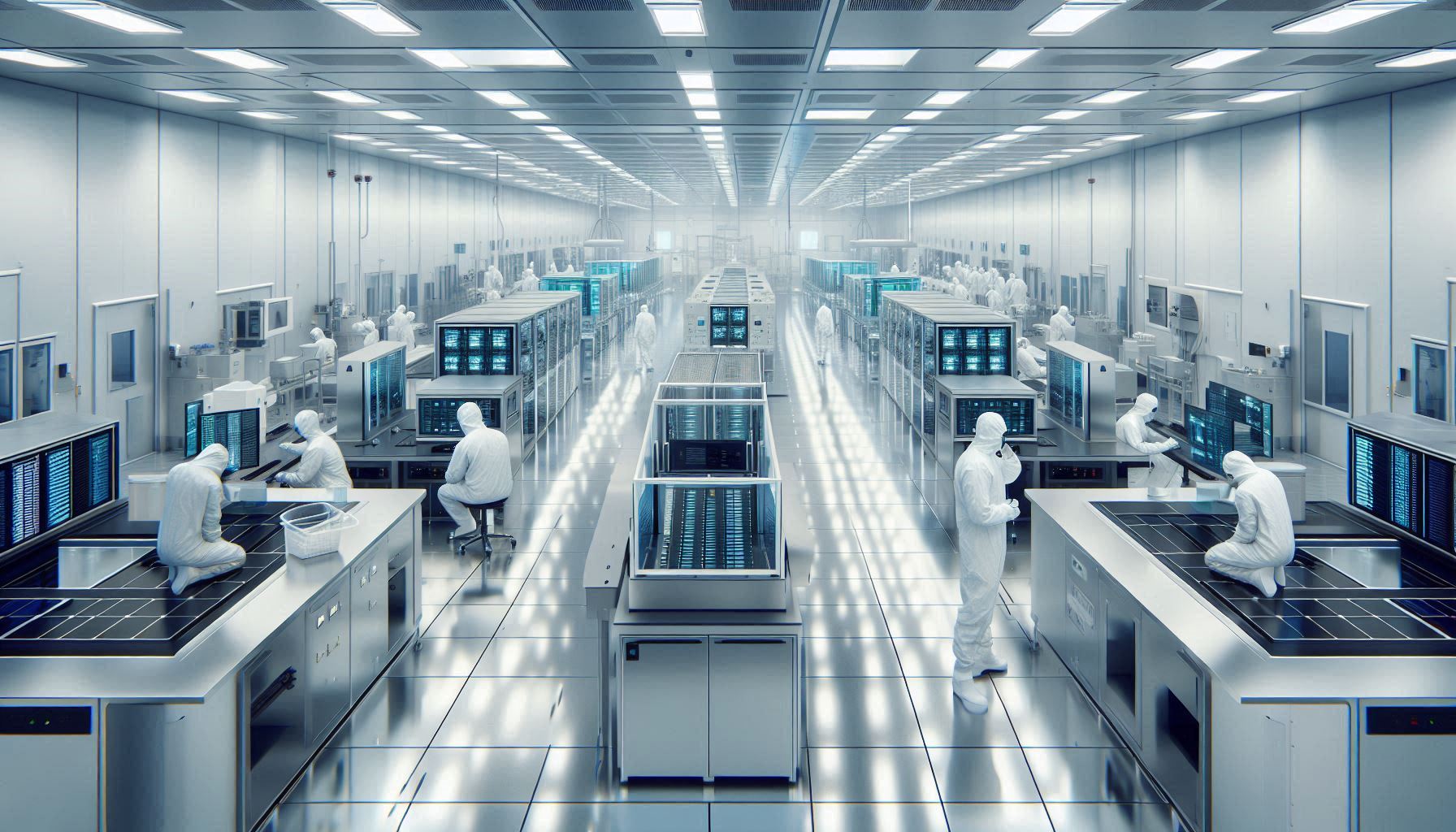
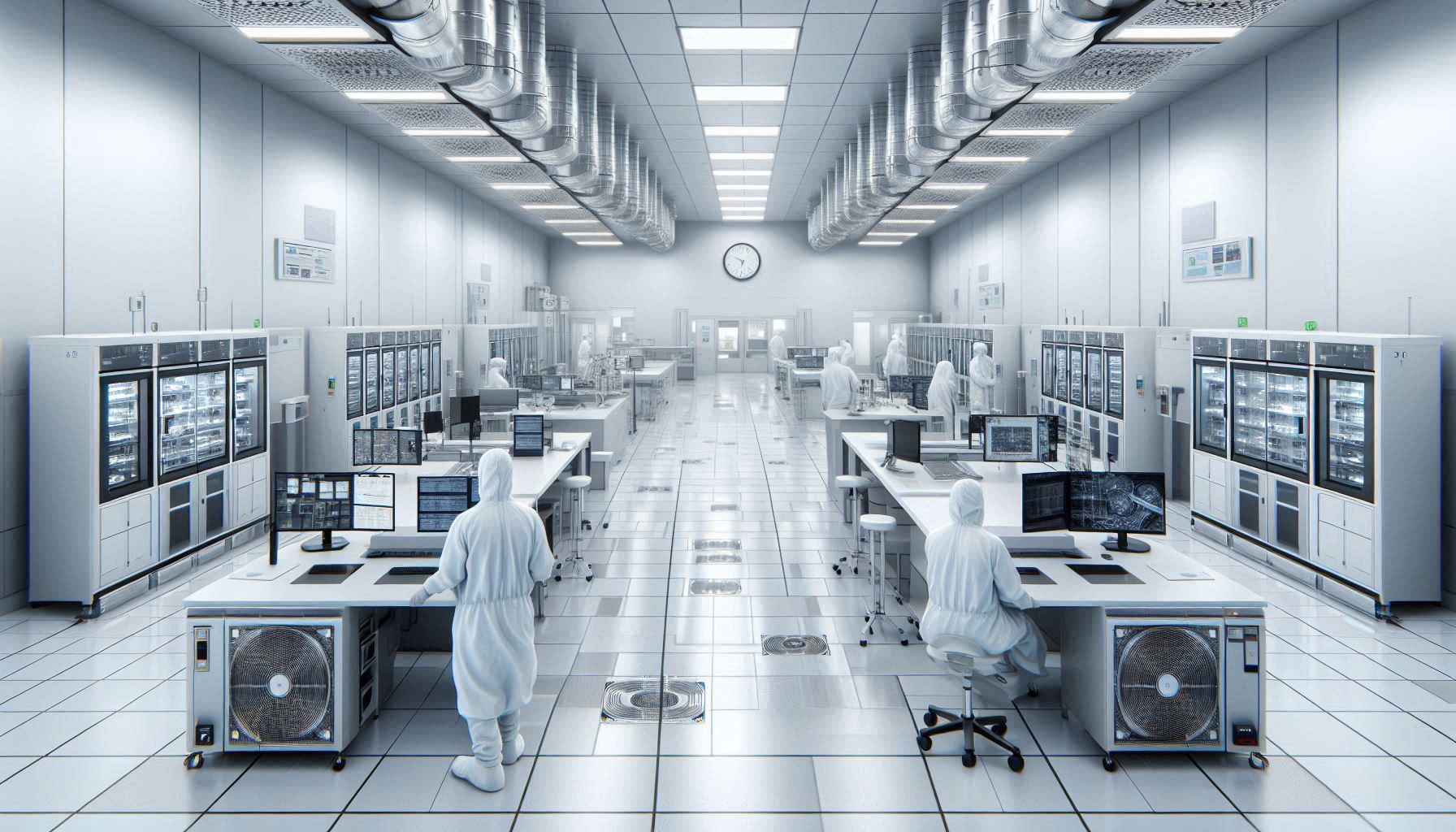
A modern pharma cleanroom with advanced monitoring systems.

The pharmaceutical industry is evolving rapidly, and pharma cleanrooms are at the forefront of this transformation. As we approach 2025, advancements in technology are reshaping how cleanrooms are designed, operated, and maintained to ensure compliance with stringent standards like ISO Class 5, ASHRAE, and ISHRAE. These innovations not only enhance efficiency but also improve product quality and safety. In this article, we’ll explore the top trends in pharma cleanroom technology for 2025, offering insights into how these advancements can benefit your operations.

Understanding the Role of Pharma Cleanroom

A pharmaceutical cleanroom is a carefully controlled space designed to limit contaminants such as dust, airborne microbes, and aerosol particles. This environment is crucial for producing safe, high-quality medications that meet strict industry standards. These environments are critical for processes such as drug formulation, packaging, and sterile manufacturing. For instance, maintaining precise temperature and humidity levels in a cleanroom ensures the stability of sensitive compounds, while advanced filtration systems prevent contamination.

Learn more about cleanroom classifications and their importance in our detailed guide on cleanroom technology.

Emerging Technologies in Pharma Cleanroom

As we look toward 2025, several technological trends are set to revolutionize pharma cleanrooms:

AI-Driven Monitoring Systems

Artificial intelligence (AI) is transforming cleanroom operations by enabling real-time monitoring and predictive maintenance. AI-powered sensors can detect anomalies in air quality, temperature, and humidity, alerting operators before issues escalate. For example, a pharmaceutical facility in Hyderabad reduced contamination risks by 40% after implementing AI-driven monitoring systems. Explore how AI optimizes HVAC systems in data centers here.

Automation and Robotics

Automation is becoming increasingly prevalent in pharma cleanrooms, with robotic systems handling repetitive tasks like material handling and equipment sterilization. This minimizes human intervention, reducing the risk of contamination. For instance, a leading biotech company in Pune integrated robotic arms for packaging, achieving a 25% increase in operational efficiency.

Advanced Filtration Systems

HEPA and ULPA filters remain staples in cleanroom design, but innovations such as electrostatic filtration and UV-C disinfection are gaining traction. These technologies ensure superior air quality by trapping submicron particles and neutralizing pathogens. Discover more about indoor air quality solutions here.

Sustainable Cleanroom Design

Sustainability is a growing priority in cleanroom design. Energy-efficient HVAC systems, renewable energy sources, and eco-friendly materials are being incorporated to reduce carbon footprints. For example, a pharma plant in Bengaluru achieved LEED certification by integrating solar-powered HVAC units. Learn more about sustainable HVAC systems here.

Challenges in Pharma Cleanroom Technology

While modern technologies bring impressive advantages, they also come with their own set of challenges:

High Initial Costs

Implementing cutting-edge technologies like AI and robotics requires substantial investment. However, the long-term savings in energy efficiency and reduced contamination risks often justify the expense.

Regulatory Compliance

Meeting national and international standards such as ISO Class 5, BIS, and ECBC is non-negotiable. Regular audits and certifications ensure adherence to these guidelines.

Skilled Workforce Shortage

Operating advanced cleanroom technologies demands specialized skills. Training programs and workshops are essential to equip workers with the necessary expertise.

Case Studies: Real-World Applications

To better understand the impact of these trends, let’s look at some real-world examples:

Data-Driven Cleanroom Optimization

For example, a pharmaceutical company in Mumbai adopted IoT-enabled sensors to track air quality and monitor pressure differences in real time, ensuring tighter control over cleanroom conditions. This proactive approach reduced contamination incidents by 35%, ensuring consistent product quality.

Green Cleanroom Initiatives

A Chennai-based facility adopted geothermal HVAC systems to achieve energy savings of up to 30%. By leveraging renewable energy, they not only reduced operational costs but also contributed to environmental sustainability. Explore geothermal HVAC options here.

Future Trends in Pharma Cleanroom

Looking ahead, several trends are expected to shape the future of pharma cleanrooms:

Integration of Blockchain Technology

Blockchain can enhance traceability and transparency in pharmaceutical manufacturing. By recording every step of the production process, it ensures compliance and reduces the risk of counterfeit drugs entering the supply chain.

Augmented Reality (AR) for Training

AR is being used to train cleanroom operators in a virtual environment, allowing them to practice procedures without risking contamination. This immersive approach improves learning outcomes and reduces training time.

Smart Materials in Construction

Innovative materials like antimicrobial coatings and self-healing surfaces are being used in cleanroom construction to minimize contamination risks and extend the lifespan of equipment.

Tips for Implementing Advanced Technologies in Pharma Cleanroom

To stay competitive in 2025, here are a few smart moves:

Adopt AI and IoT technologies to boost real-time system monitoring and support predictive maintenance for smoother operations. Look into renewable energy options, like solar-powered HVAC systems, to help lower operating costs and support sustainability goals. Prioritize staff training to ensure smooth adoption of new technologies.

FAQ: Pharma Cleanroom

What is a pharma cleanroom?
A pharma cleanroom is a controlled environment designed to minimize contaminants during pharmaceutical production, ensuring product safety and quality.

Why is temperature control important in a pharma cleanroom?
Temperature control is critical to maintaining the stability of sensitive compounds and preventing degradation during manufacturing.

How do HEPA filters work in cleanrooms?
HEPA filters trap particles as small as 0.3 microns, ensuring superior air quality in cleanroom environments.

What are the latest trends in pharma cleanroom technology?
Emerging trends include AI-driven monitoring, automation, advanced filtration systems, and sustainable design practices.

How can I ensure regulatory compliance in my cleanroom?
Regular audits, staff training, and adherence to standards like ISO Class 5 and ECBC are essential for maintaining compliance.

What role does sustainability play in cleanroom design?
Sustainability reduces energy consumption and environmental impact, aligning with global green building initiatives like IGBC and LEED.

Disclaimer

Some links in this article are affiliate links, such as those for Amazon products. These may generate a small commission at no extra cost to you, supporting our work. We never compromise editorial integrity for partnerships.

About the Author

Mr. Om Prakash, with over 18 years of hands-on experience in the HVAC industry, brings unmatched expertise in cleanroom, pharmaceutical, semiconductor, data center, commercial, and industrial HVAC systems. As the founder of HVAC Technocrat, he specializes in customized HVAC design, energy efficiency audits, retrofit planning, and turnkey consultancy services across India. His deep understanding of critical environments and complex building needs ensures every solution is efficient, reliable, and future-ready. Through his writings, he simplifies HVAC concepts and shares real-world insights to support professionals, facility managers, and decision-makers. For any enquiries or project support, feel free to call or WhatsApp at +91 9908091942, email at hvactechnocrats@gmail.com, or visit www.hvactechnocrat.com.

Explosion Proof AHU: How to Choose the Best in Petrochemical

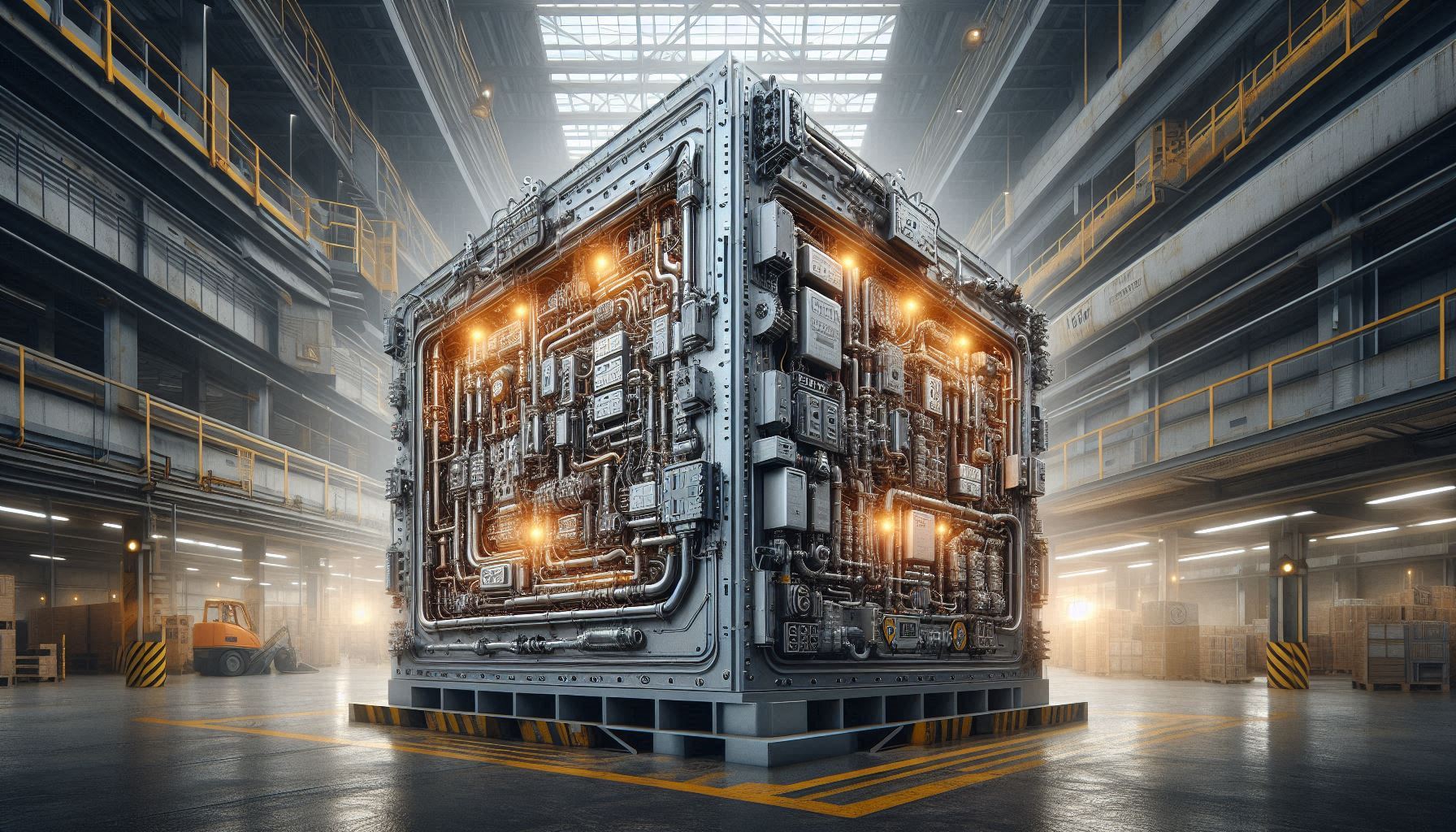
Explosion proof AHU unit installed in an industrial setting, ensuring safety in hazardous environments.

Choosing the best explosion proof AHU (Air Handling Unit) is crucial for ensuring safety in hazardous environments. These specialized units are designed to prevent sparks and contain potential explosions, protecting both equipment and personnel. This guide covers essential features, materials used, types available, key specifications, advantages, and design considerations to help you make an informed decision. Whether selecting a unit for a new installation or upgrading an existing system, this overview provides the insights needed to enhance safety and efficiency in your operations.

What are the essential features of an explosion proof AHU?

An explosion proof Air Handling Unit (AHU) includes features designed to prevent ignition sources in hazardous environments. These features involve robust enclosures that can withstand internal explosions, reinforced structural components, and specialized electrical fittings to contain any sparks or arcs. Additionally, advanced filtration systems prevent the accumulation of flammable dust or gases within the unit. Ensuring these features are in place is crucial for maintaining safety in high-risk areas.

What materials are commonly used?

Manufacturers typically use materials that can resist high temperatures and pressures in explosion proof AHUs. Common materials include stainless steel for its durability and corrosion resistance, aluminum for its lightweight properties, and reinforced plastics that can withstand chemical exposure. These materials are chosen for their strength and ability to maintain integrity under explosive conditions. Non-sparking metals in the internal components further enhance safety.

Why is it crucial to use these AHU in hazardous environments?

In hazardous environments like petrochemical plants or facilities handling flammable materials, the risk of explosions is significantly higher. Using explosion proof AHUs in these settings prevents ignition sources that could trigger an explosion. These units operate safely in the presence of volatile substances, protecting personnel and equipment. Adhering to safety standards by using appropriate AHUs in such environments is essential to avoid catastrophic incidents.

How do they function to ensure safety?

Explosion proof AHU function by containing potential ignition sources within their robust enclosures. They prevent sparks or hot surfaces from contacting flammable substances. The electrical components are enclosed in explosion proof casings, and the unit’s design ensures safe pressure venting without igniting the surrounding atmosphere. Additionally, redundant safety systems and regular maintenance checks ensure ongoing safety.

What role do they play in the petrochemical industry?

In the petrochemical industry, explosion proof AHUs maintain a safe working environment by controlling air quality within processing areas. They effectively filter and remove hazardous fumes or gases, minimizing the risk of explosive atmospheres. Moreover, these AHUs support regulatory compliance, as industries must adhere to strict safety standards to prevent accidents.

How do this AHU contribute to overall plant safety?

Explosion proof AHUs mitigate risks associated with airborne contaminants and potential ignition sources, thus contributing to overall plant safety. They provide clean and safe air circulation, reducing the likelihood of explosions caused by flammable gases or dust. Additionally, they ensure that the working environment remains within safe temperature and pressure limits, enhancing safety further. Their reliability and robust design make them integral to any safety protocol in hazardous industries.

What are the different types of explosion proof AHUs available?

Several types of explosion proof AHUs meet specific requirements, including rooftop units, modular units, and packaged units. Rooftop units are used in larger facilities with fewer space constraints. Modular units offer flexibility and customization for specific needs, while packaged units are compact and pre-assembled for quick installation. Each type has advantages and is chosen based on the specific application and environmental conditions.

How do the various types of explosion proof AHUs differ in functionality?

Explosion proof AHUs vary in functionality based on their design and intended use. Rooftop units are typically larger, providing higher capacity air handling suitable for extensive industrial applications. Modular units allow for customization, enabling specific filtration and airflow configurations tailored to facility needs. Packaged units, being compact and self-contained, are ideal for smaller spaces or mobile applications where quick setup and mobility are essential. These functional differences ensure the right AHU type is used for each specific application, enhancing efficiency and safety.

Where are explosion proof AHUs typically installed?

Explosion proof AHUs are installed in environments with a high risk of explosion due to flammable gases, vapors, or dust. Common installation sites include petrochemical plants, refineries, pharmaceutical manufacturing facilities, and chemical processing plants. They are also used in mining operations and certain areas within food processing plants where combustible dust may be present. The installation location is chosen to maximize the unit’s effectiveness and ensure the safety of the entire facility.

How are explosion proof AHUs utilized in different industrial settings?

Explosion proof AHUs provide safe and efficient air handling and filtration in different industrial settings. In petrochemical plants, they control volatile organic compounds and prevent explosive atmospheres. In pharmaceutical manufacturing, they ensure that air quality meets stringent cleanliness standards while preventing ignition sources. Chemical processing plants use these AHUs to manage hazardous fumes and maintain a safe environment. Each application leverages the explosion proof design to mitigate specific risks associated with the industry, ensuring both safety and regulatory compliance.

To know more about HVAC Systems What Are Hidden Impacts of Overdesigning Click Here

What are the key specifications to consider when selecting an explosion proof AHU?

When selecting an explosion proof AHU, consider several key specifications. These include the unit’s airflow capacity, filtration efficiency, and temperature control capabilities. The materials used in construction, such as corrosion-resistant metals and non-sparking components, are also critical. Additionally, verify the unit’s compliance with relevant safety standards and certifications, such as ATEX or IECEx. Other important specifications include the power requirements, maintenance accessibility, and overall durability of the unit in harsh conditions.

To know more about AHU Specifications Exploring What You Need to Know Click Here

How do the specifications of explosion proof AHUs impact their performance?

Specifications of explosion proof AHUs impact their performance by determining how effectively they can handle the specific needs of an environment. Higher airflow capacity ensures adequate ventilation, while advanced filtration systems improve air quality by removing hazardous particles. Temperature control capabilities are crucial for maintaining safe operational conditions. The choice of materials affects the unit’s durability and resistance to corrosion or chemical damage. Meeting or exceeding safety standards ensures reliable performance and protection in explosive atmospheres, making these specifications essential for optimal functionality.

What are the main advantages of using explosion proof AHUs?

Using explosion proof AHUs offers several advantages, primarily related to safety and compliance. These units significantly reduce the risk of explosions in hazardous environments by containing potential ignition sources. They also enhance air quality and ventilation, vital for the health and safety of personnel. Compliance with safety standards and regulations helps avoid legal and financial repercussions. Additionally, these are designed for durability and long-term reliability, ensuring consistent performance even in harsh conditions.

What are the potential disadvantages of explosion proof AHUs?

Despite their benefits, explosion proof AHUs have some potential disadvantages. One main drawback is the higher initial cost compared to standard AHUs due to the specialized materials and construction methods required. They can also be more complex to install and maintain, necessitating skilled technicians familiar with the safety requirements. Additionally, these units may be heavier and bulkier, posing challenges regarding space and structural support. However, these disadvantages are often outweighed by the safety and compliance benefits they provide.

What information is included in the technical data sheet of an explosion proof AHU?

The technical data sheet of an explosion proof AHU includes comprehensive information about the unit’s specifications and performance characteristics. Key details typically found in the data sheet include airflow rates, filtration efficiency, temperature and pressure ratings, and electrical specifications. It also provides information on the materials used in construction, compliance with safety standards, and maintenance requirements. Additionally, the data sheet may include diagrams and charts to illustrate the unit’s design and operational parameters, offering a clear overview of its capabilities.

How can you interpret the technical data sheet for an explosion proof AHU?

Interpreting the technical data sheet for an explosion proof AHU involves understanding the various specifications and how they relate to the unit’s performance and suitability for a particular application. Start by reviewing the airflow rates and filtration efficiency to ensure they meet your environment’s needs. Check the temperature and pressure ratings to confirm the unit can operate safely under your specific conditions. Evaluate the electrical specifications to ensure compatibility with your power supply. Additionally, review the materials and construction details to assess durability and compliance with safety standards. Understanding these elements helps in making informed decisions about the AHU’s application.

What are the primary components of an explosion proof AHU?

The primary components of an explosion proof AHU include the fan assembly, filters, heat exchangers, and control systems. The fan assembly is designed to provide the necessary airflow while minimizing the risk of sparks. Filters are crucial for removing hazardous particles from the air. Heat exchangers manage temperature control, ensuring safe operational conditions. The control systems include explosion proof electrical components and sensors to monitor and regulate the unit’s performance. Together, these components ensure safe and efficient air handling in hazardous environments.

How do the components of explosion proof AHUs ensure safety and efficiency?

Components of explosion proof AHUs ensure both safety and efficiency through specific design features. The fan assembly uses non-sparking materials and explosion proof motors to prevent ignition. High-efficiency filters capture flammable particles and gases, reducing the risk of explosive atmospheres. Heat exchangers maintain stable temperatures, preventing overheating. Control systems equipped with safety sensors detect anomalies and shut down the unit if necessary. By integrating these components, these AHUs provide reliable and safe operation in environments with significant explosion risks.

What design considerations are essential for explosion proof AHUs?

Essential design considerations for explosion proof AHUs include selecting materials that can withstand explosive forces, ensuring all electrical components are properly enclosed, and incorporating robust filtration systems. The design must also account for adequate ventilation and temperature control to prevent overheating. Additionally, ease of maintenance and accessibility are important to ensure that the units can be regularly inspected and serviced without compromising safety. Compliance with industry standards and regulations is a critical factor in the design process to ensure the units meet all necessary safety requirements.

How does the design of explosion proof AHUs enhance their effectiveness?

The design of explosion proof AHUs enhances their effectiveness by integrating safety features and robust construction that mitigate the risks of explosion. The use of explosion proof enclosures and non-sparking materials prevents ignition sources from causing accidents. Advanced filtration systems ensure that hazardous particles and gases are effectively removed from the air. The design also focuses on maintaining optimal airflow and temperature control, which are critical for safe operation. By addressing these factors, the design of these AHUs ensures they can operate reliably and safely in high-risk environments.

FAQ

Why are explosion proof AHUs important in petrochemical plants?

In petrochemical plants, explosion proof AHUs are essential for maintaining air quality and preventing explosive atmospheres. They control volatile organic compounds and other hazardous substances, ensuring a safe working environment.

How do explosion proof AHUs differ from standard AHUs?

Explosion proof AHUs differ from standard AHUs in their construction and materials. They use non-sparking materials, robust enclosures, and specialized electrical components to prevent ignition in hazardous environments.

What should be considered when selecting an explosion proof AHU?

When selecting an explosion proof AHU, consider factors such as airflow capacity, filtration efficiency, material durability, compliance with safety standards, and compatibility with existing systems. These factors ensure the AHU meets the specific needs of the environment.

Conclusion

Choosing the best explosion proof AHU for the petrochemical industry requires careful consideration of compliance with safety standards, material selection, design and engineering, customization options, energy efficiency, and maintenance support. By focusing on these factors, you can ensure the safety and efficiency of your operations in hazardous environments. Remember, investing in a high-quality explosion proof AHU is an investment in the safety and productivity of your facility.

To know more about How to Reduce HVAC Energy Consumption in Petrochemical Operations Click Here

About The Author

Omprakash Ramagiri; as the Founder of HVAC Technocrats, I bring over 18 years of experience as a Mechanical Engineer specializing in HVAC (Central Air-conditioning) for commercial, cleanrooms, data centers, and Petrochemical industries. Throughout my career, I’ve held pivotal roles at companies like TATA Consulting Engineers, MW Zander (for Cleanroom solutions), Bluestar Malaysia, and ETA in Dubai. I’ve managed international HVAC projects and gained valuable exposure in dynamic markets like Dubai and Saudi Arabia. With a passion for excellence and a commitment to innovative solutions, I specialize in designing Class 10K & 100K Cleanrooms for various industries. Connect with me to explore collaborations in HVAC design, project sales, and consultancy. Click to visit the Author’s Linkedin page


Disclaimer: The content and images are for educational purposes and knowledge enhancement only. They may not depict actual products or situations. Outcomes may vary. Content is generated by AI and reviewed by industry experts, including Author.