The Ultimate Guide to ISO Class 5 Cleanrooms

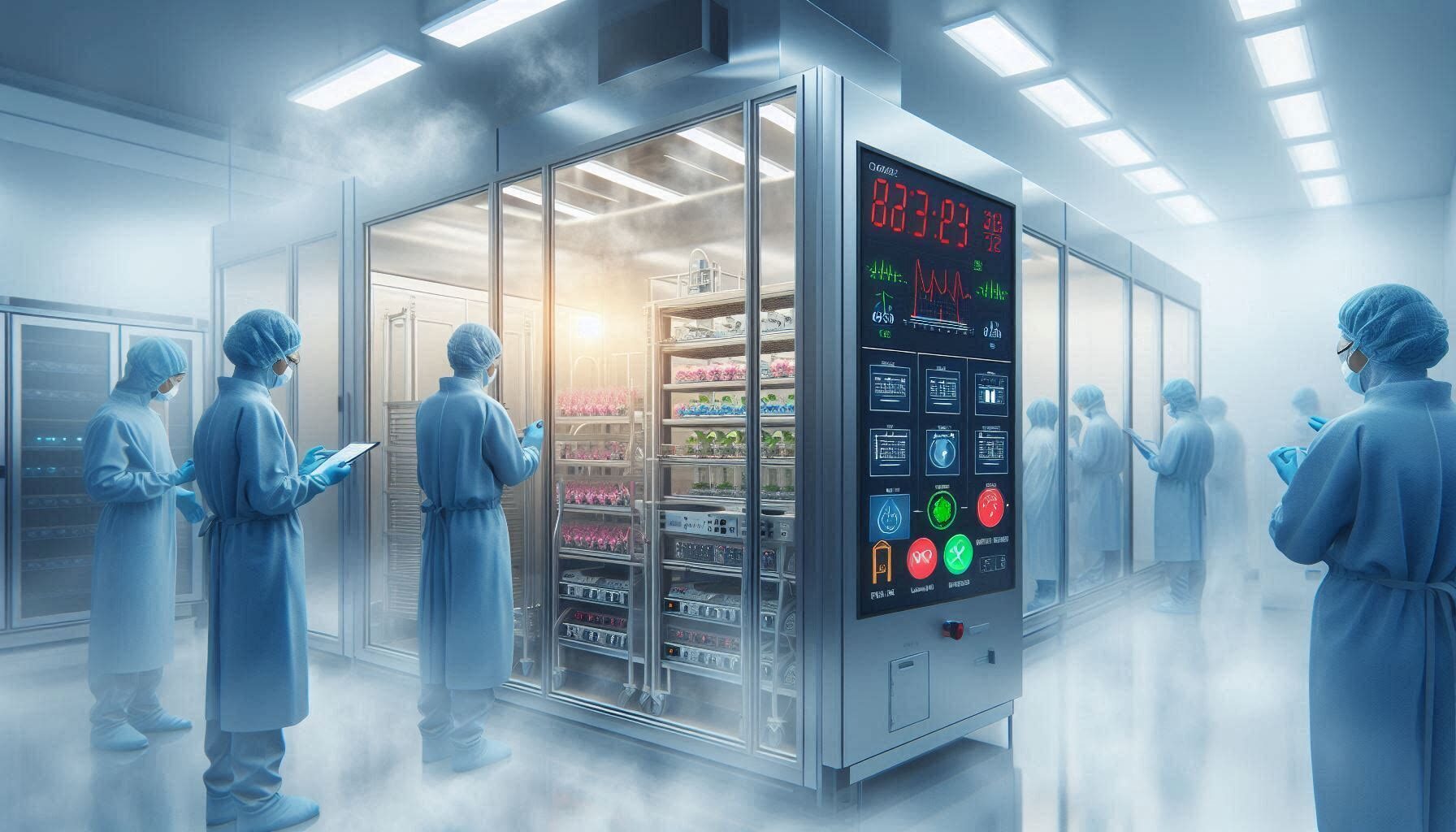
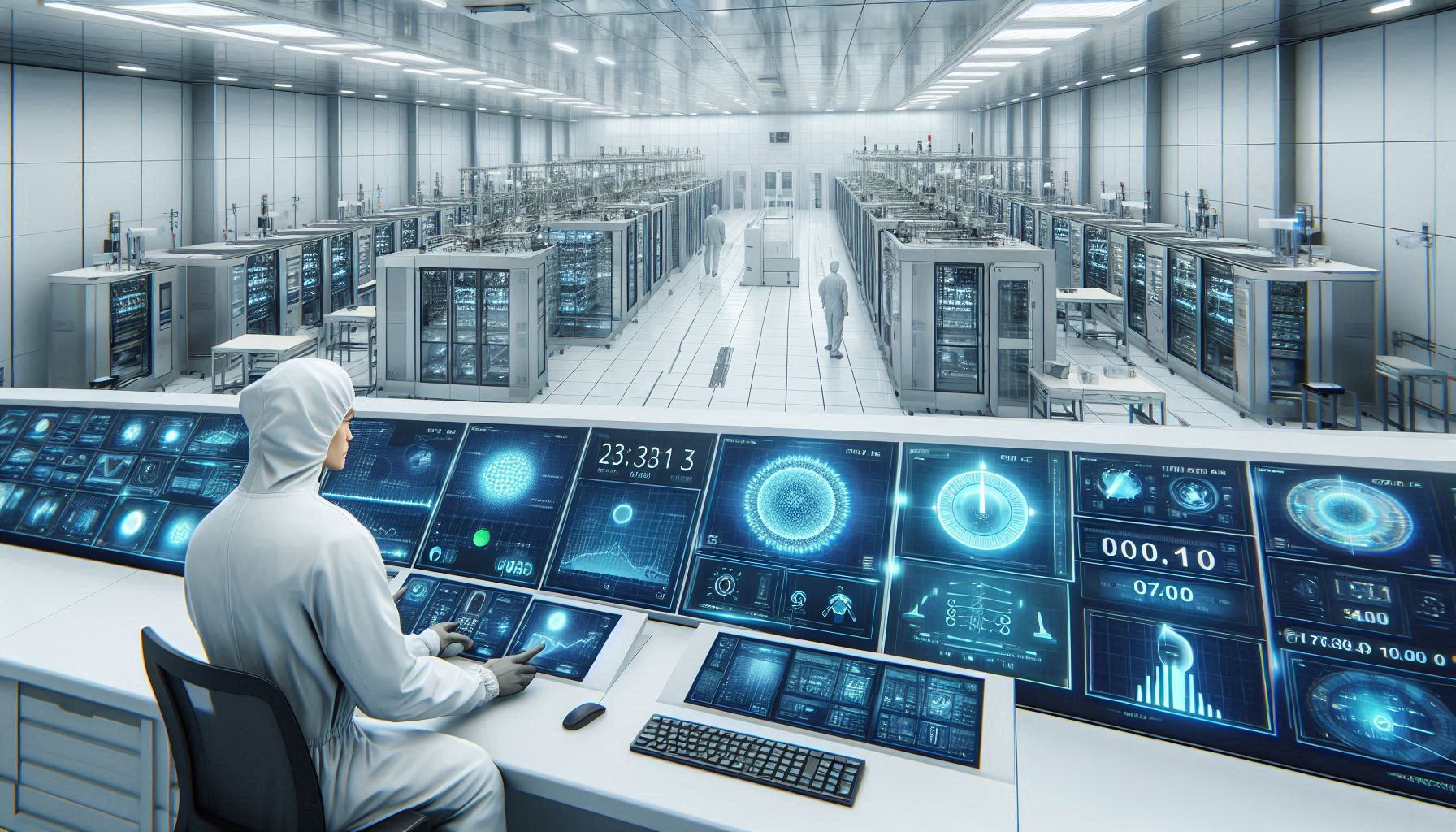
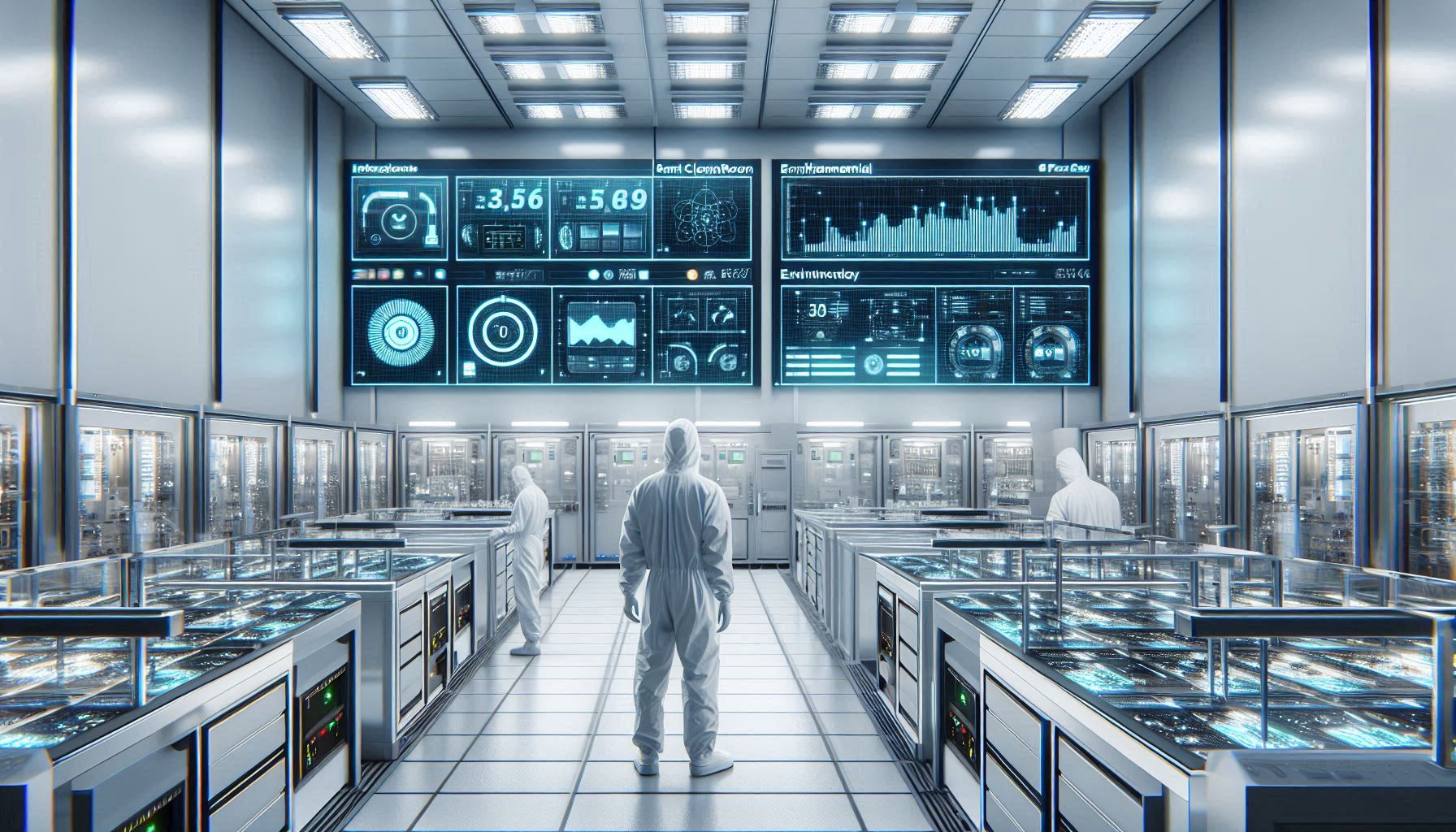
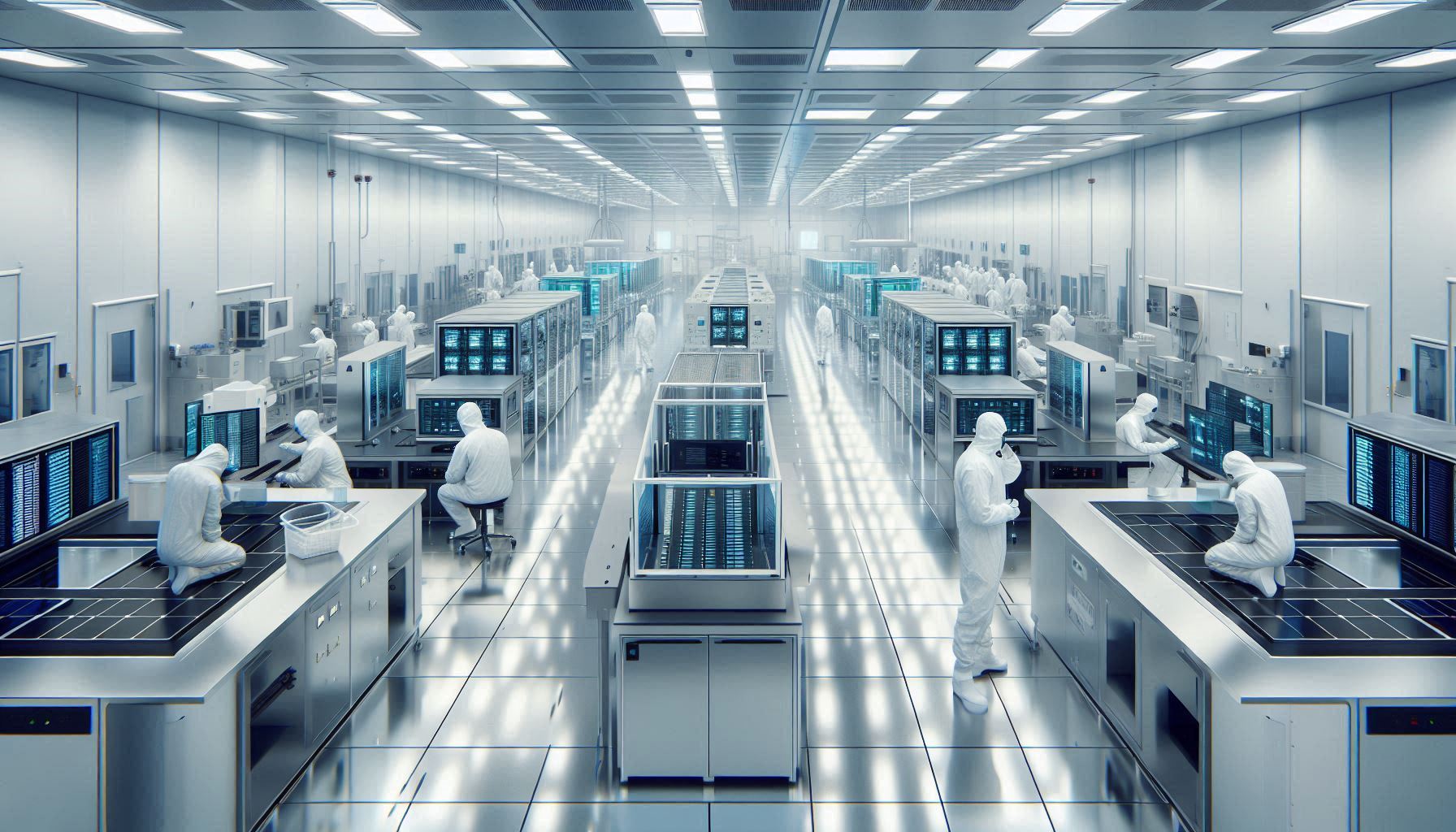
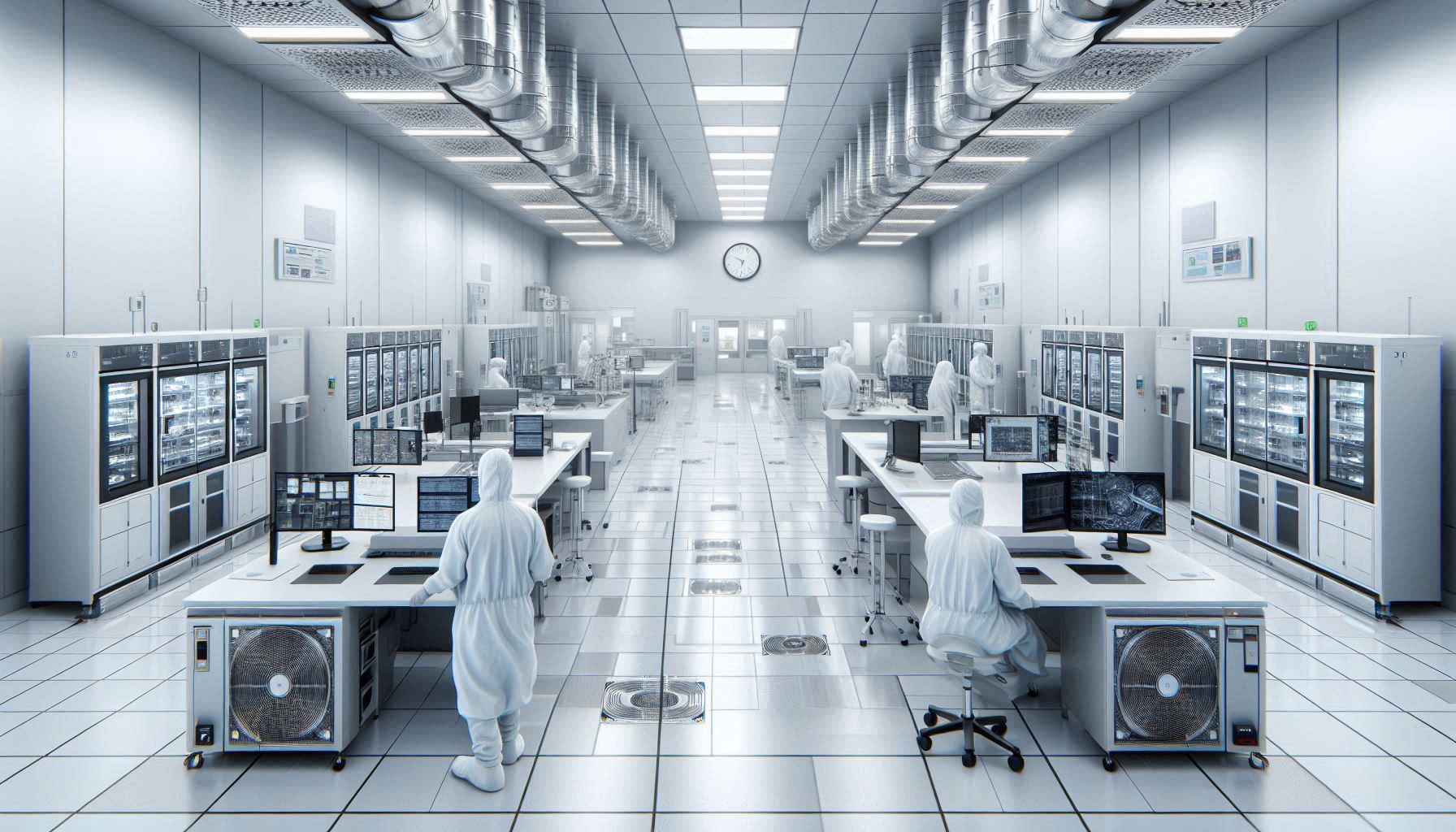
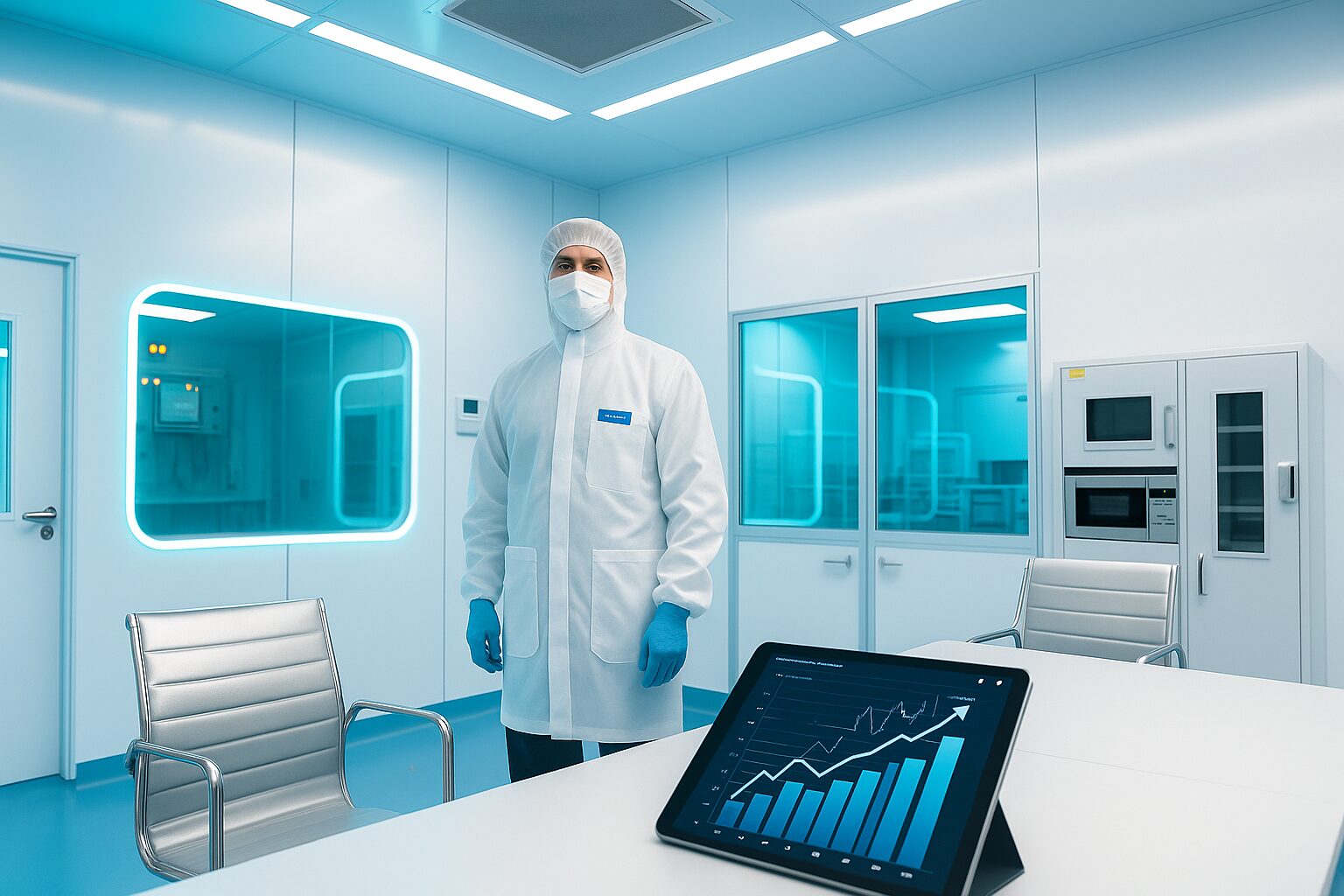
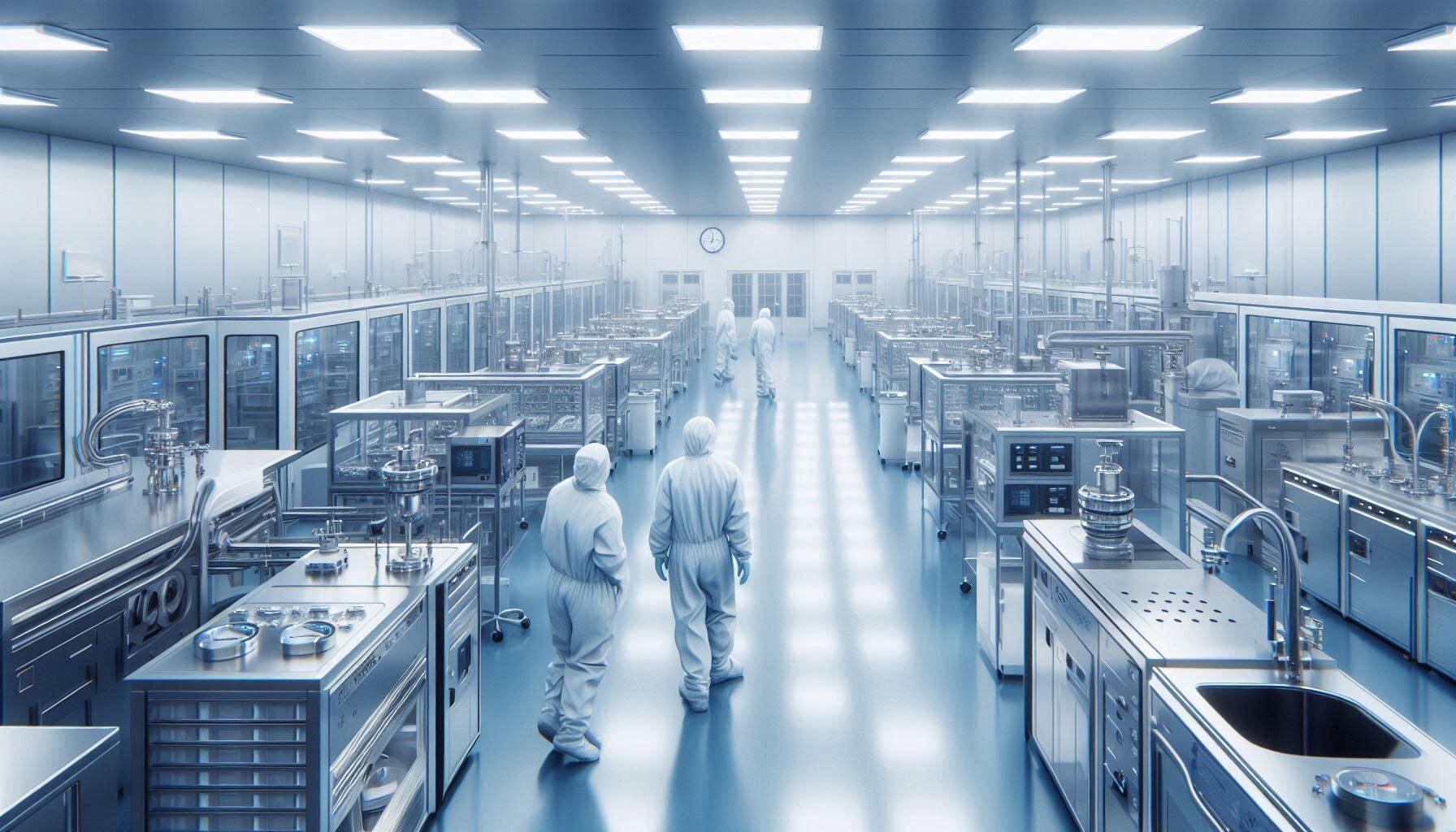
Illustration of ISO Class 5 Cleanroom Environment

Explore the significance of ISO Class 5 cleanrooms in industries like biotechnology, semiconductor manufacturing, and medical engineering. Learn about contamination control, air purity standards, and certification requirements.

The Ultimate Guide to ISO Class 5 Cleanrooms

Understanding ISO Class 5 Cleanrooms

ISO Class 5 cleanrooms, as defined by ISO 14644-1, are environments where air purity and pollution control are critical. These cleanrooms are essential in industries such as medical engineering, electronics, and biotechnology, where even the slightest contamination can compromise product integrity and safety.

Suitability of Cleanrooms for Various Industries

Cleanroom compatibility is critical for industries that require strict standards for pollution control. In semiconductor manufacturing, for example, maintaining an air purity class 5 environment ensures the production of high-quality, defect-free components. Similarly, in medical engineering, ISO Class 5 cleanrooms help prevent infection risks and ensure the safety of clean environments.

Avoiding Cross Contamination

Cross contamination in cleanrooms can lead to significant problems, especially in sensitive industries such as healthcare settings and biotechnology applications. It is essential to ensure proper pollution control through strict procedures and regular inspection. Small adjustments in process monitoring and sensor calibration can prevent disinfection equipment from malfunctioning, thus preserving the integrity of the cleanroom environment.

Importance of ISO 14644 Standards

ISO 14644 standards provide a comprehensive framework for managing air purity standards and pollution control. Meeting these standards is important for cleanroom certification, ensuring that the environment meets the standards required for high cleanliness. The Fraunhofer Institute for Manufacturing Engineering and Automation is one of the leading organizations in developing and promoting these standards.

Applications in Medical Engineering and Biotechnology

Infection control and clean environments are critical in medical engineering applications. ISO Class 5 cleanrooms ensure that medical devices and pharmaceuticals are manufactured under the highest hygiene standards. In biotechnology applications, maintaining a pollution-free environment is essential for the development of sensitive products such as vaccines and biopharmaceuticals.

Role of Process Monitoring and Sensors

Advanced process monitoring and sensors are integral to maintaining cleanroom conditions. These technologies provide real-time data on air quality, enabling immediate response to potential pollution hazards. Ensuring component compliance with industry standards increases product quality and safety.

Verification and Compliance

Cleanroom certification involves rigorous testing and validation to ensure compliance with national and international standards. The certification criteria described in ISO 14644-1 help maintain consistent energy application and adjustable energy in production processes, contributing to overall product quality.

Challenges in Maintaining Cleanroom Conditions

Maintaining ISO Class 5 cleanrooms addresses various challenges such as malfunctioning disinfection equipment and the need for regular inspection. Healthcare settings, in particular, require strict measures to prevent infection risks and maintain a clean environment.

New Market Opportunities

Adherence to the ISO 14644 standard opens up new market opportunities for industries that require high hygiene levels. Companies can use cleanroom certification to enhance their reputation and gain a competitive edge in fields such as semiconductor technology and medical engineering.

Innovations and User-Friendly Approaches

Innovations such as the ElectricDrive core system and plug-and-play systems provide user-friendly approaches to cleanroom management. These systems streamline process monitoring and ensure consistent application of cleanroom conditions, making it easier for industries to maintain high standards of cleanliness.

The Future of Cleanroom Technology

The future of cleanroom technology lies in continuous improvement and adherence to strict standards. As industries evolve, the need for cleanrooms that meet ISO Class 5 standards increases, fueling advances in pollution control, process monitoring, and certification.

Key Takeaways

ISO Class 5 cleanrooms play a vital role in maintaining air purity and preventing contamination in sensitive industries. Adherence to ISO 14644 standards ensures cleanroom environments meet strict cleanliness standards, contributing to product integrity and safety. Innovations and advances in cleanroom technology will continue to shape pollution control’s future.

Pros and Cons

  • Ensures high air purity
  • Prevents cross-contamination
  • Critical to sensitive industries
  • Improves product quality
  • Meets strict criteria
  • High maintenance requirements
  • Regular inspection is required
  • Probability of equipment malfunction
  • Initial setup costs
  • Special training is required

Frequently Asked Questions

  1. What is an ISO Class 5 Cleanroom?
  2. An ISO Class 5 cleanroom is an environment with strict air purity and pollution control standards, as defined by ISO 14644-1.

  3. Why is cleanroom compatibility important?
  4. Cleanroom compatibility is especially important for industries that require high cleanliness standards to prevent contamination and ensure product integrity.

  5. How can process monitoring and sensors help?
  6. Process monitoring and sensors provide real-time data on air quality, enabling immediate responses to potential pollution hazards.

  7. What are the benefits of cleanroom certification?
  8. Cleanroom certification ensures compliance with national and international standards, improving product quality and market opportunities.

  9. What challenges do cleanrooms face?
  10. Cleanrooms face challenges such as equipment malfunctions, routine inspection requirements, and high maintenance requirements.

Conclusion

ISO Class 5 cleanrooms are crucial for maintaining high air purity and preventing contamination in industries such as medical engineering, biotechnology, and semiconductor manufacturing. Adherence to ISO 14644 standards and the use of advanced process monitoring and verification technologies ensure compliance with stringent cleanliness standards in these environments. As cleanroom technology continues to evolve, industries must stay ahead to maintain product integrity and explore new market opportunities.

Internal Links

Check out this air conditioner for maintaining cleanroom conditions.

Learn more about cleanroom certification from The Importance of Pressure Differential in Cleanroom HVAC Systems.

Explore how to optimize HVAC performance with effective vibration isolation by visiting this article.

Cleanroom Temperature and Humidity: Why Its Critical to Control

Graph showing optimal temperature and humidity ranges for maintaining a controlled cleanroom environment.

Ensuring proper Cleanroom Temperature and Humidity Control is critical to maintaining the integrity of sensitive processes and products. Cleanrooms used in various industries such as pharmaceuticals, biotechnology and electronics require strict environmental controls to prevent contamination and ensure the highest standards of quality and safety.

How Do Temperature and Humidity Affect Cleanroom Operations?

Proper temperature and humidity control is fundamental to cleanroom operations, which directly affects the quality and safety of products. Stable environmental conditions prevent contamination, ensure equipment functionality and maintain material properties. This article explores why Temperature Control and Humidity Control is essential in cleanrooms, highlighting its role in compliance, product quality and operational efficiency. Understanding these factors can help industries maintain high standards and achieve reliable results in sensitive processes.

What Is the Role of Temperature Control in Cleanrooms?

Temperature control in cleanrooms plays a critical role in ensuring the stability and reliability of processes and products. Constant temperatures help maintain the properties of delicate materials and prevent deterioration. Additionally, temperature fluctuations can cause condensation, which leads to moisture accumulation and potential contamination. By maintaining a constant temperature, cleanrooms ensure that products are manufactured and tested under optimal conditions, reducing the risk of defects and ensuring consistent quality.

How Does Humidity Affect the Cleanroom Environment?

Humidity levels are equally critical in cleanrooms, as high humidity can lead to microbial growth, corrosion and static electricity build-up. High humidity can create an environment conducive to the growth of mold and bacteria, which can compromise the sterility of the cleanroom. Conversely, low humidity levels can cause materials to become brittle and increase the risk of electrostatic discharge, damaging sensitive electronic components. Therefore, maintaining an adequate humidity range is essential to protect both products and equipment.

When Should Temperature and Humidity Be Monitored in Cleanrooms?

Cleanrooms should be continuously monitored to ensure that temperature and humidity are within specified limits. Real-time monitoring allows any deviations to be identified immediately, enabling prompt corrective actions. Continuous monitoring systems can provide alerts and logs, helping to identify trends and prevent potential problems before they escalate. Regular calibration of monitoring equipment is also critical to ensure accuracy and reliability in maintaining desired environmental conditions.

Where Are the Critical Areas for Temperature and Humidity Control?

Key areas for temperature and Humidity Control in cleanrooms include production zones, storage areas, and testing laboratories. Each region may have specific requirements based on the nature of the activities conducted. For example, production areas require strict controls to prevent contamination during manufacturing, while storage areas must maintain stable conditions to maintain the integrity of stored materials. Understanding the unique needs of each region is essential to implementing effective control measures.

Why Is Temperature and Humidity Control Critical for Compliance?

Temperature and humidity control is very important to meet industry norms and standards. Regulatory bodies, such as FDA and ISO, have strict requirements for environmental conditions in cleanrooms to ensure product safety and efficacy. Failure to meet these standards can result in costly fines, product recalls and reputational damage. Adherence to temperature and humidity guidelines not only ensures compliance but also increases the overall reliability and quality of cleanroom operations.

How Does Temperature and Humidity Control Improve Product Quality?

Maintaining proper temperature and humidity levels directly affects product quality by preventing contamination and deterioration. In pharmaceuticals, for example, improper environmental conditions can alter the chemical composition of drugs, rendering them ineffective or unsafe. In electronics, humidity control prevents static discharge that can damage sensitive components. By ensuring consistent conditions, cleanrooms can produce high-quality, reliable products that meet industry standards and customer expectations.

What Techniques Are Used for Temperature and Humidity Control?

Advanced technologies such as HVAC systems, dehumidifiers and humidifiers are commonly used to control temperature and humidity in cleanrooms. HVAC systems provide precise control over temperature, while dehumidifiers and humidifiers adjust humidity levels to maintain a desired humidity range. These systems are often integrated with monitoring and control software that allows for real-time adjustments and ensures stable environmental conditions. Using advanced technology increases the efficiency and reliability of temperature and humidity control in cleanrooms.

When Should Cleanroom Conditions Be Verified?

Cleanroom conditions should be verified during initial set-up and ensure compliance with required specifications. Validation includes thorough testing and documentation of temperature and humidity levels to verify compliance with industry standards. Regular validation ensures that control systems are functioning properly and that the cleanroom environment remains within acceptable limits. This practice is essential to maintain the integrity of cleanroom operations and ensure product quality and safety.

Where Can Temperature and Humidity Control Be Improved?

Improvements in temperature and Humidity Control can be achieved through routine maintenance, updates to control systems, and continuous training of personnel. Regular maintenance of HVAC systems and monitoring equipment ensures proper performance and prevents unexpected failures. Upgrading to more advanced control technologies increases accuracy and reliability. Additionally, training staff on best practices for managing cleanroom conditions can significantly improve overall control and compliance.

How Does Temperature and Humidity Control Affect Operational Efficiency?

Effective temperature and humidity control contribute to operational efficiency by reducing downtime, reducing the risk of contamination and ensuring consistent product quality. Stable environmental conditions reduce the likelihood of equipment malfunctions and process interruptions, leading to smoother operations. Furthermore, maintaining optimal conditions improves the reliability of processes and products, reduces the need for rework, and increases overall productivity. By investing in strong temperature and humidity control measures, cleanrooms can achieve higher efficiency and better results.

Pros & Cons

  • Ensures product quality
  • Prevents microbial growth
  • Enhances compliance with regulations
  • Reduces equipment malfunctions
  • Improves operational efficiency
  • High initial setup cost
  • Requires continuous monitoring and maintenance
  • Potential for system malfunctions
  • Complexity in achieving precise control
  • Energy consumption

Codes & Standards

Temperature and humidity control in cleanrooms must comply with various industry codes and standards. Key standards include ISO 14644 for cleanroom environments, the FDA’s cGMP (current Good Manufacturing Practices) for pharmaceuticals, and ASHRAE guidelines for HVAC systems. Adhering to these standards ensures that cleanrooms meet the necessary criteria for safety, quality, and efficacy, providing a reliable framework for maintaining optimal environmental conditions.

FAQs

What are the ideal temperature and humidity levels for cleanrooms?

Ideal levels vary by industry but generally range between 20-22°C for temperature and 30-50% for humidity.

How Frequently Should Temperature and Humidity Levels Be Monitored?

Continuous monitoring is recommended, with regular calibration of sensors and equipment.

Can improper humidity levels cause contamination?

Yes, high humidity can promote microbial growth, while low humidity can cause static discharge, both leading to contamination.

What technologies help maintain cleanroom conditions?

HVAC systems, dehumidifiers, humidifiers, and real-time monitoring software are commonly used.

Why is compliance with standards important?

Compliance ensures product safety, regulatory adherence, and maintains the integrity of cleanroom operations.

Conclusion

Temperature and humidity control in cleanrooms is crucial for maintaining the quality, safety, and reliability of products and processes. By understanding the importance of these parameters and implementing effective control measures, industries can ensure compliance with regulations, improve product quality, and enhance operational efficiency. Investing in advanced technologies and regular validation further supports the achievement of optimal cleanroom conditions, contributing to the overall success and reliability of cleanroom operations.

About The Author

Omprakash Ramagiri; as the Founder of HVAC Technocrats, I bring over 18 years of experience as a Mechanical Engineer specializing in HVAC (Central Air-conditioning) for commercial, cleanrooms, data centers, and Petrochemical industries. Throughout my career, I’ve held pivotal roles at companies like TATA Consulting Engineers, MW Zander (for Cleanroom solutions), Bluestar Malaysia, and ETA in Dubai. I’ve managed international HVAC projects and gained valuable exposure in dynamic markets like Dubai and Saudi Arabia. With a passion for excellence and a commitment to innovative solutions, I specialize in designing Class 10K & 100K Cleanrooms for various industries. Connect with me to explore collaborations in HVAC design, project sales, and consultancy. Click to visit the Author’s Linkedin page


Disclaimer: The pictures used are for illustrative purposes only. They may not depict actual products or situations and are meant for educational purposes. Actual products, situations, or outcomes may differ.

How to Optimize HVAC Systems for Cleanroom Pressure Control?

Diagram illustrating the optimization of HVAC systems for maintaining cleanroom pressure control.

Maintaining the integrity of cleanrooms is crucial in industries like pharmaceuticals, electronics, and biotechnology. The role of cleanroom pressure differential in HVAC systems is a fundamental aspect of ensuring this integrity. Understanding its significance helps in creating controlled environments that meet stringent cleanliness standards.

Ensuring proper air quality and contamination control in cleanrooms hinges on maintaining pressure differentials. By controlling the pressure, cleanrooms can effectively prevent the ingress of contaminants, thereby safeguarding sensitive processes and products.

The significance of pressure differential in cleanroom HVAC systems cannot be overstated. It forms the backbone of contamination control, ensuring that clean air is consistently maintained, and contaminants are kept at bay.

What Is Cleanroom Pressure Differential and Why Does It Matter?

Pressure differential refers to the difference in air pressure between adjacent areas within a cleanroom environment. This differential creates a directional airflow, preventing contaminated air from entering the cleanroom. By maintaining higher pressure in cleaner zones, contaminants are pushed towards areas of lower cleanliness, ensuring that the most critical areas remain uncontaminated.

How Does Pressure Differential Impact Cleanroom Performance?

The effectiveness of a cleanroom hinges on its ability to maintain a controlled environment. Pressure differential plays a pivotal role by creating barriers against contamination. It ensures that any potential contaminants are moved away from critical areas, maintaining the purity of the cleanroom environment.

Where Is Pressure Differential Most Critical in Cleanrooms?

Pressure differentials are particularly crucial at entry points, such as doors and pass-throughs. These areas are potential weak spots where contaminants can enter. By maintaining a pressure differential, cleanrooms can ensure that these points do not become sources of contamination, safeguarding the integrity of the clean environment.

When Should Pressure Differential Be Monitored?

Continuous monitoring of pressure differential is essential to maintaining a cleanroom’s integrity. Any fluctuations can compromise the controlled environment, allowing contaminants to enter. Regular monitoring ensures that the pressure differential is maintained, providing consistent protection against contamination.

Why Is Consistent Pressure Differential Vital?

Consistency in maintaining pressure differentials is key to ensuring the cleanroom remains uncontaminated. Any variation can lead to breaches, allowing contaminants to infiltrate. Consistent pressure differentials provide a stable barrier, protecting sensitive processes and products within the cleanroom.

What Are the Consequences of Improper Pressure Differential?

Failure to maintain proper pressure differentials can lead to significant contamination issues. Contaminants can enter critical areas, compromising product quality and safety. This can result in costly downtime, product recalls, and potential health risks, highlighting the importance of maintaining proper pressure differentials.

How Can Pressure Differential Be Effectively Managed?

Effective management of pressure differential involves the use of advanced HVAC systems equipped with sensors and controls. These systems monitor and adjust pressure levels in real-time, ensuring that the cleanroom environment remains stable and uncontaminated.

What Technologies Support Pressure Differential Management?

Modern HVAC systems incorporate various technologies to manage pressure differentials. These include sensors, control systems, and feedback mechanisms that work together to maintain the desired pressure levels. These technologies ensure that cleanrooms remain effective in preventing contamination.

Why Is Training Important in Managing Pressure Differential?

Proper training for personnel is crucial in managing pressure differentials. Staff need to understand the importance of maintaining these differentials and how to operate and monitor the HVAC systems effectively. Training ensures that everyone is aware of their role in protecting the cleanroom environment.

What Are Bubble, Sink, and Cascade Pressure Differentials?

Different strategies for maintaining pressure differentials in cleanrooms include bubble, sink, and cascade setups:

  • Bubble Pressure Differential: The cleanroom is kept at a higher pressure than adjacent areas, creating a “bubble” that prevents contaminants from entering. For example, if a cleanroom is at +10 Pa relative to surrounding areas, it pushes air out, keeping contaminants at bay.

  • Sink Pressure Differential: The cleanroom is kept at a lower pressure than adjacent areas, causing contaminants to be drawn into the cleaner area from surrounding spaces. For example, a room maintained at -10 Pa relative to adjacent spaces will pull air in, ensuring contaminants are trapped.

  • Cascade Pressure Differential: This setup involves multiple rooms with progressively lower or higher pressure, creating a gradient that controls the flow of contaminants. For instance, a sequence of rooms at +20 Pa, +10 Pa, and 0 Pa ensures contaminants are pushed through a controlled path.

  • Examples of Pressure Differential Values

    Typical pressure differential values in cleanrooms vary depending on their classification:

  • ISO Class 5: +15 to +20 Pa

  • ISO Class 7: +10 to +15 Pa

  • ISO Class 8: +5 to +10 Pa

  • These values are critical to maintaining the cleanroom’s integrity and preventing contamination.

    What Standards Govern Pressure Differential in Cleanrooms?

    Several industry standards govern the maintenance of pressure differentials in cleanrooms. These include ISO 14644 and the US Federal Standard 209E. Additionally, pressure differentials can vary based on the classification of the cleanroom. Higher-class cleanrooms require stricter pressure controls to maintain their integrity. Adhering to these standards ensures that cleanrooms meet the required levels of cleanliness and contamination control.

    Pros and Cons of Maintaining Pressure Differential in Cleanrooms

    Pros:

  • Ensures contamination control

  • Protects product quality and safety

  • Enhances operational efficiency

  • Complies with industry standards

  • Cons:

  • Requires continuous monitoring and maintenance

  • Can be cost-intensive to implement and maintain

  • Needs specialized training for personnel

  • Codes and Standards Governing Pressure Differential

    Maintaining pressure differential in cleanrooms is governed by stringent codes and standards. Key standards include ISO 14644, which outlines the requirements for cleanroom classifications, which sets the criteria for cleanroom contamination control. These standards dictate the pressure differentials required based on cleanroom classifications, ensuring each area maintains its integrity. Adherence to these standards is crucial for ensuring the effectiveness of pressure differentials in maintaining cleanroom integrity.

    FAQ

    What is the purpose of pressure differential in cleanrooms?

    Pressure differential prevents contaminants from entering critical clean areas.

    How is pressure differential maintained in cleanrooms?

    Using advanced HVAC systems with real-time monitoring and adjustments.

    Why is continuous monitoring of pressure differential important?

    It ensures consistent contamination control and cleanroom integrity.

    What standards regulate pressure differentials in cleanrooms?

    ISO 14644 and US Federal Standard 209E are key standards.

    Can pressure differential affect cleanroom performance?

    Yes, improper pressure differentials can lead to contamination and compromised performance.

    Conclusion

    Maintaining proper pressure differential is critical in cleanroom HVAC systems. It ensures effective contamination control, protecting sensitive processes and products. By adhering to industry standards and employing advanced technologies, cleanrooms can achieve and maintain the necessary pressure differentials. This, in turn, guarantees the integrity and effectiveness of the cleanroom environment, ensuring the highest levels of cleanliness and safety.

    About The Author

    Omprakash Ramagiri; as the Founder of HVAC Technocrats, I bring over 18 years of experience as a Mechanical Engineer specializing in HVAC (Central Air-conditioning) for commercial, cleanrooms, data centers, and Petrochemical industries. Throughout my career, I’ve held pivotal roles at companies like TATA Consulting Engineers, MW Zander (for Cleanroom solutions), Bluestar Malaysia, and ETA in Dubai. I’ve managed international HVAC projects and gained valuable exposure in dynamic markets like Dubai and Saudi Arabia. With a passion for excellence and a commitment to innovative solutions, I specialize in designing Class 10K & 100K Cleanrooms for various industries. Connect with me to explore collaborations in HVAC design, project sales, and consultancy. Click to visit the Author’s Linkedin page


    Disclaimer: The pictures used are for illustrative purposes only. They may not depict actual products or situations and are meant for educational purposes. Actual products, situations, or outcomes may differ.

    Cleanroom: What Are the Best Practices for Particle Control?

    Diagram illustrating best practices for cleanroom particle control in pharmaceutical and semiconductor industries.

    It is important to understand the importance of cell control in the cleanroom environment to maintain hygiene and ensure the quality of the product. This article analyzes how effective cell control measures can improve cleanroom capacity, prevent pollution and work to meet industry standards.

    Importance of Particle Control for Cleanroom Capacity

    Cleanrooms are special atmosphere, where cell control is important to maintain high levels of hygiene. By implementing stringent cell control measures, industries can ensure their procedures and integrity of products, which will eventually meet better operating efficiency and strict standards.

    What is partial control in cleanroom?

    Cleanrooms include maintenance and decrease of air and surface cells to maintain hygiene levels specified in cell control. It is obtained through various methods, including filtration systems, air flow control and strict procedural protocols. Effective cell control helps to adapt the criteria required for clean room pollution-sensitive processes.

    What is a particle control role in the cleanroom environment?

    The primary role of cell control in the cleaner environment is to prevent pollution that can damage the quality and safety of the products. By reducing the appearance of cells, cleaners protect sensitive manufacturing processes and research activities. Cell control industry helps to maintain the integrity of operations according to rules and standards.

    Why does clean rooms have partial control?

    Cell control in cleanroom for several reasons:

  • Product quality: Prevents pollution that affects production performance and safety.
  • Compliance: Strict industry ensures following standards and rules.
  • Activity capacity: The process reduces obstruction and risk of defects.
  • Security: Protects employees and delicate devices from harmful cells.
  • Where to apply particle control in cleanroom?

    Particle control should be applied in various aspects of the cleanroom environment, including:

  • Air filter: HEPA filler with high -spasm to remove cells in the air.
  • Surfaces: Cleaning and maintaining regular surfaces to prevent cell accumulation.
  • Employees: Proper gowning and hygiene protocol to reduce pollution from employees.
  • Equipment: To ensure that the equipment is maintained clean and regularly to prevent cell production.
  • Entry point: Airlock and cleanroom admission procedures to control cell entry.

  • How to get effective particles control?

    Effective cell control in cleanroom can be obtained through multiple strategies:

  • Regular monitoring: counting and monitoring of continuous cells to identify pollutants.
  • Management in Airflow: Proper design and maintenance of ventilation systems to stay in lamina airflow.
  • Strict cleaning protocol: Simple cleaning using appropriate techniques and equipment.
  • Staff Training: To educate employees on the best ways to maintain cleanliness.
  • Advanced filter: Using HEPA and ULPA filters to catch and remove cells in the air.

  • What are the latest technology in particle control?

    Latest Techniques in Cell Control for Cleanroom:

  • Real -time particle monitoring system: Provide continuous data at cell levels for immediate action.
  • Advanced Filter: Improve HEPA and ULPA filters with high efficiency ratings.
  • Robotic cleaning system: to clean the automatic robot stable and well -cleaned.
  • Nano coatings: Surface treatment that reduces cells and reduce pollution.
  • Smart HVAC system: Integrated systems that adjust air flow and filter based on real -time data.

  • What are the advantages and disadvantages of particle control?

    Advantages:

  • Better production quality: Low pollution can cause high quality outputs.
  • Compliance: Industry is according to standards and control requirements.
  • Activity capacity: low process interruption and defect.
  • Security: Protects both employees and sensitive equipment.
  • Dis Advantages:

  • Extreme initial cost: Implementation of sophisticated cell control systems is expensive.
  • Maintenance: Continuous maintenance and monitoring is necessary to be effective.
  • Complex procedures: Continuous implementation includes stringent protocols that are challenging.

  • FAQ

    What is the purpose of particle control in cleanroom?

    The primary purpose of particle control in the cleanroom is to prevent contamination, which is important to maintain the quality and safety of the product. Effective particle control industry ensures compliance with industry standards, improves operational efficiency, and protects both personnel and sensitive devices from harmful particles.

    How does particle control cleanliness affect the efficiency of the room?

    Particle control contamination-related process has a significant impact on cleanroom efficiency by reducing the risk of interruptions and errors. By maintaining a controlled environment, cleaners operate smoothly and continuously, which improves productivity and product quality.

    What are the common methods of particle control in cleaning chambers?

    Common practices for particle control in clean rooms include the use of HEPA and ULPA filters for air filtration, strict cleaning protocols, proper gowning and hygiene of personnel, and implementation of airlock and admission procedures to reduce particle introduction, and particle introduction. These methods work together to maintain the required hygiene level.

    Why is continuous monitoring in cleaning chambers?

    Continuous monitoring in cleaning chambers is important as it allows particle level and potential contamination sources to detect in real time. This enables quick corrective actions to ensure that the environment of cleanliness remains within the hygiene standards specified at all times.

    What are the challenges in applying particle control in cleaning chambers?

    Applying particle control in the cleanroom presents challenges such as high early costs, continuous maintenance and monitoring requirement and complexity of implementing strict procedural protocols for refined systems. Despite these challenges, the benefits of better product quality, compliance and operational efficiency make it necessary.

    Conclusion

    Particle control is necessary to maintain the integrity and efficiency of the environment of the cleaning chamber. By applying effective particle control measures, industry can ensure high product quality, compliance with strict standards and better operating efficiency. As the technology progresses, the methods of particle control and equipment are developed, which further improves the effectiveness of the clean environment.

    About The Author

    Omprakash Ramagiri; as the Founder of HVAC Technocrats, I bring over 18 years of experience as a Mechanical Engineer specializing in HVAC (Central Air-conditioning) for commercial, cleanrooms, data centers, and Petrochemical industries. Throughout my career, I’ve held pivotal roles at companies like TATA Consulting Engineers, MW Zander (for Cleanroom solutions), Bluestar Malaysia, and ETA in Dubai. I’ve managed international HVAC projects and gained valuable exposure in dynamic markets like Dubai and Saudi Arabia. With a passion for excellence and a commitment to innovative solutions, I specialize in designing Class 10K & 100K Cleanrooms for various industries. Connect with me to explore collaborations in HVAC design, project sales, and consultancy. Click to visit the Author’s Linkedin page


    Disclaimer: The pictures used are for illustrative purposes only. They may not depict actual products or situations and are meant for educational purposes. Actual products, situations, or outcomes may differ.