How to Optimize Cleanroom pressure differential for Semiconductor facilities

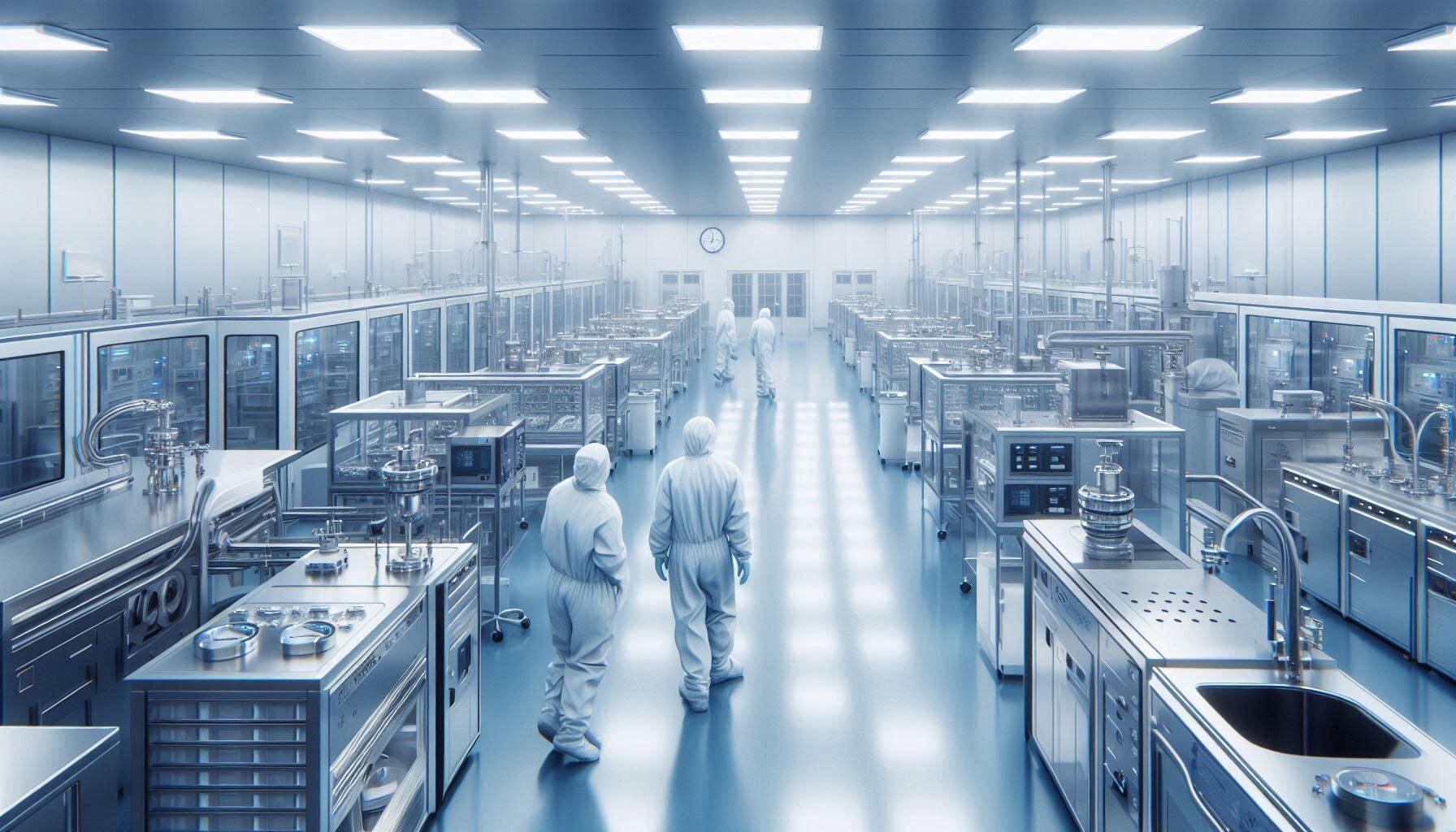
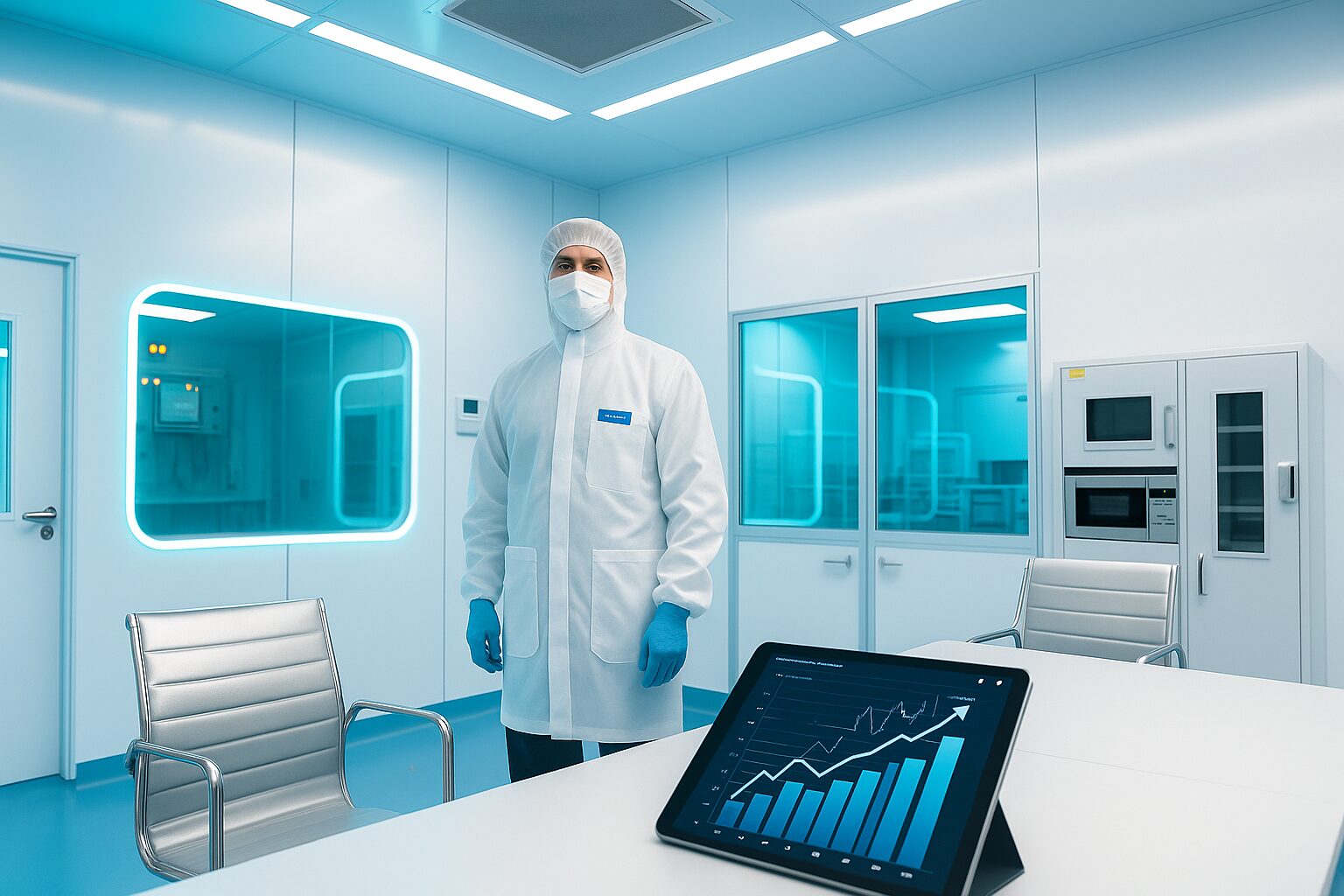
Cleanroom pressure differential in a semiconductor facility

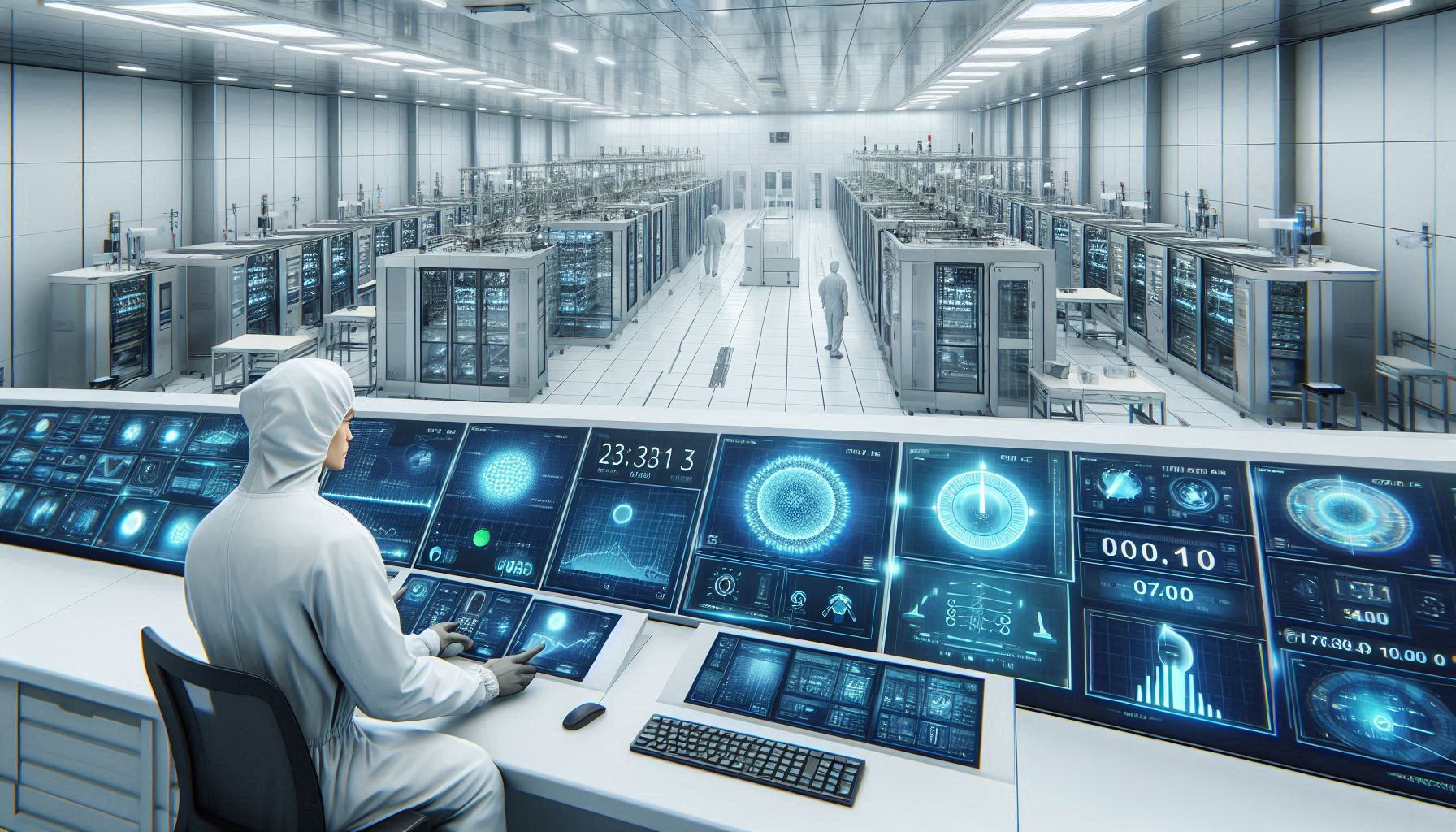
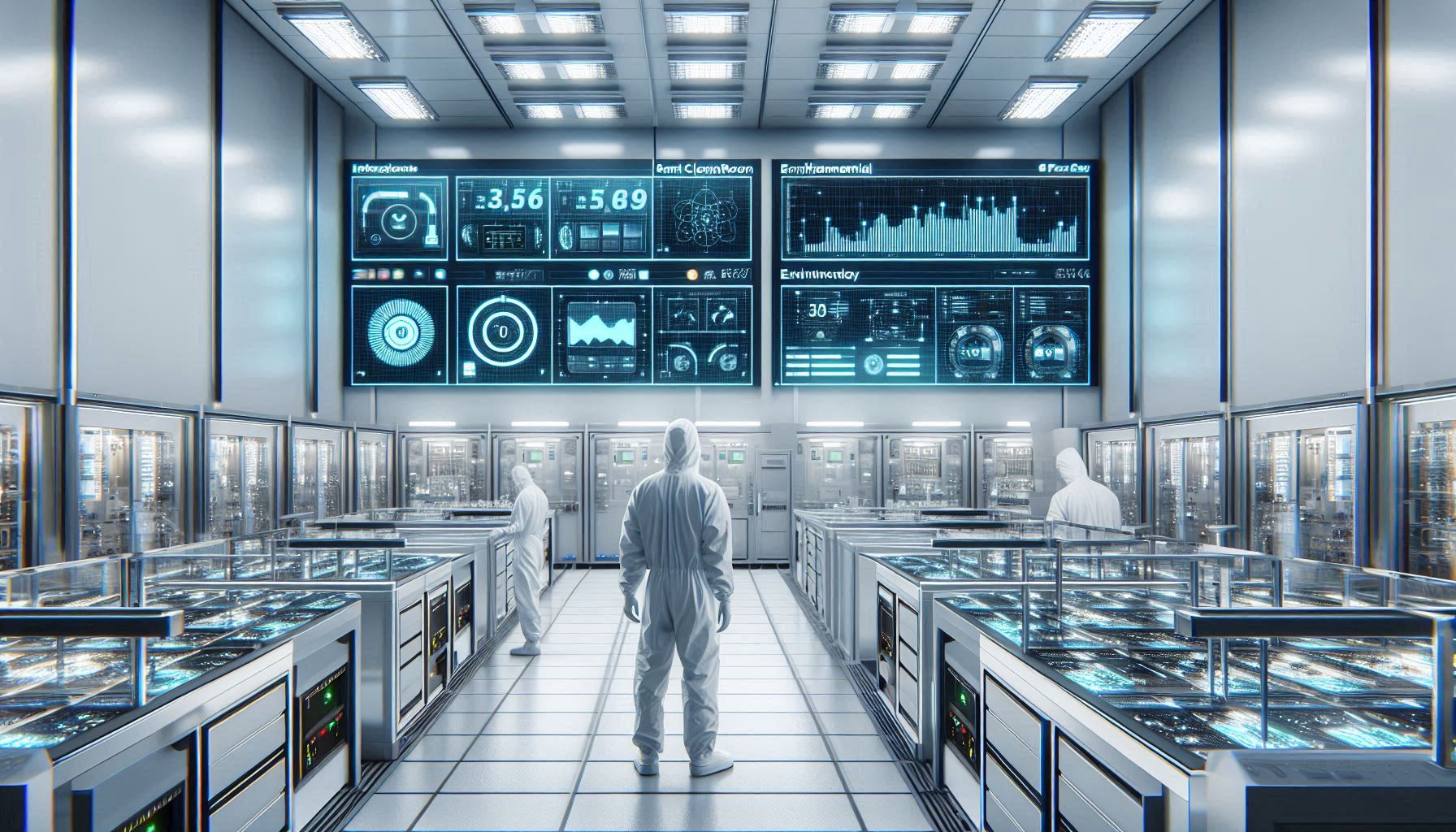
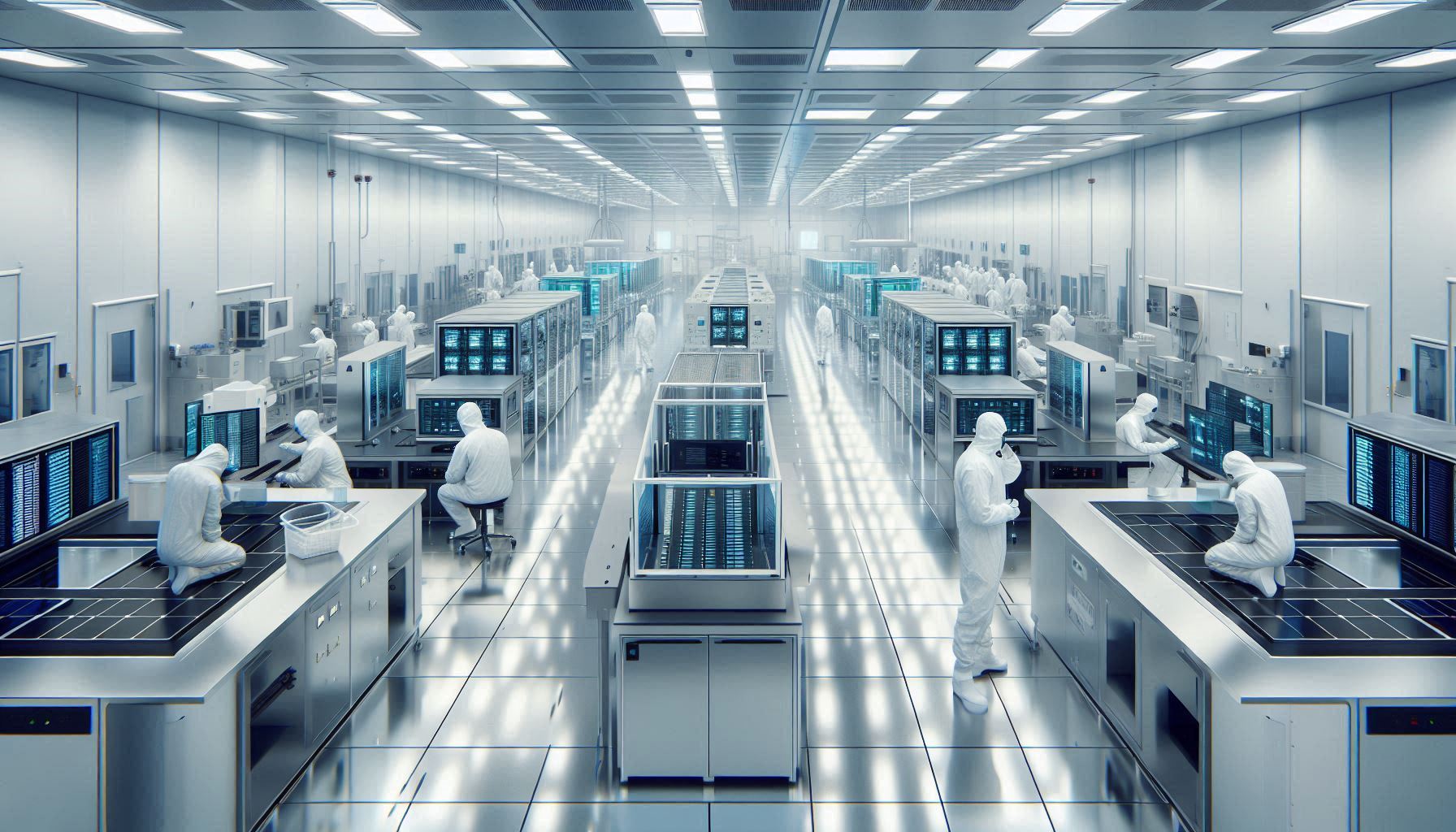
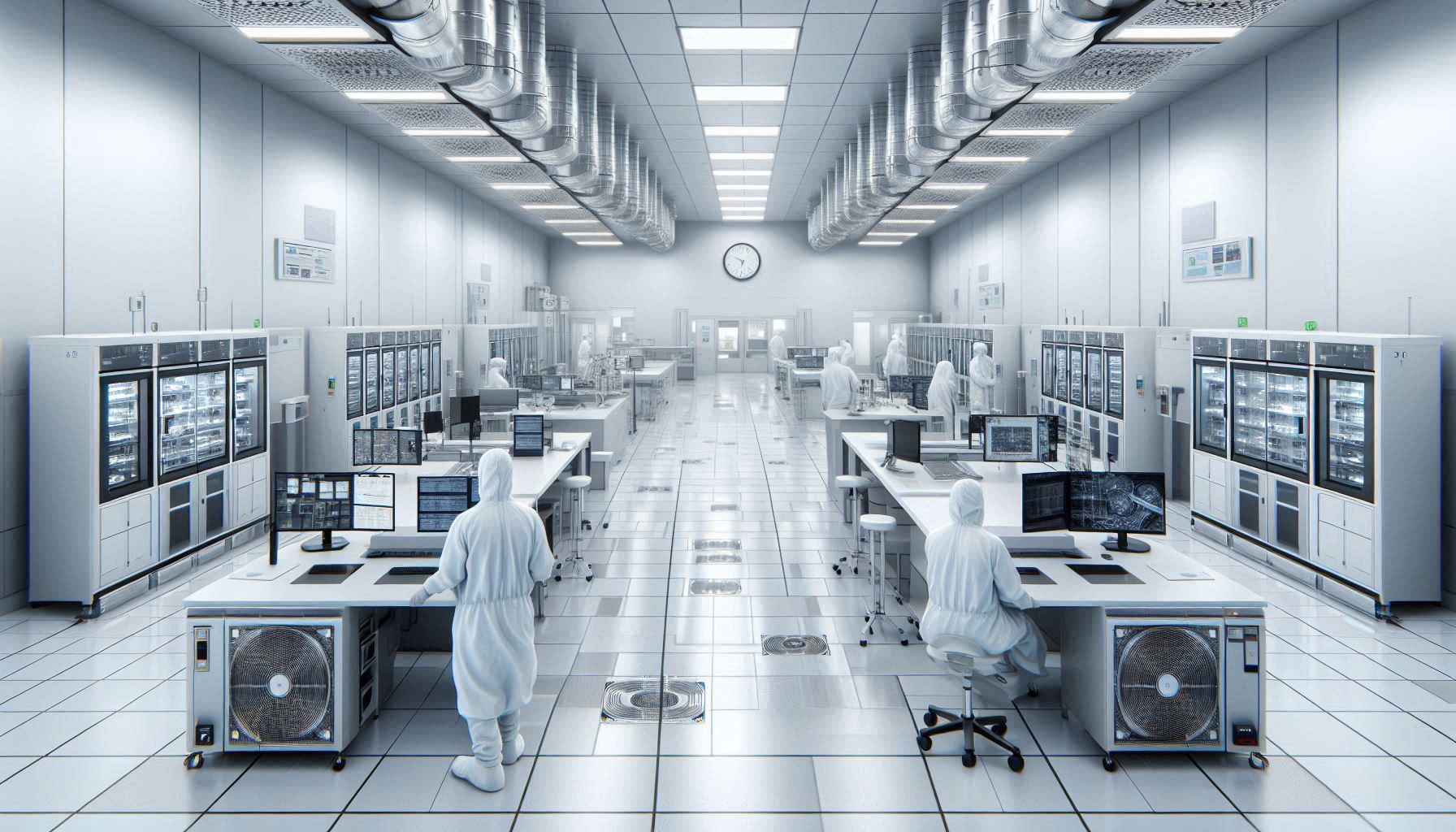
Cleanroom pressure differential optimization represents a critical success factor in semiconductor manufacturing, where even minor contamination can destroy entire production batches worth millions of rupees. The complexity of maintaining precise pressure differentials across multiple zones while accommodating dynamic process conditions requires sophisticated engineering approaches that balance contamination control with energy efficiency. Modern semiconductor facilities demand pressure management systems that respond intelligently to equipment operations, personnel movement, and environmental variations while maintaining the stringent cleanliness standards essential for advanced chip manufacturing.

Why the Particle Control is Required in the Cleanroom Environment

Understanding the fundamentals of pressure differential optimization enables facility managers and engineers to implement cost-effective solutions that enhance both product quality and operational efficiency. The challenge extends beyond simple static pressure maintenance to encompass real-time adjustments, predictive control strategies, and integration with overall facility management systems. Effective optimization directly impacts manufacturing yield rates, energy consumption, and compliance with international standards including ISO 14644 and regional requirements like BIS IS 15518.

Learn more about ISO 14644 standards

Understanding Cleanroom pressure differential Fundamentals in Semiconductor

Pressure differential optimization begins with understanding the physics of airflow control in contamination-sensitive environments. The fundamental principle relies on creating controlled airflow patterns that prevent particle migration from less clean areas toward critical manufacturing zones. This approach utilizes the natural tendency of air to flow from high-pressure regions toward low-pressure areas, effectively creating invisible barriers against contamination ingress.

Why Temperature and Humidity Control is Critical in Cleanrooms

Semiconductor cleanrooms typically implement cascade pressure systems where the most critical Class 1 areas maintain pressures 25-50 Pa above adjacent zones. This hierarchical approach creates multiple contamination barriers, ensuring that even temporary pressure disturbances don’t compromise manufacturing processes. The optimization process must account for the unique characteristics of semiconductor manufacturing, including frequent equipment cycling, personnel movement patterns, and the extreme contamination sensitivity of advanced processes.

The effectiveness of pressure differential systems depends on maintaining consistent airflow patterns during normal facility operations. Personnel movement through airlocks, door operations, and equipment startups all create pressure disturbances that optimized systems must compensate for automatically. Advanced facilities employ machine learning algorithms that predict these disturbances and proactively adjust system parameters to maintain optimal contamination control.

Temperature and humidity variations significantly impact pressure differential stability due to air density changes and thermal buoyancy effects. Optimization strategies must integrate pressure control with environmental conditioning systems to maintain stable conditions regardless of external weather variations or internal heat loads. This integration becomes particularly challenging in Indian climatic conditions where monsoon seasons create significant outdoor air condition variations.

HVAC Challenges Breaking Down for Practical Solutions in All Scenarios

Regulatory Standards and Compliance Framework for Optimization of Cleanroom pressure differential

ISO 14644-4 establishes the foundation for pressure differential requirements in semiconductor cleanrooms, specifying minimum differentials of 12.5 Pa between adjacent zones. However, optimization strategies for semiconductor applications typically exceed these minimums to provide robust contamination control during dynamic operating conditions. Modern facilities commonly implement differentials ranging from 15 Pa to 50 Pa depending on the specific contamination sensitivity of manufacturing processes.

BIS IS 15518 provides additional guidance specific to Indian semiconductor manufacturing facilities, incorporating regional considerations while maintaining compatibility with international standards. The optimization process must ensure compliance with these standards while adapting to local climatic conditions, power reliability concerns, and construction practices.

ISHRAE guidelines complement these standards by providing practical design recommendations for tropical and subtropical environments.

ASHRAE also provides relevant guidance for cleanroom design and operation.

Compliance optimization requires continuous monitoring and documentation of pressure differential performance throughout facility operation. Advanced monitoring systems utilize high-accuracy sensors capable of detecting variations as small as 1 Pa, enabling precise control adjustments that maintain compliance margins. The documentation requirements support regulatory inspections while providing data for ongoing optimization improvements.

The regulatory framework also addresses emergency response requirements, mandating that optimized systems maintain contamination control during various failure scenarios. Optimization strategies must incorporate backup systems and emergency protocols that ensure continued operation during power outages, equipment failures, and other disruptions. These requirements influence system design decisions and operational procedures throughout the facility lifecycle.

Advanced Cascade System Design and Implementation Strategies for Cleanroom pressure differential

Cascade pressure system optimization requires sophisticated analysis of airflow requirements, leakage characteristics, and system dynamics specific to semiconductor applications. The design process begins with detailed facility modeling that accounts for complex equipment layouts, personnel flow patterns, and process gas requirements. Computational fluid dynamics (CFD) analysis helps identify potential optimization opportunities while ensuring adequate contamination control throughout the facility.

Clean Room Classification – Ultimate Guide (ISO FS209E & IS15518)

Modern cascade systems employ variable frequency drives on all major air handling equipment, enabling precise pressure control that adapts to changing facility conditions. This optimization approach eliminates energy waste associated with constant-volume systems while maintaining superior contamination control effectiveness. Advanced control algorithms coordinate multiple air handling units to maintain optimal pressure relationships across the entire facility during varying load conditions.

The optimization of airlock systems within cascade designs requires careful attention to pressure transition rates and contamination control effectiveness. Personnel airlocks typically implement three-stage pressure transitions that minimize physical discomfort while maintaining contamination barriers. Material transfer airlocks require specialized optimization for semiconductor applications, including automated handling capabilities and decontamination protocols appropriate for sensitive manufacturing materials.

Integration with building automation systems enables centralized optimization of cascade pressure systems across multiple zones simultaneously. These systems provide real-time performance monitoring, automated adjustment capabilities, and predictive maintenance scheduling that optimizes both contamination control and energy efficiency. The integration supports facility-wide optimization strategies that coordinate pressure control with lighting, security, and process control systems.

Smart HVAC Systems – How to Protect in Data Centers

Smart Monitoring and Control Technologies for Real-Time Optimization of Cleanroom pressure differential

Artificial intelligence and machine learning technologies represent the cutting edge of pressure differential optimization in semiconductor facilities. These systems analyze vast amounts of operational data to identify patterns in equipment operation, personnel movement, and environmental conditions that affect pressure stability. Predictive algorithms enable proactive system adjustments that maintain optimal contamination control while minimizing energy consumption through continuous learning and adaptation.

Internet of Things sensor networks provide unprecedented visibility into pressure differential performance across all facility zones. Wireless sensors eliminate installation constraints while providing flexible monitoring capabilities that adapt to changing facility requirements. The sensor data supports both real-time optimization decisions and long-term performance analysis that identifies improvement opportunities.

Advanced building automation systems coordinate pressure control optimization with other facility systems including temperature control, humidity management, and air filtration. This integrated approach enables comprehensive optimization strategies that consider the interactions between multiple environmental parameters. The coordination prevents conflicting control actions while optimizing overall facility performance and energy efficiency.

Emergency response optimization requires integration with facility security systems, fire protection equipment, and emergency notification systems. Automated responses to various emergency scenarios ensure appropriate pressure control actions while maintaining personnel safety. These systems must be regularly tested and updated to ensure effective emergency response while supporting ongoing optimization objectives.

How AI is Revolutionizing HVAC

Energy Efficiency Optimization Strategies and Implementation

Energy optimization in pressure differential systems represents a significant opportunity for cost reduction while maintaining contamination control effectiveness. Variable frequency drive implementation on all major fans enables precise airflow control that matches actual pressure requirements rather than operating at maximum capacity continuously. This optimization approach typically reduces energy consumption by 20-40% while improving contamination control through more precise pressure management.

HVAC Systems – Why Sustainability is Important for Green Building

Heat recovery system integration provides substantial energy savings by capturing waste heat from exhaust air streams. However, semiconductor applications require careful optimization to prevent contamination cross-transfer between supply and exhaust air streams. Advanced heat recovery technologies including run-around loops and plate heat exchangers provide energy benefits while maintaining complete contamination isolation.

Demand-based pressure control optimization adjusts pressure differentials based on actual contamination risks and facility operating conditions. During periods of reduced personnel activity or equipment operation, pressure differentials can be optimized to maintain contamination control while reducing energy consumption. These strategies require sophisticated monitoring systems that accurately assess real-time contamination risks and adjust system parameters accordingly.

Renewable energy integration offers opportunities for sustainable pressure control optimization while maintaining critical contamination control requirements. Solar photovoltaic systems and wind energy can supplement conventional power sources, though the critical nature of cleanroom pressure control requires robust backup systems. Energy storage technologies enable optimization of renewable energy utilization while ensuring continuous operation during energy source variations.

Net Zero Energy Building HVAC Systems

Maintenance Optimization and Predictive Analytics Implementation

Predictive maintenance optimization utilizes sensor data and machine learning algorithms to identify maintenance needs before equipment failures occur. This approach minimizes unplanned downtime while ensuring optimal pressure differential performance throughout the facility lifecycle. Advanced analytics identify patterns in equipment performance that indicate developing problems, enabling proactive maintenance scheduling that prevents contamination control failures.

Filter replacement optimization represents a significant opportunity for both cost reduction and performance improvement. Traditional time-based replacement schedules often result in premature filter changes or inadequate contamination control due to overloaded filters. Optimization strategies utilize real-time pressure drop monitoring and particle loading analysis to determine optimal replacement timing based on actual performance rather than arbitrary schedules.

Seal and gasket maintenance optimization addresses one of the most common causes of pressure differential degradation. Regular inspection protocols and preventive replacement schedules help maintain system integrity while minimizing energy waste through leakage. Advanced facilities employ thermal imaging and ultrasonic leak detection to identify problems before they impact facility performance.

Control system calibration optimization ensures accurate pressure measurement and control response throughout the facility lifecycle. Regular calibration schedules based on equipment performance rather than arbitrary time intervals optimize both contamination control effectiveness and energy efficiency. Automated calibration systems can reduce maintenance costs while improving accuracy and documentation compliance.

HVAC Systems What Are Hidden Impacts of Overdesigning?

Integration with Manufacturing Process Equipment and Automation

Process equipment integration optimization addresses the significant challenges created by varying exhaust requirements, thermal loads, and process gas consumption in semiconductor manufacturing. Advanced control systems anticipate equipment operation cycles and adjust facility pressure control proactively to maintain optimal contamination control. This integration requires sophisticated communication protocols between process equipment and facility control systems.

Automated material handling system integration optimizes contamination control during wafer transport and storage operations. These systems require coordinated pressure control that accommodates material movement while maintaining contamination barriers. Integration with facility automation systems enables seamless operation that optimizes both manufacturing efficiency and contamination control effectiveness.

Emergency response integration ensures appropriate pressure control responses during various process equipment emergencies. Chemical spills, equipment fires, and toxic gas releases all require coordinated responses that maintain personnel safety while preserving contamination control where possible. These integration requirements must be carefully planned and regularly tested to ensure effective emergency response.

Process gas system integration addresses the complexity introduced by varying consumption rates and emergency purge requirements. Optimization strategies must accommodate normal process gas usage while maintaining contamination control during emergency purge events. Advanced control systems coordinate between process gas requirements and facility pressure control to optimize both manufacturing efficiency and safety.

Hazardous Area Classification – Innovative HVAC for Petrochemical

Troubleshooting and Performance Optimization Methods

Systematic troubleshooting optimization helps identify root causes of pressure differential problems while minimizing disruption to manufacturing operations. Common issues including filter loading, seal degradation, damper malfunction, and control system drift require specific diagnostic approaches that optimize both problem identification and resolution efficiency. Advanced diagnostic tools including pressure mapping and airflow visualization help identify problems that traditional monitoring might miss.

Data analysis optimization utilizes facility monitoring data to identify performance trends and optimization opportunities. Statistical analysis of pressure differential performance helps establish baseline conditions and identify deviations that indicate developing problems. This approach enables proactive optimization adjustments that prevent performance degradation before it impacts manufacturing processes.

Performance benchmarking optimization compares facility performance against industry standards and best practices to identify improvement opportunities. Regular performance assessments help identify areas where optimization efforts can provide the greatest benefits. Benchmarking also supports continuous improvement programs that drive ongoing optimization throughout the facility lifecycle.

Documentation optimization ensures that troubleshooting activities and performance improvements are properly recorded for future reference. Comprehensive documentation supports regulatory compliance while providing historical data that guides future optimization decisions. Digital documentation systems enable efficient information sharing and analysis that supports facility-wide optimization efforts.

HVAC Consultant – How They Can Save You Money and Energy

Validation and Qualification Optimization Protocols

Installation qualification optimization ensures that pressure control equipment is properly installed and configured for optimal performance from initial startup. This process includes verification of sensor accuracy, control logic programming, and integration with facility systems. Optimization during installation reduces commissioning time while ensuring that systems meet performance requirements immediately upon startup.

Operational qualification optimization demonstrates that pressure control systems perform as intended under all operating conditions while identifying opportunities for performance improvement. Testing protocols should encompass normal operation, challenging conditions, and emergency scenarios to ensure comprehensive system validation. The optimization process identifies control parameters that provide the best combination of contamination control and energy efficiency.

Performance qualification optimization establishes ongoing monitoring requirements and acceptance criteria that support continuous optimization throughout facility operation. Extended monitoring periods demonstrate consistent performance while identifying opportunities for system improvement. Statistical analysis of performance data helps establish alert limits and optimization triggers that maintain optimal operation.

Requalification optimization ensures continued compliance with performance standards while identifying opportunities for system upgrades and improvements. Risk-based requalification focuses on critical parameters that most directly impact contamination control effectiveness. The optimization process should consider technological advances and changing facility requirements that might benefit from system modifications.

IGBC Standards HVAC Systems – Guide Green Building Certification

Regional Considerations and Climate Adaptation Strategies

Indian semiconductor manufacturing facilities require optimization strategies adapted to tropical and subtropical climatic conditions that create unique challenges for pressure differential systems. Higher humidity loads and greater temperature variations impact system performance and require robust dehumidification and temperature control integration. Monsoon conditions create significant outdoor air condition variations that optimized systems must accommodate while maintaining stable indoor conditions.

Power reliability optimization addresses concerns in regions where electrical supply may be inconsistent or unreliable. Backup power systems must be sized appropriately to support essential contamination control functions during extended outages. Uninterruptible power systems and emergency generators require optimization to ensure seamless operation during power disturbances while minimizing energy costs during normal operation.

Local construction practice optimization adapts standard pressure differential design approaches to regional materials and installation capabilities. The availability of specialized cleanroom construction materials and skilled contractors can impact system design and performance. Early engagement with local suppliers and contractors helps identify optimization opportunities while ensuring system performance meets international standards.

Regulatory compliance optimization coordinates with BIS standards and local environmental regulations while maintaining compatibility with international requirements. The growing semiconductor industry in India requires optimization strategies that support world-class manufacturing standards while adapting to regional conditions. Collaboration with organizations like ISHRAE helps ensure optimized systems meet both international standards and local requirements.

HVAC Market Semiconductor – Driving Growth in India by 2030

Emerging Technologies and Future Optimization Opportunities

Artificial intelligence advancement promises revolutionary improvements in pressure differential optimization through autonomous system operation and predictive control capabilities. Machine learning algorithms will analyze increasingly complex data sets to identify optimization opportunities that human operators cannot detect. These systems promise to reduce energy consumption while improving contamination control through continuous learning and adaptation to changing facility conditions.

Digital twin technology enables comprehensive facility modeling that supports advanced optimization strategies through virtual testing and simulation. These digital representations allow optimization of system parameters without disrupting actual manufacturing operations. Digital twins support predictive maintenance, energy optimization, and performance improvement through detailed analysis of system interactions and performance characteristics.

Advanced materials development produces new filtration and sealing technologies that enable improved system performance while reducing maintenance requirements. Nanofiber filter media and smart materials that respond to environmental conditions offer possibilities for adaptive contamination control systems. These materials may enable self-optimizing systems that adjust performance based on real-time contamination risks and environmental conditions.

Modular system design enables more flexible and scalable optimization approaches that adapt quickly to changing technology requirements. Prefabricated equipment modules and standardized control interfaces reduce installation time and costs while ensuring consistent optimization performance. These approaches become particularly valuable as semiconductor manufacturing becomes more distributed and facilities must adapt quickly to evolving process requirements.

Innovations and Trends in HVAC Industry

FAQs

What pressure differential values optimize semiconductor cleanroom performance?

Optimized semiconductor cleanrooms typically maintain 15-25 Pa differentials between adjacent zones, with critical Class 1 areas requiring up to 50 Pa. These values exceed ISO 14644-4 minimums to provide robust contamination control during dynamic operating conditions while balancing energy efficiency considerations.

How do optimization strategies reduce energy consumption in pressure differential systems?

Optimization through variable frequency drives, demand-based control, and predictive algorithms typically reduces energy consumption by 20-40%. Heat recovery integration and renewable energy sources provide additional savings while maintaining contamination control effectiveness through intelligent system coordination.

What monitoring accuracy is required for pressure differential optimization?

Optimized semiconductor facilities require pressure measurement accuracy of ±1 Pa or better with redundant sensing systems. Real-time monitoring enables immediate optimization adjustments while continuous data analysis identifies long-term improvement opportunities and predictive maintenance needs.

How do cascade systems optimize contamination control in semiconductor facilities?

Cascade optimization creates hierarchical pressure levels with multiple contamination barriers through stepwise pressure reductions. Advanced control algorithms coordinate multiple zones simultaneously while variable frequency drives enable precise optimization that adapts to changing facility conditions.

What role does artificial intelligence play in pressure differential optimization?

AI systems analyze operational data to predict equipment needs, optimize energy consumption, and maintain contamination control through continuous learning. Machine learning algorithms identify patterns in facility operation that enable proactive optimization adjustments before problems develop.

How do regional climate conditions affect optimization strategies in India?

Indian facilities require optimization strategies adapted to tropical humidity loads, temperature variations, and monsoon conditions. Power reliability concerns necessitate robust backup systems while local construction practices and regulatory requirements influence optimization approaches and system design decisions.

Disclaimer

The content here is intended solely for educational and informational purposes. All case studies, examples, and hypothetical scenarios are illustrative in nature and do not refer to, endorse, or represent any actual company, organization, or product. Any similarity to real-world entities or events is purely coincidental. Readers are encouraged to verify any technical details or operational recommendations with additional, independent research prior to implementation. The author and publisher assume no responsibility or liability for any errors, omissions, or outcomes resulting from the use of this material.

About the Author

Mr. Om Prakash, with over 18 years of hands-on experience in the HVAC industry, brings unmatched expertise in cleanroom, semiconductor, pharmaceutical, data center, commercial, and industrial HVAC systems. As the founder of HVAC Technocrat, he specializes in customized HVAC design, energy efficiency audits, retrofit planning, and turnkey consultancy services across India. He simplifies complex HVAC concepts and shares real-world insights to support professionals, facility managers, and decision-makers. For enquiries or project support, call or WhatsApp at +91 9908091942, email hvactechnocrats@gmail.com, or visit www.hvactechnocrat.com. Also, follow his LinkedIn profile.

Innovative Cleanrooms for Modern Manufacturing

A modern cleanroom with advanced HVAC systems

Cleanrooms are essential in today’s manufacturing world, ensuring high precision, product quality, and compliance with strict industry standards. These controlled environments are essential for industries like semiconductor fabrication, pharmaceutical production, and R&D labs, where even the smallest particle can disrupt processes or compromise product integrity. HVAC systems are at the heart of cleanroom design, regulating temperature, humidity, and air quality to maintain optimal conditions. In this article, we’ll explore how innovative cleanroom technologies are transforming modern manufacturing, focusing on applications such as chip and wafer production, pharmaceuticals, and beyond. We’ll also highlight the core services I specialize in, with HVAC being the main area of expertise.

The Role of Cleanrooms in Semiconductor Manufacturing

Among the most challenging environments for cleanrooms is semiconductor manufacturing, where even the tiniest particle can impact performance. Producing chips and wafers requires an environment free from contaminants, as even microscopic particles can cause defects in these highly sensitive components. To meet these demands, ISO Class 5 cleanrooms are commonly used in semiconductor fabrication facilities, allowing no more than 100 particles per cubic foot of air.

HVAC systems in these cleanrooms ensure precise temperature and humidity control, often maintaining levels within ±2% of the desired range. For example, a semiconductor facility in Hyderabad achieved ISO Class 5 compliance by integrating advanced filtration systems like these, significantly improving yield rates.

Additionally, innovations like desiccant wheels are being used to regulate humidity, especially in tropical climates. This technology ensures that moisture levels remain low, preventing condensation on sensitive equipment.

Cleanrooms in Pharmaceutical Manufacturing

The pharmaceutical industry relies heavily on cleanrooms to maintain sterile environments for drug formulation and packaging. Regulatory bodies like the FDA and WHO mandate strict cleanliness standards to ensure product safety and efficacy. HVAC systems in pharmaceutical cleanrooms focus on controlling airborne particles, temperature, and relative humidity to prevent contamination risks.

For instance, a pharma company in Pune reduced particle counts in its cleanroom by adopting pressure differential controls and HEPA filters here. Such measures are crucial for producing high-quality medicines, vaccines, and biologics.

Moreover, advancements in automation and sustainability are reshaping pharmaceutical cleanroom designs. Energy-efficient HVAC systems not only reduce operational costs but also align with global green building initiatives like LEED and IGBC.

R&D Labs: The Backbone of Innovation

Research and development laboratories also rely heavily on cleanrooms to maintain sterile and controlled conditions for critical experiments. Whether it’s developing new materials, testing prototypes, or conducting experiments, R&D environments require consistent climate control to ensure accurate results. For example, a lab in Bengaluru working on nanotechnology research implemented a custom HVAC solution to maintain ultra-low particle counts, enabling groundbreaking discoveries.

Transitioning to smart HVAC systems has further enhanced the capabilities of R&D cleanrooms. IoT-enabled sensors and AI-driven controls allow real-time monitoring and adjustments, ensuring optimal conditions at all times here.

Emerging Technologies in Cleanrooms HVAC

Several emerging technologies are revolutionizing cleanrooms and their HVAC systems:

AI-Powered Optimization

Artificial intelligence is transforming HVAC operations by enabling predictive maintenance and real-time performance monitoring. For instance, an AI-driven chiller plant in a data center reduced energy consumption by 25% while enhancing cooling efficiency here.

Geothermal Cooling

Geothermal HVAC systems are gaining popularity due to their ability to harness the earth’s natural thermal properties. These systems are particularly effective in regions with extreme climates, offering sustainable and cost-effective cooling solutions here.

Solar-Powered HVAC Units

Pairing HVAC systems with solar panels helps reduce dependence on grid power, making cleanroom operations more energy-efficient and eco-friendly. A facility in Gujarat installed solar-powered units, cutting energy costs by 40%.

Challenges and Solutions in HVAC for Cleanrooms

While cleanrooms offer immense benefits, they come with challenges that must be addressed:

High Energy Consumption

Cleanrooms consume significantly more energy than conventional spaces due to continuous operation and strict environmental controls. To mitigate this, facilities are adopting energy recovery ventilators (ERVs) and variable air volume (VAV) systems here.

Regulatory Compliance

Compliance with national and international standards, such as ECBC and ASHRAE, adds complexity to cleanroom design. Staying updated on evolving regulations ensures long-term success.

Skilled Workforce Shortage

The growing demand for advanced HVAC systems has created a gap in skilled professionals. Specialized training and industry certifications play a key role in closing the skills gap and ensuring cleanroom systems are properly managed.

Case Studies: Real-World Applications

To illustrate the impact of innovative cleanroom solutions, consider these examples:

  • Semiconductor Facility in Hyderabad: This facility achieved ISO Class 5 standards by implementing advanced filtration and desiccant-based dehumidification systems.
  • Pharmaceutical Plant in Pune: Reduced contamination risks by implementing pressure differential controls and HEPA filters.
  • R&D Lab in Bengaluru: Enhanced research capabilities with a custom HVAC system designed for ultra-low particle counts.

FAQs: Cleanrooms

What is the role of HVAC in cleanrooms?

HVAC systems regulate temperature, humidity, and air quality in cleanrooms, ensuring optimal conditions for manufacturing and research.

Why are cleanrooms important in semiconductor manufacturing?

In semiconductor manufacturing, cleanrooms help eliminate contaminants during chip and wafer production, which leads to better product quality and fewer defects.

How do HVAC systems contribute to pharmaceutical cleanrooms?

For pharmaceutical production, HVAC systems regulate temperature, humidity, and airborne particles, ensuring the clean, sterile environment needed for safe drug manufacturing.

What are the challenges in designing cleanroom HVAC systems?

Key challenges include high energy consumption, regulatory compliance, and the need for skilled professionals.

What are some emerging trends in cleanroom HVAC?

Trends include AI-powered optimization, geothermal cooling, and solar-powered HVAC units.

Where can I learn more about cleanroom HVAC standards?

Explore resources like the ultimate guide to ISO Class 5 cleanrooms for detailed insights.

Disclaimer

Some links in this article are affiliate links, such as those for Amazon products. These may generate a small commission at no extra cost to you, supporting our work. We never compromise editorial integrity for partnerships.

About the Author

Mr. Om Prakash, with over 18 years of hands-on experience in the HVAC industry, brings unmatched expertise in cleanroom, pharmaceutical, semiconductor, data center, commercial, and industrial HVAC systems. As the founder of HVAC Technocrat, he specializes in customized HVAC design, energy efficiency audits, retrofit planning, and turnkey consultancy services across India. His deep understanding of critical environments and complex building needs ensures every solution is efficient, reliable, and future-ready. Through his writings, he simplifies HVAC concepts and shares real-world insights to support professionals, facility managers, and decision-makers. For any enquiries or project support, feel free to call or WhatsApp at +91 9908091942, email at hvactechnocrats@gmail.com, or visit www.hvactechnocrat.com.

Innovative HVAC for Semiconductor Manufacturing

A modern semiconductor cleanroom with advanced HVAC systems

The semiconductor industry relies heavily on precision and cleanliness, making HVAC for semiconductor manufacturing a cornerstone of success. These systems ensure that cleanroom environments meet stringent standards like ISO Class 5 or better, which are critical for producing high-quality microchips. Semiconductor fabrication is highly sensitive to environmental conditions, and even minor fluctuations in temperature, humidity, or particle levels can lead to costly defects. In this article, we’ll explore the innovative technologies driving HVAC for semiconductor facilities, address common challenges, and highlight best practices to optimize performance.

Why HVAC is Crucial for Semiconductor Manufacturing

Semiconductor manufacturing involves processes that demand precise control over environmental variables. For instance, photolithography—a technique used to etch circuit patterns onto silicon wafers—requires humidity levels to remain within ±2% to prevent photoresist materials from degrading. Similarly, controlling airborne particles is essential during wafer processing to avoid contamination. This is where HVAC for semiconductor facilities plays a pivotal role, maintaining consistent temperature, humidity, and pressure levels while filtering out submicron particles. To learn more about cleanroom classifications, refer to our detailed guide on ISO Class 5 cleanrooms.

Additionally, advanced HVAC systems contribute to energy efficiency, reducing operational costs without compromising performance. Transitioning to smart controls and AI-driven solutions has become increasingly common in modern facilities.

Emerging Technologies in HVAC for Semiconductor Facilities

As the semiconductor industry evolves, so do the technologies supporting it. Here are some innovations reshaping HVAC for semiconductor manufacturing:

AI-Driven Optimization

Artificial intelligence (AI) is transforming HVAC operations by enabling predictive maintenance and real-time monitoring. For example, AI-powered systems can analyze data from sensors to detect anomalies in airflow or temperature, allowing engineers to address issues proactively. A semiconductor plant in Bengaluru implemented such a system, achieving a 20% reduction in energy consumption while enhancing cleanroom stability. Explore how AI optimizes chiller plants in data centers here.

Desiccant Dehumidification

Controlling humidity is particularly challenging in tropical climates like India’s. Desiccant wheels, which absorb moisture from the air, are increasingly integrated into HVAC systems for semiconductor facilities. This technology ensures low relative humidity levels, even in humid conditions, preventing condensation on sensitive equipment. Discover more about desiccant wheels here.

Energy Recovery Systems

Energy recovery ventilators (ERVs) are gaining traction in semiconductor manufacturing due to their ability to reduce energy costs. ERVs transfer heat and moisture between incoming and outgoing air streams, minimizing the load on HVAC systems. For example, a facility in Hyderabad reduced its HVAC-related energy bills by 15% after installing an ERV system.

Challenges in HVAC for Semiconductor Facilities

Designing HVAC systems for semiconductor manufacturing presents unique challenges. However, addressing these challenges ensures optimal performance and reliability.

Stringent Cleanroom Requirements

Maintaining ISO Class 5 or better standards demands superior filtration systems, such as HEPA and ULPA filters, to trap submicron particles. Additionally, achieving high Air Changes Per Hour (ACPH), often exceeding 600, is essential to maintain ultra-low particle counts. Learn how high ACPH impacts cleanroom performance here.

High Energy Consumption

Semiconductor cleanrooms consume up to 50 times more energy than conventional office spaces, primarily due to continuous operation and strict environmental controls. To mitigate this, facilities are adopting energy-efficient technologies like geothermal cooling and solar-powered HVAC systems.

Scalability

As production scales, HVAC systems must adapt without compromising performance or efficiency. Modular designs allow for easy expansion and customization, ensuring long-term flexibility.

Sustainability in HVAC for Semiconductor Manufacturing

Sustainability is becoming a priority in the semiconductor industry, driven by global initiatives like IGBC and LEED certifications. Here’s how HVAC systems contribute to sustainable practices:

Geothermal Cooling

Some facilities are adopting geothermal HVAC systems, which use the earth’s natural thermal properties to cool cleanrooms efficiently. Explore geothermal options here.

Solar-Powered HVAC

Integrating solar panels with HVAC systems reduces reliance on grid electricity. A semiconductor plant in Gujarat achieved a 25% reduction in operational costs using solar-powered units.

Smart Controls

IoT-enabled thermostats and sensors optimize energy usage by adjusting settings based on occupancy and production schedules. This not only reduces energy consumption but also enhances system reliability.

Case Studies: Real-World Applications

To better understand the impact of innovative HVAC systems, consider these examples:

Precision Airflow Management

A semiconductor fab in Taiwan implemented a hot aisle/cold aisle configuration, improving cooling efficiency by 30%. This setup ensures consistent airflow across server racks and process tools.

Particle-Free Environments

A cleanroom in Chennai achieved ISO Class 3 certification by integrating advanced filtration systems and pressure differential controls. Learn why pressure differentials are crucial here.

Best Practices for HVAC in Semiconductor Facilities

To maximize the efficiency of HVAC for semiconductor manufacturing, consider the following best practices:

  • Regular maintenance schedules help ensure filters, ducts, and compressors function optimally.
  • Airflow simulation using computational fluid dynamics (CFD) analysis helps identify potential hotspots or contamination risks.
  • Redundancy planning incorporates backup systems to maintain uninterrupted operation during HVAC failures.

For insights into effective maintenance strategies, check out our guide on AC service near me.

FAQs: HVAC for Semiconductor Manufacturing

What is the role of HVAC in semiconductor manufacturing?

HVAC systems regulate temperature, humidity, and particle levels in cleanrooms, ensuring optimal conditions for chip fabrication.

How does AI improve HVAC efficiency in semiconductor facilities?

AI enables predictive maintenance and real-time monitoring, reducing energy consumption and preventing costly downtime.

What are the challenges in designing HVAC for semiconductor cleanrooms?

Key challenges include meeting stringent cleanliness standards, managing high energy consumption, and ensuring scalability.

What technologies enhance energy efficiency in semiconductor HVAC systems?

Technologies like desiccant dehumidifiers, energy recovery ventilators, and geothermal cooling contribute to energy savings.

How important is sustainability in semiconductor HVAC design?

Sustainability reduces operational costs and aligns with global green building initiatives, making it a growing focus for manufacturers.

Where can I learn more about cleanroom HVAC standards?

Explore resources like the ISO Class 5 cleanroom guide for detailed insights.

Disclaimer

Some links in this article are affiliate links, such as those for Amazon products. These may generate a small commission at no extra cost to you, supporting our work. We never compromise editorial integrity for partnerships.

About the Author

Mr. Om Prakash, with over 18 years of hands-on experience in the HVAC industry, brings unmatched expertise in cleanroom, pharmaceutical, semiconductor, data center, commercial, and industrial HVAC systems. As the founder of HVAC Technocrat, he specializes in customized HVAC design, energy efficiency audits, retrofit planning, and turnkey consultancy services across India. His deep understanding of critical environments and complex building needs ensures every solution is efficient, reliable, and future-ready. Through his writings, he simplifies HVAC concepts and shares real-world insights to support professionals, facility managers, and decision-makers. For any enquiries or project support, feel free to call or WhatsApp at +91 9908091942, email at hvactechnocrats@gmail.com, or visit www.hvactechnocrat.com.

HVAC Engineer: How to Become Successful

An HVAC engineer analyzing a blueprint

Becoming a successful HVAC engineer requires more than just technical expertise; it demands leadership, coordination skills, and the ability to manage on-site activities effectively. Unlike HVAC design engineers who focus on creating blueprints and system plans, HVAC engineers are primarily responsible for overseeing site-based tasks, ensuring smooth project execution, and maintaining communication between clients, subcontractors, and internal teams. In this article, we will explore the essential steps, challenges, and strategies to help you thrive as an HVAC engineer, whether you’re managing labor, handling vendor relationships, or ensuring timely project handovers.

Understanding the Role of an HVAC Engineer

An HVAC engineer is the backbone of any HVAC project’s on-site execution. They ensure that designs created by HVAC design engineers are implemented accurately and efficiently. Their responsibilities include coordinating with subcontractors, managing labor, procuring materials, and resolving on-site issues. For example, an HVAC engineer working on a pharmaceutical cleanroom must ensure that temperature and humidity controls align with ISO standards while also managing the workforce and addressing unforeseen challenges like material shortages or design clashes.

Additionally, HVAC engineers play a crucial role in client interactions, acting as representatives of their companies. They handle billing progress, site measurements, and payment follow-ups, often under the guidance of senior engineers. This multifaceted role prepares them for career growth and leadership positions within the industry.

The Pathway to Becoming an HVAC Engineer

To become a successful HVAC engineer, you need a combination of education, hands-on experience, and certifications. Here’s a practical way to lay a solid foundation:

Pursue Relevant Education

Most employers prefer candidates with a degree in mechanical engineering, HVAC technology, or a related field. Courses in thermodynamics, fluid mechanics, and refrigeration systems give you a strong base in HVAC fundamentals. While design skills are not a primary focus for HVAC engineers, understanding these concepts helps in troubleshooting and resolving on-site issues.

Gain Practical Experience

Internships and apprenticeships offer real-world experience that’s essential for building practical skills. Aspiring HVAC engineers often start by assisting senior engineers in managing site activities such as work front forecasting, material procurement, and workforce coordination. These experiences prepare them for the multifaceted role they will eventually undertake.

For instance, working on projects like geothermal HVAC systems can deepen your understanding of sustainable technologies, which are increasingly important in modern HVAC projects.

Obtain Certifications

Certifications from well-known organizations like ASHRAE or ISHRAE boost your professional credibility and show your commitment to industry standards. Specialized certifications in areas like energy auditing or project management can further set you apart in the competitive job market.

Skills Every HVAC Engineer Should Master

Success as an HVAC engineer hinges on mastering a mix of technical and soft skills:

Technical Proficiency

While HVAC engineers are not responsible for design, they must understand technical aspects like heat load calculations, static pressure adjustments, and duct sizing to ensure proper implementation. Tools like CFD analysis (computer-based airflow simulations) can help predict system performance before installation.

Leadership and Coordination

Senior HVAC engineers typically oversee teams, coordinate on-site operations, and make sure projects are completed on schedule. Junior engineers can develop leadership skills by assisting in tasks such as workforce management, material procurement, and client interactions.

Communication Skills

Clear communication with clients, contractors, and internal teams is crucial. HVAC engineers act as intermediaries, ensuring that project milestones are met and issues are resolved promptly. For example, during a data center project in Mumbai, effective communication helped reduce energy consumption by 25% after implementing AI-driven chiller plants. Learn more about this trend in our article on AI-powered chiller plants.

Problem-Solving Abilities

An HVAC engineer must troubleshoot issues effectively. For example, figuring out why airflow is inconsistent in a building might mean inspecting the ductwork layout or adjusting the dampers for better balance.

Emerging Trends Shaping the HVAC Industry

Staying updated with the latest trends is vital for any aspiring HVAC engineer:

AI-Driven Optimization

Artificial intelligence is transforming HVAC systems by making predictive maintenance possible and allowing real-time performance tracking. Smart HVAC systems like these use machine learning algorithms to optimize energy consumption.

Sustainable Solutions

With growing emphasis on green buildings, HVAC engineers are increasingly incorporating renewable energy sources. Solar-powered air conditioners are becoming more popular, particularly in sun-rich regions like India. Learn more in our solar AC buying guide.

Advanced Filtration Systems

Indoor air quality has become a priority post-pandemic. Technologies such as HEPA filters and UV-C disinfection have become standard features in many HVAC systems.

Challenges Faced by HVAC Engineer

While rewarding, the path to success as an HVAC engineer comes with its share of challenges:

Managing Subcontractors and Labor

One of the most critical tasks for an HVAC engineer is managing subcontractors and labor. Ensuring that everyone works harmoniously and adheres to timelines is essential for project success. For example, an HVAC engineer in Hyderabad successfully coordinated multiple teams to achieve ISO Class 5 certification for a pharmaceutical facility. Dive deeper into cleanroom standards here.

Navigating Complex Codes

Adhering to local and international codes, like the Energy Conservation Building Code (ECBC), demands careful attention to detail.

Balancing Cost and Efficiency

Clients often demand cost-effective yet high-performing systems. Achieving this balance requires creative thinking and careful planning.

Client Interaction and Documentation

On-site HVAC engineers face the challenge of coordinating multiple stakeholders, including contractors, clients, and design teams. Effective communication and proactive problem-solving are essential to ensure smooth project execution. Additionally, documentation plays a vital role in project handover and future reference.

Real-World Case Studies

Case studies offer valuable lessons for budding HVAC engineers:

Data Center Cooling: A data center in Mumbai cut its energy usage by 23% after adopting AI-powered chiller plants. Read more about this trend in our article on AI-powered chiller plants.
Cleanroom Design: A pharmaceutical facility in Hyderabad earned ISO Class 5 certification through meticulous HVAC design. Dive deeper into cleanroom standards here.

Expert Insights: Lessons from 18 Years in the Field

With over 18 years of hands-on experience in the HVAC industry, it’s clear that success in this field requires meticulous groundwork and a proactive approach. Even after nearly two decades, preparing CAD drawings, conducting detailed heat load calculations, and sizing ducts and pipes using precise charts remain essential practices. These foundational steps ensure accuracy and efficiency in system design.

Additionally, tasks like static pressure calculations, sectional drawing preparations, and site visits are non-negotiable for achieving perfection. For instance, checking ceiling height availability during site visits can prevent costly redesigns later, while proactive visualization helps anticipate challenges before they arise. Thoughtful planning extends to plant room layouts, where optimizing space and accessibility is critical for seamless operations. By embracing these practices, HVAC engineers not only deliver high-quality results but also build trust with clients and stakeholders.

Frequently Asked Questions About Becoming an HVAC Engineer

What qualifications do I need to become an HVAC engineer?
A bachelor’s degree in mechanical engineering or HVAC technology is usually needed, along with industry-recognized certifications.

How long does it take to become an HVAC site engineer?
It usually takes four years to complete a bachelor’s degree, followed by additional time for certifications and hands-on experience.

Is programming knowledge necessary for HVAC engineer?
Although not required, knowing programming languages like Python can be a big plus when working with AI-driven systems.

Can HVAC engineers work internationally?
Yes, HVAC engineers can find opportunities worldwide, provided they meet regional licensing requirements.

What industries hire HVAC engineer?
HVAC engineers are employed in sectors like construction, healthcare, manufacturing, and IT infrastructure.

How important is sustainability in HVAC engineering?
Sustainability is critical, as energy-efficient systems reduce operational costs and environmental impact.

Tips for Career Growth as an HVAC Engineer

Continuous learning and networking play a big role in growing your HVAC career.

Joining industry conferences and hands-on workshops helps you keep up with the latest innovations and best practices. These events also give you a chance to meet professionals, exchange ideas, and build connections that can open doors to new opportunities

Disclaimer

Some links in this article are affiliate links, such as those for Amazon products. These may generate a small commission at no extra cost to you, supporting our work. We never compromise editorial integrity for partnerships.

About the Author

Mr. Om Prakash, with over 18 years of hands-on experience in the HVAC industry, brings unmatched expertise in cleanroom, pharmaceutical, semiconductor, data center, commercial, and industrial HVAC systems. As the founder of HVAC Technocrat, he specializes in customized HVAC design, energy efficiency audits, retrofit planning, and turnkey consultancy services across India. His deep understanding of critical environments and complex building needs ensures every solution is efficient, reliable, and future-ready. Through his writings, he simplifies HVAC concepts and shares real-world insights to support professionals, facility managers, and decision-makers. For any enquiries or project support, feel free to call or WhatsApp at +91 9908091942, email at hvactechnocrats@gmail.com, or visit www.hvactechnocrat.com.

HVAC Design Engineer: How to Become Successful

An HVAC design engineer analyzing a blueprint

Becoming a successful HVAC Design Engineer requires a unique combination of technical expertise, creativity, and adaptability. From designing efficient climate control systems for residential spaces to ensuring precise environmental conditions in critical environments like cleanrooms and data centers, HVAC design engineers play a pivotal role in shaping modern infrastructure. This article explores the essential steps, emerging trends, and real-world insights that can help you thrive as an HVAC Design Engineer, whether you’re just starting your career or looking to refine your skills.

Understanding the Role of an HVAC Design Engineer

An HVAC Design Engineer is responsible for creating detailed plans and specifications for heating, ventilation, and air conditioning systems that regulate temperature, humidity, and air quality in various settings. These professionals collaborate closely with architects, contractors, and facility managers to ensure systems are not only functional but also energy-efficient and sustainable. For instance, designing HVAC systems for pharmaceutical cleanrooms demands precise temperature and humidity control, while systems for data centers focus on cooling efficiency and redundancy.

A strong foundation in psychrometry (the study of air properties) and heat load calculations is crucial for success. Learn more about these concepts in our detailed guide on heat load calculation.

The Educational Pathway to Becoming an HVAC Design Engineer

The journey to becoming a successful HVAC Design Engineer begins with formal education and hands-on experience. Here’s how you can build a strong foundation:

Pursue Relevant Degrees

Most employers prefer candidates with a bachelor’s degree in mechanical engineering, HVAC technology, or a related field. Courses in thermodynamics, fluid mechanics, and refrigeration systems provide a solid grounding in the principles of HVAC design.

Gain Practical Experience

Internships and apprenticeships are invaluable for gaining hands-on skills. For example, working alongside seasoned professionals on projects like geothermal HVAC systems installation can deepen your understanding of sustainable technologies. Explore tips on selecting eco-friendly systems in our blog on geothermal HVAC systems.

Obtain Certifications

Certifications from recognized bodies such as ASHRAE or ISHRAE enhance credibility. Specialized certifications in areas like BIM (Building Information Modeling) or energy auditing can further set you apart in the competitive job market.

Skills Every HVAC Design Engineer Should Master

Success as an HVAC Design Engineer hinges on mastering a mix of technical and soft skills:

Technical Proficiency

CFD Analysis: Computer-based airflow simulations help predict system performance before implementation.
Energy Efficiency Audits: Conducting audits ensures systems operate optimally while reducing energy costs. Discover more about audits in our article on energy efficiency audits.

Problem-Solving Abilities

An HVAC design engineer must troubleshoot issues effectively. For instance, identifying the root cause of inconsistent airflow in a building could involve checking ductwork design or recalibrating dampers.

Communication Skills

Clear communication with clients and team members is crucial. Explaining complex HVAC concepts in simple terms builds trust and fosters collaboration.

Emerging Trends Shaping the HVAC Design Industry

Staying updated with the latest trends is vital for any aspiring HVAC Design Engineer:

AI-Driven Optimization

Artificial intelligence is revolutionizing HVAC systems by enabling predictive maintenance and real-time performance monitoring. Smart HVAC systems like these use machine learning algorithms to optimize energy consumption.

Sustainable Solutions

With growing emphasis on green buildings, HVAC design engineers are increasingly incorporating renewable energy sources. Solar-powered air conditioners are gaining traction, especially in regions like India. Learn more in our solar AC buying guide.

Advanced Filtration Systems

Indoor air quality has become a priority post-pandemic. Technologies like HEPA filters and UV-C disinfection are now standard in many HVAC designs.

Challenges Faced by HVAC Design Engineers

While rewarding, the path to success as an HVAC Design Engineer comes with its share of challenges:

Adapting to Climate Change

Rising global temperatures necessitate rethinking traditional cooling methods. Engineers must design systems capable of handling extreme heat waves without excessive energy usage.

Navigating Complex Codes

Compliance with local and international codes, such as ECBC (Energy Conservation Building Code), requires meticulous attention to detail.

Balancing Cost and Efficiency

Clients often demand cost-effective yet high-performing systems. Achieving this balance calls for innovative thinking and thorough planning.

Real-World Case Studies

Case studies offer valuable lessons for budding HVAC Design Engineers:

Data Center Cooling: A Mumbai-based data center reduced energy consumption by 25% after implementing AI-driven chiller plants. Read more about this trend in our article on AI-powered chiller plants.
Cleanroom Design: A pharmaceutical facility in Hyderabad achieved ISO Class 5 certification thanks to precise HVAC design. Dive deeper into cleanroom standards here.

Expert Insights: Lessons from 18 Years in the Field

With over 18 years of hands-on experience in the HVAC industry, it’s clear that success as an HVAC design engineer requires meticulous groundwork and a proactive approach. Even after nearly two decades, preparing CAD drawings, conducting detailed heat load calculations, and sizing ducts and pipes using precise charts remain essential practices. These foundational steps ensure accuracy and efficiency in system design.

Additionally, tasks like static pressure calculations, sectional drawing preparations, and site visits are non-negotiable for achieving perfection. For instance, checking ceiling height availability during site visits can prevent costly redesigns later, while proactive visualization helps anticipate challenges before they arise. Thoughtful planning extends to plant room layouts, where optimizing space and accessibility is critical for seamless operations. By embracing these practices, HVAC design engineers not only deliver high-quality results but also build trust with clients and stakeholders.

Job Opportunities in HVAC Industry

If you’re an aspiring professional looking to build a rewarding career in the HVAC industry, we’re here to help! Whether you’re a fresh graduate or an experienced, there are countless opportunities in areas like HVAC design, planning, installation, maintenance, and consultancy. To assist you in finding the right role within my network, please send me your updated CV at hvactechnocrats@gmail.com for my records. This will enable me to recommend you for suitable openings in my circle and support your career growth in the dynamic HVAC field. Reach out today to take the next step toward success!

Tips for Career Growth as an HVAC Design Engineer

Continuous learning and networking are key to advancing your career:

Attend industry conferences and workshops to stay updated on innovations.
Join professional organizations like ISHRAE or ASHRAE to connect with peers.
Leverage online platforms like LinkedIn to showcase your expertise and engage with thought leaders.

FAQs

What qualifications do I need to become an HVAC design engineer?
A bachelor’s degree in mechanical engineering or HVAC technology is typically required, along with relevant certifications.

How long does it take to become an HVAC design engineer?
It usually takes four years to complete a bachelor’s degree, followed by additional time for certifications and hands-on experience.

Is programming knowledge necessary for HVAC design engineers?
While not mandatory, familiarity with programming languages like Python can be beneficial for working with AI-driven systems.

Can HVAC design engineers work internationally?
Yes, HVAC design engineers can find opportunities worldwide, provided they meet regional licensing requirements.

What industries hire HVAC design engineers?
HVAC design engineers are employed in sectors like construction, healthcare, manufacturing, and IT infrastructure.

How important is sustainability in HVAC design engineering?
Sustainability is critical, as energy-efficient systems reduce operational costs and environmental impact.

Disclaimer

Some links in this article are affiliate links, such as those for Amazon products. These may generate a small commission at no extra cost to you, supporting our work. We never compromise editorial integrity for partnerships.

About the Author

Mr. Om Prakash, with over 18 years of hands-on experience in the HVAC industry, brings unmatched expertise in cleanroom, pharmaceutical, semiconductor, data center, commercial, and industrial HVAC systems. As the founder of HVAC Technocrat, he specializes in customized HVAC design, energy efficiency audits, retrofit planning, and turnkey consultancy services across India. His deep understanding of critical environments and complex building needs ensures every solution is efficient, reliable, and future-ready. Through his writings, he simplifies HVAC concepts and shares real-world insights to support professionals, facility managers, and decision-makers. For any enquiries or project support, feel free to call or WhatsApp at +91 9908091942, email at hvactechnocrats@gmail.com, or visit www.hvactechnocrat.com.

The Ultimate Guide to ISO Class 5 Cleanrooms

Illustration of ISO Class 5 Cleanroom Environment

Explore the significance of ISO Class 5 cleanrooms in industries like biotechnology, semiconductor manufacturing, and medical engineering. Learn about contamination control, air purity standards, and certification requirements.

The Ultimate Guide to ISO Class 5 Cleanrooms

Understanding ISO Class 5 Cleanrooms

ISO Class 5 cleanrooms, as defined by ISO 14644-1, are environments where air purity and pollution control are critical. These cleanrooms are essential in industries such as medical engineering, electronics, and biotechnology, where even the slightest contamination can compromise product integrity and safety.

Suitability of Cleanrooms for Various Industries

Cleanroom compatibility is critical for industries that require strict standards for pollution control. In semiconductor manufacturing, for example, maintaining an air purity class 5 environment ensures the production of high-quality, defect-free components. Similarly, in medical engineering, ISO Class 5 cleanrooms help prevent infection risks and ensure the safety of clean environments.

Avoiding Cross Contamination

Cross contamination in cleanrooms can lead to significant problems, especially in sensitive industries such as healthcare settings and biotechnology applications. It is essential to ensure proper pollution control through strict procedures and regular inspection. Small adjustments in process monitoring and sensor calibration can prevent disinfection equipment from malfunctioning, thus preserving the integrity of the cleanroom environment.

Importance of ISO 14644 Standards

ISO 14644 standards provide a comprehensive framework for managing air purity standards and pollution control. Meeting these standards is important for cleanroom certification, ensuring that the environment meets the standards required for high cleanliness. The Fraunhofer Institute for Manufacturing Engineering and Automation is one of the leading organizations in developing and promoting these standards.

Applications in Medical Engineering and Biotechnology

Infection control and clean environments are critical in medical engineering applications. ISO Class 5 cleanrooms ensure that medical devices and pharmaceuticals are manufactured under the highest hygiene standards. In biotechnology applications, maintaining a pollution-free environment is essential for the development of sensitive products such as vaccines and biopharmaceuticals.

Role of Process Monitoring and Sensors

Advanced process monitoring and sensors are integral to maintaining cleanroom conditions. These technologies provide real-time data on air quality, enabling immediate response to potential pollution hazards. Ensuring component compliance with industry standards increases product quality and safety.

Verification and Compliance

Cleanroom certification involves rigorous testing and validation to ensure compliance with national and international standards. The certification criteria described in ISO 14644-1 help maintain consistent energy application and adjustable energy in production processes, contributing to overall product quality.

Challenges in Maintaining Cleanroom Conditions

Maintaining ISO Class 5 cleanrooms addresses various challenges such as malfunctioning disinfection equipment and the need for regular inspection. Healthcare settings, in particular, require strict measures to prevent infection risks and maintain a clean environment.

New Market Opportunities

Adherence to the ISO 14644 standard opens up new market opportunities for industries that require high hygiene levels. Companies can use cleanroom certification to enhance their reputation and gain a competitive edge in fields such as semiconductor technology and medical engineering.

Innovations and User-Friendly Approaches

Innovations such as the ElectricDrive core system and plug-and-play systems provide user-friendly approaches to cleanroom management. These systems streamline process monitoring and ensure consistent application of cleanroom conditions, making it easier for industries to maintain high standards of cleanliness.

The Future of Cleanroom Technology

The future of cleanroom technology lies in continuous improvement and adherence to strict standards. As industries evolve, the need for cleanrooms that meet ISO Class 5 standards increases, fueling advances in pollution control, process monitoring, and certification.

Key Takeaways

ISO Class 5 cleanrooms play a vital role in maintaining air purity and preventing contamination in sensitive industries. Adherence to ISO 14644 standards ensures cleanroom environments meet strict cleanliness standards, contributing to product integrity and safety. Innovations and advances in cleanroom technology will continue to shape pollution control’s future.

Pros and Cons

  • Ensures high air purity
  • Prevents cross-contamination
  • Critical to sensitive industries
  • Improves product quality
  • Meets strict criteria
  • High maintenance requirements
  • Regular inspection is required
  • Probability of equipment malfunction
  • Initial setup costs
  • Special training is required

Frequently Asked Questions

  1. What is an ISO Class 5 Cleanroom?
  2. An ISO Class 5 cleanroom is an environment with strict air purity and pollution control standards, as defined by ISO 14644-1.

  3. Why is cleanroom compatibility important?
  4. Cleanroom compatibility is especially important for industries that require high cleanliness standards to prevent contamination and ensure product integrity.

  5. How can process monitoring and sensors help?
  6. Process monitoring and sensors provide real-time data on air quality, enabling immediate responses to potential pollution hazards.

  7. What are the benefits of cleanroom certification?
  8. Cleanroom certification ensures compliance with national and international standards, improving product quality and market opportunities.

  9. What challenges do cleanrooms face?
  10. Cleanrooms face challenges such as equipment malfunctions, routine inspection requirements, and high maintenance requirements.

Conclusion

ISO Class 5 cleanrooms are crucial for maintaining high air purity and preventing contamination in industries such as medical engineering, biotechnology, and semiconductor manufacturing. Adherence to ISO 14644 standards and the use of advanced process monitoring and verification technologies ensure compliance with stringent cleanliness standards in these environments. As cleanroom technology continues to evolve, industries must stay ahead to maintain product integrity and explore new market opportunities.

Internal Links

Check out this air conditioner for maintaining cleanroom conditions.

Learn more about cleanroom certification from The Importance of Pressure Differential in Cleanroom HVAC Systems.

Explore how to optimize HVAC performance with effective vibration isolation by visiting this article.

Clean Room: The Hidden Heroes of Everyday Life and Technology

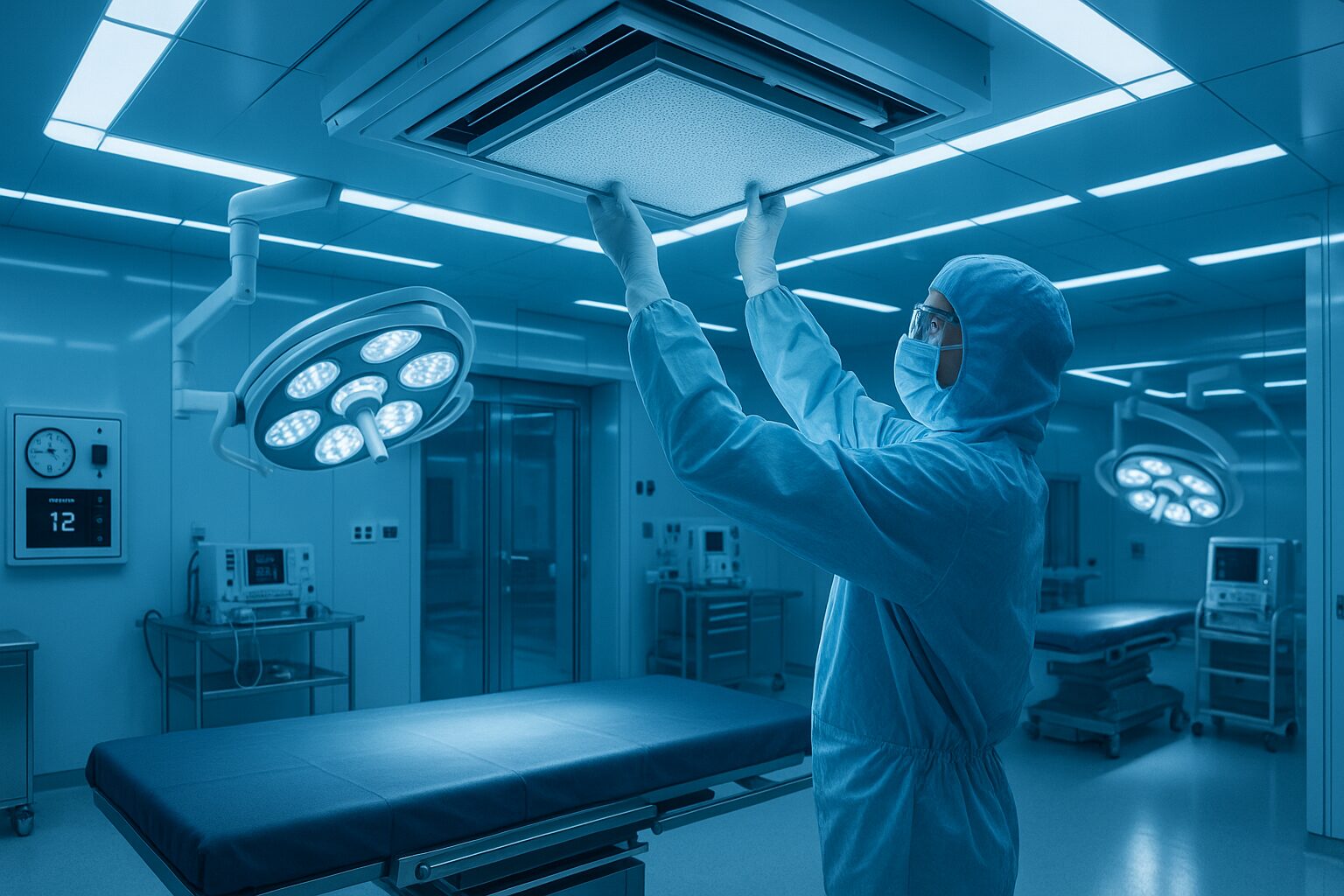
Technician in sterile PPE inspecting HEPA filters in a pharmaceutical cleanroom

What Defines a Clean Room?

A clean room is a controlled environment where airborne particles, temperature, humidity, and pressure are carefully regulated to prevent contamination. These environments are indispensable in industries where even a single speck of dust or microbe could spell disaster—think semiconductor fabrication, pharmaceutical production, or aerospace engineering. For example, a Hyderabad-based vaccine manufacturer reduced contamination risks by 40% after upgrading to ISO 5 cleanrooms.

Why Clean Rooms Are Non-Negotiable in Critical Industries

Clean rooms safeguard processes where precision is paramount:

  • Pharmaceuticals: Sterile drug production relies on HEPA filters (learn maintenance tips here ) and pressure gradients to block pathogens.
  • Semiconductors: Nanoscale chip fabrication demands particle counts as low as ISO 1 standards (≤10 particles/m³).
  • Healthcare: Operation theatres use laminar airflow systems to prevent surgical infections.

A Bengaluru semiconductor plant achieved ISO 14644-1 compliance by maintaining 300 air changes per hour (ACH), cutting defects by 25%.

Decoding Clean Room Classifications (ISO 1 to ISO 9)

Cleanrooms are classified based on the number of particles per cubic meter, following ISO 14644-1 standards:

  • ISO Classes: Range from ISO 1, the cleanest with 10 particles or fewer per cubic meter, to ISO 9, which reflects normal ambient air conditions.
  • Pharma Standards: EU GMP Grade A aligns with ISO 5 (≤3,520 particles/m³ ≥0.5µm).
  • Legacy systems: Class 100 correspond to ISO 5, which permits up to 100 particles per cubic foot.

A Delhi hospital avoided FDA penalties by aligning its OTs with ISO 8 standards, ensuring NABH conditions.

Types of Clean Room: From Modular to Soft-wall

Cleanrooms vary by construction and airflow design:

  1. Modular Cleanrooms:
    • Prefabricated panels allow scalability. Ideal for startups needing flexible setups.
    • Example: A Pune biotech lab used modular units to expand production during the pandemic.
  2. Conventional Cleanrooms:
    • Built from scratch, offering permanent solutions for large-scale operations.
  3. Softwall Cleanrooms:
    • Temporary, PVC-curtained spaces for low-risk tasks like packaging.
  4. Unidirectional Flow Rooms:
    • Laminar airflow (0.45 m/s) for sterile zones, reducing turbulence.

Designing Clean Room: Balancing Precision and Practicality

Designing a clean room involves integrating advanced systems to sustain critical conditions such as temperature, humidity, pressure gradients, and particle count. These environments require meticulous planning to meet industry-specific standards while balancing cost and functionality.

Key Components of Clean Room Design

  1. Airflow Systems:
  • Laminar Flow: Unidirectional airflow (typically downward) is used in sterile zones like pharmaceutical cleanrooms. This ensures that particles are removed from critical areas. For example, a Gujarat pharma facility achieved ISO Class 5 compliance using laminar flow systems.
  • Turbulent Flow: Non-unidirectional airflow suits less sensitive areas, such as packaging units, where particle control is less stringent.
  1. HVAC Integration:
  • HEPA Filters: Essential for trapping 99.97% of particles ≥0.3 microns. Regular maintenance of these filters is critical to avoid contamination risks.
  • Pressure Gradients: Positive pressure (+15 Pa) prevents external contaminants from entering, while negative pressure isolates hazardous materials in bio-safety labs.
  1. Material Selection:
  • Non-shedding surfaces like stainless steel and epoxy flooring minimize particle generation. A Bengaluru semiconductor plant reduced defects by 25% by using anti-static materials.

Balancing Cost and Compliance

Clean room costs vary widely:

  • ISO 5 Cleanrooms: ₹50,000–₹2 lakh per square foot.
  • Modular Cleanrooms: Prefabricated units offer flexibility for startups, reducing upfront investment.

Adherence to ISO 14644-1 and ASHRAE 170 standards is essential. A Delhi hospital avoided regulatory penalties by aligning its operation theatre design with these guidelines.

Emerging Trends in Clean Room Design

  • Sustainability: Solar-powered HVAC systems and energy recovery wheels reduce carbon footprints (learn more).
  • AI-Driven Monitoring: Predicts filter failures using airflow data.
  • Automation: Robotics and AI-driven sensors minimize human intervention, lowering contamination risks.

Case Study: Semiconductor Manufacturing

A Hyderabad semiconductor fab implemented low-velocity airflow systems and real-time particle monitoring, achieving Class 10 (ISO 4.5) compliance. This reduced chip defects by 30%, highlighting the ROI of precision design.

Challenges in Clean Room Design

  • Human Error: Particularly gowning mistakes, causes 80% of contamination incidents.
  • Energy Costs: High ACH (air changes per hour) demands significant power, driving innovation in energy-efficient HVAC systems.
  • Costs: ISO 5 cleanrooms cost ₹50,000–₹2 lakh/sq.ft

By prioritizing contamination control, airflow optimization, and sustainability, clean room design continues to evolve, supporting industries where precision is paramount.

Maintaining Critical Conditions: SOPs and Monitoring

Stringent protocols ensure compliance:

  • Gowning Procedures: Full PPE, including sterile suits and gloves.
  • Material Handling: Airlocks and ULPA filters for equipment entry.
  • Cleaning: Daily disinfection with ISO-certified agents.

IoT sensors now enable real-time tracking of temperature, humidity, and particle counts, as seen in smart HVAC systems.

FAQs

Q1: What is a clean room?
A: A controlled environment regulating particles, temperature, and pressure to protect sensitive processes.

Q2: What are ISO classifications?
A: ISO 1 to ISO 9 define cleanliness levels, with ISO 1 being the most stringent.

Q3: How do HEPA filters work?
A: They trap 99.97% of particles ≥0.3µm, essential for sterile environments.

Q4: What is a Class 100 cleanroom?
A: Equivalent to ISO 5, with ≤100 particles/ft³ ≥0.5µm.

Q5: Why is pressure gradient important?
A: It prevents contaminants from entering critical zones.

Q6: How to maintain a clean room?
A: Follow strict SOPs for gowning, cleaning, and HVAC upkeep (full guide ).

Disclaimer: Some links in this article are affiliate links, such as those for Amazon products. These may generate a small commission at no extra cost to you, supporting our work. We never compromise editorial integrity for partnerships.

About the Author
Mr. Om Prakash, with over 18 years of hands-on experience in the HVAC industry, brings unmatched expertise in cleanroom, pharmaceutical, semiconductor, data center, commercial, and industrial HVAC systems. As the founder of HVAC Technocrat, he specializes in customized HVAC design, energy efficiency audits, retrofit planning, and turnkey consultancy services across India. His deep understanding of critical environments and complex building needs ensures every solution is efficient, reliable, and future-ready. Through his writings, he simplifies HVAC concepts and shares real-world insights to support professionals, facility managers, and decision-makers. For any enquiries or project support, feel free to call or WhatsApp at +91 9908091942, email at hvactechnocrats@gmail.com , or visit www.hvactechnocrat.com . Follow his LinkedIn profile https://www.linkedin.com/in/hvactechnocrats/ for updates.

How to Replace and Maintain HEPA Filters in Operation Theatres

HEPA filter installation in an operation theatre for infection control

Why HEPA Filters Are Critical in Operation Theatres

In operation theatres, HEPA (High-Efficiency Particulate Air) filters are the unsung heroes safeguarding patient outcomes. These filters capture 99.97% of airborne particles as small as 0.3 microns, including bacteria, viruses, and surgical debris. Without proper HEPA filters maintenance, even minor contamination risks can lead to surgical site infections, compromising patient safety. For instance, a Mumbai-based hospital reduced post-surgery infections by 30% after upgrading its HEPA replacement protocol—a testament to their vital role.

What is the HEPA Filter

A HEPA (High-Efficiency Particulate Air) filter is a critical air purification technology designed to trap 99.97% of particles as small as 0.3 microns. These particles consist of dust, pollen, bacteria, viruses, and even smoke. Originally developed for nuclear facilities, HEPA filters are now indispensable in healthcare, cleanrooms, and homes. For instance, during the 2020 pandemic, hospitals globally relied on HEPA systems to reduce airborne virus transmission.

Where Are HEPA Filters Used

HEPA filters are crucial for industries that require ultra-clean environments. Key applications include:

  1. Cleanrooms
    • Pharmaceuticals: Used in sterile manufacturing zones to prevent microbial contamination. For example, a Pune-based pharma facility reduced batch rejections by 35% after upgrading to H14 HEPA filters.
    • Semiconductors: Eliminate nanoscale particles during chip fabrication. A semiconductor plant in Gujarat attained ISO Class 5 cleanliness by incorporating HEPA-integrated laminar airflow systems.
    • Biotechnology: Maintain aseptic conditions for cell culture and genetic research.
  2. Healthcare
    • Operation Theatres: Critical for infection control. A Chennai hospital reported a 40% drop in post-surgical infections after adopting HEPA-compliant HVAC systems.
    • Isolation Wards: Contain airborne pathogens like tuberculosis or SARS-CoV-2.
  3. Research & Development Labs
    • BSL-3/4 Labs: Handle hazardous bioagents safely. HEPA filters in exhaust systems guarantee no leakage of contaminants, ensuring a sterile environment.
    • Nanotechnology Labs: Capture nanoparticles during material synthesis.
  4. Industrial Settings
    • Petrochemical Refineries: Remove dust and fumes in hazardous zones. Explosion-proof HEPA systems are integrated with HVAC safety protocols to ensure secure and reliable operation in hazardous environments.
    • Aerospace Manufacturing: Protect precision components from debris.
  5. Commercial Spaces
    • Data Centers: Prevent dust from damaging servers.
    • Food Processing: Ensure compliance with FSSAI standards by filtering airborne microbes.

In India, a Bengaluru semiconductor plant uses HEPA filters to eliminate nanoscale contaminants, ensuring chip precision.

Types of HEPA Filters

HEPA filters are graded by efficiency:

  • H13 : 99.95% efficiency (common in homes and commercial spaces).
  • H14 : 99.995% efficiency (used in operation theatres and ISO 5 cleanrooms).
  • ULPA : Ultra-Low Penetration Air (ULPA) filters provide 99.999% efficiency, making them perfect for capturing nano-contaminants.

A Delhi hospital reduced surgical infections by 40%

Step-by-Step Guide to Replacing HEPA Filters

Replacing HEPA filters demands precision to maintain sterile environments. Follow these steps:

Step 1: Pre-Installation Preparation

  • Shut down HVAC systems to avoid contamination.
  • Use a particle counter to verify air quality before removal.

Step 2: Safe Removal and Disposal

  • Seal old filters in plastic bags immediately to prevent pathogen spread.
  • Follow biomedical waste disposal protocols as per India’s CPCB guidelines.

Step 3: Installation Best Practices

  • Ensure airtight seals using gaskets compliant with ASHRAE Standard 52.2 .
  • Test airflow post-installation to maintain 20–30 air changes per hour (ACH).

Maintenance Best Practices for Longevity

Regular upkeep extends HEPA filter lifespan and efficiency:

  • Inspect Monthly: Check for physical damage or clogging.
  • Monitor Pressure Drop: Replace filters when pressure exceeds 1.5 times the initial reading, as recommended by ISHRAE.
  • Clean Surrounding Areas: Dust near filter housings can compromise performance.
  • Humidity Control: Maintain relative humidity between 40–60% to prevent microbial growth and ensure optimal filter performance.

A Chennai hospital’s case study highlighted that quarterly inspections reduced filter replacements by 20%, aligning with ECBC (Energy Conservation Building Code) sustainability goals.

Compliance with Global and Indian Standards

Adherence to codes ensures operational and safety benchmarks:

  • ASHRAE Standard 52.2: Governs filter efficiency testing.
  • ISO 14644-1: Defines cleanroom air quality standards, which are essential for maintaining the sterile environment in modular operation theatres.
  • ISHRAE Guidelines: Recommend HEPA filter replacement every 1–3 years based on usage.

Linking these standards to practical applications, such as integrating HEPA systems with smart HVAC controls, enhances compliance and efficiency.

Challenges in HEPA Filter Management

Even seasoned facilities face hurdles:

  • Cost Concerns: High-grade HEPA filters cost ₹15,000–₹30,000 per unit.
  • Training Gaps: Staff errors during replacement can void warranties.
  • Humidity Control: Excessive moisture shortens filter life—a common issue in India’s monsoon-prone regions.

Future Trends: Smart Monitoring and Sustainability

Emerging technologies are reshaping HEPA maintenance:

  • IoT Sensors: Enable real-time tracking of filter performance (e.g., AI-driven HVAC systems).
  • Recyclable Filters: AI-powered HVAC systems forecast replacement schedules, cutting downtime by 30% and promoting sustainability. Reduce waste, supporting India’s push for circular economies.

HEPA Filters for Home Use

Home HEPA systems combat allergens like pollen and pet dander. Key considerations:

  • Room Size : Match the CADR (Clean Air Delivery Rate) to the room size to ensure optimal air filtration and efficiency.
  • Noise Levels : Opt for models under 50 dB for bedrooms.
  • Cost : Basic units start at ₹8,000, while medical-grade models cost up to ₹25,000 (shop HEPA filters ).

FAQs

Q1: How often should HEPA filters be replaced in operation theatres?
A: Typically every 12–36 months, depending on usage and manufacturer guidelines.

Q2: Is it possible to clean HEPA filters instead of replacing them?
A: No. Cleaning risks damaging the delicate fibers; always replace as advised.

Q3: What safety precautions are needed during replacement?
A: Use PPE, seal old filters immediately, and conduct post-installation leak tests.

Q4: How do I choose the right HEPA filter for my OT?
A: Prioritize filters rated ISO 35 H (99.95% efficiency) and consult ASHRAE standards.

Q5: Does humidity affect HEPA filter lifespan?
A: Yes. Keep relative humidity between 40–60% to prevent microbial growth and extend the lifespan of filters.

Q6: Are there eco-friendly HEPA disposal methods?
A: Some providers offer recycling programs; inquire during procurement.

Disclaimer:

Some links in this article are affiliate links, such as those for HVAC tools. These may generate a small commission at no extra cost to you, supporting our work. We never compromise editorial integrity for partnerships.

About the Author:

Mr. Om Prakash, with over 18 years of hands-on experience in the HVAC industry, brings unmatched expertise in cleanroom, pharmaceutical, semiconductor, data center, commercial, and industrial HVAC systems. As the founder of HVAC Technocrat, he specializes in customized HVAC design, energy efficiency audits, retrofit planning, and turnkey consultancy services across India. His deep understanding of critical environments and complex building needs ensures every solution is efficient, reliable, and future-ready. Through his writings, he simplifies HVAC concepts and shares real-world insights to support professionals, facility managers, and decision-makers. For any enquiries or project support, feel free to call or WhatsApp at +91 9908091942, email at hvactechnocrats@gmail.com, or visit www.hvactechnocrat.com. Follow his LinkedIn profile https://www.linkedin.com/in/hvactechnocrats/ for updates.