How to Design Precise Wafer Fab Temperature Control Systems

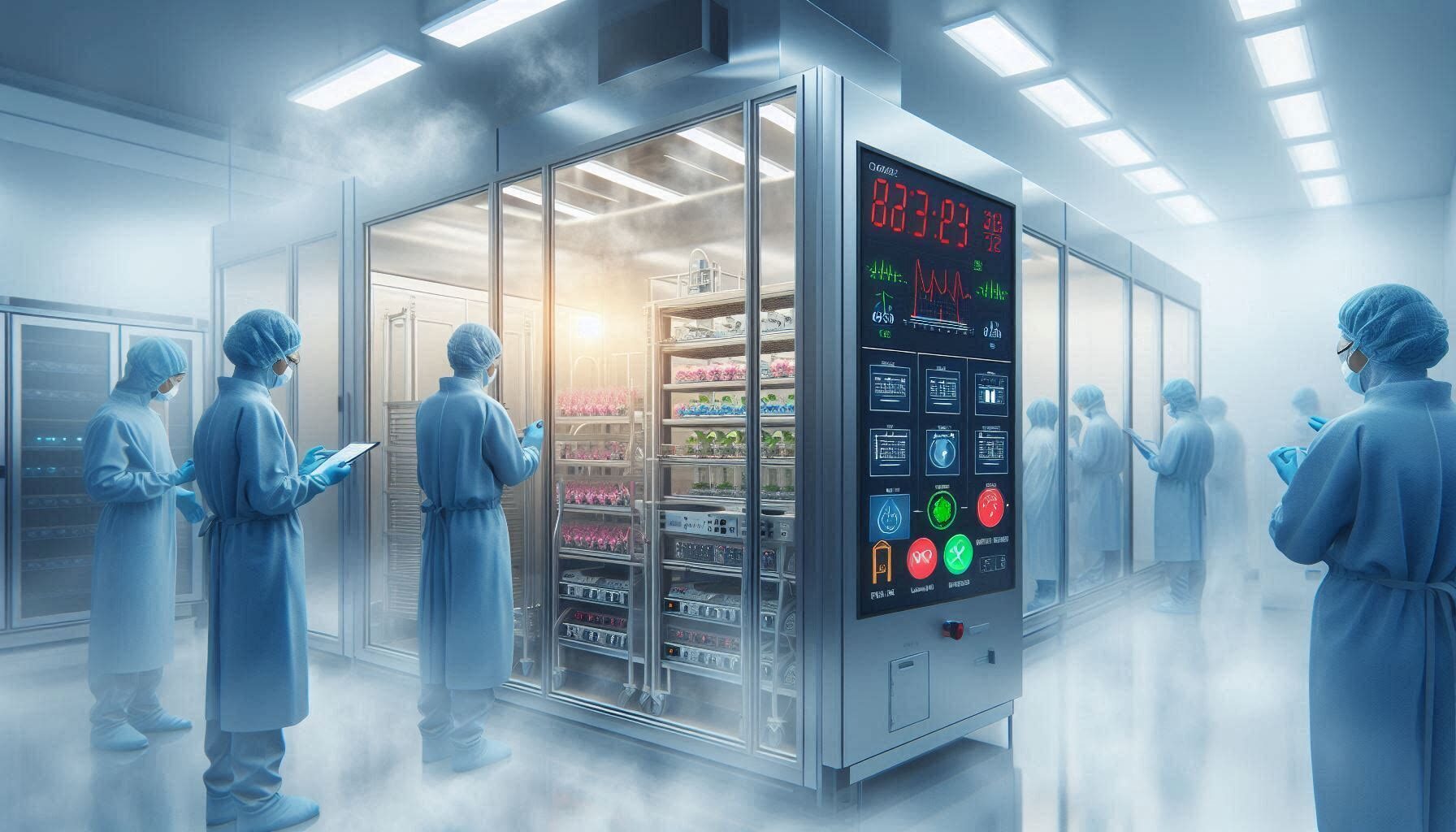
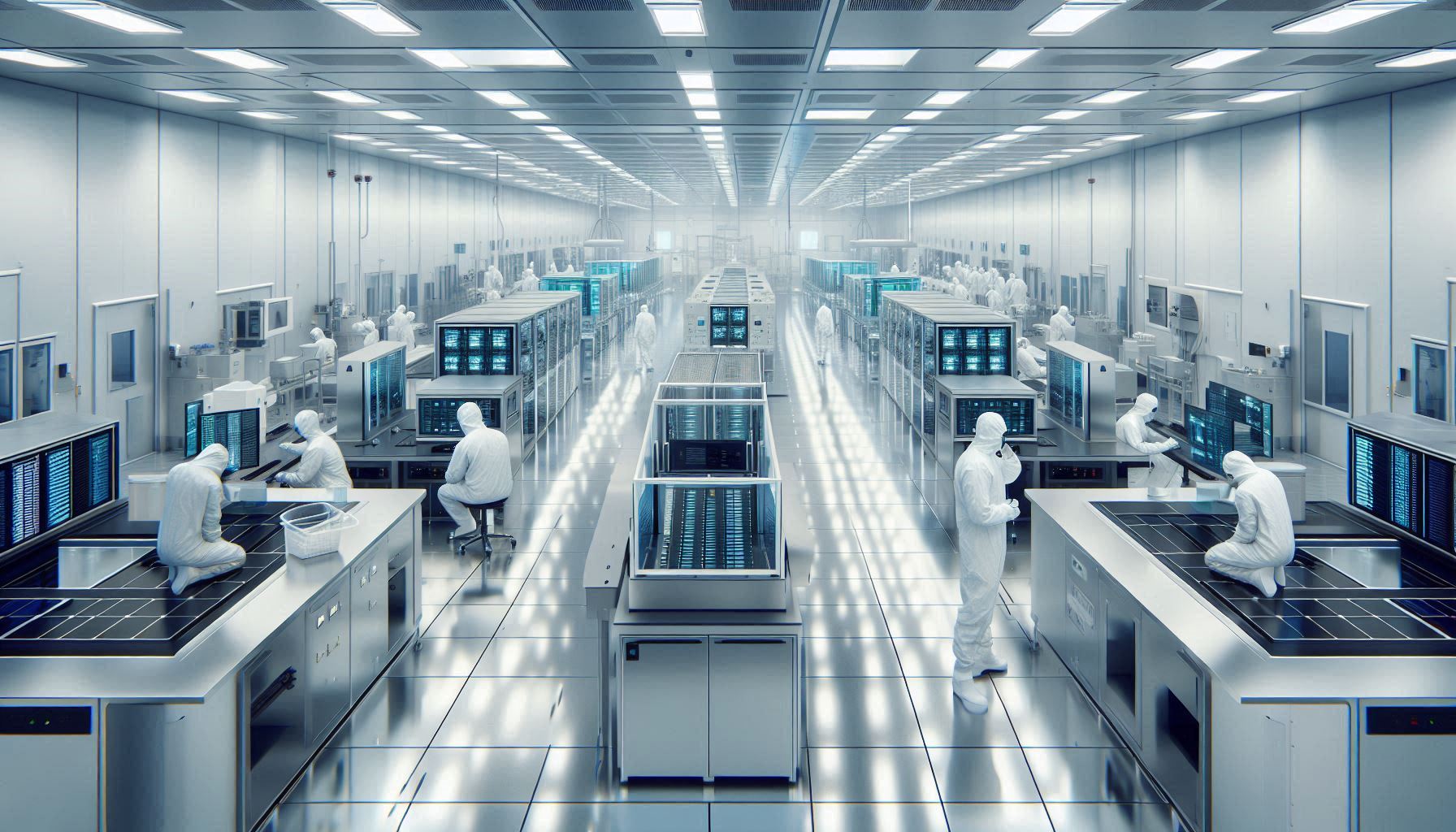
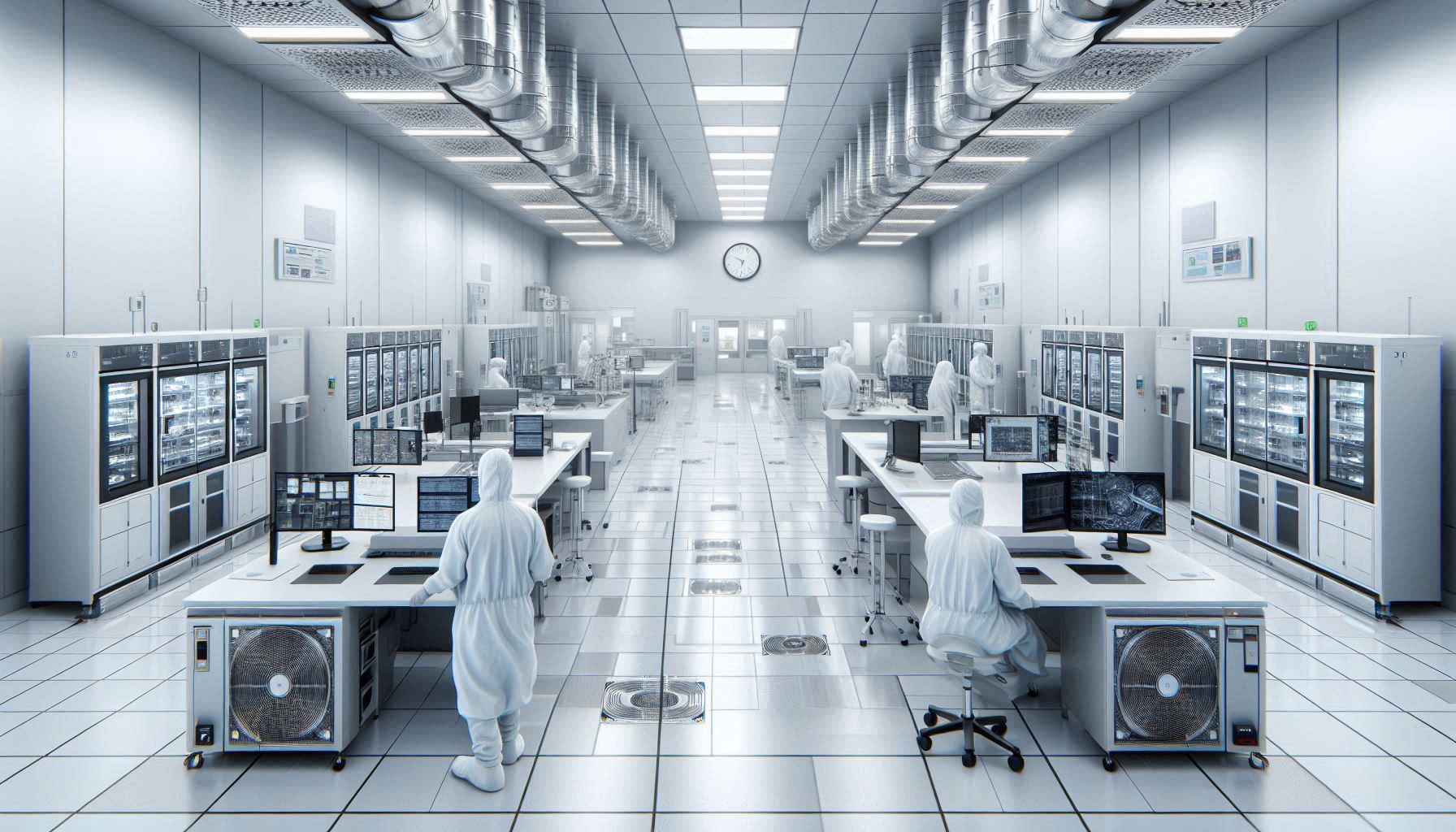
Advanced wafer fab temperature control in semiconductor cleanroom HVAC

In today’s advanced chip manufacturing environment, precise temperature control is essential for success. Semiconductor fabs demand robust, stable thermal management to support optimal deposition, etching, and photolithography. Advanced systems for wafer fab temperature control ensure that every step of the process remains within strict tolerances. Integrated within a high-performance semiconductor cleanroom HVAC setup, these precision cooling systems promote a thermal stability cleanroom that sustains quality and enhances yield.

Understanding Precise Temperature Control in a Chip Manufacturing Environment

Precise temperature control refers to maintaining a set temperature with minimal variation. In a chip manufacturing environment, even a fraction-of-a-degree deviation can alter semiconductor properties and jeopardize process reliability. For wafer fab temperature control, systems employ advanced sensors and fast-reacting controllers that continuously adjust heating and cooling elements. These systems are part of precision cooling systems engineered for semiconductor cleanroom HVAC setups. The goal is to create a thermal stability cleanroom where wafer processing occurs under optimal, uniform conditions.

Today’s fabs rely on real‑time feedback loops—often using PID (Proportional-Integral-Derivative) controllers—to maintain consistent target temperatures. This tight regulation improves film deposition uniformity and minimizes defects on silicon wafers. By reducing thermal gradients, fabs achieve higher device reliability and maximize efficient processing.

Temperature Control in Semiconductor Manufacturing

Temperature control for semiconductor manufacturing is critical due to the sensitivity of process steps. In wafer fabrication, temperature discrepancies directly affect dopant diffusion, film thickness, and even stress levels in the wafer. Semiconductor cleanroom HVAC systems are designed with integrated temperature modules that ensure precision cooling systems operate in tandem with airflow regulation. For example, during rapid thermal processing (RTP), an extremely controlled thermal environment prevents unwanted thermal shock and warping. Thus, accurate wafer fab temperature control is vital at every process stage.

Additionally, specialized systems maintain a narrow temperature range—often within 20°C to 22°C—to guarantee environmental uniformity. This care not only preserves the chip manufacturing environment but also improves overall process repeatability and yield reliability. The integration with semiconductor cleanroom HVAC minimizes energy fluctuations and supports the stringent requirements of modern fabs.

Controllers and Technologies Behind Precise Temperature Control

A crucial aspect of precise temperature regulation lies in the selection of effective controllers. PID controllers are typically favored in semiconductor cleanroom HVAC installations because they continuously measure actual versus set temperatures and make quick adjustments. These controllers enable wafer fab temperature control by providing the required accuracy to handle rapid thermal cycles, such as those seen in advanced deposition or annealing processes.

In addition to PID controllers, modern systems also leverage digital temperature controllers (DTCs) and adaptive algorithms. These devices interface with comprehensive monitoring systems that are part of the overall precision cooling systems. Overall, choosing the right controller is essential for maintaining a thermal stability cleanroom and ensuring that the chip manufacturing environment remains optimal, even during rapid process changes.

Wafer Temperature Control and Uniformity

Wafer temperature control focuses on achieving consistent thermal distribution across the entire wafer surface. Non-uniform temperature during wafer processing can lead to inconsistent film deposition, unwanted dopant diffusion, and ultimately, lower yield. Advanced multi-zone temperature control systems address this challenge by dividing the wafer area into several independently controlled heating zones.

These zones are continuously monitored and adjusted through semiconductor cleanroom HVAC systems. The use of precision cooling systems allows for real-time corrections, ensuring that every part of the wafer receives the same thermal treatment. In effect, this leads to a thermal stability cleanroom where uniformity is achieved, helping prevent warpage and other thermal-induced defects.

Impact of Temperature on Semiconductor Performance

Temperature significantly impacts semiconductor devices at both the material and circuit levels. Fluctuations in temperature can modify charge carrier concentrations, affect leakage currents, and even shift the threshold voltage of transistors. In the chip manufacturing environment, minor temperature variations may lead to critical failures such as premature breakdown or reduced operational speed.

Maintaining a low variance in process temperature, through efficient wafer fab temperature control, becomes paramount. Advanced precision cooling systems directly contribute to preserving the electrical properties crucial for reliably produced semiconductors. A stable temperature environment ensures that both the mechanical structure and electronic performance achieve desired specifications and long-term reliability.

Wafer Fabrication: An Overview

Wafer fabrication involves building semiconductor devices on a silicon wafer through a series of complex processes. Each stage—oxidation, doping, photolithography, and etching—needs precise temperature control. A semiconductor cleanroom HVAC system integrates into the fabrication process to create an environment where precision cooling systems can maintain thermal stability cleanroom conditions.

High-precision temperature control in wafer fabrication not only supports dimensional accuracy but also sustains the chemical reactions that form the electronic components in chips. With innovations in wafer fab temperature control, modern fabs achieve greater yields and improved performance of the final semiconductor devices.

Case Study: Enhancing Yield with Precision Temperature Control

Consider a semiconductor fab in India that faced recurring issues with uneven film deposition during chemical vapor deposition (CVD) steps. Engineers suspected that subtle temperature variations were affecting quality. By integrating a multi-zone precision cooling system within their semiconductor cleanroom HVAC, they achieved a uniform thermal profile across the wafers. This upgrade improved wafer fab temperature control and increased yield by 20%, while also reducing energy consumption during rapid thermal cycles. This case study reinforces that robust temperature control solutions are integral to modern semiconductor manufacturing.

Best Practices for Temperature Control in a Semiconductor Cleanroom

  • Regular Calibration: Ensure that sensors and controllers are calibrated frequently to achieve optimum wafer fab temperature control.
  • Multi-Zone Management: Divide temperature zones within the cleanroom so that different areas receive tailored thermal treatments; this enhances precision cooling systems performance.
  • Feedback Integration: Use a closed-loop system with continuous feedback to adjust heating and cooling outputs immediately.
  • Redundancy in Systems: Incorporate backup controllers and sensors within semiconductor cleanroom HVAC to maintain process integrity even during component failure.
  • Compliance with Standards: Adhere to international guidelines set by ASHRAE and ISHRAE to build a thermal stability cleanroom that meets the rigorous demands of a chip manufacturing environment.

These practices not only yield better process outcomes but also fortify the overall system reliability in a high-stakes production setting.

Emerging Technologies in Precision Temperature Control

Next-generation wafer fab temperature control will heavily rely on emerging technologies like artificial intelligence (AI) and the Internet of Things (IoT). Real-time data, coupled with machine learning algorithms, allows for predictive maintenance and immediate adjustments during rapid process changes. Additionally, integration with digital twin technology enables simulation and optimization of thermal processes before actual implementation.

Precision cooling systems are evolving to offer even greater accuracy and energy efficiency, ensuring that semiconductor cleanroom HVAC setups remain at the cutting edge. These improvements are expected to further stabilize the chip manufacturing environment and drive down the costs associated with thermal management.

Integrating Temperature Control with the Overall HVAC Ecosystem

Precision temperature control does not exist in isolation; it forms part of an integrated semiconductor cleanroom HVAC system. Maintaining stable temperature, airflow, and humidity is crucial for a thermally stable cleanroom. Modern HVAC systems are designed to support multi-faceted environmental monitoring, ensuring that precision cooling systems communicate seamlessly with other components.

Engineers now design complete HVAC frameworks using computer-based simulations to predict interactions between temperature control and other environmental factors. This integrated approach helps maintain a consistent chip manufacturing environment and reduces energy consumption through smart automation—thereby improving both operational efficiency and sustainability.

Challenges in Achieving Precise Temperature Control

Maintaining exact temperature control in wafer fabrication environments presents several challenges:

  • Tight Tolerances: Achieving fluctuations within fractions of a degree is difficult and requires exceptionally precise sensors.
  • Dynamic Changes: Rapid thermal cycles during process transitions demand controllers that can adapt almost instantaneously.
  • Uniformity Across Large Areas: Ensuring even temperature distribution across a large wafer can be challenging.
  • System Integration: Aligning temperature control with other HVAC components demands precise engineering planning.

Engineers overcome these challenges by continuously refining control algorithms, employing adaptive controllers, and integrating advanced sensor networks into semiconductor cleanroom HVAC systems.

Historical Overview and Future Opportunities

In the past, simple on/off temperature control methods were used, but these proved insufficient for modern semiconductor manufacturing. Today’s fabs deploy sophisticated precision cooling systems that use digital temperature controllers and continuous monitoring solutions. Looking to the future, advancements in AI, IoT, and big data analytics are expected to further revolutionize wafer fab temperature control. These emerging technologies promise even greater accuracy and energy efficiency while creating a thermal stability cleanroom that adapts dynamically to process requirements.

Internal Linking for Additional Resources

For more detailed insights, explore our related articles:

  • Clean Room Design and Construction
  • Smart HVAC Systems for Semiconductor Manufacturing
  • Energy Efficiency in HVAC Systems

These resources provide further context on integrated environmental control, supporting robust semiconductor fabrication processes.

FAQs

What is precise temperature control?

Precise temperature control means keeping the temperature steady with very little variation. It ensures that a chip manufacturing environment remains stable, which is critical for wafer fab temperature control.

What is the temperature control for semiconductor manufacturing?

It involves maintaining a consistent temperature—often between 20°C and 22°C—throughout the manufacturing process. This uniformity helps prevent defects during wafer processing and ensures a thermal stability cleanroom.

Which controller is used for temperature control?

PID controllers are commonly used because they adjust heating and cooling outputs based on real-time sensor feedback. Advanced digital controllers integrated into semiconductor cleanroom HVAC systems provide even more precise management.

What is wafer temperature control?

Wafer temperature control focuses on keeping the temperature uniform across the silicon wafer during processing. This prevents thermal gradients that could lead to non-uniform film deposition or inconsistent doping.

How does temperature affect semiconductors?

Temperature variations can alter electrical properties by affecting charge carrier concentrations and causing thermal expansion. Such changes can degrade performance and reliability, making precise temperature control essential in a chip manufacturing environment.

What is wafer fabrication in semiconductor manufacturing?

Wafer fabrication is the process by which semiconductor devices are created on a silicon wafer. This multi-step process requires a highly controlled cleanroom environment with stringent temperature control to achieve high yields.

Conclusion

Precision temperature control systems are a cornerstone of semiconductor manufacturing, enabling strict wafer fab temperature control in chip manufacturing environments. Advanced controllers integrated within semiconductor cleanroom HVAC not only ensure thermal stability but also drive overall process efficiency. By implementing precision cooling systems and adhering to industry best practices, modern fabs can maintain a thermal stability cleanroom that maximizes yield and product quality. As technology advances, emerging solutions promise even greater control, energy efficiency, and smarter integration with the complete HVAC ecosystem.

About the Author

Mr. Om Prakash, with over 18 years of hands-on experience in the HVAC industry, brings unmatched expertise in cleanroom, semiconductor, pharmaceutical, data center, commercial, and industrial HVAC systems. As the founder of HVAC Technocrat, he specializes in customized HVAC design, energy efficiency audits, retrofit planning, and turnkey consultancy services across India. He simplifies complex HVAC concepts and shares real-world insights to support professionals, facility managers, and decision-makers. For any enquiries or project support, call or WhatsApp at +91 9908091942, email hvactechnocrats@gmail.com, or visit www.hvactechnocrat.com. Also, follow his LinkedIn profile.

Disclaimer

The content here is intended solely for educational and informational purposes. All case studies, examples, and hypothetical scenarios are illustrative in nature and do not refer to, endorse, or represent any actual company, organization, or product. Any similarity to real-world entities or events is purely coincidental. Readers are encouraged to verify any technical details or operational recommendations with additional, independent research prior to implementation. The author and publisher assume no responsibility or liability for any errors, omissions, or outcomes resulting from the use of this material.

Cleanroom Temperature and Humidity: Why Its Critical to Control

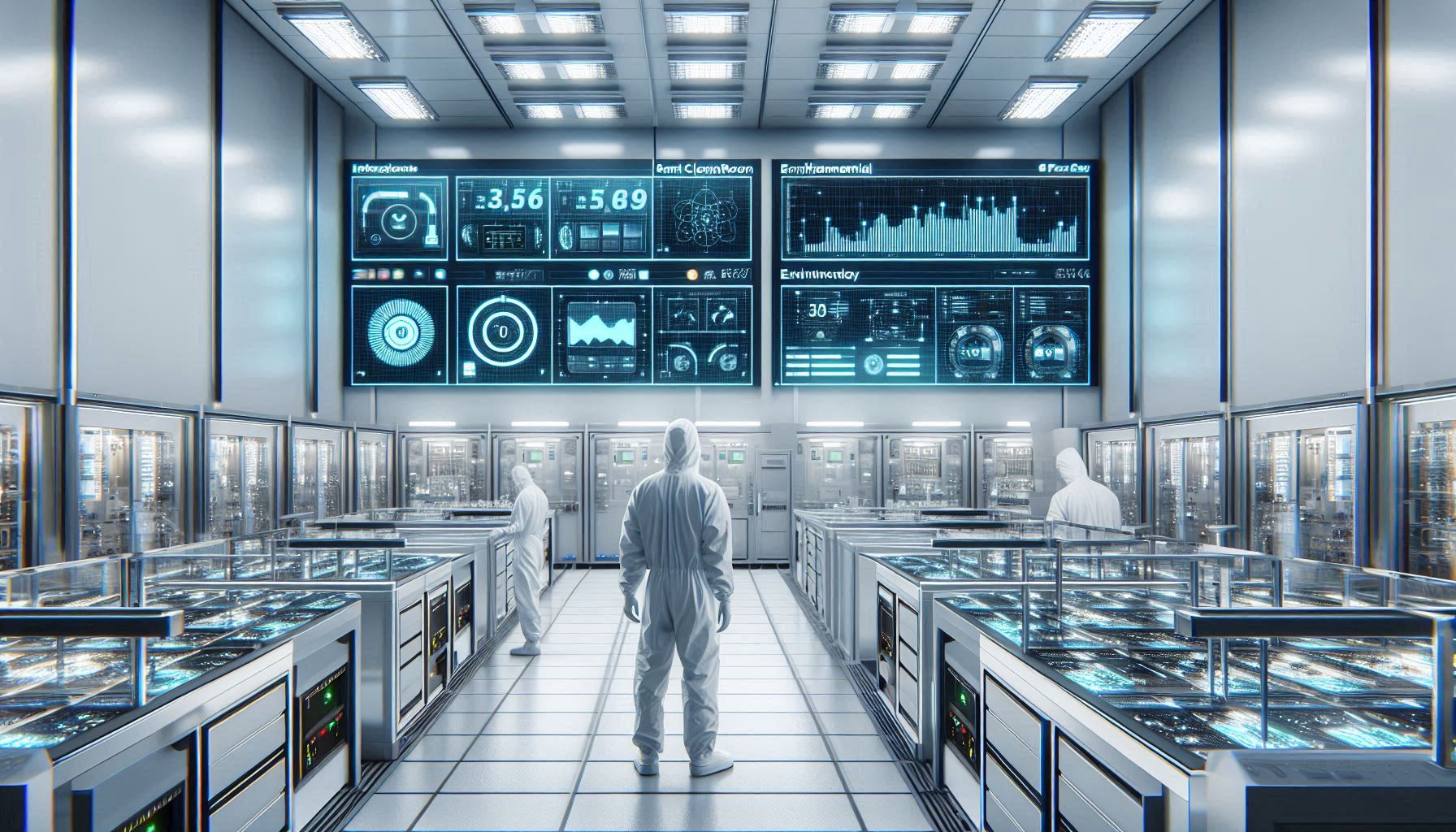
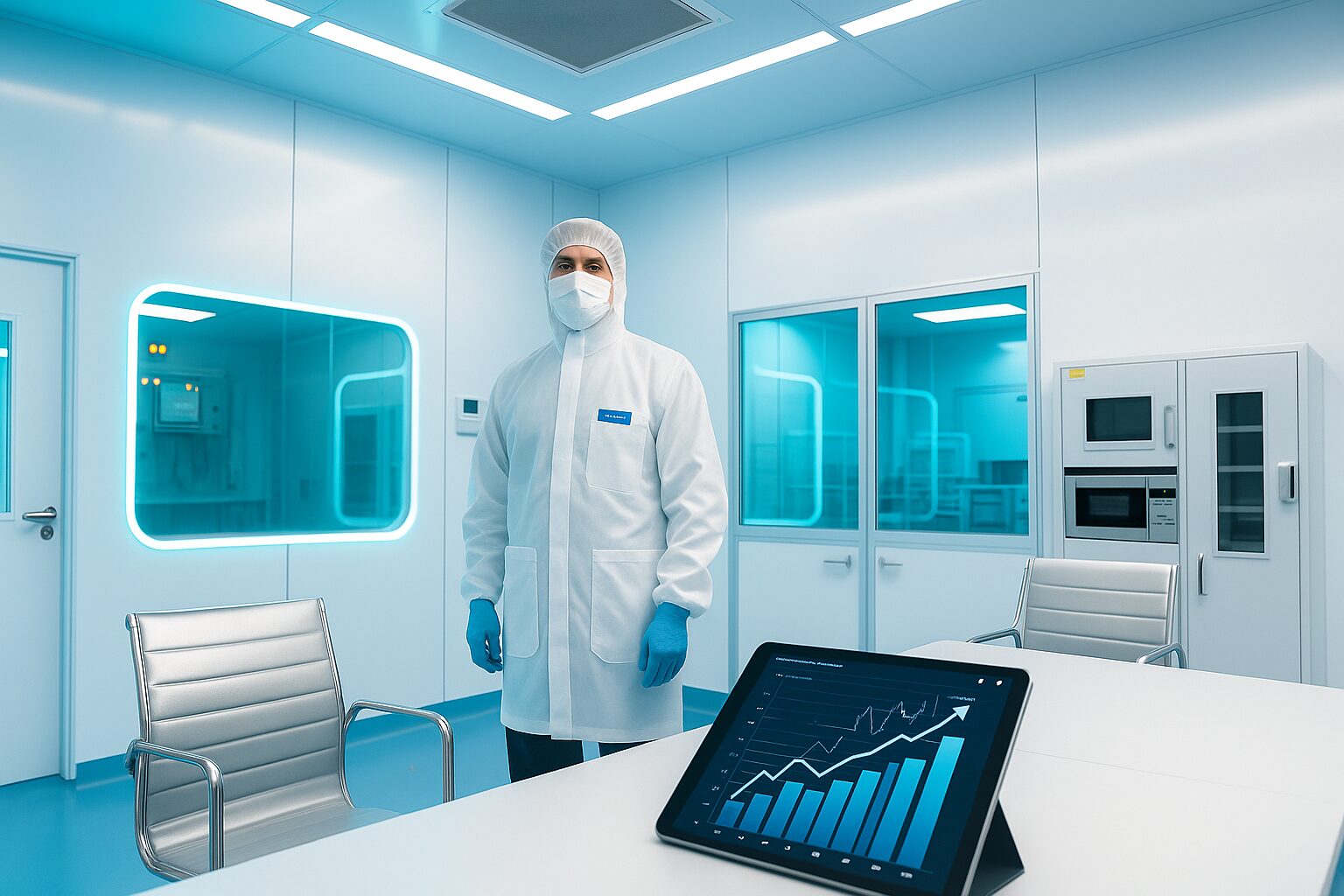
Graph showing optimal temperature and humidity ranges for maintaining a controlled cleanroom environment.

Ensuring proper Cleanroom Temperature and Humidity Control is critical to maintaining the integrity of sensitive processes and products. Cleanrooms used in various industries such as pharmaceuticals, biotechnology and electronics require strict environmental controls to prevent contamination and ensure the highest standards of quality and safety.

How Do Temperature and Humidity Affect Cleanroom Operations?

Proper temperature and humidity control is fundamental to cleanroom operations, which directly affects the quality and safety of products. Stable environmental conditions prevent contamination, ensure equipment functionality and maintain material properties. This article explores why Temperature Control and Humidity Control is essential in cleanrooms, highlighting its role in compliance, product quality and operational efficiency. Understanding these factors can help industries maintain high standards and achieve reliable results in sensitive processes.

What Is the Role of Temperature Control in Cleanrooms?

Temperature control in cleanrooms plays a critical role in ensuring the stability and reliability of processes and products. Constant temperatures help maintain the properties of delicate materials and prevent deterioration. Additionally, temperature fluctuations can cause condensation, which leads to moisture accumulation and potential contamination. By maintaining a constant temperature, cleanrooms ensure that products are manufactured and tested under optimal conditions, reducing the risk of defects and ensuring consistent quality.

How Does Humidity Affect the Cleanroom Environment?

Humidity levels are equally critical in cleanrooms, as high humidity can lead to microbial growth, corrosion and static electricity build-up. High humidity can create an environment conducive to the growth of mold and bacteria, which can compromise the sterility of the cleanroom. Conversely, low humidity levels can cause materials to become brittle and increase the risk of electrostatic discharge, damaging sensitive electronic components. Therefore, maintaining an adequate humidity range is essential to protect both products and equipment.

When Should Temperature and Humidity Be Monitored in Cleanrooms?

Cleanrooms should be continuously monitored to ensure that temperature and humidity are within specified limits. Real-time monitoring allows any deviations to be identified immediately, enabling prompt corrective actions. Continuous monitoring systems can provide alerts and logs, helping to identify trends and prevent potential problems before they escalate. Regular calibration of monitoring equipment is also critical to ensure accuracy and reliability in maintaining desired environmental conditions.

Where Are the Critical Areas for Temperature and Humidity Control?

Key areas for temperature and Humidity Control in cleanrooms include production zones, storage areas, and testing laboratories. Each region may have specific requirements based on the nature of the activities conducted. For example, production areas require strict controls to prevent contamination during manufacturing, while storage areas must maintain stable conditions to maintain the integrity of stored materials. Understanding the unique needs of each region is essential to implementing effective control measures.

Why Is Temperature and Humidity Control Critical for Compliance?

Temperature and humidity control is very important to meet industry norms and standards. Regulatory bodies, such as FDA and ISO, have strict requirements for environmental conditions in cleanrooms to ensure product safety and efficacy. Failure to meet these standards can result in costly fines, product recalls and reputational damage. Adherence to temperature and humidity guidelines not only ensures compliance but also increases the overall reliability and quality of cleanroom operations.

How Does Temperature and Humidity Control Improve Product Quality?

Maintaining proper temperature and humidity levels directly affects product quality by preventing contamination and deterioration. In pharmaceuticals, for example, improper environmental conditions can alter the chemical composition of drugs, rendering them ineffective or unsafe. In electronics, humidity control prevents static discharge that can damage sensitive components. By ensuring consistent conditions, cleanrooms can produce high-quality, reliable products that meet industry standards and customer expectations.

What Techniques Are Used for Temperature and Humidity Control?

Advanced technologies such as HVAC systems, dehumidifiers and humidifiers are commonly used to control temperature and humidity in cleanrooms. HVAC systems provide precise control over temperature, while dehumidifiers and humidifiers adjust humidity levels to maintain a desired humidity range. These systems are often integrated with monitoring and control software that allows for real-time adjustments and ensures stable environmental conditions. Using advanced technology increases the efficiency and reliability of temperature and humidity control in cleanrooms.

When Should Cleanroom Conditions Be Verified?

Cleanroom conditions should be verified during initial set-up and ensure compliance with required specifications. Validation includes thorough testing and documentation of temperature and humidity levels to verify compliance with industry standards. Regular validation ensures that control systems are functioning properly and that the cleanroom environment remains within acceptable limits. This practice is essential to maintain the integrity of cleanroom operations and ensure product quality and safety.

Where Can Temperature and Humidity Control Be Improved?

Improvements in temperature and Humidity Control can be achieved through routine maintenance, updates to control systems, and continuous training of personnel. Regular maintenance of HVAC systems and monitoring equipment ensures proper performance and prevents unexpected failures. Upgrading to more advanced control technologies increases accuracy and reliability. Additionally, training staff on best practices for managing cleanroom conditions can significantly improve overall control and compliance.

How Does Temperature and Humidity Control Affect Operational Efficiency?

Effective temperature and humidity control contribute to operational efficiency by reducing downtime, reducing the risk of contamination and ensuring consistent product quality. Stable environmental conditions reduce the likelihood of equipment malfunctions and process interruptions, leading to smoother operations. Furthermore, maintaining optimal conditions improves the reliability of processes and products, reduces the need for rework, and increases overall productivity. By investing in strong temperature and humidity control measures, cleanrooms can achieve higher efficiency and better results.

Pros & Cons

  • Ensures product quality
  • Prevents microbial growth
  • Enhances compliance with regulations
  • Reduces equipment malfunctions
  • Improves operational efficiency
  • High initial setup cost
  • Requires continuous monitoring and maintenance
  • Potential for system malfunctions
  • Complexity in achieving precise control
  • Energy consumption

Codes & Standards

Temperature and humidity control in cleanrooms must comply with various industry codes and standards. Key standards include ISO 14644 for cleanroom environments, the FDA’s cGMP (current Good Manufacturing Practices) for pharmaceuticals, and ASHRAE guidelines for HVAC systems. Adhering to these standards ensures that cleanrooms meet the necessary criteria for safety, quality, and efficacy, providing a reliable framework for maintaining optimal environmental conditions.

FAQs

What are the ideal temperature and humidity levels for cleanrooms?

Ideal levels vary by industry but generally range between 20-22°C for temperature and 30-50% for humidity.

How Frequently Should Temperature and Humidity Levels Be Monitored?

Continuous monitoring is recommended, with regular calibration of sensors and equipment.

Can improper humidity levels cause contamination?

Yes, high humidity can promote microbial growth, while low humidity can cause static discharge, both leading to contamination.

What technologies help maintain cleanroom conditions?

HVAC systems, dehumidifiers, humidifiers, and real-time monitoring software are commonly used.

Why is compliance with standards important?

Compliance ensures product safety, regulatory adherence, and maintains the integrity of cleanroom operations.

Conclusion

Temperature and humidity control in cleanrooms is crucial for maintaining the quality, safety, and reliability of products and processes. By understanding the importance of these parameters and implementing effective control measures, industries can ensure compliance with regulations, improve product quality, and enhance operational efficiency. Investing in advanced technologies and regular validation further supports the achievement of optimal cleanroom conditions, contributing to the overall success and reliability of cleanroom operations.

About The Author

Omprakash Ramagiri; as the Founder of HVAC Technocrats, I bring over 18 years of experience as a Mechanical Engineer specializing in HVAC (Central Air-conditioning) for commercial, cleanrooms, data centers, and Petrochemical industries. Throughout my career, I’ve held pivotal roles at companies like TATA Consulting Engineers, MW Zander (for Cleanroom solutions), Bluestar Malaysia, and ETA in Dubai. I’ve managed international HVAC projects and gained valuable exposure in dynamic markets like Dubai and Saudi Arabia. With a passion for excellence and a commitment to innovative solutions, I specialize in designing Class 10K & 100K Cleanrooms for various industries. Connect with me to explore collaborations in HVAC design, project sales, and consultancy. Click to visit the Author’s Linkedin page


Disclaimer: The pictures used are for illustrative purposes only. They may not depict actual products or situations and are meant for educational purposes. Actual products, situations, or outcomes may differ.