How BTU Meters Enhance Energy Efficiency in HVAC Systems

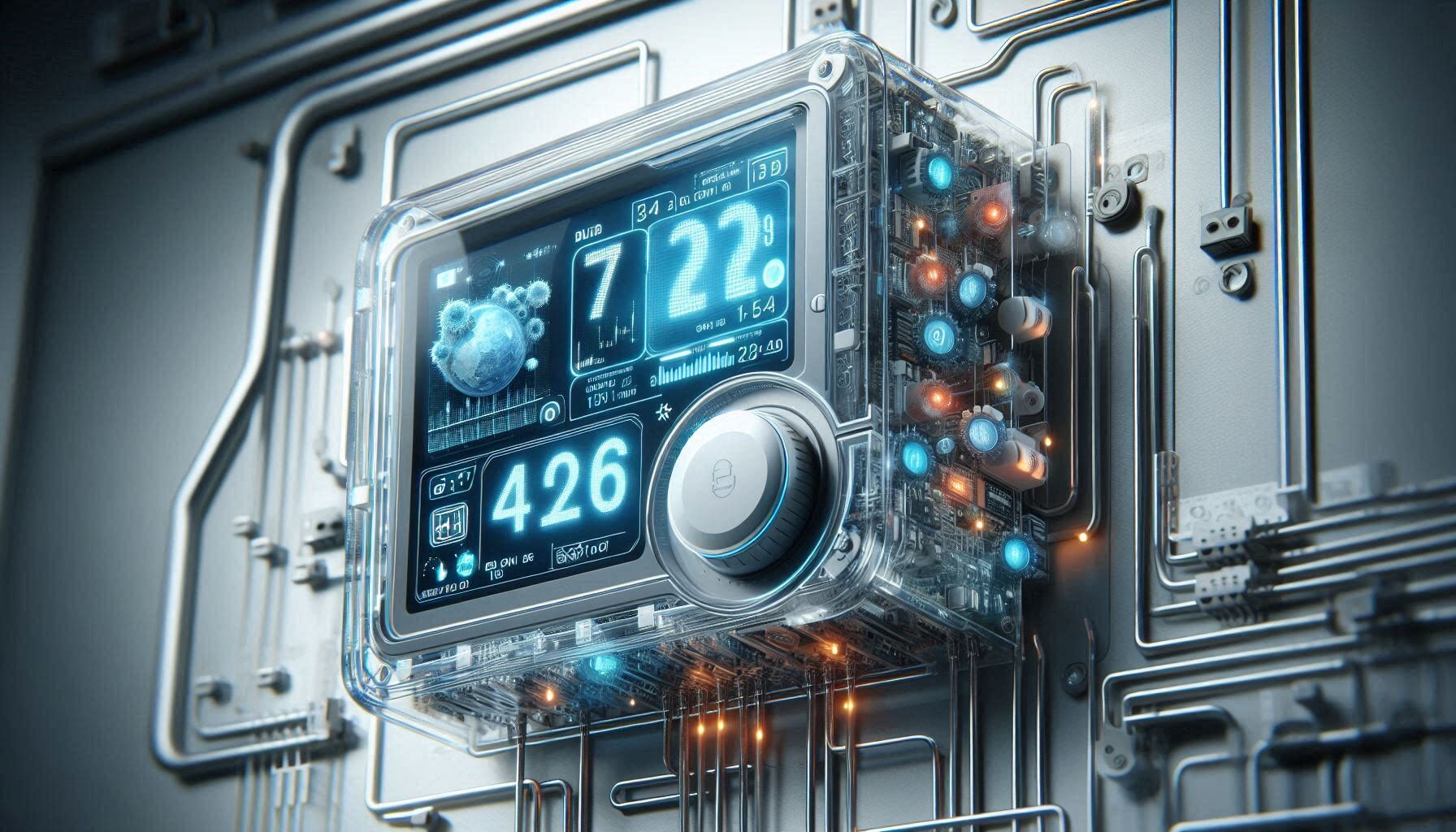
BTU meter installed in HVAC system with digital display

Introduction:

BTU meters play a vital role in HVAC systems by measuring the heat energy exchanged in a controlled environment. Understanding their functionality, applications and installation requirements is essential to optimizing energy efficiency and operational costs in various settings.

What is a BTU meter and how does it work?

A BTU (British Thermal Unit) meter is a device used to measure heat energy transferred in heating, ventilation, and air conditioning (HVAC) systems. It works by sensing the temperature difference between the supply and return lines of the circulating fluid (often water) in the HVAC system. This difference, combined with flow rate measurements, allows the BTU meter to calculate the heat energy exchanged.

Where are BTU meters used in HVAC systems?

BTU meters find applications in commercial buildings, industrial facilities, residential complexes, and institutional settings that require accurate energy monitoring and billing. They are usually installed in heating and cooling systems that use water-based heat exchangers or hydronic systems.

Why Use BTU Meters for HVAC Energy Management?

The primary reason to use BTU meters is to accurately measure and monitor energy consumption in HVAC systems. This data helps facility managers, building owners, and operators identify energy inefficiencies, optimize system performance, and better allocate energy costs among tenants or departments.

When should BTU meters be installed in HVAC systems?

BTU meters should ideally be installed during the initial design and construction phase of HVAC systems. Retrofitting can also be done on existing systems to improve energy management and billing accuracy. Initial installation ensures seamless integration with other components and accurate data collection from the start.

Who should install BTU meters on HVAC systems?

Installation of BTU meters requires expertise in HVAC system design and hydronic engineering. Qualified technicians, HVAC contractors, or specialized firms experienced in metering solutions should perform the installation to ensure proper calibration, alignment with regulatory standards, and reliable performance.

Role of BTU Meters in Energy Efficiency of HVAC Systems

BTU meters play a critical role in improving energy efficiency by providing real-time data on heat energy consumption. This information allows stakeholders to implement energy-saving measures, optimize equipment operation, and reduce overall energy waste in HVAC systems.

Types of BTU Meters Available for HVAC Applications

There are many types of BTU meters available, including inline, clamp-on, and ultrasonic models. Each type is suited to specific HVAC applications based on factors such as pipe size, fluid type and installation environment. Choosing the right type ensures accurate measurement and reliable performance over the life of the meter.

Applications of BTU Meters in Various HVAC Settings

BTU meters are widely used in various HVAC settings such as office buildings, shopping malls, hospitals, data centers, and industrial plants. They support energy-efficient practices, facilitate cost allocation in multi-tenant buildings, and enable proactive maintenance strategies by monitoring thermal performance.

Required Specifications for BTU Meters in HVAC

Key specifications for BTU meters include accuracy class, flow range, temperature range, communication protocols (e.g., Modbus, BACnet) and compliance with industry standards (e.g., ISO 17025, EN 1434). These features ensure compatibility, performance reliability and regulatory compliance in HVAC applications.

Advantages and Disadvantages of Using BTU Meters

Advantages:

  • Facilitates accurate energy billing and cost allocation.
  • Promotes energy savings and operational efficiency.
  • Enables proactive maintenance and system optimization.

Disadvantages:

  • Initial installation costs and complexity.
  • Dependence on accurate flow and temperature measurements.
  • Possibility of misinterpretation of data without proper calibration.

Components of a Typical BTU Meter

A typical BTU meter consists of temperature sensors (usually RTDs), flow sensors (e.g., ultrasonic or magnetic), a calculator or processor unit, and data communication interfaces. These components work together to accurately measure, calculate and record thermal energy consumption.

Sub-components of BTU Meters and Their Functions

Sub-components such as signal converters, data loggers and display units enhance the functionality and usability of BTU meters. Signal converters interface with sensors and processors, while data loggers store usage data and display units provide real-time information to users.

Design Considerations for BTU Meters in HVAC Systems

Design considerations include sensor placement for accurate temperature and flow measurement, integration with building automation systems (BAS), and compliance with space constraints. Proper design ensures optimal meter performance, data accuracy and long-term reliability in a variety of HVAC environments.

Design Parameters That Affect BTU Meter Performance

Critical design parameters include sensor accuracy, response time, calibration intervals, and environmental conditions (e.g., temperature, humidity). These parameters affect the meter’s ability to capture accurate thermal energy data, maintain calibration integrity, and operate efficiently throughout its lifecycle.

Unit Conversions Used with BTU Meters

BTU meters typically convert thermal energy units between BTUs, joules, kilowatt-hours (kWh), or tons of refrigeration (TR). These conversions facilitate energy management, billing accuracy and compatibility with international standards and units of measurement in HVAC applications.

Efficiency Calculation Methods for BTU Meters

Efficiency calculations determine the maximum heat load or heat energy exchange in a particular HVAC system. Methods include heat balance equations, flow rate measurements, and temperature differentials. Accurate capacity calculations ensure that BTU meters can handle expected energy loads and provide reliable data.

Codes and Standards for BTU Meter Installation

Installation of BTU meters must comply with local building codes, energy regulations (e.g., ASHRAE, ANSI) and metrology standards (e.g., ISO 4064, EN 1434). Adherence to these standards ensures meter accuracy, operational safety and legal compliance in energy measurement and billing practices.

Typical Arrangement Drawing for BTU Meter Installation

A typical arrangement drawing depicts the layout, dimensions, and placement of BTU meters in HVAC systems. It describes sensor locations, flow directions, pipe connections, and integration with other system components. Clear drawings help installation teams minimize errors and ensure proper meter performance.

Schematic Drawing of BTU Meter Connections

Schematic drawings illustrate electrical and communication connections between BTU meter components, sensors, and building management systems (BMS). They provide a visual roadmap for installation, troubleshooting and maintenance, ensuring reliable data transmission and system integration.

Leading Manufacturers of BTU Meters

Leading manufacturers of BTU meters offer a range of solutions to suit different HVAC applications. Brands like Siemens, Kamstrup, Danfoss and Schneider Electric provide reliable products with advanced features, technical support and compatibility with industry standards.

Frequently Asked Questions

1. How do BTU meters contribute to energy efficiency in HVAC systems?

BTU meters monitor thermal energy consumption, enable targeted energy-saving measures and optimize system performance.

2. What types of buildings benefit most from BTU meter installations?

Commercial buildings, multi-tenant facilities and industrial plants benefit from accurate energy monitoring and cost allocation.

3. What are the key factors to consider when choosing a BTU meter?

Consider accuracy, flow range, communication protocols, and compliance with local regulations and standards.

4. How do BTU meters help in early maintenance of HVAC systems?

By monitoring thermal performance trends, BTU meters facilitate early detection of system inefficiencies and potential failures.

5. What are the maintenance requirements of BTU meters?

Regular calibration, sensor checks and software updates are required to maintain accuracy and reliability.

Conclusion:

In conclusion, BTU meters are indispensable tools for increasing energy efficiency, optimizing HVAC system performance, and ensuring fair energy billing. Understanding their functionality, types, applications, and installation considerations is critical to effectively utilizing their benefits in various construction environments.

Related Links:


Disclaimer: The pictures used are for illustrative purposes only. They may not depict actual products or situations and are meant for educational purposes. Actual products, situations, or outcomes may differ.

How to Reduce HVAC Energy Consumption in Petrochemical Operations

Discover effective strategies to reduce energy consumption in HVAC systems in petrochemical facilities, leading to significant cost savings and environmental benefits.

Minimizing Energy Consumption in Petrochemical HVAC Operations

Petrochemical operations require strict environmental regulation to ensure safety and productivity. HVAC systems are the most important but can be significant energy consumers in these facilities. By adopting strategic measures, energy consumption can be significantly reduced, resulting in lower operational costs and a reduced carbon footprint.

Understanding HVAC Systems in Petrochemical Operations

HVAC systems manage air quality, temperature and humidity in petrochemical operations. These systems include air handling units (AHUs), chillers, cooling towers and ductwork. Efficient operation of these components is essential to reduce energy consumption.

Key strategies to reduce HVAC energy consumption

Optimizing Air Changes Hourly (ACPH)

Balancing ACPH is critical in petrochemical environments. Too much ACPH leads to unnecessary energy consumption, while too little compromises air quality. Calculating the optimal ACPH based on specific operational requirements can result in significant energy savings.

Using variable air volume (VAV) systems

VAV systems adjust airflow based on current load, reducing energy consumption. In contrast to constant air volume systems, VAV systems can reduce fan speed and reduce the need for cooling and heating to adapt to changing environmental conditions.

Implementation of Energy Recovery Ventilators (ERVs)

ERVs capture energy from the exhaust air and transfer it to the incoming fresh air, reducing the energy required to condition the incoming air. It is particularly useful in petrochemical operations where ventilation demands are high.

Leveraging advanced controls and automation

Smart HVAC controls can optimize system performance by adjusting settings in real time based on environmental data. Automation systems can integrate with building management systems to ensure that HVAC components operate only when needed, reducing energy waste.

Improving insulation and sealing

Proper insulation of ducts and sealing of leaks prevents the loss of conditioned air, ensuring that the HVAC system operates efficiently. This is particularly important in large petrochemical facilities where ductwork spans considerable distances.

Pros and cons of energy-efficient HVAC systems

Pros:

  • Reduced energy costs: Lower energy consumption results in significant cost savings.
  • Environmental benefits: Reduced energy consumption reduces carbon footprint.
  • Better system longevity: Efficient systems experience less wear and tear, leading to longer lifespans.
  • Improved air quality: Optimized systems can better handle pollutants and ensure clean air.

Cons:

  • Initial Investment: Upgrading to energy-efficient systems requires significant upfront costs.
  • Maintenance Requirements: Advanced systems may require more routine maintenance and skilled personnel.
  • Technology Dependency: Relying on automated systems requires strong IT support.

FAQ

What is the role of HVAC systems in petrochemical operations?

HVAC systems play a critical role in maintaining safe and productive environments in petrochemical operations. They control temperature, humidity and air quality, ensuring the facility operates in optimal conditions. Properly functioning HVAC systems also help prevent the build-up of hazardous gases and ensure compliance with safety regulations.

How can VAV systems reduce energy consumption?

VAV systems reduce energy consumption by adjusting airflow based on current demand. Unlike constant air volume systems that operate at a fixed rate, VAV systems can modulate airflow, reducing fan speed when full airflow is not required. This can lead to significant energy savings, especially in large facilities with varying occupancy levels.

Why are ERVs important in petrochemical HVAC systems?

ERVs are important in petrochemical HVAC systems because they recover energy from the exhaust air and use it to precondition incoming clean air. This process reduces the load on heating and cooling systems, leading to lower energy consumption. ERVs are particularly beneficial in facilities with high ventilation requirements, as they improve overall energy efficiency.

What are the benefits of smart HVAC controls?

Smart HVAC controls offer many benefits including optimized system performance, reduced energy waste and improved efficiency. These controls use real-time data to adjust settings, ensuring that HVAC systems operate only when needed. This not only saves energy but also extends the lifespan of HVAC components by reducing unnecessary wear and tear.

How does proper insulation affect HVAC efficiency?

Proper insulation is critical to HVAC efficiency, as it prevents loss of conditioned air. In petrochemical facilities, where ductwork is extensive, insulation ensures that the air distributed to the various zones remains at the desired temperature. This reduces the load on HVAC systems, leading to lower energy consumption and more stable indoor conditions.

Conclusion

Reducing HVAC energy consumption in petrochemical operations is essential for cost savings and environmental sustainability. Petrochemical facilities can achieve significant energy reductions by optimizing ACPH, using VAV systems, implementing ERVs, increasing advanced controls, and improving insulation. Although the initial investment is high, the long-term benefits far outweigh the costs, making energy-efficient HVAC systems a smart choice for the petrochemical industry.