Affordable Cooling Tips to Slash Your AC Bill

A modern split AC unit installed in a living room

With rising electricity costs, finding ways to reduce your AC bill has become a priority for many households. Whether you’re using a split AC or a window unit, small adjustments can lead to significant savings without compromising comfort. In this article, we’ll explore practical tips to lower your AC electricity bill, discuss the best modes for energy efficiency, and answer common questions like “Does health mode in AC consume more electricity?” Let’s dive into actionable strategies to keep your home cool while minimizing costs.

5 Tips to Reduce AC Electricity Bill

Reducing your AC bill doesn’t have to be complicated. Here are five simple yet effective tips:

  • Use Ceiling Fans: Pairing your AC with ceiling fans improves air circulation, allowing you to set the thermostat higher without sacrificing comfort.
  • Regular Maintenance: Clean filters and check refrigerant levels to ensure your AC operates efficiently. Learn more about maintenance in our guide on AC service near me.
  • Upgrade to Energy-Efficient Models: Investing in a 5-star rated AC can significantly reduce power consumption. Explore top models in our article on 1-ton 5-star ACs.
  • Optimize Thermostat Settings: Keep your AC at an optimal temperature (e.g., 26–27°C) to balance comfort and energy savings.
  • Insulate Your Home: Proper insulation reduces heat gain, meaning your AC won’t have to work as hard to cool your space.

How to Reduce Power Consumption in Split AC

Split ACs are popular for their sleek design and efficient cooling, but they can still consume significant electricity if not used wisely. Here’s how to reduce power consumption:

  • Enable Inverter Technology: Inverter ACs adjust compressor speed based on cooling demand, consuming less energy compared to fixed-speed models.
  • Use Timer Mode: Set your AC to turn off automatically when you’re asleep or away, preventing unnecessary energy usage.
  • Close Doors and Windows: Ensure your room is well-sealed to prevent cool air from escaping, reducing the workload on your AC.
  • Install Curtains or Blinds: Blocking direct sunlight lowers indoor temperatures, allowing your AC to cool more efficiently.

For instance, a family in Hyderabad reduced their monthly AC bill by 20% after switching to an inverter split AC and sealing gaps in their windows.

Which Mode is Best for AC to Save Electricity

The mode you choose on your AC can significantly impact energy consumption. Here’s a breakdown of the most energy-efficient modes:

  • Sleep Mode: This mode gradually increases the temperature overnight, saving energy while maintaining comfort.
  • Dry Mode: Ideal for humid climates, this mode removes moisture without excessive cooling, consuming less electricity.
  • Eco Mode: Many modern ACs come with an eco-friendly setting that optimizes power usage based on room conditions.

While “cool mode” is the default for most users, combining it with sleep or dry mode can enhance energy savings.

Does Health Mode in AC Consume More Electricity

Health mode, often found in advanced AC models, uses additional filters to purify indoor air. While this feature enhances air quality, it may slightly increase power consumption due to the extra workload on the system. However, the difference is minimal, and the benefits of cleaner air often outweigh the minor rise in your AC bill.

Electricity Bill if We Use AC for 24 Hours

Running an AC continuously for 24 hours can significantly impact your electricity bill. For example:

  • A 1.5-ton, 3-star split AC typically uses around 1.5 to 2 units of electricity per hour. Running it for 24 hours would cost around ₹600–₹800 daily, depending on local electricity rates (₹8–₹10/unit).
  • Upgrading to a 5-star inverter model can reduce consumption to 1–1.2 units per hour, lowering daily costs to ₹400–₹500.

To manage costs, consider using your AC only during peak heat hours and relying on fans or natural ventilation at other times.

How to Reduce AC Bill

Beyond the tips mentioned earlier, here are additional strategies to slash your AC bill:

  • Install Solar Panels: Pairing your AC with solar energy can drastically cut electricity costs. Discover more in our solar AC buying guide.
  • Use Smart Thermostats: These devices learn your schedule and adjust settings automatically, optimizing energy usage.
  • Avoid Extreme Temperature Settings: Setting your AC too low forces it to work harder, increasing power consumption.

How to Reduce AC Temperature Efficiently

Lowering your AC temperature doesn’t always mean better cooling. Instead, focus on these practices:

  • Pre-Cool Your Room: Use fans or curtains to bring down the initial temperature before turning on the AC.
  • Seal Leaks: Inspect doors, windows, and walls for gaps that allow warm air to enter.
  • Position Furniture Strategically: Avoid blocking vents with furniture, ensuring even airflow throughout the room.

How Can I Get the Lowest AC Bill

Achieving the lowest AC bill involves a combination of smart usage and energy-efficient appliances. Here’s how:

  • Choose a high-efficiency model with features like inverter technology and eco mode.
  • Combine your AC with other cooling solutions, such as ceiling fans or portable air conditioners.
  • Monitor your electricity usage with smart meters to identify areas for improvement.

What Should I Keep My AC On to Lower My Bill

To save energy efficiently, keep your AC set between 26–27°C. This range provides comfortable cooling without overworking the compressor. Additionally, using sleep or dry mode can further reduce energy consumption.

Does AC at 27 Degrees Consume Less Electricity

Yes, setting your AC to 27°C consumes less electricity compared to lower temperatures. The compressor runs less frequently at higher settings, reducing overall power usage. For example, a 1.5-ton AC operating at 27°C consumes approximately 1.2 units per hour, whereas setting it to 18°C could increase consumption to 2 units per hour.

Challenges and Solutions

While reducing your AC bill is achievable, it comes with challenges:

  • Behavioral Changes: Some users find it difficult to adjust their habits, such as raising the thermostat or using timers. Start small and gradually adopt energy-saving practices.
  • Initial Costs: Upgrading to energy-efficient models or installing solar panels requires upfront investment. However, long-term savings make these options worthwhile.
  • Maintenance Neglect: Ignoring regular servicing can lead to higher energy bills. Schedule annual maintenance to keep your AC running smoothly.

Case Study: Real-World Savings

A homeowner in Chennai reduced their monthly AC bill by 35% after implementing the following changes:

  • Switched to a 5-star inverter split AC.
  • Installed thermal curtains and sealed window gaps.
  • Used sleep mode during nighttime and relied on ceiling fans during cooler hours.

These simple steps resulted in a monthly saving of ₹1,200, proving that small adjustments can yield significant results.

FAQs: AC Bills

How can I reduce my AC bill quickly?

Start by cleaning your AC filters, sealing gaps in windows, and using ceiling fans to complement your AC. These steps require minimal effort but deliver noticeable savings.

Is it cheaper to use a fan instead of an AC?

Yes, fans consume significantly less electricity than ACs. However, they may not provide sufficient cooling during extreme heat. Combining both can strike a balance.

Why does my AC bill spike during summer?

Higher outdoor temperatures force your AC to work harder, increasing energy consumption. Using shades, blinds, and proper insulation can mitigate this issue.

Can I save money by turning off my AC at night?

Yes, switching to a fan or using sleep mode during cooler nighttime hours can reduce energy usage and lower your bill.

What is the ideal AC temperature for energy savings?

Setting your AC between 26–27°C strikes a balance between comfort and energy efficiency.

Disclaimer

Some links in this article are affiliate links, such as those for Amazon products. These may generate a small commission at no extra cost to you, supporting our work. We never compromise editorial integrity for partnerships.

About the Author

Mr. Om Prakash, with over 18 years of hands-on experience in the HVAC industry, brings unmatched expertise in cleanroom, pharmaceutical, semiconductor, data center, commercial, and industrial HVAC systems. As the founder of HVAC Technocrat, he specializes in customized HVAC design, energy efficiency audits, retrofit planning, and turnkey consultancy services across India. His deep understanding of critical environments and complex building needs ensures every solution is efficient, reliable, and future-ready. Through his writings, he simplifies HVAC concepts and shares real-world insights to support professionals, facility managers, and decision-makers. For any enquiries or project support, feel free to call or WhatsApp at +91 9908091942, email at hvactechnocrats@gmail.com, or visit www.hvactechnocrat.com.

Green Data Center: Pioneering Sustainable Practices for the Future

A modern, eco-friendly data center using advanced cooling and renewable energy technologies.

The ability to store and process data grows exponentially as the digital age progresses. As a result of this merger, the number and size of data centers has increased exponentially. Data centers are important, but they use a lot of energy, which can be harmful to the environment. A green data center is an alternative to making data storage more environmentally friendly and sustainable.

Understanding Green Data Center

The basic design of a green data center is sustainability. Through energy efficient technologies, renewable energy and innovative cooling methods, these centers aim to reduce their impact on the environment. The ultimate goal is to maintain the efficiency and reliability of data centers while simultaneously reducing their carbon footprint.

Energy Conservation

The green data center is based on energy efficiency, however the server and cooling systems, especially in traditional data centers, consume a lot of electricity. They use a variety of techniques to increase energy efficiency:

  • Cooling system efficiency: Advanced cooling technologies such as water cooling and free cooling will be used to reduce energy consumption.
  • Server virtualization: Combine multiple virtual servers into fewer physical machines to reduce power consumption.
  • Energy efficient hardware: Uses servers, storage devices, and networking devices designed to be energy efficient.

To know more about Essential Features of Precision Air Conditioning Units in Data Centers Click Here

Renewable Energy Integration

Integration of renewable energy into Green data center to power their operations. Solar, wind and hydropower are popular options. By implementing these renewables, data centers can significantly reduce their reliance on fossil fuels. Additionally, some data centers are using energy storage solutions such as batteries to store excess energy generated during peak production periods.

Innovative Cooling Methods

Cooling is an important driver of data center energy consumption. They use innovative cooling techniques to control temperature without using excess energy:

  • Free cooling: Outside air is used to cool the data center during the colder months, eliminating the need for traditional air conditioning.
  • Cooling water: Cooling water circulates through server racks for better heat dissipation than air-based systems.
  • Hot and Cold Corridor Containment: Configuring server racks into hot and cold corridors to improve ventilation and reduce workload on cooling systems.

Sustainable Building Practices

Green data centers are typically built with sustainable building materials and practices. This includes the use of recycled materials, the use of energy efficient lighting and HVSC systems, designing rooms to maximize natural light and even, roofing and green walls will be included to provide insulation and reduce heat absorption, thereby increasing energy efficiency.

To know more about How Does AI Optimize Energy Efficiency in Data Center Chiller Plant Click Here

Water Conservation

Water consumption is another important consideration. Traditional data centers consume a lot of water for cooling. However low-water cooling systems and frequently reuse water to reduce waste. Technologies such as evaporative cooling and closed-loop systems help conserve water while maintaining temperature control.

Monitoring and Management

Effective research and implementation is essential to the sustainability of a green data center. Advanced Building Management System (BMS) and Data Center Infrastructure Management (DCIM) tools are used to monitor energy consumption, temperature and humidity levels. These systems provide real-time data, enabling operators to make informed decisions and improve energy efficiency.

To know more about Data Center Sustainability Through Innovative Collaboration in India Click Here

Case Studies of Green Data Center

The standards for green data center have been established by previous companies:

  • Google: Google is focused on running its server farm on sustainable energy. To increase efficiency, their facilities use state-of-the-art AI-driven cooling and energy management technologies.
  • Microsoft: Microsoft’s data centers are powered by integrated renewable energy. It also uses advanced cooling systems and is guaranteed to be carbon-free by 2030.
  • Facebook: Facebook’s data centers use renewable energy and other cooling methods. For example, their Prineville data center uses a mix of evaporative cooling and 100% renewable energy.

The Future of Green Data Center

With continuous technological advancements and increased environmental awareness, the future of green data center looks promising. Energy efficient refrigerators, the use of artificial intelligence to increase energy efficiency and greater integration of renewable energy are among the upcoming trends. Additionally, sustainability standards and regulations for data centers are becoming more stringent. Organizations are expected to adhere to these guidelines, which will lead to greater adoption of green practices. Not only is the profit-only push towards sustainability beneficial for the environment, but it also provides economic incentives by reducing operating costs and improving public opinion.

FAQ

How do green data centers work?

Green data centers use energy-efficient technologies, renewable energy sources, and innovative cooling methods to reduce their impact on the environment. They aim to maintain high performance and reliability while simultaneously reducing their carbon footprint and energy consumption.

How to build a green data center?

Building a green data center requires several steps:

  1. Make energy-efficient improvements to server and cooling systems
  2. Use hydropower, wind power, or other renewable energy sources
  3. Incorporate imaginative cooling methods such as free cooling and water coolers
  4. Use environmentally friendly building materials and sophisticated approaches
  5. Integrate control and monitoring systems for quality

Who has launched its first green data centre in India?

The World Health Organization (WHO) launched its first green data center in India. This initiative is part of their efforts to enhance data processing and storage capabilities while promoting sustainability.

What differentiates a brownfield data center from a greenfield data center?

Greenfield data centers are built entirely from scratch on undeveloped land, enabling the development and deployment of private technologies. On the other hand, brownfield data centers are built by reusing existing buildings or facilities, which may require modifications and upgrades to meet current standards.

Green Data Center PDF

The Green Data Center PDF typically contains drafts of successful applications, detailed information on energy-efficient technologies, and sustainable practices. These documents are helpful resources for companies looking to build or upgrade their data centers to be more environmentally friendly.

Green Data Centers India

Green data centers in India are slowly gaining popularity as associations try to reduce their ecological impact. Renewable energy and energy storage technologies are incorporated into many services and products.

Green data center examples

Green data centers include:

  1. Google data centers, which use renewable energy and AI-powered cooling
  2. Microsoft data centers, which aim to be carbon-negative by 2030 and use renewable and active energy
  3. Facebook Prineville data center, which uses a mix of evaporative cooling and environmentally friendly energy

Green data center company

Green data center development and management is characteristic of many enterprises. Companies that specialize in environmentally friendly data center solutions, as well as tech giants like Google, Microsoft, and Facebook, fall into this category.

Green data center case study

A case study on a green data center shows effective activities in green data centers with enabling practices. This study describes the processes used, challenges encountered, and economic and environmental results.

Green data center PPT

A Green data center PPT presentation typically covers the principles of green data centers, the proposed innovations, and practical examples. Stakeholder education and green data center initiatives benefit from this presentation.

Green data center InfraVia

InfraVia is a commercial publishing company focused on framework projects, including green data centers. They maintain and develop environmentally friendly data storage systems that emphasize energy efficiency.

Green data center in green computing GeeksforGeeks

Green computing includes designing, collecting, and connecting PCs and related assets in an environmentally safe way. GeeksforGeeks provides content that educates on green data centers, which should be maintained as a basic add-on.

Conclusion

An important step towards an environmentally friendly future is seen in the rise of the green data center. Energy productive advancement, sustainable power and other cooling strategies can reduce their natural impact by elite execution with elite execution where information capacity prerequisites increase, welcoming green practices on server farms plays an important part in steering and computerized advances handling the future of environmental change.

About The Author

Omprakash Ramagiri; as the Founder of HVAC Technocrats, I bring over 18 years of experience as a Mechanical Engineer specializing in HVAC (Central Air-conditioning) for commercial, cleanrooms, data centers, and Petrochemical industries. Throughout my career, I’ve held pivotal roles at companies like TATA Consulting Engineers, MW Zander (for Cleanroom solutions), Bluestar Malaysia, and ETA in Dubai. I’ve managed international HVAC projects and gained valuable exposure in dynamic markets like Dubai and Saudi Arabia. With a passion for excellence and a commitment to innovative solutions, I specialize in designing Class 10K & 100K Cleanrooms for various industries. Connect with me to explore collaborations in HVAC design, project sales, and consultancy. Click to visit the Author’s Linkedin page


Disclaimer: The content and images are for educational purposes and knowledge enhancement only. They may not depict actual products or situations. Outcomes may vary. Content is generated by AI and reviewed by industry experts, including Author.

Net Zero Energy Building: How to Achieve High-Performance

Net Zero Energy Building HVAC Systems

As the world faces the pressing challenges of climate change and energy consumption, Net Zero Energy Building (NZEB) have emerged as a crucial solution in the quest for sustainability. These buildings are designed to generate as much energy as they consume over the course of a year, effectively balancing their energy footprint. Achieving this ambitious goal involves the integration of advanced HVAC systems, innovative technologies, and strict adherence to energy efficiency standards. In this article, we will explore the key components, strategies, and future trends that define high-performance HVAC systems within Net Zero Energy Buildings, highlighting their vital role in creating environmentally responsible and energy-efficient built environments.

Understanding Net Zero Energy Building Standards and Requirements

Net Zero Energy Buildings strive to achieve a delicate balance by generating as much energy as they consume annually. This objective hinges on strict standards and requirements that dictate energy efficiency benchmarks. These buildings rely heavily on renewable energy sources like solar and wind power to offset their energy demands, ensuring minimal environmental impact. By adhering to these standards, they contribute to a sustainable future.

Key Components of High-Performance HVAC Systems

High-performance HVAC systems in Net Zero Energy Buildings integrate advanced technologies such as variable refrigerant flow (VRF) and energy recovery ventilation. These components are crucial for optimizing energy usage by dynamically adjusting cooling and heating operations based on real-time needs. By enhancing indoor comfort and reducing energy wastage, these systems play a pivotal role in achieving sustainability goals.

Integrating AI Automation for Optimal HVAC Performance

AI automation is instrumental in maximizing HVAC efficiency within Net Zero Energy Buildings. Utilizing smart sensors and predictive analytics, these systems can pre-emptively adjust temperature and airflow. This proactive approach not only enhances energy efficiency but also reduces operational costs over time. As a result, AI automation has become a cornerstone of modern building management strategies.

Reducing Carbon Footprint: Strategies for Low GWP HVAC Systems

To minimize carbon footprint, Net Zero Energy Buildings adopt HVAC systems with low Global Warming Potential (GWP) refrigerants. These eco-friendly alternatives effectively mitigate greenhouse gas emissions without compromising cooling and heating efficiency. This approach aligns with sustainability objectives, ensuring these buildings contribute positively to environmental conservation.

Innovative Technologies Driving Energy Efficiency in HVAC

Innovative HVAC technologies, such as geothermal heat pumps and advanced insulation materials, significantly enhance energy efficiency in Net Zero Energy Buildings. By harnessing natural energy sources and optimizing thermal performance, these technologies contribute to overall sustainability and operational cost savings. These advancements are crucial for meeting the energy needs of modern buildings.

Sustainability Initiatives in Net Zero Energy Buildings

Sustainability initiatives encompass a holistic approach to building design and operation in Net Zero Energy Buildings. Strategies like passive design principles, green roofs, and rainwater harvesting systems promote environmental responsibility. Additionally, these initiatives enhance building resilience against climate change impacts, ensuring long-term sustainability.

Complying with Energy Efficiency Codes and Standards

Adhering to stringent energy efficiency codes and standards ensures that Net Zero Energy Buildings meet regulatory requirements. This involves rigorous energy modeling, performance testing, and documentation to verify HVAC systems operate at peak efficiency levels throughout their lifecycle. Compliance with these standards is essential for achieving net zero energy goals.

The Role of Renewable Energy in HVAC Systems

Renewable energy sources like solar panels and wind turbines play a critical role in powering HVAC systems within Net Zero Energy Buildings. These onsite energy sources generate clean electricity, reducing reliance on fossil fuels. By supporting sustainable energy practices, these buildings contribute to a greener future.

Optimizing Indoor Air Quality in Net Zero Buildings

Maintaining superior indoor air quality is paramount in Net Zero Energy Buildings. Advanced filtration systems, well-designed ventilation strategies, and low-emission building materials ensure occupants enjoy healthy, comfortable indoor environments. These measures also help minimize energy consumption, contributing to overall building efficiency.

Challenges and Solutions in Net Zero Energy HVAC Design

Designing HVAC systems for Net Zero Energy Buildings presents unique challenges. Balancing energy efficiency with thermal comfort and cost-effectiveness requires innovative solutions. Integrated design approaches, lifecycle assessments, and continuous performance monitoring are essential for optimizing system efficiency and reliability. These strategies ensure that HVAC systems meet the rigorous demands of net zero energy buildings.

Lifecycle Assessment of HVAC Systems: Environmental Impact

Conducting lifecycle assessments evaluates the environmental impact of HVAC systems in Net Zero Energy Buildings. Assessments consider manufacturing, installation, operation, and disposal phases. This comprehensive analysis quantifies carbon footprint, energy use, and resource consumption over the system’s entire lifecycle. Such evaluations are critical for sustainable building practices.

Future Trends in High-Performance HVAC for Net Zero Buildings

Future trends in high-performance HVAC for Net Zero Energy Buildings focus on advancing technology integration. Enhancing system intelligence and promoting circular economy principles are key objectives. These trends aim to further reduce energy consumption, improve system resilience, and support sustainable development goals. As technology evolves, these buildings will continue to set new standards for energy efficiency.

FAQ

How can zero energy building be achieved?

Achieving a zero energy building involves a combination of energy efficiency strategies, renewable energy integration, and smart building practices. This includes using high-performance HVAC systems, advanced insulation, energy-efficient windows, and renewable energy sources such as solar panels and wind turbines. Implementing passive design principles to optimize natural light and ventilation also plays a crucial role. These measures collectively reduce energy consumption and offset the remaining energy use with renewable sources.

How to achieve a net zero building?

To achieve a net zero building, start with a detailed energy audit to identify areas for improvement. Incorporate energy-efficient technologies such as LED lighting, high-efficiency HVAC systems, and smart thermostats. Maximize the use of renewable energy by installing solar panels or wind turbines. Additionally, employ advanced insulation materials and energy-efficient windows to minimize energy loss. Regularly monitor and adjust energy usage to ensure that the building remains net zero over time.

What are three most important features/qualities of a net-zero energy building?

The three most important features of a net-zero energy building are:

  • Energy Efficiency: Utilizing high-performance HVAC systems, advanced insulation, and energy-efficient windows to reduce energy consumption.
  • Renewable Energy Integration: Incorporating renewable energy sources such as solar panels and wind turbines to generate clean energy on-site.
  • Smart Building Technologies: Using smart sensors and automation systems to optimize energy usage and improve building performance.

What is one technique used in zero energy building?

One key technique used in zero energy buildings is the implementation of passive design principles. This involves optimizing the building’s orientation, window placement, and materials to maximize natural light and ventilation, reducing the need for artificial lighting and mechanical cooling or heating. By leveraging natural elements, passive design significantly lowers energy consumption and enhances occupant comfort.

Net zero energy building: How to achieve high performance in HVAC systems?

To achieve high performance in HVAC systems for net zero energy buildings, integrate advanced technologies such as variable refrigerant flow (VRF) and energy recovery ventilation (ERV). These systems dynamically adjust cooling and heating based on real-time needs, optimizing energy usage. Incorporating AI automation for predictive maintenance and energy management further enhances system efficiency. Additionally, use low Global Warming Potential (GWP) refrigerants to minimize environmental impact.

How to achieve net zero energy building?

Achieving a net zero energy building requires a comprehensive approach. Start with energy-efficient design and construction practices, including advanced insulation, high-performance windows, and energy-efficient HVAC systems. Integrate renewable energy sources like solar panels and wind turbines to generate on-site energy. Employ smart building technologies to monitor and manage energy use. Regularly assess and adjust energy strategies to maintain net zero energy balance.

What are the technologies for net-zero energy building?

Technologies for net-zero energy buildings include:

  • Solar panels and wind turbines for renewable energy generation
  • High-efficiency HVAC systems such as VRF and ERV
  • Advanced insulation materials and energy-efficient windows
  • Smart sensors and building automation systems
  • Geothermal heat pumps and energy recovery systems

How does a building achieve net-zero energy?

A building achieves net-zero energy by balancing its total energy consumption with renewable energy production. This involves implementing energy-efficient systems and technologies, reducing overall energy demand, and generating sufficient renewable energy to offset the remaining energy use. Regular monitoring and maintenance ensure the building continues to operate efficiently and sustainably.

What materials are used in net-zero energy buildings?

Materials used in net-zero energy buildings include:

  • High-performance insulation materials to minimize heat loss
  • Energy-efficient windows and doors to enhance thermal performance
  • Renewable energy systems like solar panels and wind turbines
  • Low-emission building materials to improve indoor air quality
  • Recycled and sustainable construction materials

What is a net-zero energy system?

A net-zero energy system is a comprehensive approach to building design and operation that balances energy consumption with renewable energy production. This system integrates energy-efficient technologies, renewable energy sources, and smart building practices to ensure that the building generates as much energy as it uses over the course of a year. The goal is to achieve a sustainable and environmentally friendly energy balance.

Net zero energy building HVAC systems PDF

To find detailed information on net-zero energy building HVAC systems in PDF format, you can refer to industry reports, academic papers, and technical guides available online. Resources from organizations like the U.S. Department of Energy, ASHRAE, and the International Energy Agency often provide comprehensive PDFs on this topic. These documents typically cover best practices, technological advancements, and case studies relevant to high-performance HVAC systems in net-zero energy buildings.

Best net-zero energy building HVAC systems

The best net-zero energy building HVAC systems include those that combine energy efficiency with advanced technology. Systems such as:

  • Variable Refrigerant Flow (VRF) systems for precise temperature control
  • Energy Recovery Ventilation (ERV) for efficient air exchange
  • Geothermal heat pumps for sustainable heating and cooling
  • Smart thermostats and automation systems for optimized energy management

These systems are designed to minimize energy consumption while maximizing indoor comfort and environmental sustainability.

Conclusion

Achieving high-performance HVAC systems in Net Zero Energy Buildings requires a strategic blend of innovative technologies, sustainable design practices, and compliance with stringent energy standards. By integrating renewable energy sources, optimizing system efficiency, and prioritizing indoor air quality, these buildings can set new benchmarks for environmental sustainability and operational excellence. This comprehensive approach paves the way for a greener, more sustainable future in building design and construction.

About The Author

Omprakash Ramagiri; as the Founder of HVAC Technocrats, I bring over 18 years of experience as a Mechanical Engineer specializing in HVAC (Central Air-conditioning) for commercial, cleanrooms, data centers, and Petrochemical industries. Throughout my career, I’ve held pivotal roles at companies like TATA Consulting Engineers, MW Zander (for Cleanroom solutions), Bluestar Malaysia, and ETA in Dubai. I’ve managed international HVAC projects and gained valuable exposure in dynamic markets like Dubai and Saudi Arabia. With a passion for excellence and a commitment to innovative solutions, I specialize in designing Class 10K & 100K Cleanrooms for various industries. Connect with me to explore collaborations in HVAC design, project sales, and consultancy. Click to visit the Author’s Linkedin page


Disclaimer: The pictures used are for illustrative purposes only. They may not depict actual products or situations and are meant for educational purposes. Actual products, situations, or outcomes may differ.

HVAC System: Why Sustainability is Important for Green Building

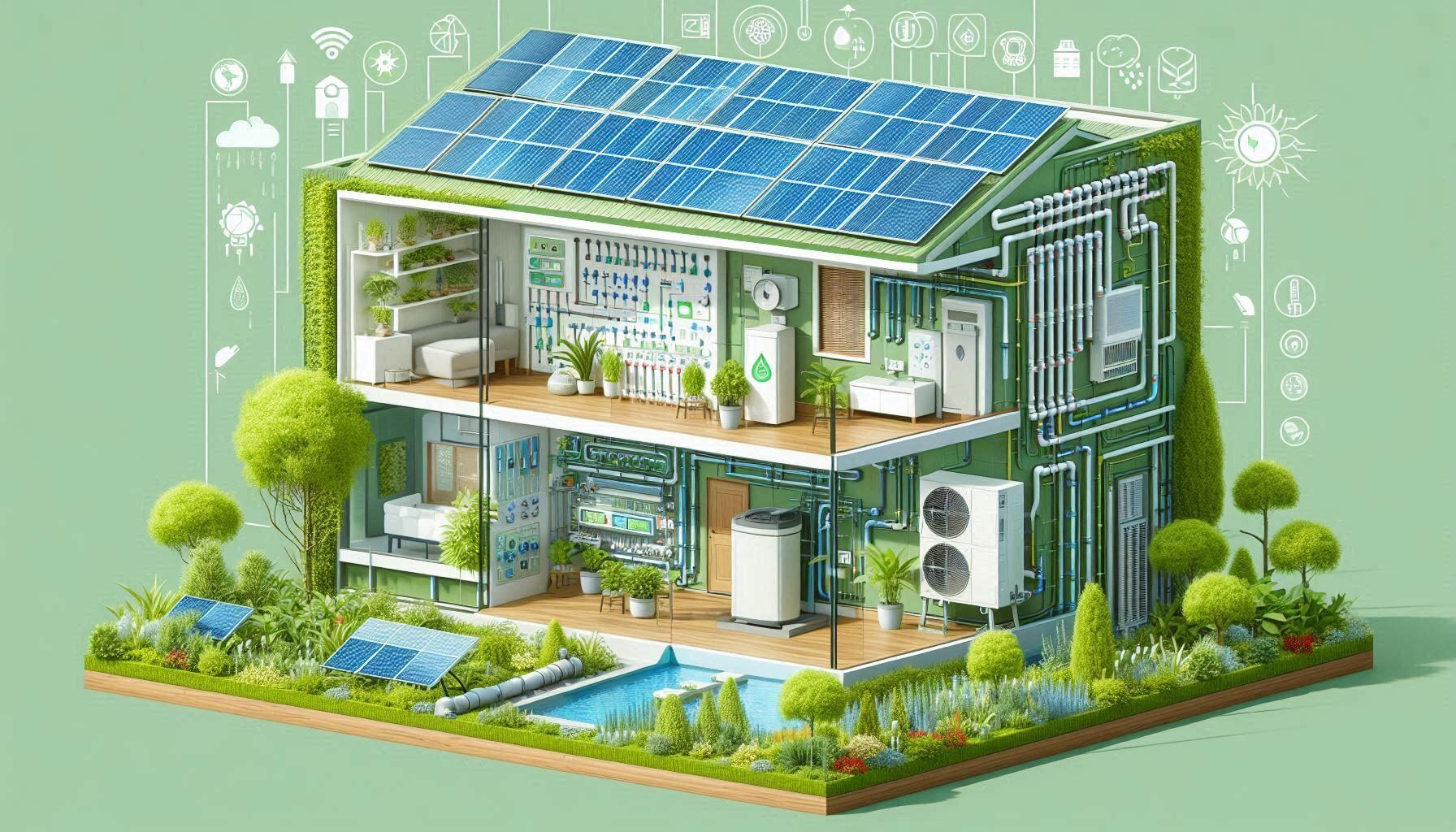
Illustration of sustainable HVAC system in a green building.

Sustainable HVAC system is revolutionizing green building design by providing energy-efficient, eco-friendly solutions that enhance indoor air quality and reduce environmental impact. These systems integrate advanced technologies and renewable energy sources, playing a crucial role in achieving sustainable and resilient buildings. Their benefits extend from reducing greenhouse gas emissions to lowering operational costs, benefiting building owners, occupants, and the broader community. In this article, we will explore the importance, benefits, and key technologies of sustainable HVAC systems, as well as their impact on green building certifications and energy efficiency.

Why Is Sustainability Important in HVAC Systems for Green Building Design?

Sustainability in HVAC systems is crucial for green building design because it reduces energy consumption, lowers greenhouse gas emissions, and promotes environmental conservation. Incorporating sustainable practices in HVAC systems ensures that buildings operate efficiently, minimizing their impact on the planet. This approach not only helps in mitigating climate change but also enhances the overall health and well-being of building occupants. By prioritizing sustainability, we contribute to a more resilient and eco-friendly built environment.

When Should Sustainable Practices Be Integrated into HVAC System Planning for Green Buildings?

Sustainable practices should be integrated into HVAC system planning from the very beginning of the design phase. Early integration allows for the consideration of energy-efficient technologies, renewable energy sources, and innovative design strategies that optimize system performance. By incorporating sustainability from the outset, designers can ensure that the HVAC systems are tailored to the specific needs of the building, leading to better energy management and reduced operational costs over the building’s lifespan.

Where Can Sustainable HVAC Systems Make the Most Impact in Green Buildings?

Sustainable HVAC systems can make the most impact in areas with high energy demand, such as commercial buildings, schools, and hospitals. These buildings often require extensive heating, cooling, and ventilation, making them prime candidates for energy-efficient and eco-friendly HVAC solutions. By implementing sustainable HVAC systems in these environments, we can achieve significant reductions in energy use and operational costs while improving indoor air quality and occupant comfort.

Who Benefits from Implementing Sustainable HVAC Systems in Green Buildings?

Implementing sustainable HVAC systems in green buildings benefits a wide range of stakeholders. Building owners and operators experience lower energy bills and reduced maintenance costs. Occupants enjoy enhanced indoor air quality, thermal comfort, and a healthier living or working environment. Additionally, the broader community benefits from reduced greenhouse gas emissions and the promotion of environmental stewardship. Ultimately, sustainable HVAC systems contribute to the well-being of both people and the planet.

What Are the Key Sustainable Technologies in Modern HVAC Systems for Green Buildings?

Modern HVAC systems for green buildings incorporate several key sustainable technologies, including variable refrigerant flow (VRF) systems, geothermal heat pumps, and energy recovery ventilators (ERVs). These technologies enhance energy efficiency by optimizing the use of heating and cooling resources. Additionally, smart thermostats and building automation systems (BAS) enable precise control of HVAC operations, further reducing energy consumption. Renewable energy integration, such as solar-powered HVAC systems, also plays a crucial role in achieving sustainability in green buildings.

How Do Sustainable HVAC Systems Contribute to Green Building Certifications?

Sustainable HVAC systems play a vital role in achieving green building certifications such as LEED (Leadership in Energy and Environmental Design) and BREEAM (Building Research Establishment Environmental Assessment Method). These certifications evaluate buildings based on their environmental performance and sustainability. Energy-efficient HVAC systems contribute significantly to the energy performance criteria, helping buildings score higher in certification assessments. Additionally, sustainable HVAC systems often incorporate eco-friendly materials and technologies, further enhancing a building’s overall sustainability profile.

Why Should Energy Efficiency Be a Priority in HVAC Systems for Green Buildings?

Energy efficiency should be a priority in HVAC systems for green buildings because it directly impacts operational costs, environmental footprint, and occupant comfort. Efficient HVAC systems use less energy to achieve the desired indoor conditions, resulting in lower utility bills and reduced greenhouse gas emissions. Moreover, energy-efficient systems tend to have longer lifespans and require less maintenance, providing long-term cost savings. Prioritizing energy efficiency in HVAC design and operation is a fundamental step towards achieving sustainable and resilient green buildings.

When Is It Best to Upgrade to Sustainable HVAC Systems in Existing Green Buildings?

Upgrading to sustainable HVAC systems in existing green buildings is best done during major renovations or when the existing HVAC systems are nearing the end of their lifespan. This timing allows for a comprehensive assessment of the building’s needs and the integration of modern, energy-efficient technologies. Additionally, building owners can take advantage of available incentives and rebates for sustainable upgrades. By upgrading at these opportune moments, building owners can improve energy efficiency, reduce operational costs, and enhance indoor air quality without disrupting daily operations.

Where Are the Most Cost-Effective Areas for Implementing Sustainable HVAC Solutions in Green Buildings?

The most cost-effective areas for implementing sustainable HVAC solutions in green buildings include the installation of high-efficiency heat pumps, energy recovery ventilators (ERVs), and smart thermostats. Retrofitting insulation and improving the building envelope can also enhance HVAC efficiency by reducing the load on heating and cooling systems. Additionally, incorporating renewable energy sources, such as solar panels, can provide sustainable power for HVAC operations, leading to significant long-term savings. Focusing on these areas allows building owners to achieve substantial energy and cost savings while promoting sustainability.

Who Are the Leading Innovators in Sustainable HVAC Systems for Green Buildings?

Leading innovators in sustainable HVAC systems for green buildings include companies such as Carrier, Trane, and Daikin. These companies are at the forefront of developing advanced, energy-efficient HVAC technologies that reduce environmental impact. Additionally, organizations like the U.S. Green Building Council (USGBC) and the American Society of Heating, Refrigerating and Air-Conditioning Engineers (ASHRAE) play a crucial role in promoting sustainable HVAC practices through research, standards development, and advocacy. These innovators continuously push the boundaries of what is possible in sustainable HVAC design and operation.

What Are the Benefits of Sustainable HVAC Systems for Occupants of Green Buildings?

Occupants of green buildings benefit from sustainable HVAC systems in several ways. Improved indoor air quality reduces the risk of respiratory issues and enhances overall health and well-being. Energy-efficient systems provide consistent thermal comfort, ensuring a pleasant living or working environment. Additionally, sustainable HVAC systems often operate more quietly than traditional systems, reducing noise pollution. These benefits contribute to a higher quality of life for building occupants, making green buildings an attractive option for both residential and commercial purposes.

How Can Green Building Projects Maximize Efficiency with Sustainable HVAC Systems?

Green building projects can maximize efficiency with sustainable HVAC systems by implementing integrated design strategies that consider the building’s orientation, insulation, and natural ventilation. Utilizing advanced technologies such as variable refrigerant flow (VRF) systems, energy recovery ventilators (ERVs), and smart controls can further enhance efficiency. Regular maintenance and performance monitoring are also essential to ensure that HVAC systems operate at peak efficiency. By adopting these practices, green building projects can achieve significant energy savings and reduce their environmental impact.

Why Is the Use of Renewable Energy in HVAC Systems Crucial for Green Buildings?

The use of renewable energy in HVAC systems is crucial for green buildings because it significantly reduces reliance on fossil fuels and lowers greenhouse gas emissions. Renewable energy sources such as solar, wind, and geothermal provide clean, sustainable power for heating, cooling, and ventilation. Incorporating renewable energy into HVAC systems not only enhances energy efficiency but also contributes to the overall sustainability goals of green buildings. This approach aligns with global efforts to combat climate change and promote a more sustainable future.

When to Consider Retrofitting HVAC Systems for Enhanced Sustainability in Green Buildings?

Retrofitting HVAC systems for enhanced sustainability in green buildings should be considered when the existing systems are outdated, inefficient, or require frequent repairs. Additionally, if energy costs are rising or if there are opportunities to take advantage of financial incentives for sustainable upgrades, it may be the right time to retrofit. Retrofitting provides an opportunity to incorporate modern, energy-efficient technologies that improve performance and reduce environmental impact. By carefully planning and timing these upgrades, building owners can achieve significant energy savings and enhance the sustainability of their properties.

Where to Find Resources and Guidelines for Sustainable HVAC System Design in Green Buildings?

Resources and guidelines for sustainable HVAC system design in green buildings can be found through organizations such as the U.S. Green Building Council (USGBC), the American Society of Heating, Refrigerating and Air-Conditioning Engineers (ASHRAE), and the International WELL Building Institute (IWBI). These organizations provide comprehensive resources, including standards, best practices, and case studies, to guide the design and implementation of sustainable HVAC systems. Additionally, industry publications, webinars, and professional development courses offer valuable insights and up-to-date information on sustainable HVAC technologies and practices.

Who Should Be Involved in the Design and Implementation of Sustainable HVAC Systems for Green Buildings?

The design and implementation of sustainable HVAC systems for green buildings should involve a multidisciplinary team, including architects, HVAC engineers, sustainability consultants, and building owners. Collaboration between these stakeholders ensures that all aspects of sustainability are considered and that the HVAC system is optimized for energy efficiency, performance, and occupant comfort. Additionally, involving contractors and facility managers early in the process can help identify practical solutions and streamline the implementation of sustainable HVAC systems. This collaborative approach is essential for achieving the best outcomes in green building projects.

What Are the Challenges in Integrating Sustainable HVAC Systems into Green Buildings?

Integrating sustainable HVAC systems into green buildings can present several challenges. These include higher initial costs, the need for specialized knowledge and skills, and potential compatibility issues with existing building infrastructure. Additionally, navigating regulatory requirements and obtaining necessary certifications can be complex and time-consuming. However, these challenges can be mitigated through careful planning, stakeholder collaboration, and leveraging available resources and incentives. Overcoming these challenges is crucial to realizing the full benefits of sustainable HVAC systems and advancing the goals of green building design.

How Do Sustainable HVAC Systems Improve Indoor Air Quality in Green Buildings ?

Sustainable HVAC systems improve indoor air quality in green buildings by using advanced filtration, ventilation, and humidity control technologies. These systems remove pollutants, allergens, and excess moisture from indoor air, creating a healthier environment for occupants. Energy recovery wheels (ERWs) and demand-controlled ventilation (DCV) systems optimize fresh air intake, ensuring that indoor air is continuously refreshed without compromising energy efficiency. By maintaining optimal indoor air quality, sustainable HVAC systems contribute to the health and well-being of building occupants and enhance overall comfort.

Why Is Lifecycle Analysis Important for Sustainable HVAC Systems in Green Buildings?

Lifecycle analysis is important for sustainable HVAC systems in green buildings because it evaluates the environmental impact of the system over its entire lifespan. This analysis considers factors such as energy consumption, maintenance requirements, and disposal impacts. By conducting a lifecycle analysis, designers and building owners can make informed decisions about the most sustainable and cost-effective HVAC solutions. This approach ensures that the chosen systems deliver long-term benefits in terms of energy efficiency, environmental conservation, and operational savings, aligning with the overall goals of green building design.

When to Incorporate Smart Technology in Sustainable HVAC Systems for Green Buildings?

Incorporating smart technology in sustainable HVAC systems for green buildings is best done during the initial design phase or when upgrading existing systems. Smart technologies, such as programmable thermostats, advanced sensors, and building automation systems (BAS), provide precise control over HVAC operations, enhancing energy efficiency and performance. By integrating smart technology early in the design process, building owners can optimize system configuration and ensure seamless operation. Additionally, incorporating smart technology during upgrades allows for the modernization of existing systems, improving their sustainability and efficiency.

FAQ

What is sustainable HVAC?

Sustainable HVAC refers to heating, ventilation, and air conditioning systems designed to minimize energy consumption, reduce environmental impact, and enhance indoor air quality. These systems use energy-efficient technologies, renewable energy sources, and eco-friendly materials to achieve sustainability goals. Sustainable HVAC systems are integral to green building design and contribute to the overall efficiency and resilience of buildings.

What is the most eco-friendly HVAC system?

The most eco-friendly HVAC system is typically a geothermal heat pump. Geothermal systems use the stable temperature of the earth to provide heating and cooling, making them highly efficient and environmentally friendly. They have a lower carbon footprint compared to traditional HVAC systems and can significantly reduce energy consumption and greenhouse gas emissions.

What is considered a green HVAC technology?

Green HVAC technology includes systems and components that enhance energy efficiency, reduce environmental impact, and improve indoor air quality. Examples include variable refrigerant flow (VRF) systems, energy recovery ventilators (ERVs), geothermal heat pumps, and smart thermostats. These technologies help achieve sustainability goals by optimizing HVAC performance and minimizing energy use.

What is HVAC system in green building?

An HVAC system in a green building is designed to provide heating, cooling, and ventilation in an energy-efficient and environmentally friendly manner. These systems incorporate sustainable technologies and practices to reduce energy consumption, lower greenhouse gas emissions, and improve indoor air quality. Green building HVAC systems contribute to the overall sustainability and resilience of the built environment.

Sustainable HVAC systems in commercial buildings

Sustainable HVAC systems in commercial buildings utilize advanced technologies to optimize energy use and enhance indoor air quality. These systems often include high-efficiency heat pumps, energy recovery ventilators (ERVs), and building automation systems (BAS) for precise control. By implementing sustainable HVAC solutions, commercial buildings can achieve significant energy savings, reduce operational costs, and create healthier indoor environments for occupants.

Sustainable HVAC systems examples

Examples of sustainable HVAC systems include geothermal heat pumps, variable refrigerant flow (VRF) systems, energy recovery ventilators (ERVs), and solar-powered HVAC systems. These systems use innovative technologies and renewable energy sources to enhance energy efficiency and reduce environmental impact. Sustainable HVAC systems are integral to green building design and contribute to overall building performance and occupant comfort.

Sustainable HVAC systems companies

Leading companies in sustainable HVAC systems include Carrier, Trane, and Daikin. These companies develop advanced, energy-efficient HVAC technologies that reduce environmental impact and enhance system performance. Additionally, organizations like the U.S. Green Building Council USGBC and the American Society of Heating, Refrigerating and Air-Conditioning Engineers (ASHRAE) promote sustainable HVAC practices through research, standards development, and advocacy.

Green HVAC systems

Green HVAC systems are designed to minimize energy consumption, reduce greenhouse gas emissions, and improve indoor air quality. These systems use energy-efficient technologies, renewable energy sources, and eco-friendly materials to achieve sustainability goals. Green HVAC systems are integral to green building design and contribute to the overall efficiency and resilience of buildings.

Best sustainable HVAC systems

The best sustainable HVAC systems include geothermal heat pumps, variable refrigerant flow (VRF) systems, and energy recovery ventilators (ERVs). These systems are highly efficient, environmentally friendly, and enhance indoor air quality. Sustainable HVAC systems provide long-term benefits in terms of energy savings, reduced environmental impact, and improved occupant comfort.

Sustainable cooling systems in buildings

Sustainable cooling systems in buildings include high-efficiency air conditioning units, evaporative coolers, and chilled beam systems. These systems use advanced technologies to optimize cooling performance and reduce energy consumption. By implementing sustainable cooling solutions, buildings can achieve significant energy savings, lower operational costs, and create comfortable indoor environments for occupants.

Green HVAC companies

Leading green HVAC companies include Carrier, Trane, and Daikin. These companies develop advanced, energy-efficient HVAC technologies that reduce environmental impact and enhance system performance. Additionally, organizations like the USGBC and the ASHRAE promote sustainable HVAC practices through research, standards development, and advocacy.

Geothermal heating systems

Geothermal heating systems use the stable temperature of the earth to provide heating and cooling. These systems are highly efficient, environmentally friendly, and have a lower carbon footprint compared to traditional HVAC systems. Geothermal heating systems can significantly reduce energy consumption and greenhouse gas emissions, making them an excellent choice for sustainable building design.

Conclusion

Sustainable HVAC systems are essential for green building design, offering numerous benefits in terms of energy efficiency, environmental impact, and occupant comfort. By integrating sustainable practices and advanced technologies, we can create buildings that are not only efficient and cost-effective but also contribute to a healthier and more sustainable future. From geothermal heat pumps to energy recovery ventilators, the array of sustainable HVAC solutions available today provides ample opportunities for innovation and improvement in the built environment. As we continue to prioritize sustainability in building design, the role of sustainable HVAC systems will only become more critical in achieving our environmental and energy goals.

About The Author

Omprakash Ramagiri; as the Founder of HVAC Technocrats, I bring over 18 years of experience as a Mechanical Engineer specializing in HVAC (Central Air-conditioning) for commercial, cleanrooms, data centers, and Petrochemical industries. Throughout my career, I’ve held pivotal roles at companies like TATA Consulting Engineers, MW Zander (for Cleanroom solutions), Bluestar Malaysia, and ETA in Dubai. I’ve managed international HVAC projects and gained valuable exposure in dynamic markets like Dubai and Saudi Arabia. With a passion for excellence and a commitment to innovative solutions, I specialize in designing Class 10K & 100K Cleanrooms for various industries. Connect with me to explore collaborations in HVAC design, project sales, and consultancy. Click to visit the Author’s Linkedin page


Disclaimer: The pictures used are for illustrative purposes only. They may not depict actual products or situations and are meant for educational purposes. Actual products, situations, or outcomes may differ.

Cooling Tower: How to Enhance Energy Efficiency in Buildings

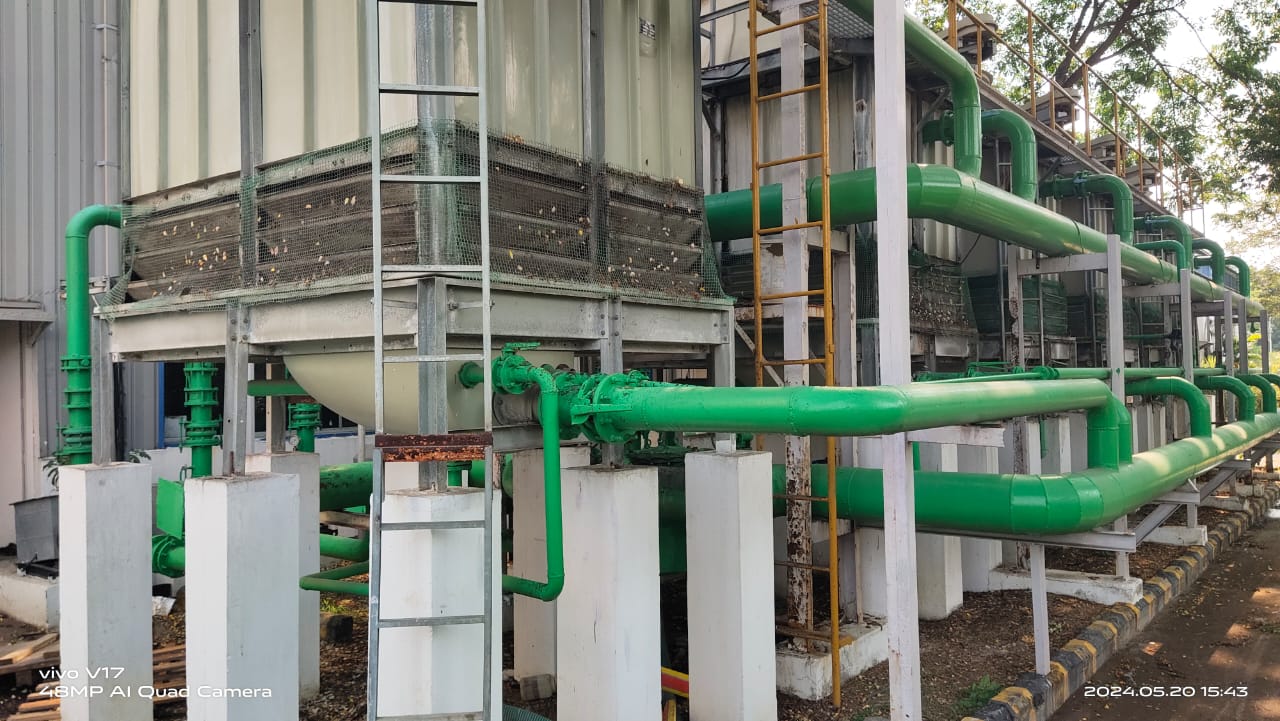
Cooling Tower in Industrial Setting

What is Cooling Tower in HVAC Systems

A cooling tower is a specialized heat rejection device that extracts waste heat to the atmosphere through the cooling of a water stream to a lower temperature. It plays a crucial role in HVAC (Heating, Ventilation, and Air Conditioning) systems and industrial processes where large amounts of heat need to be dissipated efficiently.

Cooling towers work on the principle of evaporation, where warm water from industrial processes or air conditioning systems is pumped to the top of the tower and distributed over the tower fill or packing. As this water cascades down through the fill material, it comes into contact with a stream of air moving upward through the tower. This air, usually induced by a fan, causes a small portion of the water to evaporate, which removes heat from the remaining water. The cooled water is then collected at the bottom of the tower and recirculated back into the system.

Cooling towers are classified into various types based on their design and application, such as crossflow, counterflow, and hybrid configurations, each offering specific advantages in different industrial and HVAC settings.

Basics of Cooling Tower

A cooling tower is an essential component in HVAC and industrial processes for dissipating heat from water to the atmosphere. It operates on the principle of evaporative cooling, where warm water from processes or air conditioning systems is circulated to the top of the tower and distributed over a packing material. As this water flows down, it comes into contact with a rising air stream induced by fans. Some of the water evaporates, absorbing heat and cooling the rest of the water. The cooled water collects at the bottom of the tower and is recirculated back into the system.

Cooling towers vary in design, including crossflow and counterflow configurations. Crossflow towers direct the water flow horizontally across the vertical air flow, while counterflow towers direct water vertically downward against the upward air flow, maximizing heat transfer efficiency. These towers are crucial for maintaining optimal temperatures in industrial processes and HVAC systems, enhancing efficiency and reducing energy consumption.

Role and Importance of Cooling Towers in HVAC Systems

Cooling towers play a crucial role in HVAC systems, providing essential heat removal for industrial and commercial applications. By understanding their function and impact, we can appreciate how they enhance energy efficiency and maintain optimal temperatures. This article delves into various aspects of cooling towers, addressing common questions and providing a comprehensive overview for HVAC professionals and enthusiasts.

What is the role of a cooling tower in HVAC systems?

Cooling towers in HVAC systems serve to remove excess heat from a building or industrial process by using water to transfer heat to the atmosphere. This process is essential in maintaining efficient operation and optimal temperatures within HVAC systems. By cooling the water that circulates through the HVAC system, cooling towers help to dissipate heat generated by air conditioning units, industrial equipment, or processes. This not only prevents overheating but also ensures that the HVAC system operates efficiently, reducing energy consumption and operational costs. Cooling towers are integral in managing heat load, making them indispensable in various applications, from commercial buildings to industrial facilities.

Why are cooling towers essential for HVAC applications?

Cooling towers are essential for HVAC applications because they significantly enhance energy efficiency and cooling performance. They achieve this by using the natural process of evaporation to dissipate heat from the water, which is more energy-efficient compared to other cooling methods. Cooling towers are particularly effective in large-scale HVAC applications, where traditional air-cooled systems might struggle to manage the heat load. By reducing the temperature of the water used in the HVAC system, cooling towers ensure that air conditioning units and other components can operate more efficiently, leading to lower energy consumption and costs. This makes them vital for maintaining comfortable indoor environments in commercial and industrial settings.

How do cooling towers contribute to energy efficiency in buildings?

Cooling towers contribute to energy efficiency in buildings by leveraging the evaporative cooling process to remove heat from the water used in HVAC systems. This process requires less energy compared to traditional air-cooled systems, resulting in significant energy savings. By maintaining lower water temperatures, cooling towers ensure that HVAC components, such as chillers and air conditioning units, operate more efficiently. This reduces the overall energy consumption of the building’s cooling system. Additionally, cooling towers can be integrated with energy management systems to optimize their performance, further enhancing energy efficiency and reducing operational costs. Their ability to effectively manage heat load makes them a key component in sustainable building design.

When should you consider using a cooling tower in HVAC designs?

Consider using a cooling tower in HVAC designs when dealing with large-scale applications that require efficient heat removal, such as commercial buildings, industrial facilities, or data centers. Cooling towers are particularly beneficial in environments with high cooling loads, where traditional air-cooled systems may be insufficient. They are also ideal for applications where energy efficiency is a priority, as they can significantly reduce energy consumption compared to other cooling methods. Additionally, cooling towers are suitable for locations with abundant water supply, as they rely on water for the evaporative cooling process. When planning HVAC designs, evaluate the specific cooling requirements and environmental factors to determine if a cooling tower is the best solution.

Where are cooling towers typically located within HVAC systems?

Cooling towers are typically located outside the main building structure, often on the rooftop or in a designated mechanical yard. Their placement is strategic to facilitate the release of heat into the atmosphere and to minimize the impact of noise and water vapor plumes on the building’s occupants. The location should also allow for easy access for maintenance and inspections. In some cases, cooling towers can be installed at ground level or in a central utility plant, depending on the layout and space constraints of the facility. Proper placement is crucial to ensure efficient operation and integration with the overall HVAC system, including the water circulation network and supporting infrastructure.

What are the different types of cooling towers used in HVAC applications?

Several types of cooling towers are used in HVAC applications, each with distinct features and benefits. The main types include:

  • Natural Draft Cooling Towers: These rely on the natural convection of air to move through the tower and cool the water.
  • Mechanical Draft Cooling Towers: These use fans to force air through the tower, providing more control over airflow and cooling efficiency. Mechanical draft towers are further categorized into forced draft and induced draft.
  • Crossflow Cooling Towers: In these towers, water flows vertically while air flows horizontally through the fill media, providing efficient heat transfer.
  • Counterflow Cooling Towers: In these towers, water flows downward while air flows upward, maximizing contact time for heat transfer.
  • Hybrid Cooling Towers: These combine features of both wet and dry cooling towers to optimize performance and energy efficiency in varying conditions.
Each type has specific applications and advantages, making them suitable for different HVAC needs and environmental conditions.

How do evaporative cooling towers compare to dry cooling towers?

Evaporative cooling towers and dry cooling towers differ primarily in their cooling mechanisms and efficiency. Evaporative cooling towers use water evaporation to remove heat from the circulating water, which is highly efficient and effective in cooling large volumes of water. This method is energy-efficient and ideal for applications requiring significant cooling capacity. However, it does require a consistent water supply and regular maintenance to manage water quality and scaling.

Dry cooling towers, on the other hand, use air to cool the water without evaporation, relying on heat exchange through finned tubes or coils. While dry cooling towers are less efficient than evaporative towers, they have the advantage of not requiring water, making them suitable for areas with water scarcity or where water conservation is a priority. They also have lower maintenance requirements related to water treatment. The choice between the two depends on specific cooling needs, environmental conditions, and resource availability.

Why choose a crossflow cooling tower over a counterflow design?

Choosing a crossflow cooling tower over a counterflow design depends on several factors, including space constraints, efficiency requirements, and maintenance considerations. Crossflow cooling towers have a horizontal air flow that crosses the downward flow of water, allowing for easy access to internal components and simplified maintenance. This design typically requires less fan power and is quieter, making it suitable for applications where noise levels are a concern.

Counterflow cooling towers, with their upward air flow against the downward water flow, offer higher efficiency due to increased contact time between air and water. However, they can be more challenging to maintain because of the compact design and less accessible internal components. Crossflow towers are often preferred in situations where ease of maintenance and lower noise levels are priorities, while counterflow towers are chosen for applications requiring maximum cooling efficiency and where space is not a significant constraint.

When is it suitable to use a hybrid cooling tower in industrial settings?

Hybrid cooling towers are suitable for industrial settings that experience varying cooling loads and environmental conditions. These towers combine the benefits of both wet and dry cooling, allowing them to operate efficiently in diverse climates. They are particularly advantageous in regions with significant seasonal temperature variations, as they can switch between wet and dry modes to optimize performance and energy efficiency.

Hybrid cooling towers are also ideal for industrial processes that generate high heat loads but require flexible cooling solutions to manage water usage and operational costs. By utilizing dry cooling during cooler periods and evaporative cooling during hotter periods, hybrid towers reduce water consumption and maintain high cooling efficiency year-round. This makes them a valuable option for industries prioritizing sustainability and operational adaptability.

Where are induced draft cooling towers commonly installed in HVAC systems?

Induced draft cooling towers are commonly installed in HVAC systems for large commercial buildings, industrial facilities, and power plants. These towers use a fan located at the top to draw air through the system, ensuring efficient heat transfer and cooling performance. Their design allows for better control of air flow and cooling capacity, making them suitable for applications with high cooling demands.

In HVAC systems, induced draft cooling towers are typically installed on rooftops or in mechanical yards, where they can efficiently release heat into the atmosphere. Their placement is strategic to minimize noise and water vapor impact on the building and its occupants. Induced draft towers are also preferred in installations where space is limited, as their vertical design requires a smaller footprint compared to other cooling tower types.

What are the key applications of cooling towers in industrial processes?

Cooling towers play a vital role in various industrial processes, providing essential heat dissipation to maintain optimal operating conditions. Key applications include:

  • Power Generation: Cooling towers are used in power plants to remove excess heat from steam condensers, ensuring efficient electricity production.
  • Chemical Manufacturing: In chemical plants, cooling towers dissipate heat generated by exothermic reactions and equipment, maintaining safe and efficient operations.
  • Oil and Gas Refining: Cooling towers help manage heat loads in refineries, ensuring efficient processing and preventing equipment overheating.
  • Food and Beverage Production: Cooling towers are used to control temperatures in food processing, fermentation, and refrigeration systems.
  • HVAC Systems: In large commercial buildings and data centers, cooling towers provide critical cooling for air conditioning systems and IT equipment.
These applications highlight the versatility and importance of cooling towers in maintaining efficient and safe industrial operations.

How are cooling towers used in power plants and manufacturing facilities?

Cooling towers in power plants and manufacturing facilities are used to manage heat loads and maintain optimal operating temperatures for various processes and equipment. In power plants, cooling towers remove excess heat from steam condensers, allowing efficient electricity generation and preventing equipment damage from overheating. This process involves circulating water through the condenser, where it absorbs heat, and then passing it through the cooling tower to dissipate the heat into the atmosphere.

In manufacturing facilities, cooling towers are used to cool machinery, processes, and products, ensuring efficient operation and product quality. They manage heat loads generated by industrial processes, such as chemical reactions, metalworking, and food processing. By maintaining proper cooling, these facilities can operate safely and efficiently, reducing energy consumption and operational costs. The use of cooling towers in these settings highlights their critical role in industrial and power generation applications.

Why are fiberglass cooling towers preferred in corrosive environments?

Fiberglass cooling towers are preferred in corrosive environments due to their excellent resistance to chemical corrosion, which ensures long-term durability and reliability. Unlike traditional cooling towers made of metal, fiberglass towers are impervious to rust and corrosion caused by harsh chemicals, saltwater, and other corrosive substances commonly found in industrial settings. This makes them ideal for use in chemical plants, coastal areas, and other environments where corrosion is a significant concern.

Additionally, fiberglass cooling towers are lightweight, easy to install, and require minimal maintenance compared to their metal counterparts. Their non-corrosive nature reduces the need for frequent repairs and replacements, resulting in lower maintenance costs and extended service life. The durability and corrosion resistance of fiberglass cooling towers make them a cost-effective and reliable choice for challenging environments where traditional materials may fail.

What are the specifications to consider when selecting a cooling tower?

When selecting a cooling tower, several key specifications should be considered to ensure optimal performance and suitability for the application. These include:

  • Cooling Capacity: Determine the cooling load and select a tower that can handle the required heat rejection.
  • Flow Rate: Consider the water flow rate needed to achieve the desired cooling effect.
  • Temperature Range: Assess the entering and leaving water temperatures to ensure the tower can meet the cooling requirements.
  • Ambient Wet Bulb Temperature: The lowest temperature air can reach by evaporating water, crucial for determining cooling efficiency and tower performance.
  • Energy Efficiency: Look for towers with high energy efficiency ratings to reduce operational costs.
  • Material: Choose materials that are resistant to corrosion and suitable for the specific environmental conditions.
  • Noise Levels: Consider the noise output, especially in residential or noise-sensitive areas.
  • Footprint: Evaluate the available space for installation and select a tower with an appropriate size and design.
These specifications help ensure that the selected cooling tower meets the operational needs and environmental constraints of the application.

How does the capacity of a cooling tower affect its performance?

The capacity of a cooling tower directly affects its performance by determining the amount of heat it can dissipate. Cooling tower capacity is typically measured in tons or BTUs per hour, representing the amount of heat removed from the water. A higher-capacity cooling tower can handle larger heat loads, making it suitable for applications with significant cooling demands, such as industrial processes, power plants, and large commercial buildings.

If a cooling tower is undersized for the application, it will struggle to maintain the desired water temperature, leading to inefficient operation and potential overheating of equipment. Conversely, an oversized cooling tower may result in higher initial costs and unnecessary energy consumption. Therefore, accurately calculating the cooling load and selecting a tower with the appropriate capacity is crucial for efficient performance and cost-effective operation. Proper capacity selection ensures optimal cooling, energy efficiency, and system reliability.

Why is drift loss a critical specification in cooling tower selection?

Drift loss is a critical specification in cooling tower selection because it represents the amount of water that escapes the tower as droplets carried by the airflow. This water loss can lead to increased water consumption and potential environmental concerns, especially in areas with water scarcity or strict environmental regulations. Minimizing drift loss is essential to conserve water and reduce operational costs associated with water treatment and replenishment.

Cooling towers are designed with drift eliminators to capture and return the water droplets, reducing drift loss to acceptable levels. When selecting a cooling tower, it is important to consider the efficiency of these drift eliminators and ensure that the tower complies with industry standards for drift loss. Lower drift loss not only conserves water but also minimizes the impact on surrounding areas, preventing potential issues related to water damage and contamination. Therefore, evaluating and selecting a cooling tower with minimal drift loss is crucial for sustainable and efficient operation.

When should you consider the noise level rating of a cooling tower?

Consider the noise level rating of a cooling tower when it is installed in or near residential areas, office buildings, or noise-sensitive environments. Cooling towers can generate significant noise due to the operation of fans, water flow, and other mechanical components. Excessive noise can disrupt the surrounding environment, leading to complaints and potential regulatory issues.

To address this, manufacturers provide noise level ratings for their cooling towers, measured in decibels (dB). When selecting a cooling tower, it is important to choose one with an appropriate noise level rating that meets local noise regulations and minimizes disturbance to occupants and neighbors. Additionally, noise reduction features such as sound attenuators, quieter fan designs, and vibration dampening measures can be implemented to further reduce noise levels. Considering noise level ratings is essential for maintaining a harmonious and compliant installation, particularly in urban or densely populated areas.

Where can you find technical data sheets for different cooling tower models?

Technical data sheets for different cooling tower models can be found on the manufacturers’ websites, where they provide detailed information about the specifications, performance, and features of their products. These data sheets typically include key parameters such as cooling capacity, water flow rates, temperature ranges, dimensions, and materials of construction. They also provide information on energy efficiency, noise levels, and compliance with industry standards.

In addition to manufacturers’ websites, technical data sheets can be obtained from industry associations and organizations such as ASHRAE (https://ashrae.org/) and ISHRAE (https://ishrae.in/), which often publish guidelines and standards for cooling tower performance and selection. Consulting these resources ensures that you have accurate and comprehensive information to make informed decisions when selecting and designing cooling tower systems for specific applications.

What information is typically included in a cooling tower’s technical data sheet?

A cooling tower’s technical data sheet typically includes comprehensive information about the tower’s specifications, performance, and operational parameters. Key information often includes:

  • Cooling Capacity: The amount of heat the tower can dissipate, usually measured in tons or BTUs per hour.
  • Water Flow Rate: The rate at which water circulates through the tower, measured in gallons per minute (GPM).
  • Temperature Range: The entering and leaving water temperatures.
  • Dimensions: Physical dimensions of the tower, including height, width, and footprint.
  • Materials: Materials of construction for the tower components, such as fill media, basin, and casing.
  • Energy Efficiency: Efficiency ratings, including power consumption and performance metrics.
  • Noise Levels: Noise output, typically measured in decibels (dB).
  • Compliance: Compliance with industry standards and certifications.
This detailed information helps engineers and designers select the appropriate cooling tower for their specific application, ensuring optimal performance and efficiency.

How can you interpret performance data from a cooling tower’s specifications?

Interpreting performance data from a cooling tower’s specifications involves understanding key parameters and how they relate to the tower’s efficiency and suitability for a given application. Performance data typically includes cooling capacity, water flow rate, temperature range, and energy efficiency ratings.

  • Cooling Capacity: Indicates the heat dissipation capability, measured in tons or BTUs per hour. Ensure the capacity matches the cooling load requirements.
  • Water Flow Rate: The volume of water circulating through the tower, measured in GPM. Adequate flow rates are necessary for efficient heat transfer.
  • Temperature Range: Specifies the entering and leaving water temperatures. Ensure the tower can achieve the desired cooling performance.
  • Energy Efficiency: Efficiency ratings, such as Coefficient of Performance (COP) or Energy Efficiency Ratio (EER), indicate the tower’s energy consumption relative to its cooling output.
By analyzing these parameters, engineers can determine if the cooling tower meets the application’s requirements, ensuring efficient and effective cooling performance.

Why is compliance with codes and standards crucial for cooling tower installations?

Compliance with codes and standards is crucial for cooling tower installations to ensure safety, reliability, and environmental responsibility. Industry standards, such as those from ASHRAE (https://ashrae.org/) and ISHRAE (https://ishrae.in/), provide guidelines for design, construction, and performance, helping to maintain consistent quality and operational efficiency.

Compliance with these standards ensures that cooling towers meet specific requirements for structural integrity, energy efficiency, water usage, and environmental impact. Adhering to codes and standards also reduces the risk of operational failures, accidents, and legal issues, as it ensures that the installation follows best practices and regulatory requirements. By prioritizing compliance, engineers and facility managers can achieve safe, efficient, and sustainable cooling tower operations.

When should you consult with a professional regarding cooling tower codes and standards?

Consult with a professional regarding cooling tower codes and standards during the design, installation, and maintenance phases of a cooling tower project. Professional engineers and consultants can provide expert guidance on selecting the appropriate cooling tower type, ensuring compliance with industry standards, and addressing specific operational requirements.

During the design phase, professionals can help determine the cooling load, select suitable materials, and ensure the cooling tower meets energy efficiency and environmental regulations. During installation, they can oversee the process to ensure proper integration with the HVAC system and adherence to safety codes. Regular consultation with professionals during maintenance helps identify potential issues, ensure continued compliance, and optimize performance. Engaging with experts at these critical stages ensures a successful and compliant cooling tower installation.

What are the general arrangement drawings for cooling tower installations?

General arrangement drawings for cooling tower installations provide detailed visual representations of the tower’s placement, components, and connections within the HVAC system. These drawings include top views, side views, and sectional views, illustrating the spatial relationships between the cooling tower, piping, pumps, valves, and other system components.

These drawings help engineers and contractors understand the layout and ensure proper installation and integration with the overall HVAC system. They also provide critical information on dimensions, clearances, and access points, facilitating efficient construction and maintenance. General arrangement drawings serve as essential tools for planning, communication, and execution of cooling tower projects, ensuring accurate and effective installation.

How do schematic drawings assist in understanding cooling tower systems?

Schematic drawings assist in understanding cooling tower systems by providing simplified, symbolic representations of the system’s components and their connections. These drawings highlight the flow of water, air, and energy through the cooling tower, illustrating how each element interacts to achieve the desired cooling effect.

By focusing on the functional aspects rather than detailed physical attributes, schematic drawings help engineers and technicians grasp the overall system operation, identify key components, and understand the relationships between different parts. They are particularly useful for troubleshooting, maintenance, and training, as they offer a clear and concise overview of the system’s operation. Schematic drawings play a vital role in effective system design, analysis, and communication, ensuring that all stakeholders have a common understanding of the cooling tower’s functionality.

When should you review the electrical scope of works for cooling tower installations?

Review the electrical scope of works for cooling tower installations during the design and planning stages to ensure that all electrical requirements and specifications are clearly defined and integrated into the project. The electrical scope of works outlines the electrical components, wiring, control systems, and power supply requirements necessary for the cooling tower’s operation.

During the design phase, reviewing the electrical scope helps identify the power needs, control strategies, and safety measures required for the installation. This ensures that the electrical infrastructure is adequately designed and that all components are compatible and properly coordinated. Reviewing the electrical scope during planning also helps prevent potential issues during installation and commissioning, ensuring a smooth and efficient process. Regular review and coordination with electrical engineers and contractors are essential for successful cooling tower installations.

Where can you find detailed installation checklists for cooling towers?

Detailed installation checklists for cooling towers can be found in manufacturers’ installation manuals, which provide step-by-step guidelines for proper assembly and integration. These manuals include comprehensive checklists that cover all aspects of the installation process, from site preparation and foundation requirements to component assembly, piping connections, and electrical wiring.

Industry associations and organizations such as ASHRAE (https://ashrae.org/) and ISHRAE (https://ishrae.in/) also offer installation guides and checklists as part of their best practice resources. Consulting these checklists ensures that all critical steps are followed, reducing the risk of errors and ensuring a successful installation. Detailed installation checklists help maintain consistency, quality, and compliance, leading to reliable and efficient cooling tower operations.

What supporting details are necessary for the proper installation of a cooling tower?

Proper installation of a cooling tower requires several supporting details to ensure optimal performance and reliability. Key supporting details include:

  • Site Preparation: Ensure a stable and level foundation, adequate drainage, and sufficient space for the tower and associated equipment.
  • Structural Support: Verify that the structure can support the weight and dynamic loads of the cooling tower.
  • Piping and Valves: Install appropriate piping, valves, and connections to facilitate water flow and system integration.
  • Electrical Connections: Ensure proper wiring, control systems, and power supply for safe and efficient operation.
  • Water Treatment: Implement water treatment measures to prevent scaling, corrosion, and biological growth.
  • Access and Safety: Provide access points for maintenance and safety features such as ladders, platforms, and safety railings.
These supporting details are essential for a successful installation, ensuring that the cooling tower operates efficiently and safely.

Why is regular maintenance crucial for cooling tower performance?

Regular maintenance is crucial for cooling tower performance because it ensures the system operates efficiently, reliably, and safely. Maintenance activities include cleaning, inspecting, and servicing components such as fill media, fans, pumps, and drift eliminators. Regular cleaning prevents the buildup of scale, algae, and debris, which can obstruct water flow and reduce heat transfer efficiency.

Inspection and servicing help identify and address potential issues such as corrosion, leaks, and mechanical wear before they escalate into major problems. Proper maintenance also extends the lifespan of the cooling tower, reduces energy consumption, and minimizes downtime. By maintaining optimal performance, regular maintenance helps prevent costly repairs and replacements, ensuring continuous and effective cooling tower operation. Implementing a comprehensive maintenance program is essential for achieving long-term reliability and efficiency.

How can troubleshooting and diagnostics enhance cooling tower efficiency?

Troubleshooting and diagnostics enhance cooling tower efficiency by identifying and resolving operational issues that can compromise performance. Diagnostic tools and techniques, such as thermal imaging, vibration analysis, and water quality testing, help detect problems such as blockages, imbalances, and chemical imbalances that can affect heat transfer and energy efficiency.

Effective troubleshooting involves systematically analyzing the system to pinpoint the root causes of issues, whether they are mechanical, electrical, or chemical. By addressing these issues promptly, maintenance teams can restore optimal performance, prevent further damage, and reduce energy consumption. Regular diagnostics and proactive troubleshooting ensure that the cooling tower operates at peak efficiency, maintaining the desired cooling capacity and extending the system’s lifespan. These practices are essential for achieving energy savings and reliable operation.

What are the environmental impacts associated with cooling tower operations?

Cooling tower operations can have several environmental impacts, including water consumption, chemical usage, and drift emissions. Cooling towers use large volumes of water for evaporative cooling, which can strain local water resources, especially in arid regions. Implementing water conservation measures, such as recycling and efficient water management practices, can mitigate this impact.

Chemical usage for water treatment can lead to the discharge of harmful substances into the environment if not properly managed. Using environmentally friendly treatment methods and adhering to regulatory guidelines can minimize chemical pollution. Drift emissions, or the release of water droplets into the atmosphere, can carry dissolved chemicals and contaminants, impacting air and water quality. Employing efficient drift eliminators can reduce drift loss and its associated environmental effects. By addressing these impacts, cooling tower operations can be more sustainable and environmentally responsible.

FAQ

What is the purpose of a cooling tower?

A cooling tower removes heat from water by evaporative cooling, reducing the water temperature for reuse in HVAC and industrial processes. It dissipates heat into the atmosphere, ensuring efficient system operation.

What is a cooling tower vs chiller?

A cooling tower uses evaporative cooling to lower water temperature, while a chiller uses refrigeration cycles to cool water. Cooling towers are often part of chiller systems, enhancing their efficiency.

What is the difference between cooling tower and HVAC?

HVAC systems provide heating, ventilation, and air conditioning for buildings. A cooling tower is a component within HVAC systems, specifically used to dissipate heat from the water used in cooling processes.

What are the four types of cooling tower?

The four main types of cooling towers are crossflow, counterflow, forced draft, and induced draft. Each type has unique design features and operational principles, suited for different applications.

Cooling tower name

Common cooling tower names include crossflow, counterflow, induced draft, and forced draft towers. These names reflect the design and airflow direction within the tower.

Cooling tower pdf

Cooling tower PDFs provide detailed information on specifications, performance data, and installation guidelines. Manufacturers and industry associations often offer these resources for reference and education.

Cooling tower working principle

Cooling towers work on the principle of evaporative cooling, where water is cooled by evaporation as it circulates through the tower. Airflow aids evaporation, dissipating heat and reducing water temperature.

Cooling tower in power plant

In power plants, cooling towers dissipate heat from the steam used in electricity generation. They condense steam back into water, ensuring continuous and efficient power production.

Cooling tower diagram

A cooling tower diagram illustrates the components and flow paths within the tower, including water distribution, fill media, fans, and drift eliminators. It helps visualize the cooling process and system layout.

Water cooling tower

A water cooling tower is a structure that removes heat from water through evaporation. It is widely used in HVAC systems, industrial processes, and power plants to maintain efficient cooling and temperature control.

Types of cooling tower

Types of cooling towers include crossflow, counterflow, induced draft, forced draft, and hybrid towers. Each type offers unique advantages and is chosen based on specific cooling needs and environmental conditions.

Cooling tower price

Cooling tower prices vary based on size, type, materials, and additional features. Costs range from a few thousand to several hundred thousand dollars, depending on the complexity and capacity requirements.

Conclusion

Cooling towers play a vital role in HVAC and industrial systems, providing efficient heat dissipation and enhancing system performance. By understanding their types, specifications, and maintenance requirements, engineers can select and manage cooling towers effectively, ensuring optimal operation and sustainability. Regular maintenance, compliance with codes and standards, and proactive troubleshooting are essential for achieving long-term efficiency and reliability. As environmental concerns grow, adopting sustainable practices and technologies in cooling tower operations becomes increasingly important, ensuring responsible resource use and minimal environmental impact.

Related Links

For more information on related topics, you can visit the following links:

HVAC Related Affiliated Products

About The Author

As the Founder of HVAC Technocrats, I bring over 18 years of experience as a Mechanical Engineer specializing in HVAC (Central Air-conditioning) for commercial, cleanrooms, data centers, and Petrochemical industries. Throughout my career, I’ve held pivotal roles at companies like TATA Consulting Engineers, MW Zander (for Cleanroom solutions), Bluestar Malaysia, and ETA in Dubai. I’ve managed international HVAC projects and gained valuable exposure in dynamic markets like Dubai and Saudi Arabia. With a passion for excellence and a commitment to innovative solutions, I specialize in designing Class 10K & 100K Cleanrooms for various industries. Connect with me to explore collaborations in HVAC design, project sales, and consultancy.


Disclaimer: The pictures used are for illustrative purposes only. They may not depict actual products or situations and are meant for educational purposes. Actual products, situations, or outcomes may differ.

How IGBC Standards Ensure Energy Efficiency in HVAC Systems

Illustration of IGBC Standards in HVAC Systems.

Introduction: Understanding IGBC standards in HVAC systems is essential for achieving sustainability and energy efficiency in building projects. The Indian Green Building Council (IGBC) provides guidelines that help design, install, and maintain HVAC systems to minimize environmental impact. This article explores various aspects of IGBC standards, from design and installation to maintenance and energy efficiency, ensuring a comprehensive understanding of their role in HVAC systems.

What Role Do IGBC Standards Play in HVAC Systems?

IGBC standards play a crucial role in ensuring that HVAC systems contribute to the overall sustainability of buildings. These standards provide a framework for designing HVAC systems that are energy-efficient, environmentally friendly, and capable of maintaining optimal indoor air quality. By adhering to IGBC standards, HVAC systems can help reduce energy consumption, lower greenhouse gas emissions, and improve the overall comfort and health of building occupants. These guidelines also promote the use of eco-friendly refrigerants and advanced technologies that enhance system performance and durability.

What Types of HVAC Systems Are Recognized by IGBC?

IGBC recognizes various types of HVAC systems that align with its sustainability goals. These include central air conditioning systems, split systems, variable refrigerant flow (VRF) systems, and chilled beam systems. Each type offers unique advantages in terms of energy efficiency and environmental impact. Central air conditioning systems are ideal for large buildings, providing consistent cooling and heating. Split systems are suitable for smaller spaces, offering flexibility and ease of installation. VRF systems are known for their ability to provide zoned comfort and high energy efficiency. Chilled beam systems, often used in commercial buildings, offer enhanced thermal comfort and energy savings by using water to cool and heat the space.

Where Are IGBC-Compliant HVAC Systems Typically Applied?

IGBC-compliant HVAC systems are typically applied in a variety of building types, including commercial, residential, institutional, and industrial buildings. In commercial buildings, such as offices and retail spaces, these systems help create a comfortable environment for employees and customers while reducing energy costs. Residential buildings benefit from improved indoor air quality and energy savings, enhancing the living conditions for occupants. Institutional buildings, such as schools and hospitals, require precise temperature and humidity control, which IGBC-compliant systems provide. Industrial buildings, with their specific heating and cooling needs, also benefit from the energy-efficient solutions promoted by IGBC standards.

What Are the Specifications for IGBC-Compliant HVAC Systems?

The specifications for IGBC-compliant HVAC systems focus on energy efficiency, environmental impact, and indoor air quality. These systems must achieve a high level of energy performance, often measured by metrics such as the Energy Efficiency Ratio (EER) or Seasonal Energy Efficiency Ratio (SEER). They should use refrigerants with low Global Warming Potential (GWP) to minimize environmental impact. Additionally, IGBC-compliant systems should include features that enhance indoor air quality, such as advanced filtration systems and humidity control. Proper insulation, duct sealing, and regular maintenance are also critical components of these specifications to ensure optimal performance and longevity.

What Are the Advantages and Disadvantages of IGBC-Compliant HVAC Systems?

The advantages of IGBC-compliant HVAC systems include enhanced energy efficiency, reduced environmental impact, and improved indoor air quality. These systems can lead to significant energy cost savings over time and contribute to a healthier and more comfortable indoor environment. However, there are also some disadvantages to consider. The initial cost of installing IGBC-compliant systems can be higher compared to conventional systems. Additionally, achieving and maintaining compliance with IGBC standards requires ongoing commitment to regular maintenance and performance monitoring. Despite these challenges, the long-term benefits of sustainability and cost savings often outweigh the initial investment.

How Is the Technical Data Sheet for IGBC-Compliant HVAC Systems Structured?

The technical data sheet for IGBC-compliant HVAC systems provides detailed information about the system’s specifications, performance metrics, and compliance with IGBC standards. It typically includes data on energy efficiency ratios, refrigerant types, airflow rates, and noise levels. The sheet also outlines the system’s capabilities in terms of temperature and humidity control, as well as its environmental impact. Manufacturers often provide this technical data to help building professionals evaluate the suitability of the HVAC system for their specific project requirements. Accurate and comprehensive technical data is essential for ensuring that the system meets IGBC standards and performs as expected.

What Are the Key Components of IGBC-Compliant HVAC Systems?

The key components of IGBC-compliant HVAC systems include energy-efficient compressors, eco-friendly refrigerants, advanced filtration systems, and smart controls. Energy-efficient compressors help reduce power consumption and operating costs. Eco-friendly refrigerants with low GWP minimize the system’s environmental impact. Advanced filtration systems improve indoor air quality by removing particulates and contaminants. Smart controls enable precise temperature and humidity regulation, optimizing comfort and energy use. Additionally, proper insulation and well-sealed ductwork are critical to maintaining the system’s efficiency and performance. These components work together to ensure that the HVAC system adheres to IGBC standards and contributes to sustainable building practices.

How Are Subcomponents Integrated in IGBC-Compliant HVAC Systems?

In IGBC-compliant HVAC systems, subcomponents are integrated to enhance overall performance and efficiency. These subcomponents include variable speed drives, heat exchangers, sensors, and thermostats. Variable speed drives allow compressors and fans to operate at different speeds, improving energy efficiency by matching output to demand. Heat exchangers transfer heat between air and refrigerant, enhancing cooling and heating performance. Sensors monitor indoor conditions and adjust system operation to maintain optimal comfort levels. Thermostats provide precise temperature control, ensuring energy-efficient operation. The integration of these subcomponents is crucial for achieving the energy efficiency and environmental goals outlined by IGBC standards.

What Design Parameters Are Crucial for IGBC-Compliant HVAC Systems?

Design parameters crucial for IGBC-compliant HVAC systems include load calculations, zoning, insulation, and ventilation. Load calculations determine the heating and cooling requirements of the building, ensuring the system is appropriately sized for maximum efficiency. Zoning divides the building into different areas with specific temperature and humidity needs, allowing for targeted comfort and energy savings. Insulation reduces heat loss and gain, enhancing the system’s performance. Proper ventilation ensures adequate indoor air quality by introducing fresh air and removing stale air. These design parameters are essential for creating HVAC systems that meet IGBC standards and provide sustainable and efficient climate control.

How Are Capacity Calculations Performed for IGBC-Compliant HVAC Systems?

Capacity calculations for IGBC-compliant HVAC systems involve determining the heating and cooling load requirements of a building. This process considers various factors, including the building’s size, orientation, insulation, window types, occupancy, and internal heat gains from equipment and lighting. Accurate capacity calculations ensure that the HVAC system is neither oversized nor undersized, which can lead to inefficiencies and higher energy costs. Advanced software tools and methodologies, such as the Manual J load calculation, are often used to perform these calculations. Proper capacity calculations are crucial for designing HVAC systems that meet IGBC standards and deliver optimal performance and energy efficiency.

What Codes and Standards Govern IGBC-Compliant HVAC Systems?

IGBC-compliant HVAC systems are governed by a range of codes and standards designed to promote energy efficiency, environmental sustainability, and indoor air quality. These include the Energy Conservation Building Code (ECBC), which sets minimum energy performance standards for buildings. The American Society of Heating, Refrigerating and Air-Conditioning Engineers (ASHRAE) standards, such as ASHRAE 90.1, provide guidelines for energy-efficient HVAC system design and operation. Additionally, the Montreal Protocol and Kigali Amendment regulate the use of refrigerants to minimize environmental impact. Adherence to these codes and standards ensures that HVAC systems meet IGBC requirements and contribute to sustainable building practices.

How Is the Electrical Scope of Works Defined for IGBC-Compliant HVAC Systems?

The electrical scope of works for IGBC-compliant HVAC systems outlines the electrical requirements and installations necessary for the system’s operation. This includes the provision of power supplies, wiring, circuit breakers, and controls. The scope of works also details the placement of electrical components, such as panels and junction boxes, and specifies the safety measures to be followed during installation. Ensuring that the electrical infrastructure is designed and installed correctly is critical for the safe and efficient operation of the HVAC system. Adhering to IGBC standards in the electrical scope of works helps achieve overall system sustainability and performance.

Which Manufacturers Provide IGBC-Compliant HVAC Systems?

Several manufacturers provide IGBC-compliant HVAC systems, offering a range of products designed to meet sustainability and energy efficiency standards. Companies such as Carrier, Daikin, Trane, and Mitsubishi Electric are known for their commitment to producing high-performance, eco-friendly HVAC systems. These manufacturers offer systems that incorporate advanced technologies, such as variable refrigerant flow, smart controls, and high-efficiency compressors.

What Are the Key Considerations for Installing IGBC-Compliant HVAC Systems?

Installing IGBC-compliant HVAC systems involves several key considerations to ensure energy efficiency and sustainability. Proper sizing and placement of equipment are crucial to avoid inefficiencies and ensure optimal performance. The installation process should also include thorough insulation of ductwork and sealing of air leaks to prevent energy loss. Additionally, the use of eco-friendly refrigerants and components that meet IGBC standards is essential. Regular testing and commissioning of the system are necessary to verify that it operates as intended. By addressing these considerations, the installation of IGBC-compliant HVAC systems contributes to the overall sustainability of the building.

How Are Installation Checklists Used in IGBC-Compliant HVAC Systems?

Installation checklists for IGBC-compliant HVAC systems provide a step-by-step guide to ensure that all installation procedures are completed correctly. These checklists cover various aspects of the installation process, including equipment placement, ductwork insulation, electrical connections, and system commissioning. By following a detailed checklist, installers can verify that each component meets IGBC standards and is installed properly. This helps prevent issues such as air leaks, poor insulation, and improper system operation. Installation checklists are a critical tool for achieving compliance with IGBC standards and ensuring the long-term performance and efficiency of the HVAC system.

What Supporting Details Are Needed for IGBC-Compliant HVAC Systems?

Supporting details for IGBC-compliant HVAC systems include documentation of design calculations, performance metrics, and compliance with relevant codes and standards. This documentation provides evidence that the system meets IGBC requirements and performs as expected. It may also include manufacturer’s specifications, maintenance schedules, and records of system commissioning and testing. Providing comprehensive supporting details ensures transparency and accountability in the design, installation, and operation of the HVAC system. These details are essential for demonstrating compliance with IGBC standards and achieving certification for sustainable building practices.

How Are Testing, Adjusting, and Balancing Performed in IGBC-Compliant HVAC Systems?

Testing, adjusting, and balancing (TAB) are critical procedures in the installation of IGBC-compliant HVAC systems. These procedures ensure that the system operates efficiently and meets the design specifications. Testing involves verifying that all components function correctly and that the system delivers the required airflow and temperature control. Adjusting involves fine-tuning the system to achieve optimal performance, such as calibrating controls and adjusting airflow rates. Balancing ensures that air distribution is even and that all areas of the building receive the appropriate heating and cooling. By performing TAB procedures, HVAC systems can achieve the energy efficiency and performance goals outlined by IGBC standards.

How Is Noise and Vibration Controlled in IGBC-Compliant HVAC Systems?

Controlling noise and vibration in IGBC-compliant HVAC systems is essential for maintaining occupant comfort and system efficiency. Techniques for noise control include using sound-dampening materials, installing silencers in ductwork, and isolating vibrating components. Proper installation and maintenance of equipment also play a role in minimizing noise and vibration. By addressing these factors, HVAC systems can operate quietly and smoothly, enhancing the overall indoor environment. Adhering to IGBC standards for noise and vibration control ensures that the HVAC system contributes to a comfortable and sustainable building.

What Maintenance Procedures Are Essential for IGBC-Compliant HVAC Systems?

Regular maintenance is crucial for the performance and longevity of IGBC-compliant HVAC systems. Essential maintenance procedures include inspecting and cleaning filters, checking refrigerant levels, and ensuring that all components operate correctly. Preventive maintenance helps identify and address potential issues before they become major problems, ensuring that the system operates efficiently and meets IGBC standards. Additionally, maintaining accurate records of maintenance activities is important for tracking system performance and compliance. By following a comprehensive maintenance schedule, building owners can ensure that their HVAC systems continue to provide energy-efficient and sustainable climate control.

How Is Performance Monitoring Conducted in IGBC-Compliant HVAC Systems?

Performance monitoring in IGBC-compliant HVAC systems involves regularly tracking the operation and efficiency of HVAC systems. This process includes measuring energy consumption, indoor air quality, and system responsiveness. Monitoring tools such as building management systems (BMS) and smart sensors provide real-time data on system performance. Analyzing this data helps identify trends, detect anomalies, and optimize system operation. By continuously monitoring performance, building owners can ensure that their HVAC systems meet IGBC standards and provide consistent energy savings and comfort. Performance monitoring is an ongoing process that supports the sustainability and efficiency goals of IGBC-compliant buildings.

What Is Lifecycle Analysis in IGBC-Compliant HVAC Systems?

Lifecycle analysis (LCA) in IGBC-compliant HVAC systems evaluates the environmental impact throughout their entire lifespan, from manufacturing to disposal. LCA considers factors such as energy consumption, refrigerant use, and material sustainability. This analysis helps identify opportunities for reducing environmental impact and improving system efficiency. By considering the entire lifecycle of HVAC systems, building professionals can make informed decisions that support IGBC standards and sustainable building practices. LCA is a valuable tool for assessing the long-term benefits and trade-offs of different HVAC system options.

How Do IGBC Standards Promote Energy Efficiency in HVAC Systems?

IGBC standards promote energy efficiency in HVAC systems by setting guidelines for design, installation, and operation. These standards encourage the use of high-efficiency components such as variable speed drives and advanced control systems, which reduce energy consumption. Proper insulation and duct sealing are also emphasized to minimize energy loss. Additionally, IGBC standards advocate for regular maintenance and performance monitoring to ensure that systems operate at peak efficiency. By adhering to these guidelines, HVAC systems can achieve significant energy savings and contribute to the overall sustainability of buildings.

What Upgrades and Retrofitting Are Recommended for IGBC-Compliant HVAC Systems?

Upgrades and retrofitting are recommended for IGBC-compliant HVAC systems to improve performance and efficiency. Common upgrades include replacing outdated components with high-efficiency alternatives, installing advanced control systems, and improving insulation. Retrofitting ductwork to eliminate leaks and enhance airflow can also lead to significant energy savings. These upgrades not only improve system efficiency but also extend the lifespan of HVAC systems. By implementing recommended upgrades and retrofitting, building owners can enhance the sustainability of their HVAC systems and achieve compliance with IGBC standards.

How Do IGBC Standards Address the Environmental Impact of HVAC Systems?

IGBC standards address the environmental impact of HVAC systems by promoting energy efficiency, the use of eco-friendly refrigerants, and sustainable materials. These standards aim to reduce greenhouse gas emissions and minimize the carbon footprint of HVAC systems. By encouraging the adoption of advanced technologies and best practices, IGBC standards help mitigate the environmental impact of heating and cooling. Additionally, IGBC guidelines emphasize proper disposal and recycling of HVAC components to further reduce environmental harm. By adhering to these standards, HVAC systems can contribute to a more sustainable and eco-friendly built environment.

How Are Safety Considerations Integrated into IGBC-Compliant HVAC Systems?

Safety considerations are integrated into IGBC-compliant HVAC systems through design, installation, and maintenance practices that prioritize the well-being of occupants and technicians. This includes using non-toxic refrigerants, ensuring proper ventilation, and implementing safety features such as pressure relief valves and automatic shutoff systems. Regular maintenance and inspections are also crucial for identifying and addressing potential safety hazards. By incorporating safety considerations, IGBC-compliant HVAC systems provide a safe and comfortable indoor environment while meeting sustainability goals. Adhering to these guidelines helps prevent accidents and ensures the long-term reliability of the system.

FAQs:

  1. What are IGBC standards? IGBC standards refer to the guidelines and criteria set by the Indian Green Building Council (IGBC) for designing, constructing, and operating green buildings and infrastructure projects in India.
  2. What is IGBC full form? IGBC stands for Indian Green Building Council. It is a part of the Confederation of Indian Industry (CII) and promotes sustainable building practices in the country.
  3. Why is IGBC important? IGBC is important because it promotes energy efficiency, environmental sustainability, and occupant health in buildings. It sets benchmarks for green building practices that reduce resource consumption and environmental impact.
  4. Who is eligible for IGBC certification? Any building project in India that meets IGBC criteria for green buildings is eligible for IGBC certification. This includes residential, commercial, institutional, and industrial buildings.
  5. IGBC standards PDF IGBC provides detailed PDF documents outlining its standards and guidelines for green building certification and sustainability practices.
  6. IGBC Rating system PDF The IGBC Rating System PDF provides comprehensive information on the various rating systems used by IGBC to assess and certify green buildings based on their sustainability performance.
  7. IGBC full form IGBC stands for Indian Green Building Council, which is involved in promoting green building practices and sustainability in India.
  8. IGBC standards list The IGBC standards list includes criteria and guidelines for energy efficiency, water conservation, material usage, indoor environmental quality, and overall sustainability in building construction and operations.
  9. IGBC certification IGBC certification verifies that a building project meets specified green building criteria and standards set by the Indian Green Building Council, demonstrating its commitment to sustainability.
  10. IGBC UPSC IGBC does not have a direct connection with UPSC (Union Public Service Commission). However, knowledge of IGBC standards and green building concepts may be relevant for certain UPSC exams related to architecture, engineering, or environmental sciences.
  11. IGBC rating criteria IGBC rating criteria include parameters such as energy efficiency, water conservation, site selection, material usage, indoor environmental quality, and innovation in design to evaluate the sustainability of buildings.
  12. IGBC certification levels IGBC offers different certification levels based on the sustainability performance of buildings, ranging from Certified, Silver, Gold, and Platinum levels, with Platinum being the highest certification level.

Conclusion:

Understanding IGBC standards in HVAC systems is essential for promoting energy efficiency, sustainability, and occupant comfort. These standards guide the design, installation, and operation of HVAC systems to ensure they meet rigorous environmental and performance criteria. By adhering to IGBC guidelines, building professionals can contribute to a more sustainable built environment, reduce energy consumption, and improve indoor air quality. Emphasizing the importance of regular maintenance, performance monitoring, and proper installation practices ensures that HVAC systems operate at peak efficiency. Ultimately, IGBC-compliant HVAC systems play a crucial role in achieving green building certifications and supporting global sustainability goals.

Relevant Links

For more information on related topics, you can visit the following links:

Related Products

About The Author

As the Founder of HVAC Technocrats, I bring over 18 years of experience as a Mechanical Engineer specializing in HVAC (Central Air-conditioning) for commercial, cleanrooms, data centers, and Petrochemical industries. Throughout my career, I’ve held pivotal roles at companies like TATA Consulting Engineers, MW Zander (for Cleanroom solutions), Bluestar Malaysia, and ETA in Dubai. I’ve managed international HVAC projects and gained valuable exposure in dynamic markets like Dubai and Saudi Arabia. With a passion for excellence and a commitment to innovative solutions, I specialize in designing Class 10K & 100K Cleanrooms for various industries. Connect with me to explore collaborations in HVAC design, project sales, and consultancy.


Disclaimer: The pictures used are for illustrative purposes only. They may not depict actual products or situations and are meant for educational purposes. Actual products, situations, or outcomes may differ.