HVAC for Data Centers: Essential Needs and Best Practices

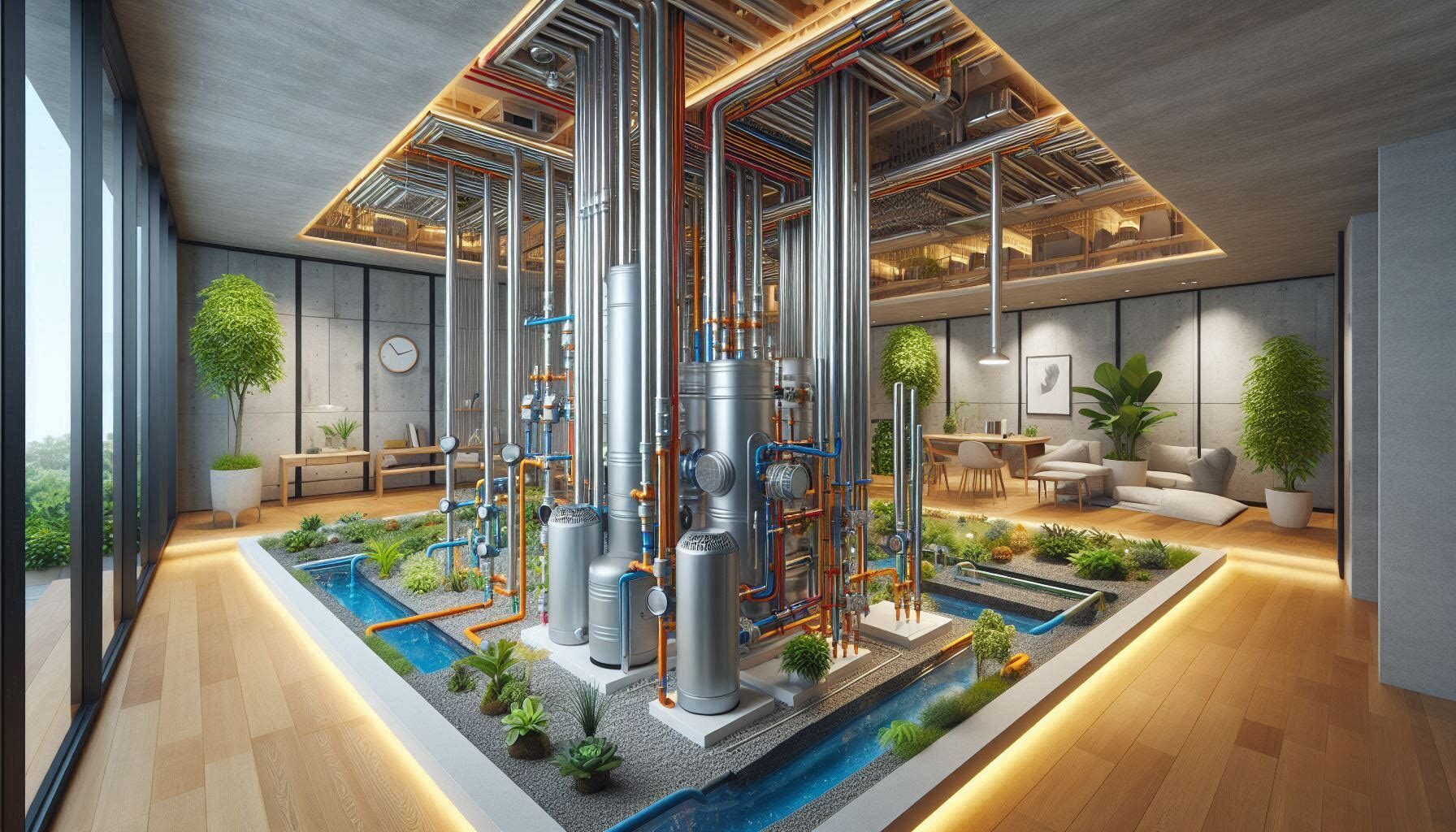
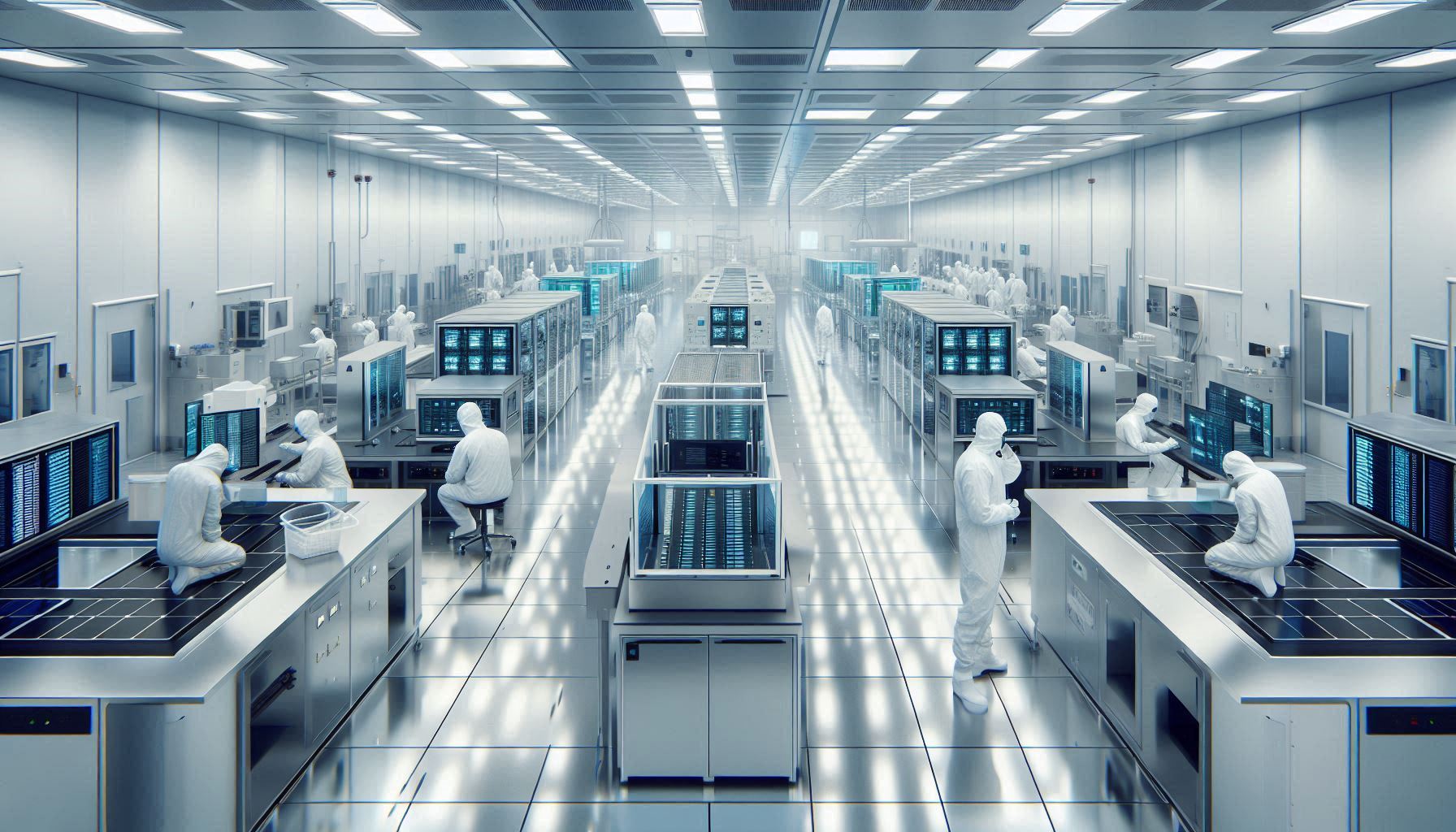
An advanced HVAC system installed in a modern data center

The HVAC for data centers is a cornerstone of modern IT infrastructure, ensuring that servers, storage systems, and networking equipment operate efficiently without overheating or succumbing to environmental risks. Maintaining temperatures between 18°C and 24°C and relative humidity levels between 40% and 60% is crucial for preventing condensation or static electricity buildup, which can damage sensitive electronic components. Additionally, standards like TIA-942 mandate redundancy in HVAC systems for Tier 1, 2, 3, and 4 data centers to ensure uninterrupted operations. In this article, we’ll explore the essential needs and best practices for HVAC for data centers, focusing on innovative solutions like underfloor cooling, in-row cooling, and smart rack cooling systems.

What Is HVAC for Data Centers?

HVAC in a data center refers to specialized systems designed to regulate temperature, humidity, and air quality within the facility. These systems are tailored to meet the unique demands of IT infrastructure, ensuring precise environmental control to prevent overheating, moisture-related issues, and contamination. Unlike traditional HVAC systems, HVAC for data centers often employs advanced technologies such as underfloor cooling, in-row cooling, and containment strategies to maximize efficiency. For instance, a facility in Bengaluru implemented in-row cooling units like these, achieving a 25% reduction in energy consumption.

Additionally, redundancy planning is critical for data centers. TIA-942 standards require backup systems for Tier 3 and Tier 4 facilities to handle failures without downtime. This ensures reliability and scalability, making HVAC systems indispensable for modern data centers.

How Do You Calculate HVAC in a Data Center?

Calculating HVAC requirements for a data center involves assessing heat loads generated by IT equipment, lighting, and human activity. A common formula is ( Q = P x 3.412 ), where ( Q ) represents heat load in BTU/hr and ( P ) is the power consumption in kW. Adding a safety margin ensures the system can handle unexpected spikes in heat generation.

For example, a data center in Hyderabad calculated its heat load using CFD analysis (computer-based airflow simulations) and integrated AI-driven controls to optimize cooling distribution here. Such precision helps reduce energy waste while maintaining optimal conditions.

HVAC for Data Centers in India

India’s growing IT sector has led to a surge in demand for HVAC for data centers. Cities like Hyderabad, Pune, and Chennai are becoming hubs for cloud computing and big data analytics, driving the need for advanced cooling solutions. Indian data centers face unique challenges, including high ambient temperatures and fluctuating power supply, which necessitate robust HVAC systems.

For instance, a data center in Chennai adopted geothermal cooling systems like these to reduce reliance on grid electricity. Similarly, facilities in Mumbai have implemented solar-powered HVAC units, cutting operational costs by up to 40%.

HVAC for Data Centers PDF

For professionals seeking detailed insights, numerous organizations publish comprehensive guides on HVAC for data centers in PDF format. These documents cover design principles, energy efficiency strategies, and compliance with international standards like ASHRAE and TIA-942. For example, ASHRAE’s guidelines emphasize the importance of maintaining specific temperature and humidity ranges to protect IT equipment.

If you’re looking for practical resources, explore materials like the ultimate guide to ISO Class 5 cleanrooms or the comprehensive guide to chiller types.

Data Center HVAC Companies

  • Leading Providers :
    • Companies like Black Box Corporation, Climaveneta Climate Technologies, and Emerson Electric are renowned for delivering energy-efficient and reliable cooling systems tailored to IT infrastructure.
    • Other notable names include Fujitsu, Hitachi, and Schneider Electric, which integrate smart technologies such as AI-driven controls and IoT-enabled sensors to optimize performance.
  • Specialized Solutions :
    • STULZ GmbH and Vertiv focus on advanced in-row and smart rack cooling systems, ensuring targeted airflow for high-density server environments.
    • Rittal and Nortek Air Solutions are known for modular designs, offering scalability and flexibility for growing data centers.
  • Compliance and Standards :
    • These companies adhere to international standards like ASHRAE and TIA-942, ensuring reliability and compliance in data center HVAC systems.
  • Sustainability Initiatives :
    • Many providers prioritize eco-friendly technologies, incorporating solutions like geothermal cooling and solar-powered units like these .
  • Industry Impact :
    • Their innovations are reshaping the future of data center HVAC, making systems more efficient, adaptable, and environmentally friendly.

Data Center HVAC Jobs

The demand for skilled professionals in data center HVAC jobs is growing rapidly. Roles range from HVAC technicians and engineers to project managers and consultants. Key responsibilities include designing, installing, and maintaining cooling systems, ensuring compliance with standards like TIA-942, and optimizing energy efficiency.

For instance, a technician in Hyderabad gained expertise by working on pharmaceutical cleanroom projects, which opened doors to higher-paying roles in data centers. Explore HVAC training programs like these to enhance your career prospects.

Data Center HVAC Design Course

Specialized courses on data center HVAC design equip professionals with the skills needed to create efficient and reliable cooling systems. Topics typically include heat load calculations, airflow management, and compliance with international standards like ASHRAE and TIA-942.

For example, a course in Bengaluru focuses on emerging trends like AI-driven optimization and geothermal cooling here. Such training ensures participants stay ahead in a competitive industry.

Data Center HVAC Manufacturers

Leading manufacturers play a pivotal role in advancing HVAC for data centers. These companies develop cutting-edge technologies like in-row cooling units, smart rack cooling systems, and geothermal HVAC solutions. For instance, a manufacturer in Chennai introduced energy-efficient chillers, helping facilities reduce operational costs significantly.

Collaborations between manufacturers and data center operators are driving innovation, with a focus on sustainability and energy efficiency here.

Types of Data Center Cooling Systems

Data centers employ various cooling systems tailored to their specific needs:

Underfloor Cooling

Underfloor cooling systems distribute cold air through raised floors, ensuring consistent airflow across server racks. This approach is particularly effective for large-scale facilities.

In-Row Cooling

In-row cooling units are placed directly between server racks, providing targeted cooling to high-density areas. For example, a facility in Pune reduced energy consumption by 30% after adopting in-row cooling here.

Smart Rack Cooling

Smart rack cooling systems use sensors and AI-driven controls to optimize airflow and temperature distribution. These systems are gaining popularity due to their efficiency and scalability.

Emerging Trends in Data Center HVAC

Several trends are reshaping HVAC for data centers, offering exciting opportunities for innovation:

AI-Powered Optimization

Artificial intelligence is transforming HVAC operations by enabling predictive maintenance and real-time adjustments. For instance, an AI-driven chiller plant in Mumbai optimized energy usage, achieving a 20% reduction in cooling costs here.

Sustainability Initiatives

Green building certifications like LEED and IGBC are encouraging data centers to adopt sustainable HVAC solutions. Geothermal cooling and energy recovery ventilators (ERVs) are becoming popular choices for reducing carbon footprints here.

Modular Designs

Modular HVAC systems offer scalability and flexibility, allowing data centers to expand their cooling capacity as needed. This approach ensures long-term adaptability without compromising efficiency.

Case Studies: Real-World Applications

To illustrate the impact of innovative HVAC solutions, consider these examples:

  • Bengaluru Facility: Achieved 30% cooling efficiency improvement using in-row cooling configurations.
  • Hyderabad Data Center: Reduced energy consumption by 25% after integrating AI-driven chiller plants.
  • Gujarat Setup: Cut reliance on grid electricity by 40% using solar-powered HVAC systems.

FAQs: HVAC for Data Centers

What is HVAC in a data center?

HVAC in a data center refers to systems that regulate temperature, humidity, and air quality to protect IT equipment from overheating and environmental risks.

How do you calculate HVAC in a data center?

Use formulas like ( Q = P x 3.412 ), where ( Q ) represents heat load in BTU/hr and ( P ) is the power consumption in kW. Add a safety margin for unexpected spikes.

HVAC for data centers in India?

Indian data centers increasingly adopt geothermal and solar-powered HVAC systems to address high ambient temperatures and fluctuating power supply.

HVAC for data centers PDF?

Comprehensive guides on HVAC for data centers are available from organizations like ASHRAE, covering design principles and energy efficiency strategies.

Data center HVAC companies?

Leading companies specialize in energy-efficient systems, redundancy planning, and compliance with industry standards like ASHRAE and TIA-942.

Data center HVAC jobs?

Roles range from HVAC technicians and engineers to project managers, with key responsibilities including system design, installation, and maintenance.

Data center HVAC design course?

Courses focus on heat load calculations, airflow management, and compliance with international standards like ASHRAE and TIA-942.

Data center HVAC manufacturers?

Manufacturers develop cutting-edge technologies like in-row cooling units, smart rack cooling systems, and geothermal HVAC solutions.

Types of data center cooling systems?

Common types include underfloor cooling, in-row cooling, and smart rack cooling systems.

Disclaimer

Some links in this article are affiliate links, such as those for Amazon products. These may generate a small commission at no extra cost to you, supporting our work. We never compromise editorial integrity for partnerships.

About the Author

Mr. Om Prakash, with over 18 years of hands-on experience in the HVAC industry, brings unmatched expertise in cleanroom, pharmaceutical, semiconductor, data center, commercial, and industrial HVAC systems. As the founder of HVAC Technocrat, he specializes in customized HVAC design, energy efficiency audits, retrofit planning, and turnkey consultancy services across India. His deep understanding of critical environments and complex building needs ensures every solution is efficient, reliable, and future-ready. Through his writings, he simplifies HVAC concepts and shares real-world insights to support professionals, facility managers, and decision-makers. For any enquiries or project support, feel free to call or WhatsApp at +91 9908091942, email at hvactechnocrats@gmail.com, or visit www.hvactechnocrat.com.

Innovative Cleanrooms for Modern Manufacturing

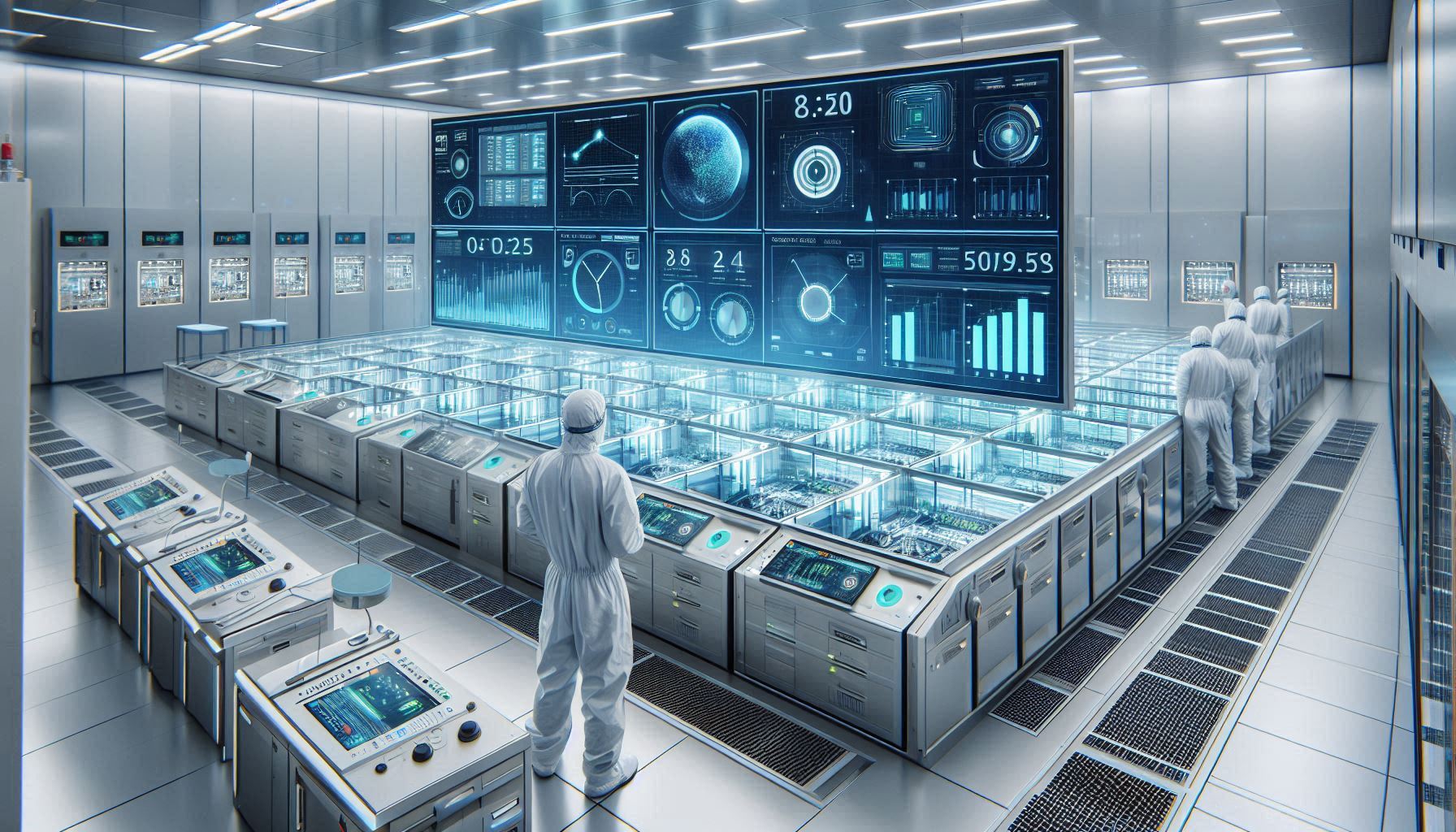
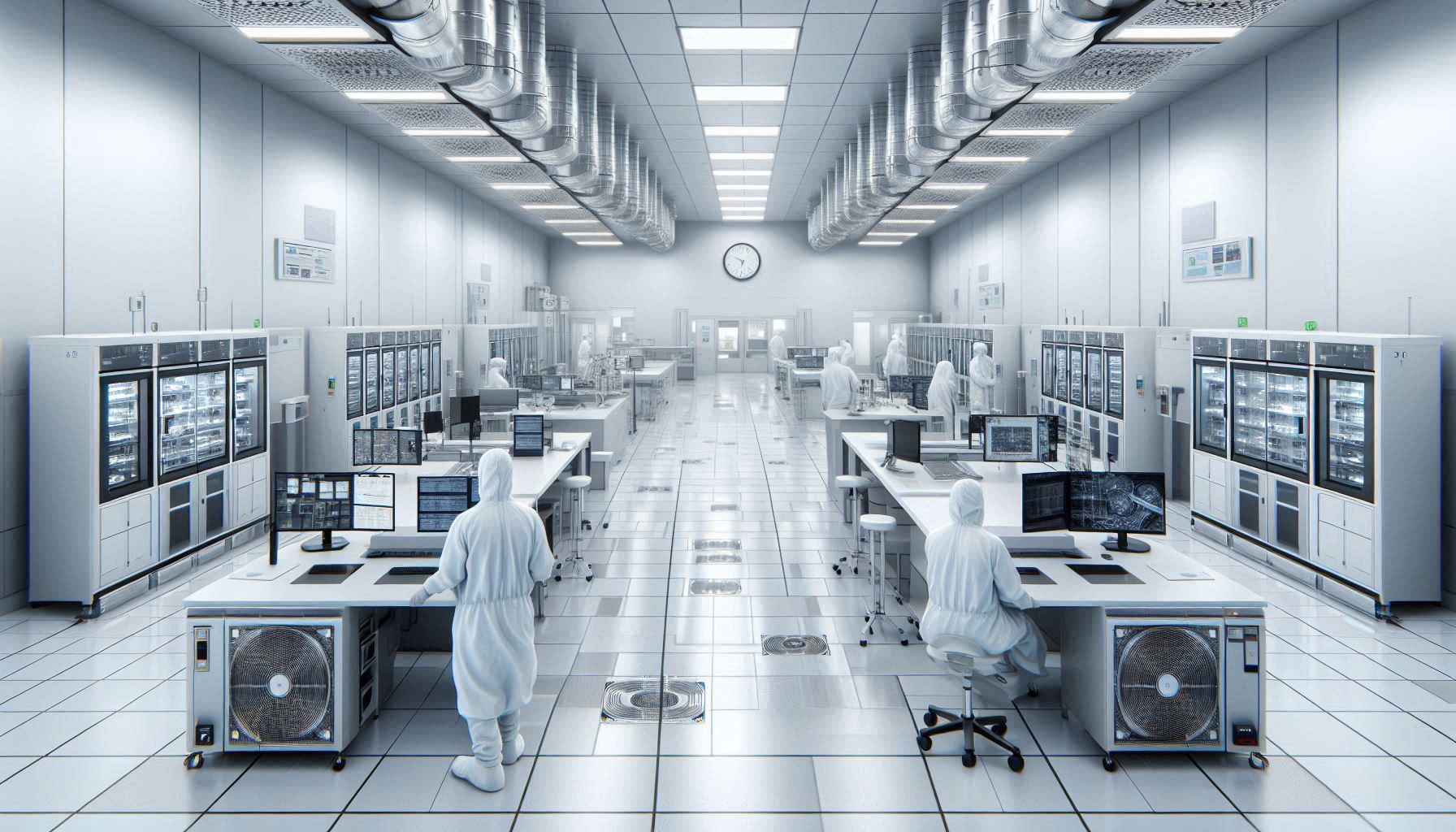
A modern cleanroom with advanced HVAC systems

Cleanrooms are essential in today’s manufacturing world, ensuring high precision, product quality, and compliance with strict industry standards. These controlled environments are essential for industries like semiconductor fabrication, pharmaceutical production, and R&D labs, where even the smallest particle can disrupt processes or compromise product integrity. HVAC systems are at the heart of cleanroom design, regulating temperature, humidity, and air quality to maintain optimal conditions. In this article, we’ll explore how innovative cleanroom technologies are transforming modern manufacturing, focusing on applications such as chip and wafer production, pharmaceuticals, and beyond. We’ll also highlight the core services I specialize in, with HVAC being the main area of expertise.

The Role of Cleanrooms in Semiconductor Manufacturing

Among the most challenging environments for cleanrooms is semiconductor manufacturing, where even the tiniest particle can impact performance. Producing chips and wafers requires an environment free from contaminants, as even microscopic particles can cause defects in these highly sensitive components. To meet these demands, ISO Class 5 cleanrooms are commonly used in semiconductor fabrication facilities, allowing no more than 100 particles per cubic foot of air.

HVAC systems in these cleanrooms ensure precise temperature and humidity control, often maintaining levels within ±2% of the desired range. For example, a semiconductor facility in Hyderabad achieved ISO Class 5 compliance by integrating advanced filtration systems like these, significantly improving yield rates.

Additionally, innovations like desiccant wheels are being used to regulate humidity, especially in tropical climates. This technology ensures that moisture levels remain low, preventing condensation on sensitive equipment.

Cleanrooms in Pharmaceutical Manufacturing

The pharmaceutical industry relies heavily on cleanrooms to maintain sterile environments for drug formulation and packaging. Regulatory bodies like the FDA and WHO mandate strict cleanliness standards to ensure product safety and efficacy. HVAC systems in pharmaceutical cleanrooms focus on controlling airborne particles, temperature, and relative humidity to prevent contamination risks.

For instance, a pharma company in Pune reduced particle counts in its cleanroom by adopting pressure differential controls and HEPA filters here. Such measures are crucial for producing high-quality medicines, vaccines, and biologics.

Moreover, advancements in automation and sustainability are reshaping pharmaceutical cleanroom designs. Energy-efficient HVAC systems not only reduce operational costs but also align with global green building initiatives like LEED and IGBC.

R&D Labs: The Backbone of Innovation

Research and development laboratories also rely heavily on cleanrooms to maintain sterile and controlled conditions for critical experiments. Whether it’s developing new materials, testing prototypes, or conducting experiments, R&D environments require consistent climate control to ensure accurate results. For example, a lab in Bengaluru working on nanotechnology research implemented a custom HVAC solution to maintain ultra-low particle counts, enabling groundbreaking discoveries.

Transitioning to smart HVAC systems has further enhanced the capabilities of R&D cleanrooms. IoT-enabled sensors and AI-driven controls allow real-time monitoring and adjustments, ensuring optimal conditions at all times here.

Emerging Technologies in Cleanrooms HVAC

Several emerging technologies are revolutionizing cleanrooms and their HVAC systems:

AI-Powered Optimization

Artificial intelligence is transforming HVAC operations by enabling predictive maintenance and real-time performance monitoring. For instance, an AI-driven chiller plant in a data center reduced energy consumption by 25% while enhancing cooling efficiency here.

Geothermal Cooling

Geothermal HVAC systems are gaining popularity due to their ability to harness the earth’s natural thermal properties. These systems are particularly effective in regions with extreme climates, offering sustainable and cost-effective cooling solutions here.

Solar-Powered HVAC Units

Pairing HVAC systems with solar panels helps reduce dependence on grid power, making cleanroom operations more energy-efficient and eco-friendly. A facility in Gujarat installed solar-powered units, cutting energy costs by 40%.

Challenges and Solutions in HVAC for Cleanrooms

While cleanrooms offer immense benefits, they come with challenges that must be addressed:

High Energy Consumption

Cleanrooms consume significantly more energy than conventional spaces due to continuous operation and strict environmental controls. To mitigate this, facilities are adopting energy recovery ventilators (ERVs) and variable air volume (VAV) systems here.

Regulatory Compliance

Compliance with national and international standards, such as ECBC and ASHRAE, adds complexity to cleanroom design. Staying updated on evolving regulations ensures long-term success.

Skilled Workforce Shortage

The growing demand for advanced HVAC systems has created a gap in skilled professionals. Specialized training and industry certifications play a key role in closing the skills gap and ensuring cleanroom systems are properly managed.

Case Studies: Real-World Applications

To illustrate the impact of innovative cleanroom solutions, consider these examples:

  • Semiconductor Facility in Hyderabad: This facility achieved ISO Class 5 standards by implementing advanced filtration and desiccant-based dehumidification systems.
  • Pharmaceutical Plant in Pune: Reduced contamination risks by implementing pressure differential controls and HEPA filters.
  • R&D Lab in Bengaluru: Enhanced research capabilities with a custom HVAC system designed for ultra-low particle counts.

FAQs: Cleanrooms

What is the role of HVAC in cleanrooms?

HVAC systems regulate temperature, humidity, and air quality in cleanrooms, ensuring optimal conditions for manufacturing and research.

Why are cleanrooms important in semiconductor manufacturing?

In semiconductor manufacturing, cleanrooms help eliminate contaminants during chip and wafer production, which leads to better product quality and fewer defects.

How do HVAC systems contribute to pharmaceutical cleanrooms?

For pharmaceutical production, HVAC systems regulate temperature, humidity, and airborne particles, ensuring the clean, sterile environment needed for safe drug manufacturing.

What are the challenges in designing cleanroom HVAC systems?

Key challenges include high energy consumption, regulatory compliance, and the need for skilled professionals.

What are some emerging trends in cleanroom HVAC?

Trends include AI-powered optimization, geothermal cooling, and solar-powered HVAC units.

Where can I learn more about cleanroom HVAC standards?

Explore resources like the ultimate guide to ISO Class 5 cleanrooms for detailed insights.

Disclaimer

Some links in this article are affiliate links, such as those for Amazon products. These may generate a small commission at no extra cost to you, supporting our work. We never compromise editorial integrity for partnerships.

About the Author

Mr. Om Prakash, with over 18 years of hands-on experience in the HVAC industry, brings unmatched expertise in cleanroom, pharmaceutical, semiconductor, data center, commercial, and industrial HVAC systems. As the founder of HVAC Technocrat, he specializes in customized HVAC design, energy efficiency audits, retrofit planning, and turnkey consultancy services across India. His deep understanding of critical environments and complex building needs ensures every solution is efficient, reliable, and future-ready. Through his writings, he simplifies HVAC concepts and shares real-world insights to support professionals, facility managers, and decision-makers. For any enquiries or project support, feel free to call or WhatsApp at +91 9908091942, email at hvactechnocrats@gmail.com, or visit www.hvactechnocrat.com.

Innovative HVAC for Semiconductor Manufacturing

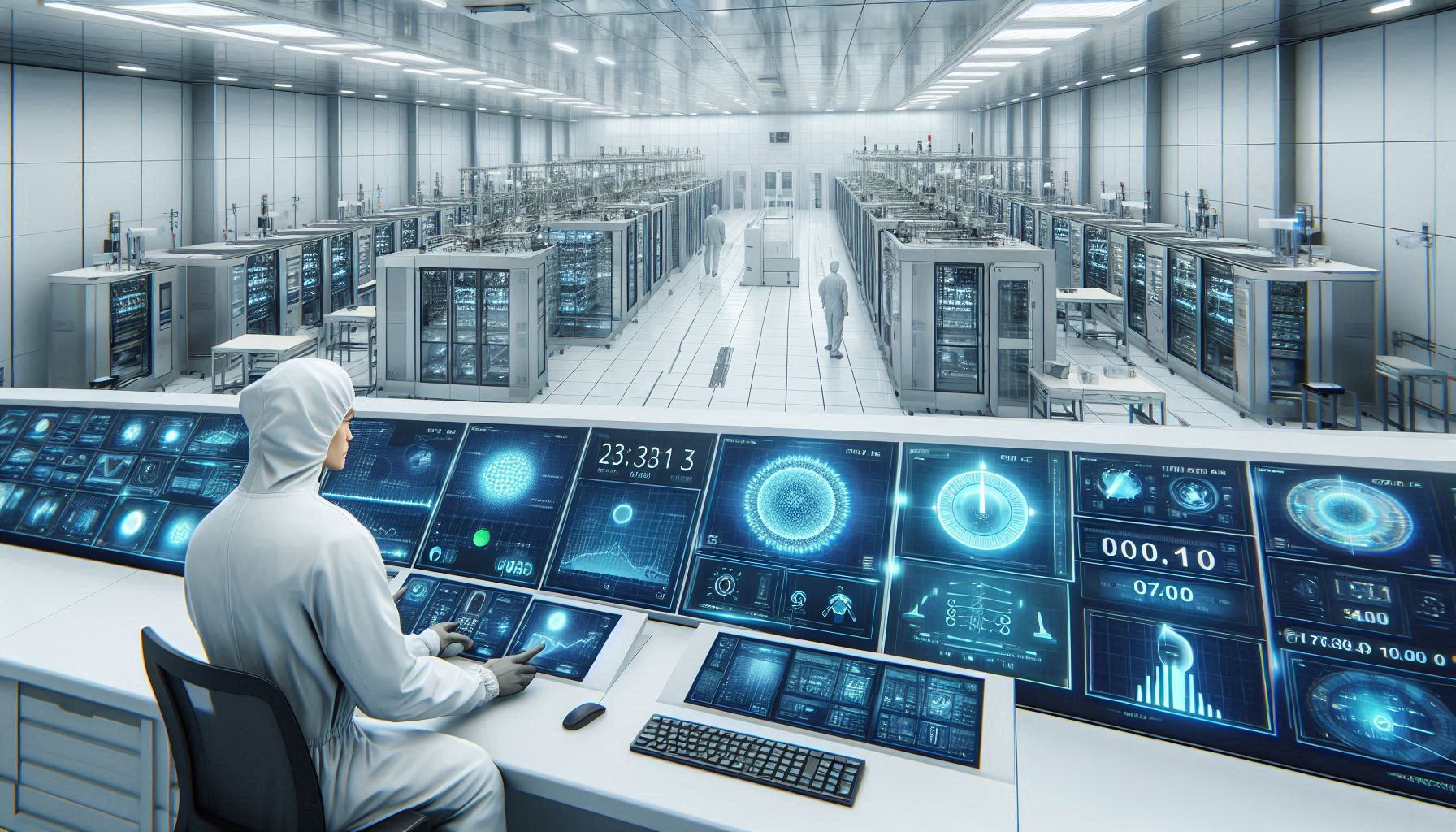
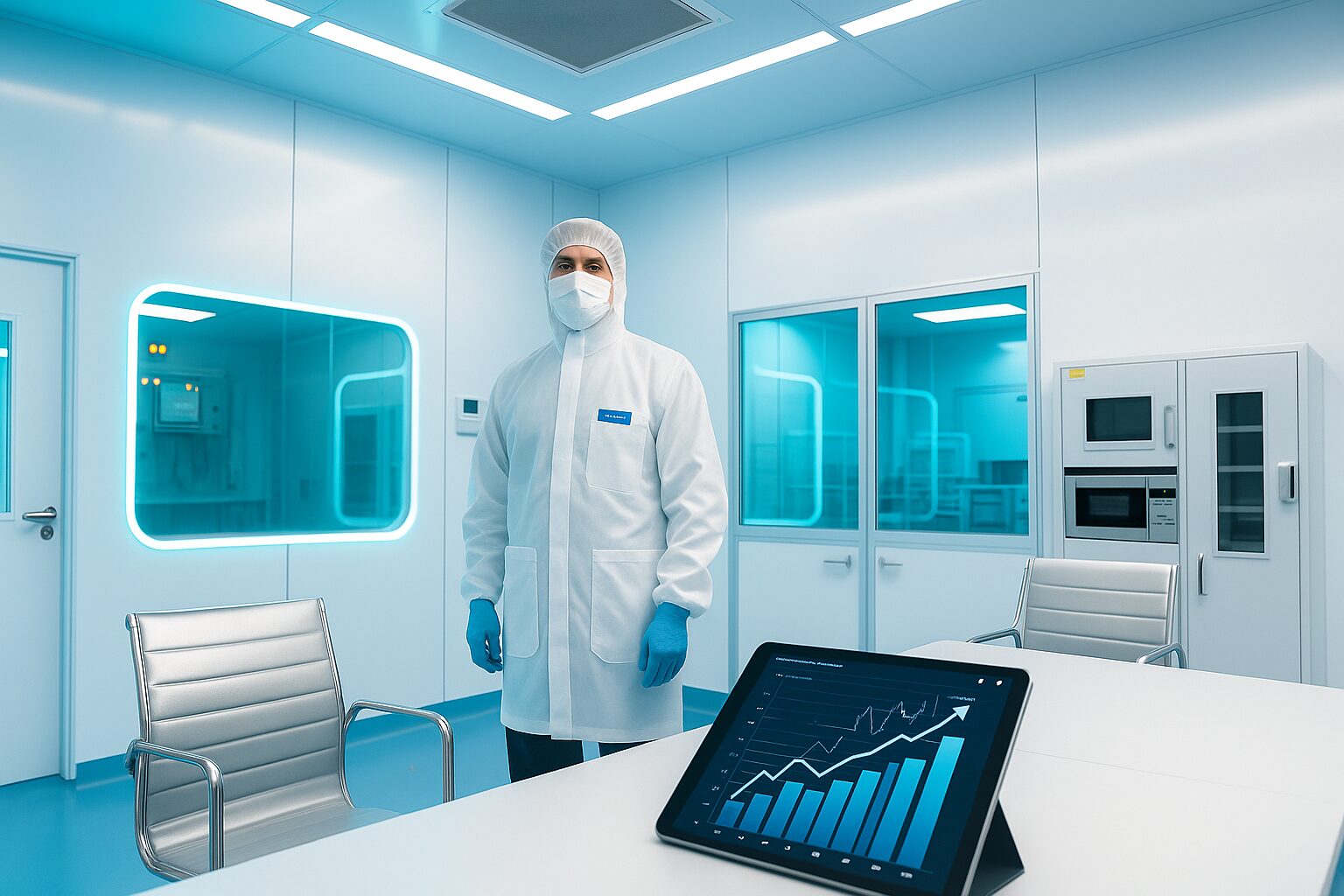
A modern semiconductor cleanroom with advanced HVAC systems

The semiconductor industry relies heavily on precision and cleanliness, making HVAC for semiconductor manufacturing a cornerstone of success. These systems ensure that cleanroom environments meet stringent standards like ISO Class 5 or better, which are critical for producing high-quality microchips. Semiconductor fabrication is highly sensitive to environmental conditions, and even minor fluctuations in temperature, humidity, or particle levels can lead to costly defects. In this article, we’ll explore the innovative technologies driving HVAC for semiconductor facilities, address common challenges, and highlight best practices to optimize performance.

Why HVAC is Crucial for Semiconductor Manufacturing

Semiconductor manufacturing involves processes that demand precise control over environmental variables. For instance, photolithography—a technique used to etch circuit patterns onto silicon wafers—requires humidity levels to remain within ±2% to prevent photoresist materials from degrading. Similarly, controlling airborne particles is essential during wafer processing to avoid contamination. This is where HVAC for semiconductor facilities plays a pivotal role, maintaining consistent temperature, humidity, and pressure levels while filtering out submicron particles. To learn more about cleanroom classifications, refer to our detailed guide on ISO Class 5 cleanrooms.

Additionally, advanced HVAC systems contribute to energy efficiency, reducing operational costs without compromising performance. Transitioning to smart controls and AI-driven solutions has become increasingly common in modern facilities.

Emerging Technologies in HVAC for Semiconductor Facilities

As the semiconductor industry evolves, so do the technologies supporting it. Here are some innovations reshaping HVAC for semiconductor manufacturing:

AI-Driven Optimization

Artificial intelligence (AI) is transforming HVAC operations by enabling predictive maintenance and real-time monitoring. For example, AI-powered systems can analyze data from sensors to detect anomalies in airflow or temperature, allowing engineers to address issues proactively. A semiconductor plant in Bengaluru implemented such a system, achieving a 20% reduction in energy consumption while enhancing cleanroom stability. Explore how AI optimizes chiller plants in data centers here.

Desiccant Dehumidification

Controlling humidity is particularly challenging in tropical climates like India’s. Desiccant wheels, which absorb moisture from the air, are increasingly integrated into HVAC systems for semiconductor facilities. This technology ensures low relative humidity levels, even in humid conditions, preventing condensation on sensitive equipment. Discover more about desiccant wheels here.

Energy Recovery Systems

Energy recovery ventilators (ERVs) are gaining traction in semiconductor manufacturing due to their ability to reduce energy costs. ERVs transfer heat and moisture between incoming and outgoing air streams, minimizing the load on HVAC systems. For example, a facility in Hyderabad reduced its HVAC-related energy bills by 15% after installing an ERV system.

Challenges in HVAC for Semiconductor Facilities

Designing HVAC systems for semiconductor manufacturing presents unique challenges. However, addressing these challenges ensures optimal performance and reliability.

Stringent Cleanroom Requirements

Maintaining ISO Class 5 or better standards demands superior filtration systems, such as HEPA and ULPA filters, to trap submicron particles. Additionally, achieving high Air Changes Per Hour (ACPH), often exceeding 600, is essential to maintain ultra-low particle counts. Learn how high ACPH impacts cleanroom performance here.

High Energy Consumption

Semiconductor cleanrooms consume up to 50 times more energy than conventional office spaces, primarily due to continuous operation and strict environmental controls. To mitigate this, facilities are adopting energy-efficient technologies like geothermal cooling and solar-powered HVAC systems.

Scalability

As production scales, HVAC systems must adapt without compromising performance or efficiency. Modular designs allow for easy expansion and customization, ensuring long-term flexibility.

Sustainability in HVAC for Semiconductor Manufacturing

Sustainability is becoming a priority in the semiconductor industry, driven by global initiatives like IGBC and LEED certifications. Here’s how HVAC systems contribute to sustainable practices:

Geothermal Cooling

Some facilities are adopting geothermal HVAC systems, which use the earth’s natural thermal properties to cool cleanrooms efficiently. Explore geothermal options here.

Solar-Powered HVAC

Integrating solar panels with HVAC systems reduces reliance on grid electricity. A semiconductor plant in Gujarat achieved a 25% reduction in operational costs using solar-powered units.

Smart Controls

IoT-enabled thermostats and sensors optimize energy usage by adjusting settings based on occupancy and production schedules. This not only reduces energy consumption but also enhances system reliability.

Case Studies: Real-World Applications

To better understand the impact of innovative HVAC systems, consider these examples:

Precision Airflow Management

A semiconductor fab in Taiwan implemented a hot aisle/cold aisle configuration, improving cooling efficiency by 30%. This setup ensures consistent airflow across server racks and process tools.

Particle-Free Environments

A cleanroom in Chennai achieved ISO Class 3 certification by integrating advanced filtration systems and pressure differential controls. Learn why pressure differentials are crucial here.

Best Practices for HVAC in Semiconductor Facilities

To maximize the efficiency of HVAC for semiconductor manufacturing, consider the following best practices:

  • Regular maintenance schedules help ensure filters, ducts, and compressors function optimally.
  • Airflow simulation using computational fluid dynamics (CFD) analysis helps identify potential hotspots or contamination risks.
  • Redundancy planning incorporates backup systems to maintain uninterrupted operation during HVAC failures.

For insights into effective maintenance strategies, check out our guide on AC service near me.

FAQs: HVAC for Semiconductor Manufacturing

What is the role of HVAC in semiconductor manufacturing?

HVAC systems regulate temperature, humidity, and particle levels in cleanrooms, ensuring optimal conditions for chip fabrication.

How does AI improve HVAC efficiency in semiconductor facilities?

AI enables predictive maintenance and real-time monitoring, reducing energy consumption and preventing costly downtime.

What are the challenges in designing HVAC for semiconductor cleanrooms?

Key challenges include meeting stringent cleanliness standards, managing high energy consumption, and ensuring scalability.

What technologies enhance energy efficiency in semiconductor HVAC systems?

Technologies like desiccant dehumidifiers, energy recovery ventilators, and geothermal cooling contribute to energy savings.

How important is sustainability in semiconductor HVAC design?

Sustainability reduces operational costs and aligns with global green building initiatives, making it a growing focus for manufacturers.

Where can I learn more about cleanroom HVAC standards?

Explore resources like the ISO Class 5 cleanroom guide for detailed insights.

Disclaimer

Some links in this article are affiliate links, such as those for Amazon products. These may generate a small commission at no extra cost to you, supporting our work. We never compromise editorial integrity for partnerships.

About the Author

Mr. Om Prakash, with over 18 years of hands-on experience in the HVAC industry, brings unmatched expertise in cleanroom, pharmaceutical, semiconductor, data center, commercial, and industrial HVAC systems. As the founder of HVAC Technocrat, he specializes in customized HVAC design, energy efficiency audits, retrofit planning, and turnkey consultancy services across India. His deep understanding of critical environments and complex building needs ensures every solution is efficient, reliable, and future-ready. Through his writings, he simplifies HVAC concepts and shares real-world insights to support professionals, facility managers, and decision-makers. For any enquiries or project support, feel free to call or WhatsApp at +91 9908091942, email at hvactechnocrats@gmail.com, or visit www.hvactechnocrat.com.

How to Choose the Right Geothermal HVAC System

Illustration of Geothermal HVAC System

Geothermal HVAC systems significantly reduce energy bills by harnessing the stable temperatures found underground. Unlike traditional systems that rely on fluctuating outdoor air temperatures, geothermal systems use the constant temperature of the earth as a heat source in the winter and a heat sink in the summer. This efficient transfer of heat reduces the need for electricity, leading to lower utility costs. Furthermore, geothermal systems have fewer mechanical components, resulting in less wear and tear and lower maintenance costs. The high efficiency of these systems translates to reduced energy consumption, contributing to overall energy efficiency. As energy prices continue to rise, the long-term savings from geothermal HVAC systems become even more significant, making them an attractive option for both residential and commercial applications.

How do geothermal HVAC systems reduce energy bills and contribute to energy efficiency?

Geothermal HVAC systems significantly reduce energy bills by harnessing the stable temperatures found underground. Unlike traditional systems that rely on fluctuating outdoor air temperatures, geothermal systems use the constant temperature of the earth as a heat source in the winter and a heat sink in the summer. This efficient transfer of heat reduces the need for electricity, leading to lower utility costs. Furthermore, geothermal systems have fewer mechanical components, resulting in less wear and tear and lower maintenance costs. The high efficiency of these systems translates to reduced energy consumption, contributing to overall energy efficiency. As energy prices continue to rise, the long-term savings from geothermal HVAC systems become even more significant, making them an attractive option for both residential and commercial applications.

What is the role of geothermal HVAC systems in reducing a building’s carbon footprint?

Geothermal HVAC systems play a crucial role in reducing a building’s carbon footprint by utilizing renewable energy from the earth. Unlike conventional heating and cooling systems that burn fossil fuels, geothermal systems rely on the earth’s natural heat, which is a sustainable and clean energy source. This drastically reduces greenhouse gas emissions associated with heating and cooling a building. Additionally, the energy efficiency of geothermal systems means less electricity is needed to achieve the same level of comfort, further reducing the reliance on fossil fuel-based power plants. By lowering the demand for fossil fuels and decreasing emissions, geothermal HVAC systems contribute to a more sustainable and environmentally friendly building operation. This makes them an ideal choice for those looking to minimize their environmental impact.

When should builders consider integrating geothermal HVAC systems in new construction projects?

Builders should consider integrating geothermal HVAC systems in new construction projects from the initial planning stages. Early integration allows for the design and layout to accommodate the specific requirements of geothermal systems, such as the placement of ground loops. Additionally, incorporating geothermal systems early in the design process can help optimize the overall energy efficiency of the building, as the system can be tailored to the building’s specific heating and cooling loads. The upfront costs of geothermal systems can be offset by the long-term savings on energy bills and potential tax incentives or rebates available for green building practices. Therefore, for projects aiming to achieve high energy efficiency and sustainability standards, geothermal HVAC systems are a valuable consideration from the outset.

Where are geothermal HVAC systems most beneficial, in residential or commercial buildings?

Geothermal HVAC systems offer significant benefits for both residential and commercial buildings, but their advantages can be more pronounced in certain contexts. In residential settings, homeowners can experience substantial reductions in energy bills and maintenance costs. The consistent and efficient heating and cooling provided by geothermal systems enhance comfort while reducing reliance on fossil fuels. In commercial buildings, the larger scale of heating and cooling needs can amplify the energy savings and environmental benefits of geothermal systems. Commercial properties often have more space available for installing ground loops, making it easier to implement these systems effectively. Additionally, businesses can benefit from improved indoor air quality and a greener corporate image by adopting geothermal HVAC systems. Therefore, while both residential and commercial buildings can benefit, the scale and environmental impact may be more significant in commercial applications.

Who decides on incorporating geothermal HVAC systems into building designs, and what factors influence this decision?

The decision to incorporate geothermal HVAC systems into building designs typically involves architects, engineers, building owners, and sometimes environmental consultants. These stakeholders evaluate various factors, including the project’s budget, energy efficiency goals, and environmental impact. The location of the building site is crucial, as the feasibility of installing geothermal systems depends on the geological conditions and available space for ground loops. Additionally, long-term cost savings, potential incentives or rebates, and the desire to achieve green building certifications can influence the decision. Architects and engineers assess the technical aspects and design integration, while building owners consider the financial and environmental benefits. Collaboration among these parties ensures that the decision to implement geothermal HVAC systems aligns with the overall goals of the project.

Why are geothermal HVAC systems considered the ultimate sustainable heating and cooling solutions?

Geothermal HVAC systems are considered the ultimate sustainable heating and cooling solutions due to their unparalleled energy efficiency and minimal environmental impact. These systems utilize the stable temperatures of the earth to provide consistent heating and cooling, drastically reducing the need for fossil fuels and lowering greenhouse gas emissions. The renewable energy source used by geothermal systems ensures a sustainable and reliable solution for temperature control. Additionally, geothermal systems have a longer lifespan compared to traditional HVAC systems, further enhancing their sustainability. Their ability to significantly reduce energy consumption and environmental footprint makes them an ideal choice for those committed to sustainable building practices. The comprehensive benefits of geothermal HVAC systems make them a leading option for achieving energy efficiency and environmental stewardship.

How do geothermal HVAC systems contribute to long-term cost savings?

Geothermal HVAC systems contribute to long-term cost savings through their high energy efficiency and low maintenance requirements. By utilizing the earth’s stable temperatures, these systems operate more efficiently than traditional HVAC systems, resulting in lower energy consumption and reduced utility bills. The initial installation costs of geothermal systems can be higher, but the significant savings on energy bills typically offset these costs within a few years. Additionally, geothermal systems have fewer moving parts, leading to lower maintenance costs and longer system lifespan. Over time, the reduced operational and maintenance expenses contribute to substantial long-term cost savings. For property owners, the investment in geothermal HVAC systems can yield financial benefits through decreased energy expenses and increased property value.

What are the different types of geothermal HVAC systems, and what are their specific advantages?

There are several types of geothermal HVAC systems, each with its own advantages. The most common types include closed-loop and open-loop systems. Closed-loop systems, which can be further divided into horizontal, vertical, and pond/lake systems, use a continuous loop of piping filled with a heat transfer fluid. Horizontal systems are ideal for properties with ample land, while vertical systems are suitable for smaller plots or where ground conditions require deeper drilling. Pond/lake systems are efficient for properties with access to a water body. Open-loop systems, on the other hand, use groundwater from a well or surface water source, returning it to the ground after heat exchange. Each type offers specific benefits based on site conditions and project requirements, providing versatile solutions for various applications.

When is a closed-loop geothermal HVAC system preferable over an open-loop system, and why?

A closed-loop geothermal HVAC system is preferable over an open-loop system when groundwater availability is limited or the quality of groundwater is not suitable for direct use. Closed-loop systems do not rely on a continuous supply of water and are therefore more reliable in areas where water resources are scarce or regulated. Additionally, closed-loop systems are generally easier to maintain since the heat transfer fluid remains in a closed system, reducing the risk of contamination and mineral buildup that can occur in open-loop systems. Closed-loop systems are also more versatile in terms of installation, as they can be adapted to various site conditions, including horizontal or vertical configurations. This flexibility makes closed-loop systems a preferred choice for many installations, ensuring consistent performance and reliability.

Where are horizontal and vertical geothermal heat pump systems most effective?

Horizontal geothermal heat pump systems are most effective in areas with ample land space where excavation is feasible. These systems involve laying pipes horizontally in trenches, typically at a depth of four to six feet. They are ideal for residential properties with large yards or commercial sites with available open land. Vertical geothermal heat pump systems, on the other hand, are most effective in areas where land space is limited or where the soil conditions are unsuitable for horizontal trenching. These systems require drilling deep vertical boreholes, making them suitable for urban environments, small properties, or areas with rocky or compact soil. The choice between horizontal and vertical systems depends on land availability, soil conditions, and the specific heating and cooling needs of the building.

Who benefits the most from using hybrid geothermal HVAC systems in their buildings?

Hybrid geothermal HVAC systems offer the greatest benefits to buildings with diverse and variable heating and cooling loads. These systems combine geothermal technology with traditional HVAC equipment, optimizing energy efficiency by leveraging the strengths of both systems. Large commercial buildings, such as office complexes, hospitals, and schools, can benefit significantly from hybrid systems due to their varying occupancy and usage patterns. Hybrid systems can provide base load heating and cooling through geothermal means, while supplementary equipment can handle peak loads or extreme weather conditions. This approach maximizes energy savings and ensures consistent comfort levels throughout the year. Additionally, hybrid systems can reduce the size and cost of the geothermal installation, making them an attractive option for projects with budget constraints.

Why are direct exchange geothermal systems gaining popularity in the HVAC industry?

Direct exchange (DX) geothermal systems are gaining popularity in the HVAC industry due to their simplicity, efficiency, and cost-effectiveness. Unlike traditional geothermal systems that use a heat transfer fluid, DX systems circulate refrigerant directly through copper tubing buried in the ground. This direct heat exchange minimizes energy losses and increases system efficiency, resulting in lower operating costs and reduced environmental impact. DX systems are also easier to install and maintain compared to closed-loop systems, as they require fewer components and eliminate the need for a secondary heat exchanger. The compact design of DX systems makes them suitable for residential and light commercial applications where space and installation ease are priorities. As energy efficiency standards continue to evolve, DX geothermal systems offer a streamlined solution for achieving sustainable HVAC performance.

How do geothermal HVAC systems contribute to indoor air quality improvement?

Geothermal HVAC systems contribute to indoor air quality improvement by reducing the circulation of indoor pollutants and allergens. Unlike traditional HVAC systems that draw air from the outside, geothermal systems exchange heat with the ground, where the air is naturally cleaner and free of contaminants. This process eliminates the introduction of outdoor pollutants into the building’s ventilation system, leading to cleaner indoor air. Additionally, geothermal systems typically include air filtration and purification components as part of their design, further enhancing indoor air quality. By maintaining consistent humidity levels and reducing airborne particles, geothermal HVAC systems create a healthier indoor environment for occupants. Improved indoor air quality can benefit individuals with respiratory conditions or allergies, as well as contribute to overall comfort and well-being in residential and commercial settings.

Who can benefit from integrating geothermal HVAC systems in industrial facilities?

Industrial facilities can benefit greatly from integrating geothermal HVAC systems due to their high energy demands and need for reliable temperature control. Geothermal systems provide efficient and consistent heating and cooling, reducing energy consumption and operational costs. Industries that require precise temperature regulation, such as manufacturing, pharmaceuticals, and food processing, can benefit from the stable and efficient performance of geothermal systems. Additionally, the reduced environmental impact and lower greenhouse gas emissions associated with geothermal systems align with corporate sustainability goals. By adopting geothermal HVAC systems, industrial facilities can achieve significant energy savings, enhance operational efficiency, and contribute to environmental stewardship. The long-term cost benefits and environmental advantages make geothermal systems a valuable investment for industrial applications.

Why are geothermal HVAC systems preferred for maintaining consistent indoor temperatures throughout the year?

Geothermal HVAC systems are preferred for maintaining consistent indoor temperatures throughout the year due to their ability to leverage the stable temperatures of the earth. Unlike traditional systems that rely on fluctuating outdoor air temperatures, geothermal systems use the constant underground temperature to provide heating and cooling. This ensures a more stable and reliable indoor climate, regardless of seasonal variations. Geothermal systems can efficiently switch between heating and cooling modes, providing seamless comfort all year round. Additionally, the even distribution of heat and cooling through geothermal systems enhances overall comfort levels within the building. The ability to maintain consistent indoor temperatures with high efficiency and reliability makes geothermal HVAC systems a preferred choice for many property owners.

How do geothermal HVAC systems contribute to enhancing indoor air quality?

Geothermal HVAC systems contribute to enhancing indoor air quality by eliminating the need for combustion-based heating methods that can release pollutants into the indoor environment. Traditional heating systems, such as furnaces and boilers, can emit carbon monoxide, nitrogen oxides, and other harmful substances that degrade indoor air quality. Geothermal systems, on the other hand, use the earth’s natural heat, providing a clean and safe source of heating and cooling. Additionally, geothermal systems often include air purification and humidity control features, further improving indoor air quality. The consistent and efficient operation of geothermal systems ensures a healthier indoor environment, reducing the risk of respiratory issues and allergies. By providing clean and efficient heating and cooling, geothermal HVAC systems enhance overall indoor air quality.

What key specifications should be considered when designing a geothermal HVAC system?

When designing a geothermal HVAC system, several key specifications should be considered to ensure optimal performance and efficiency. These include the size and layout of the ground loop, the type of system (closed-loop or open-loop), and the capacity of the heat pump. The ground loop design must be tailored to the specific site conditions, including soil type, moisture content, and available space. The heat pump capacity should be appropriately matched to the building’s heating and cooling loads to ensure efficient operation. Additionally, the design should consider the integration of auxiliary systems, such as radiant floor heating or domestic hot water. Proper insulation and sealing of ductwork and piping are also crucial to minimize energy losses. By carefully considering these specifications, designers can create a geothermal HVAC system that delivers maximum efficiency and performance.

When should geothermal HVAC system specifications be customized for unique project needs?

Geothermal HVAC system specifications should be customized for unique project needs when the standard designs do not meet the specific requirements of the site or the building. Customization is necessary for projects with unique geological conditions, such as rocky or unstable soil, which may require specialized ground loop configurations. Additionally, buildings with unusual heating and cooling loads, such as those with large glass facades or high occupancy rates, may need tailored system capacities and designs. Custom specifications are also essential for integrating geothermal systems with other renewable energy sources, like solar panels, or with advanced building automation systems. By customizing the specifications, designers can ensure that the geothermal HVAC system meets the specific needs of the project, providing optimal performance and efficiency.

Where can builders find detailed specifications for geothermal HVAC equipment and components?

Builders can find detailed specifications for geothermal HVAC equipment and components through manufacturers’ catalogs, industry standards, and professional associations. Leading manufacturers of geothermal systems provide comprehensive technical documentation and design guides for their products. These resources include detailed specifications on heat pumps, ground loop materials, and installation practices. Industry standards, such as those from the American Society of Heating, Refrigerating and Air-Conditioning Engineers (ASHRAE), offer guidelines and best practices for designing and installing geothermal systems. Professional associations, such as the International Ground Source Heat Pump Association (IGSHPA), provide training and certification programs that include access to detailed specifications and design resources. By consulting these sources, builders can obtain the necessary specifications to ensure the successful implementation of geothermal HVAC systems.

Who sets the standards for geothermal HVAC system specifications and compliance?

The standards for geothermal HVAC system specifications and compliance are set by several organizations, including the American Society of Heating, Refrigerating and Air-Conditioning Engineers (ASHRAE), the International Ground Source Heat Pump Association (IGSHPA), and various national and local regulatory bodies. ASHRAE develops guidelines and standards for the design and installation of geothermal systems, ensuring safety, efficiency, and performance. IGSHPA provides training and certification programs that promote best practices and adherence to industry standards. Additionally, national and local regulatory bodies may have specific codes and regulations governing geothermal system installations to ensure compliance with environmental and safety requirements. These organizations work together to establish and maintain high standards for geothermal HVAC systems, ensuring their reliability and effectiveness.

Why is adherence to precise specifications crucial for optimizing the performance of geothermal HVAC systems?

Adherence to precise specifications is crucial for optimizing the performance of geothermal HVAC systems because it ensures that the system operates efficiently and effectively. Precise specifications ensure that the ground loop is properly sized and installed, the heat pump is appropriately matched to the building’s heating and cooling loads, and the overall system design is tailored to the specific site conditions. Deviations from these specifications can lead to suboptimal performance, increased energy consumption, and higher maintenance costs. Additionally, adherence to specifications ensures compliance with industry standards and regulations, promoting safety and reliability. By following precise specifications, designers and installers can maximize the efficiency and performance of geothermal HVAC systems, providing long-term benefits for property owners.

How do specific geothermal HVAC system specifications impact installation and operational efficiency?

Specific geothermal HVAC system specifications impact installation and operational efficiency by ensuring that each component of the system is properly designed and matched to the overall system requirements. Properly sized ground loops and heat pumps ensure that the system can efficiently transfer heat to and from the earth, minimizing energy consumption. Accurate specifications for ductwork and piping reduce energy losses and ensure consistent distribution of heating and cooling throughout the building. Additionally, specifications for insulation and sealing prevent heat loss and improve the overall efficiency of the system. By adhering to precise specifications, the installation process is streamlined, reducing the likelihood of errors and ensuring that the system operates at peak efficiency. This results in lower energy bills, reduced maintenance costs, and improved overall performance.

What are the advantages of using geothermal HVAC systems over traditional heating and cooling methods?

Geothermal HVAC systems offer several advantages over traditional heating and cooling methods. Firstly, they are highly energy efficient, using the stable temperatures of the earth to provide consistent heating and cooling with minimal energy consumption. This results in significant cost savings on energy bills. Secondly, geothermal systems are environmentally friendly, reducing greenhouse gas emissions and reliance on fossil fuels. They provide clean and renewable energy for heating and cooling. Additionally, geothermal systems have lower maintenance requirements and longer lifespans compared to traditional systems, further enhancing their cost-effectiveness. The ability to maintain consistent indoor temperatures and improve indoor air quality are additional benefits. Overall, geothermal HVAC systems offer a sustainable and efficient alternative to traditional heating and cooling methods.

When might the disadvantages of geothermal HVAC systems outweigh their benefits?

The disadvantages of geothermal HVAC systems might outweigh their benefits in certain situations. The high initial installation costs can be a significant barrier for some property owners, especially for smaller projects with limited budgets. Additionally, the installation process can be complex and require extensive excavation or drilling, which may not be feasible in urban areas or sites with restricted space. Geothermal systems also depend on specific geological conditions; areas with rocky or unstable soil might face increased installation challenges and costs. Furthermore, while geothermal systems are generally low-maintenance, they may require specialized expertise for repairs and maintenance, potentially leading to higher service costs. In cases where the site conditions are not ideal, or the budget constraints are too tight, the disadvantages of geothermal HVAC systems could outweigh their benefits.

Pros and Cons of Geothermal HVAC Systems

Pros:

  • High energy efficiency and lower energy bills
  • Environmentally friendly, reducing carbon footprint
  • Consistent indoor temperature control year-round
  • Lower maintenance requirements and longer lifespan
  • Potential for integration with other renewable energy systems
  • Enhanced indoor air quality

Cons:

  • High initial installation costs
  • Complex installation process requiring extensive excavation or drilling
  • Dependence on specific geological conditions
  • Potential for higher service costs for specialized repairs
  • Limitations in urban or densely populated areas

Codes and Standards for Geothermal HVAC Systems

Geothermal HVAC systems must adhere to various codes and standards to ensure safety, efficiency, and environmental compliance. Key standards include those developed by the American Society of Heating, Refrigerating and Air-Conditioning Engineers (ASHRAE), such as ASHRAE Standard 118 and ASHRAE Guideline 3. Additionally, the International Ground Source Heat Pump Association (IGSHPA) provides guidelines for the design, installation, and operation of geothermal systems. Local building codes and regulations may also apply, governing aspects such as ground loop design, heat pump efficiency, and environmental impact. Compliance with these codes and standards is essential to obtain permits, ensure system reliability, and protect public health and safety.

FAQ

What are geothermal HVAC systems?

Geothermal HVAC systems use the stable temperatures found underground to provide heating, cooling, and hot water for buildings. They consist of a ground loop and a heat pump. The ground loop exchanges heat with the earth, while the heat pump transfers this heat to and from the building, offering an efficient and sustainable way to control indoor climates.

Is geothermal HVAC worth it?

Geothermal HVAC systems are worth the investment for many property owners due to their high energy efficiency, reduced operational costs, and environmental benefits. While the initial installation cost is higher, the long-term savings on energy bills and lower maintenance costs can offset this over time, making them a financially sound choice for many.

What are the three types of geothermal systems?

The three main types of geothermal systems are:

  1. Closed-Loop Systems: These circulate a refrigerant or antifreeze solution through a closed network of pipes buried underground.
  2. Open-Loop Systems: These use groundwater or surface water as the heat exchange fluid, which is then returned to the source.
  3. Direct Exchange (DX) Systems: These circulate refrigerant directly through copper tubing buried in the ground, eliminating the need for a separate heat exchanger.

Does geothermal replace HVAC?

Yes, geothermal systems can replace traditional HVAC systems. They provide both heating and cooling, making them a comprehensive solution for climate control in buildings. They are more energy-efficient and environmentally friendly compared to conventional HVAC systems.

Geothermal air conditioning system in India

Geothermal air conditioning systems are gaining traction in India due to their efficiency and sustainability. They offer a reliable alternative to traditional air conditioning, particularly in areas with stable ground temperatures. The adoption of geothermal technology is supported by government initiatives promoting renewable energy sources.

Geothermal cooling system cost in India

The cost of installing a geothermal cooling system in India can vary based on factors such as the size of the installation, soil conditions, and the type of system used. Generally, the initial investment is higher than traditional systems, ranging from ₹2,00,000 to ₹5,00,000 for residential projects. However, the long-term savings on energy bills can make it a cost-effective option over time.

Geothermal HVAC cost

The cost of a geothermal HVAC system typically ranges from $10,000 to $30,000 for residential installations, depending on factors such as system size, type, and site conditions. While the upfront cost is higher than traditional HVAC systems, the long-term energy savings and lower maintenance costs can result in significant financial benefits over time.

Best geothermal HVAC systems

The best geothermal HVAC systems are those that offer high efficiency, reliability, and ease of maintenance. Leading brands in the industry include WaterFurnace, ClimateMaster, and Bosch. These systems are known for their advanced technology, robust construction, and excellent performance in various environmental conditions.

Geothermal systems for homes

Geothermal systems are ideal for homes as they provide efficient heating and cooling, reduce energy bills, and have a lower environmental impact. They are particularly beneficial in regions with extreme temperature variations. Homeowners can also benefit from incentives and rebates offered for renewable energy installations.

Geothermal energy

Geothermal energy harnesses the heat stored within the earth to generate electricity or provide direct heating and cooling. It is a renewable and sustainable energy source with minimal environmental impact. Geothermal energy is used worldwide for various applications, including power generation, district heating, and residential climate control.

Geothermal heat pump requirements

The requirements for a geothermal heat pump include a suitable site for installing the ground loop, stable underground temperatures, and proper system sizing to match the building’s heating and cooling loads. Professional installation and regular maintenance are essential to ensure the system operates efficiently and reliably.

Geothermal heating

Geothermal heating uses the earth’s natural heat to warm buildings. A geothermal heat pump transfers heat from the ground into the building during the winter. This method is highly efficient, providing consistent and cost-effective heating with minimal environmental impact. It is an ideal solution for sustainable and energy-efficient home heating.

Conclusion

Geothermal HVAC systems present a sustainable and efficient solution for heating and cooling needs, leveraging the earth’s stable temperatures to provide consistent and cost-effective climate control. While they offer significant benefits, including reduced energy bills, enhanced indoor air quality, and environmental sustainability, they also come with challenges such as high initial costs and complex installation requirements. By understanding the specific needs and conditions of each project, property owners can make informed decisions about integrating geothermal systems into their buildings. With the right design, installation, and maintenance, geothermal HVAC systems can deliver long-term benefits and contribute to a greener, more energy-efficient future.

About the Author

Omprakash Ramagiri; as the Founder of HVAC Technocrats, I bring over 18 years of experience as a Mechanical Engineer specializing in HVAC (Central Air-conditioning) for commercial, cleanrooms, data centers, and Petrochemical industries. Throughout my career, I’ve held pivotal roles at companies like TATA Consulting Engineers, MW Zander (for Cleanroom solutions), Bluestar Malaysia, and ETA in Dubai. I’ve managed international HVAC projects and gained valuable exposure in dynamic markets like Dubai and Saudi Arabia. With a passion for excellence and a commitment to innovative solutions, I specialize in designing Class 10K & 100K Cleanrooms for various industries. Connect with me to explore collaborations in HVAC design, project sales, and consultancy. Click to visit the Author’s Linkedin page


Disclaimer: The pictures used are for illustrative purposes only. They may not depict actual products or situations and are meant for educational purposes. Actual products, situations, or outcomes may differ.