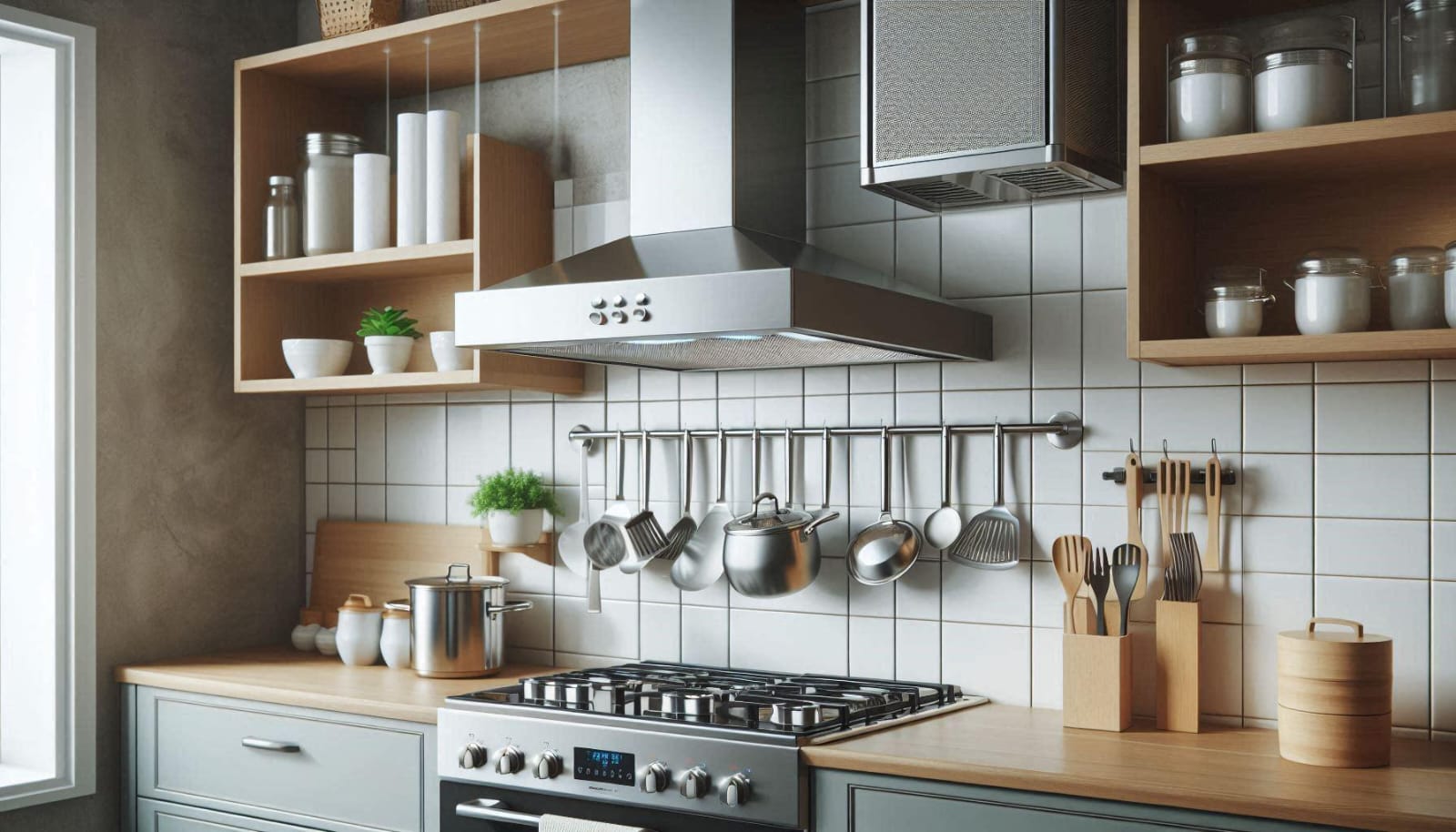
Kitchen Exhaust System: How to Design an Efficient HVAC Solution

Kitchen Exhaust Systems

Kitchen exhaust system play a vital role in maintaining air quality, safety and comfort in commercial and residential spaces. In the HVAC realm, these systems are essential components that cater specifically to the unique needs of kitchens. From restaurants to hospitals, understanding the importance, types, operation and design of kitchen exhaust systems is essential. In this article, we’ll delve into the depths of these systems, their benefits, design considerations, and more.

What is a Kitchen Exhaust System?

A kitchen exhaust system, a critical component of HVAC systems, is designed to remove smoke, grease, odors, and heat generated during cooking processes. It consists of a network of ducts, fans, and hoods that extract polluted air from the kitchen environment and either discharge it outdoors or treat it using filtration systems. The system not only improves indoor air quality but also maintains a safe and comfortable working environment for chefs and staff.

The Role of Kitchen Exhaust System

Kitchen exhaust systems serve a dual purpose: improving air quality and ensuring fire safety. Because kitchens are high-activity areas where cooking emissions accumulate quickly, these systems help prevent harmful pollutants. Moreover, they prevent the risk of grease fires by capturing and containing grease particles, preventing them from reaching flammable surfaces.

Common Applications of Kitchen Exhaust System

Kitchen exhaust systems find their indispensable role in a wide variety of applications, ensuring a healthy and safe environment in various settings. Here are some common areas where these systems are widely used:

  • Restaurants and cafeterias
  • Hospitals and healthcare facilities
  • Hotels and the hospitality industry
  • Industrial kitchens and factories
  • Residential kitchens

In essence, kitchen exhaust systems are an integral part of various areas where cooking activities take place. They contribute to a healthier, more comfortable environment and help comply with health and safety regulations.

Types of Kitchen Exhaust Systems

Kitchen exhaust systems come in a variety of types, each designed to meet specific needs and cooking environments. Understanding these types can help select the most appropriate system for a given setting. Here are the main types of kitchen exhaust systems:

Type 1

This type of system is designed to handle the heavy-duty cooking environments typically found in commercial kitchens. It effectively removes heat, grease-laden steam and smoke generated by high-volume cooking processes. A robust exhaust system with thorough filtration is essential to prevent grease build-up and maintain air quality.

Type 2

In places with light cooking activity, such as coffee shops or low-frying facilities, Type 2 kitchen exhaust systems are used. These systems mainly focus on removing heat and steam from the cooking area, increasing comfort for the kitchen staff and maintaining a hygienic environment.

The choice between these types depends on the intensity of cooking operations and the specific needs of the establishment. Restaurants with extensive cooking processes may choose Type 1 systems, while cafes or bakeries may find Type 2 systems more appropriate. Overall, understanding the types of kitchen exhaust systems allows for a tailored solution that meets both regulatory standards and the needs of the cooking environment.

Requirement of Kitchen Exhaust System

Kitchen exhaust systems are not just an option but a basic necessity in any cooking environment. The importance of these systems can be understood through different lenses:

In essence, the need for kitchen exhaust systems depends on their ability to protect health, prevent fires, and adhere to regulatory standards. By effectively managing pollutants and maintaining a safe environment, these systems contribute significantly to the overall well-being of residents and the longevity of the establishment.

Operation of Kitchen Exhaust System

These systems work through strategically placed exhaust hoods on cooking appliances. Fans create negative pressure, pulling air into the hood. Air passes through filters to capture grease particles before being expelled outside or recirculated after filtration.

Principle of Work

Kitchen exhaust systems use the principles of air movement, filtration, and ventilation. An exhaust hood captures pollutants, while fans create airflow. Filtration systems trap grease and particulate matter, ensuring that only clean air is released.

Pros and Cons

Kitchen exhaust systems offer a variety of advantages and disadvantages; it is essential to weigh their advantages against potential disadvantages before installation:

  • Better indoor air quality
  • Fire safety
  • Compliance

Ultimately, the benefits of kitchen exhaust systems in terms of improved air quality, safety, and compliance are balanced against the drawbacks of energy consumption, maintenance demands, and potential noise. Careful consideration of these factors is important in making an informed decision regarding the installation of these systems.

Components of Kitchen Exhaust System

Kitchen exhaust systems have many important components to effectively remove pollutants and maintain a safe and comfortable cooking environment. These parts include:

These components work seamlessly together to prevent pollutants, ensure fire safety, and improve indoor air quality. The design, size, and compatibility of each component with the others are key factors in creating a functional and effective kitchen exhaust system.

Design Considerations

Designing an effective kitchen exhaust system requires meticulous planning and consideration of various factors to ensure optimal performance and compliance with safety and regulatory standards. Some key design considerations are:

  • Air flow requirements
  • Hood sizing and placement
  • Filtration systems
  • Duct material and dimensions
  • Fan selection

By carefully considering these factors at the design stage, kitchen exhaust systems can be tailored to the specific needs of the cooking environment, providing optimal pollutant capture and maintaining a safe and comfortable environment.

Design Parameters

While designing a kitchen exhaust system, several critical parameters need to be carefully considered to ensure effective pollutant removal, compliance with safety standards, and overall system effectiveness. Here are the main design parameters to keep in mind:

  • Cooking equipment layout
  • Air changes per hour (ACPH)
  • Duct material and dimensions
  • Filtration system
  • Exhaust fan capacity
  • Hood design and placement
  • Code applicability

Considering these design parameters allows kitchen exhaust systems to be customized for a specific cooking environment. This ensures optimal indoor air quality, safety, and compliance with relevant regulations.

Calculating System Capacity

Determining the proper efficiency of a kitchen exhaust system is important to ensure effective contaminant removal and maintain a safe and comfortable cooking environment. Several factors affect the calculation of system efficiency:

  • Cooking volume and intensity
  • Cooking equipment
  • Air changes per hour (ACPH)
  • Kitchen size and layout
  • Hood performance
  • Filter capacity

By considering these factors, designers can accurately calculate the required system efficiency, leading to a well-designed kitchen exhaust system that effectively removes pollutants and promotes a safe and pleasant cooking environment.

Latest Technological Advances

Several technological advances have enhanced the efficiency and functionality of kitchen exhaust systems:

  • Demand-controlled ventilation: Advanced sensors and controls adjust airflow based on cooking activity, optimizing energy efficiency.
  • High-efficiency filtration: HEPA and UV-C filters capture smaller particles and kill pathogens, enhancing indoor air quality.
  • Remote monitoring: IoT-enabled systems allow real-time monitoring and maintenance alerts, improving system reliability.

These technological advancements contribute to the overall performance and sustainability of kitchen exhaust systems, providing enhanced air quality and energy efficiency benefits.

Regulatory Compliance

Meeting regulatory requirements is crucial for the installation and operation of kitchen exhaust systems. Various codes and standards govern the design, installation, and maintenance of these systems:

  • NFPA 96: Standard for Ventilation Control and Fire Protection
  • International Mechanical Code (IMC)
  • Local building codes

Adhering to these codes ensures that kitchen exhaust systems are designed and installed to meet safety and performance standards, protecting occupants and property from potential hazards.

Maintenance and Care

Regular maintenance is essential for the efficient and safe operation of kitchen exhaust systems:

  • Cleaning and replacing filters regularly
  • Inspecting ductwork for leaks and blockages
  • Testing fan performance and motor condition
  • Calibrating control systems

By following a comprehensive maintenance schedule, kitchen exhaust systems can continue to operate effectively, ensuring optimal indoor air quality and compliance with regulatory standards.

Cost Considerations

The cost of installing and operating a kitchen exhaust system varies depending on several factors:

  • System size and complexity
  • Equipment selection
  • Installation labor
  • Maintenance requirements
  • Energy efficiency features

While initial costs may vary, investing in a well-designed kitchen exhaust system can result in long-term savings through improved energy efficiency, reduced maintenance costs, and compliance with safety regulations.

The future of kitchen exhaust systems is likely to be influenced by ongoing technological advancements and sustainability goals:

  • Integration with smart building systems for enhanced control and efficiency
  • Development of biodegradable and recyclable filter materials
  • Adoption of carbon-neutral ventilation solutions

These trends reflect a growing emphasis on energy efficiency, indoor air quality, and environmental sustainability in the design and operation of kitchen exhaust systems.

Conclusion

Kitchen exhaust systems are indispensable for maintaining a safe, healthy, and comfortable cooking environment. By effectively removing pollutants, preventing fire hazards, and ensuring compliance with regulatory standards, these systems play a crucial role in various applications, from restaurants and hotels to residential kitchens. Technological advancements continue to enhance their efficiency and functionality, offering sustainable solutions for improved indoor air quality and energy efficiency. By understanding the components, operation, design considerations, and regulatory requirements of kitchen exhaust systems, stakeholders can make informed decisions to create safer and more sustainable cooking environments.

On-page links: kitchen exhaust system, restaurants, modular kitchen exhaust chimney,

How to Reduce HVAC Energy Consumption in Petrochemical Operations

Discover effective strategies to reduce energy consumption in HVAC systems in petrochemical facilities, leading to significant cost savings and environmental benefits.

Minimizing Energy Consumption in Petrochemical HVAC Operations

Petrochemical operations require strict environmental regulation to ensure safety and productivity. HVAC systems are the most important but can be significant energy consumers in these facilities. By adopting strategic measures, energy consumption can be significantly reduced, resulting in lower operational costs and a reduced carbon footprint.

Understanding HVAC Systems in Petrochemical Operations

HVAC systems manage air quality, temperature and humidity in petrochemical operations. These systems include air handling units (AHUs), chillers, cooling towers and ductwork. Efficient operation of these components is essential to reduce energy consumption.

Key strategies to reduce HVAC energy consumption

Optimizing Air Changes Hourly (ACPH)

Balancing ACPH is critical in petrochemical environments. Too much ACPH leads to unnecessary energy consumption, while too little compromises air quality. Calculating the optimal ACPH based on specific operational requirements can result in significant energy savings.

Using variable air volume (VAV) systems

VAV systems adjust airflow based on current load, reducing energy consumption. In contrast to constant air volume systems, VAV systems can reduce fan speed and reduce the need for cooling and heating to adapt to changing environmental conditions.

Implementation of Energy Recovery Ventilators (ERVs)

ERVs capture energy from the exhaust air and transfer it to the incoming fresh air, reducing the energy required to condition the incoming air. It is particularly useful in petrochemical operations where ventilation demands are high.

Leveraging advanced controls and automation

Smart HVAC controls can optimize system performance by adjusting settings in real time based on environmental data. Automation systems can integrate with building management systems to ensure that HVAC components operate only when needed, reducing energy waste.

Improving insulation and sealing

Proper insulation of ducts and sealing of leaks prevents the loss of conditioned air, ensuring that the HVAC system operates efficiently. This is particularly important in large petrochemical facilities where ductwork spans considerable distances.

Pros and cons of energy-efficient HVAC systems

Pros:

  • Reduced energy costs: Lower energy consumption results in significant cost savings.
  • Environmental benefits: Reduced energy consumption reduces carbon footprint.
  • Better system longevity: Efficient systems experience less wear and tear, leading to longer lifespans.
  • Improved air quality: Optimized systems can better handle pollutants and ensure clean air.

Cons:

  • Initial Investment: Upgrading to energy-efficient systems requires significant upfront costs.
  • Maintenance Requirements: Advanced systems may require more routine maintenance and skilled personnel.
  • Technology Dependency: Relying on automated systems requires strong IT support.

FAQ

What is the role of HVAC systems in petrochemical operations?

HVAC systems play a critical role in maintaining safe and productive environments in petrochemical operations. They control temperature, humidity and air quality, ensuring the facility operates in optimal conditions. Properly functioning HVAC systems also help prevent the build-up of hazardous gases and ensure compliance with safety regulations.

How can VAV systems reduce energy consumption?

VAV systems reduce energy consumption by adjusting airflow based on current demand. Unlike constant air volume systems that operate at a fixed rate, VAV systems can modulate airflow, reducing fan speed when full airflow is not required. This can lead to significant energy savings, especially in large facilities with varying occupancy levels.

Why are ERVs important in petrochemical HVAC systems?

ERVs are important in petrochemical HVAC systems because they recover energy from the exhaust air and use it to precondition incoming clean air. This process reduces the load on heating and cooling systems, leading to lower energy consumption. ERVs are particularly beneficial in facilities with high ventilation requirements, as they improve overall energy efficiency.

What are the benefits of smart HVAC controls?

Smart HVAC controls offer many benefits including optimized system performance, reduced energy waste and improved efficiency. These controls use real-time data to adjust settings, ensuring that HVAC systems operate only when needed. This not only saves energy but also extends the lifespan of HVAC components by reducing unnecessary wear and tear.

How does proper insulation affect HVAC efficiency?

Proper insulation is critical to HVAC efficiency, as it prevents loss of conditioned air. In petrochemical facilities, where ductwork is extensive, insulation ensures that the air distributed to the various zones remains at the desired temperature. This reduces the load on HVAC systems, leading to lower energy consumption and more stable indoor conditions.

Conclusion

Reducing HVAC energy consumption in petrochemical operations is essential for cost savings and environmental sustainability. Petrochemical facilities can achieve significant energy reductions by optimizing ACPH, using VAV systems, implementing ERVs, increasing advanced controls, and improving insulation. Although the initial investment is high, the long-term benefits far outweigh the costs, making energy-efficient HVAC systems a smart choice for the petrochemical industry.