
Semiconductor cleanroom zoning represents the backbone of contamination control in modern chip manufacturing facilities. This systematic approach to space planning ensures that different manufacturing...
Semiconductor cleanroom zoning represents the backbone of contamination control in modern chip manufacturing facilities. This systematic approach to space planning ensures that different manufacturing...

Semiconductor clean rooms demand precise environmental control. In these facilities, engineers design HVAC systems that calculate air changes per hour ACPH and manage airflow requirements with extreme...

In semiconductor manufacturing, where nanoscale precision is non-negotiable, maintaining an ultra-clean environment is paramount. This is where semiconductor clean rooms come into play—controlled spac...

In today’s competitive industrial and commercial landscape, optimizing HVAC systems isn’t just about comfort—it’s about cost savings, energy efficiency, and sustainability. Whether you manage a&n...

3D Printed Ductwork is the Next Big Thing in HVAC The HVAC industry is on the brink of a quiet revolution, and it’s being shaped layer by layer—literally. 3D printed ductwork, once a niche concept, is...

Overdesigning HVAC systems is a common yet overlooked practice that can have significant environmental and economic consequences. While a small safety margin is necessary for reliability, excessive ov...
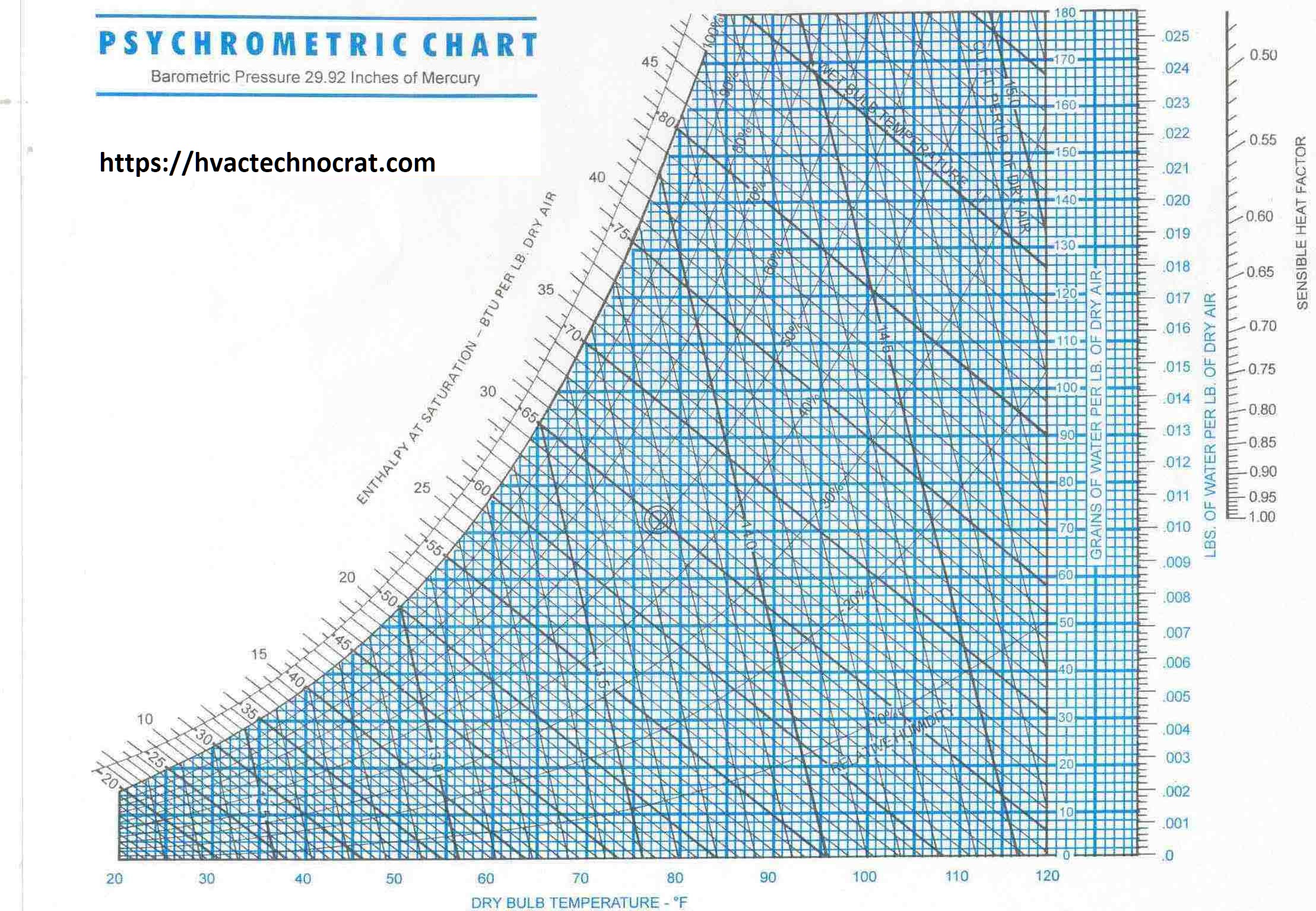
In the world of HVAC (Heating, Ventilation, and Air Conditioning) systems, Psychrometry plays a crucial role. It involves the study of air properties and their interactions with moisture, which is fun...

Heat load calculation, a fundamental aspect of HVAC system design, involves calculating the heat energy required to maintain desired indoor temperatures. This process starts by understanding the space...
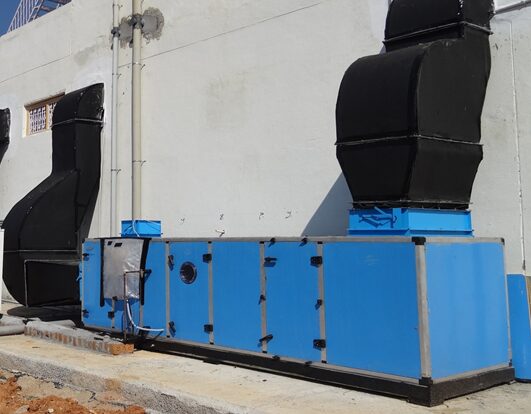
An Air Handling Unit (AHU) is a critical component in HVAC systems, designed to regulate and circulate air. It houses essential elements like fans, filters, heating and cooling coils, and dampers. AHU...
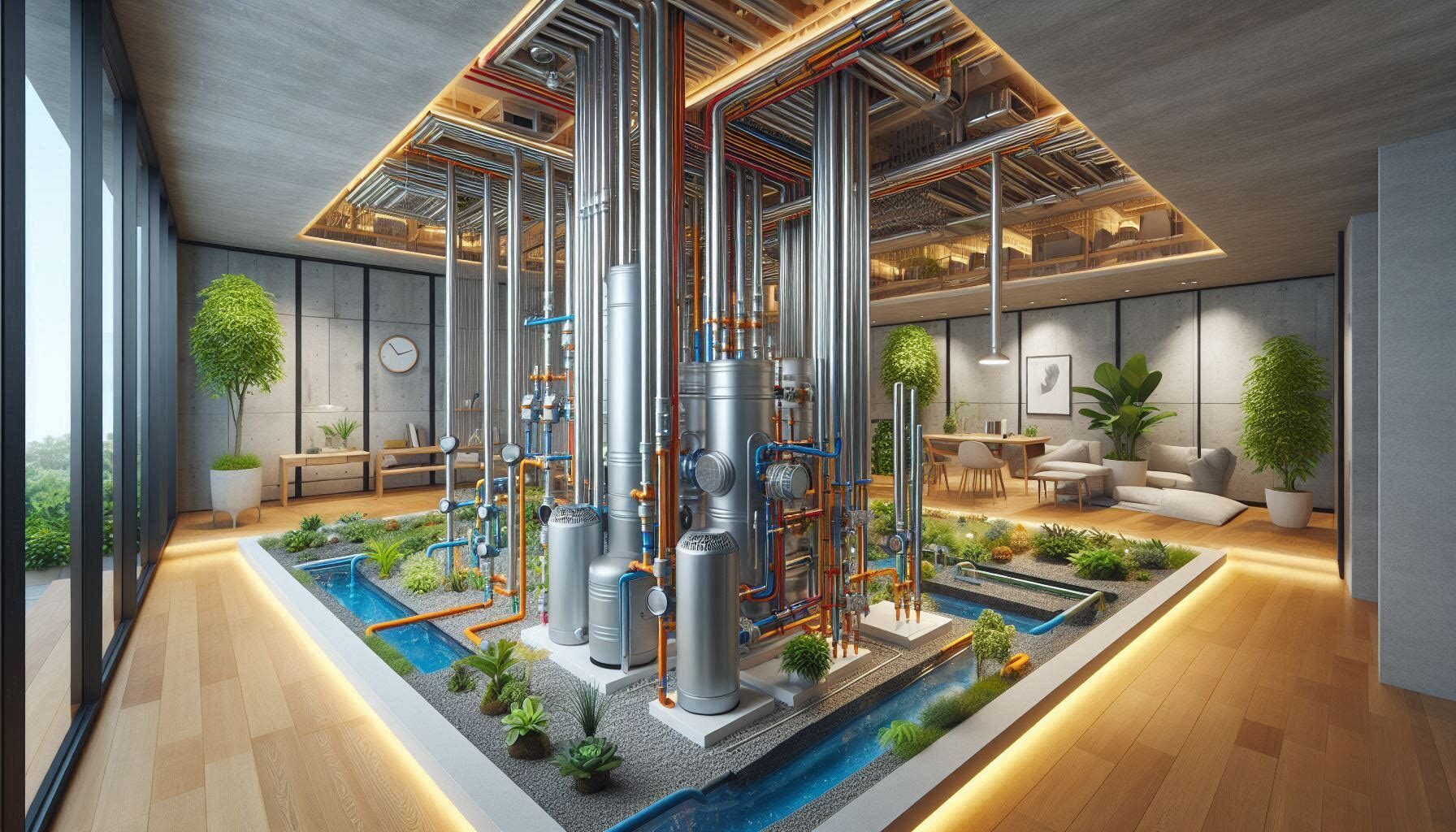
Geothermal HVAC systems significantly reduce energy bills by harnessing the stable temperatures found underground. Unlike traditional systems that rely on fluctuating outdoor air temperatures, geother...