How BTU Meters Enhance Energy Efficiency in HVAC Systems

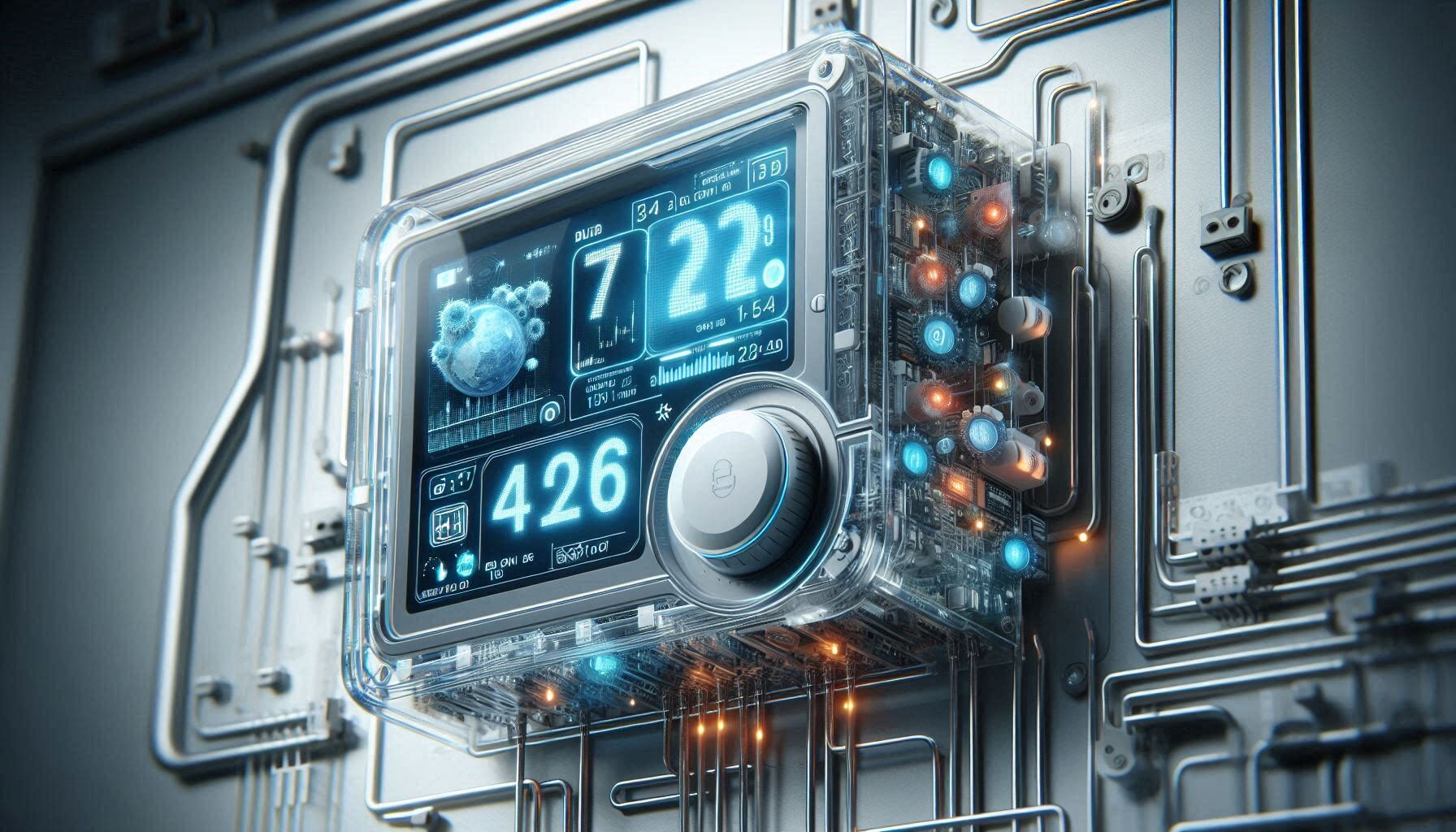
BTU meter installed in HVAC system with digital display

Introduction:

BTU meters play a vital role in HVAC systems by measuring the heat energy exchanged in a controlled environment. Understanding their functionality, applications and installation requirements is essential to optimizing energy efficiency and operational costs in various settings.

What is a BTU meter and how does it work?

A BTU (British Thermal Unit) meter is a device used to measure heat energy transferred in heating, ventilation, and air conditioning (HVAC) systems. It works by sensing the temperature difference between the supply and return lines of the circulating fluid (often water) in the HVAC system. This difference, combined with flow rate measurements, allows the BTU meter to calculate the heat energy exchanged.

Where are BTU meters used in HVAC systems?

BTU meters find applications in commercial buildings, industrial facilities, residential complexes, and institutional settings that require accurate energy monitoring and billing. They are usually installed in heating and cooling systems that use water-based heat exchangers or hydronic systems.

Why Use BTU Meters for HVAC Energy Management?

The primary reason to use BTU meters is to accurately measure and monitor energy consumption in HVAC systems. This data helps facility managers, building owners, and operators identify energy inefficiencies, optimize system performance, and better allocate energy costs among tenants or departments.

When should BTU meters be installed in HVAC systems?

BTU meters should ideally be installed during the initial design and construction phase of HVAC systems. Retrofitting can also be done on existing systems to improve energy management and billing accuracy. Initial installation ensures seamless integration with other components and accurate data collection from the start.

Who should install BTU meters on HVAC systems?

Installation of BTU meters requires expertise in HVAC system design and hydronic engineering. Qualified technicians, HVAC contractors, or specialized firms experienced in metering solutions should perform the installation to ensure proper calibration, alignment with regulatory standards, and reliable performance.

Role of BTU Meters in Energy Efficiency of HVAC Systems

BTU meters play a critical role in improving energy efficiency by providing real-time data on heat energy consumption. This information allows stakeholders to implement energy-saving measures, optimize equipment operation, and reduce overall energy waste in HVAC systems.

Types of BTU Meters Available for HVAC Applications

There are many types of BTU meters available, including inline, clamp-on, and ultrasonic models. Each type is suited to specific HVAC applications based on factors such as pipe size, fluid type and installation environment. Choosing the right type ensures accurate measurement and reliable performance over the life of the meter.

Applications of BTU Meters in Various HVAC Settings

BTU meters are widely used in various HVAC settings such as office buildings, shopping malls, hospitals, data centers, and industrial plants. They support energy-efficient practices, facilitate cost allocation in multi-tenant buildings, and enable proactive maintenance strategies by monitoring thermal performance.

Required Specifications for BTU Meters in HVAC

Key specifications for BTU meters include accuracy class, flow range, temperature range, communication protocols (e.g., Modbus, BACnet) and compliance with industry standards (e.g., ISO 17025, EN 1434). These features ensure compatibility, performance reliability and regulatory compliance in HVAC applications.

Advantages and Disadvantages of Using BTU Meters

Advantages:

  • Facilitates accurate energy billing and cost allocation.
  • Promotes energy savings and operational efficiency.
  • Enables proactive maintenance and system optimization.

Disadvantages:

  • Initial installation costs and complexity.
  • Dependence on accurate flow and temperature measurements.
  • Possibility of misinterpretation of data without proper calibration.

Components of a Typical BTU Meter

A typical BTU meter consists of temperature sensors (usually RTDs), flow sensors (e.g., ultrasonic or magnetic), a calculator or processor unit, and data communication interfaces. These components work together to accurately measure, calculate and record thermal energy consumption.

Sub-components of BTU Meters and Their Functions

Sub-components such as signal converters, data loggers and display units enhance the functionality and usability of BTU meters. Signal converters interface with sensors and processors, while data loggers store usage data and display units provide real-time information to users.

Design Considerations for BTU Meters in HVAC Systems

Design considerations include sensor placement for accurate temperature and flow measurement, integration with building automation systems (BAS), and compliance with space constraints. Proper design ensures optimal meter performance, data accuracy and long-term reliability in a variety of HVAC environments.

Design Parameters That Affect BTU Meter Performance

Critical design parameters include sensor accuracy, response time, calibration intervals, and environmental conditions (e.g., temperature, humidity). These parameters affect the meter’s ability to capture accurate thermal energy data, maintain calibration integrity, and operate efficiently throughout its lifecycle.

Unit Conversions Used with BTU Meters

BTU meters typically convert thermal energy units between BTUs, joules, kilowatt-hours (kWh), or tons of refrigeration (TR). These conversions facilitate energy management, billing accuracy and compatibility with international standards and units of measurement in HVAC applications.

Efficiency Calculation Methods for BTU Meters

Efficiency calculations determine the maximum heat load or heat energy exchange in a particular HVAC system. Methods include heat balance equations, flow rate measurements, and temperature differentials. Accurate capacity calculations ensure that BTU meters can handle expected energy loads and provide reliable data.

Codes and Standards for BTU Meter Installation

Installation of BTU meters must comply with local building codes, energy regulations (e.g., ASHRAE, ANSI) and metrology standards (e.g., ISO 4064, EN 1434). Adherence to these standards ensures meter accuracy, operational safety and legal compliance in energy measurement and billing practices.

Typical Arrangement Drawing for BTU Meter Installation

A typical arrangement drawing depicts the layout, dimensions, and placement of BTU meters in HVAC systems. It describes sensor locations, flow directions, pipe connections, and integration with other system components. Clear drawings help installation teams minimize errors and ensure proper meter performance.

Schematic Drawing of BTU Meter Connections

Schematic drawings illustrate electrical and communication connections between BTU meter components, sensors, and building management systems (BMS). They provide a visual roadmap for installation, troubleshooting and maintenance, ensuring reliable data transmission and system integration.

Leading Manufacturers of BTU Meters

Leading manufacturers of BTU meters offer a range of solutions to suit different HVAC applications. Brands like Siemens, Kamstrup, Danfoss and Schneider Electric provide reliable products with advanced features, technical support and compatibility with industry standards.

Frequently Asked Questions

1. How do BTU meters contribute to energy efficiency in HVAC systems?

BTU meters monitor thermal energy consumption, enable targeted energy-saving measures and optimize system performance.

2. What types of buildings benefit most from BTU meter installations?

Commercial buildings, multi-tenant facilities and industrial plants benefit from accurate energy monitoring and cost allocation.

3. What are the key factors to consider when choosing a BTU meter?

Consider accuracy, flow range, communication protocols, and compliance with local regulations and standards.

4. How do BTU meters help in early maintenance of HVAC systems?

By monitoring thermal performance trends, BTU meters facilitate early detection of system inefficiencies and potential failures.

5. What are the maintenance requirements of BTU meters?

Regular calibration, sensor checks and software updates are required to maintain accuracy and reliability.

Conclusion:

In conclusion, BTU meters are indispensable tools for increasing energy efficiency, optimizing HVAC system performance, and ensuring fair energy billing. Understanding their functionality, types, applications, and installation considerations is critical to effectively utilizing their benefits in various construction environments.

Related Links:


Disclaimer: The pictures used are for illustrative purposes only. They may not depict actual products or situations and are meant for educational purposes. Actual products, situations, or outcomes may differ.

Chilled Water Pipe: How to Enhance HVAC Systems

Illustration of HVAC Chilled Water Piping and Specifications

In the modern world of construction and industrial processes, the proper functioning of heating, ventilation and air conditioning (HVAC) systems is critical to maintaining comfort, productivity and environmental sustainability. The critical components of HVAC systems include chilled water pipe and associated specifications. This article examines the importance of chilled water piping and specifications, components and quality assurance aspects, highlighting their role in achieving optimal HVAC performance.

Understanding chilled water pipe and specifications

Chilled water pipe serves as a critical conduit in HVAC systems, facilitating the circulation of chilled water to achieve effective temperature control. Working alongside the piping, various features including air vents, relief valves, and strainers contribute to the seamless operation and overall efficiency of these systems.

Components and their functions

Air vents & drains: These components play a vital role in removing air from the system and preventing water hammer, thus ensuring the longevity and efficiency of the system.

Relief valves: Relief valves are integral to maintaining safe pressure levels in the system by releasing excess pressure, thereby protecting against potential hazards.

Strainers: Strainers are important components that filter debris and particles, preventing blockages and blockages that compromise the performance of the system.

Pressure gauge: Pressure gauges provide real-time pressure data, aiding in continuous monitoring and maintenance of optimal system conditions.

Thermometers: Thermometers provide insights into temperature, a key factor for system control and accurate performance assessment.

Anti vibration coupling: The anti-vibration coupling is designed to reduce component vibrations, effectively reducing wear and tear on the system and extending its operational lifetime.

Chilled water expansion tank: A chilled water expansion tank ensures consistency in terms of water expansion and is critical to maintaining the system’s water volume within the correct range.

Quality assurance in chilled water pipe systems

Strict adherence to local codes and regulations, as well as ASME, ANSI, ASTM, IEC and U.L., is paramount to ensuring the safety and efficiency of chilled water systems. Submission of manufacturer’s data, shop drawings, and equipment approval are critical steps that help assure system quality.

Installation and Execution Guidelines

A proper installation includes the integration of automatic air vents, drain cocks, adequate drain cocks, as well as strategically placed thermometers and pressure gauges for effective monitoring. Strainers prevent debris build-up and anti-vibration couplings reduce wear. Incorporating chilled water expansion tanks is critical to maintaining the system’s water volume within optimal ranges.

Ensuring optimal system performance

Regular maintenance, thorough cleaning, and consistent commitment to design specifications are critical to achieving and maintaining the efficiency and longevity of chilled water systems. Collaboration with experienced professionals ensures proper installation and adherence to industry best practices.

FAQ

What are the components of a chilled water system?

The components of a chilled water system usually include chillers, pumps, chilled water pipes, air handling units, cooling towers and various control devices. These components work together to circulate chilled water and control temperature in HVAC systems.

What is a chilled water piping system?

A chilled water piping system is a network of pipes that circulate chilled water from a chiller to various cooling loads such as air handling units, fan coil units and process equipment. It plays a vital role in distributing chilled water throughout a building or industrial facility for cooling purposes.

Which type of pipe is typically used for transporting chilled water?

Commonly used pipes for chilled water systems include steel, copper, and plastic (such as PVC or CPVC). Pipe material selection depends on factors such as system design, cost, corrosion resistance, and local building codes.

What is a chilled water pipe?

A chilled water pipe is a conduit through which chilled water flows to provide cooling to various parts of a building or industrial setup. These tubes are designed to maintain the temperature of the water as it circulates through the system.

What are chilled water pipe fittings?

Chilled water pipe fittings are essential components that facilitate the connection and junction of chilled water pipe sections. These fittings include elbows, tees, reducers and couplings that ensure a secure and leak-free connection between pipes.

What is a chilled water pipe system?

A chilled water piping system consists of pipes, fittings, valves, pumps and other accessories that collectively transport and control the flow of chilled water throughout a building’s HVAC infrastructure.

How is chilled water piping used in HVAC systems?

Chilled water piping is a central component of HVAC systems. It carries chilled water from the chiller to various cooling loads, where the chilled water absorbs heat and returns to the chiller to cool again. This process ensures a consistently comfortable indoor temperature.

What advantages does a chilled water system offer?

A chilled water system provides energy-efficient cooling, precise temperature control and the ability to cool large spaces. It can be integrated with various HVAC components for optimum indoor comfort.

Why are relief valves important in chilled water systems?

Relief valves are critical safety devices in chilled water systems. They prevent excessive pressure build-up, ensure the integrity of the system and protect against potential hazards such as burst pipes or equipment damage.

What is the specification for cooling water piping?

The specification for cooling water piping describes requirements for the material, size, installation and testing of pipes used to circulate cooling water. This specification ensures that the cooling water system operates efficiently and safely.

Conclusion

Chilled water piping and specifications are integral to the functionality, efficiency and longevity of HVAC systems. Understanding their roles, components and installation guidelines is critical to ensure optimal performance, energy efficiency and occupant comfort. Adhering to quality standards and best practices,

For more information on related topics, visit these articles: