Air Cooler: How To Upgrade and Enhance Energy Efficiency?

Air cooler unit showing evaporative cooling pads and control panel.

Air cooler, also known as evaporative coolers, are increasingly popular alternatives to traditional air conditioning systems due to their energy efficiency and environmental benefits. They work by using the natural process of water evaporation to cool and humidify the air, making them ideal for dry and hot climates.

What Are the Basics of Air Cooler?

At its core, an air cooler operates on the principle of evaporative cooling. It draws warm air from the environment through water-soaked pads or filters. As the air passes through these pads, the water evaporates, absorbing heat and cooling the air, which is then circulated back into the room. This process is effective in increasing humidity levels, which can be beneficial in dry climates.

What Is the Role of Air Coolers in Modern HVAC Systems?

Air coolers play a crucial role in HVAC (Heating, Ventilation, and Air Conditioning) systems by providing sustainable cooling solutions. Unlike traditional air conditioners that use refrigerants and compressors, air coolers rely on water and a fan to cool the air. This makes them more energy-efficient and eco-friendly, contributing to lower electricity bills and reduced carbon footprint.

What Types of Air Coolers Are Available?

There are several types of air coolers designed to suit different needs:

  • Portable Air Coolers : These are compact units that can be moved from one room to another, offering flexibility in cooling specific areas.
  • Window-Mounted Air Coolers: Installed in windows, these coolers are more permanent fixtures and are effective in cooling larger spaces.
  • Ducted Air Coolers: These coolers are integrated into ductwork, distributing cooled air throughout a building or home.

Each type varies in size, cooling capacity, and installation requirements, catering to residential, commercial, and industrial applications.

What Are the Applications of Air Coolers in Different Industries?

Air coolers find diverse applications across various industries:

  • Residential Use: Ideal for cooling individual rooms or apartments, providing cost-effective cooling solutions compared to central air conditioning.
  • Commercial Use: Used in offices, retail spaces, and restaurants to maintain comfortable indoor environments for customers and employees.
  • Industrial Use: Employed in factories, warehouses, and manufacturing facilities to regulate temperatures and improve worker productivity.
  • Agricultural Use: Used in greenhouses to create optimal growing conditions for plants by Temperature Control and Humidity Control.

These applications demonstrate the versatility and efficiency of air coolers in various settings.

What Are the Key Specifications of Air Cooler?

When selecting an air cooler, consider the following specifications:

  • Airflow Capacity (CFM): Indicates the volume of air circulated by the cooler per minute, affecting its cooling efficiency.
  • Cooling Area: Specifies the size of the area the cooler can effectively cool, ensuring it matches the intended space.
  • Water Tank Capacity: Determines how long the cooler can operate before needing a refill, crucial for uninterrupted cooling.
  • Power Consumption: Indicates the energy efficiency of the cooler, with lower wattage units being more energy-efficient.
  • Noise Level: Measures the sound produced by the cooler, important for maintaining a peaceful environment.

These specifications help consumers choose a cooler that meets their specific cooling needs and efficiency expectations.

What Are the Advantages and Disadvantages of Using Air Cooler?

Advantages of air coolers include:

  • Energy Efficiency: They consume less electricity compared to traditional AC units, leading to lower operational costs.
  • Environmentally Friendly: Air coolers use natural evaporation processes and do not emit harmful chemicals, reducing their environmental impact.
  • Cost-Effective: Initial purchase and operational costs are generally lower than air conditioners, making them accessible to a broader range of consumers.

However, air coolers may have limitations:

  • Effectiveness in Humid Climates: They perform best in dry climates where humidity levels are low. In humid conditions, their cooling efficiency may decrease.
  • Regular Maintenance: Air coolers require periodic cleaning of water pads and filters to prevent mold and bacterial growth.

Understanding these pros and cons helps consumers make informed decisions when choosing between air coolers and other cooling options.

What Should Be Included in a Technical Data Sheet for Air Cooler?

A comprehensive technical data sheet for air coolers should include:

  • Detailed specifications such as dimensions, weight, and materials used
  • Performance data including airflow rate, cooling capacity, and energy efficiency rating
  • Installation guidelines and requirements
  • Maintenance instructions for filters, water pads, and other components
  • Safety precautions and operational tips

This information assists consumers and professionals in understanding the capabilities, limitations, and maintenance requirements of the cooler.

What Are the Main Components of Air Cooler?

The primary components of air coolers include:

  • Fan Assembly: Responsible for drawing air into the cooler and expelling cooled air into the environment.
  • Water Pump: Circulates water from the tank to the evaporative pads, facilitating the cooling process.
  • Evaporative Cooling Pads: Water-soaked pads through which warm air passes, causing water to evaporate and cool the air.
  • Control Panel: Allows users to adjust settings such as fan speed, cooling mode, and timer functions.
  • Housing: Encases and protects internal components while directing airflow efficiently.

Each component plays a vital role in the cooling process and overall functionality of the air cooler.

What Are the Key Subcomponents of Air Cooler?

Subcomponents of air coolers include:

  • Fan Motor: Powers the fan assembly to circulate air.
  • Float Valve: Regulates the water level in the cooler’s reservoir, ensuring optimal operation.
  • Drain Valve: Allows for easy drainage of excess water and maintenance of water quality.
  • Water Level Indicator: Alerts users when the water level in the tank is low, prompting refilling.
  • Filter Media: Filters impurities from water to prevent clogging and maintain cooling efficiency.

These subcomponents contribute to the proper functioning, efficiency, and longevity of the air cooler.

How Is the Design of Air Coolers Optimized?

The design of air coolers is optimized to enhance performance and efficiency:

  • Airflow Path: Ensures efficient circulation of air through the cooler for maximum cooling.
  • Material Selection: Uses corrosion-resistant materials to withstand exposure to water and environmental conditions.
  • Compact Design: Maximizes cooling capacity while minimizing space requirements for installation.
  • Energy-Efficient Components: Incorporates motors, pumps, and fans designed to minimize power consumption.

These design considerations ensure that air coolers deliver optimal cooling performance while maintaining durability and reliability.

What Are the Essential Design Parameters for Air Cooler?

Essential design parameters for air coolers include:

  • Cooling Capacity: Measured in BTUs (British Thermal Units) or CFM (Cubic Feet per Minute), indicates the amount of heat the cooler can remove from the air per unit of time.
  • Water Distribution System: Ensures uniform wetting of evaporative pads for efficient cooling across the entire surface area.
  • Noise Level: Specifies the sound produced during operation, influencing user comfort and indoor noise levels.
  • Environmental Impact: Considers the eco-friendliness of materials used and energy efficiency rating to minimize environmental footprint.

These parameters guide manufacturers in designing air coolers that meet performance standards and consumer expectations.

How Are Unit Conversions Relevant to Air Cooler Specifications?

Unit conversions play a crucial role in understanding and comparing air cooler specifications:

  • Converting airflow rates from CFM to cubic meters per hour (m³/h) for international standards and regional preferences.
  • Converting cooling capacities from BTUs to kilowatts (kW) for energy consumption and efficiency calculations.
  • Converting water tank capacities from liters to gallons for convenience in refilling and operational management.

These conversions facilitate global compatibility and ensure accurate interpretation of air cooler specifications across different markets.

How to Calculate the Capacity of an Air Cooler?

The capacity of an air cooler depends on several factors:

  • Room Size: Measure the dimensions of the room (length, width, height) to calculate the volume of air that needs to be cooled.
  • Cooling Efficiency: Consider the cooler’s airflow capacity (CFM) and cooling area coverage to determine its suitability for the room size.
  • Climate Conditions: Account for local climate conditions, including temperature and humidity levels, which affect cooling performance.

Using these factors, consumers can calculate the required cooling capacity to effectively cool their living or working space.

What Codes and Standards Govern Air Cooler?

Air coolers must adhere to various codes and standards:

  • ASHRAE Standards: Established by the American Society of Heating, Refrigerating and Air-Conditioning Engineers, providing guidelines for energy efficiency and indoor air quality.
  • IEC Standards: International Electrotechnical Commission standards ensure safety and performance compliance for electrical components used in air coolers.
  • NBC India Govern installation requirements and safety protocols to ensure proper integration of air coolers in buildings and structures.

Adhering to these standards ensures that air coolers meet safety, efficiency, and environmental requirements, providing reliable cooling solutions.

What Is a General Arrangement Drawing in Air Cooler Design?

A general arrangement drawing in air cooler design:

  • Provides an overview of the cooler’s layout, including dimensions, component locations, and assembly details.
  • Guides manufacturers, engineers, and installers in understanding spatial requirements and integration of components.
  • Ensures consistency in design and construction processes, facilitating efficient production and installation.

This drawing serves as a blueprint for manufacturing, installation, and maintenance activities related to air coolers.

What Is a Schematic Drawing for Air Cooler?

A schematic drawing for air coolers:

  • Illustrates the internal workings and connections of key components such as the fan, pump, water distribution system, and control panel.
  • Clarifies the flow of air and water within the cooler, aiding in troubleshooting, maintenance, and repair tasks.
  • Provides a visual representation of electrical circuits and controls, ensuring proper installation and operational functionality.

This drawing is essential for understanding the operational logic and maintenance requirements of air coolers.

What Is Included in the Electrical Scope of Works for Air Cooler?

The electrical scope of works for air coolers includes:

  • Installation of electrical wiring, switches, and outlets required for powering the cooler.
  • Integration of control panels, sensors, and safety devices to monitor and regulate cooler operation.
  • Testing and commissioning of electrical systems to ensure compliance with safety standards and operational reliability.

These tasks ensure safe and efficient electrical operation of air coolers, minimizing risks and maximizing performance.

Who Are the Leading Manufacturers of Air Cooler?

Some of the leading manufacturers of air coolers globally include:

  • Symphony Limited: Known for innovative designs and energy-efficient cooling solutions.
  • Havells India Limited: Offers a wide range of air coolers with advanced features for residential and commercial use.
  • Bajaj Electricals: Provides reliable and affordable air coolers suitable for various consumer needs.
  • Crompton Greaves: Offers high-performance air coolers designed for superior cooling efficiency.

These manufacturers are recognized for their quality, reliability, and innovation in air cooler technology, catering to diverse consumer preferences and market demands.

What Should Be Included in the Bill of Material for Air Cooler?

A comprehensive bill of material for air coolers should list:

  • All components and parts required for manufacturing the cooler, including materials, dimensions, and quantities.
  • Supplier information for each component to facilitate procurement and supply chain management.
  • Cost estimates and pricing details for budgeting and financial planning purposes.

This document ensures transparency, accuracy, and efficiency in the production and assembly of air coolers.

What Is a Shop Drawing for Air Cooler?

A shop drawing for air coolers:

  • Details the fabrication and assembly of components, including dimensions, materials, and manufacturing techniques.
  • Provides instructions for production processes, ensuring consistency and quality control in cooler manufacturing.
  • Guides fabricators, technicians, and assemblers in accurately constructing air coolers according to design specifications.

This drawing is essential for streamlining manufacturing processes and ensuring product conformity and reliability.

How to Install an Air Cooler Properly?

Proper installation of an air cooler involves:

  • Selecting an appropriate location with adequate ventilation and access to electrical outlets.
  • Assembling the cooler according to manufacturer instructions, ensuring all components are securely connected.
  • Positioning the cooler for optimal airflow and cooling efficiency, considering room layout and airflow patterns.
  • Connecting electrical wiring and water supply as per installation guidelines, ensuring safety and functionality.

Following these steps ensures effective installation and reliable operation of the air cooler, maximizing cooling performance and user satisfaction.

What Are the Installation Checklists for Air Cooler?

An installation checklist for air coolers includes:

  • Verification of all components and parts against the bill of material.
  • Pre-installation inspection to ensure site readiness and compliance with safety standards.
  • Assembly and placement of the cooler according to shop drawings and installation guidelines.
  • Testing of electrical and mechanical systems to confirm operational functionality and performance.
  • Documentation of installation procedures and final inspection for quality assurance.

Adhering to this checklist ensures systematic and efficient installation of air coolers, minimizing errors and ensuring compliance with specifications.

What Supporting Details Are Needed for Air Cooler Installation?

Supporting details for air cooler installation include:

  • Technical drawings and specifications for structural supports and mounting requirements.
  • Electrical wiring diagrams and schematics for proper connection and integration with existing systems.
  • Water supply and drainage plans to ensure adequate flow and management of water within the cooler.
  • Safety protocols and equipment for handling and installation to prevent accidents and ensure worker safety.

These details provide essential information and guidelines for safe and effective installation of air coolers in various environments and applications.

How to Conduct Testing, Adjusting & Balancing for Air Cooler?

Testing, adjusting, and balancing (TAB) procedures for air coolers involve:

  • Testing electrical systems and controls to ensure proper operation and compliance with safety standards.
  • Adjusting fan speed, water flow rate, and cooling settings for optimal performance and efficiency.
  • Balancing airflow distribution to maintain uniform cooling throughout the designated area or space.
  • Conducting performance tests to verify cooling capacity, noise levels, and energy consumption.

These procedures optimize air cooler performance, ensuring reliable operation and user satisfaction throughout its service life.

How to Control Noise & Vibration in Air Cooler?

Controlling noise and vibration in air coolers involves:

  • Isolating the cooler from structural elements and surfaces to minimize transmission of vibrations.
  • Using vibration-damping materials and mounting pads to absorb and reduce mechanical vibrations.
  • Installing sound-absorbing materials inside the cooler housing to dampen noise generated by fans and motors.
  • Optimizing fan blade design and motor operation to minimize noise without compromising cooling efficiency.

These techniques mitigate noise and vibration levels, creating a quieter and more comfortable indoor environment for users.

What Are the Maintenance Procedures for Air Cooler?

Regular maintenance of air coolers is essential for optimal performance and longevity:

  • Cleaning evaporative pads and filters periodically to prevent buildup of dirt, dust, and microbial growth.
  • Inspecting and lubricating fan motors, bearings, and moving parts to ensure smooth operation and extend component life.
  • Checking water levels and quality in the tank, refilling with fresh water and additives as recommended by the manufacturer.
  • Testing electrical systems and controls for proper function, replacing worn-out or damaged components as needed.

These maintenance procedures enhance cooling efficiency, prevent breakdowns, and prolong the service life of air coolers, ensuring continued performance and reliability.

How to Troubleshoot Common Issues with Air Cooler?

Common issues with air coolers and troubleshooting steps include:

  • Insufficient Cooling: Check airflow obstruction, clean or replace clogged filters, and adjust fan speed for increased cooling.
  • Water Leakage: Inspect water supply connections, tighten fittings, and replace damaged hoses or seals.
  • Noisy Operation: Lubricate fan bearings, tighten loose components, and adjust fan blade alignment for quieter operation.
  • Electrical Malfunction: Test electrical connections, check for blown fuses or tripped breakers, and replace defective components.

By identifying and addressing these issues promptly, users can restore air cooler performance and ensure uninterrupted cooling comfort.

Conclusion

Air coolers offer efficient and eco-friendly cooling solutions for residential, commercial, and industrial applications. By understanding their principles, types, applications, specifications, advantages, and maintenance requirements, consumers can make informed decisions when selecting and using air coolers. Regular maintenance and adherence to installation guidelines and safety standards maximize the performance, reliability, and longevity of air coolers, ensuring comfortable indoor environments and sustainable cooling solutions.

Cooling Tower: How to Enhance Energy Efficiency in Buildings

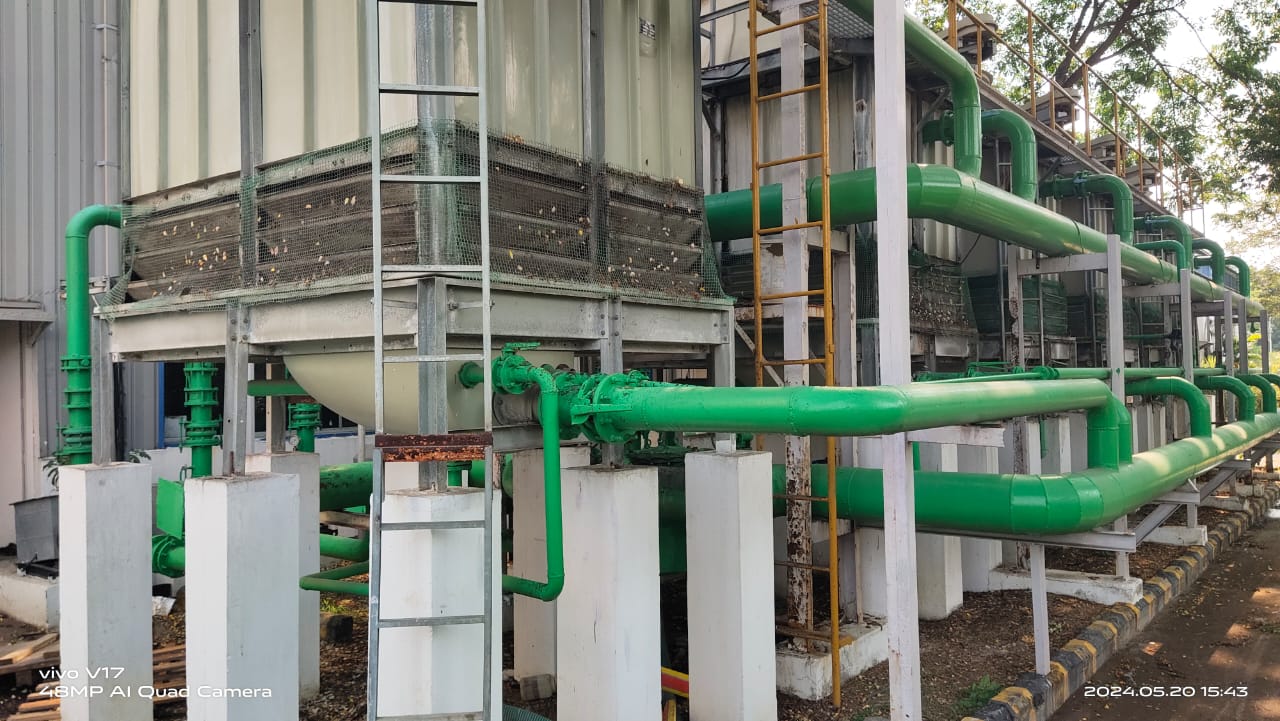
Cooling Tower in Industrial Setting

What is Cooling Tower in HVAC Systems

A cooling tower is a specialized heat rejection device that extracts waste heat to the atmosphere through the cooling of a water stream to a lower temperature. It plays a crucial role in HVAC (Heating, Ventilation, and Air Conditioning) systems and industrial processes where large amounts of heat need to be dissipated efficiently.

Cooling towers work on the principle of evaporation, where warm water from industrial processes or air conditioning systems is pumped to the top of the tower and distributed over the tower fill or packing. As this water cascades down through the fill material, it comes into contact with a stream of air moving upward through the tower. This air, usually induced by a fan, causes a small portion of the water to evaporate, which removes heat from the remaining water. The cooled water is then collected at the bottom of the tower and recirculated back into the system.

Cooling towers are classified into various types based on their design and application, such as crossflow, counterflow, and hybrid configurations, each offering specific advantages in different industrial and HVAC settings.

Basics of Cooling Tower

A cooling tower is an essential component in HVAC and industrial processes for dissipating heat from water to the atmosphere. It operates on the principle of evaporative cooling, where warm water from processes or air conditioning systems is circulated to the top of the tower and distributed over a packing material. As this water flows down, it comes into contact with a rising air stream induced by fans. Some of the water evaporates, absorbing heat and cooling the rest of the water. The cooled water collects at the bottom of the tower and is recirculated back into the system.

Cooling towers vary in design, including crossflow and counterflow configurations. Crossflow towers direct the water flow horizontally across the vertical air flow, while counterflow towers direct water vertically downward against the upward air flow, maximizing heat transfer efficiency. These towers are crucial for maintaining optimal temperatures in industrial processes and HVAC systems, enhancing efficiency and reducing energy consumption.

Role and Importance of Cooling Towers in HVAC Systems

Cooling towers play a crucial role in HVAC systems, providing essential heat removal for industrial and commercial applications. By understanding their function and impact, we can appreciate how they enhance energy efficiency and maintain optimal temperatures. This article delves into various aspects of cooling towers, addressing common questions and providing a comprehensive overview for HVAC professionals and enthusiasts.

What is the role of a cooling tower in HVAC systems?

Cooling towers in HVAC systems serve to remove excess heat from a building or industrial process by using water to transfer heat to the atmosphere. This process is essential in maintaining efficient operation and optimal temperatures within HVAC systems. By cooling the water that circulates through the HVAC system, cooling towers help to dissipate heat generated by air conditioning units, industrial equipment, or processes. This not only prevents overheating but also ensures that the HVAC system operates efficiently, reducing energy consumption and operational costs. Cooling towers are integral in managing heat load, making them indispensable in various applications, from commercial buildings to industrial facilities.

Why are cooling towers essential for HVAC applications?

Cooling towers are essential for HVAC applications because they significantly enhance energy efficiency and cooling performance. They achieve this by using the natural process of evaporation to dissipate heat from the water, which is more energy-efficient compared to other cooling methods. Cooling towers are particularly effective in large-scale HVAC applications, where traditional air-cooled systems might struggle to manage the heat load. By reducing the temperature of the water used in the HVAC system, cooling towers ensure that air conditioning units and other components can operate more efficiently, leading to lower energy consumption and costs. This makes them vital for maintaining comfortable indoor environments in commercial and industrial settings.

How do cooling towers contribute to energy efficiency in buildings?

Cooling towers contribute to energy efficiency in buildings by leveraging the evaporative cooling process to remove heat from the water used in HVAC systems. This process requires less energy compared to traditional air-cooled systems, resulting in significant energy savings. By maintaining lower water temperatures, cooling towers ensure that HVAC components, such as chillers and air conditioning units, operate more efficiently. This reduces the overall energy consumption of the building’s cooling system. Additionally, cooling towers can be integrated with energy management systems to optimize their performance, further enhancing energy efficiency and reducing operational costs. Their ability to effectively manage heat load makes them a key component in sustainable building design.

When should you consider using a cooling tower in HVAC designs?

Consider using a cooling tower in HVAC designs when dealing with large-scale applications that require efficient heat removal, such as commercial buildings, industrial facilities, or data centers. Cooling towers are particularly beneficial in environments with high cooling loads, where traditional air-cooled systems may be insufficient. They are also ideal for applications where energy efficiency is a priority, as they can significantly reduce energy consumption compared to other cooling methods. Additionally, cooling towers are suitable for locations with abundant water supply, as they rely on water for the evaporative cooling process. When planning HVAC designs, evaluate the specific cooling requirements and environmental factors to determine if a cooling tower is the best solution.

Where are cooling towers typically located within HVAC systems?

Cooling towers are typically located outside the main building structure, often on the rooftop or in a designated mechanical yard. Their placement is strategic to facilitate the release of heat into the atmosphere and to minimize the impact of noise and water vapor plumes on the building’s occupants. The location should also allow for easy access for maintenance and inspections. In some cases, cooling towers can be installed at ground level or in a central utility plant, depending on the layout and space constraints of the facility. Proper placement is crucial to ensure efficient operation and integration with the overall HVAC system, including the water circulation network and supporting infrastructure.

What are the different types of cooling towers used in HVAC applications?

Several types of cooling towers are used in HVAC applications, each with distinct features and benefits. The main types include:

  • Natural Draft Cooling Towers: These rely on the natural convection of air to move through the tower and cool the water.
  • Mechanical Draft Cooling Towers: These use fans to force air through the tower, providing more control over airflow and cooling efficiency. Mechanical draft towers are further categorized into forced draft and induced draft.
  • Crossflow Cooling Towers: In these towers, water flows vertically while air flows horizontally through the fill media, providing efficient heat transfer.
  • Counterflow Cooling Towers: In these towers, water flows downward while air flows upward, maximizing contact time for heat transfer.
  • Hybrid Cooling Towers: These combine features of both wet and dry cooling towers to optimize performance and energy efficiency in varying conditions.
Each type has specific applications and advantages, making them suitable for different HVAC needs and environmental conditions.

How do evaporative cooling towers compare to dry cooling towers?

Evaporative cooling towers and dry cooling towers differ primarily in their cooling mechanisms and efficiency. Evaporative cooling towers use water evaporation to remove heat from the circulating water, which is highly efficient and effective in cooling large volumes of water. This method is energy-efficient and ideal for applications requiring significant cooling capacity. However, it does require a consistent water supply and regular maintenance to manage water quality and scaling.

Dry cooling towers, on the other hand, use air to cool the water without evaporation, relying on heat exchange through finned tubes or coils. While dry cooling towers are less efficient than evaporative towers, they have the advantage of not requiring water, making them suitable for areas with water scarcity or where water conservation is a priority. They also have lower maintenance requirements related to water treatment. The choice between the two depends on specific cooling needs, environmental conditions, and resource availability.

Why choose a crossflow cooling tower over a counterflow design?

Choosing a crossflow cooling tower over a counterflow design depends on several factors, including space constraints, efficiency requirements, and maintenance considerations. Crossflow cooling towers have a horizontal air flow that crosses the downward flow of water, allowing for easy access to internal components and simplified maintenance. This design typically requires less fan power and is quieter, making it suitable for applications where noise levels are a concern.

Counterflow cooling towers, with their upward air flow against the downward water flow, offer higher efficiency due to increased contact time between air and water. However, they can be more challenging to maintain because of the compact design and less accessible internal components. Crossflow towers are often preferred in situations where ease of maintenance and lower noise levels are priorities, while counterflow towers are chosen for applications requiring maximum cooling efficiency and where space is not a significant constraint.

When is it suitable to use a hybrid cooling tower in industrial settings?

Hybrid cooling towers are suitable for industrial settings that experience varying cooling loads and environmental conditions. These towers combine the benefits of both wet and dry cooling, allowing them to operate efficiently in diverse climates. They are particularly advantageous in regions with significant seasonal temperature variations, as they can switch between wet and dry modes to optimize performance and energy efficiency.

Hybrid cooling towers are also ideal for industrial processes that generate high heat loads but require flexible cooling solutions to manage water usage and operational costs. By utilizing dry cooling during cooler periods and evaporative cooling during hotter periods, hybrid towers reduce water consumption and maintain high cooling efficiency year-round. This makes them a valuable option for industries prioritizing sustainability and operational adaptability.

Where are induced draft cooling towers commonly installed in HVAC systems?

Induced draft cooling towers are commonly installed in HVAC systems for large commercial buildings, industrial facilities, and power plants. These towers use a fan located at the top to draw air through the system, ensuring efficient heat transfer and cooling performance. Their design allows for better control of air flow and cooling capacity, making them suitable for applications with high cooling demands.

In HVAC systems, induced draft cooling towers are typically installed on rooftops or in mechanical yards, where they can efficiently release heat into the atmosphere. Their placement is strategic to minimize noise and water vapor impact on the building and its occupants. Induced draft towers are also preferred in installations where space is limited, as their vertical design requires a smaller footprint compared to other cooling tower types.

What are the key applications of cooling towers in industrial processes?

Cooling towers play a vital role in various industrial processes, providing essential heat dissipation to maintain optimal operating conditions. Key applications include:

  • Power Generation: Cooling towers are used in power plants to remove excess heat from steam condensers, ensuring efficient electricity production.
  • Chemical Manufacturing: In chemical plants, cooling towers dissipate heat generated by exothermic reactions and equipment, maintaining safe and efficient operations.
  • Oil and Gas Refining: Cooling towers help manage heat loads in refineries, ensuring efficient processing and preventing equipment overheating.
  • Food and Beverage Production: Cooling towers are used to control temperatures in food processing, fermentation, and refrigeration systems.
  • HVAC Systems: In large commercial buildings and data centers, cooling towers provide critical cooling for air conditioning systems and IT equipment.
These applications highlight the versatility and importance of cooling towers in maintaining efficient and safe industrial operations.

How are cooling towers used in power plants and manufacturing facilities?

Cooling towers in power plants and manufacturing facilities are used to manage heat loads and maintain optimal operating temperatures for various processes and equipment. In power plants, cooling towers remove excess heat from steam condensers, allowing efficient electricity generation and preventing equipment damage from overheating. This process involves circulating water through the condenser, where it absorbs heat, and then passing it through the cooling tower to dissipate the heat into the atmosphere.

In manufacturing facilities, cooling towers are used to cool machinery, processes, and products, ensuring efficient operation and product quality. They manage heat loads generated by industrial processes, such as chemical reactions, metalworking, and food processing. By maintaining proper cooling, these facilities can operate safely and efficiently, reducing energy consumption and operational costs. The use of cooling towers in these settings highlights their critical role in industrial and power generation applications.

Why are fiberglass cooling towers preferred in corrosive environments?

Fiberglass cooling towers are preferred in corrosive environments due to their excellent resistance to chemical corrosion, which ensures long-term durability and reliability. Unlike traditional cooling towers made of metal, fiberglass towers are impervious to rust and corrosion caused by harsh chemicals, saltwater, and other corrosive substances commonly found in industrial settings. This makes them ideal for use in chemical plants, coastal areas, and other environments where corrosion is a significant concern.

Additionally, fiberglass cooling towers are lightweight, easy to install, and require minimal maintenance compared to their metal counterparts. Their non-corrosive nature reduces the need for frequent repairs and replacements, resulting in lower maintenance costs and extended service life. The durability and corrosion resistance of fiberglass cooling towers make them a cost-effective and reliable choice for challenging environments where traditional materials may fail.

What are the specifications to consider when selecting a cooling tower?

When selecting a cooling tower, several key specifications should be considered to ensure optimal performance and suitability for the application. These include:

  • Cooling Capacity: Determine the cooling load and select a tower that can handle the required heat rejection.
  • Flow Rate: Consider the water flow rate needed to achieve the desired cooling effect.
  • Temperature Range: Assess the entering and leaving water temperatures to ensure the tower can meet the cooling requirements.
  • Ambient Wet Bulb Temperature: The lowest temperature air can reach by evaporating water, crucial for determining cooling efficiency and tower performance.
  • Energy Efficiency: Look for towers with high energy efficiency ratings to reduce operational costs.
  • Material: Choose materials that are resistant to corrosion and suitable for the specific environmental conditions.
  • Noise Levels: Consider the noise output, especially in residential or noise-sensitive areas.
  • Footprint: Evaluate the available space for installation and select a tower with an appropriate size and design.
These specifications help ensure that the selected cooling tower meets the operational needs and environmental constraints of the application.

How does the capacity of a cooling tower affect its performance?

The capacity of a cooling tower directly affects its performance by determining the amount of heat it can dissipate. Cooling tower capacity is typically measured in tons or BTUs per hour, representing the amount of heat removed from the water. A higher-capacity cooling tower can handle larger heat loads, making it suitable for applications with significant cooling demands, such as industrial processes, power plants, and large commercial buildings.

If a cooling tower is undersized for the application, it will struggle to maintain the desired water temperature, leading to inefficient operation and potential overheating of equipment. Conversely, an oversized cooling tower may result in higher initial costs and unnecessary energy consumption. Therefore, accurately calculating the cooling load and selecting a tower with the appropriate capacity is crucial for efficient performance and cost-effective operation. Proper capacity selection ensures optimal cooling, energy efficiency, and system reliability.

Why is drift loss a critical specification in cooling tower selection?

Drift loss is a critical specification in cooling tower selection because it represents the amount of water that escapes the tower as droplets carried by the airflow. This water loss can lead to increased water consumption and potential environmental concerns, especially in areas with water scarcity or strict environmental regulations. Minimizing drift loss is essential to conserve water and reduce operational costs associated with water treatment and replenishment.

Cooling towers are designed with drift eliminators to capture and return the water droplets, reducing drift loss to acceptable levels. When selecting a cooling tower, it is important to consider the efficiency of these drift eliminators and ensure that the tower complies with industry standards for drift loss. Lower drift loss not only conserves water but also minimizes the impact on surrounding areas, preventing potential issues related to water damage and contamination. Therefore, evaluating and selecting a cooling tower with minimal drift loss is crucial for sustainable and efficient operation.

When should you consider the noise level rating of a cooling tower?

Consider the noise level rating of a cooling tower when it is installed in or near residential areas, office buildings, or noise-sensitive environments. Cooling towers can generate significant noise due to the operation of fans, water flow, and other mechanical components. Excessive noise can disrupt the surrounding environment, leading to complaints and potential regulatory issues.

To address this, manufacturers provide noise level ratings for their cooling towers, measured in decibels (dB). When selecting a cooling tower, it is important to choose one with an appropriate noise level rating that meets local noise regulations and minimizes disturbance to occupants and neighbors. Additionally, noise reduction features such as sound attenuators, quieter fan designs, and vibration dampening measures can be implemented to further reduce noise levels. Considering noise level ratings is essential for maintaining a harmonious and compliant installation, particularly in urban or densely populated areas.

Where can you find technical data sheets for different cooling tower models?

Technical data sheets for different cooling tower models can be found on the manufacturers’ websites, where they provide detailed information about the specifications, performance, and features of their products. These data sheets typically include key parameters such as cooling capacity, water flow rates, temperature ranges, dimensions, and materials of construction. They also provide information on energy efficiency, noise levels, and compliance with industry standards.

In addition to manufacturers’ websites, technical data sheets can be obtained from industry associations and organizations such as ASHRAE (https://ashrae.org/) and ISHRAE (https://ishrae.in/), which often publish guidelines and standards for cooling tower performance and selection. Consulting these resources ensures that you have accurate and comprehensive information to make informed decisions when selecting and designing cooling tower systems for specific applications.

What information is typically included in a cooling tower’s technical data sheet?

A cooling tower’s technical data sheet typically includes comprehensive information about the tower’s specifications, performance, and operational parameters. Key information often includes:

  • Cooling Capacity: The amount of heat the tower can dissipate, usually measured in tons or BTUs per hour.
  • Water Flow Rate: The rate at which water circulates through the tower, measured in gallons per minute (GPM).
  • Temperature Range: The entering and leaving water temperatures.
  • Dimensions: Physical dimensions of the tower, including height, width, and footprint.
  • Materials: Materials of construction for the tower components, such as fill media, basin, and casing.
  • Energy Efficiency: Efficiency ratings, including power consumption and performance metrics.
  • Noise Levels: Noise output, typically measured in decibels (dB).
  • Compliance: Compliance with industry standards and certifications.
This detailed information helps engineers and designers select the appropriate cooling tower for their specific application, ensuring optimal performance and efficiency.

How can you interpret performance data from a cooling tower’s specifications?

Interpreting performance data from a cooling tower’s specifications involves understanding key parameters and how they relate to the tower’s efficiency and suitability for a given application. Performance data typically includes cooling capacity, water flow rate, temperature range, and energy efficiency ratings.

  • Cooling Capacity: Indicates the heat dissipation capability, measured in tons or BTUs per hour. Ensure the capacity matches the cooling load requirements.
  • Water Flow Rate: The volume of water circulating through the tower, measured in GPM. Adequate flow rates are necessary for efficient heat transfer.
  • Temperature Range: Specifies the entering and leaving water temperatures. Ensure the tower can achieve the desired cooling performance.
  • Energy Efficiency: Efficiency ratings, such as Coefficient of Performance (COP) or Energy Efficiency Ratio (EER), indicate the tower’s energy consumption relative to its cooling output.
By analyzing these parameters, engineers can determine if the cooling tower meets the application’s requirements, ensuring efficient and effective cooling performance.

Why is compliance with codes and standards crucial for cooling tower installations?

Compliance with codes and standards is crucial for cooling tower installations to ensure safety, reliability, and environmental responsibility. Industry standards, such as those from ASHRAE (https://ashrae.org/) and ISHRAE (https://ishrae.in/), provide guidelines for design, construction, and performance, helping to maintain consistent quality and operational efficiency.

Compliance with these standards ensures that cooling towers meet specific requirements for structural integrity, energy efficiency, water usage, and environmental impact. Adhering to codes and standards also reduces the risk of operational failures, accidents, and legal issues, as it ensures that the installation follows best practices and regulatory requirements. By prioritizing compliance, engineers and facility managers can achieve safe, efficient, and sustainable cooling tower operations.

When should you consult with a professional regarding cooling tower codes and standards?

Consult with a professional regarding cooling tower codes and standards during the design, installation, and maintenance phases of a cooling tower project. Professional engineers and consultants can provide expert guidance on selecting the appropriate cooling tower type, ensuring compliance with industry standards, and addressing specific operational requirements.

During the design phase, professionals can help determine the cooling load, select suitable materials, and ensure the cooling tower meets energy efficiency and environmental regulations. During installation, they can oversee the process to ensure proper integration with the HVAC system and adherence to safety codes. Regular consultation with professionals during maintenance helps identify potential issues, ensure continued compliance, and optimize performance. Engaging with experts at these critical stages ensures a successful and compliant cooling tower installation.

What are the general arrangement drawings for cooling tower installations?

General arrangement drawings for cooling tower installations provide detailed visual representations of the tower’s placement, components, and connections within the HVAC system. These drawings include top views, side views, and sectional views, illustrating the spatial relationships between the cooling tower, piping, pumps, valves, and other system components.

These drawings help engineers and contractors understand the layout and ensure proper installation and integration with the overall HVAC system. They also provide critical information on dimensions, clearances, and access points, facilitating efficient construction and maintenance. General arrangement drawings serve as essential tools for planning, communication, and execution of cooling tower projects, ensuring accurate and effective installation.

How do schematic drawings assist in understanding cooling tower systems?

Schematic drawings assist in understanding cooling tower systems by providing simplified, symbolic representations of the system’s components and their connections. These drawings highlight the flow of water, air, and energy through the cooling tower, illustrating how each element interacts to achieve the desired cooling effect.

By focusing on the functional aspects rather than detailed physical attributes, schematic drawings help engineers and technicians grasp the overall system operation, identify key components, and understand the relationships between different parts. They are particularly useful for troubleshooting, maintenance, and training, as they offer a clear and concise overview of the system’s operation. Schematic drawings play a vital role in effective system design, analysis, and communication, ensuring that all stakeholders have a common understanding of the cooling tower’s functionality.

When should you review the electrical scope of works for cooling tower installations?

Review the electrical scope of works for cooling tower installations during the design and planning stages to ensure that all electrical requirements and specifications are clearly defined and integrated into the project. The electrical scope of works outlines the electrical components, wiring, control systems, and power supply requirements necessary for the cooling tower’s operation.

During the design phase, reviewing the electrical scope helps identify the power needs, control strategies, and safety measures required for the installation. This ensures that the electrical infrastructure is adequately designed and that all components are compatible and properly coordinated. Reviewing the electrical scope during planning also helps prevent potential issues during installation and commissioning, ensuring a smooth and efficient process. Regular review and coordination with electrical engineers and contractors are essential for successful cooling tower installations.

Where can you find detailed installation checklists for cooling towers?

Detailed installation checklists for cooling towers can be found in manufacturers’ installation manuals, which provide step-by-step guidelines for proper assembly and integration. These manuals include comprehensive checklists that cover all aspects of the installation process, from site preparation and foundation requirements to component assembly, piping connections, and electrical wiring.

Industry associations and organizations such as ASHRAE (https://ashrae.org/) and ISHRAE (https://ishrae.in/) also offer installation guides and checklists as part of their best practice resources. Consulting these checklists ensures that all critical steps are followed, reducing the risk of errors and ensuring a successful installation. Detailed installation checklists help maintain consistency, quality, and compliance, leading to reliable and efficient cooling tower operations.

What supporting details are necessary for the proper installation of a cooling tower?

Proper installation of a cooling tower requires several supporting details to ensure optimal performance and reliability. Key supporting details include:

  • Site Preparation: Ensure a stable and level foundation, adequate drainage, and sufficient space for the tower and associated equipment.
  • Structural Support: Verify that the structure can support the weight and dynamic loads of the cooling tower.
  • Piping and Valves: Install appropriate piping, valves, and connections to facilitate water flow and system integration.
  • Electrical Connections: Ensure proper wiring, control systems, and power supply for safe and efficient operation.
  • Water Treatment: Implement water treatment measures to prevent scaling, corrosion, and biological growth.
  • Access and Safety: Provide access points for maintenance and safety features such as ladders, platforms, and safety railings.
These supporting details are essential for a successful installation, ensuring that the cooling tower operates efficiently and safely.

Why is regular maintenance crucial for cooling tower performance?

Regular maintenance is crucial for cooling tower performance because it ensures the system operates efficiently, reliably, and safely. Maintenance activities include cleaning, inspecting, and servicing components such as fill media, fans, pumps, and drift eliminators. Regular cleaning prevents the buildup of scale, algae, and debris, which can obstruct water flow and reduce heat transfer efficiency.

Inspection and servicing help identify and address potential issues such as corrosion, leaks, and mechanical wear before they escalate into major problems. Proper maintenance also extends the lifespan of the cooling tower, reduces energy consumption, and minimizes downtime. By maintaining optimal performance, regular maintenance helps prevent costly repairs and replacements, ensuring continuous and effective cooling tower operation. Implementing a comprehensive maintenance program is essential for achieving long-term reliability and efficiency.

How can troubleshooting and diagnostics enhance cooling tower efficiency?

Troubleshooting and diagnostics enhance cooling tower efficiency by identifying and resolving operational issues that can compromise performance. Diagnostic tools and techniques, such as thermal imaging, vibration analysis, and water quality testing, help detect problems such as blockages, imbalances, and chemical imbalances that can affect heat transfer and energy efficiency.

Effective troubleshooting involves systematically analyzing the system to pinpoint the root causes of issues, whether they are mechanical, electrical, or chemical. By addressing these issues promptly, maintenance teams can restore optimal performance, prevent further damage, and reduce energy consumption. Regular diagnostics and proactive troubleshooting ensure that the cooling tower operates at peak efficiency, maintaining the desired cooling capacity and extending the system’s lifespan. These practices are essential for achieving energy savings and reliable operation.

What are the environmental impacts associated with cooling tower operations?

Cooling tower operations can have several environmental impacts, including water consumption, chemical usage, and drift emissions. Cooling towers use large volumes of water for evaporative cooling, which can strain local water resources, especially in arid regions. Implementing water conservation measures, such as recycling and efficient water management practices, can mitigate this impact.

Chemical usage for water treatment can lead to the discharge of harmful substances into the environment if not properly managed. Using environmentally friendly treatment methods and adhering to regulatory guidelines can minimize chemical pollution. Drift emissions, or the release of water droplets into the atmosphere, can carry dissolved chemicals and contaminants, impacting air and water quality. Employing efficient drift eliminators can reduce drift loss and its associated environmental effects. By addressing these impacts, cooling tower operations can be more sustainable and environmentally responsible.

FAQ

What is the purpose of a cooling tower?

A cooling tower removes heat from water by evaporative cooling, reducing the water temperature for reuse in HVAC and industrial processes. It dissipates heat into the atmosphere, ensuring efficient system operation.

What is a cooling tower vs chiller?

A cooling tower uses evaporative cooling to lower water temperature, while a chiller uses refrigeration cycles to cool water. Cooling towers are often part of chiller systems, enhancing their efficiency.

What is the difference between cooling tower and HVAC?

HVAC systems provide heating, ventilation, and air conditioning for buildings. A cooling tower is a component within HVAC systems, specifically used to dissipate heat from the water used in cooling processes.

What are the four types of cooling tower?

The four main types of cooling towers are crossflow, counterflow, forced draft, and induced draft. Each type has unique design features and operational principles, suited for different applications.

Cooling tower name

Common cooling tower names include crossflow, counterflow, induced draft, and forced draft towers. These names reflect the design and airflow direction within the tower.

Cooling tower pdf

Cooling tower PDFs provide detailed information on specifications, performance data, and installation guidelines. Manufacturers and industry associations often offer these resources for reference and education.

Cooling tower working principle

Cooling towers work on the principle of evaporative cooling, where water is cooled by evaporation as it circulates through the tower. Airflow aids evaporation, dissipating heat and reducing water temperature.

Cooling tower in power plant

In power plants, cooling towers dissipate heat from the steam used in electricity generation. They condense steam back into water, ensuring continuous and efficient power production.

Cooling tower diagram

A cooling tower diagram illustrates the components and flow paths within the tower, including water distribution, fill media, fans, and drift eliminators. It helps visualize the cooling process and system layout.

Water cooling tower

A water cooling tower is a structure that removes heat from water through evaporation. It is widely used in HVAC systems, industrial processes, and power plants to maintain efficient cooling and temperature control.

Types of cooling tower

Types of cooling towers include crossflow, counterflow, induced draft, forced draft, and hybrid towers. Each type offers unique advantages and is chosen based on specific cooling needs and environmental conditions.

Cooling tower price

Cooling tower prices vary based on size, type, materials, and additional features. Costs range from a few thousand to several hundred thousand dollars, depending on the complexity and capacity requirements.

Conclusion

Cooling towers play a vital role in HVAC and industrial systems, providing efficient heat dissipation and enhancing system performance. By understanding their types, specifications, and maintenance requirements, engineers can select and manage cooling towers effectively, ensuring optimal operation and sustainability. Regular maintenance, compliance with codes and standards, and proactive troubleshooting are essential for achieving long-term efficiency and reliability. As environmental concerns grow, adopting sustainable practices and technologies in cooling tower operations becomes increasingly important, ensuring responsible resource use and minimal environmental impact.

Related Links

For more information on related topics, you can visit the following links:

HVAC Related Affiliated Products

About The Author

As the Founder of HVAC Technocrats, I bring over 18 years of experience as a Mechanical Engineer specializing in HVAC (Central Air-conditioning) for commercial, cleanrooms, data centers, and Petrochemical industries. Throughout my career, I’ve held pivotal roles at companies like TATA Consulting Engineers, MW Zander (for Cleanroom solutions), Bluestar Malaysia, and ETA in Dubai. I’ve managed international HVAC projects and gained valuable exposure in dynamic markets like Dubai and Saudi Arabia. With a passion for excellence and a commitment to innovative solutions, I specialize in designing Class 10K & 100K Cleanrooms for various industries. Connect with me to explore collaborations in HVAC design, project sales, and consultancy.


Disclaimer: The pictures used are for illustrative purposes only. They may not depict actual products or situations and are meant for educational purposes. Actual products, situations, or outcomes may differ.