HVAC Consultant: How they Can Save You Money and Energy

HVAC consultant analyzing building energy performance on a blueprint layout.

In today’s competitive industrial and commercial landscape, optimizing HVAC systems isn’t just about comfort—it’s about cost savings, energy efficiency, and sustainability. Whether you manage a pharmaceutical cleanroom, a semiconductor facility, a data center, or a large commercial building, an experienced HVAC consultant can help you cut operational costs, enhance performance, and meet regulatory standards.

This article explores how an HVAC consultant add value, the key services they offer, and real-world examples of energy and cost savings that can transform your HVAC systems for maximum efficiency and sustainability.

Why Hire an HVAC Consultant?

HVAC systems account for 40-60% of a building’s energy consumption. However, poor design can lead to skyrocketing bills, while frequent breakdowns drive up maintenance costs. Additionally, non-compliance with energy codes may result in penalties. Moreover, Poor indoor air quality (IAQ) affecting health & productivity. For these reasons, professional intervention is critical.

    An HVAC consultant identifies inefficiencies, recommends upgrades, and ensures systems run at peak performance with minimal waste.

    Key Services Offered by an HVAC Consultant

    1. Value Engineering: Optimizing Costs Without Compromising Quality

    Instead of overspending on oversized equipment or unnecessary features, consultants perform value engineering—analyzing system requirements and suggesting cost-effective alternatives.

    ✅ Case Study: A Hyderabad-based IT park reduced HVAC installation costs by ₹58 lakhs after a consultant optimized chiller capacity, piping sizing and ductwork routing layout.

    2. Energy Audits: Pinpointing Waste & Recommending Solutions

    Energy audits assess how efficiently your HVAC system operates and identify:

    • Overcooling/overheating zones
    • Air leaks in ducts
    • Inefficient equipment (old chillers, pumps, fans)
    • Opportunities for heat recovery

    ✅ For Instance: A pharmaceutical plant in Bengaluru cut energy bills by 25% after an audit revealed excessive fan power usage—solved by switching to EC motors.

    3. Retrofit Design Analysis: Upgrading Old Systems for Better Efficiency

    Many facilities run on decades-old HVAC systems that guzzle energy. Consultants analyze:

    • Replacement vs. repair economics
    • New tech options (VRF, inverter chillers, smart controls)
    • ROI on energy-efficient retrofits

    ✅ In another Example: A commercial complex in Mumbai replaced its 20-year-old chillers with magnetic-bearing models, reducing energy consumption by 40%—payback in 33 months.

    4. Greenfield Projects: Designing Efficient HVAC from Scratch

    For new constructions (data centers, cleanrooms, industrial plants), consultants ensure:

    • Right-sizing equipment (avoiding over/under-capacity)
    • Sustainable design (solar-assisted cooling, efficient motors options)
    • Compliance with ASHRAE, ISHRAE, ECBC, and LEED standards

    ✅ Similarly: A semiconductor facility in Chennai saved ₹1.2 crore/year by integrating adiabatic cooling instead of traditional DX systems.

    5. Planning, Estimation & Tendering: Avoiding Costly Mistakes

    A poorly planned HVAC project can lead to budget overruns and delays. Consultants help with:

    • Accurate load calculations
    • Equipment selection (chillers, AHUs, pumps)
    • Bid evaluation & contractor selection

    ✅ Another Case Study: A hospital in Bangalore avoided ₹25 lakhs in rework after a consultant corrected incorrect duct sizing in initial plans.

    HVAC Sustainability & Energy Efficiency Solutions

    With rising electricity costs and stricter environmental regulations, businesses must adopt sustainable HVAC practices. Consultants recommend:

    • Heat recovery systems (waste heat reuse)
    • Mag-Lev bearing chillers
    • Solar-powered motors for AHUs and Fans
    • AI-driven predictive maintenance
    • Thermal energy storage
    • Building automation systems (BAS) for smart controls

    ✅ Case Study: A Hyderabad mall installed IoT-based HVAC controls, reducing energy use by 25% while maintaining optimal comfort.

    Why Choose Mr. Om Prakash – HVAC Consultant at www.hvactechnocrat.com?

    With 18+ years of expertiseMr. Om Prakash has helped pharmaceutical plants, data centers, semiconductor facilities, and commercial buildings across India and abroad optimize their HVAC systems for energy efficiency and cost savings.

    What Sets Him Apart?

    ✔ Deep Technical Knowledge – Specializes in cleanrooms, data centers, industrial HVAC, and green building compliance.
    ✔ Hands-On Experience – Successfully executed 100+ projects in design, audits, retrofits, and energy optimization.
    ✔ Cost-Saving Strategies – Expertise in value engineering to reduce capital and operational expenses.
    ✔ Sustainability Focus – Designs systems aligned with ECBC, LEED, ISHRAE and ASHRAE standards for long-term efficiency.

    Services Offered:

    🔹 HVAC Design & Planning for commercial buildings
    🔹 Energy Efficiency Audits
    🔹 Retrofit & Modernization Studies
    🔹 Cleanroom, Pharma and Semiconductor HVAC Solutions
    🔹 Data Center Cooling Optimization
    🔹 Tender Documentation & Bid Evaluation

    Real-World Impact:

    🏭 A Hyderabad pharma company saved ₹42 lakhs/year after Mr. Om Prakash redesigned their HVAC system’s capacity, airflow & filtration system.
    🏢 A commercial tower reduced HVAC energy use by 30% through AI-based load optimization.

    📞 For Expert HVAC Consulting in Hyderabad & Across India:
    📱 Call/WhatsApp: +91 9908091942
    📧 Email: hvactechnocrats@gmail.com
    🌐 Visit: www.hvactechnocrat.com

    FAQs

    1. How much can an HVAC consultant save me?

    Savings depend on system inefficiencies—typically 20-40% on energy bills and 10-30% on maintenance costs.

    2. Is hiring a HVAC consultant worth it for small businesses?

    Yes! Even small facilities can save lakhs annually with proper HVAC optimization.

    3. How long does an energy audit take?

    Usually 2-5 days, depending on facility size.

    4. Can HVAC consultant help with green building certifications?

    Absolutely! They ensure compliance with LEED, IGBC, and ECBC norms.

    5. What’s the ROI on HVAC retrofits?

    Most projects pay back in 2-4 years through energy savings.

    6. Do HVAC consultant handle contractor coordination?

    Yes, they oversee design, installation, and commissioning to avoid errors.

    Final Thoughts

    An HVAC consultant isn’t an expense—it’s an investment that pays off in lower bills, fewer breakdowns, and better compliance. Whether you need energy audits, retrofit designs, or greenfield project planningMr. Om Prakash at www.hvactechnocrat.com brings 18+ years of expertise to deliver cost-effective, sustainable HVAC solutions.

    📞 Contact today for a consultation!
    📱 +91 9908091942 | 📧 hvactechnocrats@gmail.com

    Disclosure: Some links may be affiliate-based, supporting our research at no extra cost to you. We maintain strict editorial independence.

    HVAC Valves: How To Select Different Types?

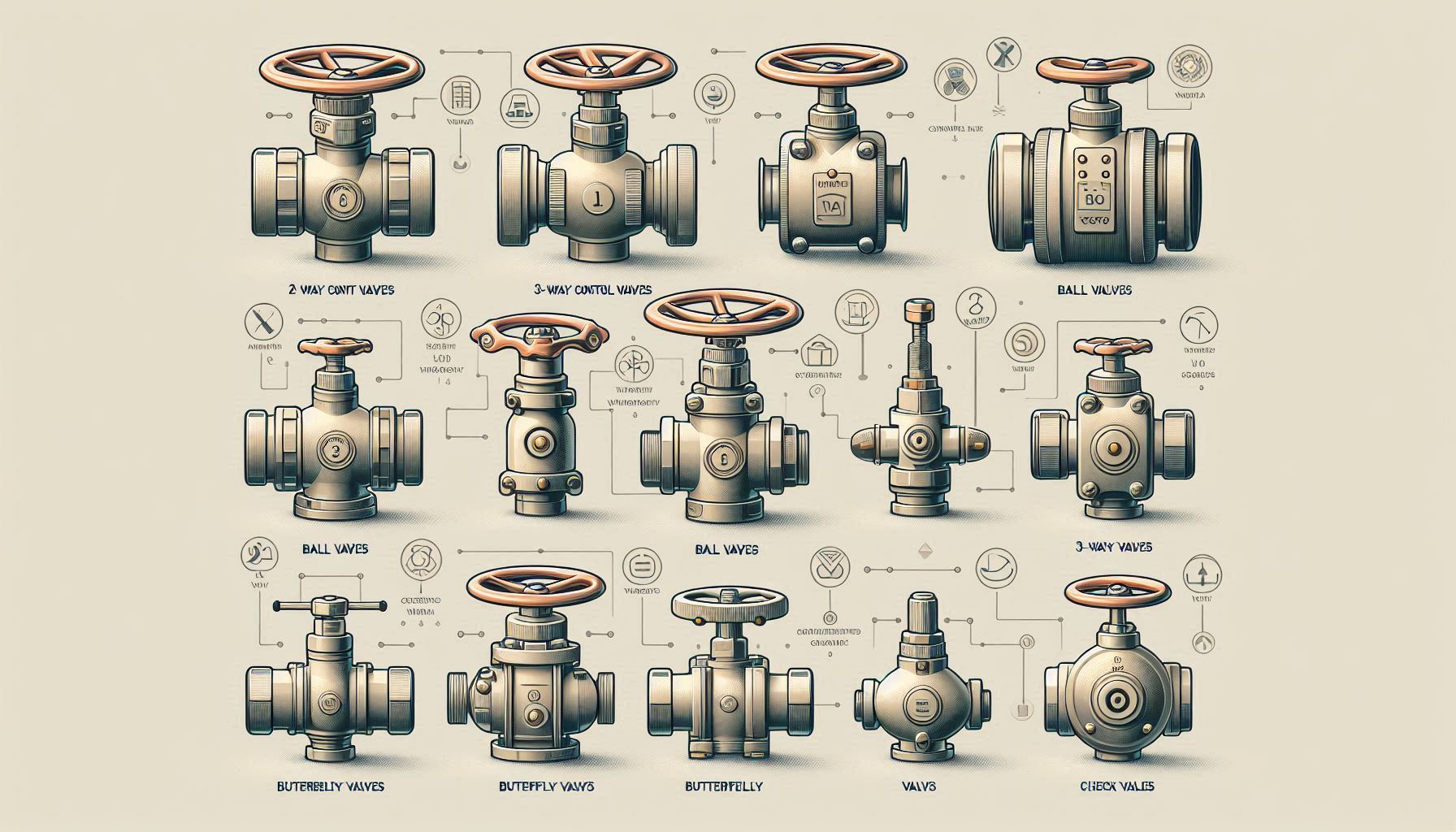
    A variety of HVAC valves including 2-way, 3-way, and check valves, showing their different uses in a heating and cooling system.

    Choosing the right HVAC valves is vital for your heating and cooling system’s efficiency and longevity. With numerous valve types available, each with specific functions, it’s essential to understand their roles to make informed decisions. This guide will help you navigate the selection process, ensuring your HVAC system operates optimally.

    What Factors Should You Consider When Selecting HVAC Valves?

    When selecting HVAC valves, several critical factors come into play. First, consider the system’s specific needs. For instance, do you need precise flow control, pressure regulation, or temperature management? Next, think about the operating environment. Extreme temperatures and exposure to corrosive substances can affect valve performance. Compatibility with HVAC system components is also crucial to ensure durability and reliability. Additionally, evaluate the ease of maintenance and accessibility for servicing. By considering these factors, you can select valves that meet your system’s requirements and enhance overall performance.

    How Do Different HVAC Valve Types Impact System Efficiency?

    Different HVAC valve types can significantly impact system efficiency. Here are some common types and their roles:

    • 2-Way Control Valves: Regulate the flow rate by opening and closing in response to control signals, ensuring precise temperature control.
    • 3-Way Control Valves: Allow for mixing or diverting flow, which is useful in systems requiring balanced temperature distribution.
    • Balancing Valves: Maintain even pressure and flow rates throughout the system, reducing energy consumption and enhancing efficiency.

    Each valve type has unique characteristics that can optimize or hinder system performance, so understanding their roles is crucial.

    To know more about How BTU Meters Enhance Energy Efficiency in HVAC Systems Click Here

    To know more about Net Zero Energy Building HVAC Systems Click Here

    What Are the Main Functions of Various HVAC Valves?

    HVAC valves serve several primary functions, including flow regulation, pressure control, and system protection. Here are some common HVAC valves and their functions:

    • Ball Valves: Known for their simple on/off control and durability.
    • Butterfly Valves: Provide quick shutoff capabilities with minimal pressure drop.
    • Check Valves: Prevent backflow, ensuring system safety and efficiency.
    • Globe Valves: Offer precise flow control, making them ideal for throttling applications.
    • Motorized On/Off Valves: Automate control, enhancing system responsiveness and reducing manual intervention.
    • Valve Actuators: Automate the opening and closing of valves, improving efficiency and control.

    Understanding these functions helps in selecting the right valves for specific needs.

    How to Choose the Right HVAC Valve for Your System Requirements?

    Choosing the right HVAC valve involves understanding your system’s specific requirements. Assess the desired control function, such as modulating or on/off control. Evaluate the system’s pressure and temperature ranges to ensure the valve can withstand these conditions. Consider the valve’s flow characteristics, such as linear or equal percentage, to match the system’s performance needs. Also, account for the installation space and the need for automation when choosing between manual and motorized valves. By carefully considering these factors, you can select the most appropriate valve for your HVAC system.

    To know more about How to Choose The Right HVAC Valve for Commercial Building Click Here

    What Are the Key Differences Between Motorized and Manual HVAC Valves?

    The primary difference between motorized and manual HVAC valves lies in their operation and control mechanisms. Manual valves require physical intervention to open or close, making them suitable for applications where infrequent adjustments are needed. Motorized valves, on the other hand, are controlled by actuators that respond to control signals from the HVAC system. This automation allows for precise and timely adjustments, improving system efficiency and reducing the need for manual oversight. Motorized valves are ideal for modern, automated HVAC systems.

    How Do Material Choices Affect HVAC Valve Performance and Longevity?

    Material selection is critical in determining the performance and longevity of HVAC valves. Common materials include brass, stainless steel, and PVC. Brass valves are durable and resistant to corrosion, making them suitable for various applications. Stainless steel valves offer higher corrosion resistance and strength, ideal for harsh environments. PVC valves are lightweight and resistant to chemicals, often used in less demanding applications. The right material choice ensures the valve can withstand operational stresses and environmental conditions, reducing maintenance and replacement costs.

    What Are the Benefits of Using Smart HVAC Valves in Modern Systems?

    Smart HVAC valves integrate advanced sensors and control technologies to enhance system performance and efficiency. These valves can automatically adjust to changing conditions, optimizing flow rates and reducing energy consumption. They provide real-time data on system performance, enabling predictive maintenance and reducing downtime. Smart valves can be integrated into building automation systems, allowing for centralized control and monitoring. This connectivity ensures optimal system operation and contributes to energy savings and improved indoor air quality.

    How Can You Ensure Proper Sizing of HVAC Valves for Optimal Performance?

    Proper sizing of HVAC valves is essential to ensure optimal system performance. Undersized valves can cause excessive pressure drops and restrict flow, while oversized valves may lead to poor control and increased wear. To ensure correct sizing, calculate the required flow rate and pressure drop for the specific application. Use manufacturers’ sizing charts and software tools to select the appropriate valve size. Proper sizing ensures efficient operation, reduces energy consumption, and extends the lifespan of the valves and associated equipment.

    What Are the Latest Innovations in HVAC Valve Technology?

    Recent innovations in HVAC valve technology focus on enhancing efficiency, control, and connectivity. Pressure-Independent Balancing and Control Valves (PIBCV) combine balancing and control functions, simplifying installation and improving performance. Smart valves with integrated IoT capabilities provide real-time monitoring and remote control, optimizing system operation. Advanced materials and coatings improve durability and corrosion resistance, extending valve life. Innovations in actuator design enhance responsiveness and precision, contributing to better overall system performance.

    To know more about The Latest Innovations in HVAC Valve Technology Click Here

    How Do HVAC Control Valves Enhance Building Automation and Efficiency?

    HVAC control valves play a pivotal role in building automation and efficiency. By regulating flow rates and maintaining desired temperatures, they ensure optimal comfort levels and energy usage. Motorized control valves can be integrated into building management systems (BMS), allowing for automated adjustments based on real-time data. This integration enables efficient energy management, reduces operational costs, and enhances occupant comfort. Advanced control algorithms and sensors further improve the responsiveness and accuracy of HVAC systems.

    What Role Do Pressure-Independent Control Valves Play in HVAC Systems?

    Pressure-Independent Control Valves (PICVs) are essential for maintaining consistent flow rates regardless of pressure fluctuations in the system. PICVs combine the functions of a balancing valve and a control valve, simplifying system design and installation. They ensure optimal performance by maintaining the set flow rate, reducing energy consumption, and improving system stability. PICVs are particularly beneficial in variable flow systems, where pressure changes can impact performance. Their ability to maintain precise control enhances system efficiency and comfort.

    How to Troubleshoot and Maintain Different Types of HVAC Valves?

    Regular maintenance and troubleshooting of HVAC valves are crucial to ensure system reliability and performance. Inspect valves for signs of wear, corrosion, or leakage, and replace damaged components promptly. Clean valve internals to prevent clogging and ensure smooth operation. For motorized valves, check actuator performance and calibration. Troubleshoot common issues such as improper flow rates or pressure drops by verifying valve sizing and installation. Implementing a proactive maintenance schedule helps prevent unexpected failures and extends the lifespan of HVAC valves.

    To know more about HVAC Valves How to Troubleshoot Common Issues Click Here

    What Are the Cost-Effective Solutions for HVAC Valve Selection?

    Cost-effective HVAC valve selection involves balancing initial investment with long-term operational savings. Ball valves and butterfly valves offer cost-effective solutions for on/off control with minimal pressure drop. Check valves ensure system protection at a reasonable cost. For precise flow control, globe valves and PIBCVs provide efficient performance with lower energy consumption. Consider the total cost of ownership, including maintenance and energy savings, when selecting valves. Investing in high-quality valves can reduce long-term costs and improve system reliability.

    How Do Regulatory Standards Influence HVAC Valve Selection?

    Regulatory standards play a significant role in HVAC valve selection, ensuring safety, performance, and environmental compliance. Standards such as ASHRAE and IGBC provide guidelines for valve performance, installation, and maintenance. Compliance with these standards ensures that valves meet industry benchmarks for efficiency and reliability. Additionally, adhering to regulatory standards can enhance system certification and marketability, particularly in green building projects. Understanding and incorporating relevant standards into valve selection helps achieve compliance and optimize system performance.

    Conclusion

    Selecting the right HVAC valves is essential for the efficient and reliable operation of heating, ventilation, and air conditioning systems. By understanding the functions, impacts, and innovations of various valve types, HVAC professionals can make informed decisions that enhance system performance and longevity. Proper sizing, material selection, and adherence to regulatory standards further ensure optimal valve performance. With advancements in smart valve technology and building automation, HVAC systems can achieve greater efficiency, comfort, and sustainability.

    About The Author

    Omprakash Ramagiri; as the Founder of HVAC Technocrats, I bring over 18 years of experience as a Mechanical Engineer specializing in HVAC (Central Air-conditioning) for commercial, cleanrooms, data centers, and Petrochemical industries. Throughout my career, I’ve held pivotal roles at companies like TATA Consulting Engineers, MW Zander (for Cleanroom solutions), Bluestar Malaysia, and ETA in Dubai. I’ve managed international HVAC projects and gained valuable exposure in dynamic markets like Dubai and Saudi Arabia. With a passion for excellence and a commitment to innovative solutions, I specialize in designing Class 10K & 100K Cleanrooms for various industries. Connect with me to explore collaborations in HVAC design, project sales, and consultancy. Click to visit the Author’s Linkedin page


    Disclaimer: The content and images are for educational purposes and knowledge enhancement only. They may not depict actual products or situations. Outcomes may vary. Content is generated by AI and reviewed by industry experts, including Author.

    How to Use AI to Predict HVAC System Failures in Data Centers

    Discover the transformative potential of AI in predicting HVAC system failures in data centers. Learn how AI technology can improve reliability, reduce downtime and optimize energy efficiency.

    Using AI to Predict HVAC Failures in Data Centers

    Using AI to predict HVAC system failures in data centers will revolutionize management and operational efficiency. This article explores the integration of AI, highlighting its benefits, applications and steps to implement it effectively.

    What is AI in HVAC Systems?

    AI in HVAC systems involves using advanced algorithms and machine learning techniques to monitor and analyze system performance data. This technology predicts potential failures, optimizes maintenance schedules, and increases overall system efficiency. AI-driven HVAC systems are becoming essential in data centers due to their ability to process large amounts of data in real time.

    What is the role of AI in predicting HVAC failures?

    AI plays a key role in predicting HVAC failures by analyzing data from sensors and historical performance records. Machine learning algorithms identify patterns and anomalies that indicate impending problems. This proactive approach enables timely maintenance interventions, avoiding system breakdowns and ensuring continuous data center operations.

    Why Use AI for HVAC Failure Prediction?

    Using AI for HVAC failure prediction provides several benefits:

    • Downtime is reduced: AI provides early warnings, enabling proactive maintenance.
    • Cost savings: Preventive maintenance reduces repair costs and extends equipment life.
    • Energy efficiency: AI optimizes HVAC operations, reducing energy consumption.
    • Reliability: Continuous monitoring and predictive analytics improve system reliability.

    Where should AI be applied in data center HVAC systems?

    AI can be applied to various components of data center HVAC systems, including:

    • Air Handling Units (AHUs): Monitoring air flow and temperature to ensure optimal conditions.
    • Chillers: Assessing cooling performance and potential failures.
    • Cooling Towers: Analyzing water flow and temperature for efficient cooling.
    • Air Distribution Systems: To evenly distribute the cooled air.
    • Monitoring and control systems: Integrating AI for centralized control and real-time monitoring.

    How to Implement AI for HVAC Failure Prediction?

    Implementing AI for HVAC failure prediction involves several steps:

    • Install IoT sensors: Collect real-time data on temperature, humidity, airflow and device performance.
    • Use machine learning algorithms: Analyze data to identify patterns and predict failures.
    • Integrate AI software: Seamlessly integrate AI with existing HVAC systems for real-time monitoring.
    • Continuous monitoring: Regularly update AI models with new data to maintain accuracy.
    • Collaborate with experts: Work with AI and HVAC experts to improve and optimize the system.

    What are the latest AI technologies in HVAC?

    Latest AI Technologies in HVAC:

    • Predictive maintenance software uses advanced algorithms to predict equipment failures and recommend optimal maintenance schedules. Machine learning is used to detect anomalies in system performance and detect differences.
    • Machine Learning for Anomaly Detection: Detects anomalies in system performance.
    • AI-based energy management systems: Optimize energy use and efficiency.
    • IoT sensors: Provide real-time data for AI analysis.
    • Cloud-based AI platforms: Enable remote monitoring and control of HVAC systems.

    What are the advantages & disadvantages of using AI in HVAC?

    Benefits:

    • Improved reliability: Early maintenance reduces unexpected failures.
    • Cost efficiency: Low maintenance and repair costs.
    • Improved energy efficiency: AI optimizes system performance, reducing energy consumption.
    • Proactive maintenance: Early detection of problems prevents major breakdowns.

    Disadvantages:

    • High initial cost: AI systems are expensive to implement.
    • Complex integration: Integrating AI with existing systems may require significant effort.
    • Ongoing Monitoring: Continuous updates and adjustments are required for optimal performance.

    How to optimize AI for HVAC systems?

    Optimizing AI for HVAC systems includes:

    • Regular updates: Continuously update AI models with new data.
    • Accurate data collection: Use high-quality sensors for accurate data.
    • Continuous Training: Train AI algorithms to improve prediction accuracy.
    • Expert collaboration: Work with AI and HVAC experts to improve system performance.

    FAQ

    What is the benefit of using AI in HVAC systems?

    Using AI in HVAC systems increases operational efficiency and reliability. AI enables predictive maintenance, reduces downtime and optimizes energy consumption. This leads to significant cost savings and more stable operation in data centers.

    How does AI predict HVAC failures?

    AI predicts HVAC failures by analyzing data from sensors and historical performance records. Machine learning algorithms identify patterns and anomalies that indicate potential problems. This enables early warnings and preventive maintenance, reducing the risk of system breakdowns.

    What are the challenges of implementing AI in HVAC systems?

    Implementing AI in HVAC systems presents challenges such as high initial costs, complex integration, and the need for continuous monitoring and adjustments. Despite these challenges, the long-term benefits of improved efficiency and reliability often outweigh the initial hurdles.

    How can AI improve energy efficiency in data centers?

    AI improves energy efficiency in data centers by optimizing HVAC operations. It analyzes real-time data to adjust cooling levels, reducing unnecessary energy consumption. Predictive maintenance also keeps systems running efficiently without unexpected failures, further saving energy.

    What are the future trends in AI for HVAC systems?

    Future trends in AI for HVAC systems include the use of cloud-based AI platforms, advanced predictive maintenance software, and more advanced machine learning algorithms. These trends aim to further improve efficiency, reliability and stability in HVAC operations.

    Conclusion

    Incorporating AI to predict HVAC system failures in data centers provides significant benefits such as reduced downtime, lower maintenance costs and improved energy efficiency. By using advanced AI technologies, data centers can ensure optimal HVAC performance and stability. As AI continues to evolve, its role in HVAC systems will become more complex, driving innovation and efficiencies across the industry.

    How AI-powered chiller plants are revolutionizing data centers

    Data centers are essential to our digital infrastructure, requiring precision cooling to maintain performance and reliability. AI-powered chiller plants are transforming these facilities, offering improved efficiency, stability and operational control. This article explains how AI is revolutionizing data center cooling.

    What Does It Mean to Revolutionize Data Centers with AI-Powered Chiller Plants in HVAC Systems?

    AI-powered chiller plants use artificial intelligence to optimize cooling processes in data centers. By continuously analyzing data, these systems adjust cooling parameters in real time, ensuring efficient operation and reduced energy consumption. This integration of AI with HVAC systems can significantly increase energy efficiency and sustainability.

    Why use AI-powered chiller plants in data centers?

    Energy efficiency: AI algorithms optimize chiller performance, reduce energy consumption and reduce operational costs.

    Improved performance: Real-time monitoring and adjustments prevent overheating and equipment failure, ensuring optimal cooling.

    Sustainability: Reduced energy consumption leads to lower CO2 emissions, supports environmentally friendly initiatives and meets standards such as ASHRAE Standards 62.1 and ECBC.

    How to use AI-based chiller plants in data centers?

    Integration with existing systems: AI can enhance existing HVAC infrastructure, providing advanced monitoring and control capabilities.

    Continuous monitoring: Sensors and IoT technologies collect data, enabling AI to make informed decisions.

    Automation: Building Automation Systems (BAS) ensure seamless operation, minimizing manual intervention and maintaining consistent performance.

    Advantages and disadvantages of AI-based chiller plants

    Advantages

    Operational efficiency: AI-based systems optimize cooling processes, improving operational efficiency.
    Cost Savings: Reduced energy consumption results in significant cost savings over time.
    Improved reliability: Continuous monitoring and adjustments reduce the risk of equipment failure.

    Disadvantages:

    Initial investment: Implementing AI-based systems requires significant initial investment.
    Technical complexity: Integration with existing systems requires technical expertise and comprehensive planning.

    FAQ

    How do AI-powered chiller plants reduce energy consumption?

    AI algorithms optimize cooling processes, reduce unnecessary energy consumption and improve efficiency.

    Can AI-based chiller plants be integrated with existing HVAC systems?

    Yes, they can enhance existing systems, providing advanced monitoring and control capabilities.

    What are the environmental benefits of using AI-powered chiller plants?

    They reduce energy consumption and CO2 emissions, supporting sustainability initiatives.

    Conclusion

    AI-powered chiller plants are transforming data center cooling, offering significant benefits in terms of energy efficiency, operational performance and sustainability. By leveraging AI, data centers can achieve optimal cooling, reduced energy consumption and a lower carbon footprint, paving the way for a more sustainable digital future.

    Data centers, the critical infrastructure of the digital age, must prioritize efficient and sustainable cooling solutions. AI-powered chiller plants are leading this revolution, providing a blueprint for the future of data center management. Adoption of this technology not only improves performance and reliability but also meets global sustainability goals.